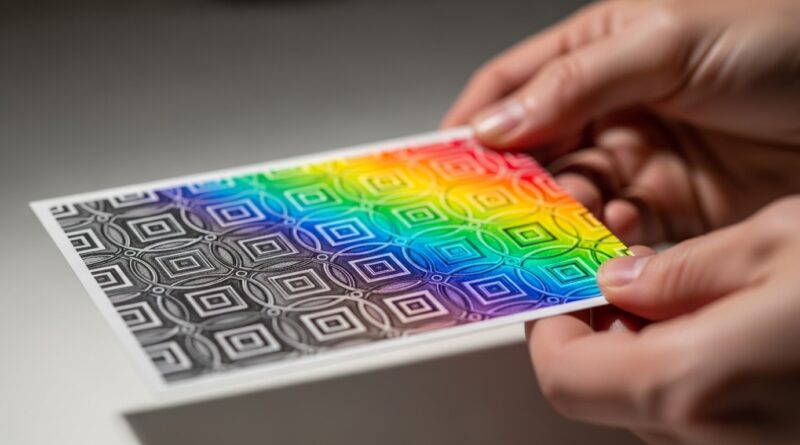
16 Hidden Rainbow Methods That Reveal Color with Movement
We often think of color as a fixed property—a red apple is red, a blue sky is blue. But what if color was a secret, waiting for the right key to unlock it? Across nature, art, and technology, there exists a mesmerizing world where vibrant spectrums lie dormant, concealed within seemingly plain surfaces, only to burst forth through the magic of movement.
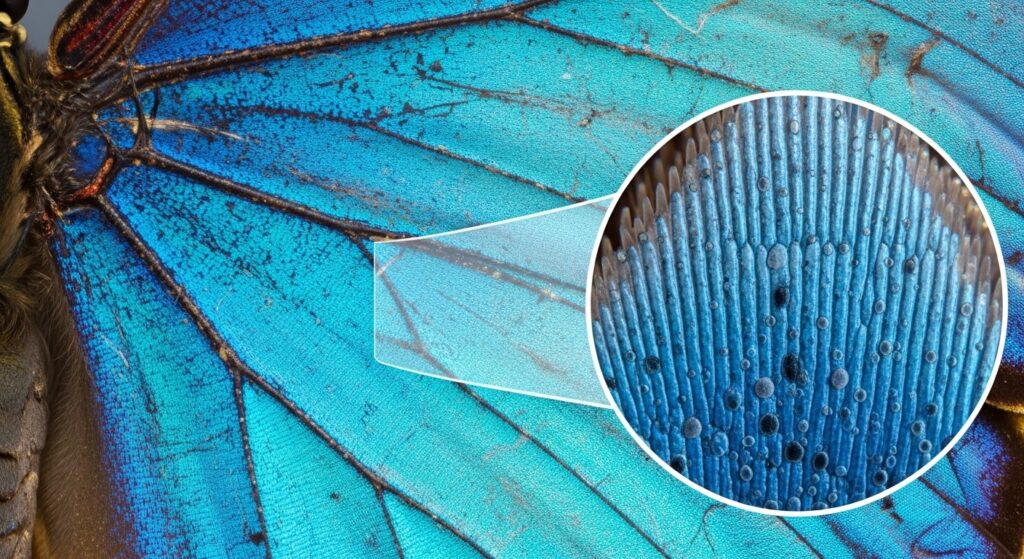
1. Structural Color in Butterfly Wings
The dazzling blue of a Morpho butterfly isn’t from pigment but from microscopic scales on its wings. These scales are layered with intricate ridges that act like a diffraction grating. When light hits them and the butterfly flutters, the angle of reflection changes rapidly. This movement causes the wavelengths of light to interfere constructively and destructively, creating that intense, shimmering color that seems to shift and pulse with every wingbeat.
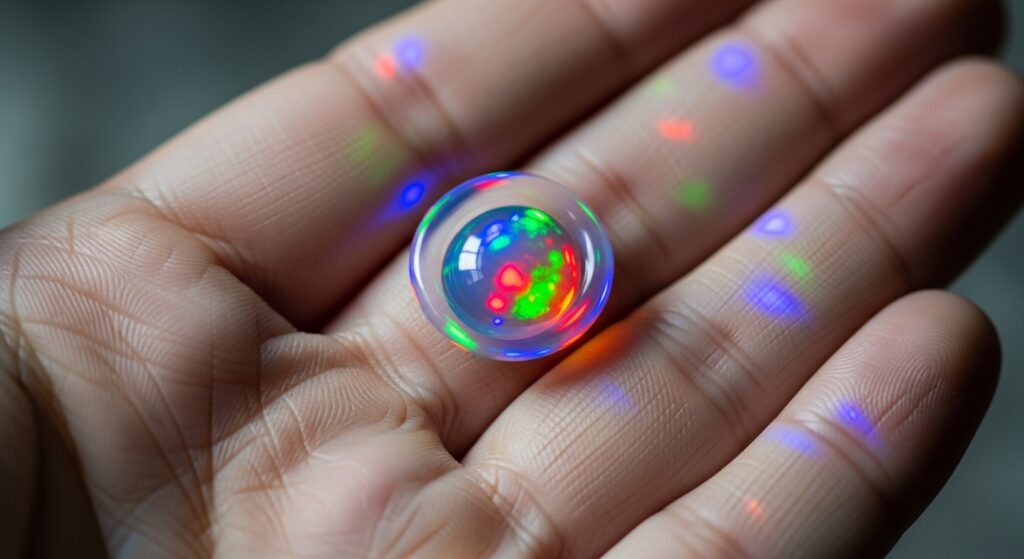
2. Opal’s Play-of-Color
Precious opal contains a hidden galaxy of color that comes alive with movement. Inside, it’s made of countless silica spheres arranged in a grid. This structure diffracts white light, splitting it into the full spectrum. As you rotate an opal in your hand, the angle of light passing through this microscopic lattice changes, making different colors flash and dance—a phenomenon called “play-of-color.” The stone is essentially a natural, wearable prism activated by motion.
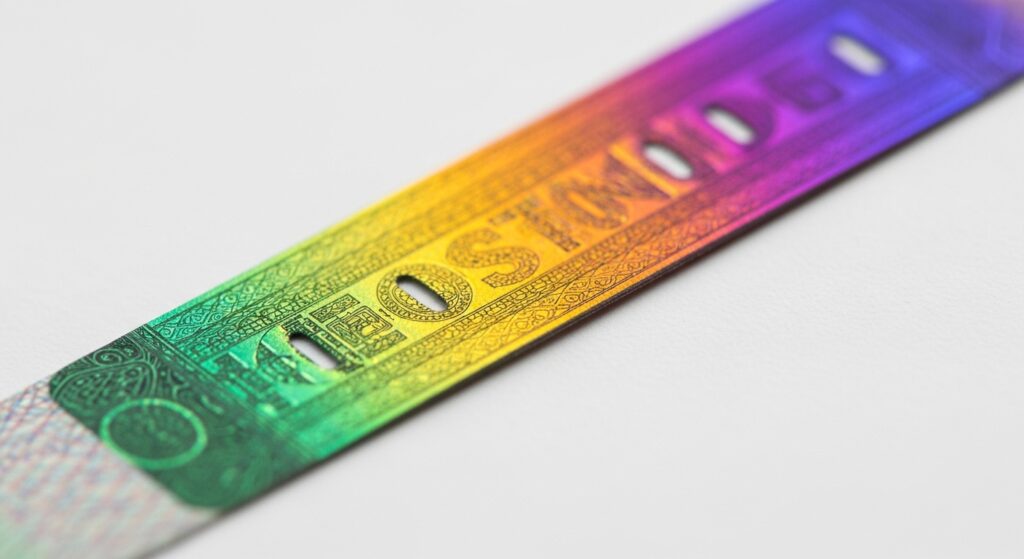
3. Holographic Security Strips
Tilt your credit card or passport, and you’ll see rainbows and images appear and move. This is a hologram created via laser interference patterns embossed onto a thin, metallic film. The surface is etched with grooves at varying depths and angles. Movement changes your viewing angle relative to the light source, causing different parts of the interference pattern to be illuminated. This reveals shifting colors and 3D images, making it extremely difficult to counterfeit.
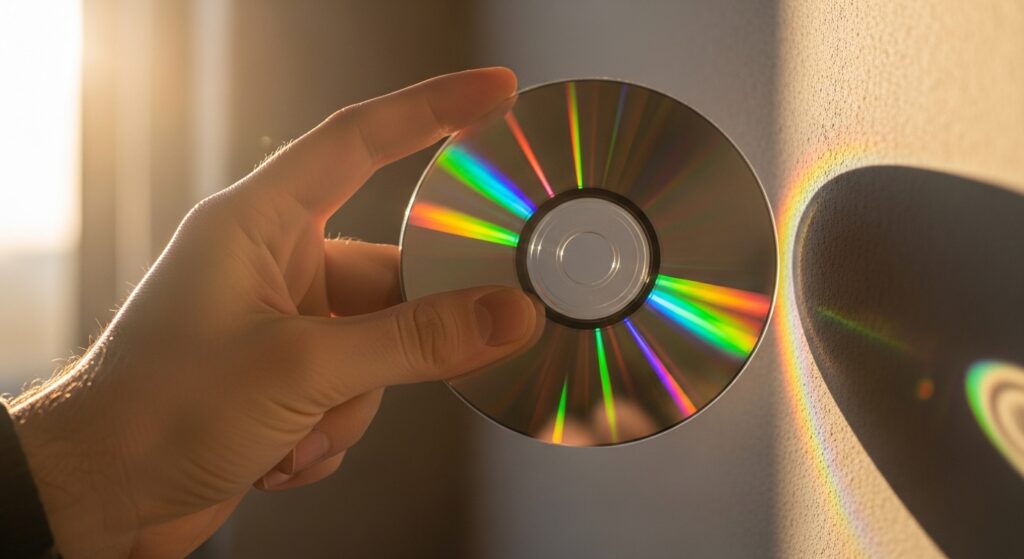
4. CD and DVD Diffraction Grating
The humble CD is a classic example of movement-revealed color. Its data is stored in a spiral of tiny pits, which form a reflective diffraction grating. When light strikes the disc and you move it, the precise spacing of these pits causes different colors to be reflected at different angles. The rainbow you see isn’t a coating; it’s white light being separated by the physical structure of the disc itself, creating a spectral light show from a simple twist of the wrist.
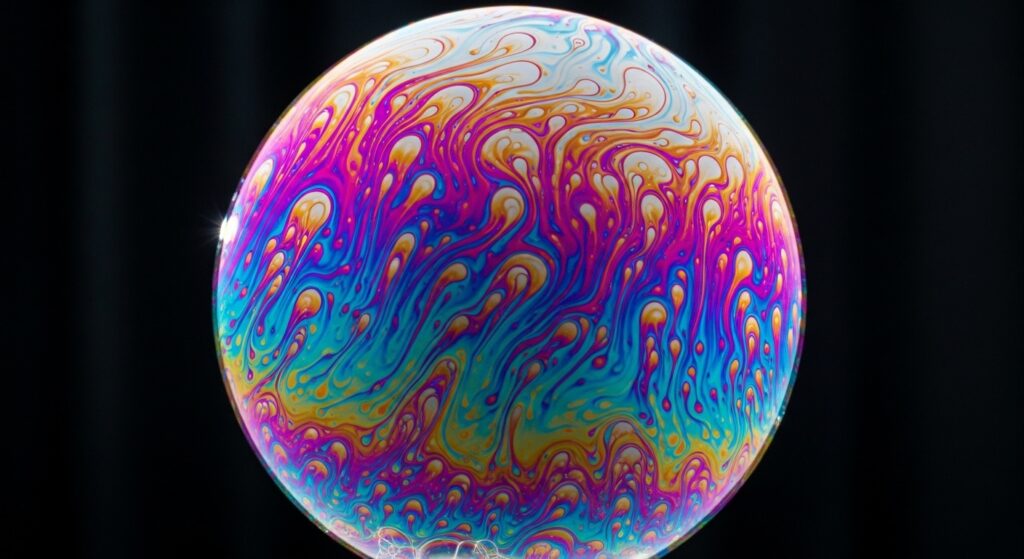
5. Soap Bubble Interference
A soap bubble’s ever-changing swirls of color are a beautiful lesson in thin-film interference. The bubble’s wall is a thin layer of water sandwiched between soap molecules. Light reflects off both the outer and inner surfaces of this film. These reflected light waves interfere with each other. As the bubble moves, drifts, or thins due to gravity, the thickness of the film changes, altering the interference conditions and causing the colors to shift and flow like liquid rainbows.
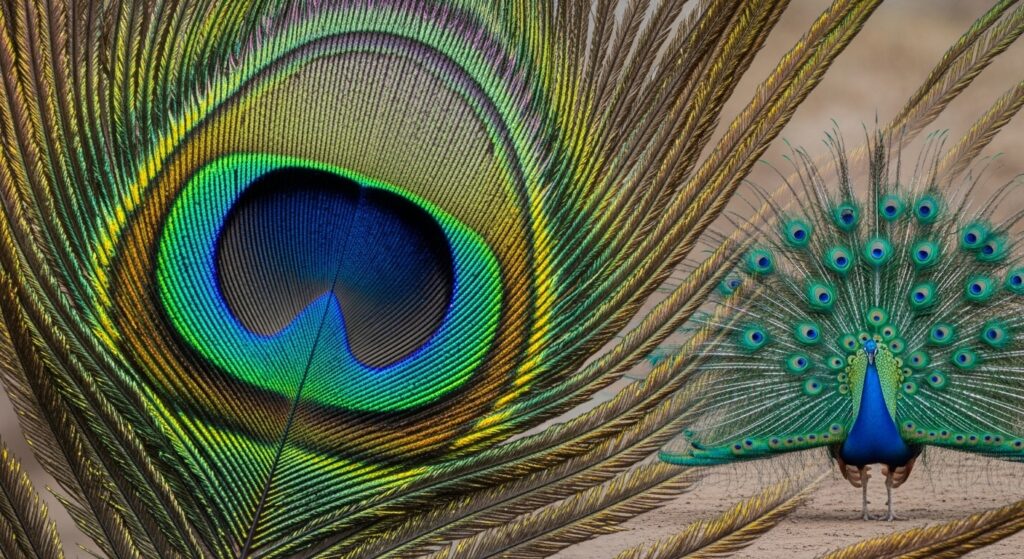
6. Peacock Feather Barbules
Like the butterfly, a peacock’s “eyes” are not green and blue because of pigments. Each feather barbule contains a 2D crystal lattice of melanin rods connected by keratin. This photonic crystal structure reflects specific wavelengths of light based on the viewing angle. When the peacock fans its tail and shakes, the feathers move, constantly shifting that angle and creating an unforgettable, shimmering display designed to attract mates from a distance.
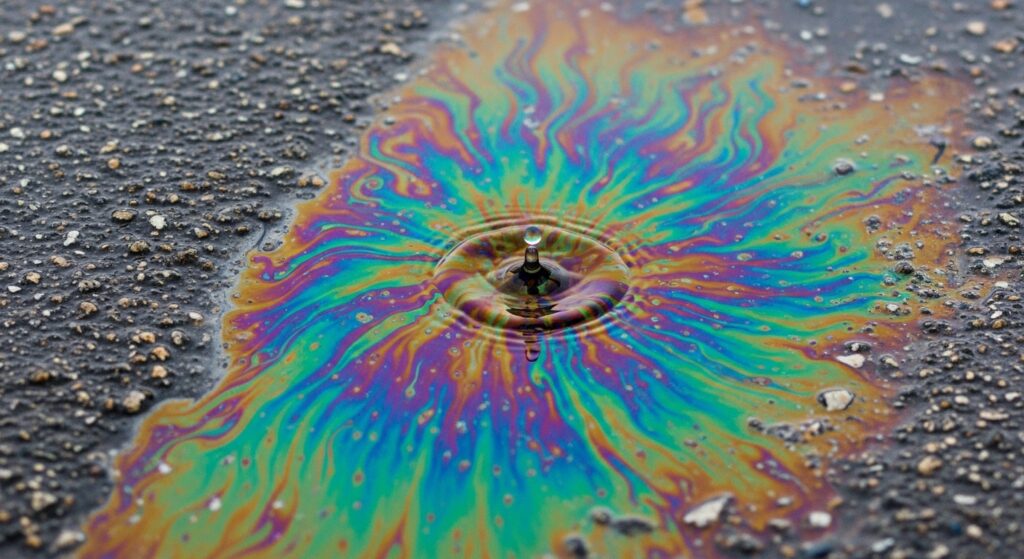
7. Motor Oil on Water (Oil Slick)
A puddle in a parking lot can become a masterpiece. A thin film of oil on water creates colors through interference, similar to a soap bubble. The oil spreads unevenly, creating bands of varying thickness. As wind or movement disturbs the puddle, these bands shift and swirl. Light reflecting off the top of the oil film and the oil-water interface interferes, producing those characteristic rainbow patterns that seem to dance with the ripples.
8. Dichroic Glass Art
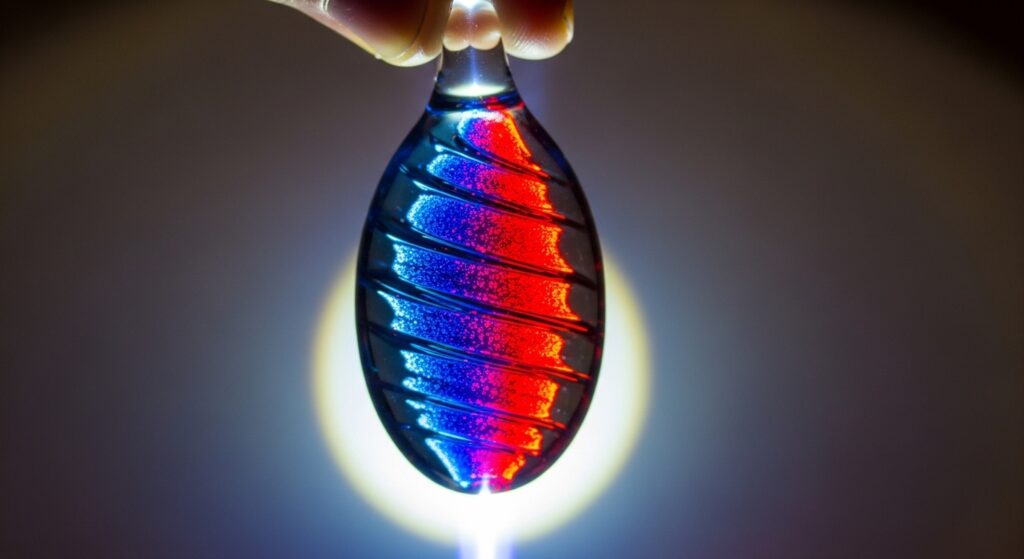
Dichroic glass, used in stunning jewelry and sculptures, has a microscopic metallic coating applied via vapor deposition in a vacuum chamber. This coating creates an interference filter that transmits some colors and reflects others. The magic happens when you move the piece: the transmitted color (seen by looking through the glass) and the reflected color (seen on its surface) are different and shift dramatically, creating a dynamic, two-color display from a single light source.
9. Beetle Exoskeleton Sculpting
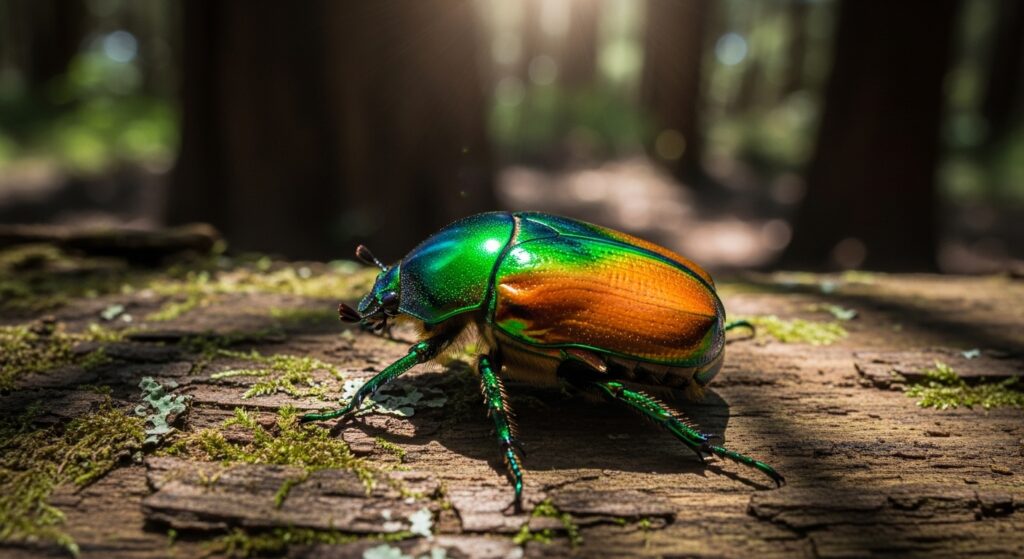
Many beetles, like the jewel scarab, wear their rainbows on their backs. Their exoskeletons have a helicoidal structure—layers of chitin stacked and twisted like a spiral staircase. This “cholesteric” structure reflects polarized light in specific ways. As the beetle scurries, the curved surface of its shell presents continuously changing angles, causing the reflected color to shimmer and move across its body in a metallic, protective gleam.
10. Moiré Patterns from Layered Meshes
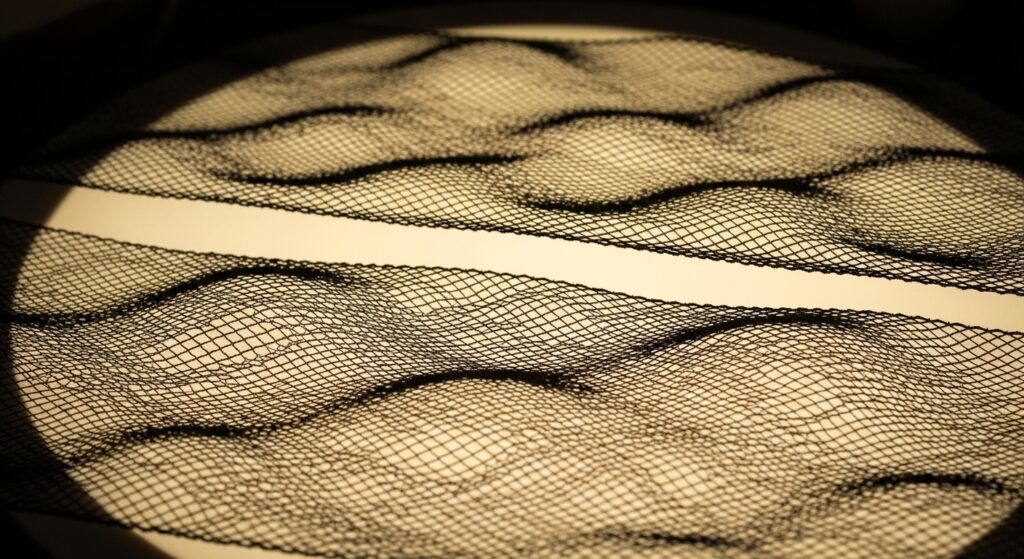
Overlap two window screens or sheer fabrics and move them. You’ll see large, shifting bands of light and dark—and sometimes color—called Moiré patterns. This occurs due to interference between two grids. In advanced materials like graphene, when two atomic lattices are overlaid and twisted, the Moiré pattern can even create new electronic properties and, under certain light, reveal unexpected colors that change with the slightest adjustment.
11. Interference in Mother-of-Pearl
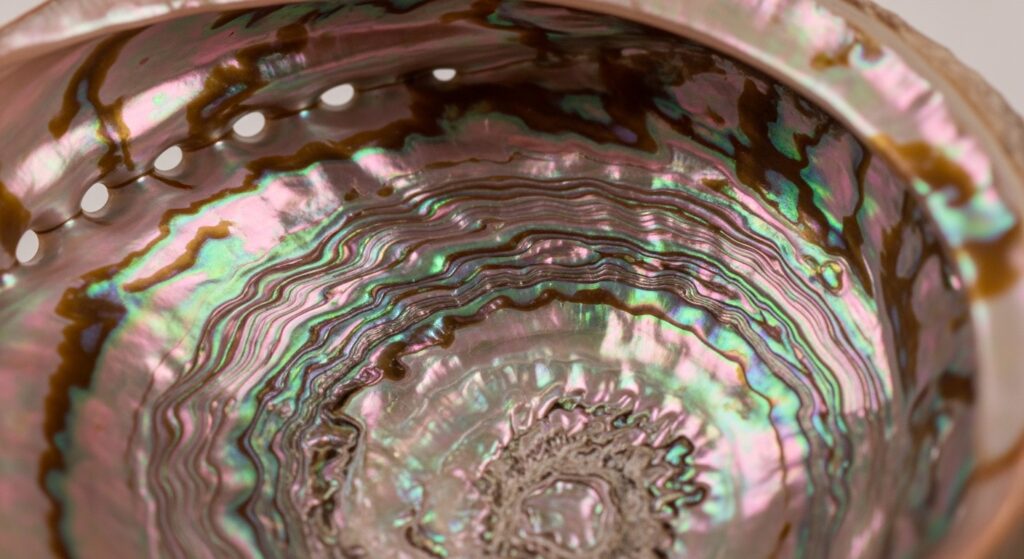
Mother-of-pearl (nacre) inside abalone shells has a brick-and-mortar structure of aragonite tablets. This intricate, layered architecture acts as a natural Bragg mirror, reflecting iridescent colors through interference. The curved surface of the shell means that every slight movement reveals a new patch of color, as light interacts with layers of different thicknesses and angles, creating a soft, luminous glow.
12. Liquid Crystal Color Shifts
Some liquid crystals, like those in mood rings or certain temperature indicators, change color with temperature. But this change is often activated by molecular movement. As heat (kinetic energy) increases, the molecules twist and rearrange, altering the spacing of their helical structure. This changes the wavelength of light they reflect. The movement of heat through the material literally paints a changing color map.
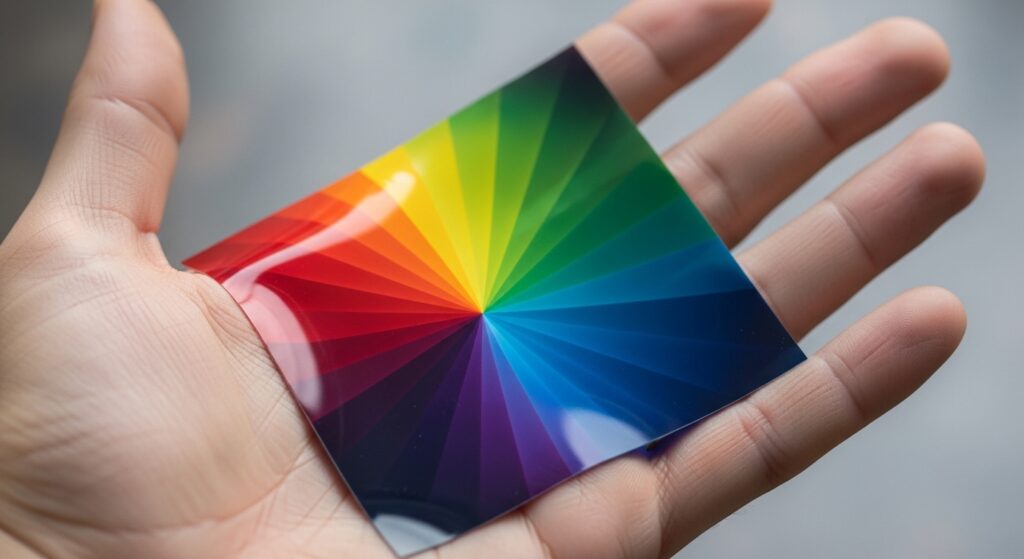
13. Photonic Yarn and Textiles
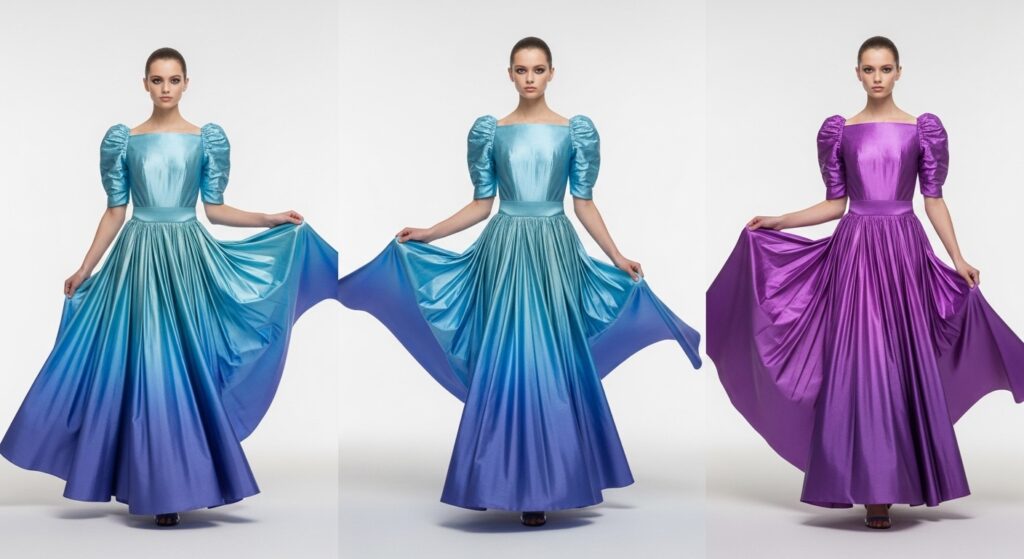
Innovative fabrics are now being woven with photonic fibers that have a built-in structural color. These fibers contain microstructures that reflect specific light. When the fabric folds, stretches, or moves on the body, the angles of these fibers change, causing the color to shift. Imagine a dress that shimmers from blue to purple as you walk, with no dyes involved—just physics in motion.
14. Quantum Dot Displays
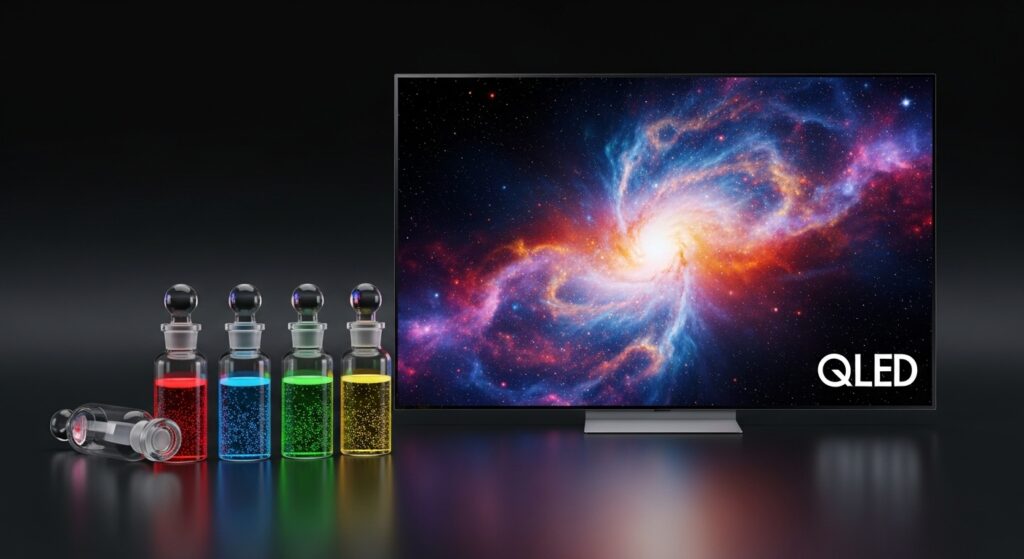
While not activated by physical motion, quantum dots reveal their color through the movement of energy. These are nanocrystals so small that their color is determined by their size, due to quantum confinement. When energized (by an electric current or photon), an electron moves to a higher energy state and then falls back, emitting a very specific color of light. In a QLED screen, millions of these dots “light up” with precise colors, creating an image through controlled electronic movement.
15. Interference in Bird Feathers (Hummingbirds)
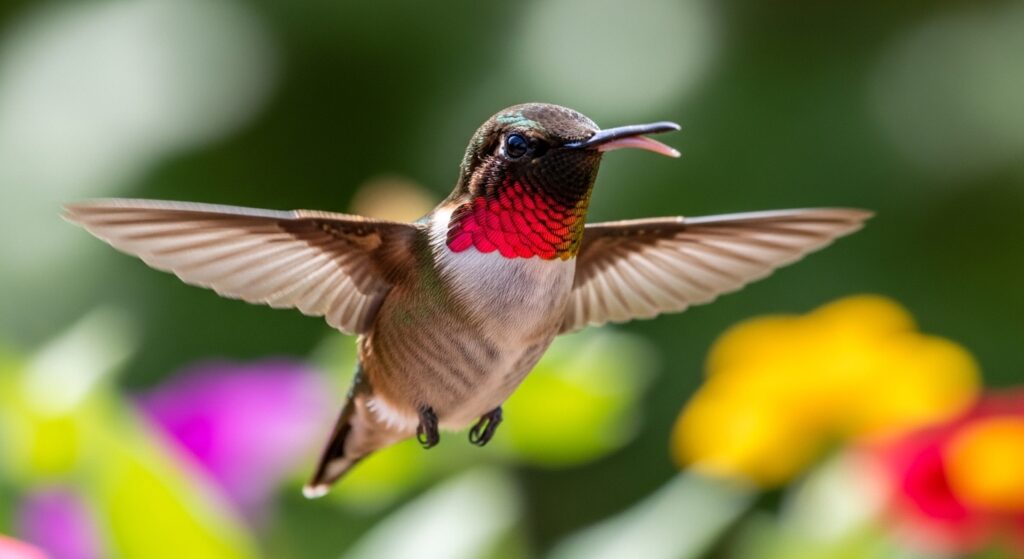
A hummingbird’s gorget (throat feathers) can look dull black one moment and fire-engine red the next. This is because the feather barbules contain platelet-like structures with air bubbles that create thin-film interference. The color is only visible at a very specific angle. As the hummingbird moves its head during its frenetic flight, it controls the flash of color like a signaling beacon, turning it on and off with precision.
16. Kinematic Art with Lenticular Printing
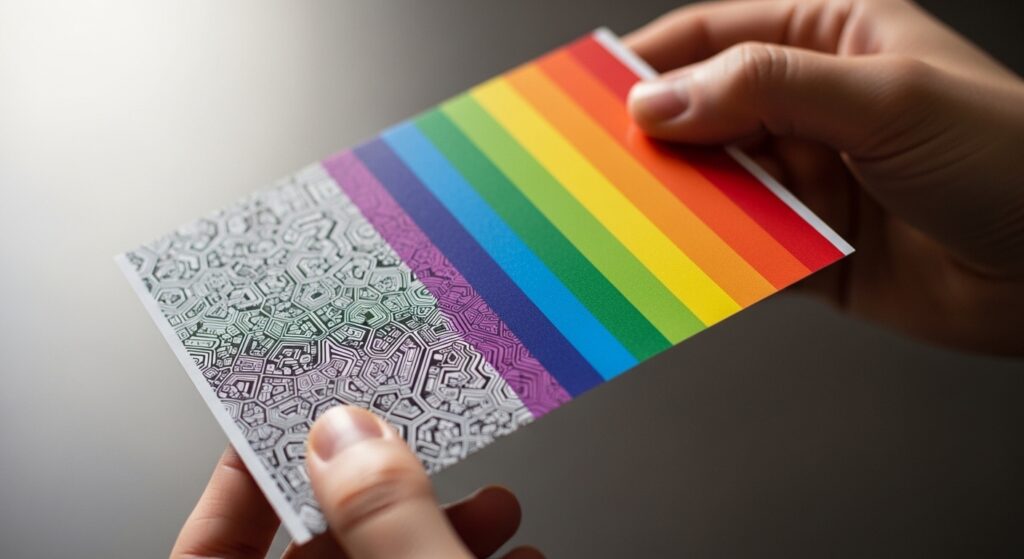
Lenticular prints on bookmarks or posters create the illusion of motion or image change. The surface is covered with a series of tiny cylindrical lenses. Underneath, different image slices are interlaced. As you walk past or tilt the print, the lenses direct light from different slices to your eye. This movement can make a picture morph, create a 3D effect, or—most relevantly—cause colors and patterns to appear and disappear, revealing hidden rainbows through parallax.
Conclusion: The World in Dynamic Color
From the nano-scale lattices on a beetle’s back to the grand, swirling patterns on an oil-slick puddle, these 16 hidden rainbow methods teach us a profound lesson: color is not always what it seems. It is often a dynamic performance, a dialogue between light, structure, and motion. The next time you see a sudden flash of color from a seemingly ordinary object, pause and appreciate the intricate physics at play.
By seeking out these phenomena, we train our eyes to see the world not as static, but as a vibrant, kinetic canvas where movement reveals hidden beauty. The rainbows were there all along—they were just waiting for a little nudge to come out and play.