16 Stretching Methods That Don’t Use Heat
When we think of improving flexibility, the image of warming up with a heating pad or in a steamy room often comes to mind. For decades, heat has been the go-to companion for stretching, based on the idea that warm muscles are more pliable and less prone to injury. But what if you could achieve profound, lasting flexibility without ever turning up the temperature?
1. Dynamic Stretching
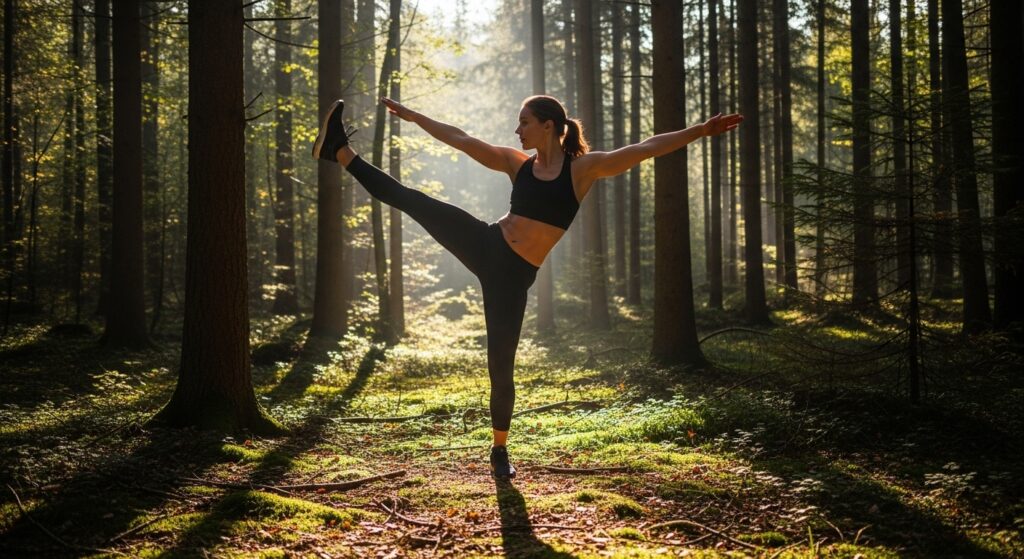
Dynamic stretching involves moving parts of your body through a full range of motion in a controlled, deliberate manner. Unlike holding a stretch, you are continuously moving. Think of leg swings, arm circles, or torso twists. This method is excellent as a warm-up for physical activity because it increases blood flow, elevates heart rate, and prepares the muscles for movement patterns without requiring external heat.
The key is control; movements should not be ballistic or jerky. By actively taking your joints through their ranges, you not only stretch but also activate the opposing muscle groups, creating a balanced preparation.

2. Ballistic Stretching
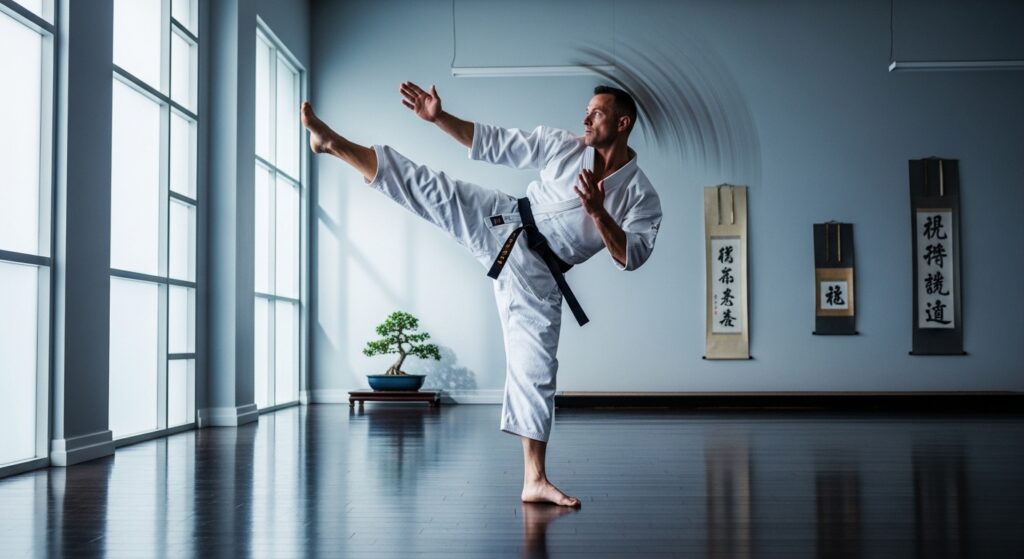
Ballistic stretching uses momentum from bouncing or swinging movements to push a body part beyond its normal range of motion. For example, bouncing repeatedly to touch your toes. It’s crucial to note that this method is controversial and carries a higher risk of injury if performed incorrectly or without a solid base of flexibility.
It is generally not recommended for beginners but is sometimes used by athletes in specific sports that involve explosive movements. The force generated from the bounce creates the stretch reflex, which can be trained under very controlled circumstances without heat.
3. Active Isolated Stretching (AIS)
Developed by Aaron Mattes, Active Isolated Stretching (AIS) involves actively contracting the muscle opposite to the one you want to stretch, holding the stretch for only 1-2 seconds, and then releasing. This process is repeated for several repetitions.
The brief hold avoids triggering the protective stretch reflex, allowing the muscle to lengthen progressively. AIS is highly effective for increasing circulation and range of motion without heat, as the active contraction pumps blood and oxygen into the tissues.
4. Proprioceptive Neuromuscular Facilitation (PNF)
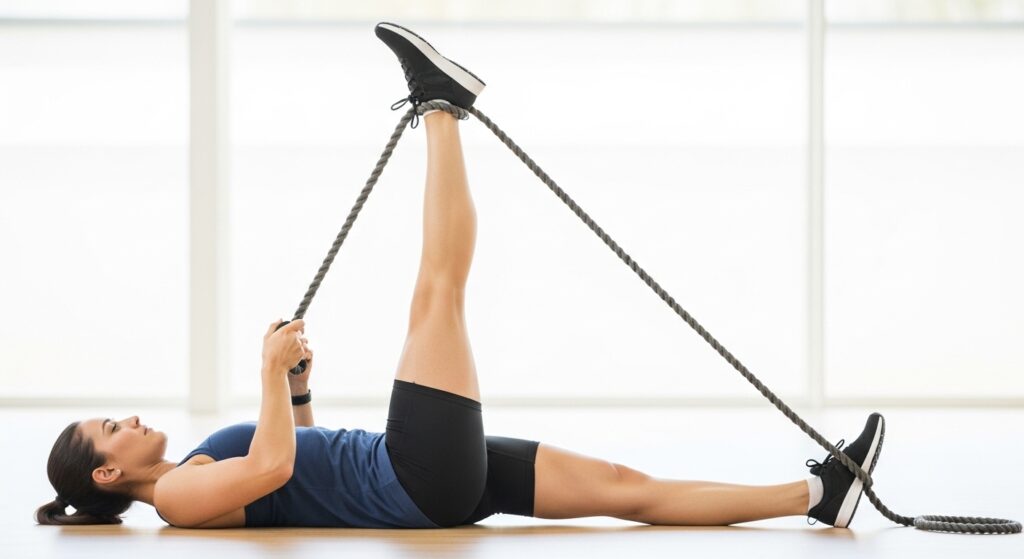
PNF stretching is one of the most effective methods for improving static flexibility. It involves a cycle of stretching, isometric contraction, and relaxation. A common technique is “contract-relax”: you stretch a muscle, then isometrically contract it against resistance (like a partner or a wall) for 5-10 seconds, relax, and then move deeper into the stretch.
This method works by tricking the body’s nervous system into allowing a greater range of motion. The contraction fatigues the muscle’s “stretch receptors,” enabling a deeper stretch upon relaxation. No heat is needed—just neurological engagement.
5. Passive (or Static) Stretching
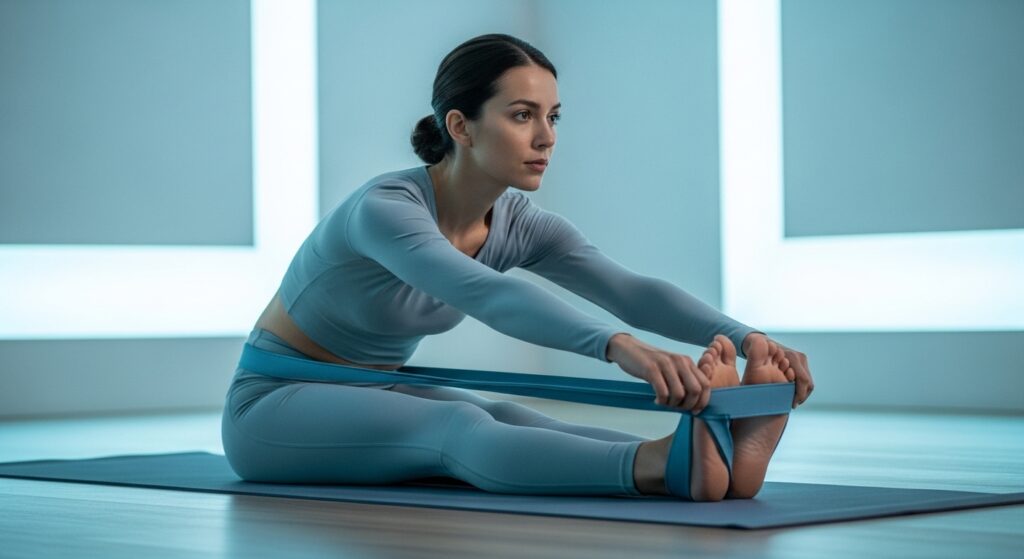
This is the classic stretch-and-hold method. Passive stretching involves relaxing into a stretch and holding it for an extended period, typically 15-60 seconds, using body weight, gravity, or a prop. While often done after a warm-up, it can be performed “cold” if done very gently and carefully to gradually increase tolerance and length.
The focus here is on relaxation and patience. By holding a mild stretch, the connective tissues slowly adapt. It’s a meditative, low-intensity approach that improves flexibility over time without thermal assistance.
6. Resistance Stretching
Resistance stretching, popularized by techniques like those from the Meridian Stretching program, involves contracting the very muscle you are lengthening as you move through the stretch. It sounds counterintuitive, but this eccentric contraction under load can build strength at the end-range of motion.
This method strengthens the muscle throughout its new, longer length, which can lead to more functional and stable flexibility. It requires focus and control, not heat.
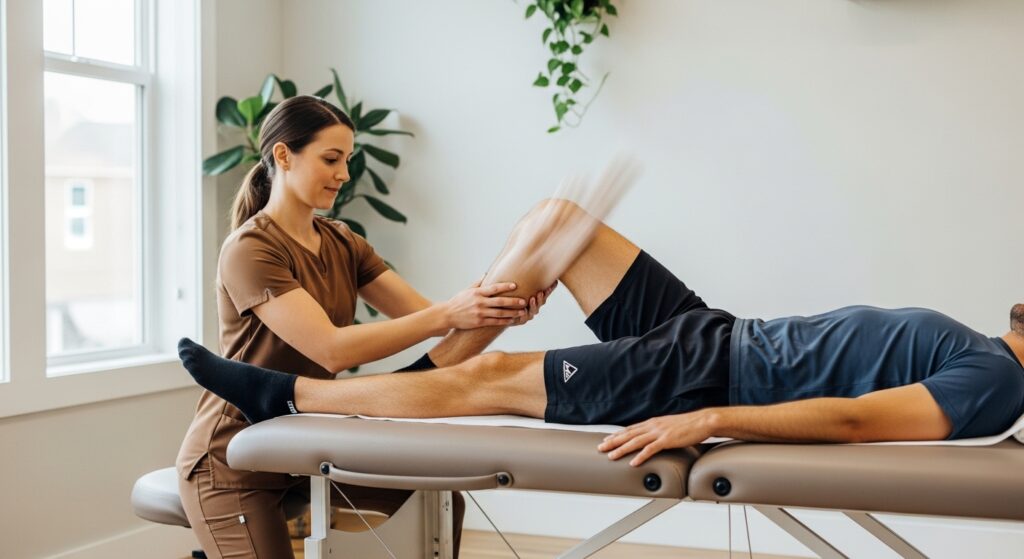
7. Fascial Stretch Therapy (FST)
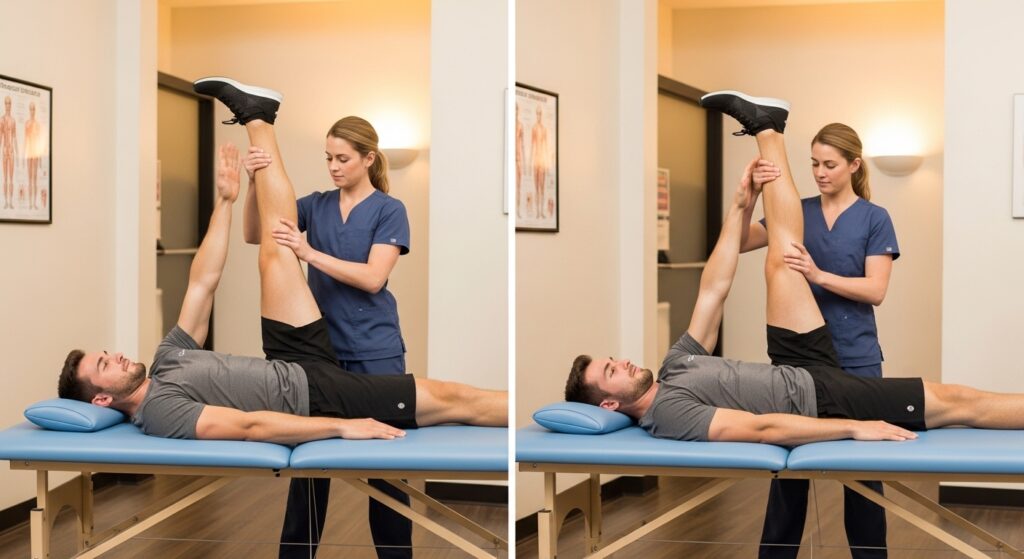
This is a table-based, assisted stretching system that focuses on the body’s fascia—the web-like connective tissue. A therapist uses movement and traction to stretch the joint capsules and fascial lines, not just individual muscles.
FST employs rhythmic oscillations and specific positioning to release tension. The process is highly neurological and structural, relying on precise movement rather than temperature to create change in the tissue’s elasticity.
8. Myofascial Release (Using Tools)
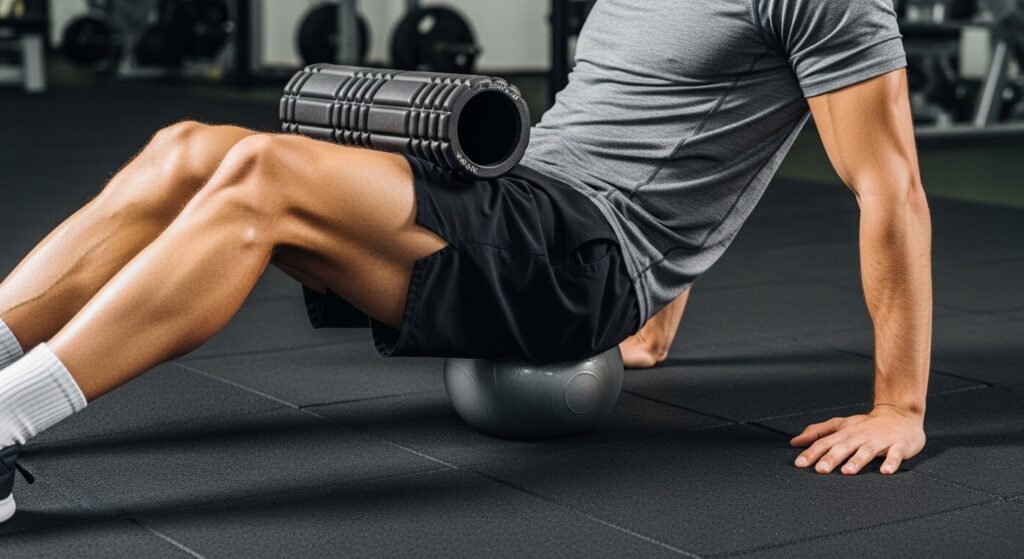
While often associated with heat, myofascial release with tools like foam rollers, lacrosse balls, or massage sticks is fundamentally a pressure-based technique. By applying sustained pressure to “trigger points” or adhesions in the fascia, you can release tension and improve flexibility.
The mechanism is mechanical and neurological. The pressure stimulates the Golgi tendon organs, promoting relaxation in the muscle, and physically breaks up sticky fascial adhesions. This can be done effectively on cool muscles, though gently.
9. Somatic Stretching
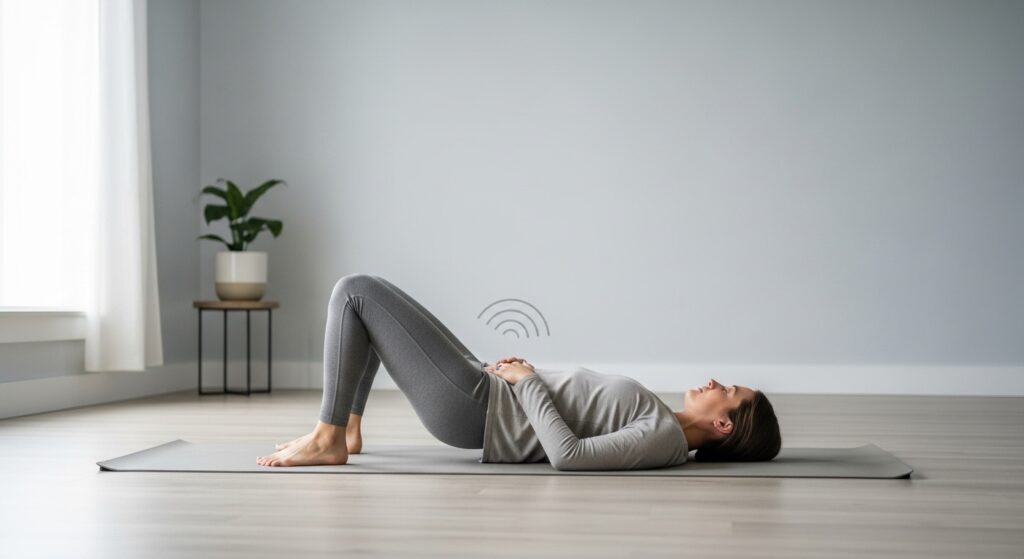
Somatic stretching, such as in Hanna Somatics or the Feldenkrais Method, uses very slow, mindful movements and internal focus to release chronic muscular contraction (sensory-motor amnesia). The goal is to improve the brain’s control over muscle length.
This is a top-down approach starting from the nervous system. By paying close attention to the sensation of movement and release, you can retrain tight muscles to relax and lengthen without any external force or heat.
10. Vibration Stretching
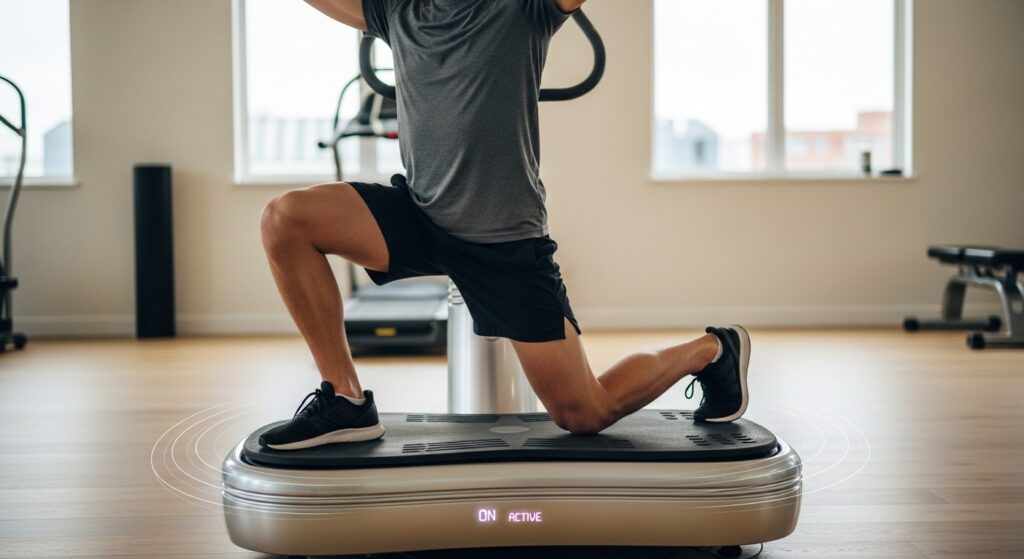
Using whole-body vibration platforms or targeted vibration devices can enhance stretching. The vibration stimulates muscle spindles and may decrease the stretch reflex response, allowing for a greater range of motion.
You can perform a static stretch while on a vibration plate, or use a vibrating foam roller. The oscillatory motion provides a neurological stimulus that can make stretching more effective at normal body temperature.
11. Contract-Relax-Antagonist-Contract (CRAC)
A sophisticated form of PNF, CRAC adds an extra step. After the initial contraction and relaxation, you then actively contract the muscle opposite the target (the antagonist) to pull yourself deeper into the stretch. For a hamstring stretch, you’d contract the hamstring (contract), relax, then actively squeeze the quadriceps (antagonist contract) to lift the leg higher.
This leverages reciprocal inhibition—when the agonist contracts, the nervous system automatically relaxes the antagonist—allowing for a profound, neurologically-driven stretch without heat.
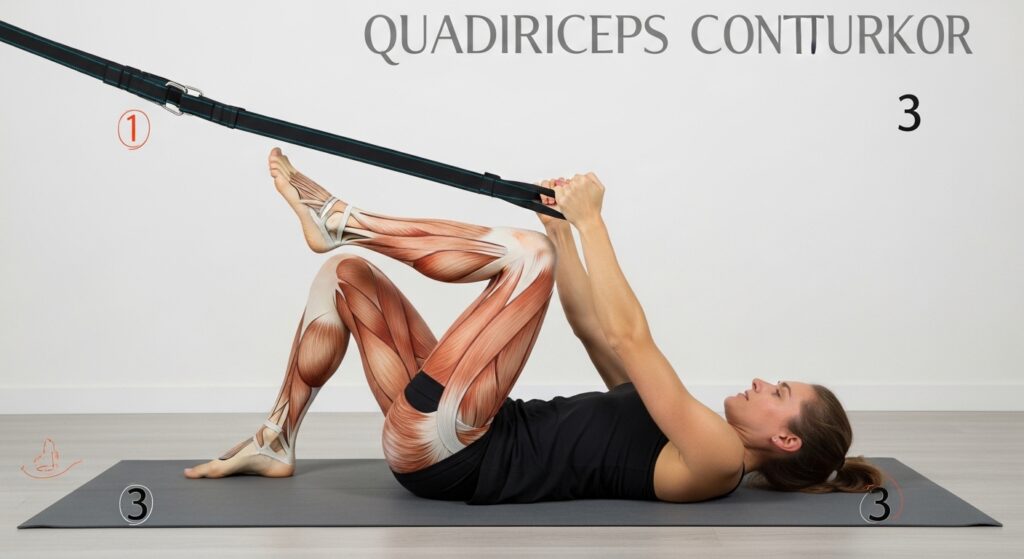
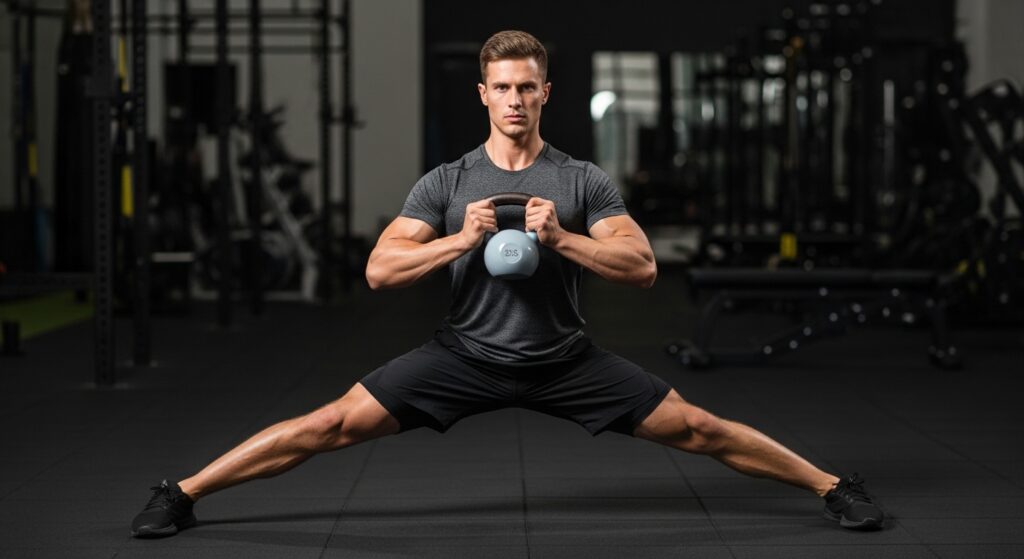
12. Loaded Stretching
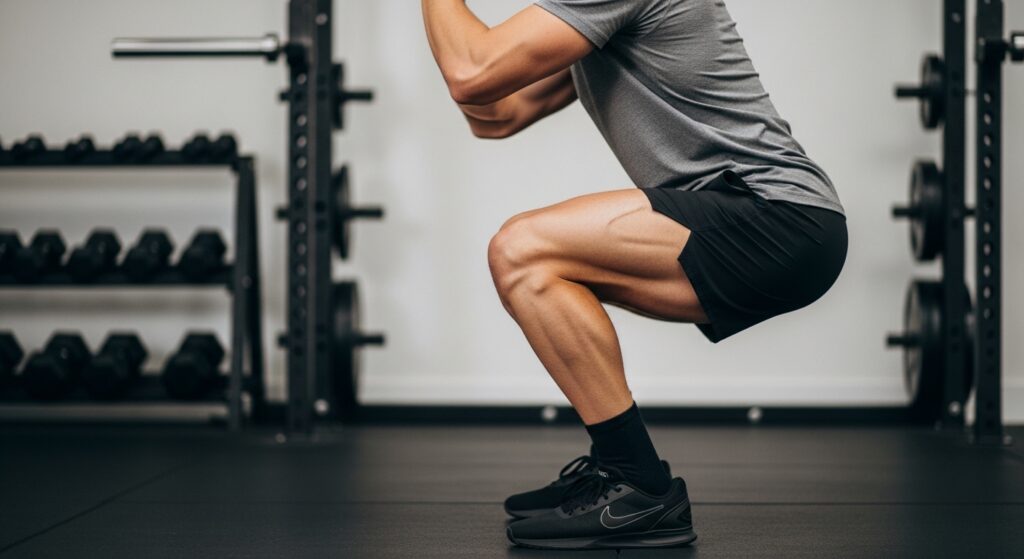
This method involves holding a stretch while also supporting an external load. An example is the “sissy squat” which stretches the quads under body weight, or a weighted pancake stretch for the inner thighs. The load creates a stronger stimulus for the connective tissues to adapt.
Loaded stretching builds strength in the stretched position, promoting flexibility that is directly applicable to strength training and sports. It uses mechanical tension, not thermal energy, to create adaptation.
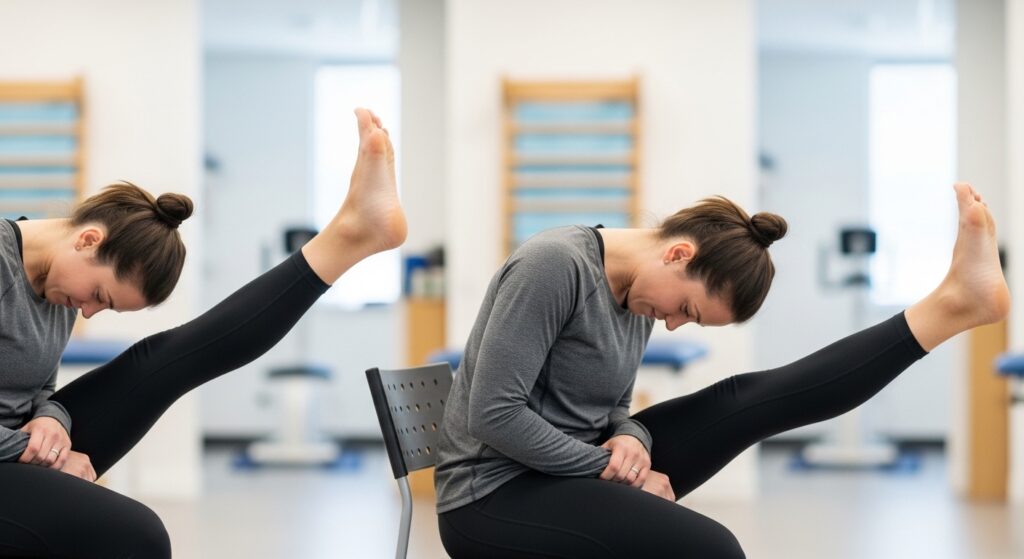
13. Nerve Gliding (or Neural Flossing)
This specialized technique is designed to improve the mobility of the nerves themselves, which can be a limiting factor in flexibility. Nerve gliding involves moving adjacent joints in opposite directions to gently slide the nerve through its surrounding tissue. For the sciatic nerve, this might involve flexing the neck while extending the ankle.
These movements are subtle and specific, aimed at reducing neural tension. They are performed gently and deliberately, with no heat required.
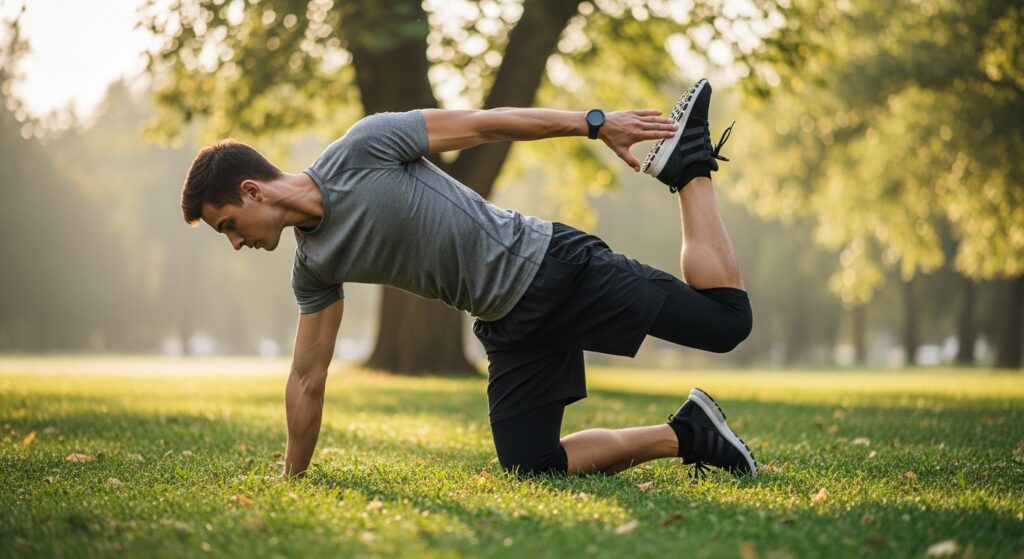
14. Animal Flow & Primal Movement
Inspired by animal locomotion and ground-based movement, disciplines like Animal Flow use fluid, weight-bearing transitions to stretch the entire body dynamically. Moves like the “Beast Reach” or “Scorpion Reach” stretch multiple muscle chains and fascial lines simultaneously.
This is functional, integrated stretching through movement. The body’s own weight and the complexity of the patterns create deep stretches that enhance mobility and control, all generated from within.
15. Yin Yoga
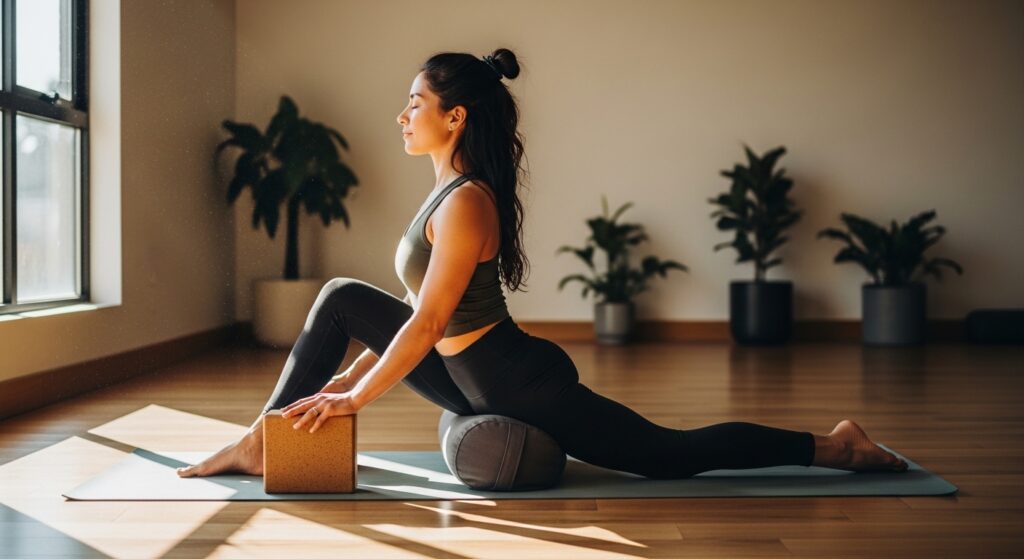
Yin Yoga is a passive style where poses are held for 3-5 minutes or longer, targeting the deep connective tissues (fascia, ligaments, joints). While sometimes practiced in warm rooms, its essence is not heat but time and surrender. The prolonged, gentle stress encourages hydration and lengthening in the less-elastic tissues.
The practice works on a physical and energetic level, relying on patience and stillness to create change. It is perfectly effective—and often more intense—at room temperature.
16. Isometric Stretching
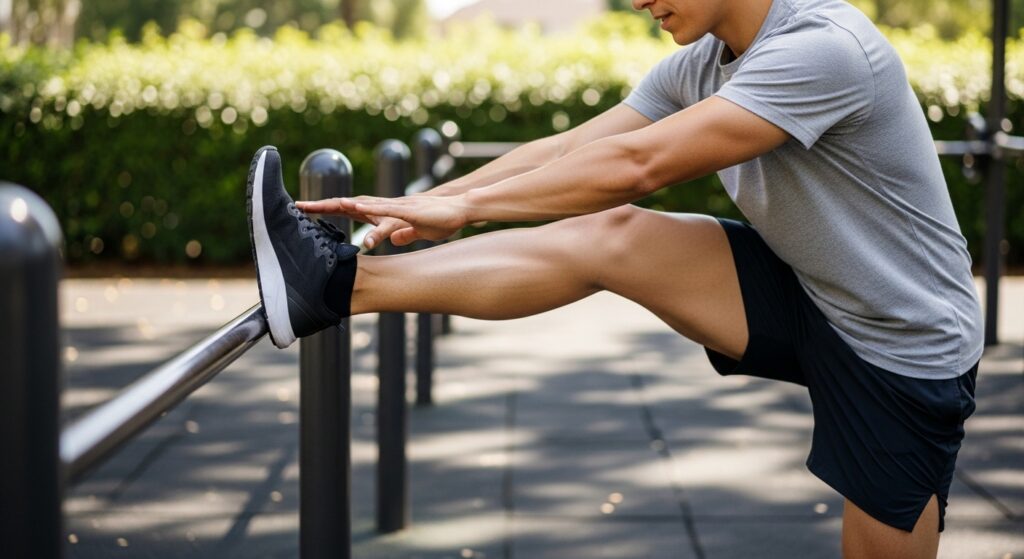
Similar to PNF but without a partner, isometric stretching involves assuming a stretch position and then tensing the stretched muscle isometrically (without moving the joint) for 7-15 seconds. After relaxing, you can often stretch a bit further.
The intense contraction floods the muscle with blood and fatigues the stretch reflex, allowing for a temporary increase in range. This method builds static passive flexibility powerfully and independently of external temperature.
Integrating Cool Stretching Into Your Routine
Now that you have this extensive toolkit, the key is intelligent application. Always prioritize safety. While these methods don’t require heat, starting with gentle movement to increase blood flow is wise. Listen to your body—discomfort is normal, sharp pain is a stop signal.
Consider your goal: use dynamic stretches before activity, and methods like PNF, AIS, or Yin for dedicated flexibility sessions. Consistency trumps intensity; regular practice with these techniques will yield better results than sporadic, aggressive stretching.
Ultimately, flexibility is a conversation between your muscles and your nervous system. These 16 methods prove that you can have a profound dialogue without ever turning on the heat. By exploring them, you not only diversify your practice but also develop a deeper, more nuanced understanding of your own body’s incredible capacity for change.