17 Hairstyles for Thyroid-Related Hair Issues That Help
If you’re navigating the world of thyroid dysfunction—be it hypothyroidism, hyperthyroidism, or Hashimoto’s—you know the toll it can take on your hair. What was once your crowning glory might now feel thin, brittle, lifeless, or frustratingly sparse. This isn’t just a cosmetic concern; it’s an emotional journey that can deeply impact your self-esteem. The good news? While you work with your healthcare provider to address the internal balance, there are powerful external strategies you can employ right now.

Understanding Thyroid Hair Changes: The “Why” Behind the Style
Before we dive into the styles, it helps to understand what you might be dealing with. Thyroid hormones are crucial for hair follicle regeneration and health. An imbalance can disrupt the growth cycle, leading to:
Diffuse Thinning: Hair loss spread evenly across the scalp, reducing overall density.
Dryness and Brittleness: Hair that lacks moisture, breaks easily, and feels like straw.
Loss of Volume and Body: Hair that falls flat, lacking its natural bounce.
Coarse or Textural Changes: Some experience hair becoming oddly coarse or changing texture.
With these challenges in mind, the goal of our selected hairstyles is to create volume, camouflage thinning areas, minimize breakage, and embrace easy maintenance.
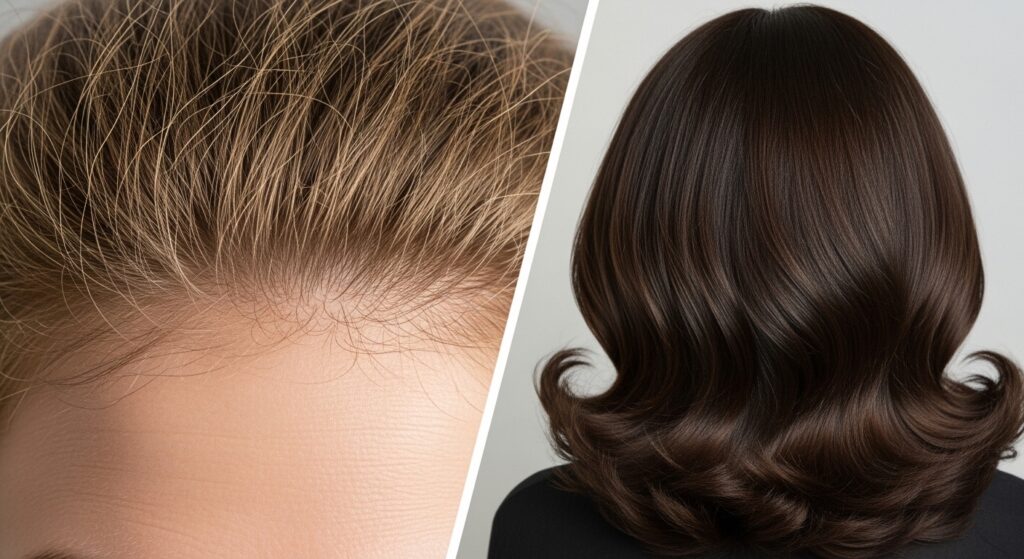
The Cuts: Foundation for Fullness
Starting with the right cut is non-negotiable. It sets the stage for everything else.
1. The Blunt Bob: A chin-length blunt bob creates a thick, clean line that gives the immediate impression of fullness. It prevents wispy, see-through ends that emphasize thinning.
2. Layered Lob (Long Bob): For hair past the shoulders, long layers removed from the mid-lengths to ends add movement and body without sacrificing too much length. It lifts hair away from the scalp.
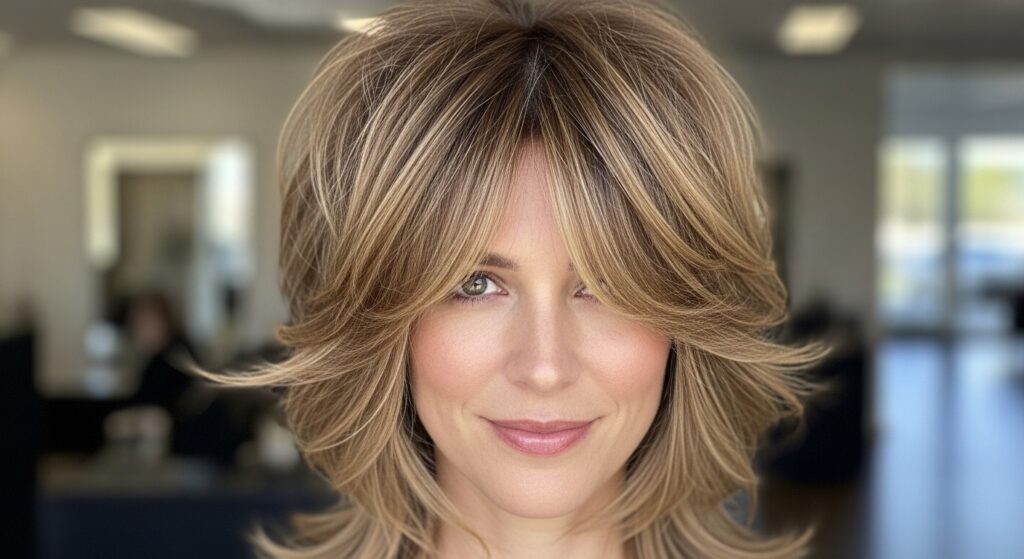
3. Shag Cut with Face-Framing Layers: The modern shag is a savior. Its multiple layers, texture, and fringe work together to create chaos and volume, perfectly disguising thin spots.
4. Asymmetrical Bob: A shorter back and longer front draws attention to your face and creates an interesting shape that looks full and stylish, distracting from overall thinness.
5. Pixie Cut with Texture: For significant thinning, a pixie can be liberating. Ask for a textured, piecey pixie—not a sleek one. This style removes weight, and strategic top layers make hair appear thicker.
The Styles: Daily Magic Tricks
These styling techniques can turn a good haircut into a great hair day, every day.
6. Volumizing Root Lift: The simplest trick. Apply a volumizing mousse or spray to damp roots, then blow-dry with a round brush, lifting at the roots. For a boost, use velcro rollers at the crown for 10 minutes.
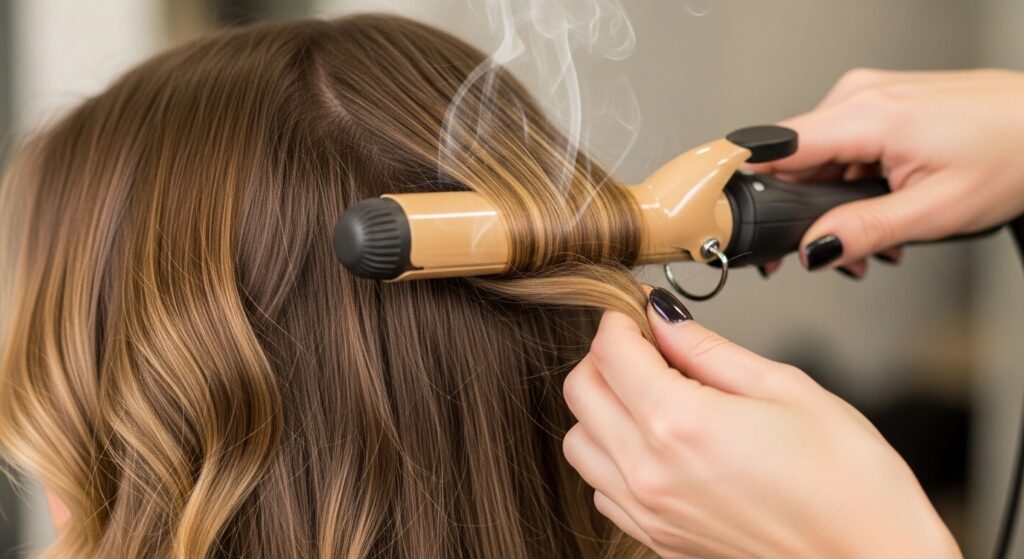
7. Soft Waves or Beachy Texture: Straight hair can fall flat. Use a curling wand to create loose, alternating waves. This adds incredible dimension and body, making hair look twice as thick.
8. Braided Crown or Headband: A simple braid along the hairline acts as a beautiful headband, covering any temporal thinning while adding a boho-chic element to your look.
9. Half-Up, Half-Down “Tease” Style: Gently backcomb (tease) the hair at your crown before gathering the top section into a half-up style. This builds instant, lasting volume where you need it most.
10. Low, Loose Bun with Wispy Tendrils: A tight bun can stress hair. Opt for a loose, low bun at the nape and pull out a few face-framing pieces. It’s elegant and protects fragile ends.
The Color Techniques: Dimension is Everything
Strategic color can be as effective as a cut in creating the illusion of density.
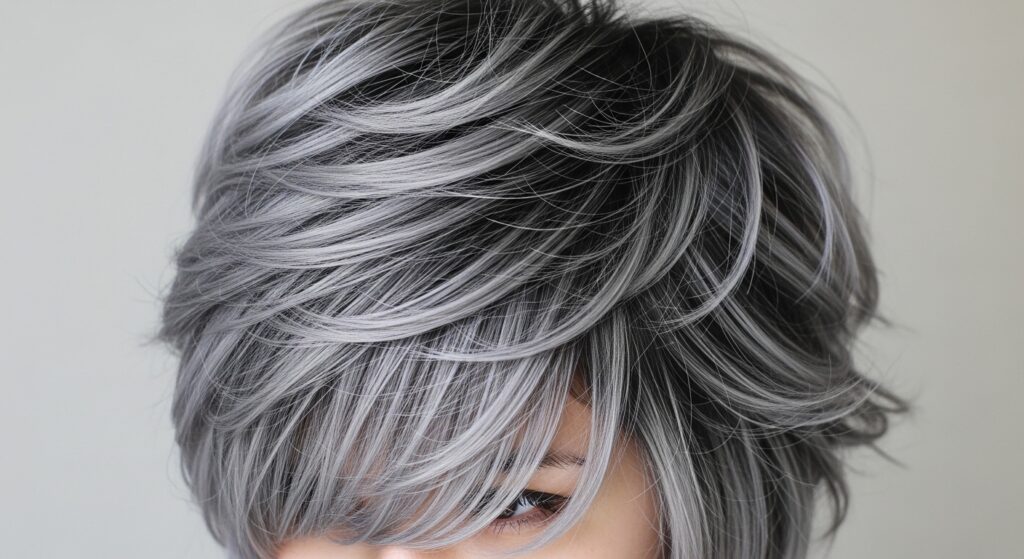
11. Babylights or Fine Highlights: Subtle, fine highlights woven throughout add depth and light reflection, making hair look multi-dimensional and fuller than a single, flat color.
12. Shadow Root or Root Smudging: This technique keeps your roots slightly darker, blending grow-out seamlessly. It makes thinning at the part less noticeable and adds depth at the roots for volume.
13. Balayage or Face-Framing Highlights: Hand-painted color that is lighter around the face draws the eye inward and creates a brightening, volumizing effect.
14. Avoid Severe Contrast: Very dark hair on a light scalp (or vice versa) can highlight the contrast between hair and skin, making thinning more apparent. Softer, blended contrasts are more forgiving.
The Protective & Practical Styles
These looks prioritize hair health, reducing daily manipulation and breakage.
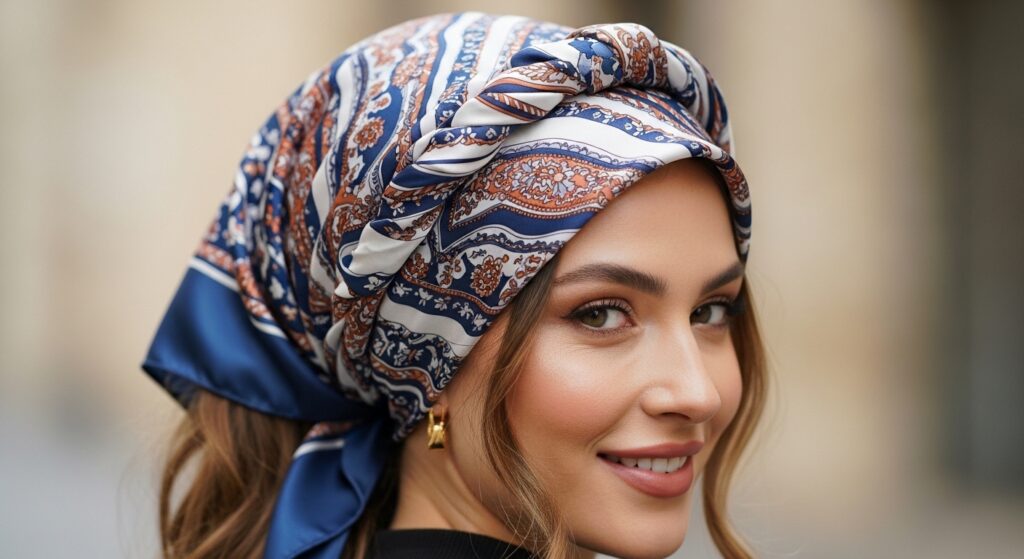
15. Silk/Satin Scarf Style: Tying a silk scarf over your hair at night or as a stylish daytime accessory protects hair from friction breakage and keeps styles fresher longer.
16. Loose French Braid: A classic protective style that keeps hair contained and prevents tangling. Keep it loose to avoid tension on the scalp and hairline.
17. Accessorize with Headbands & Scarves: Wide headbands, cloth hairbands, or tied scarves can beautifully camouflage a thinning hairline or crown while adding a pop of personality.
Essential Hair Care Tips for Thyroid Health
Your styling routine should be supported by a gentle hair care regimen.
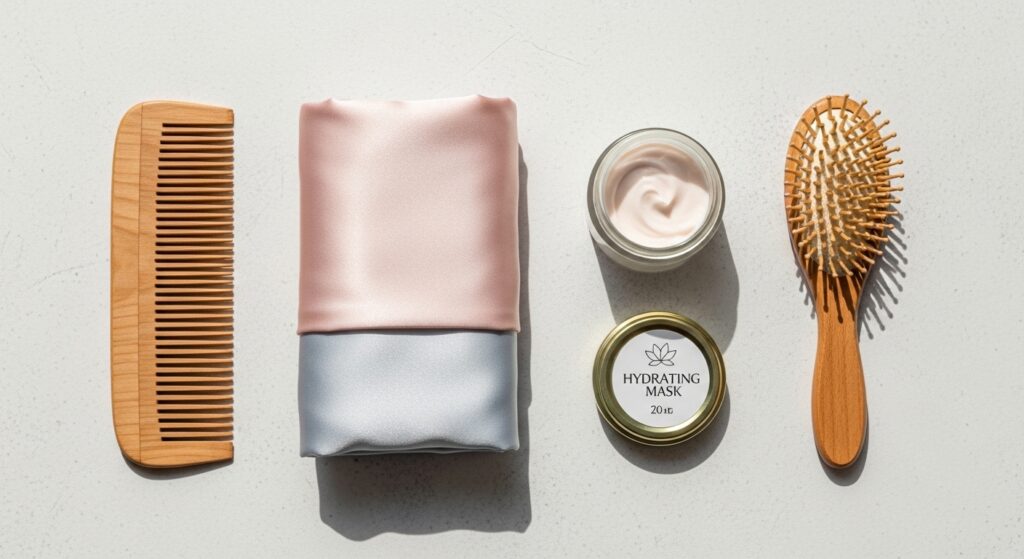
Be Gentle: Use a wide-tooth comb on wet hair, not a brush. Avoid tight elastics and harsh chemical treatments.
Nourish: Incorporate hydrating masks and leave-in conditioners to combat dryness. Look for ingredients like biotin, keratin, and argan oil.
Scalp Health Matters: A healthy scalp promotes healthier hair. Consider gentle scalp massages to stimulate blood flow.
Consult Your Stylist: Always be open with your hairstylist about your hair challenges. A professional can tailor these ideas to your specific hair type, face shape, and thinning pattern.
Embrace Your Beauty, On Your Terms
Dealing with thyroid-related hair changes is a journey, but it doesn’t define you. These 17 hairstyles are more than just looks; they are tools for empowerment. They offer a way to face the world with confidence while you and your doctor manage your health. Remember, the best hairstyle is one that makes you feel strong, beautiful, and like yourself again. Start with one or two ideas that resonate with you, and don’t be afraid to experiment. Your crown can be glorious again—it just might need a new, cleverly crafted design.
Disclaimer: This information is for educational and stylistic purposes only. It is not a substitute for professional medical advice. Always consult with your healthcare provider for diagnosis and treatment of thyroid conditions.