17 Holographic Techniques for Multi-Dimensional Effects
Step into a world where flat surfaces come alive, where light bends to create illusions of depth, and where the line between the digital and physical blurs into pure magic. Holographic and multi-dimensional effects are no longer confined to sci-fi movies; they are powerful tools for designers, artists, marketers, and filmmakers. These techniques captivate audiences, create unforgettable brand experiences, and push the boundaries of visual storytelling.
1. Pepper’s Ghost: The Classic Stage Illusion
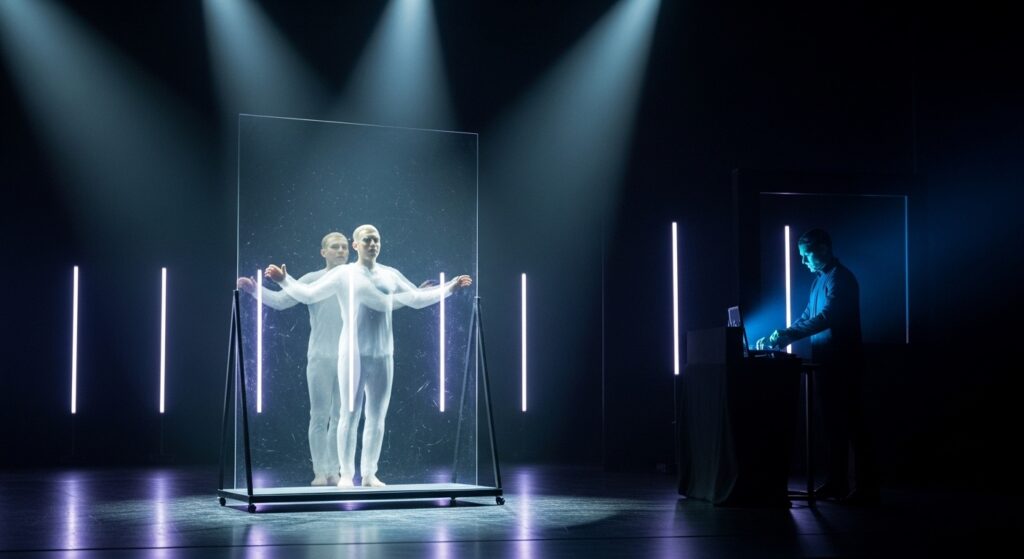
One of the oldest tricks in the book, Pepper’s Ghost uses a simple sheet of glass or plexiglass angled between the audience and a hidden scene or object. By controlling the lighting, the hidden image is reflected into the viewer’s line of sight, creating a ghostly, translucent apparition that seems to occupy real space. This technique is a staple in theater, haunted houses, and has even been used for “holographic” concert performances.
2. Holographic Film & Vinyl: Physical Surface Magic
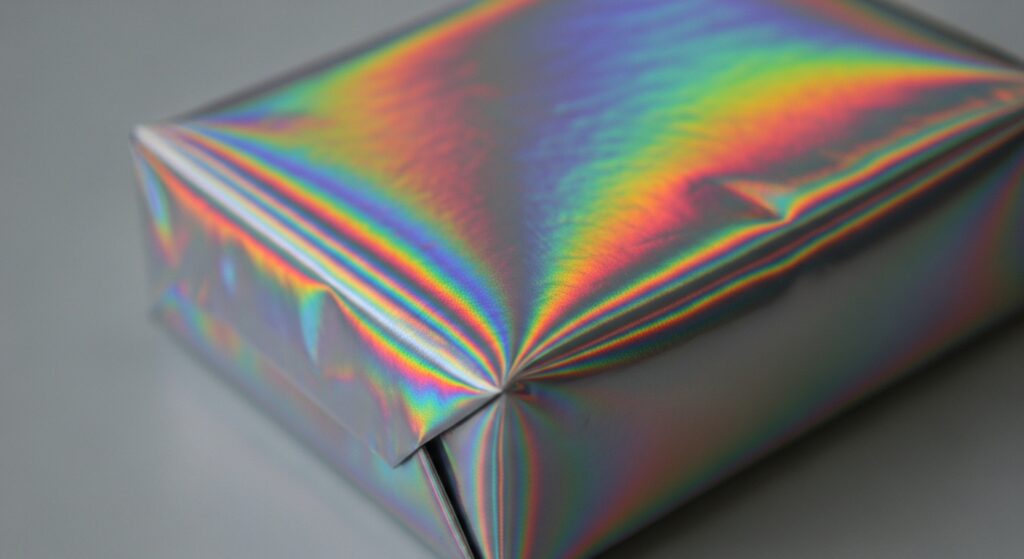
This accessible technique uses adhesive films or vinyl sheets with micro-prismatic surfaces. These materials diffract light, splitting it into its spectral colors and creating a shimmering, color-shift effect that changes based on the viewer’s angle. It’s widely used for packaging, stickers, security features, and fashion accents, providing an instant tactile and visual depth that flat printing cannot achieve.
3. Parallax Scrolling & Depth Layers
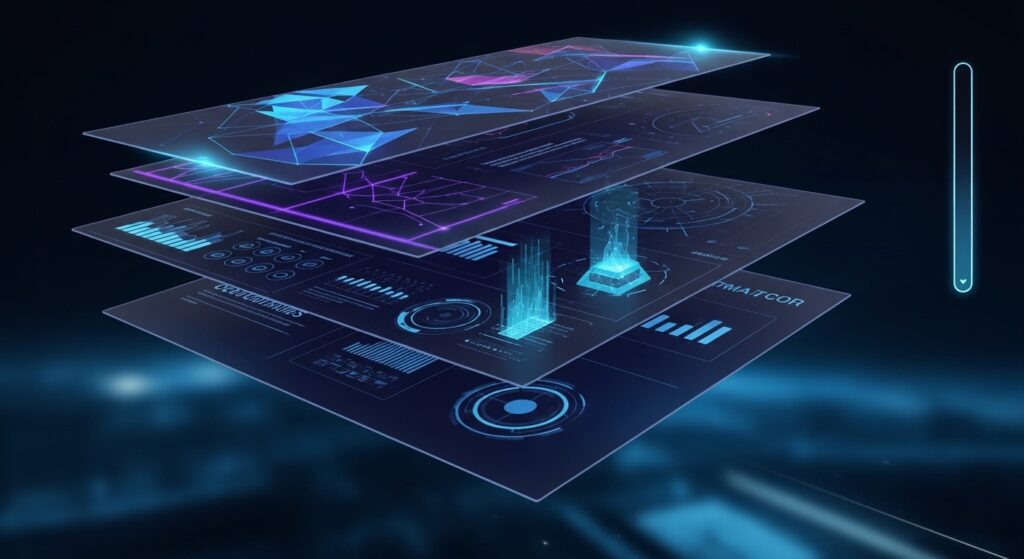
A fundamental digital technique, parallax involves moving background layers slower than foreground layers as a user scrolls or moves through a scene. This simulated depth cue tricks the brain into perceiving a 3D environment on a 2D screen. When combined with subtle holographic UI elements, it can create a stunning sense of immersion for website design and interactive storytelling.
4. Volumetric Displays: True 3D Light Fields
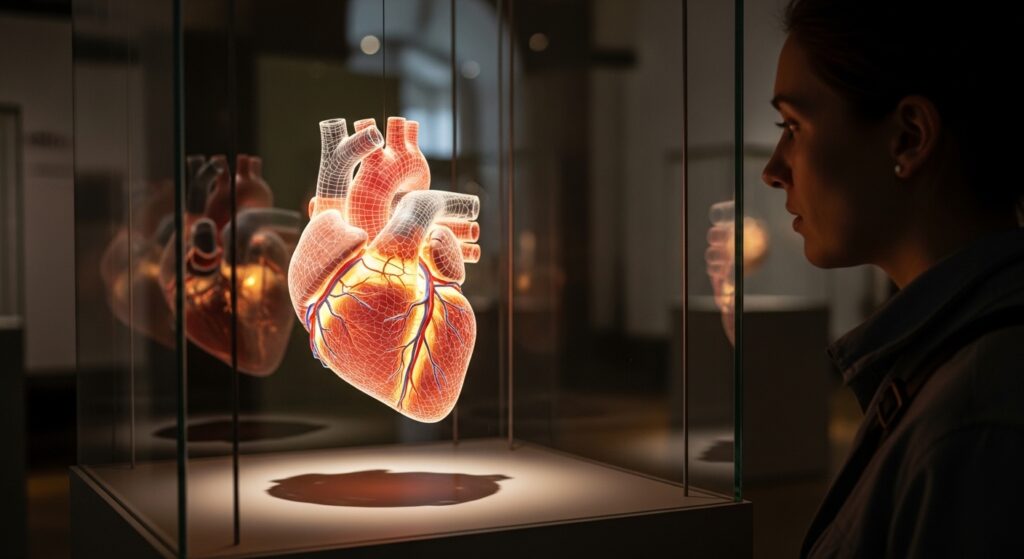
Moving beyond flat screens, volumetric displays actually render images in three-dimensional space. Techniques include rapidly spinning LEDs, laser-plasma excitations in mid-air (like those creating images in fog), or projecting onto fast-moving screens. These displays allow viewers to walk around the image and see it from different angles, offering a true multi-dimensional experience without the need for glasses.
5. Lenticular Printing: Multiple Images in One
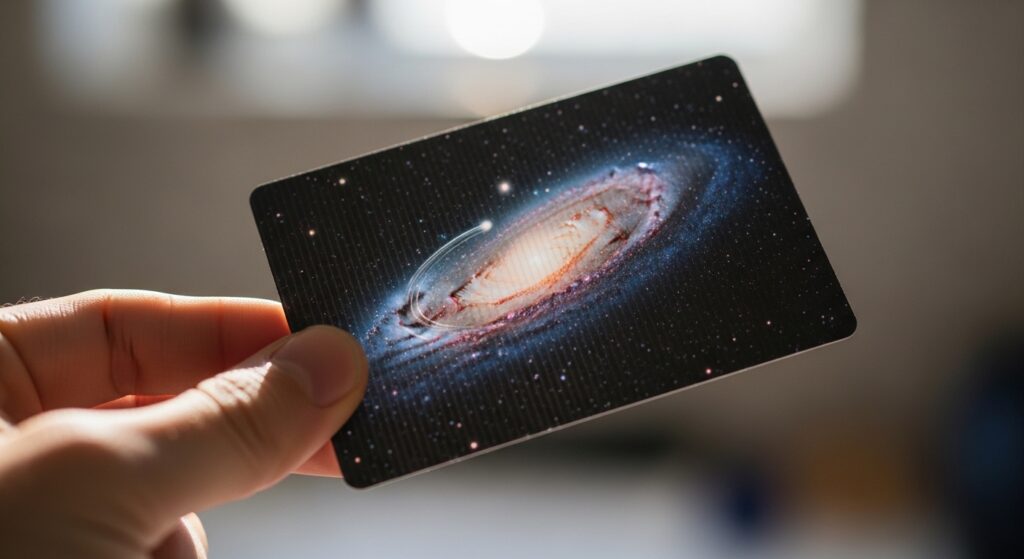
Lenticular printing uses a special overlay of ribbed lenses to show different images from different viewing angles. This can create effects of motion (flip), depth (3D), or morphing transformations. It’s a powerful technique for physical marketing materials, album covers, and art pieces that come alive as the viewer moves past them.
6. Diffractive Optical Elements (DOEs)
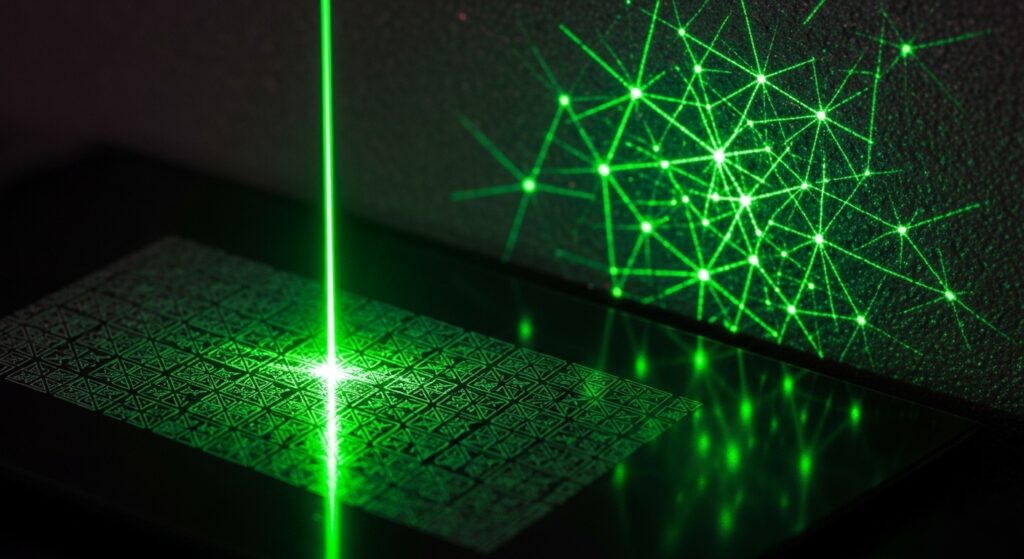
DOEs are micro-structured surfaces designed to manipulate light in precise ways. They can create complex patterns, project multiple images from a single light source, or produce sharp spectral colors. Used in specialty lighting, laser shows, and security holograms, DOEs are the engineering backbone of many high-end holographic effects.
7. Augmented Reality (AR) Overlays
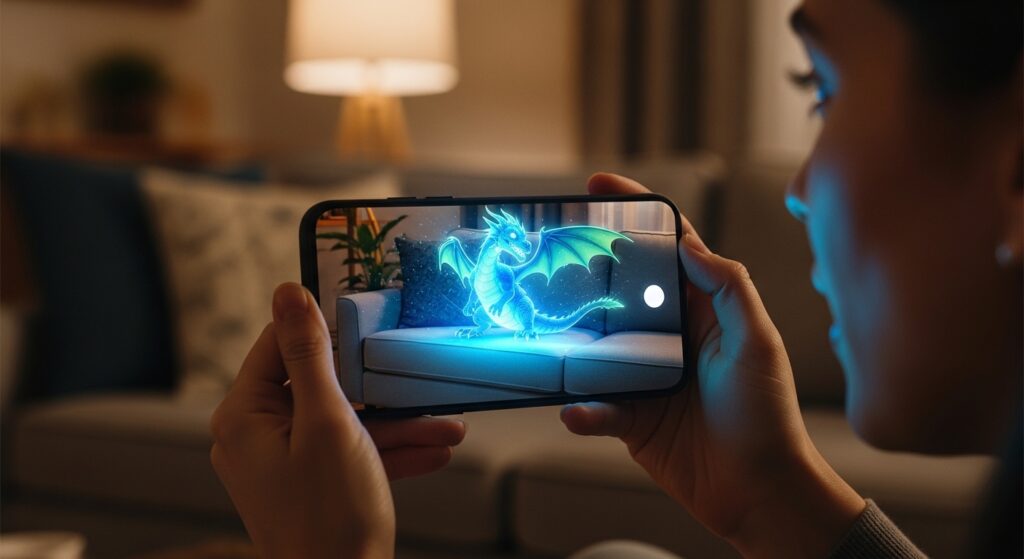
AR uses a device’s camera to anchor digital content—including 3D holographic models, animations, and information—onto the real world. Through phone screens or AR glasses, users can see and interact with multi-dimensional objects placed on their table, in their street, or on a product. This technique blends dimensions seamlessly.
8. Holographic Fans & LED Propellers
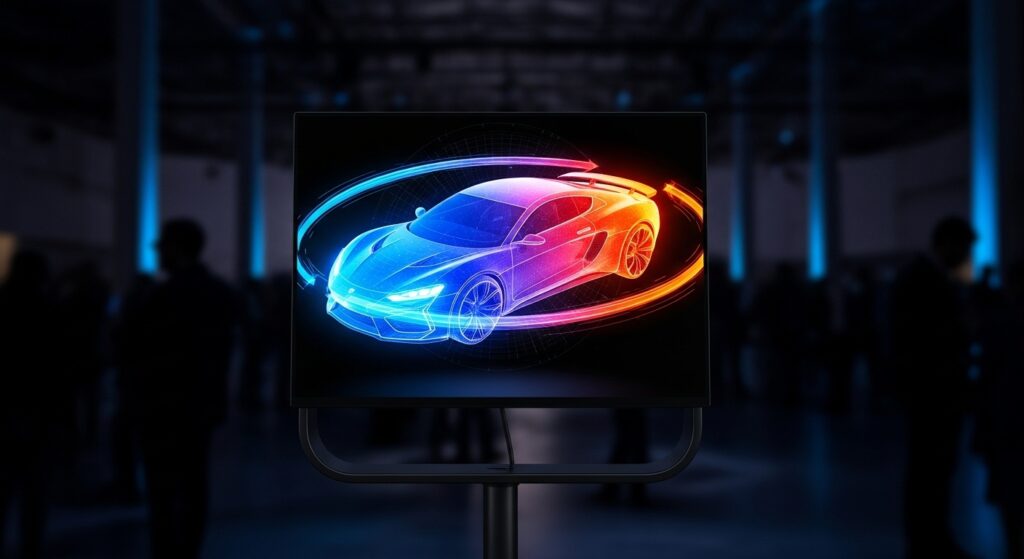
These devices use rapidly spinning LED strips or a fan blade with integrated LEDs. By precisely timing the lights as the blade rotates, they persist in the viewer’s vision to form full 3D images and animations that float in mid-air. They are a popular and relatively affordable tool for retail advertising, events, and exhibitions.
9. Light Field Projection & Tomography
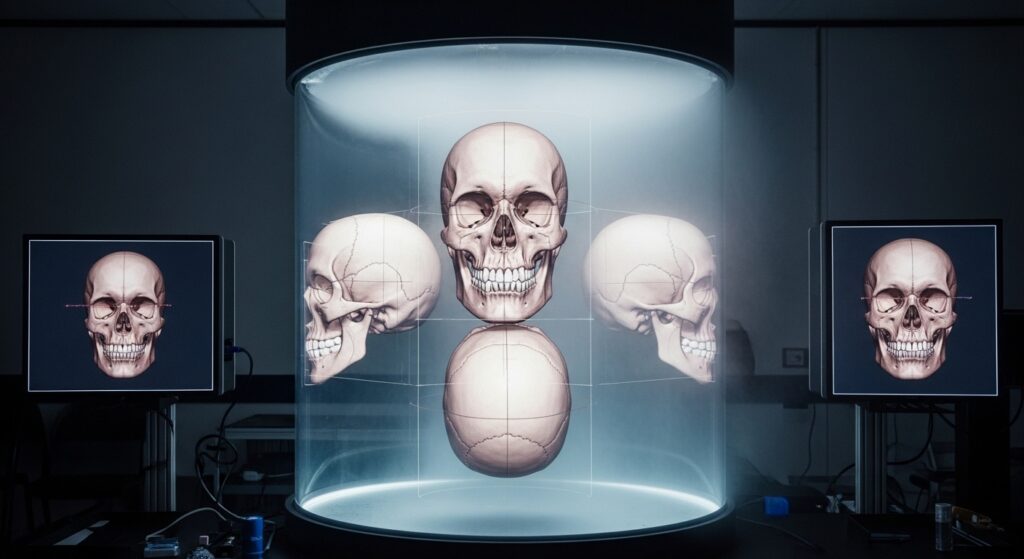
This advanced method involves projecting images onto a rapidly moving or spinning surface, or even into a volume of a particulate medium like fog. By carefully controlling thousands of points of light in a volume, it can create high-resolution, walk-around holographic visuals. Think of the iconic Princess Leia projection in Star Wars, but with modern fidelity.
10. Glitch Art & Datamoshing
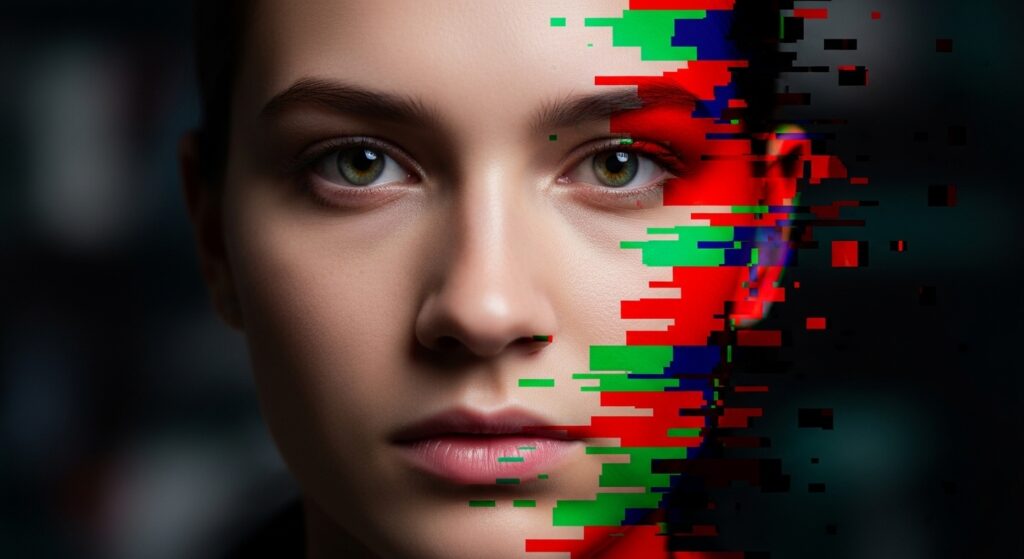
A digital aesthetic technique that simulates a dimensional breakdown. By intentionally corrupting data or manipulating video compression artifacts (datamoshing), you can create effects where subjects seem to bleed, warp, and fragment across dimensions. This is a popular style for music videos and digital art to convey a cyberpunk or broken-reality feel.
11. Chromatic Aberration & Spectral Splitting
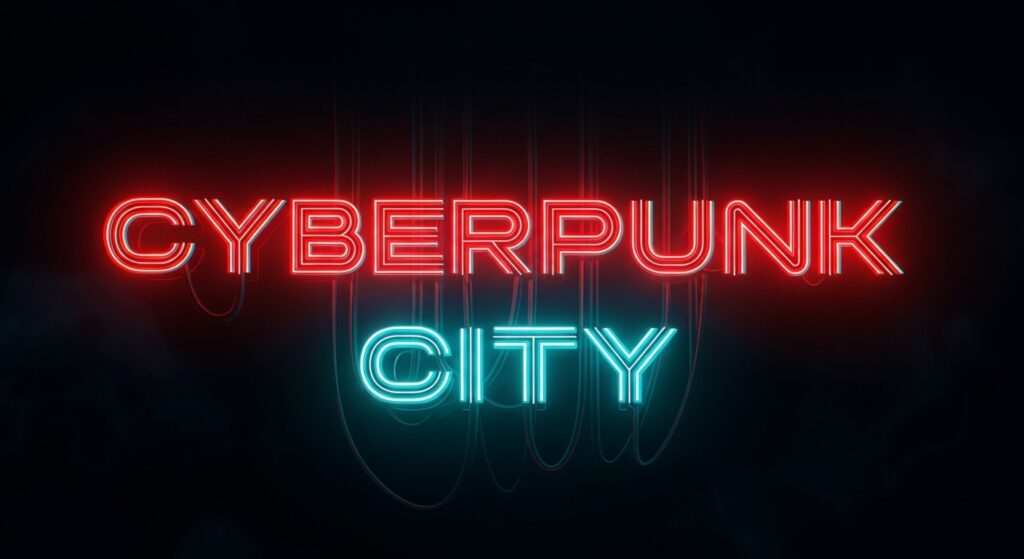
Mimicking a camera lens flaw, this digital effect offsets the red, green, and blue color channels of an image or text. This creates a prism-like, spectral glow that suggests the subject is emitting intense light or breaking through from another dimension. It’s a simple yet powerful effect for logos, title text, and UI elements.
12. Interference Patterns & Laser Holography
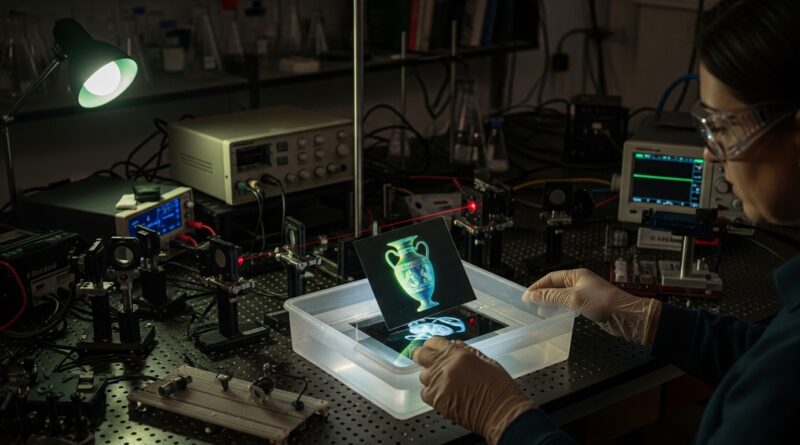
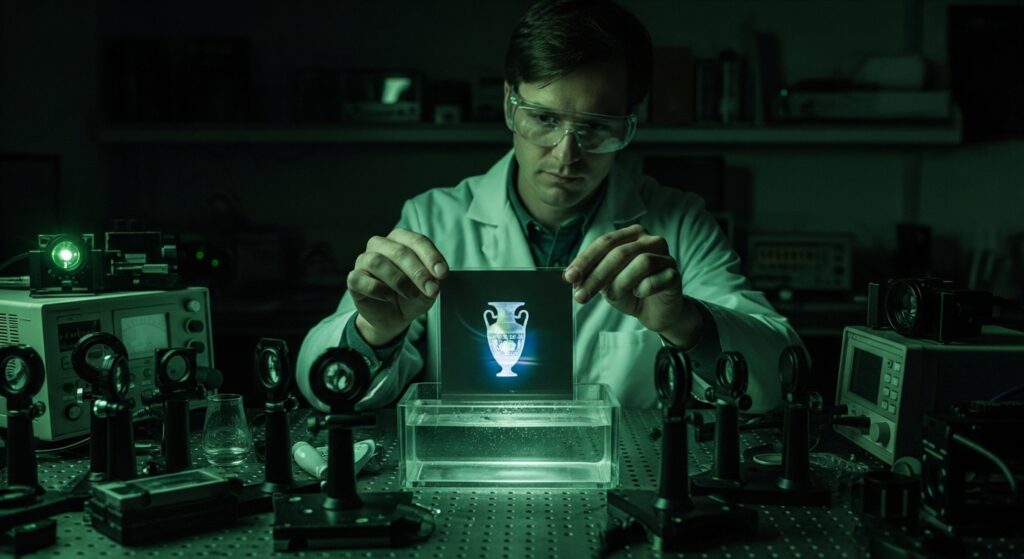
The original hologram technique. A laser beam is split into two: one illuminates the object, the other acts as a reference beam. The interference pattern between the two is recorded on a high-resolution plate. When illuminated again, it reconstructs the light field of the object, creating a true 3D image with parallax and depth. This is the gold standard for static holograms.
13. Anaglyph 3D (Cyan/Red Glasses)
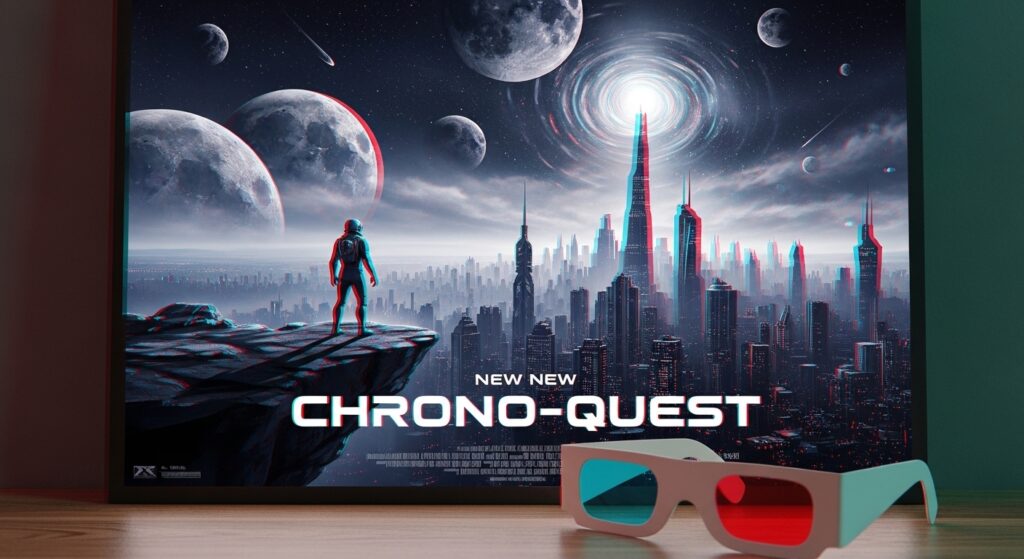
A retro yet effective method. Two images, one filtered for the red channel and one for the cyan/blue channel, are superimposed but slightly offset. Viewed with the classic colored glasses, each eye sees a different perspective, forcing the brain to merge them into a single image with exaggerated depth. It’s a low-tech gateway to dimensional effects.
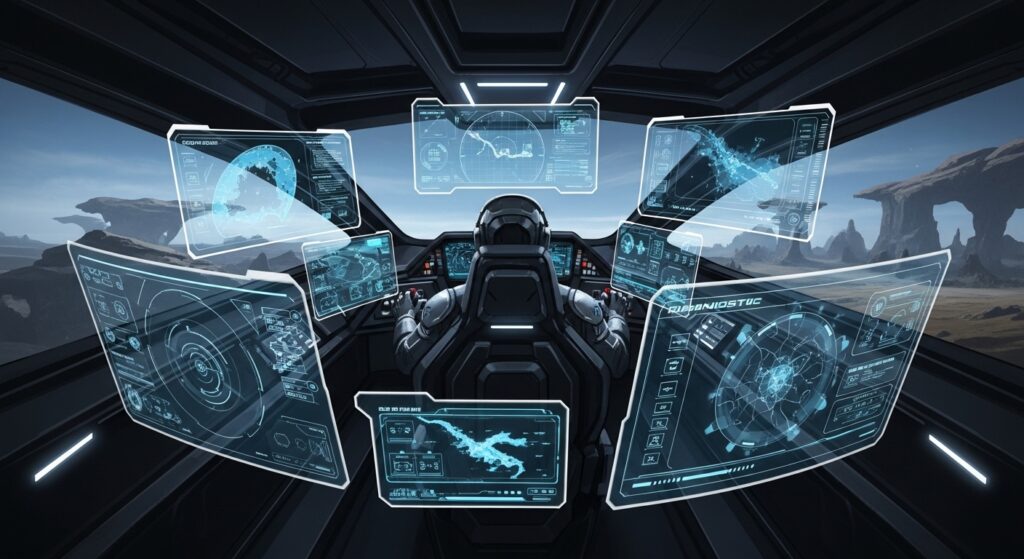
14. Holographic UI & HUD Design
This involves designing graphical user interfaces that appear to float in space, often using transparency, light emission, subtle noise/grain, and depth-based blur. Elements have a layered, ethereal quality, often seen in sci-fi movies. Implementing this in games or interactive media creates a powerful sense of being inside a multi-dimensional interface.
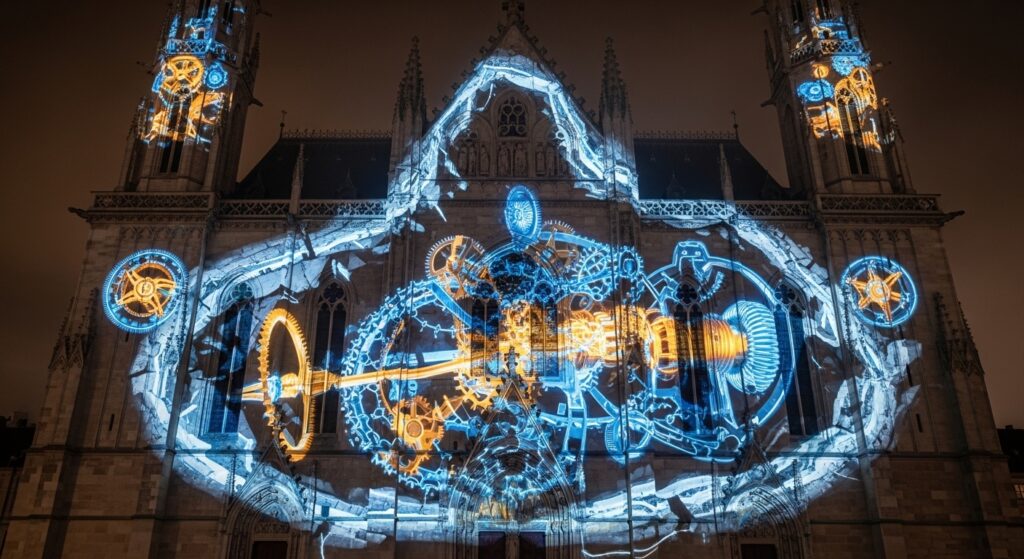
15. Projection Mapping on 3D Surfaces
By warping and blending projected imagery to fit perfectly onto irregular, three-dimensional objects (like buildings, cars, or sculptures), projection mapping can make those objects appear to transform, come alive, or reveal hidden holographic interiors. It merges the digital and physical on a grand scale.
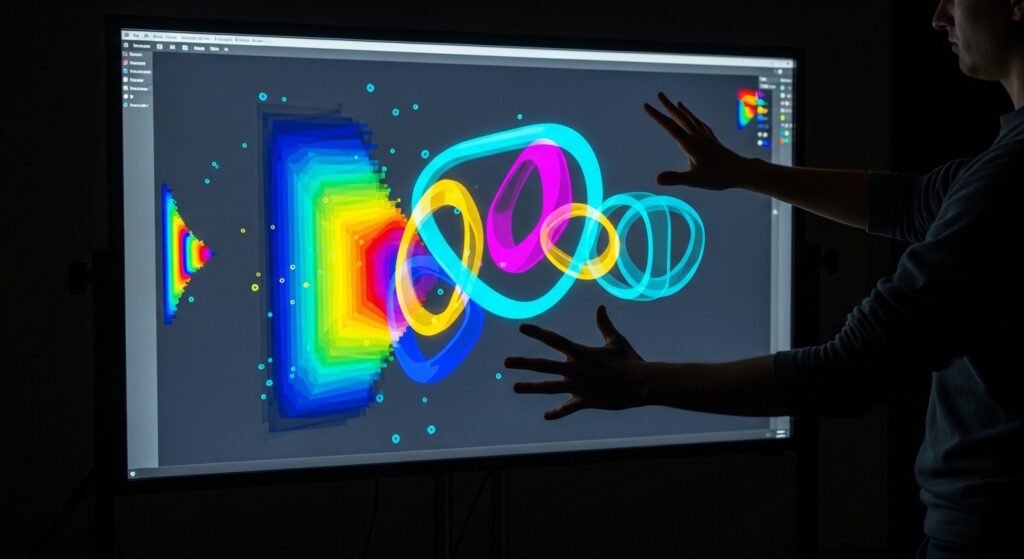
16. Kinect-Style Depth Sensing Interaction
Using depth sensors (like LiDAR or structured light cameras), you can track a user’s position and movements in 3D space. This allows them to literally reach into a holographic display and manipulate virtual objects with their hands, breaking the screen barrier and creating a tangible, multi-dimensional interactive experience.
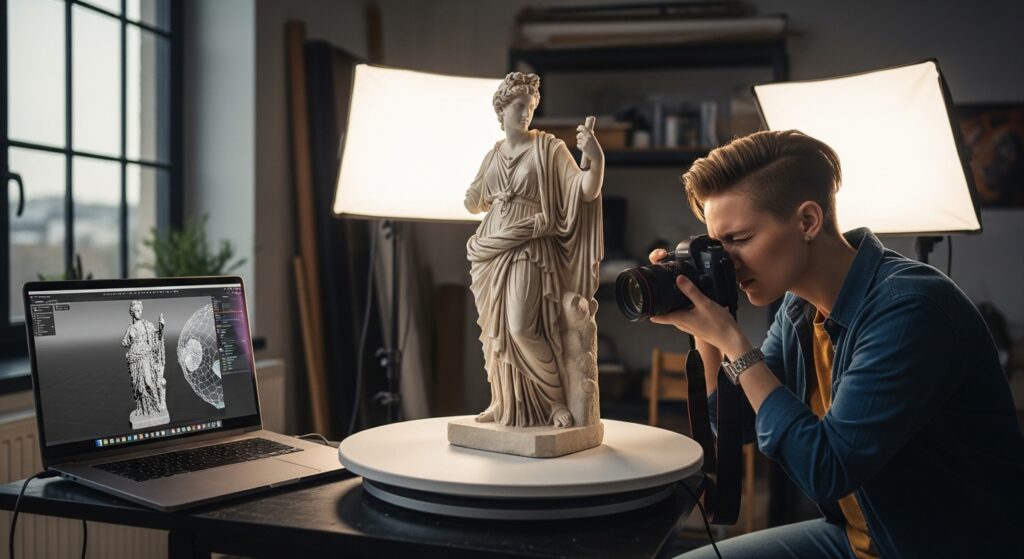
17. Photogrammetry & 3D Scanning for Holographic Assets
The foundation for realistic holograms is often a real-world object. Photogrammetry (taking many photos from all angles) and 3D scanning create ultra-detailed digital twins. These models can then be placed into AR, VR, or holographic displays, bringing a perfect, dimensional copy of reality into a new space.
Bringing Dimensions Together
The most breathtaking projects often don’t rely on just one technique, but on a skillful fusion of several. Imagine a live performance where a Pepper’s Ghost illusion is enhanced with AR overlays for the audience’s phones, while lenticular prints in the lobby create pre-show wonder. The future of multi-dimensional effects lies in this hybrid approach, blending the physical and digital to create experiences that are truly greater than the sum of their parts.
Whether you’re a graphic designer experimenting with chromatic aberration, an event planner renting a holographic fan, or a developer building complex AR worlds, these 17 techniques offer a roadmap. Start small, master the principles of light and perception, and then scale up your ambition. The dimension you add to your work will be the very thing that makes it unforgettable.