18 Oil Sealing Techniques That Lock in Moisture All Day
Have you ever moisturized diligently, only to feel your skin or hair begging for hydration again just a few hours later? You’re not alone. The secret to defeating this cycle isn’t just adding more moisture—it’s about locking it in. Enter the art of oil sealing, a game-changing technique rooted in centuries of beauty rituals. By applying a protective layer of oil over damp skin or hair, you create a barrier that slows down water loss, ensuring your hydration lasts from morning to night. This guide unveils 18 powerful oil sealing techniques to help you achieve that coveted, long-lasting dewiness and softness.
Understanding the Science: Why Oil Sealing Works
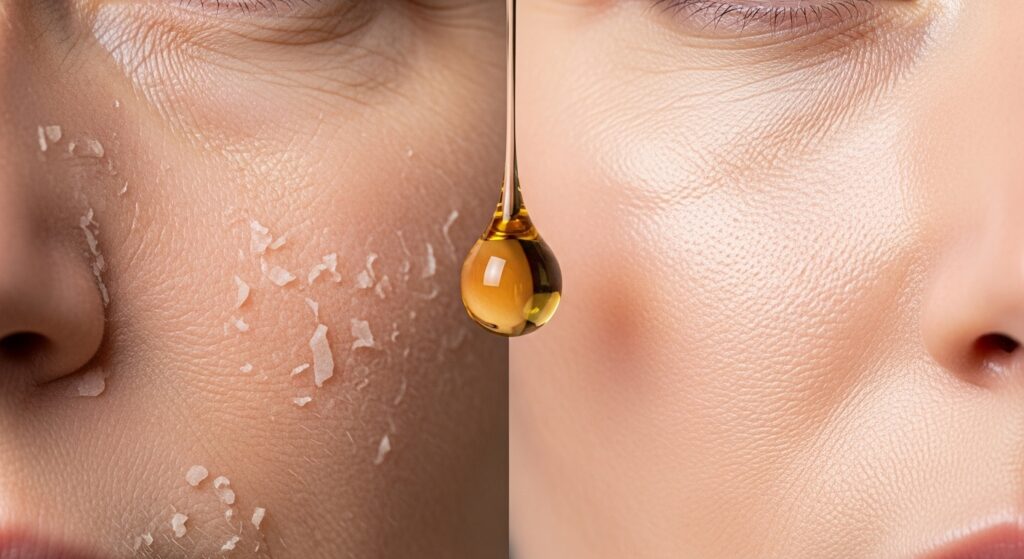
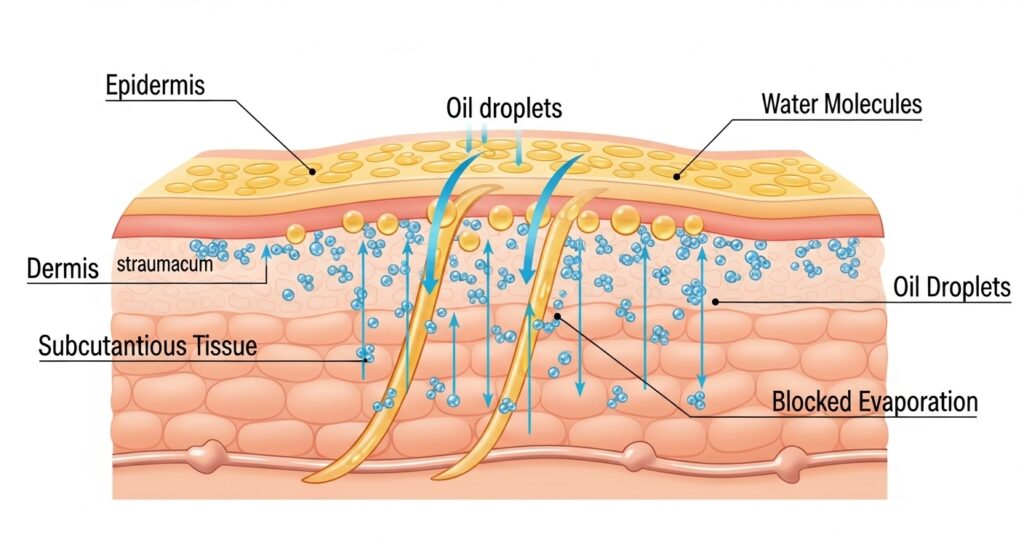
Before we dive into the techniques, let’s understand the “why” behind the magic. Our skin and hair are constantly losing water to the environment, a process known as transepidermal water loss (TEWL). Humectants (like hyaluronic acid or glycerin) attract water, while emollients smooth things over. But occlusives—like oils and butters—are the ultimate sealants. They form a hydrophobic, or water-repelling, layer on the surface. This layer doesn’t allow moisture to penetrate deeper, but it brilliantly traps the existing moisture underneath, preventing it from evaporating. Think of it as putting a lid on a steaming cup of tea; the heat (moisture) stays in.
The Golden Rules for Effective Oil Sealing
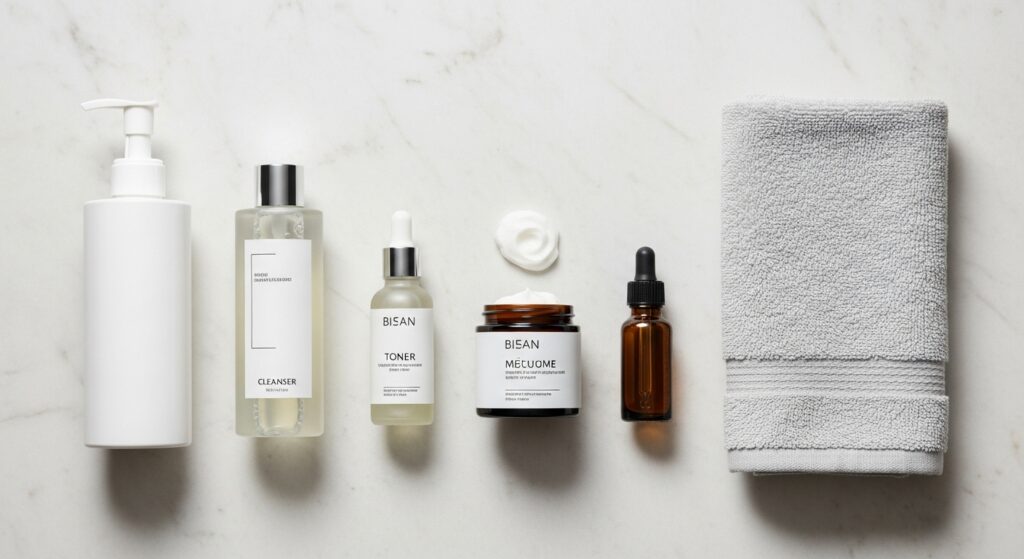
Mastering these foundational rules will make every technique more effective. First, always apply to damp skin or hair. Sealing dry surfaces locks in very little. Second, less is more. A few drops of oil are usually sufficient; over-application can feel greasy. Third, layer correctly. The ideal sequence is: water-based serum (if using), moisturizer/cream, then oil. Finally, choose your oil wisely. Consider your skin type and the oil’s comedogenic rating (how likely it is to clog pores).
9 Oil Sealing Techniques for Glowing Skin
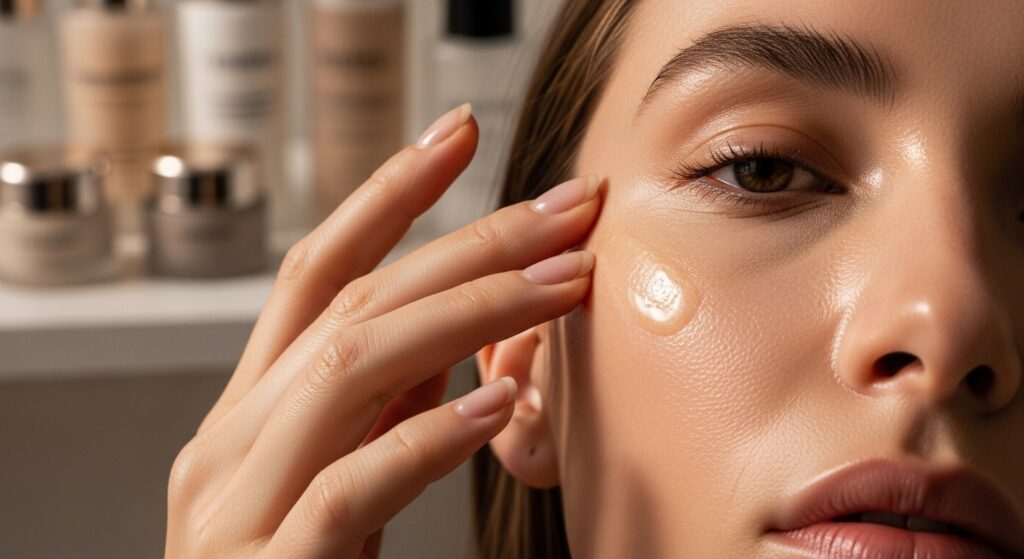
1. The “Press and Pat” Method: After your moisturizer, warm 2-3 drops of facial oil between your palms. Gently press onto your cheeks, forehead, and chin, then lightly pat until absorbed. This presses moisture in without rough rubbing.
2. The Damp Cloth Boost: Spritz your face with a hydrating mist or use a damp washcloth after moisturizing. While skin is visibly dewy, immediately press your oil on top. The extra water provides more hydration to seal.
3. Oil-Infused Moisturizer Mixing: Add one drop of oil directly into your dollop of night cream or body lotion in your palm. Mix and apply together. This simplifies the process while ensuring even distribution.
4. The Layered Neck & Décolletage Treatment: Don’t neglect this area! Apply your body lotion on damp skin from the collarbone down, then seal with a light oil like camellia or grapeseed. Use upward strokes.
5. Targeted Elbow and Knee Seal: For rough patches, exfoliate gently, apply a thick cream, and then lock it in with a richer oil like castor oil. Cover with a warm towel for a minute to enhance absorption.
6. The Overnight Foot Mask: After a shower, slather your feet in shea butter cream, then coat with a sealing oil like coconut or avocado. Put on cotton socks and wake up to baby-soft feet.
7. Pre-Makeup Primer Seal: For a glowing makeup base, use a tiny drop of argan or squalane oil as the last step of your skincare. Wait 5 minutes before applying foundation to prevent pilling.
8. The Bath Oil Seal: After bathing, pat skin until just damp. Apply a body oil containing jojoba or sunflower seed oil all over. The residual heat from the bath helps the oil spread and seal more effectively.
9. Lip Lock Technique: Hydrate lips with a water-based balm or even a dab of serum. Once tacky, apply a thin layer of lanolin or jojoba oil to seal in the moisture for hours.
9 Oil Sealing Techniques for Luscious Hair
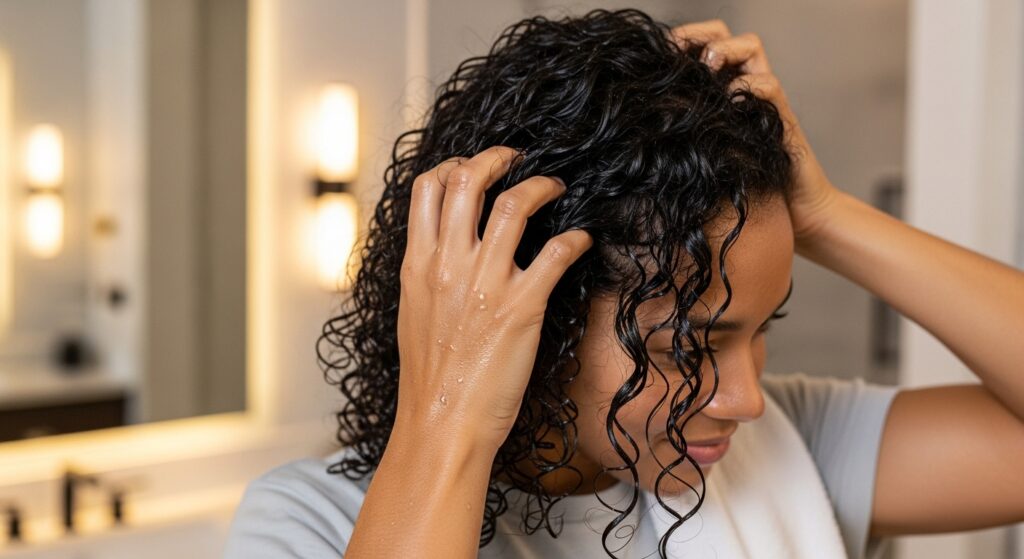
10. The “LOC” or “LCO” Method: A cornerstone of curly hair care. Liquid (water/leave-in conditioner), Oil (a light sealer like argan), Cream (a styler). Or LCO for finer hair. This layered sealing is transformative.
11. Scalp Toning and Sealing: On damp scalp after washing, apply a lightweight, non-comedogenic oil like pumpkin seed or diluted tea tree oil. Massage in. This seals hydration on the scalp without heavy buildup.
12. Damp Ends-Only Treatment: To prevent split ends, apply your leave-in conditioner to damp ends, then follow with a single drop of marula or baobab oil focused only on the last inch of your hair.
13. Pre-Poo Oil Sealing: Before shampooing, coat dry hair in coconut or olive oil. Let it sit for 30 minutes. This seals the hair shaft, preventing it from absorbing too much water and swelling during washing, which reduces hygral fatigue.
14. The Steam Treatment Seal: In the shower, apply conditioner, then a layer of oil over it. With the shower steam creating heat, cover hair with a plastic cap for 5 minutes. The heat helps the oil seal the conditioner’s moisture deep within.
15. Pineappling with Oil: Before tying hair into a loose, high “pineapple” ponytail for sleep, lightly mist ends with water, add a smidge of curl cream, and seal with oil. This protects ends overnight.
16. Refresh and Seal for Curls/Waves: On day-old hair, mix water and a drop of oil in a spray bottle. Mist hair lightly to reactivate products, then scrunch. The oil in the mix helps reseal the moisture.
17. Hot Tool Protection Seal: Before using heat, apply a heat-protectant spray (which often contains humectants). While hair is still damp from the spray, add a tiny amount of argan oil to seal that layer of protection.
18. The Overnight Braid Seal: For long hair, apply a light oil to damp ends, then braid hair loosely. This minimizes friction against your pillow and ensures the oil works on sealing moisture as you sleep.
Choosing Your Sealing Oil: A Quick Guide
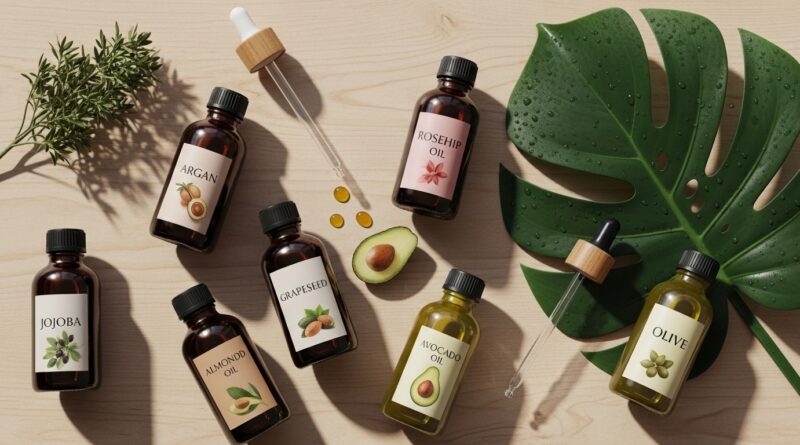
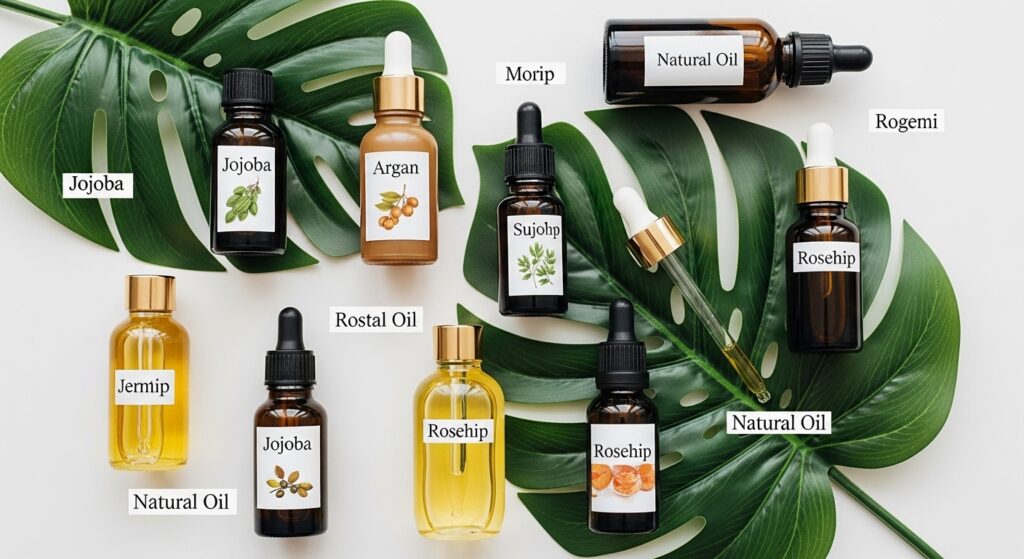
Not all oils are created equal. For Face (Oily/Acne-Prone): Jojoba, squalane, hemp seed oil (low comedogenic). For Face (Dry/Mature): Marula, rosehip, argan, camellia oil. For Body: Sunflower, sweet almond, coconut oil (if not prone to body acne). For Hair (Fine/Low Porosity): Argan, grapeseed, sweet almond (lightweight). For Hair (Thick/High Porosity): Castor, avocado, olive oil (richer, more sealing power). Always patch test first.
Common Mistakes to Avoid
Even with the best techniques, small errors can hinder results. Avoid applying oil to dry skin/hair—you’ll just have oily dryness. Don’t use too much oil; a little goes a long way. Don’t skip moisturizer; oils are sealants, not moisturizers themselves. They trap but don’t add significant water. Finally, be patient. It can take a few weeks of consistent sealing for your skin’s barrier to repair and show optimal hydration.
Seal in Your Success
Oil sealing is more than a trend; it’s a timeless principle of effective hydration. By strategically using oils as the final, protective layer, you empower your moisturizers and conditioners to work harder and longer. Whether you choose the “Press and Pat” for your face or the LOC method for your curls, you’re taking control of your hydration cycle. Experiment with these 18 techniques, find your perfect oil match, and get ready to experience what it truly means to have moisture locked in all day long.