19 Bouffant Updo Variations from Different Decades
Big, bold, and impossibly glamorous, the bouffant updo is more than just a hairstyle—it’s a statement. Synonymous with volume, elegance, and a touch of dramatic flair, this iconic look has defied the fleeting nature of fashion, evolving and adapting across generations. From its zenith in the mid-20th century to its nostalgic revivals on modern runways, the bouffant possesses a unique versatility. It can whisper of vintage sophistication or scream of rebellious punk energy, all depending on its execution.
The 1950s: The Birth of the Beehive & Foundational Glamour
The 1950s laid the groundwork for big hair, but the true, structured bouffant updo found its feet as the decade transitioned into the 1960s. This era was all about controlled volume and polished femininity.
1. The Classic Teased Bouffant: The original. Hair was backcombed (teased) mercilessly at the crown for maximum height, then smoothed over into a soft, rounded shape, often curled under at the ends. The sides were neatly tucked or rolled.
2. The Bouffant Beehive (Early 60s): A more extreme, conical evolution. Popularized by icons like Audrey Hepburn in “Breakfast at Tiffany’s,” hair was teased upward and back, creating a hive-like structure that was often lacquered to immovable perfection.
3. The Flipped Bouffant: Characterized by its distinct, outward flip at the shoulders or nape of the neck. The crown volume was paired with these buoyant flips, creating a buoyant, joyful silhouette.
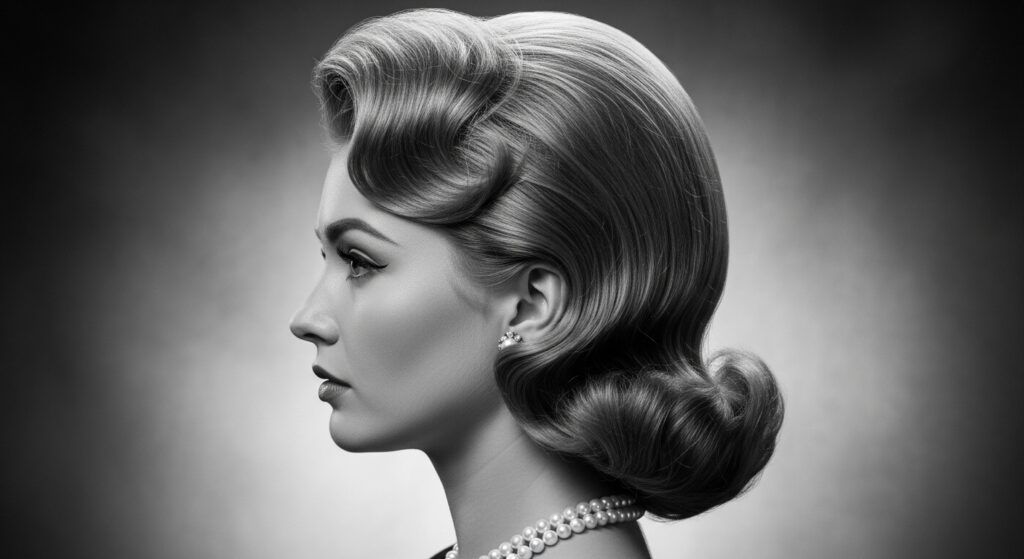
The 1960s: Reaching New Heights & Mod Rebellion
The 1960s saw the bouffant reach its apogee of height and cultural significance. It became a symbol of both mainstream chic and youthful rebellion.
4. The Supreme Beehive: As worn by The Ronettes and Dusty Springfield. This was taller, more dramatic, and often accompanied by a dramatic cat-eye. It represented the height of girl-group glamour.
5. The Modern Bouffant (Smooth Crown): A sleeker version where the front and crown were smoothed into a high, rounded mound, but the back was gathered into a large, low bun or chignon. Think Jackie Kennedy’s polished elegance.
6. The Mop-Top Bouffant (Mid-60s): A fascinating fusion. The influence of The Beatles’ mop-top led to softer, looser bouffants with more fringe (bangs) and less severe teasing, especially among younger women.
7. The “Big Hair” Bouffant: Pioneered by country stars and movie legends like Jane Fonda in “Barbarella.” This version was wider and more voluminous all around, not just tall, often with cascading curls escaping the structure.
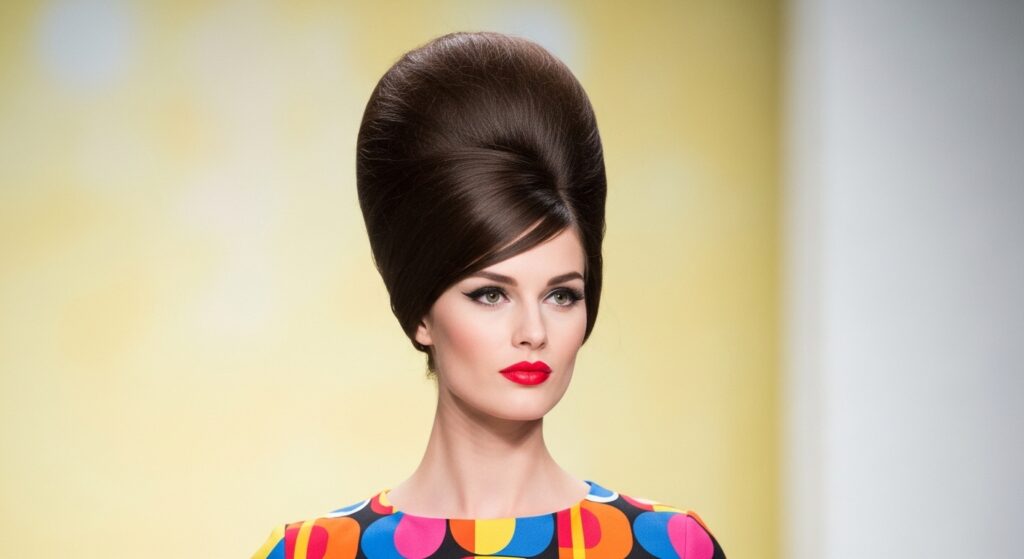
The 1970s: Softening the Edges & Boho Influence
The free-spirited 70s brought the bouffant down to earth—literally. Volume remained, but it became looser, more romantic, and infused with bohemian flair.
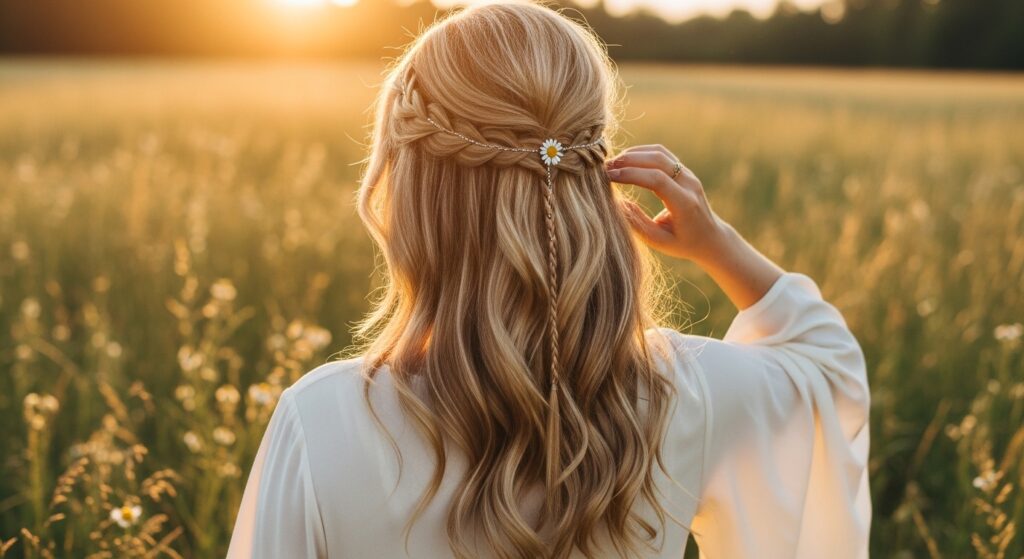
8. The Boho Bouffant: Teasing was replaced with natural texture and braids. Volume came from waves and a slightly messy crown, often accessorized with headbands, scarves, or fresh flowers.
9. The Disco Bouffant: Glamour returned under the mirror ball. This version was shiny, had plenty of height, and was paired with tight curls or feathered layers around the face. It was all about drama under the lights.
10. The Half-Up Bouffant: A more casual, everyday take. Only the top section of hair was teased and lifted, while the rest was left long and flowing down the back, often in soft waves.
The 1980s: Extreme Volume & Power Dressing
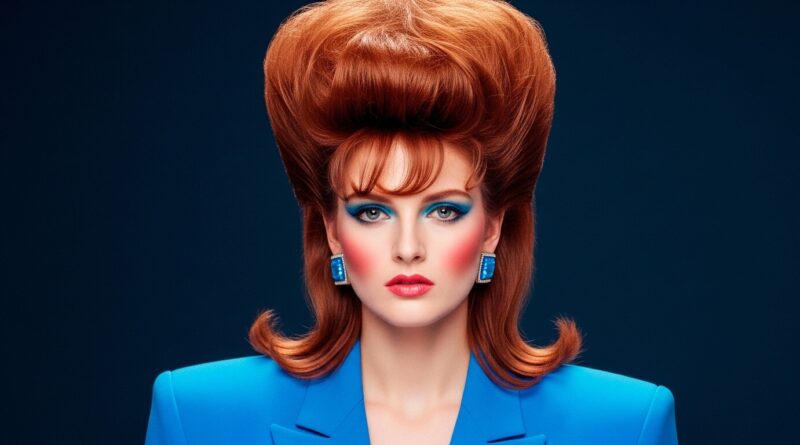
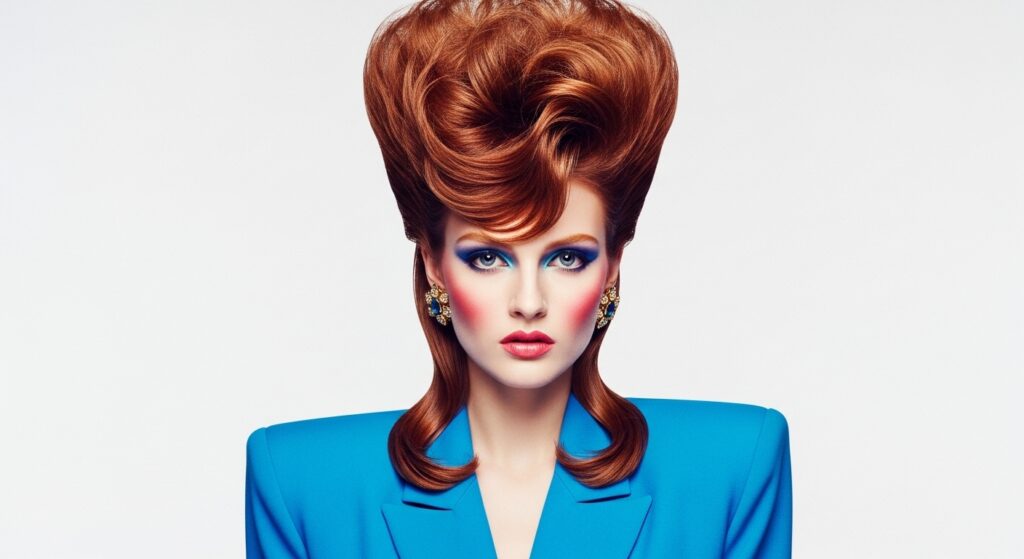
If the 60s built height, the 80s built width. The bouffant became bigger, bolder, and a key component of the power-dressing aesthetic, fueled by hairspray and attitude.
11. The Power Bouffant: Epitomized by icons like Joan Collins on “Dynasty.” Huge, rounded volume at the crown combined with severe, sculpted waves or curls. It was a helmet of confidence.
12. The Teased-Out Curls Bouffant: Volume met perm. A tight perm provided the base, and every curl was then teased and picked out to create a massive, frizzy-circa-glamorous halo of hair.
13. The Side-Pouf Bouffant: Instead of central height, volume was concentrated in a large pouf on one side of the head, often over a deep side part. The rest might be slicked back or curled.
The 1990s & 2000s: Subdued Returns & Ironic Revivals
The grunge and minimalist 90s largely rejected the bouffant, but it made niche comebacks. The 2000s began a cycle of ironic and nostalgic revival.
14. The Grunge “Bed-Head” Bouffant: A deconstructed, messy version. Hair was lightly teased at the roots for volume but left intentionally messy and unfinished, often with dark roots showing.
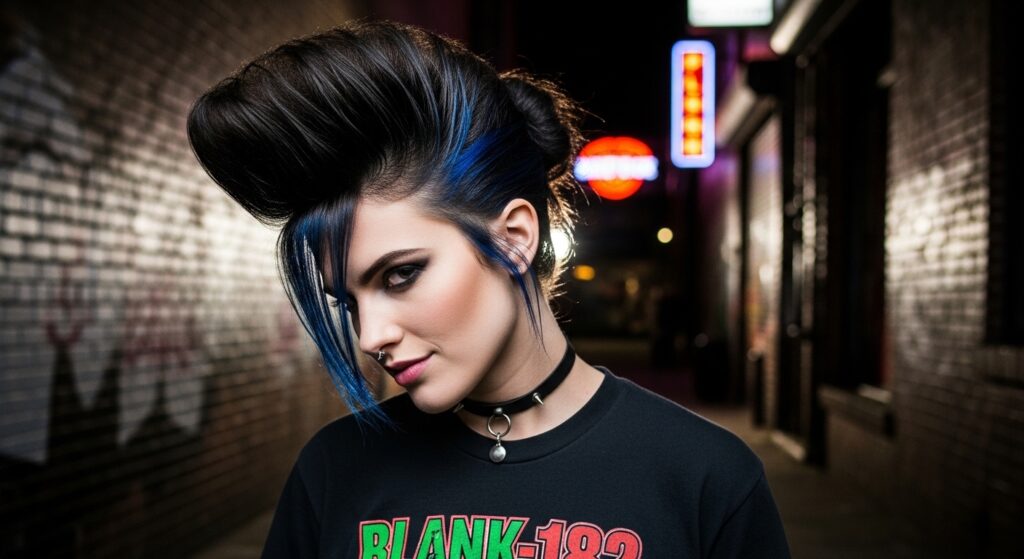
15. The Modern Pompadour Bouffant (2000s): Influenced by pop-punk and retro rockabilly revival. Sharp, high volume at the front (like a pompadour) combined with a messy or sleek bun at the back.
16. The Red Carpet Bouffant (2000s): A sleek, modern interpretation seen on celebrities like Nicole Kidman. High, smooth volume at the crown paired with an impeccably sleek low bun or twist. No stray hairs allowed.
2010s to Present: The Nostalgic & Artistic Reinvention
Today, the bouffant is worn with a knowing nod to its history. It’s a choice, not a norm, allowing for incredible creativity and personalization.
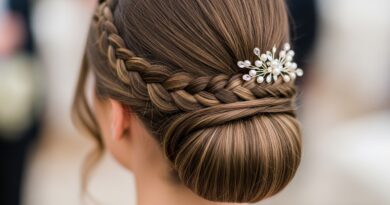
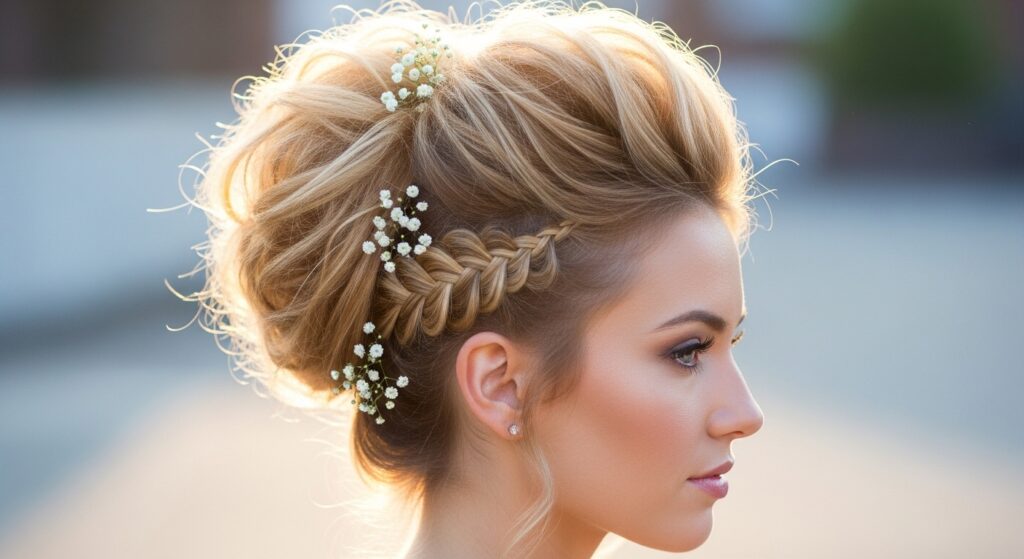
17. The Boho-Chic Wedding Bouffant: The go-to for many modern brides. Soft, romantic volume at the crown, intertwined with braids, pearls, or delicate vines, leading to a loose, low updo.
18. The Textured “Model-Off-Duty” Bouffant: Seen at fashion weeks. It has effortless, lived-in volume created with texturizing sprays and minimal teasing. The goal is “cool-girl” volume, not retro perfection.
19. The Avant-Garde Sculptural Bouffant: On runways and editorial shoots, the bouffant becomes art. Hair is molded into exaggerated, asymmetrical, or geometric shapes, often using accessories, wires, or unconventional materials.
How to Achieve Your Own Decade-Defying Bouffant
Ready to try a bouffant updo? The fundamentals remain the same, but the tools have improved. Start with second-day hair for better grip. You’ll need a fine-tooth comb for teasing, strong-hold hairspray, and bobby pins. Section your hair, focusing your backcombing at the roots of the crown section. Once you have the desired volume, gently smooth the top layer over the teased foundation, pinning it securely at the back. Then, style the remaining hair into your chosen updo—a bun, twist, or ponytail. Remember, the key is volume at the crown; everything else is adaptation.
The Timeless Allure of the Bouffant
From its origins in post-war glamour to its status as a symbol of power and its current life as a nostalgic art form, the bouffant updo’s journey is a mirror to changing ideals of beauty and femininity. Its 19 variations—and countless more—prove that while trends come and go, the desire for height, volume, and a touch of dramatic elegance is truly timeless. So, whether you channel your inner 60s songstress or a modern runway model, remember: a little backcombing can go a very long way.