19 Highlights Patterns That Add Dimension Without Damage
In the quest for luminous, multi-dimensional hair, many fear the toll traditional foils might take on their strands. The good news? The world of hair color has evolved into an art form focused on beauty with integrity. Today’s most sought-after highlighting techniques are designed to create stunning, natural-looking dimension while prioritizing the health and strength of your hair. Gone are the days of uniform, scalp-heavy streaks that scream “artificial.” The modern approach is strategic, painterly, and often free of harsh lines or excessive bleach saturation.
1. Balayage: The Freehand Masterpiece
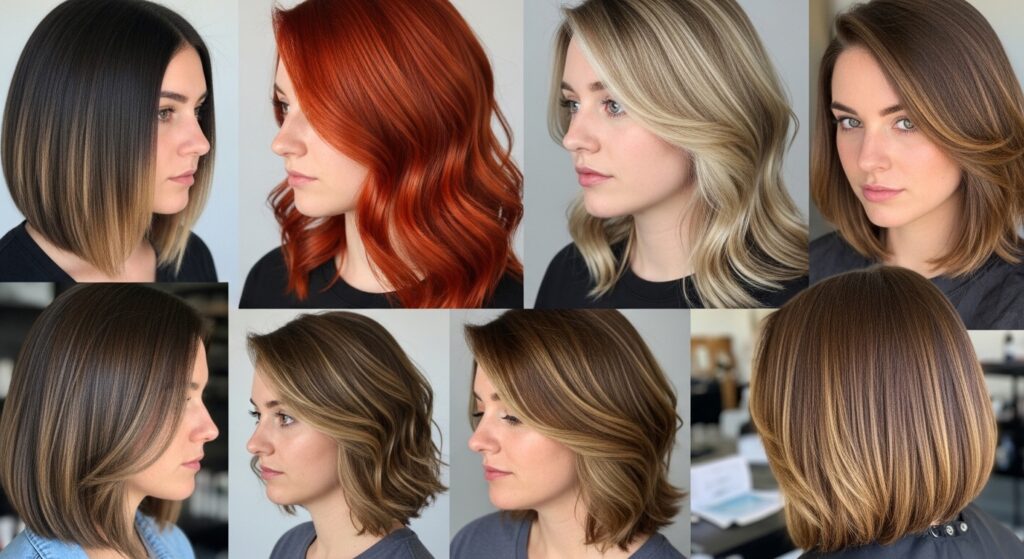
The queen of natural-looking color, balayage involves hand-painting highlights onto the surface of small hair sections. Because the colorist has complete control, they can avoid the roots and mid-lengths, focusing bleach only where the sun would naturally lighten hair. This results in a soft, blended, low-maintenance grow-out with minimal overlap on previously lightened hair, reducing damage.
2. Babylights: Ultra-Fine and Delicate
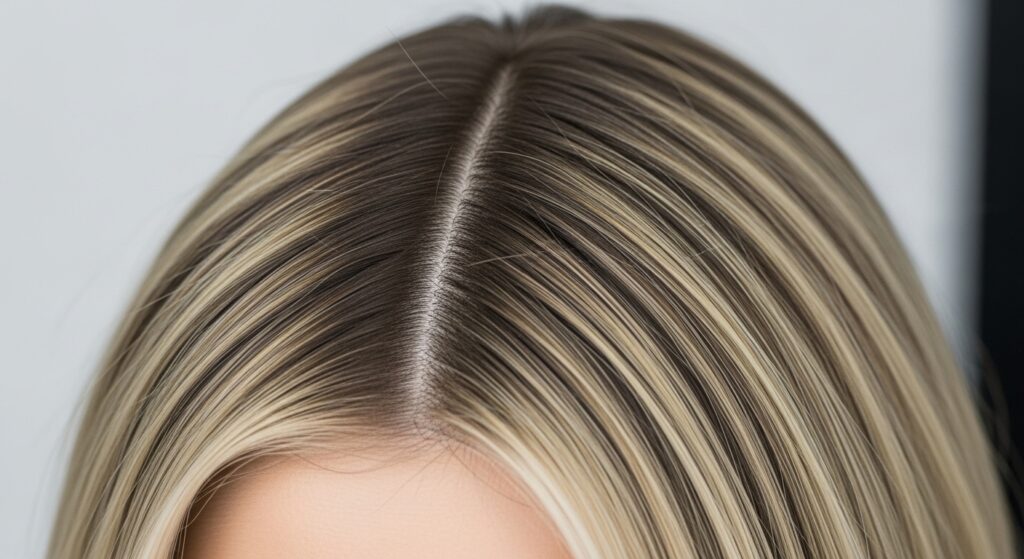
Imagine the almost imperceptible, fine highlights of a child’s hair in the summer. Babylights are micro-fine foiled highlights placed throughout the entire head, including around the hairline and part. Their delicacy means only tiny amounts of hair are lightened, distributing potential processing stress and creating an all-over glow without dramatic contrast or heavy regrowth lines.
3. Foilyage: The Best of Both Worlds
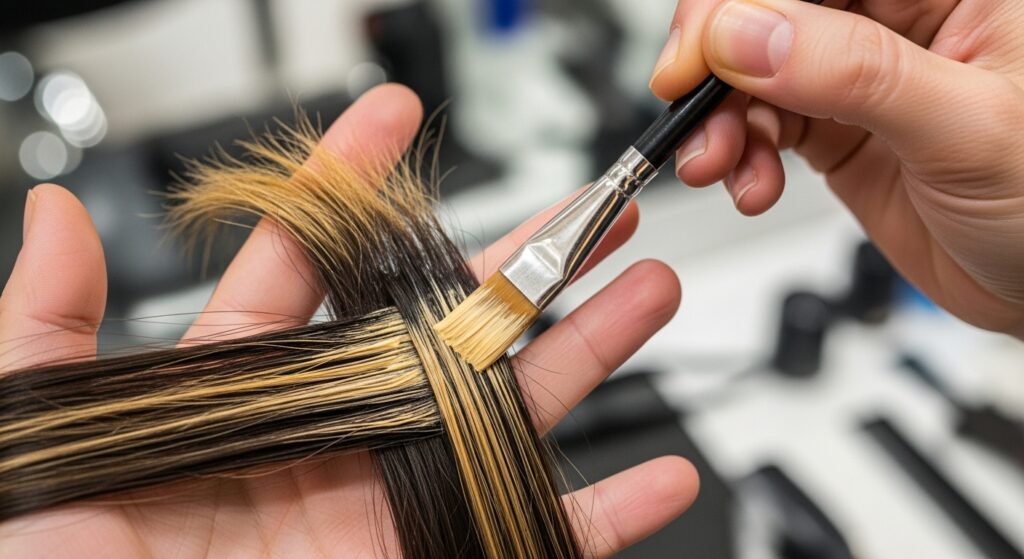
This hybrid technique combines the freehand placement of balayage with the gentle heat acceleration of a loose foil wrap. The stylist paints the color in a balayage style but then wraps the section in foil. This allows for lighter, brighter results with less processing time, minimizing the amount of time the lightener is on the hair and thereby reducing potential damage.
4. Teasy Lights for Voluminous Dimension
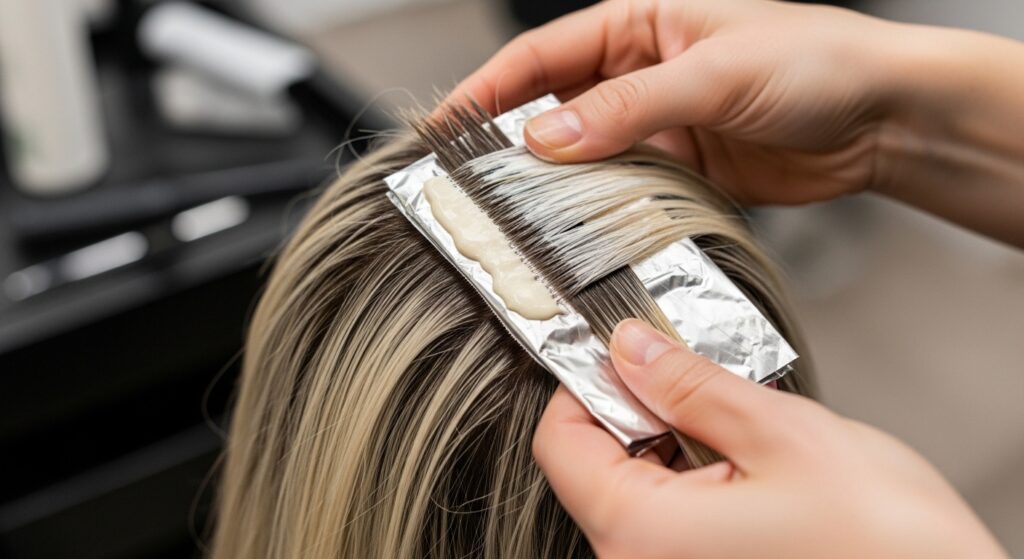
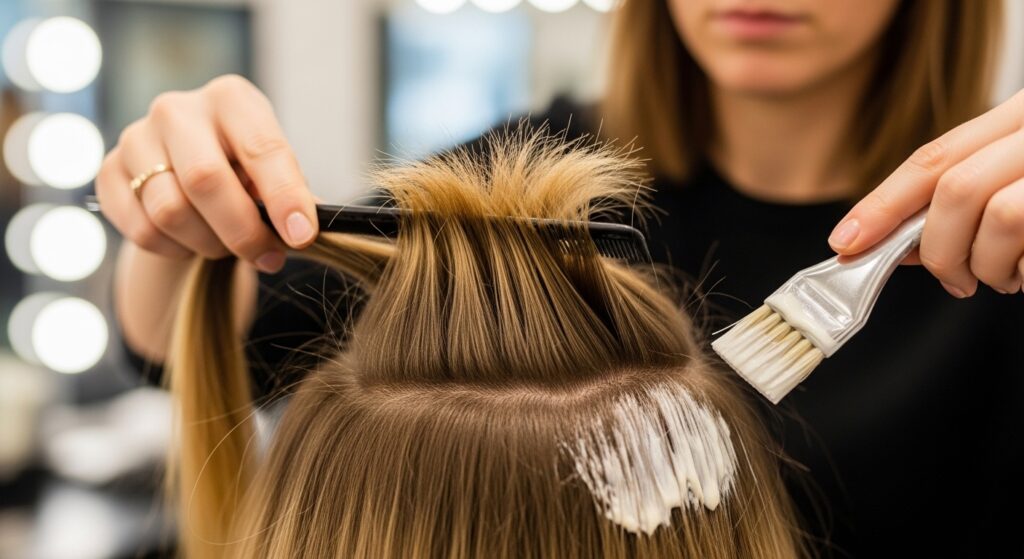
Using a teasing (backcombing) technique at the root before applying color, the stylist creates a soft, diffused root shadow. This means highlights start slightly away from the scalp and blend seamlessly, eliminating harsh lines. It’s a fantastic way to add volume and depth at the root without the solid block of color that traditional highlights can create.
5. Sombre: The Subtle Ombre
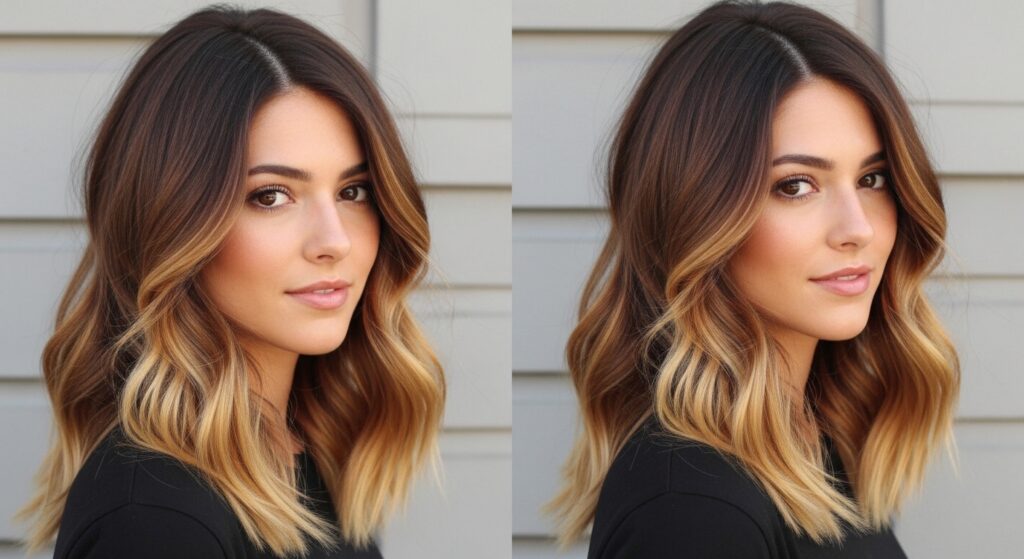
A softer, more gradual version of ombre, sombre features a subtle, whisper-light transition from your natural root color to lighter ends. The contrast is minimal, meaning less lightener is needed overall, and the focus is on the mid-lengths and ends, which are generally more resilient than new growth.
6. Ribbon Highlights for Movement
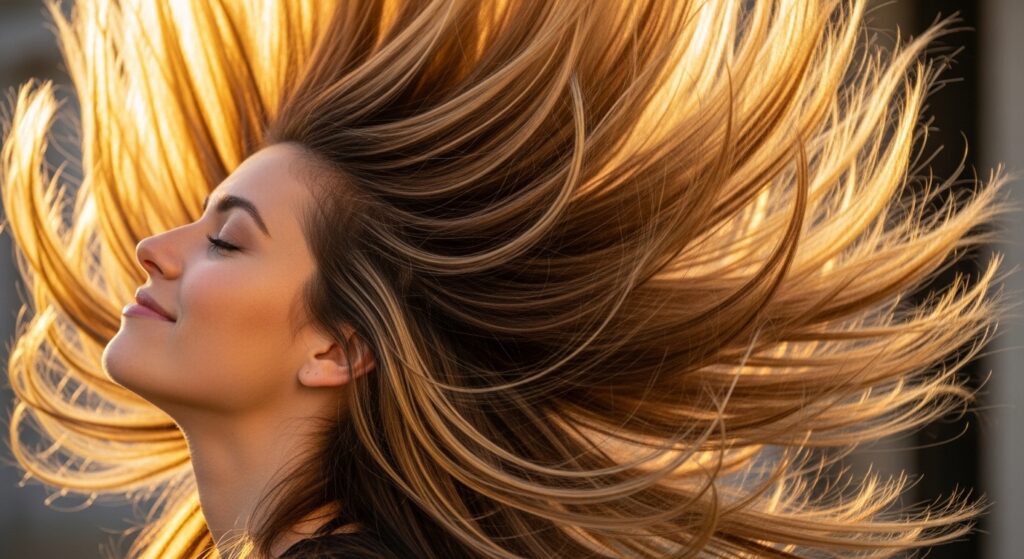
This pattern involves placing wider, irregular sections of highlight that weave through the hair like ribbons. They are not uniform in size or placement, which creates a dynamic, multi-tonal effect with lots of movement. Because they are spaced out, a smaller percentage of the total hair is lightened.
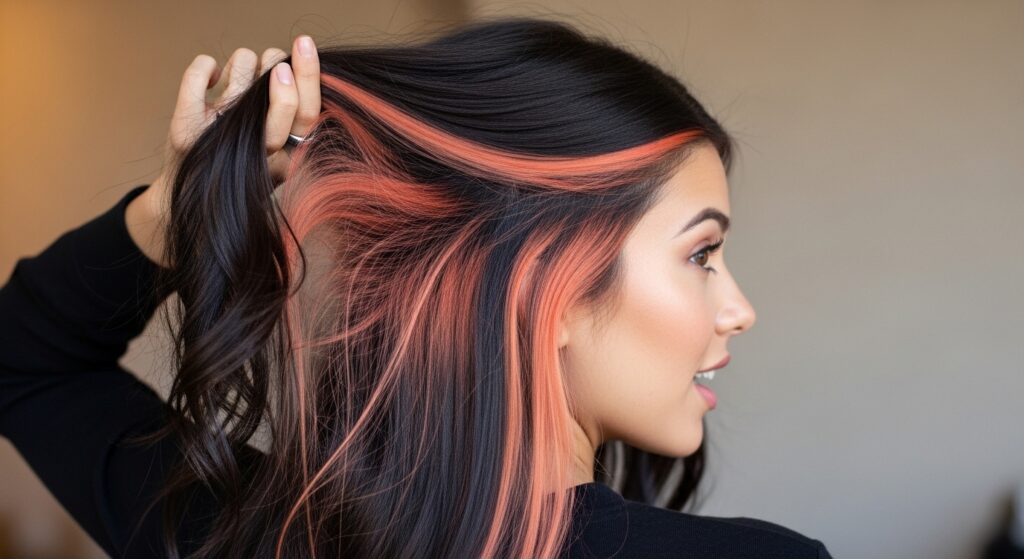
7. Peek-a-Boo Highlights: Hidden Pops of Color
Perfect for the color-shy or those with strict workplaces, these highlights are placed underneath the top layers of hair. They reveal themselves with movement. This allows for fun, brighter colors or lighter pieces without committing to an all-over look and confines lightening to areas that can be more easily isolated and cared for.
8. Shadow Root: The Smudged Base
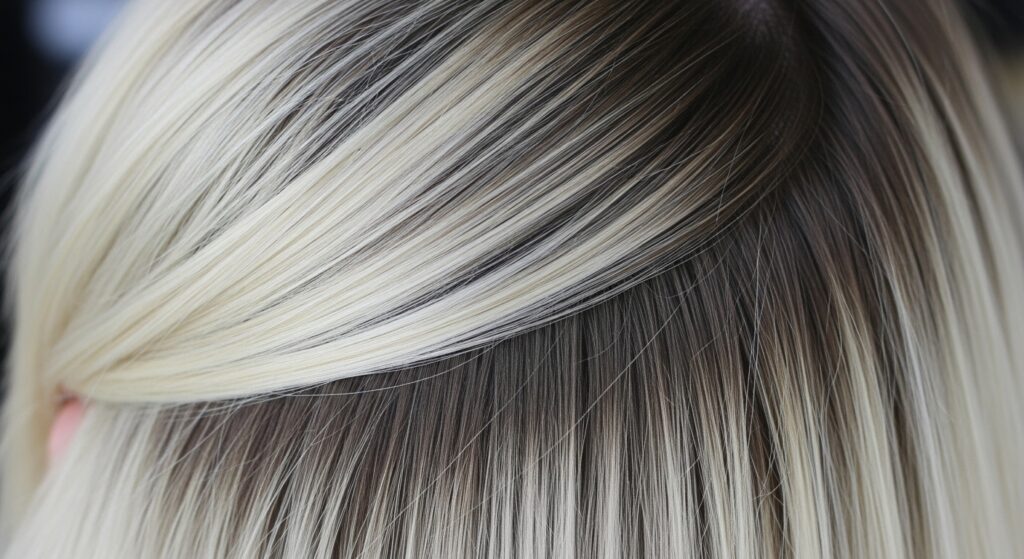
While not a highlighting technique per se, a shadow root is a critical damage-control strategy. By dyeing the roots a darker, smudged shade that matches your base, it allows highlights to start lower down the hair shaft. This means you can go longer between full highlight appointments, reducing the frequency of chemical processing on new growth.
9. Ecaille: The Tortoiseshell Effect
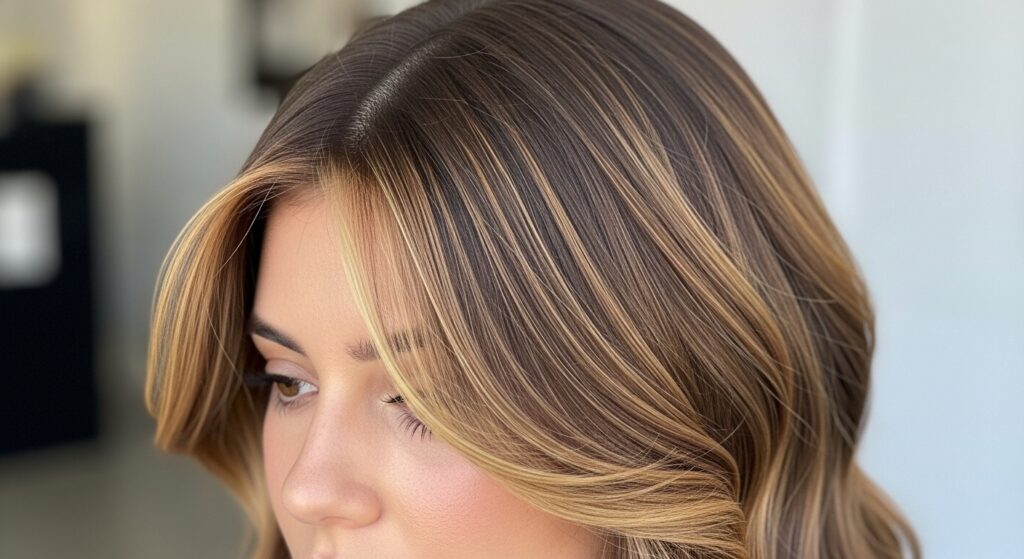
This sophisticated technique mimics the rich, multi-tonal hues of a tortoiseshell. It combines warm highlights and lowlights (darker pieces) in amber, caramel, chocolate, and honey tones. By balancing lightener with demipermanent or permanent lowlights, the overall look is achieved with less lightener than an all-over highlight, preserving hair health.
10. Glossing for Post-Color Brilliance
A vital final step, a gloss is a demi-permanent color treatment applied after highlighting. It adds shine, tones brassiness, and enriches color depth without ammonia or peroxide. It actually helps seal the hair cuticle, improving the feel and health of highlighted hair while making the color last longer.
11. Chunky Highlights (Modernized)
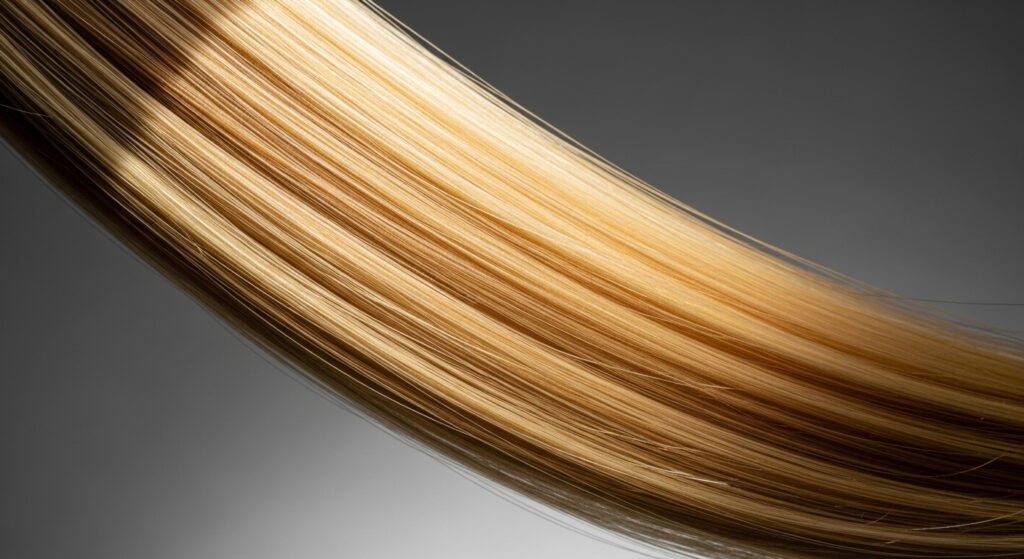
The 90s are back, but with a softer touch. Modern chunky highlights are wider and more strategic, often placed just around the face or in a few select panels. When done sparingly, they make a bold statement without requiring the entire head to be foiled, limiting the areas of processing.
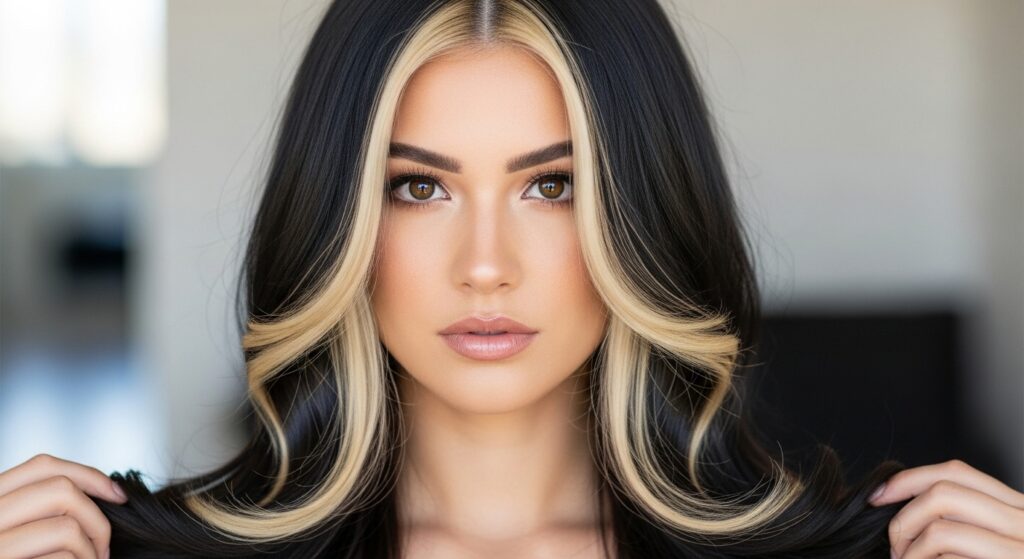
12. Money Piece: The Frame for Your Face
This technique focuses lightener only on the two front sections of hair framing the face. It’s a high-impact, low-commitment method that brightens your complexion without touching the majority of your hair. The limited application area means minimal overall processing.
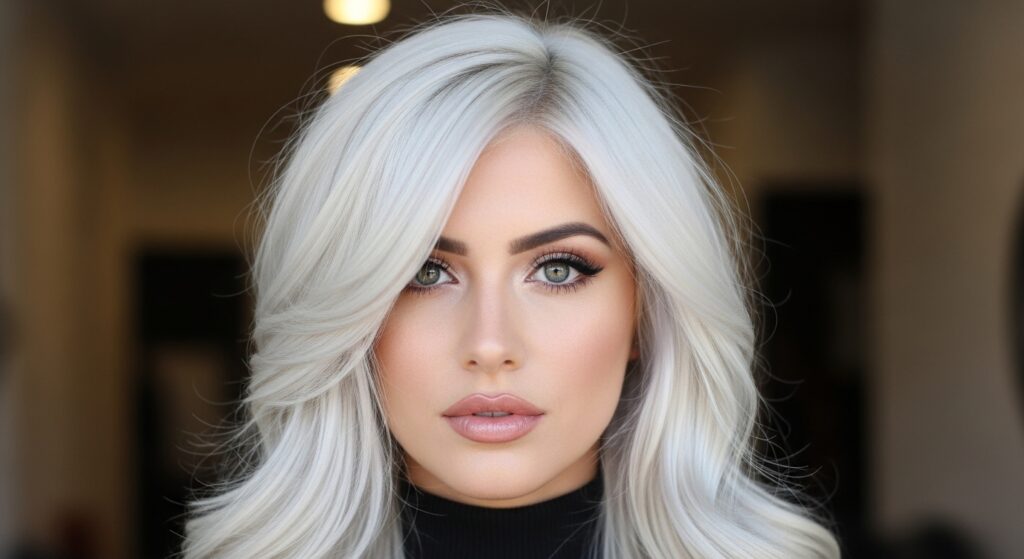
13. Splash Lights: Sun-Kissed Ends
Similar to sombre but often brighter, splash lights concentrate color primarily on the ends of the hair, as if the tips were dipped in light. The lightener is confined to the oldest part of the hair, which is often already more porous, allowing for strategic placement that avoids the newer, healthier mid-lengths and roots.
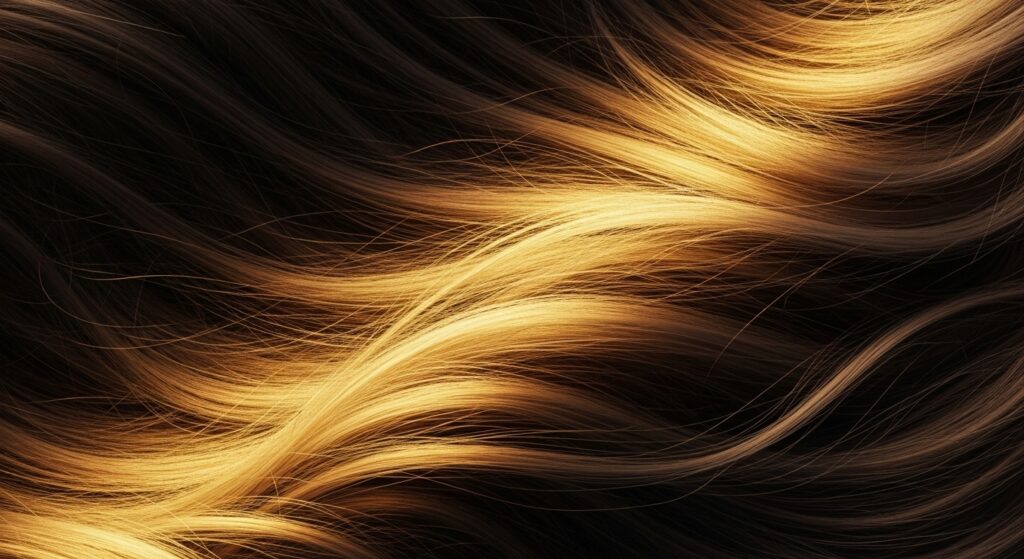
14. Pixelated Highlights for a Digital-Age Look
An ultra-modern technique where tiny, square-shaped sections are highlighted in a seemingly random pattern. This pixelated effect creates incredible dimension and is often done with a careful, precise approach that lightens very small amounts of hair at a time, distributing any potential stress.

15. Dimensional Single-Process with Highlights
Instead of an all-over bleach highlight, this involves using a single-process base color close to your natural shade and then adding just a few, carefully placed highlights for lift. This drastically reduces the total amount of lightener used compared to a full head of foils.
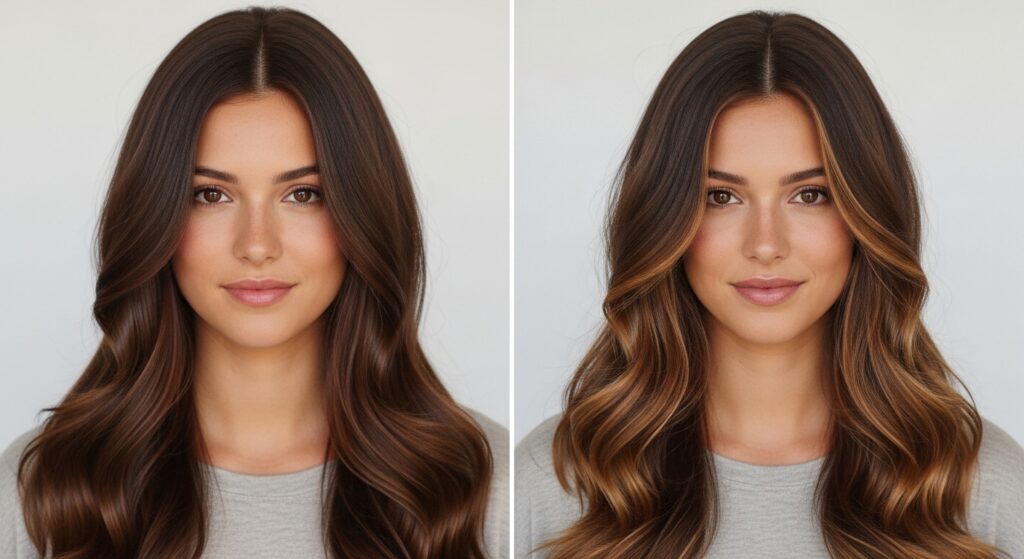
16. Flamboyage: The Tape-In Alternative
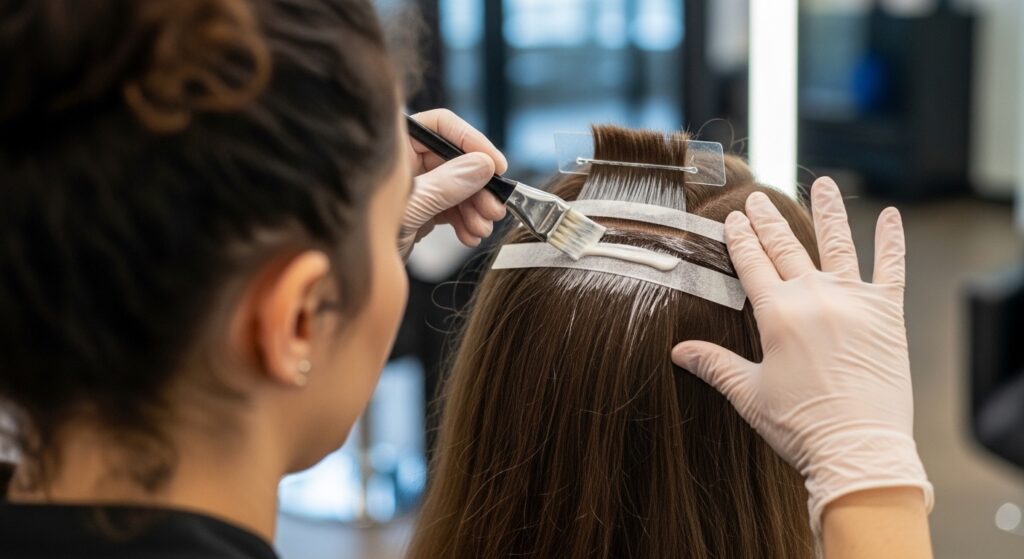
In this technique, a special tape is used to hold the hair while color is painted on. The tape allows for a clean, sharp application and can help speed processing time slightly. It’s a gentle alternative to traditional foiling that can create beautiful, blended results with controlled placement.
17. Root Stretching for Longer Appointments
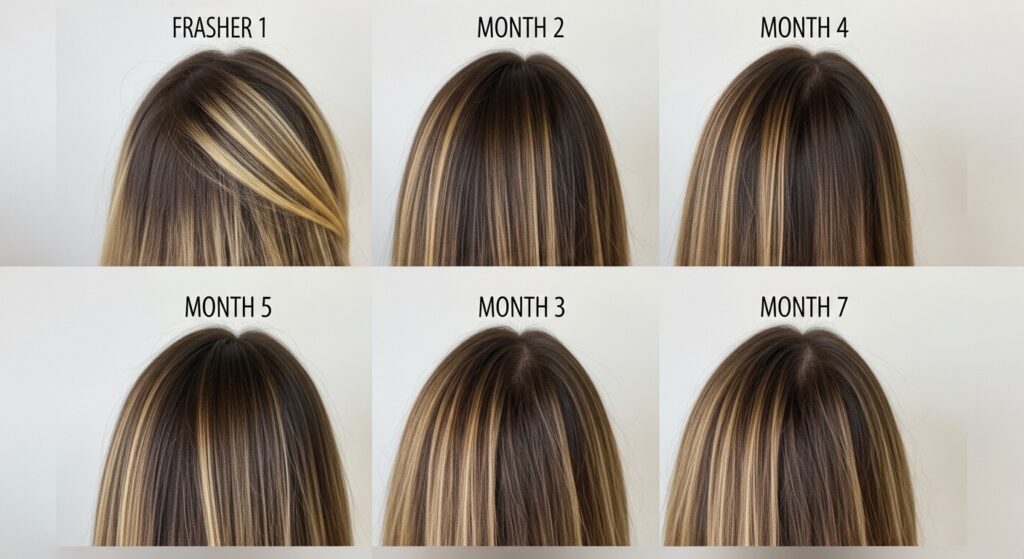
This is a coloring strategy where your stylist extends the time between highlight touch-ups by blending your new growth with a color melt or toner at the root during your appointment. By not re-lightening the entire new growth every time, you significantly reduce cumulative damage.
18. Partial Highlights for Focused Brightness
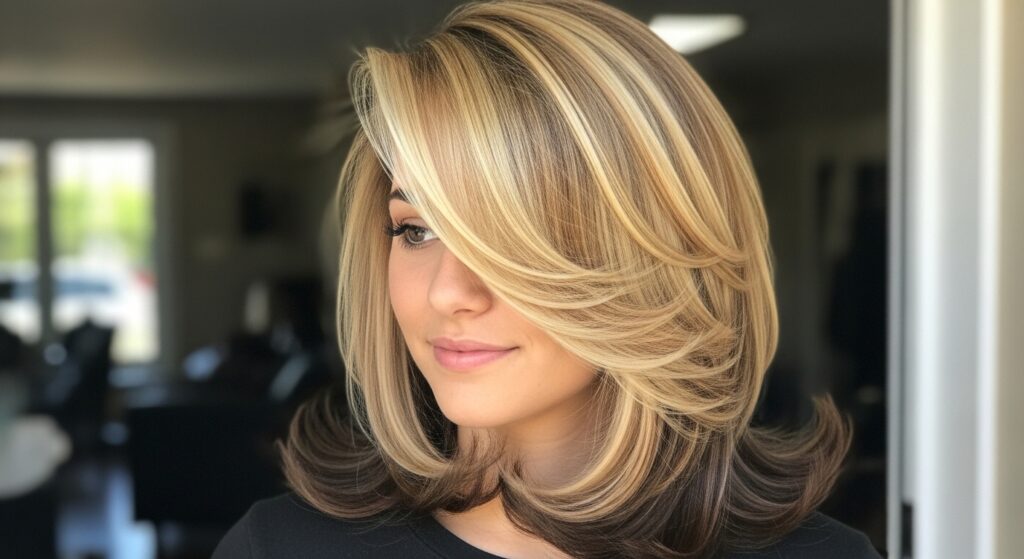
Ideal for maintaining dimension without a full commitment, partial highlights focus only on the top and crown section of the hair—the areas most visible. This leaves the underneath layers natural, reducing the total amount of hair processed by up to half.
19. The “Lived-In” Color Approach
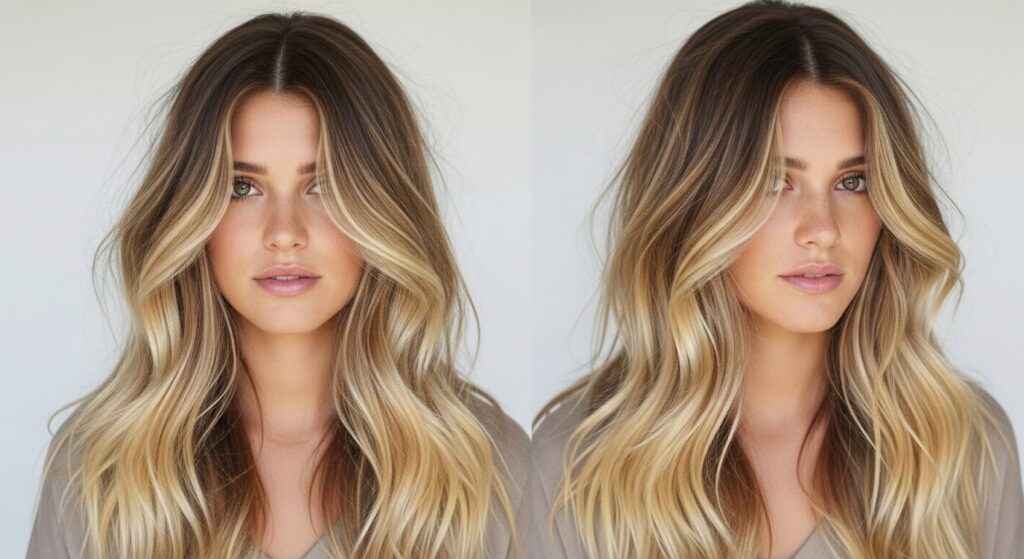
This is more of a philosophy than a single technique. Lived-in color uses a combination of balayage, babylights, shadow roots, and glossing to create a look that appears to have grown out beautifully on its own. The goal is soft, effortless dimension that requires touch-ups only 2-3 times a year, massively reducing chemical exposure over time.
Embracing Dimension with Care
The journey to luminous, dimensional hair no longer requires sacrificing its health. By choosing techniques like balayage, babylights, foilyage, or a strategic money piece, you are opting for a smarter approach to color. These methods work with your hair’s natural structure and growth patterns, placing lightener strategically to maximize visual impact while minimizing stress on the strands.
Always consult with a professional colorist who understands these nuanced techniques and can recommend the best damage-minimizing pattern for your hair type, history, and desired look. Pair your chosen highlighting service with a dedicated at-home care regimen of sulfate-free shampoos, rich conditioners, and weekly treatments. With the right technique and care, you can enjoy breathtaking, multi-dimensional hair that is as healthy as it is beautiful.