20 Hairstyles for Sensitive Scalps That Minimize Pulling
If you wince at the thought of a tight ponytail or feel a headache coming on from a simple braid, you’re not alone. For those with sensitive scalps, conditions like traction alopecia, eczema, psoriasis, or just a general low tolerance for tension, styling your hair can feel like a minefield. The constant pulling and tugging isn’t just uncomfortable—it can lead to hair loss and worsen scalp conditions.
Understanding Scalp Sensitivity and Traction
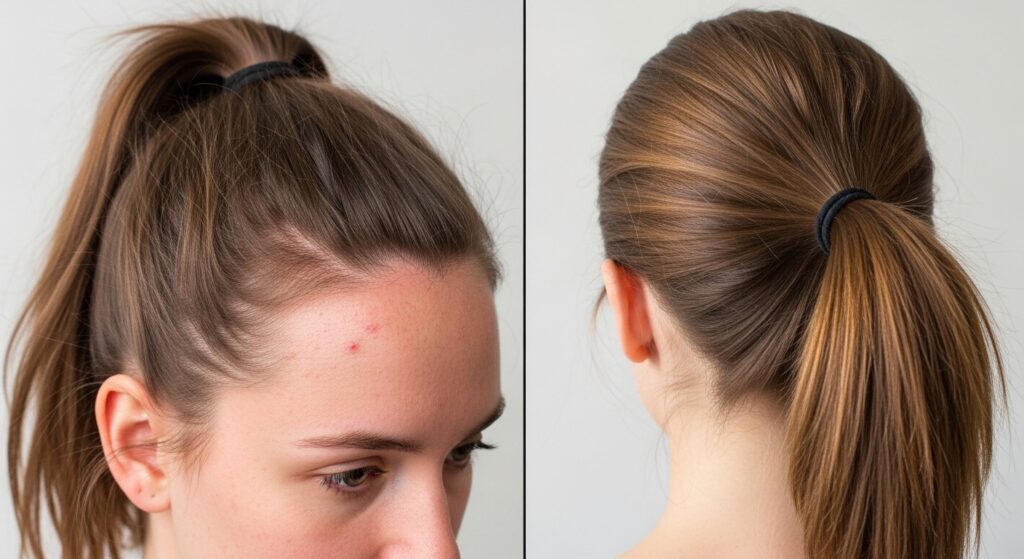
Before we dive into the styles, it’s crucial to understand why certain hairstyles cause pain. Your scalp is rich with nerve endings and blood vessels. Tight styles pull on the hair follicles, creating inflammation, reducing blood flow, and over time, can permanently damage the follicle leading to thinning edges and receding hairlines—a condition known as traction alopecia.
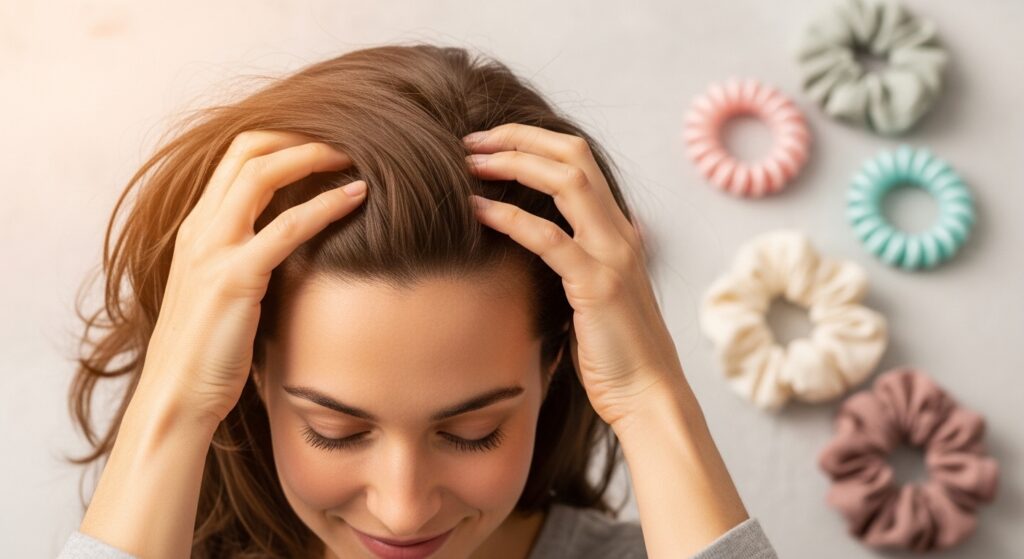
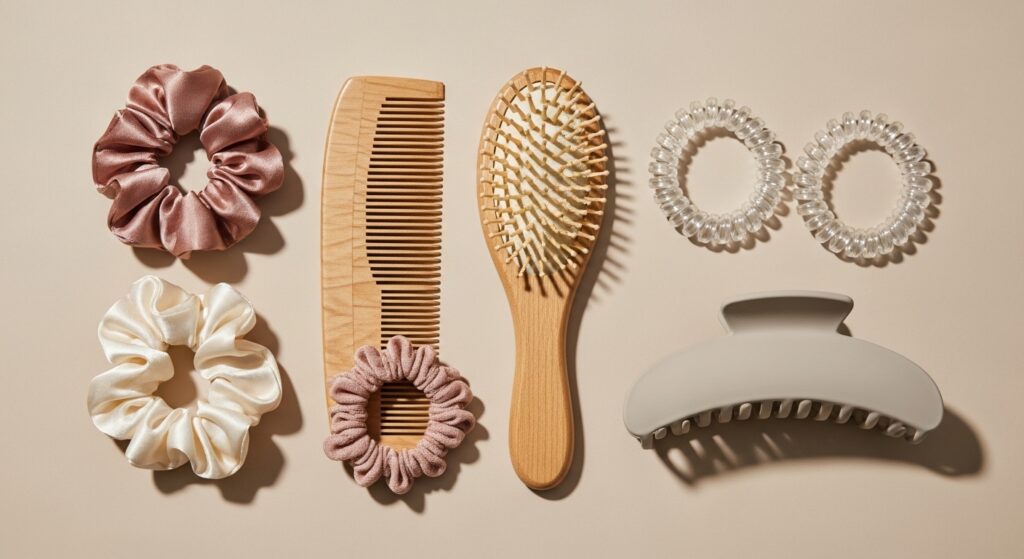
For those with inflammatory conditions like dermatitis, tension can further irritate the skin, causing flaking, redness, and soreness. The goal, therefore, is to choose styles that minimize points of tension and use the right tools. Swap thin elastic bands for soft scrunchies, coil hair ties, or silk ribbons. Use claw clips that have a smooth, wide grip instead of small, tight pins. Your scalp will thank you.
The Golden Rules for Sensitive Scalp Styling
Follow these foundational principles to ensure every style you create is as gentle as possible:
1. Looseness is Key: No style should feel taut. If you feel your eyebrows lifting, it’s too tight.
2. Vary Your Styles: Don’t wear the same hairstyle in the same spot every day. Move your part, alternate between up and down styles.
3. Gentle Tools: Invest in spiral/telephone cord elastics, satin scrunchies, and wide-tooth combs. Avoid metal barrettes and small, tight elastics with plastic grips.
4. Listen to Your Scalp: If a style starts to ache, take it down immediately. Discomfort is a warning sign.
1-10: Everyday Gentle Hairstyles
These styles are perfect for work, running errands, or relaxing at home. They require minimal effort and provide maximum relief.
1. The Low, Loose Ponytail: The classic savior. Gather hair at the nape of your neck, keeping it loose enough to slip a finger or two under the band. Use a soft scrunchie.
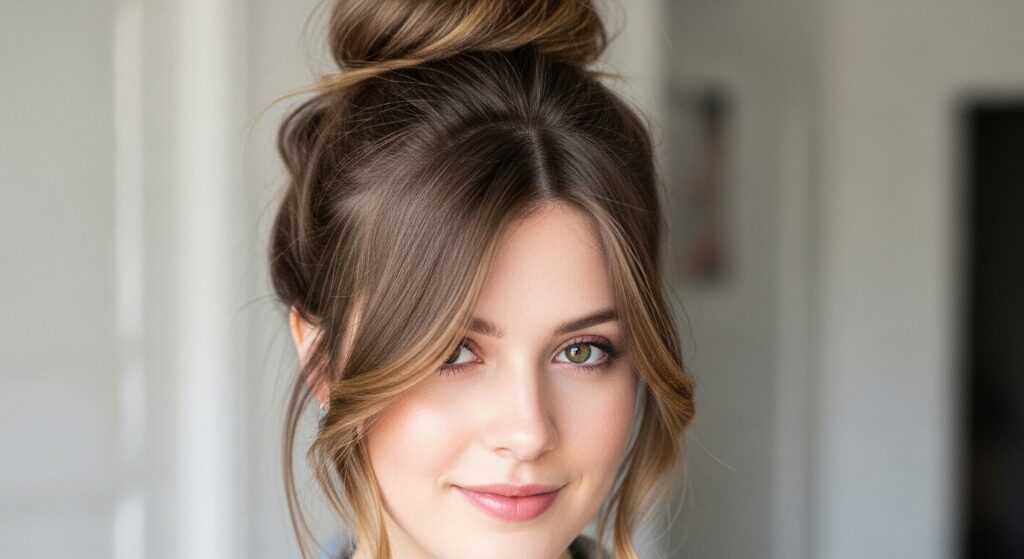
2. The Messy Bun: Twist hair loosely at the crown or nape and secure with a large claw clip or a scrunchie. Let pieces fall out naturally—the messier, the better for reducing tension.
3. Half-Up, Half-Down: Gently lift only the top section of your hair, securing it loosely at the back of your crown. This style keeps hair off your face without pulling on the lower, more sensitive follicles.
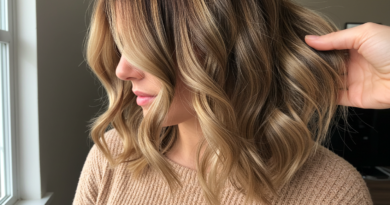
4. Loose Beach Waves: Embrace your natural texture or create waves with a low-heat curling wand, focusing on mid-lengths to ends. The loose waves add volume and style without any scalp attachment.
5. The Twisted Rope Braid: A gentler alternative to a tight braid. Take two sections of hair, twist them around each other, and secure at the end with a soft tie. It’s elegant and tension-free.
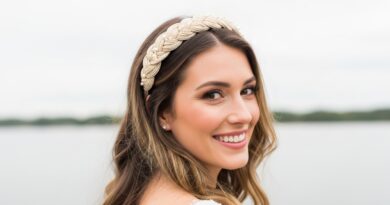
6. A Simple Headband Look: Use a soft, fabric-wrapped or satin headband to push hair back. It absorbs tension instead of your hair follicles. Avoid plastic or metal bands that dig in.
7. Loose Side Braid: Braid your hair over one shoulder, keeping your fingers close to the head to avoid pulling strands tightly together. Secure with a gentle tie.
8. Clipped-Back Sides: Use two small, smooth jaw clips to gently pin back the front sections of your hair. This is a zero-tension way to keep hair off your face.
9. The “Hair Tap” with a Scrunchie: Simply loop a scrunchie around a low ponytail once or twice—just enough to give a hint of shape while leaving the hair mostly down.
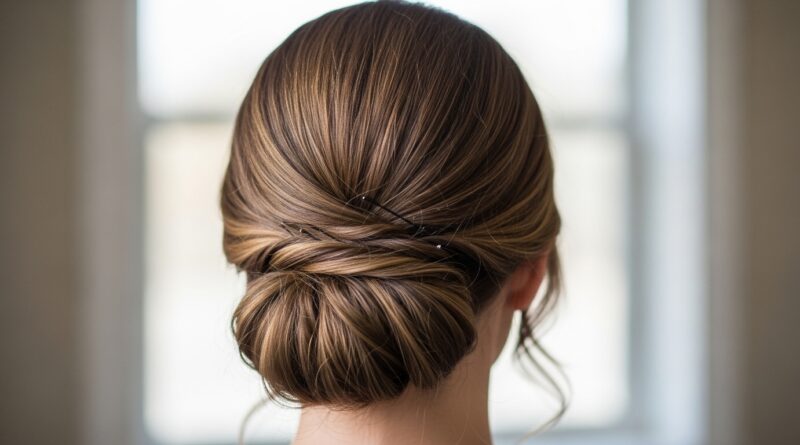
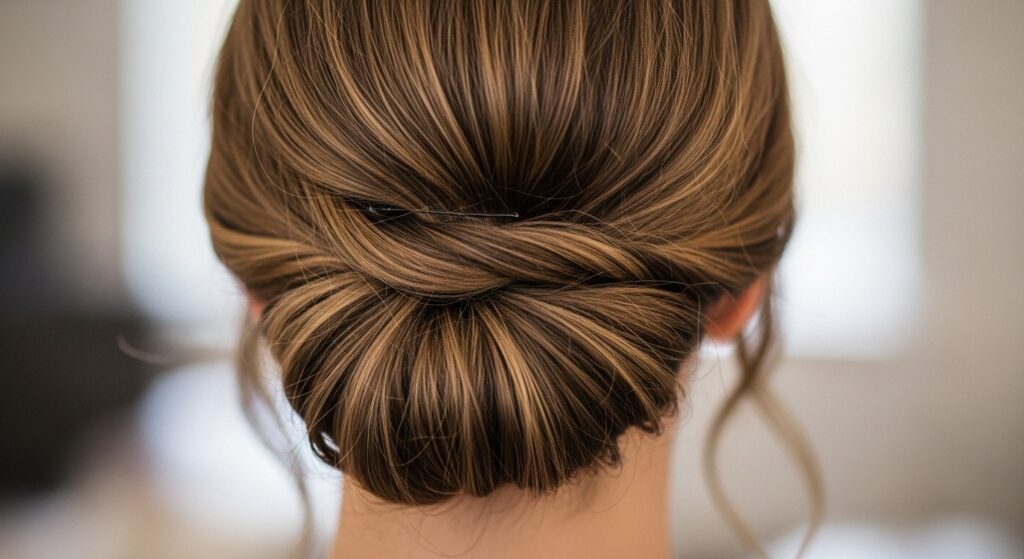
10. A Low, Loose Chignon: Twist hair into a loose rope, coil it at the nape, and secure with bobby pins only where needed, pinning into the hair itself, not the scalp.
11-20: Protective & Special Occasion Styles
When you need your hair to stay put a bit longer or want something more polished, these styles offer security without sacrifice.
11. Loose French Braid (Underhand): Also known as a Dutch braid, this technique adds hair to the braid from underneath, creating a raised effect. Keep it intentionally loose as you go.
12. Silk or Satin Scarf Style: Tie a silk scarf around your head like a headband or use it to wrap a low bun. The silk reduces friction and absorbs tension beautifully.
13. A Gibson Tuck Variation: Create a loose, low ponytail, twist it, and tuck the ends under, securing lightly with pins. It looks elegant but puts no pressure on the scalp’s perimeter.
14. Bubble Ponytail: Create a low ponytail with a soft tie, then add more ties down the length of the tail, gently puffing out the sections between them. It’s playful and distributes weight.
15. Loose Crown Braid: Create two loose side braids and pin them across the top of your head like a crown, tucking the ends. Avoid pulling the braids tight.
16. The “Pinned Updo”: Instead of a tight bun, loosely twist sections and pin them strategically across the back of your head. The weight is distributed across multiple anchor points.
17. Faux Bob with a Clip: Twist your long hair inward at the nape and secure it up and under with a large barrette or claw clip at the back of your head, creating a bob illusion with zero tight pulling.
18. Two-Strand Twisted Updo: Split hair into two sections, twist each loosely, then cross and pin them at the back of your head. It’s secure yet gentle.
19. Loose Space Buns: Create two high, but very loose ponytails. Twist each into a bun and secure with a scrunchie or spiral tie. Keep them soft and low-tension.
20. The Accessorized Down Style: Sometimes the best style is hair down with a beautiful accessory. Add decorative pins (with smooth backs) or a statement clip to the side for polish without any pulling.
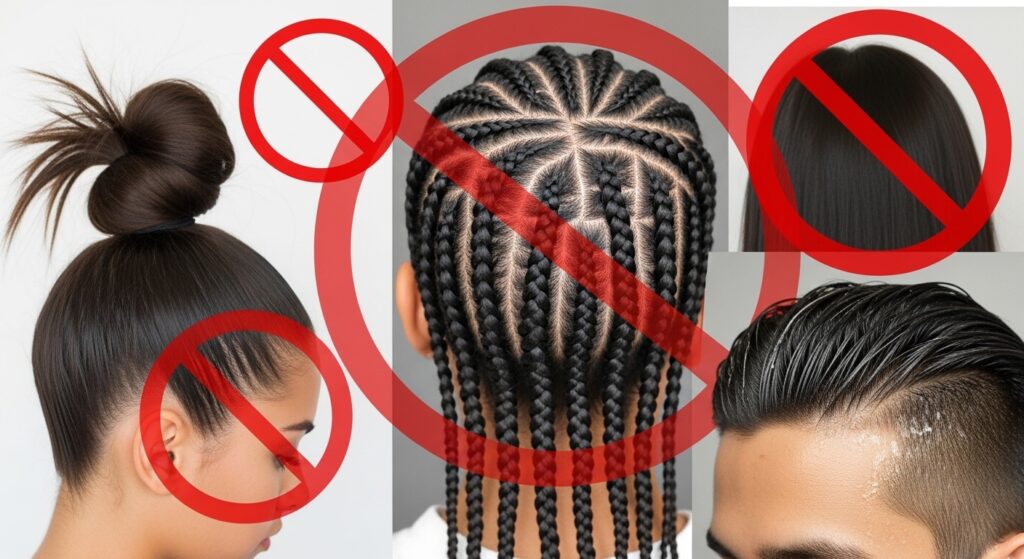
Hairstyles to Avoid with a Sensitive Scalp
While the list above opens many doors, some styles are best left behind. Steer clear of these common tension culprits:
Tight High Ponytails & Buns: These place extreme stress on the hairline and temples.
Cornrows & Tight Box Braids: While beautiful, these styles involve significant tension at the roots and should only be done by a professional who understands scalp sensitivity, if at all.
Sleek, Glued-Down Edges: Using heavy gels and brushes to lay edges flat combines chemical and physical stress on your most delicate hairs.
Extensions that Clip or Tape to the Root: The constant weight and pull can exacerbate sensitivity and lead to traction alopecia.
Remember, pain is not a sign of a good hairstyle. Discomfort means damage is being done.
Final Tips for a Happier Scalp
Beyond hairstyles, nurture your scalp. Incorporate a gentle, sulfate-free shampoo into your routine. Consider a scalp serum with soothing ingredients like aloe vera or peppermint oil. At night, protect your hair and scalp by sleeping on a silk or satin pillowcase to reduce friction.
Most importantly, give your hair regular breaks. Let it down as often as possible. Embracing your sensitive scalp is about working with your body, not against it. With these 20 gentle hairstyles in your arsenal, you can express your personal style freely, comfortably, and healthily. Your hair—and your scalp—will thrive.