22 Buff Method Variations for Protecting Curls While Sleeping
If you have curly hair, you know the nightly struggle is real. You go to bed with beautifully defined, bouncy curls, only to wake up to a flattened, frizzy, or matted mess that requires a full refresh. The frustration can be enough to make you consider sleeping upright! But what if there was a simple, versatile, and incredibly effective way to solve this? Enter the Buff method—a game-changing technique for curly-haired individuals everywhere.

The Foundation: What is the Buff Method?
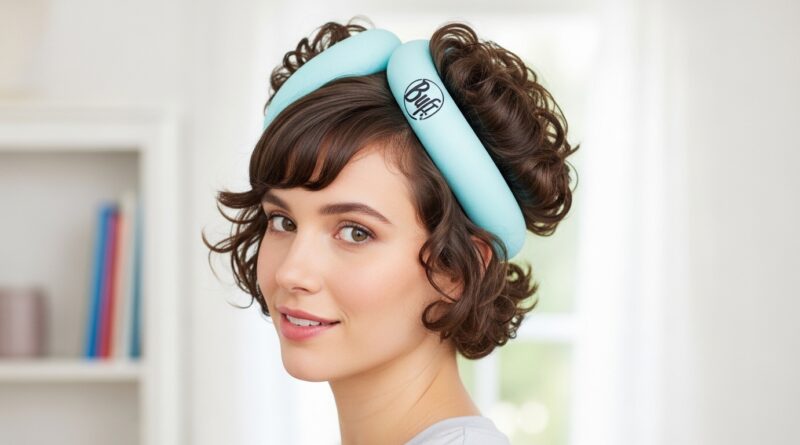
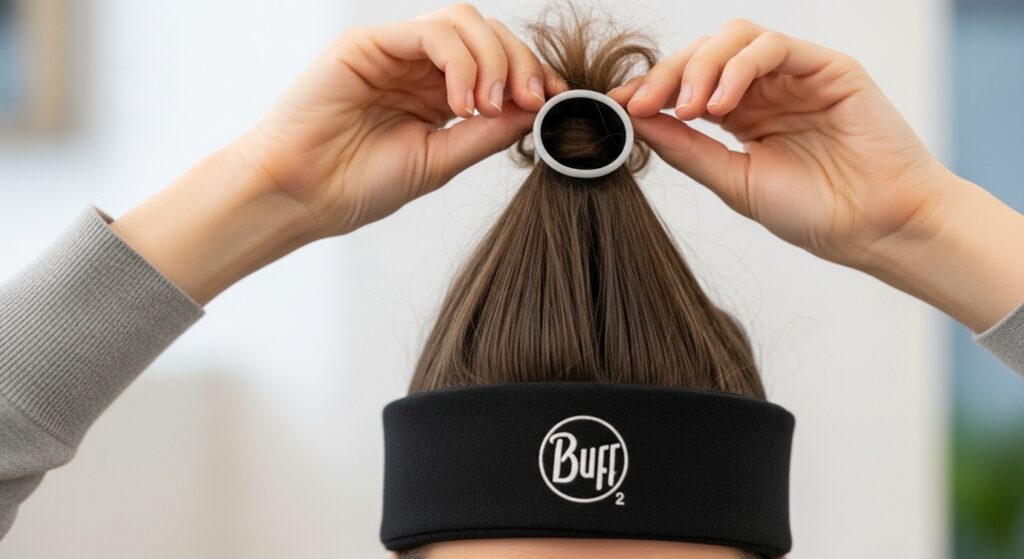
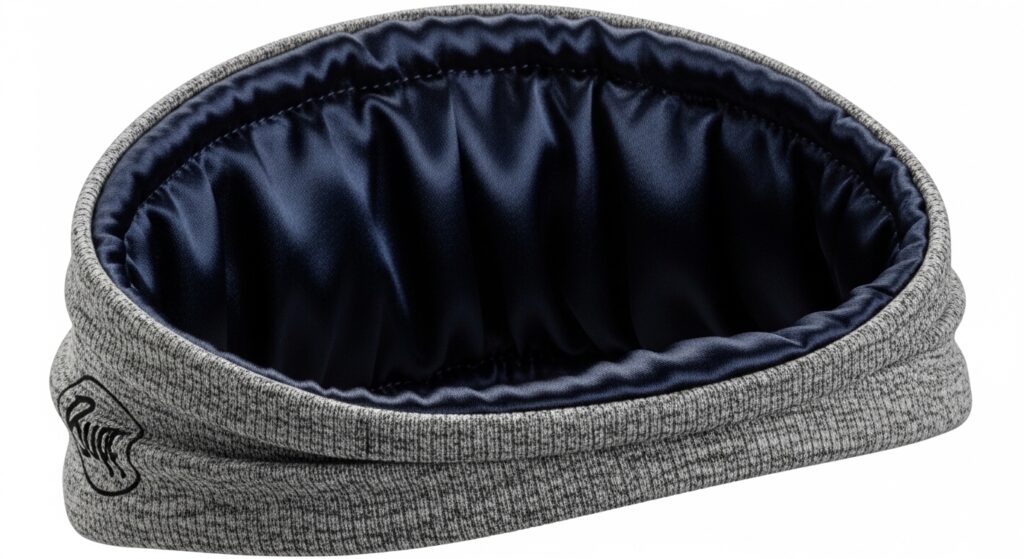
Before we dive into the variations, let’s establish the basics. The traditional Buff method involves taking a dry, tubular headband (often made of a smooth, stretchy fabric like microfiber or silk-blend) and placing it around your forehead like a crown. You then gently gather your hair upwards and over the band, rolling the band down over your hair to create a loose, protected “pineapple” or puff at the top of your head. The result? Your curls are lifted off your neck and shoulders, minimizing friction against your pillowcase, reducing tension on your roots, and maintaining volume and definition.
Why it works so well: Unlike a standard scrunchie, the Buff distributes tension evenly around your hairline. Unlike a full bonnet, it allows for more airflow and can feel less bulky. It’s the perfect hybrid solution for active sleepers and those who find traditional wraps uncomfortable.
Variations for Every Curl Type & Length
Now, let’s get into the exciting part. Here are 22 ways to adapt the Buff method to suit your unique hair.
For Short to Medium-Length Hair
Shorter curls often struggle to fit into a standard pineapple. These variations are your salvation.
1. The Mini-Puff: Follow the basic method, but after rolling the Buff down, gently tuck any shorter ends up into the tube itself for complete enclosure.
2. The Double Band Twist: Use two thinner Buffs or cut one to create a narrower tube. Place one at the forehead, gather hair, then use the second band about an inch behind the first to catch any shorter layers, creating two small puffs.
3. The Front-Focused Wrap: Perfect for pixie cuts or growing-out bangs. Position the Buff just behind your hairline, pulling only the front and top sections up and over, leaving the back down. This protects the most fragile, style-prone areas.
4. The “Bandana” Style: Fold a Buff into a wide band. Wear it like a headband covering your hairline, then tuck all your curls under the folded fabric and secure the tail ends. This is great for very short, tight curls.
For Long & Heavy Hair
Long curls need support to prevent tension and maintain root volume.
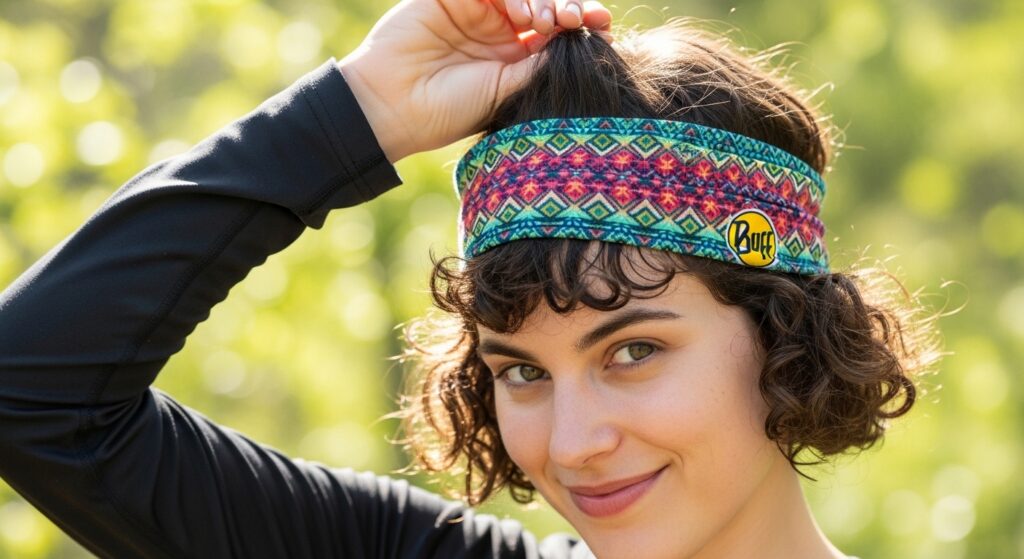
5. The High-Rise Pineapple: Start with the Buff placed higher on your head, almost at the crown. This gives extra lift and prevents the weight from pulling on your roots overnight.
6. The Anchor & Drape: Create the basic puff with the Buff. Then, take a large, smooth silk scrunchie and loosely secure the length of your hair below the Buff. This supports the weight while the Buff protects the roots.
7. The Dual Buff Tower: Use two Buffs. Create a puff with the first at your forehead. Then, place the second Buff around the base of the resulting pony/puff, and roll it down slightly to create a “base” that adds structure and lift.
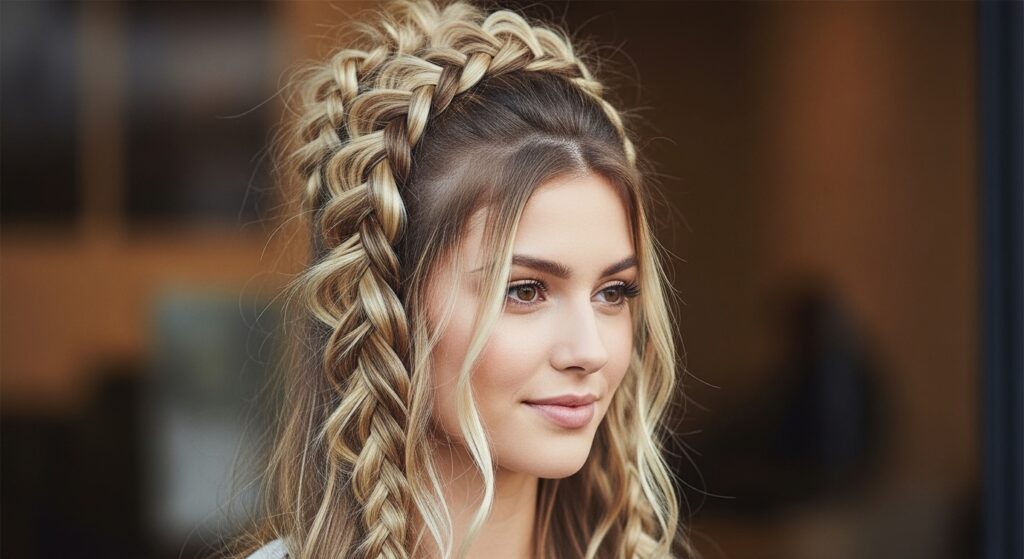
8. The Loose Braid Buffer: Split hair into two sections. Create a very loose, low-tension braid on each side. Then, use the Buff method to gather the tops of the braids into a high puff. This manages length and reduces tangles.
For Maximum Frizz Defense & Definition
If humidity or friction is your nemesis, these techniques are for you.
9. The Satin-Lined Buff: This is a hack! Sew or use fabric glue to attach a slip of satin or silk to the inside rim of the Buff that touches your hairline and hair. You get the ease of the Buff with the friction-fighting power of silk.
10. The Damp-Refresh Wrap: Lightly mist your dry curls with a water/leave-in conditioner mix. Then, apply a small amount of styling product to your hands and gently smooth over the surface. Use the Buff method to set. You’ll wake up with refreshed, re-defined curls.
11. The “Plop” Buff: After washing, apply your stylers. Instead of plopping in a t-shirt, use a large, absorbent microfiber Buff to gather your wet curls at the crown. This micro-plop can enhance curl clumping as you air dry or sleep.
12. The Complete Enclosure: After making your Buff puff, cover the entire style with a large, silk or satin bonnet. The Buff provides lift, the bonnet seals in moisture and blocks all air friction.
For Style Preservation & Next-Day Looks
Use your sleep protection to set up a fantastic style for the next day.
13. The Volume-Boosting Crown: Before putting your hair in the Buff, lean forward and gather all hair at the very top of your head. Secure with the Buff. This trains your roots to dry or stay upright for insane volume.
14. The Wave Trainer: For wavy hair, create two loose braids or twists after gathering hair into the Buff puff. The Buff holds the roots, the braids define the waves.
15. The Side-Swept Set: Gather your hair off to one side of your head before rolling the Buff down. This creates beautiful, romantic volume and a deep side part for the next day.
16. The Bantu-Knot Base: Create 4-6 large Bantu knots on dry or damp hair. Then, use the Buff as a headband to keep the knots in place and protected overnight. Unravel in the morning for stunning, lasting definition.
Creative & Comfort-Focused Variations
Thinking outside the box for ultimate comfort and hair health.
17. The Low Tension Turban: Instead of pulling hair straight up, gather it at the nape of your neck and roll the Buff up from the bottom. This creates a low, loose bun perfect for tender scalps or those with tension alopecia concerns.
18. The Multi-Buff Weave: Use three narrow Buffs. Create three separate, loose puffs along the midline of your head (front, middle, back). This distributes weight perfectly and creates a unique, undulating volume pattern.
19. The “No-Elastic” Method: Can’t stand any pressure? Simply use the Buff as a slip-on headband and gently tuck all your hair underneath it without pulling it through the center. It’s more of a protective cap than a wrap.
20. The Forehead Saver: If the Buff irritates your forehead, wear a thin, seamless silk scarf underneath it. The scarf protects your skin, the Buff provides the structure.
21. The Partnered Ponytail: Make a very loose ponytail with a silk scrunchie at your desired height. Then, roll the Buff down over the ponytail base and hair. This adds security for active sleepers.
22. The Color-Protection Boost: For colored curls, spray a UV-protectant or color-preserving spray before the Buff method. The Buff helps hold the product close to your hair and protects it from rubbing off on bedding.

Pro Tips for Buff Method Success
To make any of these variations work flawlessly, keep these tips in mind.
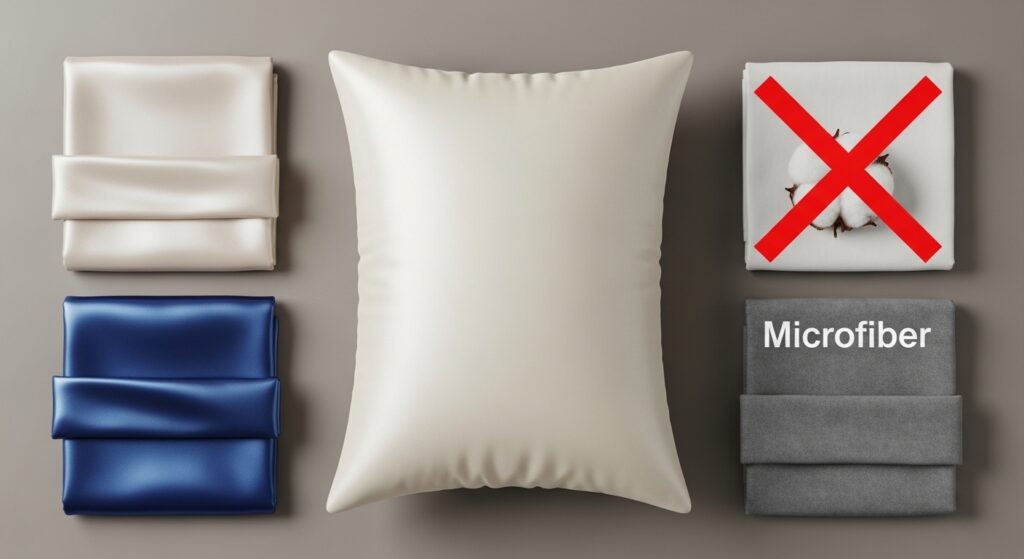
Fabric Matters: Opt for Buffs made of silk, satin, or microfiber. Avoid cotton, which can absorb moisture and create friction. Always start on dry, detangled hair. Trying to wrap tangled hair will lead to more knots. Keep it loose. The goal is protection, not a tight grip. You should feel no pulling on your scalp. Pair with a Silk Pillowcase. This is your safety net—double protection for the win! Refresh with Ease: In the morning, simply remove the Buff, flip your head over, shake your roots, and gently separate any clumps with fingers lightly coated with serum or water.
Embrace the Experiment
The beauty of the Buff method lies in its incredible flexibility. Your perfect night routine might be a hybrid of two variations or something you tweak to perfection. The key is to stop fighting your curls at night and start working with them. By investing just a few minutes in one of these 22 Buff method variations, you’re not just saving your curls—you’re saving your time, your sanity, and your styling products. Say goodbye to morning frizz fights and hello to beautiful, preserved curls day after day. Start experimenting tonight and discover which Buff variation becomes your holy grail for gorgeous, protected hair every morning.