23 Caramel Tone Placements for Rich Dimension
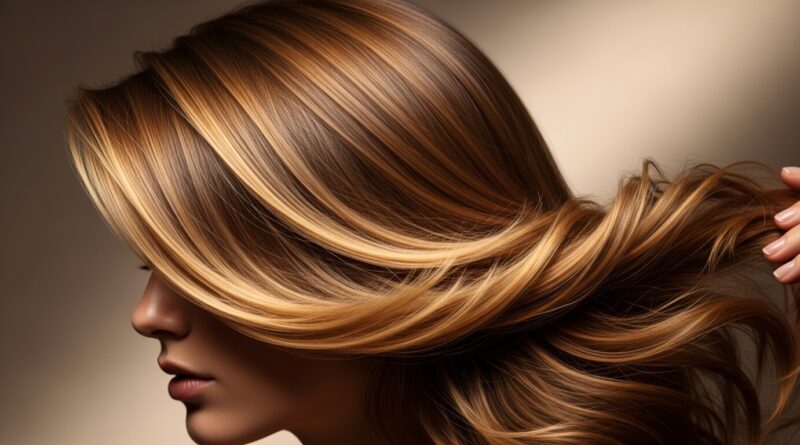
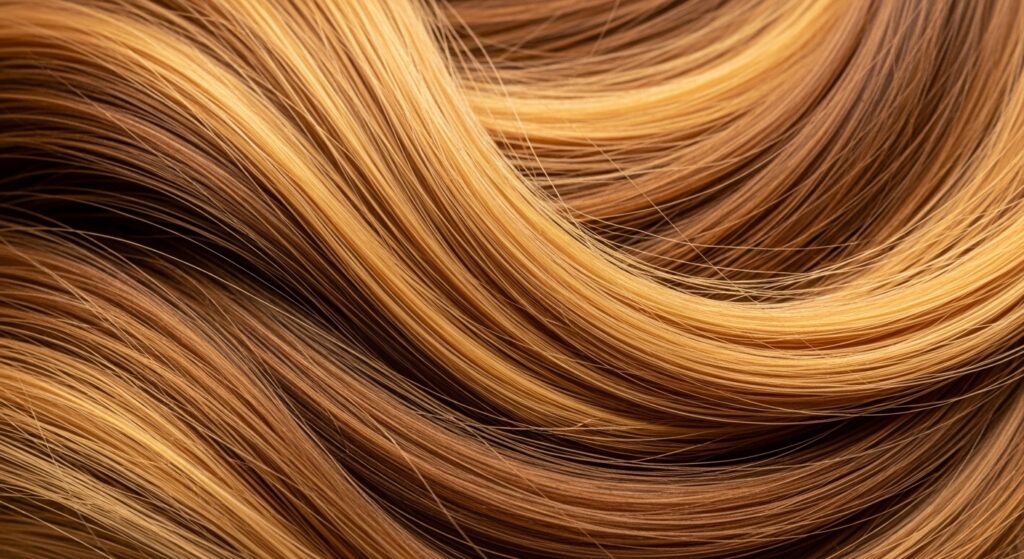
In the world of hair color, few shades possess the universal allure and transformative power of caramel. More than just a single hue, caramel is a symphony of warm golds, rich browns, and honeyed blondes that, when placed strategically, can create breathtaking depth and movement. The secret to a truly mesmerizing caramel color isn’t just in the formula—it’s in the placement.
The Foundation: Understanding Caramel’s Color Family
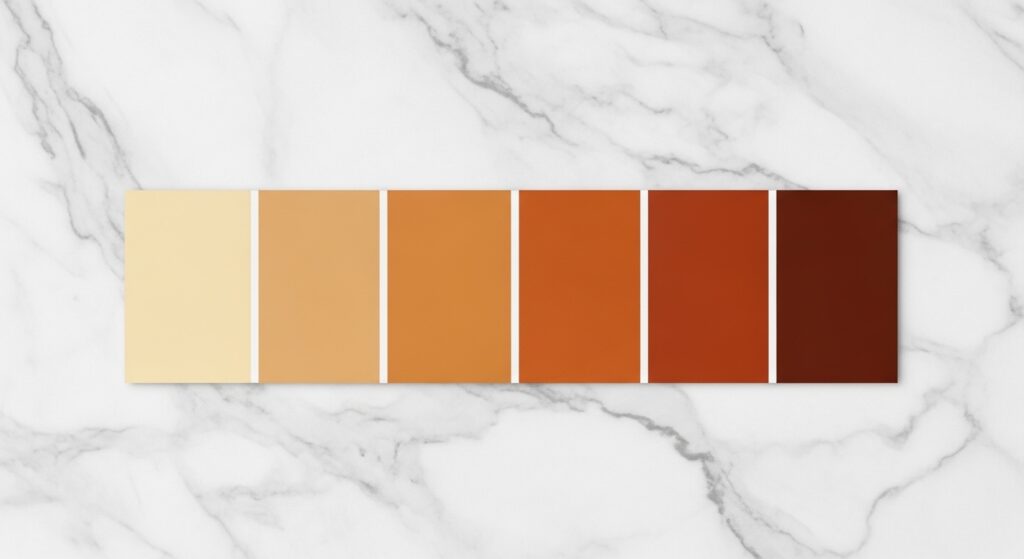
Before we dive into placement, it’s crucial to understand the spectrum. Caramel isn’t one note. It ranges from light, buttery blondes (think dulce de leche) to deep, almost auburn-infused browns (like dark toffee). This versatility allows it to be customized for virtually every base color and skin tone. The goal of dimensional placement is to use two or more tones from this family to create contrast, light, and shadow, mimicking the way natural hair reacts to sunlight.
Placement Techniques for Face-Framing Brilliance
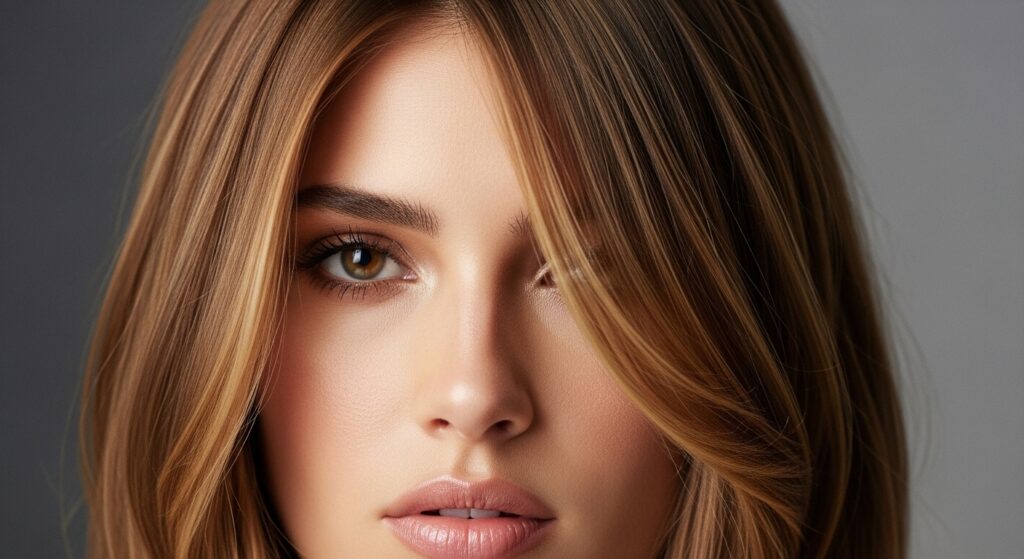
The areas around the face offer the highest impact for brightening and shaping features. Strategic placement here can act as a permanent highlight.
1. Classic Money Piece: Bold, sweeping sections from root to end at the very front. Use a brighter, lighter caramel for a modern frame.
2. Diffused Money Piece: A softer version, where the lighter caramel is blended back into the mid-lengths without a harsh line.
3. Peek-a-Boo Highlights: Lighter caramel slices placed underneath the top layer, visible only with movement. Perfect for a subtle surprise.
4. Curtain Effect: Caramel tones are placed to frame the face like opening curtains, darkest at the roots near the part, blending to lightest at the ends around the face.
5. Eye-Brightening Sprinkles: Tiny, fine highlights concentrated around the brow and temple area to catch light directly.
Placements for Body & Movement
These techniques build dimension throughout the hair’s body, creating the illusion of thickness and endless shine.
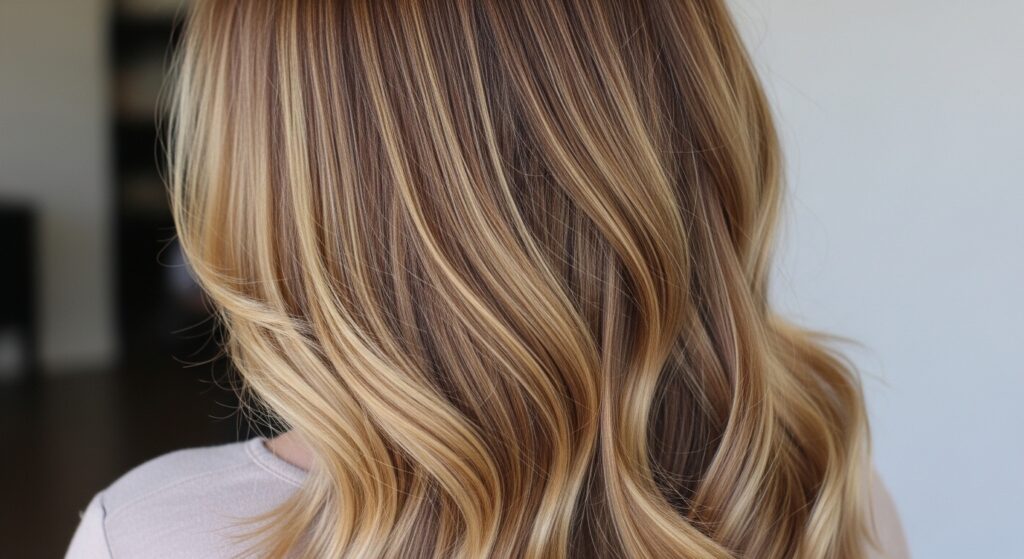
6. Traditional Balayage: Hand-painted caramel sweeps on the mid-lengths and ends, with a seamless, gradient fade.
7. Reverse Balayage: Adding darker caramel tones back into lightened hair to create depth and contrast, not just light.
8. Chunky Caramel Slices (Retro Modern): Intentional, wider sections of caramel for a bold, statement look with high contrast.
9. Fine Weaving: Using a fine hook to weave and place alternating light and mid-tone caramel highlights for a incredibly natural, blended effect.
10. Ribboning: Painting horizontal “ribbons” of caramel color that wrap around the hair shaft for a multi-directional shine.
11. Surface Lighting: Concentrating the lightest caramel tones only on the very top surface layer of the hair for a sun-bleached effect.
Scalp-Based Techniques for Seamless Growth
For a more traditional yet dimensional highlight look that grows out gracefully, these placements start at the root.
12. Babylights: Ultra-fine, closely spaced highlights from root to tip using the lightest caramel. Creates an all-over, delicate glow.
13. Teasy Lights: Highlights taken using a teasing technique at the root for a softer, more diffused regrowth line.
14. Skunking (Bold Root Tap): A dramatic, thicker section of caramel placed directly along the part line for high-impact contrast.
15. Paneled Highlights: Coloring entire, larger panels of hair (e.g., underlayer or a side section) in a uniform caramel tone for a block of color.
16. Root Stretch/Smudge: Applying a mid-tone caramel at the root area of a highlight and diffusing it down to blur the line of demarcation.
Creative & Trend-Forward Placements
Push the boundaries of dimension with these artistic and modern approaches.
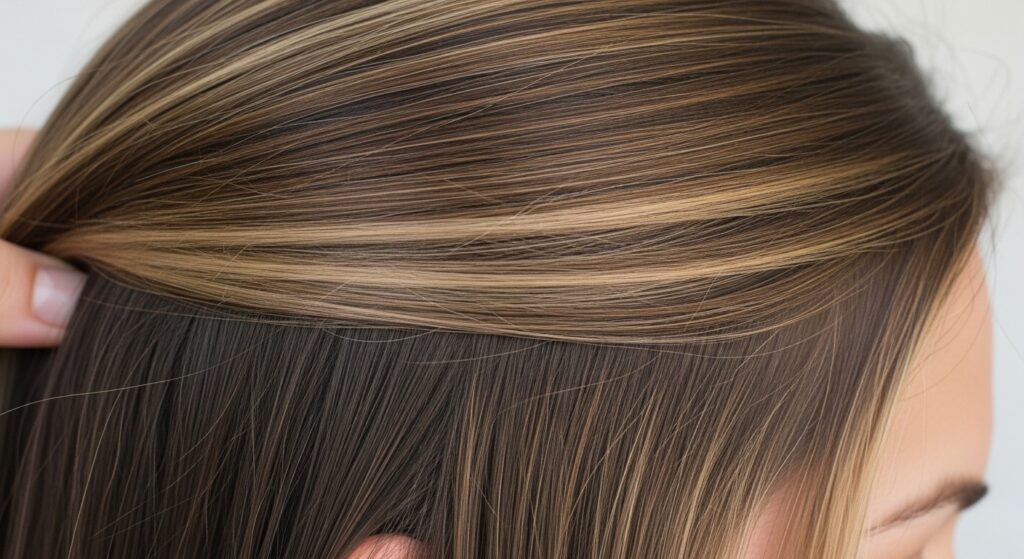
17. “Eclipse” Technique: A darker caramel base with a precise, curved section of bright caramel sweeping over the crown, mimicking an eclipse shadow.
18. Color Melting: Blending two or three caramel tones (light, medium, dark) on a single section from root to tip so they “melt” into one another without visible bands.
19. Dimensional Lowlights: Using darker caramel or caramel-brown shades as lowlights alongside golden highlights to create a rich, woven tapestry.
20. Pixelation: Small, square-sized placements of alternating light and dark caramel, creating a pixelated, ultra-dimensional effect up close.
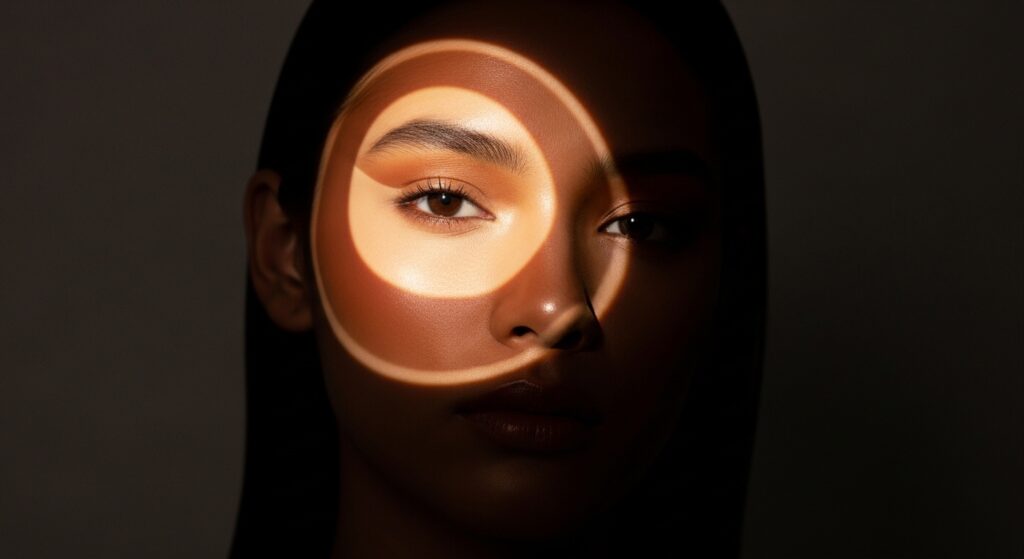
21. “Sun Spots”: Random, irregular placements of bright caramel, mimicking the scattered way the sun lightens hair naturally.
Placements for Specific Hair Cuts & Textures
Dimension should complement the cut and texture of the hair.
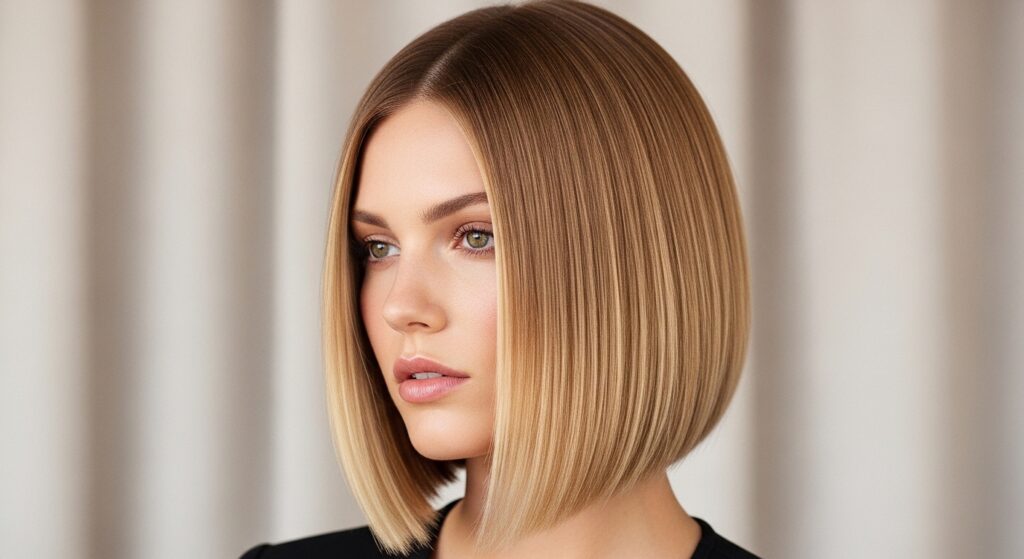
22. For Bobs & Lob Cuts: Concentrated placement on the ends (tip-out balayage) and around the interior perimeter to make the cut appear fuller and swing with movement.
23. For Curly & Coily Hair: Placement that follows the natural curl pattern, emphasizing the peaks of curls with light caramel and leaving the valleys darker for incredible depth and pop.
Bringing It All Together: The Consultation is Key
Mastering these 23 placements is just the beginning. The art lies in combining techniques. Imagine a head of hair with fine-weaved babylights for overall glow, a diffused money piece for face-framing, and a few strategic chunky slices in the underlayer for surprise depth. This layered approach to placement is what creates truly rich, can’t-look-away dimension.
An in-depth consultation is non-negotiable. Discuss your client’s lifestyle, maintenance level, and desired contrast. Analyze their skin tone, eye color, natural base, and haircut. A caramel placement that sings on a long layered cut may need complete reimagining for a blunt bob.
The magic of caramel isn’t in its taste, but in its texture—the way light plays off its varying shades. By becoming a master of placement, you translate that same delicious complexity into hair color. You move beyond single-dimensional dye jobs and into the realm of creating wearable, luminous art. So, use this guide as your roadmap. Experiment, combine, and watch as these 23 caramel tone placements unlock a world of rich, irresistible dimension for every client who sits in your chair.