23 Fulani Braid Styles That Honor Tradition Beautifully
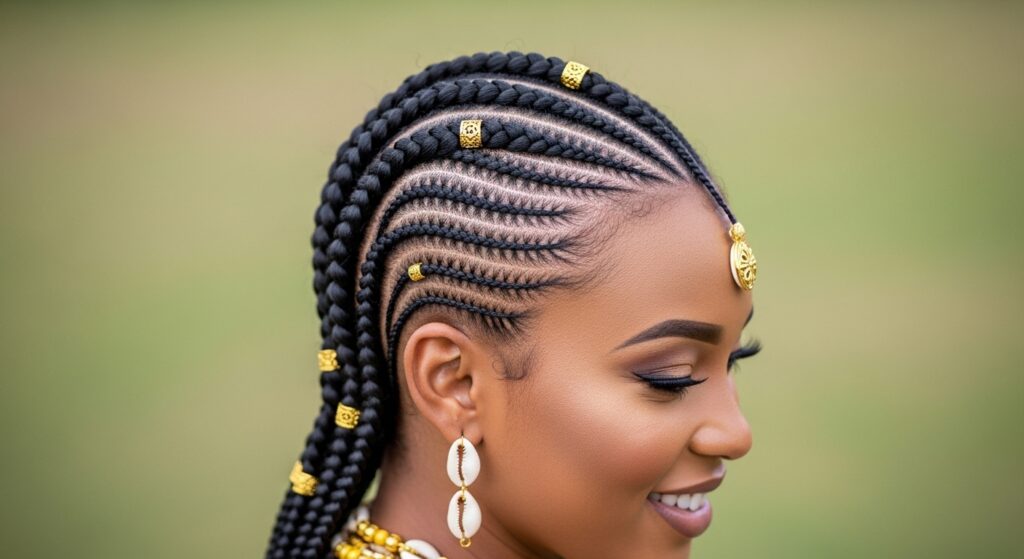
In the vast and vibrant tapestry of African hairstyling, Fulani braids stand out as a breathtaking narrative woven directly into hair. More than just a protective style, these braids are a living heritage of the Fulani people, one of the largest nomadic groups in the world. Characterized by intricate cornrows, central parts, and symbolic adornments like beads and cowrie shells, each pattern tells a story of identity, status, and resilience.
The Heart of the Style: Understanding Fulani Braid Tradition
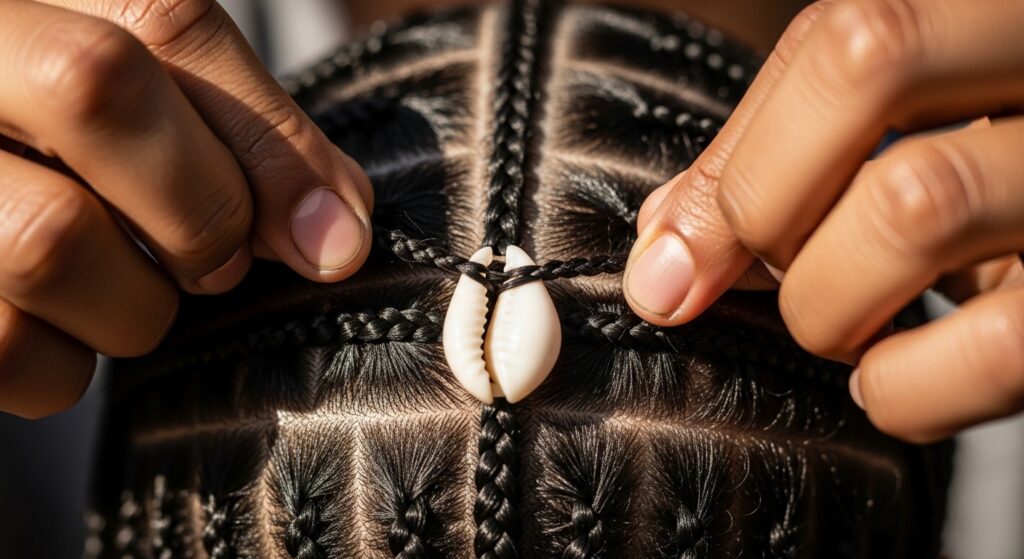
To truly appreciate these styles, one must understand their soul. For the Fulani people, hair is a canvas for cultural expression. Braiding is a social ritual, often done among family, that signifies everything from a woman’s marital status and age to her ethnic group and even wealth. The central braid or cornrow is a signature element, said to represent the path of life. Adornments are not merely decorative; cowrie shells historically symbolized prosperity, while beads and amber conveyed social standing.
When choosing a Fulani-inspired style, acknowledging this depth transforms it from a simple hairstyle into a celebration of history and artistry. It’s about carrying forward the meaning with respect and admiration.
Classic & Timeless Fulani Braid Styles
These styles stay closest to the traditional patterns, offering an authentic and powerful look.
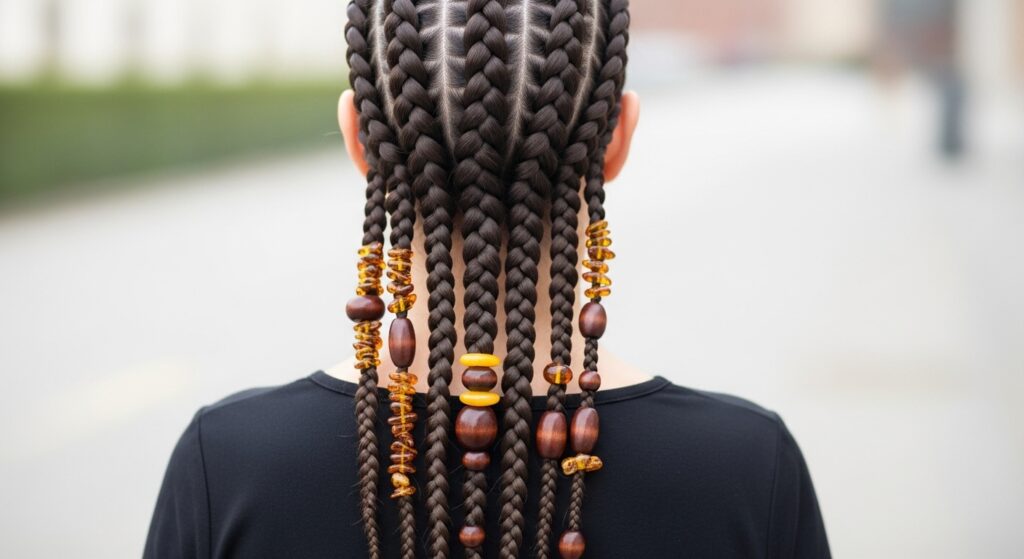
1. The Signature Five Braids: The quintessential Fulani style. Features a central cornrow partition from the forehead back, with five braids (two on each side of the part and one at the back) flowing into long, individual braids, heavily adorned.
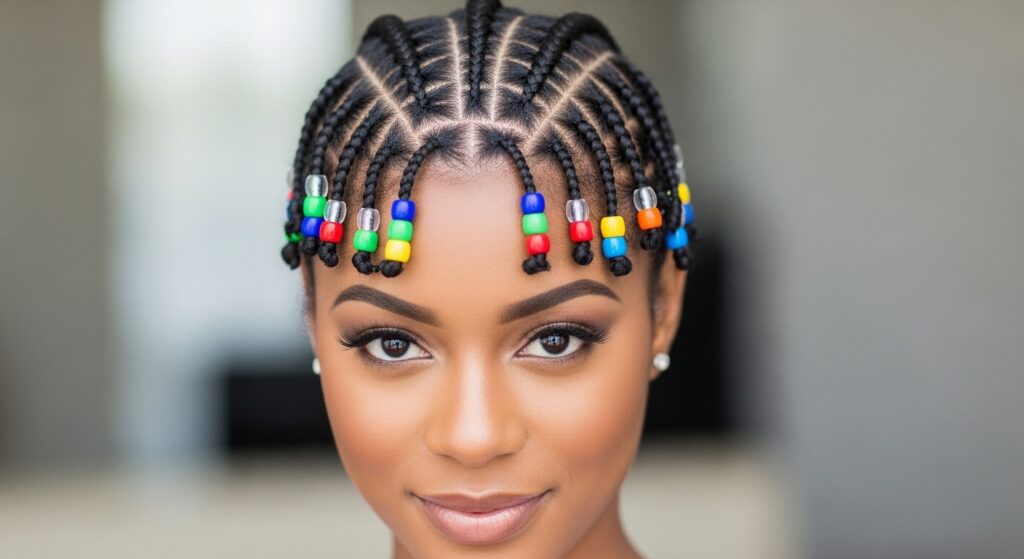
2. Fulani Cornrows with Beaded Edges: Delicate cornrows are braided along the hairline, sweeping into a crown or back of the head. Each cornrow’s tail is tipped with a single, colorful bead.
3. The Crown Braid with Center Part: Cornrows are braided from a deep center part towards the ears, then gathered and woven into a regal crown braid that circles the head, leaving the center part elegantly visible.
4. Adorned Fulani Updo: Traditional braids are gathered into a sophisticated bun or knot at the nape, with beads and shells concentrated at the braid bases and around the updo itself.
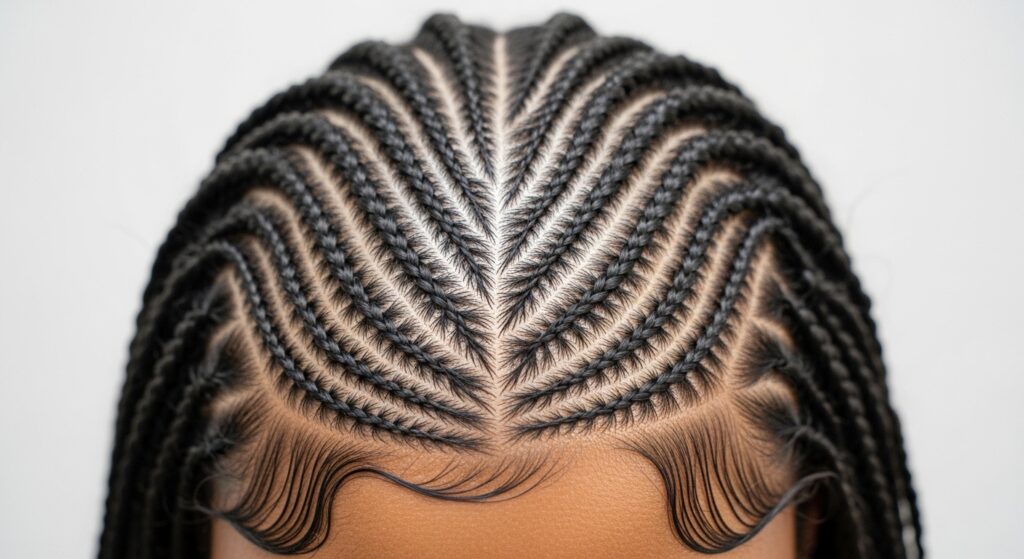
5. Thin Fulani Cornrows: A full head of very thin, precise cornrows, all originating from a deep center part and often featuring a mix of straight-back and curved patterns.
Modern & Creative Interpretations
These styles blend traditional elements with contemporary braiding trends, offering fresh perspectives.
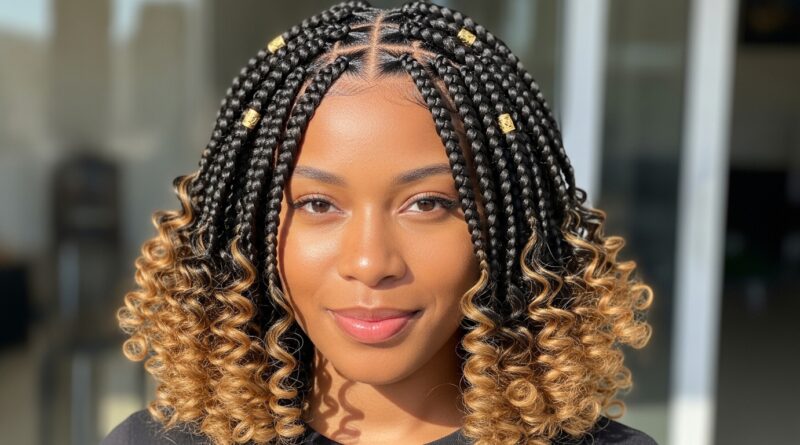
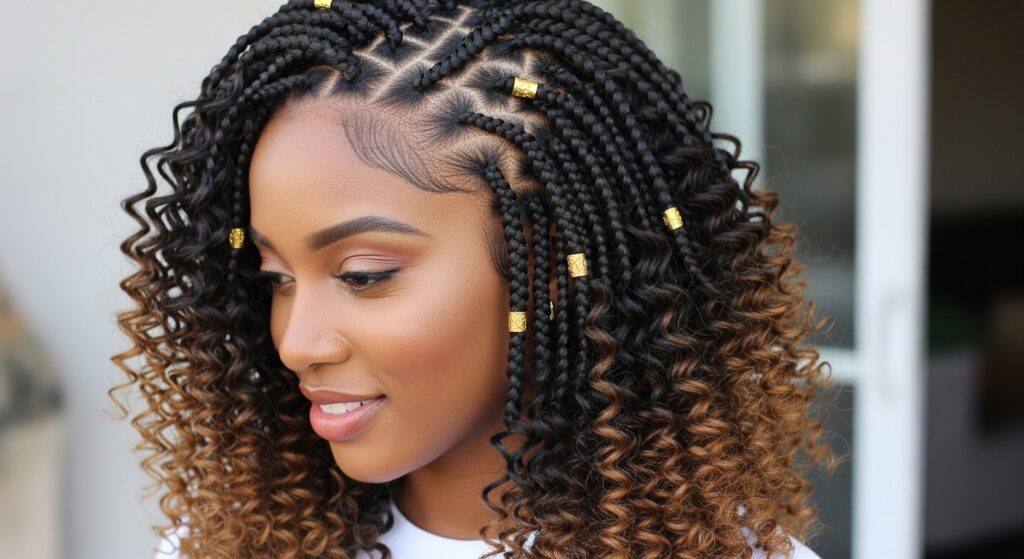
6. Fulani Braids with Curly Ends: Traditional box braids or cornrows are left unsealed at the ends, allowing natural or added curly hair to blossom for a soft, voluminous finish.
7. Jumbo Fulani Braids: A bold, statement take using a smaller number of very thick braids, still incorporating the central part and strategic adornments.
8. Bohemian Fulani Braids: Features looser, textured braids with a less rigid pattern. Beads are mixed with feathers or rings, and the center part may be slightly off-center or curved.
9. Fulani Braided Ponytail: Cornrows feed into a high, mid, or low ponytail. The base of the ponytail is often wrapped with beaded string, and the tail can be a single braid or left flowing.
10. Half-Up, Half-Down Fulani Style: The top section of hair is styled in traditional Fulani cornrows and pinned back, while the bottom section flows freely in its natural texture or loose braids.
11. Fulani Braids with Hair Cuffs: Metallic or bronze hair cuffs are clamped along the length of braids instead of or in addition to beads, creating a modern, edgy adornment.
Styles with Intricate Parting & Patterns
Here, the artistry lies in the scalp’s canvas, where parting becomes paramount.
12. Geometric Fulani Parts: The classic center part is replaced or complemented with sharp, geometric parts—triangles, zigzags, or diamonds—creating a stunning, graphic look.
13. Swirling Fulani Cornrows: Cornrows swirl from the crown or a central point like a beautiful whirlpool, incorporating the traditional braids and beads into the spiral pattern.
14. Double Center Part: Two parallel center parts create a striking isolated section of hair in the middle of the head, which is then braided and adorned elaborately.
15. Asymmetrical Fulani Design: Cornrows and parts are styled asymmetrically, sweeping across the head in a dramatic, fashion-forward style while still using traditional elements.
Braids with Statement Adornments
In these styles, the decorations take center stage, celebrating the Fulani love for embellishment.
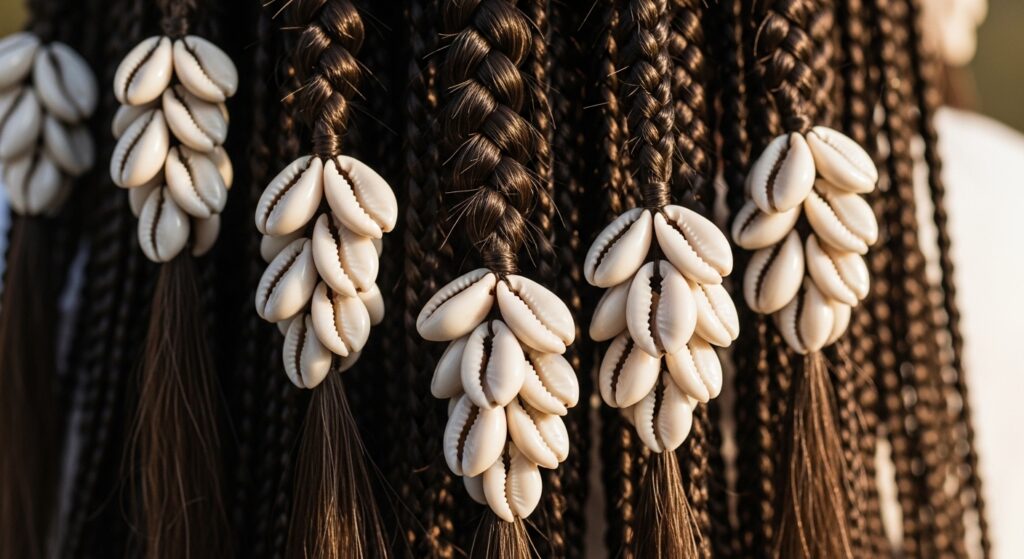
16. Cowrie Shell Cascade: Cowrie shells are densely clustered at the ends of braids or along the part line, creating a beautiful, rhythmic clicking sound and visual weight.
17. Golden Bead Embellishment: Uses beads in various shades of gold, brass, and amber, creating a metallic, sun-kissed effect throughout the braids.
18. Mixed Media Adornments: A creative blend of cowrie shells, wooden beads, metal rings, and perhaps even small amber pieces for a rich, textured look.
19. Beaded Fulani Headband Effect: Beads are strung along the cornrows closest to the hairline, creating the illusion of a beaded headband woven directly into the hair.
Short & Protective Fulani Styles
Proof that Fulani braids are versatile for all hair lengths and focused on scalp health.
20. Fulani Braids on Natural Hair: Short to medium-length natural hair is braided into flat cornrows following Fulani patterns, with beads added to the ends for authenticity.
21. Fulani-Inspired Faux Locs: Fulani cornrow patterns are used as the base for installing thin, adorned faux locs, combining two beloved protective styles.
22. Side-Swept Fulani Braids: All cornrows are directed to one side of the head, creating a deep side part and a cascading effect, beautifully adorned on the heavier side.
23. Tribal Fulani Bun: Smaller, shorter braids are gathered into a neat or messy bun at the crown, with decorative pins featuring beads and shells accenting the style.
Honoring Tradition: A Guide to Respectful Appreciation
As these styles inspire you, carrying their beauty forward with respect is key. Educate yourself and others about the style’s origins. When possible, support Black braiders and stylists who specialize in these techniques. Consider the adornments—opt for authentic materials like cowrie shells and understand their significance. Most importantly, wear the style as a celebration, not a costume. Acknowledge the culture it comes from, and let your adorned braids be a testament to its enduring artistry and history.Fulani braids are more than threads of hair; they are threads of history, identity, and artistry. From the classic five-braid design to modern geometric interpretations, each style offers a unique way to connect with a rich cultural narrative. By choosing a style that resonates with you and wearing it with informed respect, you do more than change your look—you participate in keeping a beautiful tradition alive and celebrated. Let your braids tell a story of beauty, heritage, and timeless elegance.