24 Hairstyles for Trichotillomania Recovery That Help
If you’re on a journey of trichotillomania recovery, you know it’s about so much more than stopping a behavior. It’s about healing, self-compassion, and rebuilding a relationship with your reflection. Your hair—or the regrowth, the thin spots, the texture changes—can feel like a central character in this story. Finding a hairstyle that makes you feel confident, reduces the urge to pull, and protects delicate new growth is a powerful step forward. This isn’t about hiding; it’s about strategic styling that empowers you through every phase. From clever cover-ups to gorgeous protective styles, we’ve curated 24 hairstyle ideas to support your recovery and help you fall in love with your hair again.
Understanding the “Why”: How Hairstyles Can Aid Recovery
Before we dive into the styles, let’s acknowledge the strategy. Choosing the right hairstyle during trichotillomania recovery serves multiple purposes. Protective styles physically shield hair from your hands and the environment, minimizing breakage and allowing regrowth to thrive. Minimal-manipulation styles reduce the need to touch or style your hair frequently, which can be a crucial trigger point. Texture-adding styles can cleverly disguise areas of varying density, blending regrowth with existing hair. Most importantly, a hairstyle that makes you feel good can significantly boost your mood and self-esteem, reinforcing positive feelings about your progress. Think of these styles as tools in your recovery toolkit—there for you on different days and at different stages.
Phase 1: Gentle Styles for Early Regrowth & Sensitive Scalps
When hair is just beginning to grow back, the scalp can be tender, and the new hairs are fragile. The goal here is zero tension, maximum comfort, and easy access for scalp care.
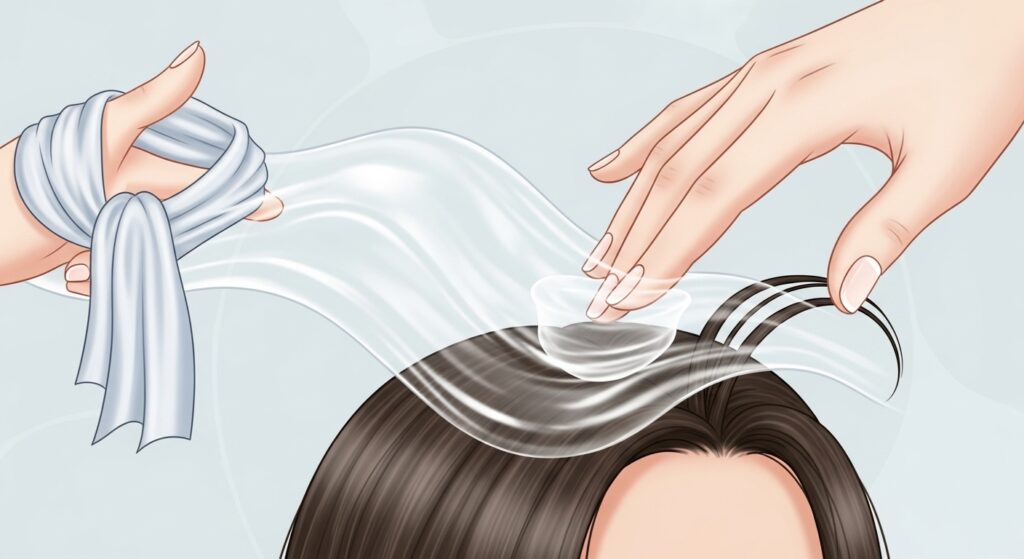
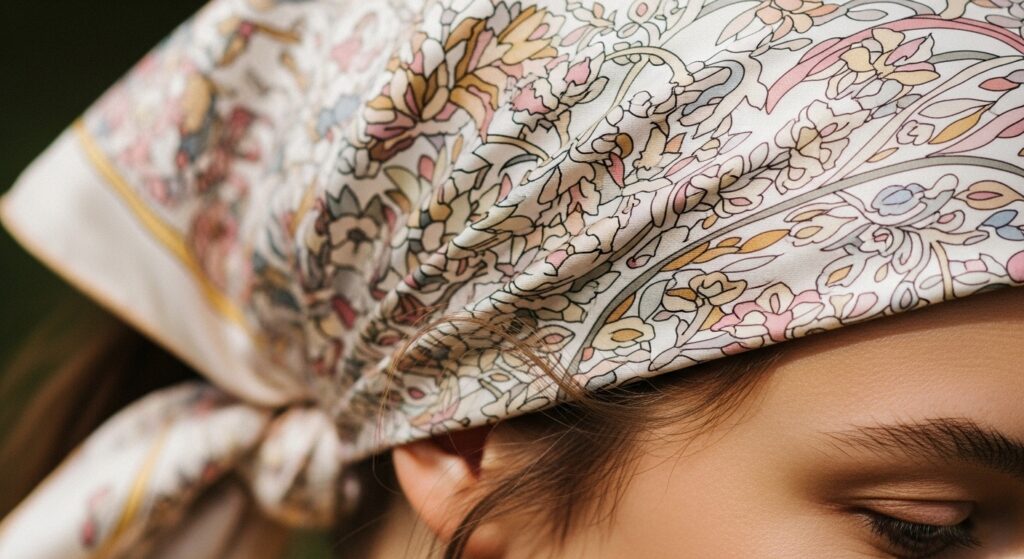
1. The Silk/Satin Head Wrap or Turban: A game-changer. It protects hair while you sleep or relax at home, reduces friction, and comes in endless beautiful patterns. It’s a stylish “out of sight, out of mind” option.
2. Soft Headbands & Bandanas: Wide, soft fabric headbands can cover the hairline and part while adding a chic touch. They’re perfect for pulling back very short regrowth without any pulling.
3. Loose, Low Ponytail with a Coil Tie: If hair is long enough, gather it very gently at the nape of the neck. Use a spiral (coil) hair tie to eliminate tension points that can cause breakage.
4. The “Pixie-Cut” Bluff with Product: For short, uneven regrowth, use a tiny bit of texturizing paste or wax to piece and separate hairs. This intentional “messy” look makes unevenness appear stylish and deliberate.
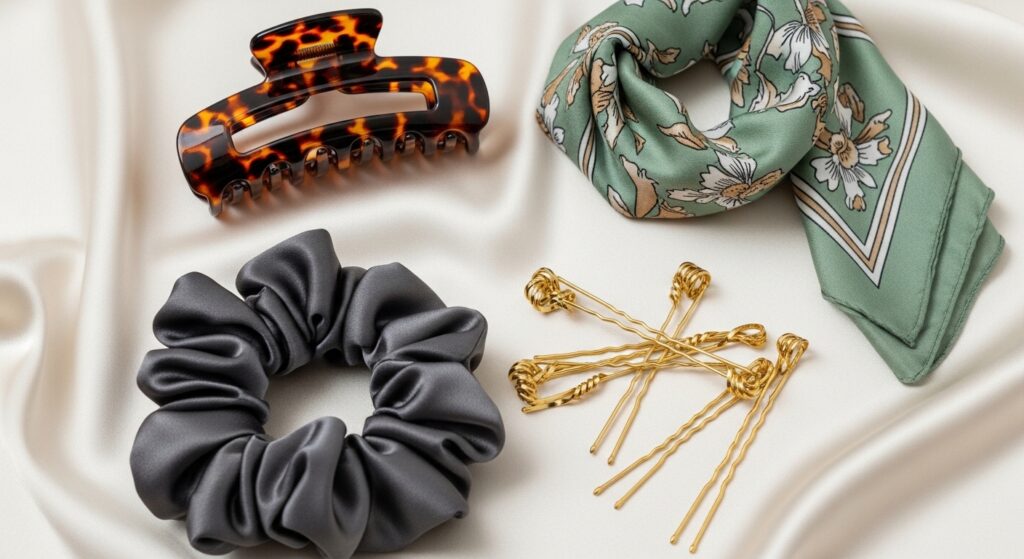
5. Simple Clips & Barrettes: Use pretty clips to gently pin back sections of hair away from the face or to hold a soft headscarf in place. They add decoration without stress.
6. Leave-In Conditioner & Air Dry: Sometimes the best style is healthy, moisturized hair left alone. A good leave-in can define waves or curls in regrowth, reducing the urge to fuss with it.
Phase 2: Clever Cover-Ups & Volume-Boosting Tricks
As hair gains length but may still have areas of different densities, these styles focus on creating illusion and blending.
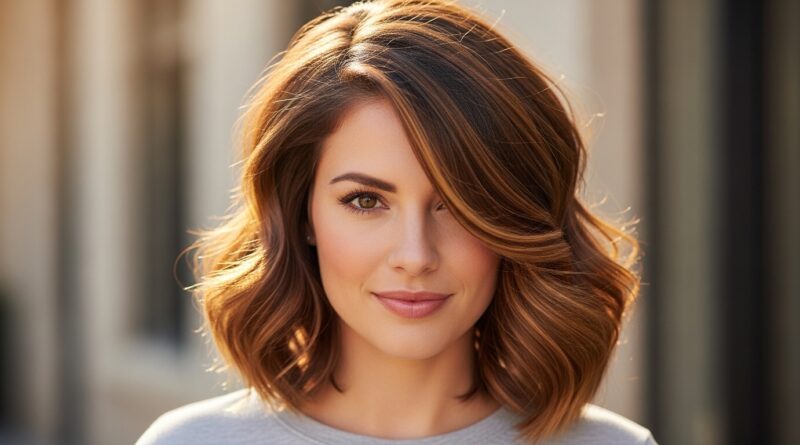
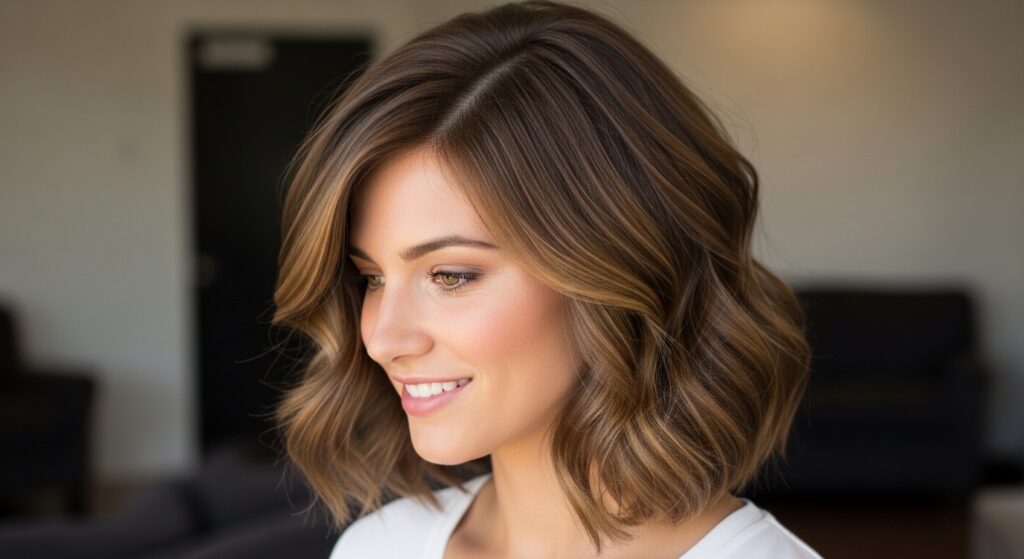
7. Strategic Side Part: A deep side part is one of the simplest yet most effective tricks. It moves volume from one side of the head to the other, covering thinner areas at the crown or temple.
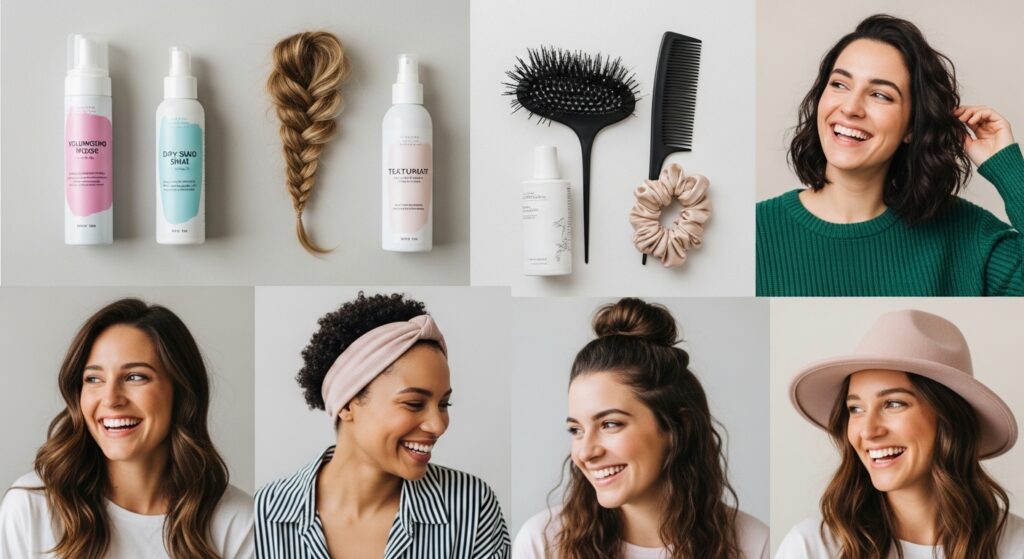
8. Textured Waves: Loose waves add overall volume and movement, which helps disguise sparse spots. Use a curling wand on low heat or try heatless methods like robe ties or braids overnight.
9. Top Knot with Face-Framing Pieces: A loosely gathered bun on the crown lifts hair away from potentially problematic areas. Leaving out face-framing pieces softens the look and draws attention forward.
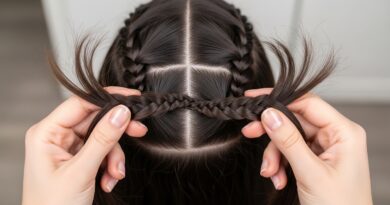
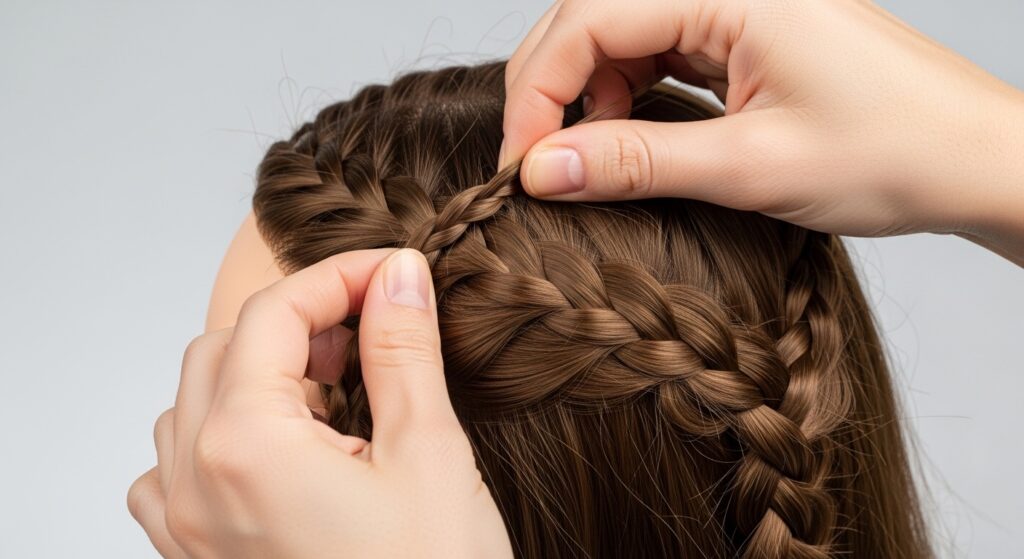
10. Braided Crown or Headband: A simple braid along the hairline, pinned across the crown like a headband, covers the front hairline and part beautifully. It also keeps hair securely off the face.
11. Volumizing Dry Shampoo & Teasing: At the root, lightly tease (backcomb) only the top layer of hair at the crown for instant lift. A spritz of volumizing dry shampoo adds grip and texture.
12. Half-Up, Half-Down with Volume: Gently tease or backcomb the underside of the top section before clipping it up. This creates height and fullness at the crown while the down hair covers the sides and back.
13. Accessorize with Extensions (Clip-Ins): For special occasions, a few strategic clip-in extension pieces can add density exactly where needed. Choose human hair for the most natural blend.
Phase 3: Protective & Low-Manipulation Styles
These styles are designed to secure hair away for extended periods, minimizing daily touching and styling, which is crucial for breaking the pulling cycle.
14. Classic French Braid or Dutch Braid: A tight, secure braid keeps every strand in place and away from searching fingers. The Dutch braid (braided outward) offers even more volume.
15. Box Braids or Individual Braids: These professional protective styles can last for weeks, offering a complete break from daily hair management and total coverage of the scalp and hair.
16. A Simple, Secure Bun: A low bun at the nape, secured with spin pins or a hair fork, is elegant and keeps hair tightly contained. Avoid overly tight elastic bands.
17. Twists (Flat Twists or Two-Strand Twists): Similar to braids but sometimes gentler on the hairline. They can be worn all over or as an accent along the part.
18. Silk-Lined Beanies or Hats: For everyday wear, a stylish hat with a silk or satin lining protects hair from the elements and your hands, while being a totally fashionable choice.
19. Wig or Topper for a Break: This is a valid and powerful option. A quality human hair wig or a hair topper (for crown coverage) can provide total freedom from worry, allowing your natural hair to rest and grow undisturbed underneath.
Styling for Confidence & Mindful Practice
Ultimately, the best hairstyle is one that makes you feel like you. These final ideas blend style with mindfulness.
20. The “Effortless” Messy Bun: A intentionally loose, piecey bun says chic, not “hiding.” It’s quick, puts hair up, and looks fashionable with any regrowth texture.
21. Bold Hair Accessories: A stunning statement clip, a beautiful scarf tied as a bow, or decorative pins can draw the eye and become the focal point, turning hair into a canvas for art.
22. Embrace Your Natural Texture: If your regrowth is coming in curly, wavy, or coily, learn to nurture it. Defined curls create incredible volume and pattern that naturally disguises thin areas.
23. The Power of a Great Haircut: Consult a compassionate stylist. A skilled blunt cut on lob-length hair or a textured shag can create the illusion of uniform density and be easier to manage.
24. The “Wash Day” Ritual: Transform hair care into self-care. Use gentle, nourishing products. Massage your scalp mindfully. Style with kindness. This positive association is healing.
Your Journey, Your Crown
Recovery from trichotillomania is not linear, and neither will your hair days be. Some days you might feel like rocking a bold headwrap, others a simple braid. That’s perfectly okay. Each of these 24 hairstyles offers a different kind of support—physical, practical, or emotional. The most important style you can wear is one of self-compassion. Celebrate every inch of growth, be patient with setbacks, and remember that your worth is never defined by your hair. You are reclaiming your peace, one strand and one style at a time. You’ve got this.