Seamless Root Melting Techniques For Growing Out Dark Roots Gracefully
If your dark roots are showing before your next salon visit, you are not alone. Growing out color can feel awkward, especially when every photo catches that harsh line. The good news? Root melting can make the grow-out phase look intentional, soft, and expensive.
I am Hailey, and my team and I test hair tricks on real life, not just runways. These seamless root melting techniques work with 2026 hairstyles, from old money hair to a quiet luxury bob. You do not need a full redo to look polished.
This guide gives you quick salon requests, at-home fixes, and styling moves that blend dark roots gracefully. Think of it as your best-friend cheat sheet for the in-between phase. Let’s make your roots look like a design choice, not a delay.
What Is Root Melting?
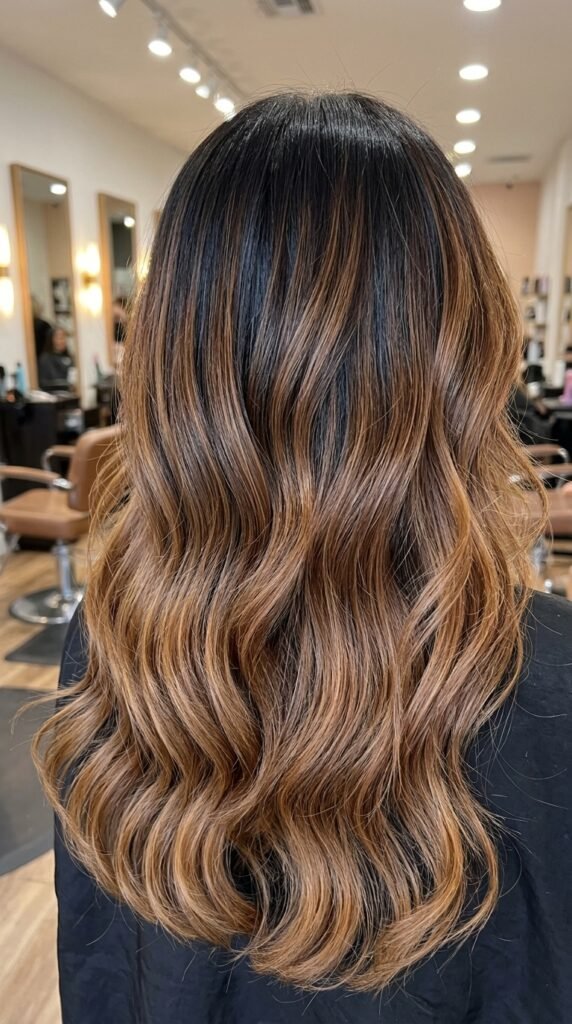
Root melting is a color technique that softens the line between your regrowth and the rest of your hair. Instead of matching your roots exactly, your stylist blends a shade that sits between dark and light.
It is different from a root touch-up. A touch-up covers gray or regrowth with one solid color. Root melting creates a gradient, so new growth looks softer for weeks. Think of it as a blur filter for your hair color.
- Best for dark roots growing into blonde, balayage, or highlights
- Works on a quiet luxury bob, asymmetrical lob, or long layers
- Can be done with gloss, smudge, or shadow root
The goal is softness, not a fresh single-color base.
Why Dark Roots Grow Out Harsh

Dark roots look harsh when contrast is too sharp. If your ends are icy blonde and your natural color is deep brown, every new inch becomes a visible line.
Hard water, heat tools, and sun can fade your ends, making contrast stronger. The grow-out phase gets tricky because your hair is not one color anymore. That is why root melting is more about maintenance than a major change.
- Skipping gloss lets the line stay crisp
- Using the wrong purple shampoo can make roots look flat
- Letting roots grow too long before blending makes the line harder to soften
It buys you time between appointments.
The Right Way to Prep Your Hair
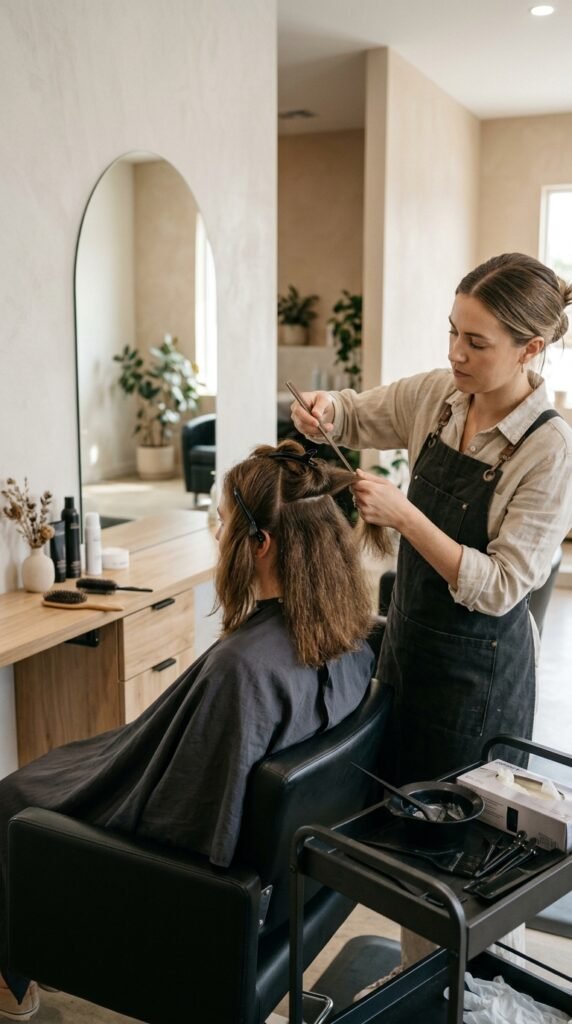
Prep matters more than people think. Two days before your appointment, wash with a clarifying shampoo. Do not layer on heavy oils at the roots.
The day of, arrive with dry hair if your stylist asks. Bring photos of the soft blend you want. Tell them your color history, especially box dye or henna. This helps your stylist choose the right root melt formula.
- Clarify two days before
- Skip root conditioner on appointment day
- Bring two inspiration photos
- Share every previous color service
Good prep means less guesswork and a smoother result. It also protects your ends from unnecessary overlap.
Choose a Toning Gloss
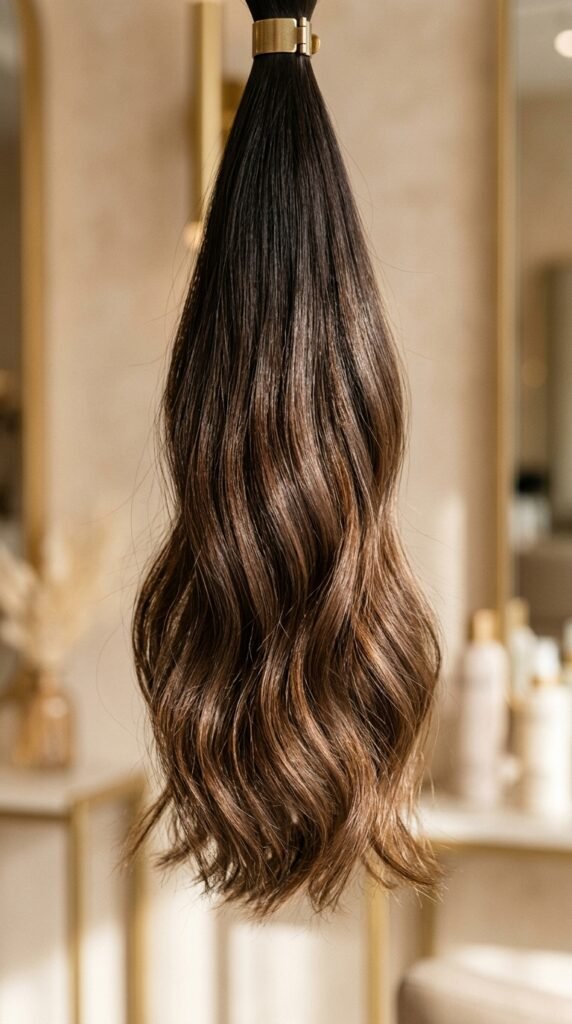
A toning gloss is your secret weapon. It adds shine and adjusts the tone without lifting your natural color. Ask for a custom gloss that bridges your dark roots and lighter ends.
If you are warm, try a golden or caramel gloss. If you are cool, choose ash or pearl. Clear gloss works when you only want shine. A gloss will not lighten your roots, but it makes the transition look expensive.
- Salon gloss lasts about four to six weeks
- At-home glosses can stretch the blend
- Always patch test new products
That soft shine is very old money hair.
Ask for a Shadow Root
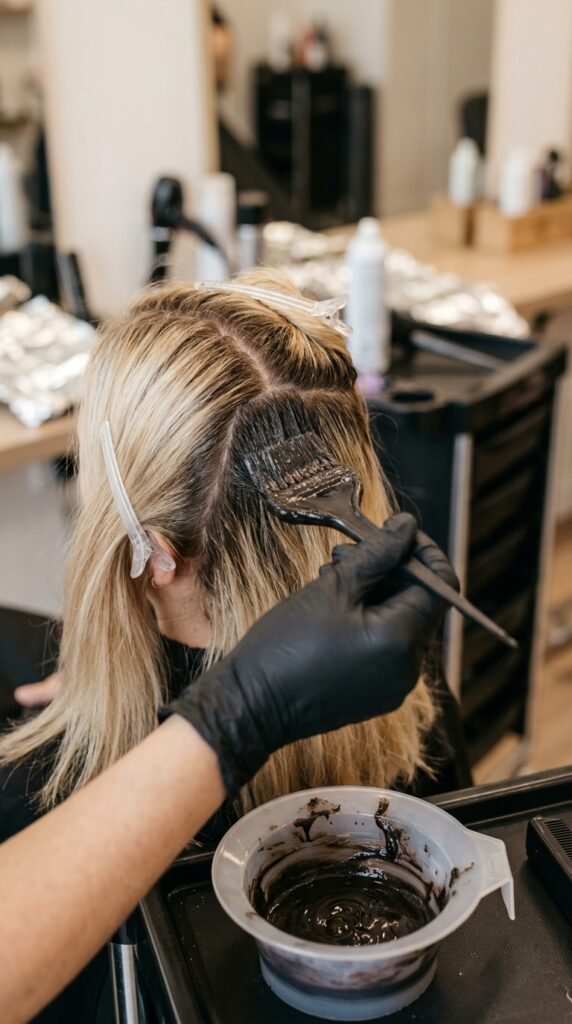
A shadow root is one of the easiest salon requests. Your stylist applies a darker shade at the base, then melts it down into your highlights.
Ask for soft and diffused, not a solid block. The shadow should be one or two shades darker than your mid-lengths. It should fade naturally, like a gentle shadow. This is a classic root melt for a quiet luxury bob.
- Great for blondes with dark natural roots
- Works with 2026 hairstyles and lived-in color
- Keeps regrowth from looking obvious
It also adds depth without making hair look dark.
Try a Root Smudge at Home
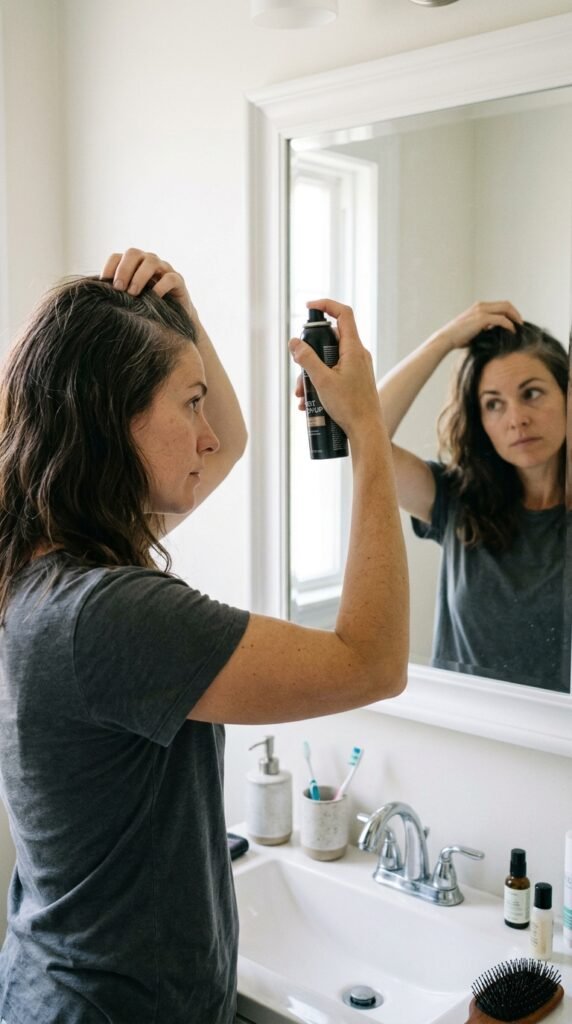
You can fake a root smudge at home between salon visits. Use a color-depositing foam, root spray, or tinted mousse made for your shade.
Start with dry, styled hair. Spray or tap the product at the roots. Then feather it down with a clean makeup brush or fine-tooth comb. Less is more. A harsh at-home smudge is hard to remove.
- Choose a shade close to your natural roots
- Apply lightly, then build
- Blend downward in small strokes
- Set with a light hairspray
This trick is perfect for busy weeks. It buys you a few extra days of polished hair.
Use a Color-Depositing Mask
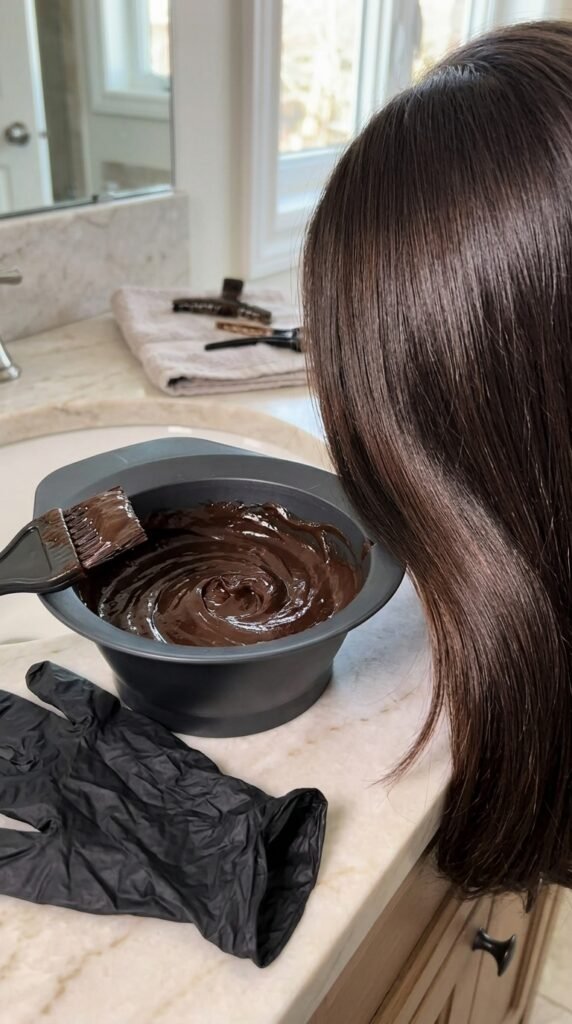
Color-depositing masks are like a hydrating gloss. They add temporary pigment while conditioning your hair. For dark roots, choose a mask close to your base.
Apply from the roots to the mid-lengths, then feather through the ends. Leave it on for 15 to 20 minutes. Rinse well. Do not use a mask that is too dark on light ends. It can create a new line instead of melting one.
- Brown or black masks blend dark roots into warm tones
- Beige or champagne masks soften blonde grow-out
- Use gloves to avoid stained hands
Patch test first if your scalp is sensitive.
Balayage for Soft Blending
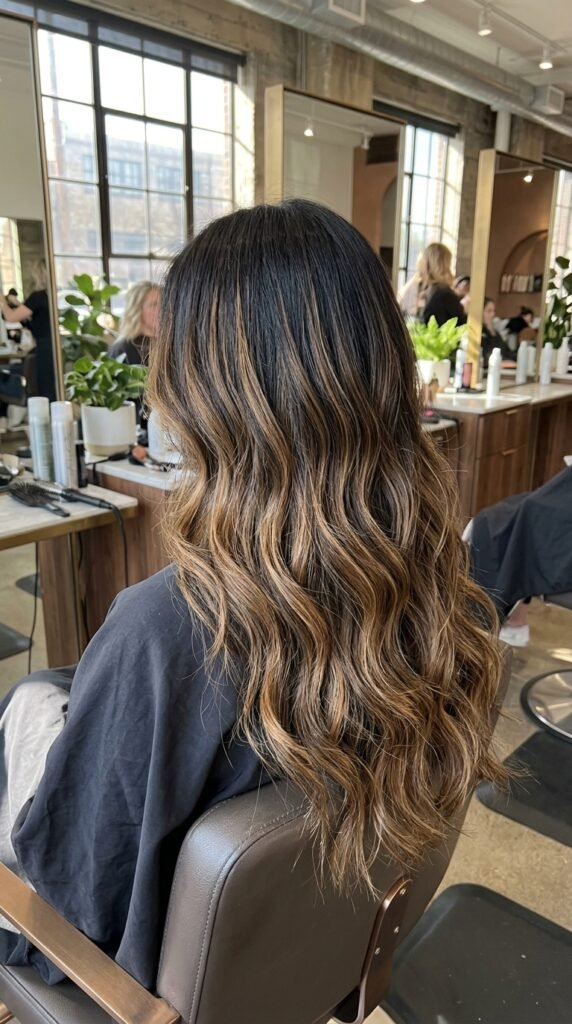
Balayage is hand-painted color that grows out beautifully. Your stylist sweeps lightener through the mid-lengths and ends, leaving the roots soft and natural.
Ask for a root melt at the bowl. That means they blend the base color into the balayage before rinsing. It keeps the transition seamless. Balayage is not one-size-fits-all. Your stylist should customize the placement.
- Low maintenance for 2026 hairstyles
- Looks effortless with old money hair
- Pairs well with a quiet luxury bob
For dark roots, a soft root melt is the finishing touch. It makes grow-out look intentional.
Foilyage for Dark Bases
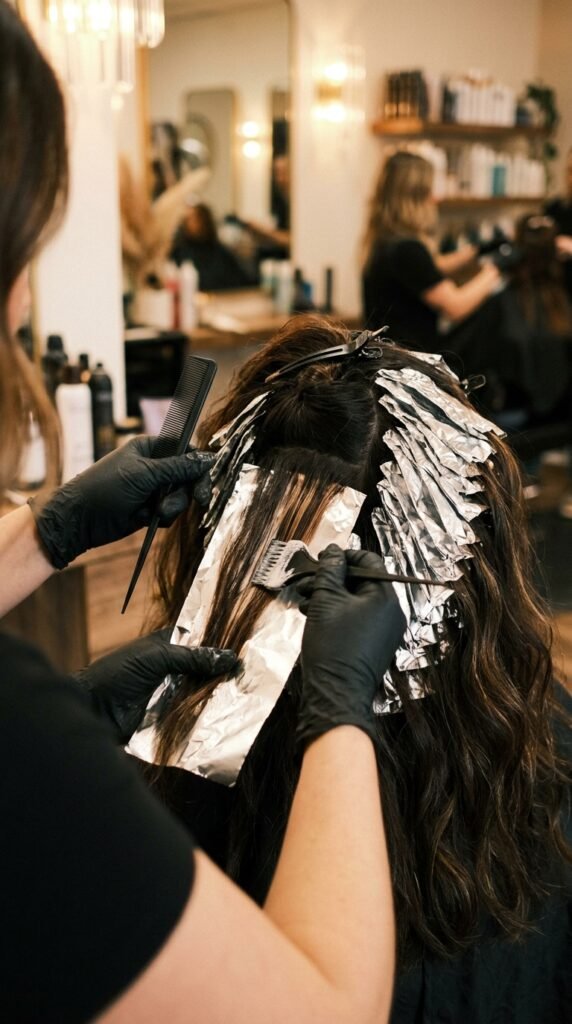
Foilyage combines foils and balayage. It lifts dark roots more effectively than freehand painting alone, but keeps depth at the base.
After foiling, your stylist can melt a shadow root over the top. This softens the line and adds dimension. It is great for deep brown or black hair. Ask for a soft blend, not a stripe.
- Best for dark bases wanting noticeable lift
- Needs a skilled stylist
- Usually lasts longer than a single process
The goal is glow, not obvious foils. Foilyage works with asymmetrical lob and long layers. It is a smart choice when roots are very dark.
The Quiet Luxury Bob Trick

The quiet luxury bob is sleek, simple, and expensive-looking. Root melting makes it even better because dark roots become part of the design.
Ask for a shadow root that is one shade deeper than your base. Keep the cut blunt or softly rounded. Style with a center part and glossy finish. This look is minimal but never boring. It pairs beautifully with old money hair.
- Choose chin or collarbone length
- Keep ends healthy and trimmed
- Use a shine serum, not heavy oil
In 2026 hairstyles, quiet luxury is still strong. Root melting keeps it fresh between appointments. Add a slight bend for movement.
Old Money Hair and Root Melting

Old money hair is polished, glossy, and natural. It never looks like you tried too hard. Root melting fits because it makes color look lived-in and rich.
Ask for soft chocolate, chestnut, or beige tones. Avoid high-contrast bleach. Keep your cut classic, like a bob or long layers. The vibe is effortless wealth, not trendy neon.
- Use a round brush for smooth volume
- Keep frizz low with a light serum
- Choose a gloss every six weeks
Dark roots can look intentional with the right melt. This is one of my favorite 2026 hairstyles. It works on almost every hair texture.
Asymmetrical Lob for Grown-Out Roots
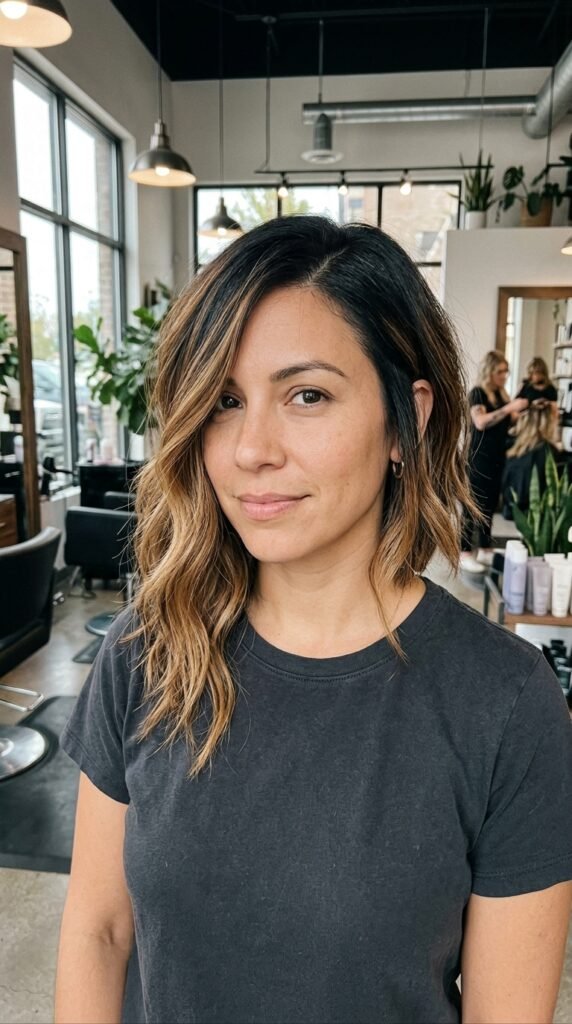
An asymmetrical lob is shorter in back and longer in front. The angled shape draws the eye away from your roots. That makes it a great grow-out haircut.
Pair it with a root melt from your natural dark base into lighter ends. Ask for soft face-framing pieces. Style with a deep side part for extra movement. This cut is perfect if you want 2026 hairstyles with low upkeep.
- Flattering on most face shapes
- Feels modern and edgy
- Looks great with balayage or foilyage
It also gives fine hair more shape. Root melting keeps the grow-out graceful. Try a soft wave for texture.
Hime Cut Blending Strategy

The hime cut has blunt bangs and longer side locks. It is bold, sleek, and very specific. Dark roots can look severe with this shape, so melting is key.
Ask your stylist to soften the base around your bangs and side pieces. Keep the rest glossy and straight. A shadow root helps the blunt lines feel intentional. The hime cut stands out in 2026 hairstyles.
- Blend roots in the bang area first
- Use a flat iron for sharp ends
- Keep side locks trimmed every six weeks
Root melting keeps it wearable, not costume-like. It also pairs well with romantic goth hairstyles. Keep products light so hair stays swingy.
Vampire Haircut with Dark Roots

The vampire haircut is layered, face-framing, and a little dramatic. It often comes with deep red, black, or burgundy tones. Dark roots are an advantage here.
Melt your natural roots into rich color rather than fighting them. Ask for a shadow root in black or espresso. Add soft layers around the cheekbones. This cut feels moody but modern.
- Great with romantic goth hairstyles
- Works on medium to long hair
- Use texture spray for piecey ends
It is one of the boldest 2026 hairstyles for dark hair. Root melting keeps the grow-out from looking messy. A gloss adds that vampire shine. Ask for movement, not choppy layers.
Romantic Goth Hairstyles and Root Melt

Romantic goth hairstyles are soft, dark, and dreamy. Think velvet waves, black lace, and deep cherry tones. Root melting makes dark roots feel intentional.
Ask for a melt from black or dark brown into plum, burgundy, or charcoal. Keep the finish glossy. Use a curling iron on medium heat for loose waves. This style is romantic, not scary.
- Pair with a vampire haircut or hime cut
- Use a satin scrunchie to protect waves
- Keep makeup and hair in the same mood
It works beautifully with 2026 hairstyles. Root melting adds depth without a solid dye line. A light hair oil gives that soft goth glow. Try a center part for drama.
Glitchy Glam Hair with Shadow Roots

Glitchy glam hair is shiny, metallic, and a little futuristic. It mixes silver, lavender, icy blue, or holographic tones. Dark roots can ground the look instead of ruining it.
Ask for a shadow root that melts into your metallic color. Keep the roots soft, not sharp. Use a high-shine gloss and piecey styling. This is one of the edgiest 2026 hairstyles.
- Best on healthy, pre-lightened hair
- Use purple shampoo only on ends
- Style with a flat iron for glassy sections
Root melting keeps it wearable in real life. It also makes grow-out less obvious. Try it with an asymmetrical lob. A gloss will boost the glitch effect.
How to Style the Grow-Out Phase

Styling is how you hide roots on purpose. Waves, curls, and texture break up the line. A little root lift also makes regrowth less noticeable.
Blow dry your roots upward with a round brush. Add loose waves from mid-length to ends. Use dry shampoo at the roots for volume, not white residue. Avoid heavy oils at the scalp. They can make roots look darker and greasy.
- Braids create soft bends that blend color
- Texturizing spray adds grip and movement
- Root cover powder works on part lines
Light layers of product are your friend. This keeps 2026 hairstyles easy. You can stretch salon visits longer.
Parting Tricks That Hide Roots
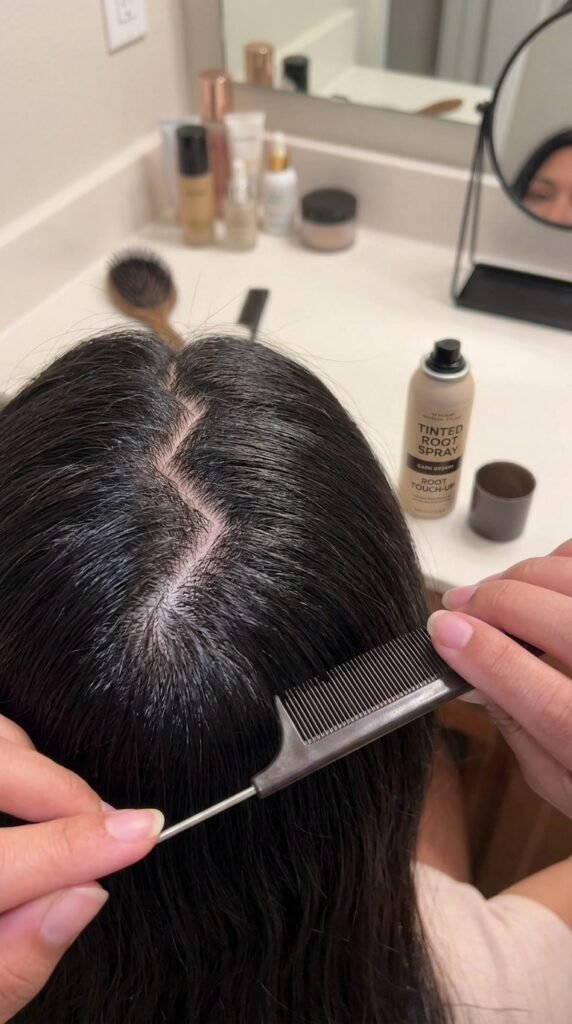
Your part can make or break a root melt. A sharp middle part shows the line. A zigzag part breaks it up instantly.
Try a side part if you want to shift the line. Use a rat-tail comb to create a soft zigzag. Finish with a tinted root spray. These small changes take two minutes. They make dark roots look intentional.
- Zigzag part for casual days
- Deep side part for old money hair
- Middle part only if roots are already melted
Do not overdo root spray or it looks chalky. Blend with your fingers after spraying. This is a quiet luxury bob essential. It also works with asymmetrical lob.
Heatless Styles for Busy Weeks

Heatless styles are perfect for busy weeks. They blend roots while protecting your hair from damage. Try overnight braids, robe curls, or a sock bun.
Start with slightly damp hair. Add a light mousse or leave-in. Wrap, braid, or twist. Sleep on a satin pillowcase. In the morning, undo and shake. These styles hide harsh lines naturally.
- Loose braids create soft waves
- Robe curls give bouncy old money hair
- Sock bun adds volume at the roots
They also keep 2026 hairstyles low effort. Use a small amount of serum to finish. Do not brush curls out too much. Finger-comb for a soft blend.
When to See a Pro
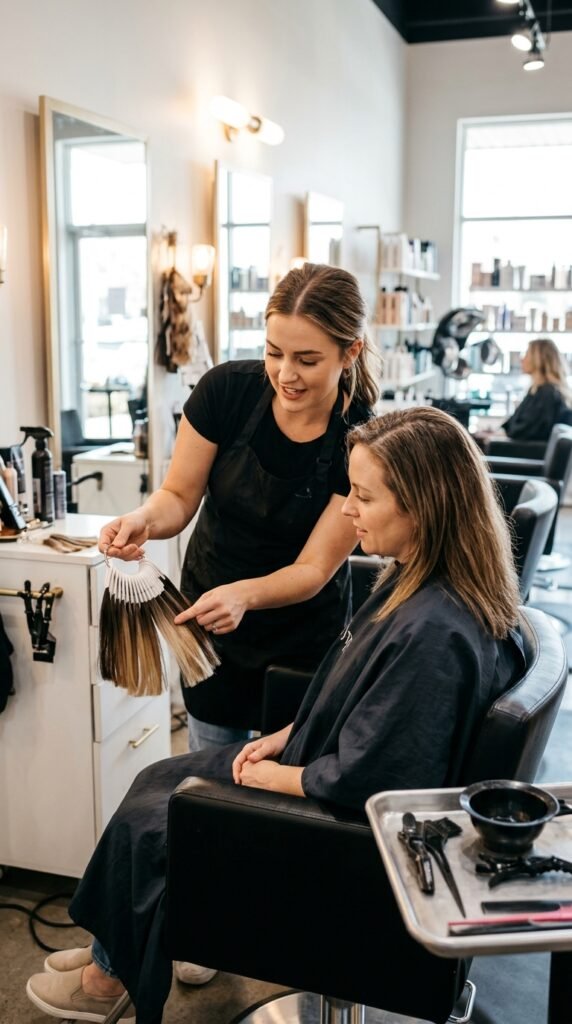
See a pro when your roots are more than two inches long. If the contrast feels extreme, at-home fixes may not be enough. A stylist can melt, gloss, and reshape.
Book a consultation before a full appointment. Ask for a root melt, shadow root, or balayage refresh. Bring photos of what you love and what you hate. Do not box dye over highlights. It can create a harsh band.
- Major brassiness needs a pro gloss
- Damaged hair needs a bond-building treatment
- Box dye history must be disclosed
A pro can blend dark roots without wrecking your ends. This saves money and heartbreak.
Mistakes That Make Roots Look Harsh
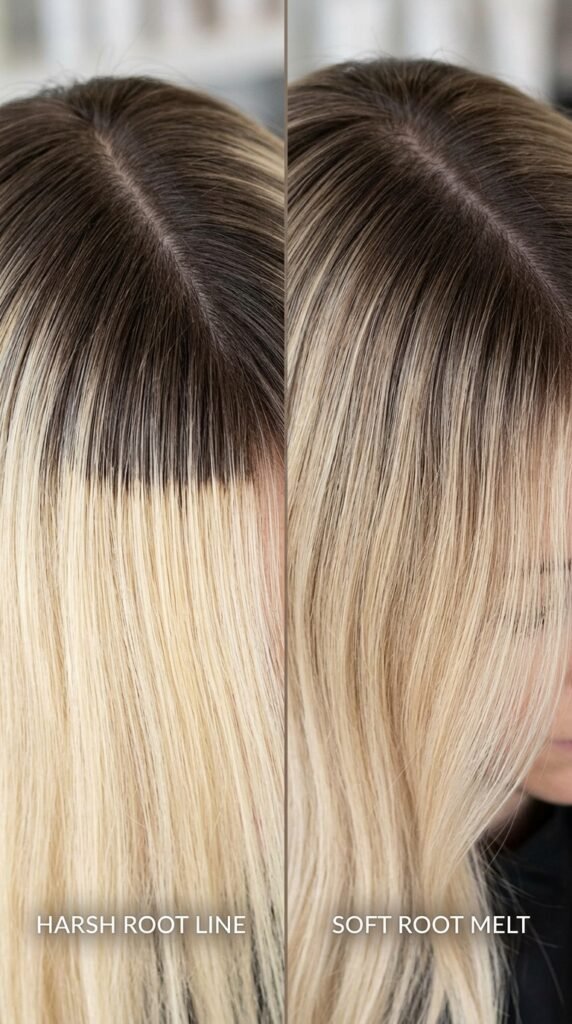
Some habits make roots look harsher. Using too-dark dye is the biggest one. It creates a solid line that is hard to melt later.
Over-bleaching ends also increases contrast. Purple shampoo on dark roots can make them look muddy. Flat ironing without heat protectant causes dullness. These mistakes are easy to fix.
- Do not apply permanent dark dye at home
- Keep purple shampoo on light ends only
- Trim ends every eight to ten weeks
- Use gloss instead of another bleach session
Small changes make a big difference. Your root melt will look softer and last longer. Healthy hair reflects light better. That makes any grow-out more graceful. Keep it simple.
Quick Answers for Root Melting
Here are quick answers for root melting. How often should you get it done? Every six to ten weeks, depending on growth.
Can you do it at home? Yes, with a gentle root spray or color-depositing mask. Does it damage hair? Less than bleach. How long does it take? Usually 20 to 40 minutes in the salon. Root melting is a maintenance technique.
- Best for dark roots growing into lighter color
- Not a replacement for a full color service
- Always patch test at-home products
It keeps your color looking seamless between visits. Ask your stylist what works for your hair history. There is no one-size-fits-all answer. But most dark roots can be softened.
Growing out dark roots does not have to be a waiting game you hate. With root melting, a good gloss, and smart styling, you can make every stage look intentional.
Pick one technique this week. Book a shadow root, try a color-depositing mask, or change your part. Small moves make a big difference.
Save this post to Pinterest so you have these root melting ideas ready for your next appointment. Then tell me in the comments: which technique are you trying first?