
Deep Hydration Hair Masks Repairing Summer Damage Before Winter Arrives
Summer is fun until your hair starts acting like it forgot how to be hair. Sun, salt, chlorine, hot tools, and dry air all stack up, and by September your ends feel like straw.
Here’s the good news: you have a window right now. Between the last pool day and the first cold snap, you can rebuild a lot of that moisture before winter air locks the damage in place.
In this post I’m sharing how deep hydration hair masks actually work, how to pick the right one for your hair type, and how to fit them into your week without losing a whole evening.
We’ll also talk about how this plays into 2026 hairstyles, from the quiet luxury bob to romantic goth hairstyles, so your cut keeps looking expensive all season long.
Why Summer Hair Feels So Dry by Fall
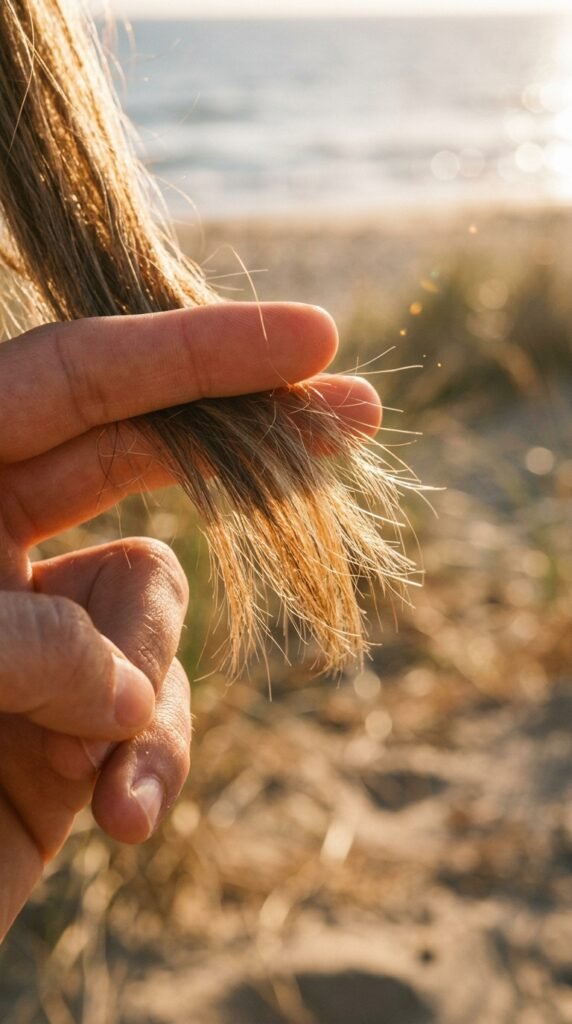
Summer is basically a slow moisture leak. UV rays break down the protein inside your strands, saltwater and chlorine strip the oils that keep hair soft, and humid days make us reach for hot tools more than we should.
Then fall shows up. Cold air outside, dry heat inside, wool scarves rubbing your ends. That combo is why hair often feels worse in October than it did in July.
- UV exposure weakens the outer cuticle
- Chlorine and salt pull moisture out fast
- Humidity creates frizz, then heat styling seals it in
- Sand and salt add friction that roughs up the surface
If your ends snap or feel crunchy, that’s not a new texture. That’s dehydration talking.
What a Deep Hydration Hair Mask Actually Does
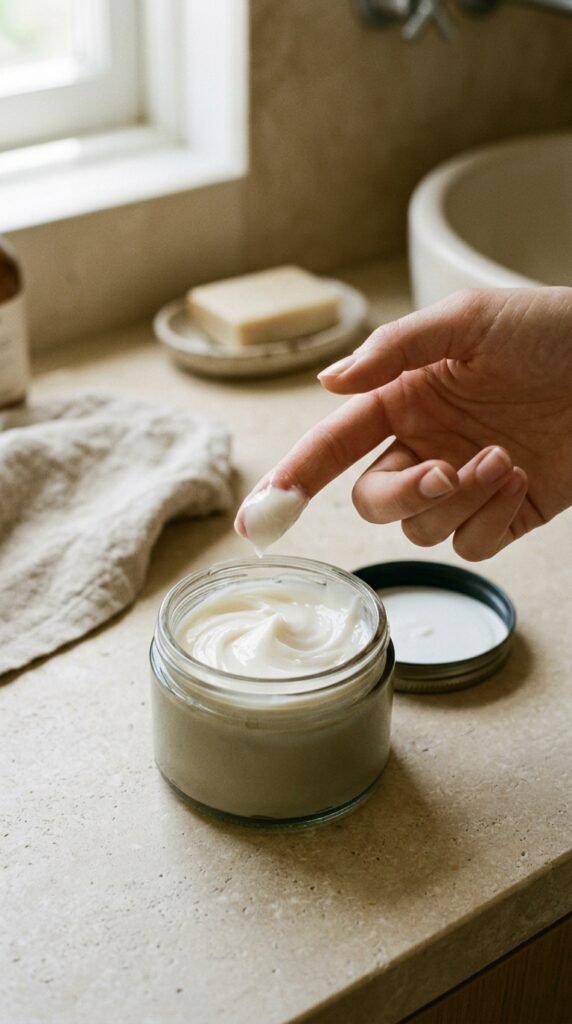
Think of your regular conditioner as a quick drink of water. A mask is the full meal. It sits on your hair longer, so the ingredients have time to sink into the cuticle instead of just coating it.
That longer contact time is the whole point. It smooths the outer layer, adds slip so hair doesn’t tangle, and brings back that soft, flexible feel.
- Replenishes moisture your hair lost
- Smooths the cuticle so light reflects better
- Reduces breakage when you brush or style
- Makes color and highlights look fresher
It’s not magic. It’s just giving your hair back what summer took.
How to Tell If Your Hair Is Asking for a Mask

Most of us wait until hair feels terrible before we do anything. But your hair gives you hints way earlier than that. Once you notice them, you can fix things in one or two wash days.
- Ends feel rough even right after conditioning
- Hair tangles within an hour of brushing
- It looks dull instead of shiny in photos
- Strands stretch and snap when wet
- Your color faded faster than usual this summer
Two or more of those? You’re due. One mask will help, but a few weeks of consistency is what actually turns it around.
Best Ingredients to Look For in 2026
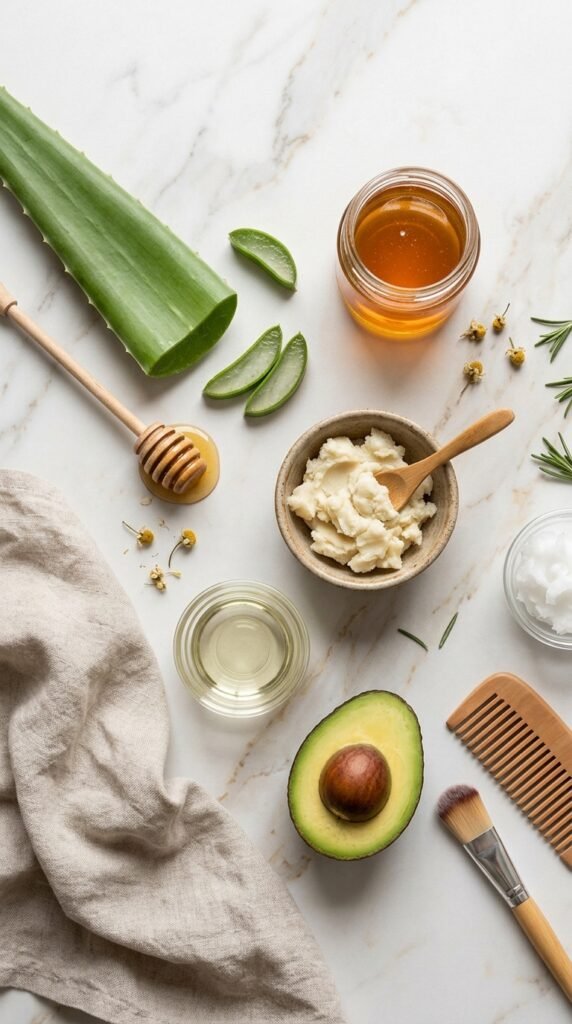
You don’t need a chemistry degree. You just need to scan the label for a few names that genuinely hold water in your hair.
- Glycerin and hyaluronic acid draw moisture in
- Aloe vera calms a dry, irritated scalp
- Shea and murumuru butter seal things in
- Amino acids and hydrolyzed protein patch weak spots
- Squalane adds shine without heaviness
- Honey is a natural humectant that also smooths
Look for water or aloe as the first ingredient, not a heavy oil. That usually means real hydration instead of just a slick coating.
Ingredients to Skip If Your Hair Is Fine

Fine hair is the pickiest customer. It wants moisture but hates weight, and one wrong mask can leave it flat for days. The trick is choosing hydration over richness.
- Skip coconut oil as a main ingredient if you’re low porosity
- Avoid heavy butters in the first five ingredients
- Watch out for protein overload, which makes hair stiff
- Limit silicones that build up and dull shine
Go for lightweight masks with glycerin, aloe, or amino acids. Use them from mid-length to ends only, and keep the roots dry. Your volume will thank you.
How Often Should You Actually Mask?
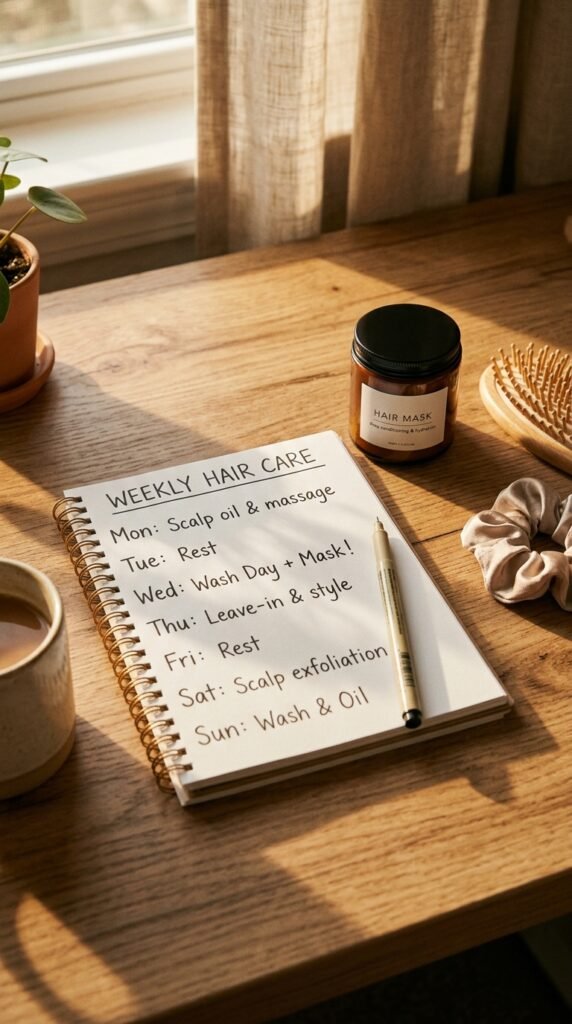
The honest answer is: it depends on your hair, not on a rule someone posted online. Here’s a simple starting point you can adjust.
- Damaged or bleached hair: twice a week for a month, then once a week
- Normal hair: once a week is plenty
- Fine or low porosity hair: every 10 to 14 days
- Natural curls: every wash day, but keep it light
Pay attention to how hair feels on day three after washing. Soft and bouncy means you’re doing it right. Greasy and limp means back off a bit.
The 10-Minute Mask Routine That Fits Real Life

You don’t need a spa day. You need ten focused minutes. Here’s the routine I use when I’m short on time but my ends are begging.
- Wash with a gentle shampoo and squeeze out excess water
- Apply the mask from mid-length to ends, not the roots
- Comb through with a wide-tooth comb so it’s evenly spread
- Clip hair up and finish your shower or skincare
- Rinse with cool water until it runs clean
That’s it. The mask does the work while you do something else. Ten minutes is the sweet spot for most formulas.
The Warm Towel Trick That Boosts Any Mask
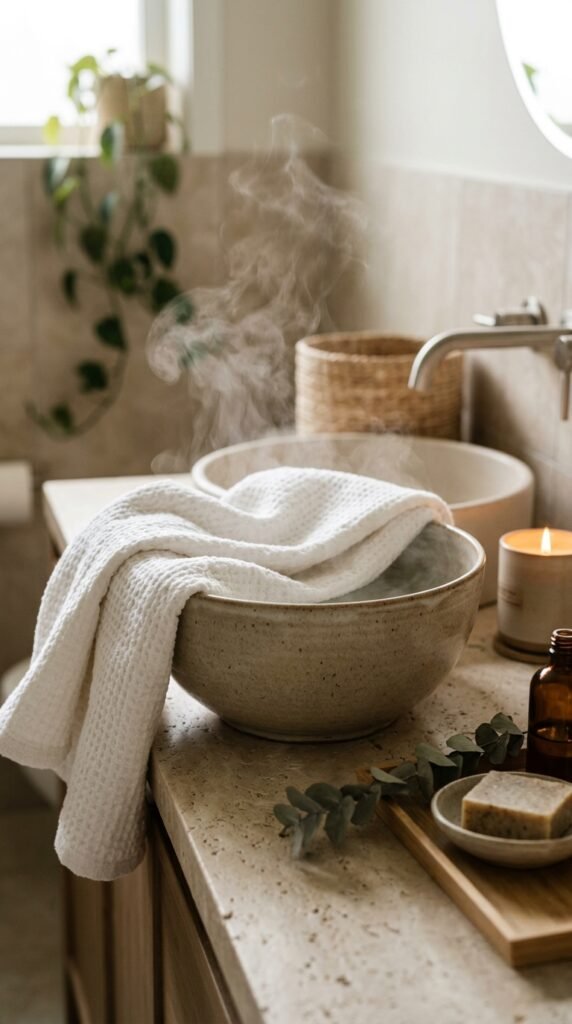
Heat opens the cuticle, which means your mask can get deeper into the strand. You don’t need a fancy steamer. A warm towel does the same job for free.
- Soak a clean towel in hot water and wring it out well
- Wrap it around your masked hair and cover with a shower cap
- Leave it for 10 to 15 minutes
- Rinse cool to seal the cuticle back down
Do this once every couple of weeks, not every time. Too much heat, even gentle heat, can backfire on fine hair. For thick or coarse hair, it’s a game changer.
Bond Repair vs Deep Hydration: Know the Difference
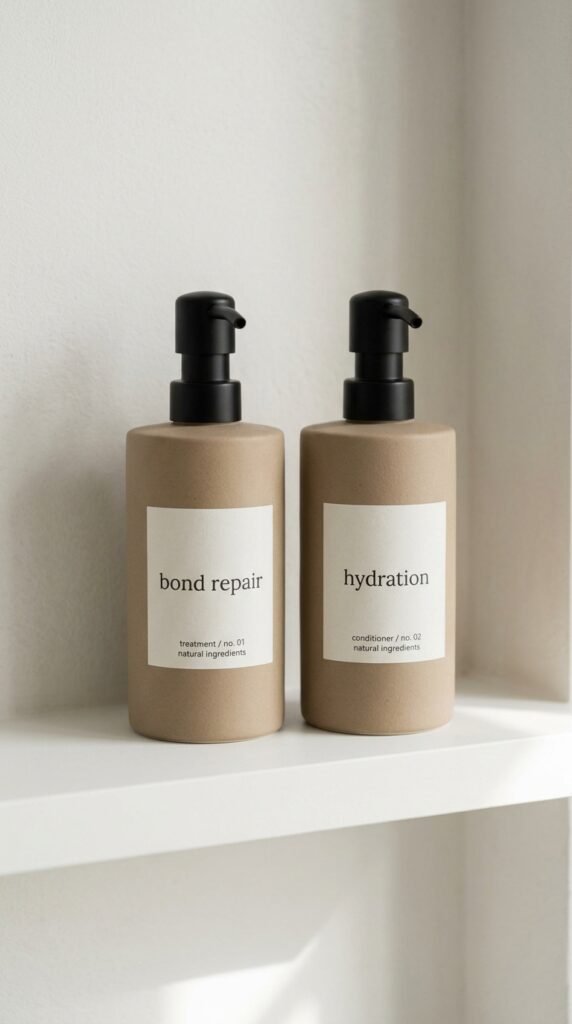
These two get lumped together, but they solve different problems. Using the wrong one is why some people mask for months and see nothing.
- Bond repair rebuilds broken links inside the strand. Best for bleach, heat damage, and chemical services.
- Deep hydration adds moisture and softness. Best for dryness, dullness, and frizz.
Most summer damage is a mix of both. My honest advice: hydrate first for two weeks, then add a bond builder once a week. If your hair feels stiff and brittle, you need protein or bonds. If it feels dry and straw-like, you need moisture.
Keeping a Quiet Luxury Bob Hydrated

The quiet luxury bob lives and dies by its finish. It’s meant to look expensive, effortless, and slightly glassy. Dry, fried ends ruin that instantly.
Short cuts show damage faster because there’s less length to hide it. So hydration matters more, not less.
- Mask once a week, ends only
- Use a lightweight leave-in before blow drying
- Add a drop of shine serum on dry hair to finish
- Sleep on silk to avoid friction creases
Keep it simple and consistent. A hydrated bob reflects light, and that glow is the whole aesthetic.
Hydrating an Asymmetrical Lob Without Weighing It Down

The asymmetrical lob is everywhere for 2026 hairstyles, and it’s easy to see why. It’s modern, easy to style, and works on almost everyone. The catch is that uneven lengths can look stringy when they’re dry.
The longer side needs extra attention because it’s older hair that’s been through more summers.
- Apply mask mostly to the longer side and the ends
- Keep the shorter side light so it stays bouncy
- Rinse cool to keep the cuticle smooth
- Blow dry with a round brush for shape, not volume
Hydrated hair holds the line of the cut better, which is what makes it look intentional.
Old Money Hair and the Low-Effort Hydration Routine

Old money hair is not about products. It’s about health. It’s shiny, soft, slightly undone, and never looks like it’s trying. That look starts with moisture, not styling tools.
- Mask once a week, every week
- Air dry whenever you can
- Trim every 10 to 12 weeks to keep ends clean
- Use one good leave-in and skip the rest
That’s the whole routine. The goal is hair that looks like it’s never been stressed, even if it has. Consistency beats complexity every single time.
Romantic Goth Hairstyles and the Right Mask Pairing

Romantic goth hairstyles lean on texture, softness, and depth. Think waves that move, dark color that shines, and ends that look intentional instead of frayed.
Dark hair actually shows dryness more than light hair. When black or deep brown goes dull, it turns ashy and flat fast.
- Use a hydrating mask with honey or glycerin for shine
- Skip heavy butters if you want movement in your waves
- Add a gloss treatment once a month for depth
- Rinse cool to lock in the shine
Hydration is what makes dark hair look rich instead of tired.
Glitchy Glam Hair Needs Serious Hydration

Glitchy glam hair is all about high shine, sharp lines, and a slightly futuristic finish. It looks incredible. It’s also the most demanding look on this list when it comes to moisture.
All that shine comes from a smooth cuticle. Dry, rough hair scatters light and looks fuzzy instead of glossy.
- Mask before any styling session, not after
- Use a heat protectant every single time
- Seal with a lightweight oil on the ends
- Refresh with a tiny bit of leave-in on day two
No mask, no shine. It really is that simple.
The Vampire Haircut and Products That Keep It Sleek

The vampire haircut is having a moment, and it’s stunning. Sharp layers, blunt ends, lots of movement around the face. It looks sleek and a little dangerous, in the best way.
Blunt ends are unforgiving. Any dryness shows up immediately as frizz along the cut line.
- Mask weekly to keep ends smooth and heavy
- Use a smoothing cream before blow drying
- Brush with a boar bristle brush to distribute oils
- Trim every 8 weeks to keep the line sharp
Keep the ends healthy and the cut does all the work for you.
Hime Cut Care: Hydration for Straight, Structured Lengths

The hime cut is one of the most recognizable looks in the 2026 hairstyles lineup. Blunt side lengths, straight fringe, clean lines. It’s bold and beautiful, but those blunt edges leave zero room for error.
Straight hair shows every dry patch and flyaway. Hydration is what keeps those lines crisp.
- Mask every 7 to 10 days, focusing on the side lengths
- Use a heat protectant before flat ironing
- Finish with a light shine mist, never a heavy oil
- Avoid over-brushing, which causes static and frizz
Smooth, hydrated hair is what makes this cut look sharp instead of stiff.
2026 Hairstyles That Need Extra Moisture

Not every cut needs the same routine. Some styles are naturally more forgiving, and some will expose every dry strand. Here’s a quick cheat sheet.
- Quiet luxury bob: weekly mask, light leave-in
- Asymmetrical lob: weekly mask, focus on the longer side
- Hime cut: every 7 to 10 days, glossy finish
- Vampire haircut: weekly, heavy on the ends
- Long layers: weekly, plus a bonding treatment monthly
- Curly or textured: mask every wash day
Match your routine to your cut and you’ll stop guessing what your hair needs.
A DIY Mask You Can Make Tonight
Sometimes you just want to use what’s already in your kitchen. This one takes two minutes and works surprisingly well for dry, summer-worn ends.
- Mash half a ripe avocado
- Mix in one tablespoon of honey and one of olive oil
- Add a spoonful of plain yogurt for slip
- Apply to damp ends and leave for 20 minutes
- Rinse thoroughly, then shampoo lightly
It won’t replace a good bond builder, but it’s a nice reset between wash days. Skip it if you have fine hair, since it can be heavy.
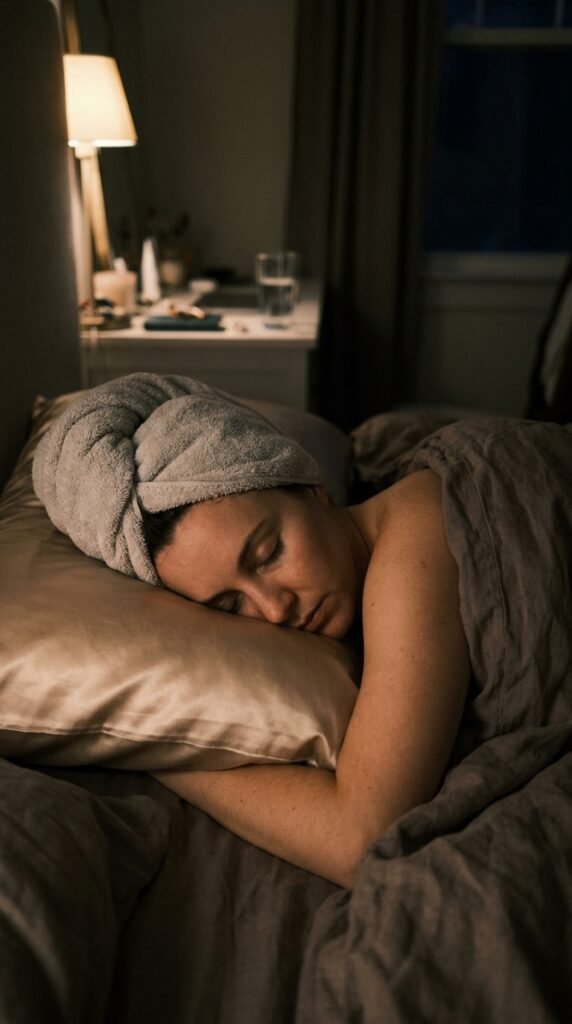
Overnight Masks: What Works and What Doesn’t

Overnight masks sound amazing. Real life is a little messier. Some are genuinely great, and some will leave you with a greasy pillow and a bad mood.
- Works well: lightweight leave-in masks designed for overnight use
- Works well: a small amount of oil on ends only, plus a silk pillowcase
- Skip it: thick rinse-out masks left in all night
- Skip it: anything on your scalp, which can clog pores
If you do go overnight, braid your hair loosely to prevent tangles. Simple beats fancy here.
How to Seal In Moisture After You Rinse

Here’s the part most people miss. You can do a perfect mask and still lose all that moisture an hour later if you don’t seal it in. Hydration needs a lid.
- Apply leave-in to damp hair, not soaking wet
- Layer a light oil over the ends to lock it in
- Use cool air on your blow dryer to close the cuticle
- Avoid touching your hair while it dries
Water first, oil second. That order matters more than which brand you buy. Get this right and your mask results will last three days instead of one.
Winter-Proofing: Transitioning Your Routine by November
By the time the first freeze hits, it’s a little late to play catch-up. The smart move is to start shifting your routine in October, when your hair still has some moisture left to protect.
- Add a weekly mask if you weren’t already doing one
- Switch to a gentler, sulfate-free shampoo
- Reduce hot tool use and lower the temperature
- Add a humidifier to your bedroom
- Trim your ends before the dry months start
Small changes now save you from a rough January. Your hair handles cold weather much better when it starts out hydrated.
Common Mask Mistakes That Waste Your Money
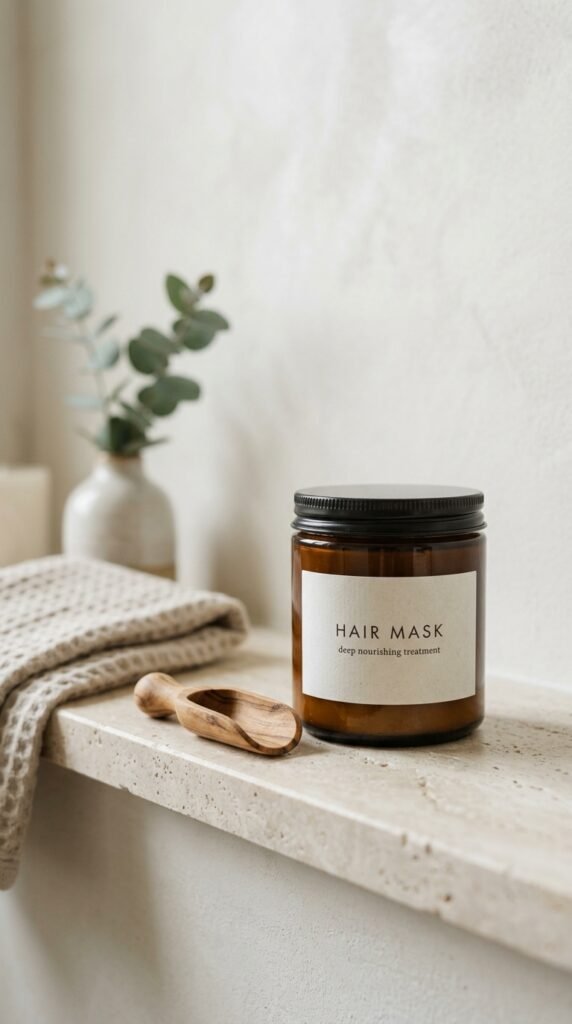
I’ve made all of these at some point, so no judgment. But fixing them makes a huge difference in how fast you see results.
- Applying to roots: causes buildup and flatness
- Leaving it on for hours: most formulas stop working after 20 minutes
- Skipping the rinse: leave-ins and masks are not the same thing
- Using too much: more product does not mean more moisture
- Masking damaged hair before clarifying: product buildup blocks everything
Do a clarifying wash once a month, then mask. That combo alone can change everything.
Quick Midweek Fixes for Dry Hair

Not every day is a wash day, but dry hair doesn’t always wait politely. Here’s what I reach for when my ends act up midweek.
- Mist ends with water and a little leave-in, then scrunch
- Add one drop of oil to just the last two inches
- Twist hair into a loose bun for 20 minutes to reset waves
- Refresh your part and smooth flyaways with clean hands
Five minutes max. It keeps you from over-washing, which is often what’s drying your hair out in the first place.
One Last Thing Before You Go
Summer damage is not permanent. Your hair just needs a few consistent weeks of real hydration, and it will bounce back softer than you expect.
Pick one mask, one day a week, and stick with it until the holidays. That’s the whole plan. Everything else on this list is just fine-tuning.
Save this post to Pinterest so you can find it next time your ends act up. And tell me in the comments: what’s your hair type and your current mask? I read every single one, and I love hearing what’s working for you.