
Gentle Detangling Routines Preventing Breakage On Wet Fragile Hair Strands
Hey friend. If your hair snaps every time you detangle, you are not alone. Wet strands are fragile, and rough brushing can turn a small knot into a big breakage problem.
I have been there. The sink full of hair, the little broken pieces around the bathroom, the frustration. But gentle detangling is a skill, and it gets easier fast.
In this post, I am sharing my simple, step-by-step routine to prevent breakage on wet fragile hair. You will learn the tools, the order, and the little habits that make a huge difference.
Whether you are growing out a quiet luxury bob or keeping up with 2026 hairstyles, healthy hair starts here. Let us keep those strands long, strong, and happy.
Why Wet Hair Breaks So Easily
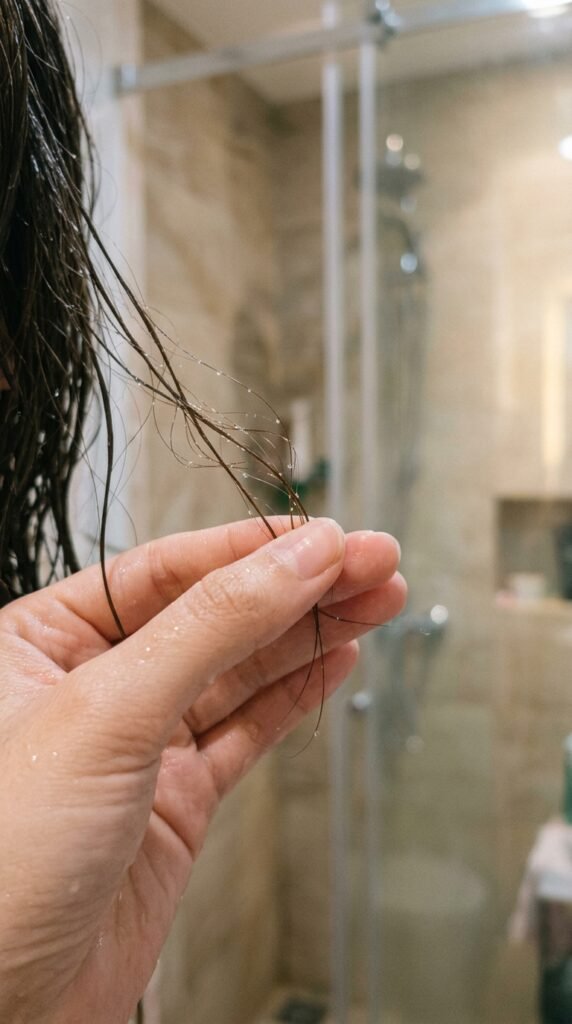
Wet hair stretches. When you pull a knot, the strand does not bounce back the way dry hair does. It snaps.
That is why rough towel drying and aggressive brushing are the biggest culprits. Your hair is in its most vulnerable state right after washing.
Think of wet strands like a delicate silk thread. You would not yank silk. You would ease through it. Same energy here.
The Right Way to Prep Before Detangling

Before you touch a comb, prep matters. Start in the shower with a rich conditioner. Let it sit for a few minutes.
Use your fingers to gently separate big tangles while the conditioner is still in. No pulling. Just glide and separate.
When you step out, do not rub your hair with a towel. Squeeze the water out with a soft microfiber towel or an old cotton t-shirt.
Choose the Right Detangling Tool
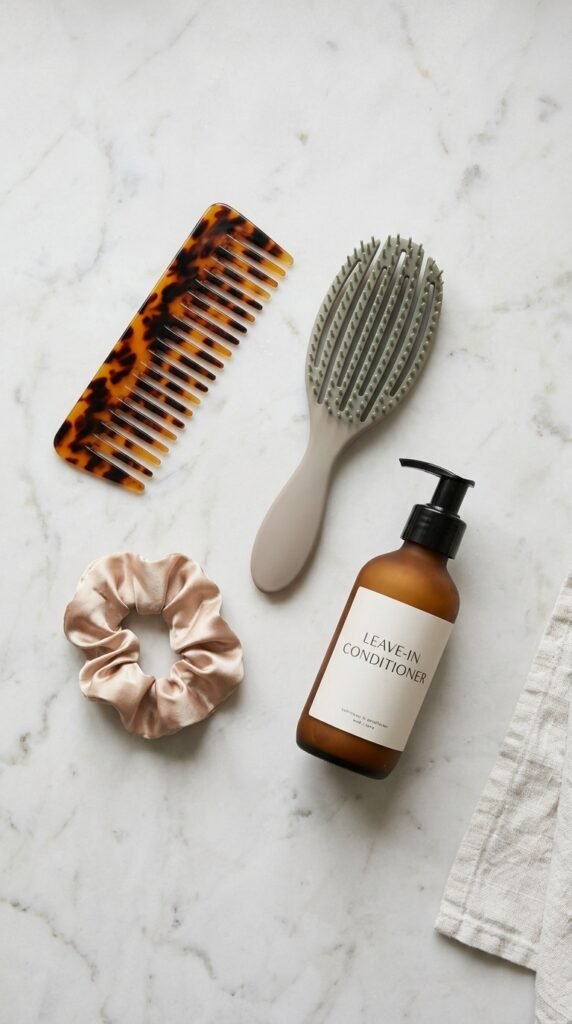
The tool you use can make or break your hair. A wide-tooth comb is your best friend for wet, fragile strands.
Look for seamless teeth. Cheap combs with rough edges catch and tear. A wet brush designed for detangling also works well.
If you love a quiet luxury bob, keep a small comb handy for touch-ups. For longer hair, a handle comb gives you more control.
Start From the Ends, Not the Roots

This is the golden rule. Never start at the roots. That pushes knots down and creates a bigger mess.
Hold your hair in one hand. Start combing the last two inches. Once that is smooth, move up another inch.
Work your way up in small sections. It takes a little longer, but you lose way less hair. Your future self will thank you.
How to Hold Your Hair While Detangling
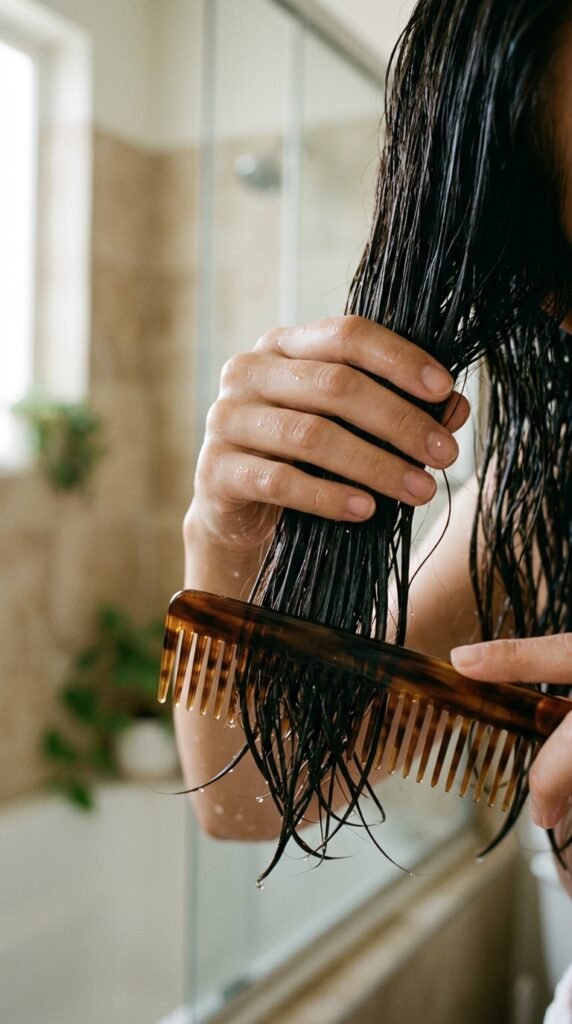
Your grip matters. Do not pull the hair tight from the root. That creates tension and snapping.
Instead, hold the section gently near the middle or lower part. Let the comb do the work. Your hand acts as a cushion.
If you feel a tug, stop. Back off and use your fingers to loosen the knot. Then try again with the comb.
Sectioning Makes a Huge Difference

Working with one big chunk of hair is a recipe for breakage. Section it out.
Use clips to divide your hair into four to six sections. Start with the bottom layers, then work your way up.
This is especially helpful if you are growing out an asymmetrical lob or a hime cut. Clean sections mean clean detangling.
Use a Slip-Boosting Product

Slip is your secret weapon. A good detangler or leave-in conditioner adds slip so the comb glides instead of drags.
Spray it on damp hair, not soaking wet. Focus on the mid-lengths and ends where tangles live.
Look for ingredients like marshmallow root, slippery elm, or silicones if your hair likes them. For a romantic goth hairstyle, a light oil can help too.
Finger Detangling First

Before any comb touches your hair, use your fingers. This is the gentlest first step.
Gently separate the hair into small pieces. Work out any knots by pulling them apart horizontally, not downward.
It feels slow, but it prevents the big rips. Think of it as a mini meditation for your hair.
Wide-Tooth Comb Technique

Once fingers have done their job, grab your wide-tooth comb. Start at the ends again.
Use short, gentle strokes. Do not comb all the way from root to tip in one go.
If you hit a snag, stop. Use your fingers to loosen it. Then continue. Patience is the whole game here.
Detangling Brush Rules for Fragile Strands
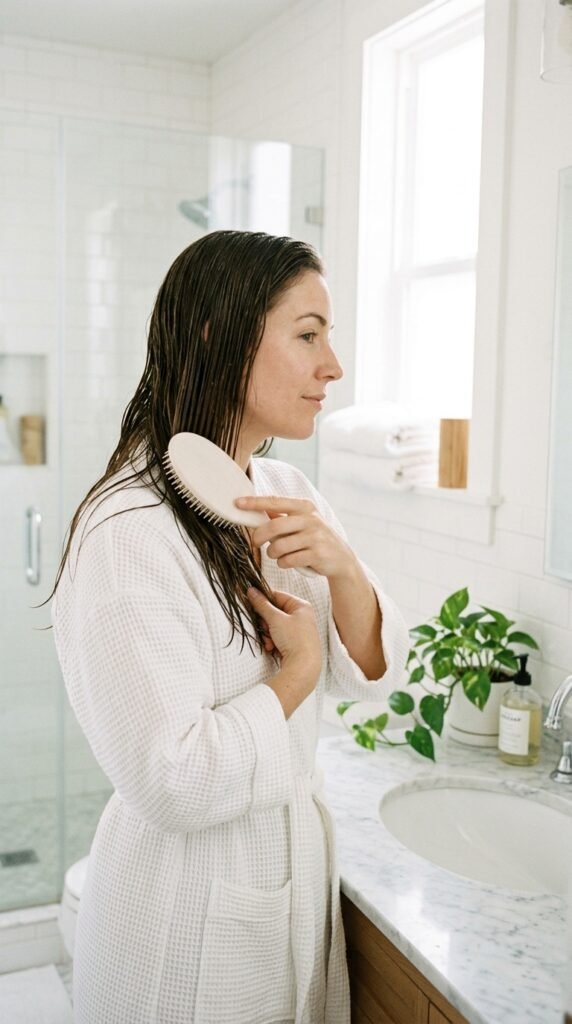
If you prefer a brush, choose one with flexible bristles. A wet brush or a detangling brush with soft nylon pins works well.
Never use a boar bristle brush on wet hair. It is too rough and causes breakage.
Brush from the ends up, just like with a comb. For glitchy glam hair, you want a smooth canvas, not broken pieces.
How to Handle Tangles Without Ripping

When you find a stubborn knot, do not yank. That is how breakage happens.
Use your fingers to gently pull the knot apart. You can also apply a little more detangler or oil directly on the knot.
If it still will not budge, use a needle or a sharp comb tail to carefully work it loose. Then continue detangling.
Rinse and Condition for Maximum Slip

Your wash day routine sets you up for success. Always use a conditioner after shampooing.
For extra fragile hair, try a hair mask once a week. Leave it on for 10 to 20 minutes.
Rinse with cool water. It seals the cuticle and helps prevent tangles from forming too quickly.
Deep Condition Weekly for Strength

Deep conditioning is not a luxury. It is maintenance for fragile hair.
Look for proteins if your hair is stretchy, or moisture if it feels dry and brittle. Alternate as needed.
This keeps your strands strong, so they can handle detangling without snapping. Even a vampire haircut needs healthy ends.
Leave-In Conditioner and Heat Protection

After detangling, apply a leave-in conditioner. It keeps hair smooth and reduces friction during styling.
If you use heat tools, always use a heat protectant. Wet hair plus heat equals damage.
For old money hair, a light leave-in gives that polished, healthy shine without weighing things down.
Drying Techniques That Prevent Breakage

Never rub your hair with a towel. That rough motion causes friction and breakage.
Instead, squeeze water out gently. Then wrap your hair in a microfiber towel or cotton t-shirt for 10 minutes.
Let it air dry when you can. If you must blow dry, use the lowest heat and keep the dryer moving.
Sleeping Habits for Fragile Hair

Cotton pillowcases create friction. That means more tangles and breakage while you sleep.
Switch to silk or satin. It is a small change with a big payoff.
You can also sleep with your hair in a loose braid or a silk scrunchie. This protects your detangling work overnight.
Protective Styles for Wet Hair

Do not pull wet hair into a tight style. That causes tension and breakage at the roots.
If you need to put it up, use a claw clip or a soft scrunchie. Keep it loose.
For 2026 hairstyles, low buns and loose braids are both protective and chic. Just make sure they are not pulling.
Trimming and Dusting to Stop Snags
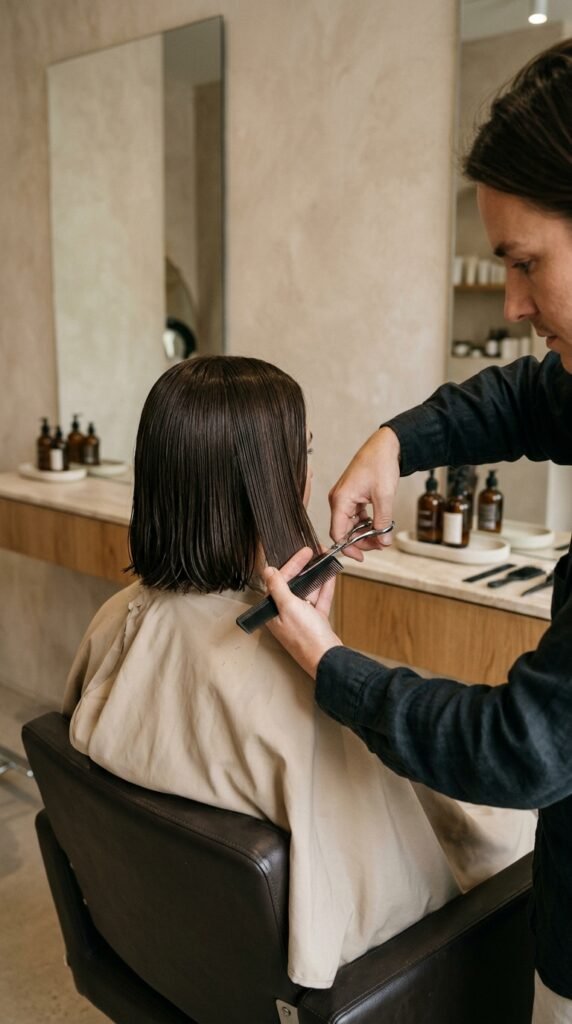
Split ends cause tangles. If your ends are damaged, they will snag on each other no matter how gentle you are.
Get a trim every 8 to 12 weeks. Or learn to dust your own ends at home.
This keeps your hair healthy and makes detangling much easier. A quiet luxury bob always looks best with clean ends.
Styling After Detangling: 2026 Looks

Once your hair is detangled and damp, you can style it gently. Avoid rough brushing or backcombing.
Try a hime cut for a sleek, structured look. Or go soft with romantic goth hairstyles using loose waves.
An asymmetrical lob is great for fragile hair because it is shorter and easier to manage. And glitchy glam hair loves a smooth, detangled base.
When to See a Professional

If your hair is breaking constantly, or you have major matting, it is time for help.
A stylist can assess damage, trim away what is needed, and recommend products for your hair type.
Do not feel embarrassed. We have all been there. A good pro will get you back on track with a gentle plan.
A Gentle Wrap-Up
Gentle detangling is not about being perfect. It is about being kind to your hair, especially when it is wet and fragile.
Start from the ends, use the right tools, and take your time. Your strands will thank you with less breakage and more length.
Whether you are rocking a vampire haircut or growing out a hime cut, healthy hair makes every style look better.
Save this post to Pinterest so you can come back to these tips on wash day. And tell me in the comments: what is your biggest detangling struggle?