24 Dimensional Honey Balayage Techniques For Warm Golden Undertones
If your skin leans warm and every blonde you have ever tried turns brassy, you are not broken. You just have not met the right honey balayage yet. I have spent years behind the chair and in the comment section, and I can tell you that golden undertones are a gift, not a problem to fix.
Honey balayage is hand-painted warmth. Gold, caramel, and butterscotch ribbons melted through your natural color so it grows out softly and never looks striped. It flatters golden skin, and it plays beautifully with 2026 hairstyles like the quiet luxury bob and the asymmetrical lob.
Below are 24 techniques my team and I actually use, from placement rules to toning rules to styling tricks. Pick three that fit your hair, screenshot them, and bring them to your stylist.
1. Map Your Natural Level Before Anything Else
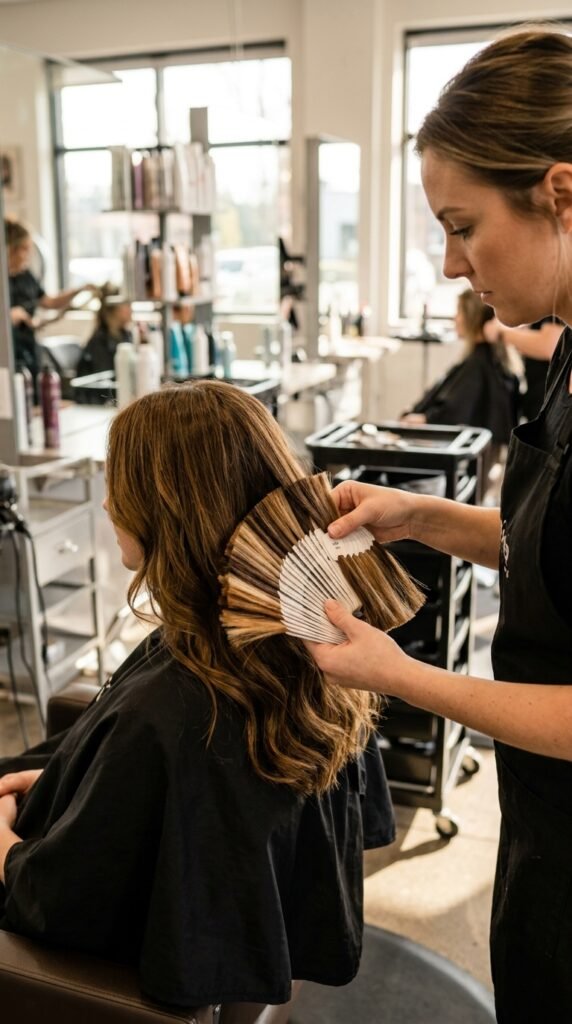
Before we pick a single honey shade, we figure out your starting level. A level 4 turns honey into rich toffee. A level 7 turns the same honey into bright buttery blonde. Same word, completely different result.
Ask your stylist to say your level out loud. Then decide how many shades lighter you actually want to go.
- Levels 2 to 4: go 2 to 3 shades lighter, maximum
- Levels 5 to 6: honey melts perfectly here
- Levels 7 to 8: honey reads as golden blonde fast
This one step prevents almost every “it went orange” text I get.
2. Use the 60/30/10 Honey Placement Rule
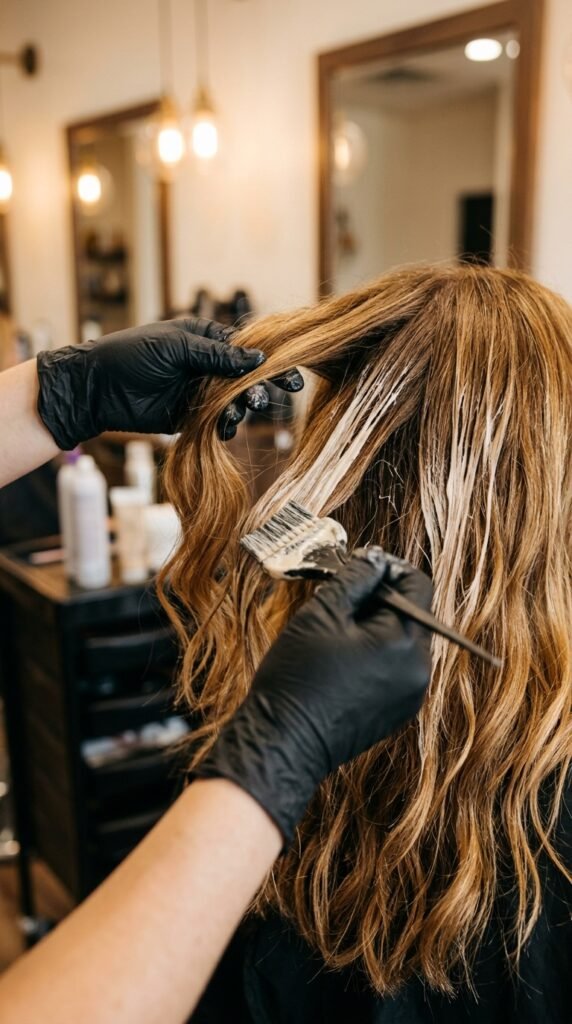
This is my favorite cheat code for dimensional color. Sixty percent of your hair stays your natural base. Thirty percent gets a soft honey melt. Ten percent gets a brighter gold pop.
That ratio is why good balayage looks expensive instead of streaky. It gives the eye somewhere to rest.
- Leave the crown and top layer mostly natural
- Paint honey through the mid-lengths
- Add bright gold only around the face and ends
If your last color felt flat, this ratio is usually the reason why.
3. Build a Face-Frame Honey Melt
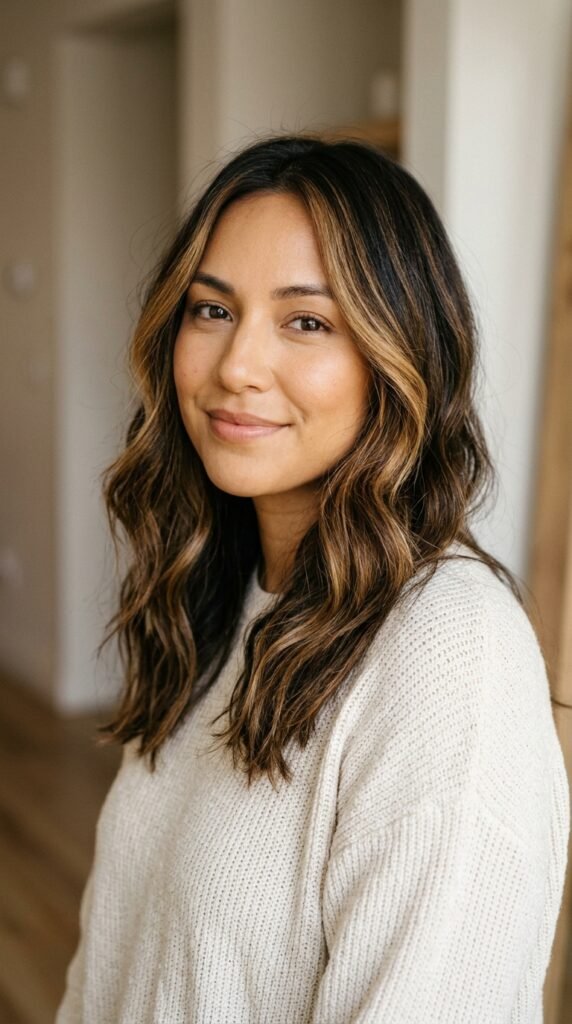
The face frame is the piece everyone notices first. It is also where warm undertones either glow or go brassy, so we go slow here.
Instead of one solid streak, ask for a melt: your natural root fading into honey, then into a lighter gold at the jaw. Three soft steps, no hard lines.
- Start the melt one inch below your part
- Keep the brightest gold at cheekbone level
- Blend down, never up
This is the technique that makes old money hair look effortless instead of done.
4. Add a Caramel Money Piece
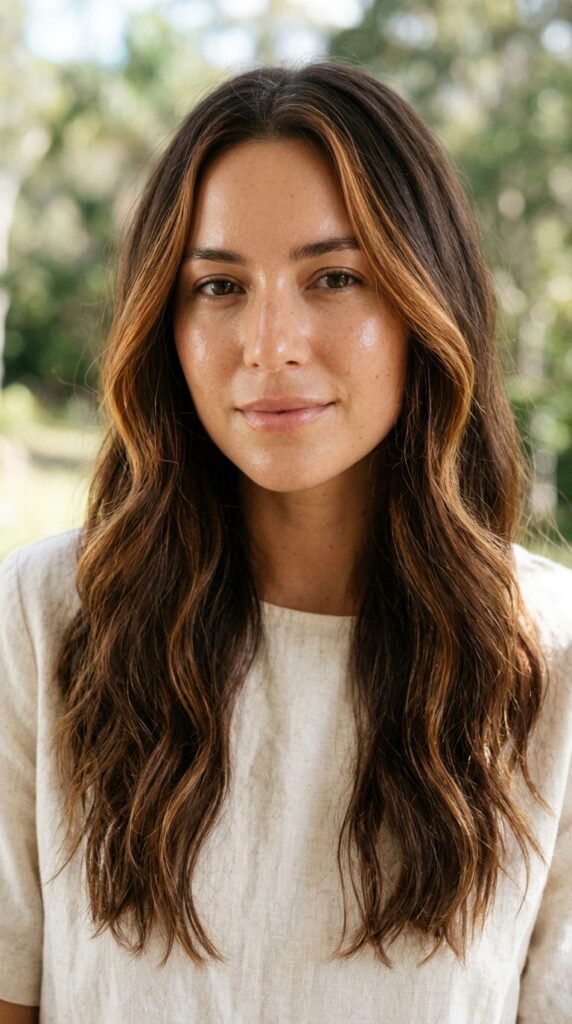
A money piece is the two bright sections right at your front hairline. On warm undertones, caramel works better than platinum because it stays in your family of color.
Ask for a piece about one inch wide on each side. Any wider and it starts to look like chunky 2000s highlights.
- Caramel for medium brown bases
- Butterscotch for lighter bases
- Toffee for very dark bases
It gives you that lit-from-within look with almost no upkeep, which is why it is everywhere in 2026 hairstyles.
5. Weave Babylights for Depth
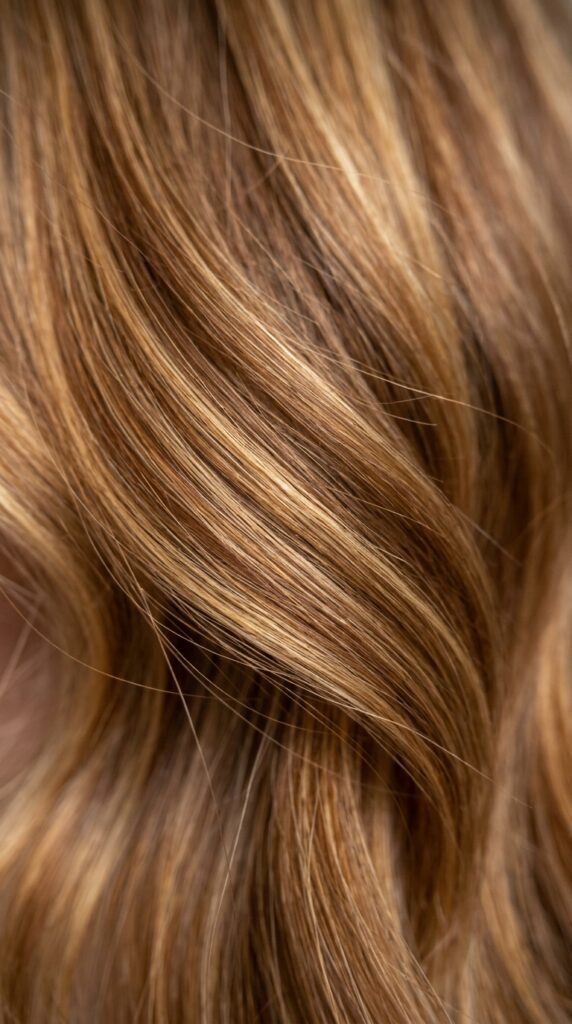
Babylights are tiny, fine highlights woven through your hair instead of painted in big sweeps. They are the secret behind hair that looks naturally sun-kissed.
Ask for them in a honey gold that is only one or two shades lighter than your base. The goal is texture, not contrast.
- Great for fine hair that needs fullness
- Great for anyone scared of obvious highlights
- Pairs beautifully with a quiet luxury bob
You will not see stripes. You will just see movement and shine.
6. Try Foilyage for a Brighter Lift
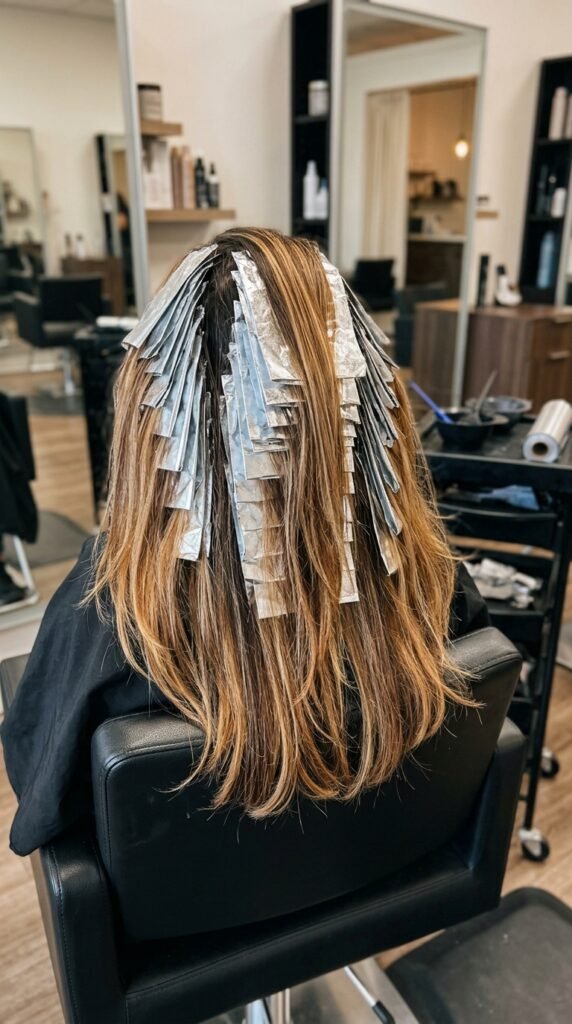
Foilyage is balayage painted onto a foil. You get the soft grow-out of balayage plus the brighter lift of traditional foils.
For warm golden undertones, this matters. Foil keeps the lightener warm and controlled, so gold stays gold instead of drifting yellow.
- Ask for foilyage on the mid-lengths only
- Keep the root area freehand painted
- Request a golden beige toner at the bowl
It is my go-to for anyone who wants noticeable dimension but hates maintenance.
7. Smudge the Roots in Butterscotch
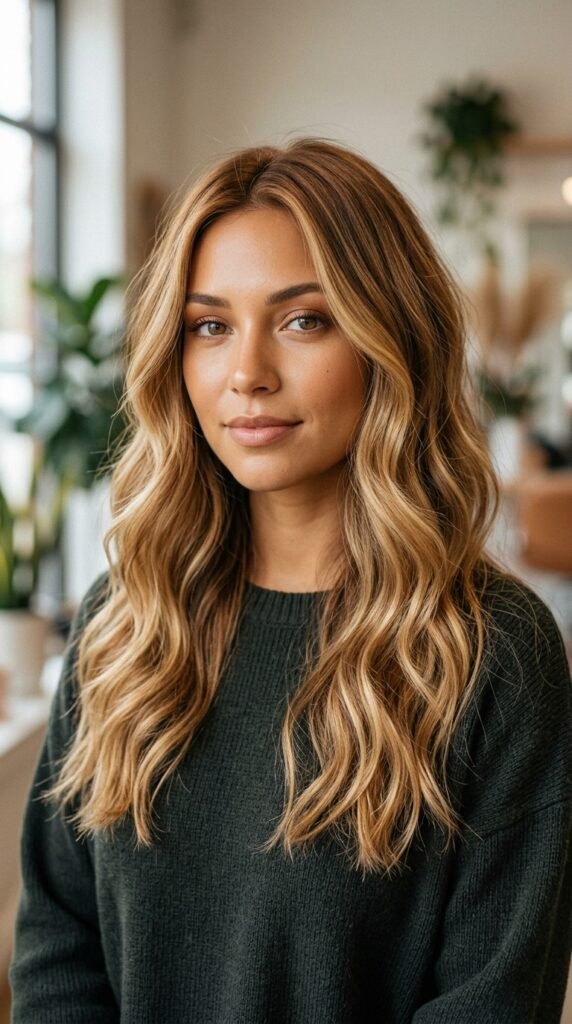
A root smudge is a soft shadow applied at the base before your toner. Instead of a harsh line, you get a gentle fade from dark to honey.
For golden undertones, ask for a butterscotch or warm caramel smudge. Avoid anything labeled ash or cool, because it will fight your skin.
- Extends your color appointment to 12 weeks
- Makes regrowth look intentional
- Adds depth without darkening everything
Honestly, this is the single most underrated step in the whole process.
8. Tone With Golden Beige, Never Ash
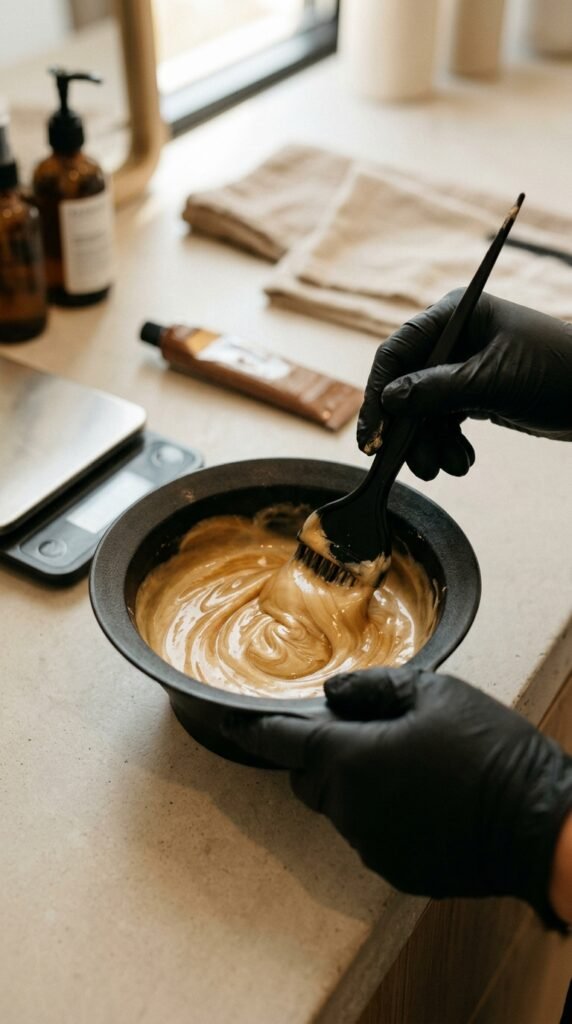
Toner is where honey balayage is won or lost. The wrong toner turns your beautiful gold into a gray, muddy mess.
Ask for golden beige, warm sand, or honey cream. Those keep a touch of gold while softening any yellow.
- Golden beige: soft, natural, everyday
- Warm sand: subtle and expensive looking
- Honey cream: brighter and warmer
Write those three names in your phone. Your future appointments will thank you.
9. Ribbon Two Honey Shades Together
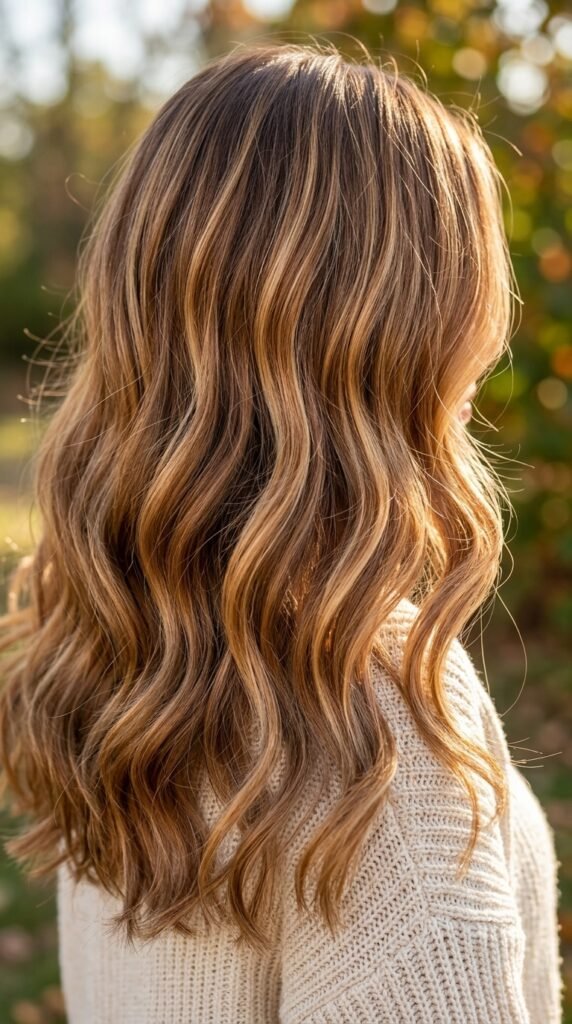
One shade of honey is pretty. Two shades is dimensional. We call it ribboning, because you literally alternate ribbons of color while painting.
Try honey and toffee, or honey and soft gold. They sit close enough to blend but far enough to catch light differently.
- Paint toffee first for depth
- Add honey between those ribbons
- Tone everything together at the bowl
The result looks expensive, dimensional, and effortlessly old money hair.
10. Pair Honey Balayage With a Quiet Luxury Bob
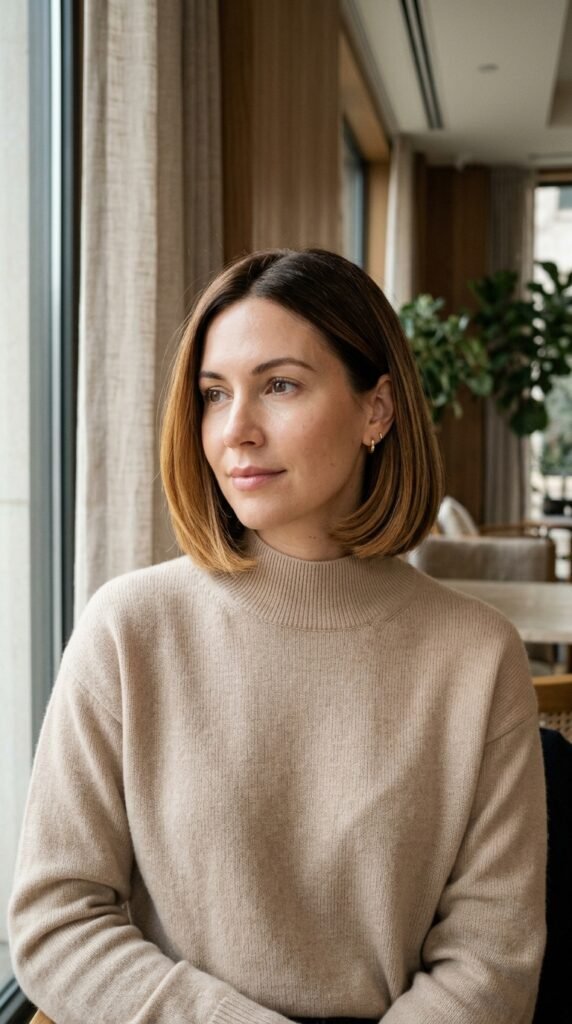
This is the combination I get asked about most. A blunt quiet luxury bob plus honey balayage is basically a personality.
The trick is keeping the color low contrast. You want one continuous melt from your natural root to a golden honey end, so the cut does the talking.
- Ask for a blunt or softly curved bob
- Keep highlights off the top layer
- Add a gloss for shine, not brightness
It reads minimal, expensive, and deeply warm against golden skin.
11. Sweep Honey Through an Asymmetrical Lob
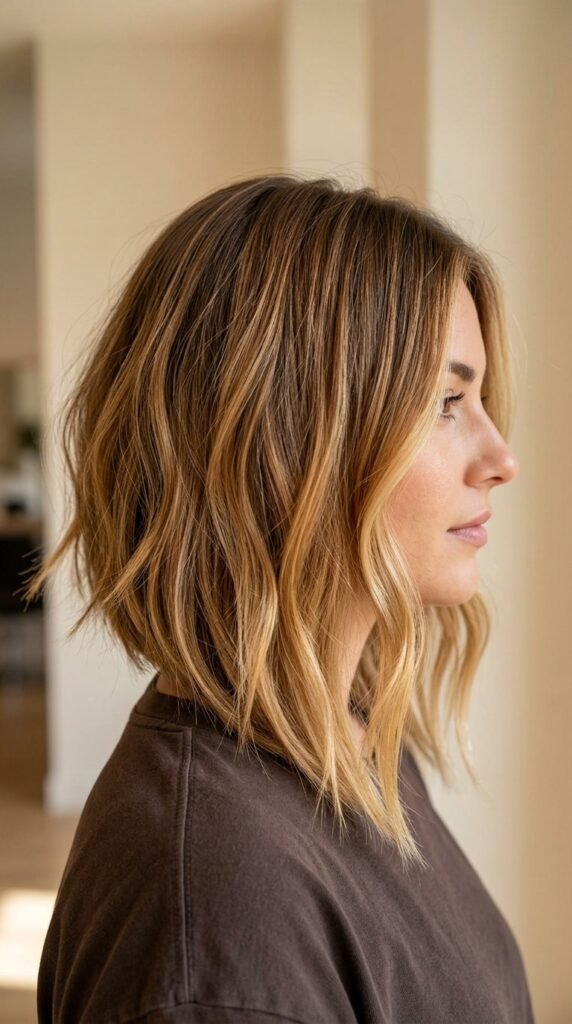
An asymmetrical lob is shorter on one side, longer on the other. It is one of my favorite 2026 hairstyles because honey balayage shows up so well on that longer side.
Ask your colorist to paint the heavier honey on the long side. It draws the eye down and makes the shape look intentional.
- Keep the short side slightly deeper
- Add a light gold pop at the long tips
- Skip heavy root shadow, this cut likes brightness
It is flattering, modern, and surprisingly easy to style with a round brush.
12. Go Deep for Old Money Hair
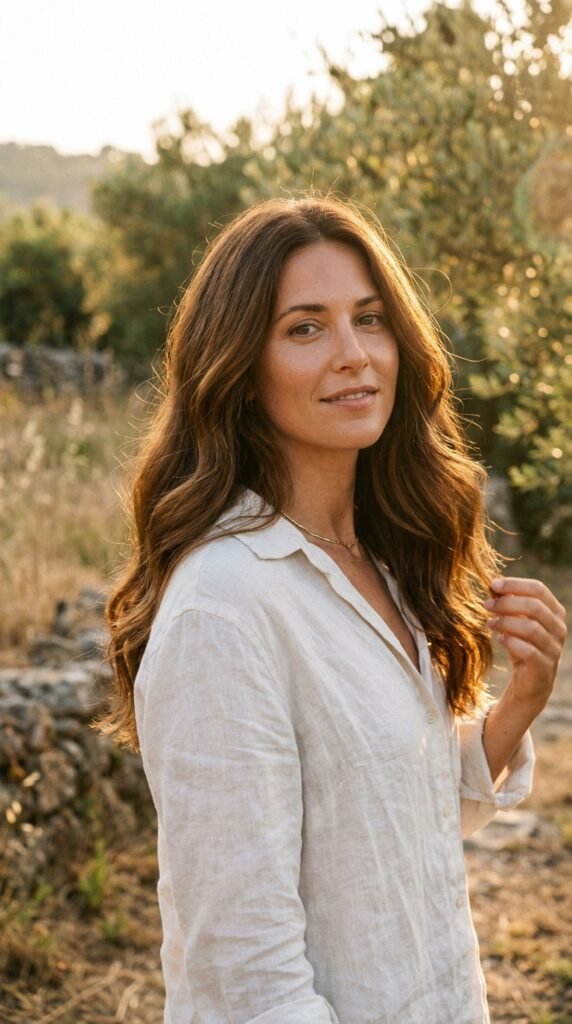
Old money hair is not bright. It is rich, glossy, and slightly under-lit, like it has never seen a bleach bowl in its life.
For golden undertones, that means a deep honey base with a few subtle gold ribbons. Think dark caramel, warm chestnut, and a whisper of honey at the ends.
- Stay within three shades of your natural
- Prioritize shine over lift
- Ask for a gloss every visit
The goal is “I have always been this lucky,” not “I have an appointment every six weeks.”
13. Add Honey Panels to a Hime Cut
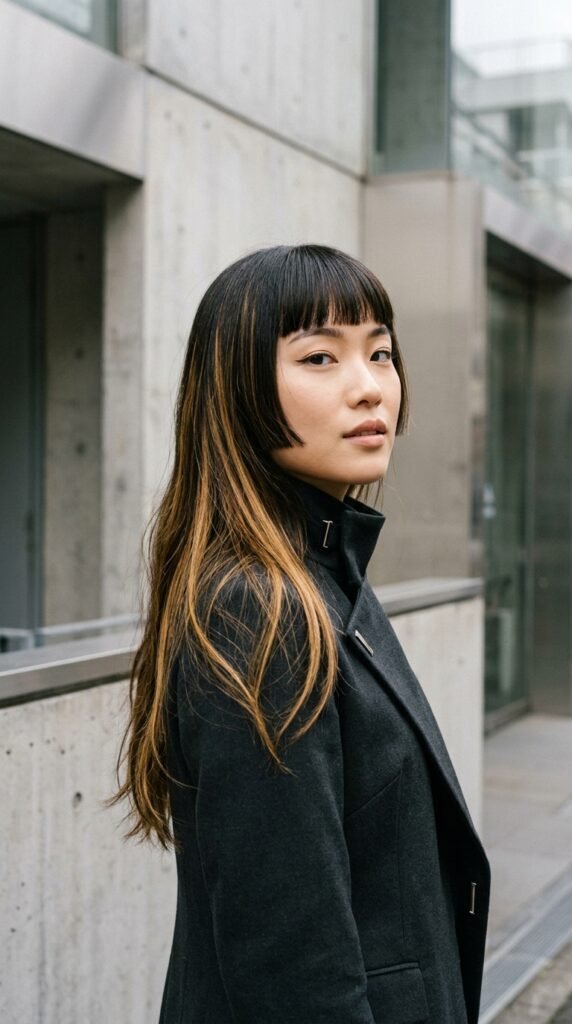
The hime cut is that Japanese style with blunt cheekbone side panels and longer hair behind. It is graphic, striking, and a little bit royalty.
Honey balayage works here when you keep the panels solid and paint the gold into the back length. That way the shape stays sharp and the color stays soft.
- Leave the side panels untouched
- Melt honey through the back mid-lengths
- Keep ends blunt and glossy
It is the perfect mix of structure and warmth.
14. Contrast Honey With a Vampire Haircut
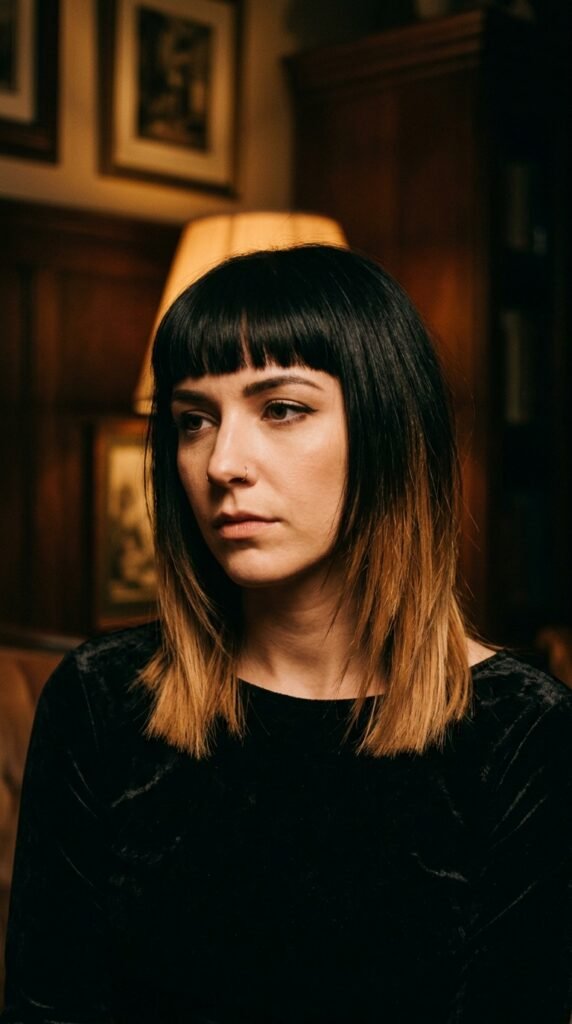
Romantic goth hairstyles and honey balayage sound like opposites, and that is exactly why they work. A vampire haircut, meaning a sharp collarbone cut with a full fringe and blunt edges, looks unreal when honey lives underneath.
Keep the top layer deep. Let the gold flash through the mid-lengths only when you move. It reads moody and expensive at the same time.
- Root shadow two shades from natural
- Start the honey at cheekbone level
- Skip the money piece, keep it shadowy
15. Try Glitchy Glam Hair Pixel Placement
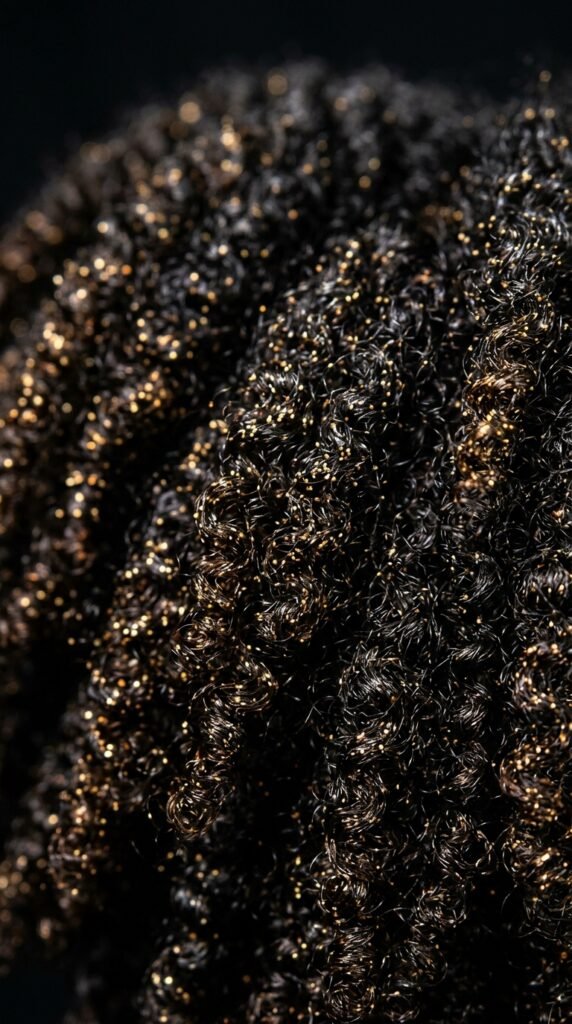
Glitchy glam hair is all about tiny, scattered, almost pixelated bits of color that catch the light in an unexpected way. It is playful and a little digital.
For honey balayage, that means micro highlights placed in a scattered pattern instead of neat sections. Tiny, random, and intentional.
- Ask for micro foils, not babylights
- Keep them within two shades of your base
- Place them in an irregular grid
Warm gold suits this trend because it flickers instead of shouting.
16. Soften Everything With Curtain Bangs
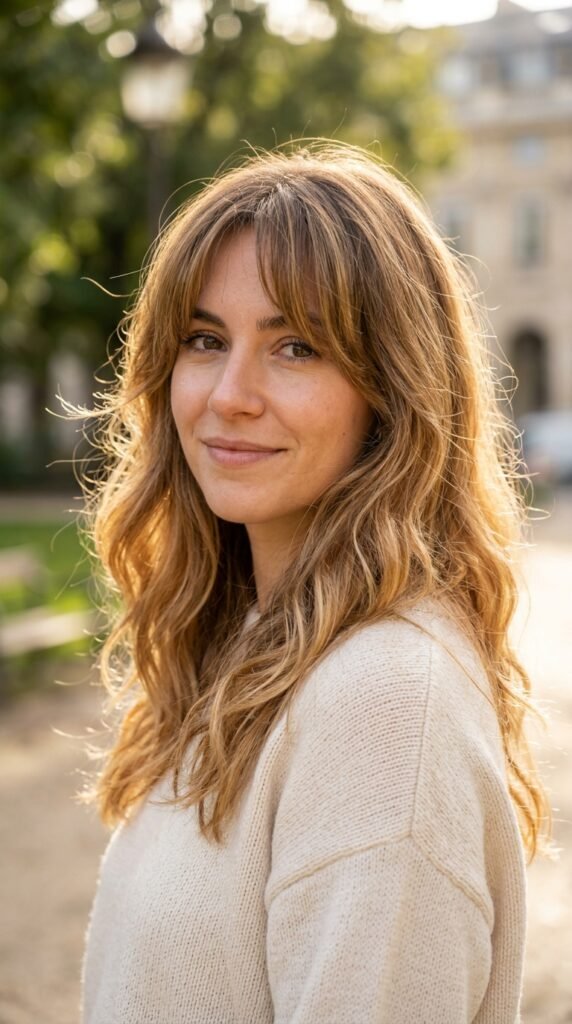
Curtain bangs are the softest way to frame a face, and honey balayage makes them look lived-in rather than freshly cut.
Ask your stylist to paint a light touch of honey just behind the bang line, not directly on it. That way your bangs stay soft and your face still glows.
- Keep bangs one shade from your base
- Add honey just outside the bang edge
- Blow dry them with a small round brush
It is the easiest way to make a grow-out look expensive.
17. Honey Balayage on Very Dark Hair
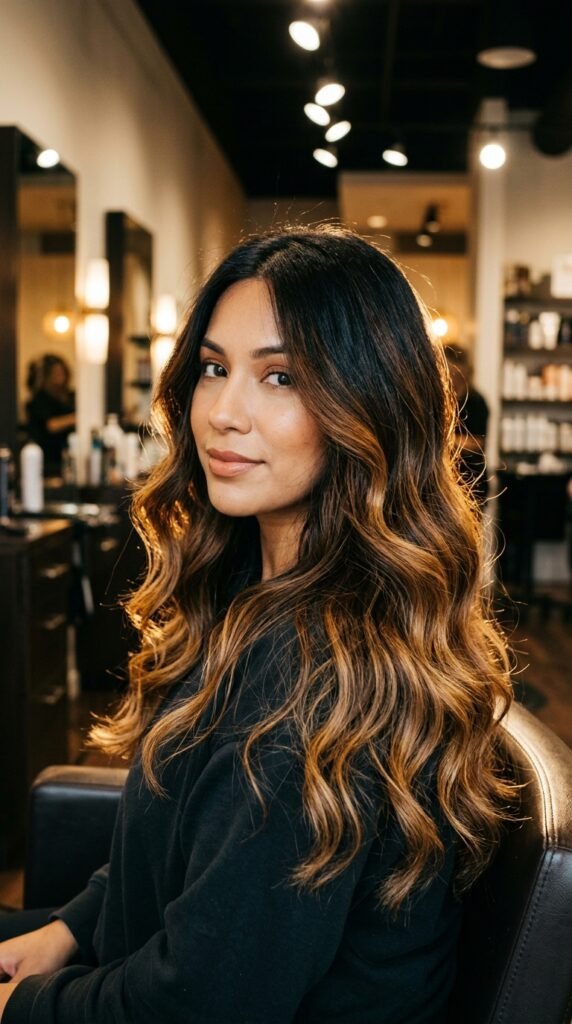
Dark hair plus honey is one of the most dramatic combinations in the salon, and it is stunning when done right.
The trick is going slow. Dark hair usually needs two sessions to reach a clean honey without damage.
- Session one: lift to warm caramel
- Session two: refine into true honey
- Always finish with a bond-building treatment
Rushing this is how ends get crunchy. Patience is the whole technique.
18. Honey Balayage on Warm Medium Brown
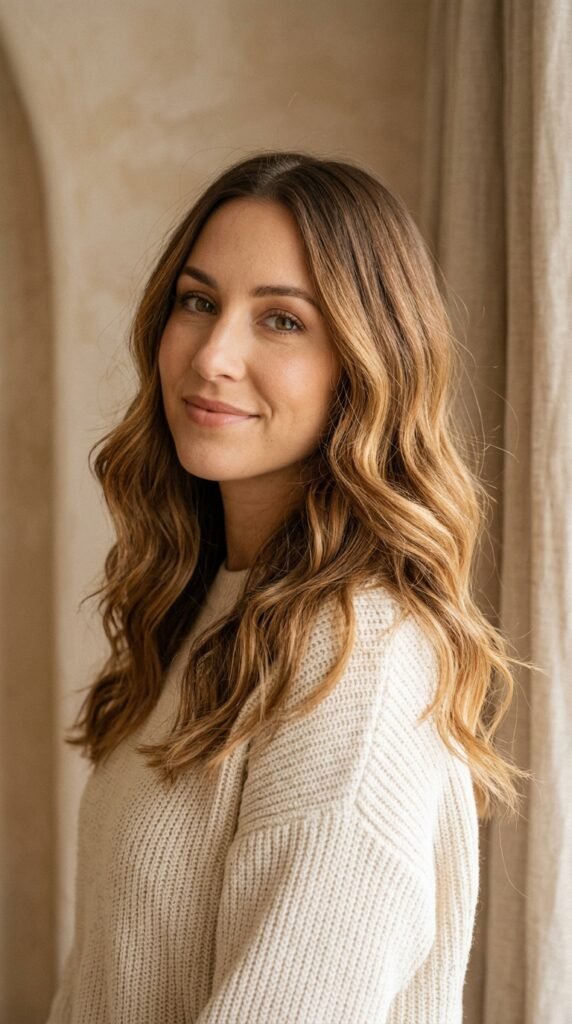
Medium warm brown is the sweet spot. Your natural pigment already holds gold, so honey slides in without much fight.
You can usually reach a full honey melt in one appointment with a mild lift and a golden beige toner.
- Freehand the whole thing, no foils needed
- Keep the root smudge soft
- Tone with warm sand or golden beige
This is the client who leaves the salon looking like she was born lucky.
19. Honey Balayage on Golden Blonde
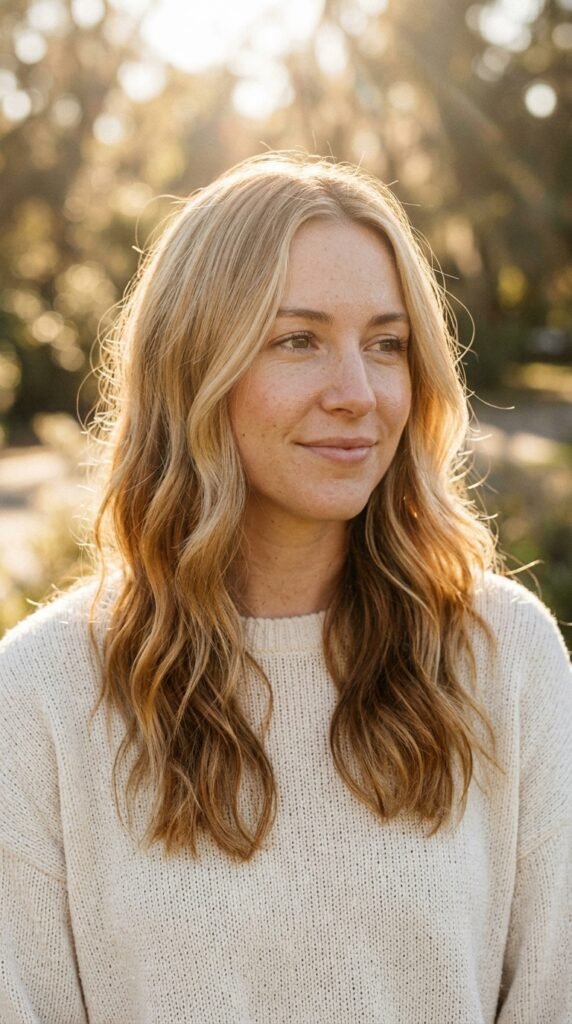
If you are already golden blonde, your job is not to get lighter. It is to add depth so your blonde stops looking flat.
Ask for lowlights in toffee or warm caramel, then a honey glaze over everything. That contrast is what makes it look expensive.
- Lowlights every other section
- Honey glaze at the bowl
- Skip purple shampoo for a week after
Depth, not brightness, is the technique here.
20. Kill Brass Without Killing Gold
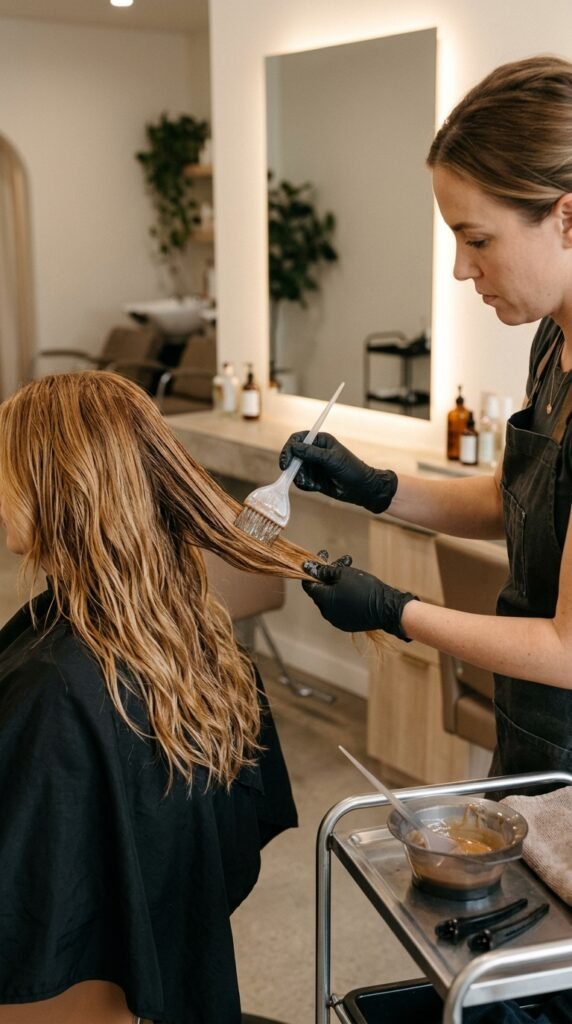
Brass and gold are cousins, which is why warm hair is so tricky. You want to remove orange without removing warmth.
The answer is a warm-based toner with a touch of blue, not a heavy purple. Purple kills gold. Blue softens orange.
- Use blue or blue-violet toners, not straight purple
- Never tone darker than your goal
- Check every five minutes at the bowl
This is the difference between “sun-kissed” and “sunburnt.”
21. Fix Banding With a Mid-Shaft Melt
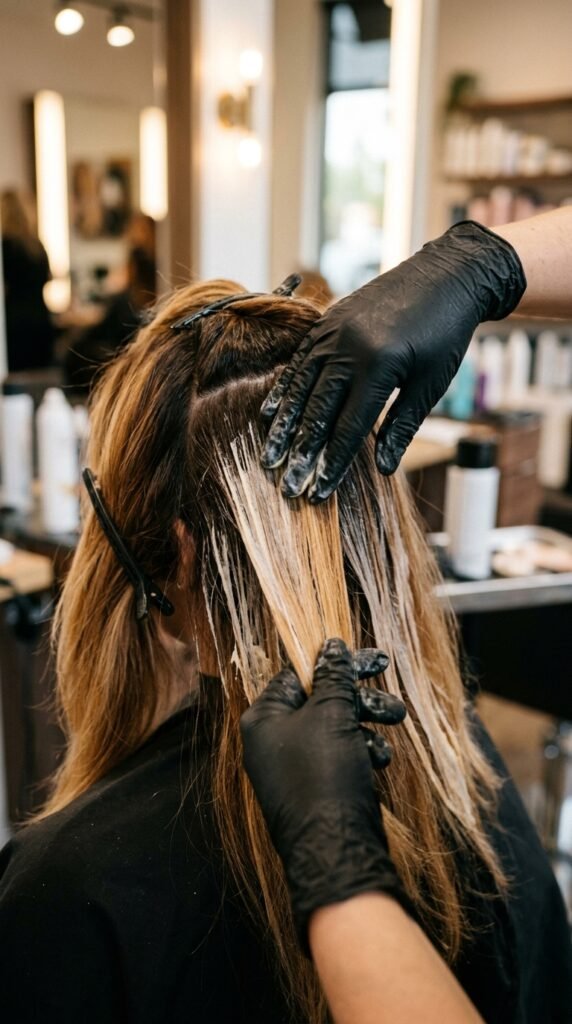
Banding is that obvious line where one color stops and another starts. It happens when color is applied in a straight horizontal line.
The fix is a mid-shaft melt. You soften the middle of the strand so light travels down instead of stopping.
- Identify the hardest line
- Feather lightener above and below it
- Blend with a warm gloss, not more bleach
Always blend, never build. Melted color is believable color.
22. Match Placement to Your Face Shape
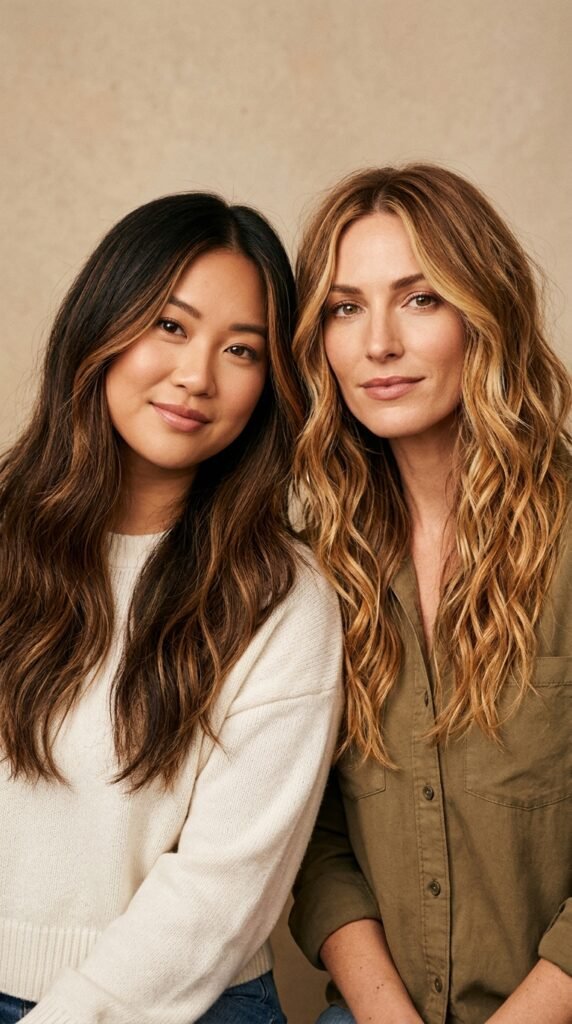
Where your honey lives changes everything. Placement is basically contouring with color.
- Round faces: place honey lower, past the jaw
- Long faces: place honey at cheekbone level
- Square faces: use soft, curved melts near the temples
- Heart faces: keep the light at the chin and below
Bring a photo of what you like and ask your stylist to adapt it to your shape instead of copying it exactly. That small tweak makes all the difference.
23. Keep It Low-Maintenance as It Grows Out
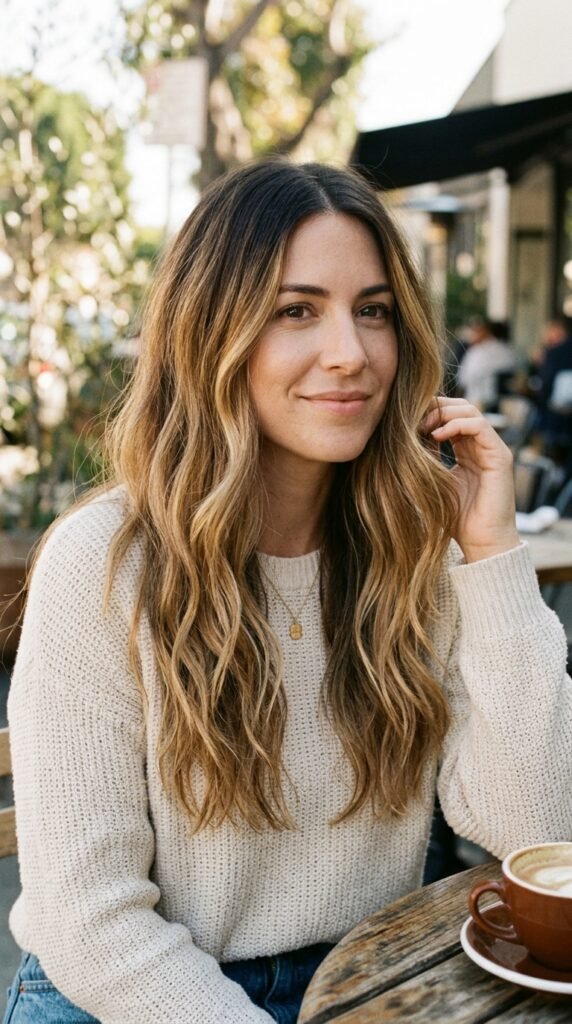
Good honey balayage should look better at week ten than week one. If it does not, the placement was too high or too harsh.
Ask for a soft root smudge and keep highlights off the very top layer. That way regrowth reads as shadow instead of a line.
- Book a gloss at six weeks, not a full color
- Trim every eight to ten weeks
- Air dry more, heat style less
Low maintenance is not lazy. It is a design decision.
24. Refresh With a Golden Gloss Every Six Weeks
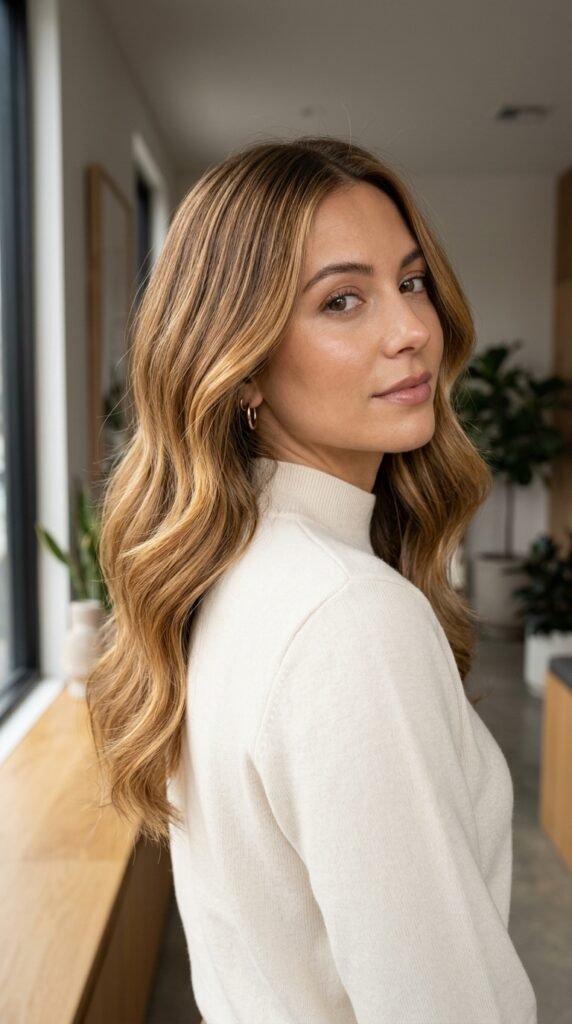
A gloss is the cheapest way to make six-week-old hair look brand new. It does not lift or lighten. It just adds shine and re-warms your gold.
Ask for a clear gloss with a drop of golden beige, and you will walk out looking like you just left a full appointment.
- Takes about 20 minutes
- Adds mirror shine instantly
- Keeps brass from creeping in
It is the single best money you will spend on your hair.
How to Ask Your Stylist for Honey Balayage
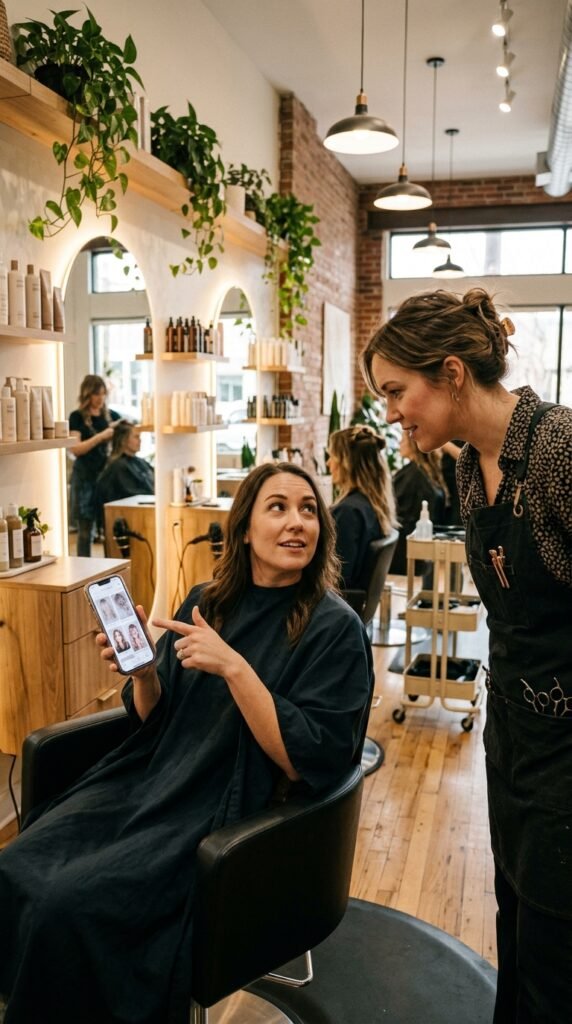
Words matter at the consultation. “Honey balayage” can mean ten different things, so bring specifics.
- Say your natural level if you know it
- Ask for golden beige or warm sand toner
- Show three photos with similar lighting
- Mention if you use heat tools daily
Also say what you do not want. “No ash, no cool tones, no platinum” saves everyone time.
A good stylist will tell you what is realistic in one session. Trust that answer.
Protect the Gold at Home
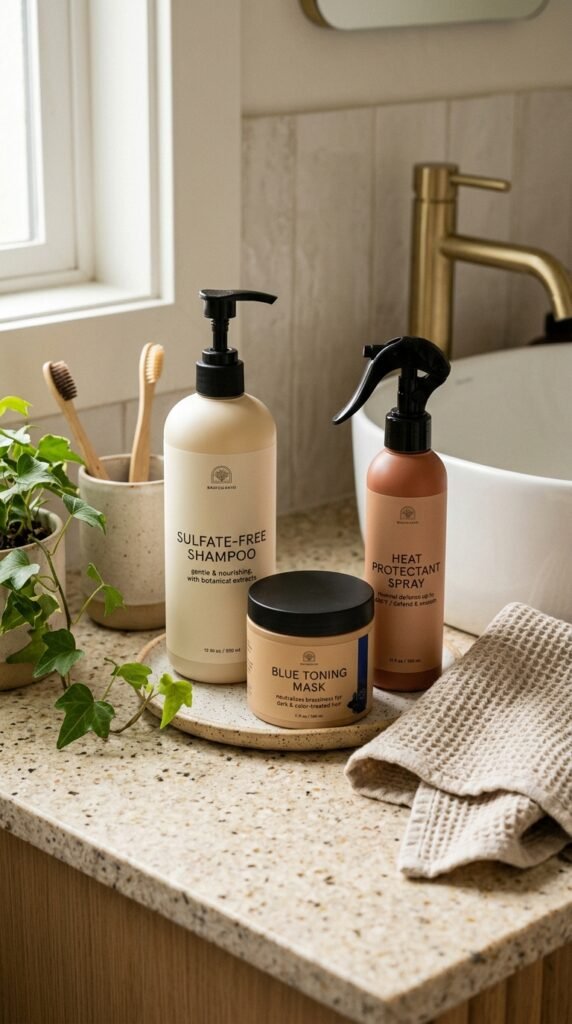
Warm color fades and drifts, so home care is half the battle. Keep it simple and consistent.
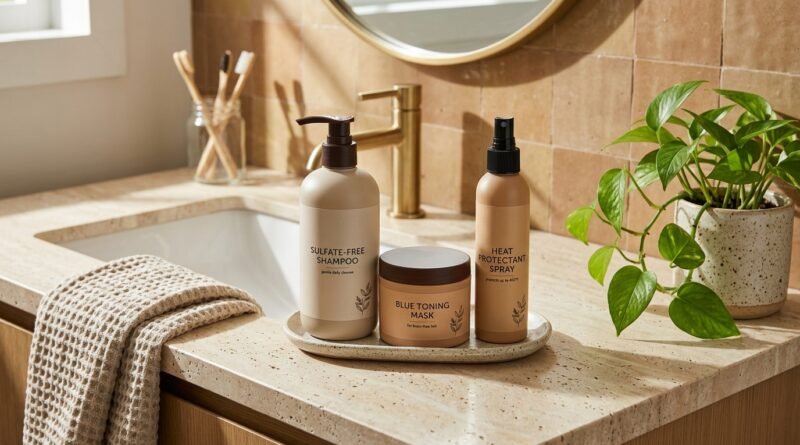
- Sulfate-free shampoo, always
- Blue toning mask once a week, not daily
- Heat protectant before any tool
- Leave-in oil on damp ends
Wash with lukewarm water, since hot water strips gold fastest. And skip the clarifying shampoo unless you absolutely need it.
Do these four things and your honey will still look fresh at week eight.
The Sweet Send-Off
Honey balayage on warm golden undertones is not about going lighter. It is about going richer. When the placement is soft, the toner stays warm, and the upkeep stays simple, your color looks like it belongs to you.
Start with your natural level, pick three techniques from this list, and bring them to your stylist. That is genuinely all it takes.
Save this post to Pinterest so you have it at your next appointment. And tell me in the comments: are you team honey melt or team deep old money hair? I read every single one.