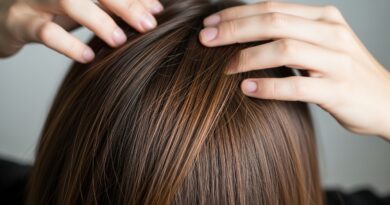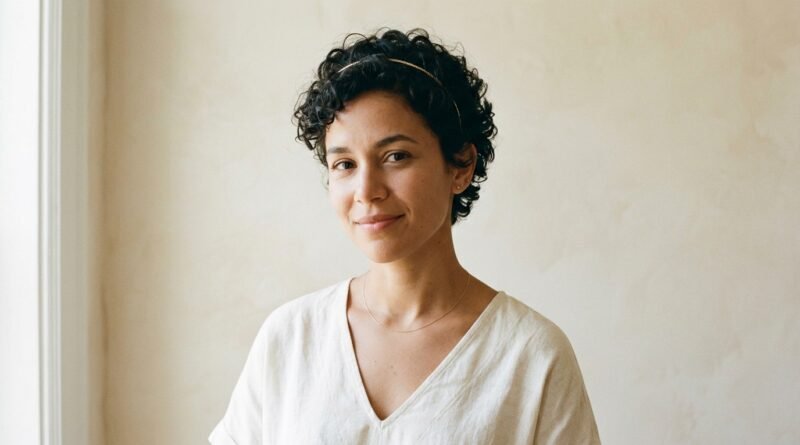
Textured Crop Haircuts Bringing Lightweight Bounce To Short Hair Fans
Short hair has never felt this good. Every few years a cut comes along that makes short hair fans feel like they finally got the best of both worlds, and right now that cut is the textured crop.
I resisted it for months because I thought short meant flat. Then my stylist talked me into it, and I have not stopped talking about it since.
This cut is soft, bouncy, and shockingly easy to style. It works on straight hair, curls, fine strands, and thick manes.
Below you will find everything you need: who it suits, how to ask for it, and how to keep that lightweight bounce alive all week. Let’s get into it.
What Is a Textured Crop Haircut?
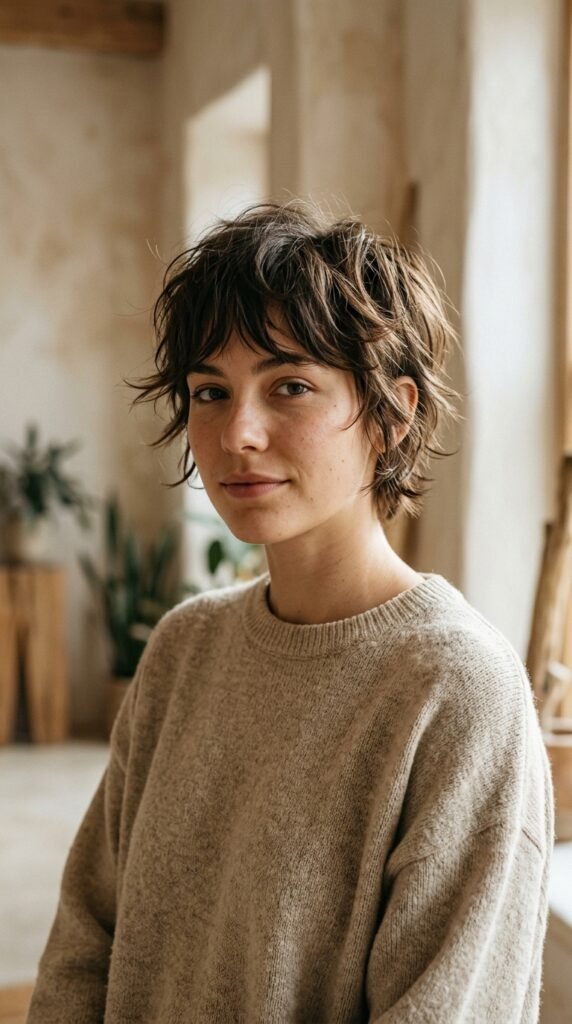
A textured crop is a short haircut that keeps most of its length on top and leaves the sides and back shorter. The magic is in the choppy, point-cut layers that remove bulk and let your hair move.
Think of it as a pixie that grew up a little. It has more personality than a sleek bob, but it is way less fussy than a full pixie.
Because the weight is lifted, your hair gets that light, airy bounce instead of sitting flat against your head.
- Short sides, longer top
- Choppy ends, no blunt lines
- Built for movement, not perfection
Why Textured Crops Are Taking Over 2026 Hairstyles
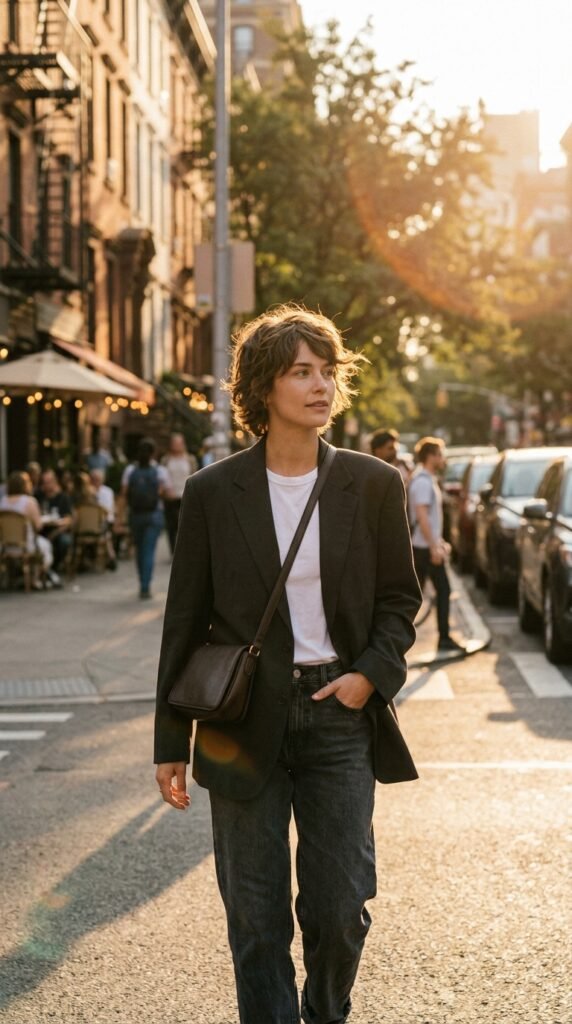
2026 hairstyles are all about looking polished without looking like you tried. That is exactly why this cut is everywhere.
It fits the quiet luxury mood people want right now, but it also works for anyone who leans edgy. You can wear it clean and expensive-looking, or messy and grungy, and both versions look intentional.
The other reason is practical. Life is busy. A cut that air-dries into a shape you actually like is worth more than any fancy styling tool.
- Low daily effort
- Grows out gracefully
- Works on almost any hair texture
The Lightweight Bounce Secret Nobody Tells You
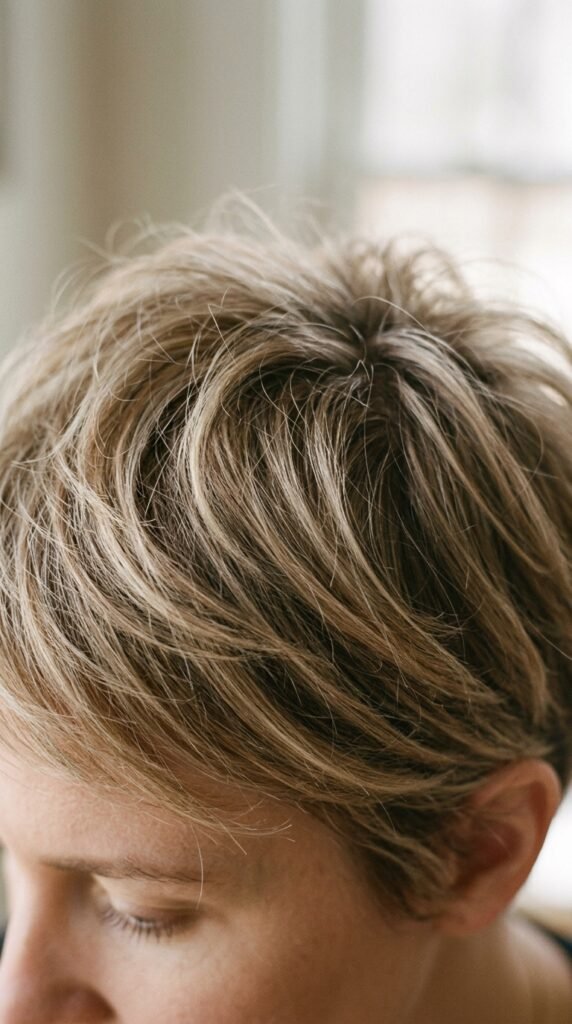
Bounce is not about the cut alone. It comes from where your hair’s weight sits. When the sides are shorter and the top holds the length, the heavy part is lifted away from your scalp.
That is what stops short hair from going flat by lunchtime. There is simply less hair pulling itself down.
My stylist also point-cuts the top layers so the ends taper instead of clumping. That tapering is what lets air get in and lift happen.
Ask for movement on purpose. Say “I want bounce” out loud. It changes how they cut.
Textured Crop vs. Classic Pixie: What’s the Difference?
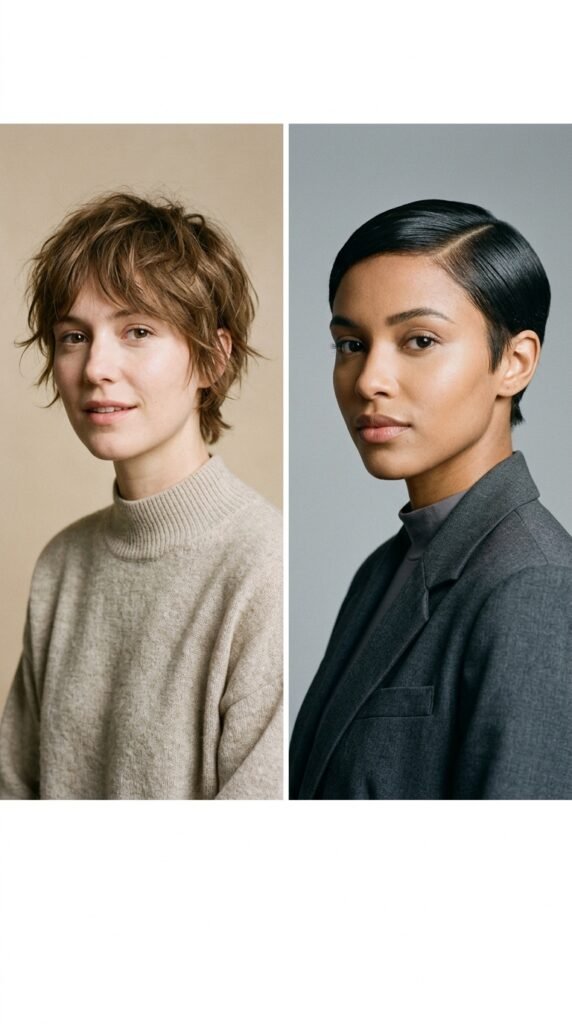
People mix these up constantly, so here is the quick version. A pixie is usually shorter overall with more exposed neckline and a sharper silhouette.
A textured crop keeps more length on top, often two to four inches, and stays softer around the edges. You get that undone, piecey finish without needing gel to hold a shape.
If you want something you can push back, part to the side, or wear forward with bangs, go crop. If you want bold and sculpted, go pixie.
- Crop: softer, bouncier, more forgiving
- Pixie: sharper, shorter, more structured
Face Shapes That Love a Textured Crop
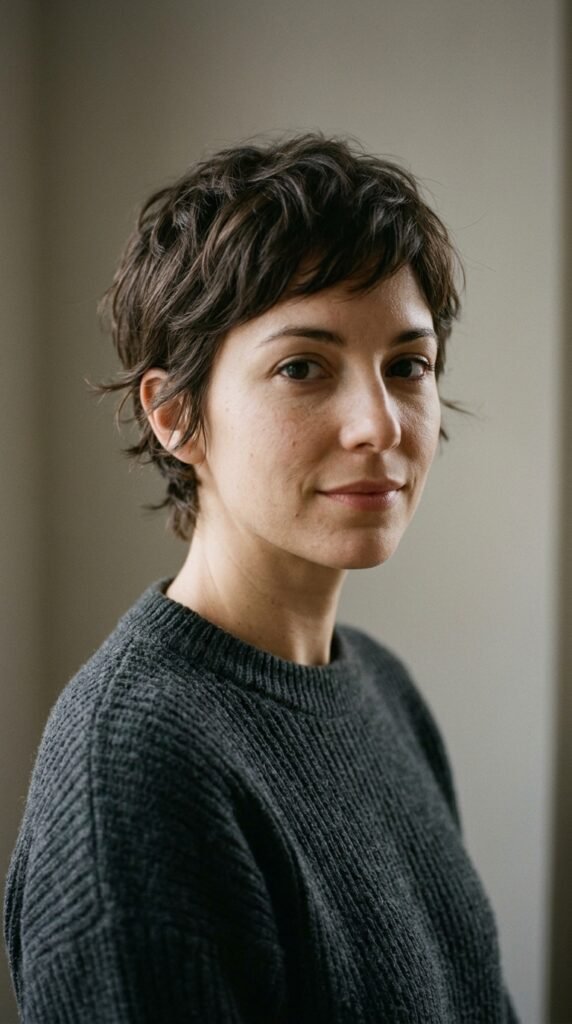
Honestly, this cut plays nice with almost every face shape. The trick is adjusting where the volume sits.
Oval faces can wear it any way. Round faces look great with height on top and a little more length near the temples to slim things out.
Square jawlines soften beautifully with choppy, uneven ends and a side-swept fringe. Long faces benefit from a fringe to break up the length.
Heart shapes shine with volume near the chin and a lighter top. Bring a photo of someone with your face shape. It saves so much explaining.
How to Ask Your Stylist for a Textured Crop
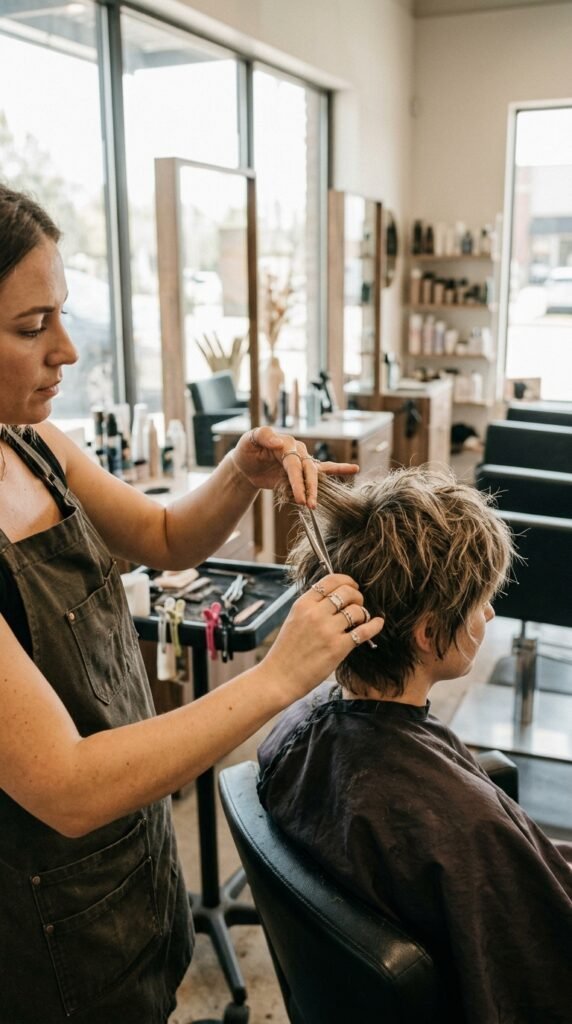
This is where most people lose the cut they wanted. Vague requests get generic haircuts. Be specific and bring two or three photos.
Here is what I say, word for word:
- “Short sides and back, but not buzzed.”
- “Keep two to three inches on top with lots of texture.”
- “Point-cut the ends so it stays piecey, not blunt.”
- “I want it to air-dry with bounce, no products needed.”
Also mention if you want to be able to tuck it behind your ears. That single detail changes the whole shape.
Best Textured Crop for Fine Hair
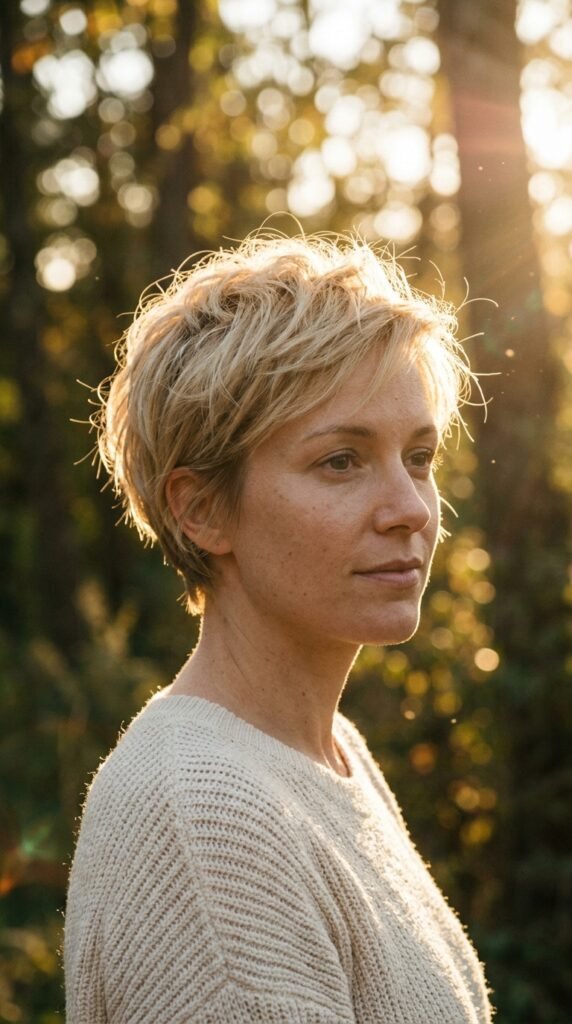
Fine hair is where textured crops genuinely shine. Fine strands go flat fast when there is weight on them, so removing that weight is a game changer.
Keep the top layers long enough to move but short enough to stand up. A slightly shorter crown creates lift without needing mousse.
Avoid heavy butters and oils. They sink fine hair instantly. Go for a lightweight texturizing spray or a tiny bit of sea salt mist.
Dry shampoo at the roots is your best friend here. It adds grip and makes fine hair look twice as full.
Best Textured Crop for Thick Hair
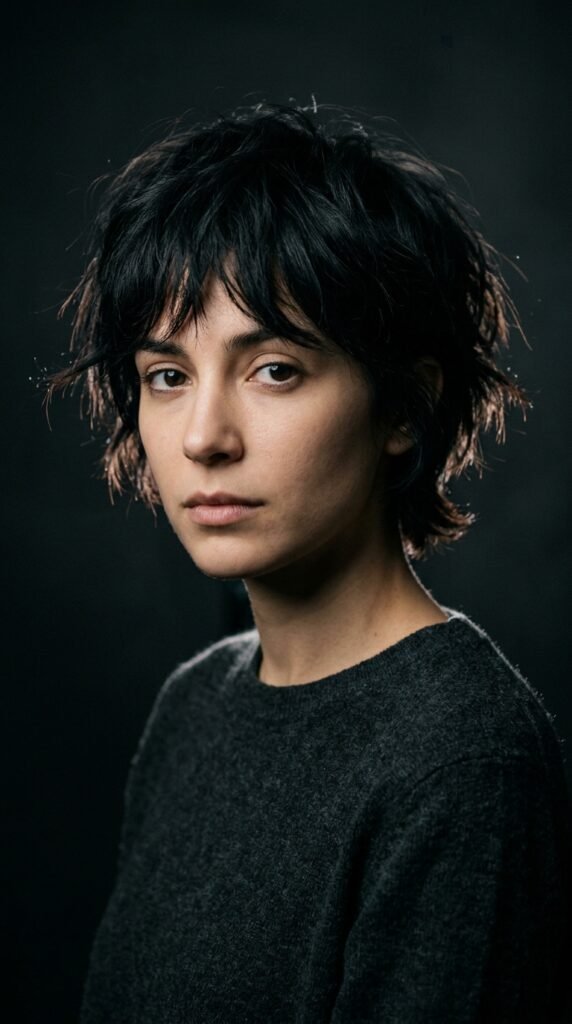
Thick hair needs the opposite approach. You already have volume, so the goal is removing bulk so the shape does not turn into a helmet.
Ask your stylist to thin the sides and back internally, not just on the surface. Surface thinning creates frizz. Internal point-cutting keeps the shape smooth with less weight.
Layering is essential. Without it, thick hair in a crop goes wide instead of tall. You want the length concentrated on top and the sides close.
An asymmetrical lob is a great option if you are not ready to go this short with thick hair.
Curly and Wavy Textured Crops
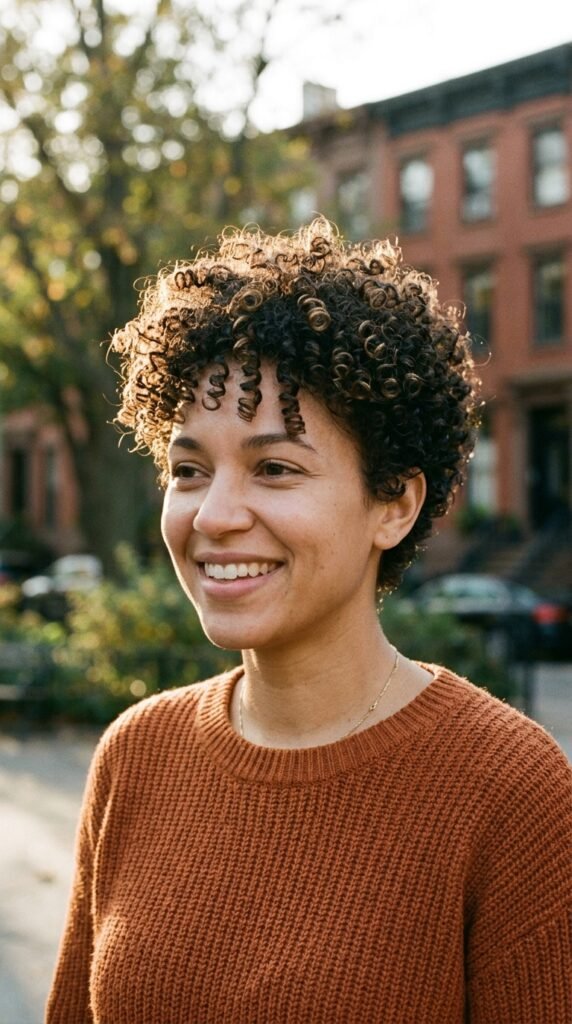
Curly hair and textured crops are a natural match. The cut works with your pattern instead of fighting it.
The key is cutting curl by curl while dry, or at least asking for a stylist who knows curl pattern. Wet cutting curly hair too short is a classic heartbreak.
Let it air-dry with a light leave-in and a soft gel cast. Scrunch, then leave it alone. Touching curls while they dry is what creates frizz.
Wavy hair gets the easiest version of this cut. A little salt spray and you are done in three minutes.
The Quiet Luxury Version: Old Money Hair Meets Short Crop
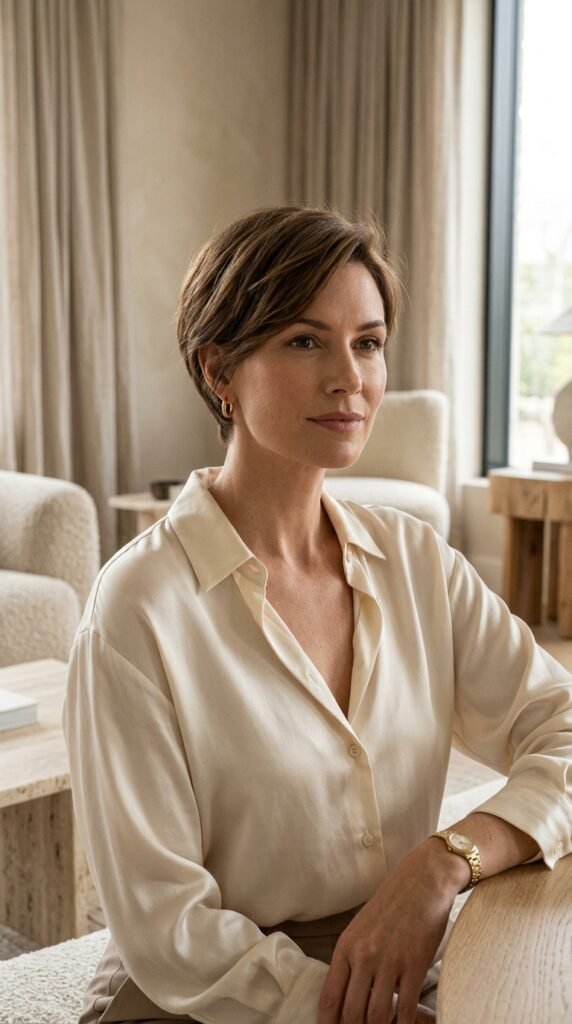
Old money hair is not about being fancy. It is about looking healthy, effortless, and expensive without trying. A textured crop can absolutely do that.
Keep the shape smooth and the ends soft rather than spiky. Part it slightly off-center and let it fall naturally. Skip the crunchy products.
This is the version you wear with a crisp white shirt and gold hoops. It reads polished but never overdone.
If you love a quiet luxury bob but want something shorter and lower maintenance, this is your move.
Romantic Goth Hairstyles and the Textured Crop
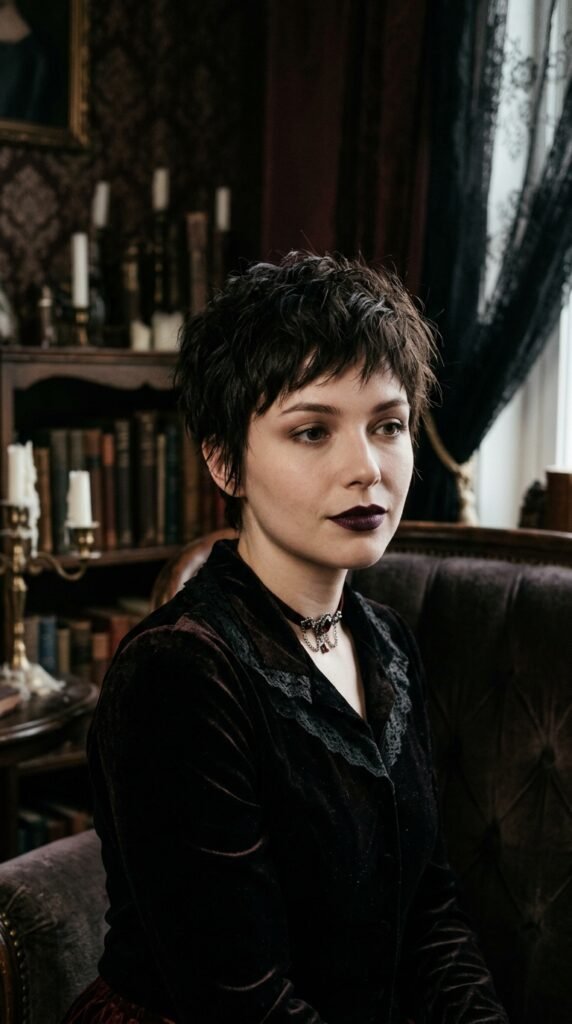
Short hair can absolutely be romantic goth. In fact, a choppy crop with dark color and soft volume is one of the most striking versions of it.
Keep the texture messy but intentional. A deep side part with a few pieces falling over one eye instantly shifts the mood.
Color matters here. Jet black, deep burgundy, or a faded ash tone all push the vibe. Add a soft matte finish instead of high shine.
Pair it with lace, velvet, or a choker, and the whole look clicks together. Short hair has never looked this moody and pretty.
Glitchy Glam Hair: Edgy Textured Crop Ideas
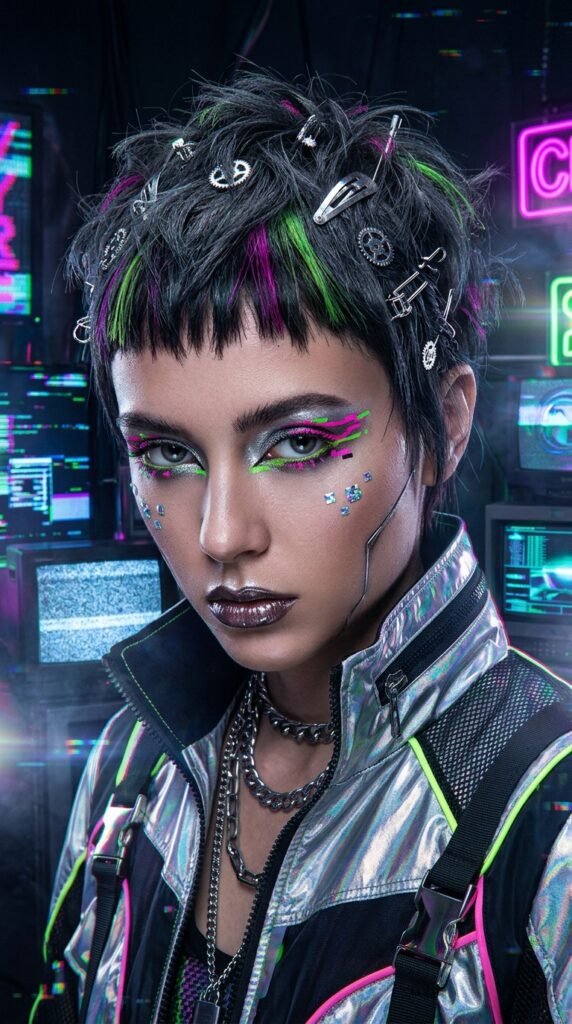
Glitchy glam hair is playful, futuristic, and a little bit messy on purpose. Textured crops are perfect for it because the cut already looks undone.
Try micro baby bangs with choppy sides. Or add a few chunky highlights right at the top layer so they catch light when you move.
Metallic clips, tiny braids, or a slicked side with one wild piece out all work here. The rules are loose.
Finish with a texture paste and pinch small sections. That piecey, slightly broken finish is the entire point.
Vampire Haircut Vibes With a Textured Crop
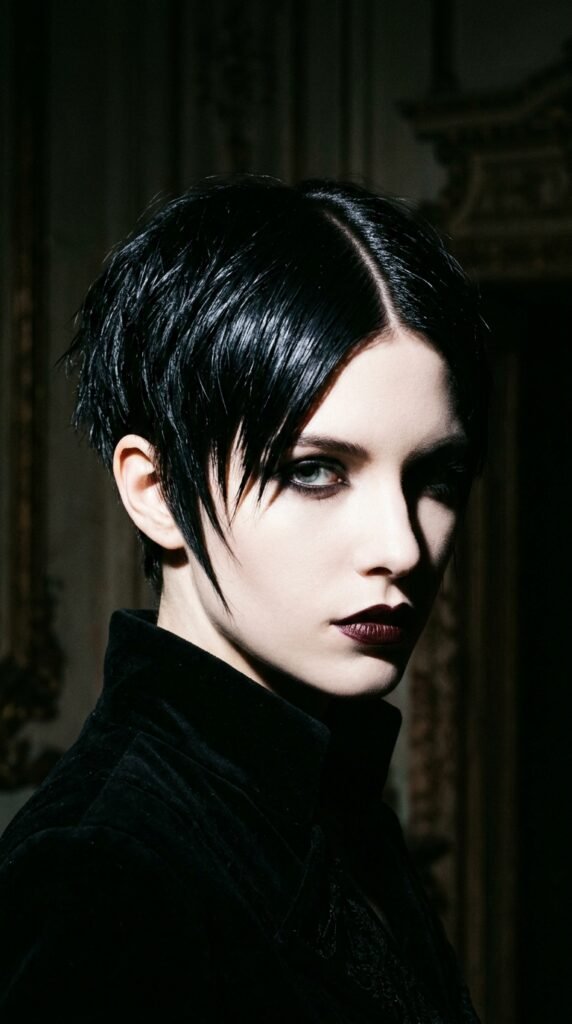
The vampire haircut trend is all about sharp parts, glossy texture, and a slightly dramatic silhouette. A textured crop can take that energy in a shorter direction.
Go for a clean center part with volume at the roots and tapered sides. Keep the ends pointed rather than soft. Think elegant, not fluffy.
Shine is important here. A drop of lightweight gloss serum on dry hair makes short strands look rich and expensive.
If you want a longer take, ask for an asymmetrical lob with the same sharp part. Same drama, more length.
Textured Crop vs. Asymmetrical Lob: Which One Is for You?
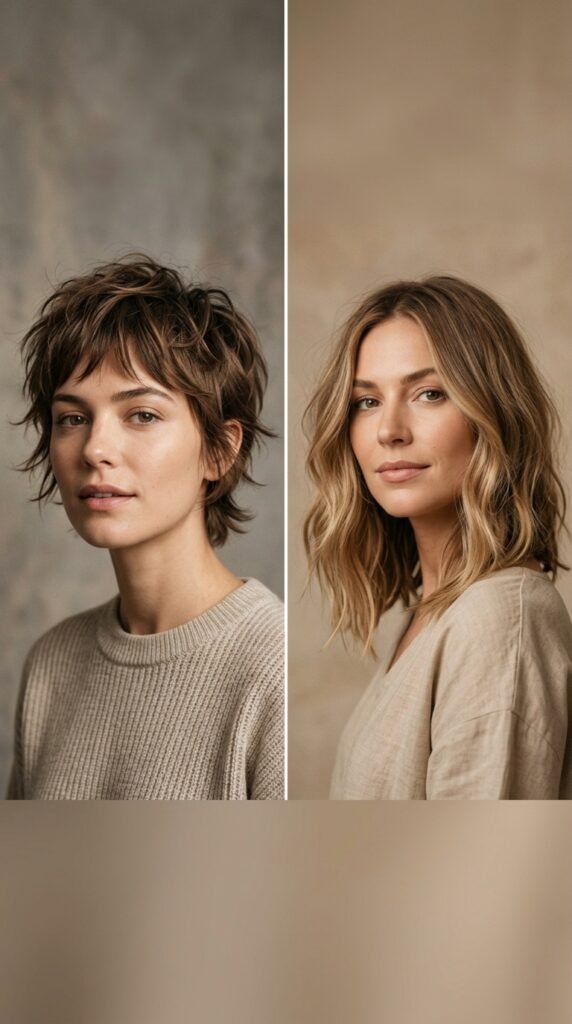
These are the two short-ish cuts people ask me about most. Here is how I decide.
Choose the textured crop if you want low maintenance, fast styling, and a bold change. It dries in minutes and needs trims every five to six weeks.
Choose the asymmetrical lob if you want length you can still tie back, more styling options, and a softer transition. It grows out more slowly and quietly.
- Crop: bolder, faster, lighter
- Asymmetrical lob: longer, more flexible, more styling range
Where the Hime Cut and Other Trends Fit In
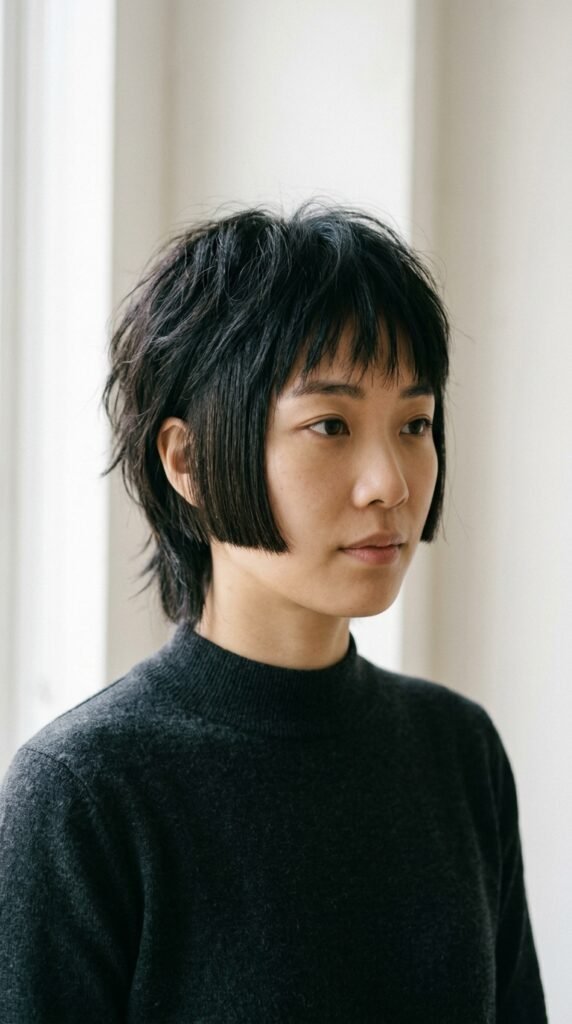
The hime cut is a whole different mood. It is blunt, precise, and graphic, with straight side sections framing the face. A textured crop is the opposite of blunt.
But you can blend them. Ask for a short textured top with two clean side sections that fall just below the cheekbone. It sounds odd and looks incredible.
If you are not ready for that, borrow just the face-framing pieces. Two defined strands around the face give you that anime-inspired edge without a full commitment.
Trends are tools, not rules. Take the part you love and leave the rest.
Styling Tools You Actually Need
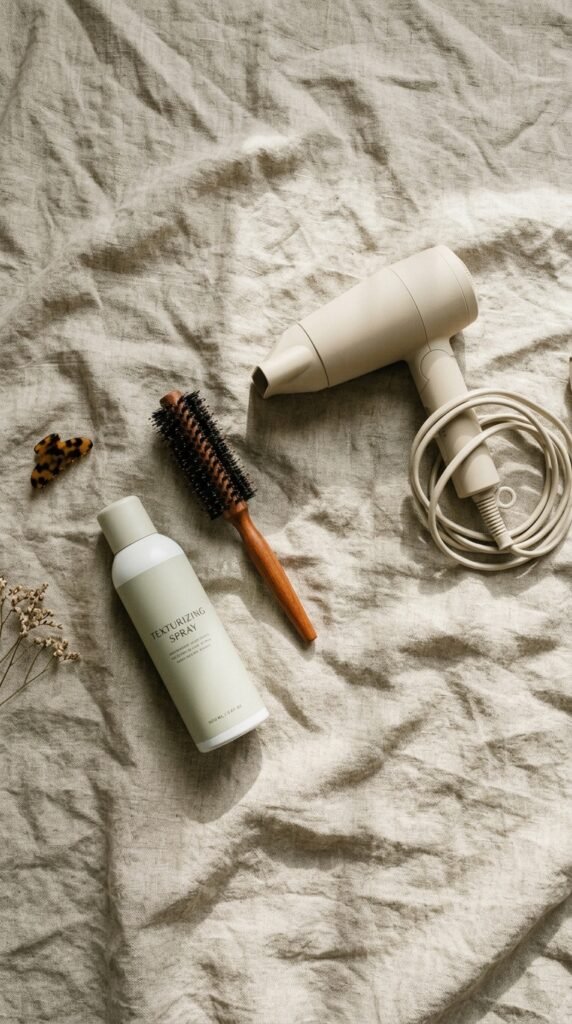
You do not need much. Short hair rewards simple tools and punishes over-styling.
Here is my short list:
- Small round brush for lifting the roots
- Lightweight texturizing spray
- A hairdryer with a concentrator nozzle
- Mini flat iron for the odd piece
- Dry shampoo for grip on day two
That is honestly it. Skip the heavy creams, skip the mousse unless your hair is very fine.
Five-Minute Morning Routine for Textured Crops
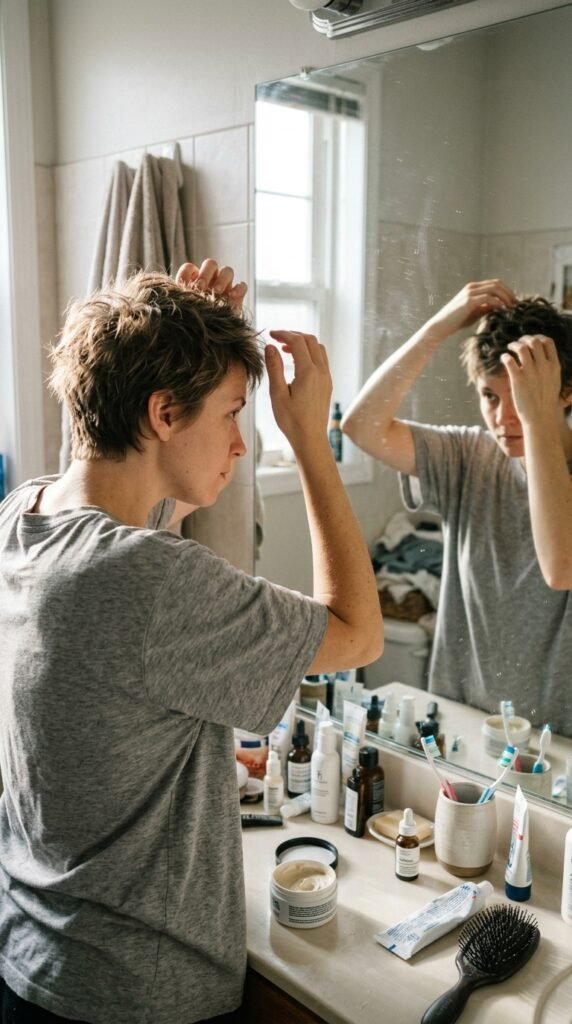
This is the routine I actually do, and it takes less than five minutes.
- Mist your hair with water until it is damp, not soaked.
- Spray texturizing mist from mid-length to ends.
- Flip your head down and blow-dry the roots for thirty seconds.
- Flip back up and use your fingers to push the top forward or sideways.
- Pinch a few pieces with your fingertips and walk out the door.
No round-brush gymnastics required. The flip is what creates the lift.
Products That Add Bounce Without Weight
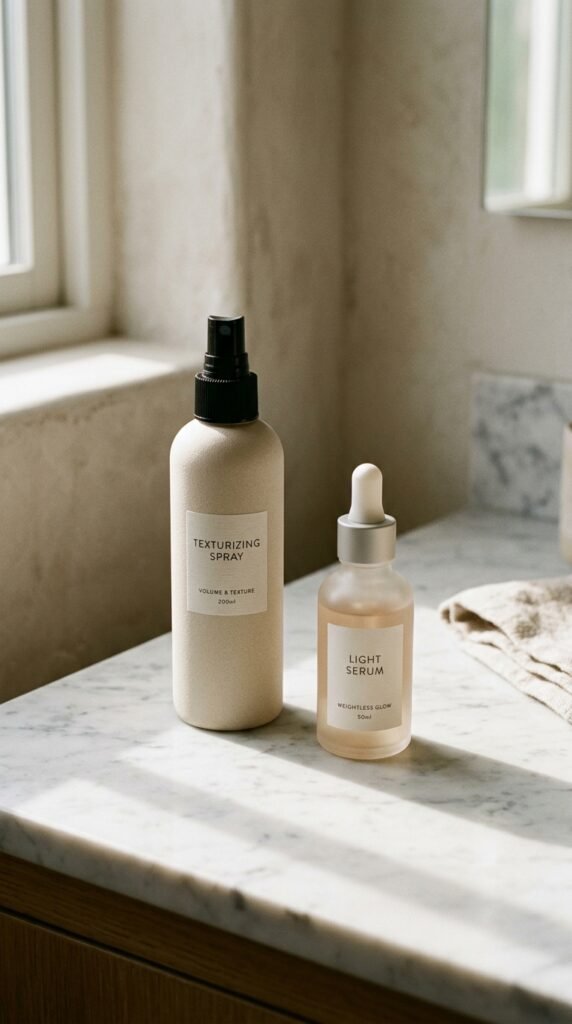
Product choice makes or breaks short hair. Anything too rich will drag your bounce down by noon.
Look for texturizing sprays, sea salt mists, and lightweight volume powders. These add grip and lift without coating the strand.
For shine, use one drop of gloss serum on your palms and smooth it only over the ends. Never near the roots.
If your hair is fine, dry shampoo at the roots is genuinely a styling product. It gives you the texture that makes short hair look good.
How to Keep Bounce on Day Two and Three
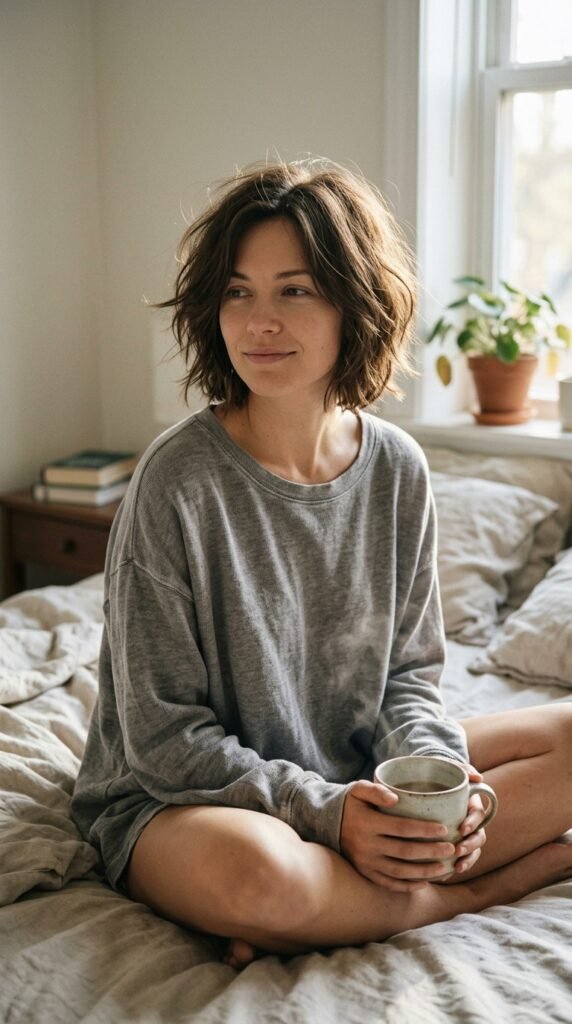
Short hair does not need washing every day, and honestly it looks better when you skip a wash.
On day two, spray dry shampoo at the roots, rub it in with your fingertips, then flip your head and shake it out. That is it.
If it has gone flat overnight, a quick blast of hot air at the roots with your head upside down brings it right back.
Sleep on a silk pillowcase if you can. It reduces friction, keeps frizz down, and helps the shape hold.
Textured Crop Maintenance and Trim Schedule
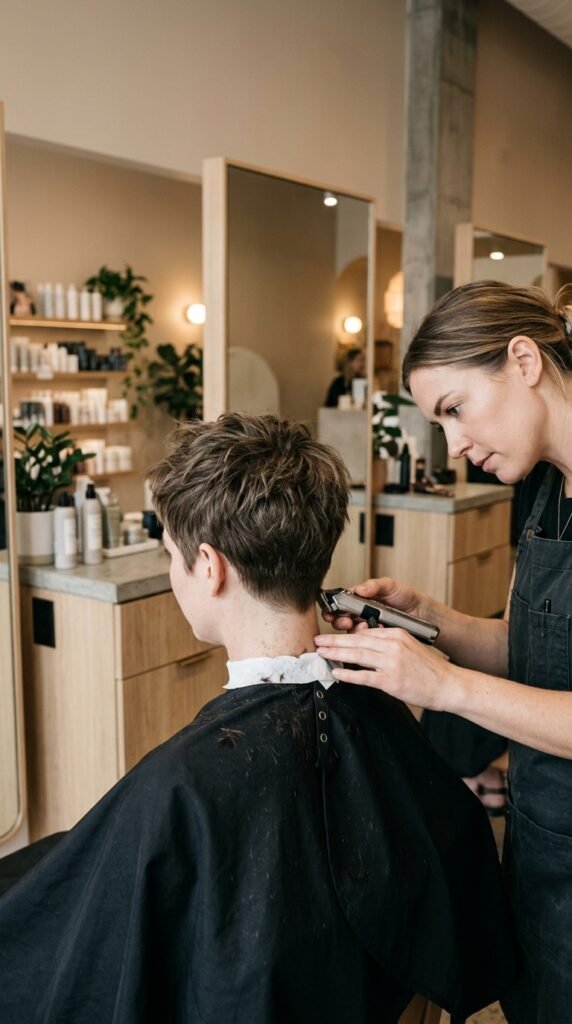
Short cuts need regular trims, but the good news is they stay looking sharp between visits.
Plan on a trim every five to six weeks. If you want to stretch it, ask for a neckline clean-up in between, which is usually quick and cheap.
Tell your stylist to keep the top layers long between visits and just tidy the shape. That way you keep your bounce and gain a few extra weeks.
Growing it slightly? Ask them to disconnect the top a little so it looks intentional as it grows.
Growing Out a Textured Crop Gracefully
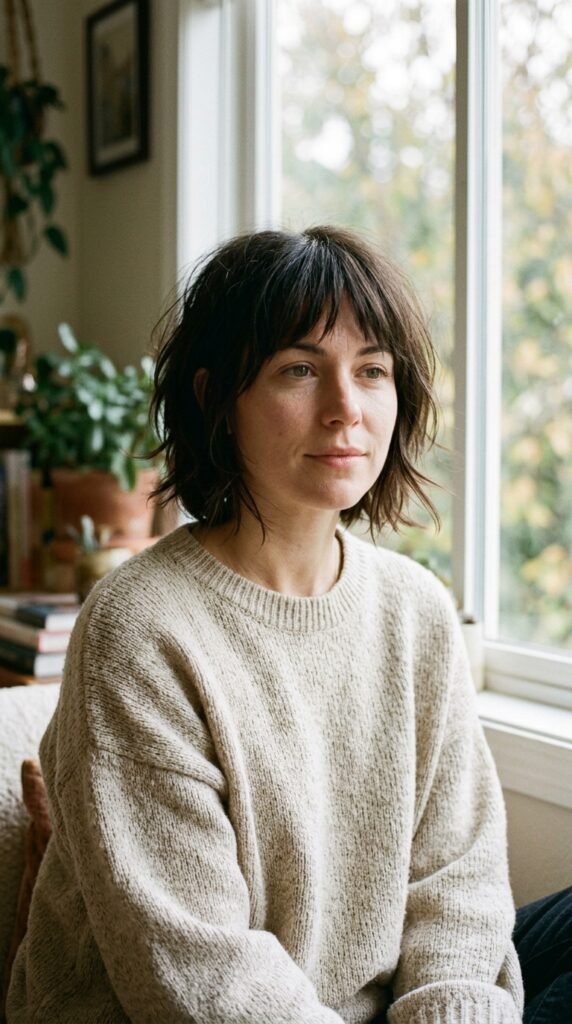
Every short cut eventually becomes a grow-out, and a textured crop handles that better than most.
Because the layers are already soft and point-cut, there are no harsh lines to fight. It just quietly turns into a short shag or a choppy bob.
Trim the mullet area every six to eight weeks to keep the shape clean while the top catches up.
This is a great time to test out the quiet luxury bob or an asymmetrical lob. You are already halfway there.
Common Mistakes to Avoid
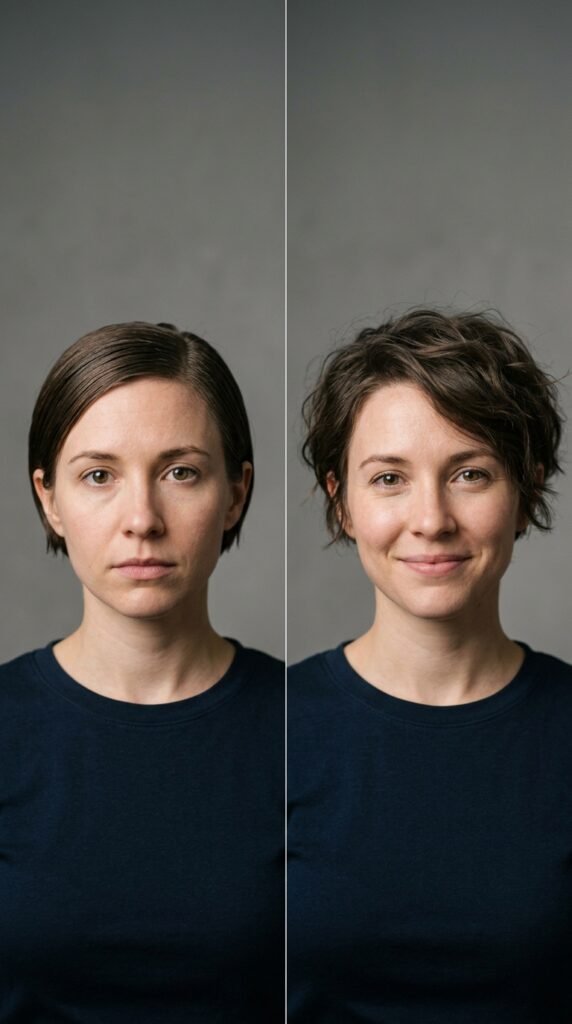
I made most of these, so you do not have to.
- Asking for “just a trim” when you want a new shape
- Using heavy pomade on fine hair
- Letting a stylist thin the surface instead of the inside
- Flat-ironing every piece until the texture disappears
- Touching your hair all day and killing the volume
Also, do not skip the consultation. Five minutes of talking saves you six weeks of waiting for it to grow back.
Textured Crop and Hair Color Ideas
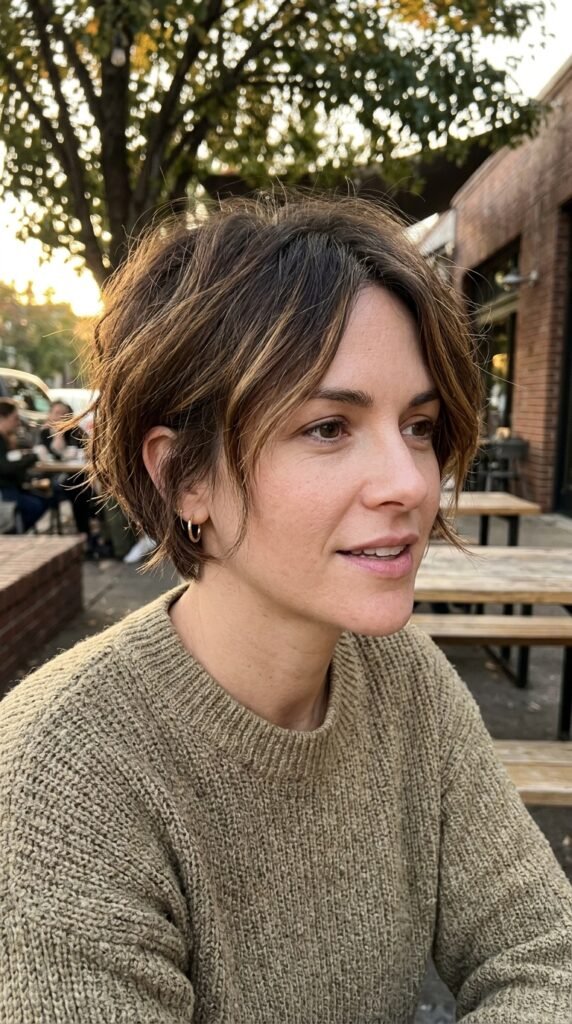
Short hair shows color beautifully because light hits it from every angle. Use that.
Soft balayage on the top layer adds depth and makes the texture pop. A single money piece near the face brightens everything instantly.
For a moodier look, try a deep espresso base with a subtle cherry undertone. It reads rich without being loud.
Blondes, keep it dimensional. One flat blonde tone on short hair can look washed out. Two or three soft tones keep it interesting.
Accessories and Finishing Touches
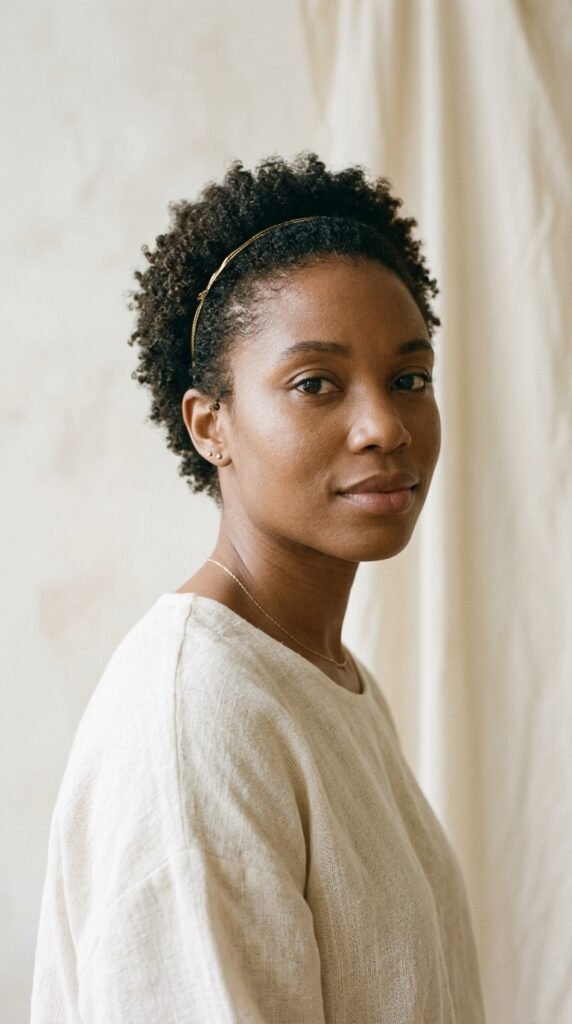
Short hair loves accessories because there is nowhere to hide. A small detail goes a long way.
A thin gold headband, a tiny claw clip on one side, or a couple of bobby pins with a subtle shine all work. Keep it minimal.
Earrings matter more with short hair. Your ears are the feature now, so let them shine.
A little texturizing spray and one pin can turn a lazy hair day into a look. That is the whole beauty of this cut.
A Few Last Thoughts Before You Book
If you have been staring at short hair photos for months, this is your sign. A textured crop is one of the few cuts that looks just as good on day one as it does on week six.
It is lightweight, it bounces, and it fits almost every hair type and face shape. Bring photos, be specific, and trust the process.
Hair grows. Regret does not last long. Do the thing.
If this helped you, save this post to Pinterest so you can find it again before your salon appointment. And tell me in the comments: are you team textured crop or team asymmetrical lob? I read every single one.