35 Best Hairstyles for Thin Hair to Look Thicker
Thin hair does not need to look thin. The right cut, colour, and styling trick can make fine hair look much fuller. No cut can literally thicken your hair, but the right shape changes how full it looks. That is what this guide is about.
Here you will find 35 hairstyles for thin hair to look thicker, organised by what actually helps: blunt full edges, layered volume, texture and waves, bangs and face-framing, colour depth, styling tricks, and low-maintenance volume cuts. Each style is easy to read and easy to try, with why it works, who it suits, how to style it, and what to ask your stylist.
Key Takeaways
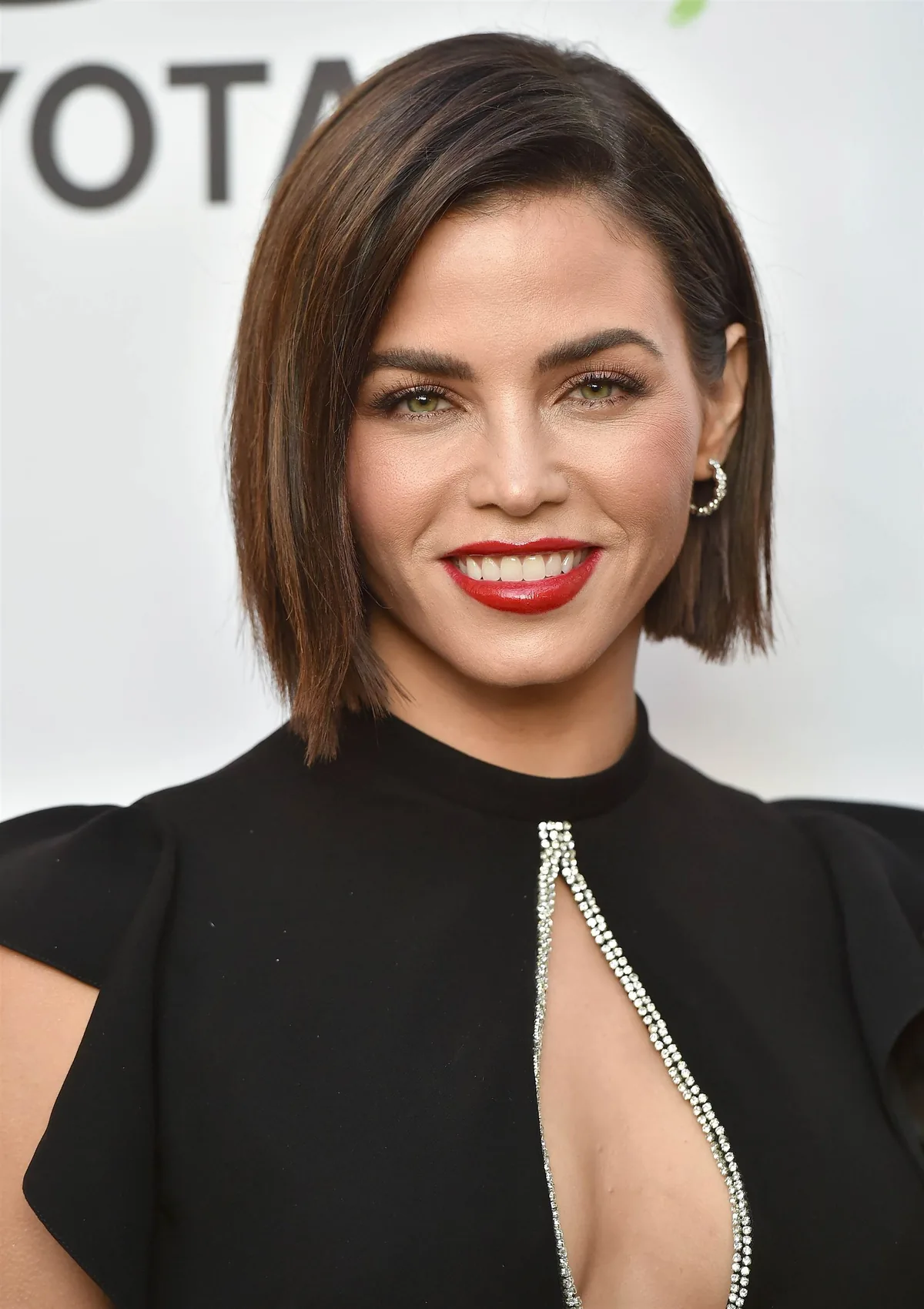
- Full ends look thicker: A blunt or full perimeter stops thin ends from looking wispy.
- Layers must stay light: Too many short layers thin the ends out. Keep layers long and light.
- Texture and waves add body: Waves, tousle, and curls break up flat hair and create the look of more hair.
- Colour depth helps: Balayage, lowlights, and shadow roots add shadow that looks like density.
- Root lift is everything: Lift at the roots makes the whole style look fuller, whatever the length.
Why Thin Hair Falls Flat (and What Helps It Look Fuller)
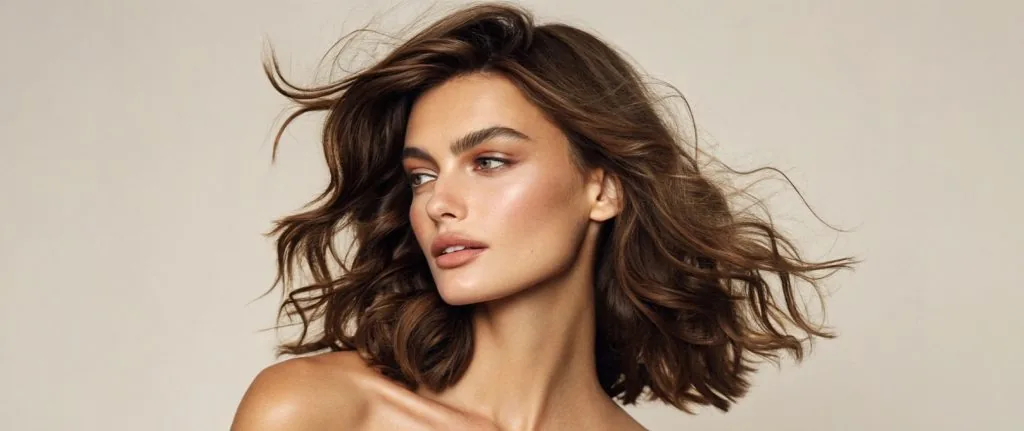
Thin hair has fewer strands, and each strand is fine. That is why it can lie flat against the head. Long, one-length hair can also pull itself down with its own weight. The result is hair that looks thinner than it is.
What helps is shape, texture, and depth. A full edge looks dense. Light layers lift the hair. Waves and texture break up a flat sheet. Darker roots and mixed colour add shadow. None of these thicken the hair itself, but together they make it look much fuller.
The Golden Rule for Thin Hair
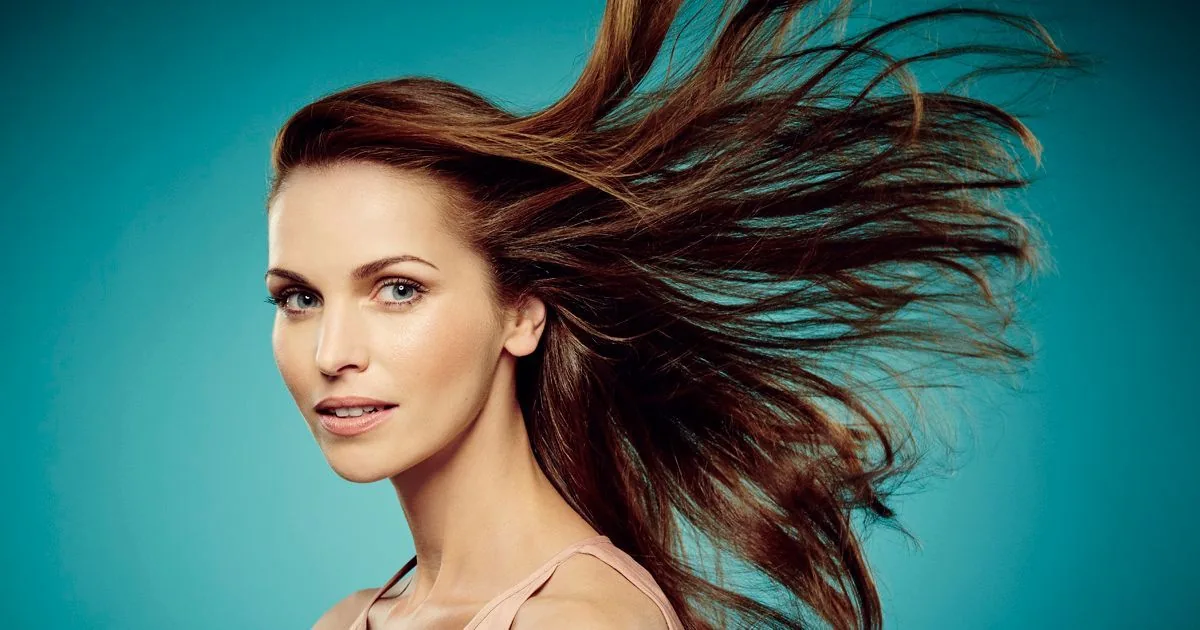
Keep the ends full, lift the roots, and add texture or depth somewhere. That is the whole rule. If a style does one of those three things, thin hair looks better. If it does all three, it looks much fuller.
Two habits break the rule. First, over-layering, which thins the ends until they look wispy. Second, a heavy blunt fringe that weighs fine hair down and shows the scalp. Keep layers light and fringes soft, and the fullness comes back.
Quick Picks by Hair Type and by Goal
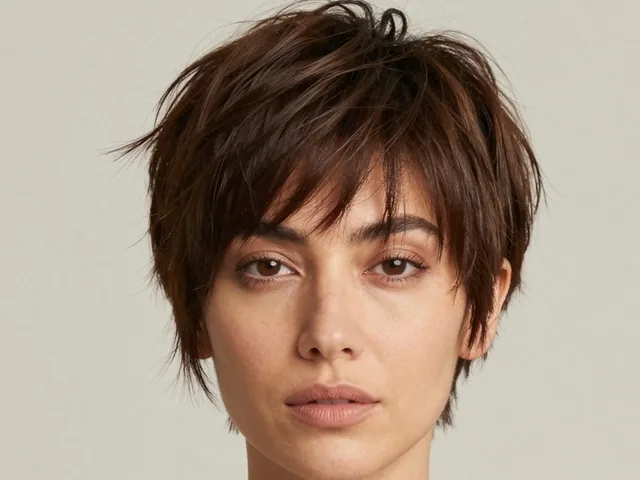
- Maximum fullness: Blunt bob with full ends, one-length chin bob, collarbone cut with a full perimeter.
- Volume layers: Layered bob with volume layers, long layers with root lift, shaggy layers.
- Texture and waves: Beach waves, tousled waves, soft curls, wavy lob with a deep side part.
- Bangs and framing: Curtain bangs, side-swept bangs, wispy bangs, face-framing layers.
- Colour depth: Balayage, face-framing highlights, shadow root, lowlights.
- Styling tricks: Deep side part, half-up with crown teasing, low messy bun, claw clip updo.
- Low maintenance: Wash-and-go textured bob, air-dry wavy bob, pixie bob (bixie).
- Occasions: Occasion blowout with root volume, soft curls, side braid.
1. Blunt Bob with Full Ends
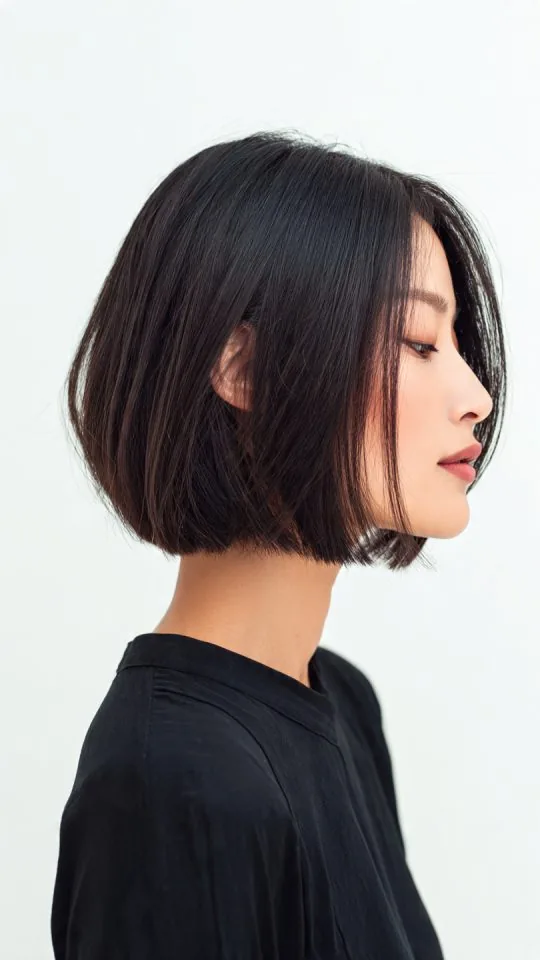
A blunt bob ends in one clean line. That solid edge stops thin ends from looking wispy. It makes the bottom of the hair look dense and full. Keep the length at the chin or jaw for the strongest effect.
Best for: Thin hair that looks wispy at the ends. Best for a clean, thick-looking edge.
How to style:
- Apply smoothing cream to damp hair.
- Blow-dry straight down with a paddle brush.
- Turn the ends slightly under.
- Add a drop of serum to the ends.
What to ask your stylist: Ask for a blunt bob with a full, solid edge and no thinning at the ends.
2. Blunt Lob with Soft Point-Cut Ends
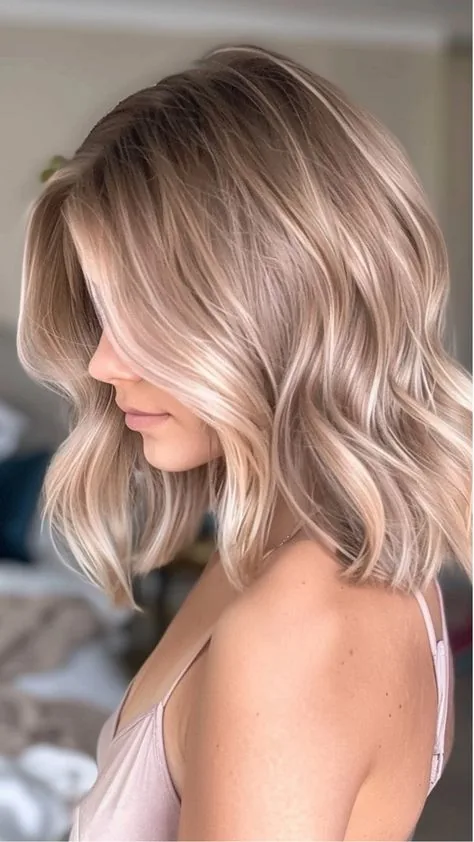
This lob looks blunt, but the ends are softly point-cut. That keeps the full edge without a stiff, heavy line. It gives thin hair body and shape. The collarbone length also makes styling easy.
Best for: Thin, straight hair that wants a fuller-looking lob.
How to style:
- Blow-dry smooth with a round brush.
- Bend the ends slightly under.
- Lift the roots with spray.
- Finish with shine serum.
What to ask your stylist: Ask for a blunt lob with soft, point-cut ends, not a razor-sharp edge.
3. One-Length Chin Bob
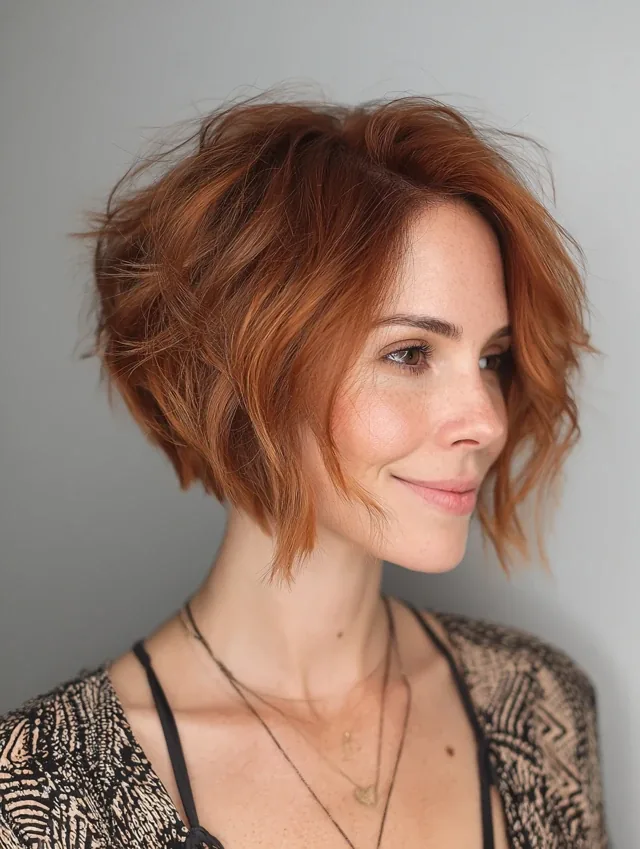
A one-length chin bob has no layers to thin the hair out. Every strand ends at the same place. That makes thin hair look as thick as possible. It is simple, chic, and easy to keep neat.
Best for: Very fine hair that needs maximum fullness at the ends.
How to style:
- Apply root mousse to damp hair.
- Blow-dry smooth, lifting the roots.
- Tuck the ends under lightly.
- Set with a light spray.
What to ask your stylist: Ask for a one-length chin bob with no layers and a full perimeter.
4. Collarbone Cut with a Full Perimeter
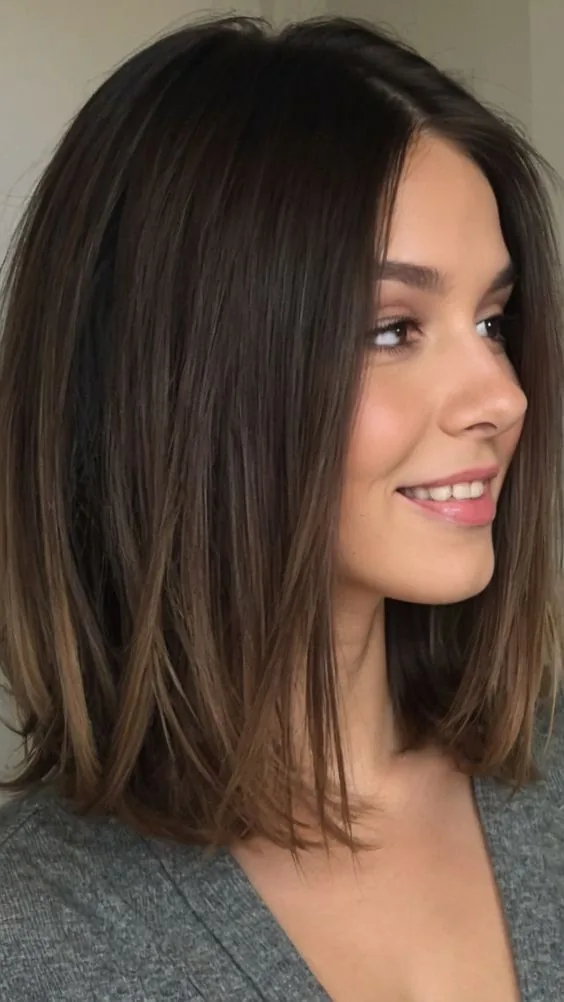
This cut keeps the bottom edge full at collarbone length. Only a few soft layers sit on top. The full perimeter frames the face neatly. It is a simple trick that makes thin hair look thicker at once.
Best for: Thin hair that wants length without losing fullness.
How to style:
- Apply root mousse to damp hair.
- Blow-dry smooth, lifting the roots.
- Turn the ends under.
- Finish with a light spray.
What to ask your stylist: Ask for a collarbone cut with a full perimeter and only light layers on top.
5. Stacked Bob for Lift at the Back
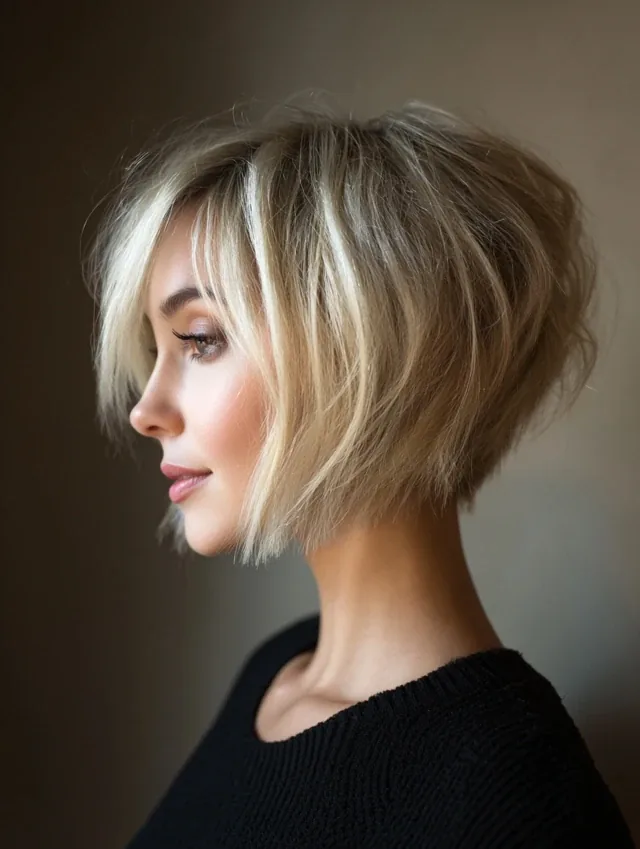
A stacked bob is shorter at the back and longer in front. The stacked layers at the nape create lift and volume. Thin hair at the back looks round and full, not flat. The longer front keeps it soft.
Best for: Thin hair that falls flat at the back of the head.
How to style:
- Apply mousse to damp roots.
- Blow-dry the back up and under with a round brush.
- Smooth the front pieces down.
- Set with spray.
What to ask your stylist: Ask for a stacked bob with lift at the nape and longer front pieces.
6. Layered Bob with Volume Layers
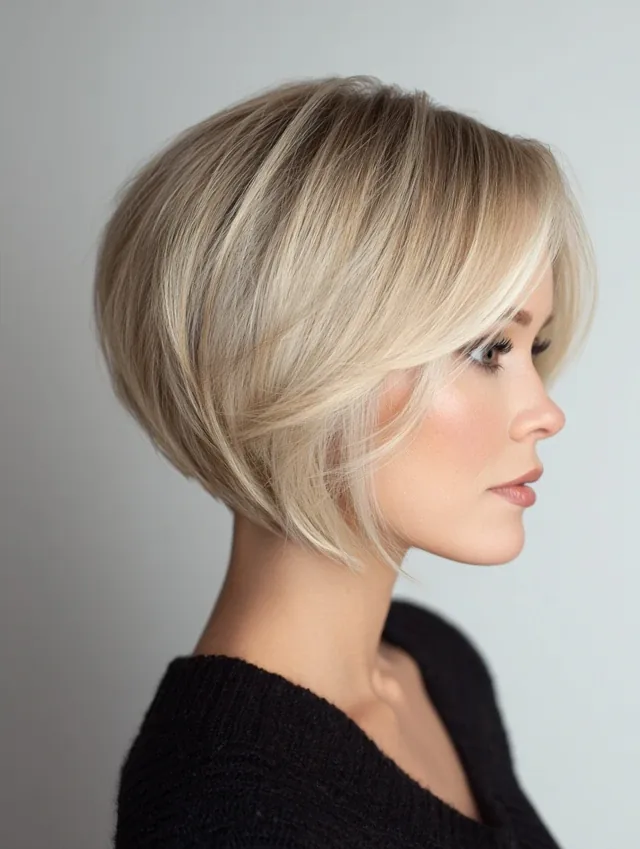
Light layers through a bob add body without thinning the ends too much. The layers lift each other and create movement. Thin hair looks bouncy instead of flat. Keep the layers long so the ends stay fairly full.
Best for: Thin hair that needs lift but not a wispy finish.
How to style:
- Apply mousse to damp roots.
- Blow-dry with a round brush, lifting at the roots.
- Curl large sections loosely.
- Brush out gently for volume.
What to ask your stylist: Ask for a bob with light layers for volume, keeping the ends fairly full.
7. Long Layers with Root Lift
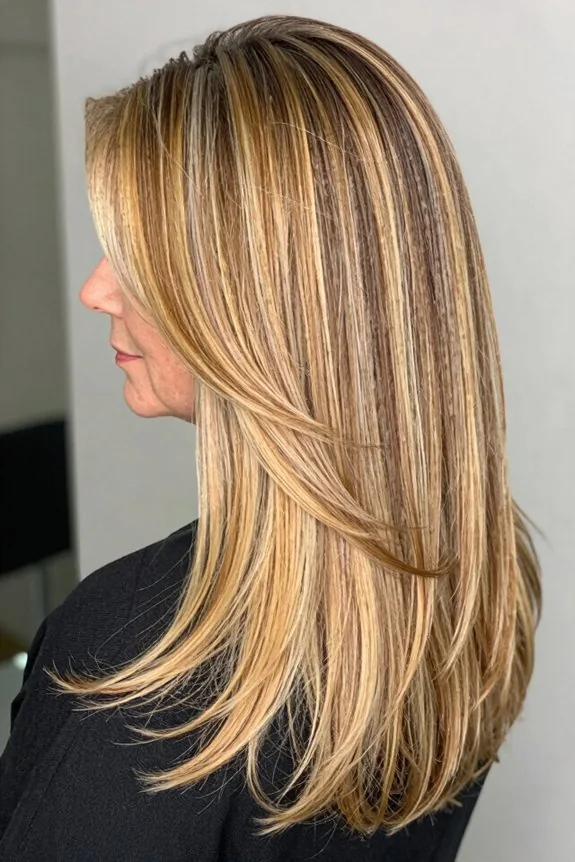
Long layers add movement to longer thin hair. The key is root lift, not short layers. Lift at the roots makes the whole style look fuller. The lengths stay soft and swingy.
Best for: Thin, longer hair that wants movement without losing density.
How to style:
- Apply root spray to damp hair.
- Blow-dry in sections, lifting the roots.
- Curl the ends loosely.
- Shake out for soft volume.
What to ask your stylist: Ask for long layers with root lift, and no short layers on top.
8. Shaggy Layers for Movement
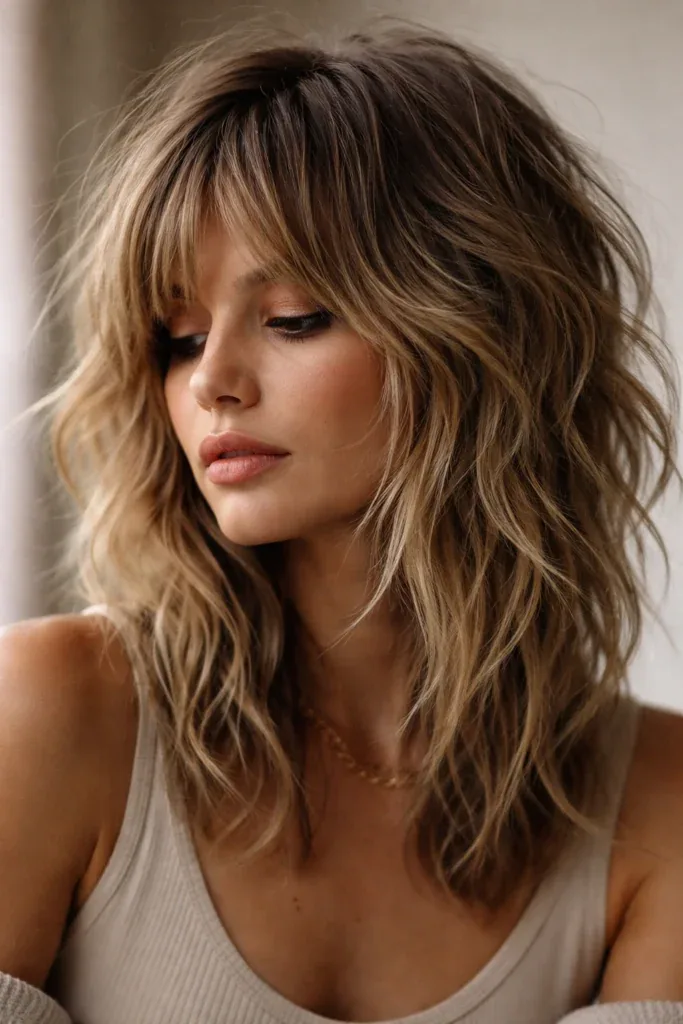
Shaggy layers use choppy, textured pieces for a lived-in feel. The texture breaks up flat thin hair. It looks full because the eye sees movement, not one flat sheet. Keep the layers downward, not wide at the sides.
Best for: Thin, wavy or textured hair that wants a relaxed, fuller look.
How to style:
- Apply texturising cream to damp hair.
- Diffuse or air-dry.
- Scrunch the layers lightly.
- Add wax to the ends for definition.
What to ask your stylist: Ask for a shaggy cut with long, downward layers and textured ends.
9. Feathered Layers
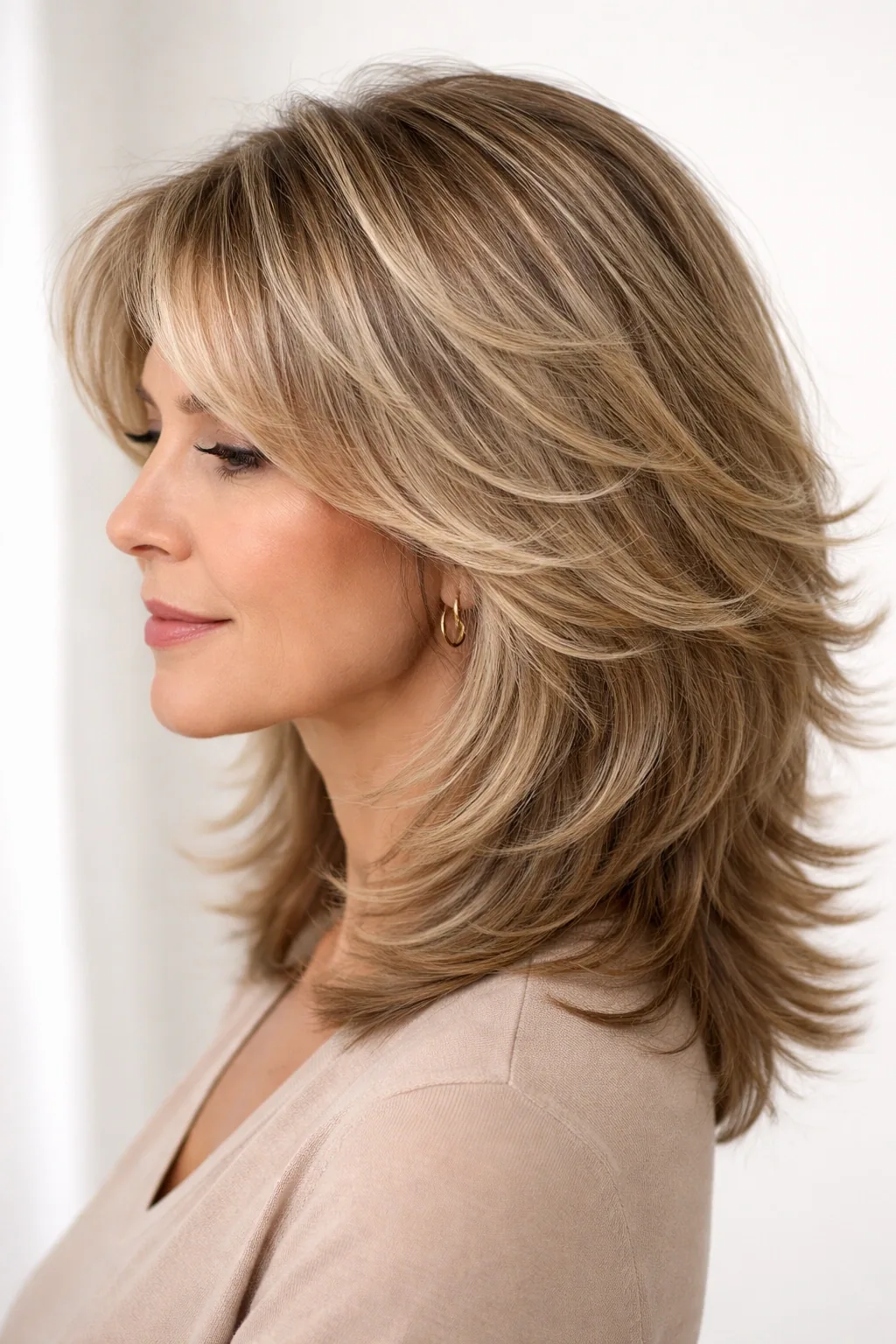
Feathered layers taper gently instead of ending in a blunt line. The feathered ends move freely and catch the light. Thin hair looks soft and airy, not flat. It grows out very well too.
Best for: Thin, straight to wavy hair that wants a soft, moving cut.
How to style:
- Apply cream to damp hair.
- Blow-dry or air-dry.
- Wrap a few sections around a wand.
- Brush out lightly for soft feathering.
What to ask your stylist: Ask for feathered layers with a soft, tapered perimeter.
10. Textured Lob with Choppy Ends
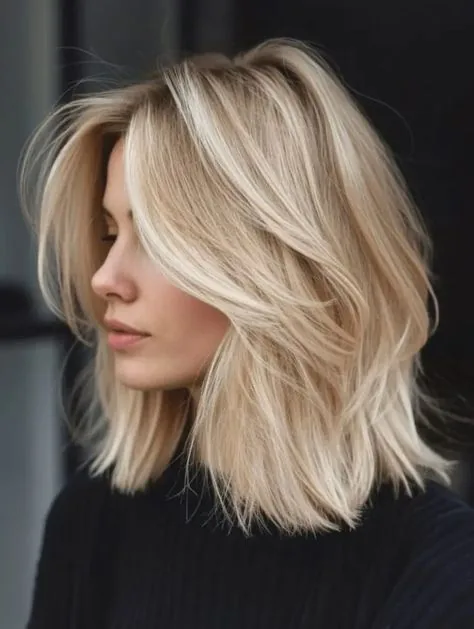
Choppy ends add texture and edge to a lob. The uneven finish stops thin hair from looking limp. It creates the illusion of more hair. Keep the chop light so the ends still look full.
Best for: Thin hair that wants a modern, undone lob.
How to style:
- Apply texturising spray to dry hair.
- Twist small sections lightly.
- Shake out for texture.
- Set lightly.
What to ask your stylist: Ask for a textured lob with light, choppy ends and a full base.
11. Beach Waves
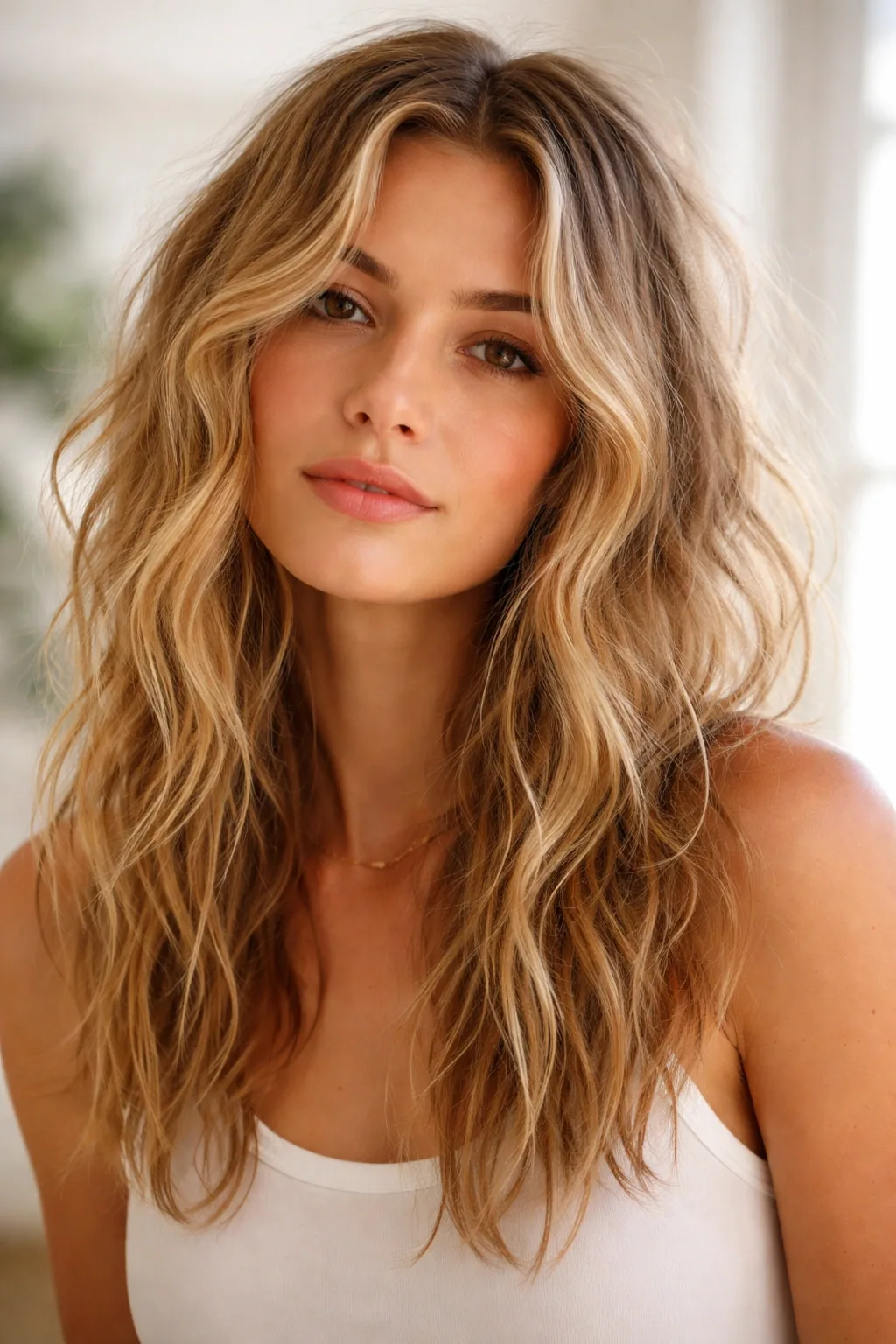
Beach waves are loose, tousled waves. They add width and body to thin hair at once. The waves break up a flat shape. Keep them large and loose, not tight curls.
Best for: Thin, straight or wavy hair that wants instant body.
How to style:
- Apply sea salt spray or curl cream.
- Twist large sections around a wand.
- Shake out for a beachy finish.
- Set with flexible spray.
What to ask your stylist: Ask for a cut with layers below the chin, so beach waves hold well.
12. Tousled Waves
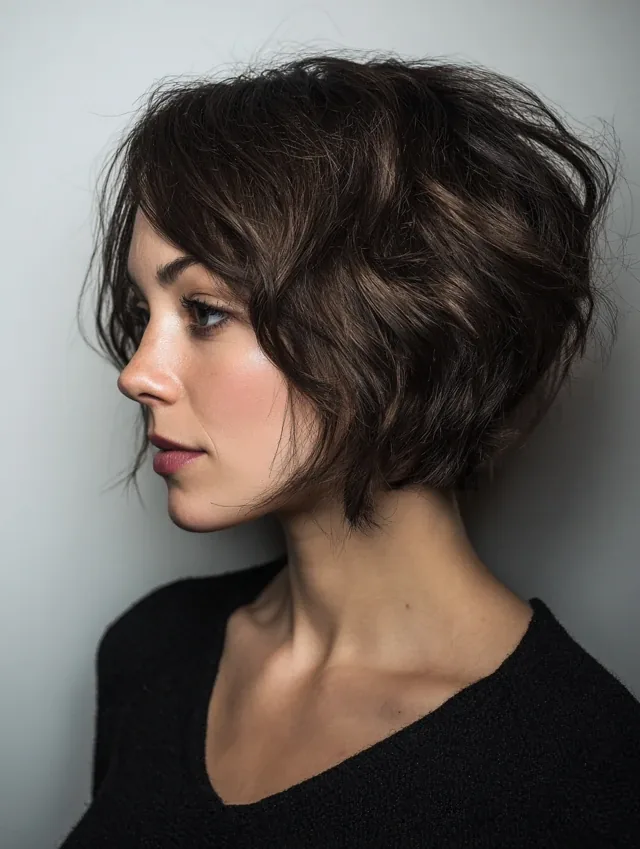
Tousled waves are deliberately undone. Pieces fall in different directions, which makes thin hair look much fuller. It is great if you hate perfect, stiff hair. The mess is the volume.
Best for: Thin hair that wants a modern, effortless fuller look.
How to style:
- Apply texturising spray to dry hair.
- Scrunch and twist small sections.
- Shake out for a tousled finish.
- Set lightly.
What to ask your stylist: Ask for textured layers that tousle well, with soft, piecey ends.
13. Soft Curls
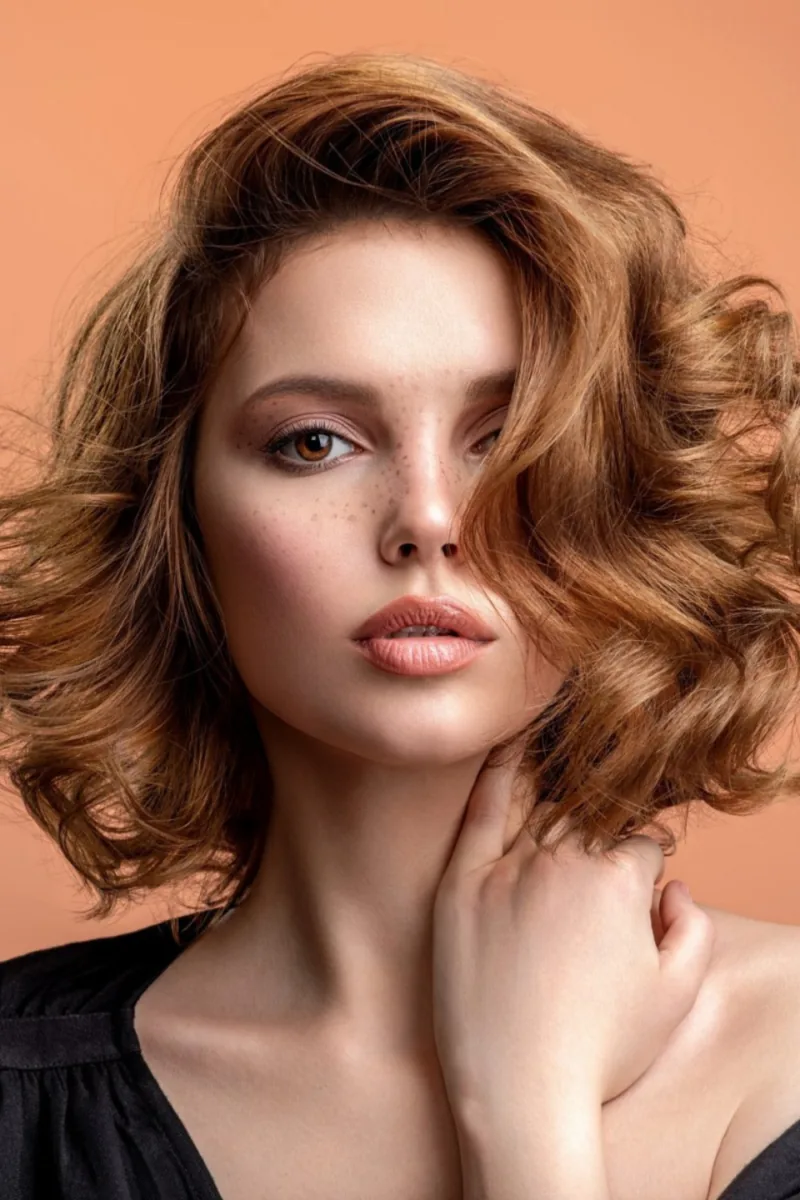
Soft curls add bounce and roundness to thin hair. Large, loose curls look fuller than tight ones. They lift the hair away from the head. The result is soft, not frizzy.
Best for: Thin hair that holds a curl and wants bounce.
How to style:
- Apply mousse and heat protectant.
- Curl large sections loosely.
- Brush out gently for soft curls.
- Set with light spray.
What to ask your stylist: Ask for layers that hold soft curls, at a length that keeps the shape round.
14. Loose Perm Waves
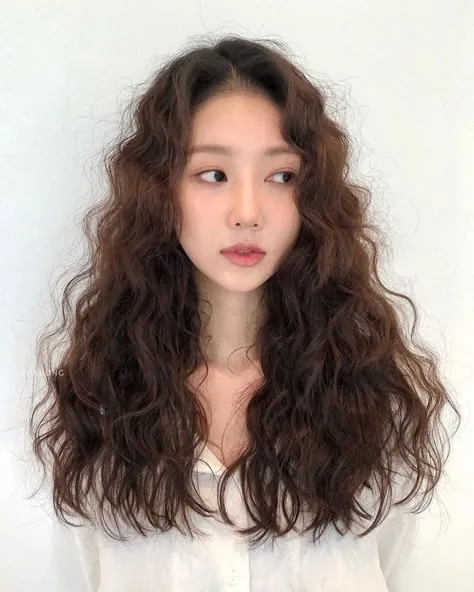
A loose perm adds lasting wave to thin hair. It gives body that does not wash out each morning. The waves make hair look thicker every day. Keep the perm loose and soft, not tight.
Best for: Thin hair that wants low-effort, lasting volume.
How to style:
- Scrunch with curl cream on damp hair.
- Diffuse on low heat or air-dry.
- Do not brush out dry waves.
- Add a little oil to the ends.
What to ask your stylist: Ask for a loose, soft perm wave, not a tight curl, with long layers.
15. Wavy Lob with a Deep Side Part
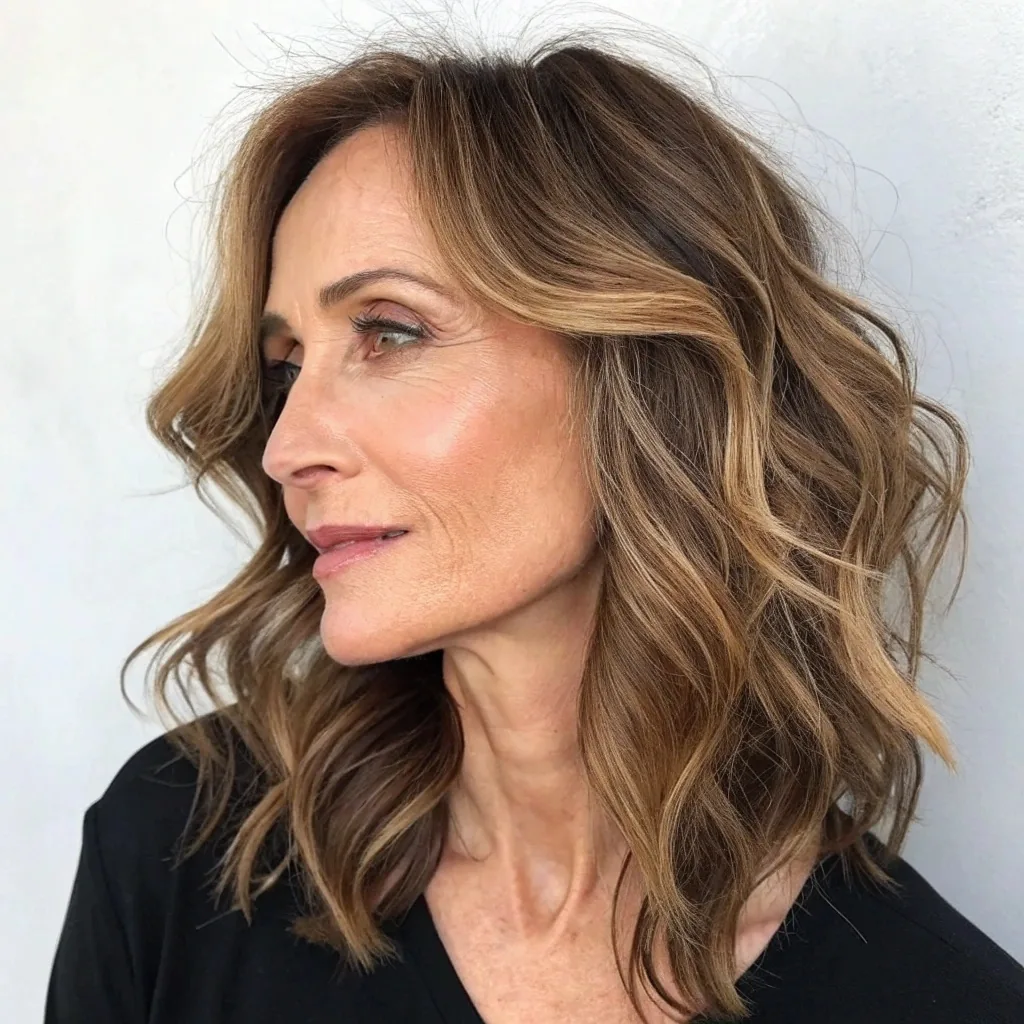
A deep side part lifts a large section of hair over to one side. That lift alone makes thin hair look much fuller. With waves, the volume doubles. It is a glamorous, easy trick.
Best for: Thin hair that wants glamour and instant volume.
How to style:
- Part deeply to one side.
- Blow-dry the lifted side up and back.
- Curl large sections loosely.
- Brush out softly and set.
What to ask your stylist: Ask for layers that hold a deep side part, with the front at collarbone length.
16. Curtain Bangs with Layers
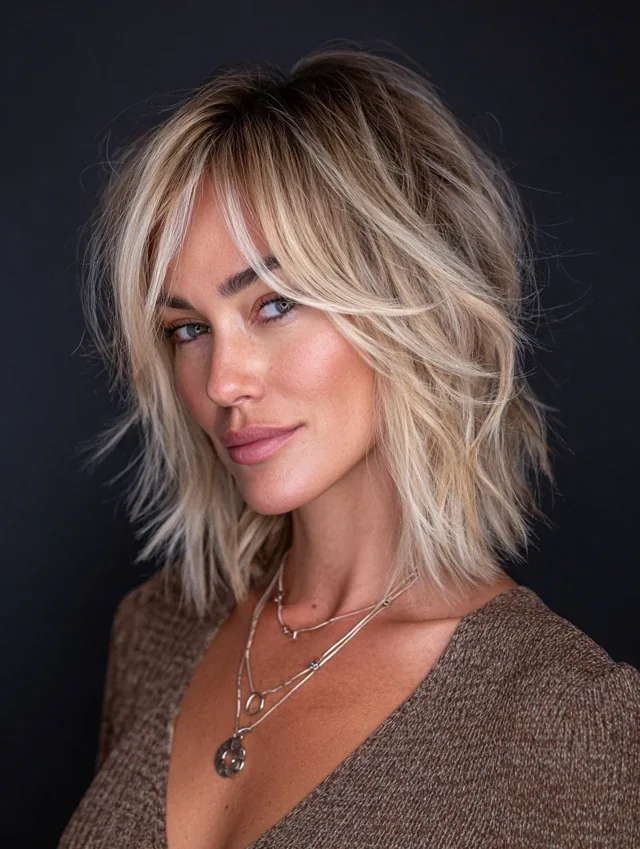
Curtain bangs part in the middle and sweep to each side. They add fullness around the face. With layers underneath, the whole style looks thicker. Keep the bangs long, from the cheekbone down.
Best for: Thin hair that wants fullness around the face.
How to style:
- Blow-dry the bangs forward, then sweep to each side.
- Smooth the lengths down.
- Add root spray for lift.
- Keep the part soft.
What to ask your stylist: Ask for long curtain bangs starting at the cheekbone, with a layered cut.
17. Side-Swept Bangs
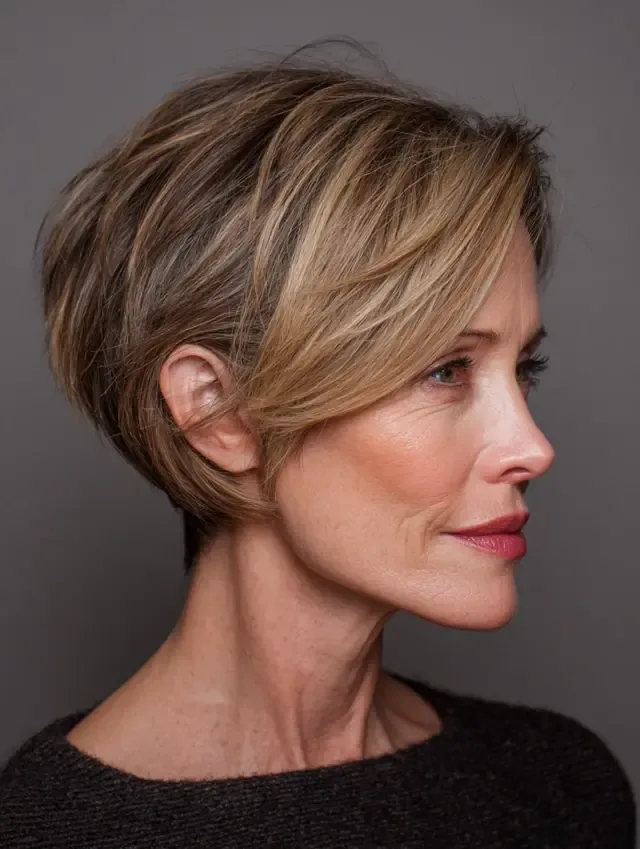
Side-swept bangs sweep diagonally across the forehead. They add a diagonal line and volume at the front. Thin hair at the front looks fuller at once. Keep them long so they blend in.
Best for: Thin hair that wants a fringe that is easy to wear.
How to style:
- Blow-dry the fringe to one side with a round brush.
- Smooth the lengths under.
- Bend the ends slightly.
- Set with a light spray.
What to ask your stylist: Ask for long side-swept bangs blending into layers, never a thick blunt block.
18. Wispy Bangs

Wispy bangs are light, thin, and see-through. They soften the face without taking hair away from the rest of the cut. They are a good first fringe for thin hair. Keep them piecey, not heavy.
Best for: Thin hair that wants a light, low-commitment fringe.
How to style:
- Blow-dry the bangs forward lightly.
- Smooth the lengths down.
- Keep the bangs piecey with a little cream.
- Trim the bangs every few weeks.
What to ask your stylist: Ask for wispy, light bangs, not a heavy fringe that weighs thin hair down.
19. Face-Framing Layers
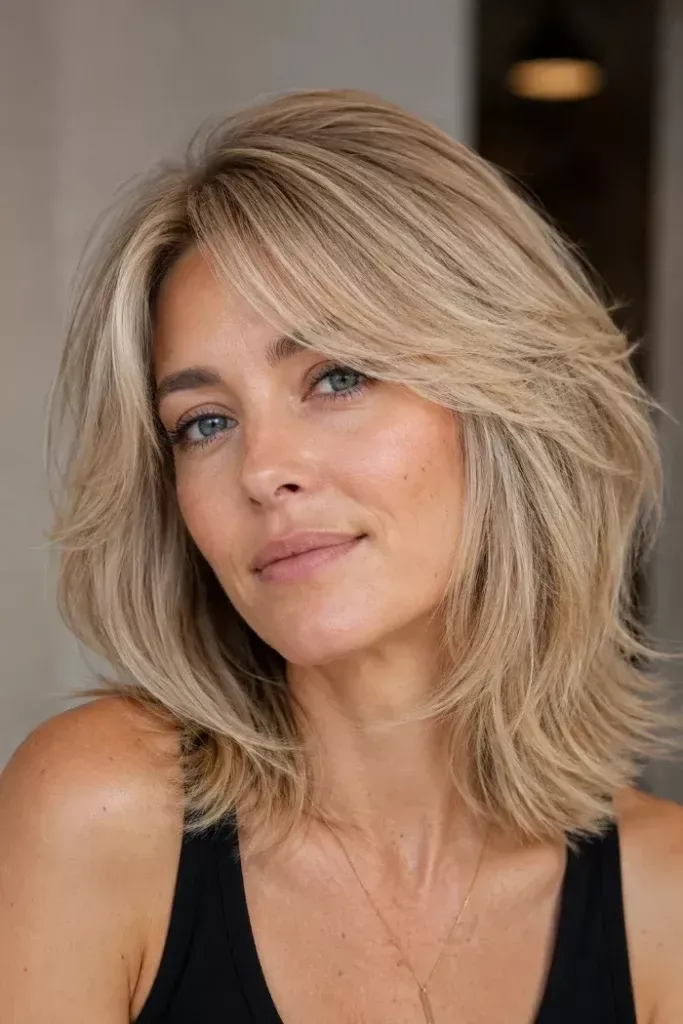
Face-framing layers start near the chin and open the face. They add movement around the face. Thin hair looks fuller because the front has shape. The back stays long enough to keep density.
Best for: Thin hair that wants fullness around the face without short layers everywhere.
How to style:
- Apply cream to damp hair.
- Blow-dry the face pieces away from the face.
- Smooth the lengths down.
- Shake the front pieces out softly.
What to ask your stylist: Ask for face-framing layers starting at the chin, blending into the lengths.
20. Soft Textured Fringe

A soft, textured fringe adds fullness at the forehead. It is cut light and piecey, not thick and blunt. A heavy blunt fringe can weigh thin hair down and show the scalp. This light version does the opposite.
Best for: Thin hair that wants a fringe without losing volume.
How to style:
- Blow-dry the fringe forward lightly.
- Keep it piecey with a little cream.
- Smooth the lengths down.
- Trim often to keep it light.
What to ask your stylist: Ask for a soft, textured fringe, kept light, never a heavy blunt block.
21. Balayage for Dimension
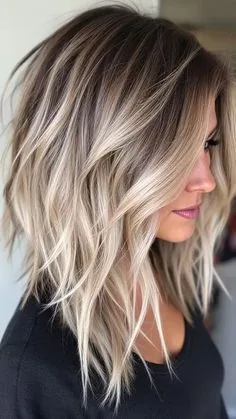
Balayage paints colour by hand for a soft melt. Light and dark pieces side by side create depth. Depth makes thin hair look thicker, because the eye sees layers of colour. It grows out softly too.
Best for: Thin hair that wants low-maintenance colour and depth.
How to style:
- Use colour-safe shampoo.
- Blow-dry with a round brush.
- Curl a few sections loosely.
- Add oil to the ends for shine.
What to ask your stylist: Ask for balayage with soft dimension, with the lightest pieces toward the ends.
22. Face-Framing Highlights
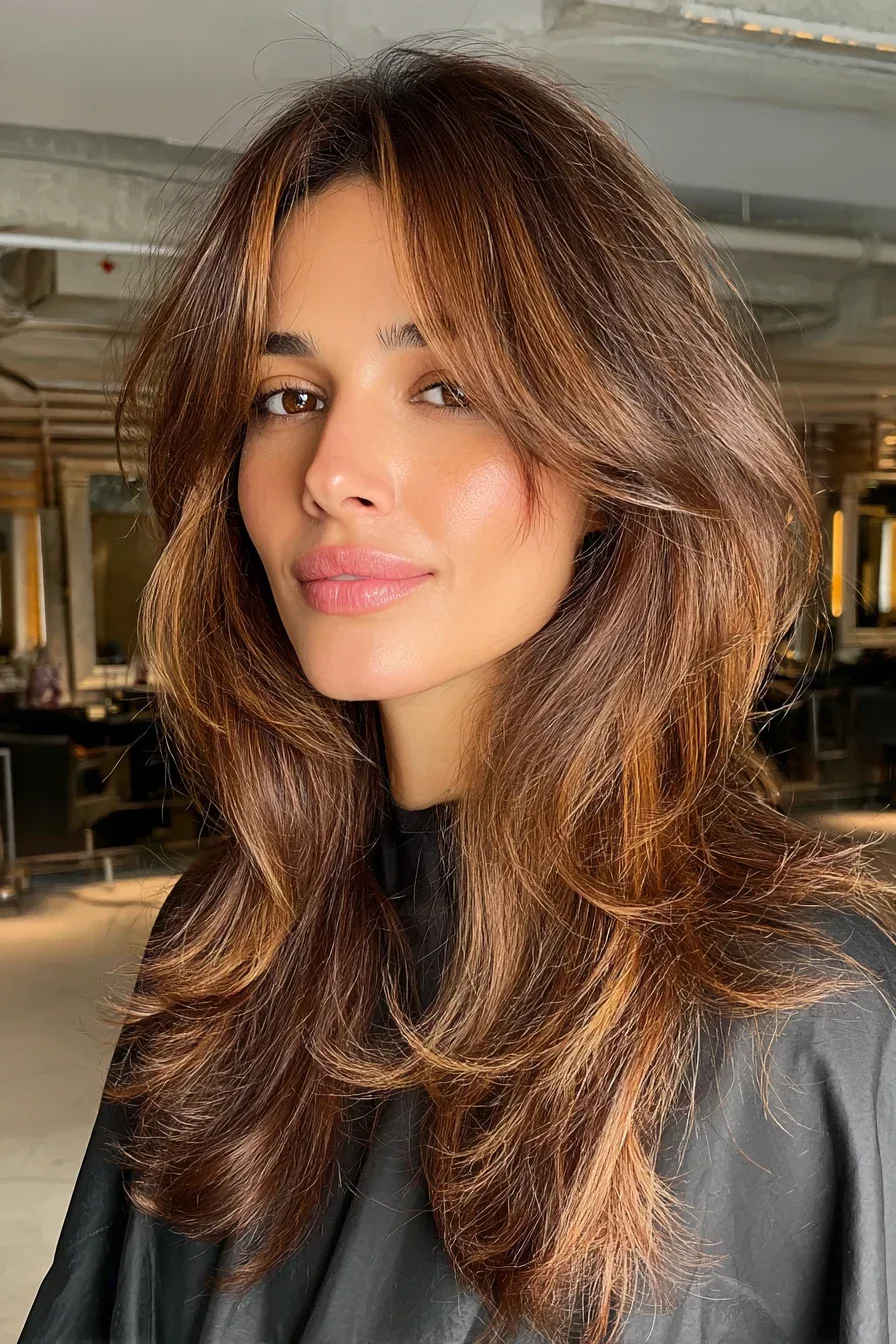
Face-framing highlights brighten the face in one step. The lighter pieces start near the face and blend back. The contrast adds depth around the face. Thin hair looks fuller where it matters most.
Best for: Thin hair that wants brightness without full colour.
How to style:
- Use colour-safe shampoo.
- Blow-dry the face pieces away from the face.
- Smooth the lengths down.
- Add shine serum.
What to ask your stylist: Ask for soft face-framing highlights, blended, not a thick blonde block.
23. Shadow Root for Depth
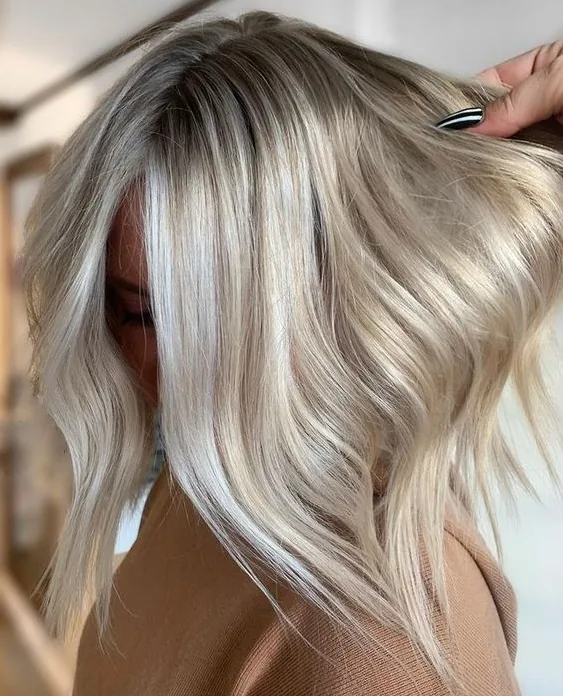
A shadow root keeps the roots darker than the ends. The darker base looks denser, like more hair at the scalp. It also hides regrowth. The lighter ends then look soft, not flat.
Best for: Thin hair with coloured or highlighted lengths.
How to style:
- Use colour-safe shampoo.
- Blow-dry with root lift.
- Smooth the lengths down.
- Refresh the shadow root every 8 to 10 weeks.
What to ask your stylist: Ask for a soft shadow root that blends into your lengths.
24. Lowlights for Depth
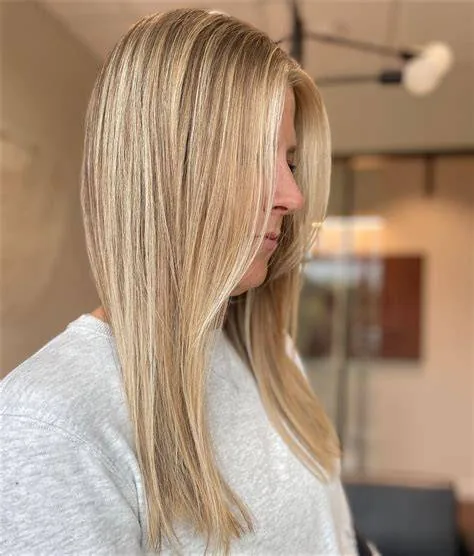
Lowlights are darker pieces woven through lighter hair. They create shadow and depth. One flat colour can make thin hair look even flatter. Lowlights break it up and add fullness.
Best for: Thin, highlighted or blonde hair that looks one flat colour.
How to style:
- Use colour-safe shampoo.
- Blow-dry with a round brush.
- Add oil to the ends for shine.
- Refresh lowlights every 8 to 10 weeks.
What to ask your stylist: Ask for soft lowlights for depth, kept subtle, not stripey.
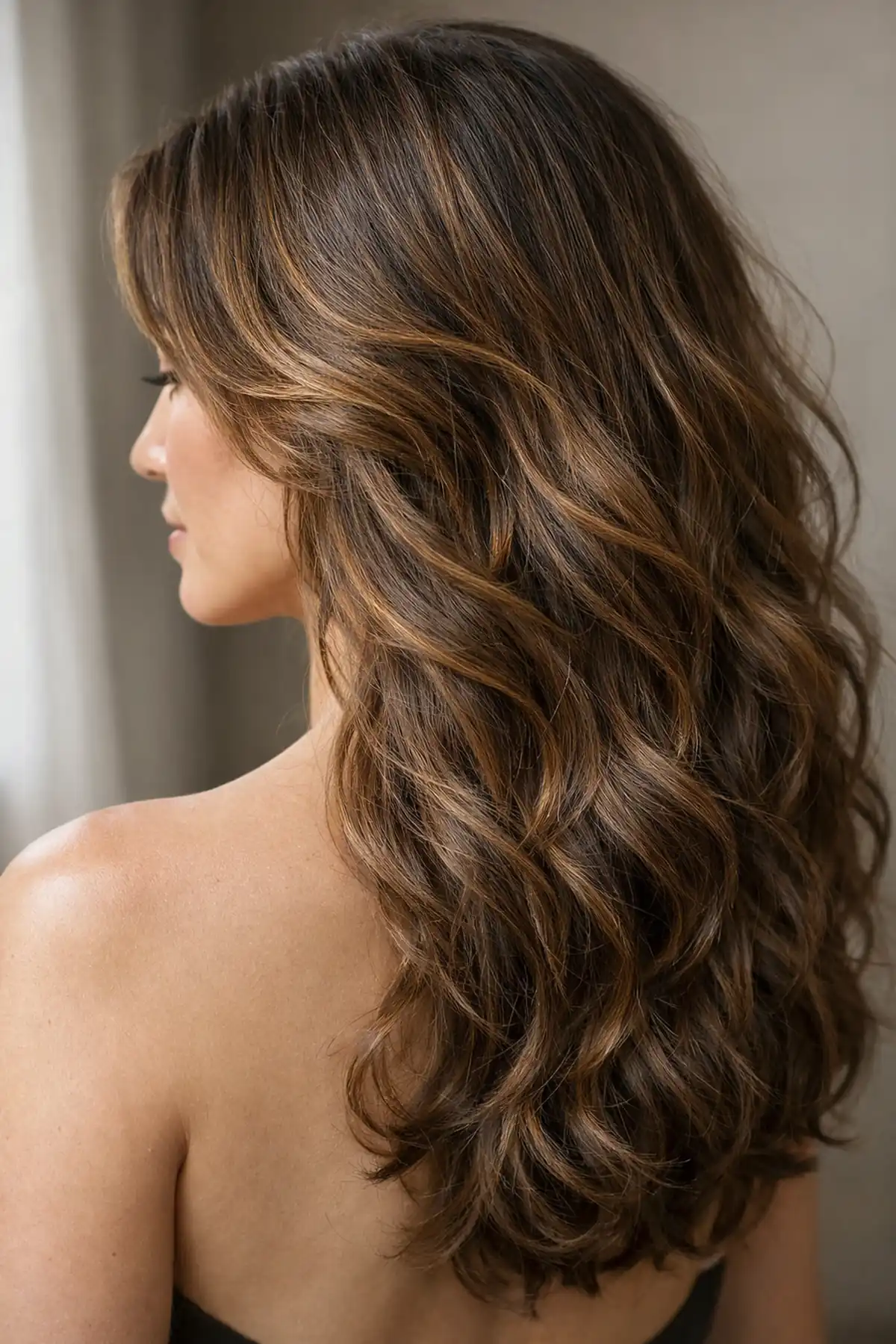
25. Warm Caramel Dimension
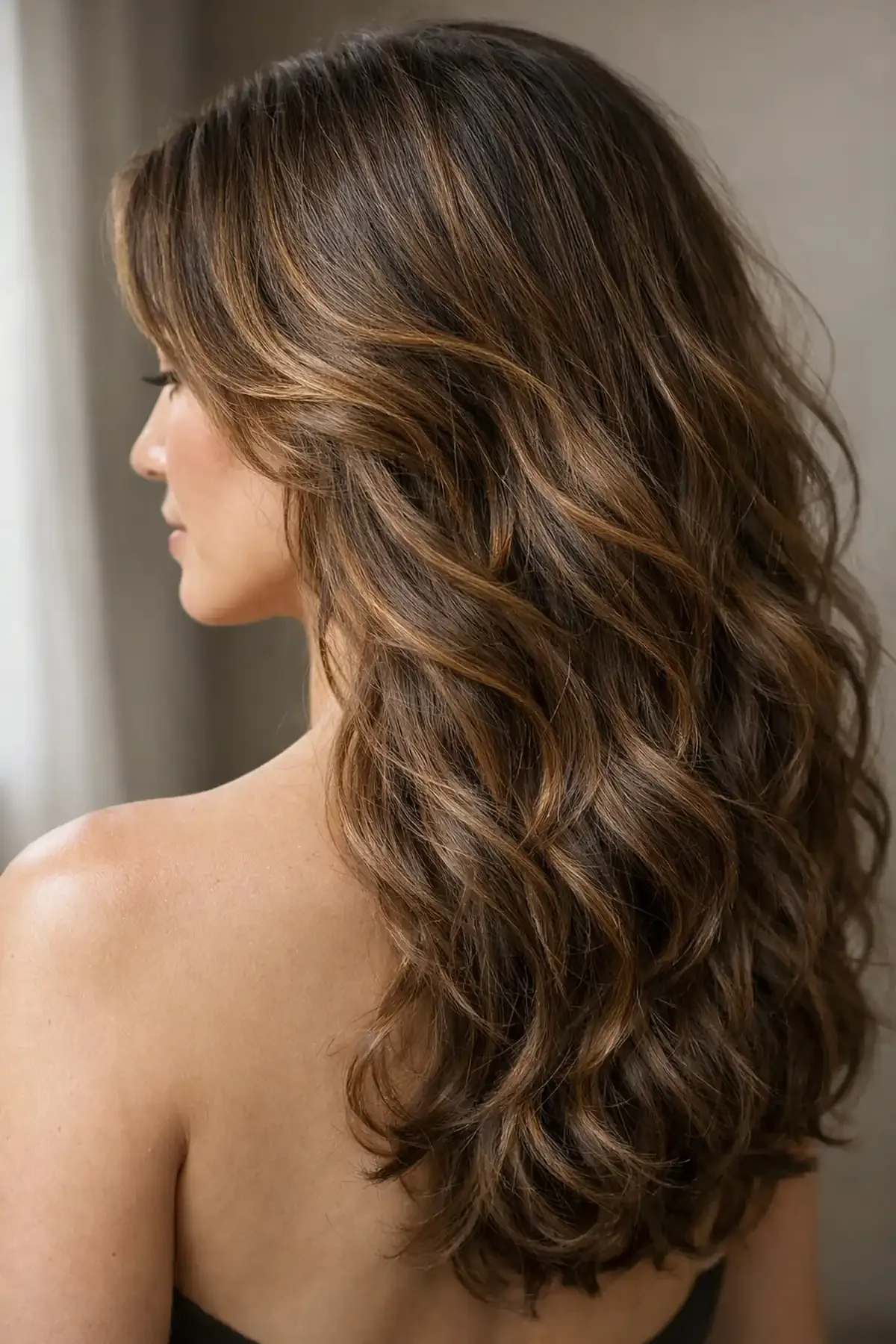
Warm caramel pieces add warmth and depth at once. They soften the look and make hair look sun-kissed. With layers, the colour melts through. Thin hair looks richer and fuller.
Best for: Thin hair that wants warm, sun-kissed depth.
How to style:
- Use colour-safe shampoo.
- Blow-dry with a round brush.
- Add oil to the ends for shine.
- Refresh highlights every 8 to 10 weeks.
What to ask your stylist: Ask for warm caramel dimension through layers, kept soft near the face.
26. Deep Side Part for Instant Volume
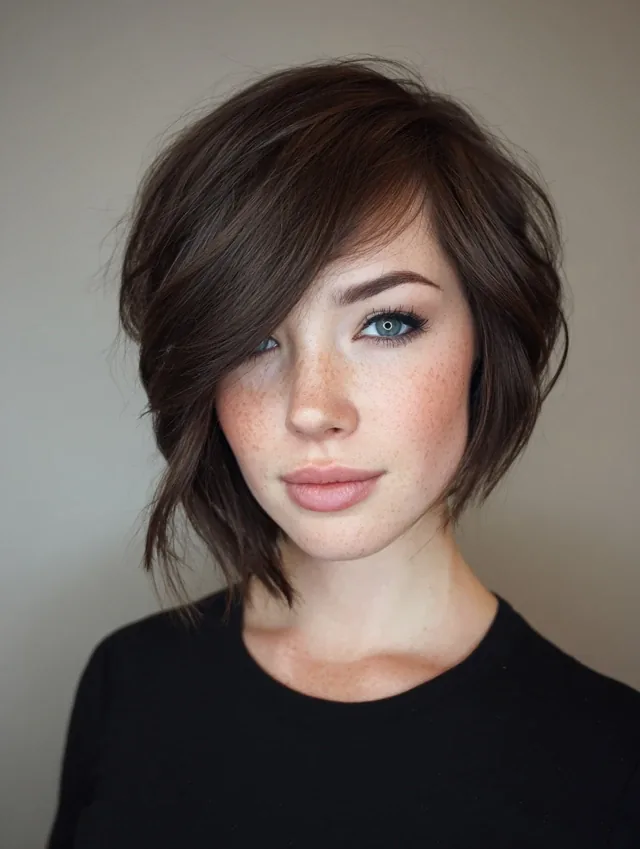
A deep side part is the fastest volume trick. It lifts a large section over to one side. Thin hair looks fuller in seconds, with no cut at all. It works on almost any length.
Best for: Any thin hair that wants instant, no-cut volume.
How to style:
- Part deeply to one side while damp.
- Apply root mousse to the lifted side.
- Blow-dry, lifting the roots.
- Set the part with a light spray.
What to ask your stylist: Ask for a cut that works with a deep side part, with front pieces long enough to sweep.
27. Half-Up Style with Crown Teasing
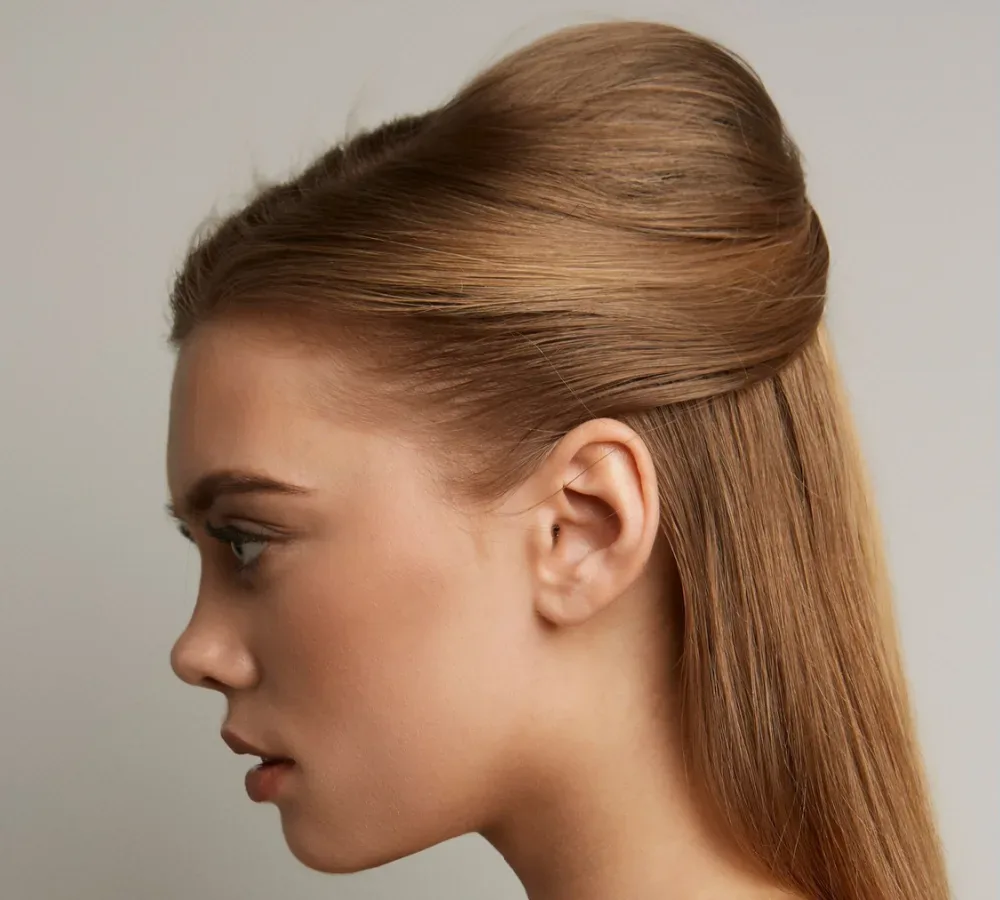
A half-up style lifts the top section and leaves the rest down. Light teasing at the crown adds height. The lengths underneath keep the look soft. Thin hair looks full on top and long below.
Best for: Thin hair that likes half-up styles and wants crown height.
How to style:
- Tease the crown lightly.
- Gather the top half loosely.
- Leave face-framing pieces out.
- Secure with a soft tie or clip.
What to ask your stylist: Ask for layers that stay in a half-up style, with the shortest top layers at chin length or longer.
28. Low Messy Bun with Pulled Pieces
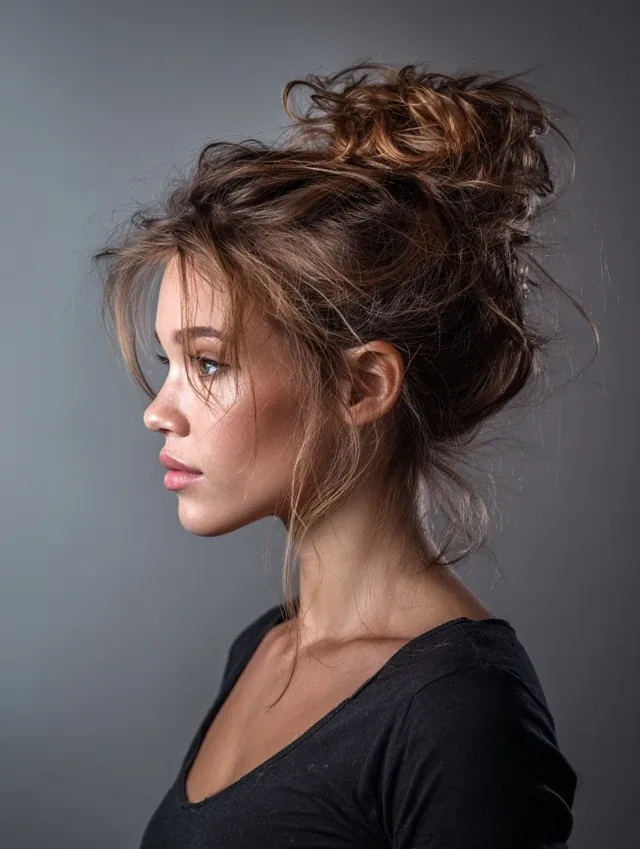
A low, messy bun is loose and textured. Pulling soft pieces out around the face makes it look fuller. A tight, slick bun shows thinness. A loose bun hides it.
Best for: Thin hair that wants an easy updo that still looks full.
How to style:
- Gather the hair low and loosely.
- Twist and pin, leaving texture.
- Pull out soft face pieces.
- Set lightly so it stays soft.
What to ask your stylist: Ask for layers that gather into a low bun, with long face-framing pieces.
29. Side Braid for Fullness
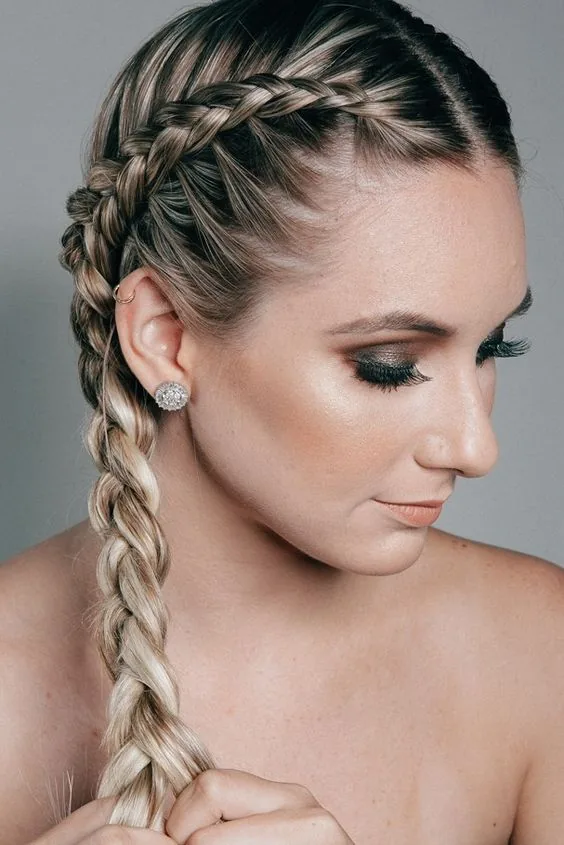
A loose side braid adds texture and width to thin hair. Pull the braid apart gently to make it look wider. The diagonal line is flattering. The rest of the hair stays loose and soft.
Best for: Thin hair that wants a pretty, everyday fuller detail.
How to style:
- Sweep the hair to one side.
- Braid a front section loosely.
- Gently pull the braid wider.
- Pin it back softly.
What to ask your stylist: Ask for layers that braid well to one side, with soft ends.
30. Claw Clip Volume Updo
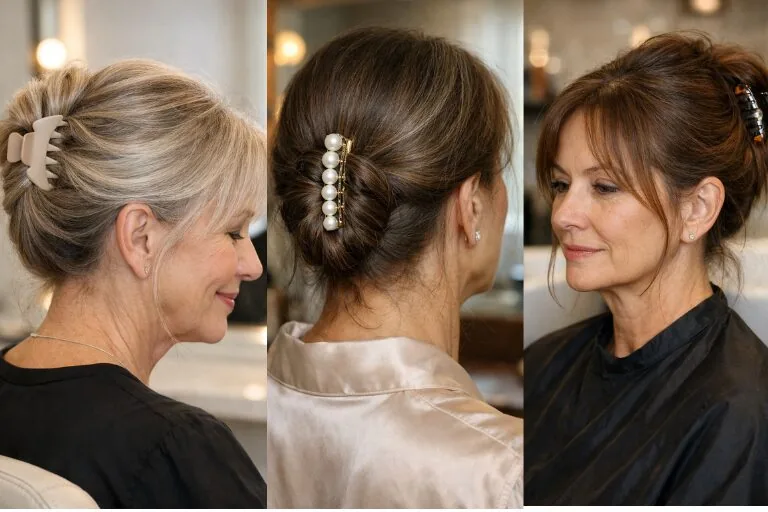
A claw clip updo twists the hair up loosely. The twist creates height and texture. Thin hair looks fuller because it is gathered, not hanging flat. Leave soft pieces out for fullness.
Best for: Thin, medium to long hair that wants a fast fuller updo.
How to style:
- Gather the hair up loosely.
- Twist and clip, leaving texture.
- Pull out soft face pieces.
- Set lightly.
What to ask your stylist: Ask for a cut at a length that twists up easily, with face-framing pieces.
31. Wash-and-Go Textured Bob
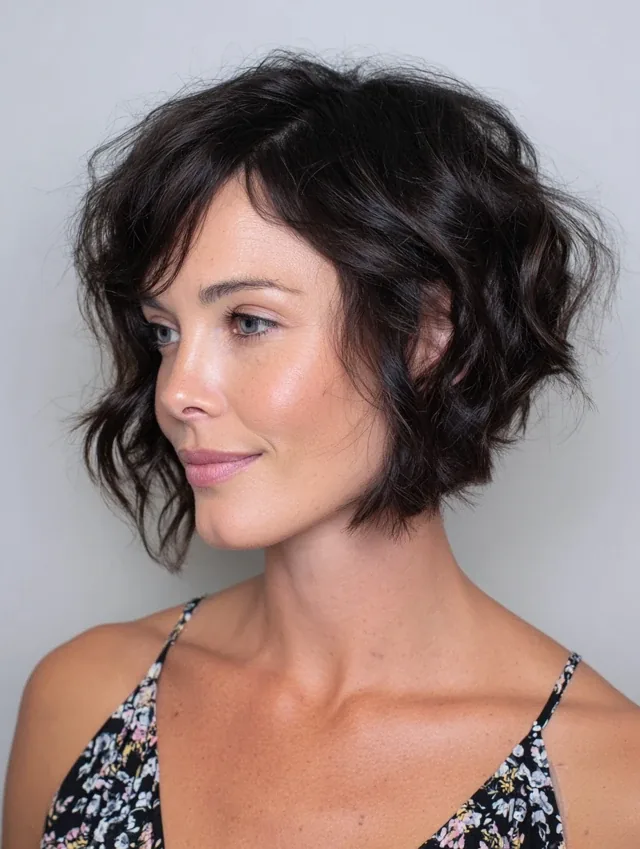
A wash-and-go bob is planned so hair looks good with almost no styling. Long layers and a soft shape work with your natural texture. Wash, add cream, scrunch or smooth, and go. Thin hair looks full on its own.
Best for: Thin hair that air-dries most days. Best for busy mornings.
How to style:
- Wash and apply leave-in cream.
- Scrunch or smooth as your texture needs.
- Air-dry without touching too much.
- Shake out once fully dry.
What to ask your stylist: Ask for a low-maintenance, air-dry bob: long layers, soft ends. Tell your stylist you air-dry.
32. Air-Dry Wavy Bob
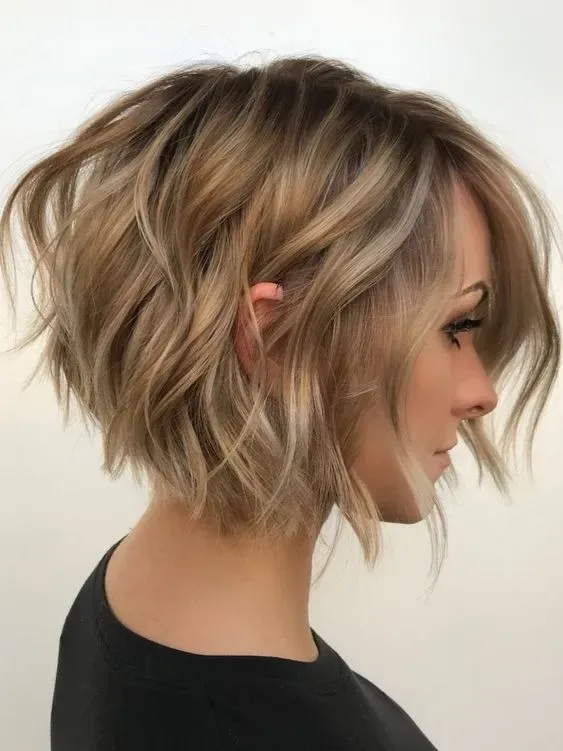
This bob is cut to dry naturally into waves. The shape is built into the cut, not the blow-dry. Natural waves add fullness without effort. It is the lowest effort bob that still looks styled.
Best for: Thin, wavy hair that rarely blow-dries.
How to style:
- Apply curl cream or smoothing cream to damp hair.
- Scrunch or smooth gently.
- Air-dry fully before touching.
- Add a little oil to the ends.
What to ask your stylist: Ask for an air-dry bob cut for your natural wave, with no shape that needs a blow-dry.
33. Pixie Bob (Bixie) for Fullness
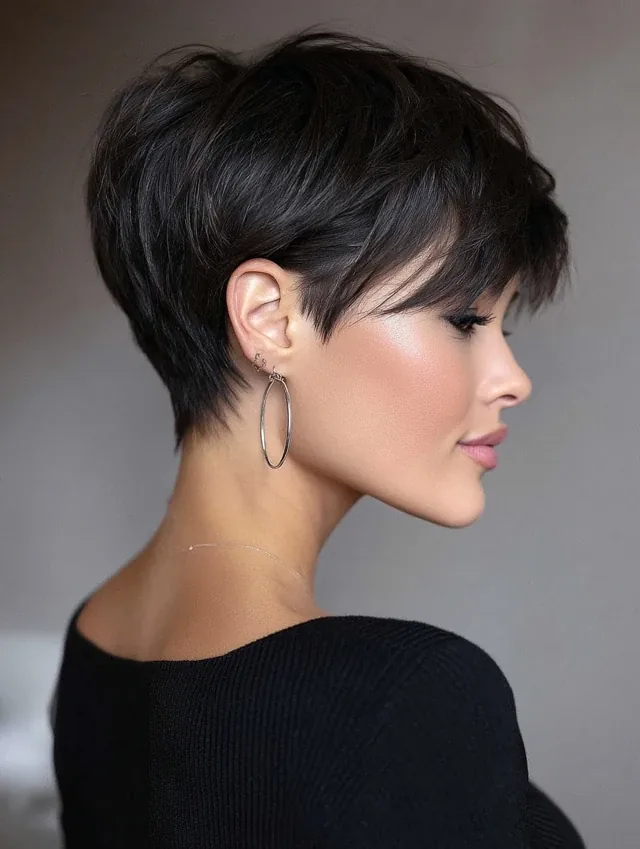
A bixie sits between a pixie and a bob. The shorter back adds lift. The longer front keeps softness. Thin hair looks full because the shape is round and lifted, not long and flat.
Best for: Thin hair that wants a short, full, easy cut.
How to style:
- Apply mousse to damp roots.
- Blow-dry with a round brush, lifting the roots.
- Piece out the ends with wax.
- Set lightly.
What to ask your stylist: Ask for a bixie with lift at the back and longer, soft front pieces.
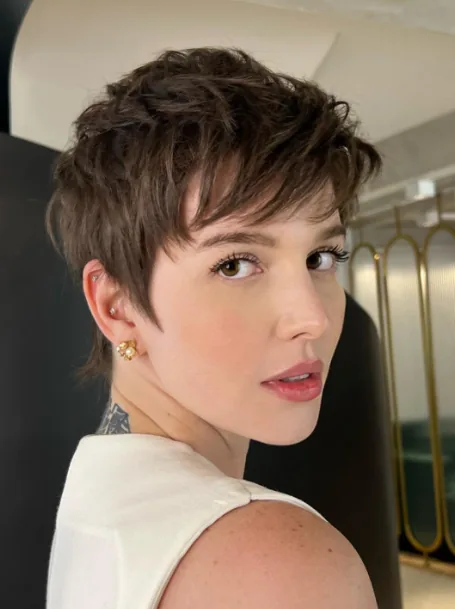
34. Short Pixie with a Textured Top
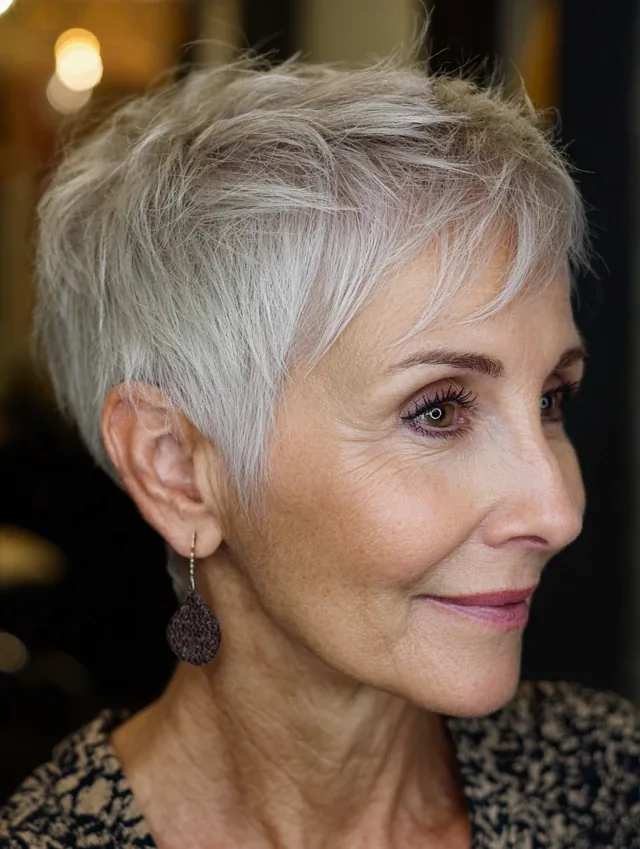
A short pixie with a textured top is all about the crown. Choppy pieces on top create height and fullness. Thin hair looks thick because the top has texture. Keep the sides neat and the top piecey.
Best for: Thin hair that wants a bold, full short cut.
How to style:
- Apply texturising cream to damp hair.
- Blow-dry the top up and forward.
- Piece out the top with wax.
- Set lightly.
What to ask your stylist: Ask for a pixie with a long, textured top and neat sides.
35. Occasion Blowout with Root Volume
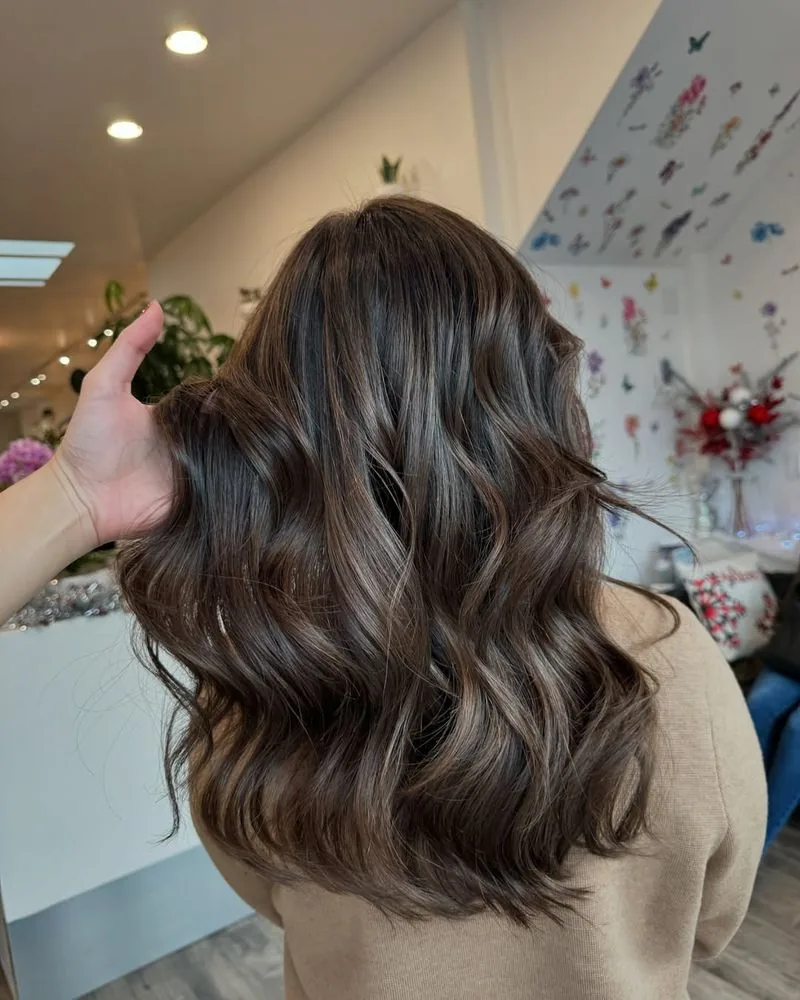
A bouncy blowout is all about root lift and curved ends. The lift makes thin hair look full and awake. The curved ends add bounce. It is perfect for weddings and special nights.
Best for: Thin hair that wants a polished, voluminous occasion look.
How to style:
- Apply mousse and heat protectant.
- Blow-dry in sections with a large round brush, lifting roots.
- Curl the ends slightly.
- Finish with shine spray.
What to ask your stylist: Ask for a blowout-friendly cut with long layers and a strong shape.
Mistakes That Make Thin Hair Look Thinner
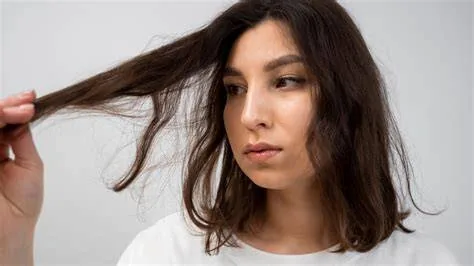
- Over-layering: Too many short layers thin the ends out. Keep layers long and light.
- Heavy blunt fringe: A thick, straight fringe can weigh fine hair down. Choose curtain, side-swept, or wispy bangs instead.
- Very long, one-length hair: Length pulls thin hair flat. A bob, lob, or long layers lift it back up.
- One flat colour: A single flat shade shows every thin spot. Add dimension with balayage or lowlights.
- Tight, slick styles: A tight ponytail or slick bun shows the scalp. Go loose, textured, and a little messy.
Best Picks by Goal
- Most fuller-looking: Blunt bob with full ends, one-length chin bob, stacked bob.
- Most versatile: Blunt lob with soft ends, layered bob, face-framing layers.
- Most glamorous: Occasion blowout, wavy lob with a deep side part, soft curls.
- Low maintenance: Wash-and-go textured bob, air-dry wavy bob, tousled waves.
- Short hair: Pixie bob (bixie), short pixie with a textured top.
- Occasions: Occasion blowout, half-up with crown teasing, low messy bun.
Daily Volume Routine

Start at the roots: Apply root mousse or spray to damp hair. Thin hair needs lift where it starts, not weight at the ends.
Blow-dry up, not down: Lift each section up and away from the head. Drying flat pushes thin hair down.
Add texture: A little texturising spray or loose waves breaks up a flat shape. You do not need a lot, just enough to stop it lying flat.
Check the ends: Before you leave, check the bottom edge. If it looks wispy, turn the ends under or add a soft curl. A full-looking edge finishes the fuller look.
What to Ask Your Stylist: Checklist
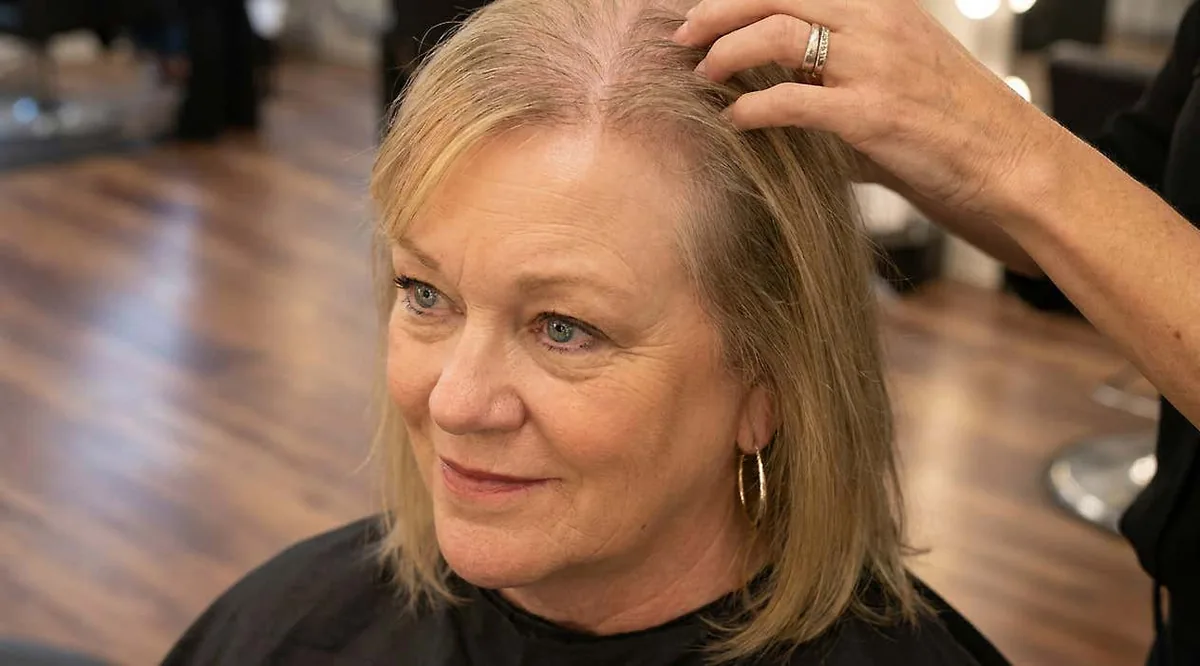
- Show 2 to 3 photos of the exact fullness and length you want, on thin hair if possible.
- Say: I have thin hair, and I want it to look fuller, not thinner.
- Ask about keeping the ends full, and whether layers will help or thin your hair out.
- Ask about bangs: curtain, side-swept, or wispy, rather than a heavy blunt fringe.
- Ask about colour depth: balayage, lowlights, or a shadow root.
- Ask how the cut will look air-dried, tied up, and half-up, not just blow-dried.
- Ask how often to trim to keep the full edge, usually every 6 to 8 weeks.
- Ask what product gives your hair volume without weighing it down.
Frequently Asked Questions (FAQs)
What hairstyle makes thin hair look thicker?
A blunt bob or a cut with a full perimeter makes thin hair look thicker at once. The solid edge stops the ends from looking wispy. Add root lift and a little texture, and the fullness grows even more.
Are layers good or bad for thin hair?
Light, long layers are good. They add movement and lift. Heavy, short layers are bad, because they thin the ends out. Ask your stylist to keep layers long and the ends fairly full.
Is a bob or a lob better for thin hair?
Both work. A chin bob gives the strongest full edge. A lob keeps more length and still looks full if the perimeter stays solid. Choose the length you will actually style each day.
Do bangs help thin hair look thicker?
Soft bangs help. Curtain, side-swept, and wispy bangs add fullness around the face. A heavy blunt fringe can weigh thin hair down, so keep the fringe light.
Does colour make thin hair look thicker?
Yes, dimension helps a lot. Balayage, lowlights, and a shadow root add shadow and depth. Depth looks like density. One flat colour can make thin hair look flatter.
Can thin hair be worn long and still look thick?
Yes, with long layers, root lift, and waves or texture. Very long, one-length hair can pull itself flat, so add layers below the chin and lift at the roots.
How do I style thin hair to look thicker each morning?
Start with root mousse on damp hair. Blow-dry up, not down. Add a little texture spray or loose waves. Finish by turning the ends under so the edge looks full.
Should I use thickening products on thin hair?
Light volumising products help, but heavy creams and oils weigh thin hair down. Use mousse or root spray at the roots, and keep heavy product away from the lengths.
How often should I trim thin hair?
Every 6 to 8 weeks is a good rhythm. That keeps the ends full, removes wispy split ends, and keeps layers and bangs in shape.
What should I avoid if I have thin hair?
Avoid over-layering, a heavy blunt fringe, very long one-length hair with no lift, one flat colour, and tight slick styles. All of these can make thin hair look thinner.
Conclusion
Thin hair does not need to look thin. Keep the ends full, lift the roots, and add texture or depth somewhere, and fine hair looks much fuller. That is true whether you choose a blunt bob, a layered lob, waves, or a short pixie.
Pick the style from this list that fits your length, your daily routine, and how much styling time you have each morning. Save a photo, take the what-to-ask line for that style to your stylist, and enjoy hair that looks fuller every day, not just on salon day.
Which of these 35 hairstyles for thin hair will you try next? Tell us in the comments, and share this guide with a friend who wants fuller-looking hair.