AITAH for Calling My Friend Out for Constantly One-Upping Everyone?
We’ve all had that friend—the one who can’t let anyone else have a moment without turning it into a competition. Whether it’s a promotion, a vacation, or even a bad day, they always have to one-up you. But what happens when you finally call them out on it? Was I the AH for confronting my friend, or was it long overdue? Let me break it down.

The One-Upping Begins
It started small. I’d mention I was tired from work, and my friend, let’s call her Jess, would immediately jump in with, “Oh, you think you’re tired? I pulled three all-nighters this week!” At first, I brushed it off. Maybe she was just venting. But over time, it became a pattern—every conversation turned into a competition.
If I talked about my weekend hike, Jess had climbed a mountain. If I got a raise, she’d already been promoted twice. Even when I was sick, she’d had it worse. It was exhausting, but I didn’t want to rock the boat. Until one night, I snapped.

The Final Straw
At a small gathering, I shared that I’d finally booked my dream trip to Italy. Before I could even finish, Jess cut in: “Italy? Cute. I just got back from a month-long tour of Europe—five countries, first-class the whole way.” The room went quiet. Everyone had noticed her habit, but no one ever said anything.
That’s when I’d had enough. I took a deep breath and said, “Jess, do you ever just let people enjoy their moments without making it about you?” The silence was deafening. She looked stunned, then defensive. “I’m just sharing my experiences,” she snapped back. But the damage was done—the tension was palpable.

The Aftermath
Later, some friends told me I’d been too harsh. “That’s just how Jess is,” they said. Others privately thanked me, saying they’d wanted to say the same thing for years. Jess, however, was furious. She accused me of embarrassing her and said I was jealous of her accomplishments.
Part of me wondered—was I the AH? Should I have just let it go? But another part of me felt relieved. Maybe she needed to hear it. Or maybe I should’ve handled it privately. Either way, our friendship hasn’t been the same since.

Why One-Upping Hurts
I did some digging and realized this behavior is called “conversational narcissism.” It’s not always malicious—sometimes people one-up because they’re insecure or crave validation. But that doesn’t make it less frustrating. When someone constantly shifts focus back to themselves, it makes others feel invisible.
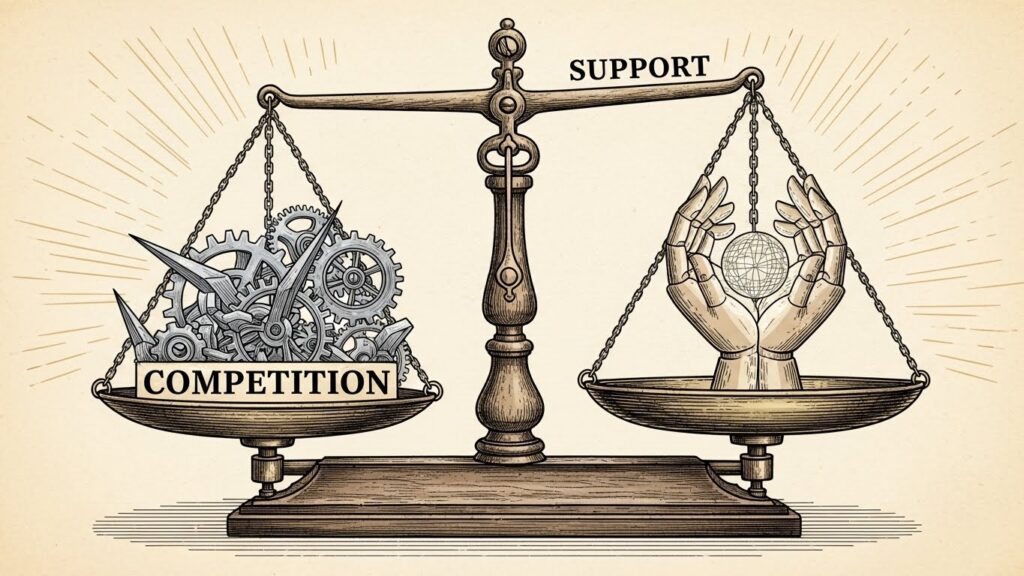
Healthy friendships involve active listening and mutual support. If every conversation becomes a competition, it creates resentment. I didn’t call Jess out to hurt her—I did it because I missed the friend who used to celebrate with me, not overshadow me.
Was I Wrong?
Looking back, I wonder if I could’ve been kinder. Maybe a private conversation would’ve been better. But in the moment, I was tired of biting my tongue. Some friends think I was justified; others say I caused unnecessary drama.
What do you think? Was I the AH for calling her out publicly, or was it a long time coming? Have you dealt with a one-upper? How did you handle it?

How to Handle One-Uppers
If you’re dealing with a Jess in your life, here’s what I’ve learned:
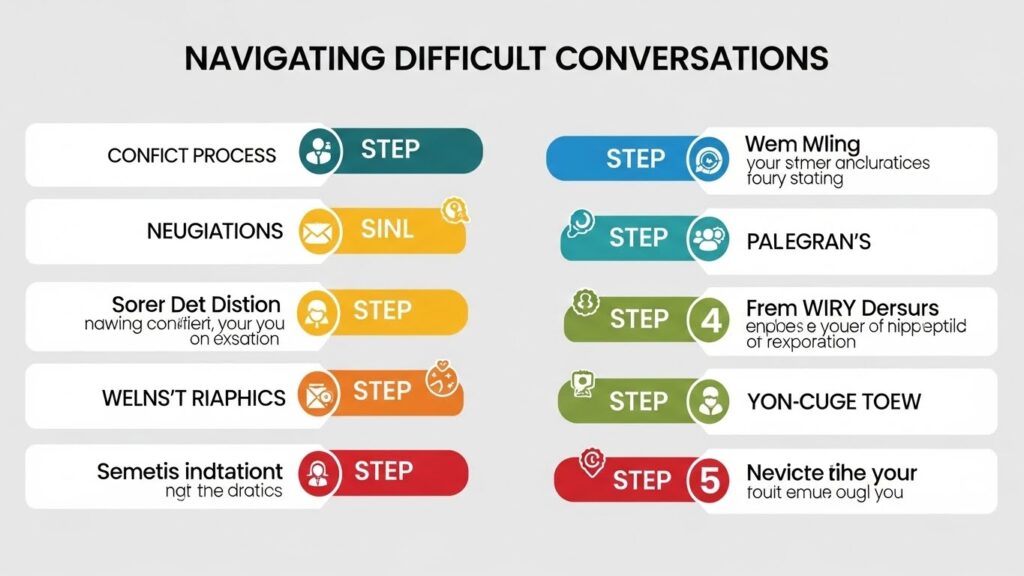
1. Address it gently: Try a private chat first. “Hey, I’ve noticed you often compare experiences. It makes it hard to feel heard.”
2. Set boundaries: If they don’t change, limit how much you share with them.
3. Reflect on intent: Are they insecure? Maybe they need reassurance.
4. Know when to walk away: If it’s toxic, it’s okay to distance yourself.
Your Turn to Judge
So, AITAH? I’m still torn. Part of me regrets how I handled it, but part of me thinks it needed to be said. Maybe the real question is—how would you have dealt with it?
Drop your thoughts in the comments. Have you been in this situation? Let’s talk about it!