AITAH for Telling My Friend I Can’t Be Their Therapist Anymore?
For months, I’ve been the go-to emotional crutch for my closest friend. Late-night calls, endless venting sessions, and the weight of their problems became my normal. But when I finally said, “I can’t do this anymore,” their reaction made me question everything. Was I selfish for setting boundaries, or was it long overdue? Here’s my story—tell me if I’m the a**hole.

The Friendship Dynamic Shift
My friend, let’s call them Sam, and I used to have a balanced friendship. We’d share laughs, hobbies, and the occasional deep talk. But over the last year, every conversation turned into a therapy session. Breakups, family drama, work stress—I was their only sounding board. At first, I didn’t mind. Being there for friends is what you do, right?
Slowly, though, it drained me. I’d dread their calls. My own mental health started slipping because I was absorbing their stress. I tried gently suggesting they see a professional, but they’d brush it off: “You get me better than anyone.” The guilt kept me silent—until I hit my breaking point.

The Breaking Point
Last week, after a 2 a.m. call where Sam unloaded about their latest crisis, I woke up exhausted. I couldn’t focus at work. My patience with my partner was nonexistent. That’s when I realized: I wasn’t just supporting Sam—I was enabling them. They weren’t seeking real solutions, just a dumping ground for their emotions.
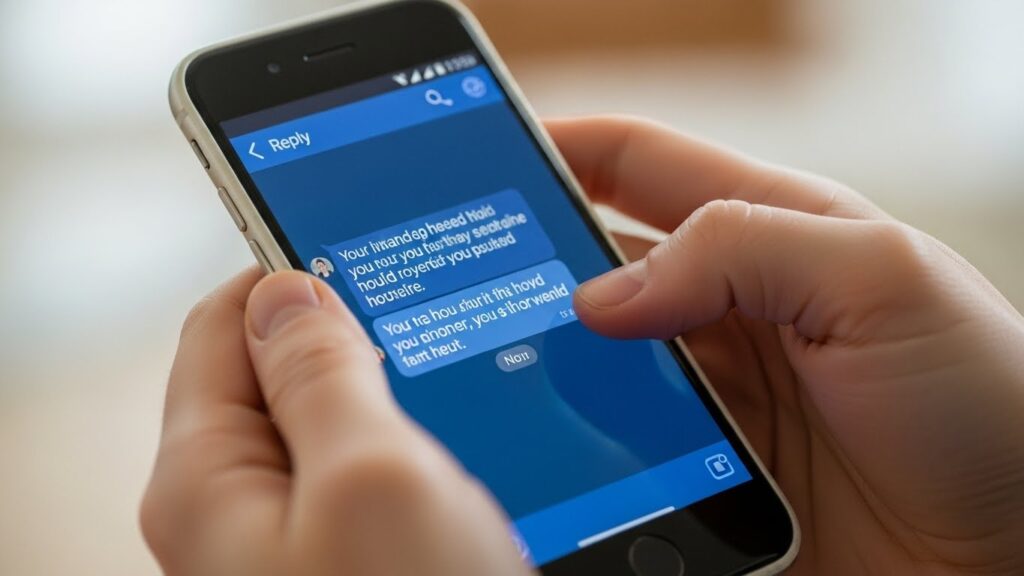
I sent a careful text: “I love you, but I can’t keep being your only support. It’s affecting me, and I think you’d benefit from talking to a therapist.” The response? Radio silence for a day, then a passive-aggressive: “Guess I’ll just deal with everything alone now.”
The Backlash Begins
Sam’s reaction snowballed. Mutual friends reached out, saying I’d “abandoned” them. One even accused me of being selfish: “You know they don’t trust therapists. How could you do this?” I started doubting myself. Was I wrong to prioritize my mental health?
But here’s the thing: friendship isn’t a one-way street. I’d spent months listening, offering advice (which was ignored), and sacrificing my own energy. Yet when I set a boundary, I became the villain. The double standard stung.

Why Boundaries Matter
I’m not a licensed therapist—and even if I were, it’s unethical to treat friends. Emotional support is normal, but when it becomes relentless venting with no reciprocity, it’s emotional labor. Studies show that absorbing others’ stress can lead to anxiety, fatigue, and even resentment.
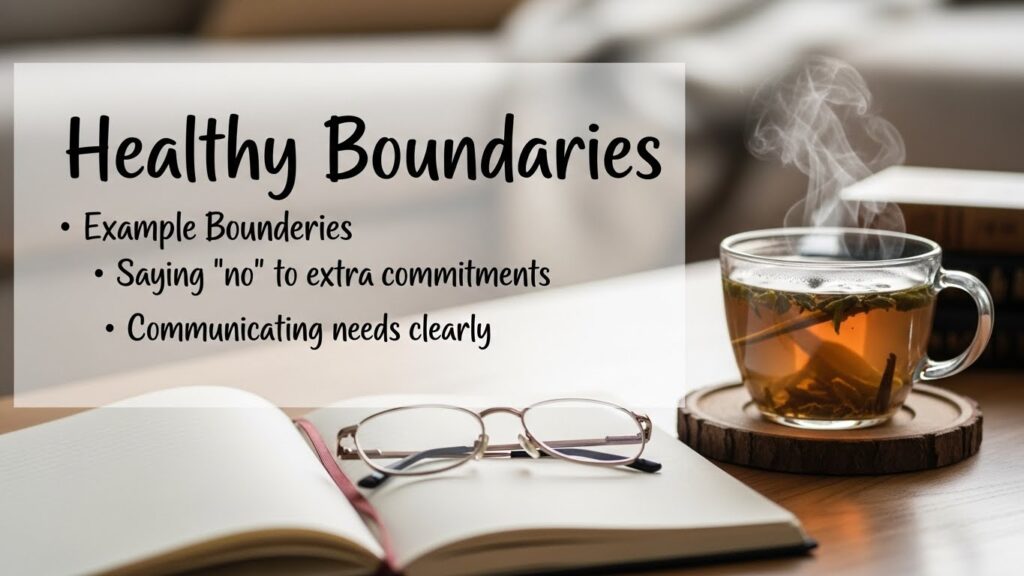
Boundaries aren’t cruel; they’re necessary for healthy relationships. As psychologist Dr. Henry Cloud says: “Boundaries define us. They show what we are and are not responsible for.” I wasn’t refusing to help Sam—I was refusing to drown with them.
Was There a Better Way?
Maybe. In hindsight, I could’ve been more gradual—introducing the idea of therapy earlier, or scheduling “no-venting” hangouts first. But when you’re emotionally depleted, clarity isn’t always easy. My approach wasn’t perfect, but it came from a place of care—for both of us.
Sam needed to hear the truth, even if it hurt. Enabling their avoidance of professional help wasn’t kindness. As my own therapist later told me: “You can’t set yourself on fire to keep others warm.”

Where We Stand Now
It’s been three weeks. Sam still isn’t speaking to me, and the friend group is divided. But for the first time in months, I’m sleeping through the night. I’ve started journaling and exercising again—things I’d neglected while carrying Sam’s burdens.
Do I miss our friendship? Absolutely. But I don’t miss the constant emotional toll. If Sam ever reaches out, I’ll welcome them—with healthier boundaries in place. Until then, I’m focusing on my own well-being.

Your Thoughts?
So, AITAH? Was I wrong to step back, or was it a necessary act of self-preservation? Have you been in a similar situation? Share your stories in the comments—I’d love to hear your perspectives.
P.S. If you’re struggling with a one-sided friendship, here’s what helped me:
- “Set Boundaries, Find Peace” by Nedra Glover Tawwab
- Therapy apps like BetterHelp (not sponsored—just useful)
- Practicing scripted responses like, “I care about you, but I’m not equipped to help with this.”