AITAH for Telling My Friend I Don’t Want to Hear About Their Relationship Anymore?

We’ve all been there—stuck listening to a friend vent about their relationship again. But what happens when you hit your limit? Recently, I told my closest friend I couldn’t handle hearing about their toxic relationship anymore. Now, they’re giving me the silent treatment, and I’m left wondering: Was I the AH for setting this boundary?
The Friendship Dynamic
My friend (let’s call them Sam) and I have been close for years. We’ve supported each other through breakups, job losses, and family drama. But six months ago, Sam started dating Taylor, and things took a turn. Suddenly, every conversation revolved around their rollercoaster relationship—the fights, the makeups, the jealousy, the “I’m done this time!” texts followed by “We’re working on it” the next day.
At first, I listened patiently. I offered advice. I validated their feelings. But after months of the same cycle, I realized: Sam wasn’t looking for solutions. They just wanted an audience for the drama.

The Breaking Point
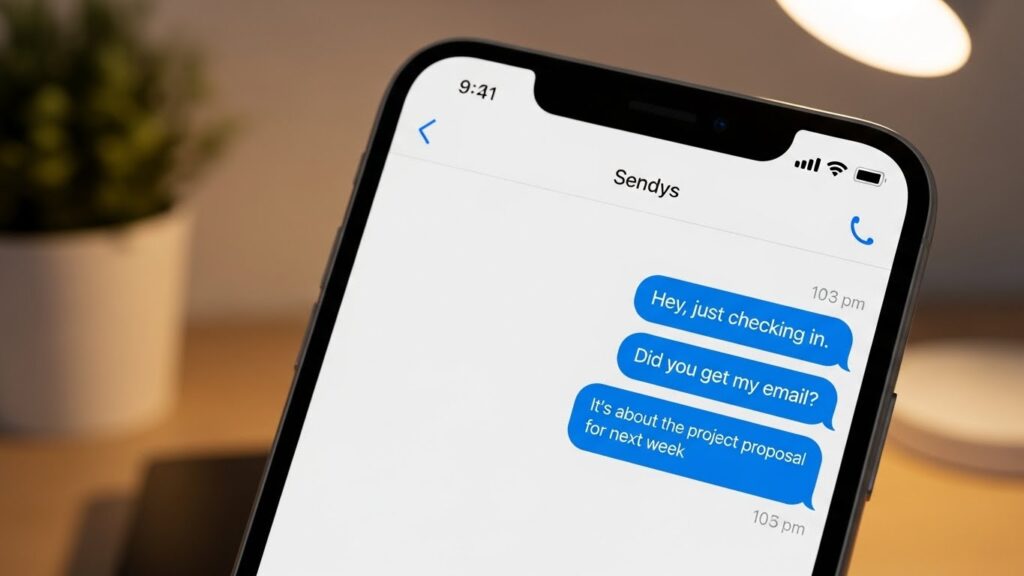
Last week, Sam called me at midnight, sobbing because Taylor had “liked” an ex’s Instagram post. This was the fifth late-night crisis in two weeks. As I listened (again), I felt my patience wearing thin. The next morning, I sent Sam a text:
“Hey, I love you, but I need to step back from relationship talks for a while. It’s draining to hear the same issues without change. Let’s focus on other parts of our lives when we hang out.”
Sam’s response? Radio silence. Three days later, they posted a vague Instagram story about “people who bail when things get hard.” Ouch.
Why I Set Boundaries
Here’s the thing: Friendship isn’t free therapy. While supporting each other is key, there’s a difference between occasional venting and emotional dumping. Research shows that constant exposure to others’ stress can harm our mental health—a phenomenon called “stress contagion.”
I realized Sam’s relationship drama was affecting my well-being. I’d feel anxious after our calls, replaying their problems. I started dreading their messages. That’s when I knew: This wasn’t sustainable.

Was My Approach Wrong?
In hindsight, maybe texting wasn’t ideal. A face-to-face conversation might’ve softened the blow. But honestly? I was tired. And when we’re exhausted, we don’t always communicate perfectly.
Some might argue I abandoned Sam when they needed me. But here’s my counter: Enabling constant venting isn’t help. If Sam’s relationship is this chaotic, they need professional support—not just my ear.

The Fallout
It’s been two weeks since “The Text.” Sam has ignored my attempts to make plans. Mutual friends say they’re telling people I “can’t handle real friendship.” That stings, but I stand by my decision.
Interestingly, without Sam’s drama consuming our time, I’ve reconnected with hobbies and other friends. I miss them, but I don’t miss the emotional toll.

Setting Boundaries Gracefully
If you’re in a similar situation, here’s what I learned:
1. Use “I” statements: Focus on your needs (“I feel overwhelmed”) rather than accusations (“You’re exhausting”).
2. Offer alternatives: Suggest talking about other topics or activities you both enjoy.
3. Be prepared for pushback: People used to venting freely might resist boundaries at first.

So, AITAH?
I don’t think so. Friendships require balance. If one person’s issues dominate every interaction, it’s okay to protect your peace. Boundaries aren’t rejection—they’re self-care.
But I’m curious: Would you have handled this differently? Have you ever had to distance yourself from a friend’s drama? Share your thoughts in the comments!