AITAH for Not Donating to My Friend’s GoFundMe?
I never thought I’d be questioning my morals over a GoFundMe campaign—until my closest friend launched one. The moment I saw the link pop up in our group chat, my stomach twisted. Should I donate? Could I afford to? More importantly, was I obligated to? Here’s why I didn’t—and why I’m torn over whether that makes me the jerk.

The Fundraiser in Question
My friend, let’s call her Sarah, started a GoFundMe to cover medical bills after an unexpected surgery. The goal was $15,000. She shared it widely, tagging close friends and family. My immediate reaction? Guilt. I’ve known Sarah for years—we’ve celebrated birthdays, vented over breakups, and even lived together for a while. But here’s the thing: I’m barely scraping by myself. Rent just increased, my car needed repairs, and my emergency fund is nonexistent.
I clicked the link, saw the donations rolling in from others, and closed the tab. No contribution. Just silence. Then came the follow-up text: “Hey, did you see my fundraiser? Every little bit helps!” Cue the internal crisis.

Financial Reality Check
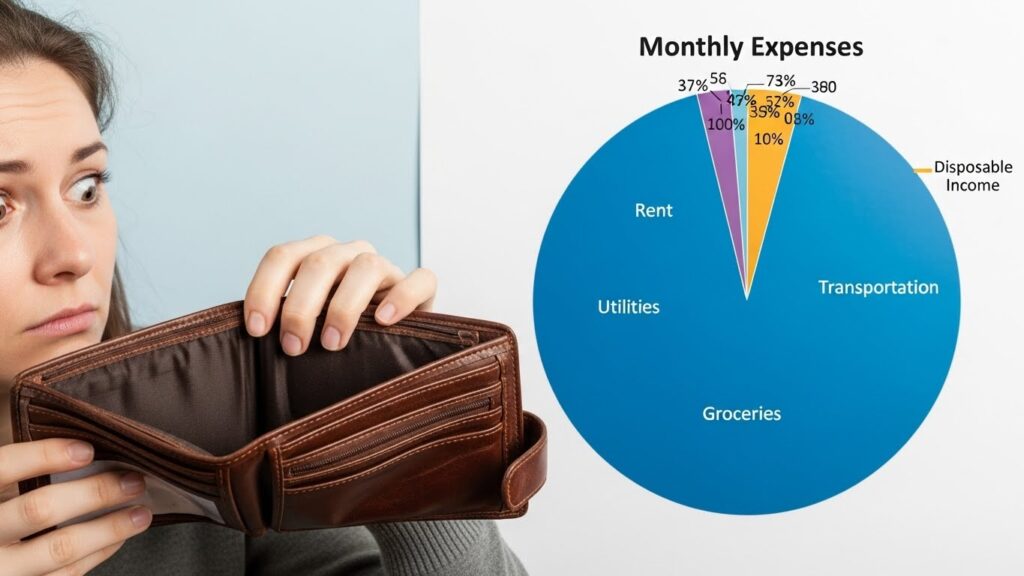
Let’s talk numbers. I make $45K a year in a high-cost city. After taxes, student loans, and essentials, I have about $200 left monthly for “extras”—groceries beyond ramen, occasional coffee outings, or, yes, helping friends. Donating even $20 would mean skipping meals or risking an overdraft fee. Was Sarah’s emergency more urgent than my survival? Logically, no. Emotionally? It felt like betrayal.
I wrestled with the stats: 78% of Americans live paycheck to paycheck (CNBC). Was I wrong to prioritize my fragile stability? Or was it reasonable to assume Sarah—who owns a home and has family support—had options I didn’t?
The Social Pressure
Here’s where it gets messy. Mutual friends donated—some publicly with heartfelt messages. One even gave $500. Suddenly, my lack of contribution felt like a neon sign: “Bad Friend Here.” Group chats buzzed with “Let’s support Sarah!” posts. I stayed quiet, but the anxiety grew. Was I being judged? Probably. Worse, Sarah started subtly referencing “true colors” in stories.
I wondered: Since when did friendship require financial proof? If roles were reversed, I’d never guilt-trip her. But that’s easy to say when you’re not the one with medical debt.
Boundaries vs. Obligation
This forced me to confront a bigger question: Are we responsible for fixing each other’s crises? Modern crowdfunding blurs the line between community support and emotional blackmail. I’ve donated to strangers’ pet surgeries but hesitated for a friend. Why? Because expectations change with closeness. A stranger won’t side-eye you at brunch.
I realized my resistance wasn’t about Sarah—it was about boundaries. I’ve loaned money before and watched friendships evaporate when repayment stalled. This time, I chose self-preservation over performative generosity. But does that make me selfish or just pragmatic?

The Aftermath
Sarah hit her goal (thanks to wealthy relatives), but our friendship cooled. She stopped initiating plans. When I explained my finances, she said, “I get it—just stung that others stepped up.” Ouch. The subtext: My value as a friend was tied to monetary support. Meanwhile, I resented her for assuming my priorities.
Months later, we’re cordial but distant. The fundraiser wasn’t the sole reason, but it revealed mismatched expectations. Maybe that’s the real cost of GoFundMe culture—it quantifies care in dollars, leaving those who can’t pay feeling inadequate.

Was I the Jerk?
Here’s my take: No—but neither was Sarah. She was scared and reaching out. I was struggling and opted out. The AH move would’ve been donating then resenting her, or worse, lying about why I couldn’t. Transparency hurts, but it’s honest.
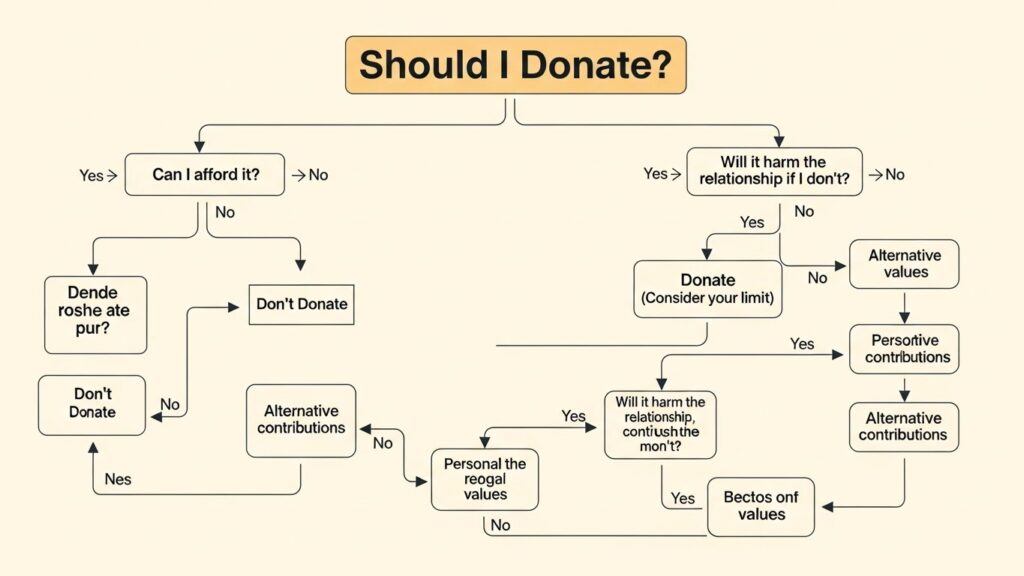
If you’re in this dilemma, ask yourself:
- Can you afford it without hardship? (Not just money—emotional labor counts.)
- Is the relationship transactional? (Will your worth fluctuate based on contributions?)
- Are there non-monetary ways to help? (Meal trains, sharing the link, emotional support?)
Your Turn to Weigh In
I’m still torn. Was withholding funds justified, or should I have sacrificed my stability? Have you faced similar guilt over crowdfunding? Drop your thoughts in the comments—let’s normalize these uncomfortable conversations. And if you’re currently staring at a friend’s fundraiser with sweaty palms? You’re not alone.