AITAH For Refusing To Lower My Rent When My Tenant Struggled

I never thought I’d be writing this, but here we are. As a landlord, I’ve always prided myself on being fair and understanding. But when my long-term tenant asked for a rent reduction due to financial struggles, I said no. Now I’m questioning: was I the asshole? This situation has kept me up at night, and I need unbiased opinions.
Before you judge, let me walk you through the full story. This isn’t just about money—it’s about boundaries, business ethics, and personal responsibility. By the end, I hope you’ll share your honest take in the comments.
The Tenant’s Sudden Request
Last month, my tenant of three years—let’s call her Sarah—sent me an emotional email. Her freelance work had dried up, medical bills piled up after an emergency, and she asked for a 30% rent reduction for “at least six months.” My immediate reaction? Absolutely not.
Here’s why: the rental market in our area has skyrocketed. I’m already charging $400 below comparable units because Sarah’s been reliable. A 30% cut would mean losing $720/month—money I rely on for mortgage payments and property upkeep.
My Financial Reality
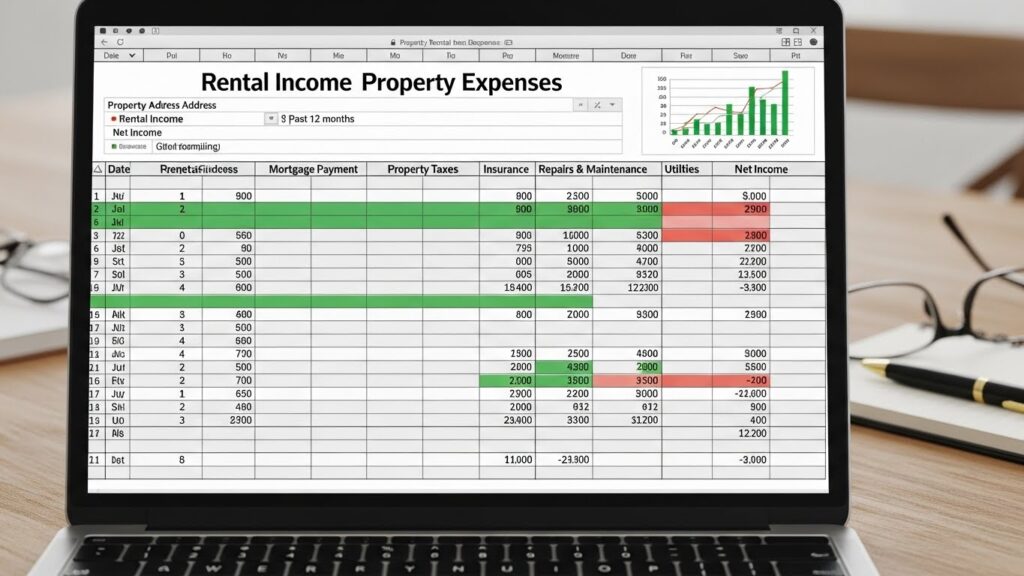
This is where it gets complicated. While I own the property, I’m not some wealthy real estate mogul. The rental income covers:
- The building’s mortgage ($2,100/month)
- Property taxes ($350/month)
- Repair fund ($200/month)
Taking a $720 hit would force me into financial strain. I suggested alternatives—payment plans, subletting a room, even breaking the lease penalty-free—but Sarah insisted only lower rent would help.
The Emotional Backlash
When I stood firm, things turned ugly. Sarah accused me of greed, saying I “valued money over human decency.” Her friends began harassing me on social media, calling me a “parasitic landlord.” Worst of all? She stopped paying rent entirely last week, claiming moral justification.
Part of me wonders if I should’ve compromised—maybe a 10% reduction. But another part thinks: Why is her emergency my financial responsibility? We had a signed contract at a fair rate.
Legal vs. Moral Obligations
Legally, I’m in the clear. The lease agreement is ironclad. But morally? That’s murkier. Some argue property owners should absorb hardships during economic crises. Others say tenants must budget for emergencies like any other adult.
I did offer to connect Sarah with:
- Local rental assistance programs
- Food banks
- Freelance job boards
She refused all options, doubling down that I needed to solve her problem. At what point does compassion become enabling poor planning?

Other Landlords Weigh In
I polled my real estate network. Responses split:
Team Compassion: “I always work with struggling tenants—it’s cheaper than evictions and vacancies.”
Team Business: “Lowering rent sets a precedent. Next time, get rental insurance.”
One veteran landlord shared this wisdom: “Help tenants who help themselves. If they’re not pursuing other solutions, why should you shoulder the burden?”

Where I Stand Now
After weeks of turmoil, here’s my stance:
- I won’t lower the rent—my own family’s security comes first.
- I’ll delay eviction proceedings if Sarah shows active efforts to recover (job applications, aid applications).
- Future leases will include clearer hardship clauses.
Maybe I’m the villain in Sarah’s story, but I can’t light myself on fire to keep others warm. Or does that make me the asshole? I genuinely want to know.
Your Verdict Matters
This situation has no perfect answers, which is why I need your perspective. Have you been the tenant in this scenario? The landlord? What’s the ethical middle ground?
Sound off in the comments: Am I the asshole for refusing to lower rent when my tenant struggled? Be brutally honest—I can take it. And if you’ve faced similar dilemmas, share how you handled it. Let’s get a real discussion going.