AITAH For Not Letting My Cousins Stay With Me During Crisis

Family emergencies test our boundaries like nothing else. When my cousins suddenly needed a place to stay during their housing crisis last month, I faced the toughest decision of my adult life. After days of guilt and second-guessing, I’m turning to this community – was I the asshole for saying no?
The Unexpected Emergency
It started with a midnight phone call. My aunt was hysterical – a burst pipe had flooded their apartment, rendering it uninhabitable. With four kids between ages 6-14 and limited savings, they needed immediate shelter. Insurance would cover repairs, but that meant 3-4 weeks in limbo.
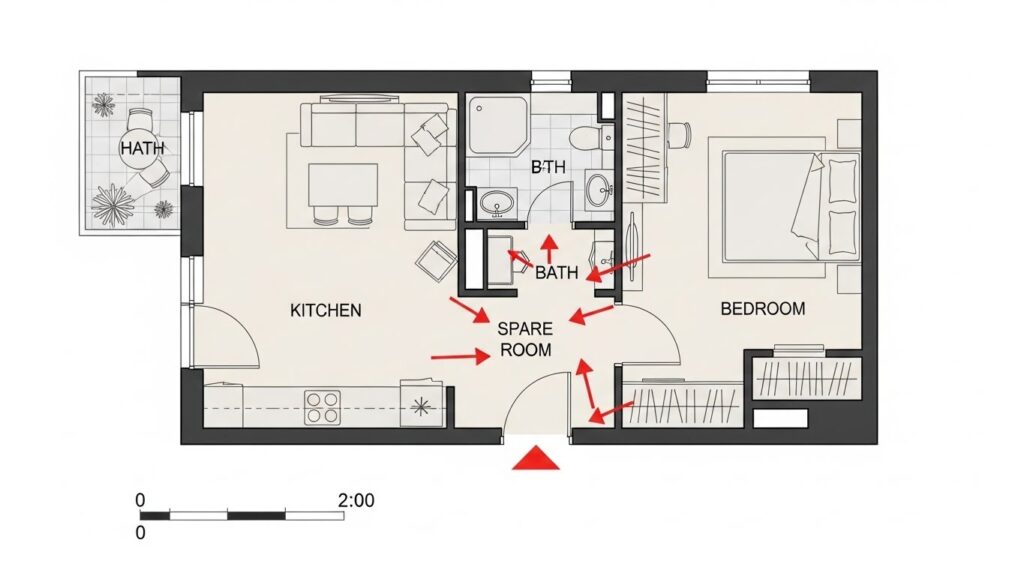
“You have that spare room,” my aunt said pointedly. I did – my 800 sq ft apartment has a small office that converts to a bedroom. But here’s the thing: I’ve been recovering from major surgery and working night shifts. The idea of six extra people in my space made my chest tighten.
My Hesitation Reasons
Beyond the physical space issue, there were practical concerns:
1. Health limitations: My doctor had specifically ordered minimal stress during recovery. Caring for four kids would mean cooking, cleaning, and constant noise – the opposite of restful.
2. Work demands: As an emergency dispatcher, my 10pm-6am shifts require absolute daytime quiet. Kids home from school would make sleep impossible.
3. Financial strain: My budget barely covers my medical bills. Feeding six extra mouths would bankrupt me.
Yet saying no to family felt like breaking some sacred rule. “Blood helps blood,” as my grandma always said.

The Family Backlash
When I gently explained my situation, the reaction shocked me. My aunt accused me of “abandoning family when they needed me most.” My cousins (who’d never visited me in five years) suddenly remembered we were “so close.” Even my normally understanding mother said I should “make it work.”
I offered alternatives: researching emergency shelters, crowdfunding for a hotel, even loaning them my car to reach relatives in another state. All were rejected as “not good enough.” The expectation was clear: my home or nothing.
Setting Hard Boundaries
After three days of harassment, I sent this message:
“I love you all, but I cannot provide what you need right now. My health comes first. Here are three vetted Airbnb listings with weekly discounts and the contact for the disaster relief agency handling your case. I’ve paid for your first two nights at the Extended Stay near Dad’s place. This is the help I can give.”
The silence that followed was deafening. Then came the ultimatum: let them move in or be cut off from future family events. I didn’t respond.

The Aftermath Fallout
They eventually used my Airbnb payment but haven’t spoken to me since. The repairs finished last week, and through the family grapevine, I heard:
– They stayed with another relative after two nights (proving alternatives existed)
– The kids actually loved the hotel pool
– My aunt told everyone I “failed the family test”
Part of me wonders if this was ever about the housing crisis or more about testing loyalties. Why was my “no” treated as betrayal when others could say no without consequence?
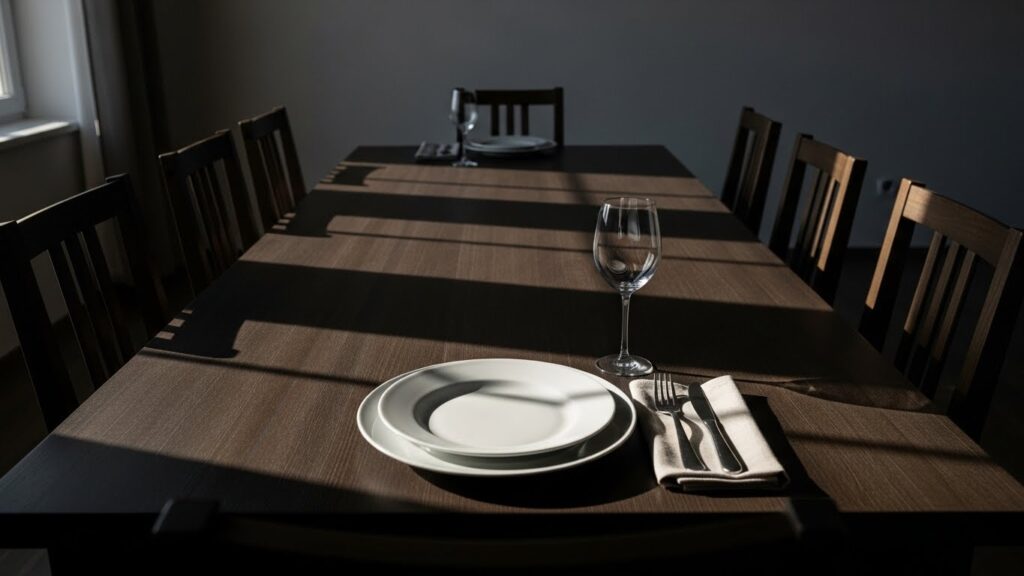
Was I Wrong?
I’ve run this through my mind endlessly:
The case against me: I had physical space. Family should help family. My refusal caused them stress during an already difficult time.
The case for me: Having space doesn’t mean it’s available. Real help considers everyone’s needs. I offered meaningful alternatives that respected my limits.
A therapist friend suggested this wasn’t about housing at all, but about “the family system punishing those who disrupt established patterns.” That resonated deeply.
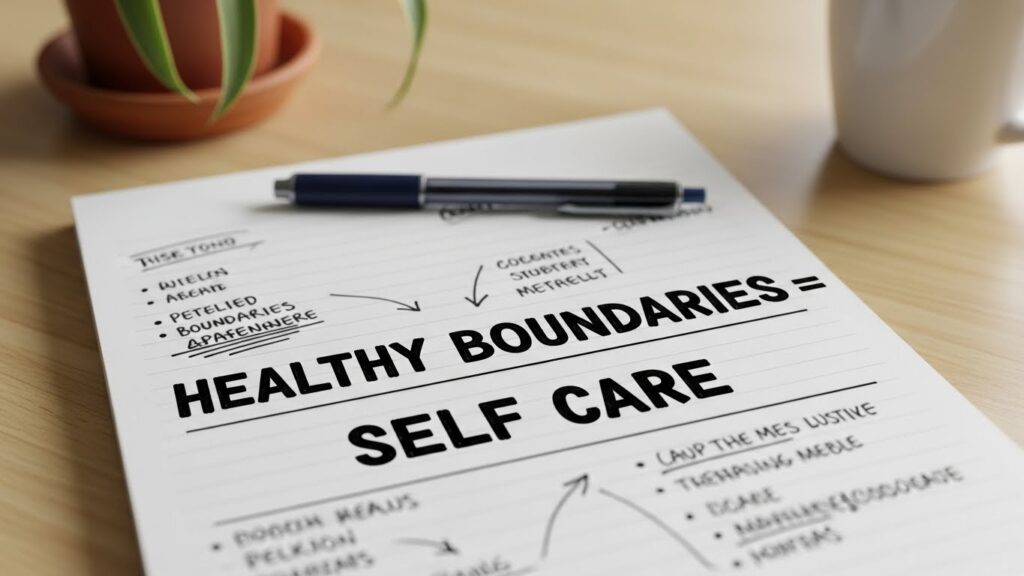
Moving Forward
This experience taught me:
1. Offering help doesn’t require self-sacrifice – There are always multiple ways to support someone
2. Guilt is not a compass – If your stomach knots at the thought of saying yes, that’s valuable data
3. Family bonds shouldn’t be transactional – Love shouldn’t come with strings attached
I’m working on releasing the guilt while holding firm to my boundaries. Maybe someday they’ll understand, maybe not. Either way, I know my worth isn’t defined by my usefulness in a crisis.

Your Judgment Matters
Now I turn to you, dear readers. In this situation:
– Was I justified in prioritizing my health and stability?
– Should I have temporarily sacrificed my wellbeing for family?
– How would you handle the ongoing estrangement?
Share your thoughts in the comments below – your perspective helps me (and others facing similar dilemmas) navigate these painful family dynamics with clearer eyes. And if you’ve been through something similar, know you’re not alone.