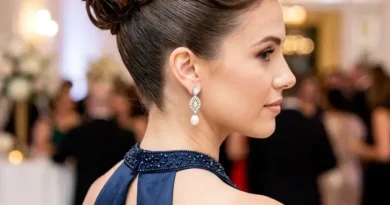
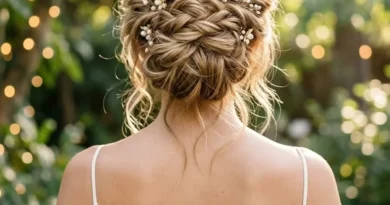
Under the Brim and Still Beautiful: 31 Hairstyles for Women Who Wear Hats, From Beanies to Wide Brims
There is a particular kind of confidence that comes from a woman in a good hat — a beanie pulled low on a cold morning, a wide-brim hat shading a summer afternoon, a baseball cap on a day when the hair simply will not cooperate. But every hat wearer knows the other side of the story: the flattened crown, the strange dent across the forehead, the curls that come out looking tired, and the moment the hat comes off and the hair underneath tells the whole tale. The problem is never the hat. It is the hairstyle underneath it.
This guide gathers 31 hairstyles for women who wear hats, chosen for one reason above all: they work with the hat, not against it. Low buns and braids that sit flat under a brim, waves that survive a beanie, sleek styles that slide under a fedora without a fight, and clever little tricks — dry shampoo at the roots, a silk lining, a low ponytail through the back of a cap — that keep your hair looking good when the hat finally comes off. Eight guides first walk you through the ideas that matter: which styles suit each hat type, how to beat hat hair for good, volume tricks that survive a brim, and how to store your hats without crushing them. Whether your hat is a beanie, a baseball cap, a bucket hat, a beret, a fedora or a wide-brim sun hat, there is a style here that fits under it — and looks beautiful on its own.
Know Your Hat: Which Hairstyles Suit Each Hat Type
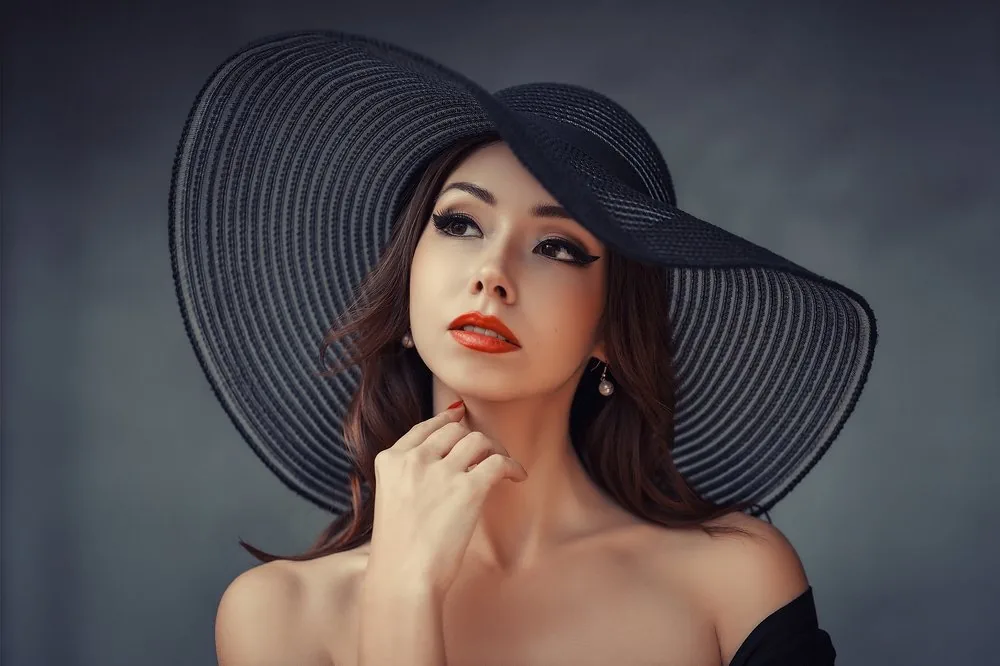
Not every hat asks the same thing of your hair, and the fastest way to a good hat hairstyle is to start from the hat, not the hair. A beanie hugs the head and flattens everything at the crown, so it loves low, textured styles — a low bun, loose braids, a textured lob — and hates tall volume and high ponytails. A wide-brim hat sits on the crown and frames the face, so it loves soft waves, low buns and braids that fall past the brim, and it hates anything bulky at the back of the head. A baseball cap has a stiff front panel and an adjustable back, so it loves low ponytails and braids, and it hates a high bun that pushes the cap up. A bucket hat is soft and forgiving, so it takes almost anything low. A beret sits tilted on one side, so it loves an asymmetrical style — a side braid, a deep side part, a low side bun. A fedora has a structured crown, so it loves sleek, smooth hair underneath.
The practical rule is simple: keep the bulk low and the crown smooth, whatever the hat. A style that is flat where the hat sits and full where the hat ends will always look deliberate, and a style that fights the hat will always look like a mistake. Try the hat on with the hairstyle before you leave the house, not after — two minutes in front of the mirror saves an afternoon of adjusting. Quick verdict: build the hairstyle from the hat down, and every hat becomes easy to wear.
Beating Hat Hair: Why It Happens and How to Prevent It

Hat hair has three causes, and knowing them is half the cure. The first is pressure: the hat presses the hair flat against the head, and the longer it sits, the more the hair takes that shape. The second is heat and moisture: a warm hat traps sweat at the scalp, and damp hair sets in whatever shape it dries in — usually flat and dented. The third is friction: wool and rough linings catch fine hair and create static and flyaways. None of these is mysterious, and all of them have a fix.
Prevention starts before the hat goes on. Style the hair with volume at the roots while it is still damp — a little mousse, a quick blow-dry with the head upside down — so the roots have shape to lose instead of starting flat. A light dusting of dry shampoo at the crown before the hat goes on absorbs sweat before it can set the hair flat, and a silk or satin lining inside the hat cuts friction to almost nothing. Common mistake: putting a hat on soaking-wet hair and letting it dry underneath — that is a guaranteed dent. Quick verdict: dry shampoo, root volume, a smooth lining — hat hair is preventable, not inevitable.
Volume Tricks That Survive Under a Brim
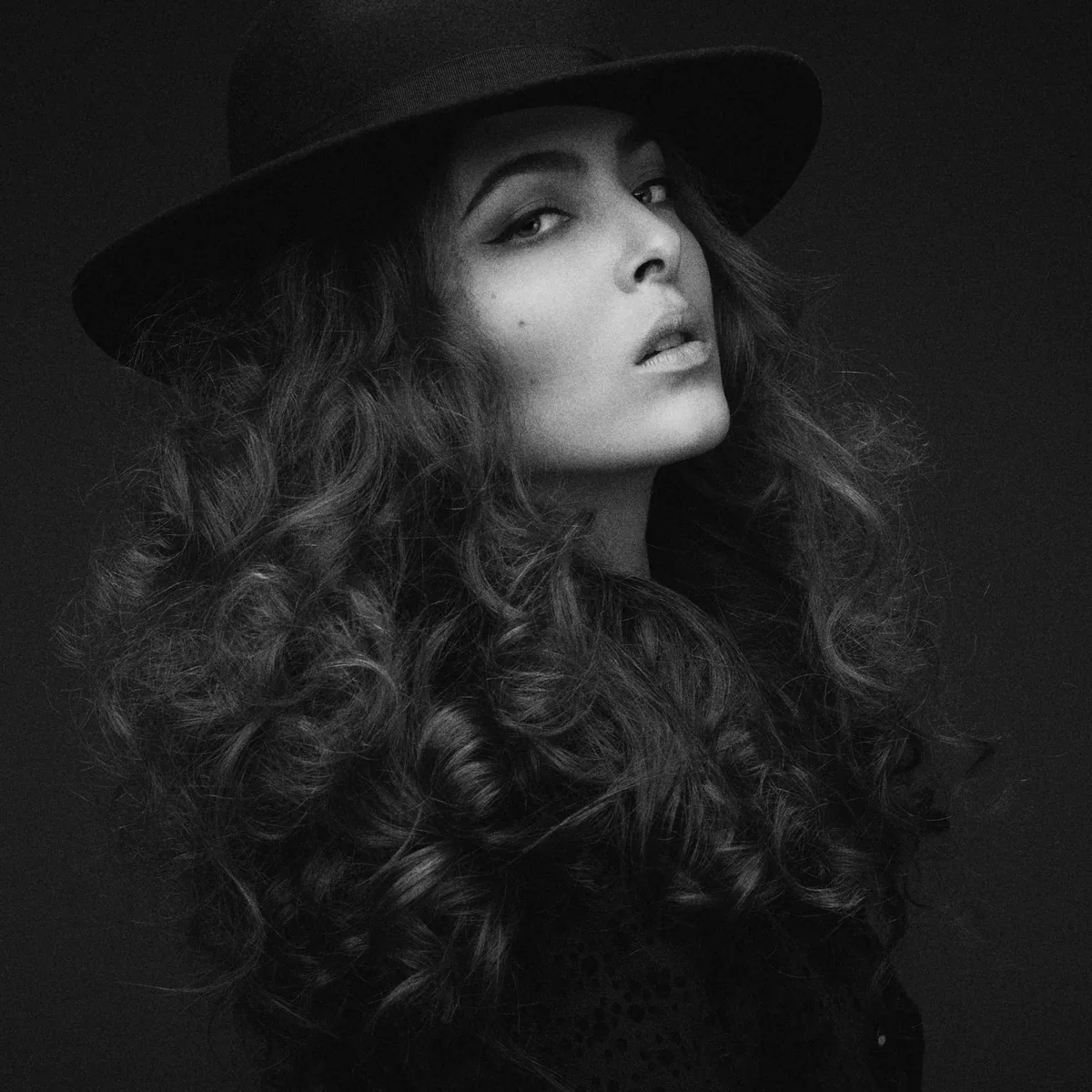
Volume under a hat is a paradox: the hat wants the crown flat, but flat hair looks lifeless when the hat comes off. The trick is to put the volume where the hat is not. Volume at the ends — loose waves, a flicked-out lob, curled ends on a braid — survives a hat completely, because the brim never touches it. Volume at the roots is harder, but it can survive if you cheat: flip the hair upside down and mist the roots with dry shampoo before the hat goes on, and when the hat comes off, flip it again and shake — the roots spring back because they were never pressed completely flat.
A second trick is the hidden lift: a small clip or a couple of crossed bobby pins at the crown, placed under the hair, give the roots a tiny platform that the hat cannot quite crush. A third is to choose the hat’s resting spot — push a beanie back a centimetre from the hairline, or tilt a wide-brim hat slightly, so the pressure falls on the hair, not on the roots at the very front. Pros and cons: root volume needs five extra minutes in the morning, but it is the difference between hat hair and hair that looks styled when the hat comes off. Quick verdict: put the volume at the ends, protect the roots, and let the hat sit on the hair, not on the scalp.
Hat-Friendly Braids and Buns That Sit Low
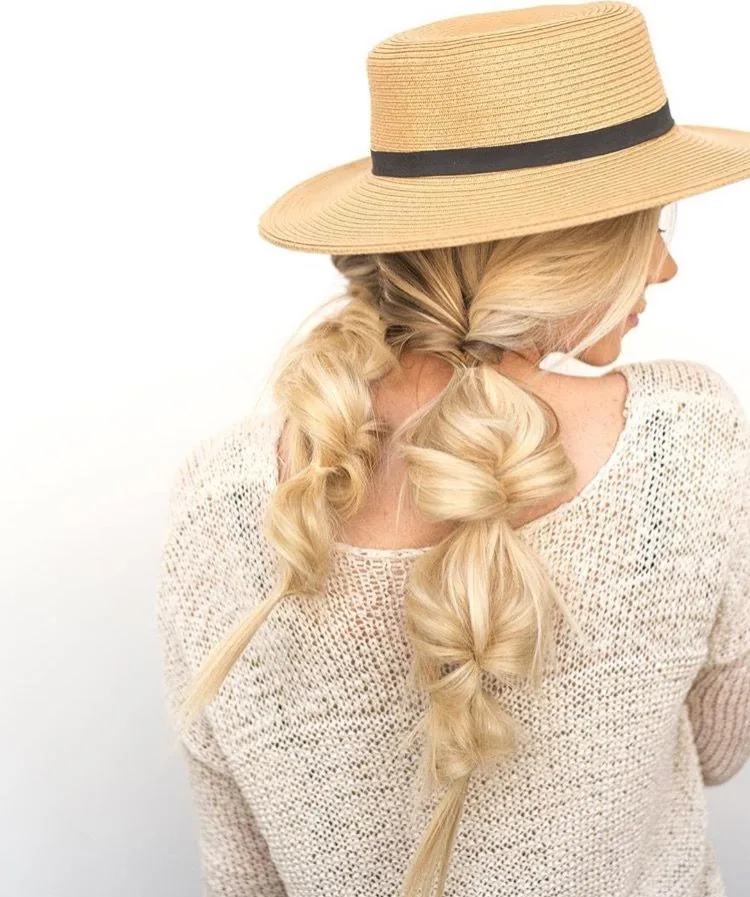
If there is one family of hairstyles that was made for hats, it is the low braid and the low bun. Both keep the bulk at the nape, where no hat sits, and both keep the crown smooth, which is exactly where a hat rests. A low braid is the most forgiving of all: it holds its shape for hours, it looks pretty when it comes out from under a brim, and it survives wind, rain and a long day without a single pin. A low bun is the most polished: a soft, loose bun at the nape looks elegant under a fedora or a wide-brim hat, and it can be dressed up with a silk scarf or a pearl pin.
The details matter. Keep the braid loose and pull the edges out gently, so it looks full rather than tight and thin. Keep the bun low — at the nape, not at the crown — and pin it in three places so it does not slide when the hat moves. And leave two soft pieces at the front: they frame the face under the brim and they are the first thing that recovers when the hat comes off. What to ask your stylist: if you wear hats often, ask for long layers that start at the cheekbones, so the front pieces fall nicely under a brim. Quick verdict: low, loose and pinned three times — the hat-proof formula.
Choosing a Hat for Your Face Shape

A hat is a frame for your face, and the right frame makes everything underneath it look better. Round faces suit hats with height and structure — a fedora with a tall crown, a wide-brim hat worn slightly tilted — because the height lengthens the face. Long faces suit hats with a wide brim and a low crown, which add width and break up the length. Square faces suit soft, rounded hats — a floppy sun hat, a beret worn at an angle — because the softness balances a strong jaw. Oval faces, the lucky ones, suit almost everything, so the choice is about the hairstyle underneath, not the hat.
The hairstyle underneath should follow the same logic. A round face under a hat benefits from volume at the sides, like soft waves or a low side braid, which adds width where the hat adds height. A long face benefits from a low, wide style — a low bun, a braid over one shoulder — which shortens the line of the face. A square face benefits from softness at the jaw — tendrils, curtain bangs, loose waves. Common mistake: choosing a hat for the outfit and forgetting the face — the hat sits on your face all day, so it has to suit that first. Quick verdict: height for round faces, width for long faces, softness for square faces.
Hat Hair Fixes on the Go: Five-Minute Rescues
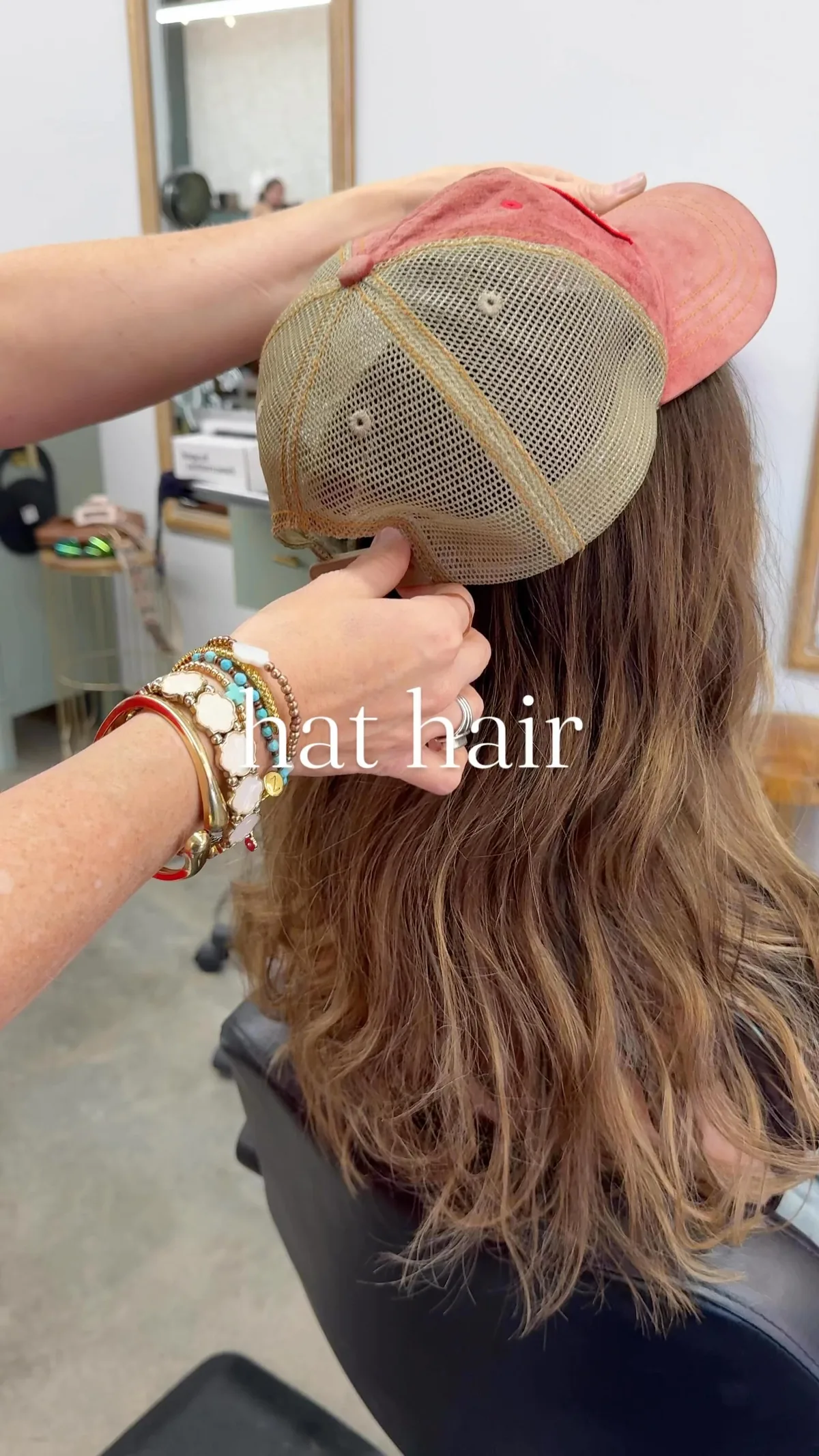
Sooner or later the hat comes off — at lunch, at the office, at a friend’s house — and the hair underneath needs a rescue. The good news is that most hat hair is fixable in five minutes with three things: dry shampoo, a little water, and your fingers. Dry shampoo at the roots absorbs the sweat and oil that made the hair lie flat, and a quick massage with the fingertips lifts the roots back up. A light mist of water on the dented sections, followed by a scrunch, resets the shape — water is the fastest way to break a set that the hat pressed in.
For the dent across the forehead, the fix is a side part: flip the part to the opposite side and the dent disappears under the new direction of the hair. For flattened curls, scrunch the ends with a little curl cream and let them spring back. And for static, a drop of serum rubbed between the palms and smoothed over the surface tames flyaways in seconds. Keep a travel-size dry shampoo and a few bobby pins in your bag — they weigh nothing and they turn a hat-hair emergency into a two-minute fix. Quick verdict: dry shampoo, water, a flipped part — the three-minute rescue kit.
Hats for Bad Hair Days and Second-Day Hair
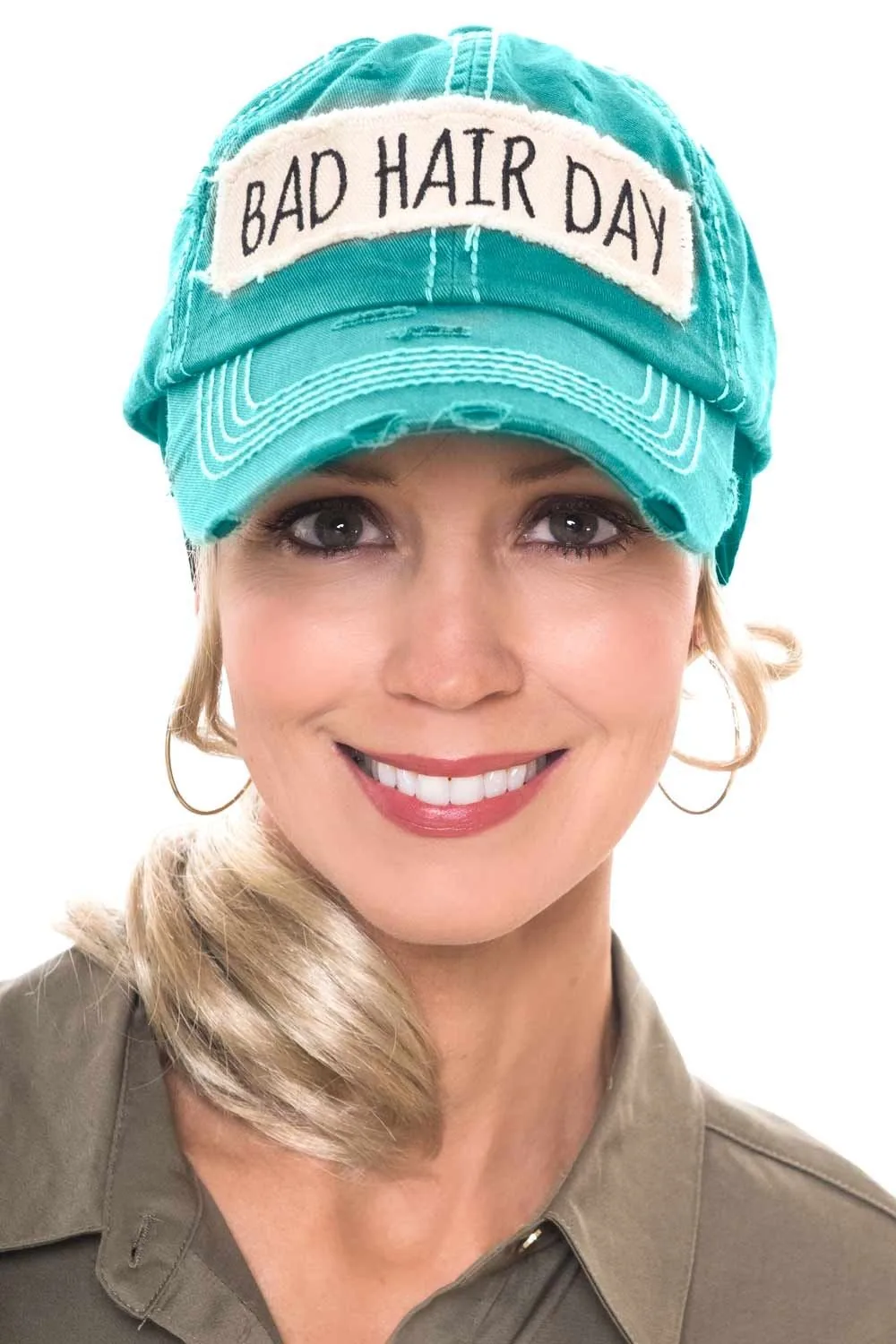
A hat is the best friend a bad hair day ever had, and second-day hair is actually the ideal hair to put under one. Freshly washed hair is slippery and fine, and it slides out from under a hat; second-day hair has grip and texture, so it holds a braid, a bun or a low ponytail without a fight. Dry shampoo at the roots, a loose braid or a low bun, and a hat on top — and nobody will ever know the hair underneath was not washed this morning.
The styles that hide the most are the ones that use the hair’s texture instead of fighting it: a messy low bun, two loose braids, a low ponytail with a wrapped base, or a textured lob tucked behind the ears. A baseball cap is the classic bad-hair-day hat, but a beanie in winter or a bucket hat in summer does the same job with a little more style. What to avoid: a hat on greasy roots with no dry shampoo — the hat will press the grease flat and make it more obvious when it comes off. Quick verdict: second-day hair plus dry shampoo plus a low style plus a hat — the easiest good hair day there is.
Storing Hats Without Crushing Them (and Keeping Them Clean)
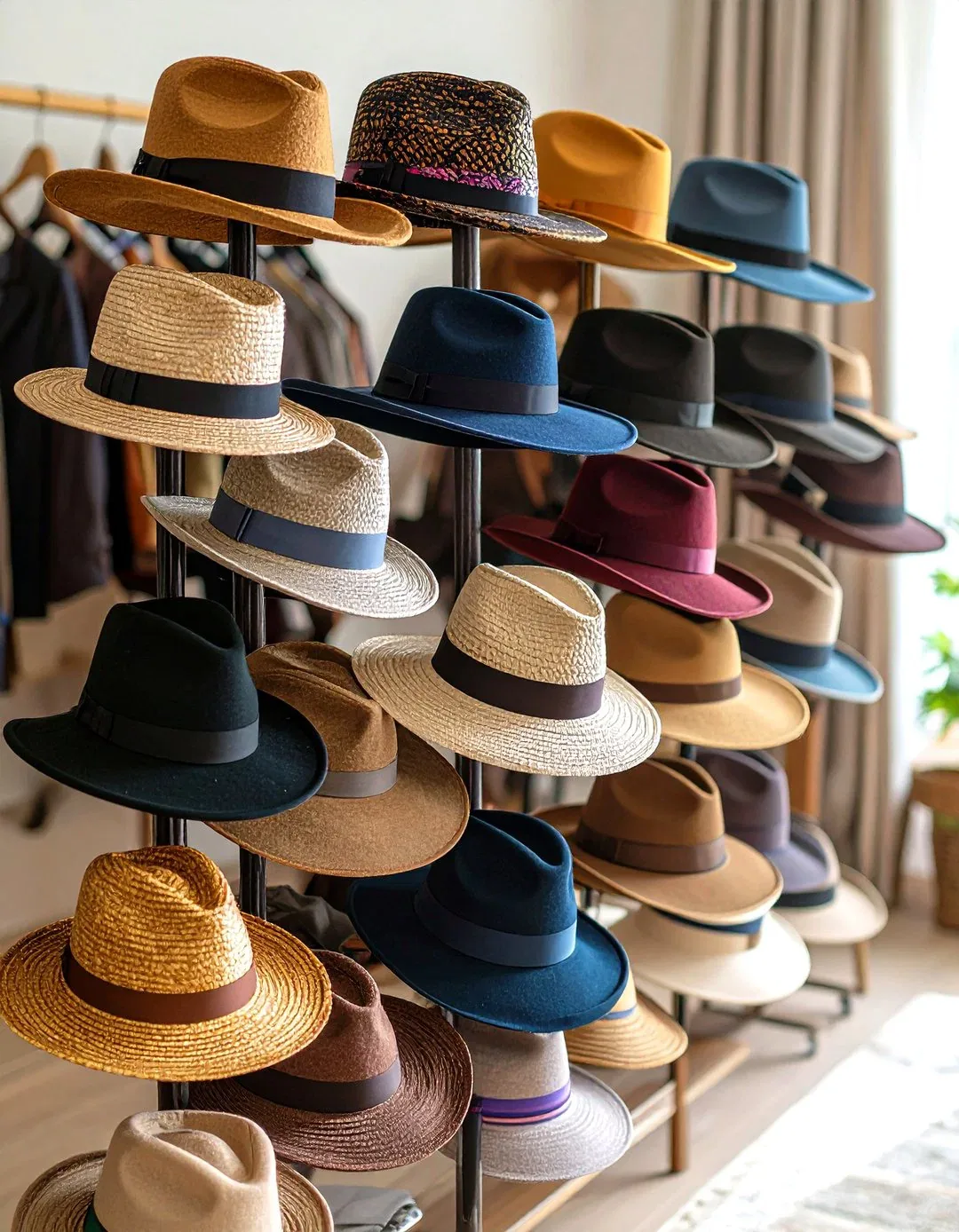
A good hat is an investment, and it deserves better than being crushed at the bottom of a wardrobe. Wide-brim hats should be stored crown-down on a flat surface, or on a hat stand, so the brim keeps its shape — never hang a wide-brim hat on a hook by its brim, which will bend it. Fedoras and structured hats should be stored in a hat box, or on a shelf with nothing stacked on top. Beanies and bucket hats are forgiving and can be folded or rolled, but keep them away from moths and damp. A hat brush — a soft-bristle brush — keeps felt and straw hats clean, and a lint roller takes care of the rest.
The same care applies to the hair that lives under the hat. A hat that is dirty inside transfers oil and dust to the hair, so wipe the inner band with a damp cloth now and then, and let a hat air out after a long, sweaty day before you put it back on. A silk or satin lining, sewn or tucked inside, protects both the hat and the hair — it stops the lining from catching fine hair and it keeps the hat’s inner band clean. Maintenance: a five-minute brush and wipe once a month keeps a hat looking new for years. Quick verdict: crown-down, nothing stacked on top, and a clean inner band — that is all a hat asks.
1. The Low Messy Bun Under a Beanie
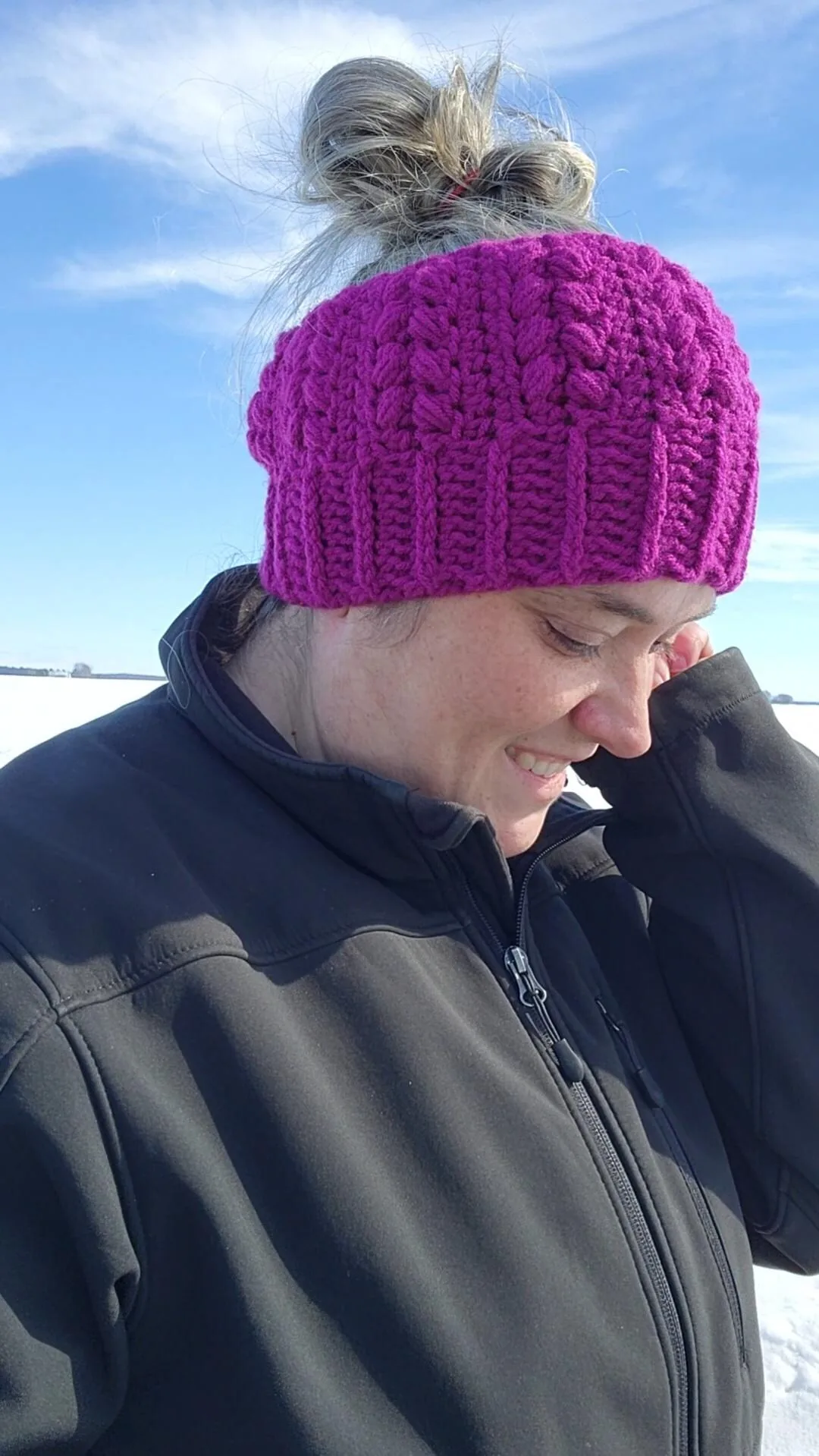
A low messy bun under a beanie is the winter hat hairstyle that everything else is measured against, and it earns that place honestly. The bun sits at the nape, well below where the beanie rests, so the hat never pushes it up or flattens it, and the looseness of the bun means the beanie can press on it all day without leaving a dent. Pull out two soft pieces at the front and the style looks deliberate rather than accidental — pretty, warm and completely practical.
Best for: cold mornings, long hair, and anyone who wears a beanie daily. How to style it: add a little texture spray, gather the hair loosely at the nape, twist it into a bun, pin it in two or three places, and pull out two pieces at the front. What to ask your stylist: nothing special — this is a styling choice, not a cut. Quick verdict: the beanie’s best friend.
2. Soft Waves Under a Wide-Brim Hat
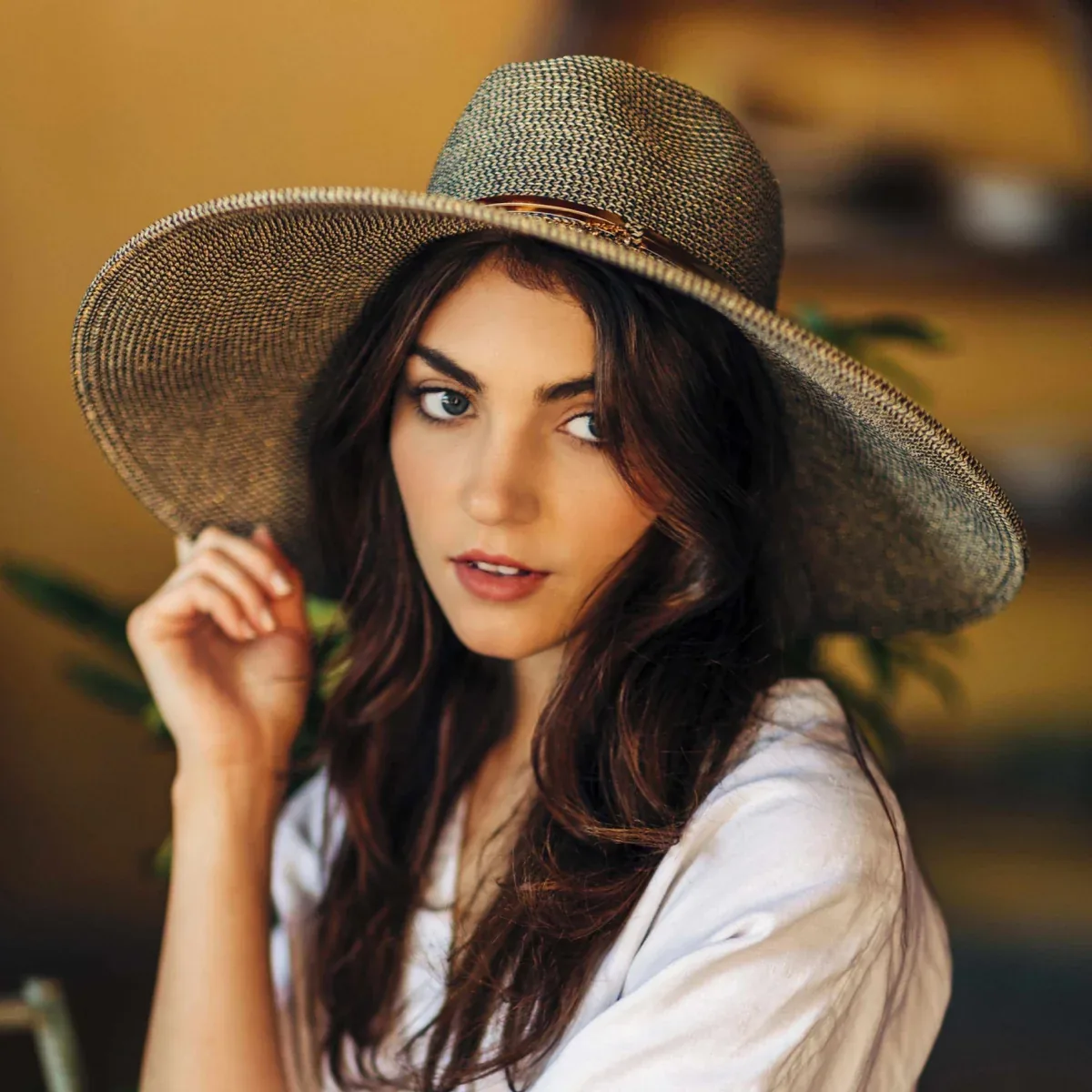
Soft waves under a wide-brim hat are the classic summer look for a reason: the waves fall past the brim, so the hat never touches them, and the brim frames the waves like a picture frame. The combination is effortlessly glamorous — it looks like a holiday even on an ordinary afternoon — and it is practical too, because the hat shades the hair from the sun, which keeps colour from fading and ends from drying out.
How to style it: curl in large sections with a wide-barrel iron, let the curls cool, brush them out gently into soft waves, and finish with a light-hold spray. Pros and cons: it is beautiful and sun-protective, but the waves will drop in humidity, so keep a little texture spray in your bag. Maintenance: a curl cream on damp hair keeps the shape between washes. Quick verdict: the holiday look that works on a Tuesday.
3. The Low Ponytail With a Baseball Cap
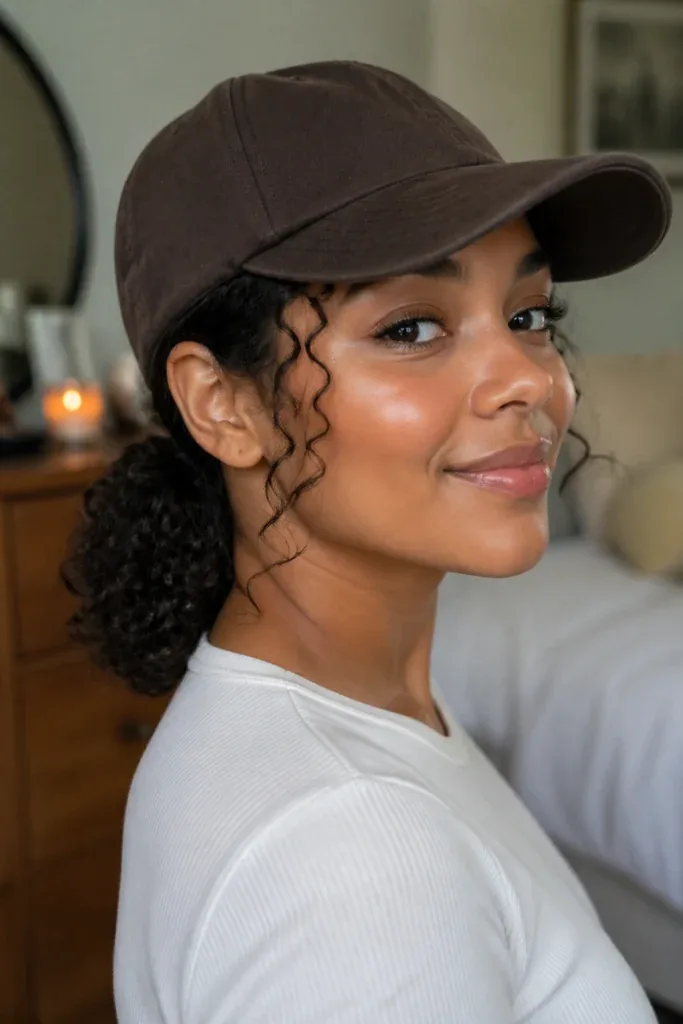
A low ponytail with a baseball cap is the most useful hat hairstyle there is, because it works on every hair type, takes two minutes, and looks good on a bad hair day or a good one. The ponytail sits low at the nape, below the cap’s adjustable strap, so the cap sits flat and the ponytail falls neatly down the back — no bunching, no bulge, no cap pushed up at an angle. Wrap a strand around the elastic and the whole thing looks intentional rather than thrown together.
How to style it: smooth the hair with a brush and a little serum, gather it low, secure it, and wrap a strand around the base, pinning it underneath. Common mistake: a high ponytail with a cap, which pushes the cap up and looks uncomfortable. Cost and time: free, and two minutes. Quick verdict: the everyday hero of hat hairstyles.
4. Two Low Braids for a Bucket Hat

Two low braids under a bucket hat are playful, practical and surprisingly flattering — the braids fall on either side of the face, the soft bucket hat frames them, and the whole look has a relaxed, youthful energy that works for a festival, a beach day or a walk in the park. The braids keep the hair completely contained, so wind is no problem at all, and when the hat comes off, the braids can be undone for easy waves.
Best for: long hair, warm days, and anyone who wants a style that truly will not move. How to style it: part the hair in the middle, braid each side loosely, pull the edges out gently for fullness, and tie with soft elastics. Pros and cons: it holds all day and survives wind, but it takes about ten minutes and needs enough length to braid. Who should avoid it: very short hair. Quick verdict: the festival favourite.
5. The Sleek Low Chignon for a Fedora
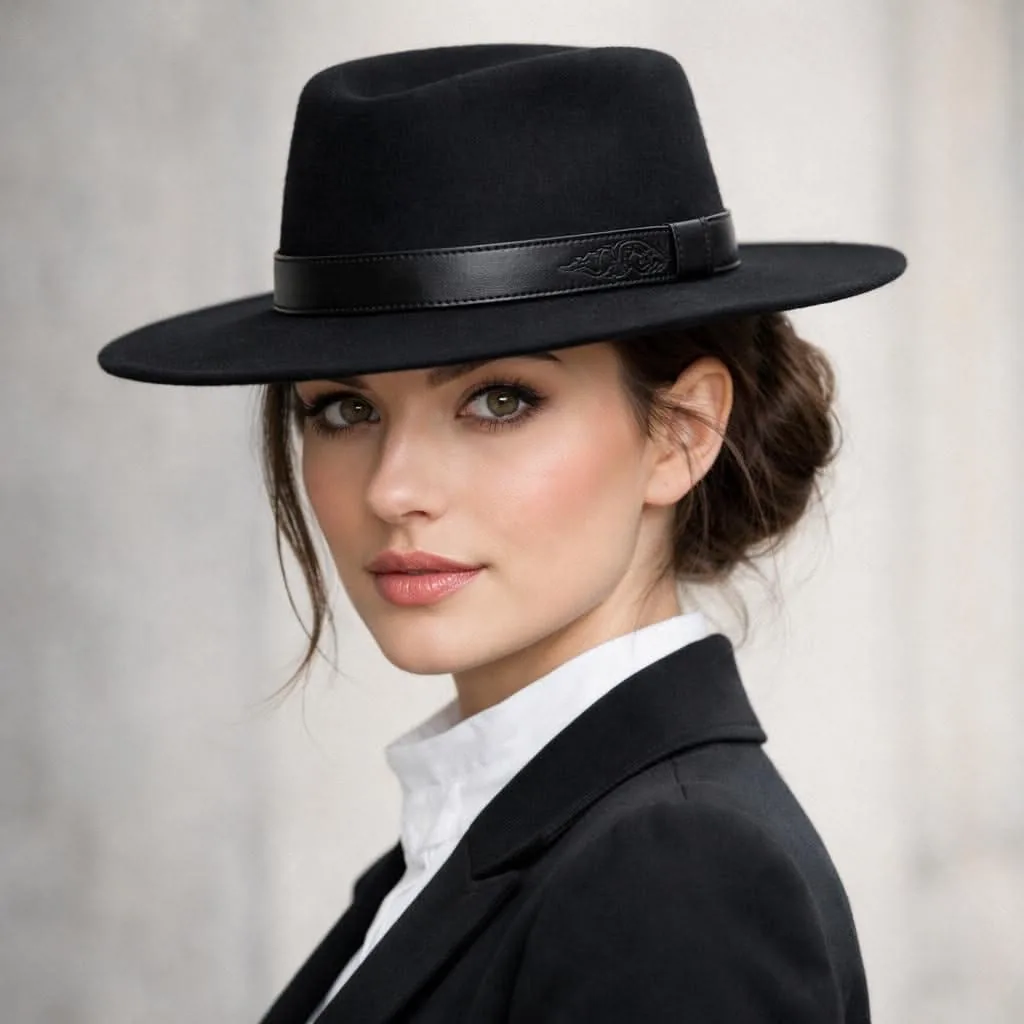
A sleek low chignon under a fedora is the most elegant hat combination in this guide — the smooth crown lets the fedora sit perfectly level, the low chignon keeps the back neat, and the whole look reads as polished, grown-up and deliberate. It is the hairstyle for a hat that has structure, and it works for a wedding guest, a smart lunch, or any day when the hat is part of the outfit rather than a cover-up.
Best for: formal occasions and women who love a classic look. How to style it: part the hair in the centre or on one side, smooth it back with a brush and a little gel, gather it low, twist it into a chignon and pin it in three places. Cost and time: about ten minutes at home. Common mistake: volume at the crown, which makes the fedora tilt. Quick verdict: the most polished hat hairstyle here.
6. Curtain Bangs Peeking From a Beret
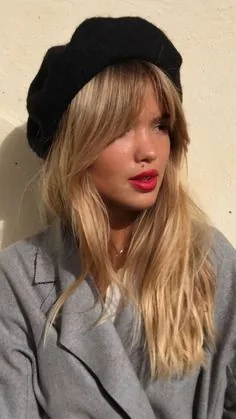
Curtain bangs peeking out from under a beret are a small, charming detail that makes the whole look — the beret sits tilted on one side, the bangs part in the middle and fall softly on either side of the face, and the combination is Parisian without trying too hard. It works with long hair, a bob or a lob, and it is one of the few hat hairstyles where the front of the hair is the star, not the part hidden under the hat.
Best for: long and medium hair, and women trying bangs for the first time. How to style it: blow-dry the bangs with a round brush, curving them away from the face on each side, tilt the beret to one side, and let the bangs frame the face. Pros and cons: the bangs are easy to style and easy to grow out, but they do need a trim every four to six weeks. Quick verdict: the prettiest front-facing hat look here.
7. A Loose Side Braid Under a Sun Hat
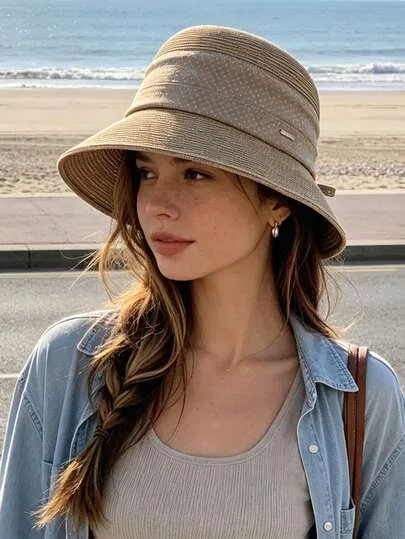
A loose side braid under a sun hat is the beach-day hairstyle that never fails: the braid is swept over one shoulder, so it is visible and pretty, it keeps the hair out of the way in the wind, and the wide-brim sun hat shades the face while the braid falls past the brim. It is romantic, it is practical, and it holds its shape through a long afternoon outdoors without a single pin.
How to style it: sweep the hair to one side, braid loosely, and gently pull the edges of the braid out to make it fuller, then tie with a soft elastic or a ribbon. Maintenance: almost none — if it loosens, just pull it out a little more. Common mistake: braiding too tightly, which looks severe rather than relaxed. Who should avoid it: very short hair, which cannot reach over the shoulder. Quick verdict: bring the hair forward, not back — that is the whole trick.
8. The Low Bubble Ponytail for a Cap
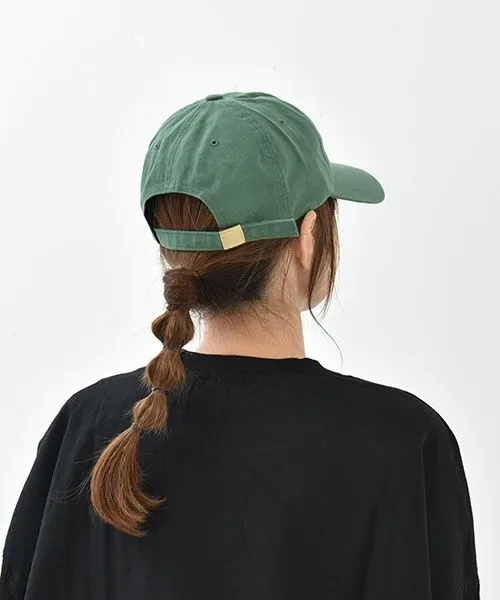
A low bubble ponytail with a baseball cap is a playful twist on the classic cap-and-ponytail, and it looks surprisingly put-together. The ponytail is secured low at the nape, then tied again at intervals down its length, with each section gently pulled out to form soft bubbles — and because the bubbles start below the cap’s strap, the cap sits flat and the ponytail does the talking. It is fun, it is secure, and it keeps long hair neatly contained on a windy day.
Best for: long hair and women who want a ponytail with a little more personality. How to style it: gather the hair low, secure it, then add small elastics every few inches down the ponytail, pulling each section out gently for fullness. Pros and cons: it is secure, pretty and fun, but it needs a few elastics and a little patience. Quick verdict: the ponytail, dressed up for a cap.
9. A Textured Lob With a Beanie
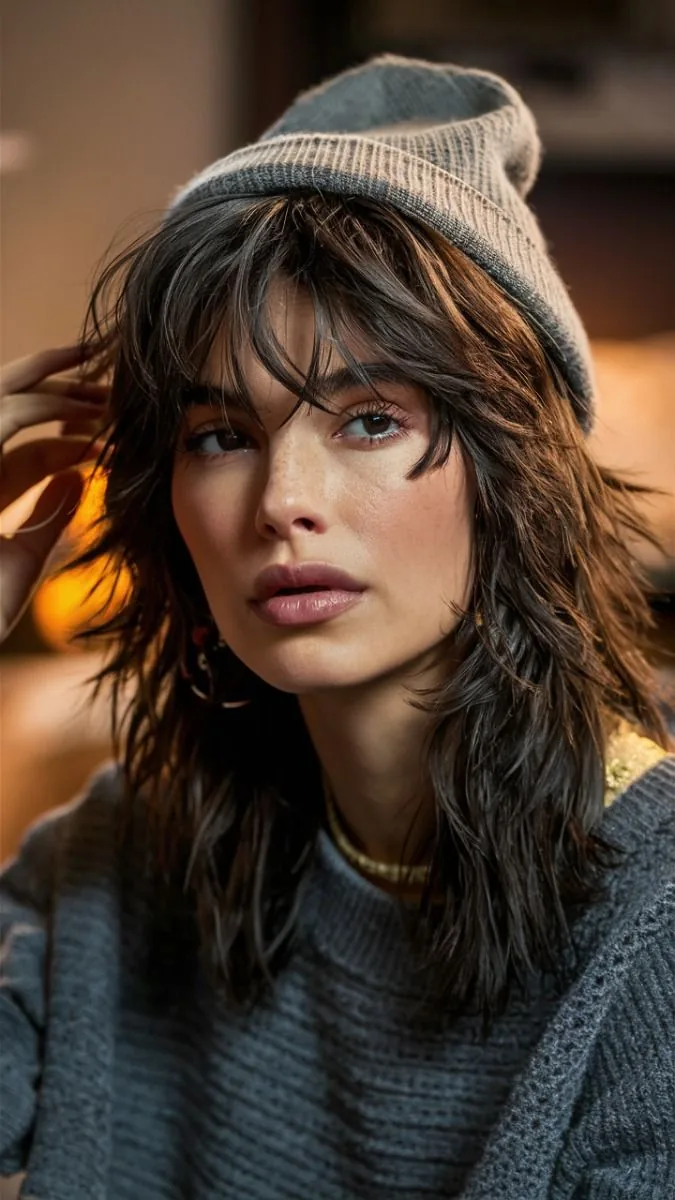
A textured lob with a beanie is a winter combination that works because the lob ends right where the beanie ends — at the shoulders — so the hat never crushes the length and the texture gives the style movement even after hours under wool. The layers keep the lob from lying flat, and when the beanie comes off, a quick shake and a scrunch is all it takes to bring the texture back. It is low-maintenance, it is warm, and it looks good with a coat and a scarf.
Pros and cons: it is versatile, easy to style and flattering on fine and thick hair alike, but the texture can look messy if the layers are cut too short, so ask for long, soft layers rather than choppy ones. How to style it: work a little texture cream through damp hair, scrunch the ends and let it dry naturally. Maintenance: a trim every eight weeks keeps the shape. Quick verdict: wash, scrunch, beanie on, go.
10. The Dutch Braid Crown Under a Wide Brim
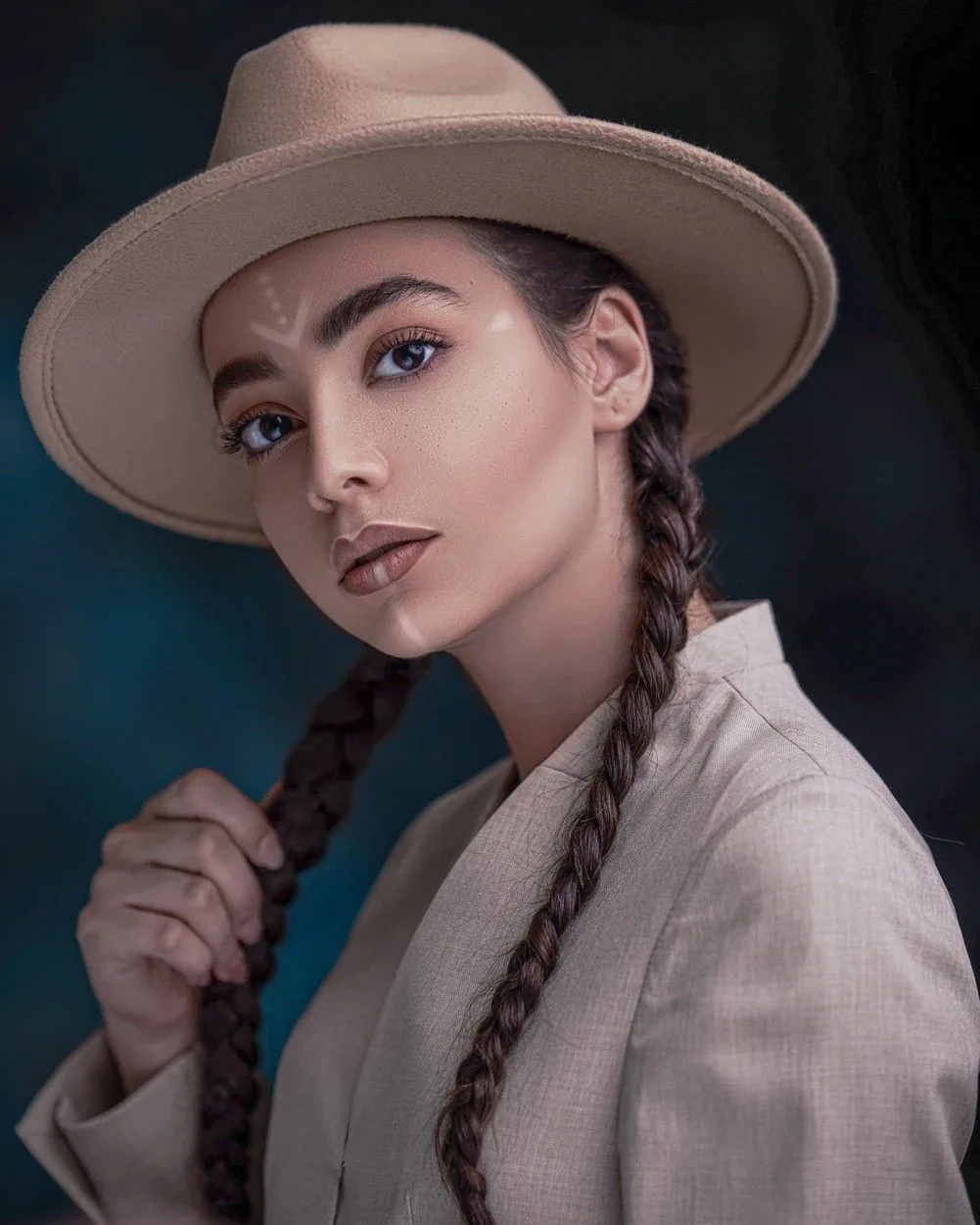
A Dutch braid crown under a wide-brim hat is a beautiful combination because the braid runs around the head like a halo, keeping every strand off the face and neck, while the wide brim frames it like a picture. The crown sits flat where the hat rests, so the hat sits level, and the braid itself is completely secure — it will not move in wind, in heat, or through a long afternoon. It has a gentle, old-fashioned grace that suits a garden party, a wedding or a summer lunch.
What to ask your stylist: nothing — this is a styling skill, not a cut, but it does need enough length to wrap around the head. How to style it: part the hair in the middle, Dutch-braid each side toward the back, and pin the ends underneath each other. Pros and cons: it holds all day and looks stunning, but it takes practice — do a trial run the day before. Quick verdict: the prettiest secure hat style in this guide.
11. Half-Up Half-Down With a Bucket Hat
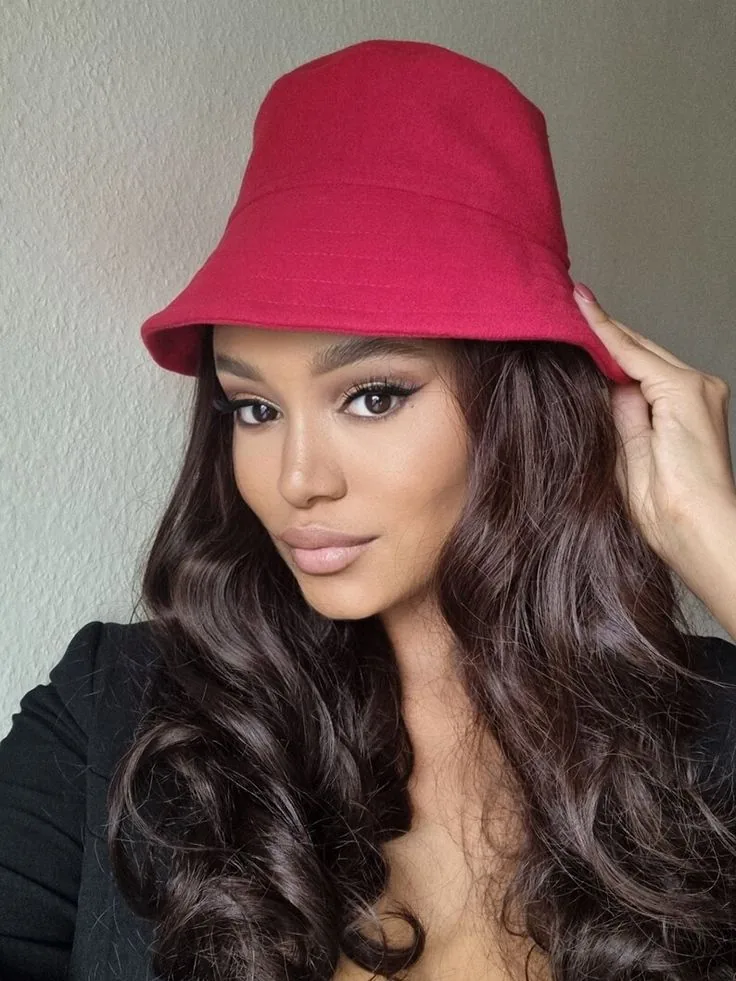
Half-up half-down with a bucket hat is the best of both worlds: the top half is lifted and pinned, which shows off your face and keeps the hair out of your eyes, while the bottom half falls in soft waves that add gentle width below the brim. The bucket hat is soft and forgiving, so it sits comfortably over the pinned section without flattening it, and the whole look is relaxed and youthful — perfect for a festival, a market day or a casual weekend.
Best for: medium to long hair, and women who like wearing their hair down but want it out of their face. How to style it: curl the lengths first, then gather the top section from temple to temple, twist it once and secure it with crossed bobby pins or a small clip. Common mistake: pulling the top section too tight, which looks severe and gives you a headache. Quick verdict: five minutes to a style that looks like you tried much harder.
12. The Classic French Twist for a Fedora
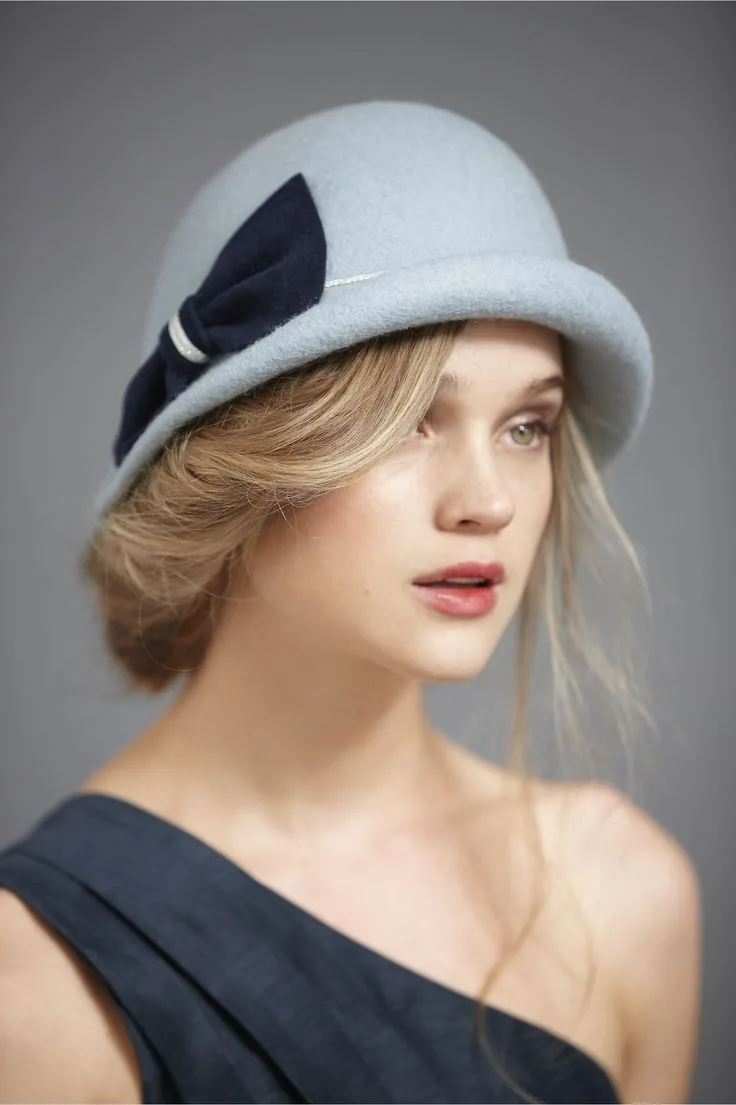
The French twist is the most timeless updo there is, and under a fedora it looks exactly as it should: grown-up, graceful and completely unhurried. The twist sits low and sleek, so the fedora rests flat on a smooth crown, and the vertical roll keeps the back of the head neat and compact. A couple of soft pieces left out at the front keep it from looking severe, and the whole combination is the one to choose when the hat is part of a smart outfit.
Best for: formal occasions and women who love a classic look. How to style it: gather the hair to one side, twist it upwards against the head and pin it in a vertical line with large bobby pins. Cost and time: about ten minutes at home, or thirty minutes in the salon for a special occasion. Common mistake: making it too tight and too high, which looks severe rather than elegant. Quick verdict: timeless for a reason — and it never looks out of place under a fedora.
13. Loose Curls and a Straw Boater
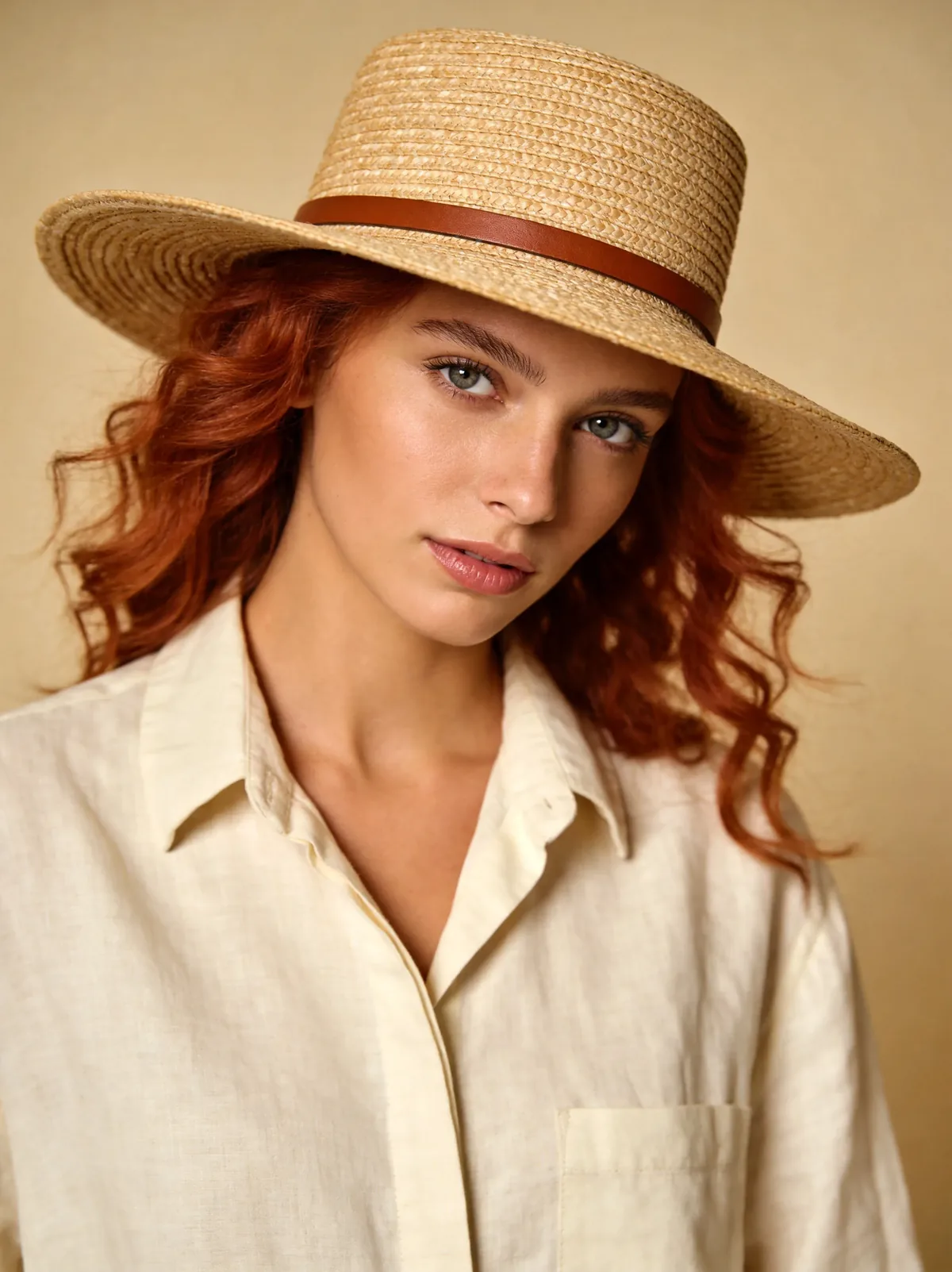
Loose curls and a straw boater are a summer pairing that feels like a holiday in a single look — the curls fall past the boater’s flat brim, the hat shades the face, and the combination has a light, vintage charm that suits a garden party, a picnic or a day by the water. The boater is structured and flat, so it needs the crown smooth and the volume at the ends, which is exactly what loose curls give you.
How to style it: curl in large sections with a wide-barrel iron, let the curls cool, then brush them out gently into soft waves and finish with a light-hold spray. Maintenance: a curl cream on damp hair keeps the shape between washes. Common mistake: brushing curls out too aggressively, which turns soft waves into frizz. Who should avoid it: nobody — the boater suits most face shapes. Quick verdict: let the curls do the work.
14. A Low Bun With a Silk Scarf Under a Hat
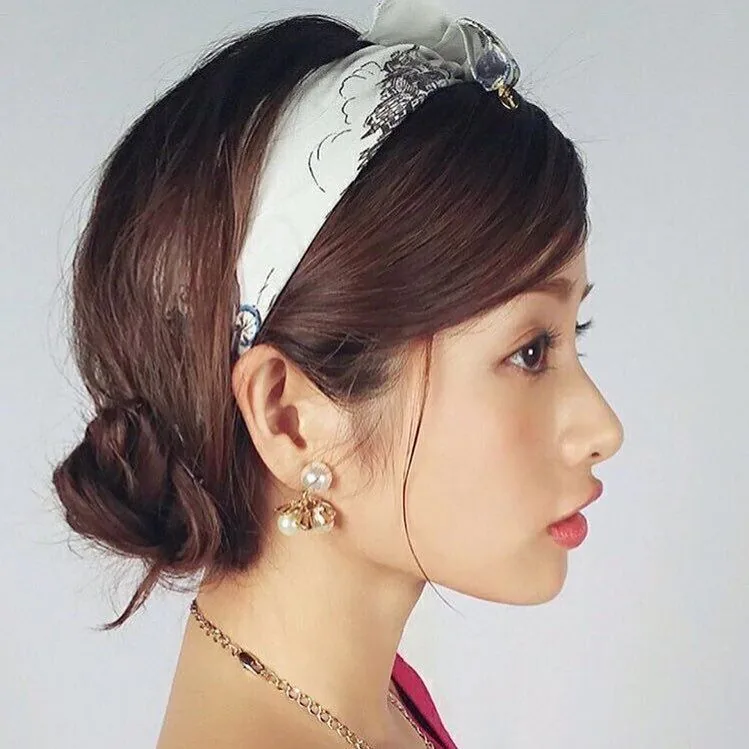
A silk scarf wrapped around a low bun, worn under a hat, is one of the most elegant hat hairstyles, and one of the easiest. The scarf adds colour and polish, it keeps flyaways in place, and it protects the hair from the hat’s lining — silk on silk never catches or frizzes. Choose a scarf that picks up a colour in your outfit, wrap it around the base of the bun, and let the hat sit on top: the scarf peeks out below the brim like a deliberate detail.
Best for: women who wear head coverings or scarves, and anyone who wants an easy way to dress up a simple bun. How to style it: make a low bun first, then fold a silk scarf into a band, wrap it around the base of the bun and tie it neatly. Pros and cons: it is quick, pretty and practical, but the scarf needs to be silk or satin — cotton slips. Quick verdict: the fastest way to make a simple bun look special under a hat.
15. The Fishtail Braid Over One Shoulder
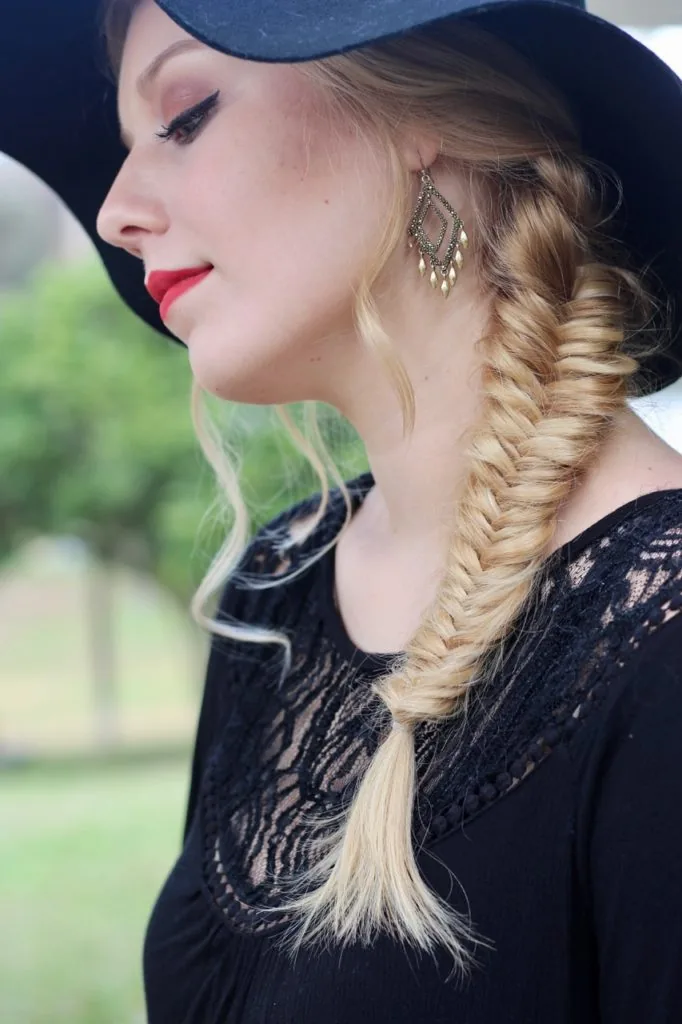
A fishtail braid over one shoulder works beautifully with a cap or a bucket hat, because the braid is the star and the hat is just the frame. The fishtail weave creates a delicate, almost lace-like pattern, and when it is pulled out gently it looks full and romantic rather than tight and severe. Worn low and over one shoulder, it is pretty, it is secure, and it keeps long hair out of the way in the wind — which is exactly what you want on a day outdoors.
How to style it: gather the hair low to one side, split it in two, and fishtail-braid by taking small pieces from the outside of each half to the inside of the other, then pull the braid out gently for fullness. Pros and cons: it looks intricate and holds well, but it takes a little longer than an ordinary braid — about ten minutes. Who should avoid it: very short hair, which cannot fishtail. Quick verdict: the braid for women who like a little detail.
16. Soft Layers With a Wide-Brim Felt Hat
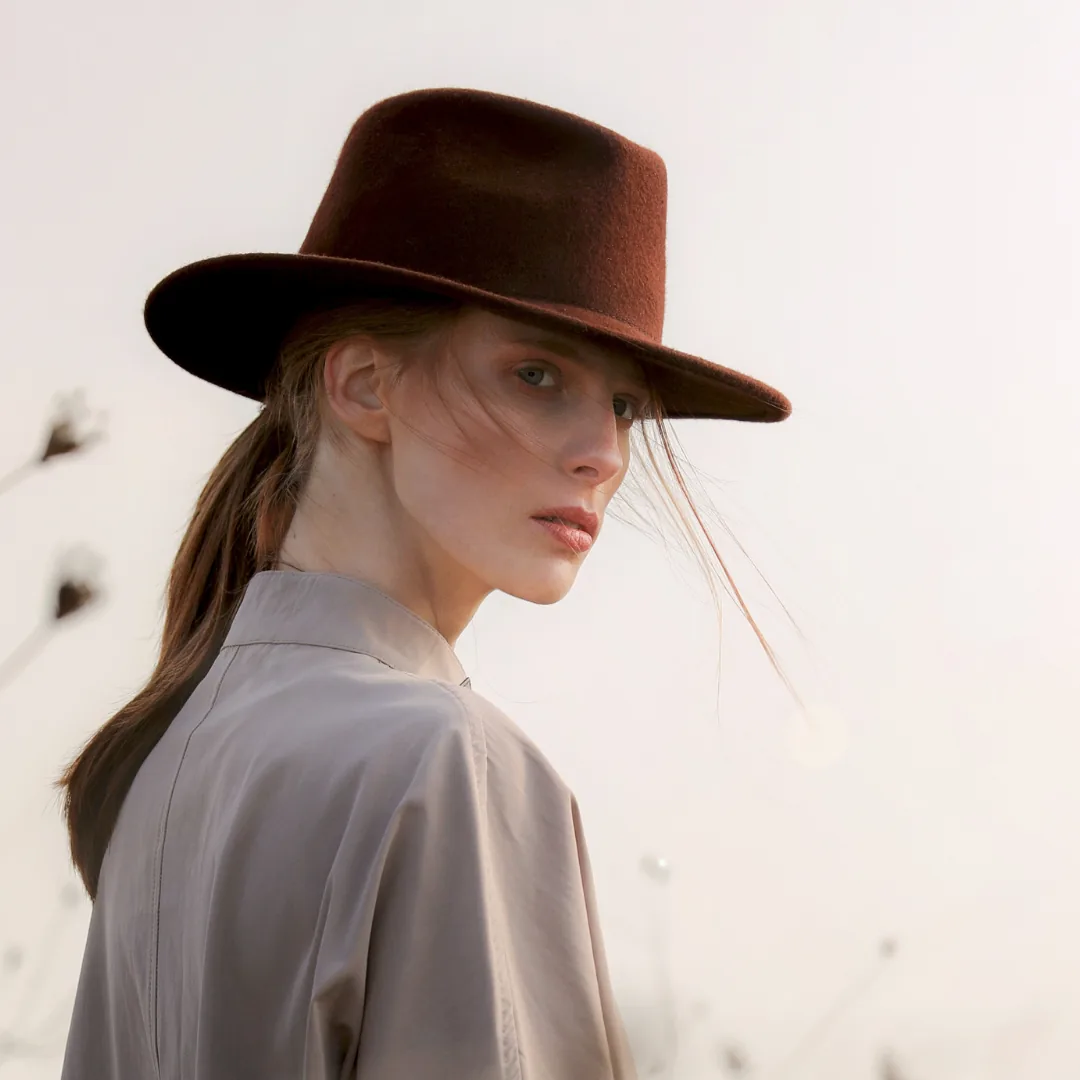
Soft layers with a wide-brim felt hat are the autumn look that ties this guide together — the felt hat has warmth and structure, the long layers fall past the brim in soft, face-framing pieces, and the combination looks polished without any pinning at all. Two shorter pieces at the front, starting at the cheekbones, soften the face under the brim, while the layers through the back keep the hair light and moving.
Best for: long hair, all textures, and women who want to keep their length. How to style it: blow-dry the front pieces with a round brush, curving them away from the face, and add a loose wave through the lengths. Common mistake: layers that start at the chin or lower, which do almost nothing for the face — they need to start at the cheekbones to work. Cost and time: a standard salon cut, about an hour. Quick verdict: the best way to wear long hair down under a wide brim.
17. The Low Twisted Bun for a Beret
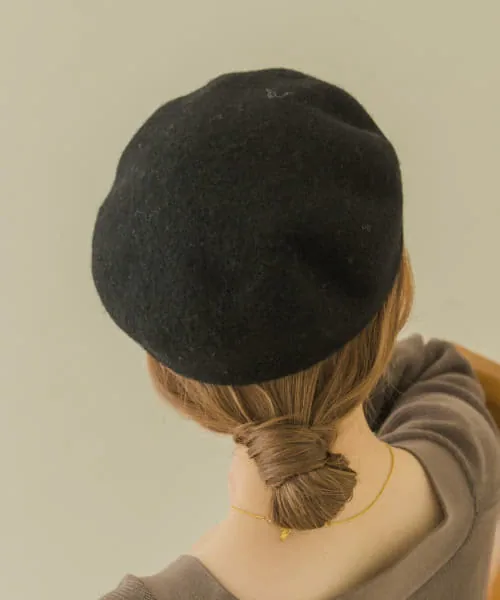
A low twisted bun under a beret is a quiet, elegant combination: the beret sits tilted on one side, the bun sits low at the nape, and nothing about the two fights. The twists give the bun lovely texture, so it looks far more complicated than it is, and because every twist is pinned separately, it holds its shape for hours — even when the beret is taken on and off. It is a beautiful choice for a smart lunch, a gallery visit or a winter afternoon in the city.
Best for: medium to long hair, and special occasions. How to style it: divide the hair into three low sections, twist each one toward the centre, and pin the twists together at the nape, tucking the ends underneath. Pros and cons: it looks intricate and holds wonderfully, but it needs a mirror and a little patience the first time. Maintenance: none on the day. Quick verdict: the updo that looks like a salon visit but is really just three twists.
18. Beachy Waves Under a Floppy Sun Hat
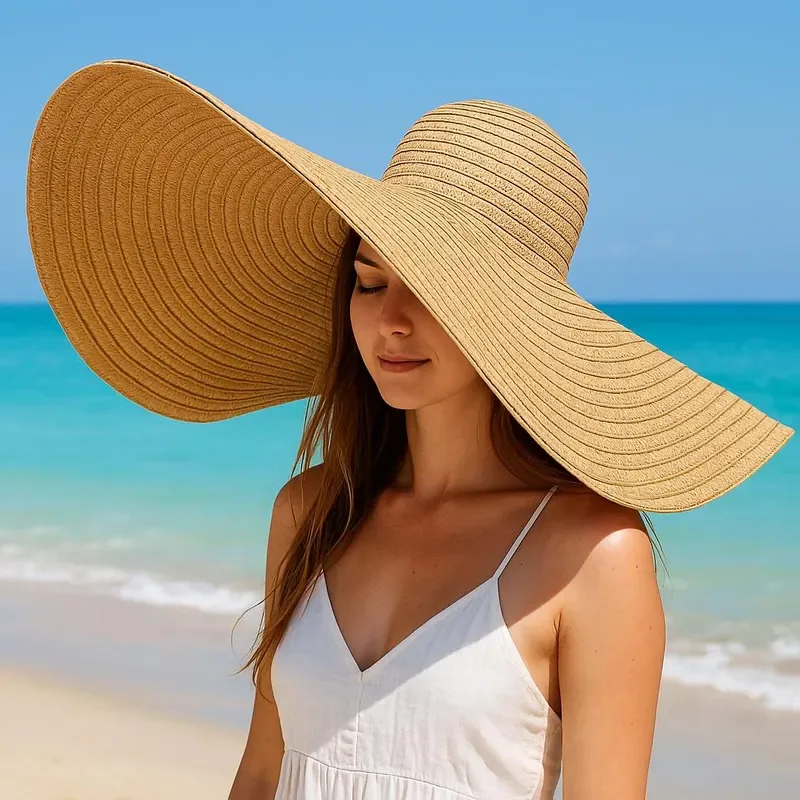
Beachy waves under a floppy sun hat are the holiday hairstyle that everyone pictures when they think of summer — the waves are loose and textured, the floppy brim moves with the breeze, and the whole look is effortless in a way that only takes ten minutes to create. The floppy hat is the most forgiving hat of all: it has no structure to fight, so it sits happily over waves, curls or a loose braid, and it shades the hair from the sun, which keeps the ends from drying out.
How to style it: work a little sea-salt spray through damp hair, scrunch the ends and let it dry naturally, or curl in large sections and brush them out into loose waves. Pros and cons: it is the easiest pretty summer style, but it will drop in humidity — keep a little texture spray in your beach bag. Maintenance: a leave-in conditioner protects the ends from sun and salt. Quick verdict: the holiday look, in ten minutes.
19. The Gibson Tuck for a Cloche Hat
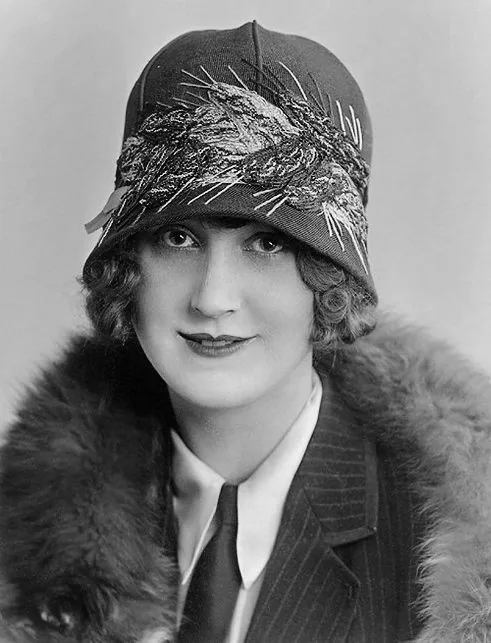
The Gibson tuck under a cloche hat is a vintage pairing with real history behind it — both were the style of a century ago, and together they still look lovely today. The hair is gathered low, looped up and tucked into itself at the nape, creating a soft roll with no visible elastic and no pins showing, and the cloche sits close to the head, framing the face. It is graceful, modest and a little bit romantic, and it holds beautifully because the tuck itself is the anchor.
How to style it: gather the hair into a low ponytail, loosen the elastic slightly, split the hair above it, and tuck the ponytail up and through the split, then pin the ends underneath. Best for: medium to long hair, and women who love a vintage touch. Common mistake: tucking it too tightly, which makes the roll look stiff — keep it soft. Cost and time: five minutes and two pins. Quick verdict: a century-old hat hairstyle that still works perfectly.
20. A Sleek Straight Lob With a Baseball Cap
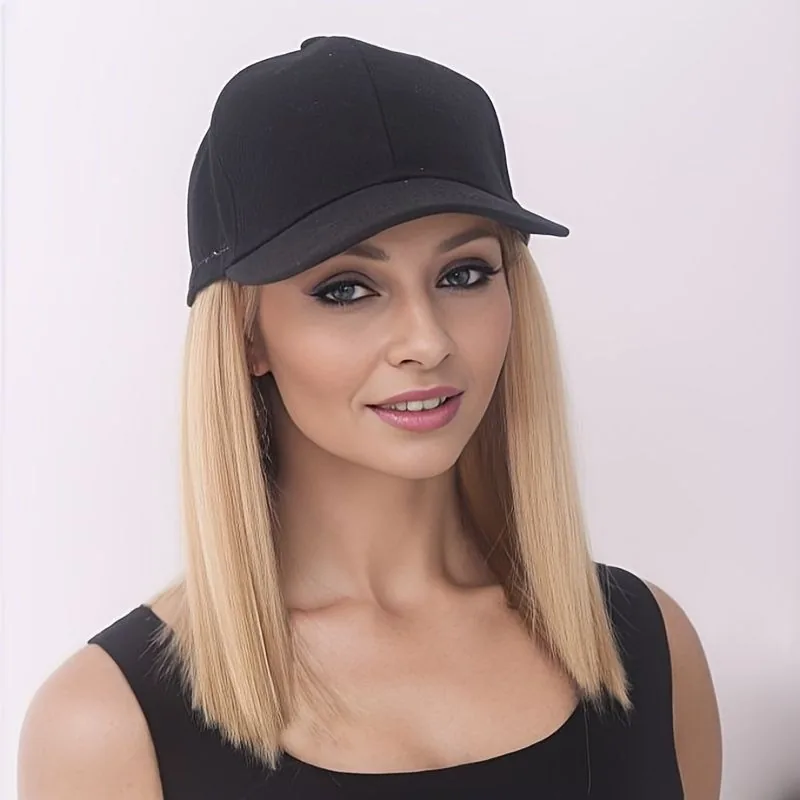
A sleek straight lob with a baseball cap is the modern, minimal hat look — the lob ends at the shoulders, the cap sits flat on a smooth crown, and the whole combination is clean, confident and completely effortless. It works on straight hair best, because the sleekness is the point, and it is the style to choose when the cap is part of a smart-casual outfit rather than a cover-up. A middle part keeps it symmetrical; a deep side part adds a little drama.
Best for: straight hair, shoulder-length cuts, and women who like a clean, classic look. How to style it: blow-dry in sections with a large round brush, turning the ends under slightly, and finish with a drop of shine serum. Pros and cons: it is clean, polished and easy, but it will drop in humidity, so it is not the best choice for a hot summer day. Quick verdict: the salon-fresh look, under a cap.
21. The Milkmaid Braid Under a Beanie
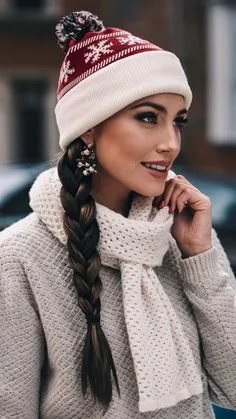
The milkmaid braid under a beanie is a sweet, old-fashioned winter style that is also one of the most secure you can wear. Two braids are pinned up and across the crown, and once they are pinned, nothing moves — not the beanie, not the wind, not a long walk in the cold. The beanie sits happily on top of the flat, pinned braids, and the style has a gentle, storybook quality that looks lovely with a coat and a scarf.
Best for: long hair, cold days, and women who want a style that truly will not move. How to style it: part the hair in the middle, braid each side, bring the braids up and across the crown, and pin the ends underneath each other. Common mistake: braiding too tightly, which can give you a headache — keep the braids loose and pull the edges out gently. Quick verdict: the most secure pretty hat style here — pinned, pretty, done.
22. A Romantic Low Updo With a Wide-Brim Hat
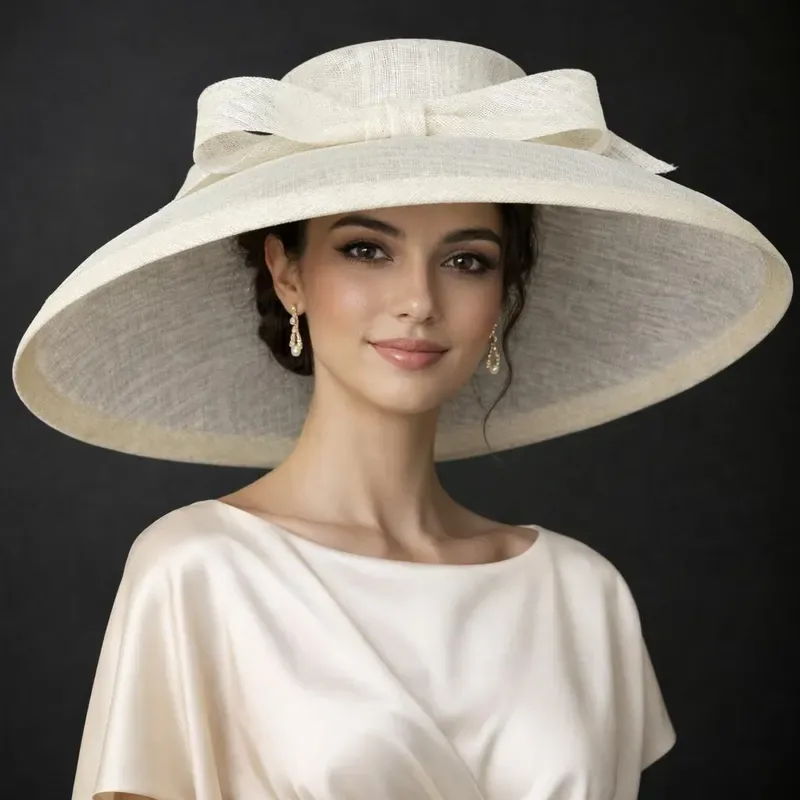
A romantic low updo with a wide-brim hat is the softer sister of the formal chignon: the hair is gathered up loosely, pinned with plenty of texture, and finished with soft pieces left out around the face and at the nape. Under a wide brim it works beautifully, because the looseness adds warmth and the low placement keeps it modest, while the soft pieces frame the face under the brim. It is dreamy, forgiving and wonderfully easy to wear — and as the day goes on and a few more pieces fall loose, it only looks more romantic.
Best for: a wedding guest, a garden party, and medium to long hair. How to style it: curl the hair first, gather it loosely at the back, pin it in soft sections, and pull out pieces around the face. What to ask your stylist: ask for the pieces to be curled, not left straight, so they frame the face instead of hanging limply. Maintenance: re-curl one piece if it drops. Quick verdict: the most forgiving updo here — it gets prettier as the day goes on.
23. The Side-Swept Pixie Under a Beret
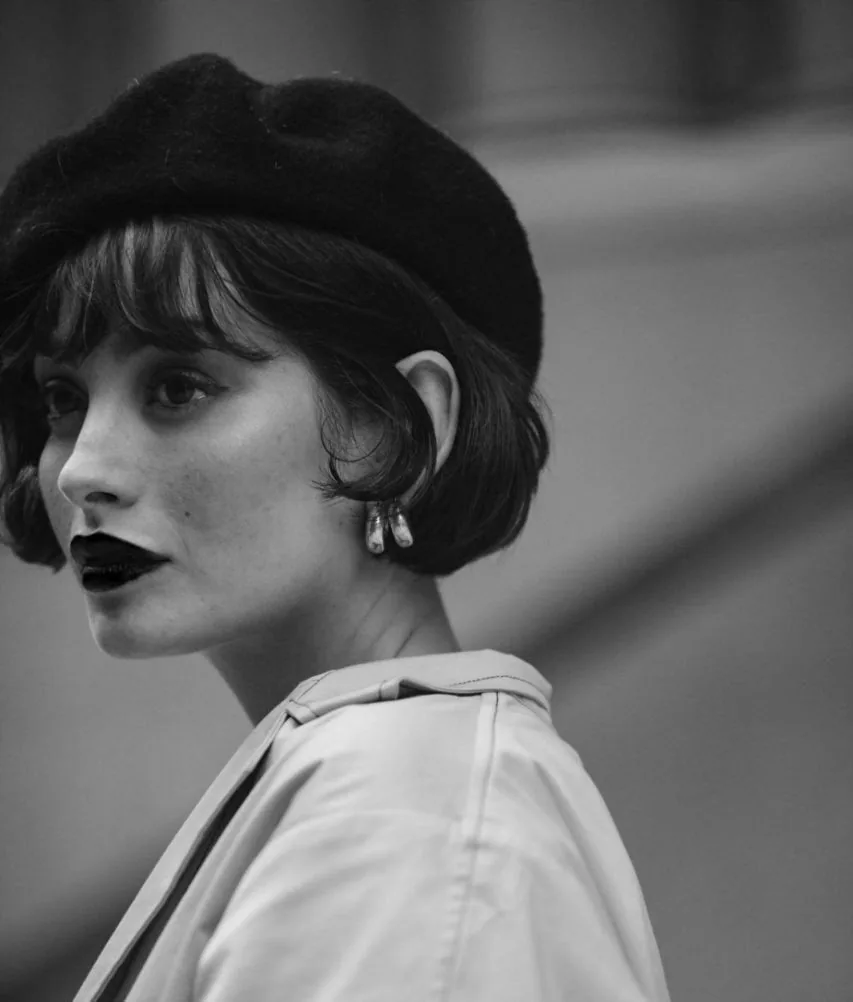
A side-swept pixie under a beret is proof that short hair and hats are a perfect match — the pixie is light, it has no bulk for the beret to fight, and the side sweep gives the beret something to frame. Tilt the beret to the opposite side from the sweep and the two balance each other beautifully, and when the beret comes off, a quick run of the fingers through the pixie is all it takes to bring it back. It is chic, it is confident, and it needs no pinning at all.
Best for: short hair, and women who love a bold, graphic look. How to style it: blow-dry the pixie with a little texture paste, sweep the top to one side, and tilt the beret to the other side. Pros and cons: it is striking and very low maintenance once cut, but it is a commitment — growing a pixie out takes patience. Who should avoid it: nobody — the beret suits a pixie at any age. Quick verdict: the chicest short hat hairstyle in this guide.
24. A High Ponytail Through a Baseball Cap
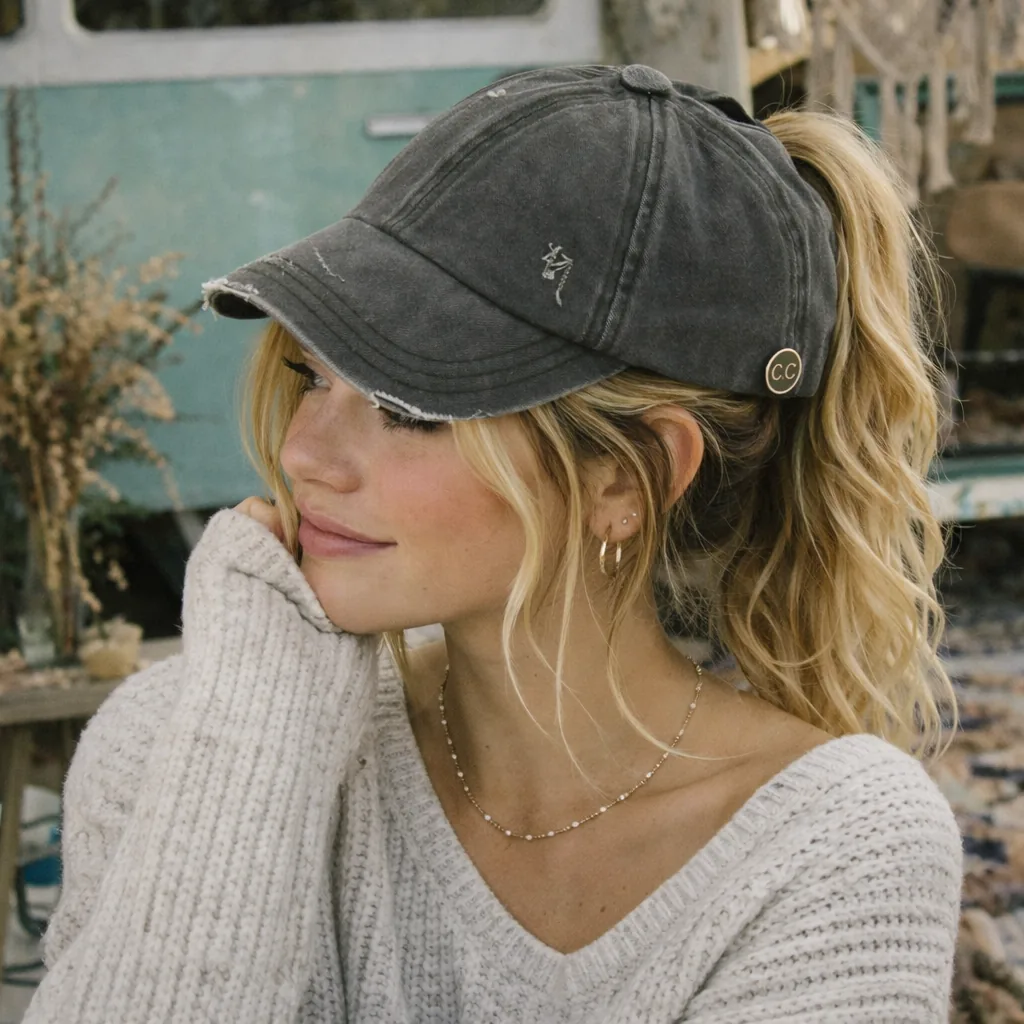
A high ponytail pulled through the back of a baseball cap is the clever trick that solves the cap-and-ponytail problem — instead of fighting the cap’s strap, the ponytail goes through the gap above it, so the cap sits flat, the ponytail sits high and bouncy, and nothing is bunched or pushed up. It is sporty, it is practical, and it is the style for a run, a hike, a game or any active day when you want the hair up and the sun out of your eyes.
How to style it: put the cap on first, gather the hair high, and pull the ponytail through the opening at the back of the cap, then secure it with an elastic. Best for: long hair, active days, and warm weather. Pros and cons: it is secure and keeps the hair off the neck, but it needs a cap with an adjustable back — a fitted cap will not work. Common mistake: pulling the ponytail too tight, which gives you a headache. Quick verdict: the active-day trick that actually works.
25. A Loose Low Ponytail With a Fedora
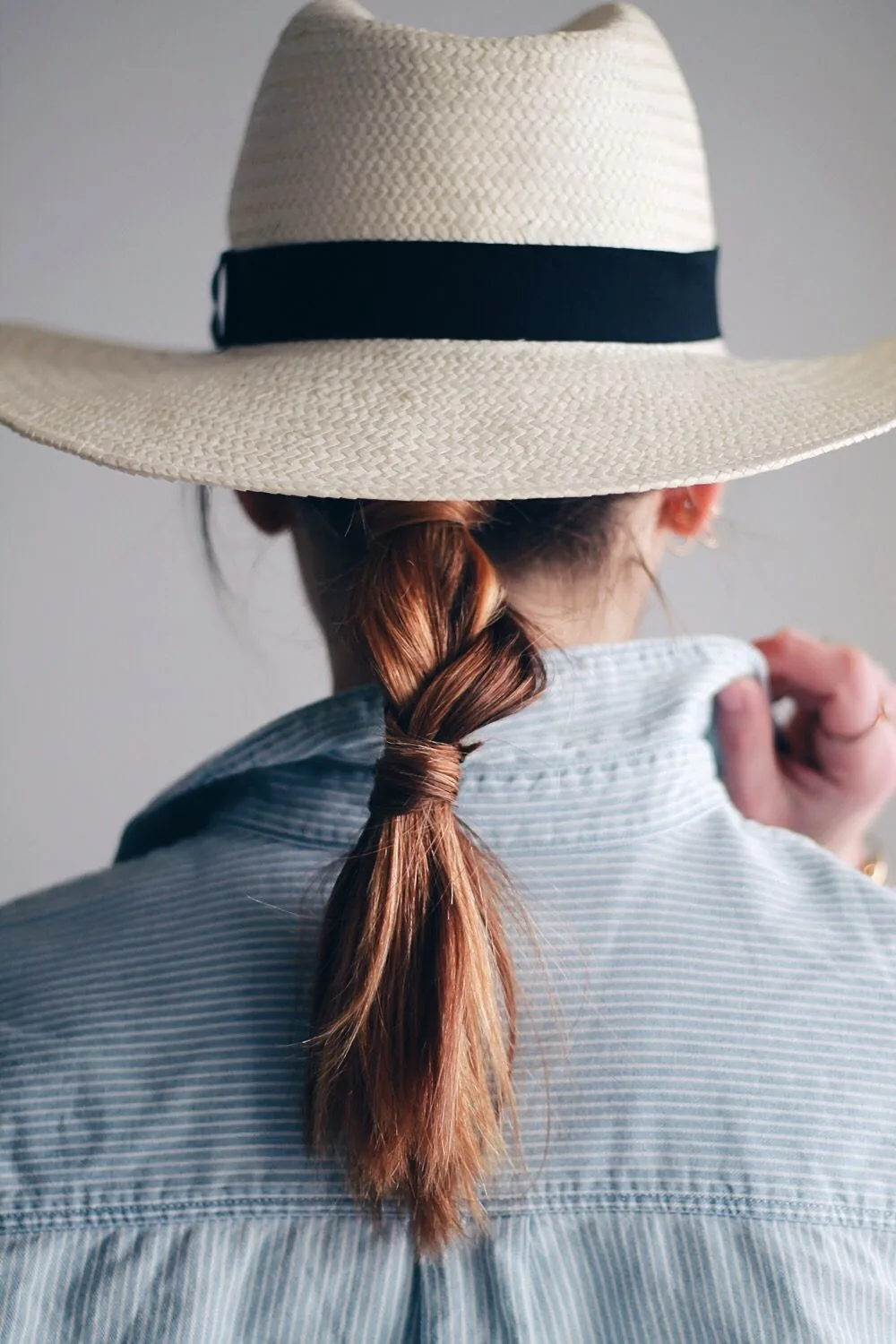
A loose low ponytail with a fedora is the relaxed version of the sleek chignon — the same low placement, the same smooth crown, but with a softness that makes it feel easy rather than formal. The ponytail falls gently down the back, the fedora sits level on the smooth crown, and a couple of face-framing pieces keep the whole look from feeling severe. It is the fedora hairstyle for a day when you want to look polished without looking dressed up.
How to style it: smooth the hair with a brush and a little serum, gather it loosely at the nape, secure it, and pull out a couple of face-framing pieces. Pros and cons: it takes two minutes, holds all day and suits every hair type — but a very sleek, very tight ponytail with nothing at the sides can look severe, so keep the front soft. Cost and time: free, and two minutes. Quick verdict: the fedora, made easy.
26. The Braided Low Bun Under a Bucket Hat
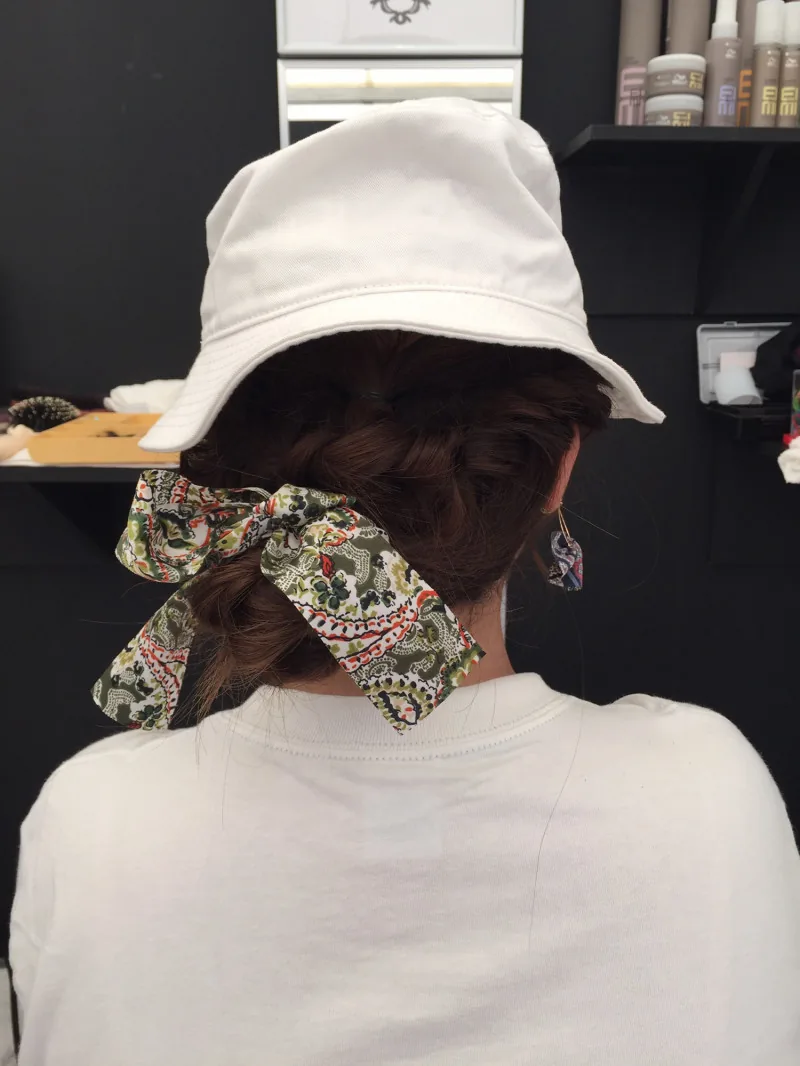
A braided low bun under a bucket hat combines the two most reliable hat styles — a braid and a bun — into one. The hair is braided first, then the braid is coiled into a low bun and pinned, which gives the bun beautiful texture and makes it far more secure than an ordinary bun, because the braid itself holds the shape. The bucket hat sits softly over the top, and the combination is pretty, practical and completely wind-proof.
Best for: medium to long hair, and days outdoors. How to style it: braid the hair low, coil the braid into a bun at the nape, and pin it in three places, tucking the end underneath. Maintenance: none on the day — the braid holds everything. Common mistake: braiding too tightly, which makes the bun stiff rather than soft. Cost and time: about ten minutes. Quick verdict: two reliable styles, better together under a bucket hat.
27. A Voluminous Blowout With a Wide-Brim Hat
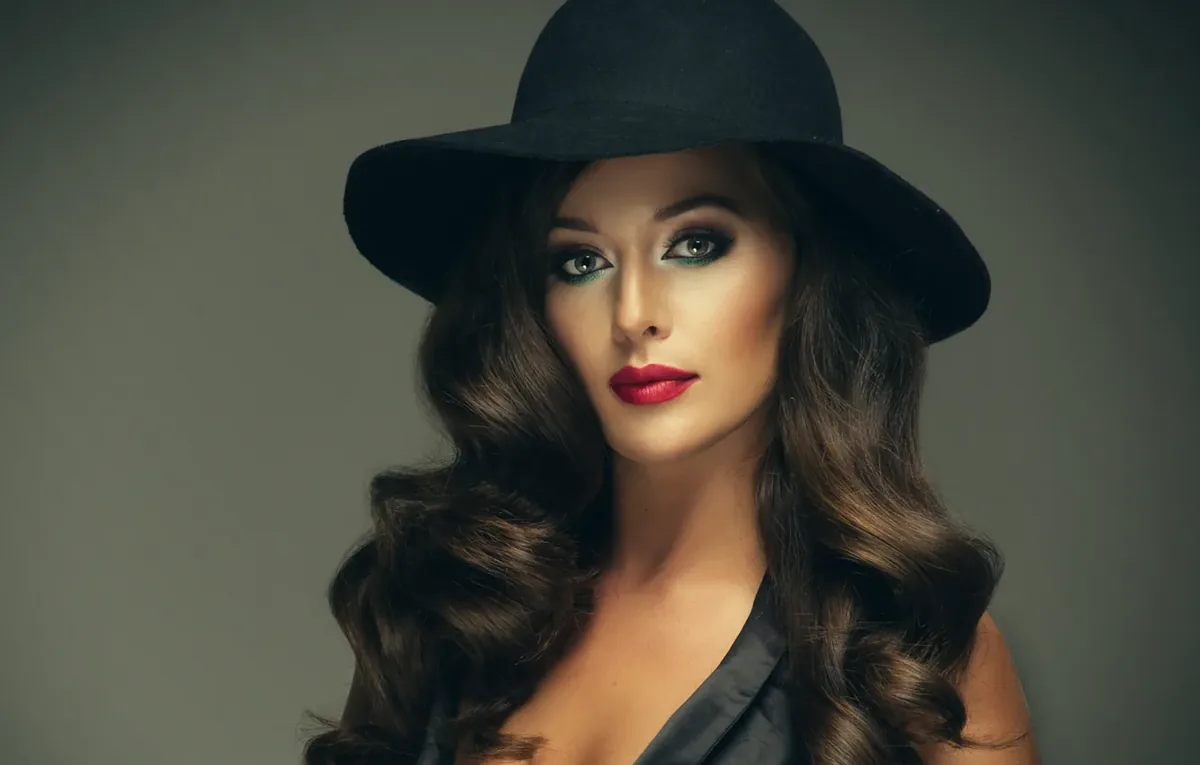
A voluminous blowout with a wide-brim hat is the glamour option of this guide, and it works because the volume is at the ends, not at the crown. The blowout is smooth and full through the lengths, the hat sits on a smooth crown, and the brim frames the volume like a picture frame — the result is a look that feels like a magazine shoot, even on an ordinary afternoon. The trick is to blow-dry the crown smooth and put the body in the lengths, so the hat never has to fight the hair.
Best for: medium to long hair, and days when you want to look your best. How to style it: blow-dry in sections with a large round brush, turning the ends under and lifting the lengths, and finish with a light-hold spray. Pros and cons: it is gorgeous and photographs beautifully, but it takes twenty to thirty minutes and will drop in humidity. Maintenance: a volumising mousse on damp hair helps it last. Quick verdict: the glamour option — save it for the days you want to look your best.
28. The Low Knot Bun for a Sun Hat
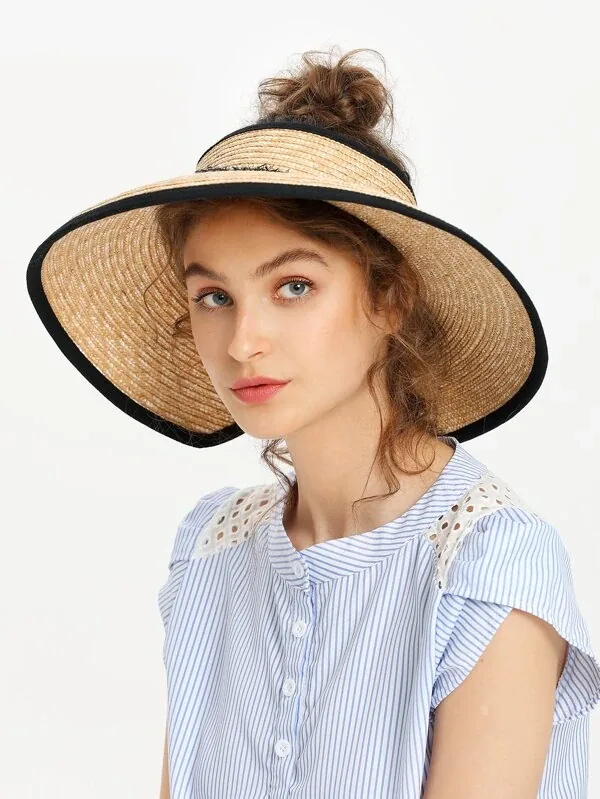
A low knot bun for a sun hat is the simplest updo in this guide, and one of the most useful: the hair is gathered low, twisted into a knot and pinned, and the sun hat sits flat on a smooth crown while the knot keeps the hair off the neck in the heat. It takes three minutes, it needs nothing but a few pins, and it looks intentional rather than thrown together — especially with two soft pieces pulled out at the front.
How to style it: add texture spray, gather the hair loosely at the nape, twist it into a knot, pin it in two or three places, and pull out a few pieces at the front — do not smooth anything. Cost and time: three minutes, no tools beyond a few pins. Pros and cons: it is the fastest style in this guide and suits every hair type, but it will not hold through a windy walk — save it for calm days. Common mistake: making it too neat, which turns a knot into a formal bun. Quick verdict: three minutes to a polished, pretty look.
29. Face-Framing Layers With a Beanie
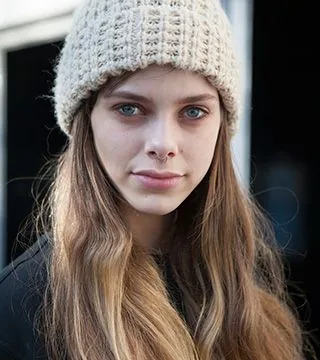
Face-framing layers with a beanie are a beautiful winter style for women who love their long hair and do not want to pin it up. Two shorter pieces at the front — starting at the cheekbones and curving down past the chin — soften the face and keep the hair from falling in a flat curtain under the beanie, while the layers through the back keep it light and moving. The beanie pushes the layers back slightly, which only makes the face-framing pieces more visible.
Best for: long hair, all textures, and women who want to keep their length. How to style it: blow-dry the front pieces with a round brush, curving them away from the face, and add a loose wave through the lengths. Common mistake: layers that start at the chin or lower, which do almost nothing for the face — they need to start at the cheekbones to work. Cost and time: a standard salon cut, about an hour. Quick verdict: the best way to wear long hair down under a beanie.
30. The Pinned-Back Half-Up With a Cloche
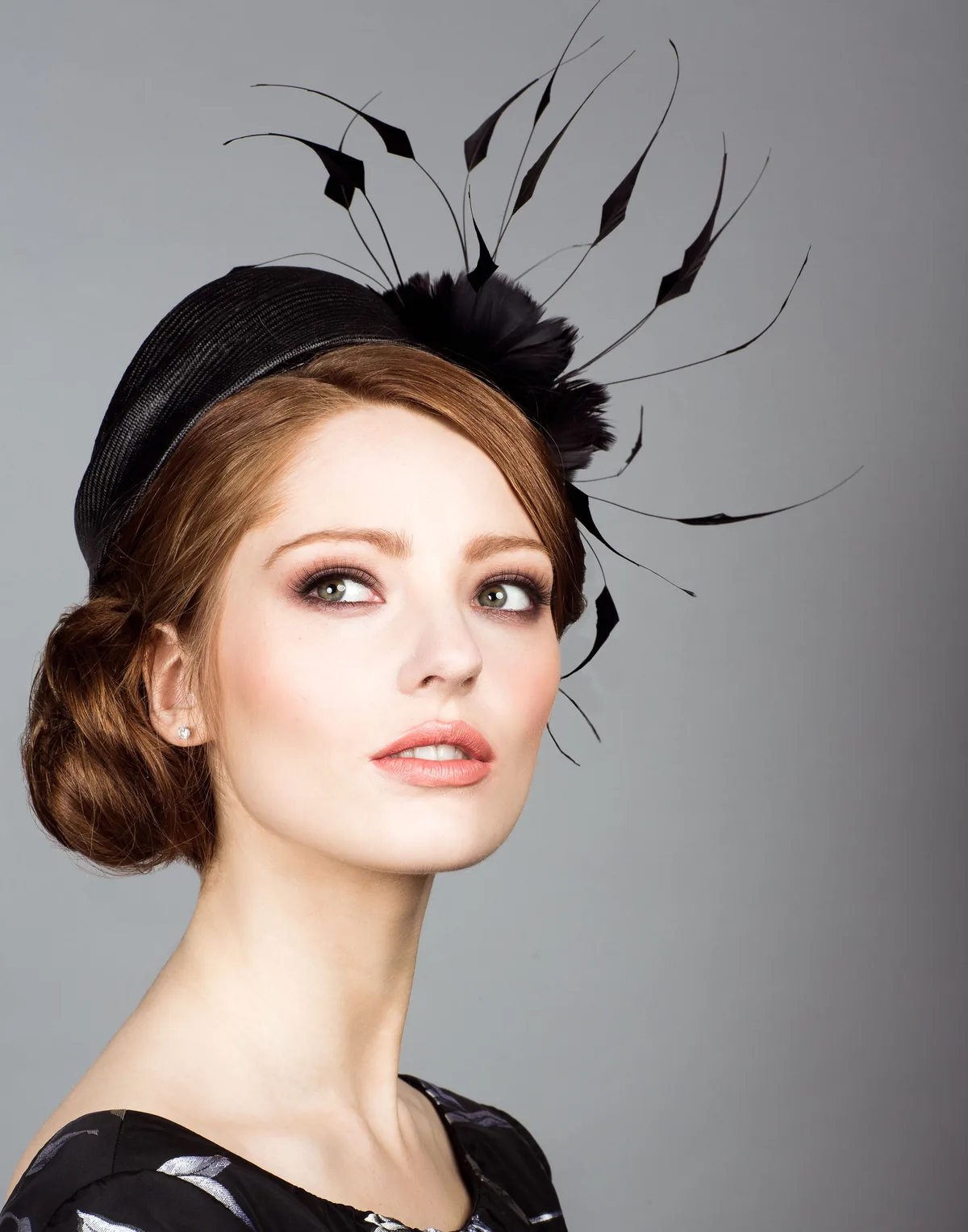
Pinning back the sides with a cloche hat is the simplest way to wear your hair down under a close-fitting hat and still keep it out of your face. Two small sections are taken from each temple, twisted or braided back, and pinned behind the head, while the rest of the hair falls in soft curls below the cloche’s brim. It is romantic, it is practical, and the pins do the work while the curls do the pretty — and the cloche, sitting close to the head, frames the pinned-back shape perfectly.
How to style it: curl the hair first, take a section from each temple, twist them back and pin them together behind the head with crossed bobby pins. Pros and cons: it is quick, pretty and secure, but it needs enough length to pin back — very short hair will need a different option. Maintenance: none on the day. Who should avoid it: nobody — the pinned sections can be as small or as large as you like. Quick verdict: down, but out of your face — the best of both under a cloche.
31. The Shoulder-Length Shag Under a Fedora
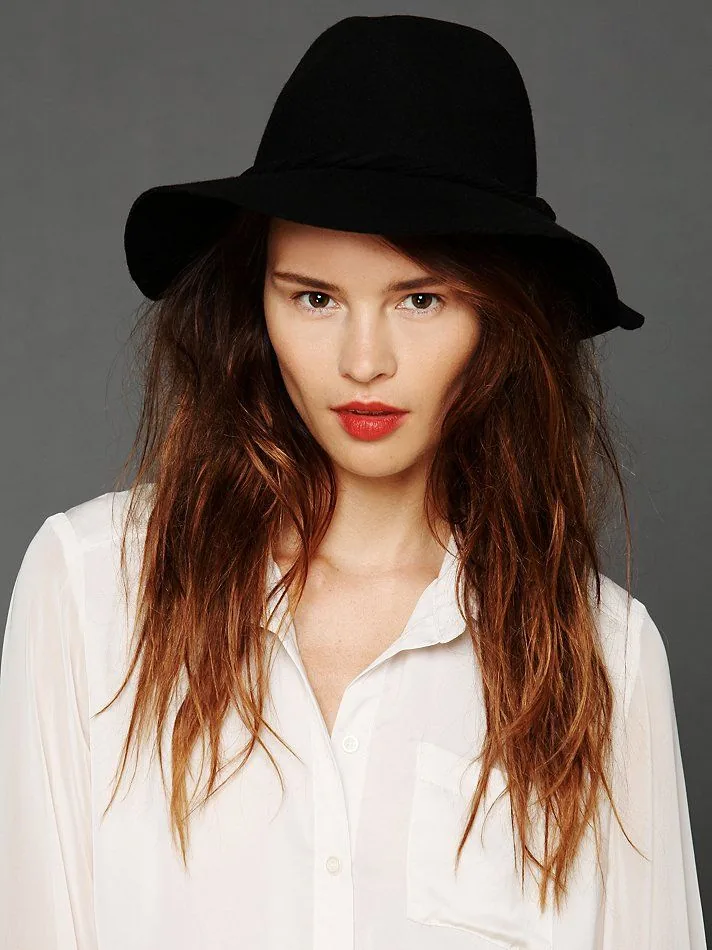
A shoulder-length shag under a fedora is the finishing style of this guide — a modern, lived-in cut with soft, piecey layers that gives the hair movement and texture, and a fedora on top that gives it structure and polish. The shag ends at the shoulders, so it never falls into your face, and the layers keep it from lying flat under the hat. When the fedora comes off, a quick shake is all it takes to bring the shag back to life, because the texture was built into the cut.
Best for: most face shapes, and women who want a low-maintenance cut that still looks intentional. How to style it: work a little texture cream through damp hair, scrunch the ends and let it dry naturally, then place the fedora level on a smooth crown. What to ask your stylist: ask for long, soft layers rather than choppy ones, and for the shag to end at the collarbone. Common mistake: a shag cut too short and too blunt, which can look severe rather than soft. Quick verdict: the easiest polished hat cut here — wash, scrunch, fedora on, go.
What hairstyle is best to wear with a hat?
The best hairstyle to wear with a hat is one that keeps the bulk low and the crown smooth — a low bun, a low braid, a low ponytail, or a textured lob. These styles sit flat where the hat rests and keep the fullness where the hat ends, so the hat sits level and the hair still looks good when the hat comes off. A low messy bun is the safest all-round choice, and a loose side braid is the easiest pretty option.
How do I stop hat hair?
Prevent hat hair by styling volume into the roots while the hair is still damp, dusting dry shampoo at the crown before the hat goes on, and choosing a hat with a smooth silk or satin lining to cut friction. Never put a hat on soaking-wet hair and let it dry underneath — that guarantees a dent. When the hat comes off, flip the hair upside down, massage the roots, and mist the dented sections lightly with water to reset the shape.
Can I wear a high ponytail with a hat?
A high ponytail does not work well under most hats, because it pushes the hat up and makes it sit crooked — but there is a fix for a baseball cap: pull the ponytail through the opening at the back of the cap, above the adjustable strap, so the cap sits flat and the ponytail sits high. For a beanie, a wide-brim hat or a fedora, a low ponytail or a low bun is a better choice than a high one.
What hairstyles work with a beanie?
The best hairstyles for a beanie are low and textured: a low messy bun, two low braids, a textured lob, a milkmaid braid, or face-framing layers worn down. The beanie hugs the head and flattens everything at the crown, so tall volume and high ponytails do not work — but low, loose styles survive a beanie all day, and a quick shake when the beanie comes off brings the texture back.
What hairstyles work with a wide-brim hat?
The best hairstyles for a wide-brim hat are soft waves, a low bun, a low braid, a romantic low updo, or a voluminous blowout with the volume at the ends. The brim frames the hair like a picture frame, so styles that fall past the brim look best, and anything bulky at the back of the head will push the hat forward. Keep the crown smooth, keep the bulk low, and let the lengths do the talking.
How do I wear my hair with a baseball cap?
Wear your hair with a baseball cap in a low ponytail, a low braid, or a high ponytail pulled through the back of the cap. A low ponytail sits below the cap’s strap and keeps the cap flat, a low braid keeps the hair contained in the wind, and a high ponytail through the cap’s opening works for active days. Avoid a high bun under a cap — it pushes the cap up and looks uncomfortable.
How do I fix hat hair quickly when the hat comes off?
Fix hat hair in three minutes with dry shampoo, water and a flipped part. Dust dry shampoo at the roots and massage it in to lift them, mist the dented sections lightly with water and scrunch to reset the shape, and flip your part to the opposite side — the dent disappears under the new direction of the hair. A drop of serum smoothed over the surface tames any static flyaways. Keep travel-size dry shampoo and a few bobby pins in your bag for exactly this moment.
What is the best hat for a bad hair day?
A baseball cap is the classic bad-hair-day hat, but a beanie in winter or a bucket hat in summer does the same job with a little more style. The trick is to pair the hat with second-day hair — it has grip and texture, so it holds a braid or a bun without a fight — plus dry shampoo at the roots and a low style underneath, like a messy low bun or two loose braids. Nobody will ever know the hair underneath was not washed this morning.
Can short hair wear hats?
Yes, short hair wears hats beautifully — a pixie, a bob or a lob has no bulk for a hat to fight, so the hat sits flat and the style survives. A side-swept pixie under a beret, a textured lob under a beanie, and a sleek straight lob under a baseball cap are all excellent short-hair hat combinations. The only thing to avoid is a hat that is too tight, which can flatten a pixie completely — choose a hat that sits on the hair, not one that grips it.
How should I store my hats so they keep their shape?
Store wide-brim hats crown-down on a flat surface or on a hat stand, so the brim keeps its shape — never hang a wide-brim hat on a hook by its brim. Keep fedoras and structured hats in a hat box or on a shelf with nothing stacked on top. Beanies and bucket hats can be folded or rolled. Brush felt and straw hats with a soft-bristle hat brush, wipe the inner band with a damp cloth now and then, and let a hat air out after a long, sweaty day before you put it back on.
Conclusion
A hat should be the finishing touch, not the enemy of a good hair day — and the 31 hairstyles in this guide are all chosen with that in mind. Low buns and braids that sit flat under a brim, waves that survive a beanie, sleek styles that slide under a fedora without a fight, and clever little tricks — dry shampoo at the roots, a silk lining, a low ponytail through the back of a cap — that keep your hair looking good when the hat finally comes off. The right hat hairstyle does not demand your attention all day — it lets you forget about your hair and enjoy the hat.
Start with the guides, not the gallery. Think about which hat you actually wear — a beanie, a cap, a bucket hat, a beret, a fedora or a wide brim — and pick the style family that fits it. Try the hat on with the hairstyle before you leave the house, keep a travel-size dry shampoo in your bag, and choose the version that feels like you on your best day. Your hair should be the least of your worries under a hat. Now it can be.