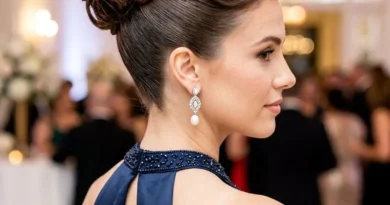
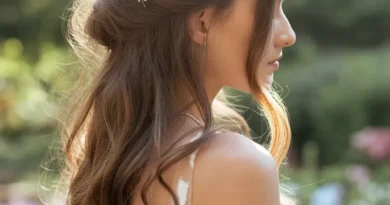
Quietly Stunning: 41 Hairstyles for a Museum Visit That Are Polished, Comfortable and Photo-Ready
A museum visit is one of the rare days out where your hair has to do two jobs at once. It needs to look polished enough for gallery photos and a nice lunch afterwards, yet comfortable enough to survive hours of slow walking, leaning in to read small plaques, and standing in front of paintings without a single strand falling into your eyes. The best hairstyles for a museum visit are the ones you forget about once you leave the house.
That means choosing styles that stay neat without constant fixing. A low bun, a soft braid or a well-pinned half-up style will hold its shape from the first gallery to the last, while loose, freshly washed hair tends to flatten, frizz or slide forward every time you bend to read a label. Comfort matters just as much as polish here — if a style pulls at your scalp, you will feel it by the second hour.
This guide gathers 41 hairstyles for a museum visit that are polished, comfortable and photo-ready, plus practical advice on keeping your hair neat all day, photographing well in gallery light and touching up between rooms. Whether you are visiting a grand national museum, a small local gallery or a special exhibition, you will find a style here that suits your hair type, your outfit and the mood of the day.
1. Hair That Stays Neat Through Hours of Walking
Museum visits are slow marathons, not sprints. You walk, stop, stand, lean and walk again, and your hair gets no break. Styles anchored low at the nape — buns, low ponytails and braids — cope best, because gravity works with them instead of against them. High, heavy styles tend to loosen and slide as the hours pass.
Preparation matters as much as the style itself. Second-day hair holds a pin far better than freshly washed hair, so if you wash in the morning, add a little texture spray or dry shampoo at the roots before styling. Finish with a light mist of flexible-hold hairspray rather than a stiff one, so the style can move with you without collapsing.
2. Keep Hair Out of Your Face When Leaning In to Read Plaques
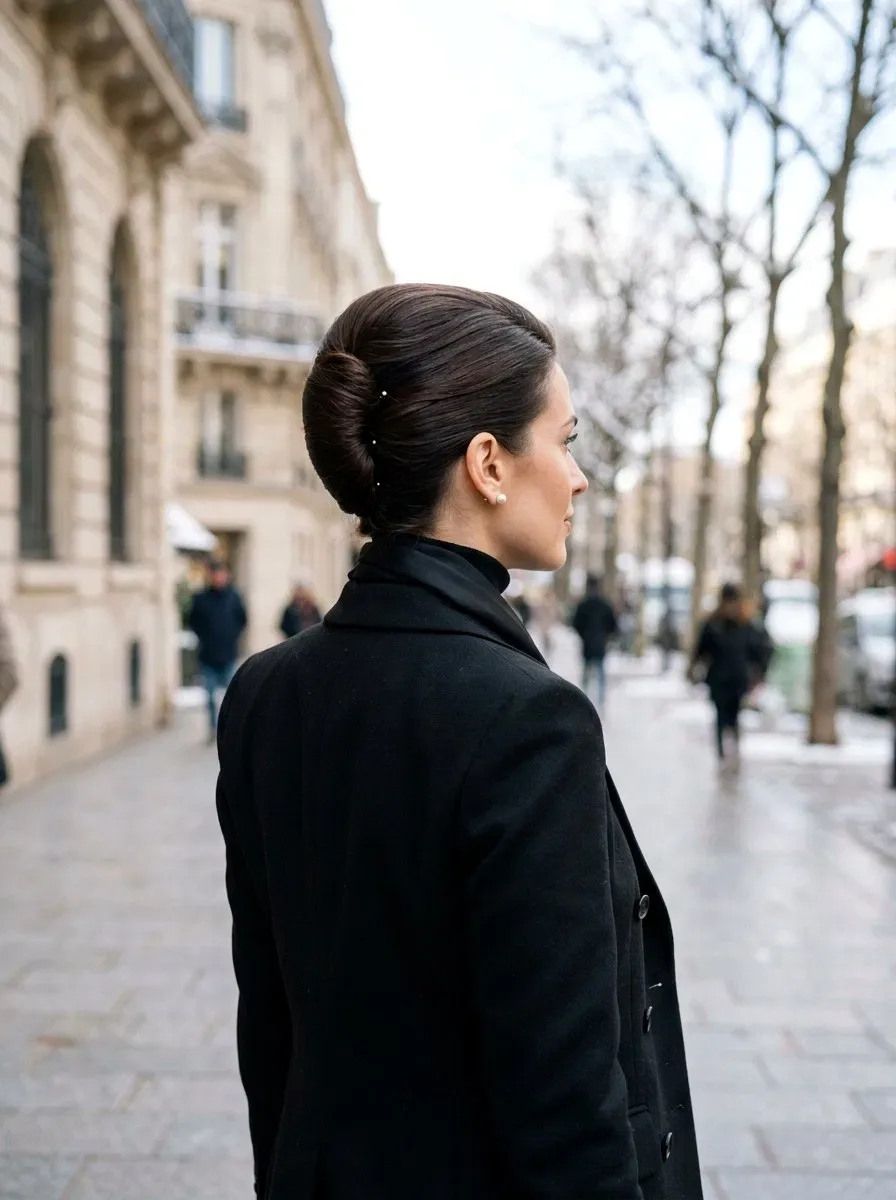
Every museum lover knows the moment: you lean in to read a tiny wall label and a curtain of hair falls straight across your face. The fix is simple — keep the front sections secured. A deep side part with the front tucked behind the ears, a small twist pinned at each temple, or a braided front section all solve the problem without changing the whole style.
If you love wearing your hair down, choose a half-up style instead. Pinning back just the top section leaves the length free while keeping your sightline clear. Carry two spare bobby pins in your bag; they weigh nothing and rescue the style if a front piece escapes halfway through the visit.
3. Photos in Gallery Light: Hair That Photographs Beautifully
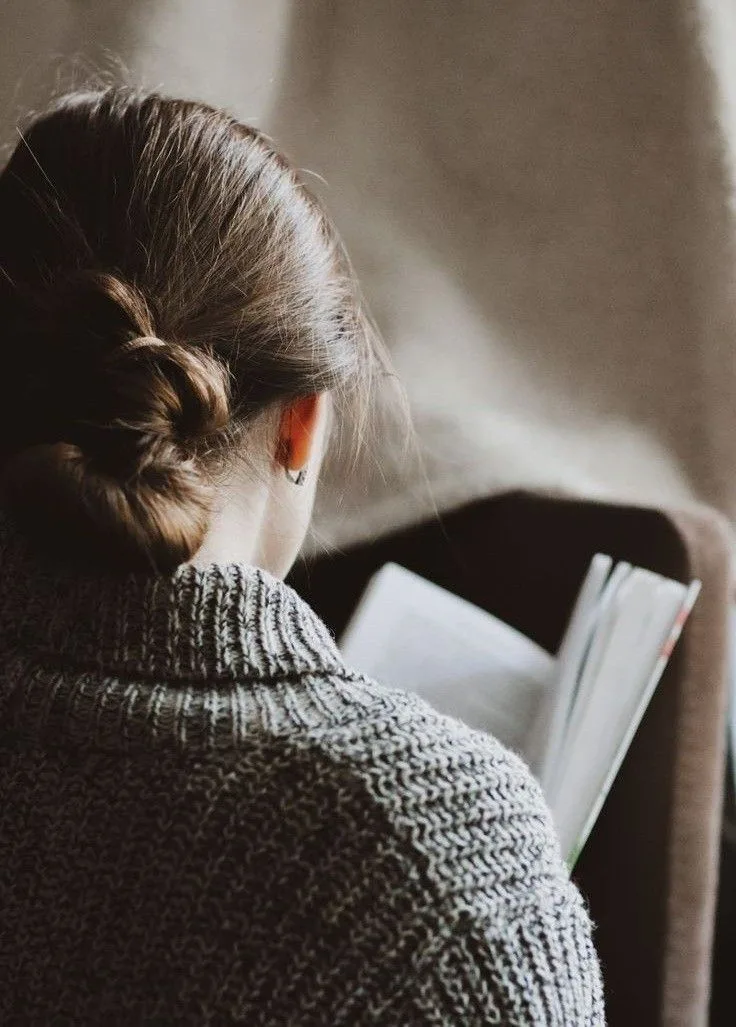
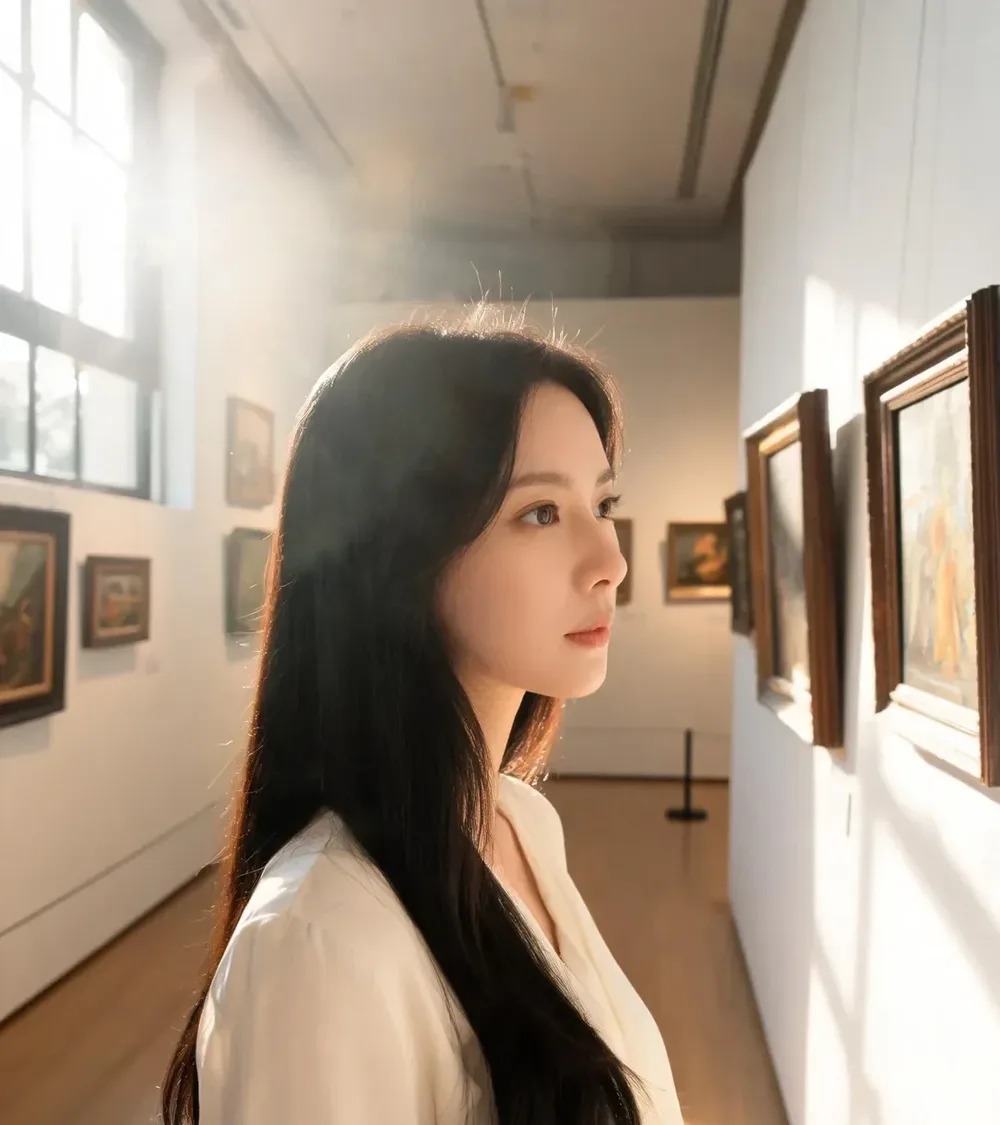
Gallery light is soft, diffused and often slightly warm, which is flattering for hair — but it also shows every flyaway. Smooth, defined styles photograph best: a sleek bun, a glossy blowout or a neat braid reads clearly in photos, while very fine, wispy layers can look fuzzy on camera. A quick smoothing pass with a serum or a light pomade on the surface layer makes a visible difference.
Think about silhouette too. A low bun or a side braid gives your profile a clean line in photos taken from the side, which is how most candid museum shots happen. Avoid styles that are very tall or very wide, since they can cast shadows on your face under overhead spotlights.
4. Hats and Hair in Museums: What Works (and What Gets in the Way)
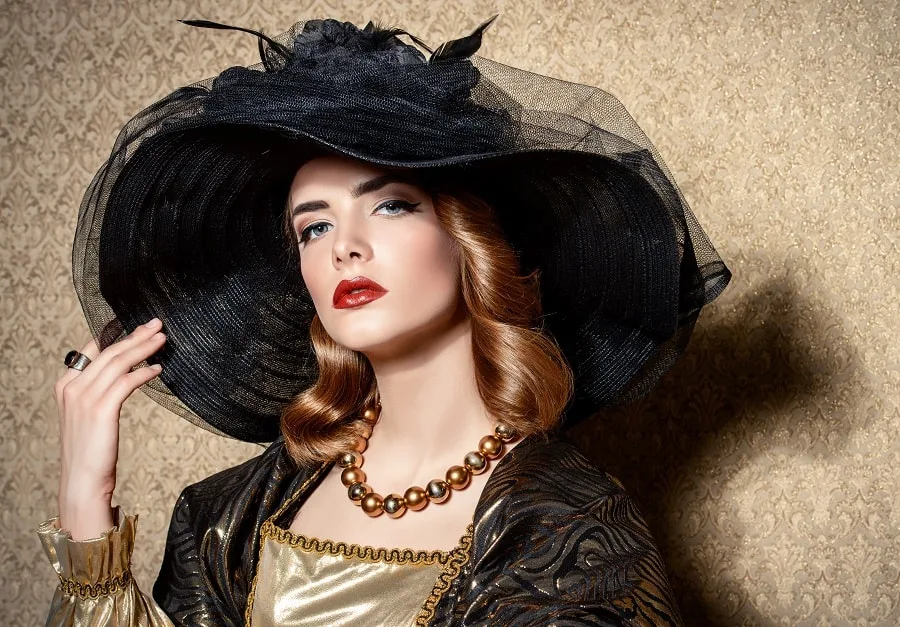
A hat can be a lovely part of a museum outfit, but it changes the hair maths. Wide-brimmed hats crush volume and leave a tell-tale line across the forehead, so pair them with low, flat styles — a low ponytail, a braid or a sleek bun — that sit comfortably underneath. Save the big blowout for hat-free days.
Remember that many museums ask visitors to check large hats or remove them in certain galleries, so your hairstyle should still look finished when the hat comes off. A low braid or a neat bun passes that test perfectly. If you plan to wear a beret, keep the hair smooth underneath and let a few soft pieces frame the face.
5. Comfort vs Polish: Finding Your Balance for a Long Visit
The most polished style in the world is useless if it gives you a headache by noon. Tight, high ponytails and scraped-back buns are the usual culprits. The sweet spot for a museum day is a style that looks intentional but feels loose: a low bun secured with a claw clip, a soft braid, or a half-up twist held with a few pins.
Test the comfort rule before you leave. Shake your head gently — if anything pulls, loosen it a fraction and re-pin. A style that feels relaxed at home will still look neat after four hours; a style that already hurts will only get worse. Choose comfort first, then add polish with shine spray, a pretty clip or a neat part line.
6. Match Your Hair to the Mood of the Visit
Not every museum trip is the same. A grand exhibition opening or a date at a national gallery calls for something a little more dressed up — a chignon, a French twist or polished waves. A relaxed afternoon at a local museum pairs better with a soft braid, a claw-clip twist or loose natural texture.
Let your outfit lead. A tailored blazer and smart trousers suit sleek, structured hair; a flowing dress suits soft waves and braids. When hair and outfit tell the same story, the whole look feels deliberate rather than thrown together. Keep one small polished detail — a clean part, a smooth crown — even in your most relaxed styles.
7. Quick Touch-Ups Between Galleries
You do not need a full restyle halfway through a museum visit — just a thirty-second reset. Step into a restroom, smooth the crown with damp hands or a travel-sized smoothing brush, re-pin any loose front pieces, and add a light mist of hairspray. If your roots have gone flat, a quick blast of dry shampoo at the crown brings the volume back.
Pack light: two bobby pins, a small elastic, a travel hairspray or a mini texture spray, and a folding brush. That tiny kit fixes almost every museum hair emergency, from a slipped bun to a frizz halo after walking through a humid courtyard. Do the touch-up, then get back to the art.
8. Hair by Season and Visit Type
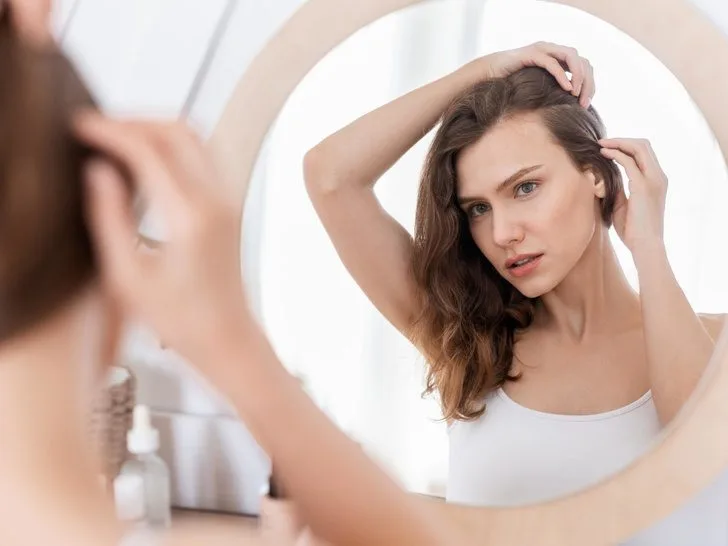
Summer museum visits mean air conditioning inside and heat outside, so frizz and sweat are the enemies. Choose styles that keep hair off the neck — low buns, braids and claw-clip twists — and use an anti-humidity spray before you leave. Winter visits bring static and hat hair, so a smoothing serum and a low, hat-friendly style work best.
Outdoor museum grounds, sculpture gardens and open-air exhibitions add wind to the mix. Braids and buns are your friends there; loose waves will tangle within minutes. For a rainy-day visit, a braided style or a sleek bun survives damp air far better than a bouncy blowout, which drops as soon as the humidity rises.
1. Classic Low Chignon
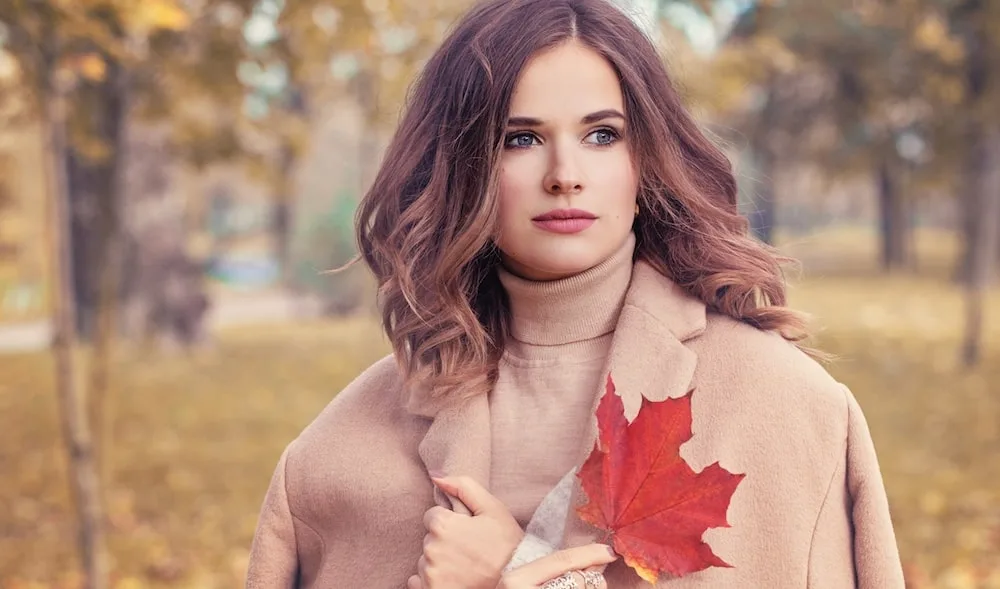
The classic low chignon is the museum hairstyle against which all others are measured. It sits neatly at the nape, keeps every strand under control, and looks equally at home in a grand gallery or a small local museum. It photographs beautifully from every angle and never needs adjusting.
Best for: formal exhibitions, date visits and anyone with medium to long hair. How to style: gather hair low, twist it into a roll, tuck the ends under and pin securely. Leave the crown smooth and the part clean. A light shine spray finishes it.
Quick verdict: timeless, comfortable and quietly elegant — the safest polished choice for a full day of looking at art.
2. Sleek Low Ponytail
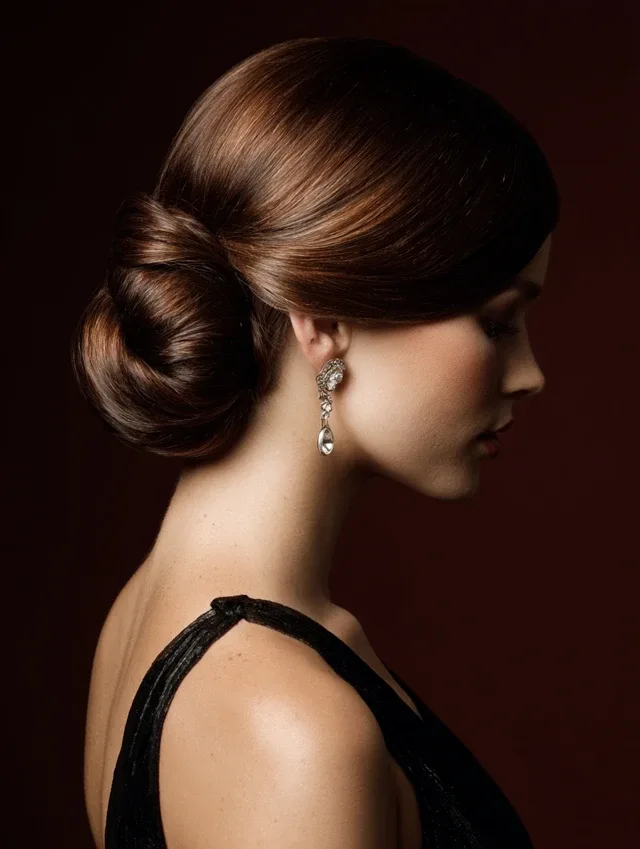
A sleek low ponytail is proof that simple can still look expensive. Pulled smooth at the crown and secured low, it keeps hair completely out of your way while you walk, lean and read. It works with almost any outfit, from a smart blazer to a floaty midi dress.
How to style: brush hair back with a smoothing serum, secure at the nape with a snag-free elastic, then wrap a small section of hair around the base and pin it underneath. The wrapped base is the detail that lifts it from everyday to gallery-ready.
Common mistake: pulling it too tight. A ponytail that tugs will ache by lunchtime — keep it firm but comfortable, and let the sleekness do the talking.
3. Soft French Twist
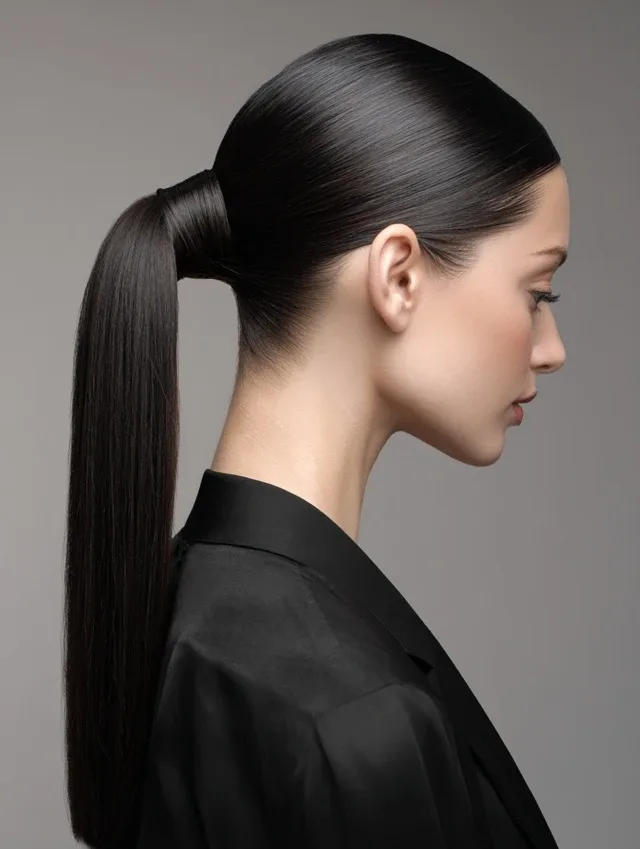
The soft French twist brings a touch of old-Hollywood glamour to a museum afternoon without feeling overdressed. The modern version is looser than the classic — a gentle roll with soft pieces at the front — which makes it far more comfortable to wear for hours.
What to ask your stylist: a soft, low French twist with face-framing tendrils, pinned rather than combed flat. Pros: keeps the neck cool, looks refined in photos, suits straight and wavy hair alike. Cons: it needs a fair number of pins, so keep spares in your bag.
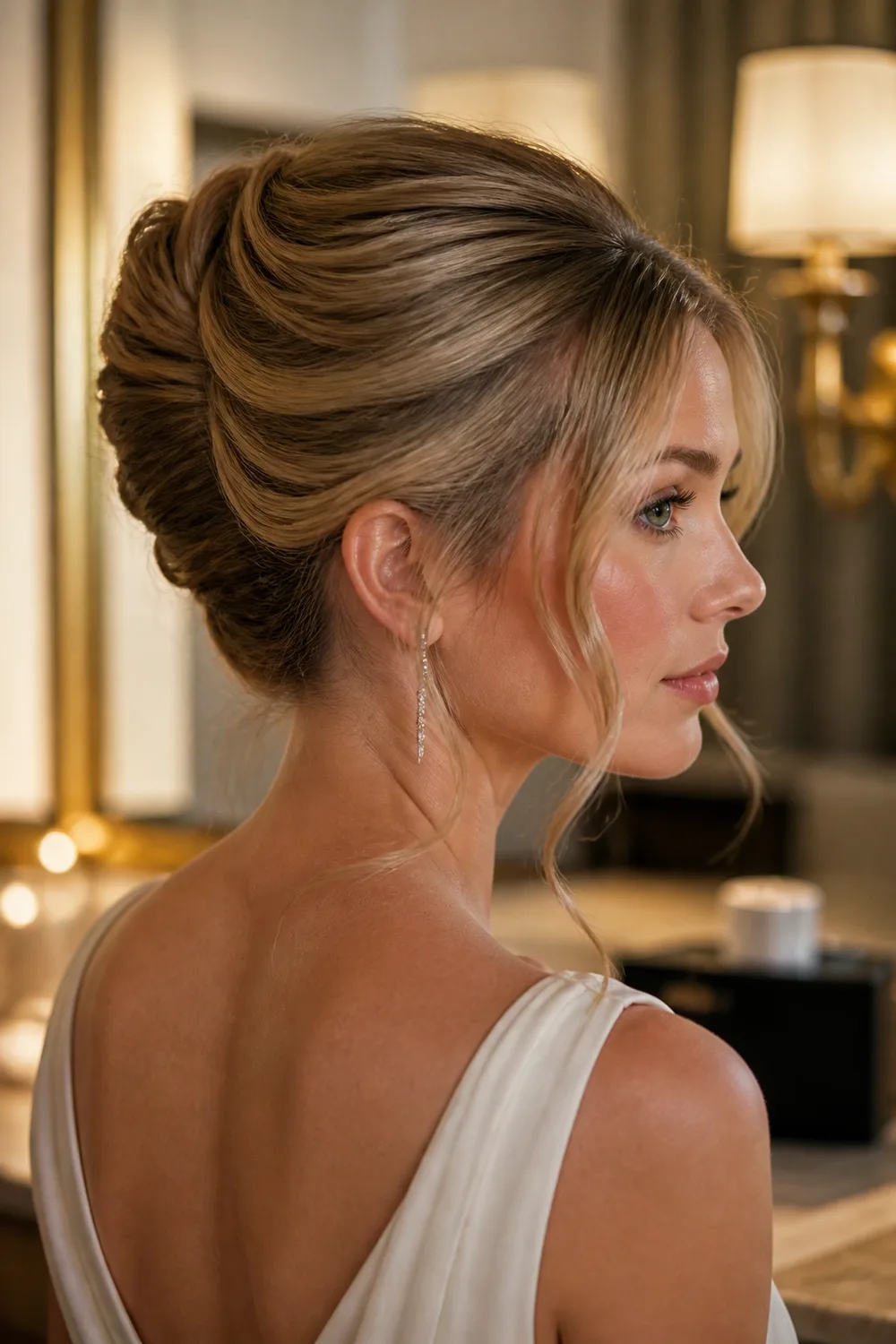
4. Braided Crown
A braided crown wraps around the head like a halo, keeping every strand pinned away from the face while you move between galleries. It has a romantic, almost storybook quality that suits art museums especially well, and it stays put for hours without a single adjustment.
Best for: long hair, warm days and anyone who wants a style that truly lasts. Maintenance: braid loosely for comfort, pin the ends underneath, and mist with flexible-hold spray. It even looks better as it softens slightly through the day.
Who should avoid it: very short hair — you need enough length to wrap the braid around the head. A half-crown braid is the better option for shoulder-length hair.
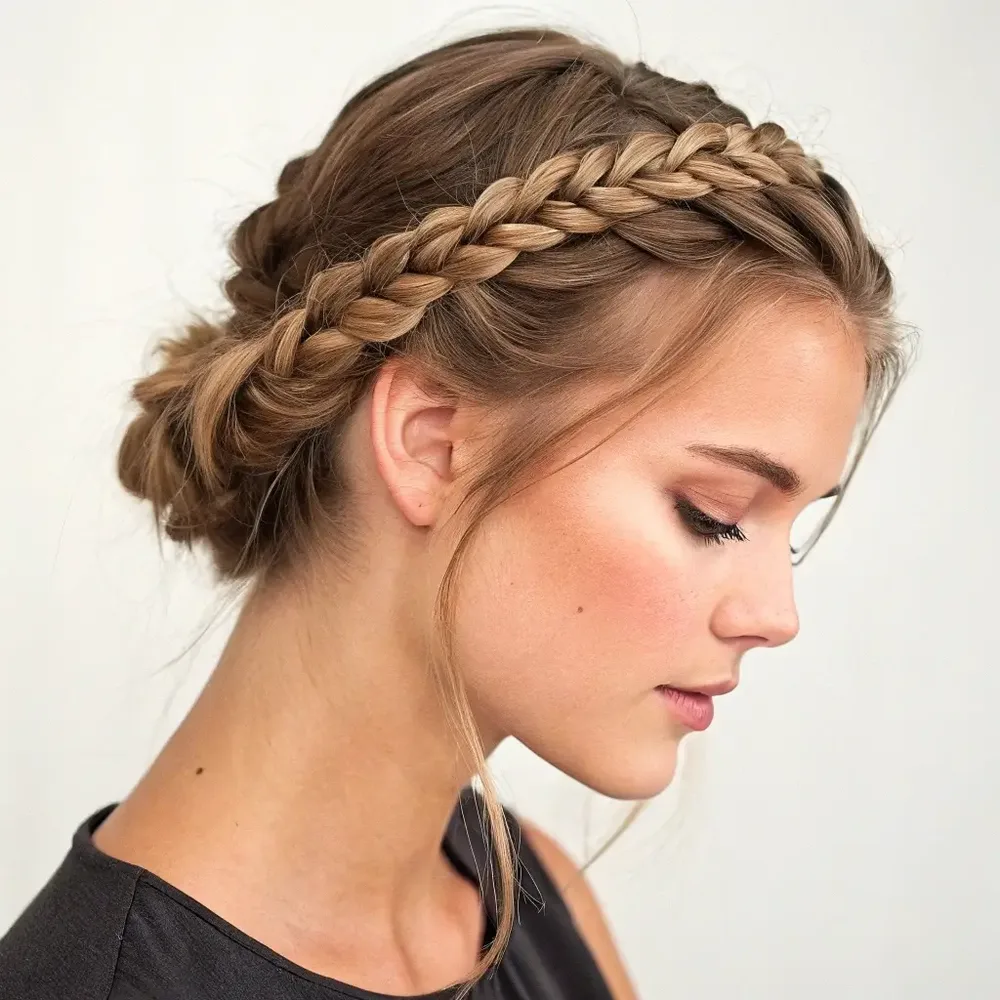
5. Half-Up Twisted Knot
The half-up twisted knot is the perfect compromise: the top half is secured and tidy, while the rest of the hair falls freely. It keeps your sightline clear when you lean in to read a label, and it takes less than five minutes to create.
How to style: take two sections from above the ears, twist them toward the back, knot them together once and pin. Leave the ends loose for a soft finish. Cost and time: free, five minutes, no heat required — ideal for a spontaneous museum trip.
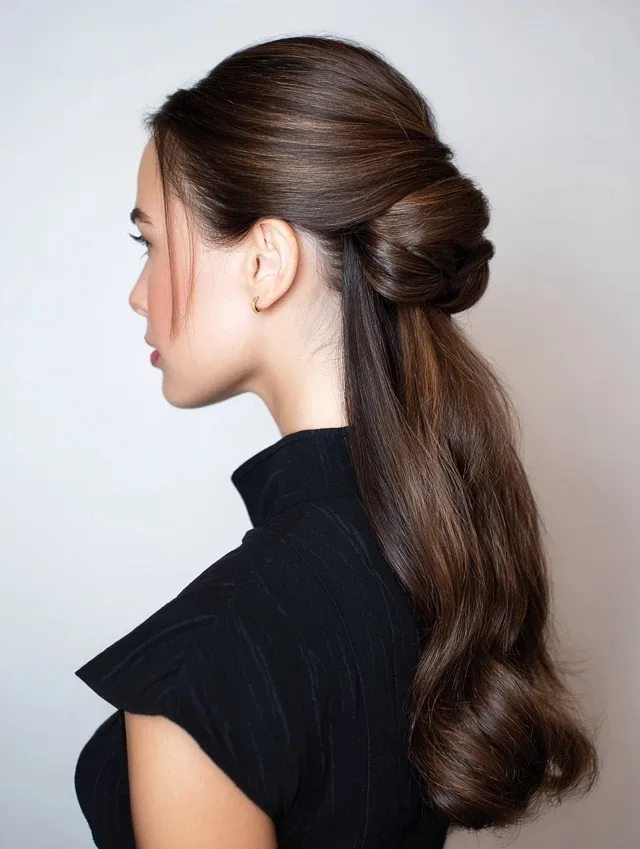
6. Low Textured Bun
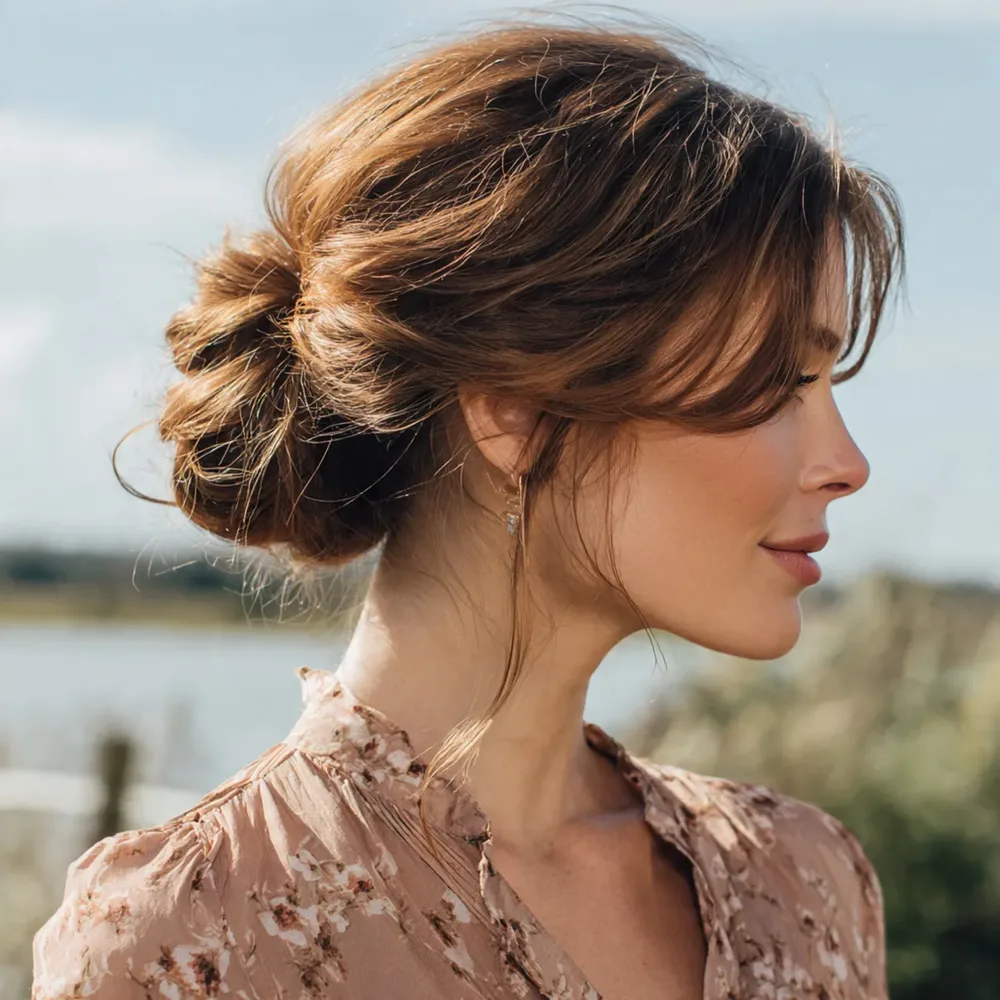
A low textured bun is the relaxed cousin of the chignon — a little softer, a little messier, and just as practical. It suits the easy, unhurried mood of a museum day and works beautifully on second-day hair, when natural texture gives the bun something to grip.
Pros: comfortable for hours, forgiving if it loosens, suits wavy and curly hair especially well. Cons: very fine, freshly washed hair may slip, so add texture spray first. Quick verdict: the “I woke up like this, but polished” museum style.
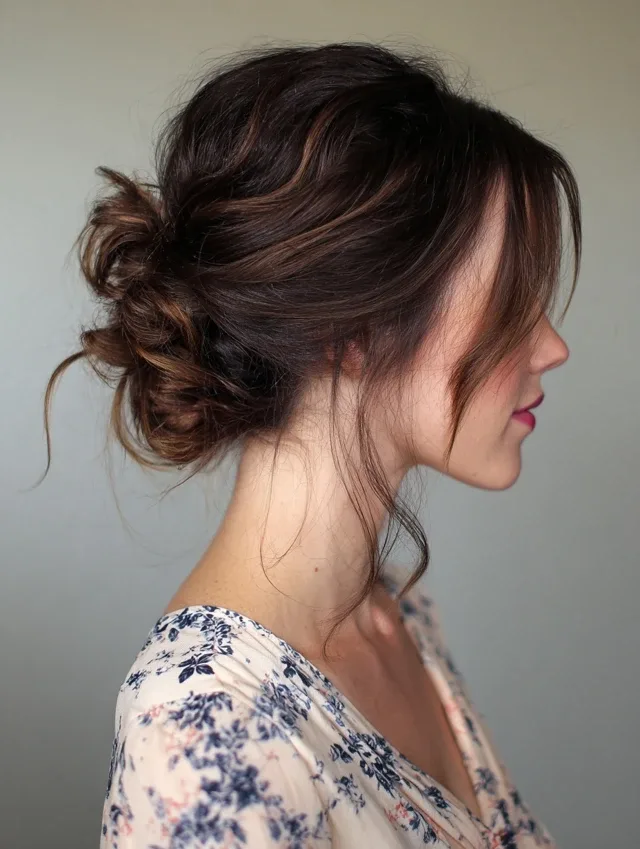
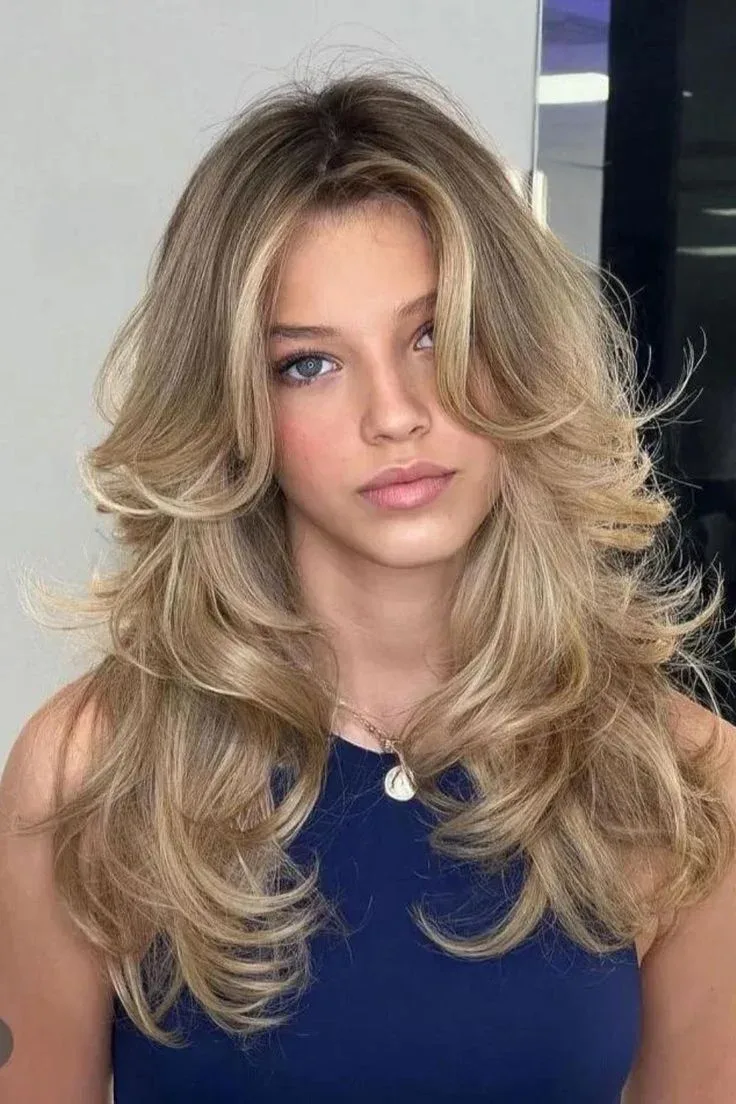
7. Curtain Bangs Blowout
Curtain bangs with a soft blowout frame the face beautifully in gallery light and give even a simple outfit a finished, editorial feel. The bangs sweep to each side, so they stay out of your eyes while you read plaques — a real advantage over a straight fringe.
Maintenance: the blowout will soften over a long day, so carry a small round brush or simply re-sweep the bangs with your fingers after lunch. Best for: medium to long hair, oval and heart-shaped faces, and anyone who loves a face-framing style without the fuss of a full updo.
8. Smooth Glass-Hair Bob
The glass-hair bob — pin-straight, glossy and sharply cut — looks stunning in a museum. Its clean lines echo the architecture and the art, and it photographs like a fashion editorial. Best of all, there is nothing to come loose: no pins, no elastics, no mid-day rescue needed.
How to style: flat iron in small sections, then smooth a drop of shine serum over the surface. A centre part keeps it graphic and modern. Common mistake: skipping heat protectant — the glass finish only works on healthy, protected hair.
Who should avoid it: very humid days, when even the best serum struggles against frizz. Save it for a cool, dry visit.

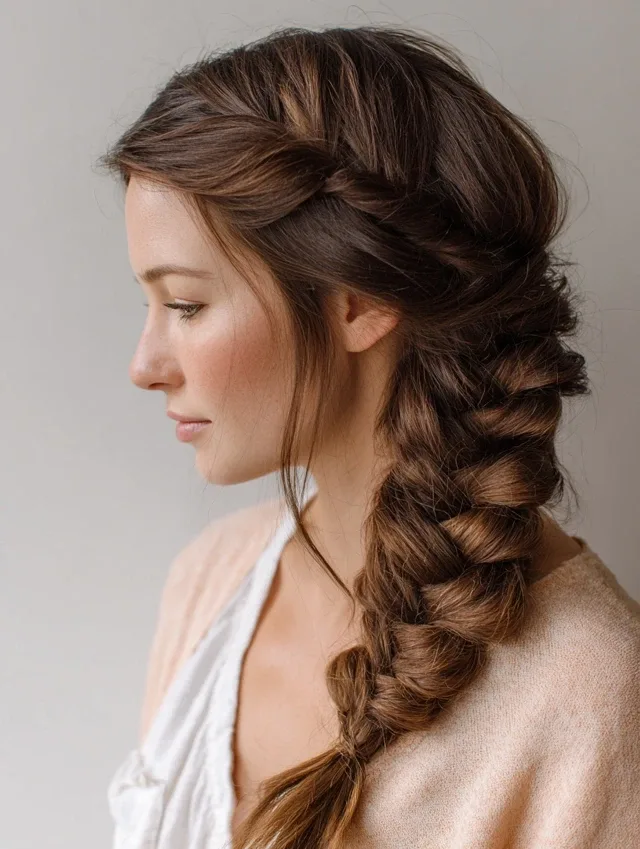
9. Loose Side Braid
A loose side braid draped over one shoulder is relaxed, romantic and wonderfully practical. It keeps hair contained while you walk, and when you turn to look at a painting, the braid moves with you instead of falling into your face.
Best for: long hair, warm weather and sculpture gardens, where wind makes loose hair a nuisance. How to style: sweep hair to one side, braid loosely, secure with a clear elastic and gently pull the braid apart for softness.
Quick verdict: effortless, comfortable and quietly pretty — one of the easiest museum styles to wear all day.
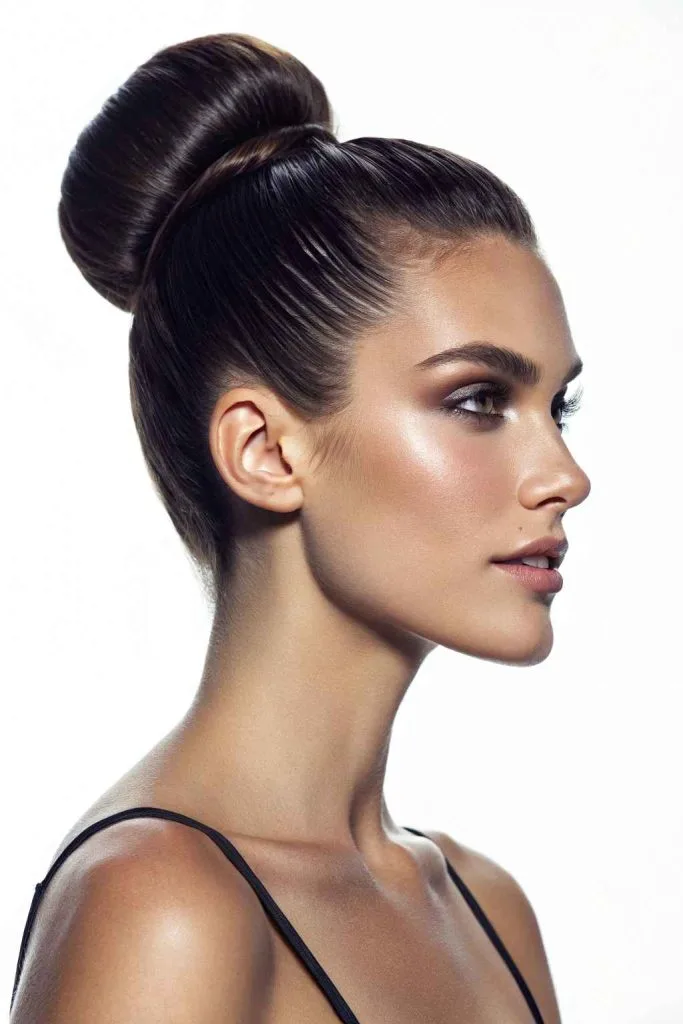
10. Polished High Bun
A polished high bun lifts the whole look — literally. It elongates the neck, keeps hair completely off the shoulders, and looks striking in photos taken against tall gallery walls. The key is keeping it smooth and secure without pulling the hairline too tight.
What to ask your stylist: a smooth high bun with a clean hairline and no bumps at the crown. Pros: cool on warm days, dramatic in photos, lasts for hours. Cons: can feel heavy by the end of the day if your hair is very thick — a lower bun may be kinder.
11. Romantic Low Ponytail with Face-Framing Pieces
This is the low ponytail’s softer, more romantic sister. Two face-framing pieces are left loose at the front, softening the look and flattering the face in photos, while the ponytail itself stays neat and low. It suits a museum date or a special exhibition perfectly.
How to style: leave two thin sections free at the front, gather the rest low, and curl the loose pieces gently away from the face. Maintenance: if a front piece falls flat, a quick finger-twist and a pin behind the ear restores it in seconds.
Best for: oval, round and square faces, and anyone who finds a fully scraped-back style too severe.

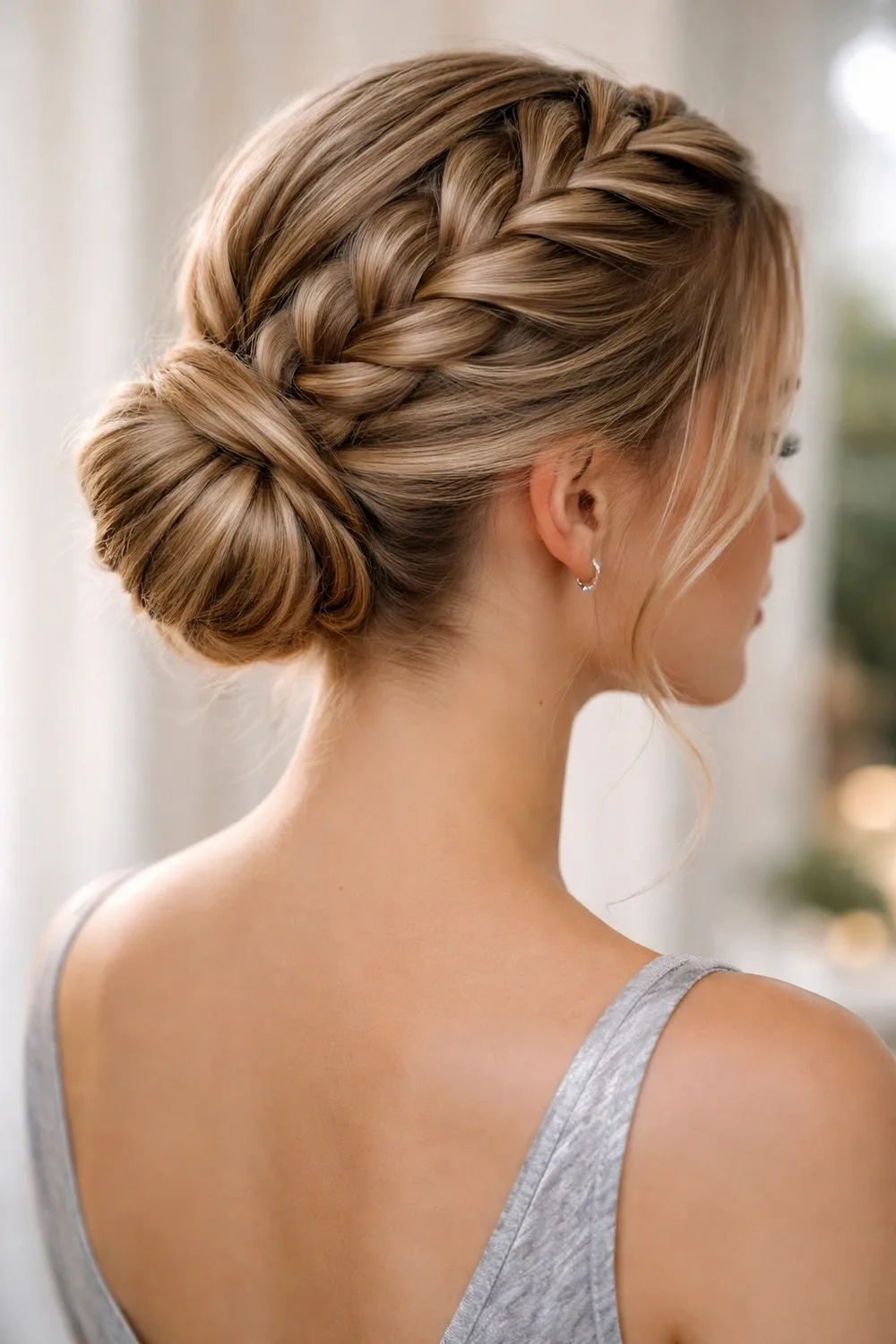
12. Dutch Braid into Low Bun
A Dutch braid that flows into a low bun is one of the most secure styles you can wear to a museum. The braid anchors the front, the bun anchors the back, and nothing moves — no matter how many galleries you walk through. It also looks far more complicated than it is.
Cost and time: about ten minutes at home, no salon needed. Pros: lasts all day, keeps the neck cool, looks intricate in photos. Cons: tricky to do on yourself the first time — practise once before the visit.
13. Elegant Fishtail Braid
The fishtail braid has a fine, woven texture that catches gallery light beautifully and looks far more special than a regular three-strand braid. Worn over one shoulder, it is comfortable, secure and endlessly photogenic.
Best for: long, thick hair and anyone who wants a braid with a little more detail. How to style: divide hair into two sections, pass small pieces from each side to the other, and keep the tension even. Pancake the braid gently for fullness.
Common mistake: braiding too tightly. A fishtail should look soft and textured, not stiff — loosen it slightly once it is secured.
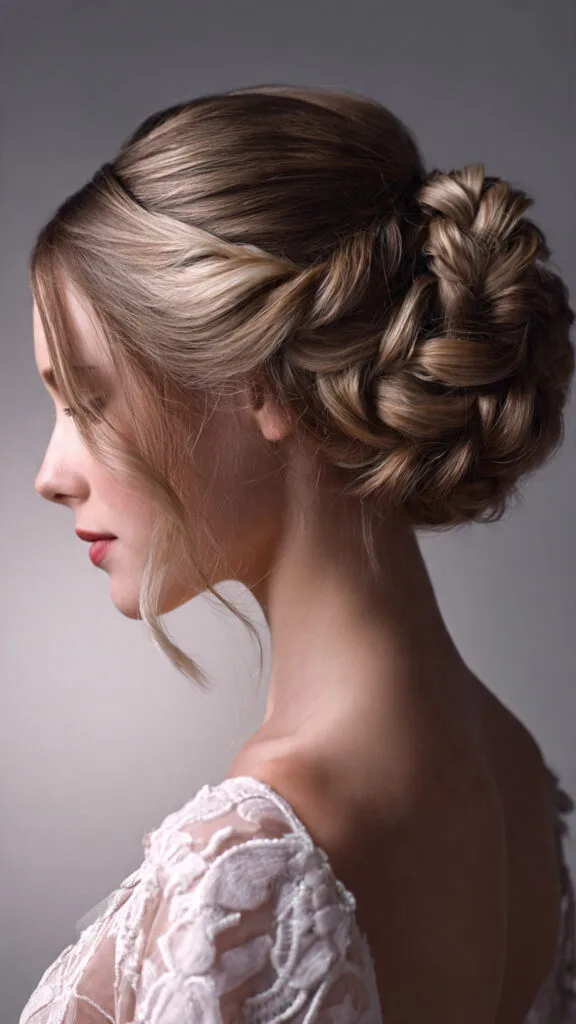
14. Tucked Gibson Tuck
The Gibson tuck is a vintage style with a modern museum twist: hair is rolled and tucked into a low pocket at the nape, creating a soft, elegant shape that needs no pins poking out. It looks refined from every angle and stays put for hours.
What to ask your stylist: a soft Gibson tuck with a slightly loosened crown for a modern feel. Pros: no visible pins, comfortable, suits medium-length hair well. Cons: it can slip on very silky hair, so use texture spray and plenty of pins underneath.
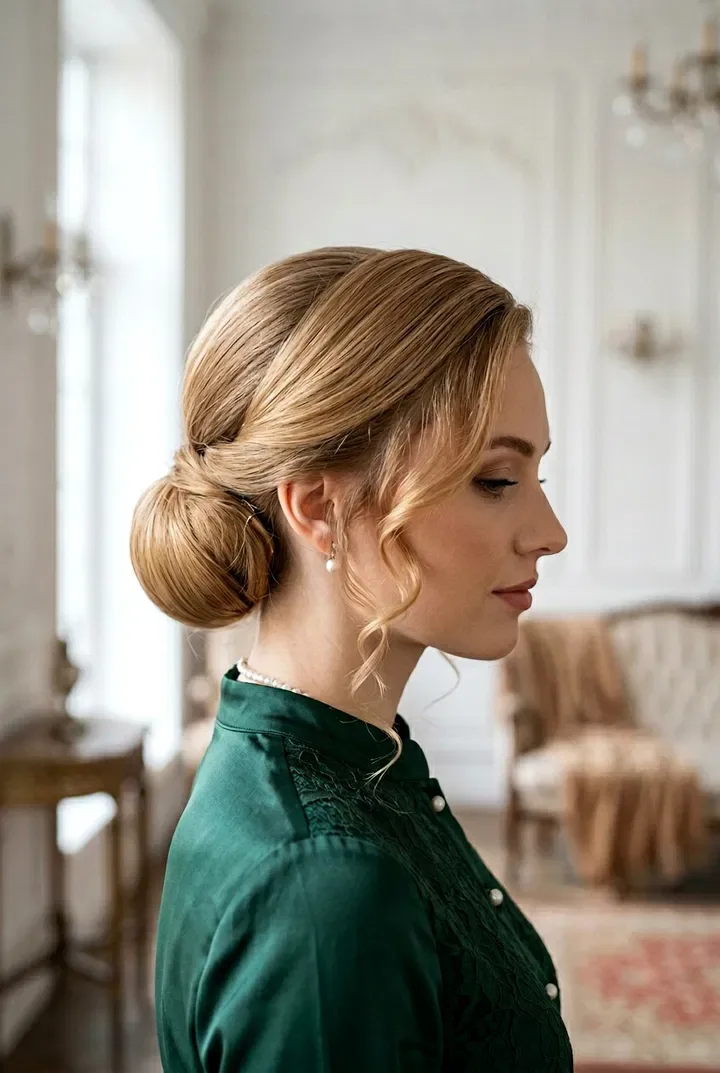
15. Soft Waves with Middle Part
Soft waves with a middle part are the museum-day classic for anyone who prefers wearing their hair down. The waves add movement and shine, the middle part keeps the style symmetrical in photos, and the look works with almost every outfit in your wardrobe.
Maintenance: waves drop over a long day, so start with a slightly tighter curl than you want and let it relax naturally. Best for: medium to long hair and relaxed gallery visits where you want to look polished without an updo.
Quick verdict: easy, flattering and photogenic — the down style that actually survives a museum day.
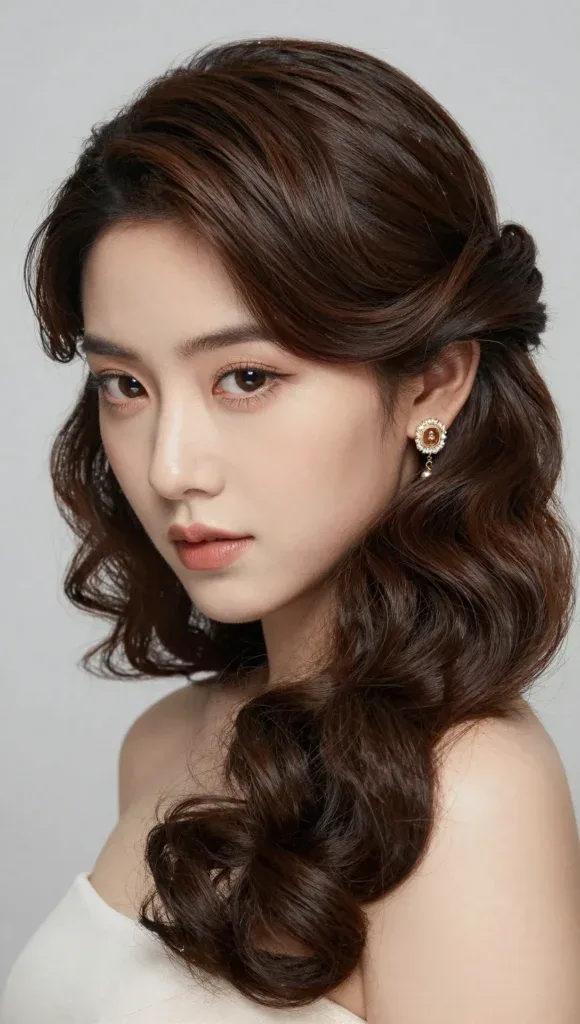
16. Claw Clip Twist
The claw clip twist is the museum visitor’s secret weapon: it takes thirty seconds, holds all day, and looks intentionally chic rather than thrown together. Twist the hair up, clip it, let the ends fan out softly — done.
Pros: the most comfortable updo here, easy to redo between galleries, and kind to hair because there is no elastic tension. Cons: very thick hair may need a large, strong clip. Cost and time: one clip, thirty seconds, zero heat.
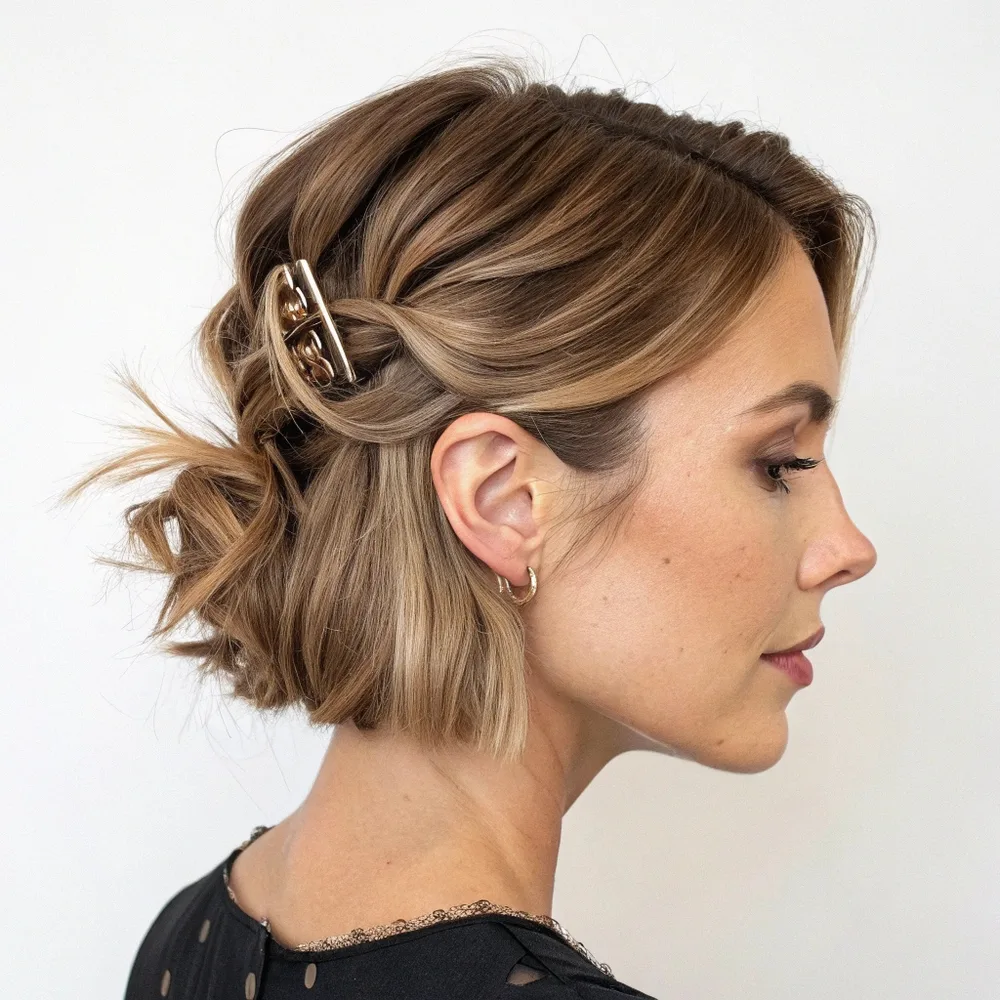
17. Low Bubble Ponytail
A low bubble ponytail adds a playful, modern touch to a museum outfit without sacrificing practicality. Small elastics spaced down the ponytail create soft “bubbles” that hold their shape all day and look wonderful in photos against clean gallery walls.
How to style: secure a low ponytail, add elastics every few centimetres, and gently pull each section wider to form the bubbles. Best for: long hair, contemporary art museums and anyone who likes a style with a little personality.
Who should avoid it: very fine hair, where the bubbles can look sparse — add a little texture spray for grip first.
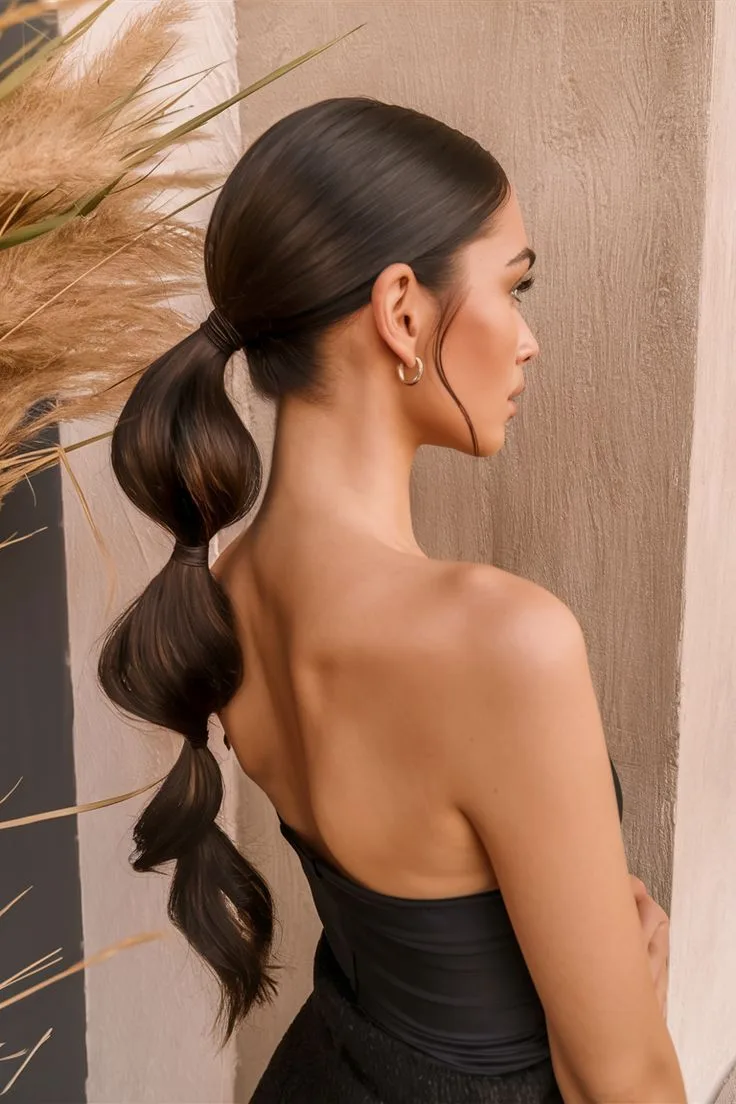
18. Sleek Straight Hair with Centre Part
Pin-straight hair with a sharp centre part is a museum look with quiet confidence. It frames the face symmetrically, photographs cleanly, and needs no pins at all — just a good flat iron and a smoothing serum in the morning.
Common mistake: forgetting anti-humidity protection. Gallery air conditioning and outdoor heat can create frizz at the crown, so a light serum or anti-frizz spray is essential. Maintenance: a quick smoothing pass with your hands is usually all it needs between galleries.
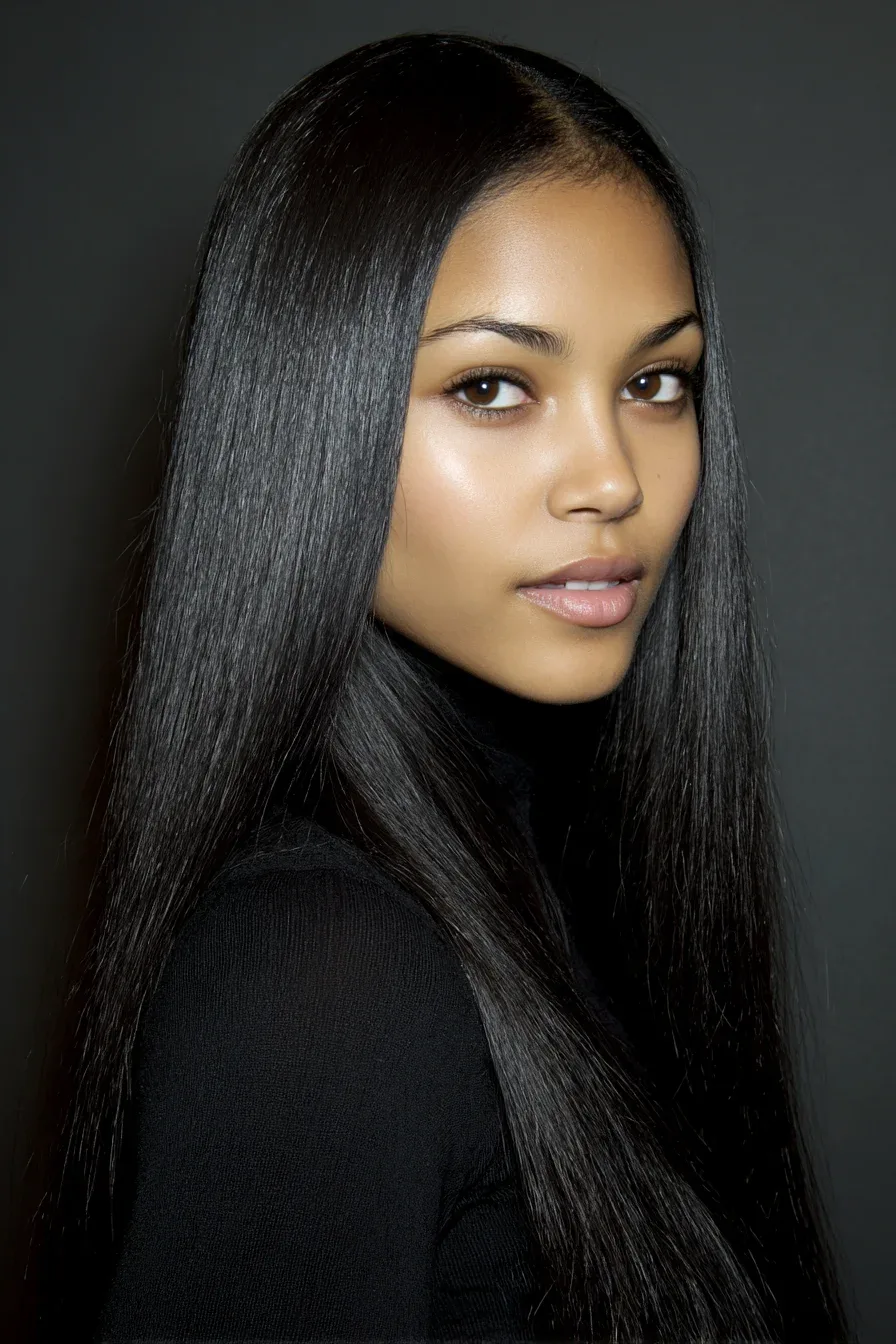
19. Modern Victory Rolls
Modern victory rolls borrow the glamour of the 1940s and soften it for today: smaller rolls, looser texture, and a relaxed finish that suits a museum visit rather than a costume party. They frame the face beautifully and hold their shape for hours.
Best for: vintage lovers, special exhibitions and anyone with medium-length hair. What to ask your stylist: soft, modern victory rolls with the rest of the hair down or in a low roll — never stiff or over-set.
Quick verdict: a conversation-starting style that still feels wearable, especially paired with a vintage-inspired outfit.
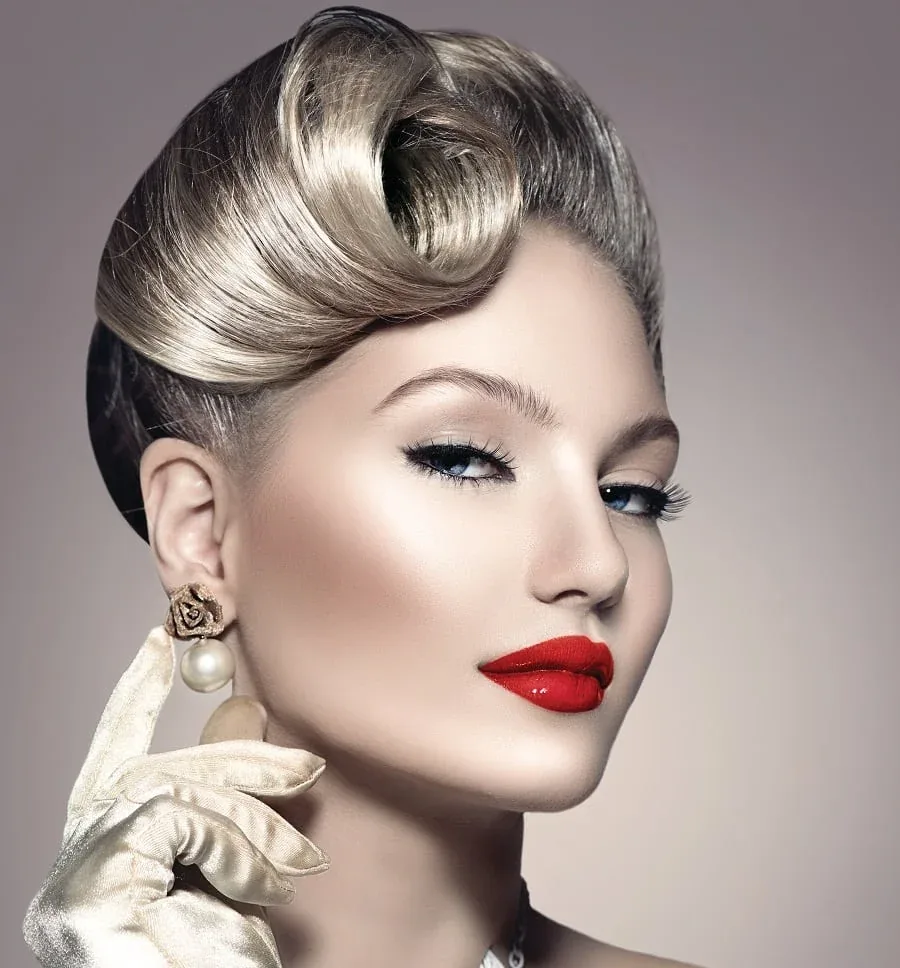
20. Braided Low Ponytail
A braided low ponytail combines the security of a braid with the ease of a ponytail. The braid keeps the length contained and tangle-free, which matters when you are walking through crowded galleries and turning to look at paintings all day.
How to style: gather hair low, braid the ponytail itself, and secure the end. Wrap a strand around the top elastic for a polished finish. Pros: zero flyaways at the nape, comfortable for hours, works on second-day hair.
Maintenance: practically none — if the braid loosens, it only looks softer.
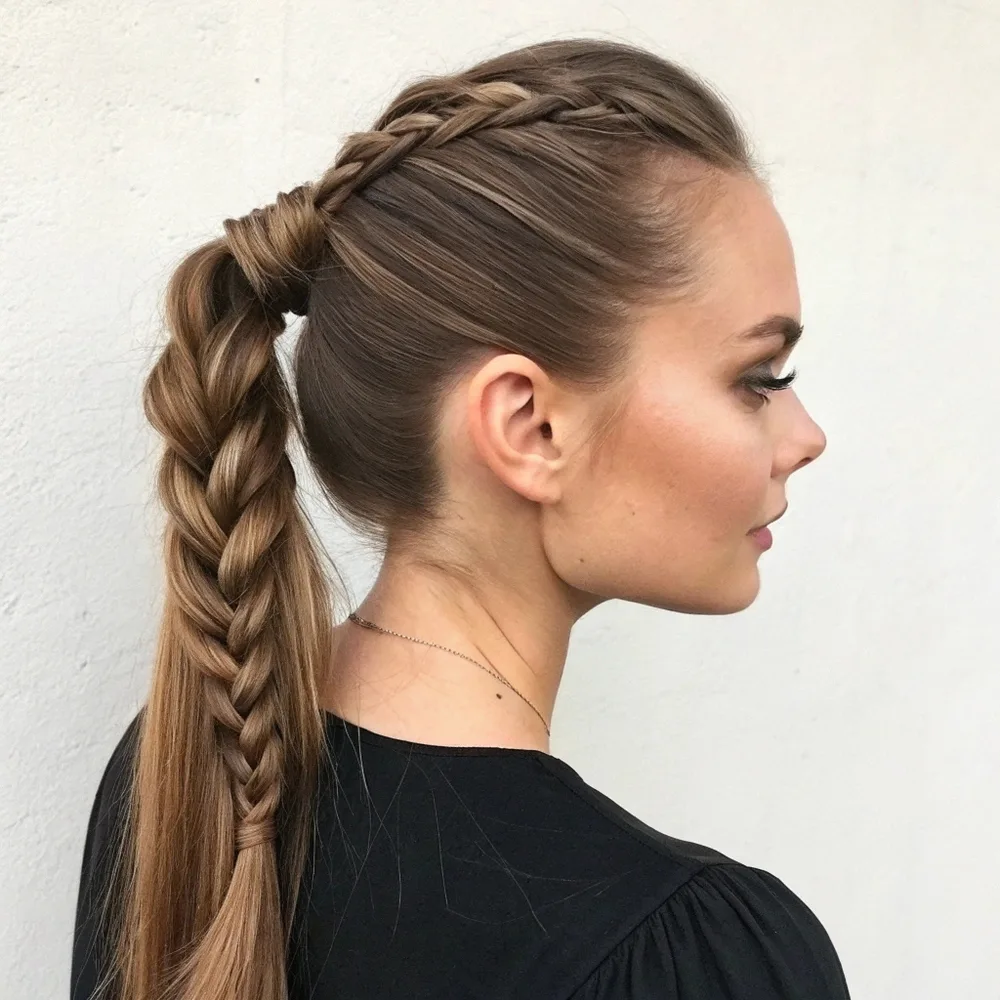
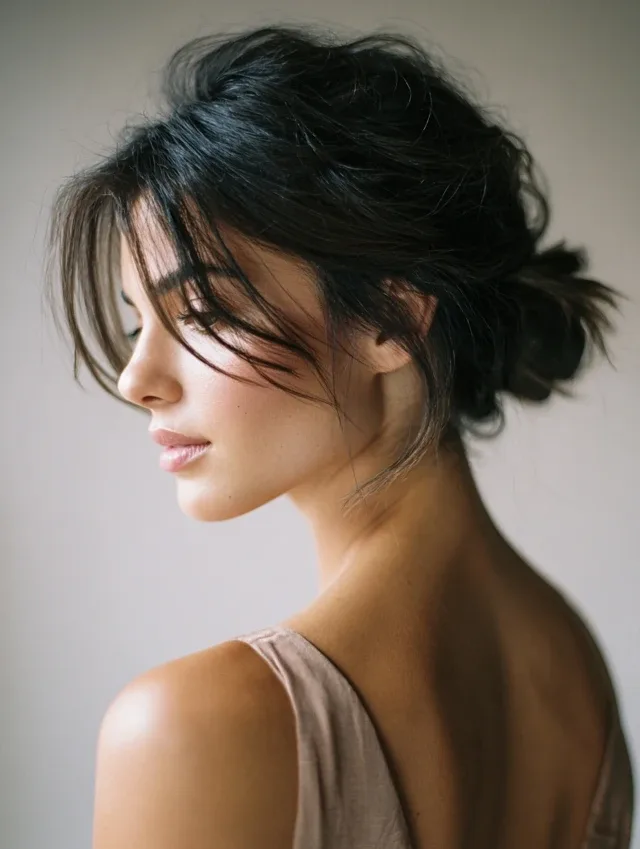
21. Messy-Chic Low Bun
The messy-chic low bun is deliberately imperfect — soft, textured and a little undone — which makes it ideal for a relaxed museum day. It looks like you spent five minutes on it, in the best possible way, and it only gets better as it loosens.
Best for: wavy and curly hair, casual museum visits and anyone who dislikes stiff, formal styles. How to style: gather hair low without brushing it smooth, twist loosely, pin, and pull a few pieces free around the face.
Common mistake: over-pinning. The charm of this bun is its softness — too many pins flatten it into a regular bun.
22. Side-Swept Hollywood Waves
Side-swept Hollywood waves bring old-screen glamour to a museum afternoon. The deep side part and glossy, uniform waves photograph beautifully in soft gallery light, and the style has a drama that suits a grand museum building perfectly.
What to ask your stylist: polished Hollywood waves swept to one side, set with a light-hold spray so they move naturally. Pros: stunning in photos, suits special occasions. Cons: the waves relax over a long day, so start with a firm set.

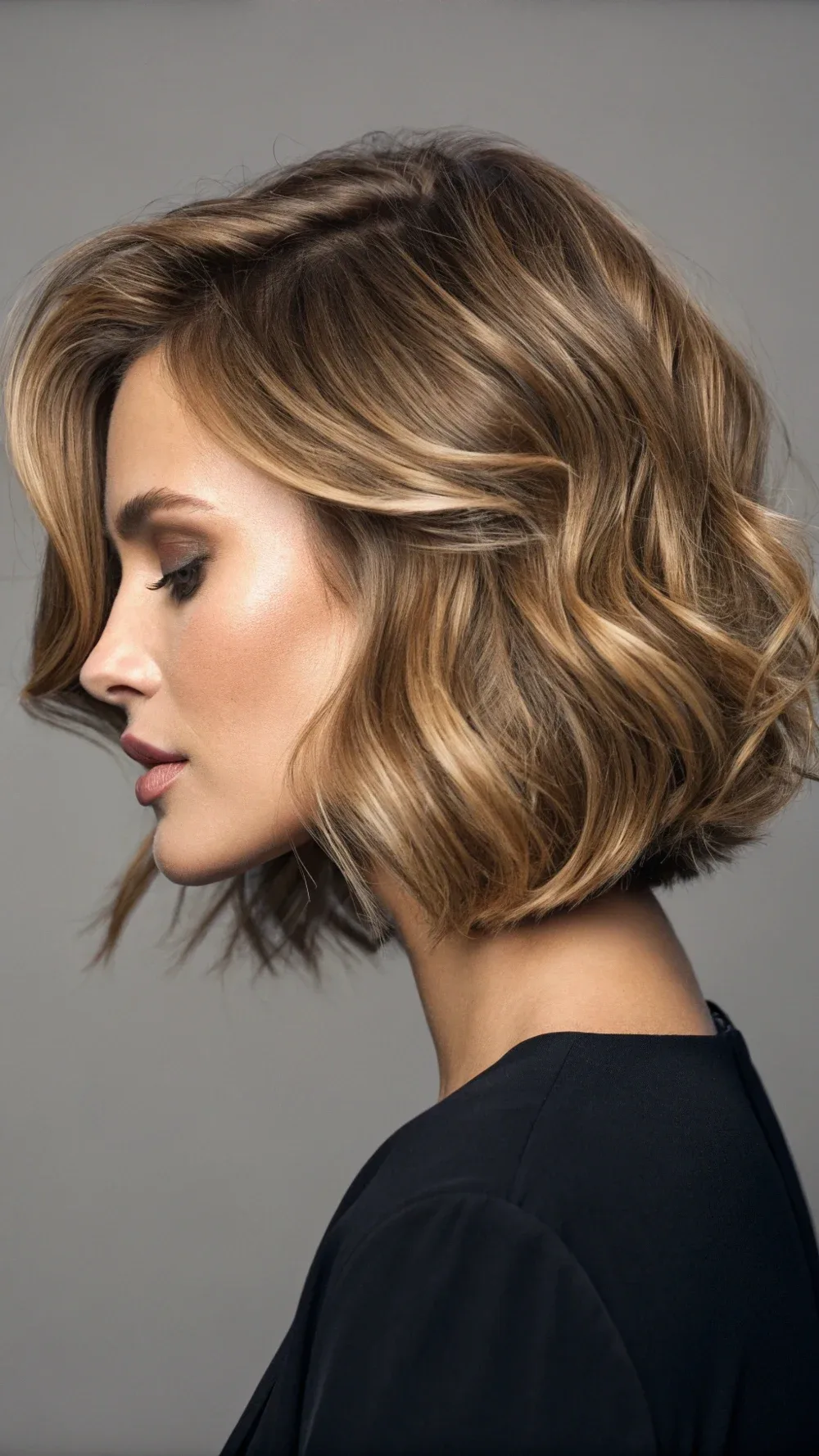
23. Textured Lob with Soft Ends
The textured lob — a long bob with soft, piecey ends — is one of the most practical museum hairstyles for medium-length hair. It needs no pins, sits neatly all day, and looks modern and fresh in every gallery. A quick tousle with texture spray in the morning is often all the styling it needs.
Maintenance: minimal. If the ends go flat, a few twists with a flat iron or a scrunch of texture spray brings them back. Best for: shoulder-length hair, busy days and anyone who wants a wash-and-go museum style that still looks intentional.
Quick verdict: low effort, high polish — the lob earns its place on every museum list.
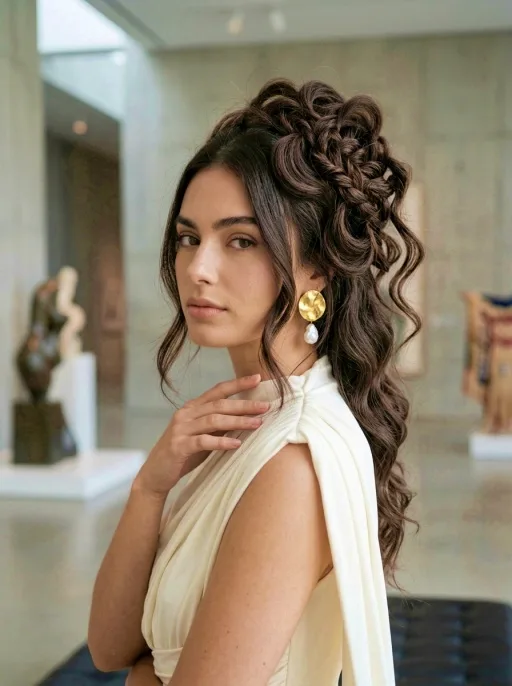
24. French Braid Crown with Loose Curls
This style pairs a French braid across the crown with loose curls falling below — the braid keeps the front tidy and out of your face, while the curls keep the look soft and romantic. It is a beautiful choice for a museum date or a spring exhibition.
How to style: French braid from one temple across the crown to the other side, pin the end underneath, then curl the remaining length loosely. Pros: the best of both worlds — secure at the front, flowing at the back.
Who should avoid it: very short hair, which cannot support both a crown braid and loose curls. A simple braided headband gives a similar effect on shorter lengths.

25. Pinned-Back Half-Up Hairstyle
The pinned-back half-up is the simplest museum style in this guide and one of the most useful. Two small sections are pinned back at the crown, clearing your face completely while the rest of your hair stays down. It takes two minutes and works on almost any hair type.
Cost and time: two pins, two minutes, no heat. Best for: long hair, first-time museum visitors and anyone who wants to keep their length visible. Common mistake: pinning too tightly, which creates a bump — slide the pins in flat against the head.
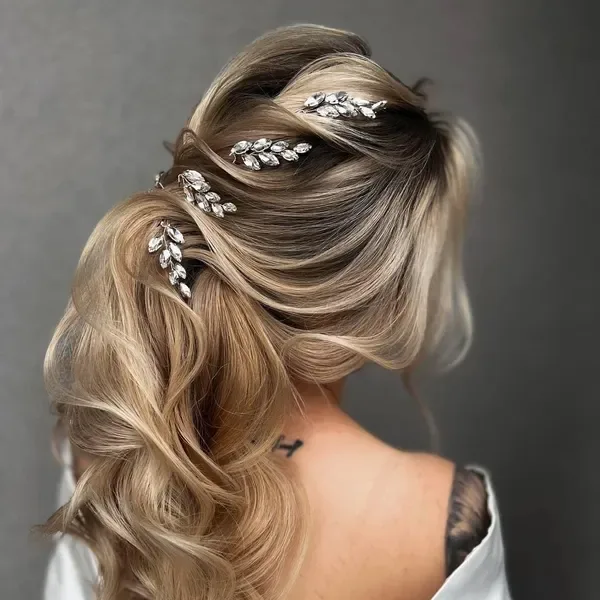
26. Soft Low Top Knot
A soft low top knot sits just above the nape rather than high on the head, giving you the comfort of a knot without the severity of a high bun. It keeps hair off your neck on warm days and looks neat from every angle.
Pros: comfortable for hours, easy to redo, suits straight and wavy hair. Cons: very long, heavy hair can pull — use a strong elastic and a couple of pins for support. Quick verdict: the understated knot that works harder than it looks.
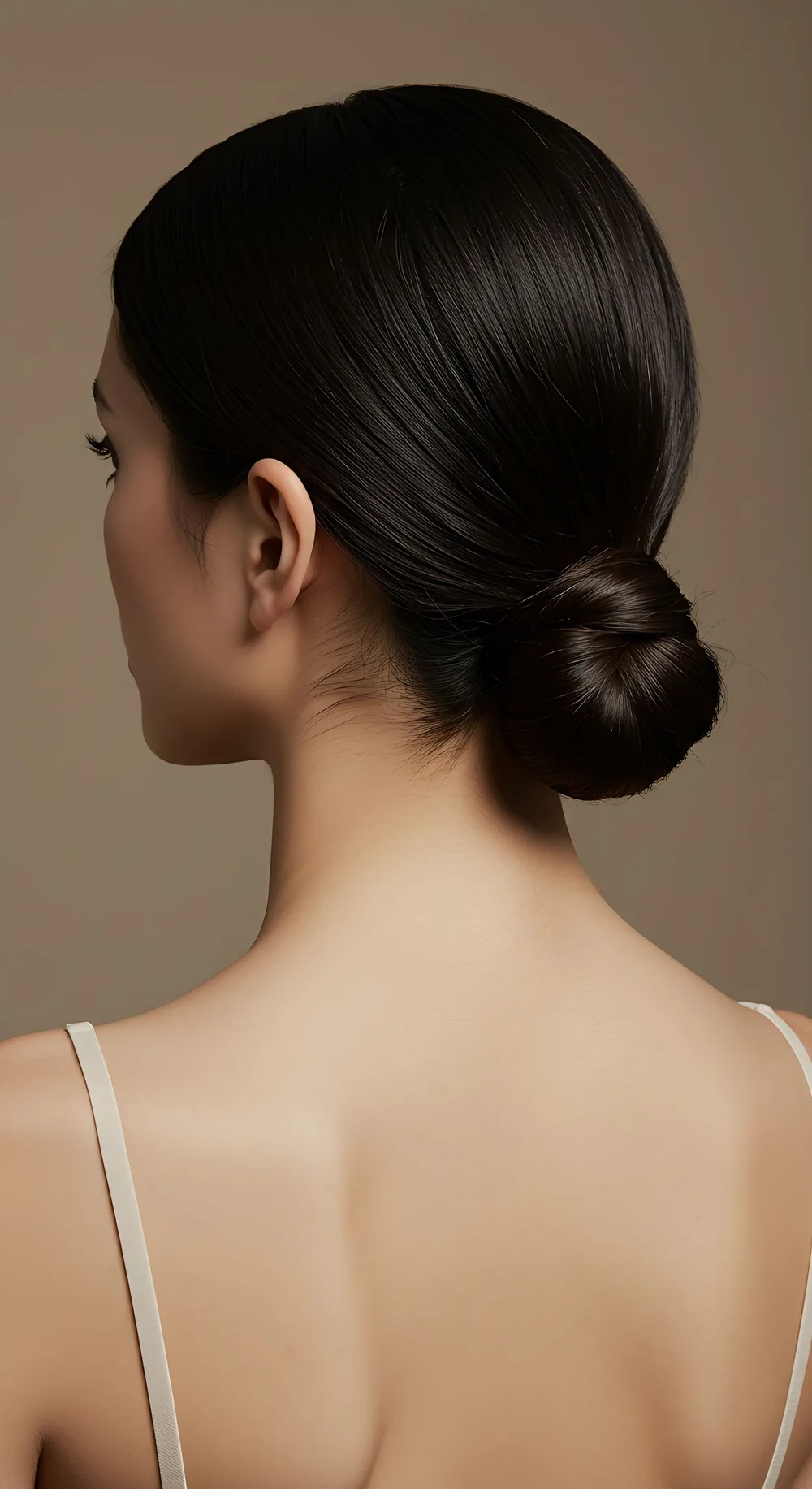
27. Rope Braid Low Bun
A rope braid twisted into a low bun is a small detail with a big payoff. The twisted rope texture adds visual interest to an otherwise simple bun, and the style is exceptionally secure — ideal for a long day that includes stairs, crowds and outdoor sculpture gardens.
How to style: split a low ponytail into two sections, twist each one the same way, wrap them around each other, then coil the rope into a bun and pin. Best for: thick hair, which shows off the rope texture best.
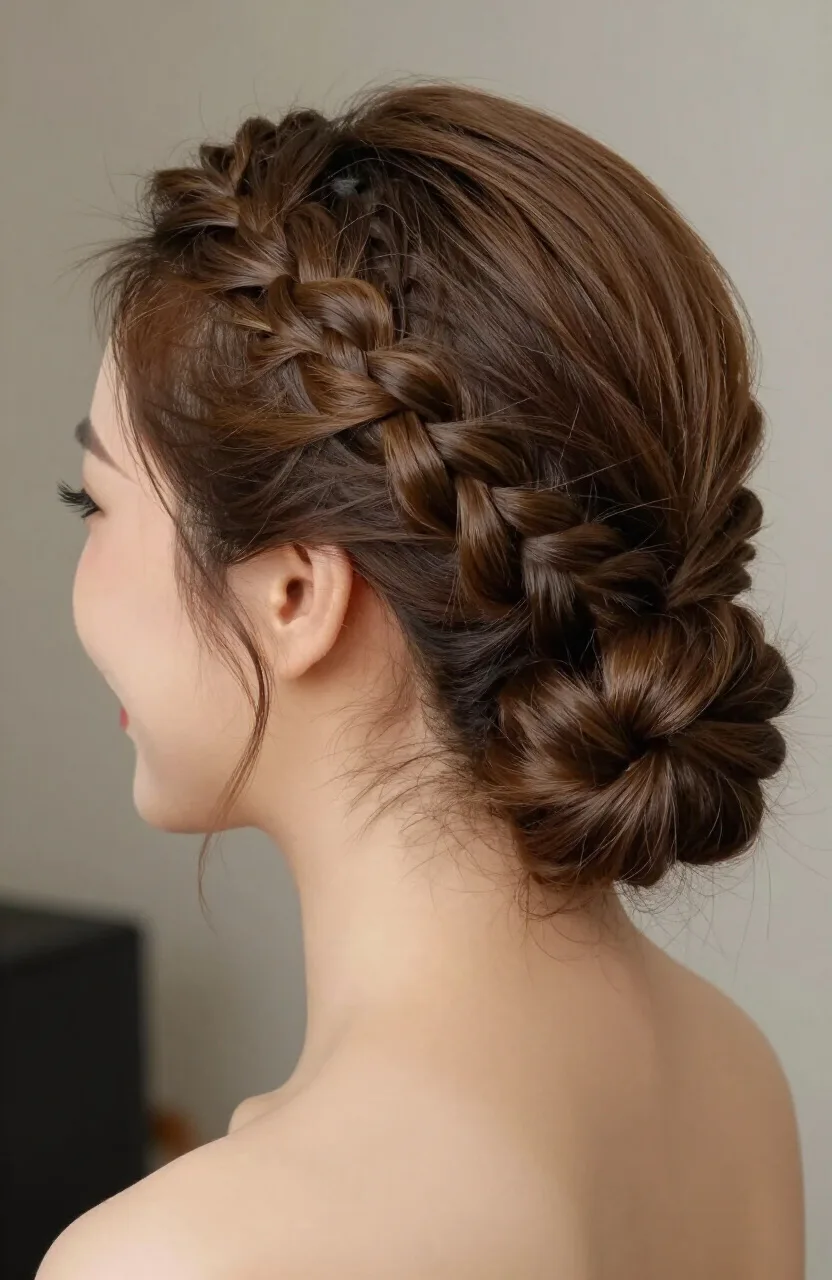
28. Soft Curly Pineapple Updo
For curly hair, the soft pineapple updo is a museum-day gift. Gathering the curls loosely on top keeps them off the face and neck while preserving their natural shape and volume. It is comfortable, quick and shows off curls at their best.
Maintenance: a light curl cream in the morning and a silk scrunchie to avoid dents. Best for: curly and coily hair of any length that can gather up. Common mistake: pulling the curls too tight — the pineapple should sit loosely, not stretched.
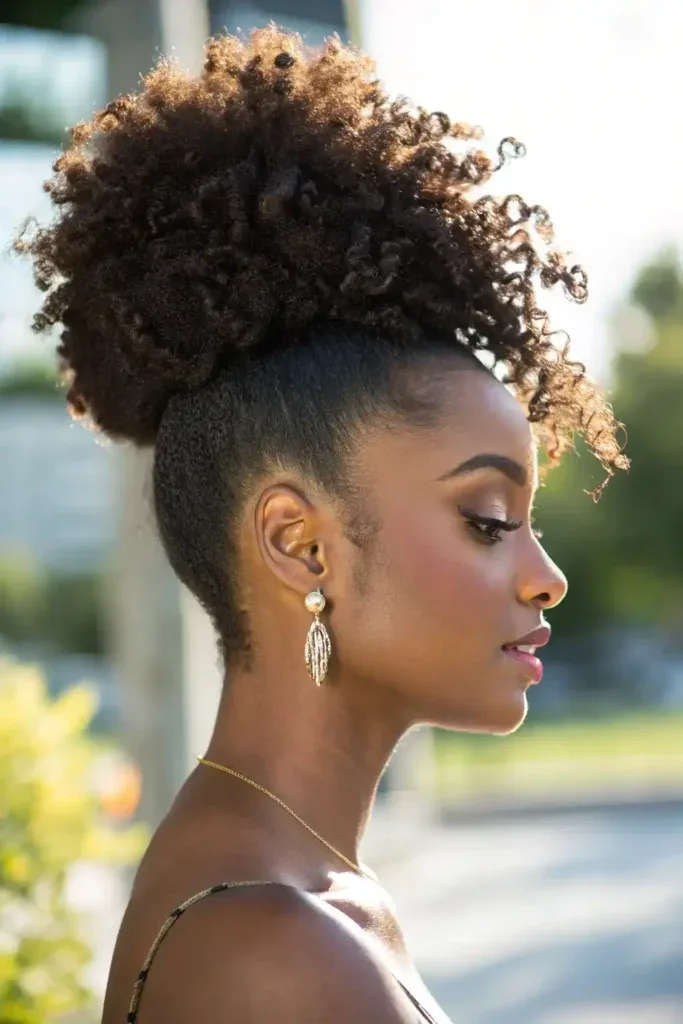
29. Sleek Chignon with Pearl Pins
Add pearl pins to a sleek chignon and a practical museum style becomes something special. The pearls catch the light as you move through the galleries, and the style itself stays as neat and secure as the classic chignon it is built on.
Best for: special exhibitions, museum dates and evening gallery events. What to ask your stylist: a smooth low chignon with two or three pearl pins placed asymmetrically — less is more here.
Quick verdict: the smallest accessory upgrade with the biggest visual return.
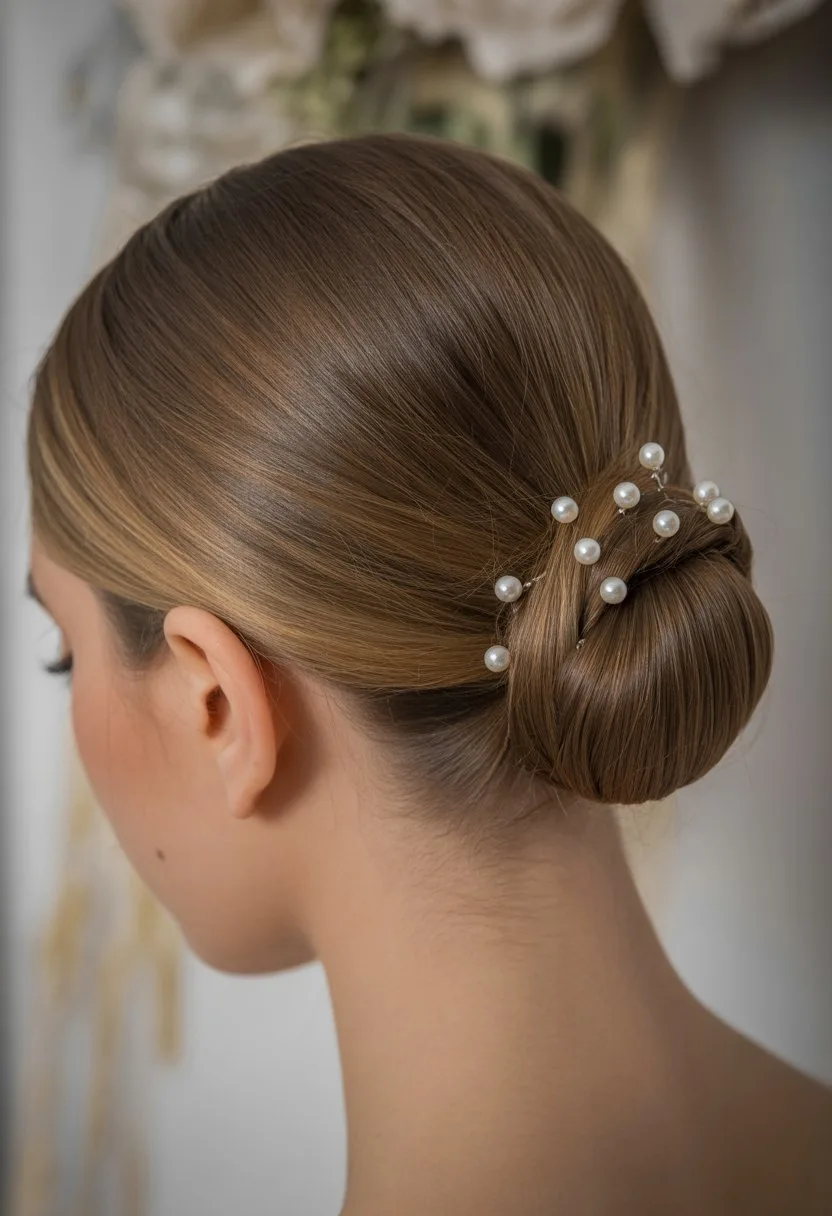
30. Layered Shag with Soft Fringe
The layered shag with a soft fringe is a museum style with personality. The layers give movement, the fringe frames the face, and the whole cut looks good with minimal styling — a quick tousle and you are out the door.
Pros: effortless texture, suits wavy hair beautifully, grows out gracefully. Cons: the fringe needs occasional re-sweeping so it does not fall into your eyes while reading. Maintenance: a little texture spray at the roots, and you are set for the day.
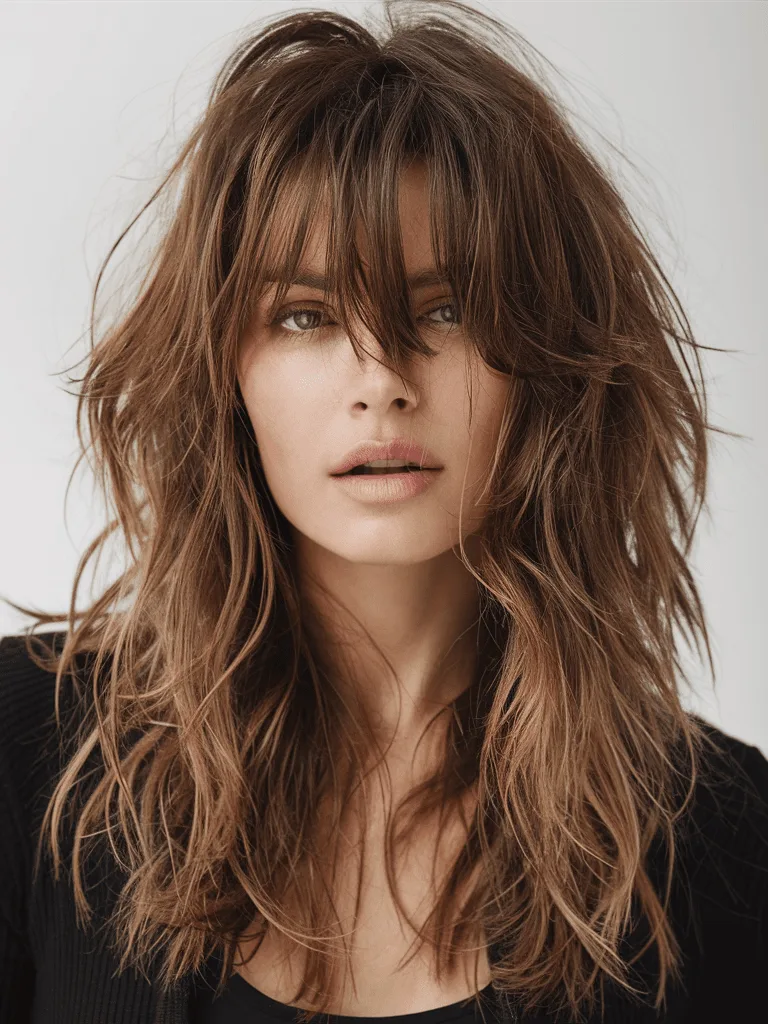
31. Twisted Side Bun
A twisted side bun sits low behind one ear, giving the classic bun a softer, more romantic angle. It looks lovely in profile photos — the angle most museum pictures are taken from — and it keeps hair neatly contained all day.
How to style: sweep hair to one side, twist it loosely, coil it into a bun and pin. Leave a few soft pieces at the front. Best for: medium to long hair, museum dates and anyone who finds a centred bun too severe.
Quick verdict: the same bun you know, from a more flattering angle.
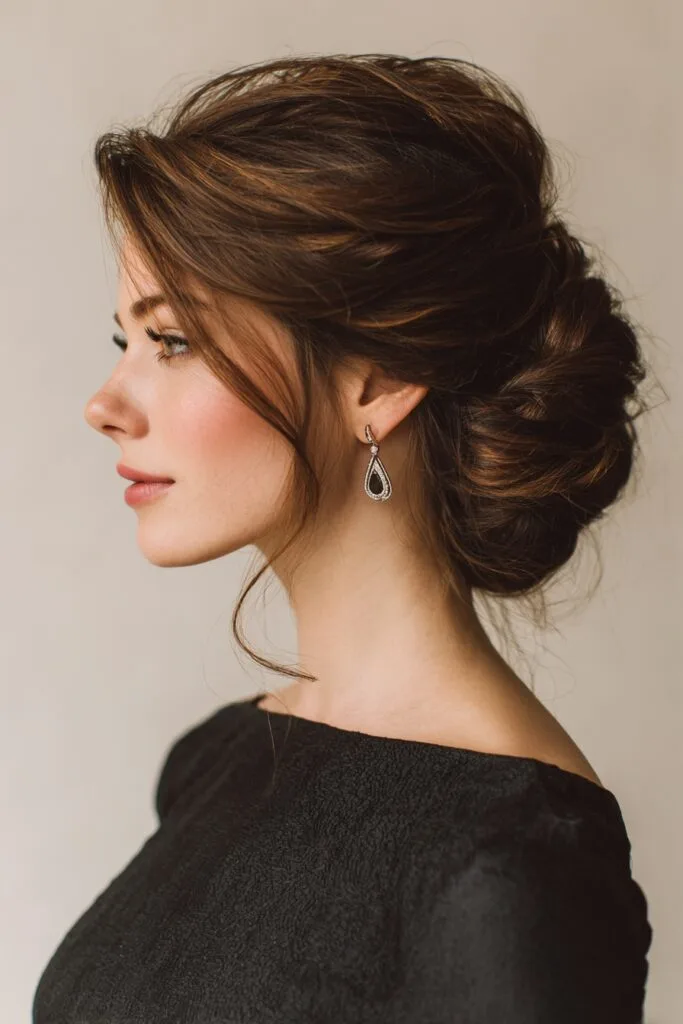
32. Soft Ballerina Bun
The soft ballerina bun takes the classic dancer’s bun and relaxes it: a little height, a little softness at the front, and none of the scraped-back severity. It is neat, cool and elegant — a natural fit for a day spent looking at beautiful things.
What to ask your stylist: a soft, high bun with a gently loosened hairline. Pros: keeps hair off the neck, photographs cleanly, lasts for hours. Cons: can feel tight if pulled too firmly — ask for a comfortable anchor, not a facelift.
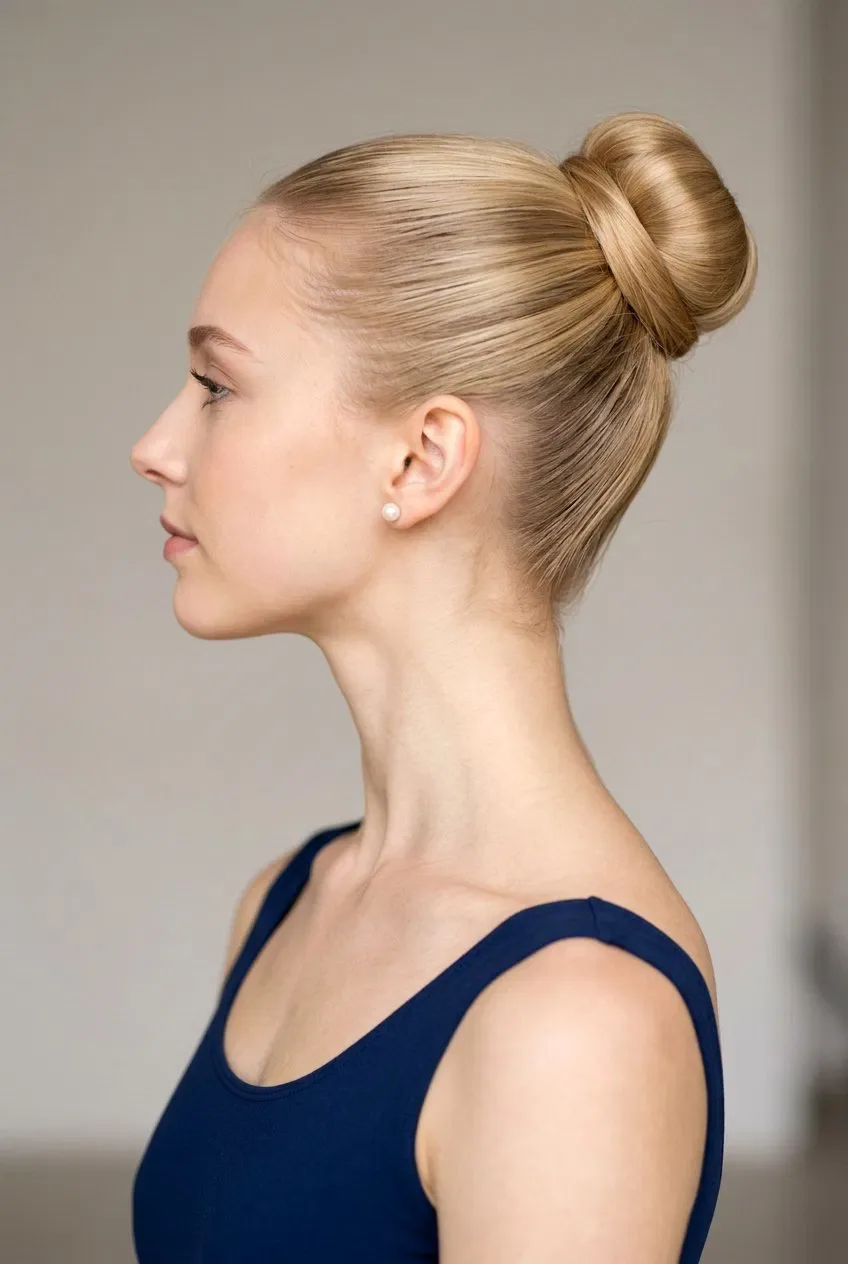
33. Wavy Bob with Side Part
A wavy bob with a deep side part is one of the easiest museum styles to wear. The waves add softness and movement, the side part gives it shape, and there is nothing to pin, tie or adjust. It looks just as good in the last gallery as it did in the first.
Maintenance: a scrunch of texture spray revives the waves after a few hours. Best for: chin-to-shoulder-length hair and anyone who wants a polished look with almost no upkeep.
Common mistake: over-styling the waves. A wavy bob should look touchable, not set in stone.
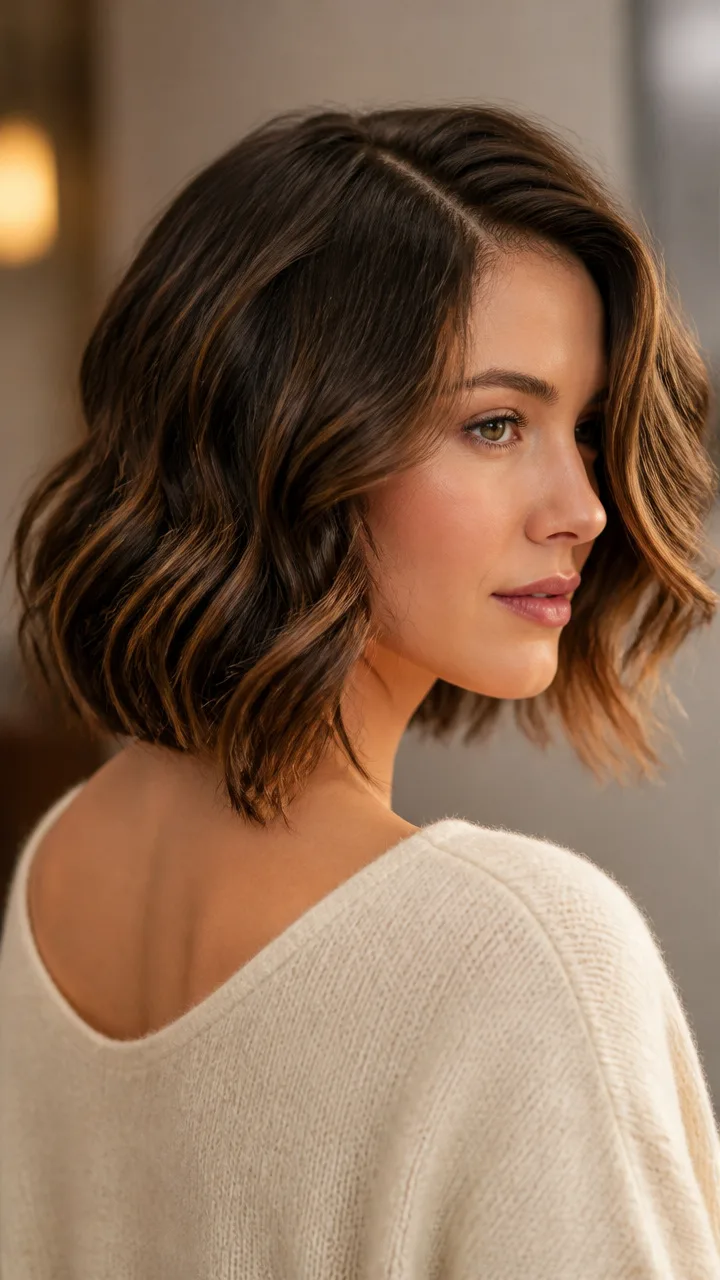
34. Braided Headband Half-Up
A braided headband half-up style uses a small braid across the front like a headband, holding the front sections back while the rest of the hair falls free. It solves the falling-hair problem completely while keeping the relaxed feel of wearing your hair down.
How to style: braid a small section from behind one ear, bring it across the crown and pin it behind the other ear. Cost and time: five minutes, no heat, no accessories needed.
Best for: medium to long hair, warm days and anyone who loves the half-up look but hates hair in their face.
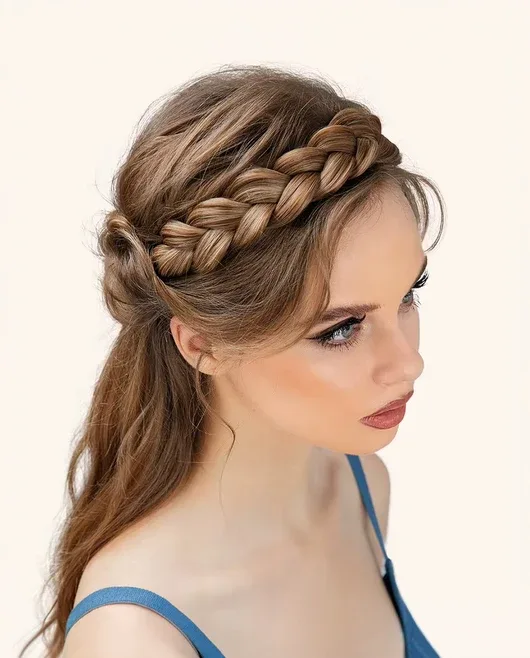
35. Low Ponytail with Wrapped Base
The wrapped base is the tiny detail that turns an ordinary low ponytail into a museum-ready style. A strand of hair wound around the elastic hides it completely, giving the ponytail a clean, finished look that holds up in photos.
Pros: takes an extra thirty seconds, costs nothing, and works on any hair length that reaches a ponytail. Cons: the wrap can slip on very silky hair — pin it underneath with a bobby pin.
Quick verdict: the easiest upgrade in this entire guide, and one of the most effective.
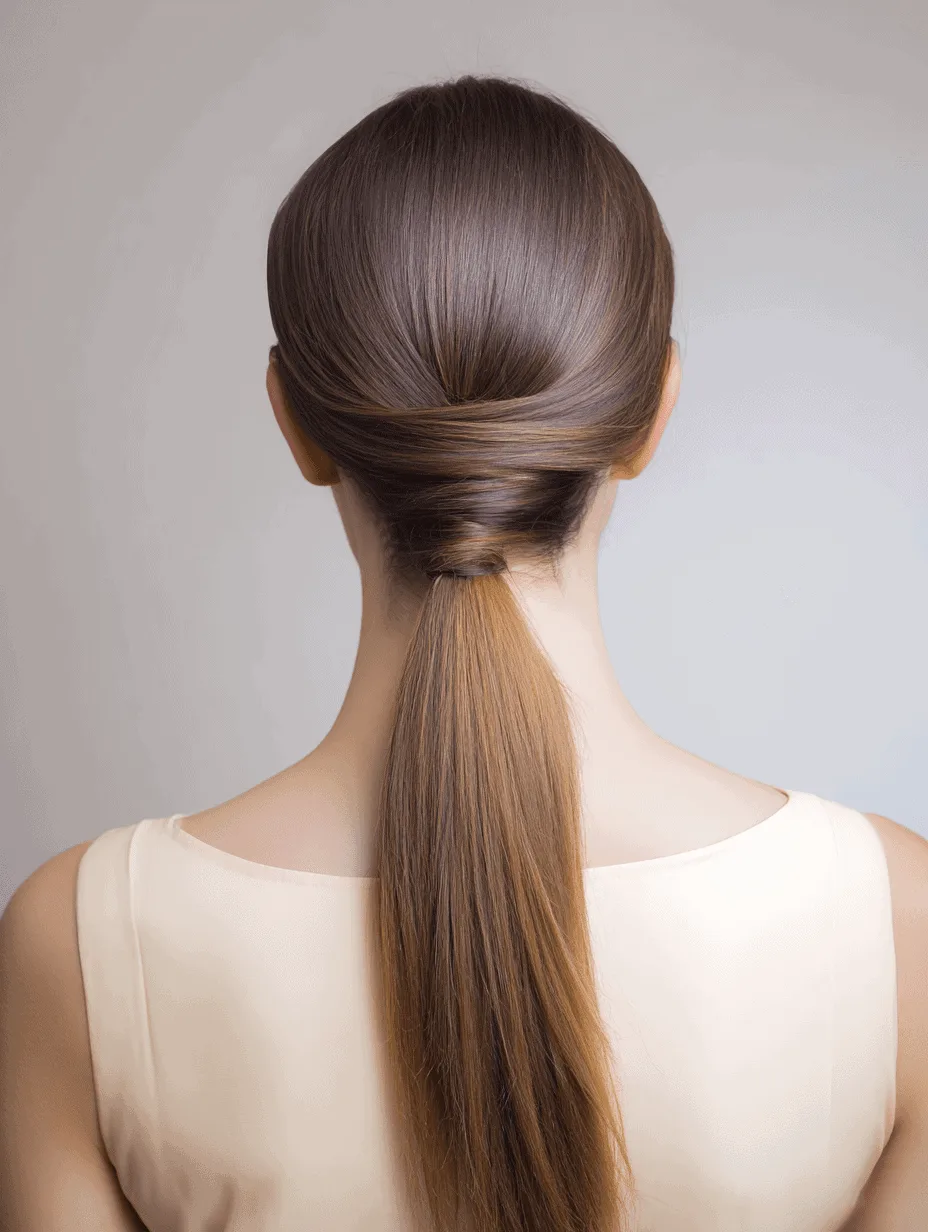
36. Romantic Loose Curls with Braid Accent
Loose curls with a small braid accent give you the softness of wearing your hair down with just enough structure to keep it out of your face. The braid runs along one side, pinning back the front section while the curls fall freely behind it.
Best for: long hair, spring exhibitions and romantic museum dates. Maintenance: curls relax through the day, so start with a firm curl and a light-hold spray. How to style: braid a thin section from the temple, pin it back, then curl the rest in large sections.
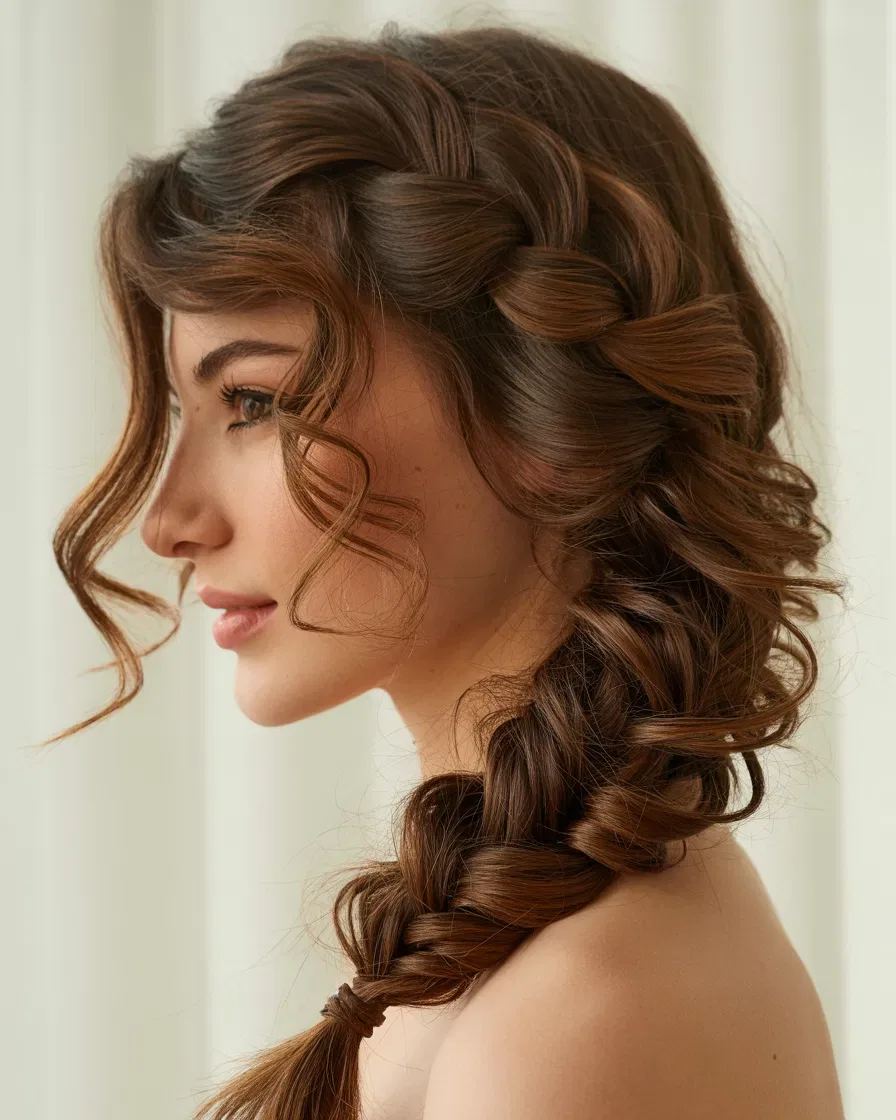
37. Sleek Wet-Look Low Bun
The sleek wet-look low bun is a fashion-forward museum choice: hair combed back smoothly with a glossy finish, gathered into a low bun. It looks striking against the clean lines of a modern gallery and stays perfectly in place all day.
What to ask your stylist: a slicked-back low bun with a wet-look gel finish, not a crunchy one. Pros: zero flyaways, dramatic in photos, completely secure. Cons: the glossy finish can feel heavy — save it for shorter visits or special events rather than an all-day marathon.
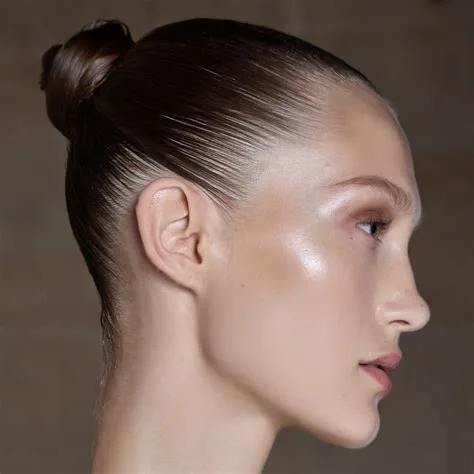
38. Textured Pixie with Soft Volume
A textured pixie with soft volume is the ultimate low-maintenance museum hairstyle. There is nothing to tie, pin or tuck — just a quick tousle with a little styling cream in the morning and the style holds all day, through every gallery and every photograph.
Best for: short hair, warm days and anyone who wants to forget about their hair entirely. Maintenance: almost none. If it flattens under a hat, a quick finger-tousle at the crown brings the volume straight back.
Quick verdict: proof that short hair can be the most practical museum hair of all.
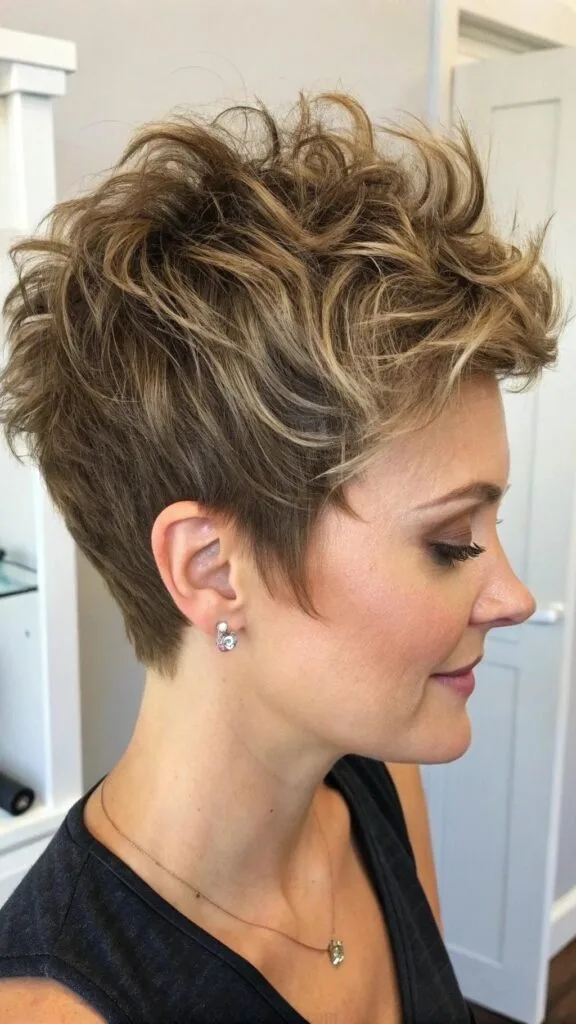
39. Elegant Waterfall Braid Half-Up
The waterfall braid lets strands cascade through the braid itself, creating a flowing, romantic effect that suits a museum visit beautifully. It holds the front sections back like a half-up style while showing off the length of your hair.
How to style: braid across the back of the head, dropping the bottom strand each time and picking up a new one. It takes practice, but the result is worth it. Pros: beautiful in photos, secure at the front, romantic without being fussy.
Who should avoid it: anyone in a hurry — this is a ten-minute style, not a two-minute one. Practise the night before your visit.
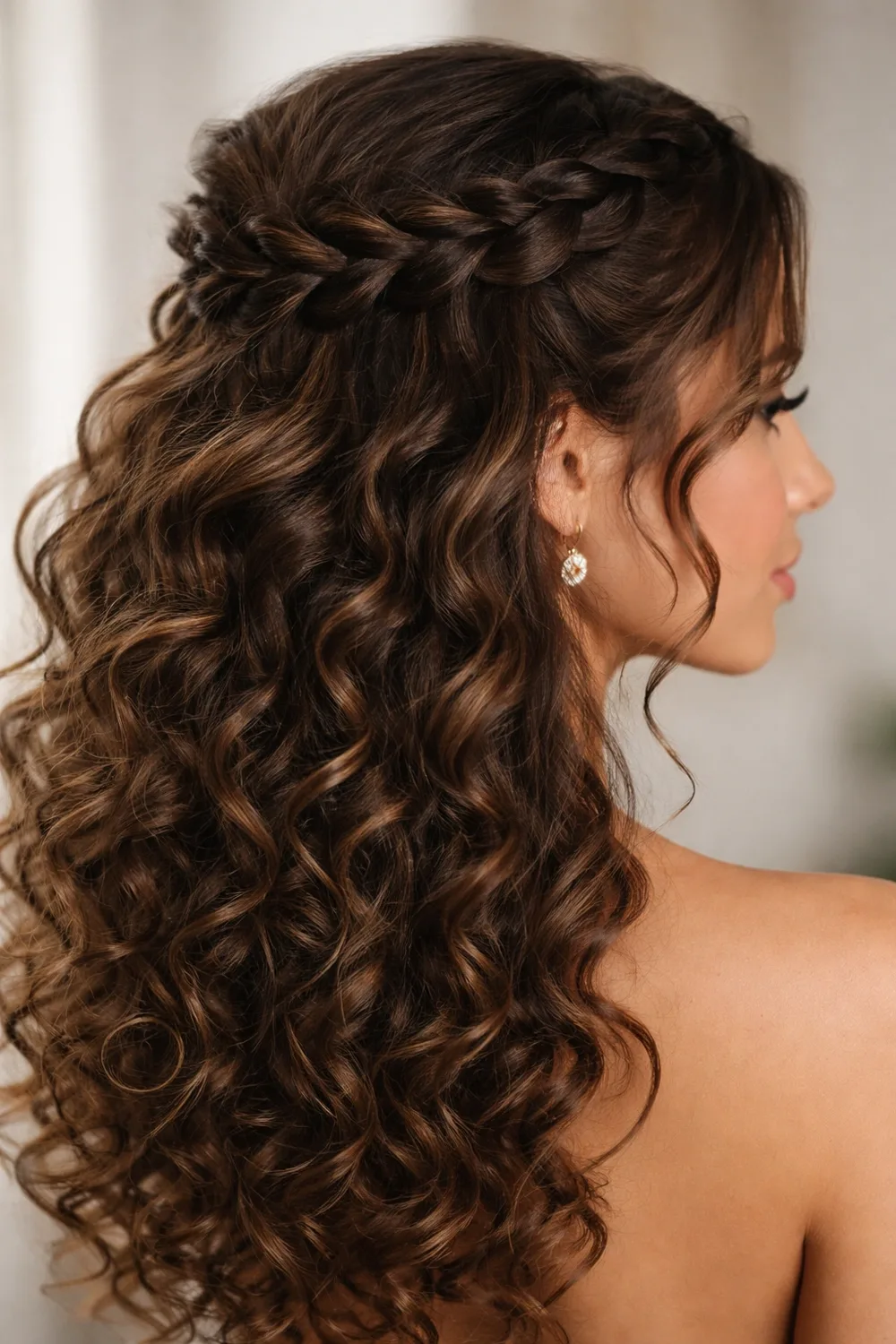
40. Soft Voluminous Blowout
A soft, voluminous blowout is the classic “good hair day” museum look. Big, bouncy hair with movement and shine flatters almost everyone and photographs beautifully in gallery light. The key is starting with slightly more volume than you need, since it settles over a long day.
Maintenance: a blast of dry shampoo at the roots after lunch revives the volume. Best for: medium to long hair, special exhibitions and cooler, drier days when humidity will not flatten it.
Common mistake: overloading the hair with product. A blowout needs movement — too much serum or spray weighs it down by midday.
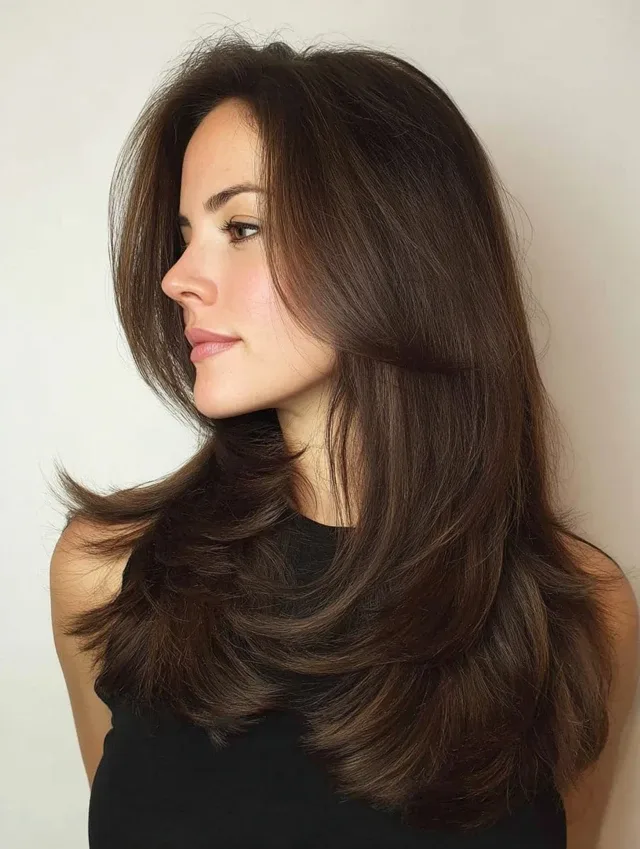
41. Minimalist Slicked-Back Bun
The minimalist slicked-back bun is the final word in museum polish: hair combed smoothly back, not a strand out of place, gathered into a neat low bun. It pairs perfectly with modern art, minimalist outfits and architectural museums, and it will not move a millimetre all day.
Pros: the most secure style in this guide, striking in photos, suits every face shape. Cons: it shows every bump, so take time smoothing the crown. Quick verdict: quiet, confident and completely fuss-free — the perfect ending to a list of museum hairstyles.
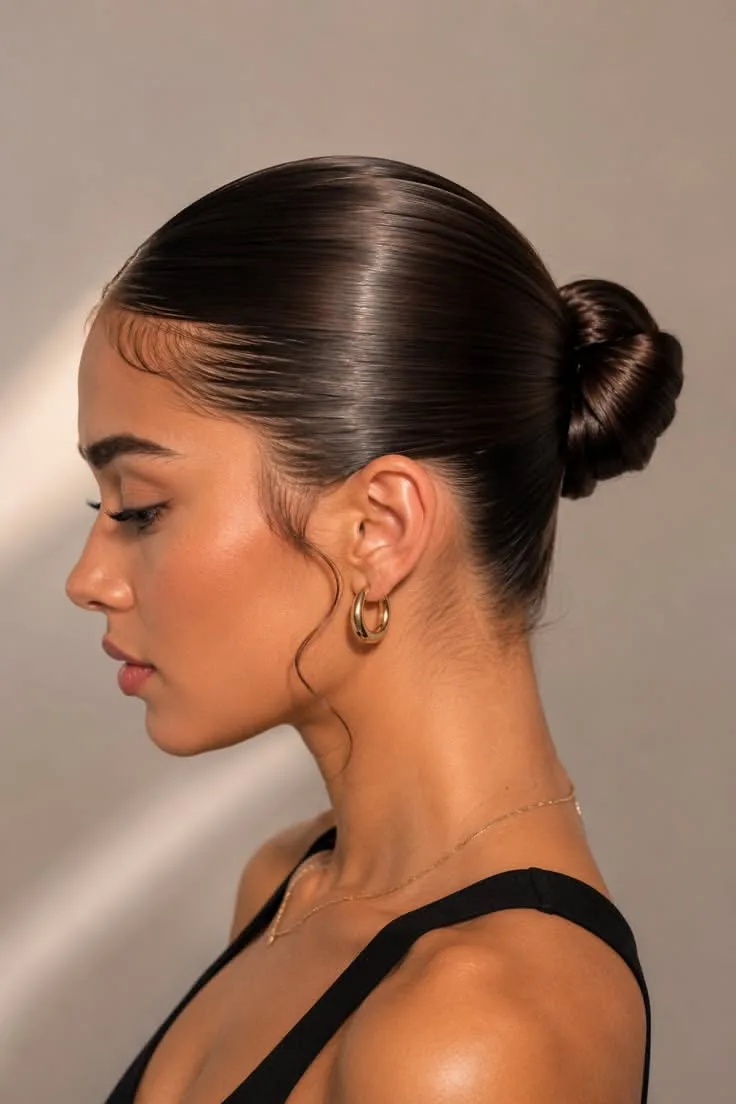
What hairstyle is best for a museum visit?
A low bun, a low ponytail or a braid is best for a museum visit. These styles stay neat for hours, keep hair out of your face when you lean in to read plaques, and look polished in gallery photos without needing constant fixing.
Should I wear my hair up or down to a museum?
Wear your hair up for a long museum visit. Updos stay neat through hours of walking and keep hair off your neck, while hair worn down tends to fall forward, frizz or flatten. If you prefer your hair down, choose a half-up style that pins the front sections back.
How do I keep my hair neat all day at a museum?
Start with second-day hair or add texture spray, choose a low anchored style like a bun or braid, and finish with flexible-hold hairspray. Carry two bobby pins and a small elastic in your bag for a quick fix between galleries.
What hairstyle photographs best in a museum?
Smooth, defined styles photograph best in gallery light — a sleek bun, a glossy blowout or a neat braid. Avoid very wispy styles, which can look fuzzy on camera, and smooth the surface layer with a little serum before your visit.
Can I wear a hat to a museum with a nice hairstyle?
Yes, but pair the hat with a low, flat style such as a low ponytail, a braid or a sleek bun that fits comfortably underneath. Remember that some museums ask you to remove large hats, so your hairstyle should still look finished when the hat comes off.
What is the most comfortable hairstyle for a long museum day?
A low textured bun, a claw-clip twist or a loose braid is the most comfortable choice for a long museum day. Avoid tight, high ponytails and scraped-back buns, which often cause headaches after a few hours.
How do I stop my hair falling in my face when reading museum labels?
Pin back the front sections with small twists, a braided front piece or a half-up style. A deep side part with the front tucked behind the ears also works well, and two spare bobby pins in your bag will rescue any escaping strands.
What hairstyle works for curly hair at a museum?
Curly hair works beautifully in a soft pineapple updo, a low curly bun or a braided style. These keep curls off your face and neck while showing off their natural shape. Use a curl cream in the morning and a silk scrunchie to avoid dents.
What hairstyle should I choose for a museum date?
For a museum date, choose a romantic low ponytail with face-framing pieces, soft waves with a middle part, or a sleek chignon with pearl pins. These styles look polished and romantic in photos while staying comfortable for hours.
Does my hairstyle need to match my museum outfit?
It helps. Sleek, structured hair suits tailored outfits, while soft waves and braids suit flowing dresses. When your hair and outfit tell the same story, the whole look feels deliberate and polished.
Conclusion
The best hairstyles for a museum visit are the ones that let you forget about your hair and focus on the art. A low chignon, a soft braid, a sleek ponytail or a comfortable claw-clip twist will carry you through hours of galleries, keep your face clear when you lean in to read a label, and look lovely in every photo you take along the way.
Choose a style that suits your hair type, your outfit and the mood of the day, prepare it with a little texture and a light hold, and pack two bobby pins for emergencies. Then enjoy the visit — your hair is already taken care of.