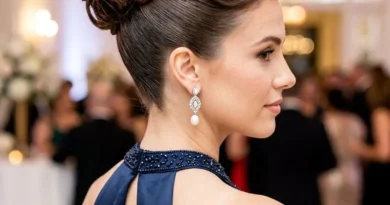
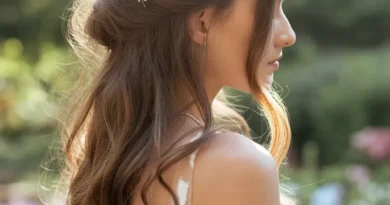
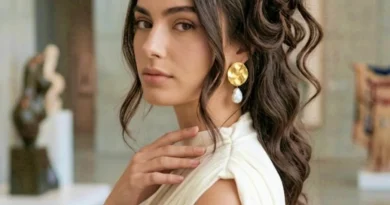
First Impressions, Sorted: 32 Hairstyles for a College Interview That Look Smart Without Trying Too Hard
A college interview is one of those mornings when every small detail feels bigger than usual. You have prepared your answers, chosen your outfit and rehearsed the walk from the waiting room to the interviewer’s desk — and then you catch your reflection and wonder whether your hair is helping you or quietly distracting from everything you have prepared. The right one of the many hairstyles for a college interview does not need to be fancy or complicated. It needs to look intentional, stay in place, and let the interviewer remember what you said, not how often you pushed hair out of your face.
Think of interview hair as part of your first impression, in the same way as a firm handshake or a clear voice. Admissions interviewers meet dozens of students, often back to back, and the students who stand out are usually the ones who look comfortable and put together. That does not mean stiff, sprayed-to-death hair or a style you have never tried before. It means clean, neat hair that suits your face, your length and your outfit, styled in a way you can forget about for the next hour.
This guide walks through the thinking first — what interviewers actually notice, how to keep hair neat without making it look rigid, and how to handle video interviews — and then gives you 32 polished styles to choose from, for short, medium, long, straight, wavy and curly hair. Pick one that feels like you on a good day, try it the day before, and walk in knowing your hair is already sorted.
What Interviewers Actually Notice About Your Hair
Interviewers are not judging your hair the way a salon judge would. They notice whether it looks clean, whether it stays out of your face, and whether it matches the rest of your outfit. Hair that keeps falling forward, needs constant tucking, or looks unwashed sends a small, unconscious signal that you are not quite ready — even when your answers are excellent.
They also notice confidence. When your hair feels secure, you sit up straighter, you make more eye contact, and you stop fiddling. That is why the best interview style is often the simplest one you trust. If a low bun always holds for you, it will beat a complicated updo you have only tried once.
Finally, remember that an interview is a conversation, not a photograph. Your hair should look good from the front and the side, in normal light, while you are talking and listening. Test your chosen style by sitting and chatting for twenty minutes, not just by posing in the mirror.
Neat Versus Stiff: Finding the Middle Ground
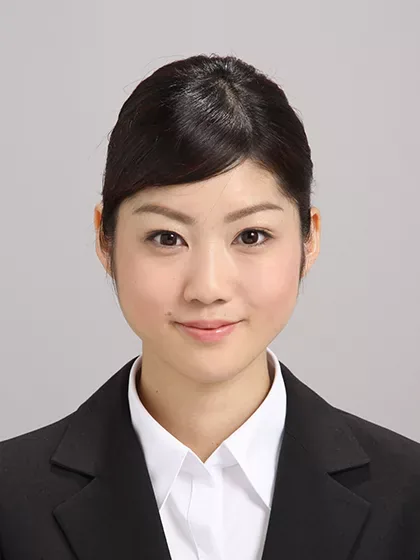
Neat hair and stiff hair are not the same thing, and interviewers can tell the difference at once. Neat hair is smooth at the roots, free of flyaways, and shaped on purpose. Stiff hair looks shellacked, does not move when you turn your head, and can make you look nervous before you have said a word.
The middle ground is a style with a little softness built in. Leave a gentle curve at the ends, let a few face-framing pieces fall naturally, and use a light-hold spray instead of a heavy gel. Your hair should still look like hair, just the tidiest version of it.
If you usually wear your hair very relaxed and loose, do not swing to the opposite extreme on interview day. Tighten what you already like: smooth the top, secure the sides, and add one polished detail, such as a neat part or a tidy ponytail. Small upgrades read as polished; a total transformation reads as costume.
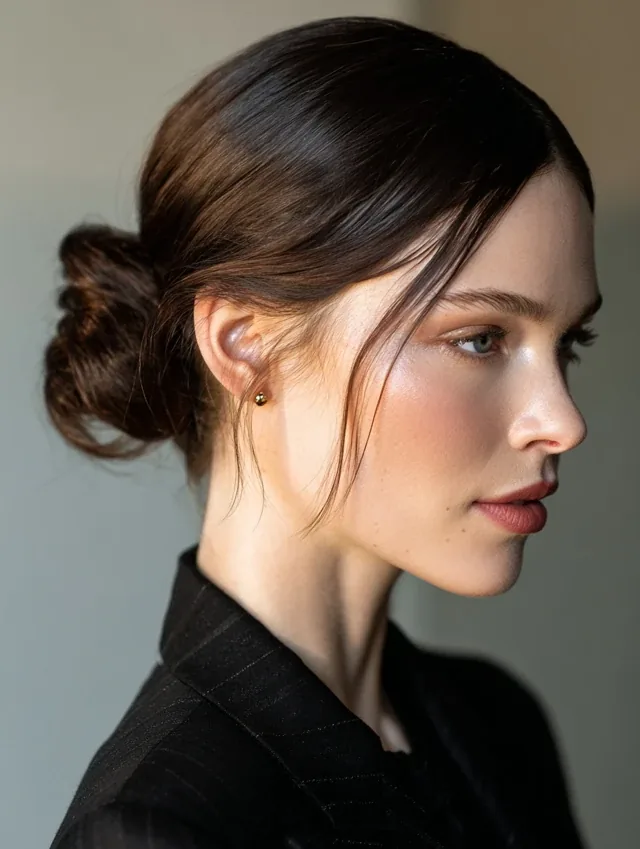
Hair That Stays Put Through a Long Interview Day
Some interview days stretch on for hours — a campus tour, a group session, a one-to-one interview, and then lunch with current students. A style that looks perfect at 9 a.m. and collapses by 11 a.m. is worse than a simpler style that holds all day.
Start with freshly washed, fully dry hair, and build in hidden support. Two crossed bobby pins hold far better than one, a small clear elastic beats a loose fabric band, and a light mist of flexible-hold spray at the roots keeps the shape without crunch. If your hair is fine or slippery, a little dry shampoo or texturising spray at the roots gives pins something to grip.
Carry a tiny emergency kit: two bobby pins, one spare hair tie, and a travel-size brush or comb. Slip it into your bag and forget about it. Knowing it is there stops you worrying about your hair, and that calm shows in the interview itself.
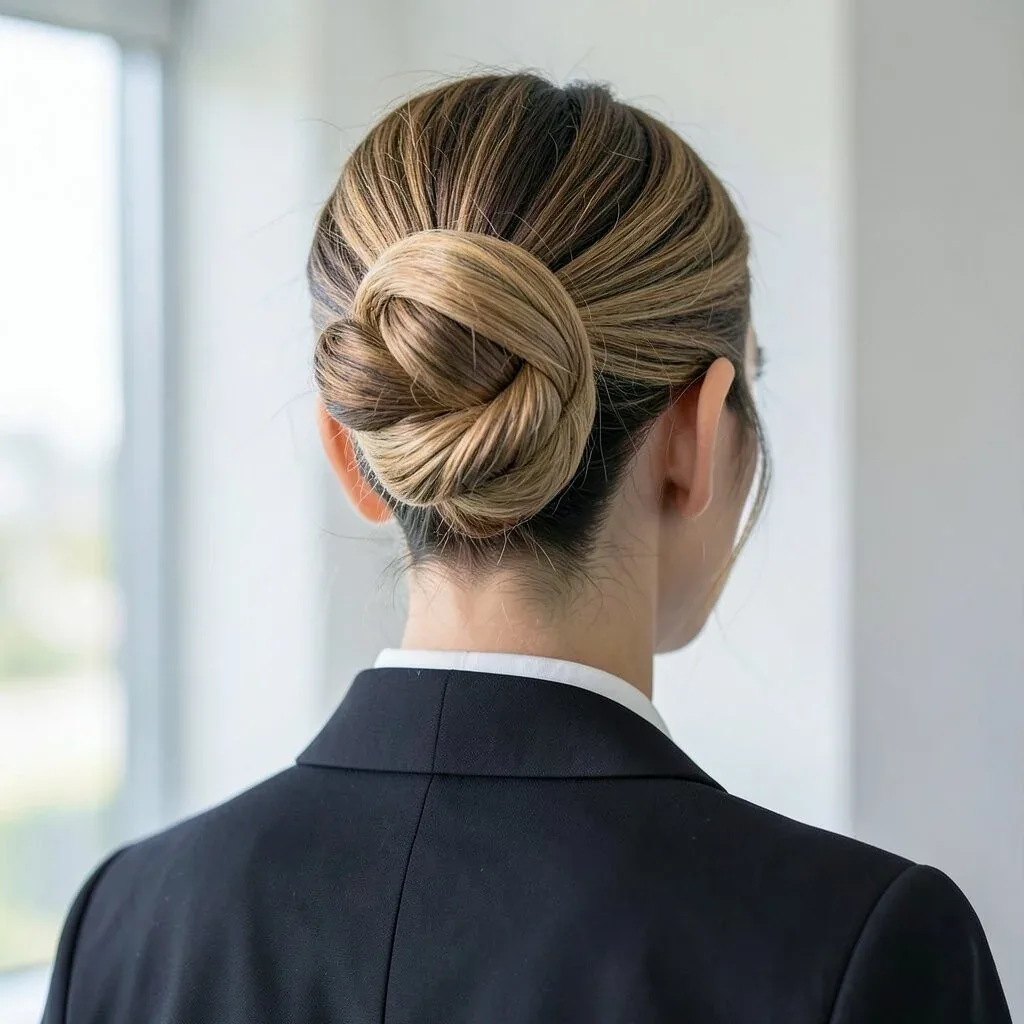
Video Interviews Versus In-Person Interviews
On a video call, the camera flattens everything and crops you at the shoulders, so your hairline, parting and the hair around your face matter more than the back of your head. A style that looks lovely from behind can look messy on screen if the front is uneven or falling across one eye.
For video, choose a style with a clean, visible parting and hair pulled clearly away from your face — a low bun, a smooth ponytail, or hair tucked neatly behind your ears. Check yourself on camera, not just in the mirror, and sit with a light source in front of you rather than behind you, so your hair does not fall into shadow.
In person, the interviewer sees you walk in, sit down and move, so the whole shape matters. A style with a little volume at the crown and smooth sides photographs and reads well from every angle. Either way, avoid anything that needs adjusting on camera: if you catch yourself touching it during a practice call, pick something simpler.

Matching Your Hair to Your Interview Outfit
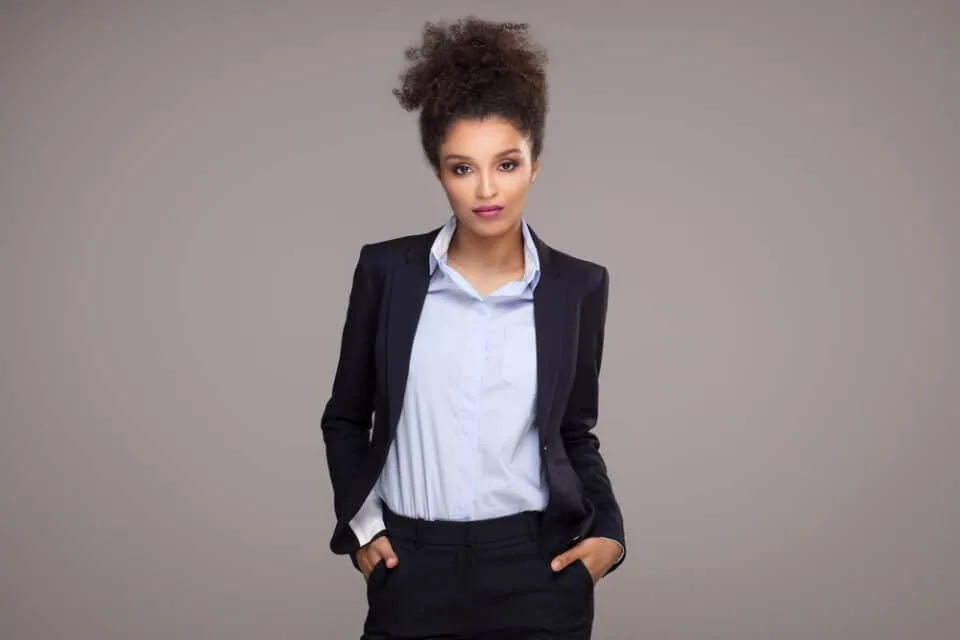
Hair and outfit should agree with each other. A sharp blazer with a crisp shirt pairs beautifully with a sleek bun or a polished straight style, while a softer outfit — a knit top or a simple dress — suits gentle waves or a soft half-up style. When the two clash, for example a very formal updo with a casual outfit, the whole look feels unsettled.
Think about necklines too. A high collar or a scarf looks better with hair up, so the fabric and the hair are not fighting for the same space. An open neckline or a V-neck can carry hair down, because the hair frames the neckline instead of hiding it.
Keep accessories quiet. One simple clip, a plain dark hair tie, or a thin headband is enough. Save statement earrings and bright scrunchies for another day — on interview day, your face and your words should be the focus, not your accessories.
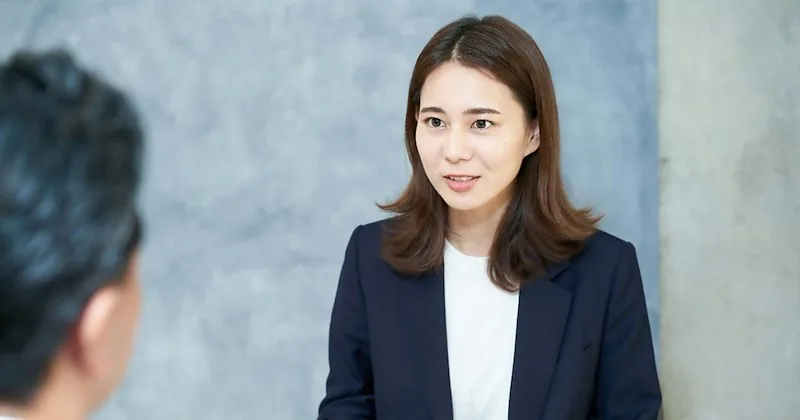
A Quick Morning Routine That Actually Works
Interview mornings are not the time for a new forty-minute routine. Plan for fifteen minutes of hair, and practise it once the day before so there are no surprises. Wash your hair the night before if it holds better on day-old hair, or wash it in the morning if it goes flat overnight — you know your hair best.
Start with a good brush-through, then a heat protectant if you are using any heat at all. Smooth the top section with a brush and a low dryer setting, or run a straightener quickly over just the front pieces and the ends. Secure the style, check the back with a hand mirror, and finish with a light spray.
Then stop. The biggest morning mistake is restyling three times and arriving flustered. Once your hair looks neat from the front, the side and the back, leave it alone and use the remaining time to re-read your notes and breathe.
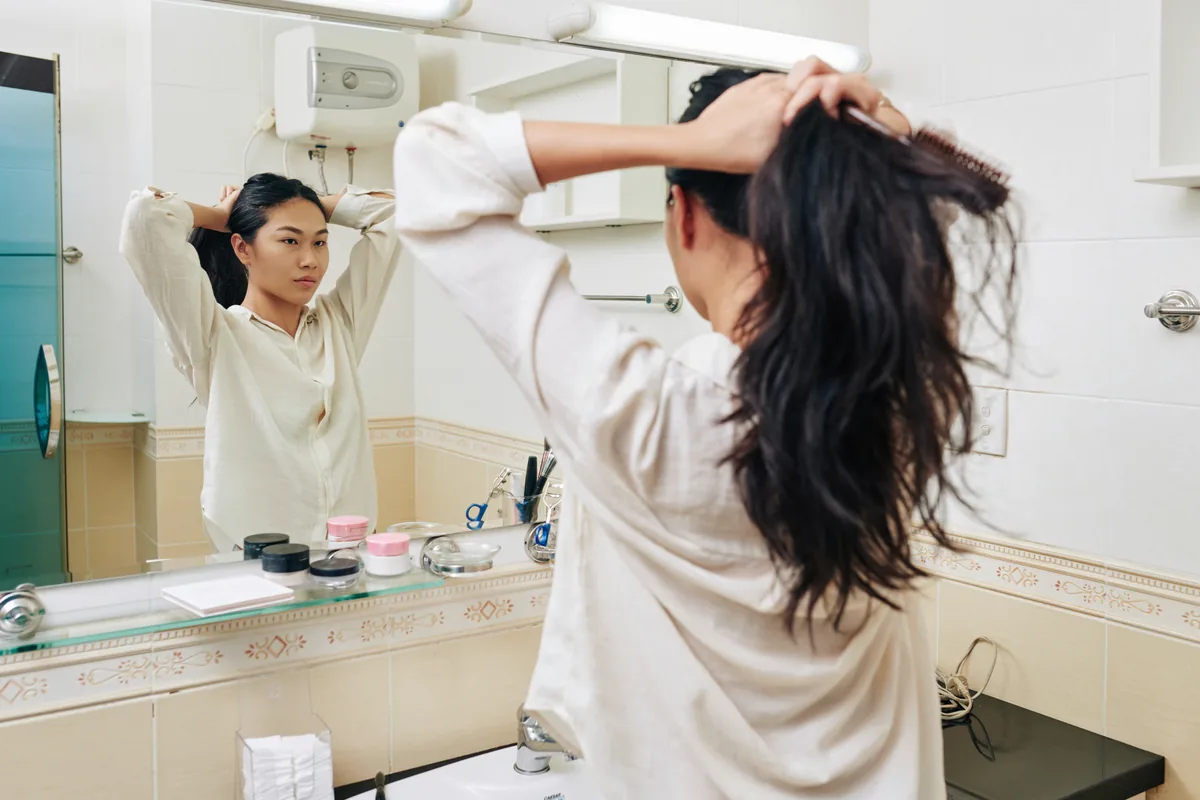
What to Avoid on Interview Day
A few choices can undo an otherwise perfect outfit. Brand-new hair colour the night before is the classic one — if it goes wrong, there is no time to fix it, and even if it goes right, you will spend the morning checking it. The same goes for a drastic cut, a new fringe, or a chemical treatment you have never tried.
Avoid heavy, wet-look products, strong fragrance, and glitter or coloured spray. They photograph badly, they can transfer onto your collar, and a strong scent in a small interview room is distracting for everyone. Keep the finish clean and the scent neutral.
Also avoid styles that hide your face. Hair falling across one eye, a fringe that needs constant pushing back, or a side sweep that covers half your forehead all make it harder for the interviewer to read your expressions. Your face is part of your communication — let them see it.
Choosing by Hair Length: Short, Medium and Long
Short hair has a natural advantage at interviews: it rarely falls in your face and it holds its shape well. The work is in the finish — smooth the crown, define the parting, and add a little texture or volume so it does not look flat. A polished pixie or a neat bob can be the smartest look in the room.
Medium hair is the most flexible length. It can be worn down with a smooth blow-dry, pulled into a low bun, or styled half-up without much effort. If you are undecided, medium hair gives you a genuine choice on the morning itself, which is a real advantage when nerves are high.
Long hair needs a decision: up or down. Worn down, it must be smooth, tangle-free and kept off your face. Worn up, a low ponytail, a bun or a braid keeps it completely out of the way and looks instantly intentional. Either can work — the mistake is leaving long hair half-decided, loose but constantly in the way.
1. The Classic Low Ponytail
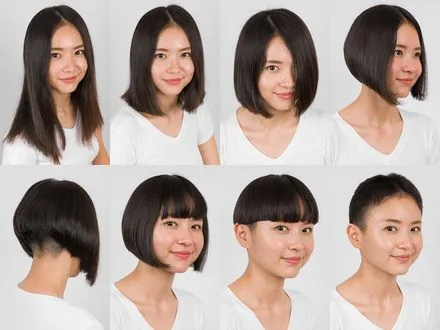
The classic low ponytail is the safest interview style there is, and that is exactly why it works. It keeps every strand off your face, it suits almost every hair type, and it looks deliberate rather than lazy when it is smooth at the top and neatly secured at the nape.
Best for: long and medium hair, straight or wavy textures, and anyone who wants a zero-distraction style. It is especially good if you tend to touch your hair when you are nervous, because there is simply nothing loose to fiddle with.
How to style: brush the hair back smoothly, gather it at the nape, and secure it with a plain dark elastic. Wrap a thin strand of hair around the elastic and pin it underneath for a polished finish, then smooth any flyaways with a touch of serum on your palms.
Quick verdict: if you only have five minutes, this is the style to choose. It never looks wrong, and it lets your answers do the talking.
2. The Sleek Low Bun
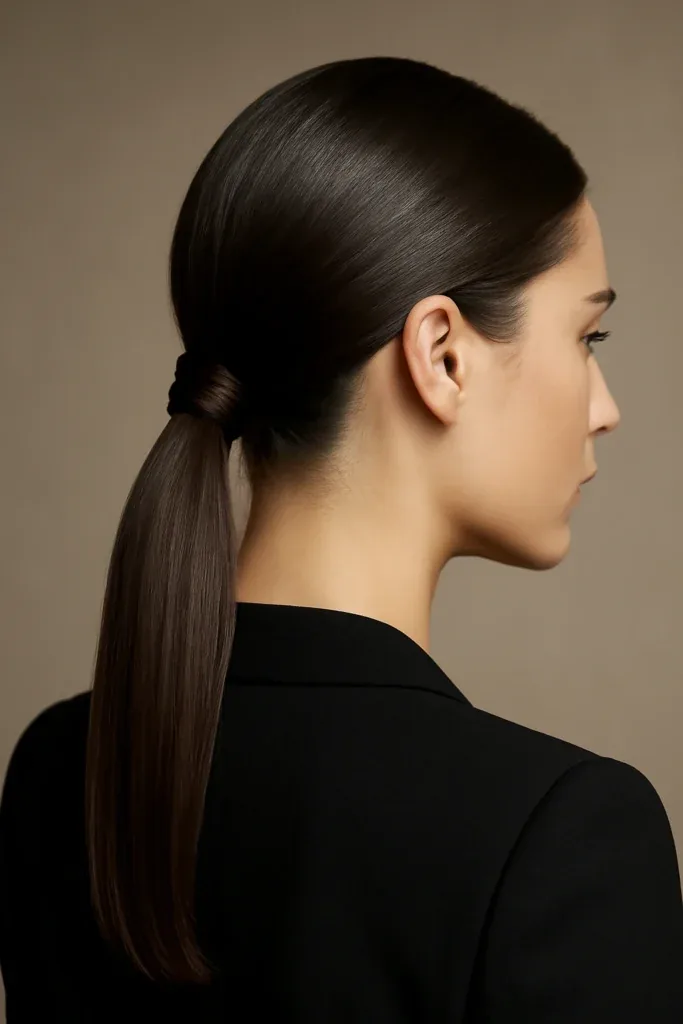
A sleek low bun is the low ponytail’s more formal cousin, and it is the style many interviewers unconsciously associate with a polished, prepared candidate. It frames your face cleanly, shows your outfit’s neckline, and stays exactly where you put it.
How to style: pull the hair into a low ponytail first, twist it gently, and coil it into a small, flat bun at the nape. Pin it with two or three bobby pins in an X shape, and smooth the crown with a brush and a light mist of spray.
Common mistake: pulling the bun too tight. A bun that drags at your forehead will give you a headache by mid-interview and can look severe. Keep the front smooth but comfortable, with a soft centre or side part.
Who should avoid it: anyone with very short layers that will not stay coiled. If pieces keep escaping, a low ponytail or a half-up style will hold better.
3. The Polished Straight Lob
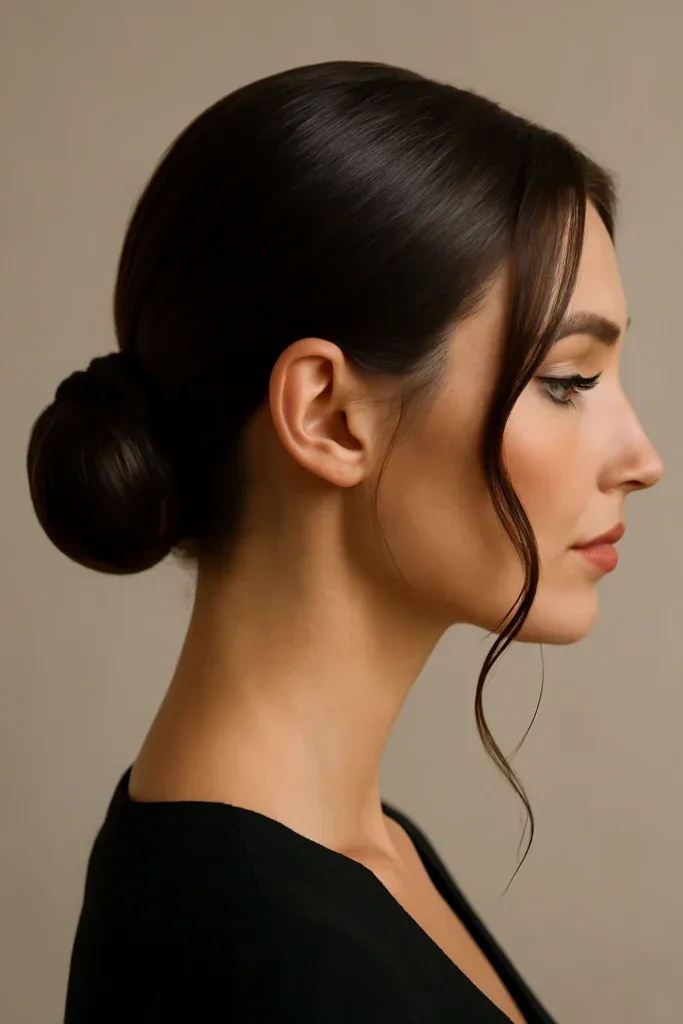
A straight lob — a long bob that sits around the collarbone — is one of the most flattering interview cuts because it looks modern without trying too hard. Worn smooth and straight, it gives a clean outline that reads as confident and organised.
Best for: straight and slightly wavy hair, oval and round faces, and anyone who wants to wear their hair down without it getting in the way. The length is short enough to stay off your shoulders when you sit, but long enough to feel feminine.
Maintenance: a quick pass with a straightener over the front sections and the ends is usually enough on the day. Keep a small comb in your bag for a mid-day tidy, and avoid touching the ends, which is what makes straight hair go fluffy.
Cost and time: about ten minutes with a straightener, or five if your hair is naturally straight. A lob cut itself is a standard salon service, so there is no special expense involved.
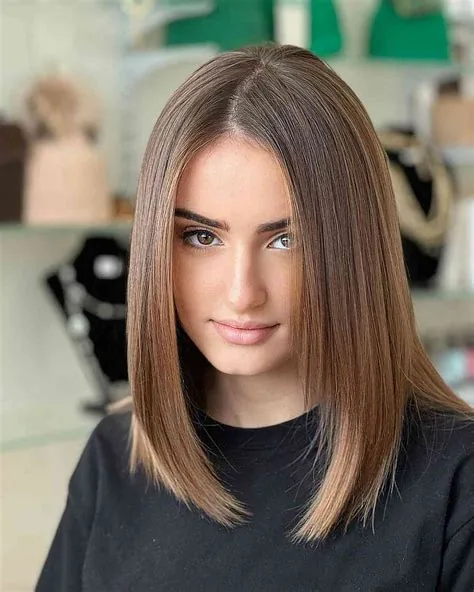
4. The Soft Side-Part Bob
A side part changes the whole feeling of a bob. It adds a little sweep across the forehead, softens a strong jawline, and gives the style a gentle, approachable shape that suits a conversational interview perfectly.
Pros: it flatters most face shapes, it adds volume at the crown without any teasing, and it looks intentional with very little effort. Cons: a deep side part can slide out of place if your hair is very fine, so it needs one hidden pin on the heavier side.
How to style: part the hair while it is damp, blow-dry the front section in the direction of the part, and tuck the lighter side neatly behind your ear. Finish with a pea-sized amount of smoothing cream.
What to ask your stylist: ask for soft, blended ends rather than a blunt line, so the bob moves naturally when you turn your head.
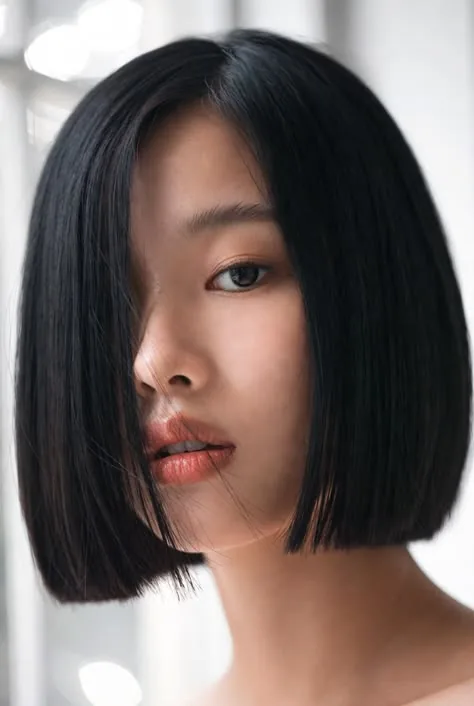
5. The Neat Half-Up Twist
The half-up twist is the answer when you want your hair down but your face clear. Two small sections twisted back from the temples and pinned at the back keep the front tidy while the rest of your hair stays soft and natural.
Best for: medium and long hair, and anyone whose hair looks better down than up. It is also a kind choice for wavy hair, because the twist controls the front without flattening the waves at the back.
How to style: take a section from each temple, twist each one back, cross them at the back of the head, and pin them with two crossed bobby pins. Leave the rest of the hair loose and smooth the ends.
Common mistake: twisting too much hair back, which pulls the style into a half-ponytail and loses the softness. Keep the twisted sections slim — about two fingers wide each.
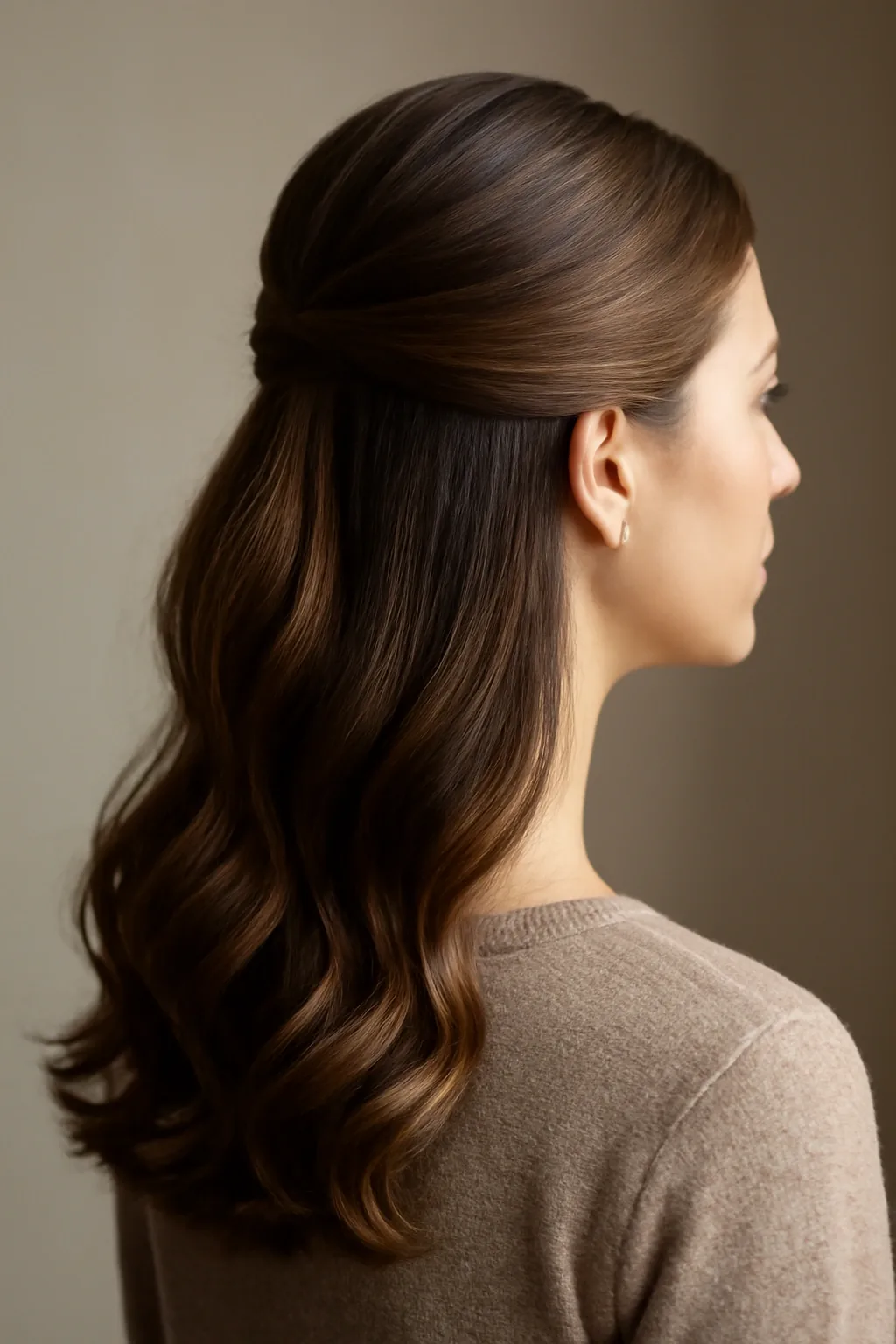
6. The Low Chignon
A low chignon sounds formal, but in its simplest form it is just a soft, rolled bun at the nape — and it is one of the most elegant interview styles you can wear. It suits a blazer beautifully and it never moves, which is exactly what you want on a long day.
How to style: gather the hair low, twist it upward into a roll, and pin it flat against the head. Tuck the ends inside the roll and secure them with pins that match your hair colour. Smooth the sides with a brush.
Pros and cons: the pros are elegance, security and a truly polished silhouette. The only con is that it takes a little practice, so try it the evening before rather than for the first time on interview morning.
Quick verdict: choose the chignon if your interview is formal or if you are wearing a tailored outfit. It is the most grown-up style on this list.
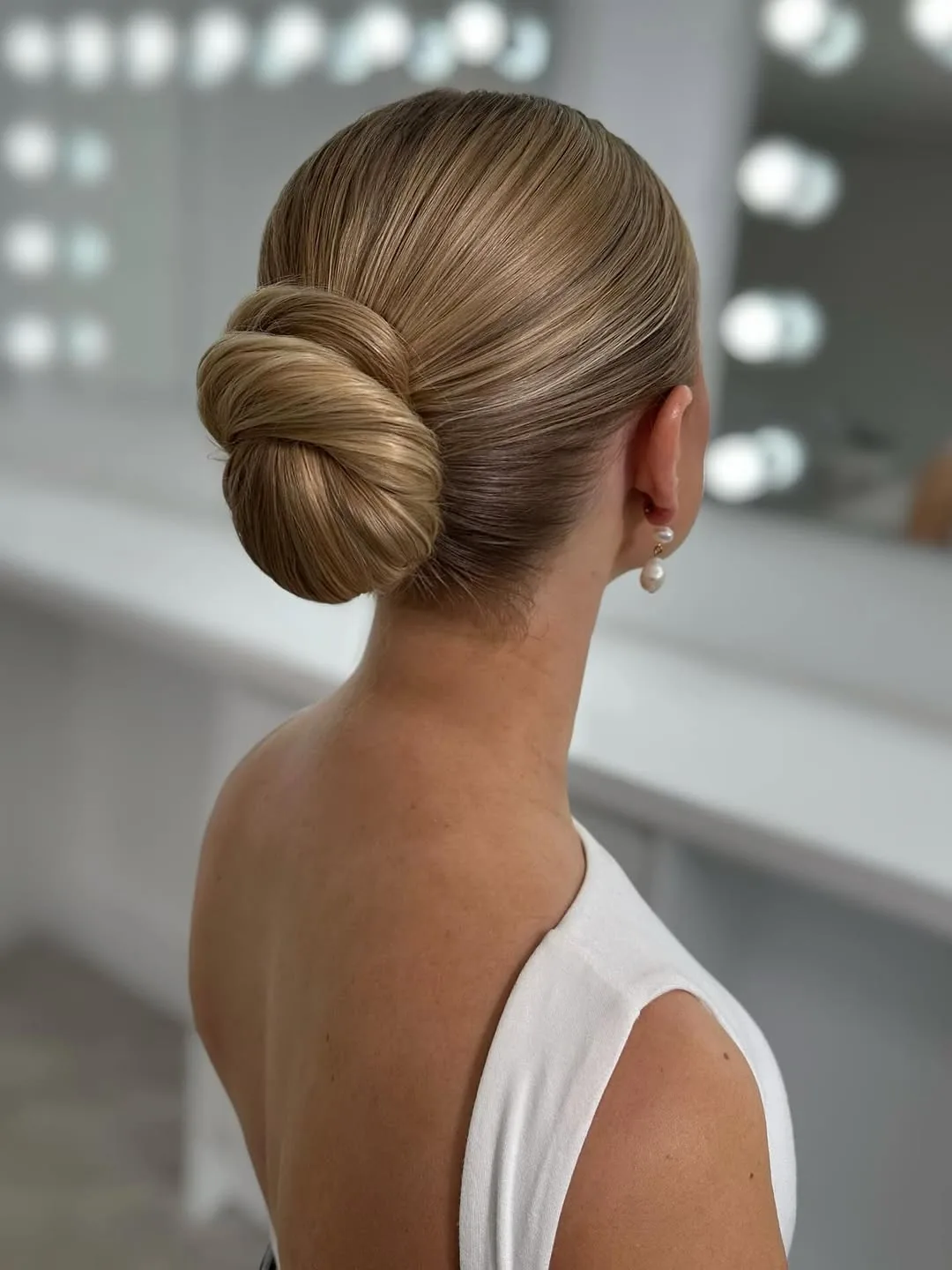
7. The Smooth Blowout with Soft Ends
A smooth blowout with softly curved ends is the classic ‘I have my life together’ hairstyle. It has movement, shine and shape, but nothing wild — the ends curve gently under, the crown has a little lift, and the whole style looks healthy and cared for.
Best for: medium to long hair that holds a blow-dry well. It is especially flattering if your interview includes a campus tour, because it looks good while you are walking as well as sitting.
How to style: blow-dry in sections with a round brush, turning the brush under at the ends. If you are short on time, blow-dry just the top layer and the front pieces, and let the underneath dry naturally.
Maintenance: a blowout can go flat in humidity, so finish with a light-hold spray and keep a small brush handy. If your hair drops quickly, add a little root lift spray before drying.
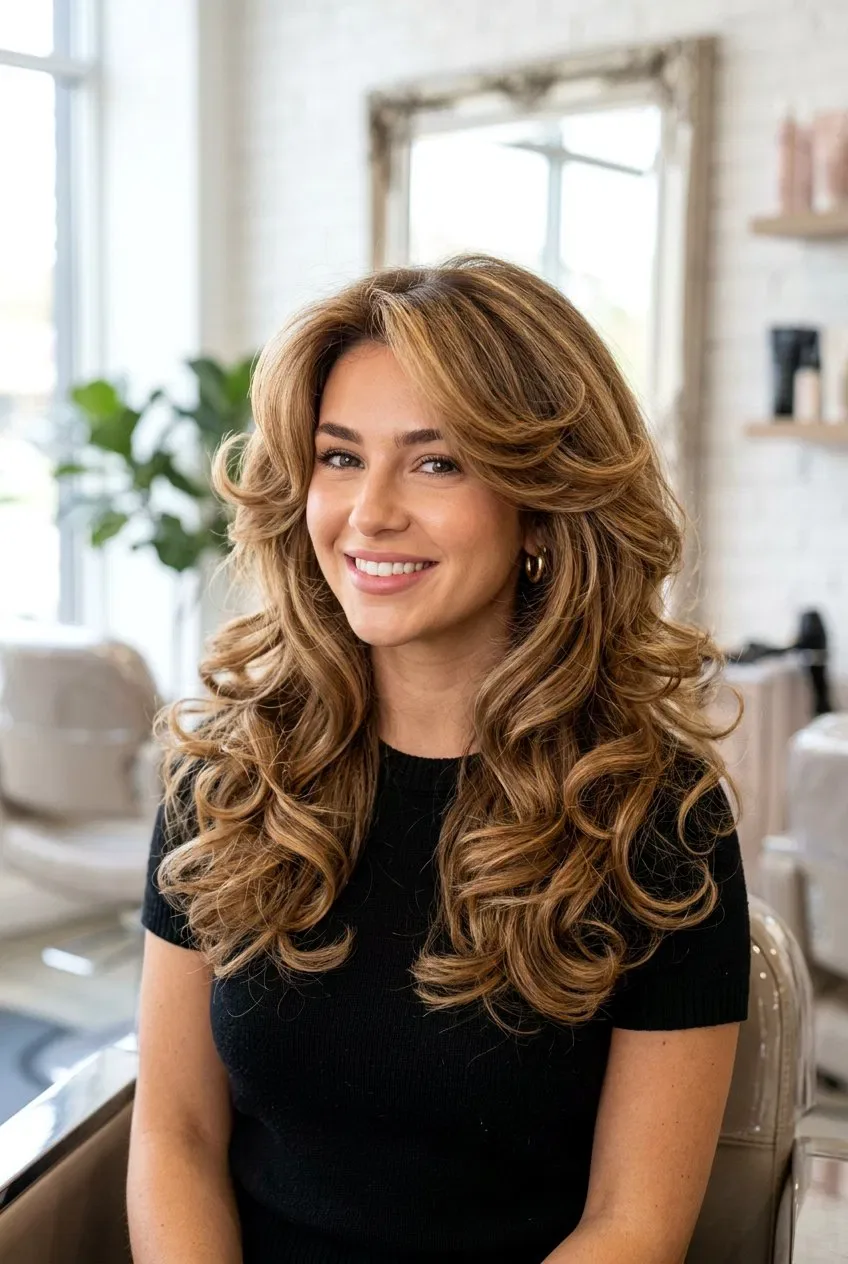
8. Curtain Bangs with Long Layers
Curtain bangs are the gentlest kind of fringe, and they are a gift for interview hair because they frame your face without covering it. Paired with long layers, they give the whole style softness and shape while keeping your eyes fully visible.
Best for: long and medium hair, and anyone who wants a fringe without the commitment of a blunt cut. They suit round, square and heart-shaped faces particularly well.
How to style: blow-dry the bangs forward and then sweep each side outward with a round brush, so they part in the middle and curve away from your face. Keep the rest of the hair smooth or softly waved.
Who should avoid it: if your bangs go limp within an hour, or if you will be outdoors in wind, a swept-back style will be less trouble. Test curtain bangs on a normal day first.
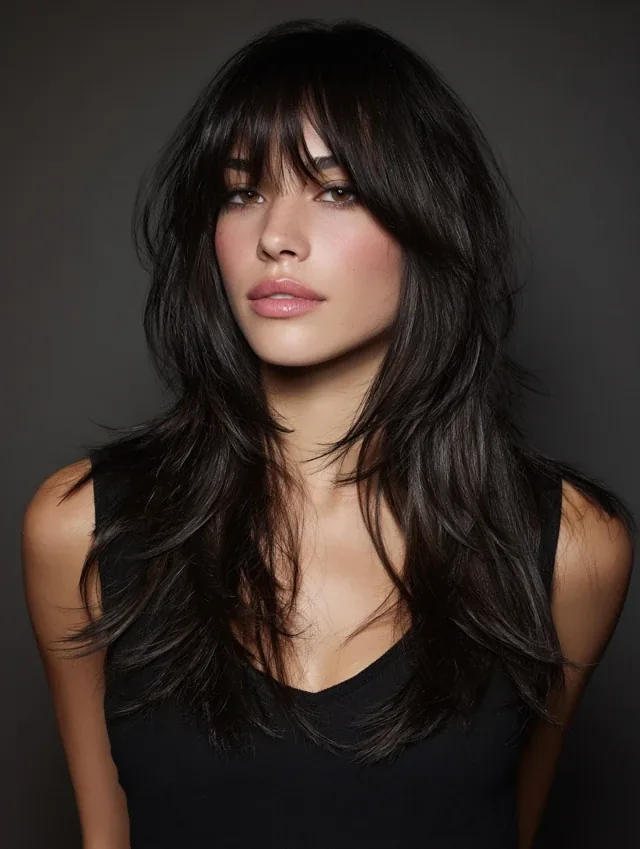
9. The Classic French Twist
The French twist is the most formal style in this guide, and it earns its place for interviews at traditional or formal colleges. It is a vertical roll that sits elegantly at the back of the head, showing your neck and your profile to their best advantage.
How to style: gather the hair to one side, twist it upward, and tuck it into a vertical roll, pinning along the fold. Smooth the top and sides, and leave the finish clean rather than messy — this is a style that works best when it looks precise.
Cost and time: about fifteen minutes once you know the technique, or a quick salon appointment if you want it done professionally. Practise twice before the day, because a first attempt on the morning itself is stressful.
Quick verdict: save the French twist for a formal interview or a day when you are wearing a tailored suit. For a relaxed campus interview, a low bun will feel more natural.

10. The Tidy Braided Crown
A braided crown sounds romantic, but kept slim and neat it is a surprisingly practical interview style. It pulls all the front hair away from your face, it holds for hours, and it adds a touch of personality without looking fussy.
Best for: medium to long hair with a little natural texture. It is a good choice if your hair slips out of pins easily, because a braid grips itself.
How to style: braid a slim section from one temple, bring it across the crown, and pin it behind the opposite ear. Repeat from the other side if you like, and keep the braids close to the hairline so they read as a detail, not a headband.
Common mistake: making the braids too thick or too loose, which turns a neat detail into a festival look. Keep them slim, smooth and close to the head.
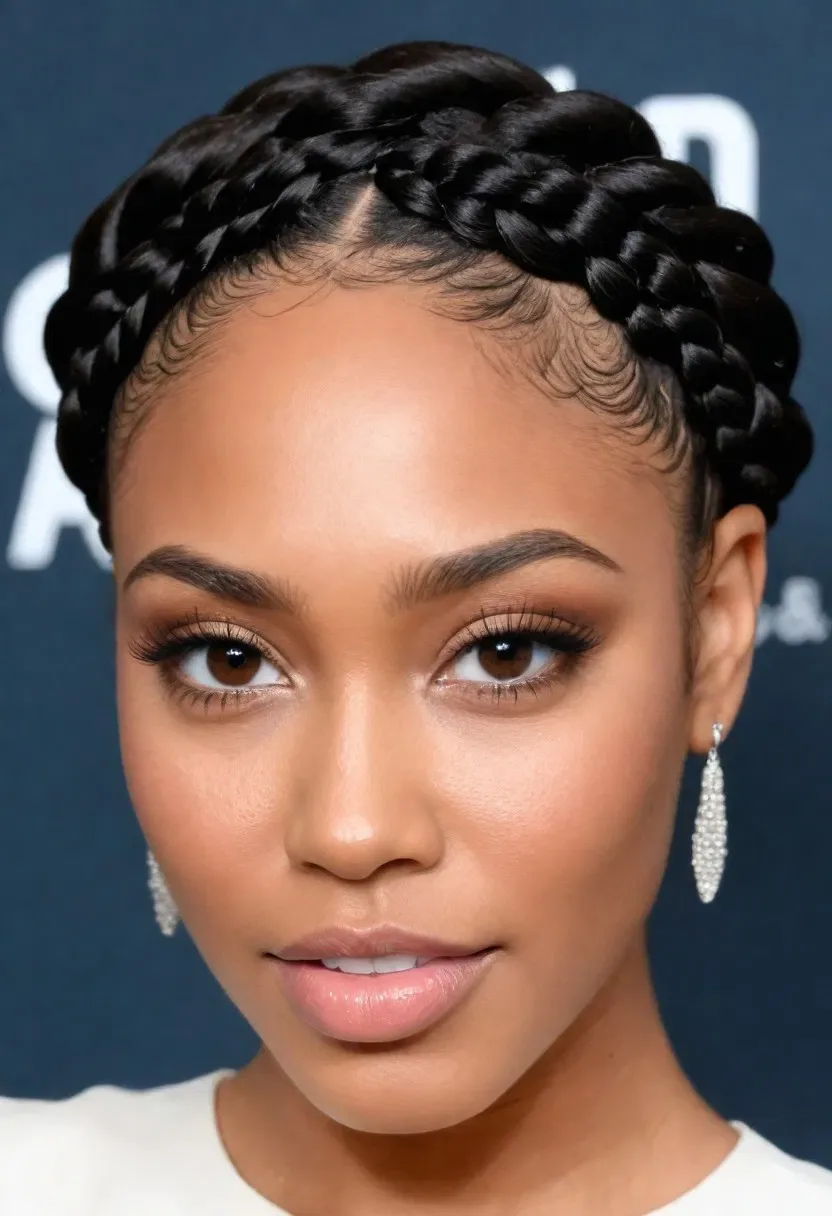
11. Side-Swept Long Layers
Side-swept layers give long hair a sense of movement and softness while keeping it firmly on one side, out of your way. The sweep across the forehead is flattering, and the layers stop long hair from looking heavy or flat.
Best for: long hair, especially thick hair that needs shaping. It suits most face shapes, and it is a kind option if you have a high forehead, because the sweep softens it.
How to style: create a deep side part, blow-dry the front section across the forehead, and let the layers fall over one shoulder. Pin the lighter side back if it keeps falling forward.
Maintenance: this style needs a quick check after walking outdoors, because wind can undo a side sweep. A single hidden pin on the swept side keeps it in place all day.
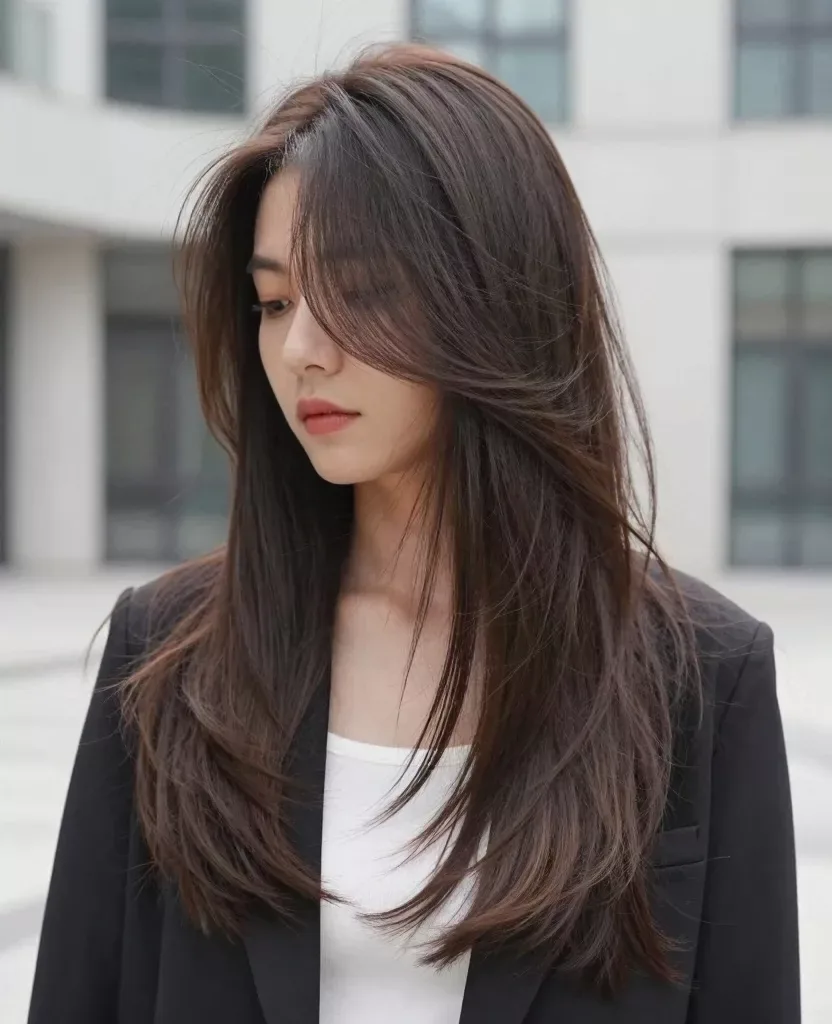
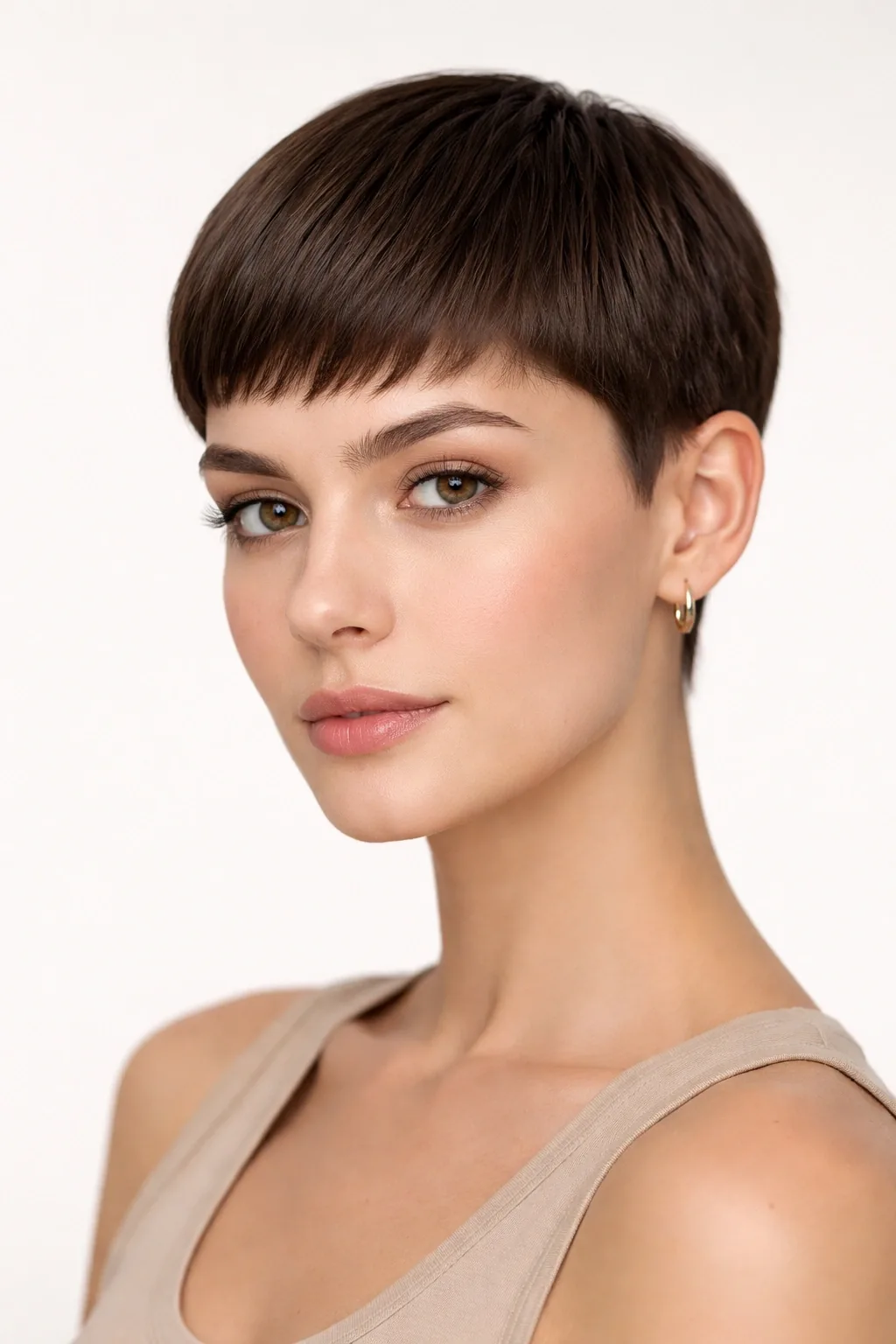
12. The Short Polished Pixie
A polished pixie is one of the smartest interview cuts of all. It shows your face completely, it needs no tying back, and it looks confident and modern. The key word is polished — a pixie that is smoothed and shaped reads very differently from one that is left to dry however it likes.
Best for: anyone with short hair who wants a low-maintenance interview morning. It suits oval, heart-shaped and square faces beautifully.
How to style: apply a small amount of styling cream to damp hair, smooth the top with your fingers or a brush, and define the parting. Add a little texture at the crown so the cut does not look flat.
What to ask your stylist: ask for a pixie with enough length on top to smooth back or sweep to the side, so you have options on the day.
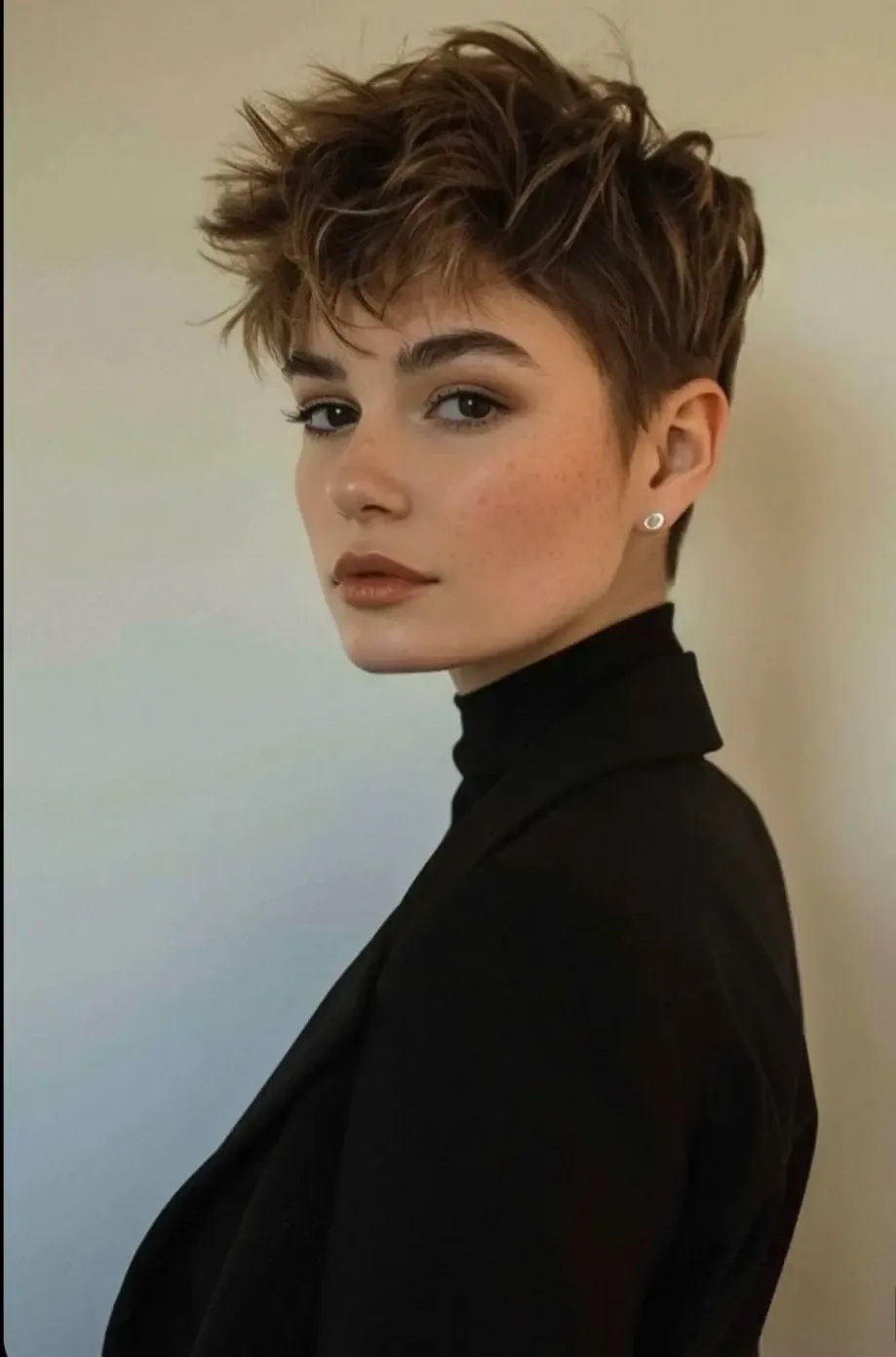
13. The Textured Crop for Short Hair
A textured crop is a pixie’s slightly softer sister — short, but with movement and piece-y ends that keep it from looking severe. It is a great interview choice if you want short hair to feel friendly and approachable rather than razor-sharp.
Pros: it dries fast, it holds its shape, and it needs almost no pins or products. Cons: it shows every cowlick, so it needs a minute of styling in the morning rather than a shake-and-go.
How to style: work a pea-sized amount of matte paste through damp hair, push the front pieces in the direction you want, and let the texture do the rest. Avoid heavy gel, which makes a crop look wet and stiff.
Quick verdict: if you already love short hair, a textured crop is the easiest interview style on this list. Just give it two minutes of attention in the morning.
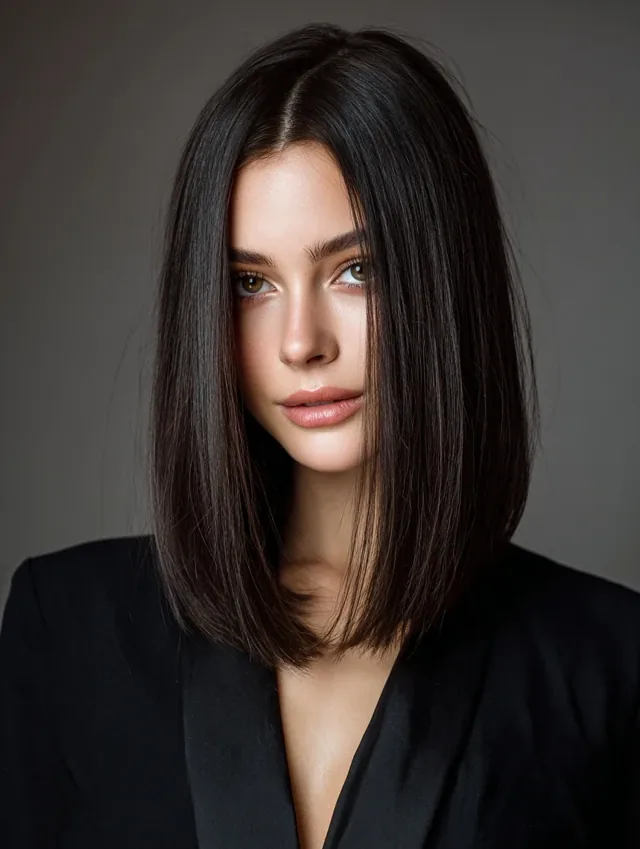
14. The Shoulder-Length Blunt Cut
A shoulder-length blunt cut is clean, graphic and quietly confident. The straight, even ends give the style a strong outline, and because the length sits at the shoulders, it never falls into your face while you are talking.
Best for: straight and fine hair, which looks thicker with a blunt edge, and anyone who wants a modern, minimal look. It is also one of the easiest cuts to keep neat all day.
How to style: blow-dry straight with a paddle brush, or run a straightener over the ends for a sharp finish. Keep the parting clean — centre or side, whichever suits your face.
Common mistake: letting the ends flip out unevenly. A quick check in a hand mirror before you go in will catch any stray flips.
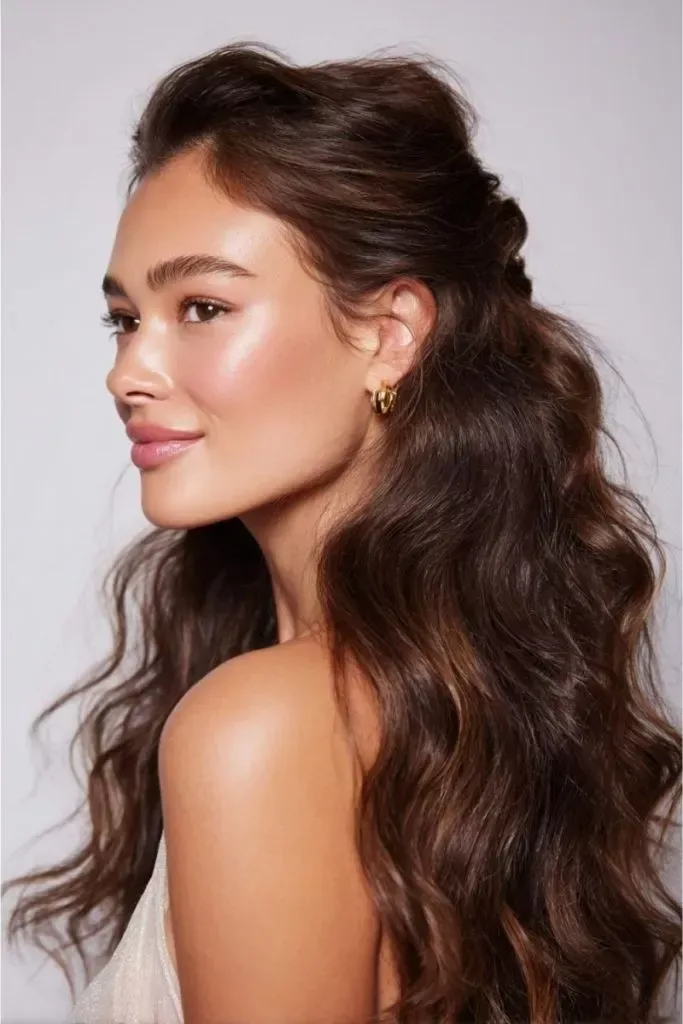
15. Soft Waves Pinned Back
Soft waves are lovely for an interview, as long as the front is controlled. Pinning the waves back from your face gives you the best of both worlds: gentle movement at the back, and a clear, open face at the front.
Best for: naturally wavy hair, and anyone who wants to wear their hair down without looking too casual. It is a kind style for a relaxed campus interview.
How to style: enhance your natural waves with a little mousse or sea-salt spray, then pin a small section back from each temple. Let the waves fall naturally behind your shoulders.
Maintenance: waves can drop or frizz in humidity, so a light-hold spray helps. If your hair is very fine, a few soft curls with a large-barrel iron will hold the wave longer.
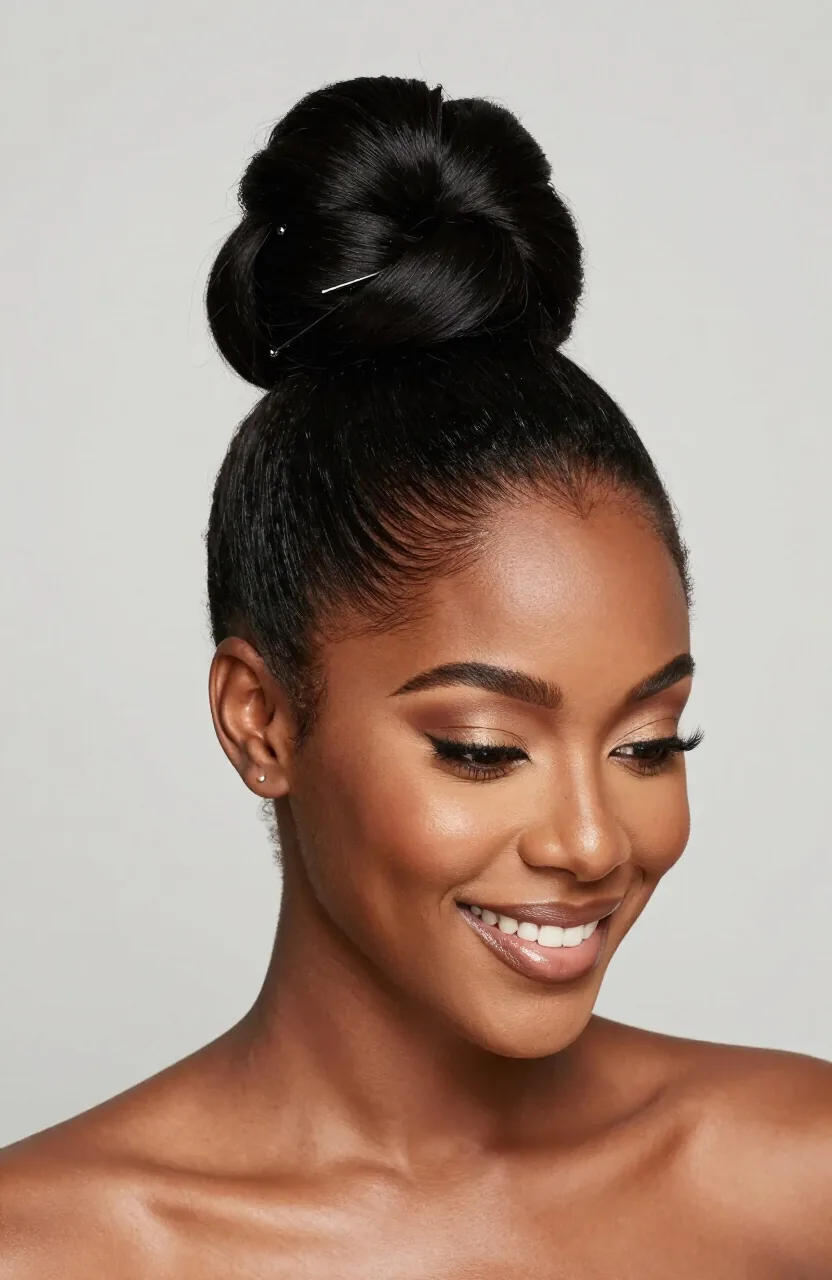
16. The High Neat Bun
A high bun is bolder than a low bun, and it works well for interviews when it is kept smooth and modest rather than huge. It lifts your face, shows your features, and keeps every strand completely out of the way.
Best for: long and thick hair, and anyone whose low bun tends to slip. A high bun uses gravity in your favour, and it pairs well with a high-necked top.
How to style: brush the hair up smoothly, twist it into a compact bun at the crown, and pin it securely. Keep the bun small and neat — this is not the moment for a giant topknot.
Who should avoid it: if a high bun gives you a headache, or if it makes you feel self-conscious, choose a low bun instead. Comfort matters more than height.
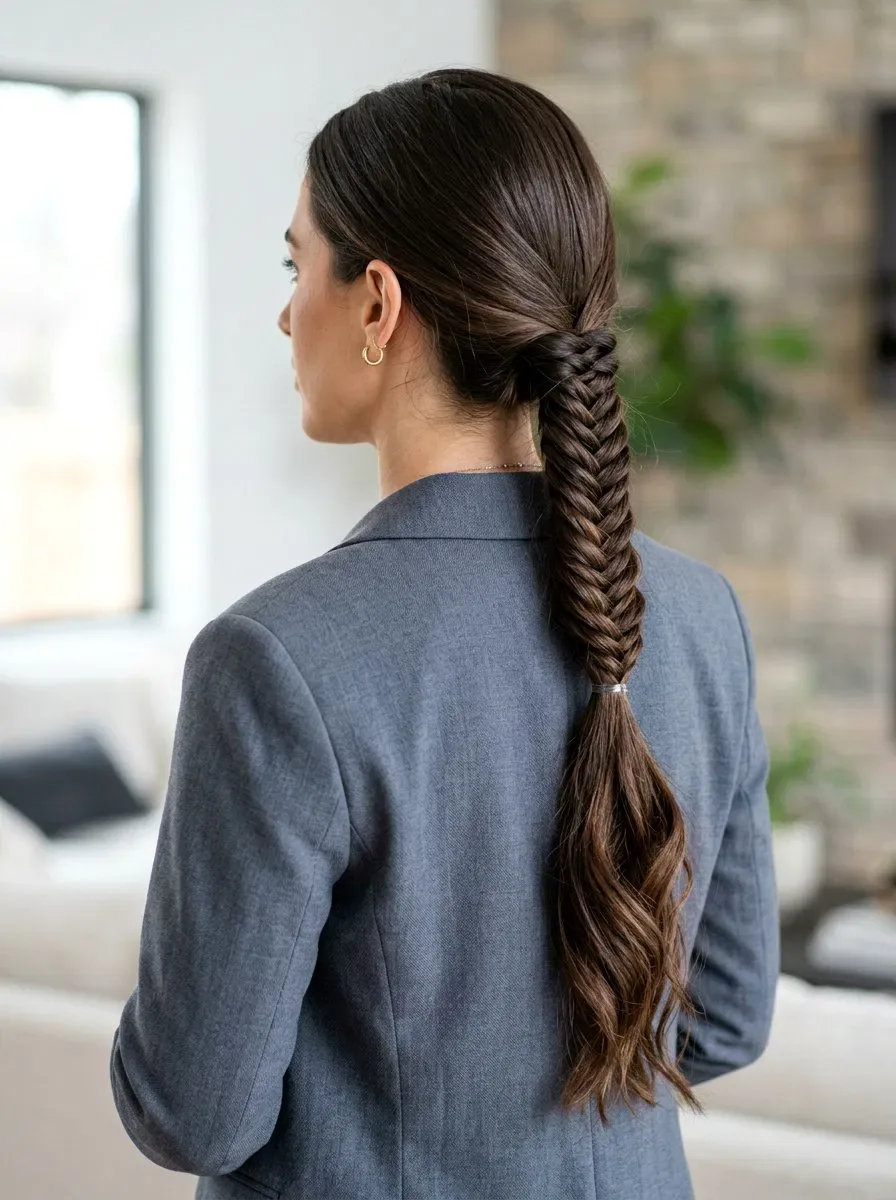
17. The Braided Low Ponytail
A braided low ponytail takes the classic low ponytail and gives it a little more structure. The braid keeps the length tidy, stops the ponytail swinging into your face, and adds a detail that looks thoughtful without being fussy.
Best for: long hair, and anyone who finds a plain ponytail slips or looks too plain. It is especially practical if your interview day includes walking around campus.
How to style: gather the hair low, secure it, then braid the ponytail and tie the end with a small clear elastic. Loosen the braid very slightly for softness, and smooth the top as you would for a normal ponytail.
Quick verdict: a small upgrade with a big payoff. It takes two extra minutes and looks twice as polished.
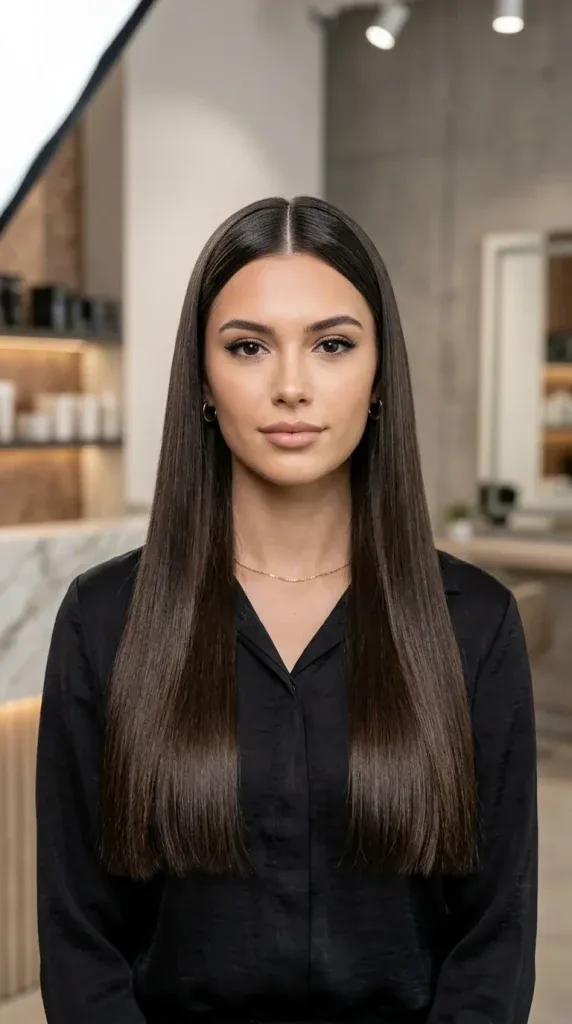
18. Sleek Middle-Part Straight Hair
A clean middle part with sleek, straight hair is one of the most striking interview looks, because it is so symmetrical and calm. It frames the face evenly, it photographs beautifully, and it suits a formal outfit perfectly.
Best for: straight hair and oval or heart-shaped faces. It is also a good choice if you want to wear your hair down but still look extremely tidy.
How to style: part the hair in the centre while it is damp, blow-dry it straight, and finish with a straightener on the front sections. Tuck the hair behind your ears or let it fall straight — either works, as long as it is even on both sides.
Common mistake: an uneven middle part. Take ten seconds to check it in the mirror, because a crooked part is surprisingly noticeable on a sleek style.
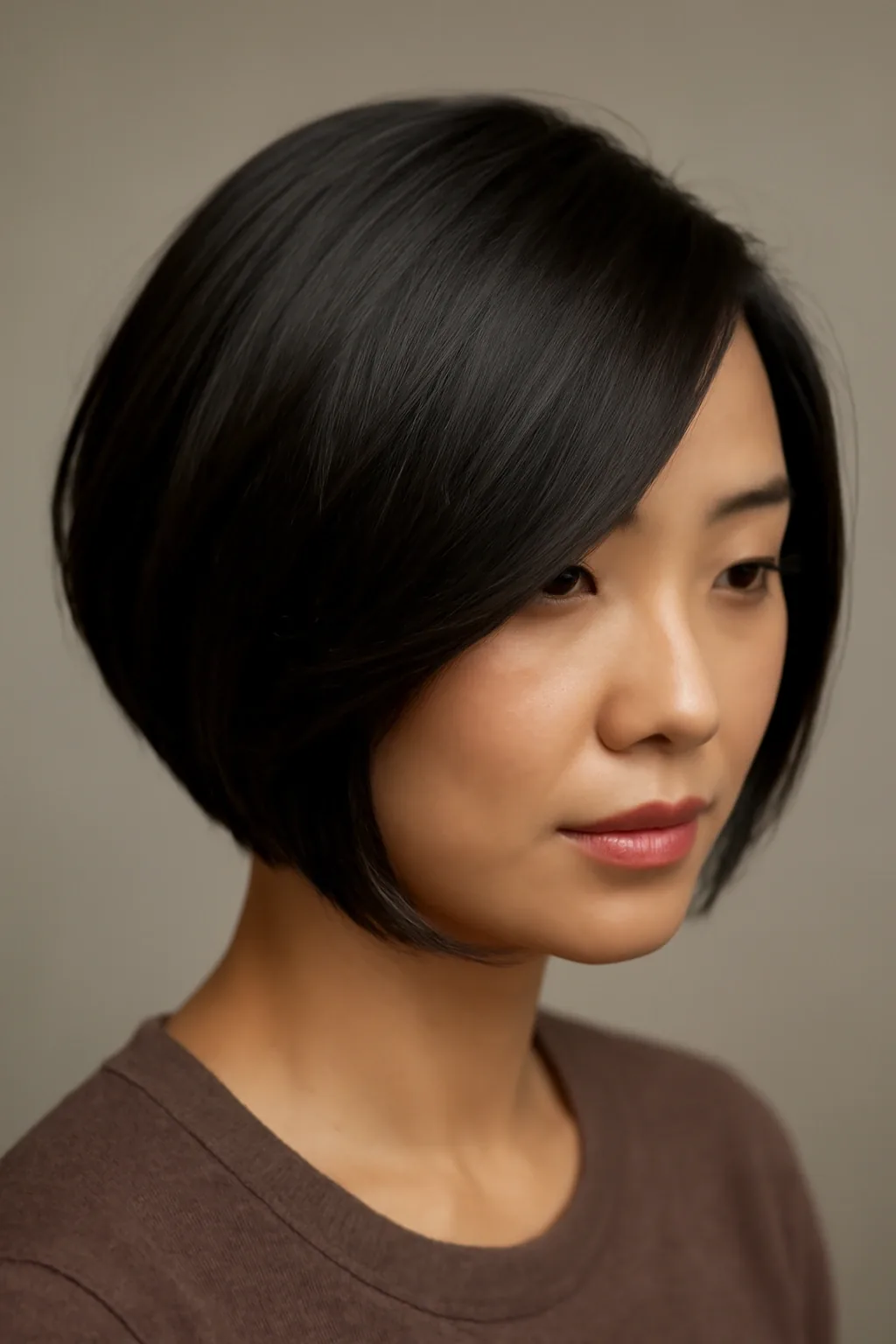
19. The Chin-Length Bob with a Side Part
A chin-length bob is short enough to be completely practical and long enough to feel versatile. With a side part, it gains a soft sweep that flatters the cheekbones and keeps the style from looking boxy.
Pros: it dries quickly, it holds its shape all day, and it works with or without heat styling. Cons: at chin length, the ends can flick out if they catch on a collar, so check the back before you go in.
How to style: blow-dry with a round brush, turning the ends under slightly, and smooth the side part with a brush. A little smoothing cream on the ends keeps them from frizzing.
What to ask your stylist: ask for the length to sit just at or just below the chin, and for the ends to be lightly textured so they sit smoothly rather than flipping.
20. The Layered Lob with Face-Framing Pieces
Face-framing pieces are the secret weapon of a layered lob. They soften the outline of the face, add movement around the cheeks, and make a simple cut look styled even when you have done very little to it.
Best for: medium hair, and anyone who feels a blunt lob looks too severe. The layers give the style lightness, and the face-framing pieces draw attention to your eyes.
How to style: blow-dry the face-framing pieces forward and slightly away from the face, so they curve gently. Keep the rest of the lob smooth, and avoid over-curling the ends.
Maintenance: this cut grows out gracefully, so it is a good choice if your interview is a few weeks after your last haircut. A quick trim of the front pieces is all it needs.
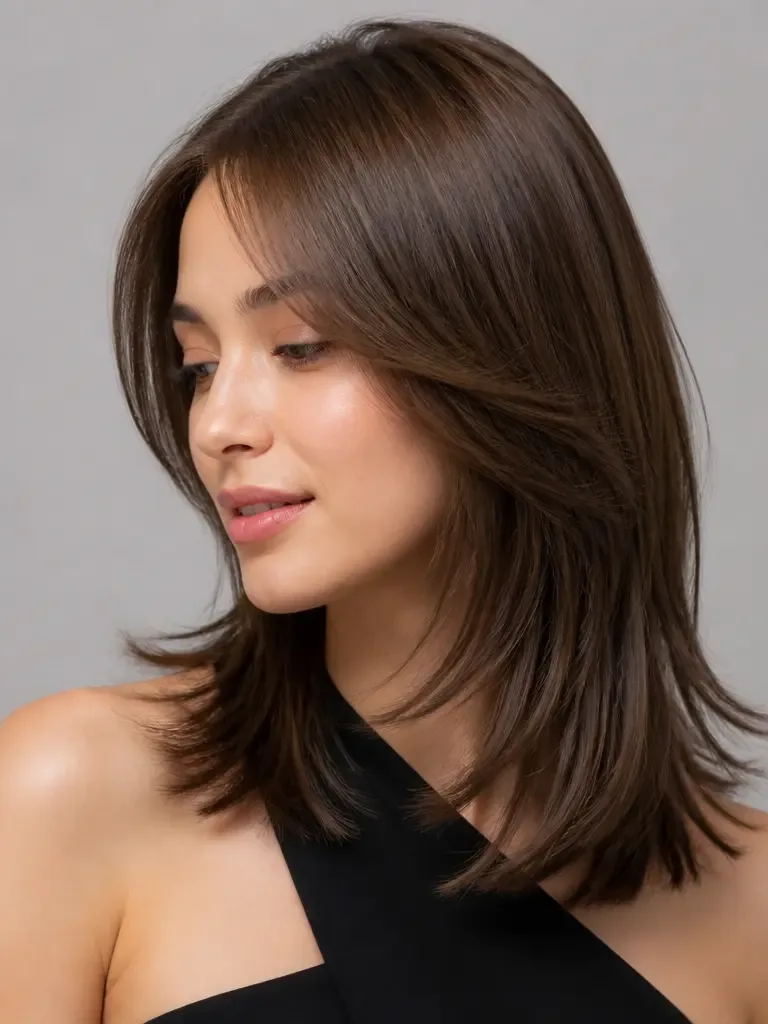
21. The Low Twisted Bun
The low twisted bun is a softer, easier version of the chignon. Instead of a precise roll, the hair is twisted loosely and pinned into a relaxed bun, which gives the style a gentle, approachable feeling while still looking completely put together.
Best for: medium and long hair with a little texture. It is forgiving if your hair is not perfectly smooth, because the twist itself is the design.
How to style: gather the hair low, split it into two sections, twist each one, then twist them together and coil them into a bun. Pin it with bobby pins and pull out one or two tiny face-framing pieces if you like.
Cost and time: about five minutes, no heat required, and no special products beyond pins and a light spray.
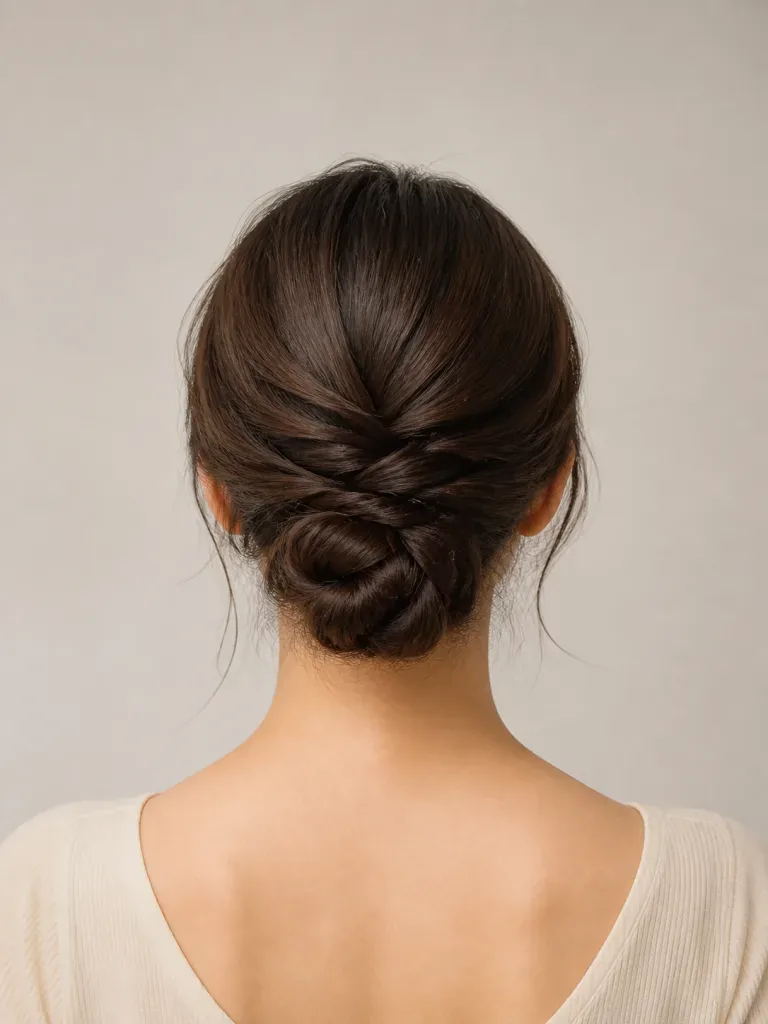
22. The Half-Up Claw Clip
A claw clip can look casual, but in a half-up style with smooth hair it can also look neat and intentional. The trick is to keep the clip small, plain and dark, and to make the hair itself look polished rather than thrown up.
Best for: medium and long hair, and anyone who wants a quick style that still looks finished. It is a good backup plan if your first choice falls apart on the morning.
How to style: smooth the top section back, twist it once, and secure it with a small, plain claw clip. Let the rest of the hair fall smoothly behind your shoulders.
Common mistake: using a large, bright or decorative clip, which turns an interview style into a casual one. Choose a matte black, brown or tortoiseshell clip that blends in.
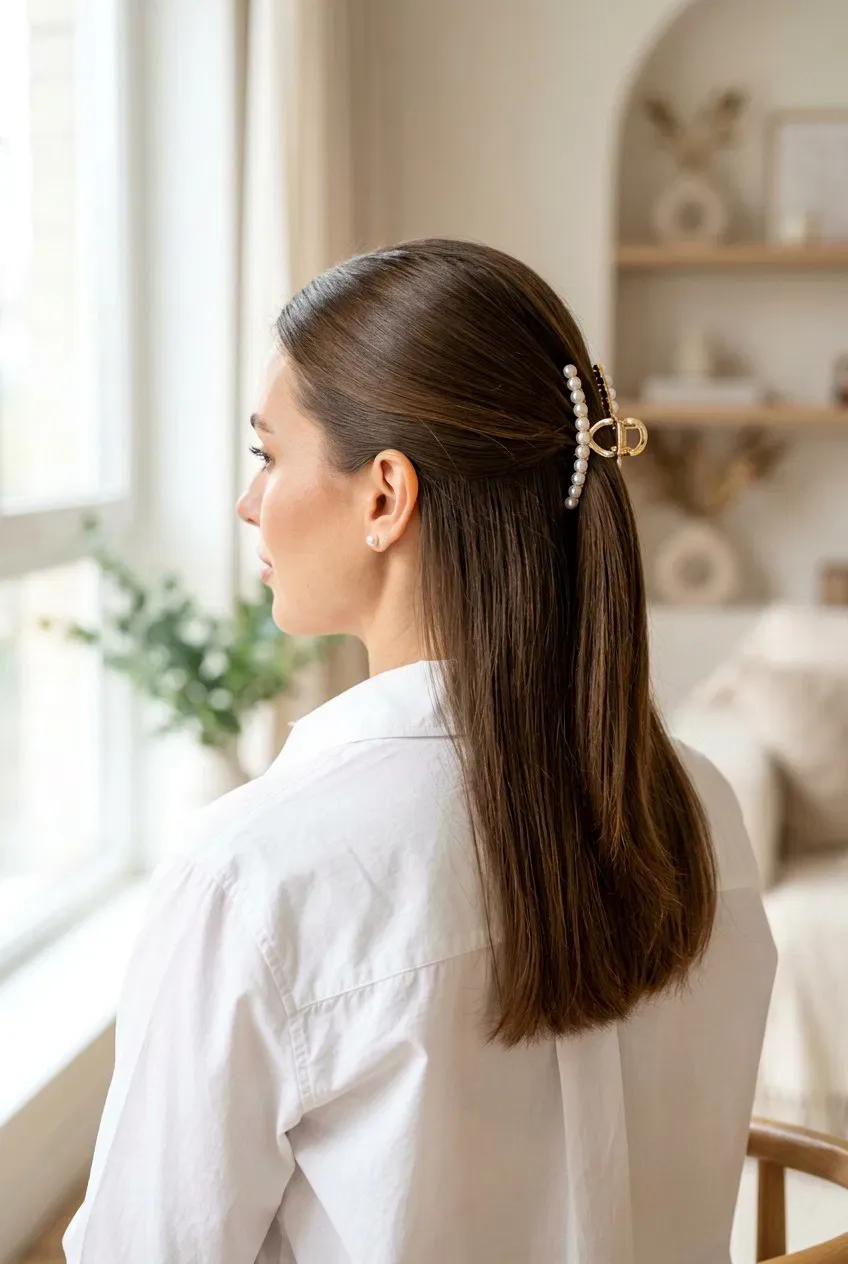
23. Curly Hair, Defined and Pinned Back
Curly hair does not need to be straightened for an interview. Well-defined curls, pinned back from the face, look confident, natural and polished — and they show that you are comfortable with your own hair, which is exactly the impression you want to give.
Best for: naturally curly hair of any length. This style works with your texture instead of fighting it, which means it holds better and feels more comfortable all day.
How to style: define the curls with a curl cream on damp hair, let them dry naturally or with a diffuser, then pin a small section back from each temple. Keep the pins hidden in the curls.
What to ask your stylist: ask for a cut that shapes the curls rather than thinning them out, so the curls sit in a neat, rounded shape around your face.
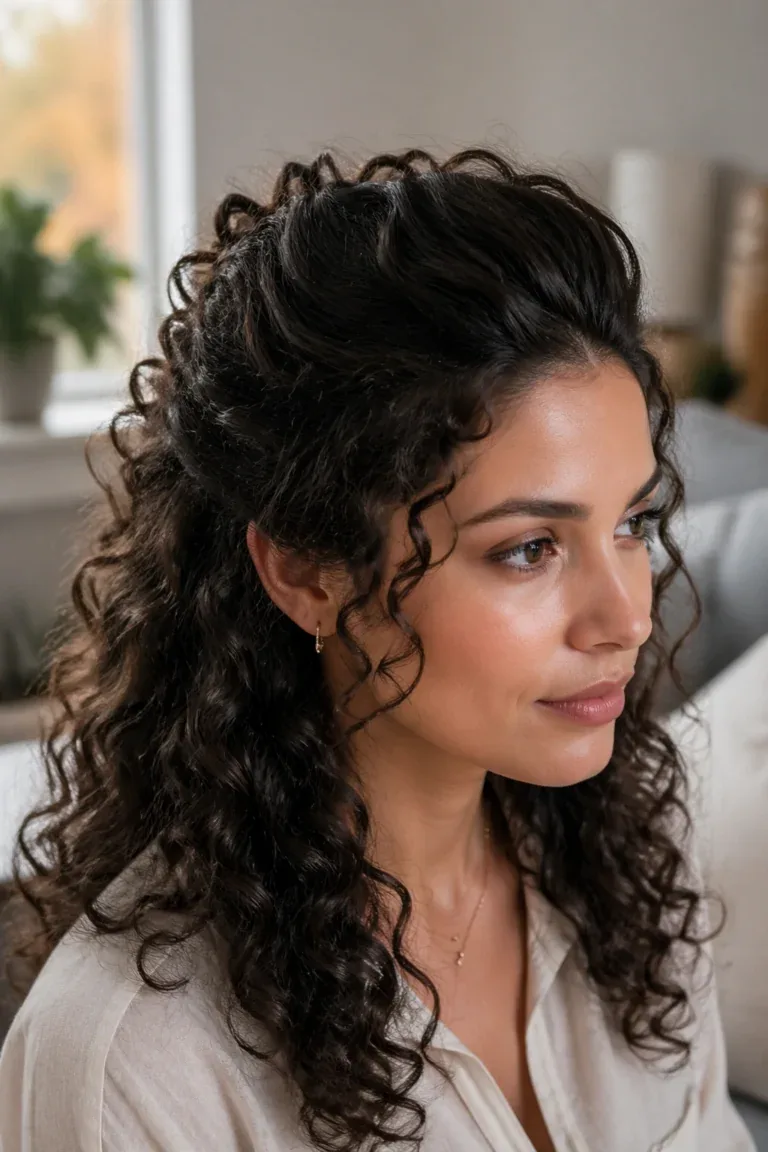
24. Natural Curls in a Low Puff
A low puff is a beautiful, practical style for natural curls. It keeps the hair completely off your face and neck, it shows off the curl pattern, and it stays secure through a long day of interviews and campus tours.
Best for: coily and curly hair, especially if you want a style that needs no heat at all. It is also a kind choice for a hot day, because it keeps the neck cool.
How to style: gather the curls low with a soft, wide band or a satin scrunchie, and shape the puff gently with your hands. Smooth the edges with a brush and a little edge control if you use it.
Quick verdict: simple, elegant and completely you. A low puff is one of the most confident interview styles there is.
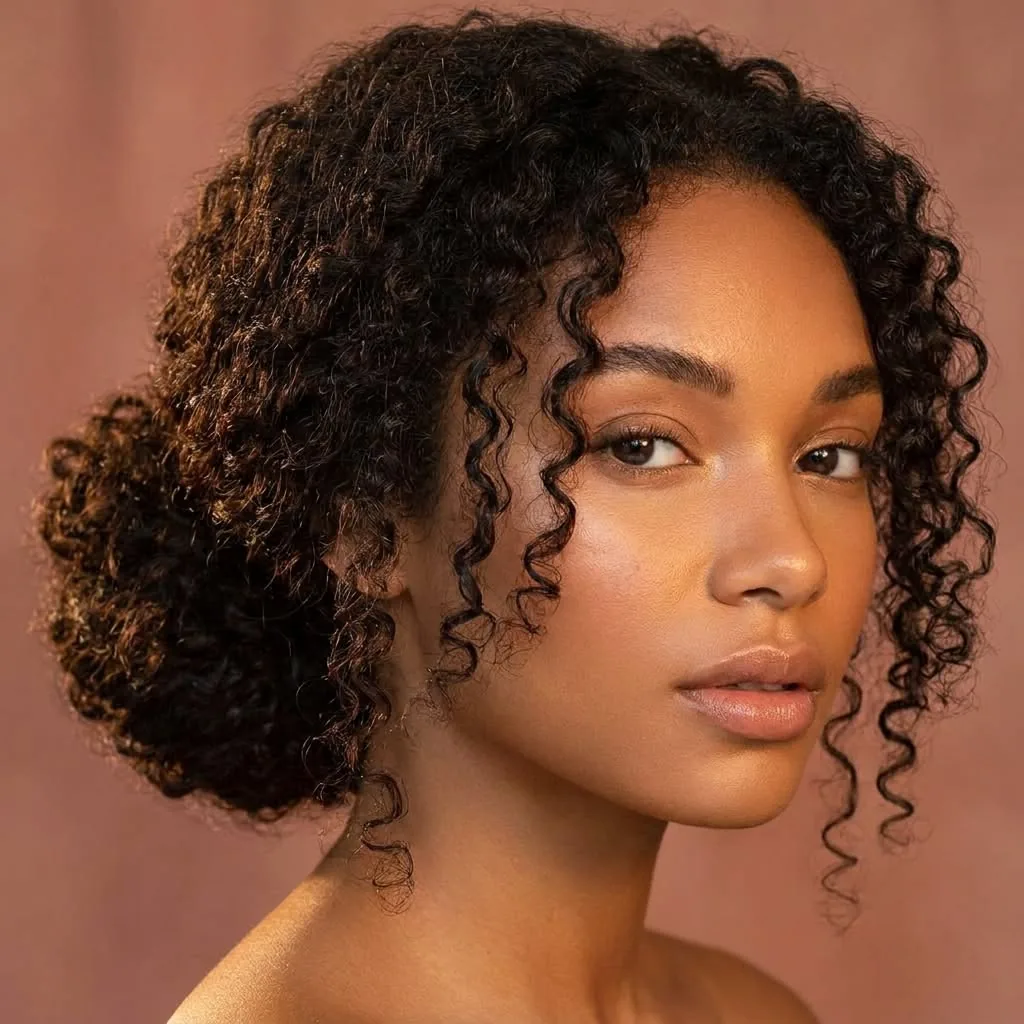
25. The Wavy Lob with Tucked Sides
Tucking the sides of a wavy lob behind your ears is a tiny change that makes a big difference. It opens up your face, shows your earrings and your smile, and stops the waves falling forward while you are talking.
Best for: wavy hair at lob length, and anyone who wants to wear their hair down but keep it out of the way. It suits a relaxed interview perfectly.
How to style: enhance the waves with a little mousse, then tuck one or both sides behind your ears. If the hair keeps slipping forward, one hidden pin on each side will hold it.
Pros and cons: the pros are simplicity and a friendly, open look. The only con is that tucked hair can look flat at the sides, so add a little volume at the crown first.
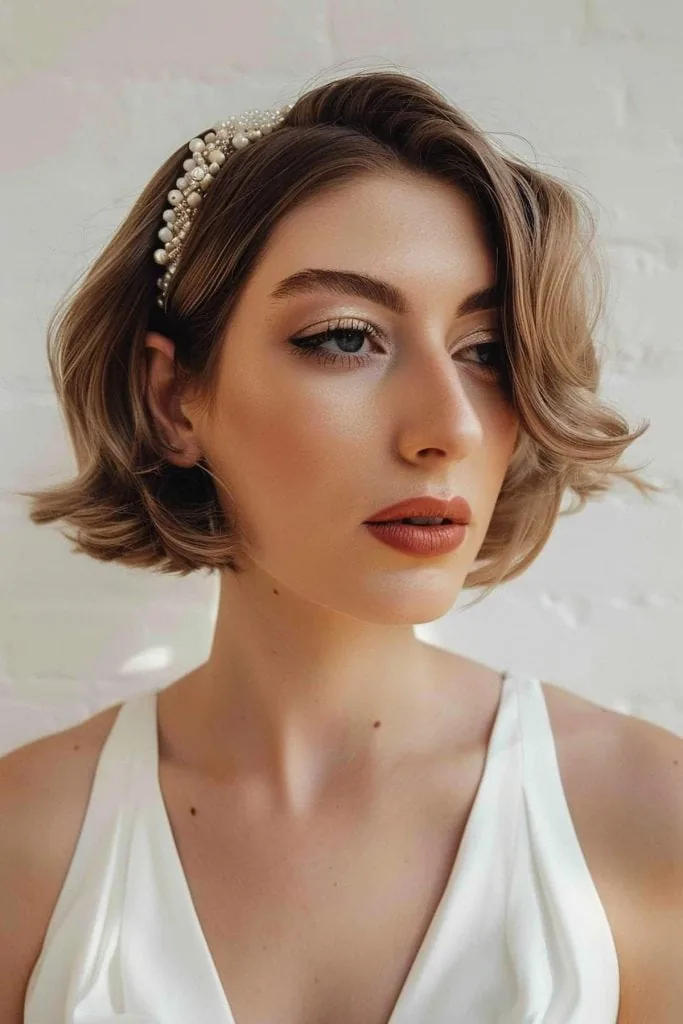
26. Straight Hair Tucked Behind the Ears
Tucking straight hair behind the ears is the simplest style in this guide, and sometimes the simplest is the smartest. It costs nothing, takes seconds, and it instantly makes straight hair look neat and deliberate.
Best for: straight hair at any length from bob to long. It is a good choice if your hair is naturally smooth and you do not want to use heat on interview day.
How to style: part the hair as usual, smooth it with a brush, and tuck both sides behind your ears. If your hair is slippery, a tiny amount of smoothing cream will help it stay put.
Common mistake: tucking only one side, which looks accidental rather than intentional. Tuck both sides evenly, or pin one side back deliberately and leave the other side down.
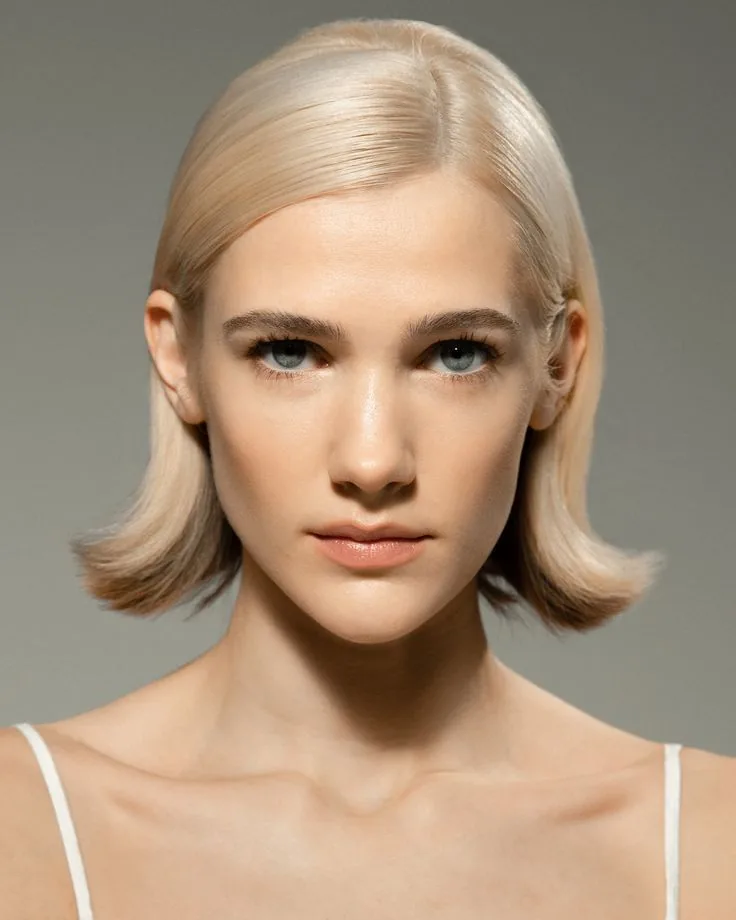
27. The Elegant Low Side Bun
A low side bun is a gentle twist on the classic low bun. Sitting just behind one ear, it adds a touch of asymmetry and elegance, and it looks particularly lovely from the side — which is how the interviewer will see you as you walk in and sit down.
Best for: medium and long hair, and anyone wearing a one-shoulder or asymmetric neckline. It is also a good choice if a centre bun feels too severe for you.
How to style: sweep the hair to one side, gather it low behind the ear, and coil it into a small bun. Pin it securely and smooth the opposite side so the sweep looks intentional.
Quick verdict: choose the side bun if you want your interview look to feel a little special without being formal. It is elegant, but not stiff.
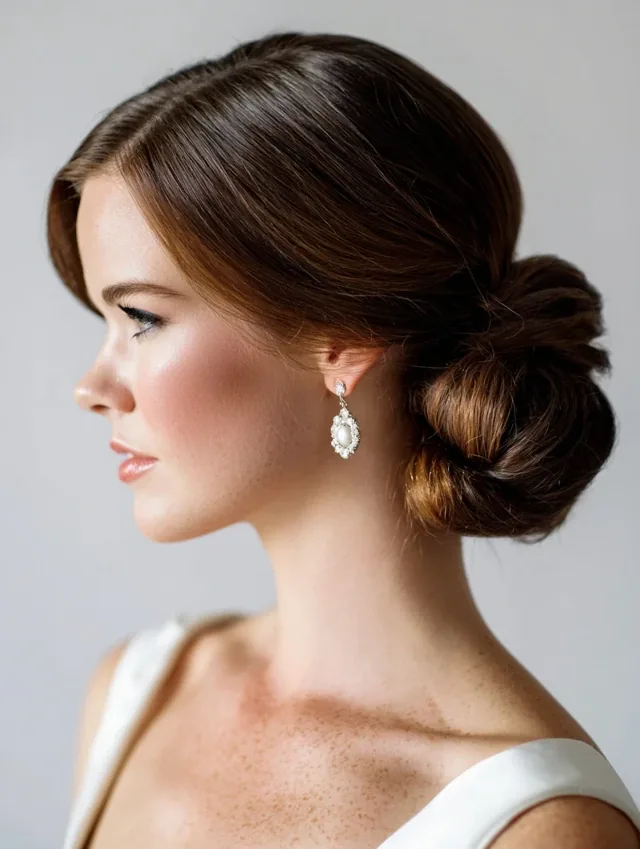
28. The Short Bob with Soft Volume
A short bob with soft volume at the crown is cheerful, confident and easy to wear. The volume stops the bob looking flat, and the short length means it will not move around or need adjusting during the interview.
Best for: fine hair, which benefits from a little lift, and anyone who wants a bob that looks lively rather than severe. It suits round and square faces well.
How to style: blow-dry the crown with a round brush, lifting at the roots, and smooth the sides. A little volumising mousse at the roots before drying makes the lift last longer.
Maintenance: this style holds well, but a quick fluff at the crown with your fingers is all it needs if it drops during the day. Avoid brushing it flat.
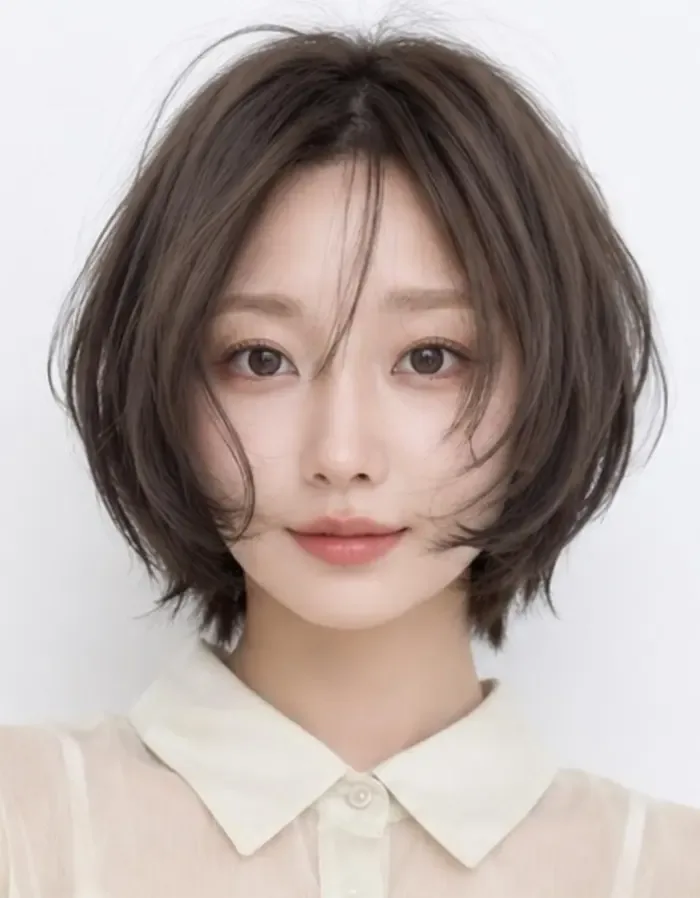
29. Long Hair in a Sleek Wrap Ponytail
A wrap ponytail is a low or mid ponytail with a strand of hair wound around the elastic, and that one detail changes everything. It hides the elastic, it looks finished, and it turns a basic ponytail into a style that looks like you made an effort.
Best for: long hair, and anyone who wants a ponytail that looks polished rather than sporty. It is a good choice for a video interview, because the wrap detail is visible on camera.
How to style: gather the hair smoothly, secure it, then take a thin strand from underneath the ponytail, wrap it around the elastic, and pin it underneath. Smooth the top and finish with spray.
Cost and time: about seven minutes, and no extra products beyond pins and spray.
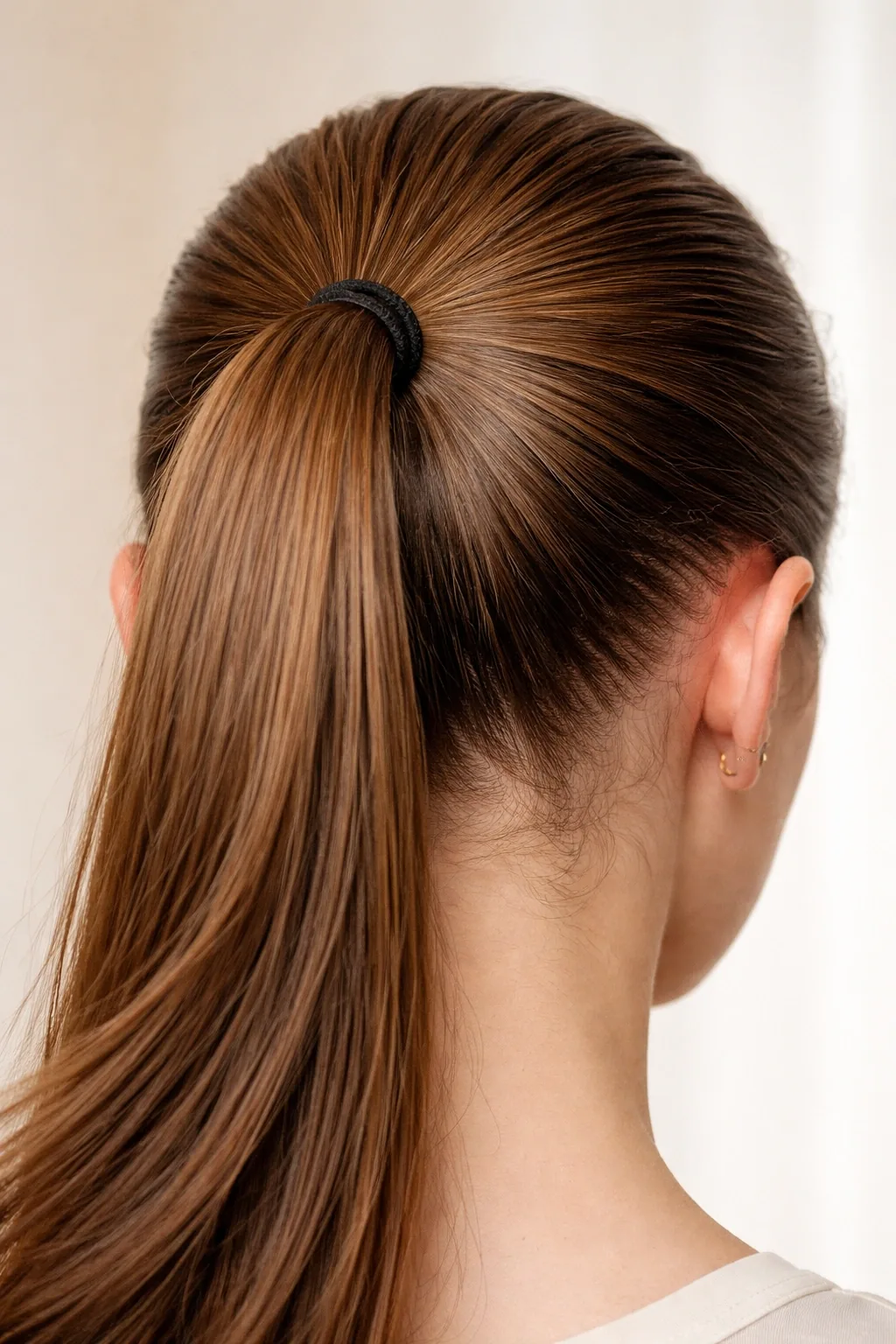
30. The Side Braid into a Low Bun
A side braid that flows into a low bun combines two neat ideas in one style. The braid controls the front, the bun controls the back, and together they create a style that will not move no matter how long the interview day runs.
Best for: long and medium hair, and anyone who likes braids but wants them to look grown-up. It is a practical choice for a day with a campus tour in the wind.
How to style: braid a section from one temple along the hairline, bring it to the nape, and gather all the hair into a low bun. Pin the braid’s end into the bun so there are no loose ends.
Common mistake: braiding too tightly, which can pull at the hairline and cause a headache. Keep the braid firm but comfortable.
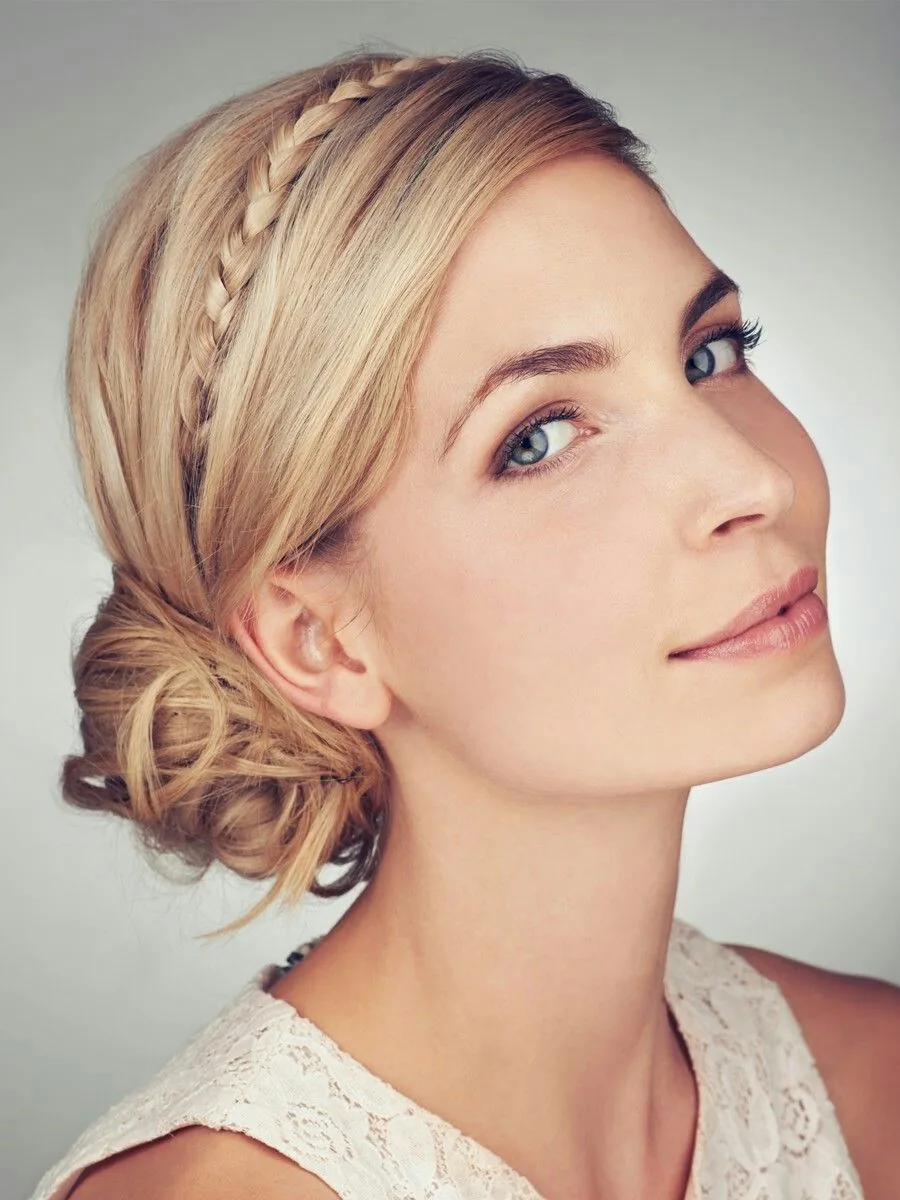
31. The Soft Updo with Face-Framing Tendrils
A soft updo with two slim tendrils left out at the front is the most romantic style in this guide, and it still works for an interview when the tendrils are kept short and the updo itself is neat. The tendrils soften the face, while the updo keeps everything else secure.
Best for: medium and long hair, and anyone who finds a fully scraped-back updo too severe. It suits a softer outfit and a conversational interview.
How to style: pull the front tendrils out first, then gather the rest of the hair into a low, soft bun. Curl the tendrils very lightly, and keep them short — they should frame the cheekbones, not fall past the chin.
Who should avoid it: if your tendrils go straight and limp within an hour, or if you will be outside in wind, skip them and choose a fully pinned-up style instead.
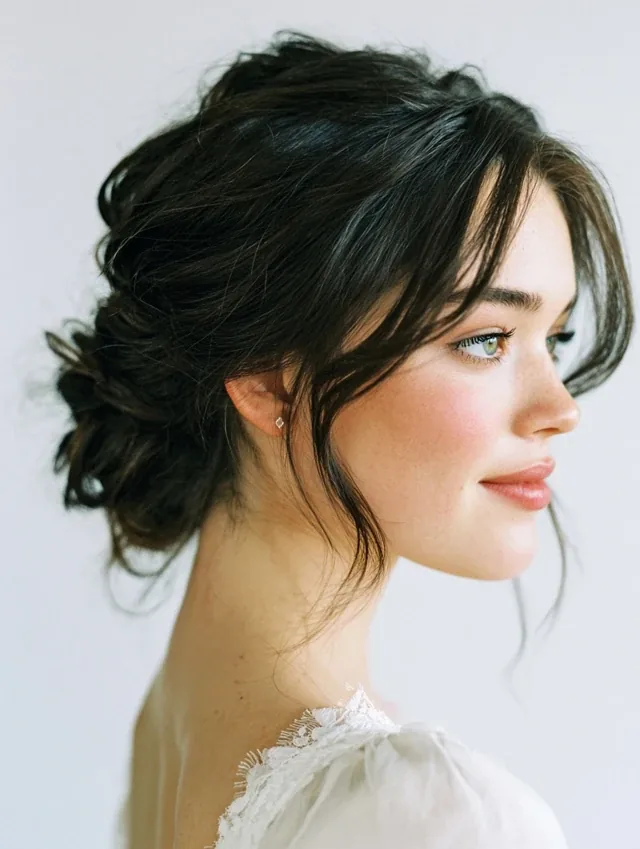
32. The Classic Shoulder-Length Blow-Dry
The classic shoulder-length blow-dry is the style most of us picture when we think of a polished interview look: smooth, shiny, with a gentle curve at the ends and a little lift at the crown. It is timeless for a reason.
Best for: medium hair that holds a blow-dry, and anyone who wants to wear their hair down in the most polished way possible. It suits almost every face shape.
How to style: blow-dry in sections with a round brush, lifting at the roots and turning the ends under. Finish with a cool shot from the dryer to set the shape, and a light spray.
Quick verdict: if you are unsure which style to choose, this is the safest down style on the list. It looks good on everyone, it photographs well, and it never looks overdone.
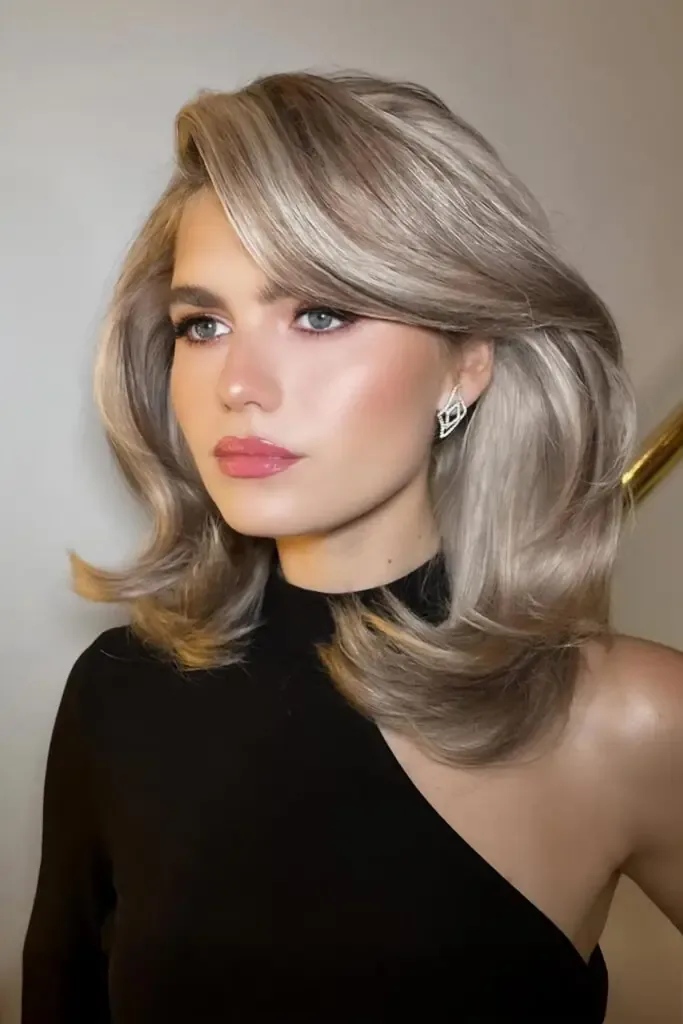
What is the best hairstyle for a college interview?
The best hairstyle is a neat, simple style that keeps hair off your face and stays in place — a low bun, a low ponytail, a polished lob, or smooth hair pinned back. Choose a style you have worn before and feel comfortable in, rather than trying something new on the day.
Should I wear my hair up or down for a college interview?
Either can work. Wear it up if your hair is long, falls in your face, or slips easily — a low bun or ponytail is the safest choice. Wear it down if it is short or medium and stays neat on its own, with a smooth blow-dry or a tidy bob. The key is that it should not need adjusting during the interview.
Is it okay to wear curly hair to a college interview?
Yes, absolutely. Well-defined, neat curls look confident and polished. Pin the front curls back from your face, define them with a curl cream, and let your natural texture show. You do not need to straighten curly hair for an interview.
Can I wear a ponytail to a college interview?
Yes, a low, smooth ponytail is one of the best interview styles. Keep it low at the nape, smooth the top, and wrap a strand of hair around the elastic for a polished finish. Avoid a high, sporty ponytail, which can look too casual.
Should I get a haircut before my college interview?
A trim a week or two before is a good idea, so your hair looks tidy and the cut has settled. Do not get a drastic new cut or colour the day before the interview — if it goes wrong, there is no time to fix it, and a new style can be distracting.
What hairstyles should I avoid for a college interview?
Avoid styles that cover your face, need constant fixing, or look very casual — messy buns, hair falling across one eye, heavy wet-look gel, glitter spray, and brand-new drastic cuts or colours. Also avoid anything with a strong scent or large, bright accessories.
How should I style my hair for a video college interview?
Choose a style with a clean parting and hair pulled clearly away from your face, such as a low bun, a smooth ponytail, or hair tucked behind your ears. Check yourself on camera before the call, and sit with light in front of you so your hair does not fall into shadow.
Is a bun too formal for a college interview?
No, a low bun is rarely too formal — it is neat, practical and widely seen as a polished choice. A high, severe bun can look formal, but a soft low bun or a low twisted bun suits almost every college interview, from relaxed to formal.
How do I keep my hair neat all day at a college interview?
Start with clean, fully dry hair, use crossed bobby pins and a light-hold spray, and carry two spare pins and a hair tie in your bag. Choose a style that holds on its own, such as a bun or a braid, rather than one that needs constant touching up.
What if my hair is very short? Can I still look polished?
Yes — short hair is often the easiest to keep neat for an interview. Smooth the crown, define your parting, add a little texture or volume, and make sure the cut looks freshly shaped. A polished pixie or a neat bob can be the smartest look in the room.
Conclusion
The best hairstyles for a college interview are the ones that let you forget about your hair and focus on the conversation. Whether you choose a sleek low bun, a polished lob, a neat ponytail or defined curls pinned back from your face, the goal is the same: clean, tidy hair that suits you, stays in place, and lets the interviewer see your face and hear your answers.
Pick your style the day before, practise it once, and check it from the front, the side and the back. Pack two spare pins, wear an outfit your hair agrees with, and then stop worrying about it. Walk in with your hair already sorted, and let the interview be about you — your ideas, your enthusiasm, and the person you are becoming. Good luck.