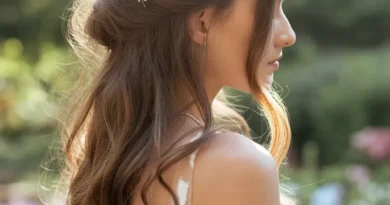
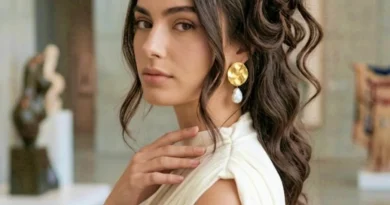
Smooth Notes, Stunning Hair: 38 Hairstyles for a Jazz Night That Last From the First Set to the Last Encore
There is something about a jazz night that asks more of your hair than an ordinary evening out. The lights are low, the music is slow and warm, and you will be there for hours, not minutes. The best hairstyles for a jazz night are the ones that still look deliberate at midnight, after the second set, the dancing and the walk home through cool night air.
A jazz club is not a wedding and it is not a nightclub. The mood sits somewhere between vintage glamour and modern ease: think satin dresses, dark lipstick, a saxophone catching the light, and hair that looks like it was styled with intention rather than rushed in front of a mirror. Whether the venue is a smoky basement club or a grand concert hall, your hair sets the tone before you say a word.
This guide brings together 38 hairstyles for a jazz night, from classic French twists and Hollywood waves to victory rolls, beehives and soft modern buns. Each style comes with honest advice on who it suits, how long it takes, and how to keep it looking good until the last encore. Pick the one that matches your dress, your hair length and the kind of night you want to have.
Hair That Holds From the First Set to the Last Encore
A jazz night is a long night. Doors open early, the first set drifts into the second, and nobody leaves before the encore. That is three or four hours of warm rooms, dancing and leaning in close to talk over the music, which is why staying power matters more than drama. Choose a style with a solid foundation: a pinned updo, a set of cooled curls, or a blowout finished with a light-hold spray, and it will still look like you meant it at midnight.
The trick is to build hold into the hair rather than spraying it on at the end. Style on day-old hair or add a little dry shampoo at the roots, set curls with pins while they cool, and anchor an updo with crossed bobby pins instead of a single clip. A quick mist of flexible-hold spray between layers beats one heavy coat on top, which flakes under stage lights and stiffens the shape.
Test your style before the night. Wear it around the house for an hour, shake your head the way you would on a dance floor, and look at it from the back. If a section slips, add a pin now rather than discovering it in a club mirror. A style that survives your living room will survive the band.
Looking Good in Dim Light: Hair That Photographs Well at a Jazz Club
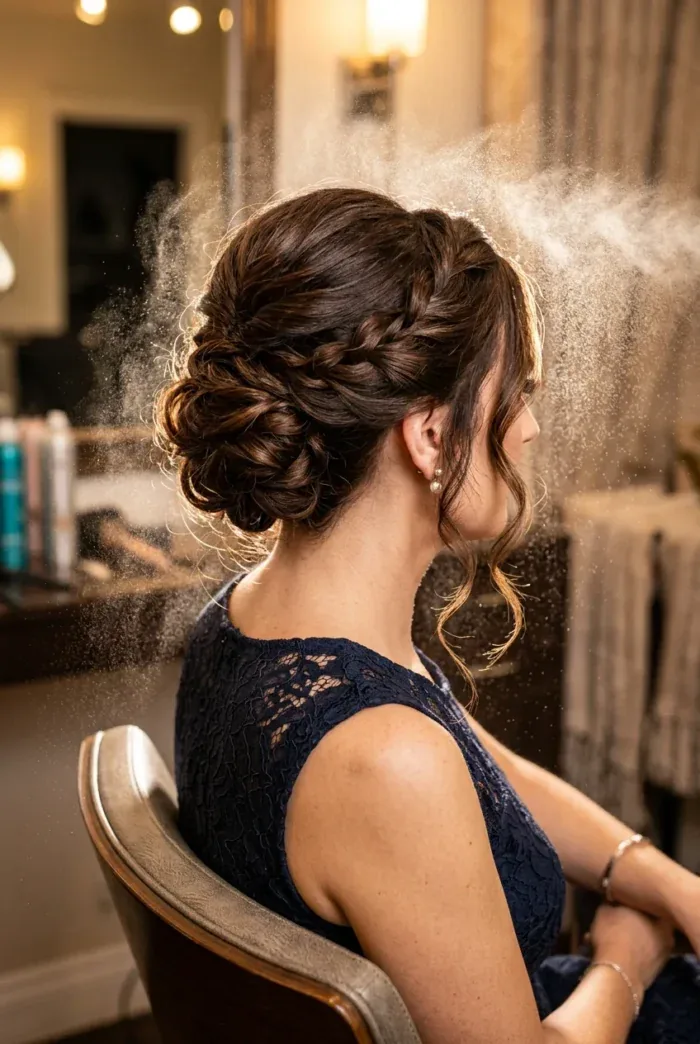
Jazz clubs are lit for mood, not for cameras, which changes what works. In low, warm light, very dark hair can disappear into the shadows and fine detail gets lost, while shine, shape and silhouette carry the look. Styles with a clear outline, a glossy finish or a bright accessory photograph far better than fussy, intricate work that nobody can see.
Shine is your best friend under dim lights. A smoothing serum on the surface, a gloss spray, or a sleek finish catches whatever light there is and makes the shape of the style readable from across the room. If your hair is dark, consider a pearl pin, a crystal comb or a metallic headband: one small point of light draws the eye straight to the hairstyle.
Keep the front of the style simple and strong. A clean side part, a swept fringe or a single face-framing curl reads beautifully in photos, while a dozen tiny tendrils blur into noise. When your friend takes a picture, turn slightly toward the nearest lamp or candle and let the light do the work.
Vintage Jazz-Club Glamour: The 1920s to 1950s Playbook
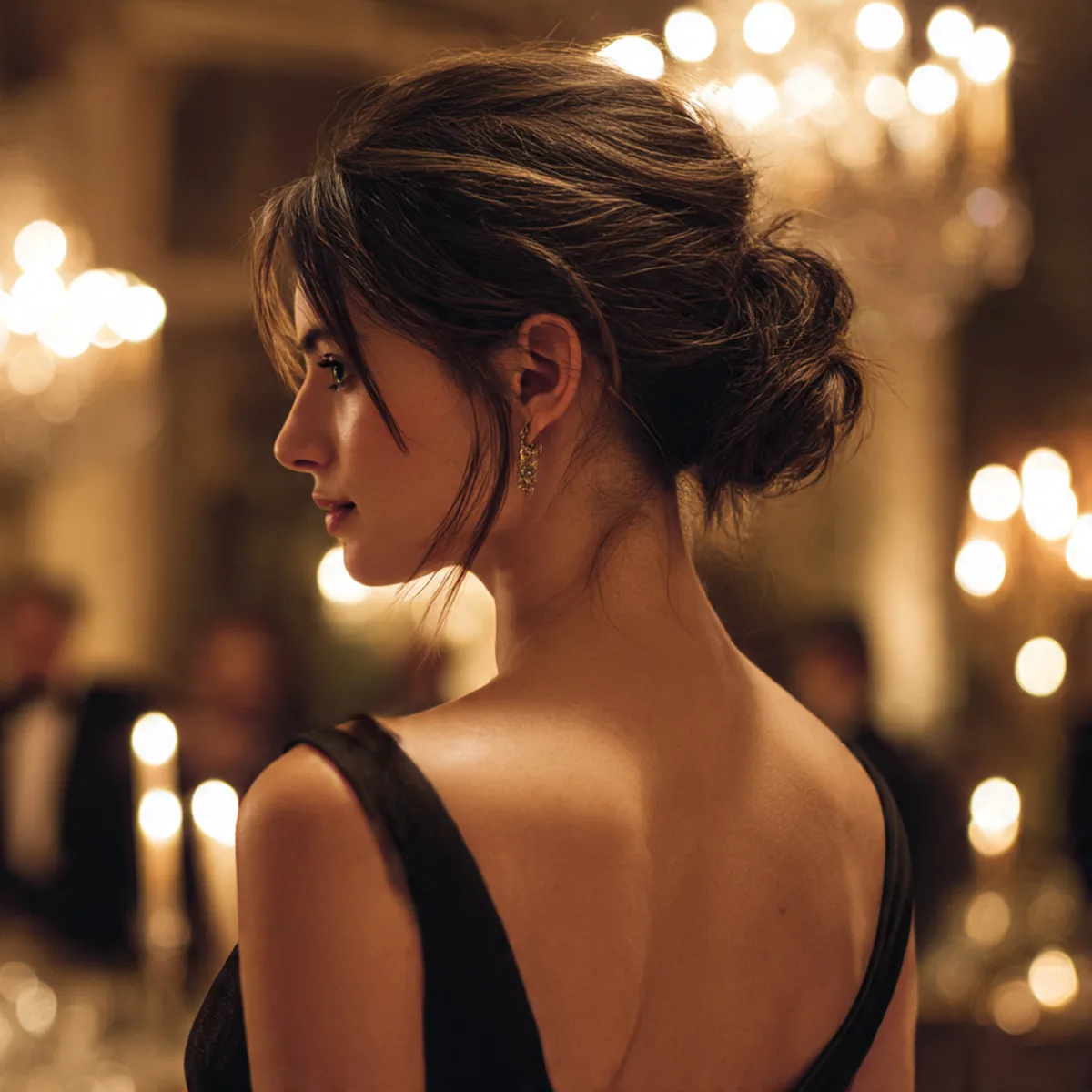
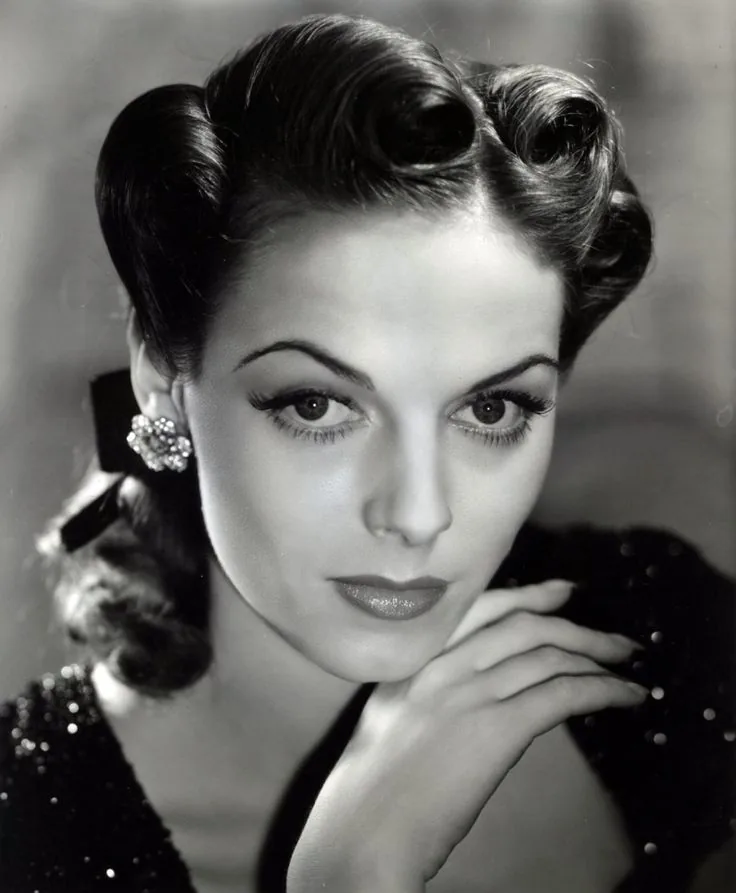
Jazz and vintage hair belong together. The music was born in the same decades that gave us finger waves, victory rolls, Marcel waves and the beehive, and those styles still feel right in a club in a way that a plain ponytail never will. The secret is to borrow the silhouette without turning it into a costume: one vintage element, worn with a modern dress and modern makeup, looks intentional rather than dressed up.
Start with the decade that suits your hair. Finger waves and Marcel waves love short to medium hair with a strong part. Victory rolls need length and a little patience but reward you with a shape that reads across a dark room. A beehive or a bouffant gives height and drama for long evenings when you want to feel like the best-dressed person in the room.
Pair a vintage style with one modern touch so the whole look stays current. A victory roll with a sleek, straight back, or finger waves worn with a simple black slip dress, keeps the glamour without the fancy dress. If you are short on time, a single vintage accent, like a deep side part with a sculpted wave at the front, gives the nod without the full commitment.
Vintage or Modern? Choosing Your Jazz-Night Era
The first decision is not which style but which era you want to channel. Vintage jazz hair is sculpted, polished and deliberate: waves set in place, rolls pinned high, every strand accounted for. Modern jazz-night hair is softer and more lived-in: textured waves, undone buns, glossy straight lengths with movement. Both look wonderful in a club, but they ask different things of you and your evening.
Vintage styles photograph like a dream and hold their shape for hours, but they take time and a steady hand, or a good stylist. Modern styles are faster, more forgiving and easier to fix at the bar, but they can soften into shapelessness by the last set if you skip the setting step. Be honest about your morning: if you have twenty minutes, go modern; if you have an hour and a curling iron, go vintage.
You can also split the difference. A modern blowout with a vintage deep side part, or a soft chignon with one sculpted wave at the front, gives you the glamour of the old era with the ease of the new one. The best choice is the one you can actually build, wear comfortably, and forget about once the music starts.
Dancing Between Sets: Styles That Move With You
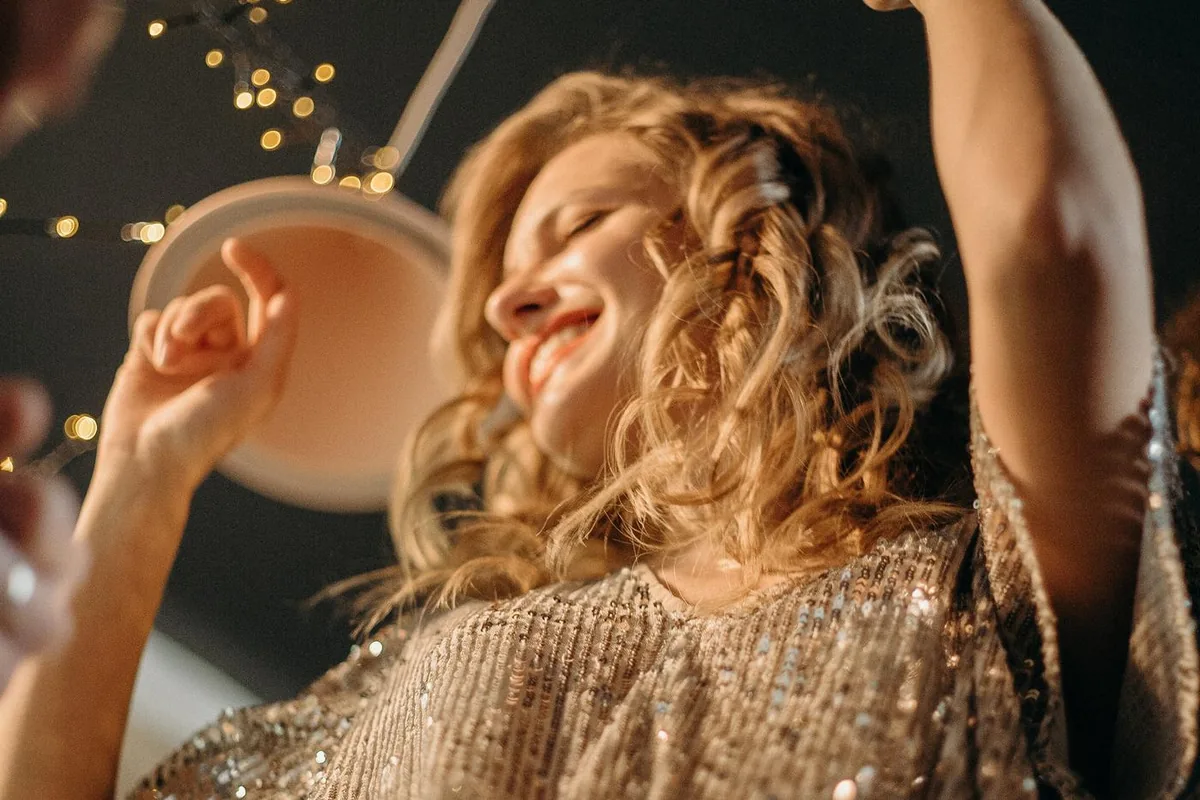
A jazz night is not a sit-still evening. There is swaying at the table, slow dancing between sets, and the walk to the bar, so your hairstyle needs to move with you instead of fighting you. The best dancing styles are anchored at more than one point: a bun pinned at the nape and the crown, a braid that starts high and finishes low, or curls set firmly at the root so the ends can swing freely.
Avoid anything that relies on gravity alone. A heavy half-up style with no pins will slide, and a top knot balanced on a single elastic will list to one side by the second song. Test the style the way you will wear it: turn your head quickly, look down, look up, and give a little shimmy. If it stays put through that, it will stay put on the dance floor.
Comfort matters as much as hold. A style pulled too tight gives you a headache by the interval, and a heavy clip digs in when you lean back in your seat. Choose pins over bulk, distribute the weight, and keep the front soft so nothing tugs at your hairline while you dance.
The Finishing Touches: Accessories for a Jazz Night
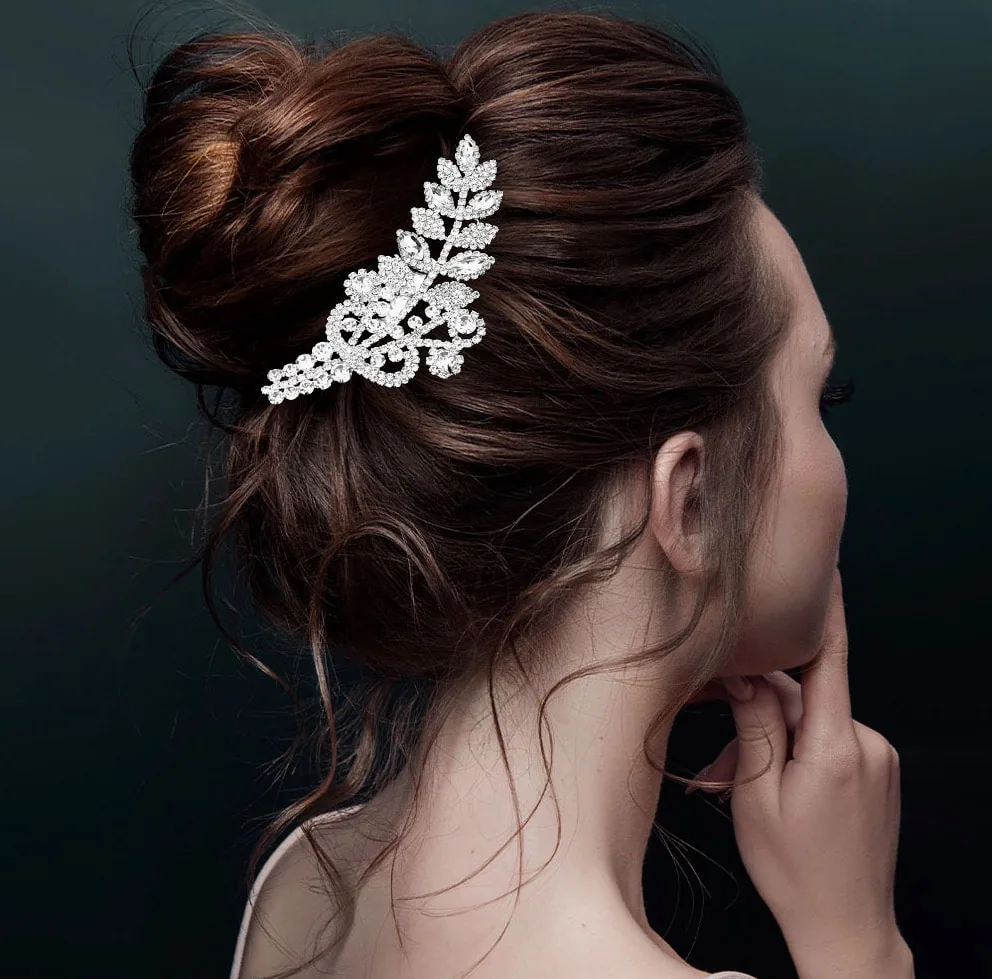
Accessories are the fastest way to make a simple hairstyle feel like a jazz-night hairstyle. A pearl pin, a crystal comb, a velvet headband or a gold cuff turns a low bun you could wear to work into something made for candlelight. The rule is one statement piece and nothing that competes with it: let the accessory be the jewellery for your hair.
Pearls are the classic jazz-night choice, and they suit almost every style, from a French twist to loose waves. Crystal and rhinestone pieces catch the low light and sparkle when you move, which is exactly what you want in a club. A velvet or satin headband adds vintage polish to straight or wavy hair in seconds, and a silk scarf knotted at the base of a ponytail gives a 1950s nod with no extra styling.
Match the accessory to the weight of the style. A heavy comb needs a solid updo to anchor into; on fine, loose hair it will slide out by the first song. Test the piece at home, wear it for an hour, and carry one spare bobby pin in your bag. If an accessory keeps slipping, it is the wrong accessory, not the wrong hair.
Hair by Venue: Smoky Club, Concert Hall or Rooftop
Where you are listening changes what you should wear on your head. A small, smoky club is warm, close and dim, so hair sits near your face and picks up the room’s heat: updos and pinned styles stay neat, while very long loose hair can feel hot and get in the way. A concert hall is cooler and more formal, which suits polished, structured styles that read well from a distance.
A rooftop or outdoor jazz evening brings wind, which is the enemy of a soft, loose style. If the night is outside, pin the front back, choose a bun or a braid, and carry a small bottle of smoothing serum for flyaways. A covered outdoor venue is kinder, but a breeze will still undo a curl that was only held with spray.
Think about the seat, too. A high-backed chair or a banquette will press against a high bun or a tall beehive and flatten it from behind. A low chignon or a side-swept style sits comfortably against any chair back and still looks finished from the front, which is the view most people will see.
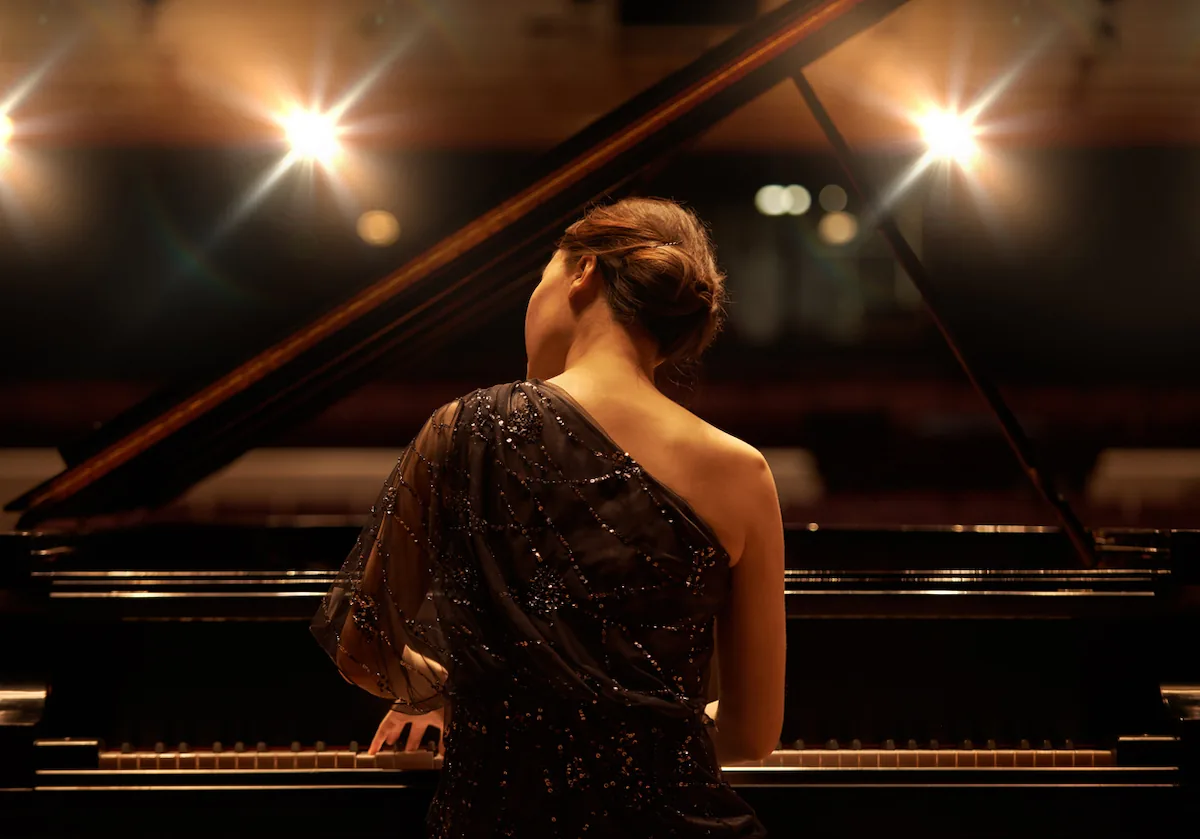
Quick Fixes at the Bar: A Two-Minute Rescue Kit
Even the best-planned hairstyle needs a rescue plan. Clubs are warm, dancing is movement, and a long night will test any style, so pack a tiny kit and know how to use it in a bar mirror in under two minutes. Four bobby pins, a small bottle of texturising spray, a folding brush and a couple of hair ties fit in the smallest evening bag.
If curls have dropped, gather the front sections, twist them back and pin them at the crown: you have just turned a tired blowout into a half-up style. If an updo is slipping, push one crossed pair of bobby pins through the base where it meets the scalp and mist with spray. If frizz has arrived, smooth a pea-sized drop of serum over the surface with your palms, never through the lengths.
The best fix is the one nobody notices, so practise it once at home. Knowing exactly how to rescue your style means you spend the interval enjoying the music instead of worrying in the mirror, and that is the whole point of the night.
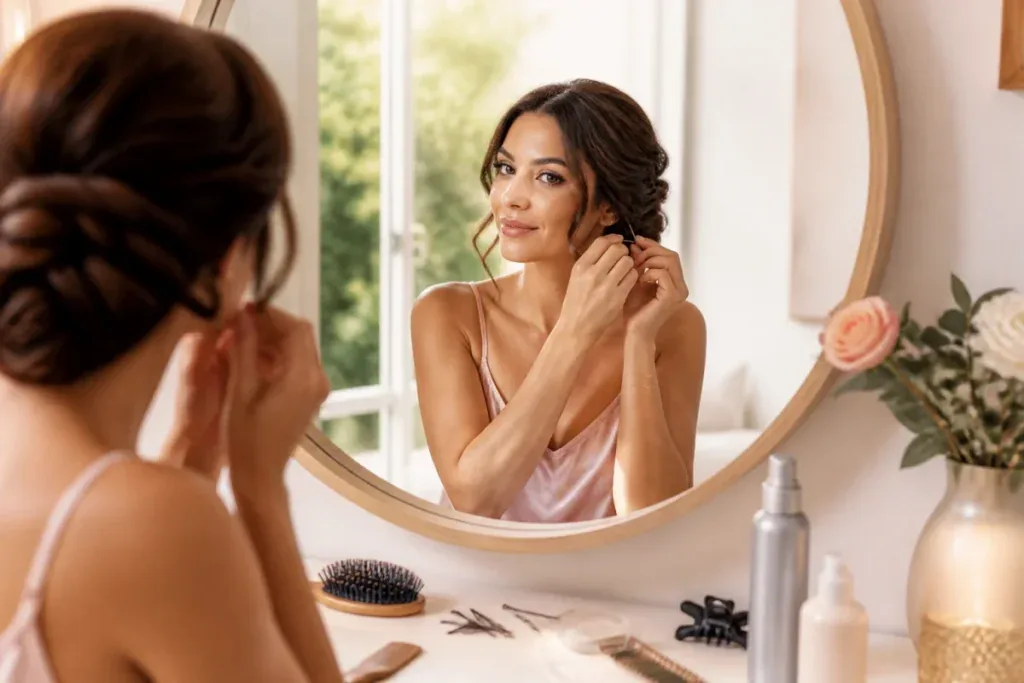
1. The Classic French Twist
The French twist is the jazz night’s most reliable updo: smooth, sculpted and quietly dramatic, it suits a satin dress and a dark room better than almost any other style. Hair is swept up from the nape, folded into a vertical roll and pinned along the spine of the twist, leaving a clean line from the forehead to the shoulders. It reads as pure old-school glamour without a single curl out of place.
Best for: medium to long hair with some texture, oval and heart-shaped faces, and anyone wearing earrings they want to show off. Ask your stylist for a soft front rather than a scraped-back finish: a gentle sweep over the forehead keeps the look romantic instead of severe. At home, work on second-day hair, backcomb the crown lightly for grip, and pin the roll with crossed bobby pins every couple of centimetres.
Keep the twist from looking too stiff by pulling out one fine tendril at each temple after pinning. A pearl pin tucked into the fold is the only accessory this style needs. It holds for hours, survives dancing, and photographs beautifully from every angle.
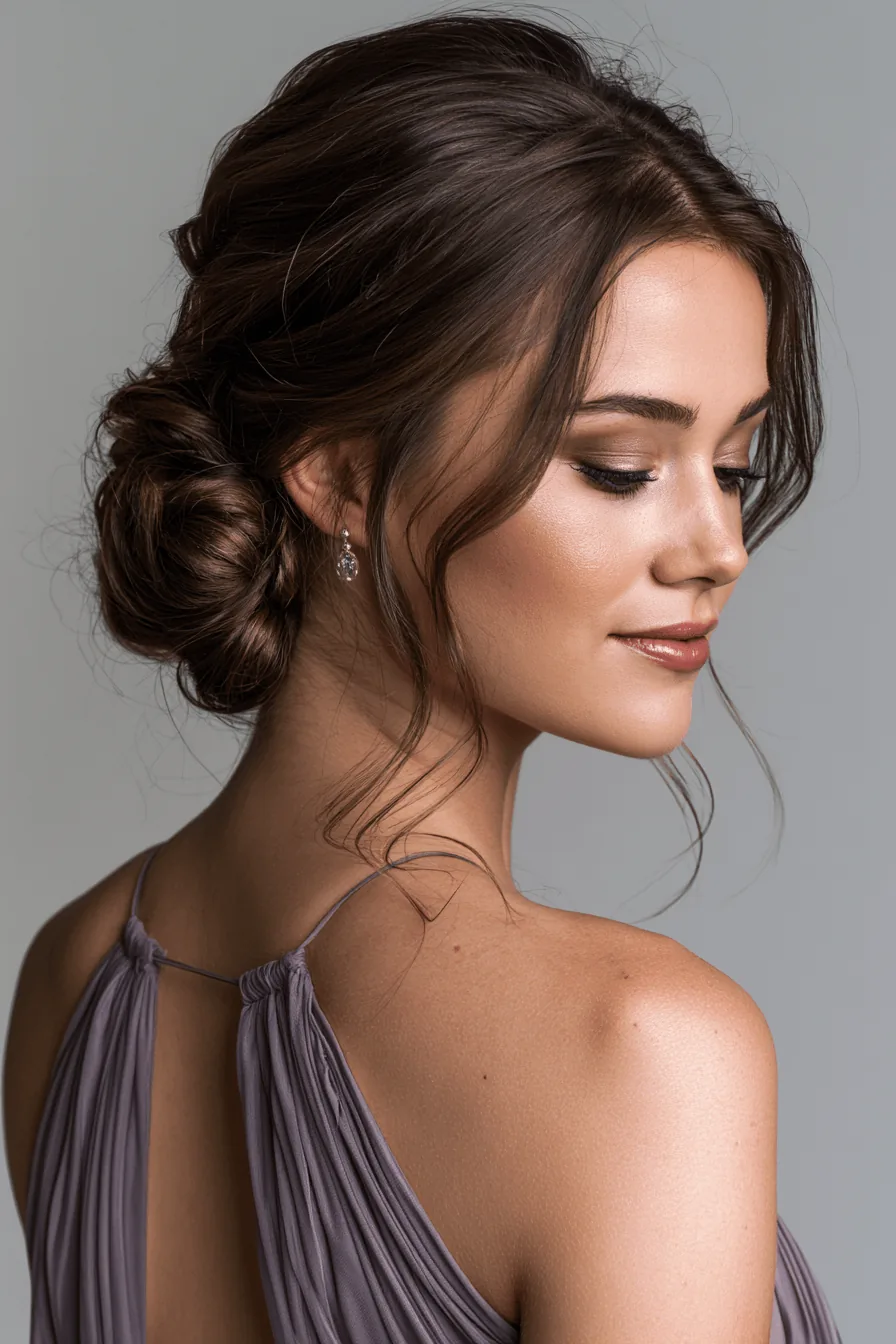
2. The Low Chignon With a Side Part
A low chignon is the quiet luxury of jazz-night hair: understated from the front, beautiful from behind, and comfortable for a four-hour evening. The deep side part gives it a vintage slant, while the knot sitting at the nape keeps the neckline of your dress visible and your shoulders free. It is the style to choose when the dress is doing the talking.
How to style it: part the hair deeply on one side, smooth the lengths back with a light serum, gather at the nape and twist into a loose knot, pinning as you go. Leave the knot slightly soft rather than pulled tight, and loosen two face-framing pieces at the front. The whole thing takes about ten minutes once you have done it twice.
Common mistake: making the chignon too high, which turns it into a regular bun and loses the elegant low line. Another is skipping the setting spray, after which the knot loosens by the interval. Mist the finished style, add one decorative pin, and it will hold until the encore.
3. Hollywood Waves
Hollywood waves are the sound of a jazz night made visible: deep, glossy, side-parted waves that move like music. This is the style for a floor-length dress, a red lip and a room full of candlelight, and it has not dated in ninety years because the silhouette is so strong. The waves frame the face, catch the light with every turn of the head, and look just as good in a photograph as they do across a table.
Pros: suits almost every face shape, works on medium to long hair, and needs no accessories to look finished. Cons: it takes time, around forty minutes with a curling iron, and it can drop in a warm room if you skip the setting step. Curl every section in the same direction, pin each curl to cool, then brush through with a soft bristle brush until the curls melt into one continuous wave.
Ask your stylist for a deep side part and waves that start at cheekbone level rather than at the roots, which keeps the top smooth and modern. Finish with a shine spray rather than a heavy hairspray so the waves keep their movement. If your hair is fine, a volumising mousse at the roots before curling makes all the difference.
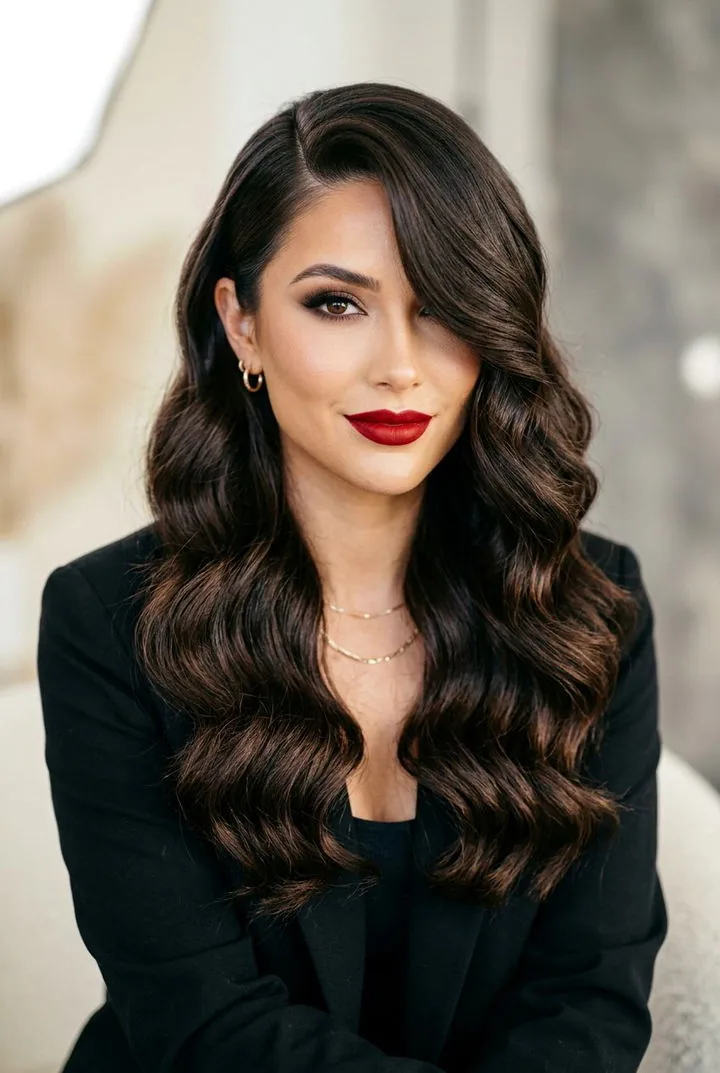
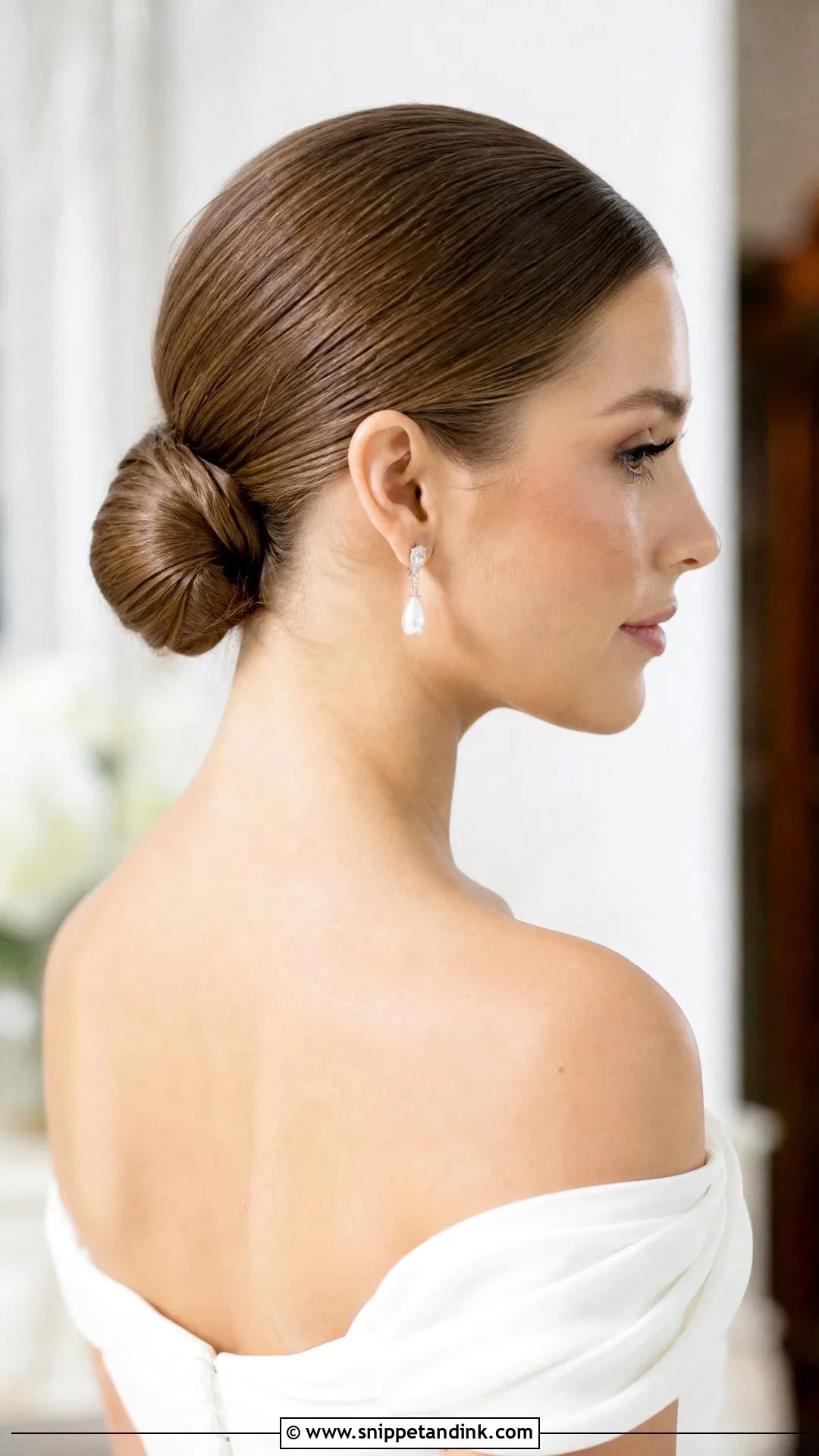
4. The Sleek Low Bun
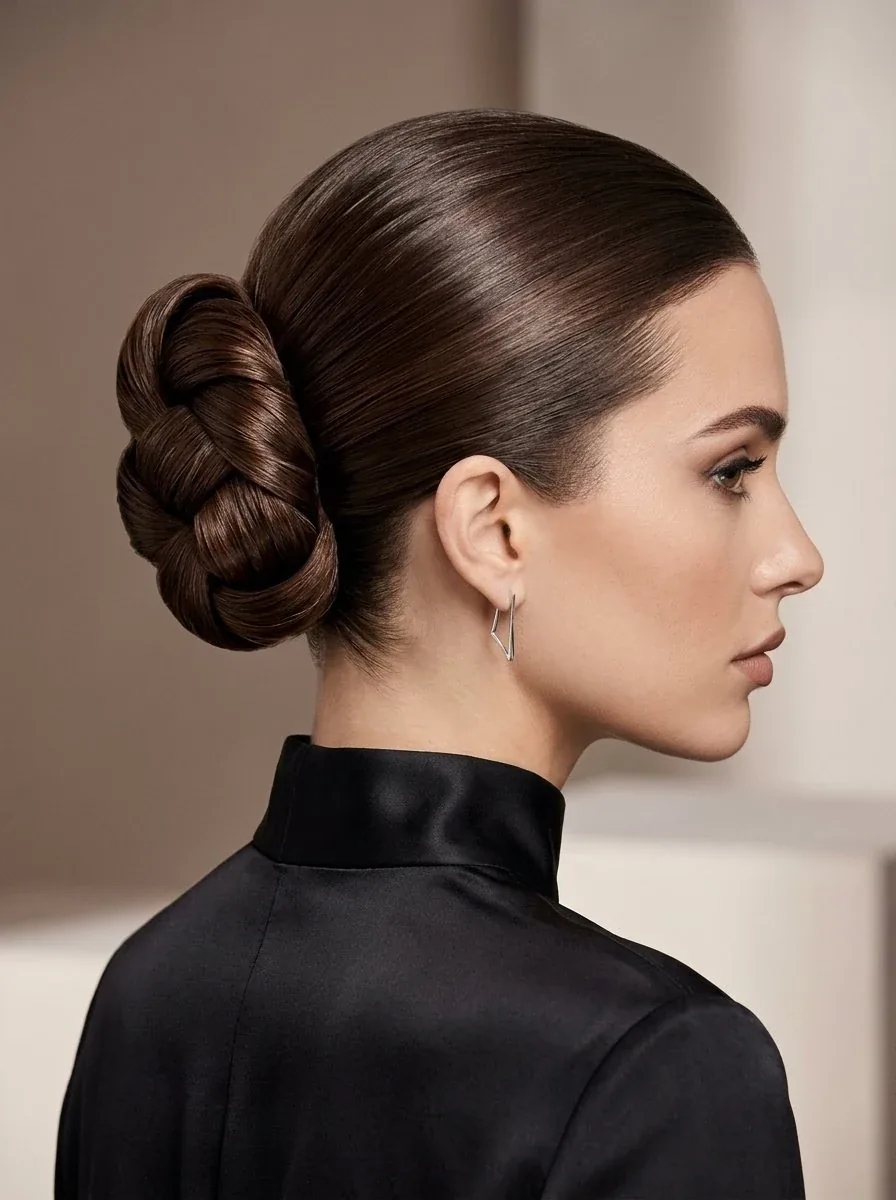
When everything else in the room is ornate, a sleek low bun is the calm centre of the look. Hair is smoothed back without a bump, gathered at the nape and wound into a neat, polished knot that shows off the jawline, the cheekbones and a pair of statement earrings. It is minimal, modern and completely at home in a concert hall.
Best for: straight or lightly wavy hair, strong bone structure, and dresses with an interesting neckline or back. The secret is in the smoothing: brush the hair back with a fine-tooth comb, tame flyaways with a touch of gel or pomade on a toothbrush, and wrap the knot around its own base so no elastic shows. A centre part keeps it architectural; a side part softens it.
Maintenance through the night is almost zero, which is the point. The only risk is a bun that is too tight, which causes a headache by the second set, so anchor it firmly but not painfully. Cost and time: five minutes at home, or a quick salon blow-dry and pin-up for under the price of a cocktail.

5. Vintage Finger Waves
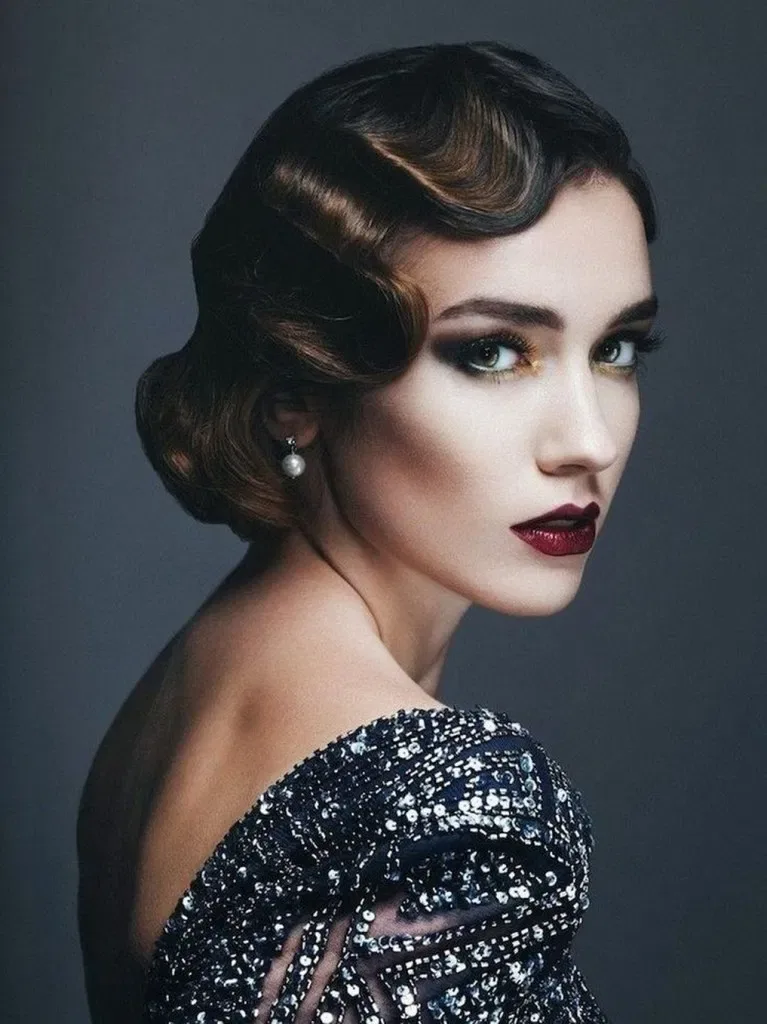
Finger waves are the most authentic jazz-age style you can wear, and they still stop a room. Sculpted S-shaped waves hug the head in a glossy, rippling pattern that looks like it was poured rather than styled, and under low club light the shine does half the work for you. This is the style for a themed night, a 1920s dress, or anyone who wants to commit fully to the era.
How to style it: work on damp hair with a strong-hold gel, comb the waves into place with your fingers and a fine comb, and clip each ridge while it dries. On short to medium hair the process takes about thirty minutes plus drying time; a stylist can set it in an hour. Modern shortcut: create the front waves with a flat iron and pin the rest back into a low roll.
Who should avoid it: anyone in a hurry, or with very long, heavy hair, which pulls the waves out. The style also demands a glossy finish, so if your hair is very dry, a shine serum before styling is essential. Done well, finger waves are the most photographed hairstyle in the room.
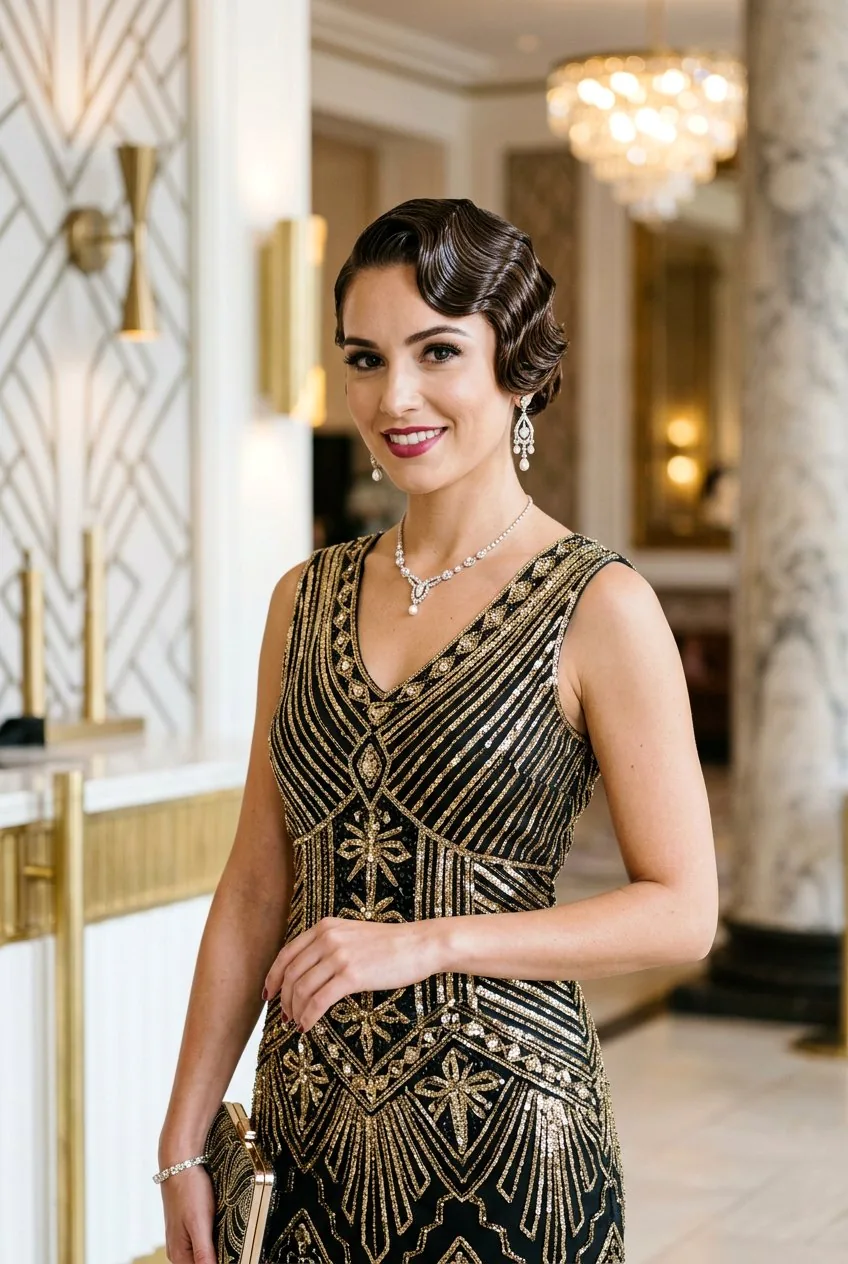
6. Victory Rolls
Victory rolls are pure 1940s swing: two sculpted rolls sitting high on the head like a crown, full of height, curl and confidence. They were made for dancing, which makes them made for a jazz night, and they frame the face in a way that photographs beautifully from across a dark club. Pair them with a swing dress and red lipstick and the era does the rest.
Pros: incredible hold once pinned, a striking silhouette, and a shape that survives hours of dancing. Cons: they take practice, around thirty to forty minutes, and need a fair amount of hair or a little padding. Roll each front section up and inward, pin from underneath, and set with a firm-hold spray. Backcomb the base of each roll first so the pins have something to grip.
Common mistake: making the rolls too small, which looks fussy rather than bold, or placing them too far back, which hides them from the front. Keep them high and forward, symmetrical, and finish with a shine spray. If one roll is giving you trouble, a single large roll swept to one side is a perfectly good modern take.
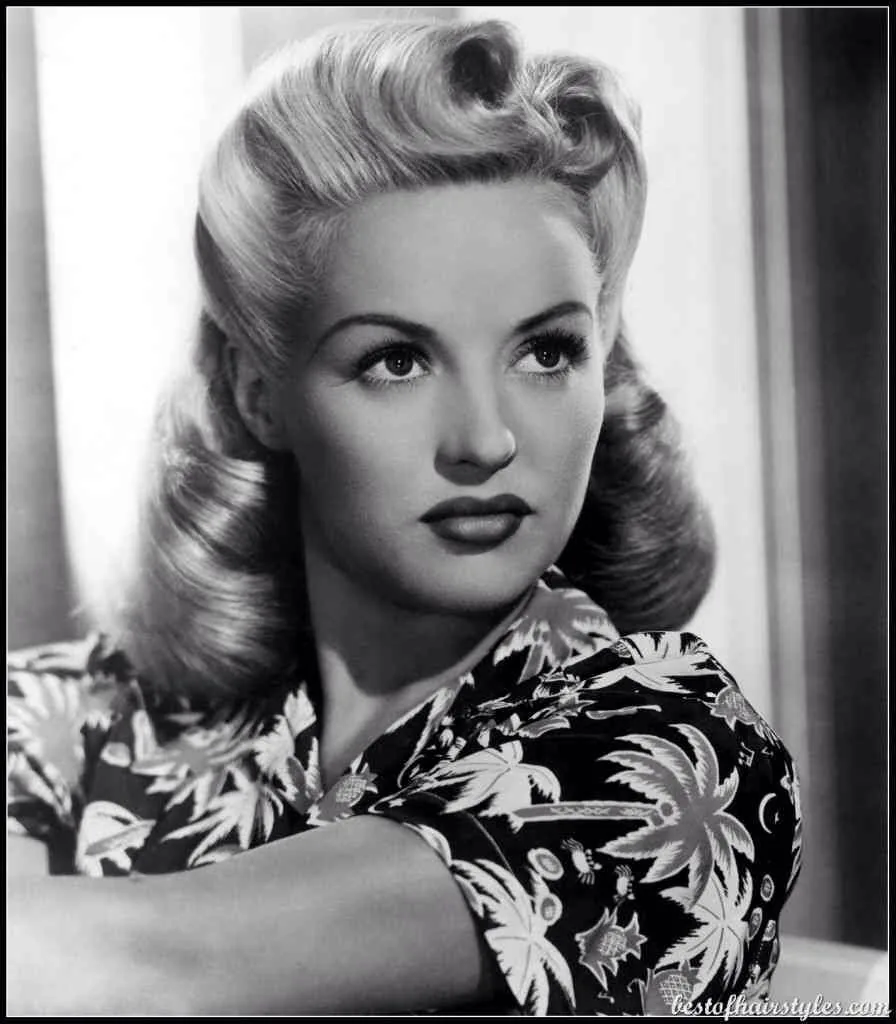
7. The Polished High Ponytail
A high ponytail is not just for the gym. Pulled high, smoothed to glass and wrapped at the base, it becomes a sleek, confident evening style with a long, swaying length that moves beautifully when you dance. It shows off the neck and shoulders, suits a halter or off-shoulder dress, and keeps hair completely out of your way for the whole night.
Best for: long hair with natural volume, and anyone who wants a style that lasts without pins. Wrap a thin strand of hair around the elastic to hide it, and set the ponytail’s ends with a large-barrel curl for a soft flick. A little dry shampoo at the crown before gathering gives lift that lasts.
Quick verdict: the easiest glamorous style on this list, done in under ten minutes, but it needs smooth, healthy ends to look expensive rather than casual. If your ends are dry, a drop of serum before you wrap the base makes the difference. Avoid if your hair is very fine, as a high ponytail can look thin from the front.
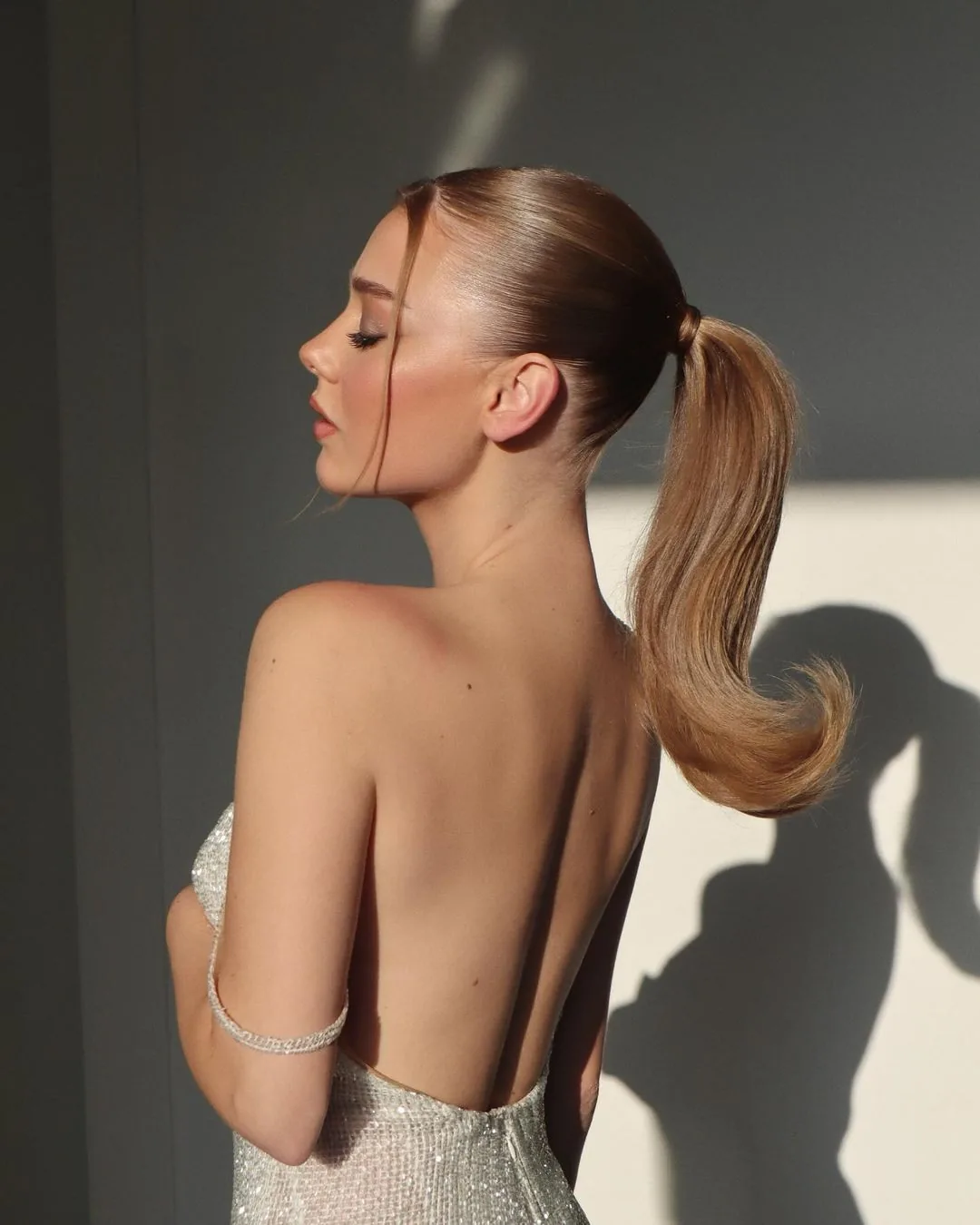
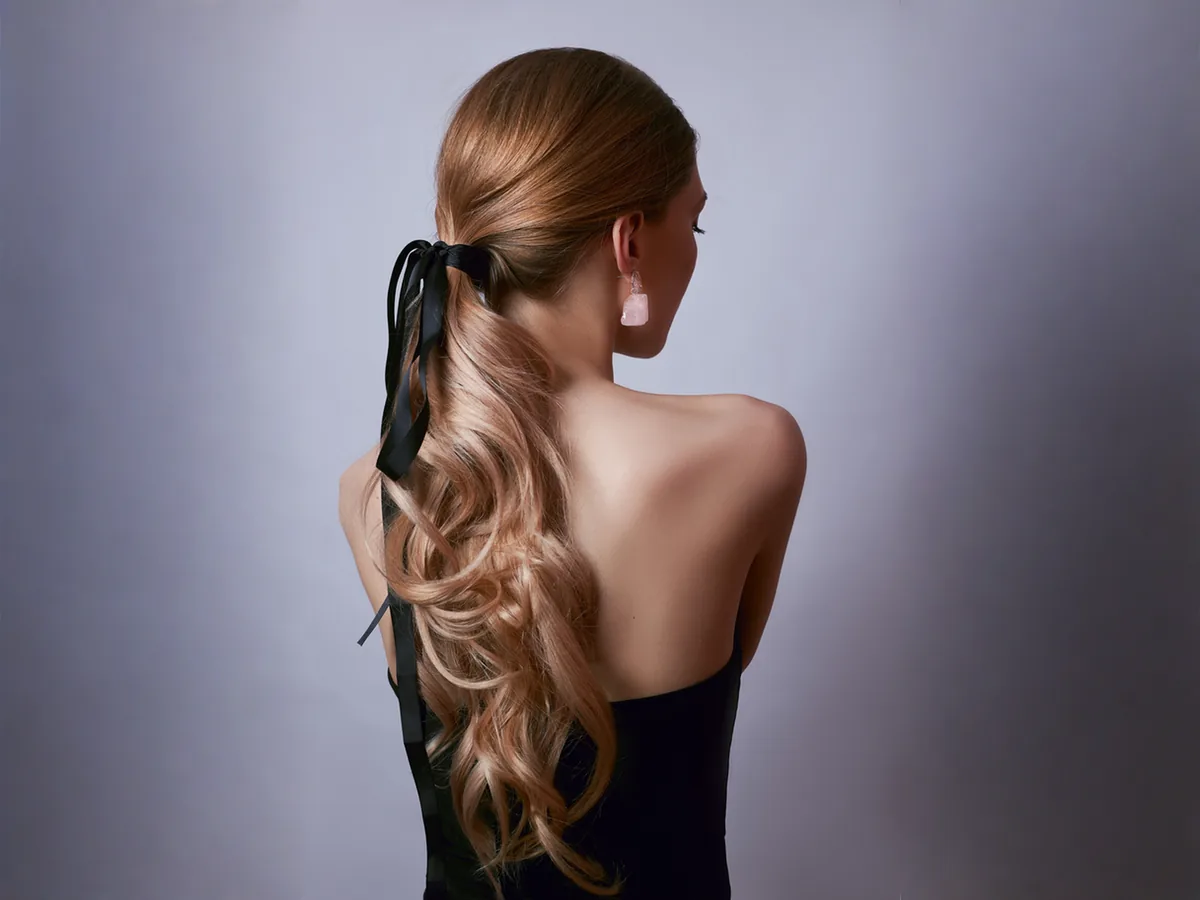
8. The Soft Low Ponytail With a Ribbon
A low ponytail tied with a ribbon is the most romantic version of the simplest style, and it is perfect for a jazz night that leans soft rather than severe. The ribbon adds a vintage, feminine touch, the low position keeps the look relaxed, and loose waves through the length stop it looking like a workday ponytail. It is the style for a floral dress, a soft cardigan, or a night that starts with dinner and ends with slow dancing.
How to style it: curl the lengths loosely, gather the hair low at the nape, secure with an elastic, then tie a velvet or satin ribbon over it and let the ends hang. Pull out a few face-framing strands and loosen the crown slightly with your fingers for softness. Black velvet suits a dark dress; a deep red or gold ribbon picks up the warm light of the club.
Cost and time: almost nothing, five minutes and a ribbon. The style suits medium to long hair and most face shapes. The only thing to watch is the ribbon itself: tie it in a proper bow, not a knot, and check it sits straight before you leave, because it will be the first thing people notice.
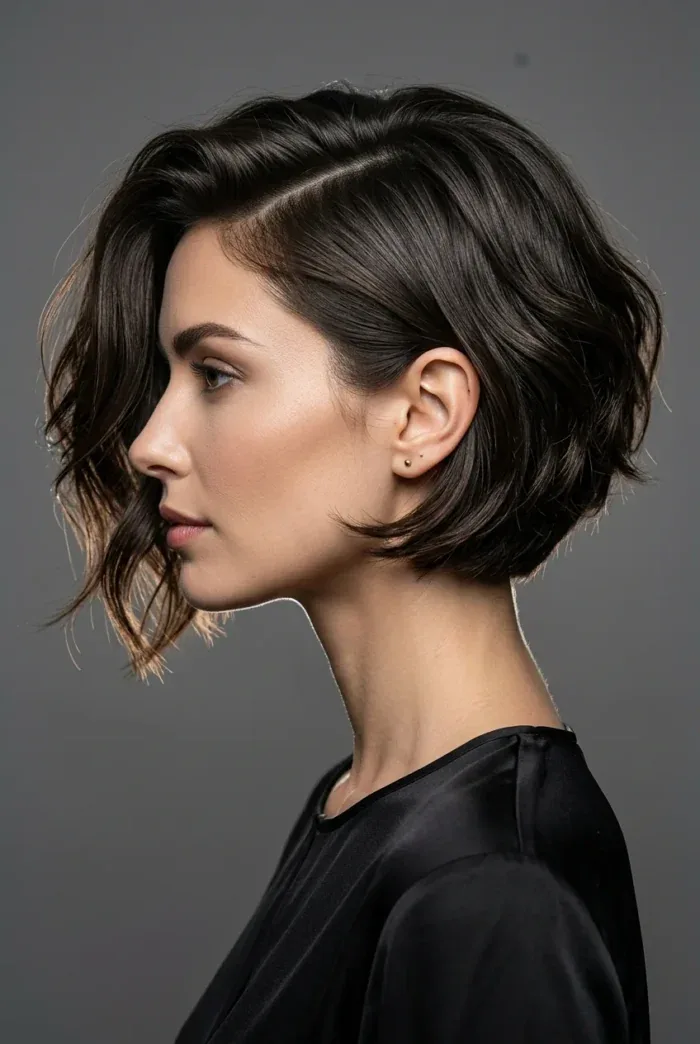
9. The Textured Bob With a Deep Side Part
A bob with a deep side part is the jazz night’s answer to short hair: sharp, glossy and full of attitude. The deep part creates instant volume on one side and a sleek sweep on the other, and a little texture through the ends stops it looking like a boardroom cut. It suits a cocktail dress, a bold lip and a pair of chandelier earrings.
What to ask your stylist: a bob that ends at the jaw or just below, with textured ends and enough length at the front to tuck behind one ear. Style it with a round brush for bend, or a flat iron flicked outward at the ends for a vintage flip. A pea-sized amount of pomade on the part line keeps the sweep in place all night.
Pros: fast to style, around fifteen minutes, and it holds its shape in a warm room. Cons: it needs regular trims to keep the line sharp, and very curly hair will need straightening first. Maintenance is minimal once you are out: a quick finger-comb at the interval is all it takes.
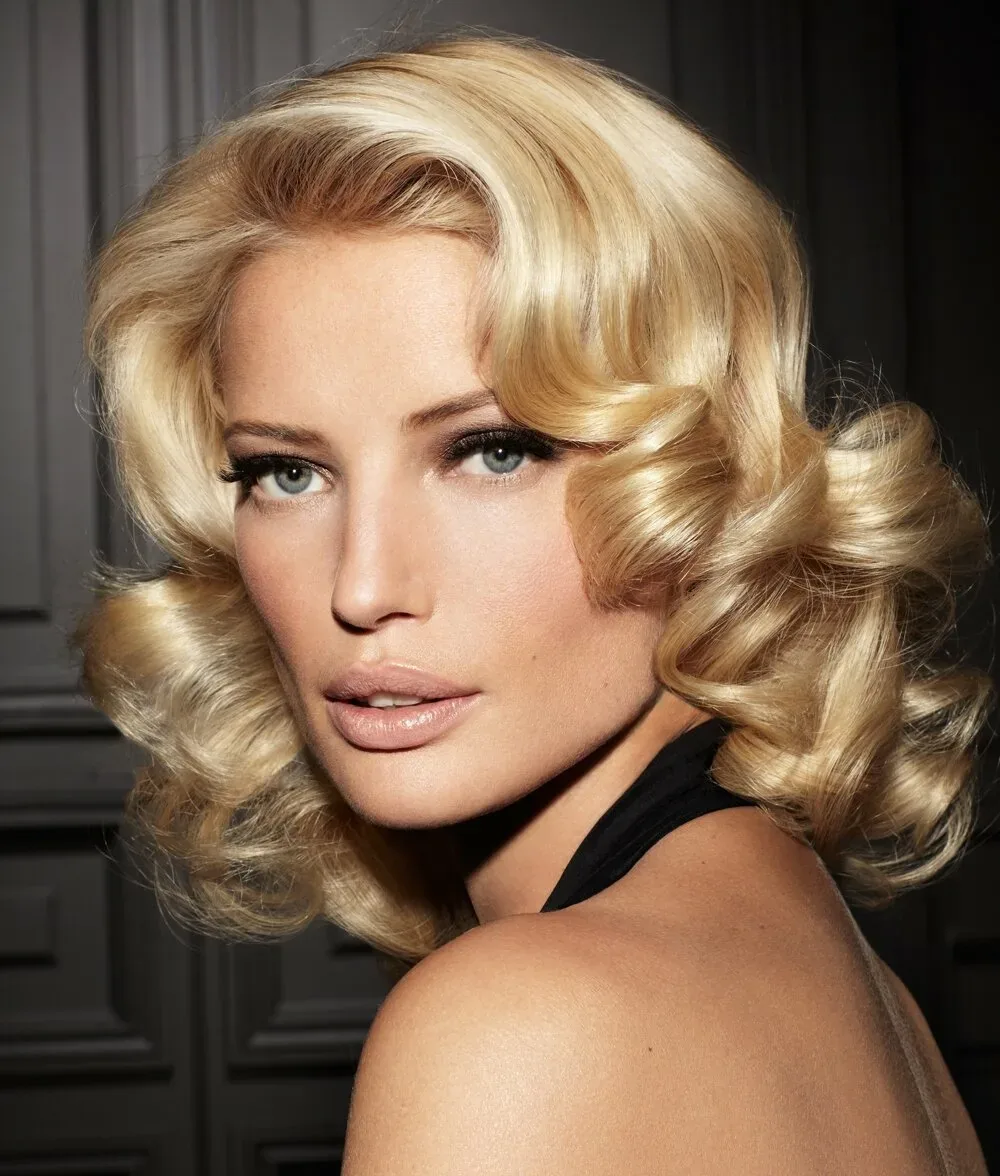
10. Old Hollywood Curls
Old Hollywood curls are Hollywood waves’ softer, bouncier cousin: defined, glossy curls that start at the cheekbones and fall in a single direction, full of movement and shine. Where waves are sculpted and smooth, these curls have life in them, which makes them ideal for a night of dancing. They suit a glamorous dress, a smoky eye and a room full of warm light.
How to style it: curl medium sections away from the face with a one-inch iron, clip each curl to cool, then brush out gently and finish with a flexible-hold spray. The brushing step is what turns tight curls into old Hollywood softness, so do not skip it. A side part keeps the style classic; a centre part makes it more modern.
Best for: medium to long hair, and anyone whose curls tend to drop, because the set-and-cool method gives them real staying power. If your hair is very fine, use a volumising mousse before curling and a light texturising spray at the roots. The style takes about thirty minutes and rewards you with a full evening of compliments.
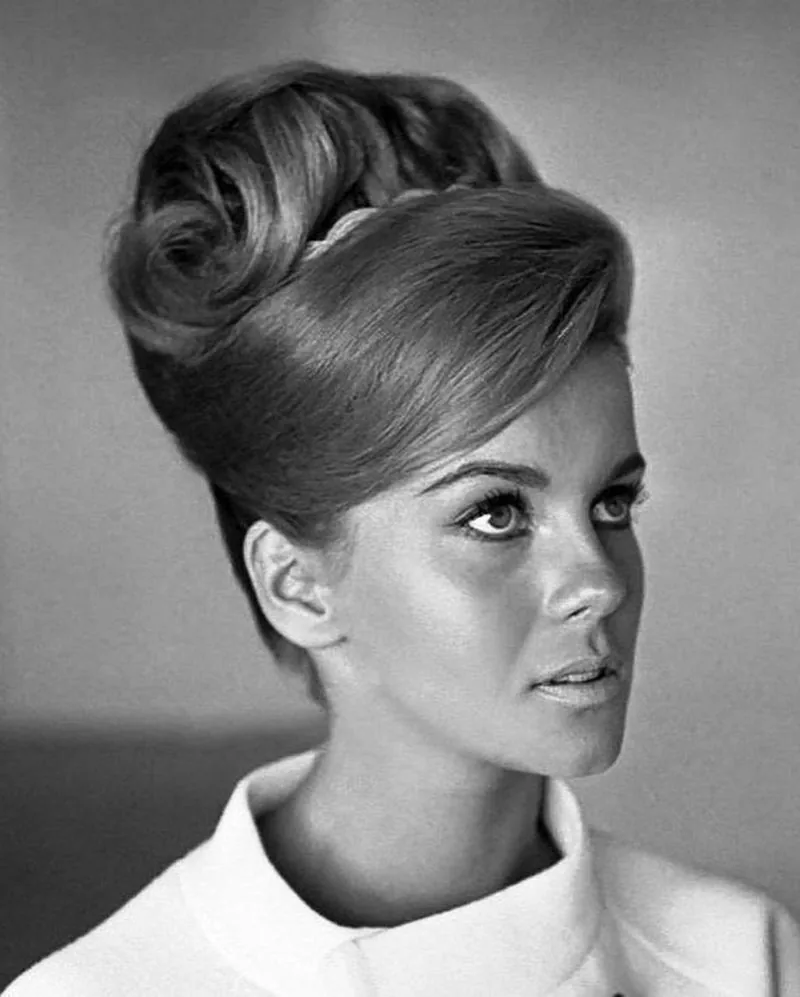
11. The Beehive Updo
The beehive is the tallest, boldest style on this list, and it owns a jazz night like nothing else. Hair is backcombed into a high, rounded crown that rises above the head in a smooth dome, with the ends tucked neatly underneath. It is pure 1960s glamour, it photographs like a dream, and it makes any outfit feel like an occasion.
Pros: extraordinary height and presence, excellent hold, and a shape that survives hours of wear. Cons: it takes time and teasing, around forty minutes, and it is not a style to attempt for the first time on the night itself. Build the height in sections, backcombing from the roots, then smooth the surface with a soft brush and pin the ends under.
Who should avoid it: anyone with very fine hair that will not hold a backcomb, or anyone who finds heavy updos uncomfortable. A half-beehive, with the crown lifted and the lengths left loose, gives the same drama with half the effort. Finish with a firm spray and one sparkling pin at the side.
12. The Half-Up Twist With Volume
The half-up twist is the compromise that pleases everyone: the front is lifted and pinned away from the face, while the lengths fall loose and free. Add volume at the crown and a twist on each side, and it becomes an evening style with real presence. It works beautifully with waves or curls, and it is one of the most comfortable styles to wear for a long night.
How to style it: backcomb the crown lightly, gather a section from each temple, twist them toward the centre and pin where they meet. Leave the ends of the twists loose or tuck them into a small knot. The style takes fifteen minutes and needs only a few pins, which makes it a good choice if you are styling yourself.
Quick verdict: flattering on almost everyone, forgiving if it loosens, and easy to rescue at the bar by re-pinning the twist. It suits medium to long hair best. If your hair is very straight, curl the lengths first or the style can look flat from the side.

13. Romantic Loose Curls
Romantic loose curls are the easiest way to look like you made an effort without looking like you tried too hard. Soft, brushed-out curls with a centre or side part frame the face gently, move when you move, and suit almost any dress in the room. They are the default jazz-night style for a reason: they are beautiful, forgiving and quick.
Best for: medium to long hair of any texture, and anyone short on time. Curl large sections with a wide-barrel iron, let them cool, then run your fingers through them to break them up. A light texturising spray adds grip without stiffness, and a shine serum on the ends keeps the curls looking healthy under club lights.
Common mistake: curling every section the same size, which looks like a perm rather than a style. Vary the section sizes slightly and leave the very ends straight for a modern finish. If your curls drop easily, pin each one to cool for five minutes before you brush them out.

14. Side-Swept Curls
Side-swept curls are red-carpet hair, and they bring that same drama to a jazz club. All the volume is swept to one side, falling over one shoulder in a cascade of curls, while the other side is smooth and pinned back. The asymmetry is striking from across the room and it shows off one earring beautifully, which is a detail worth planning.
How to style it: part the hair deeply on one side, curl everything away from the face, then sweep the curls over the chosen shoulder and pin the opposite side flat. A few crossed bobby pins hidden under the sweep hold the shape all night. Finish with a flexible spray so the curls keep their bounce.
Pros: glamorous, photogenic and surprisingly secure once pinned. Cons: it needs length, at least shoulder-length, and it can feel heavy on one side if your hair is very thick. Ask your stylist to thin the underneath slightly if the sweep feels too bulky. The style pairs perfectly with a one-shoulder dress.
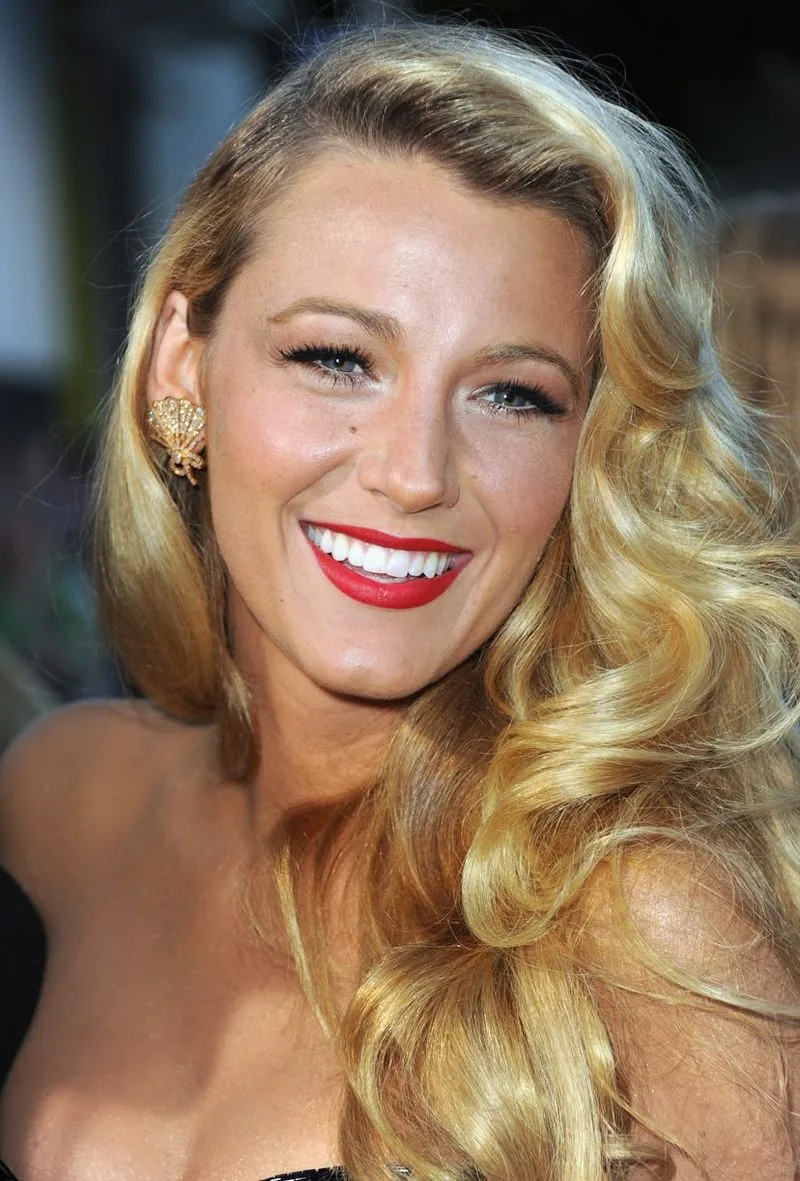
15. The Elegant Braided Crown
A braided crown wraps a braid around the head like a halo, and it is one of the most romantic styles you can wear to a jazz night. It keeps every strand off your face and neck, which is a blessing in a warm club, while looking intricate and deliberate. With a few loose tendrils at the front and a soft finish, it feels like a vintage portrait come to life.
Best for: long hair, and anyone who wants an updo without the severity of a bun. Braid two sections from behind each ear, cross them over the crown and pin the ends underneath. Loosen the braid gently with your fingers for softness, and add a pearl pin or two along the braid for evening sparkle.
Maintenance: almost none, which is its great advantage. Once pinned, a braided crown does not move, even through dancing. The only caution is time: it takes twenty to thirty minutes and a little practice, so try it once before the night. If braiding is not your skill, a stylist can build it in fifteen minutes.
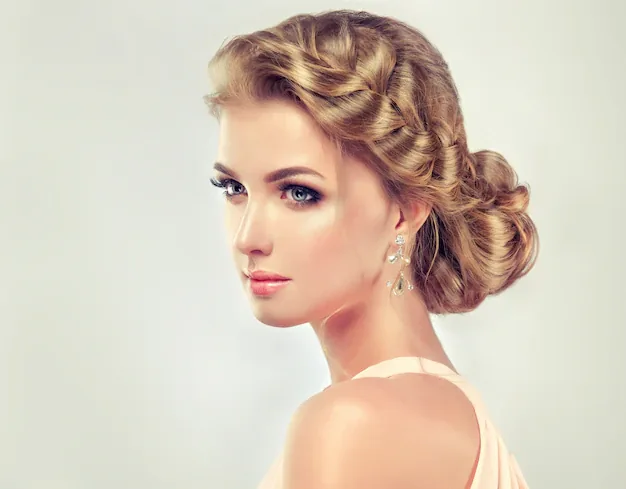
16. The Fishtail Braid Updo
A fishtail braid is finer and more intricate than a regular braid, and wound into a low updo it becomes a style with real texture and detail. The woven pattern catches the light in a way a smooth bun never does, and it looks far more complicated than it is. It is a lovely choice for a jazz night when you want your hair to be a conversation piece.
How to style it: fishtail braid the lengths loosely, then coil the braid into a low bun at the nape and pin it in place. Pull the braid apart gently as you go to make it look fuller. Leave a few soft pieces at the front to keep the look romantic rather than severe.
Pros: excellent hold, a beautiful texture, and a style that looks better as the night goes on. Cons: it takes practice, and very short hair will not reach. Cost and time: twenty minutes at home once you know the technique, or a quick salon visit. Who should avoid it: anyone with very fine hair, where the fishtail can look thin unless you pancake it well.
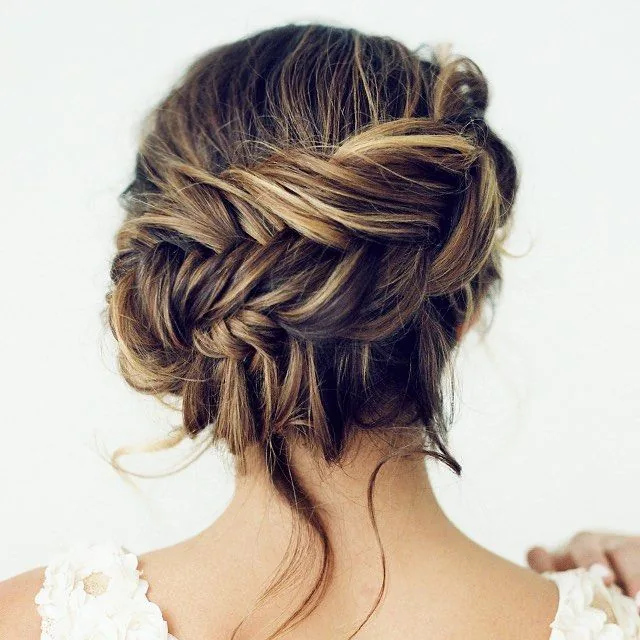
17. The Messy-Chic Low Bun
The messy-chic low bun is the art of looking undone on purpose: a soft, textured knot at the nape with pieces pulled loose at the front and a deliberately imperfect finish. It is the modern answer to the polished chignon, and it suits a jazz night that is more about the music than the formality. It looks effortless, which is exactly the point, even though it takes a little planning.
How to style it: add texture with a salt spray or dry shampoo, gather the hair loosely at the nape, twist it into a bun and pin it without smoothing anything. Pull out face-framing pieces and loosen the crown with your fingers. The key is restraint: pull out two or three pieces, not ten, or the style tips from chic into unfinished.
Quick verdict: fast, forgiving and comfortable, done in ten minutes, and it actually improves as the night goes on. Best for medium to long hair with some natural texture. Avoid if your hair is very straight and slippery, as the bun will need extra pins and texturising spray to stay put.
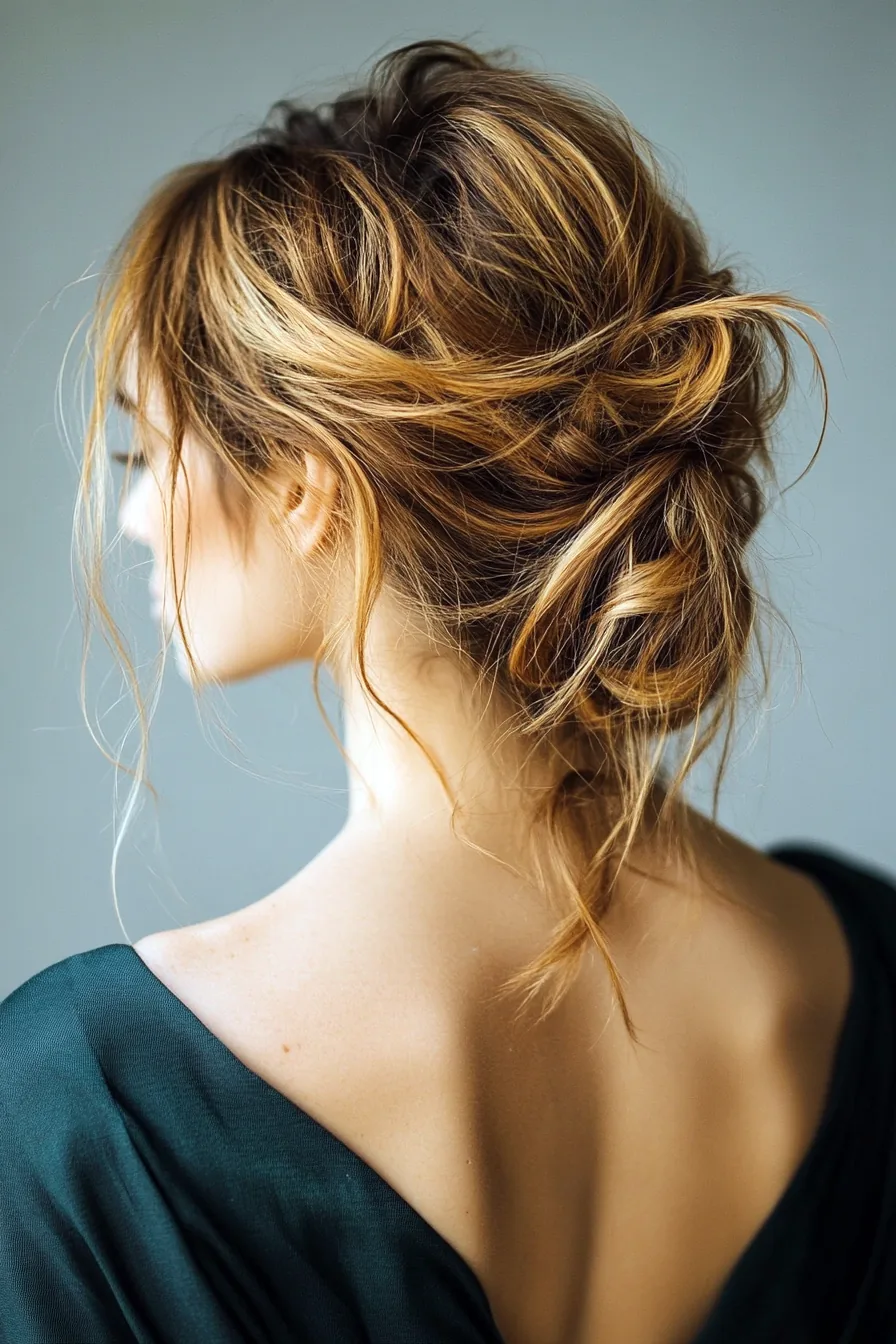
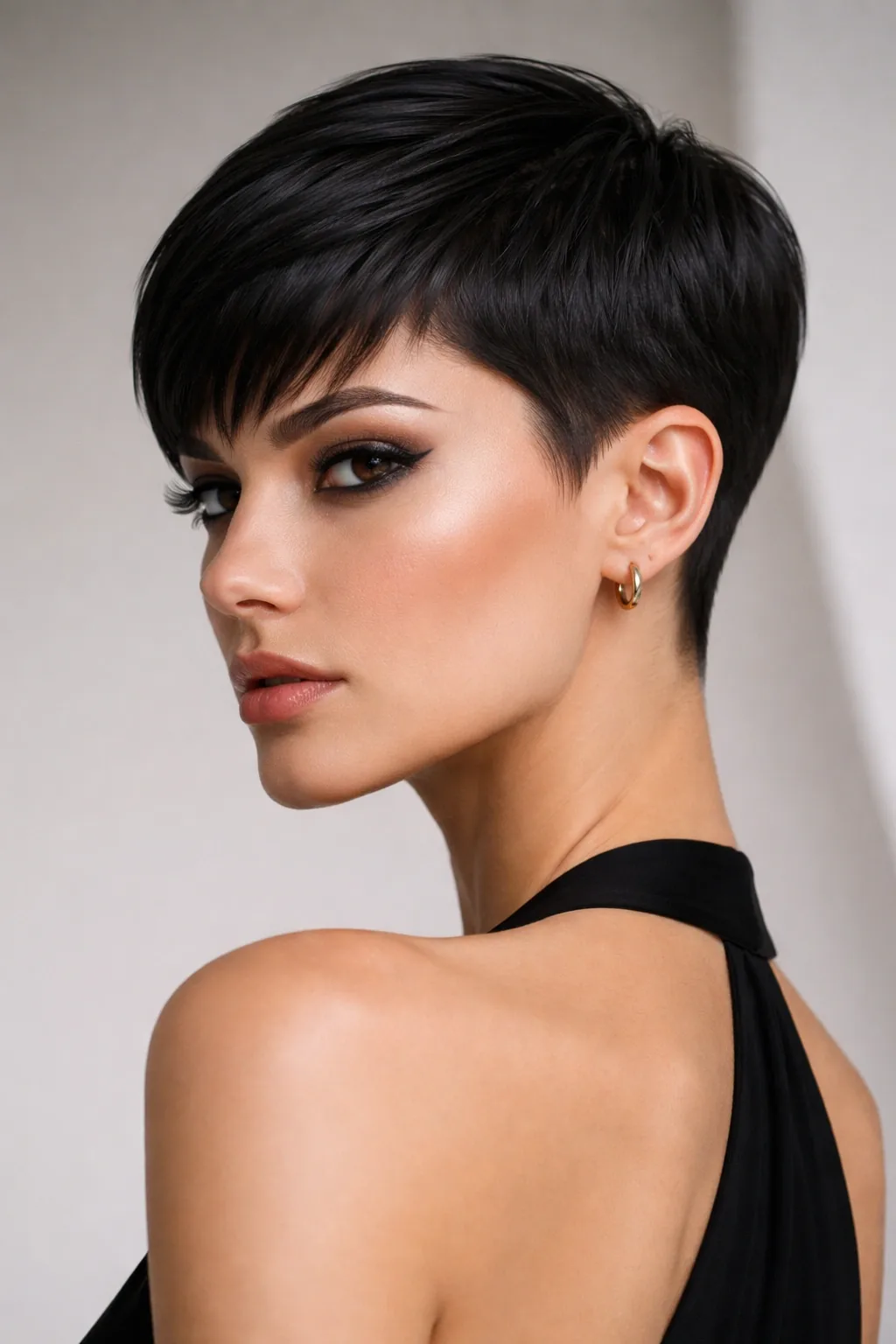
18. The Sculpted Pixie With Shine
Short hair has its own jazz-night glamour, and a sculpted pixie proves it. With a deep side part, a glossy finish and a sculpted sweep across the forehead, a pixie looks sharp, confident and completely at home under stage lights. It shows off earrings, cheekbones and a bold lip, and it needs almost no maintenance once you are out the door.
How to style it: work a shine pomade through damp hair, sweep the front across the forehead with a fine comb, and smooth the sides flat. A little texture at the crown keeps it from looking helmet-like. The whole style takes five minutes, which leaves you more time for everything else.
What to ask your stylist: a pixie with enough length on top to sweep and shape, and a clean, tapered back. Pros: zero fuss all night, no pins, no falling curls. Cons: it needs a fresh cut to look its best, so book the trim a few days before the night, not the same day. A sparkling hair clip at the side is the only accessory you need.
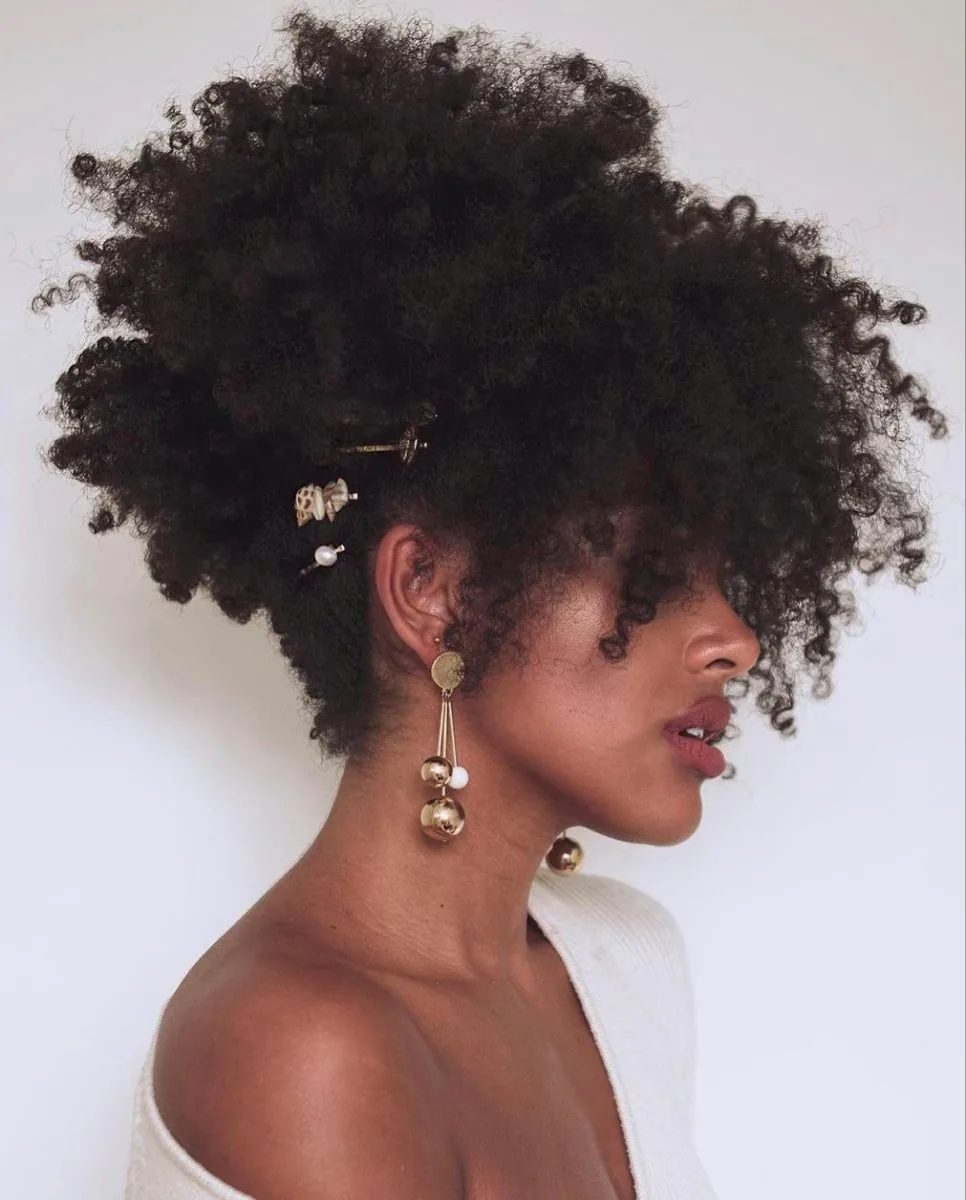
19. The Curly Afro With Gold Pins
A curly afro worn proud and full is one of the most striking silhouettes in any room, and a jazz club is the perfect place for it. Shaped into a rounded, even halo and finished with a few gold pins or cuffs, it catches the low light beautifully and needs no heat, no pins and no fuss. It is a style that celebrates natural texture rather than fighting it.
Best for: natural curly and coily hair, and anyone who wants a style that is both comfortable and commanding. Shape the afro with a pick, define the curls with a cream or butter, and place gold pins or cuffs asymmetrically for a modern, jewellery-like finish. A satin-lined headband in a dark colour adds polish without flattening the shape.
Maintenance through the night is minimal: a little oil on the hands to smooth any frizz at the interval is all it needs. Common mistake: over-picking the roots, which creates frizz instead of shape. Pick gently, define the outline, and let the curls do the rest.
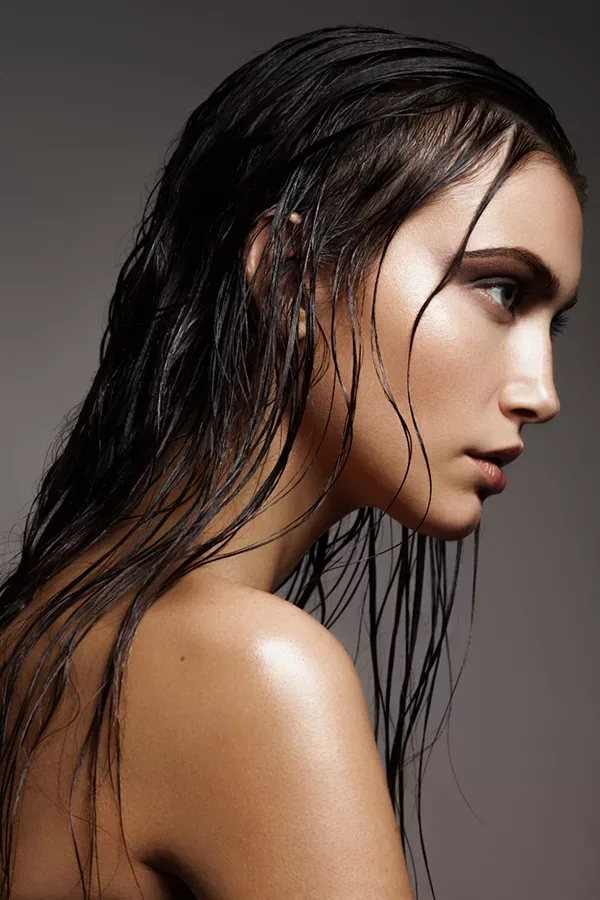
20. The Slicked-Back Wet Look
The wet look is the boldest style on this list: hair combed straight back from the face with a high-gloss, just-stepped-out-of-the-water finish. It is editorial, dramatic and unmistakably modern, and in a jazz club it looks like you belong on the stage. It suits a sharp outfit, a strong lip and a lot of confidence.
How to style it: work a strong-hold gel through damp hair from front to back, comb it smooth with a fine-tooth comb, and finish with a gloss spray. The gel needs to set without being touched, so give it ten minutes before you leave. A deep side part softens the look; a straight-back finish makes it at its most dramatic.
Pros: unbeatable hold, no pins, and a style that does not move all night. Cons: it is unforgiving on dry or damaged hair, and it needs a good wash-out afterwards. Who should avoid it: anyone who dislikes product in their hair, or with very fine hair that goes flat under gel. Done right, it is unforgettable.
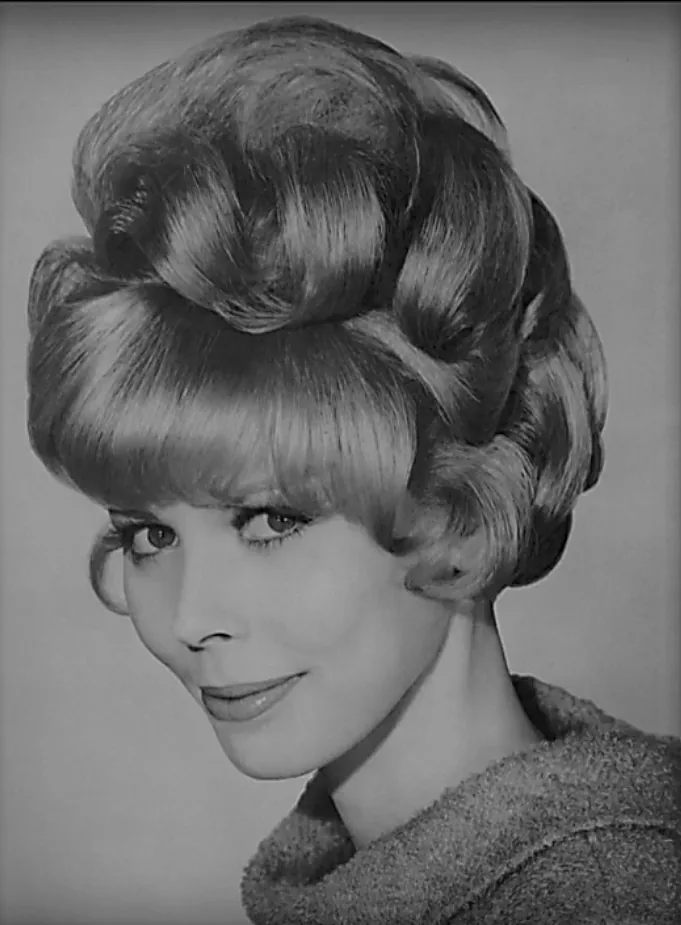
21. The Retro Bouffant
The bouffant is the beehive’s softer sister: a rounded, lifted crown with the lengths left flowing, full of 1960s romance. It gives you height and drama without the full commitment of an updo, and it frames the face beautifully under warm light. Pair it with winged eyeliner and a swing dress and you have the whole era in one look.
How to style it: backcomb the crown section, smooth the surface, and pin it at the back so the volume holds. Curl the lengths loosely for movement. The style takes about twenty-five minutes and a good volumising mousse at the roots. A velvet headband tucked behind the bouffant adds a finishing vintage touch.
Best for: medium to long hair with natural body. If your hair is very fine, a little padding or a volumising powder at the roots helps the shape hold. Common mistake: backcombing too aggressively, which makes the hair hard to brush out later. Tease gently, section by section, and use a light hand.
22. The Twisted Updo With Pearl Pins
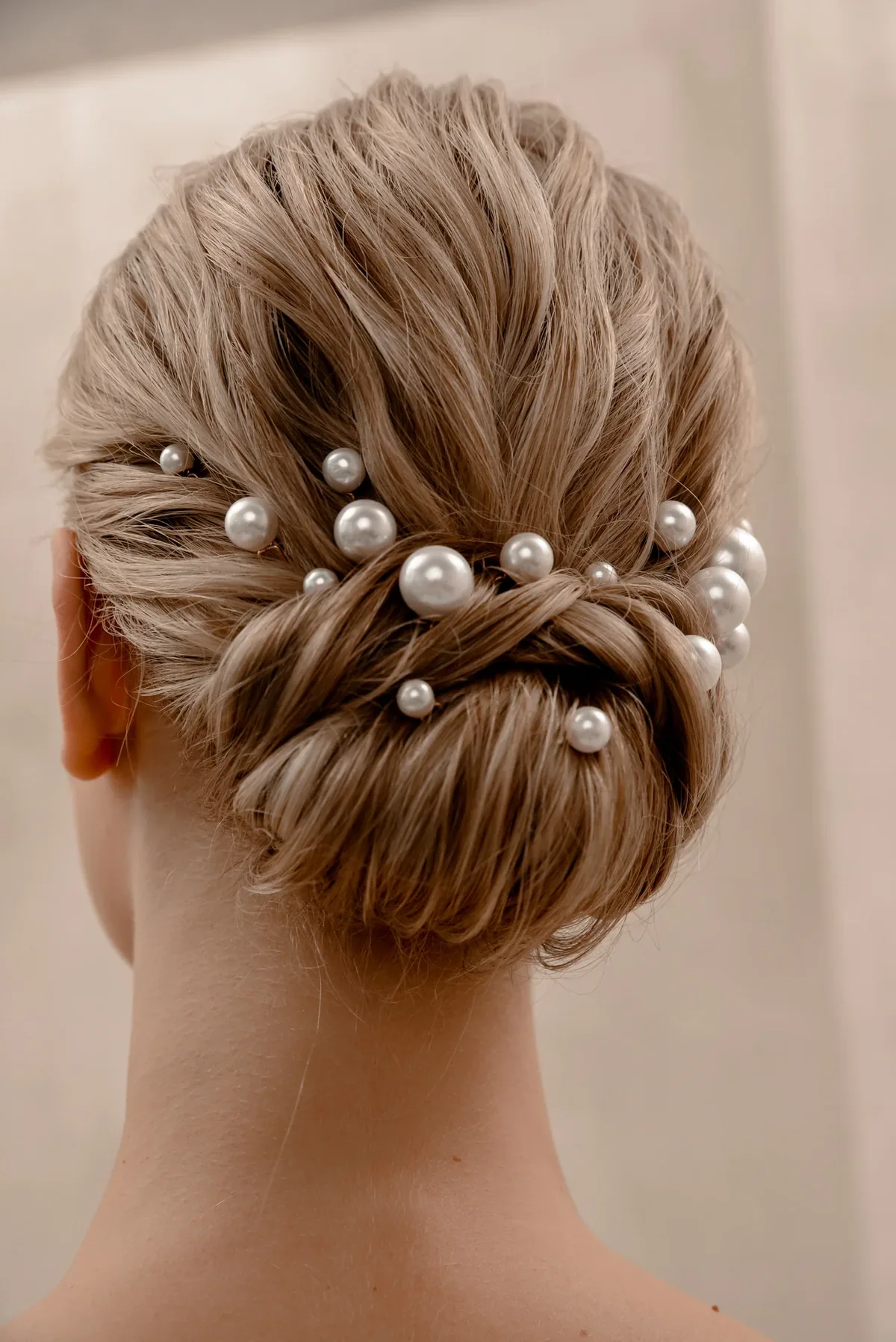
A twisted updo is a French twist’s softer, more romantic cousin: instead of one sculpted roll, the hair is divided into two or three loose twists that are pinned together at the back, leaving a soft, textured finish. Pearl pins scattered along the twists catch the light and give the style its evening sparkle. It is elegant without being formal, and forgiving to build.
How to style it: part the hair loosely, twist each side section back toward the centre and pin where they meet, then twist the remaining lengths up and pin them into a soft knot. Place pearl pins along the twists, not just at the top, so the sparkle shows from every angle. The style takes about twenty minutes and hides mistakes well, which makes it a good choice for styling yourself.
Quick verdict: one of the most reliable DIY evening updos, comfortable for hours, and easy to fix at the bar by adding a pin. Best for medium to long hair. Avoid if your hair is very short, as the twists need length to hold.
23. The Voluminous Blowout
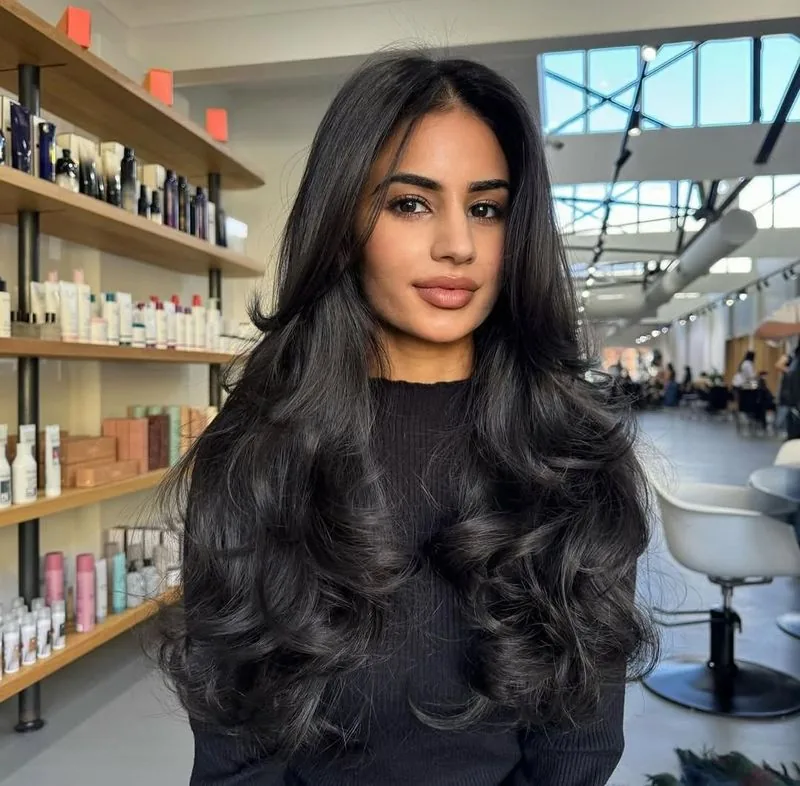
A voluminous blowout is big, bouncy, glossy hair with movement in every direction, and it is the most versatile style on this list. It suits a cocktail dress, a jumpsuit or a vintage gown, and it looks just as good at the table as it does on the dance floor. The volume gives the style presence in a dark room, and the shine does the rest.
Pros: works on almost every hair length past the shoulders, photographs beautifully, and needs no accessories. Cons: it takes thirty to forty minutes with a round brush and dryer, and humidity or a warm club can soften it by the last set. Blow-dry in sections with a large round brush, rolling the ends under, and finish with a cool shot from the dryer to set the shape.
Ask your stylist for layers that support the volume rather than weighing it down, and a volumising mousse at the roots. If you are doing it yourself, velcro rollers at the crown while you get dressed add lift with no extra effort. A light flexible spray keeps the bounce without stiffness.
24. The Low Knot With Face-Framing Layers
A low knot is a bun with better manners: small, neat and sitting right at the nape, with soft layers framing the face so the look stays gentle rather than severe. It is the style for a concert hall, a formal dinner before the music, or any night where you want to look polished without looking overdone. It is also one of the most comfortable updos to wear for hours.
How to style it: leave the face-framing layers out, gather the rest low at the nape, twist into a small knot and pin it flat. Curl the loose layers lightly so they fall softly beside the cheeks. The whole style takes ten minutes and needs only a few pins.
Best for: medium to long hair, and anyone with layers already cut into the front. Common mistake: pulling the knot too tight, which drags the face-framing pieces flat. Keep the knot soft and the layers loose, and the style will look effortless all night.
25. The Side Bun With Loose Tendrils
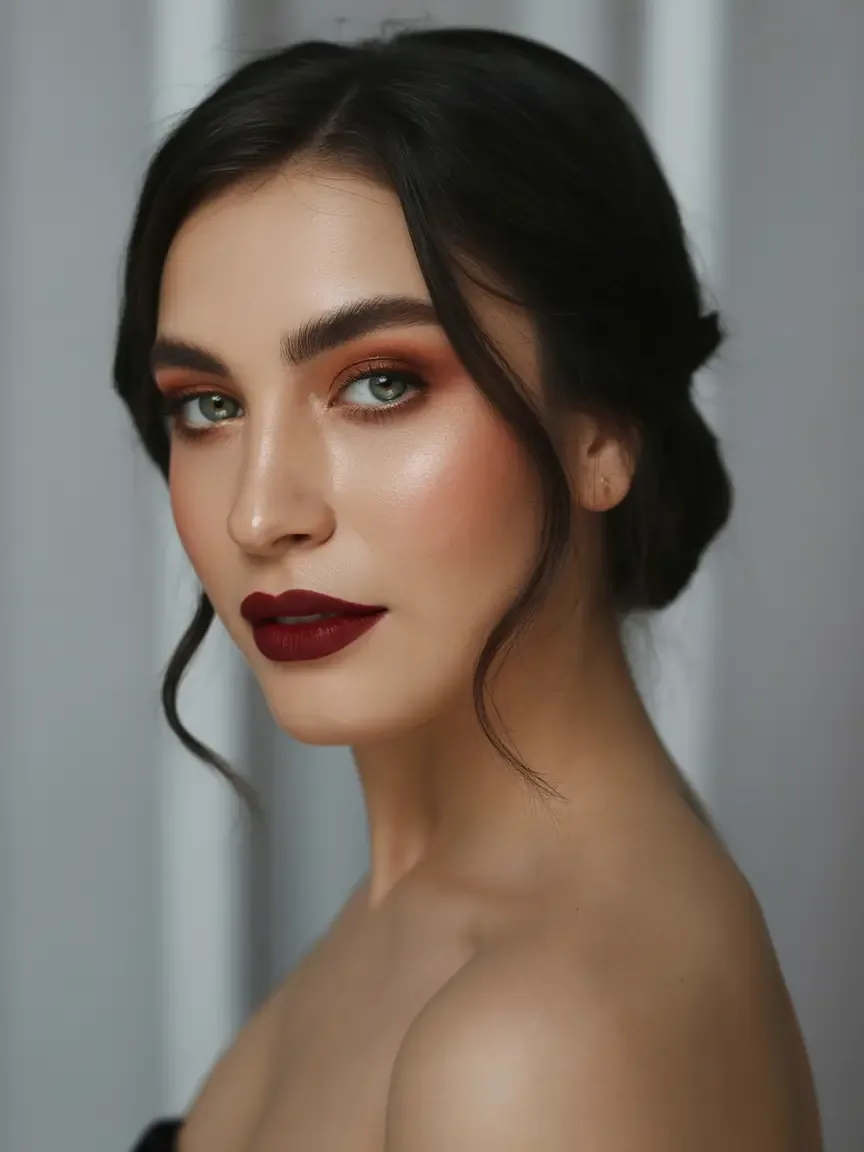
A side bun sits low behind one ear, with loose tendrils falling beside the face and down the neck, and it is one of the most romantic styles you can wear to a jazz night. The asymmetry is flattering, the tendrils soften the look, and the bun itself stays out of the way when you lean back in your chair. It suits a one-shoulder dress and a pair of drop earrings perfectly.
How to style it: sweep the hair to one side, gather it low behind the ear, twist into a soft bun and pin it. Curl the tendrils lightly and leave them free. The style takes fifteen minutes and is forgiving: if the bun loosens slightly, it only looks softer.
Pros: comfortable, photogenic and easy to rescue at the bar. Cons: it needs enough length to gather to one side, and very thick hair can make the bun heavy. If the bun feels heavy, split it into two smaller twists pinned together instead of one large knot.

26. Vintage Marcel Waves
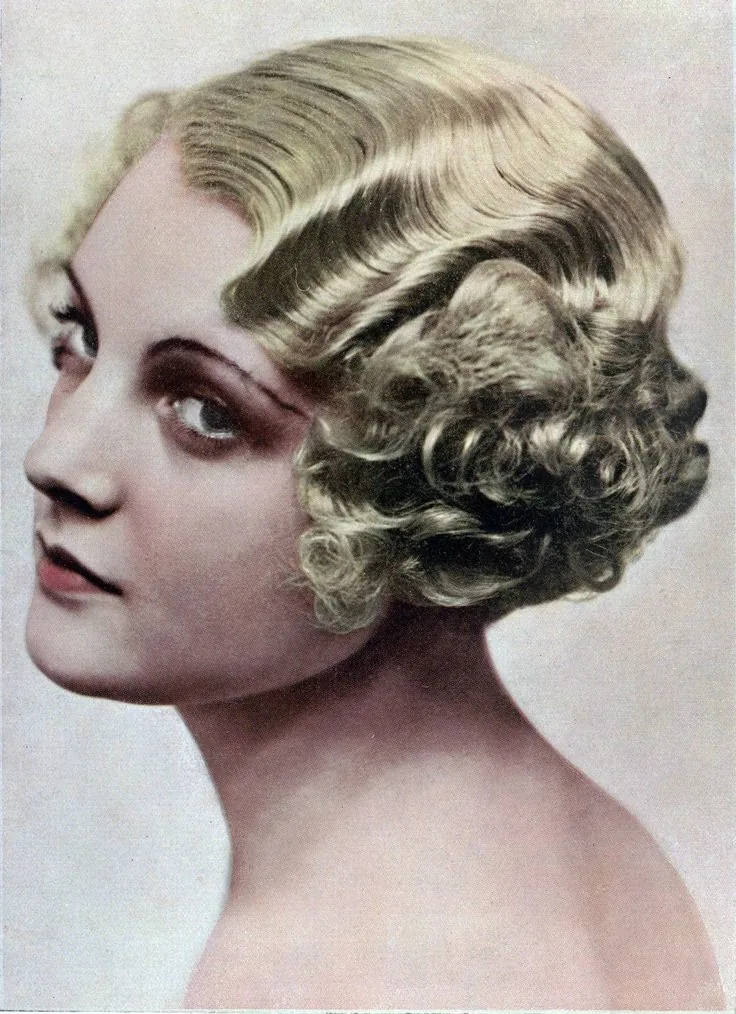
Marcel waves are the flat iron’s answer to finger waves: the same deep, sculpted S-pattern, created with a curling iron instead of gel and clips. The result is a glossy, structured wave that sits close to the head and looks like it stepped out of a 1930s jazz club. It is the style for a themed night, a vintage dress, or anyone who loves the era and wants a style with real staying power.
How to style it: work in small sections, clamp the iron and bend the hair in alternating directions to create the S-pattern, then set each wave with a clip while it cools. The technique takes practice and about forty minutes, so it is worth a trial run or a stylist visit. A deep side part is essential to the look.
Who should avoid it: anyone short on time, or with very long hair, where the pattern takes too long to build. A modern shortcut is to create Marcel waves only at the front and sweep the rest into a low bun. Done well, this is one of the most admired styles in the room.
27. Glossy Straight Hair With a Centre Part
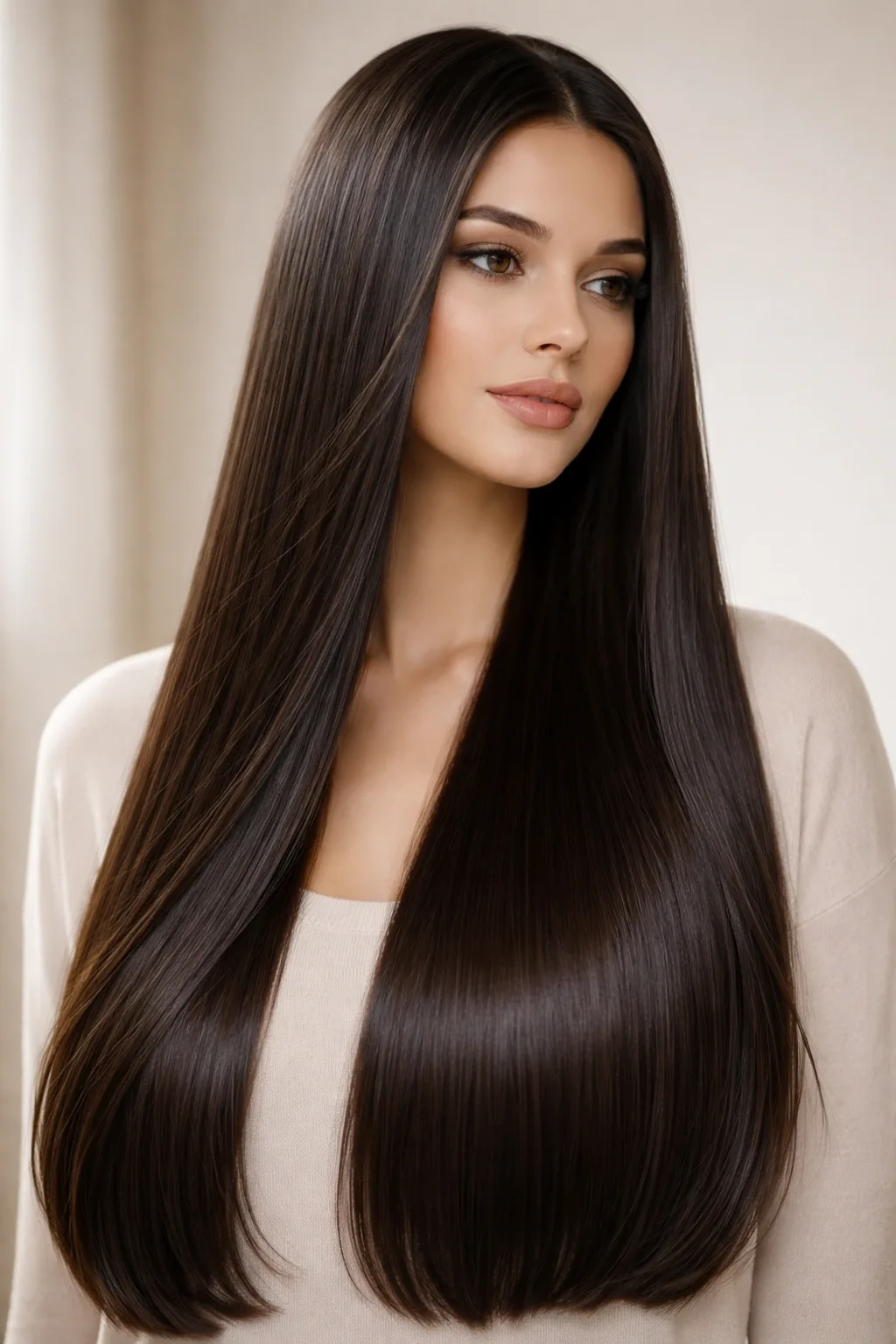
Sometimes the boldest choice is the simplest one: long, pin-straight, glossy hair with a sharp centre part. Under club lights the shine is extraordinary, the silhouette is clean and modern, and the style lets your dress and your makeup take centre stage. It is minimal, confident and completely current.
How to style it: blow-dry smooth with a paddle brush, then run a flat iron through in sections, finishing with a shine serum on the lengths only. The centre part must be exact, so use the tail of a comb to draw it. The style takes twenty to thirty minutes depending on length.
Best for: naturally straight or easily straightened hair, and anyone with healthy, even ends. Common mistake: skipping heat protection, which leaves the hair dull rather than glossy, or using too much serum, which makes it look greasy under lights. A pea-sized amount is enough. If your hair is wavy, allow extra time and a good smoothing cream.
28. The Curled Bob With a Vintage Flip
A bob with a vintage flip is a short style with a big personality: the ends flick outward in a playful 1960s curve, giving the cut movement and a retro wink. It is light, fun and perfect for dancing, and it suits a swing dress, a bold lip and a night that leans more playful than formal. The flip catches the light with every turn of the head.
How to style it: blow-dry with a round brush, flicking the ends outward, or use a flat iron turned away from the face at the ends. A little texturising spray keeps the flip from falling flat. The style takes fifteen minutes and is at its best on a freshly trimmed bob.
Pros: fast, fun and full of movement. Cons: the flip needs a precise cut to work, so book a trim before the night, and very fine hair may need a volumising mousse at the roots. Quick verdict: the most joyful short style on this list, and one of the easiest to wear all night.

29. The Braided Low Bun
A braided low bun combines two classics: a braid for texture and a bun for polish. The braid runs along the side or around the back before winding into a neat knot at the nape, giving the style detail that a plain bun lacks. It holds beautifully, looks intricate, and suits a jazz night that is more elegant than casual.
How to style it: braid a section from one temple down toward the nape, gather the rest of the hair with it, and twist everything into a low bun. Pin the braid’s tail under the bun so no ends show. The style takes about twenty minutes and works best on medium to long hair.
Best for: anyone who wants an updo with staying power and a handmade feel. Maintenance is almost zero once pinned. Common mistake: braiding too tightly, which pulls at the hairline and causes a headache. Keep the braid firm but comfortable, and loosen it slightly with your fingers for softness.
30. The High Bun With a Wrapped Base
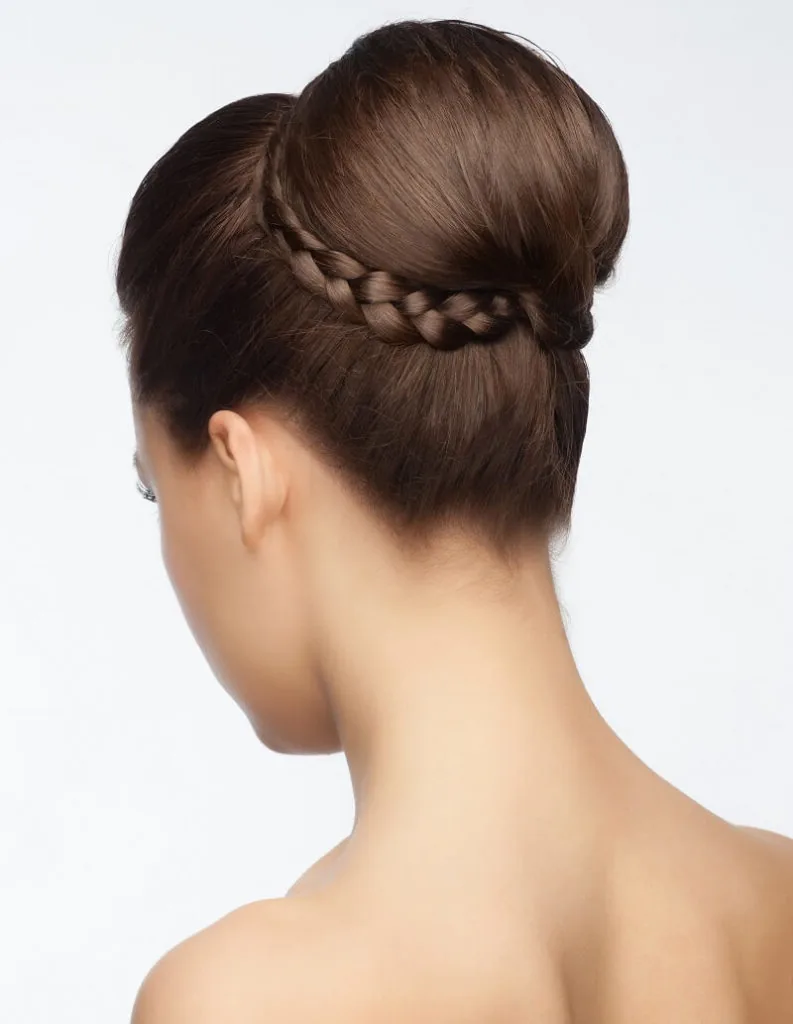
A high bun with a wrapped base is a ballerina bun dressed for the evening: the bun sits high on the crown, and a strand of hair is wrapped around its base to hide the elastic and add a polished finish. It is clean, statuesque and dramatic, and it shows off the neck, the shoulders and a pair of statement earrings like nothing else.
How to style it: gather the hair high, secure with an elastic, twist into a bun and pin it, then wrap a thin section around the base and tuck the end underneath. Smooth the crown with a brush and a touch of serum. The style takes ten minutes and holds all night.
Pros: excellent hold, comfortable, and it keeps hair completely off the neck in a warm club. Cons: it needs length, and a very high bun can feel top-heavy on fine hair. Who should avoid it: anyone with a very long face, as the height can lengthen it further; a slightly lower placement suits those faces better.
31. Soft Waves With a Headband
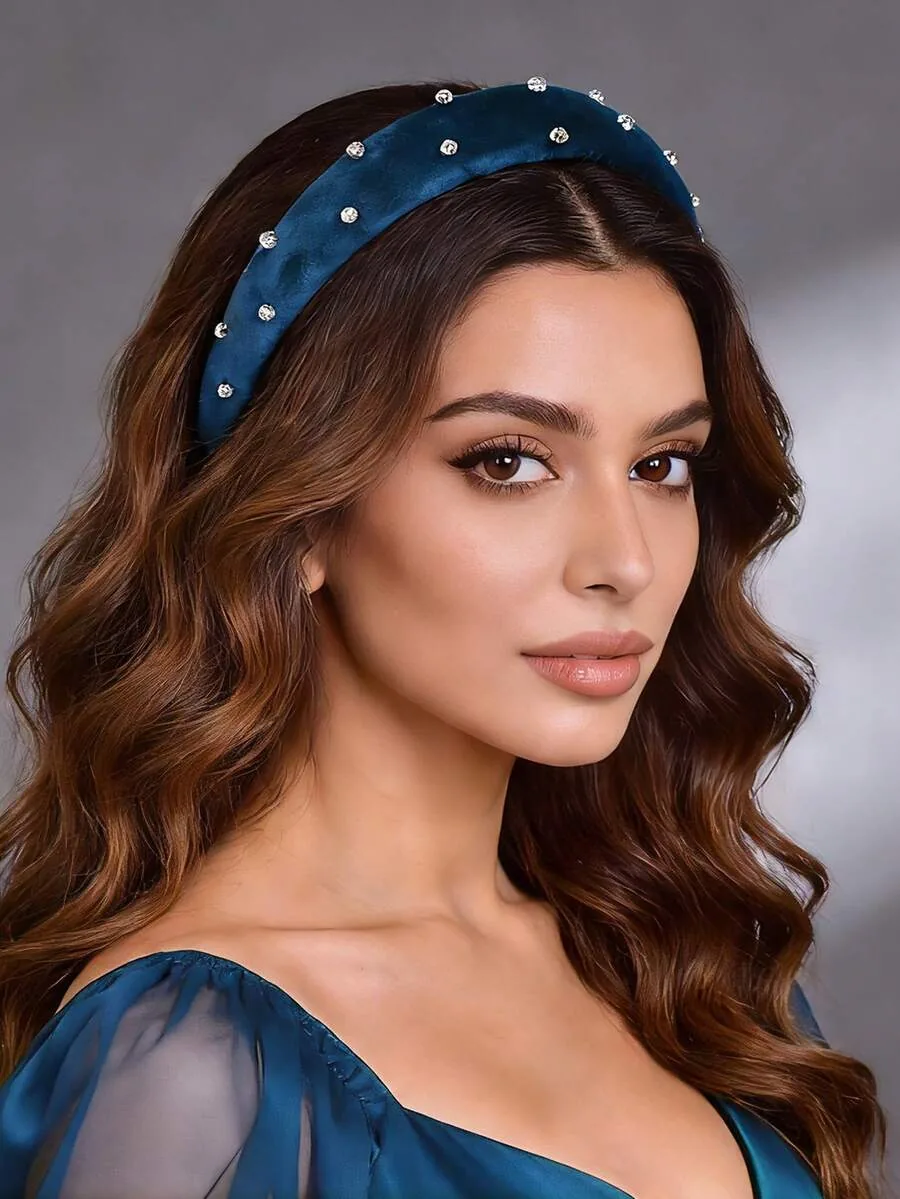
Soft waves with a headband are the quickest route to a finished jazz-night look: the waves give movement and romance, and the headband adds polish and a vintage note in a single step. A velvet band in a dark colour looks rich under low light, while a thin metallic band catches the light with every turn. It is the style for a night when you want to look deliberate without spending an hour on your hair.
How to style it: curl the lengths loosely, brush them out softly, then slide the headband into place about two fingers back from the hairline. Loosen a few pieces in front of the band so the style does not look scraped back. The whole look takes fifteen minutes.
Cost and time: a headband costs very little and the style is one of the fastest here. Best for medium to long hair and most face shapes. Avoid a headband that is too tight, which causes a headache by the interval, and test it at home for an hour before the night.
32. The Pin-Curled Updo
A pin-curled updo is vintage glamour built the old-fashioned way: curls are set with pins, cooled, and then arranged into a soft, sculpted updo with height at the crown and gentle curls at the sides. The result is a style with real structure and shine, the kind of hair that looks like it belongs in a black-and-white photograph. It is a labour of love, and it shows.
How to style it: set the whole head in pin curls, let them cool completely, then brush out gently and pin the lengths up into a soft shape, leaving the front curls to frame the face. The process takes an hour or more, so it is a stylist job for most people, or a weekend trial run before the night.
Pros: extraordinary hold and a truly vintage finish. Cons: the time commitment, and the need for patience while the curls set. Who should avoid it: anyone styling themselves for the first time on the night itself. If you love the look but not the effort, pin-curl just the front sections and sweep the rest into a chignon.
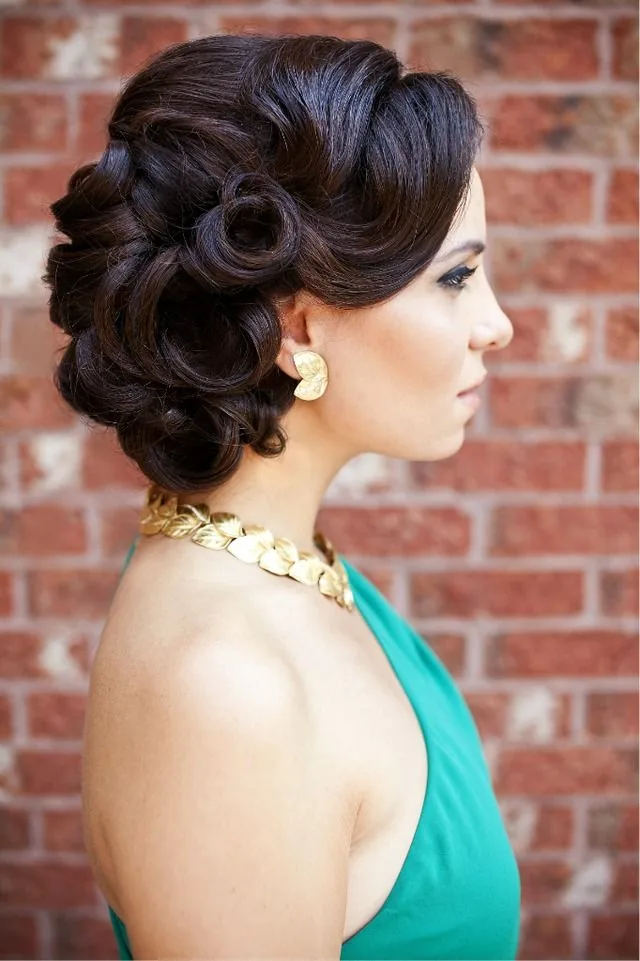
33. The Layered Shag With Evening Texture
A layered shag is the rock-and-roll cousin of the jazz-night list: choppy layers, piece-y ends and a lived-in texture that looks like you just stepped off a stage. Dressed up with a shine serum and a deep side part, it becomes an evening style with attitude, perfect for a jazz night that leans modern, smoky and a little bit rebellious.
How to style it: add texture with a salt spray or a texturising cream, scrunch the layers into place and let them air-dry or diffuse. A flat iron flicked through the ends adds definition. The style takes ten minutes and actually looks better slightly undone, which makes it ideal for a long night.
Best for: medium-length hair with natural wave or texture, and anyone who wants a low-maintenance style. Pros: fast, forgiving and full of movement. Cons: it needs a good cut to work, so book the layers before the night, and very straight hair will need texturising product to hold the shape.
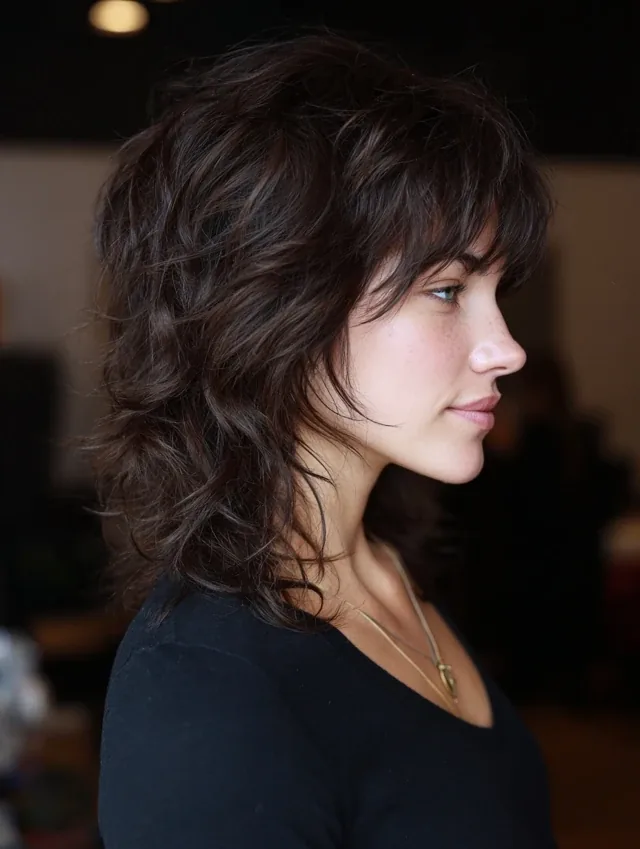
34. The Elegant Top Knot
An elegant top knot is a high bun with better posture: smooth, neat and sitting right on the crown, with not a strand out of place. It is the most polished of the bun family, and it suits a formal concert hall, a floor-length dress and a pair of chandelier earrings. The clean lines make the face the focus, which is exactly what you want when the lights go down.
How to style it: brush the hair up smoothly, secure it high on the crown, twist into a neat knot and pin it. A donut form underneath gives a perfectly round shape if your hair is fine. Smooth the surface with a serum and finish with a light spray. The style takes ten minutes.
Maintenance: none, which is its great strength. Common mistake: placing the knot too far back, which makes it look like a regular bun, or pulling it so tight it hurts. The knot should sit on the crown, visible from the front, and feel comfortable. Quick verdict: simple, striking and utterly reliable.
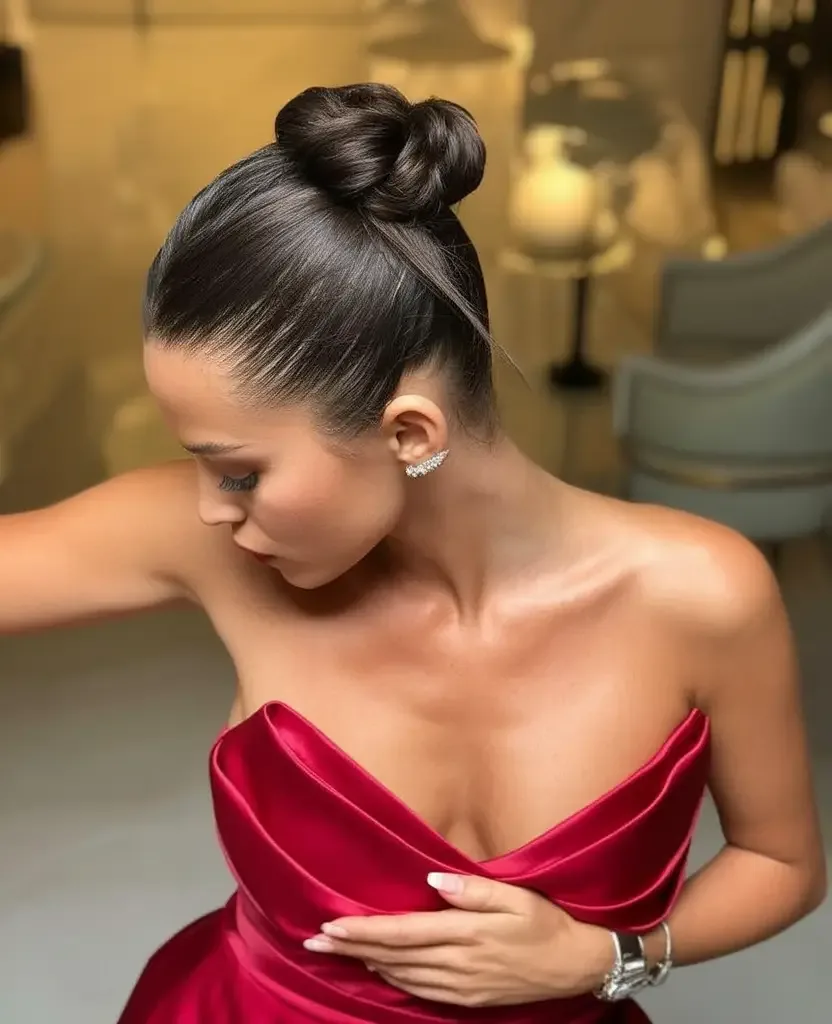
35. The Waterfall Braid With Curls
A waterfall braid is the most romantic braid you can wear: the braid runs across the back of the head, dropping strands through it like water, while the curls fall free below. It is intricate, feminine and made for candlelight, and it turns a simple head of curls into a style with a story. It suits a soft dress, a garden venue or a night that leans dreamy rather than formal.
How to style it: curl the lengths first, then build the waterfall braid across the back of the head, letting strands drop through as you go. Pin the ends under the curls on the opposite side. The style takes about thirty minutes and a little practice, so try it once before the night.
Best for: long hair with natural or styled curls. Pros: beautiful, unique and secure once pinned. Cons: it takes time and patience, and very straight hair will need curling first. If the full braid feels too ambitious, a half waterfall braid on one side gives the same effect with half the effort.
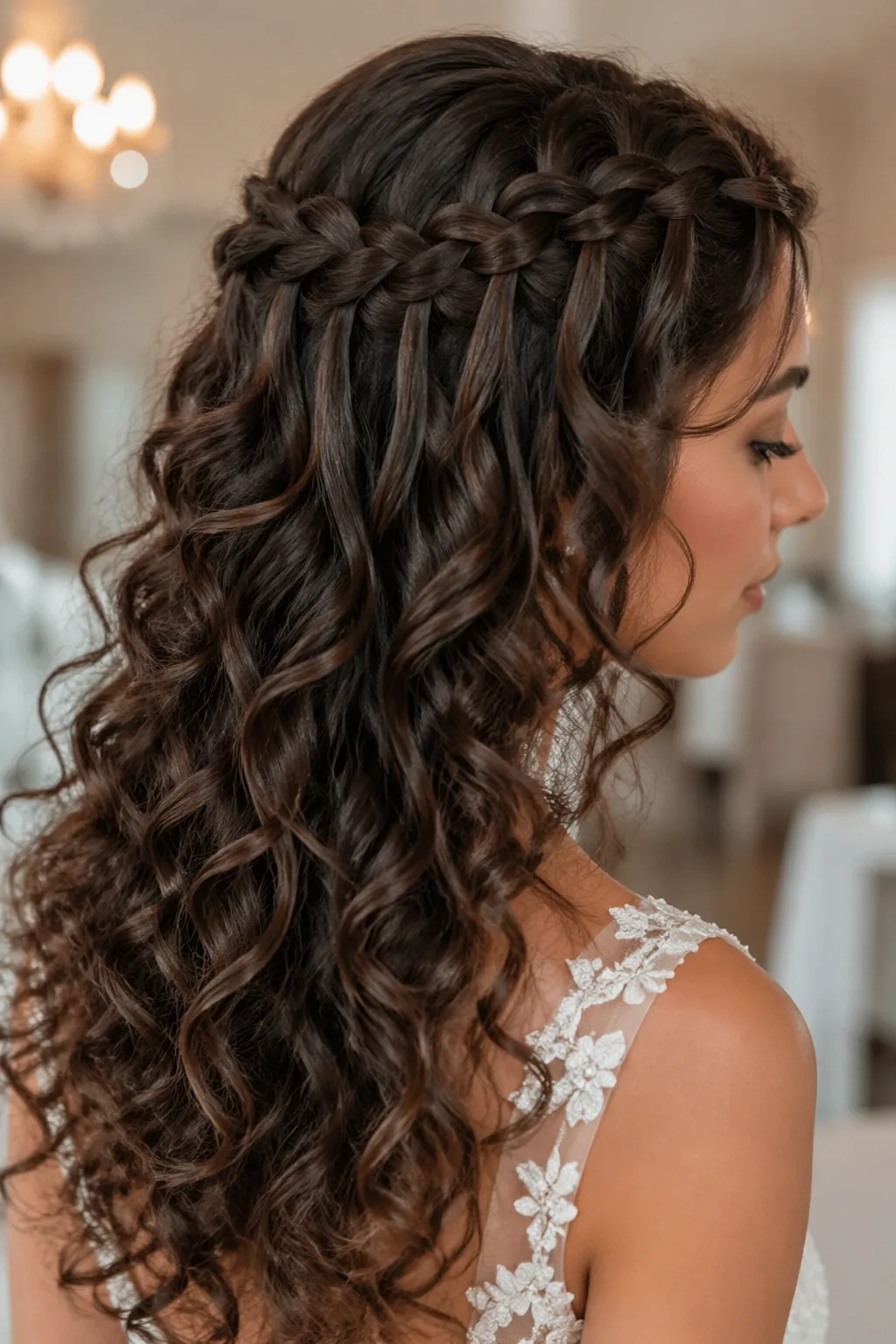
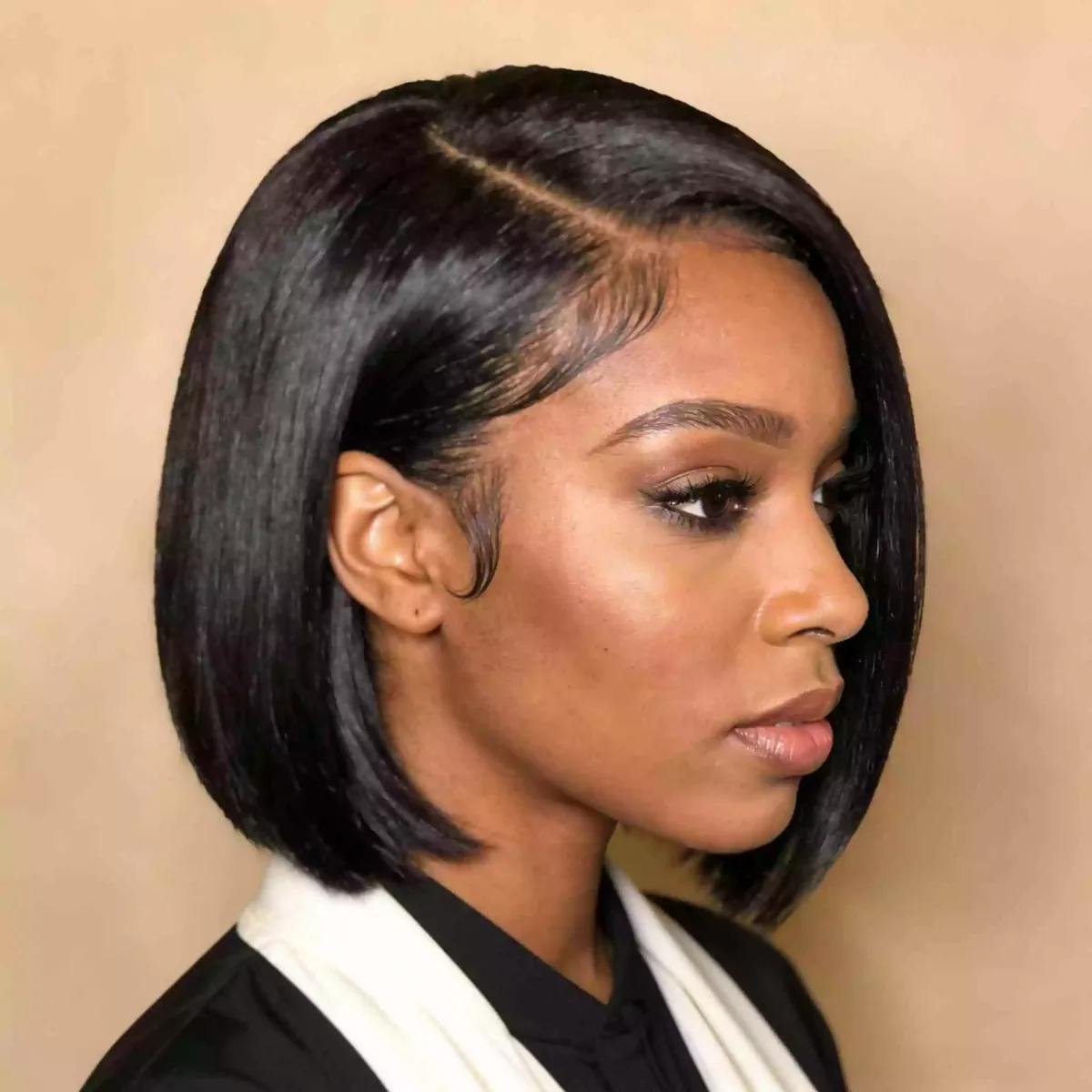
36. The Side-Parted Sleek Bob
A side-parted sleek bob is short hair at its most polished: a sharp side part, a glass-smooth finish and a clean line that ends at the jaw. It is the style for a sharp suit or a sleek cocktail dress, and it looks like you mean business, in the best possible way. Under club lights the shine is the whole point.
How to style it: blow-dry smooth with a paddle brush, flat iron in sections, and finish with a shine serum. The side part should be deep and exact. Tuck one side behind the ear to show off an earring. The style takes fifteen minutes on a fresh cut.
Pros: fast, striking and completely fuss-free all night. Cons: it needs a precise cut and healthy ends to look expensive, so book a trim a few days before. Who should avoid it: anyone with very curly hair that will not stay straight in a warm, humid club. A smoothing cream and a good flat iron are essential.
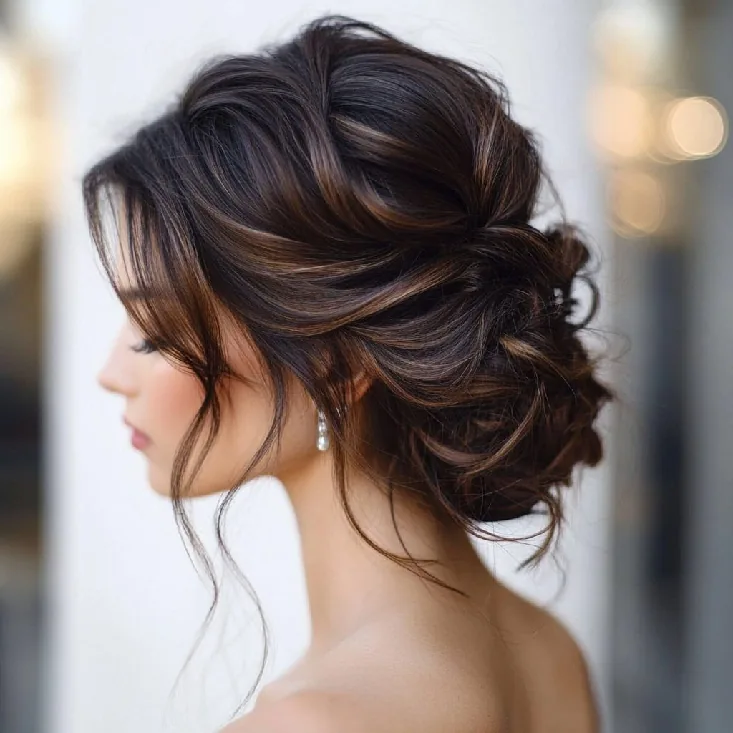
37. The Romantic Updo With Loose Pieces
A romantic updo is a soft, loose arrangement of twists and pins with pieces left free around the face and at the nape, the kind of style that looks like it might come undone at any moment but never does. It is gentle, feminine and made for slow dancing, and it suits almost every dress and every face. It is also one of the most forgiving updos to build yourself.
How to style it: curl the hair loosely, gather it softly at the back, twist and pin sections in place without smoothing anything, and pull out pieces around the face and neck. The pins do the work while the loose pieces do the talking. The style takes twenty minutes and hides mistakes beautifully.
Quick verdict: the safest DIY updo on this list, comfortable for hours, and easy to fix at the bar by adding a pin. Best for medium to long hair with some texture. If your hair is very straight, add texture with a salt spray first or the pieces will slip out.
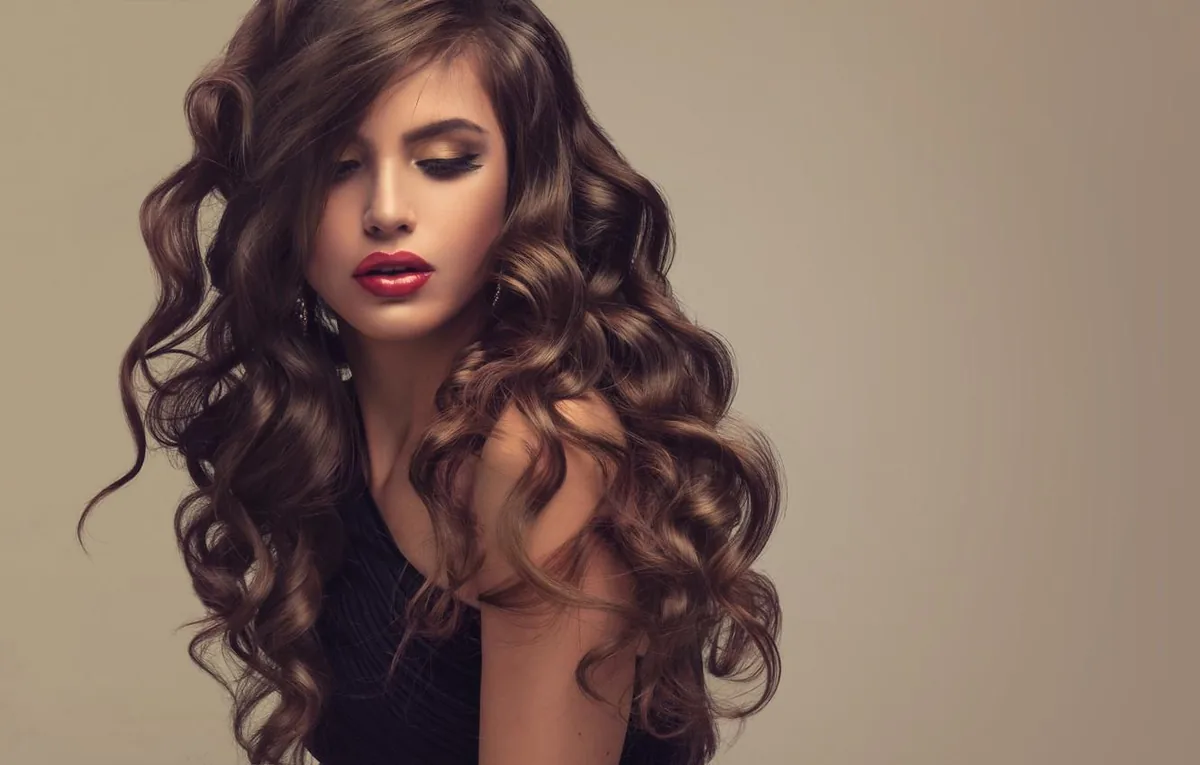
38. Glamorous Long Layers With Curls
Long layers with glamorous curls are the finale of this list for a reason: they are the most universally flattering evening style, full of volume, shine and movement. The layers keep the curls from looking heavy, the curls keep the layers from looking flat, and the whole style moves like the music. It suits a floor-length gown, a jumpsuit or a vintage dress, and it photographs beautifully.
How to style it: curl large sections away from the face, let them cool, then brush through gently for softness and volume. A shine spray finishes the look. The style takes thirty to forty minutes depending on length, so give yourself time and a good podcast while you work.
Pros: glamorous, versatile and flattering on almost everyone. Cons: the time it takes, and the need for layers cut to support the curls. Ask your stylist for long layers that start at the collarbone or below, which keeps the volume where you want it. Finish with a flexible spray and enjoy the encore.
What is the best hairstyle for a jazz night?
The best hairstyle for a jazz night is one that holds for hours, photographs well in dim light and suits your dress. Hollywood waves, a French twist, a low chignon and a beehive are all strong choices. Pick the one that matches your hair length and how much time you have to style it.
How do I make my hairstyle last all night at a jazz club?
Style on second-day hair or add dry shampoo at the roots, set curls with pins while they cool, anchor updos with crossed bobby pins, and use a flexible-hold spray between layers rather than one heavy coat on top. Test the style at home for an hour before the night.
Should I wear my hair up or down to a jazz night?
Both work. Wear it up if the club is warm, you plan to dance, or your dress has an interesting neckline. Wear it down if you want softness and movement, but set the curls properly so they do not drop by the second set. A half-up style gives you the best of both.
What hairstyle suits a vintage jazz club theme?
Finger waves, victory rolls, Marcel waves, a beehive and a pin-curled updo all suit a vintage jazz club theme. Choose one vintage element and pair it with a modern dress so the look feels intentional rather than like a costume.
Can I do a jazz night hairstyle at home?
Yes. A sleek low bun, a messy-chic low bun, a half-up twist, soft waves with a headband and a polished high ponytail are all achievable at home in ten to twenty minutes. Try the style once before the night so you know how long it takes and where it needs pins.
What hair accessories work best for a jazz night?
Pearl pins, crystal combs, a velvet headband and a gold hair cuff work best for a jazz night. Choose one statement piece that catches the low light, and match it to the weight of your style so it stays put while you dance.
How do I stop my curls falling flat in a warm club?
Curl with a smaller barrel than you think you need, pin each curl to cool completely, and finish with a flexible-hold spray. Avoid touching your curls once you are out, and carry a small texturising spray in your bag for a quick refresh at the interval.
What hairstyle goes with a little black dress for a jazz night?
A French twist, a sleek low bun, Hollywood waves or a side-swept curl all go beautifully with a little black dress for a jazz night. The dress is a blank canvas, so choose the hairstyle that suits your face shape and the formality of the venue.
Is a jazz night hairstyle different for short hair?
Short hair has its own jazz-night options: a sculpted pixie with shine, finger waves, a textured bob with a deep side part, or a curled bob with a vintage flip. Add a sparkling clip or a pearl pin for evening polish, and keep the finish glossy so it reads well in dim light.
How early should I style my hair before a jazz night?
Style your hair one to two hours before you leave, so the style has time to settle but not to drop. Updos can be done earlier in the day and will hold. If you are having your hair done professionally, book the appointment to finish about an hour before you need to leave.
Conclusion
A jazz night rewards hair that was chosen with the evening in mind: a style that holds through the sets, catches the low light, and lets you forget about it once the music starts. Whether you go vintage with finger waves and victory rolls, or modern with a sleek bun and glossy waves, the best hairstyles for a jazz night are the ones that feel like you, only more so.
Pick your style the day before, try it once, and pack your little rescue kit. Then put the pins in, put the dress on, and let the band do the rest. The last encore always sounds better when you are not worrying about your hair.