Day Two, Still Great Hair: 33 Second-Day Hairstyles That Turn Yesterday’s Style Into Today’s Look
Second-day hair has a reputation it does not deserve. It gets blamed for looking flat, oily and tired, when in truth it is often the best hair you will have all week. Yesterday’s wash has settled, your natural oils have softened the strands, and the texture that makes styling so hard on freshly washed hair is finally working in your favour. The right hairstyles for second-day hair do not hide day two — they use it.
Think about how a braid holds on day one versus day two. On freshly washed hair, pins slide out, braids loosen, and buns unravel before you reach the door. On second-day hair, everything grips. A messy bun stays messy in the good way, a braid keeps its shape, and a ponytail sits exactly where you put it. That grip is the whole secret, and it is free.
This guide walks through it in order. First, eight short guides on what second-day hair actually is, how to use dry shampoo properly, how to refresh curls and waves, how to hide oil at the roots, and how to prep your hair overnight so day two starts easy. Then 33 hairstyles for second-day hair — buns, braids, ponytails, twists, claw-clip styles and refreshed waves — each with why it works, how to do it, and the mistake to avoid.
Pick the style that matches how your hair feels this morning, not the one you wish you had washed for. Day-two hair does not need to be perfect. It needs to be worked with, not against.
What Second-Day Hair Is — and Why It Styles Better
Second-day hair is simply hair that was washed yesterday and has not been washed again today. It carries a little natural oil at the roots, a little bend left over from yesterday’s style, and a texture that freshly washed hair simply does not have. That texture is the reason stylists often prefer day-two hair for updos, braids and textured styles — the strands grip each other instead of sliding apart.
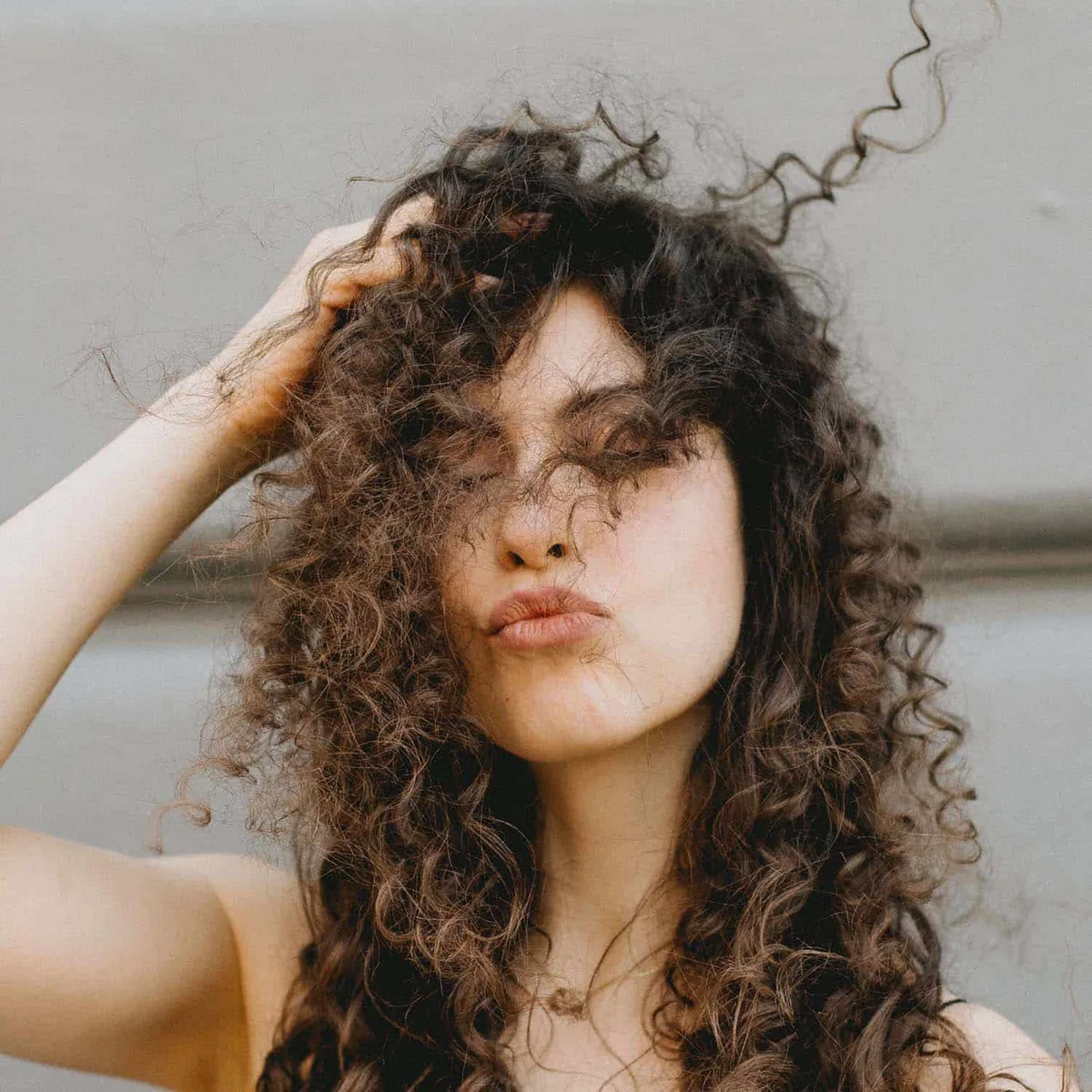
Freshly washed hair is clean, soft and slippery, which sounds good until you try to pin it up. Bobby pins slide out, elastics slip, and braids loosen within an hour. Day-two hair has just enough natural grip to hold a style all day, which is why the same messy bun that falls apart on day one can look effortlessly perfect on day two.
Quick verdict: stop treating day two as a problem to fix and start treating it as a styling advantage. If your hair feels a little lived-in, that is exactly what makes these styles work.
Dry Shampoo Done Right
Dry shampoo is the single most useful product for second-day hair, and also the most misused. The job is not to coat your whole head in powder — it is to absorb oil at the roots, add a little lift, and give the hair grip. Used right, it makes day-two hair look freshly styled. Used wrong, it leaves a grey, powdery cast and hair that feels worse than before.
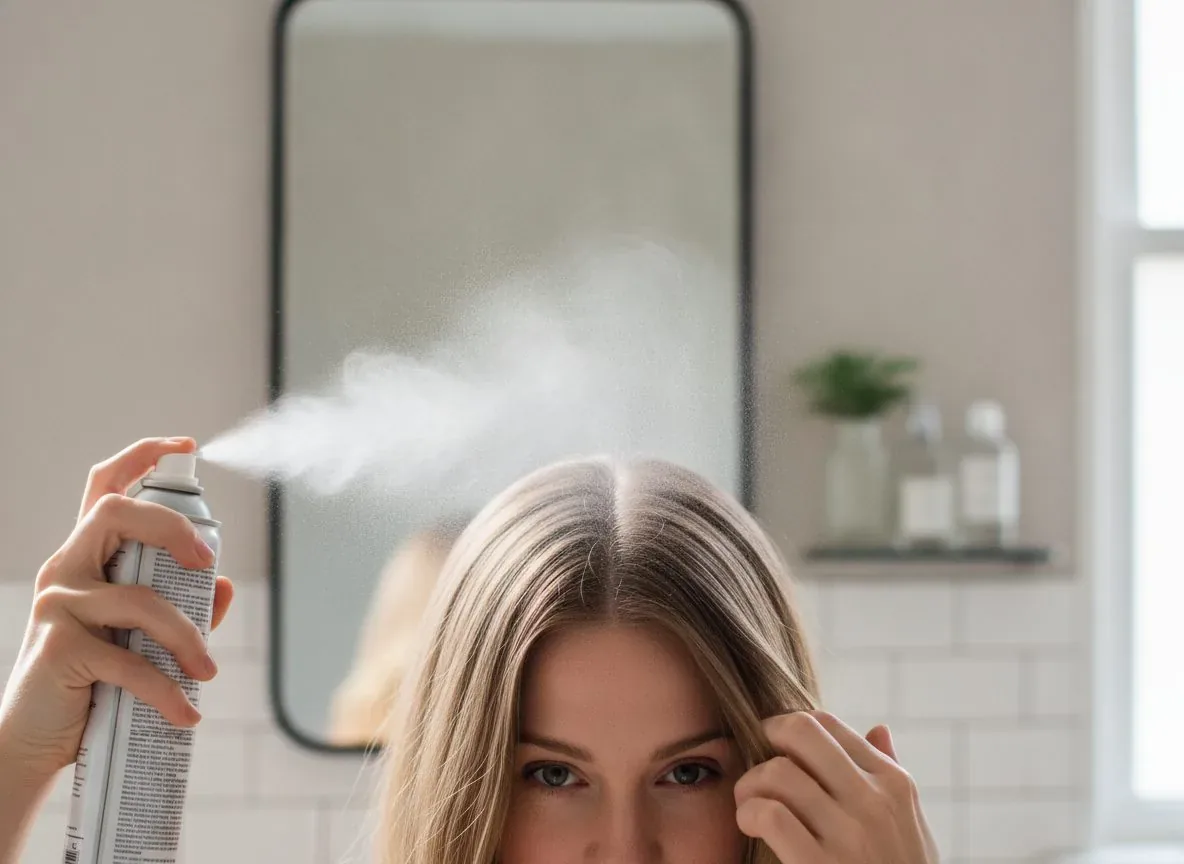
Spray it in short bursts, about six inches from the scalp, lifting sections as you go so it reaches the roots rather than sitting on the surface. Wait at least two minutes before touching it — that is when it absorbs the oil. Then massage it in with your fingertips and brush through, which removes the excess powder and spreads the product evenly.
Common mistake: spraying dry shampoo on the lengths or using it as a finishing spray. It belongs at the roots only, and it needs time to work before you brush it out. Spray, wait, massage, brush — in that order, every time.
Refreshing Curls and Waves Without Rewashing
Curls and waves rarely survive the night in their original shape, but they do not need a full rewash to look good again. The trick is to wake them up with moisture and a little heat, not to start over. A light mist of water, a dab of curl cream, and a few minutes of scrunching will bring most waves back to life.
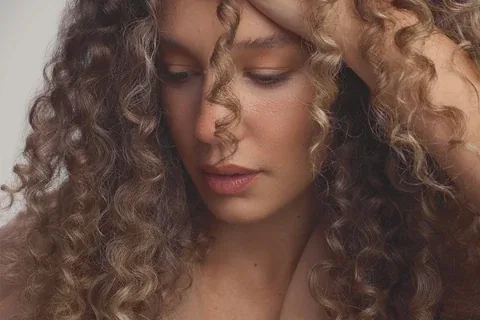
Work in sections and only fix what actually needs fixing. The top layer usually flattens overnight while the underneath stays curled, so focus your effort on the crown and the front pieces. A curling iron on the two or three worst pieces is faster than re-curling your whole head, and it keeps the style looking soft rather than freshly done.
Quick verdict: refresh, do not rebuild. A few drops of water, a little cream, and spot-fixing the flat pieces is all most second-day curls need — and the slightly looser shape usually looks more natural than day one anyway.
Hiding Oil at the Roots
Oil shows first at the roots, especially around the part and the hairline, and it is the main thing that makes second-day hair look unwashed. The fix is not always more product — often it is a smarter part or a style that pulls the roots back. A deep side part moves the oiliest section out of the spotlight, and any style that sweeps the front back hides the roots completely.
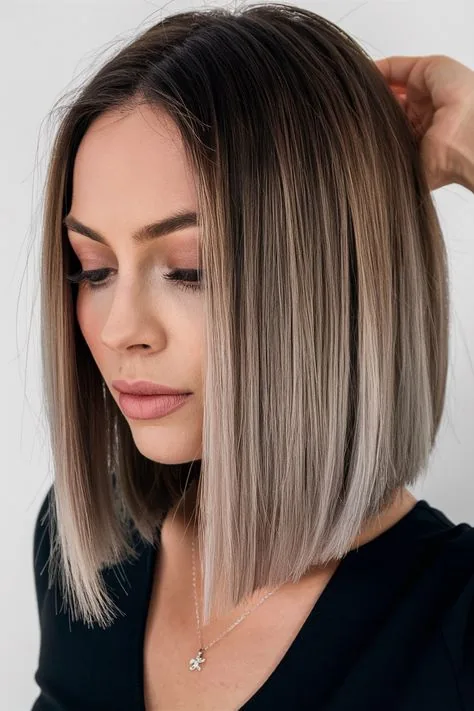
If you do reach for product, use less than you think. A small amount of dry shampoo at the roots, brushed through properly, beats a heavy application every time. Baby powder works in a pinch on very light hair, but it shows on dark hair, so use it sparingly and brush it out well.
Best for: anyone whose roots go oily fast but whose lengths still look fine. Pair a root refresh with a style that pulls the front back — a half-up twist, a sleek ponytail or a braided crown — and nobody will see the oil at all.
Overnight Prep for an Easy Day Two
The easiest second-day hair starts the night before. What you do before bed decides whether you wake up to smooth, workable hair or a flattened, tangled mess. A loose braid is the simplest overnight style: it keeps the hair from tangling, adds a soft wave by morning, and stops the roots from going flat against the pillow.
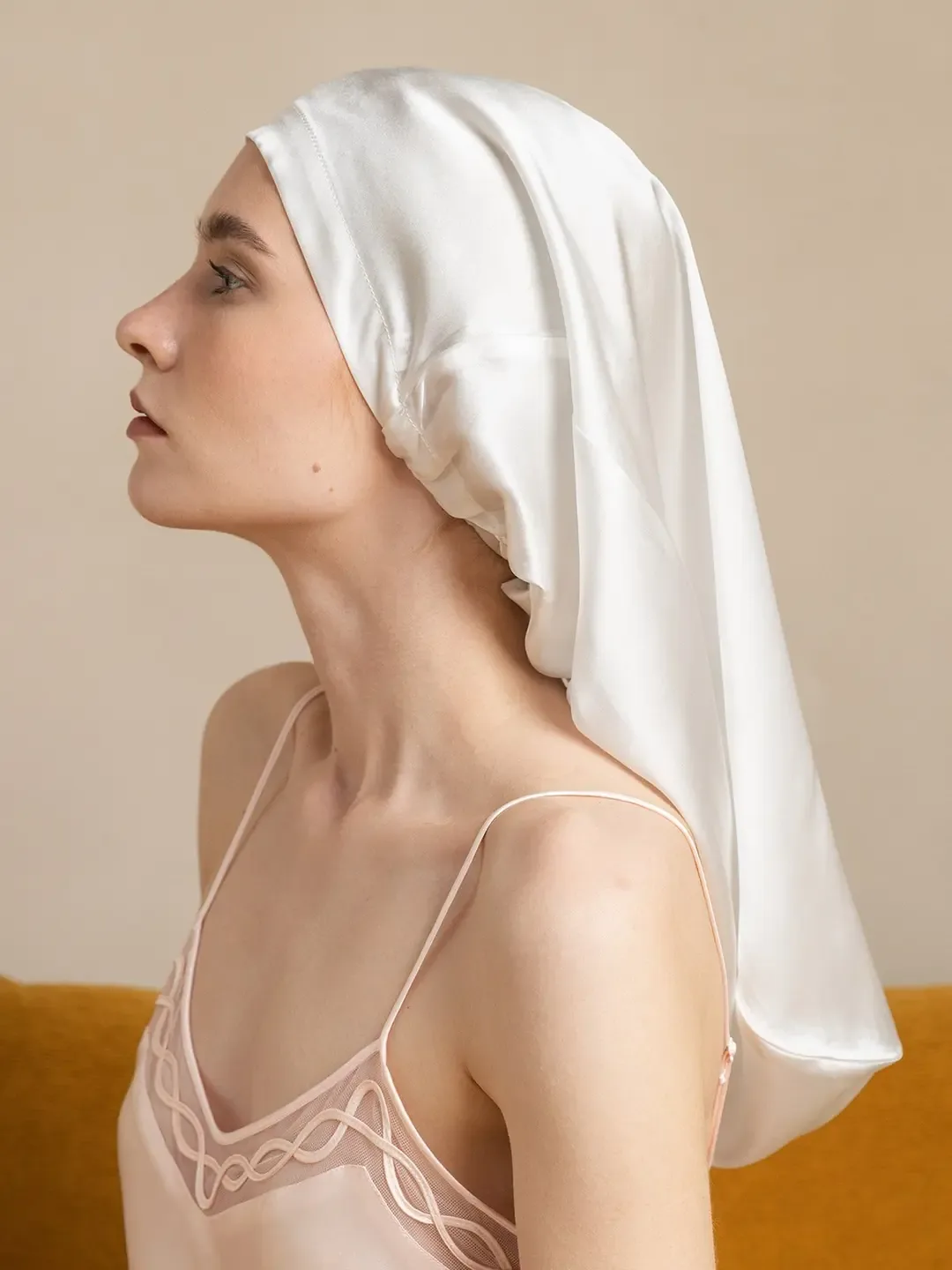
A silk or satin pillowcase helps just as much, because cotton creates friction that roughs up the hair cuticle overnight and flattens curls. If your hair is curly, a loose pineapple — gathered high and loosely on top of your head — protects the curl pattern. For straight hair, a low loose braid or a silk scarf wrap does the same job.
Common mistake: sleeping with your hair in a tight ponytail or a wet bun. Tight elastics leave dents and breakage, and damp hair trapped against a pillow dries flat and frizzy. Loose is the rule: a loose braid, a loose pineapple, or hair spread above the pillow.
When to Wash Instead of Styling
Not every day two is a styling day, and knowing when to wash is as useful as knowing how to style. If your scalp itches, if the roots feel heavy and coated no matter how much dry shampoo you use, or if the hair smells stale, no updo will fix it. Wash it, and start fresh — there is no prize for stretching a wash one day too far.
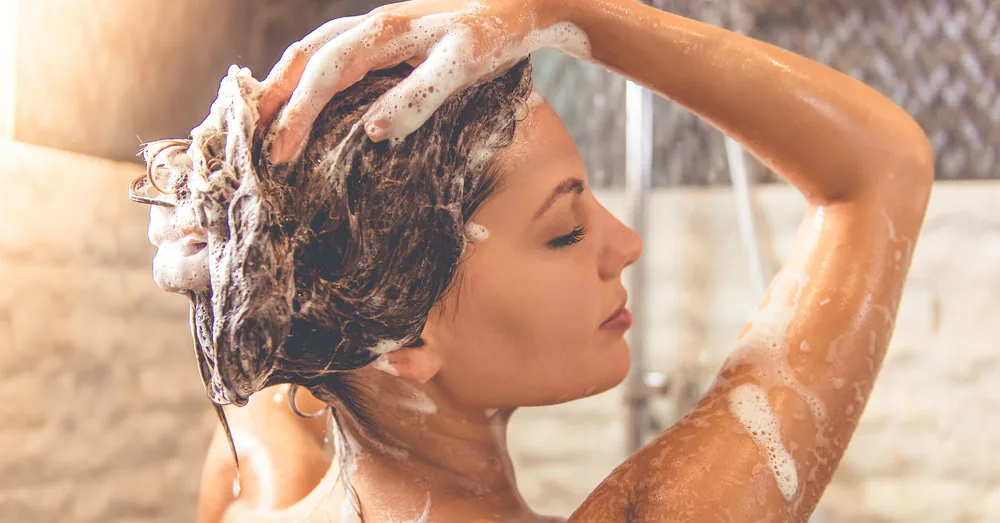
Heavy workouts, very humid weather, and a lot of styling product from the day before are all good reasons to wash. So is a formal event where your hair will be down and closely photographed. Day-two styles shine for everyday life, work, errands and casual plans — but they are not a substitute for clean hair when clean hair is what the day calls for.
Quick verdict: if your scalp is unhappy, wash. If your hair just looks a little lived-in, style it. Learning the difference saves you both bad hair days and over-washing, which dries hair out over time.
Texture Tricks That Add Grip
The reason second-day hair styles so well is texture, and you can add more of it in seconds. A texture spray or sea-salt spray scrunched through the lengths gives fine hair the grip it needs to hold a braid or a bun. A little mousse at the roots, worked in with your fingers, adds lift that lasts all day.
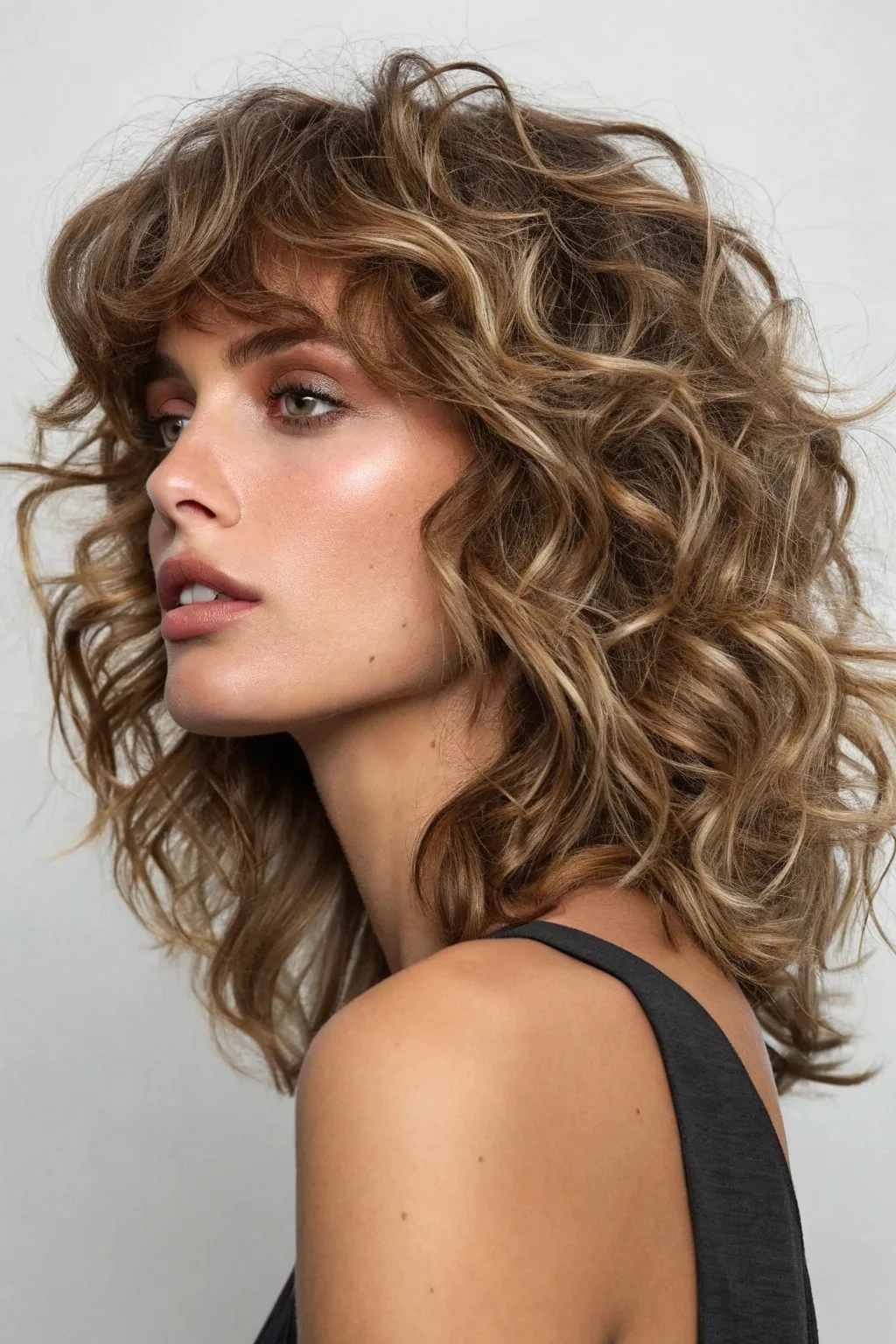
The cheapest texture trick is free: braid your hair loosely the night before, or twist damp hair into two buns for an hour before styling. Both leave a soft wave and a roughed-up texture that holds pins and elastics far better than smooth, freshly blown-out hair ever will.
Best for: fine, slippery hair that will not hold a style. Texture is the difference between a bun that lasts until lunch and one that lasts until bedtime — and day-two hair already has a head start, so a little spray goes a long way.
Tools That Rescue Day-Two Hair
You do not need a full salon kit to rescue second-day hair — three tools do most of the work. A curling iron fixes the flat front pieces and the bent ends in under five minutes. A flat iron smooths the frizzy halo around the crown and straightens any sleep creases. And a good brush, used gently, redistributes oil from the roots down the lengths, which makes the whole head look cleaner.
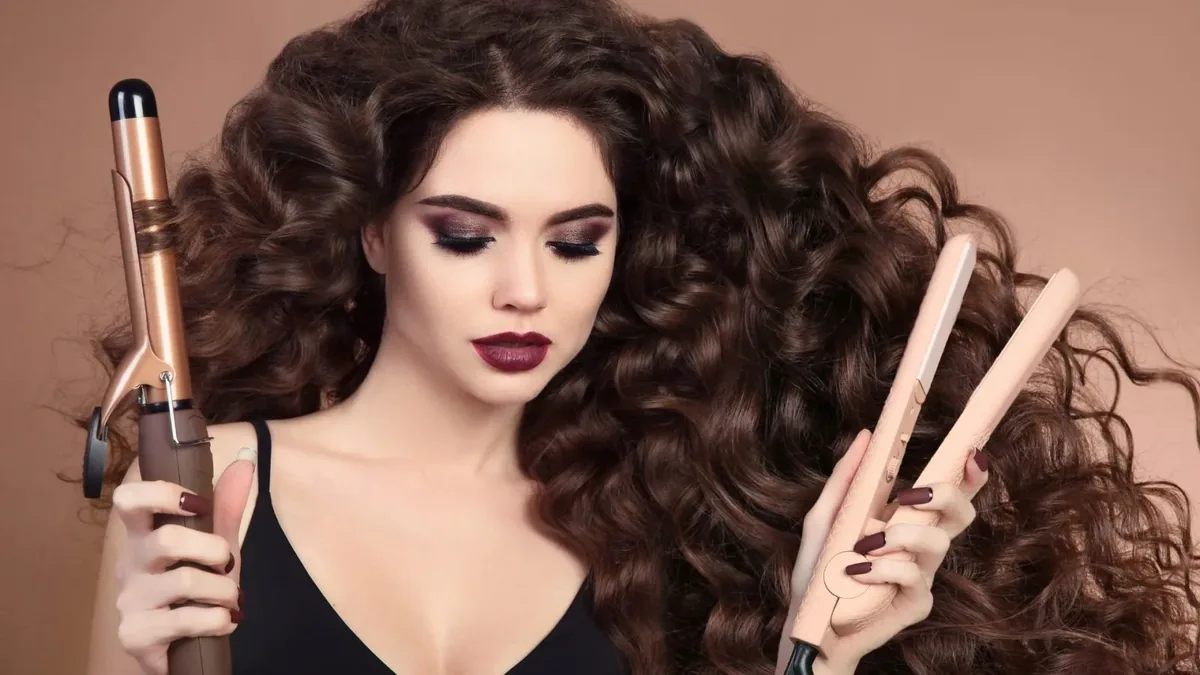
Keep the heat low and the passes quick. Day-two hair has already been styled once, so it does not need a full re-do — it needs spot fixes. One pass of the flat iron over the front pieces, two curls at the crown, and you are done. More heat than that just adds damage without improving the result.
Common mistake: re-styling your whole head with hot tools every morning. Spot-fix only what needs it, keep the temperature moderate, and always use heat protectant — day-two hair is already a day older, and it deserves gentle handling.
1. The Classic Messy Bun, Day Two Edition
Why it works: the messy bun is the ultimate second-day style because it turns everything day-two hair does — a little texture, a little looseness, a little grip — into an advantage. On freshly washed hair this bun slides apart; on day-two hair it holds its shape with soft, piecey texture that looks deliberately undone instead of accidentally falling apart.
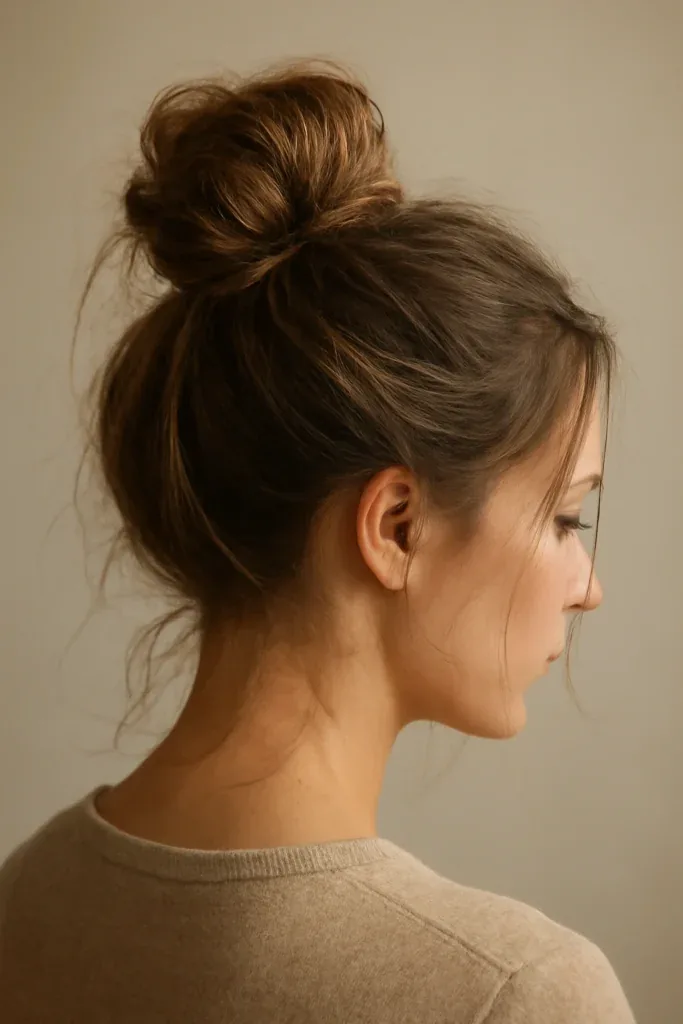
Gather your hair high, twist it loosely, and wrap it into a bun, pinning where it feels secure rather than forcing it into a perfect shape. Pull a few strands free around your face and at the nape, and gently tug at the bun itself to widen it. The goal is a bun that looks like you made it in thirty seconds — because you did.
Common mistake: brushing your hair smooth before you start. A brushed, sleek base kills the texture that makes this bun work. Gather the hair with your fingers, keep the bumps, and let the bun be a little imperfect — that is the whole point of it.
2. The Low Sleek Ponytail
Why it works: a low sleek ponytail hides oily roots better than almost any other style, because the hair is brushed back smoothly and the roots are pulled taut. What looks like grease on hair worn down reads as shine and polish in a sleek ponytail — day-two oil becomes the styling product.
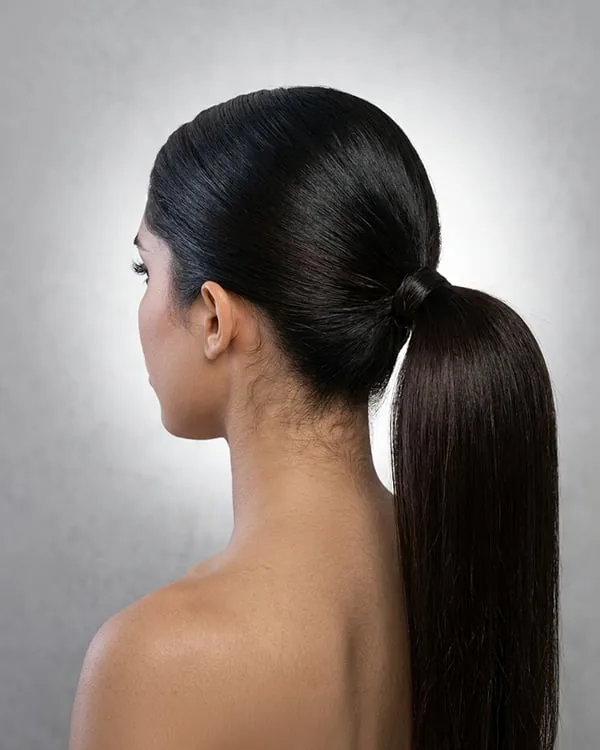
Brush the hair back into a low ponytail at the nape, using a little serum or gel on the surface to smooth flyaways. Secure it with a strong elastic, then wrap a small strand of hair around the base to hide the elastic. If the lengths look flat, curl the ends under slightly or add a loose wave for movement.
Quick verdict: this is the fastest rescue for a bad root day. Five minutes, one brush, and hair that looked unwashed now looks intentional, polished and expensive.
3. The Textured Half-Up Bun
Why it works: the half-up bun keeps the front of your hair — where the oil shows — pulled up and out of the way, while the rest falls loose and soft. It is the perfect compromise when your roots need help but your lengths still look good, and the texture of day-two hair gives the bun real staying power.
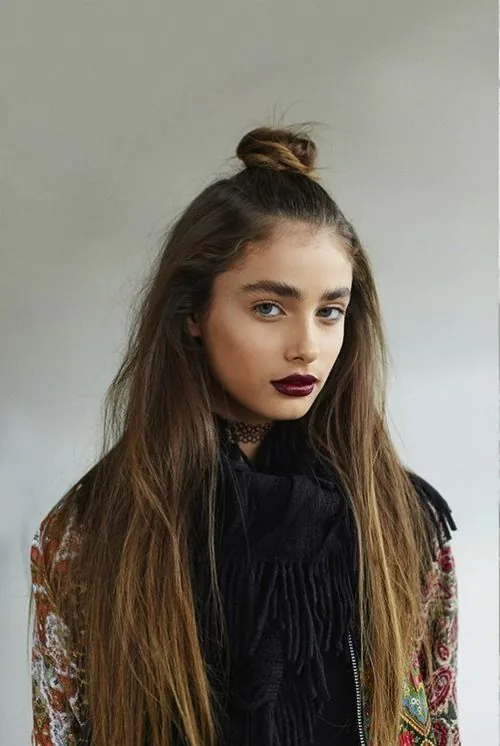
Take the top section of hair from temple to temple, twist it loosely, and coil it into a small bun at the crown. Pin it securely, then loosen the bun slightly by pulling at the edges. Leave the rest of the hair down, and refresh the front pieces with a quick curl if they went flat overnight.
Common mistake: making the bun too tight and too high. A tight little knot looks severe and pulls at the hairline. Keep it loose, keep it slightly messy, and let a few pieces fall free — that softness is what makes it look good.
4. The Loose Braided Crown
Why it works: a braided crown is a romantic style that genuinely needs day-two hair. The braid grips better, holds its shape for hours, and the softness of second-day texture keeps it from looking stiff or school-like. It also pulls the front hair back, which hides oily roots completely.
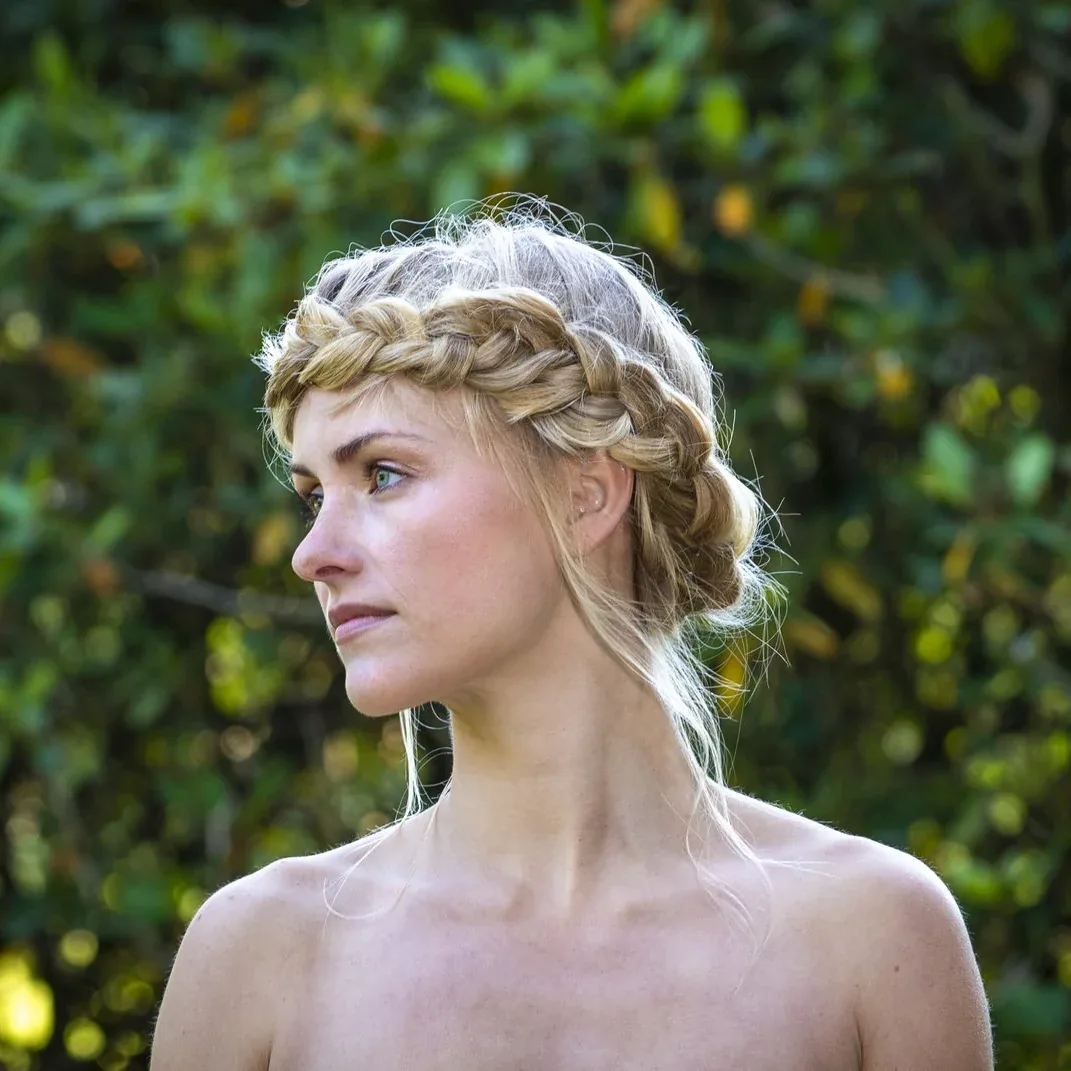
Braid two sections from either side of your head and pin them across the crown, loosening each braid gently by pulling at the edges. Leave the rest of your hair down and loose, and pull a few tendrils free around your face. The braid anchors the front while the loose hair keeps the whole look soft.
Best for: outdoor days, weddings, and any occasion where you want to look romantic without looking overdone. It holds through wind and long hours, and it only gets softer as the day goes on.
5. The Side Braid, Soft and Lived-In
Why it works: a side braid is one of the easiest ways to use second-day texture. The braid holds because the hair has grip, and the slightly lived-in look of day-two hair makes the braid look relaxed and natural instead of stiff and freshly done. It also keeps all the hair over one shoulder, which is flattering in photos.
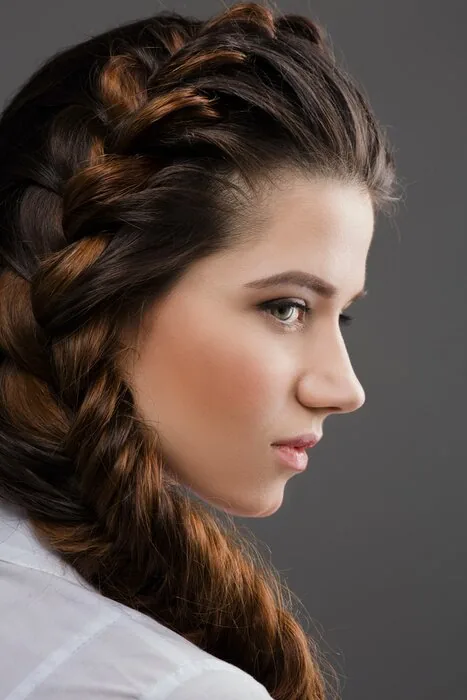
Sweep all your hair to one side and braid it loosely, starting just behind the ear. Secure the end with a small elastic, then gently pull the edges of the braid apart to widen it. Leave a few face-framing pieces free on the opposite side so the style does not look too neat.
Quick verdict: three minutes, one braid, and hair that looked tired now looks soft, romantic and deliberate. It is the easiest good-looking style in this whole guide.
6. French Braid Into a Low Bun
Why it works: this style solves two day-two problems at once. The French braid pulls the oily front and crown sections back smoothly, and the low bun hides the ends, which are often the driest, most bent part of second-day hair. Everything that looks tired gets tucked away, and what shows is neat and polished.
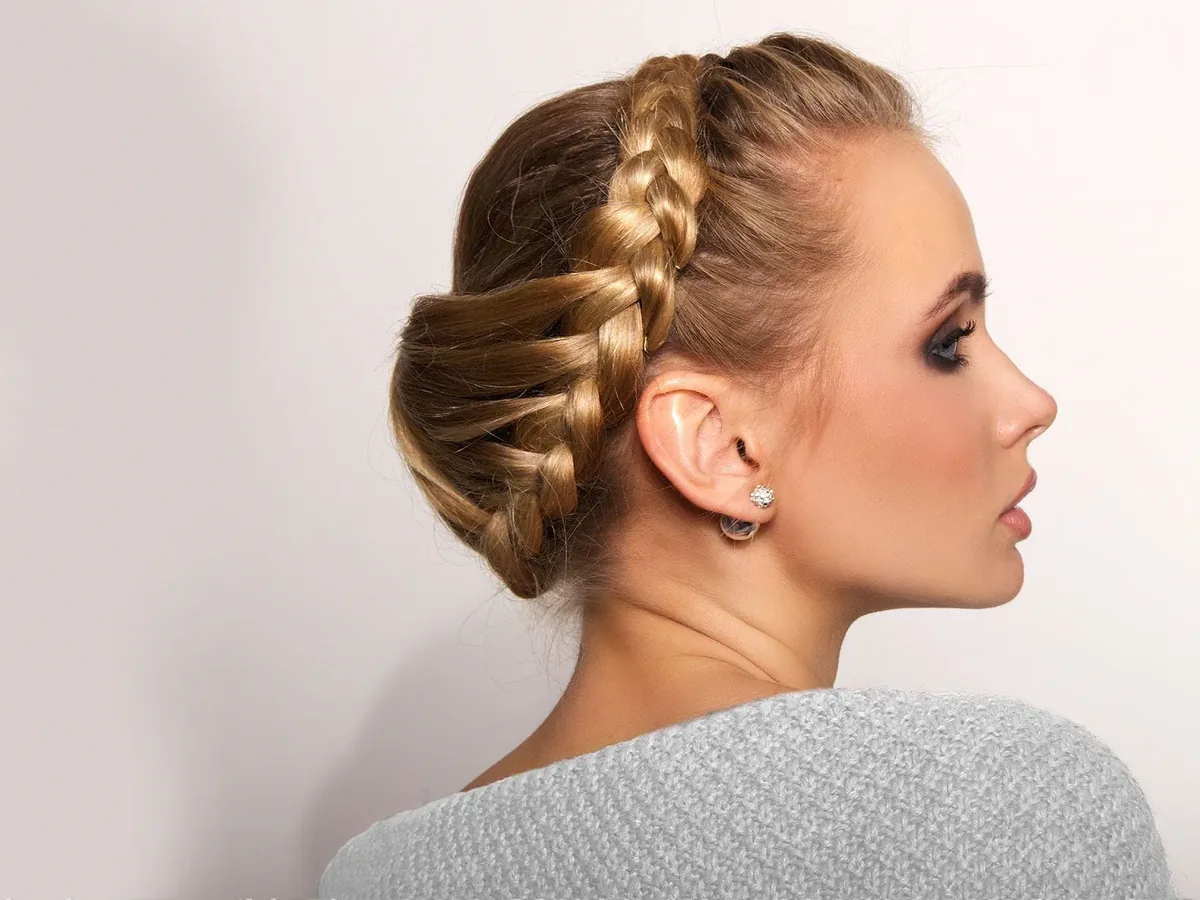
French-braid from the crown down to the nape, keeping the braid fairly loose so it looks soft rather than severe. Gather the remaining hair and the braid tail into a low bun, pin it securely, and smooth the surface with a little serum on your palms.
Common mistake: braiding too tightly. A tight French braid on day-two hair can pull at the hairline and look harsh. Keep the tension gentle, loosen the braid slightly after you finish, and the style will look romantic instead of rigid.
7. The Undone Low Chignon
Why it works: the low chignon is an elegant updo that actually prefers day-two hair. The natural texture gives the twist something to hold onto, and the slightly lived-in finish keeps the chignon from looking too formal or stiff. It is the updo for people who want to look polished without looking like they tried too hard.
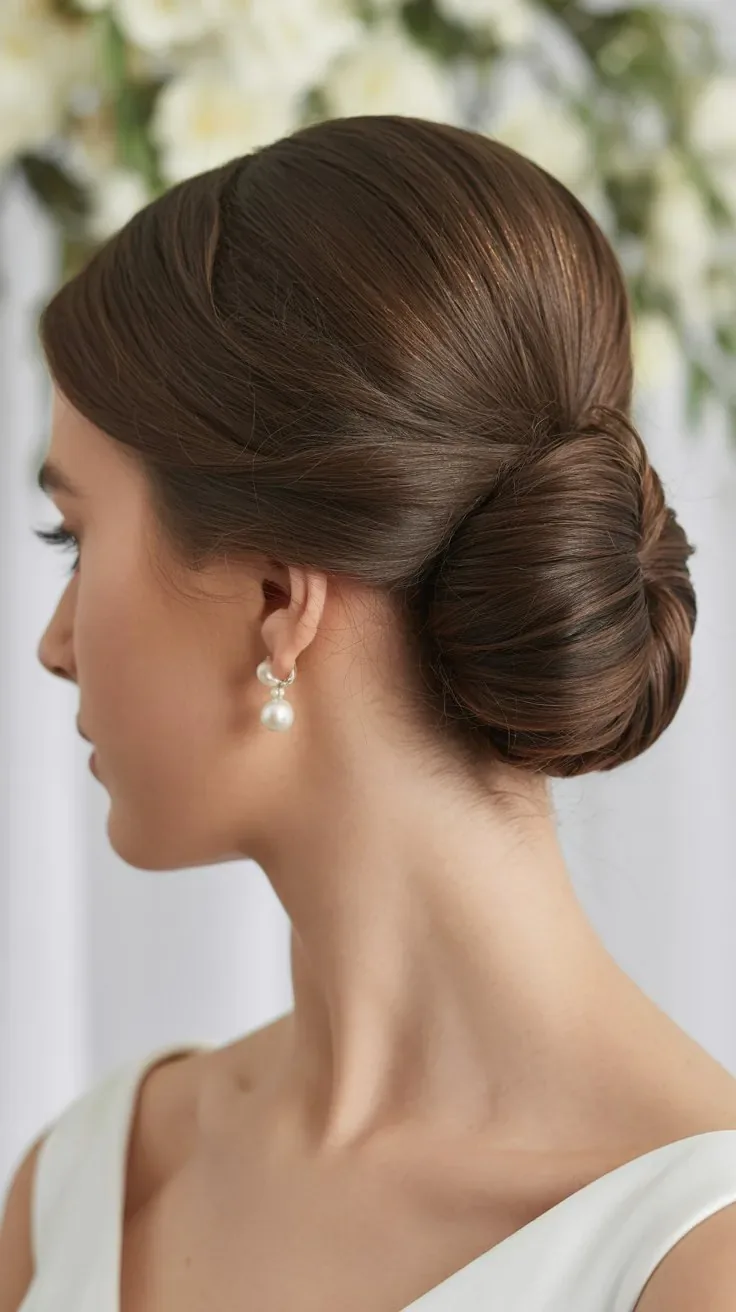
Gather the hair low at the nape, twist it loosely, and pin it into a soft roll, leaving the ends tucked in. Pull a few fine pieces free around the face and at the nape, and gently loosen the chignon by tugging at the edges. A little texture spray beforehand helps the pins stay put.
Best for: work days, dinners, and events where you want an updo that lasts all evening. It holds better on day-two hair than on freshly washed hair, and it softens beautifully as the hours pass.
8. The High Ponytail With Volume
Why it works: a high ponytail on day-two hair has volume that freshly washed hair cannot match. The roots already have lift from yesterday’s styling, the natural oils add grip at the base, and the ponytail stays high instead of sliding down. It is energetic, lifted and confident.
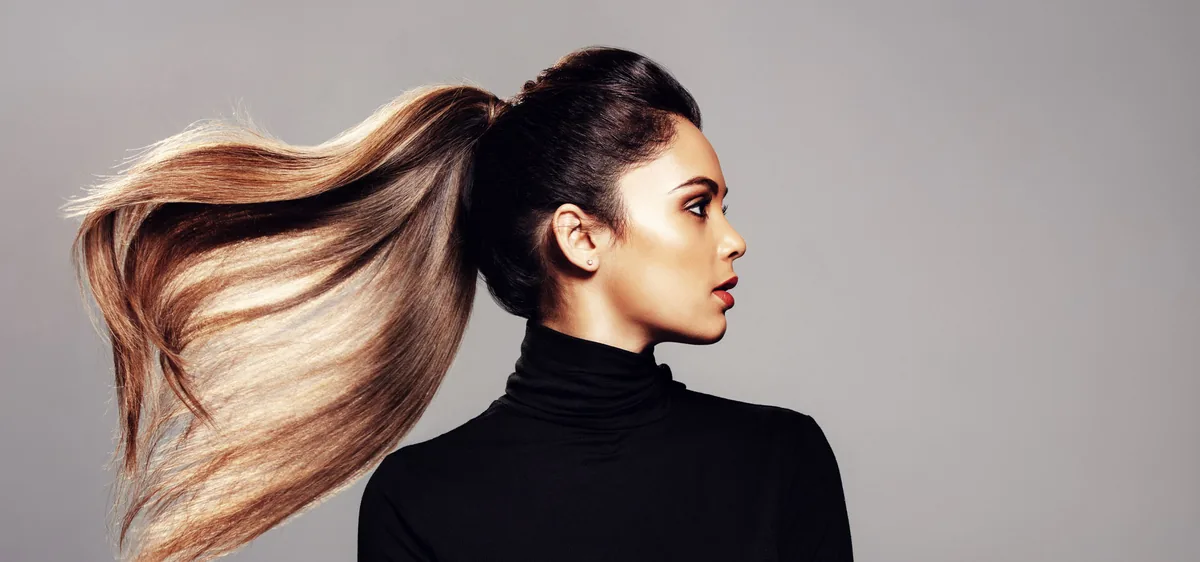
Gather the hair high at the crown, using a brush to smooth the sides and back. Secure it firmly, then wrap a strand around the base. Tease the ponytail gently at the crown if you want extra height, and add a loose curl through the lengths to keep them from looking flat.
Common mistake: skipping the wrap around the elastic. A bare elastic makes the whole style look rushed. One strand wrapped and pinned underneath turns a quick ponytail into a finished look in ten seconds.
9. The Half-Up Twist
Why it works: the half-up twist is the simplest way to hide oily roots while keeping your hair down. The twisted sections pull the front back neatly, the crown gets instant lift, and the rest of your hair falls loose and natural. It takes two minutes and it works on almost every hair type.
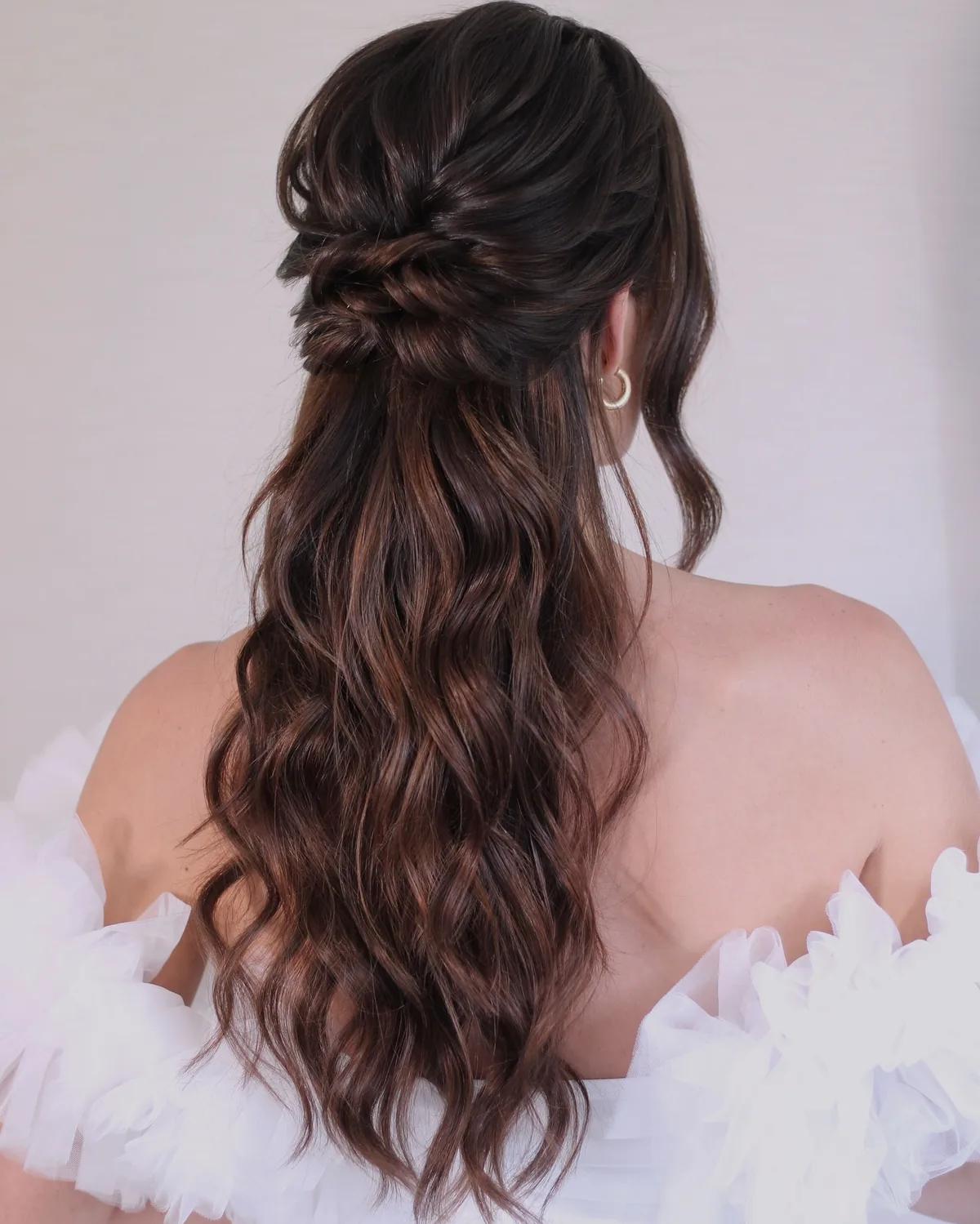
Take two front sections, one from each side, twist each one back toward the crown, and pin them together where they meet. Leave soft pieces around your face, and gently pull at the twists to make them look fuller. If the crown looks flat, tease it lightly before you pin.
Quick verdict: if you only learn one style from this guide, make it this one. It fixes the front, lifts the crown, and leaves the rest of your hair exactly as it is — which, on day two, is usually fine.
10. The Bubble Ponytail
Why it works: a bubble ponytail is playful, and day-two hair is its ideal base. The texture gives each bubble shape and grip, the ponytail holds its height, and the slightly lived-in finish keeps the style from looking too perfect or costume-like. It is fun without being fussy.
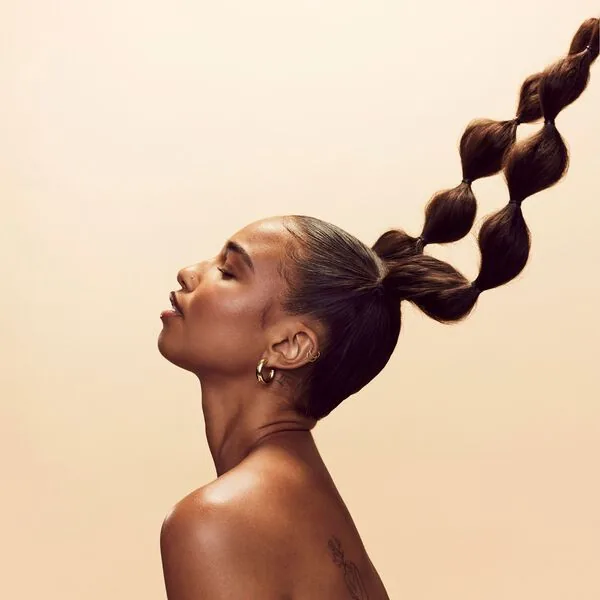
Secure a high or mid ponytail, then add small elastics every couple of inches down its length. Gently pull each section apart to form soft bubbles, keeping them even. Wrap the top elastic with a strand of hair, and smooth the crown with a little serum.
Common mistake: pulling the bubbles too wide too fast. Work gently and evenly, one section at a time, or the bubbles will look lopsided. Small, even tugs give a polished shape; big yanks give a mess.
11. The Claw Clip Twist
Why it works: the claw clip twist is the fastest second-day style there is, and it was practically made for hair that already has texture. The clip grips day-two hair easily, the twist hides the roots, and the whole look takes under a minute. It is the style you reach for when you have no time at all.
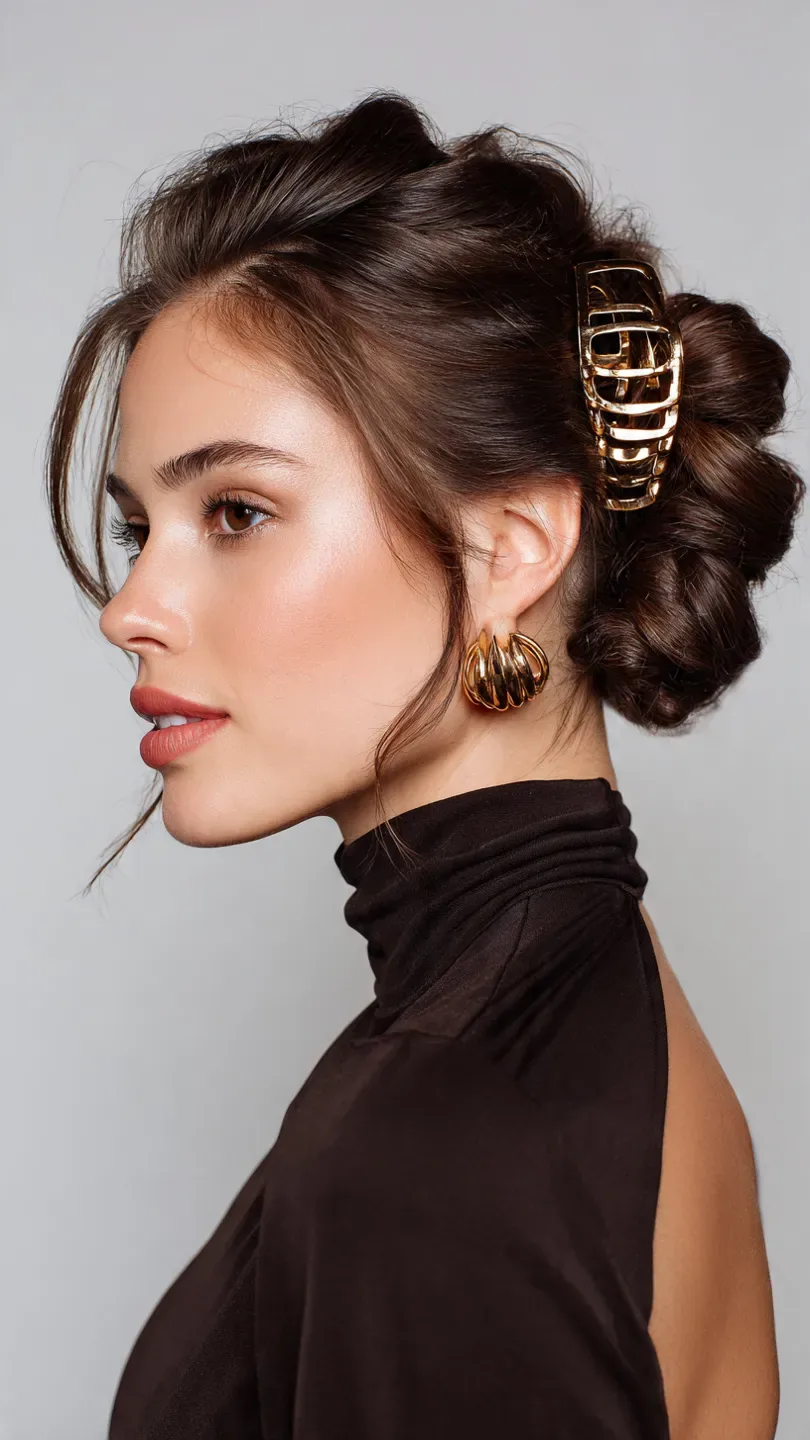
Gather the hair at the back, twist it upward, and fold the ends over. Clip it in place with a large claw clip, letting the ends fan out above the clip. Pull a few pieces free around the face for softness, and you are done.
Best for: busy mornings, work-from-home days, and errands. It is not a formal style, but it is the most useful one in this guide — and on day-two hair, it actually stays put instead of sliding out.
12. The Sleek Low Bun With a Centre Part
Why it works: this is the most polished way to wear second-day hair. The centre part is clean and symmetrical, the hair is smooth to the head, and the low bun is neat and intentional. Oily roots, which ruin hair worn down, become the shine that makes this style look expensive.
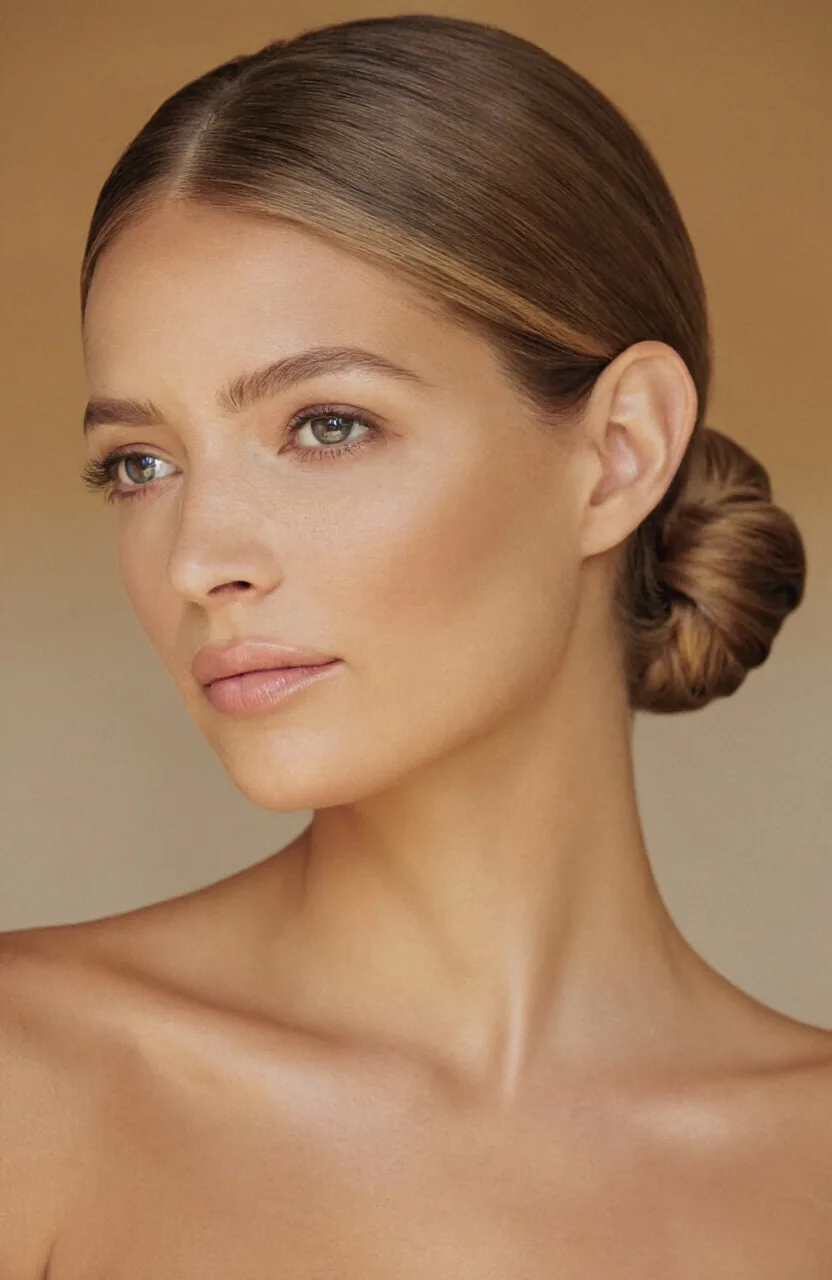
Part the hair in the middle, brush it smoothly back, and gather it into a low bun at the nape. Use a little gel or serum on the surface to tame flyaways, and pin the bun securely. Keep the part crisp — that is what makes the whole style look deliberate.
Quick verdict: when your roots are at their worst, this style is at its best. It is the answer to the morning you wake up, look in the mirror, and think there is nothing to be done with your hair.
13. The Messy Top Knot
Why it works: a messy top knot is a high, fun version of the messy bun, and it loves day-two texture. The knot holds its shape because the hair has grip, the height opens up the face, and the loose, piecey finish looks effortless in a way that freshly washed hair cannot fake.
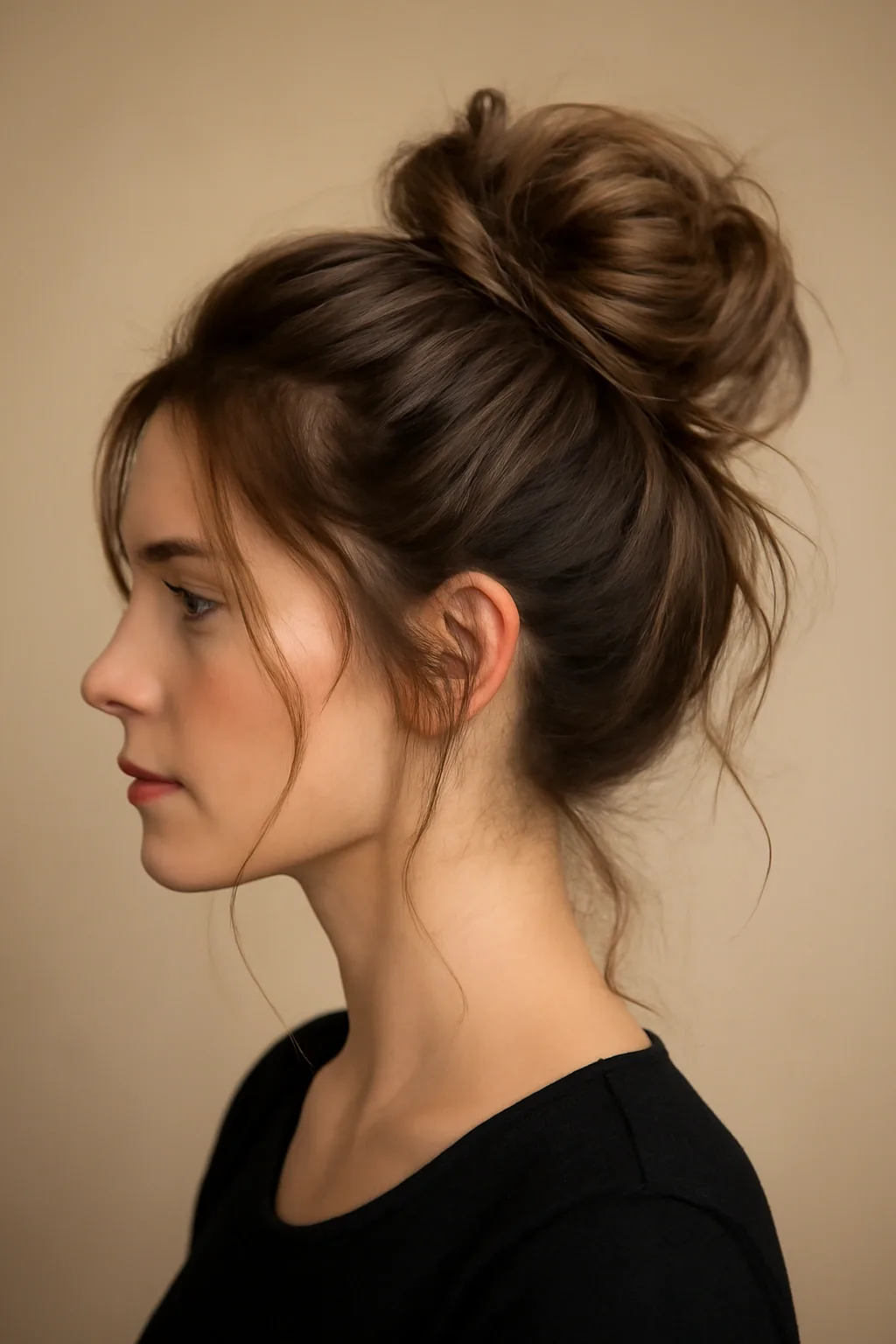
Gather the hair high on top of your head, twist it loosely, and coil it into a knot. Pin it where it feels secure and pull at the edges to widen it. Leave the front soft with a few pieces free, and do not worry about perfection — a top knot that looks a little undone is exactly right.
Common mistake: making the knot too neat. A tight, smooth top knot on day-two hair looks like a ballet bun and loses all the charm. Keep it loose, keep it textured, and let it be messy on purpose.
14. Dutch Braids, Softened
Why it works: Dutch braids sit on top of the hair, which makes them bold and visible — and they hold far better on day-two hair than on slippery clean hair. The natural grip keeps the braids tight and neat all day, while softening them afterward gives a relaxed, lived-in finish.
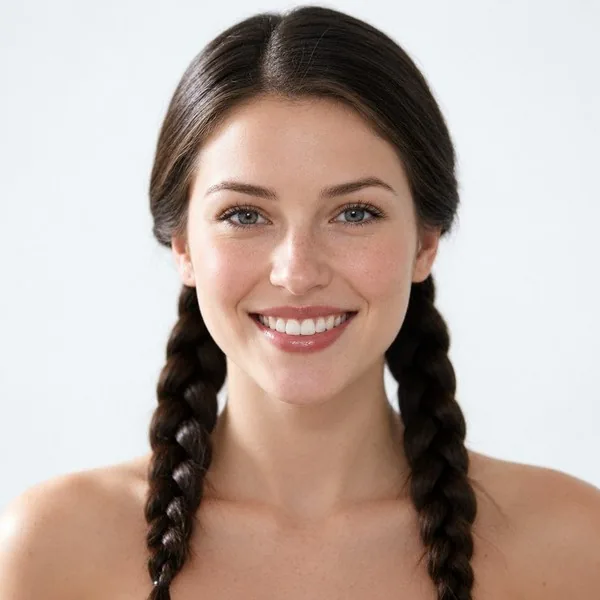
Dutch-braid from the front hairline on each side, working back toward the nape, then secure both braids. Gently pull the edges of each braid apart to widen and soften them, and pull a few face-framing pieces free. The softened finish is what keeps the style from looking sporty or severe.
Best for: active days, festivals, and any day when your hair needs to stay put from morning to night. These braids will not budge, and they look better as they loosen.
15. The Fishtail Braid, Pulled Apart
Why it works: a fishtail braid looks intricate and impressive, but it is easier than it looks — and it is easier still on day-two hair, where the strands grip and the braid keeps its shape. Pulling it apart afterward gives it a soft, full, romantic look that suits the slightly lived-in texture perfectly.
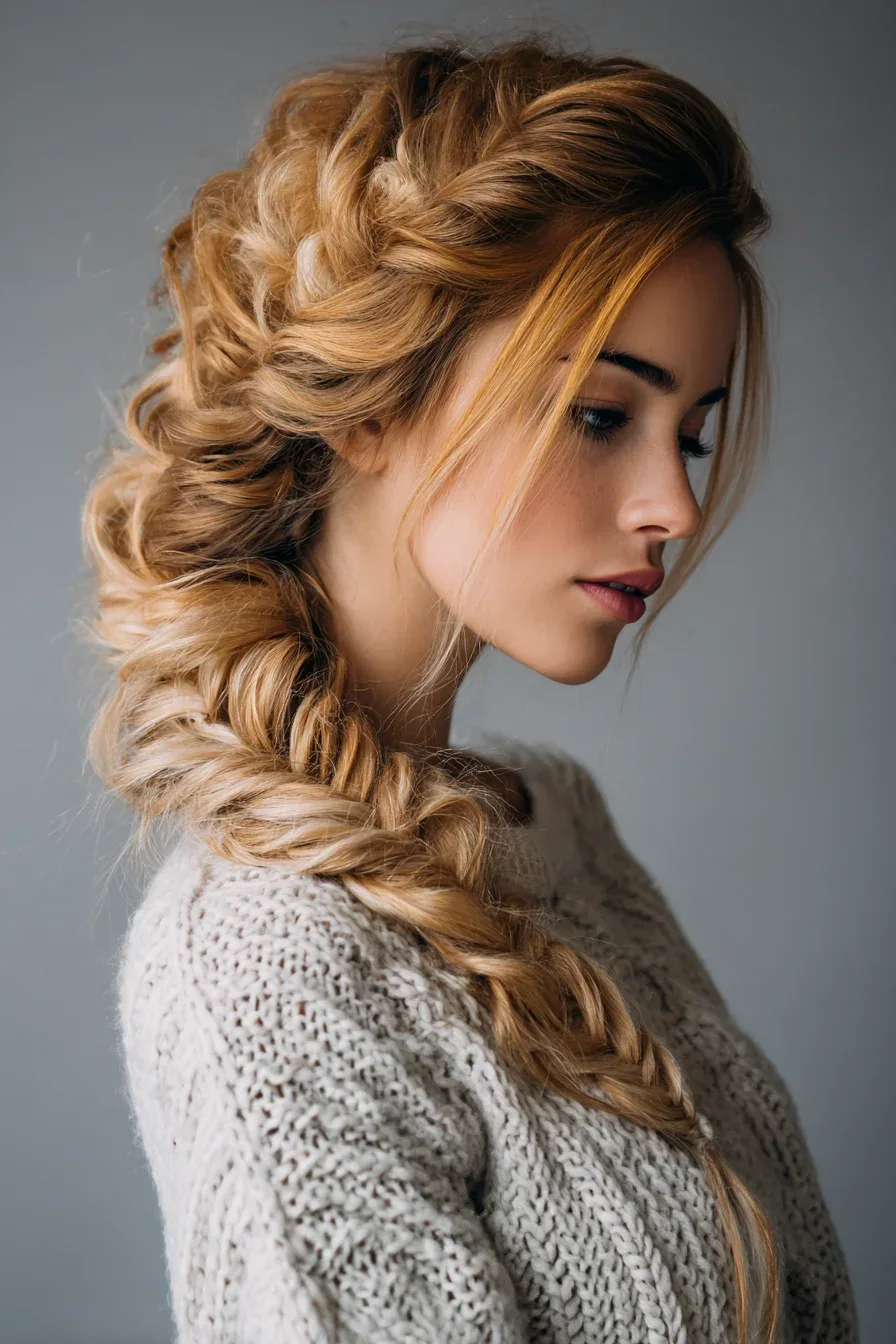
Fishtail-braid loosely from the nape down, taking small sections from the outside of each side and crossing them over. Secure the end, then gently pull the edges of the braid apart, working from the bottom up, until it is as wide and soft as you like.
Common mistake: braiding too tightly and then being afraid to pull it apart. A fishtail only looks good when it is loosened — a tight fishtail looks thin and severe. Pull generously, and trust that the day-two grip will hold it together.
16. Second-Day Beach Waves, Refreshed
Why it works: beach waves are supposed to look a little undone, which makes them the perfect day-two style. The waves from yesterday are still there underneath the flattening — they just need waking up. A little water, a little salt spray, and a scrunch is usually enough to bring them back.

Mist the hair lightly with water, scrunch in a little texture or sea-salt spray, and let it air-dry for a few minutes. If the front pieces went flat, curl just those two or three pieces with a large iron. Finish by shaking the hair out at the roots with your fingers for lift.
Quick verdict: this is the lowest-effort refresh in the guide. You are not restyling your hair — you are reminding it what it looked like yesterday, and day-two hair remembers very well.
17. The Slicked-Back Low Ponytail
Why it works: slicked-back styles turn day-two oil into a feature. The hair is combed back smoothly, the roots look intentionally glossy, and the low ponytail keeps everything neat and out of the way. It is a runway look that is genuinely easier on second-day hair than on clean hair.
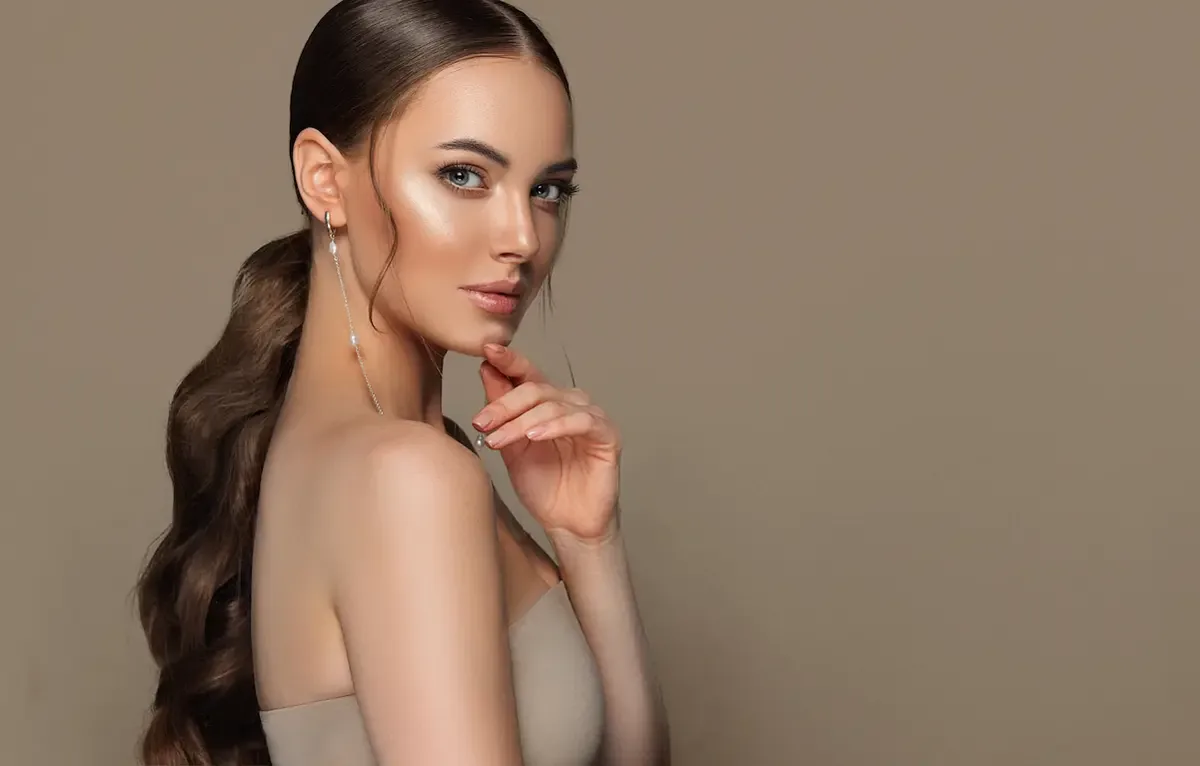
Comb the hair straight back with a little gel or pomade, working from the hairline toward the crown. Gather it into a low ponytail and secure it firmly. Smooth the surface with your palms and a touch more product, and wrap a strand around the base to finish it.
Common mistake: using too much product. A slicked-back style needs control, not wetness. Start with a small amount, add more only if the flyaways fight back, and keep the lengths soft so the style looks sleek rather than soaked.
18. The Scarf-Wrapped Low Bun
Why it works: a silk scarf does three jobs at once on day-two hair. It covers the roots, it adds colour and personality to a simple bun, and it holds everything in place. It is the easiest way to make a basic low bun look like a deliberate outfit choice instead of a last resort.
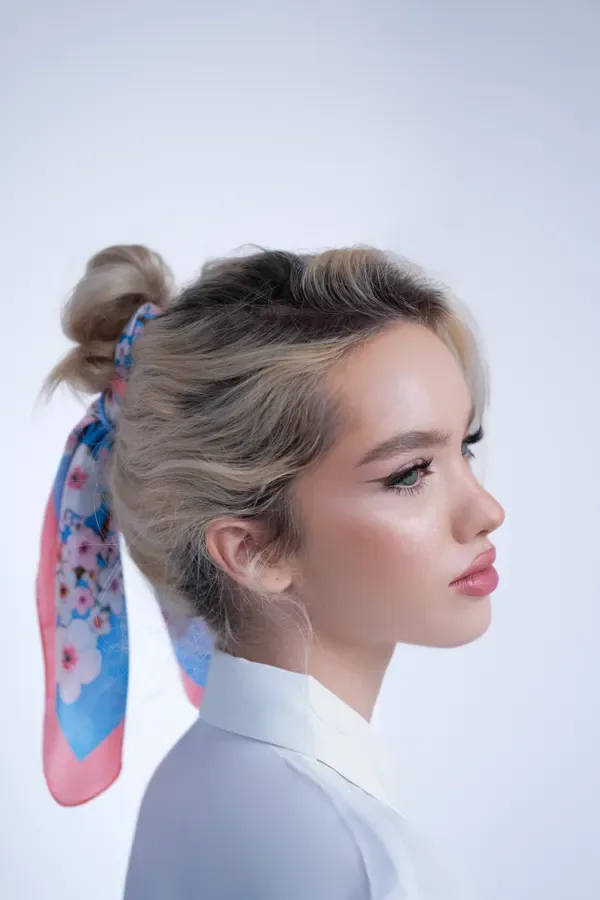
Gather the hair into a low bun and secure it. Fold a silk scarf into a band, wrap it around the bun or around your head like a headband, and tie it neatly at the side or underneath. Let the ends hang free, or tuck them in for a cleaner finish.
Best for: days when your roots are beyond dry shampoo and you still want to look put together. The scarf covers what you want covered and adds a detail that makes the whole look feel intentional.
19. The Pineapple Puff for Curls
Why it works: curly hair on day two is often at its best — the curls have settled, the frizz has calmed, and the shape is softer than on wash day. The pineapple gathers the curls high on top of the head, which lifts the roots, shows off the curl pattern, and keeps the hair out of your face.
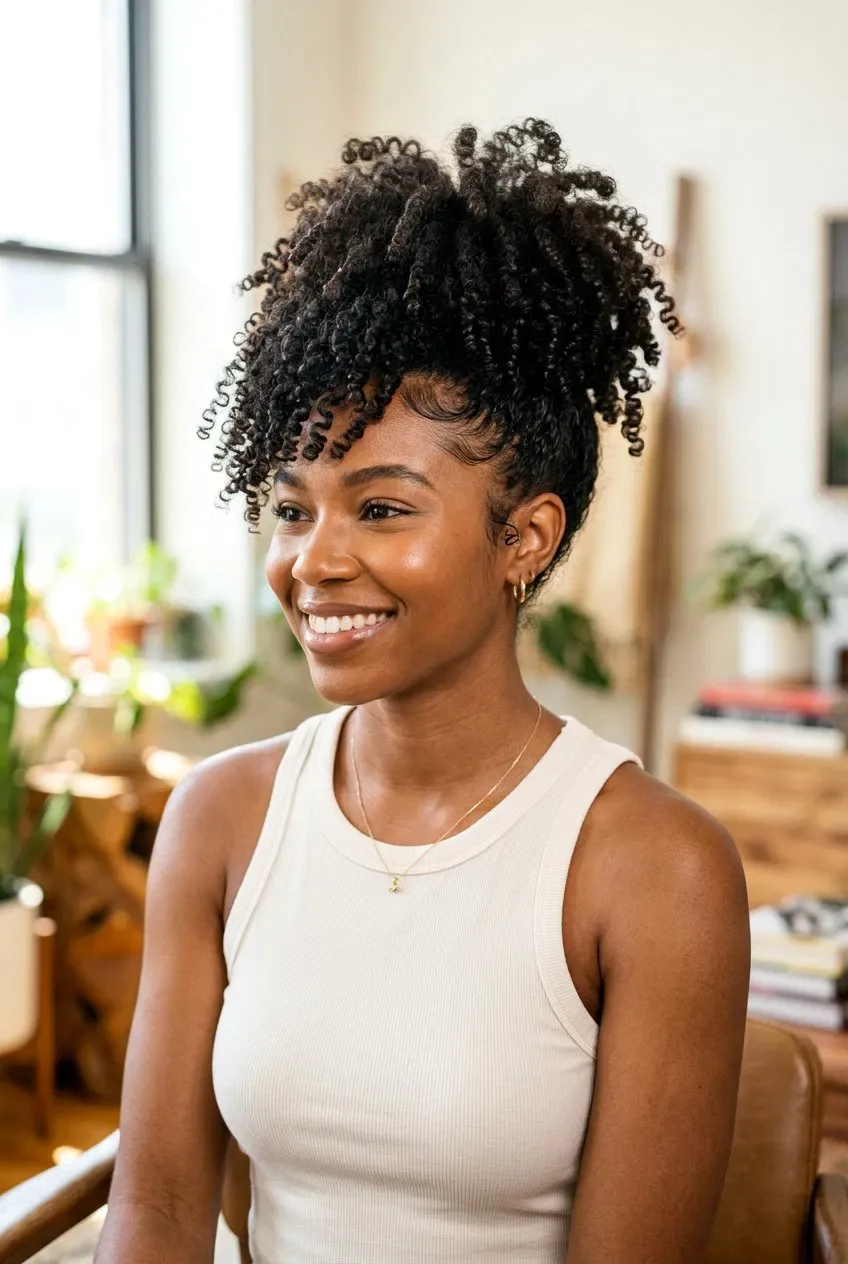
Gather the curls loosely at the very top of your head and secure them with a soft scrunchie or a loose elastic — never a tight one. Let the curls fall forward and to the sides naturally. Refresh any flat pieces at the front with a little water and curl cream scrunched in.
Common mistake: pulling the pineapple too tight. A tight pineapple flattens the curls and pulls at the hairline. Loose is the whole point — the curls should sit on top of your head like a crown, not be yanked into a ponytail.
20. The Twisted Low Ponytail
Why it works: a twisted low ponytail looks far more polished than a plain one, but it takes only a minute longer — and day-two texture makes the twist hold. The twist adds a detail at the back that turns an ordinary ponytail into something that looks styled.
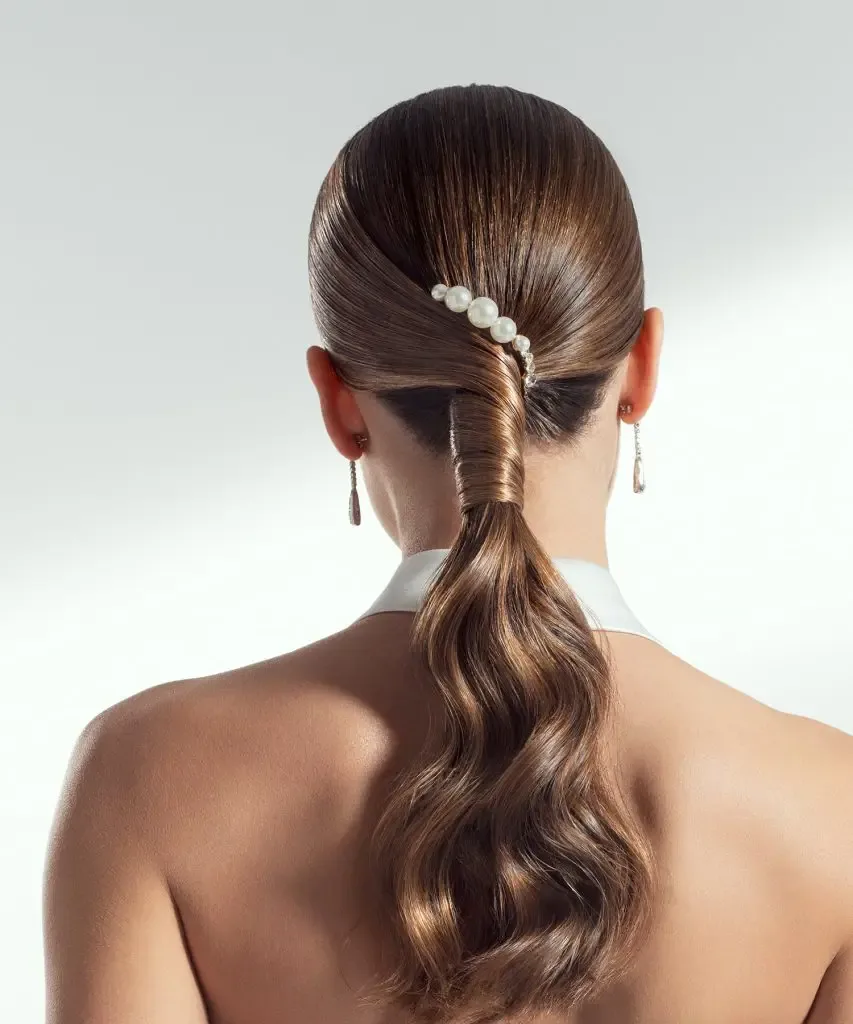
Part the hair down the middle, then take a section from each side, twist them toward the back, and join them into a low ponytail. Secure it, wrap a strand around the base, and gently pull at the twists to make them look fuller.
Quick verdict: this is the ponytail to wear when a plain ponytail feels too plain but you do not have time for an updo. One extra twist, and the whole style looks like you made an effort.
21. The Braided Ponytail
Why it works: a braided ponytail combines the neatness of a ponytail with the detail of a braid, and both parts benefit from day-two hair. The ponytail base stays high because the hair has grip, and the braid holds its shape without slipping. It looks polished from the front and detailed from the back.
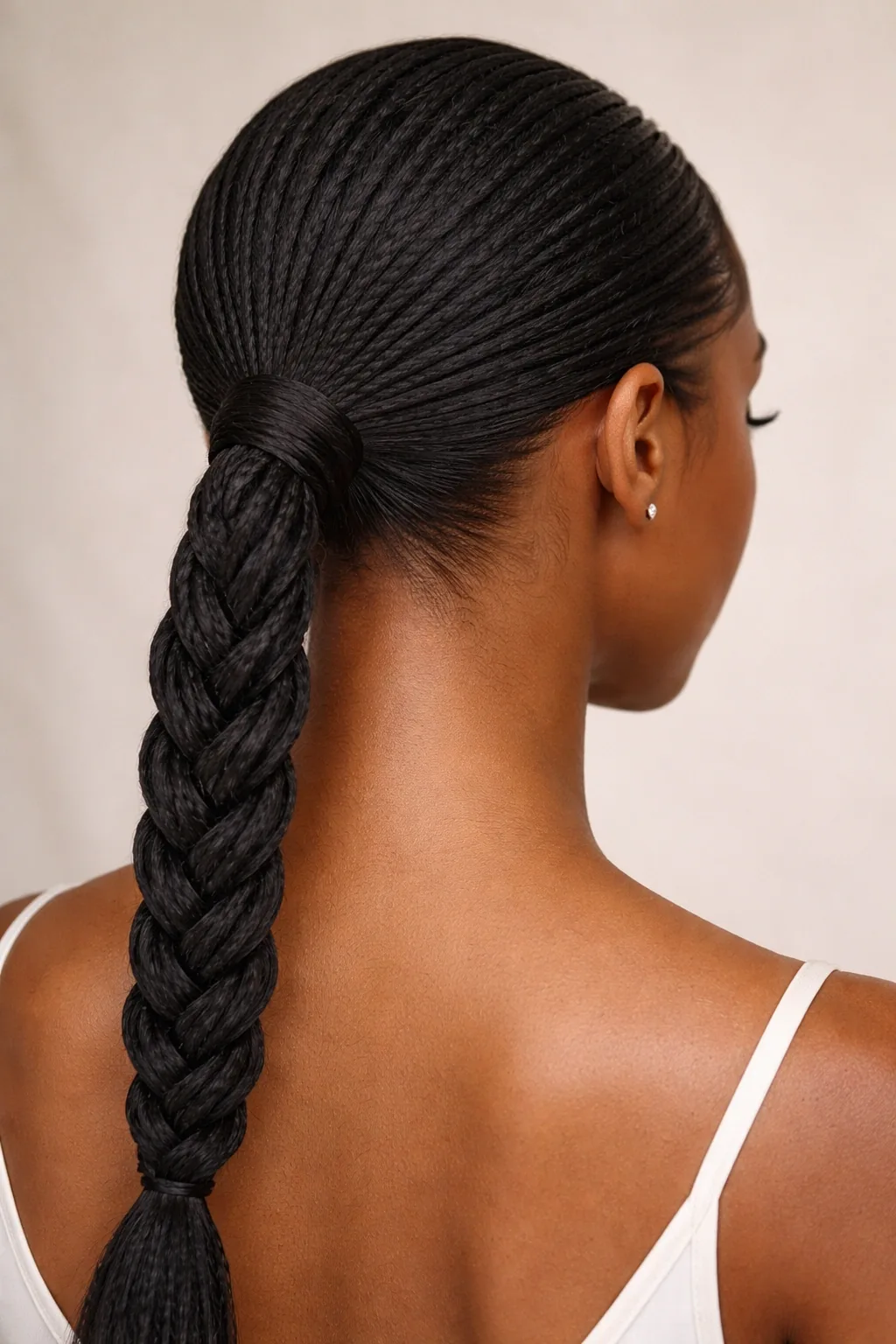
Secure a high or mid ponytail, then braid the length loosely — a regular three-strand braid or a fishtail both work. Secure the end, pull the braid apart gently for fullness, and wrap a strand around the top elastic to hide it.
Best for: long hair on active days. It keeps everything contained and tidy, it survives wind and workouts, and it looks better as the day goes on and the braid softens.
22. The Half-Up Braid
Why it works: the half-up braid is the best of both worlds for day-two hair. The braid pulls the oily front sections back and anchors them, while the rest of the hair falls loose and shows off whatever wave or texture is left from yesterday. It looks romantic and effortless.
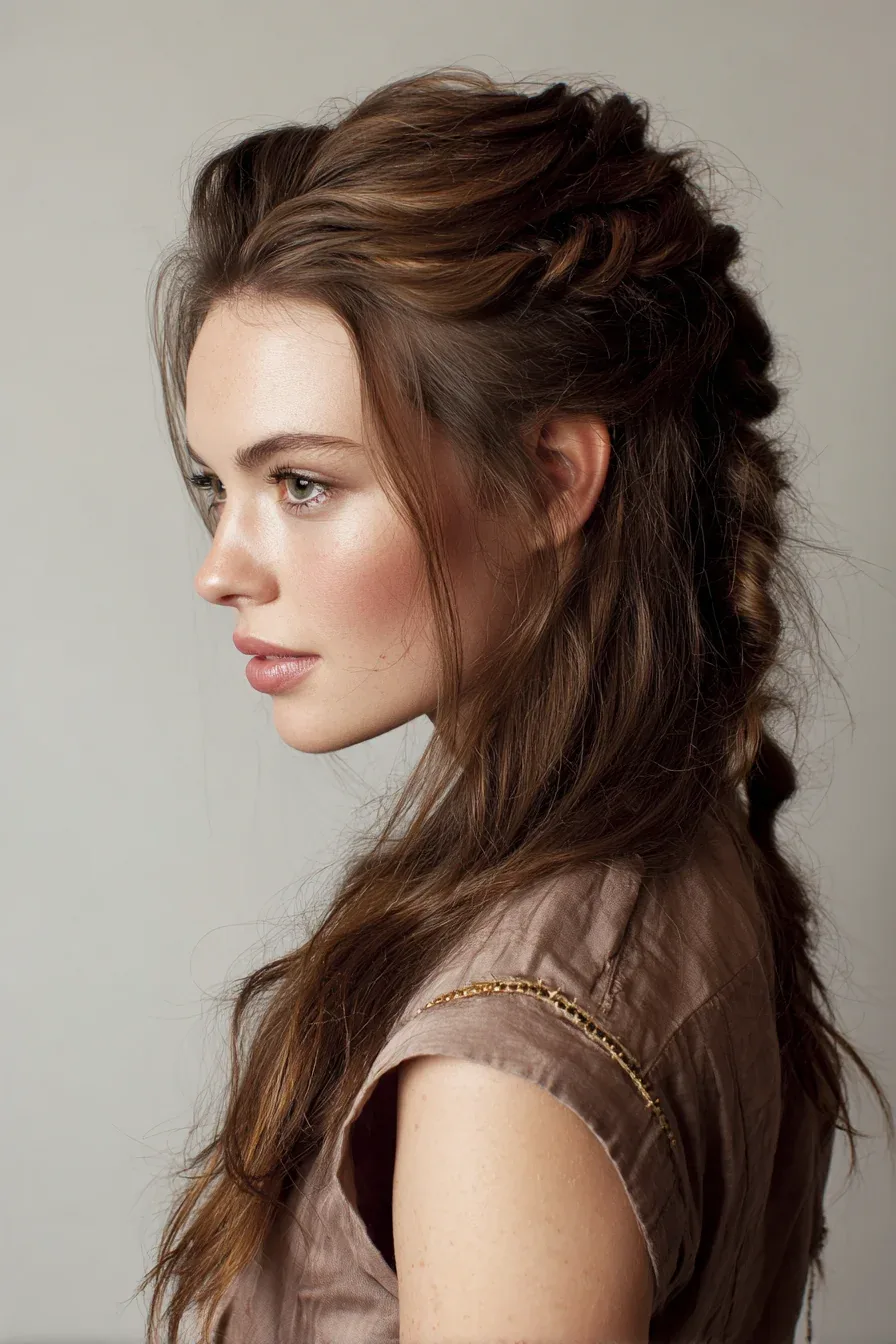
Braid a section from each side of your head and join them at the back, or braid one section across the crown. Secure it discreetly, loosen the braid slightly, and leave the rest of the hair down. Refresh the loose lengths with a quick scrunch of texture spray if they look flat.
Common mistake: braiding the top section too far back. Start the braid near the temples, not at the crown, or the style will look like a headband rather than a half-up braid — and it will pull uncomfortably at the front.
23. Side-Swept Waves
Why it works: side-swept waves are a glamorous way to wear day-two hair down. Sweeping everything to one side hides the flattest part of the crown, shows off the length and shine, and gives the style a deliberate, red-carpet shape. The waves from yesterday are usually still there — they just need direction.
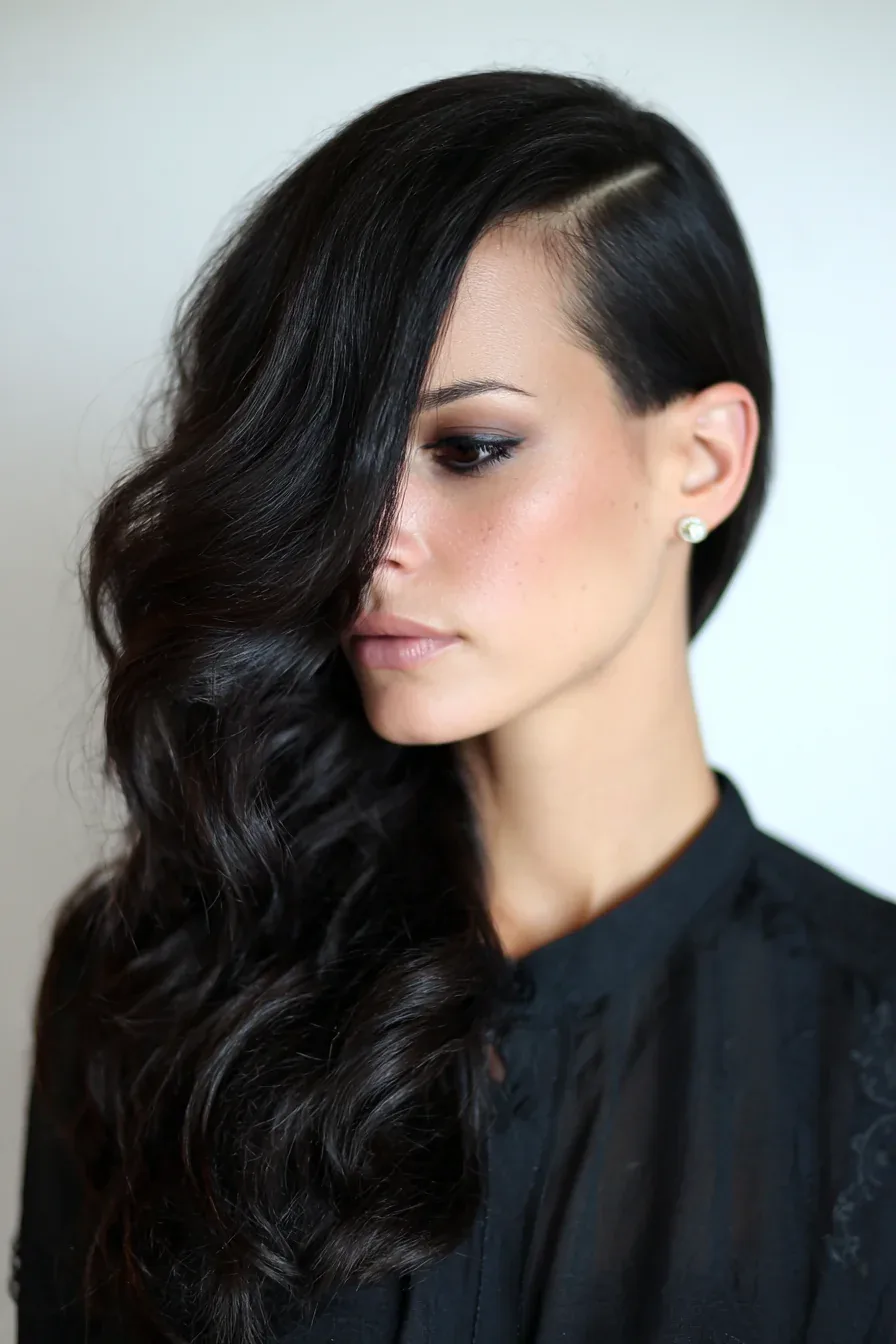
Curl the front pieces loosely if they went flat, then sweep all the hair over one shoulder and pin it discreetly at the back of the neck. Shake the waves out gently with your fingers and finish with a light spray. The deep side part is what makes it look intentional.
Quick verdict: if your lengths still look good but your crown is flat, this is your style. It hides the tired part, shows off the good part, and takes about five minutes.
24. The Low Knot With Face-Framing Pieces
Why it works: this is the softest version of the low bun, and it suits day-two hair perfectly. The knot itself is loose and textured, the face-framing pieces soften the whole look, and the style reads as relaxed and romantic rather than formal. It is an updo that does not look like an updo.
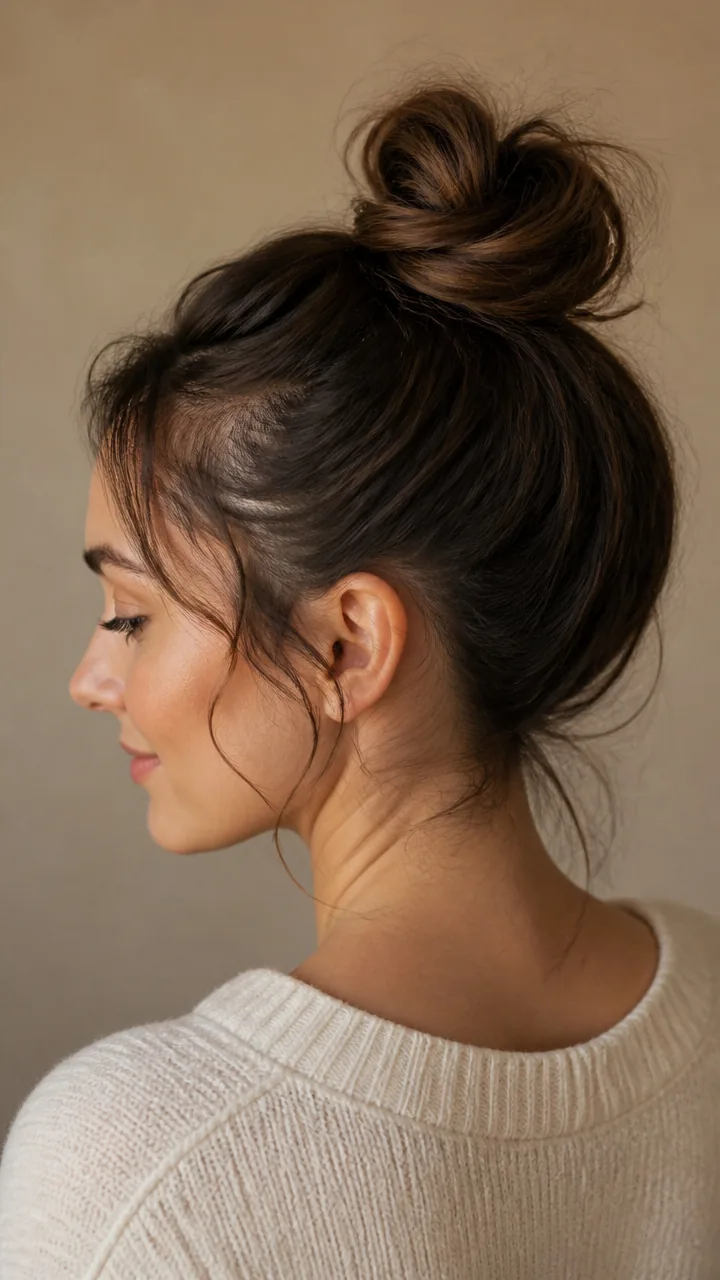
Gather the hair low, twist it into a loose knot, and pin it securely. Before you start, leave two soft pieces free at the front — or pull them out afterward. Curl the pieces lightly if they went flat overnight, and loosen the knot slightly by tugging at the edges.
Best for: dinners, dates, and occasions where you want to look soft and polished. The tendrils frame the face beautifully, and the loose knot keeps the whole style from feeling stiff.
25. Double Buns, Softened
Why it works: double buns are playful, and day-two texture is what makes them work. The hair has enough grip to hold two buns in place, and the slightly lived-in finish keeps the style from looking too perfect or costume-like. It is fun, youthful and surprisingly practical.

Part the hair down the middle, gather each side into a high bun, and pin them securely. Loosen each bun slightly and pull a few pieces free around the face. Keep the buns soft and a little messy — tight, smooth buns lose all the charm of this style.
Common mistake: placing the buns too low or too far back. Double buns belong high and slightly to the sides, like a soft version of space buns. Too low and they look like pigtails; too far back and they disappear from the front view.
26. The Headband Tuck
Why it works: the headband tuck is a vintage trick that hides almost everything about day-two hair you might want to hide. The headband covers the roots, the tucked ends hide bent or frizzy lengths, and the rolled shape looks like a deliberate retro style. It is a complete disguise that looks like a fashion choice.
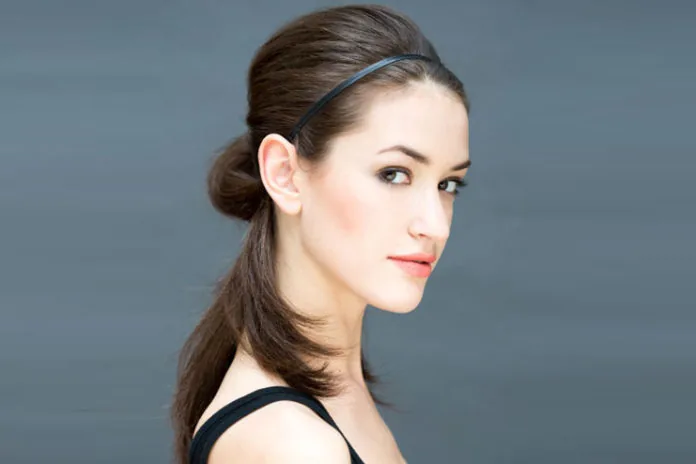
Place a stretchy headband over your hair, sitting on top like a crown. Take sections of hair from the sides and back and tuck them up and under the band, working your way around until all the lengths are rolled in. Pull a few pieces free at the front for softness.
Best for: hair that is too short for a bun but too tired to wear down. It works on shoulder-length hair and longer, and it turns a bad hair morning into a style people will ask about.
27. The Blowout Refresh
Why it works: a blowout rarely survives the night intact, but the volume and shape are still there underneath the flattening. A quick refresh — not a full re-blowout — brings back the bounce in minutes, and day-two hair actually holds the refreshed volume better than freshly washed hair does.
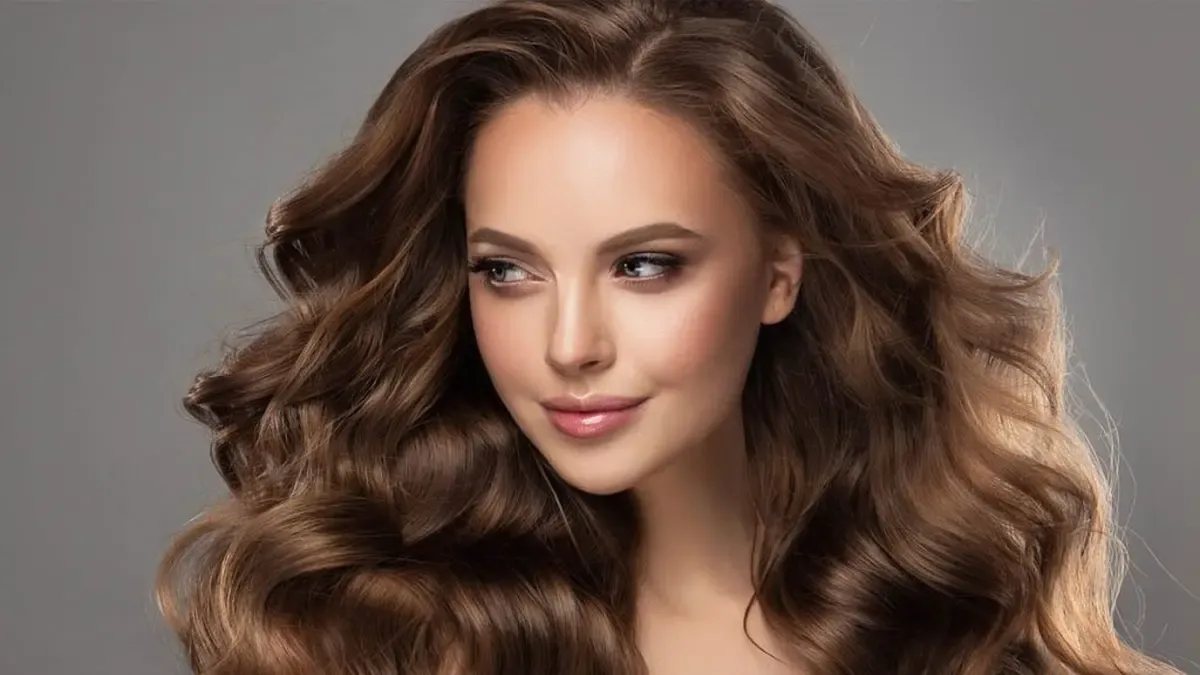
Use a round brush and a dryer on the crown and front sections only, lifting at the roots as you dry. Add a little dry shampoo at the roots for grip, and finish with a cool shot from the dryer to set the shape. The lengths usually just need a brush-through, not more heat.
Common mistake: re-blow-drying your whole head. That takes twenty minutes and adds heat damage for no reason. Refresh the crown and the front — the parts people actually see — and leave the rest alone.
28. The Textured Lob, Day Two
Why it works: a textured lob — a long bob — is at its best on day two. The cut has natural texture built in, the ends have a little bend from yesterday, and the whole shape looks more lived-in and modern than it does freshly styled. Short hair shows oil faster, but the lob’s texture hides it well.
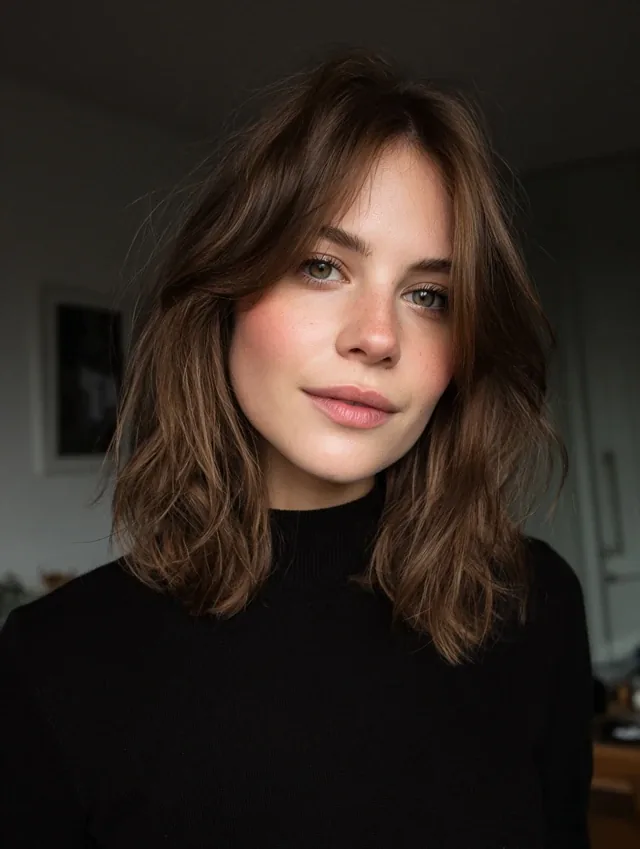
Scrunch a little texture spray or mousse through the lengths, focusing on the ends. If the front went flat, add a loose wave with a flat iron on two or three pieces. Tuck one side behind the ear for a clean, asymmetric finish.
Quick verdict: if you have a lob, day two is your friend. The cut was designed to look good messy, and second-day texture is exactly the kind of messy it wants.
29. The Rope Braid Ponytail
Why it works: a rope braid is the simplest braid there is — just two strands twisted around each other — and it looks impressively neat. On day-two hair the twist holds its shape without slipping, and the rope texture shows off the shine and length of the ponytail beautifully.
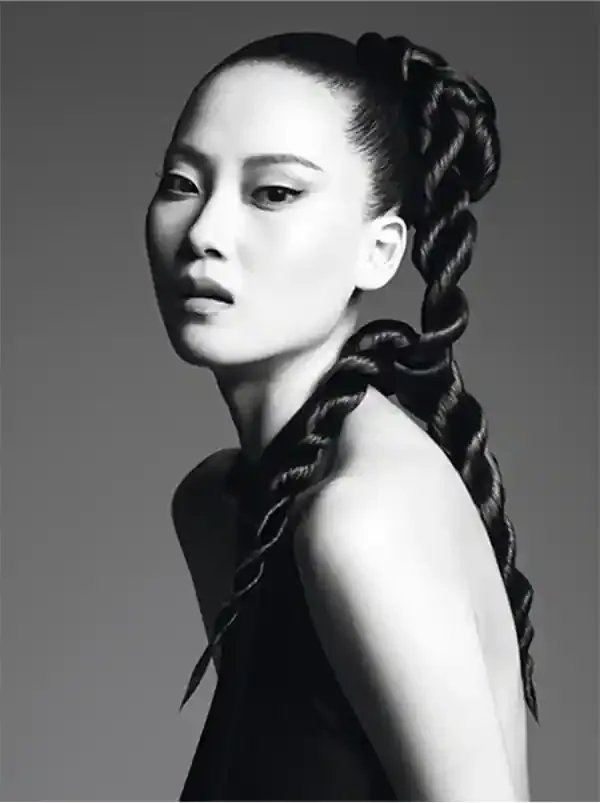
Secure a ponytail, split it into two sections, and twist each section in the same direction. Then twist the two sections around each other in the opposite direction and secure the end. The opposing twists are what lock the rope in place.
Common mistake: twisting both steps in the same direction. If you twist the sections and the rope the same way, the braid unravels the moment you let go. Twist the sections one way, wrap them the other way, and the rope will hold all day.
30. The Knotted Low Ponytail
Why it works: a knotted ponytail replaces the elastic with a knot made from your own hair, which looks chic and intentional — and day-two texture is what makes the knot hold. On slippery clean hair the knot slides apart; on second-day hair it grips and stays.
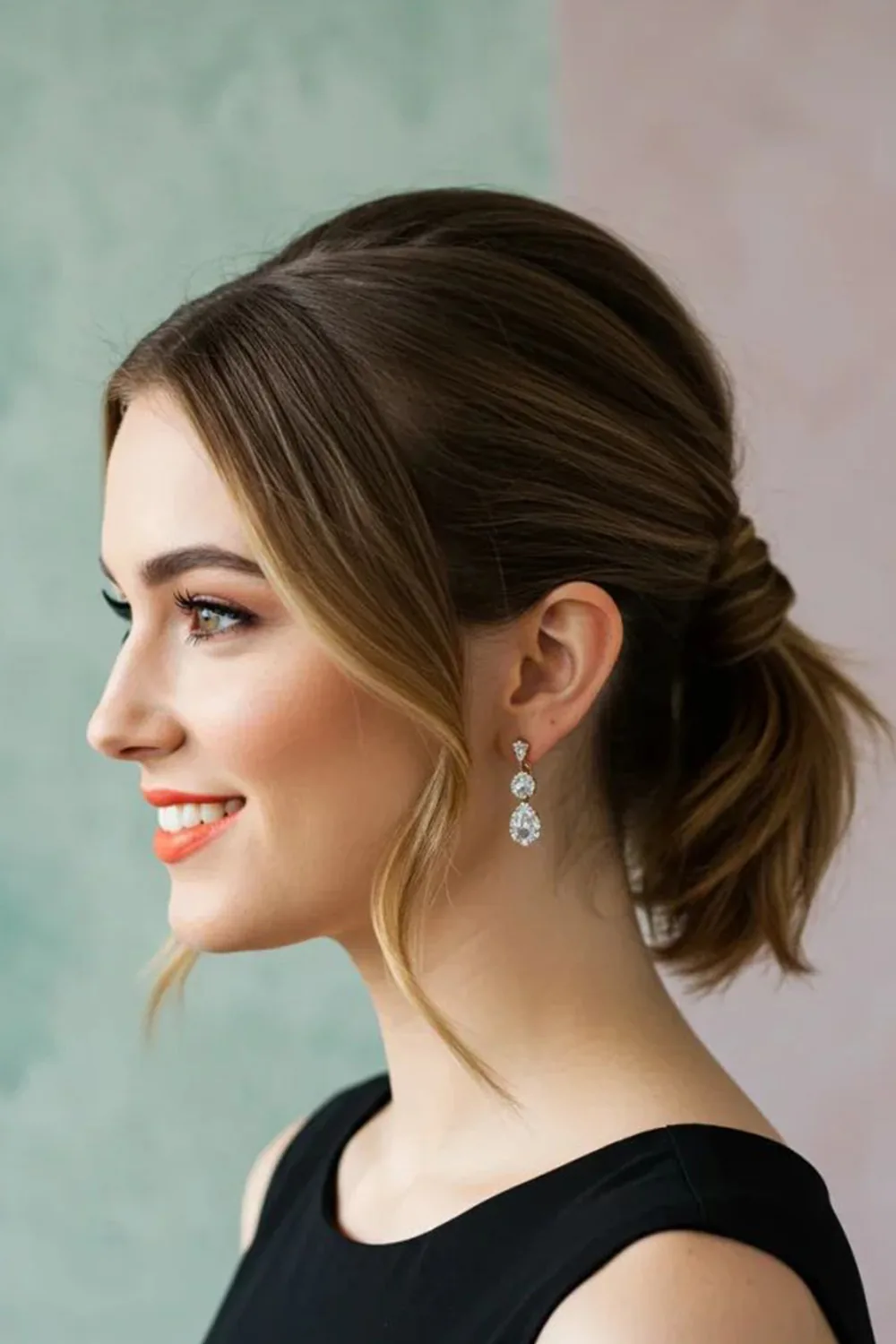
Gather the hair into a low ponytail, then split the tail into two sections and tie them in a simple knot, like the first step of tying shoelaces. Secure the knot with a small elastic hidden underneath, and smooth the crown with a little serum.
Best for: anyone who wants a ponytail that looks like more than a ponytail. It is a small detail that makes people look twice, and it takes about thirty seconds longer than a regular ponytail.
31. The Curly Puff With a Headband
Why it works: curly hair on day two often has the best definition of the week — the curls have settled into their shape and the frizz has calmed. A puff gathers the curls up and back, the headband keeps the front neat and covers any flat spots at the hairline, and the whole style takes two minutes.
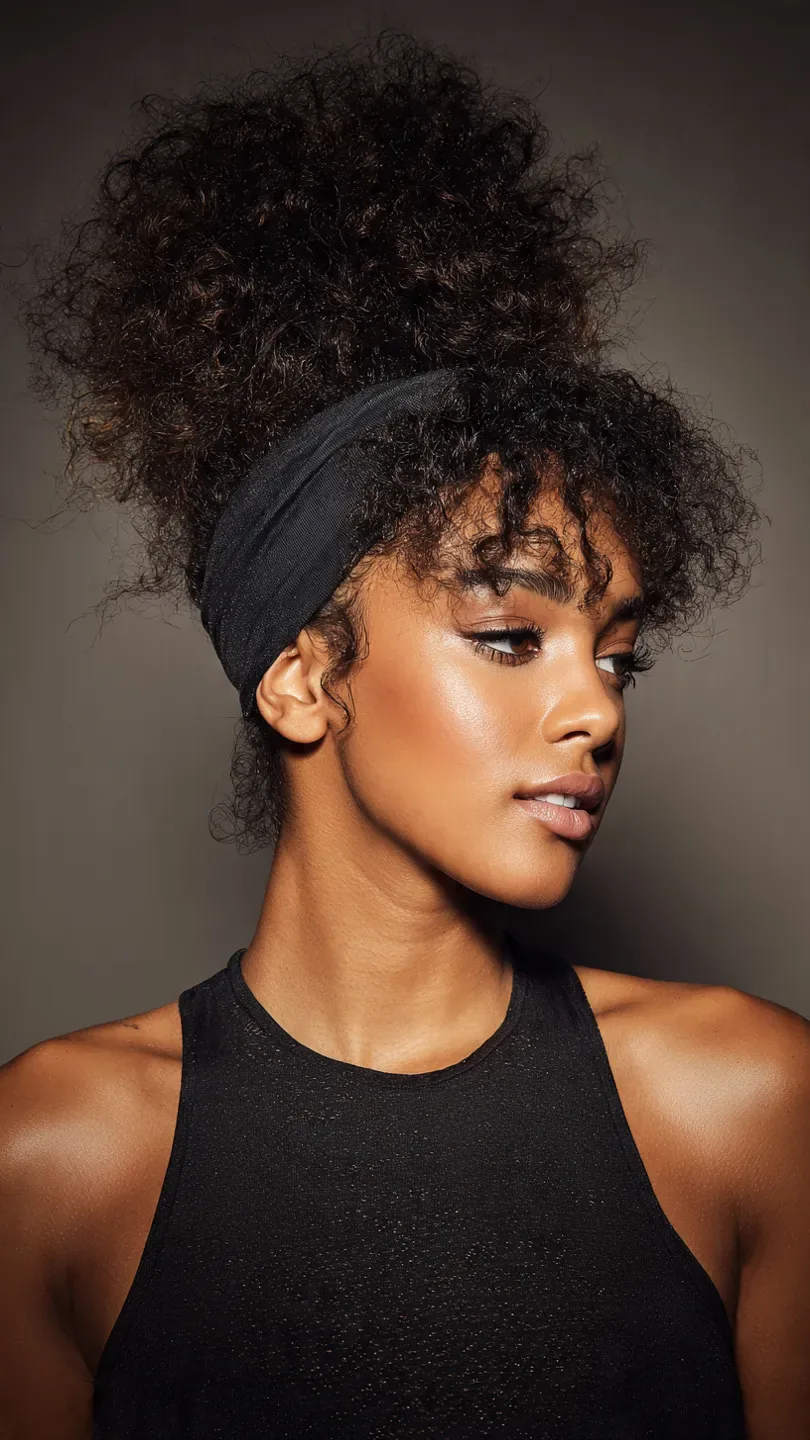
Gather the curls into a puff at the crown or the back of the head, securing loosely with a soft band. Place a headband a couple of inches behind the hairline, and let the curls fall naturally around it. Refresh the front curls with a little water and cream if they need it.
Quick verdict: this is the easiest good-looking style for curly day-two hair. The headband does the work of hiding the flat spots, and the puff shows off the curls at their best.
32. The Wrapped French Twist
Why it works: a French twist is the most elegant updo in this guide, and it genuinely prefers day-two hair. The natural grip holds the twist in place with fewer pins, the texture keeps it from looking too severe, and the slightly softened finish makes it look romantic rather than formal.
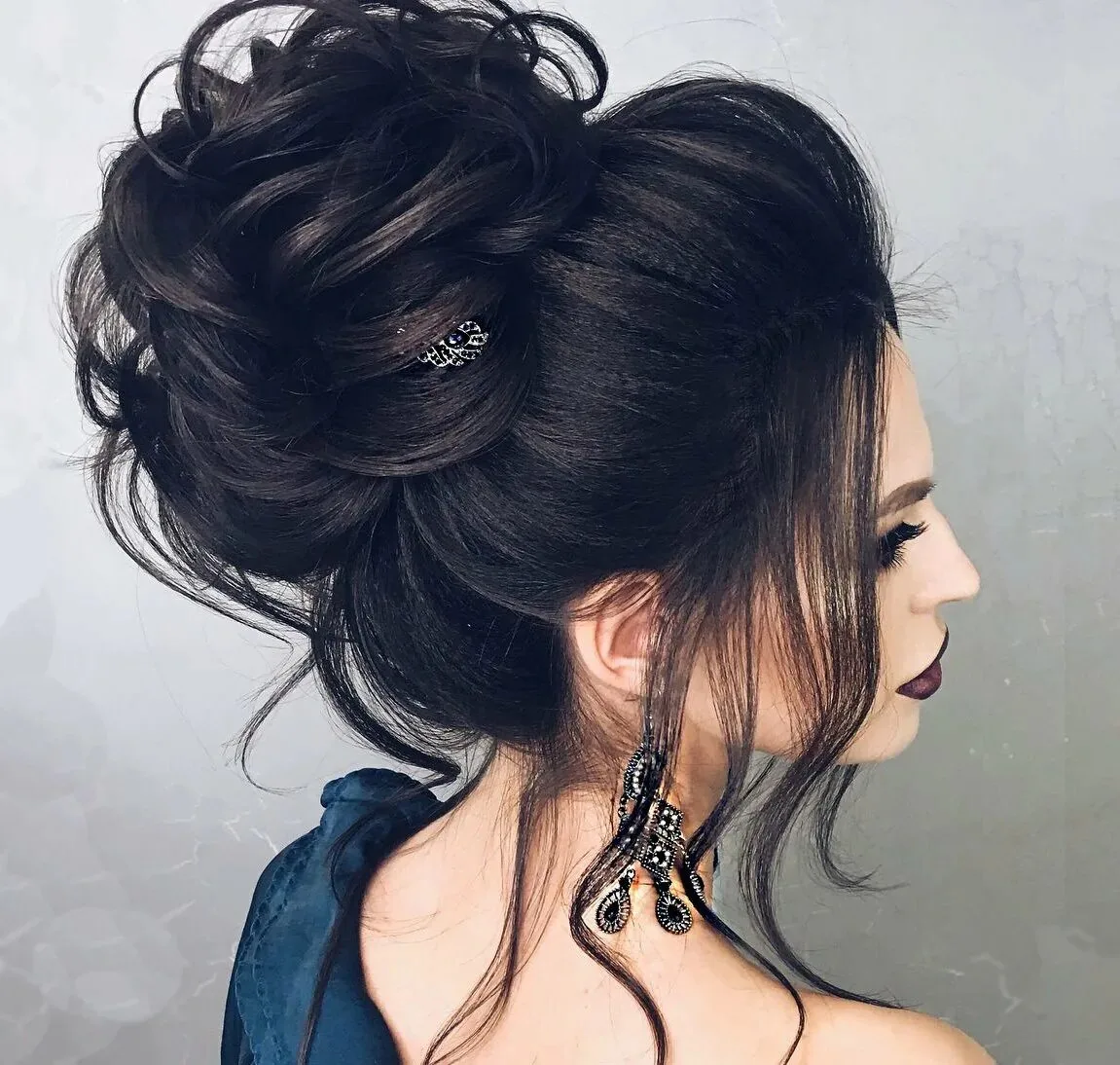
Gather the hair to one side, twist it upward, and tuck the ends in, pinning along the twist as you go. Smooth the surface with your palms and a little serum, and leave a few soft pieces free at the front. It takes practice, but day-two hair makes it noticeably easier than clean hair does.
Common mistake: trying a French twist on freshly washed hair and giving up. The style is not hard — the hair is just too slippery. Try it on day two, when the grip is on your side, and it will come together in minutes.
33. Your Best Hair, Your Way: The Signature Second-Day Look
Why it works: the last style in this guide is not a style at all — it is yours. The way you wear your hair on a good day, the part you always wear, the length you love, the wave or curl or straightness that is simply you, polished one careful step. Every other style in this guide is an idea; this one is the answer.
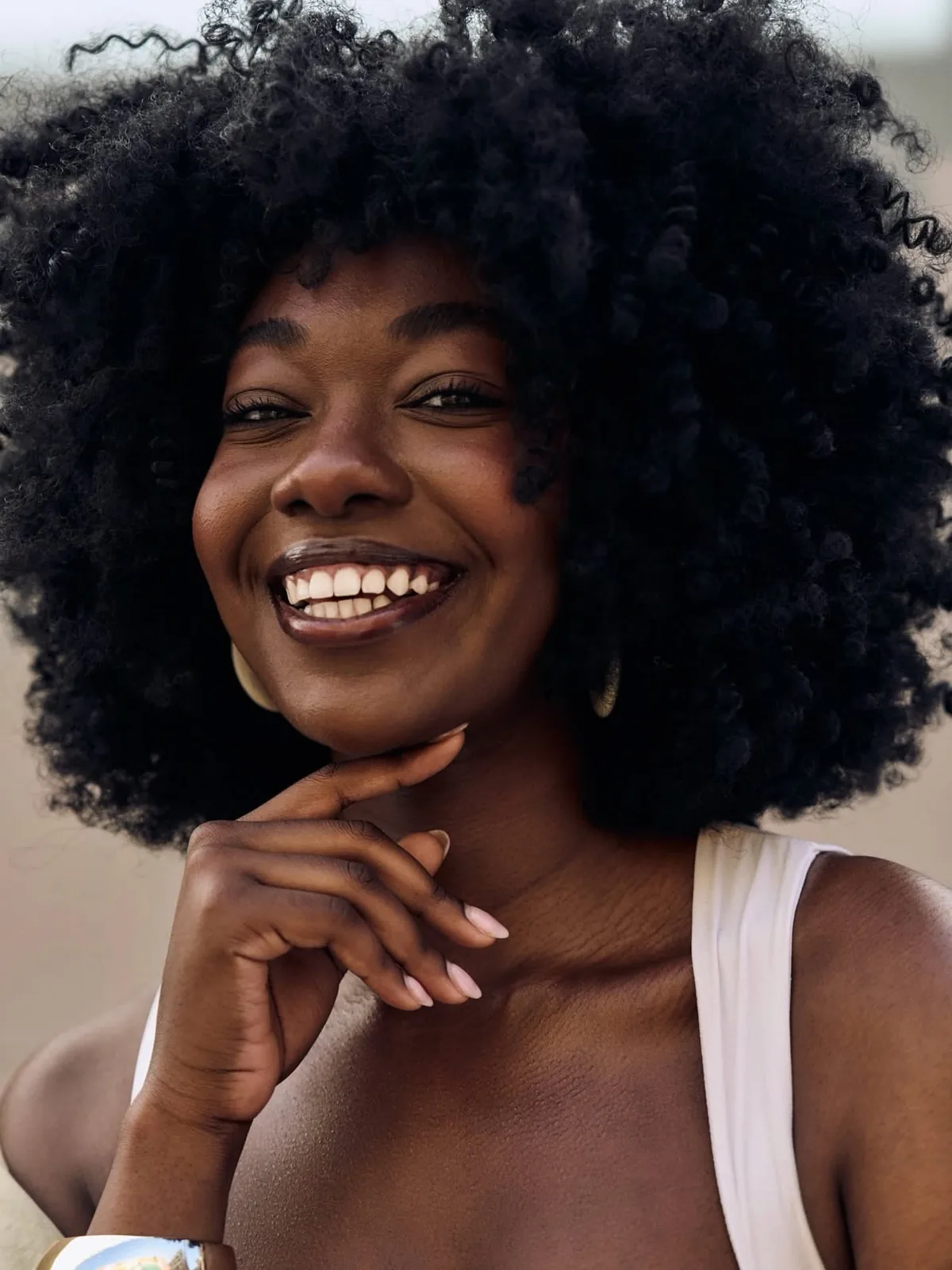
Second-day hair is already your hair at its most honest — settled, textured, and shaped by how you actually live in it. Wear it the way you like it best, then add one small polish: a smoother front, a little more shine, a cleaner part. That is all it needs.
Quick verdict: you do not need a new style every day. You need one you trust, one that works with your hair instead of against it, and the confidence to wear day-two hair like it was the plan all along — because, with this guide, it was.
Can I do hairstyles for second-day hair without dry shampoo?
Yes — dry shampoo helps, but it is not required. A sleek ponytail, a low bun, a braid or a claw-clip twist all hide oily roots without any product, and a deep side part moves the oiliest section out of sight. If your roots feel heavy, a little baby powder brushed through works on light hair, and a scarf or headband covers the roots completely.
How do I make second-day hair look clean without washing it?
Focus on the roots, because that is where oil shows. Brush the hair gently to spread oil down the lengths, use dry shampoo at the roots and brush it through, and choose a style that pulls the front back — a half-up twist, a sleek ponytail or a braided crown. Clean-looking lengths and hidden roots read as clean hair.
Is second-day hair actually better for braids and updos?
Yes, and most stylists agree. Freshly washed hair is slippery, so pins slide out and braids loosen. Second-day hair has natural texture and grip, which holds braids, buns and twists in place for hours with fewer pins. That is why the styles in this guide are built for day two, not in spite of it.
How do I refresh second-day curls in the morning?
Mist the curls lightly with water, scrunch in a small amount of curl cream, and let them air-dry for a few minutes. Only fix the flat pieces at the crown and the front — a curling iron on two or three pieces is faster than re-curling everything, and the slightly looser shape usually looks more natural than day one.
What is the best second-day hairstyle for work?
A low sleek ponytail, a low chignon, or a sleek low bun with a centre part. All three look polished and professional, they hide oily roots completely, and they hold all day on second-day hair. A half-up twist is the best choice if you want to keep your hair down but still look tidy.
How can I hide greasy roots on second-day hair?
Change your part, pull the front back, or cover the roots. A deep side part moves the oiliest section away from the centre, any half-up or pulled-back style hides the roots, and a scarf, headband or hat covers them entirely. Dry shampoo at the roots, brushed through properly, is the quickest product fix.
Can I sleep on styled hair to make day two easier?
Yes — a loose braid before bed is the simplest overnight style, and it adds a soft wave by morning while stopping tangles. For curly hair, a loose pineapple on top of the head protects the curl pattern. Avoid tight ponytails and wet buns overnight, which leave dents and flatten the hair.
Does dry shampoo damage your hair?
Used occasionally, dry shampoo is safe for most hair. The risk comes from using it every day without ever washing properly, which lets product build up on the scalp and can cause itching or clogged follicles. Treat it as a bridge between washes, not a replacement for washing, and wash your hair properly at least every few days.
What should I do if my second-day hair smells stale?
A light mist of a scented hair spray, a drop of hair oil on the lengths, or a quick blast of cool air from the dryer can freshen it up. If the smell is strong, or your scalp itches, that is a sign to wash — no styling trick covers a scalp that genuinely needs a wash.
How often should I wash my hair if I use second-day styles?
Most hair types do well washing every two to three days, using second-day styles in between. Very fine or oily hair may need washing every other day, while thick or curly hair can often go three to four days. Watch your scalp, not the calendar — if it itches or feels coated, wash it.
Conclusion
The best hairstyles for second-day hair are not the ones that hide day two — they are the ones that use it. The grip, the texture, the softness that yesterday’s style left behind: all of it makes braids hold, buns stay put, and ponytails sit exactly where you want them. Day-two hair is not a problem to solve. It is a styling advantage you get for free, every single week.
Start with the overnight prep, keep a claw clip and a can of dry shampoo within reach, and learn two or three styles from this guide that suit your hair. Then stop worrying about whether your hair looks freshly washed, and start enjoying the fact that it looks like yours — lived-in, textured, and entirely your own.