Mazel Tov, Great Hair: 33 Hairstyles for a Bar Mitzvah, From the Service to the Party
A bar mitzvah is really two celebrations in one day: a morning service in the synagogue, where the mood is respectful and the photos are formal, and an evening party, where the hora starts, the dance floor fills, and your hair has to survive being lifted into the air on a chair. The best hairstyles for a bar mitzvah understand both halves of that day, so this guide is split into two moods — polished, service-appropriate styles first, then secure, dance-floor-ready party styles second.
That split is the whole point. A sleek low bun that looks perfect under the synagogue lights may fall apart ten minutes into the hora, and a bouncy party ponytail that survives the dancing may feel too casual for the morning service. You do not have to choose one or the other: pick a service look, then either restyle it for the party or choose a party look that is built to last from the first blessing to the last dance.
Inside, you will find eight short guides first — service versus party hair, what is respectful in the synagogue, how to survive the hora, matching hair to your outfit, hair by length, accessories, photos, and quick fixes between the two halves of the day. Then come 33 hairstyles for a bar mitzvah: 17 calm, polished styles for the service, and 16 secure, joyful styles for the party. Every style has its pros, its cons, and who it suits best, so you can choose with confidence.
Whether you are the bar mitzvah boy, his mum, his sister, a grandmother, or a guest, the rule is the same: neat for the service, secure for the party, and comfortable all day. Read the guides, pick your look, test it at home before the big day — and then forget about your hair and enjoy the celebration.
One Day, Two Looks: Service Hair vs Party Hair
A bar mitzvah day has a natural break in the middle, and your hair can use it. The morning service calls for polish: smooth surfaces, controlled shapes, nothing falling into your face while you read, pray, or sit through a long ceremony. The evening party calls for hold: secure pins, strong elastics, and a style that will not budge when the hora lifts you off your feet.
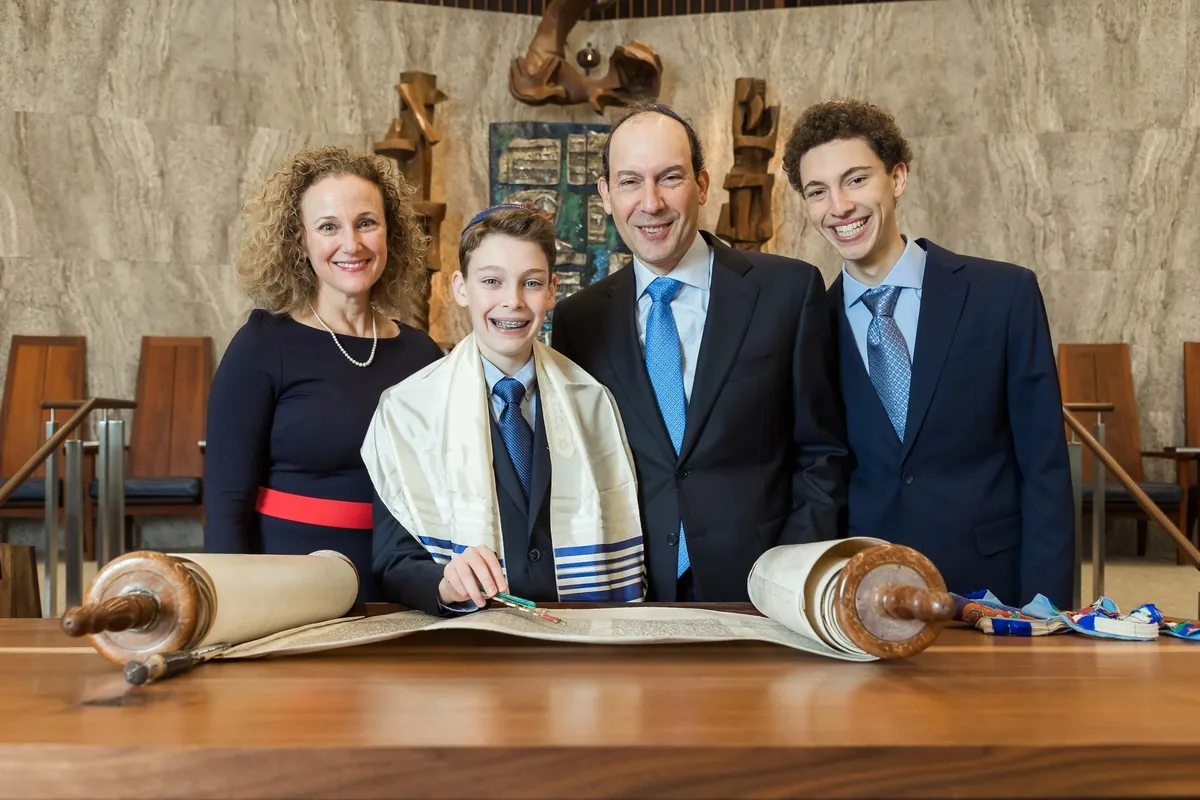
The simplest plan is one style that transforms. A low bun worn for the service can be loosened into soft waves for the party; a smooth low ponytail can be lifted into a high ponytail with a sparkly clip; a half-up twist can have its pins swapped for something brighter. Pack a small bag with extra pins, a spare elastic, a mini hairspray, and one party accessory, and the changeover takes five minutes in the bathroom.
Quick verdict: if you only want to style your hair once, choose a secure updo from the service half of this guide — it will still look good at the party, even if it is not the most dramatic look on the dance floor. If you love a big party look, plan the five-minute switch and enjoy both.
What Counts as Respectful Hair in the Synagogue
A synagogue is a place of worship, and the dress code for a bar mitzvah service leans modest and neat. That does not mean boring — it means hair that is tidy, controlled, and not distracting. Smooth updos, neat ponytails, controlled waves, and short cuts that are freshly shaped all fit beautifully. Very loose, very wild, or very revealing styles are better saved for the party.
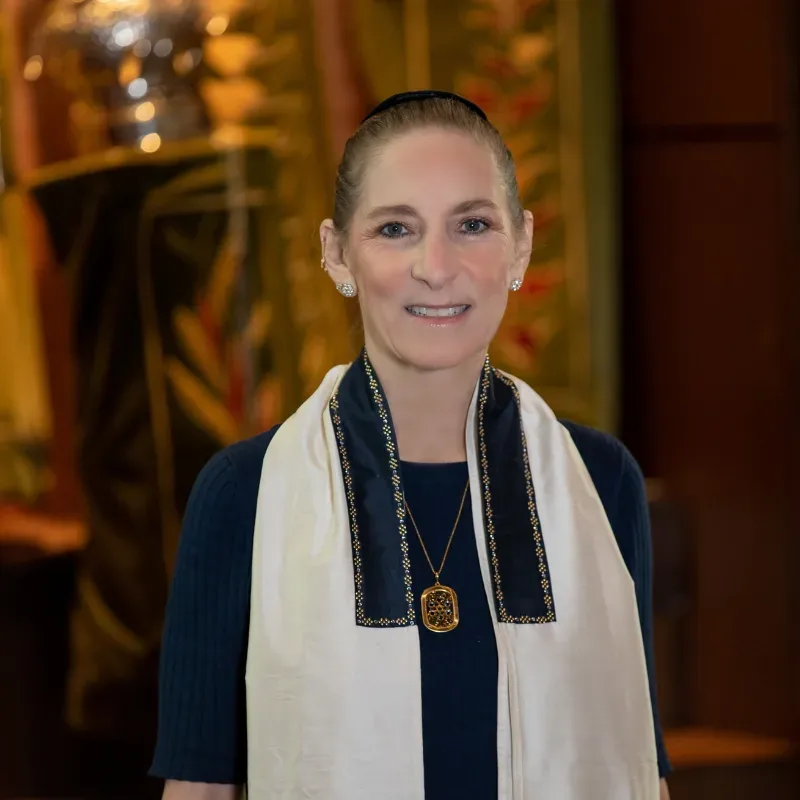
A few practical points matter more than any rulebook. Some synagogues ask women to cover their shoulders, which changes how a long style sits — a low bun or a low ponytail works better with a shawl than a high ponytail does. Kippot are often worn by men and boys, and sometimes by women too, so a style should leave room for one to sit flat: a side part or a low, flat crown works better than a tall, spiky top.
Quick verdict: when in doubt, go neater for the service. You can always loosen up for the party, but you cannot re-do a service photo. Ask the family or the synagogue office if you are unsure — they will be glad you asked.
Surviving the Hora: Hair That Holds Through the Dancing
The hora is the great test of party hair. It is fast, it is joyful, it involves being lifted on a chair, spun around, and hugged by half the room — and your hairstyle has to survive all of it. The styles that pass are the ones with structure: braids that anchor the front, ponytails set high and tight, buns pinned in more than one place, and products that hold through sweat and heat.
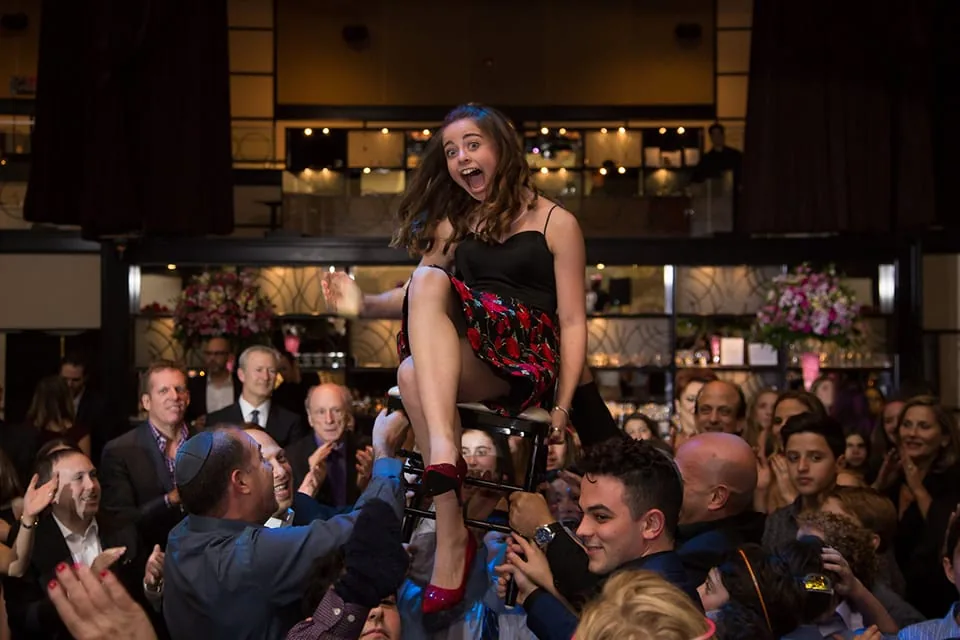
Test your party style the way you will wear it. Put it up, then dance around your living room for one full song — jump, spin, shake your head, and bend forward. If anything slipped, it needs more pins, a stronger elastic, or a different build. Do the test in your party shoes and with your accessories on, because a heavy clip changes the balance of a ponytail.
Quick verdict: a style that only works when you are standing still is not a party style. Build for the wildest minute of the hora, not the calmest, and your hair will hold for all of it.
Matching Your Hair to Your Outfit
Hair and outfit should work as a pair. A dress with a high neckline or a detailed back looks best with hair up, so the design shows. A dress with a simple neckline can carry hair down, because the hair becomes part of the look. A suit with a tie and a kippah suits a neat, short, shaped cut — the collar and the hairline should look clean together, not compete.
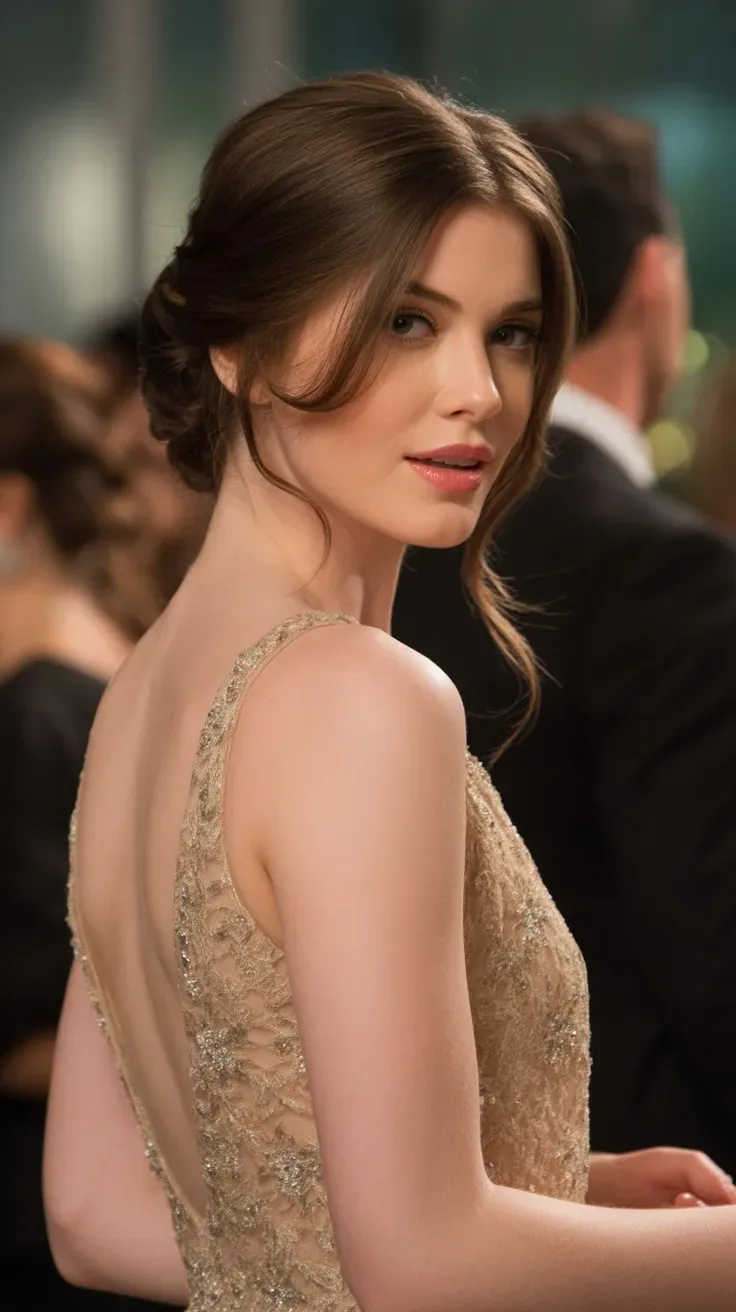
Colour matters too. Dark hair against a dark suit can disappear in photos, so a little shine spray or a lighter accessory helps the style read on camera. Very sparkly hair accessories can clash with a sequinned dress, so choose one star: if the dress sparkles, keep the hair simple; if the dress is plain, let a clip or a braid do the talking.
Common mistake: deciding the hairstyle before the outfit. Choose the dress or suit first, then pick a style that shows it off — not one that hides it.
Hair by Length: Short, Medium, Long and Curly
Length decides what is possible, and every length has a star style for a bar mitzvah. Short hair is the easiest of all: a neat crop or a shaped bob holds all day with almost no help, and it looks sharp in both the service and the party. Medium hair is the most flexible — it can go up, half-up, or down, and it can change between the service and the party in minutes.
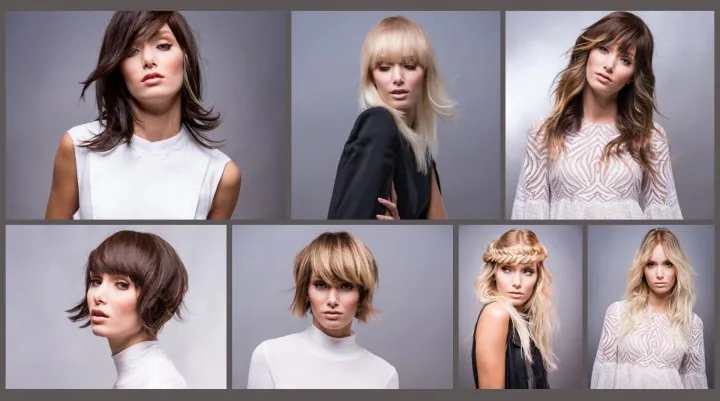
Long hair has the most drama but needs the most planning: it is heavy, it pulls, and it can fall apart during the hora unless it is braided, pinned, or tied securely. Curly hair is a gift on this day — natural texture photographs beautifully and holds a shape well — but the front must be controlled, because curls that fall forward during the service are distracting and during the hora they are a mess.
Quick verdict: work with your length, not against it. The best style is the one your hair already wants to do, built a little more securely than usual.
Accessories: Kippot, Clips, Flowers and a Little Sparkle
Accessories are where a bar mitzvah look gets its personality — but they need to be chosen with the day in mind. Kippot are often provided by the family, sometimes in the party colours, and they sit best on flat, smooth hair: a side part, a low crown, or a short cut. If you are wearing one, test it with your hairstyle before the day, and carry a spare clip to hold it in place.
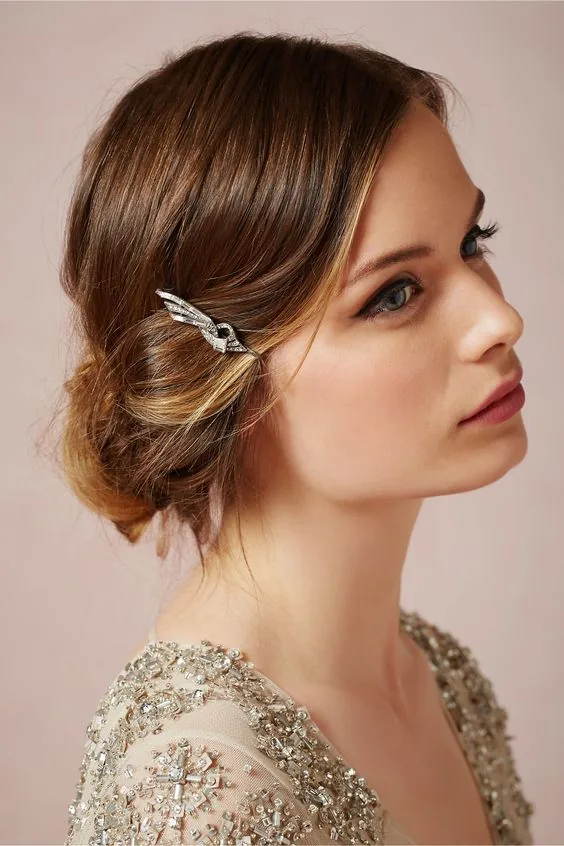
For the party, a sparkly clip, a small flower, or a ribbon in the party colours can turn a service style into a party style in seconds. Keep accessories light and pinned in at least two places, because anything heavy will slide during the hora. Avoid very large or sharp accessories — they can hurt someone during the dancing, and they photograph as a distraction.
Quick verdict: one statement accessory is enough. A kippah plus a sparkly clip plus a flower is too much; pick the one that matches the moment.
Photos That Last: Hair for the Camera
Bar mitzvah photos last for decades, and hair is one of the first things people notice in them. The styles that photograph best are the ones with a clean silhouette: a smooth part, a defined shape, and no flyaways catching the flash. A little shine helps, but a lot of shine looks greasy under a camera flash, so go easy on serums and oils.
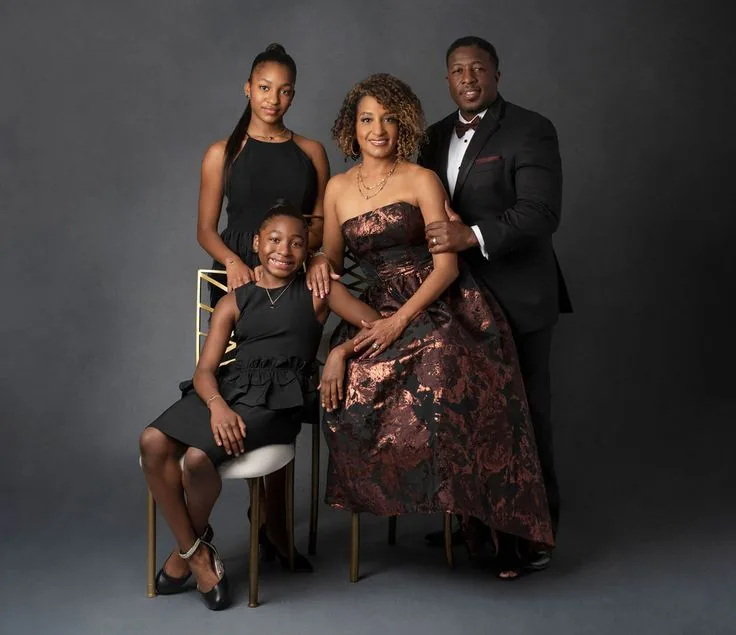
Think about the family group photo, which is usually taken right after the service. Everyone’s hair should look neat at that moment — which means the service style is the one that matters most for the album. The party photos are joyful and candid, and a little movement in the hair only adds to them, so do not worry if your party style loosens slightly by the end of the night.
Quick verdict: check your style in a photo, not just in the mirror. Take a picture with flash and one without, from the front and the back, before the day — the camera sees things the mirror hides.
Quick Fixes Between the Service and the Party
Between the service and the party you usually have an hour or two — enough for a full restyle if you want one, but most people only need a five-minute reset. Pack a small kit: a travel brush, ten bobby pins that match your hair colour, five clear elastics, a mini strong-hold spray, a little gel or edge control, and your party accessory. Keep it in your bag, not in the car.
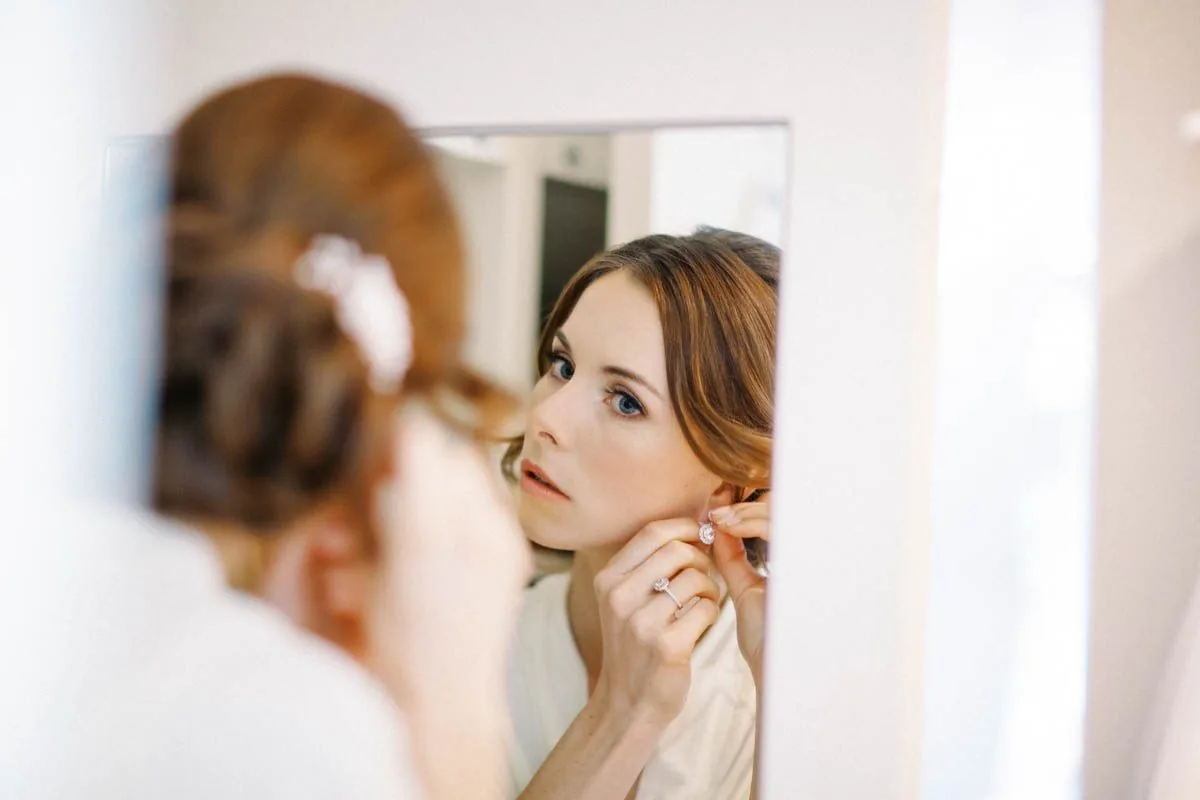
The fastest fixes are the simple ones. Smooth the front with a little water or serum on your palms, re-pin anything that slipped, and re-tighten a ponytail by splitting it in half and pulling the two sides apart — it tightens the base without rebuilding the whole style. If a style has truly failed, do not rebuild it under pressure: gather the hair into a neat low bun or a smooth ponytail and add your sparkly clip. Nobody will know it was plan B.
Best for: everyone, whatever the style. Assign a family member as your second pair of eyes: they will spot a slipping pin or a stray piece long before you feel it.
The Neat Side Part for the Bar Mitzvah Boy
The neat side part is the classic bar mitzvah look for a reason: it is tidy, it photographs beautifully, and it suits a suit, a kippah, and a long morning in the synagogue. The hair is combed to one side with a clean part, the sides are kept short and tidy, and the top has just enough length to show a shape. It is the style most bar mitzvah boys actually want — grown-up, but still them.
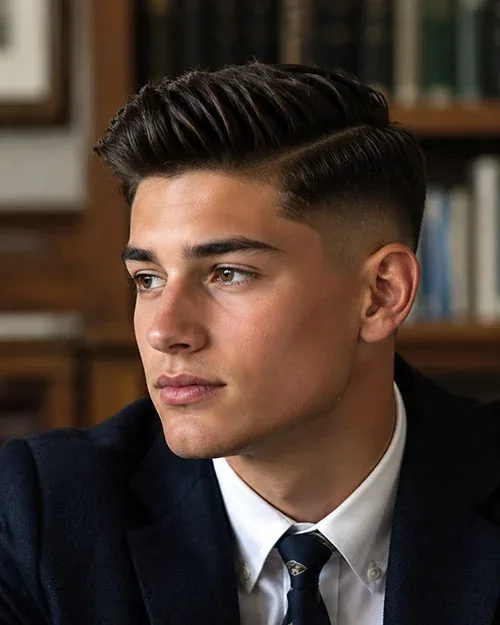
Pros: looks respectful and polished in the service; works perfectly under a kippah; easy to restyle for the party with a little texture paste; suits almost every face shape and hair type.
Cons: needs a fresh cut a few days before the day, or it grows out and loses its line; can fall flat in heat or humidity without a little product; very straight, fine hair may need a light hold spray to keep the part in place.
Who it suits best — and who should avoid it: ideal for the bar mitzvah boy himself and for any guest who wants a clean, classic look. Avoid it only if your hair is very curly and fights a part — a textured crop will suit you better.
The Classic Taper with a Clean Finish
A classic taper is short on the sides, gradually longer on top, and finished with a clean neckline — the haircut that looks sharp from every angle and never distracts. It is the safest choice for a boy or young man who wants to look smart without thinking about his hair all day, and it holds its shape from the first blessing to the last dance.
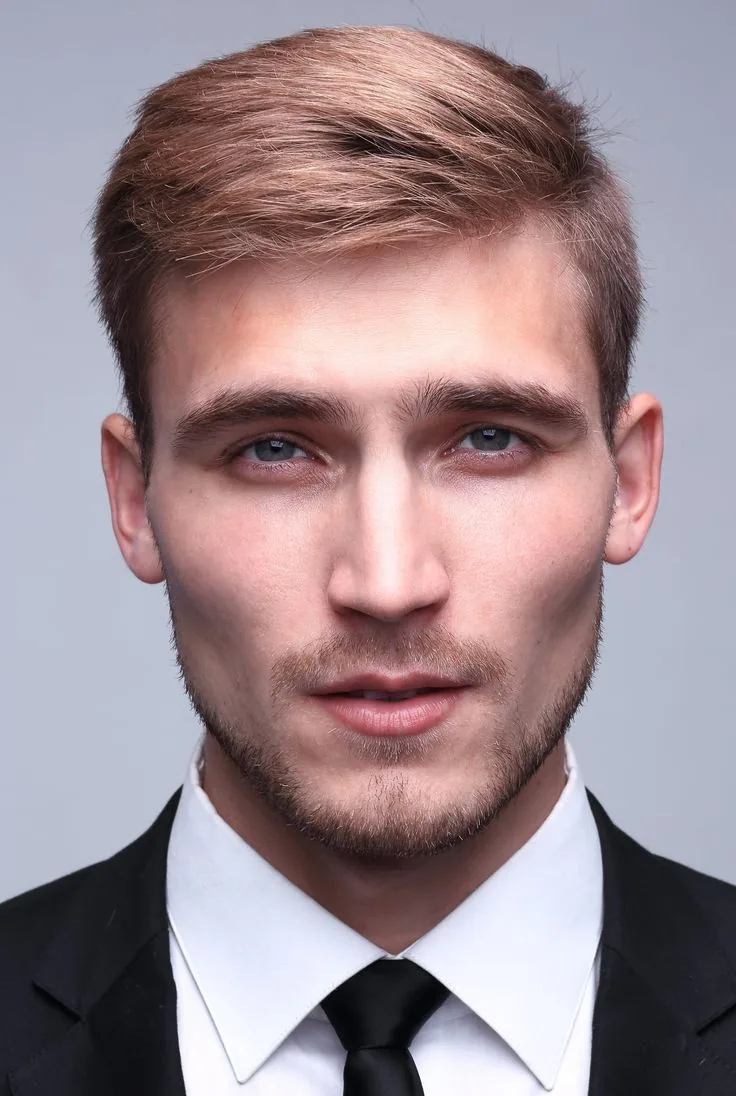
Pros: stays neat for twelve hours with almost no maintenance; works with or without a kippah; looks great in formal photos; grows out gracefully if the party is a few days after the cut.
Cons: needs a barber who understands tapers, not just clippers all over; the top can look flat without a little product; if the taper is cut too short it can feel severe in photos.
Who it suits best — and who should avoid it: best for boys and men with straight or slightly wavy hair who want a no-fuss, all-day look. Avoid a very tight taper if you have a cowlick at the hairline — it will fight the finish all day.
The Polished Low Bun
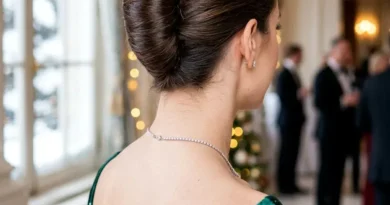
The polished low bun is the most reliable service hairstyle there is: every strand is smoothed back, the hair is coiled low at the nape, and nothing moves for hours. It looks elegant under synagogue lights, it works with a shawl or a high neckline, and it stays neat through a long service, a long lunch, and the family photos.
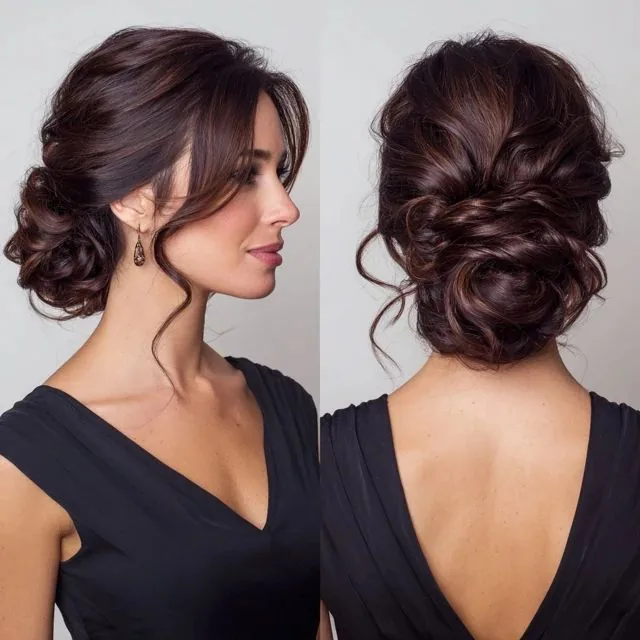
Pros: holds for the whole day with minimal help; suits every age, from grandmothers to teenage sisters; keeps the neck cool and the face open; photographs with a clean, graceful silhouette.
Cons: can feel severe if it is pulled too tight; needs pins in at least three places or it will tilt; very fine hair may need a bun donut or a little texture spray for fullness.
Who it suits best — and who should avoid it: ideal for mums, grandmothers, and guests who want elegance without fuss. Avoid it if you have a very round face and want softness — a low bun with two loose tendrils will suit you better.
The Sleek Chignon
A sleek chignon is a low bun with a little more craft: the hair is smoothed, twisted, and tucked into a soft roll at the nape, with a shine that reads as quietly expensive. It is the style for a mother of the bar mitzvah boy who wants to look her best in the family photos without outshining anyone.
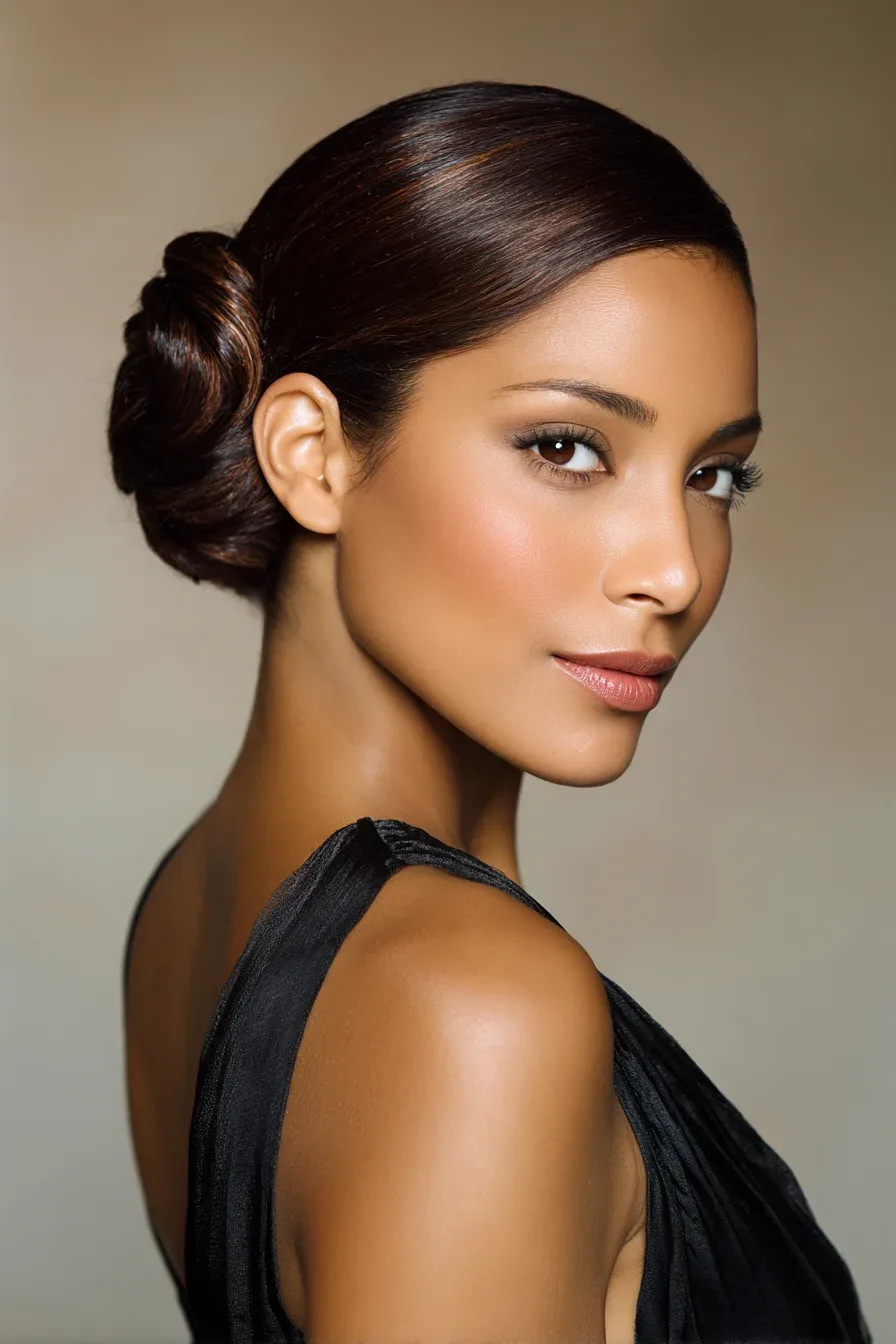
Pros: timeless and flattering at every age; holds well through the service and the photos; works beautifully with earrings and a necklace, since the neck is bare.
Cons: takes a stylist or a practised hand to build well; can loosen during the hora, so it needs extra pins for the party; heavy hair may pull the chignon down by evening.
Who it suits best — and who should avoid it: best for women with medium to long hair who love a classic, grown-up look. Avoid it if your hair is very short — a faux chignon with pins can work, but a low rolled style will be easier.
The Soft French Twist
The soft French twist sweeps the hair up into a smooth vertical roll, with the front kept gentle rather than scraped back. It is elegant, it is comfortable, and it has the wonderful advantage of looking even better slightly loosened — so if it softens during the party, it still looks intentional.
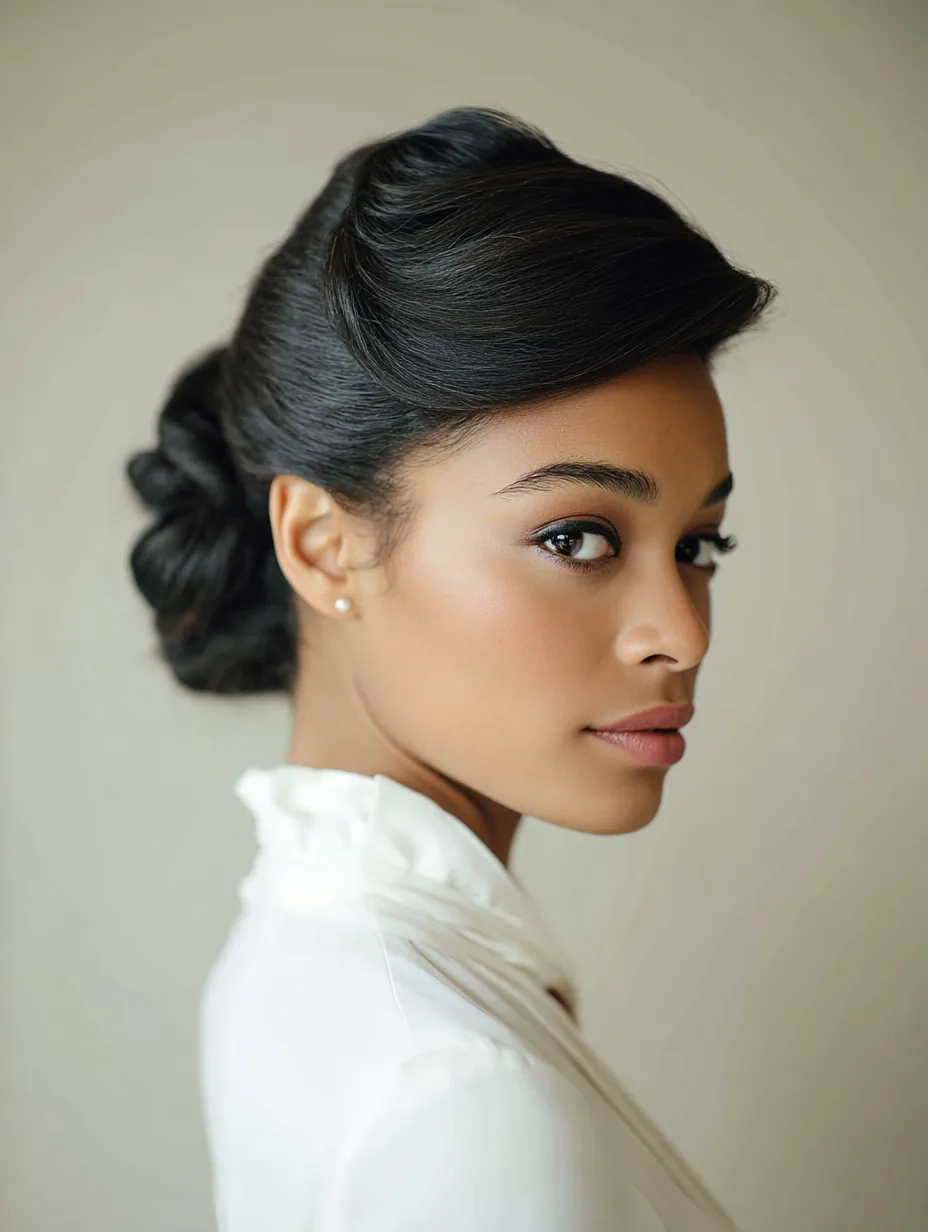
Pros: elongates the neck and flatters the face; holds for hours when pinned well; looks stunning in profile photos; softens gracefully rather than falling apart.
Cons: needs plenty of pins — at least five along the fold; hard to build on yourself without practice; very thick hair can make the roll bulky.
Who it suits best — and who should avoid it: ideal for mothers, aunts, and grandmothers with medium to long hair. Avoid it if you plan to dance hard — add extra pins, or switch to a braided updo for the party.
The Half-Up Twist for the Morning Service
A half-up twist takes the top section of the hair, twists it gently, and pins it at the back, leaving the rest to fall softly over the shoulders. It is polished enough for the service — the face is open, the front is controlled — and it is one of the easiest styles to transform for the party, because you only have to change the bottom half.
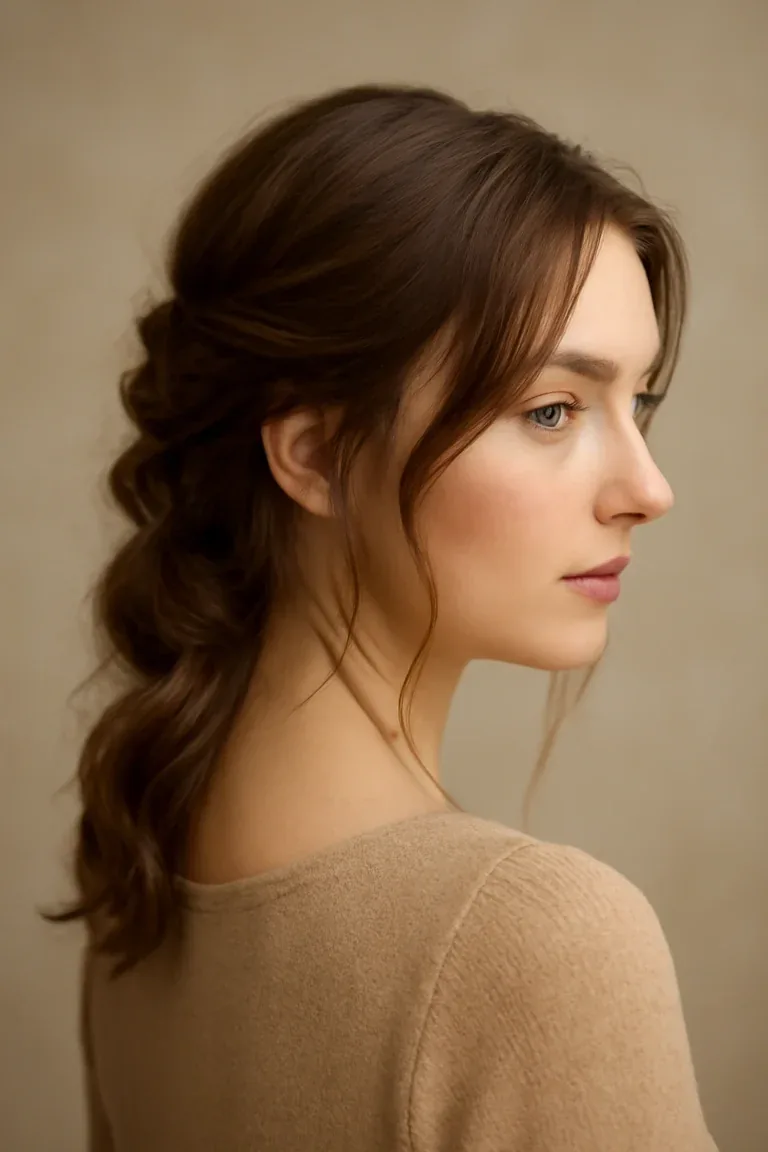
Pros: quick to build and comfortable all day; suits long and medium hair; the twist adds a pretty detail that photographs well; easy to refresh between the service and the party.
Cons: the loose length can fall forward during the service if it is not pinned; not secure enough for the hora unless the bottom is gathered up; fine hair may need texture spray to hold the twist.
Who it suits best — and who should avoid it: best for sisters and guests with long hair who want a soft, romantic service look. Avoid it if your hair is very slippery — a braided half-up will hold better.
The Smooth Low Ponytail
The smooth low ponytail is the quiet achiever of service hair: brushed back, gathered low at the nape, wrapped with a small section of hair to hide the elastic, and finished with shine. It is neat, it is comfortable, and it works with a shawl, a high collar, or a kippah clip — and it is the perfect base for a party restyle later.
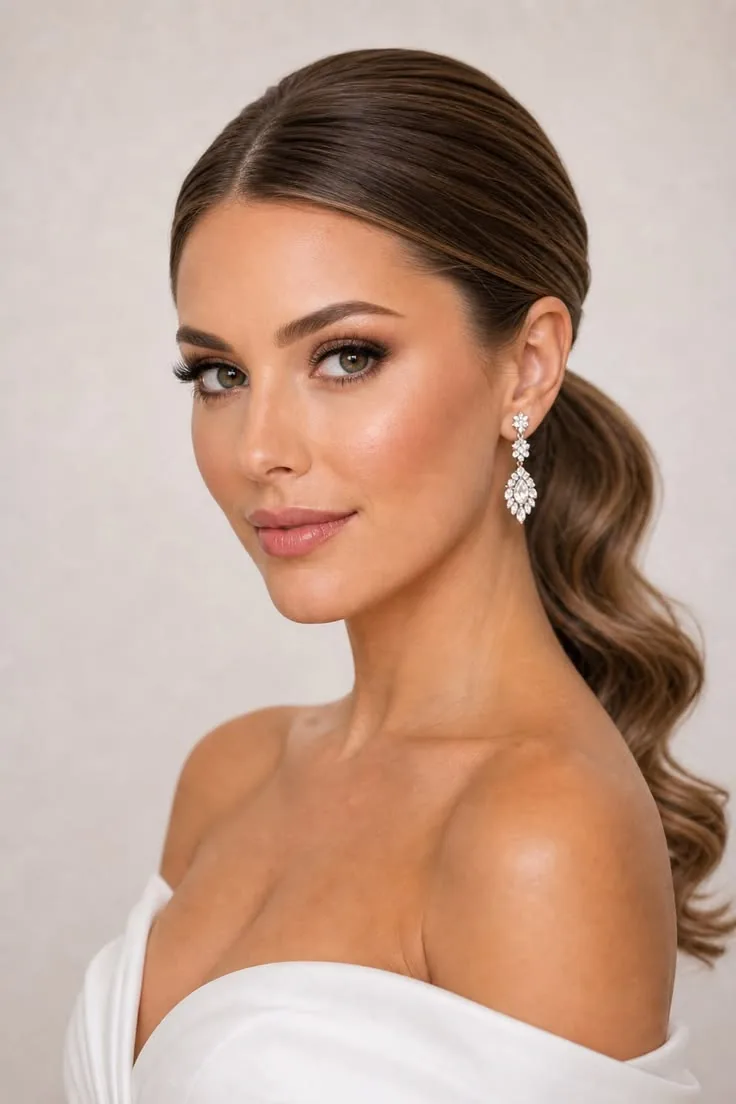
Pros: takes five minutes and holds all day; suits every hair type; the low placement keeps it out of the way during the service; lifting it into a high ponytail takes seconds for the party.
Cons: can look plain without a wrap or an accessory; very straight hair may slide out of the elastic; a low ponytail can catch on a high collar or a necklace.
Who it suits best — and who should avoid it: ideal for anyone who wants a simple, elegant service look with an easy party upgrade. Avoid it if your hair is very layered — shorter layers will escape, so pin them first.
The Braided Crown for the Service
A braided crown wraps a braid around the head like a halo, keeping the front completely controlled while the rest of the hair is gathered low or left soft. It is beautiful, it is secure, and it has a gentle, celebratory feel that suits a synagogue morning perfectly.
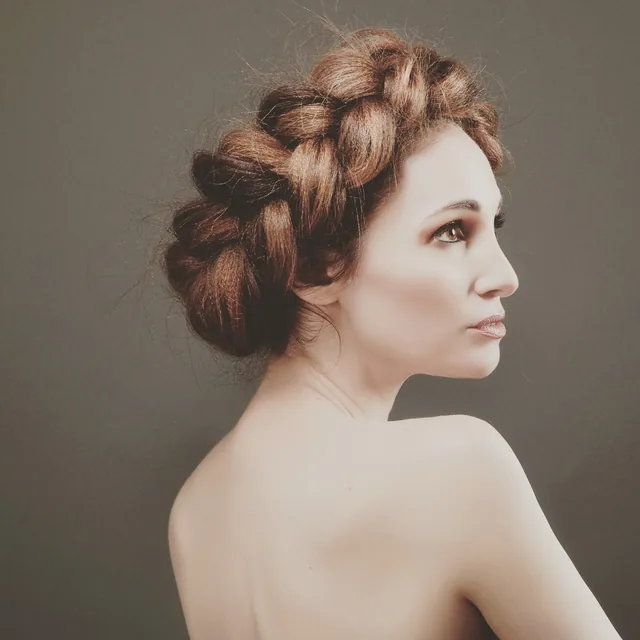
Pros: the front cannot fall forward, even during a long service; looks intricate but is simple to build; photographs beautifully from every angle; holds well into the party with extra pins.
Cons: needs hair long enough to braid around the head; can feel tight if it is braided too firmly; the braid can loosen by evening if it is not pinned in several places.
Who it suits best — and who should avoid it: best for sisters and guests with medium to long hair who want a pretty, secure style. Avoid it if your hair is very short — a headband braid on a bob gives a similar effect.
The Elegant Top Knot
An elegant top knot sweeps the hair high and coils it into a neat, smooth knot — the most compact service style there is. Nothing hangs, nothing swings, and nothing can fall into your face while you read or pray. With a smooth finish and a small, pretty pin, it looks polished rather than sporty.
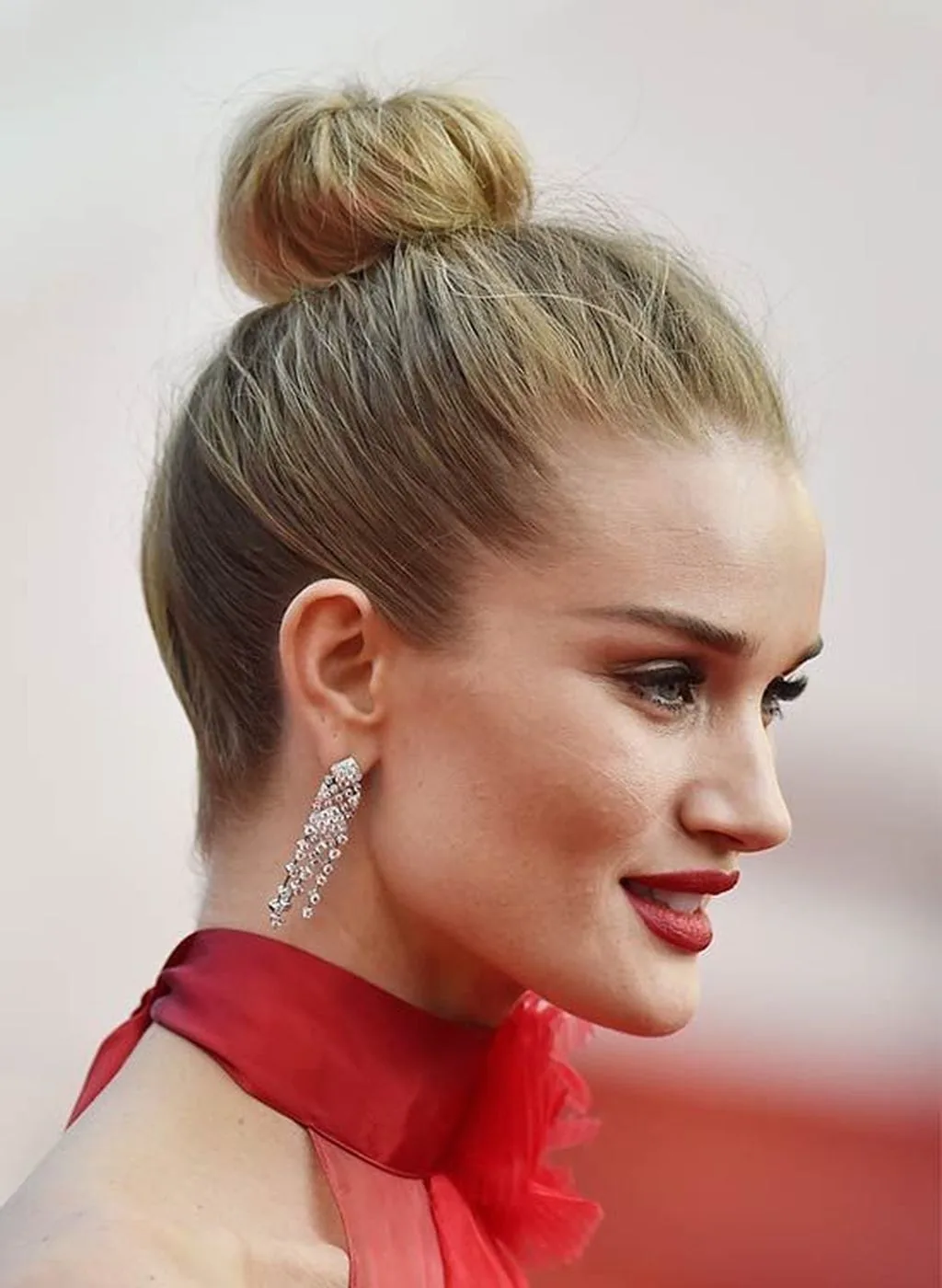
Pros: the most secure updo here; keeps the neck cool on a warm day; looks sharp and confident in photos; survives the hora better than most service styles.
Cons: can pull at the scalp if it is built too tight; a very high knot can look severe without softened edges; needs pins in four places to stay put.
Who it suits best — and who should avoid it: ideal for women with long, thick hair who want total control. Avoid it if you have a very long face — a lower bun will balance your features better.
The Short Textured Crop
The short textured crop is the modern answer for a boy who does not want a stiff, combed-over look: the top is left with texture and movement, the sides are neat, and the whole cut looks relaxed but deliberate. It suits a kippah, it suits a suit, and it needs almost no attention all day.
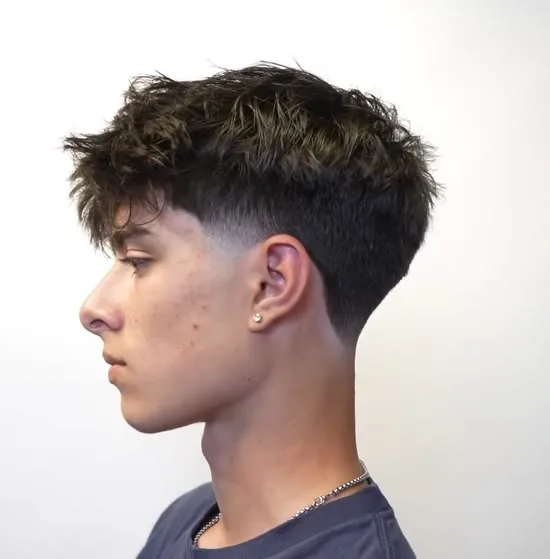
Pros: looks fresh and modern in photos; needs no restyling between the service and the party; works well with a little matte paste for definition; comfortable under a kippah.
Cons: needs a cut a week before the day, not the day before, so it settles; very fine hair can look thin without texture product; the style depends on the cut, so find a good barber.
Who it suits best — and who should avoid it: best for the bar mitzvah boy and teenage guests who want a contemporary look. Avoid it if your hair is very curly and you want it controlled — a shaped curly cut will suit you better.
The Defined Curls, Neatly Shaped
Defined curls, neatly shaped, are a wonderful bar mitzvah look: the natural texture is the star, and a good cut gives it a clean outline that looks intentional rather than accidental. A little curl cream, a neat hairline, and the curls are ready for the service, the photos, and the party.
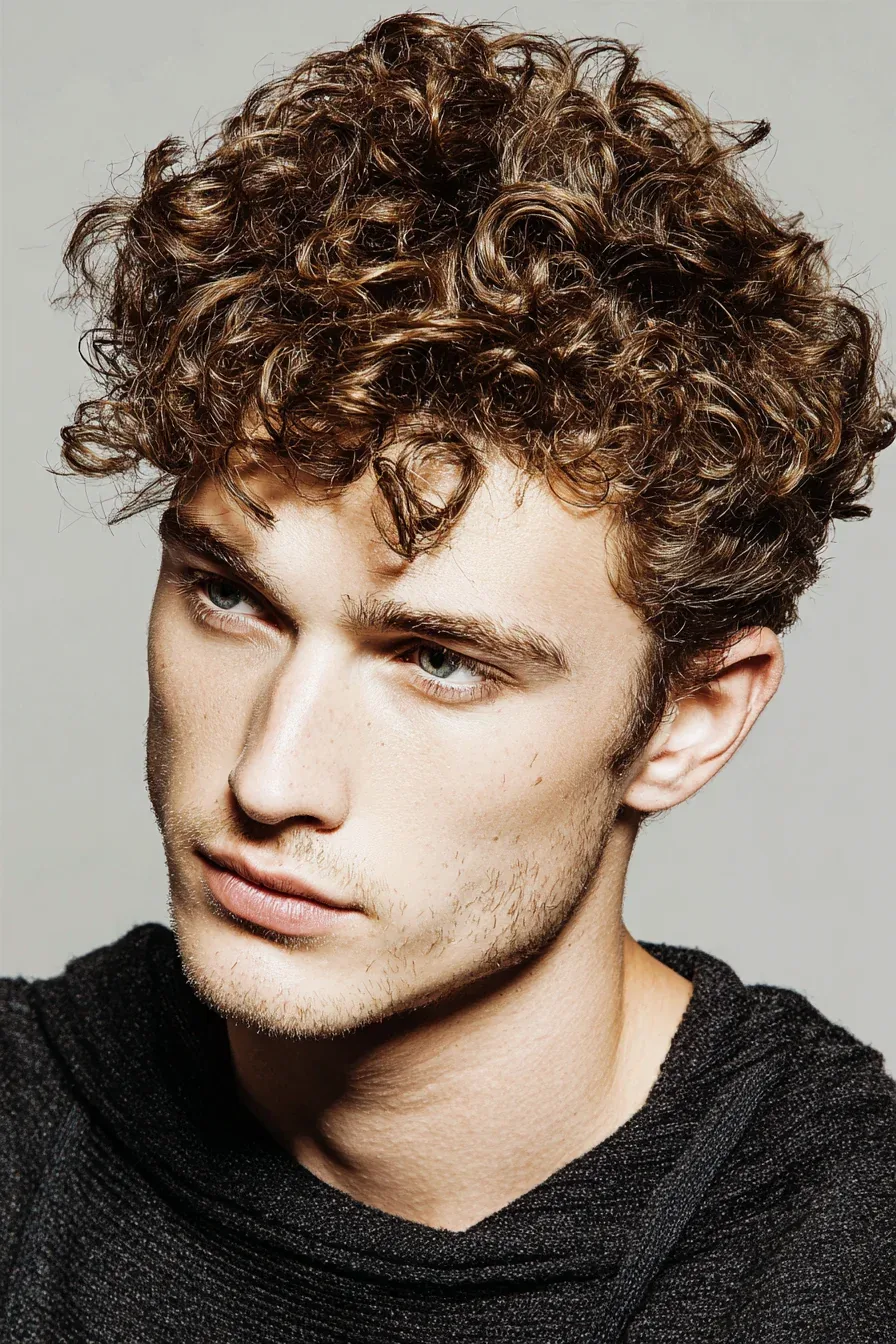
Pros: natural texture photographs beautifully; holds its shape well through the day; needs very little product; looks great with a kippah, which sits naturally on a shaped cut.
Cons: curls can frizz in humidity without a little cream; the front curls can fall forward during the service; a bad cut can leave the shape uneven.
Who it suits best — and who should avoid it: ideal for boys and men with curly or wavy hair who want to wear their texture proudly. Avoid heavy gel — it makes curls crunchy and dull in photos.
The Classic Bob with a Side Sweep
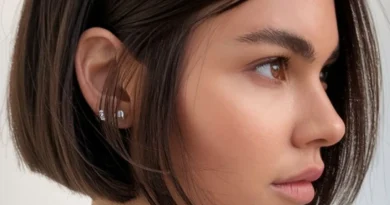
The classic bob with a side sweep is neat, chic, and completely service-appropriate: the hair sits at the jaw, the side sweep keeps the face open, and the shape holds all day with a quick blow-dry. It is the style for a guest who wants to look polished without spending an hour on an updo.
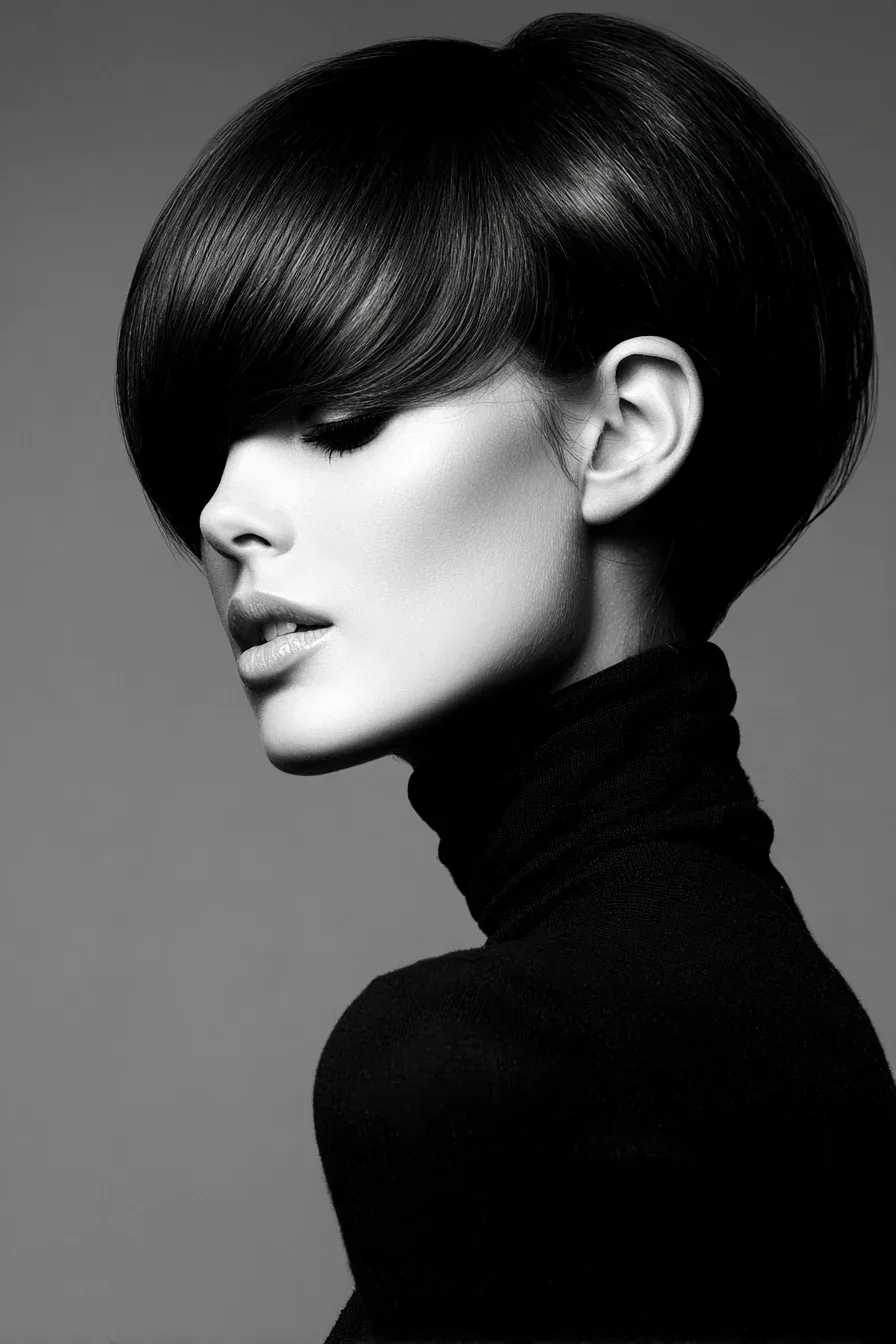
Pros: looks sharp and modern; holds its shape from morning to night; works with or without a kippah clip; easy to refresh with a brush and a little spray.
Cons: the sweep can fall into the eyes without a pin; humidity can make the ends flip; very thick hair may need thinning to sit neatly.
Who it suits best — and who should avoid it: best for women with straight or slightly wavy hair at chin length. Avoid it if your hair is very curly — a curly bob needs a different cut to sit well.
The Low Rolled Updo
The low rolled updo gathers the hair low and rolls it into a soft, tucked shape at the nape — a little less formal than a chignon, a little more interesting than a bun. It is comfortable, it is secure, and it has a gentle, vintage feel that suits a synagogue morning.
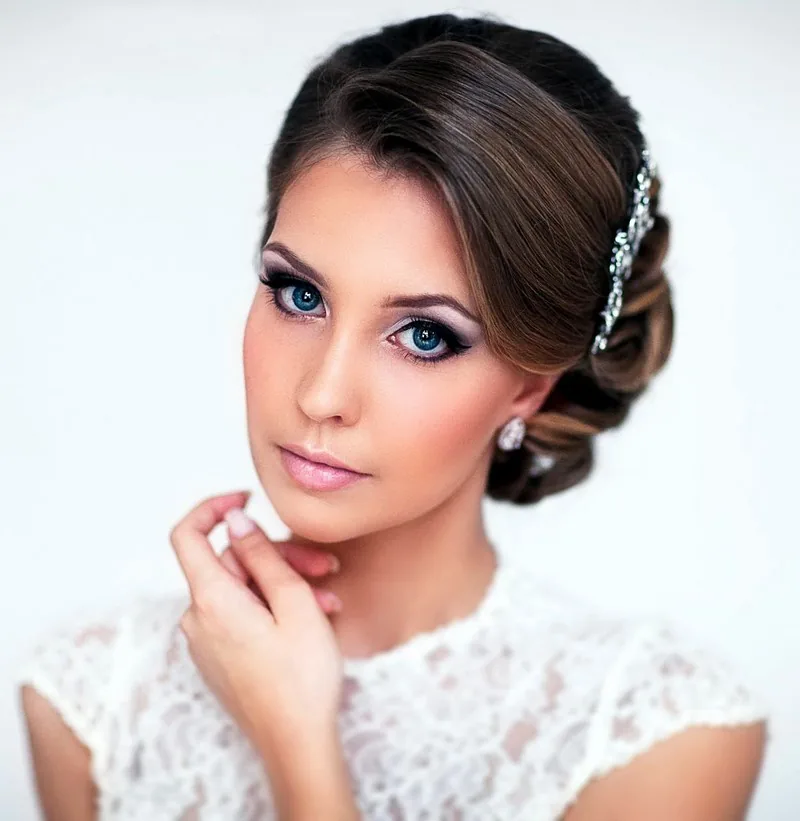
Pros: comfortable to wear for hours; holds well with a few pins; suits fine hair, because the roll adds fullness; looks lovely from the back in photos.
Cons: can unravel during the hora without extra pins; needs practice to roll evenly; very long, heavy hair may pull the roll down.
Who it suits best — and who should avoid it: ideal for grandmothers, aunts, and guests who want a soft, classic updo. Avoid it if you plan to dance hard — pin it firmly or switch to a braided style for the party.
The Slicked-Back Undercut, Kept Neat
The slicked-back undercut — short on the sides, longer on top, combed smoothly back — is a sharp, confident look for a young man at a bar mitzvah, as long as it is kept neat rather than dramatic. With a clean finish and a little pomade, it looks smart in the service and stylish at the party.
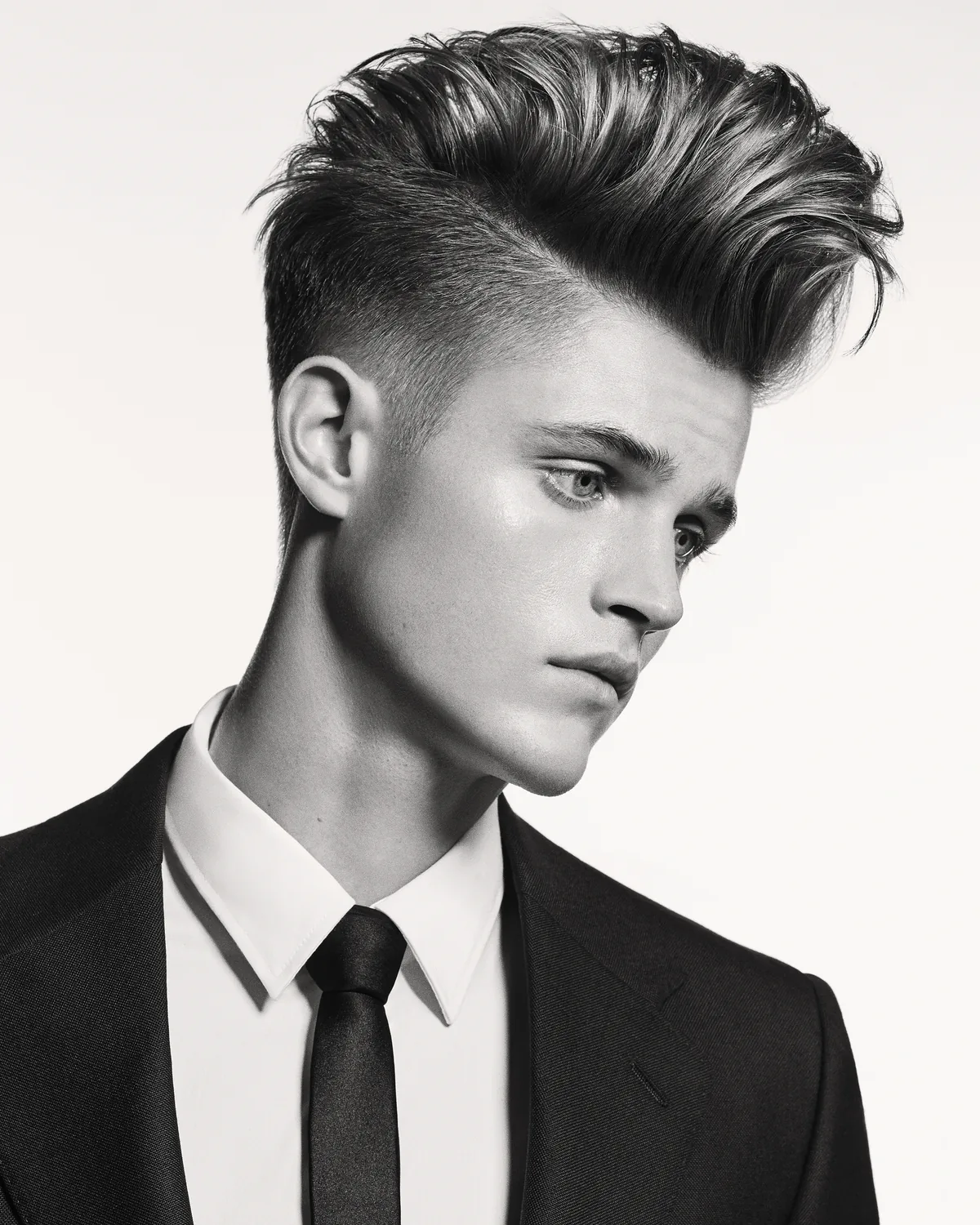
Pros: looks striking in photos; holds its shape all day with a little product; suits a suit and a kippah; easy to refresh with a comb and a drop of pomade.
Cons: needs product to stay slicked back; can look too severe if the top is too long; the undercut needs a fresh trim to look clean.
Who it suits best — and who should avoid it: best for teenage boys and young men with straight, thick hair who like a bold look. Avoid it if your hair is very fine — it will not hold the slicked shape without heavy product.
The Gentle Waves with a Side Part
Gentle waves with a side part are the softest service look in this guide: the hair falls past the shoulders in loose, brushed-out waves, the part keeps the face open, and the whole style looks relaxed and pretty without ever looking messy. It is perfect for a guest who wants to wear her hair down in the synagogue.
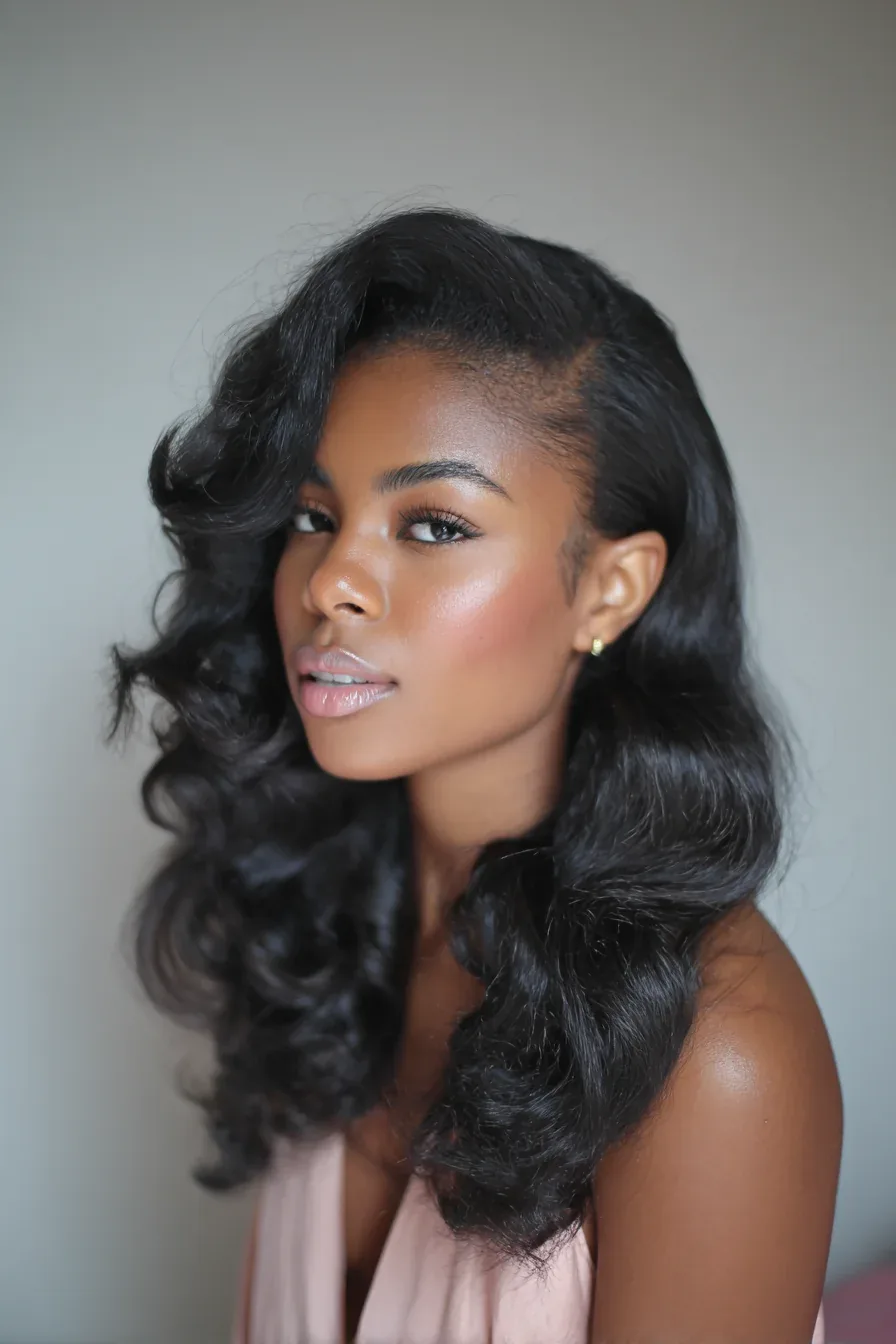
Pros: soft, flattering, and easy to build with a curling iron or rollers; suits almost every face shape; photographs with warmth and movement; easy to pin up for the party.
Cons: waves can drop in humidity; the front can fall forward during a long service; needs a little spray to hold the part.
Who it suits best — and who should avoid it: ideal for guests with medium to long hair who want a gentle, feminine service look. Avoid it if the day is very humid — a half-up version will hold better.
The Braided Low Bun
The braided low bun combines two of the most secure builds in this guide: a braid runs from the front to the nape, locking the front flat, and the remaining hair is coiled into a low bun. It is elegant, it is rock solid, and it is one of the few service styles that can survive the hora without a single change.
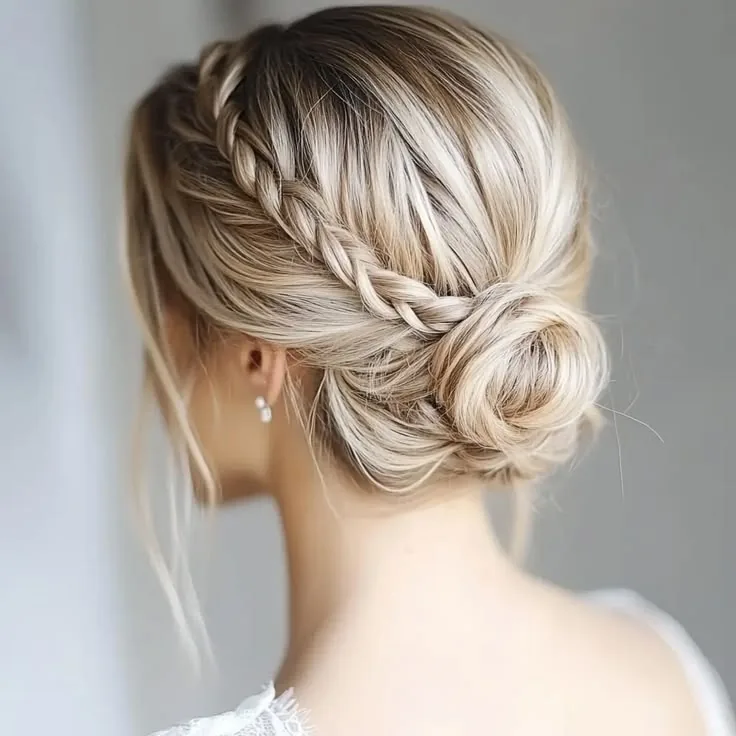
Pros: the most secure service updo here; the braid adds a beautiful detail; holds from the service through the party; suits every age.
Cons: takes time to build — allow thirty minutes; the braid must be pinned well or it loosens; very short hair cannot reach the bun.
Who it suits best — and who should avoid it: best for women with medium to long hair who want one style for the whole day. Avoid it if you are in a rush in the morning — a plain low bun is faster.
The Middle-Part Blowout, Polished Not Puffy
The middle-part blowout is the most polished hair-down look for the service: a clean centre part, smooth roots, and ends that curve gently under, with volume that is controlled rather than big. It looks expensive, it looks calm, and it frames the face beautifully in formal photos.
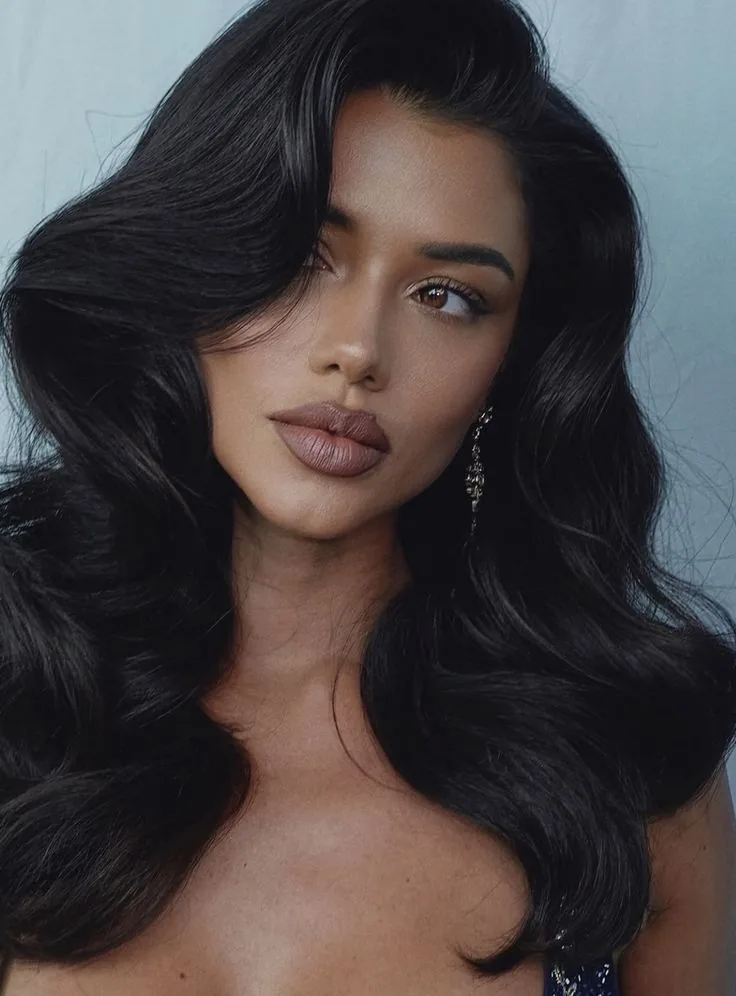
Pros: sleek, modern, and very photogenic; suits straight and slightly wavy hair; the clean part reads as deliberate and neat; easy to refresh with a brush.
Cons: needs a good blow-dry to look right; volume can drop by evening; the centre part does not suit every face shape.
Who it suits best — and who should avoid it: ideal for guests with medium to long, straight hair who love a polished finish. Avoid it if you have a very round face — a side part will flatter you more.
The High Ponytail That Survives the Hora
The high ponytail is the hora’s best friend: gathered high and tight, it keeps every strand off your face and neck, it swings in a clean arc when you dance, and it looks joyful and energetic in party photos. Build it on a strong elastic, wrap a section of hair around the base, and add a sparkly clip for the party.
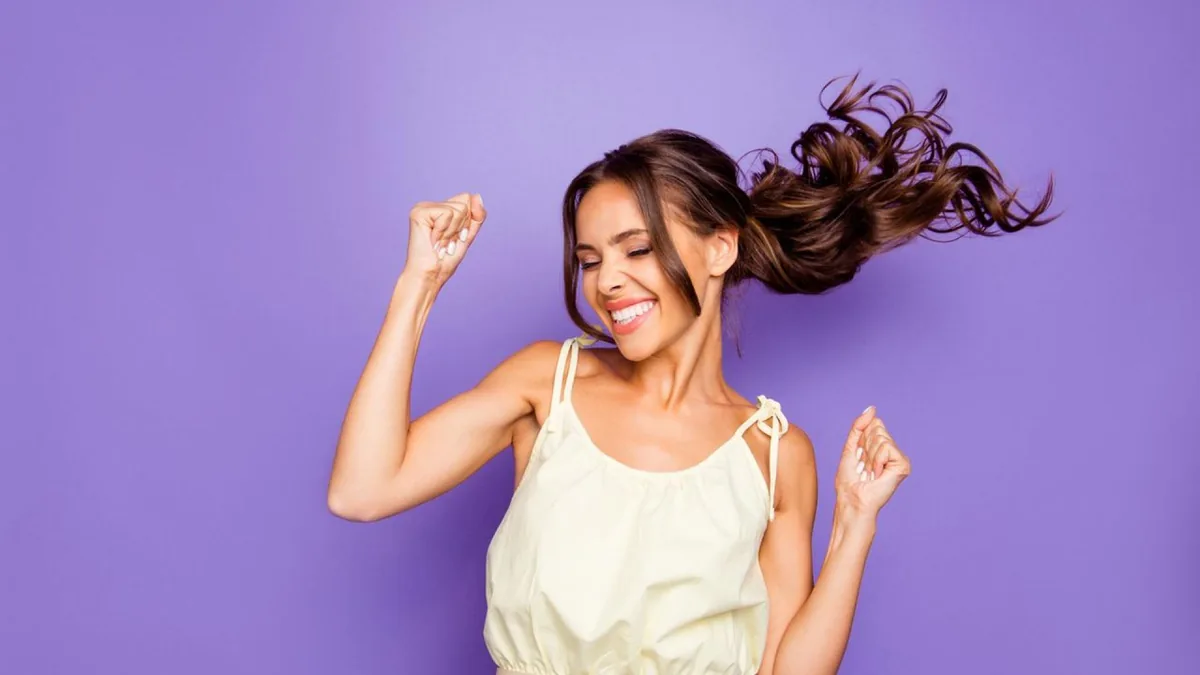
Pros: the most dance-proof party style; keeps you cool on a crowded dance floor; easy to build and easy to fix; suits every age and almost every outfit.
Cons: can pull at the scalp if it is too tight; a very heavy ponytail can loosen during the hora; needs a second elastic for thick hair.
Who it suits best — and who should avoid it: ideal for sisters, teenage guests, and anyone who plans to dance all night. Avoid it if you have very short hair — a half-up ponytail gives a similar feel.
The Bouncy Blowout for the Dance Floor
A bouncy blowout is pure party energy: the hair is blow-dried with volume, the ends flick and bounce, and the whole style moves with every step. It is glamorous, it photographs with real joy, and with the front pinned back it can survive the hora better than you would expect.
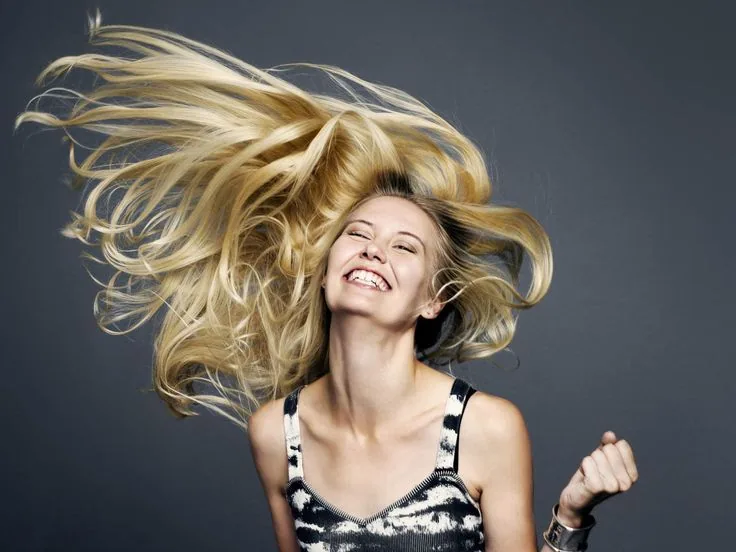
Pros: looks fabulous in photos and on the dance floor; adds volume to fine hair; suits a party dress perfectly; easy to refresh with a quick brush and spray.
Cons: the volume can drop in a hot, crowded room; the front needs pinning or it falls into your face; takes a good blow-dry to build.
Who it suits best — and who should avoid it: best for guests with medium to long hair who love volume. Avoid it if the party is outdoors in humidity — a pinned-up style will hold better.
The Double Braids for Dancing
Double braids are one of the most secure party styles there are: two braids run from the hairline to the ends, locking the entire head of hair flat, and nothing can fall into your face while you dance. They look fun, they look young, and they hold through the hora, the chair lift, and the last dance.
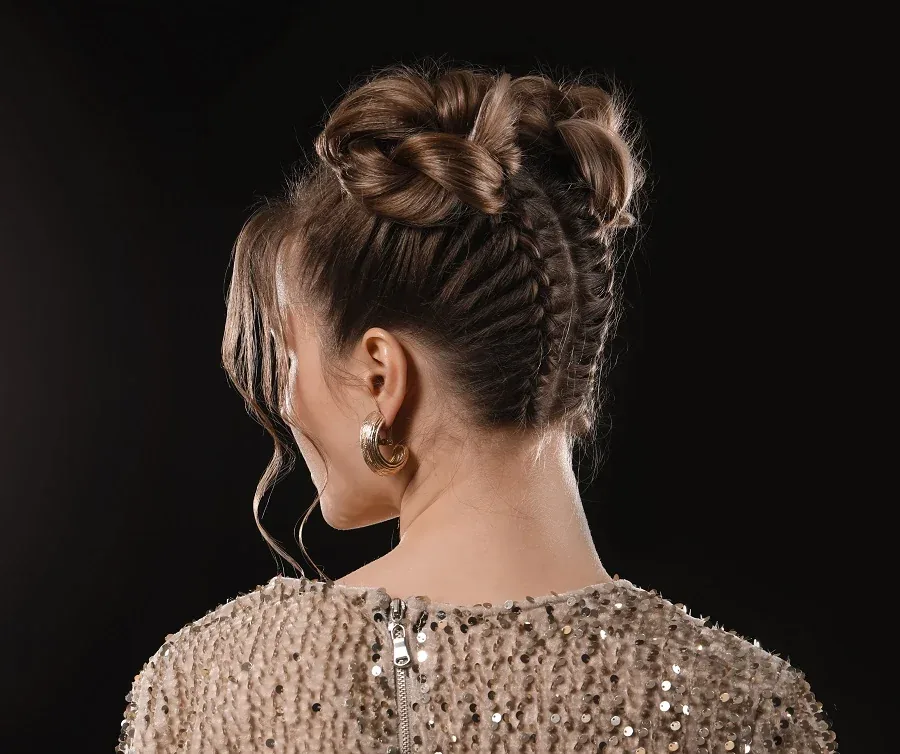
Pros: the most secure way to wear hair down at a party; comfortable all night; suits curly and straight hair alike; photographs with a playful, energetic feel.
Cons: takes time to braid evenly; can feel young for a very formal party; the ends need secure elastics or they unravel.
Who it suits best — and who should avoid it: ideal for teenage guests, sisters, and anyone who wants to dance without thinking about their hair. Avoid it if you want a very formal party look — a braided updo will suit you better.
The Old Hollywood Waves
Old Hollywood waves are the most glamorous party look in this guide: deep, sculpted waves that catch the light and frame the face like a film star. They are stunning in evening photos, they suit a party dress perfectly, and with a strong-hold spray they last longer than you would think.
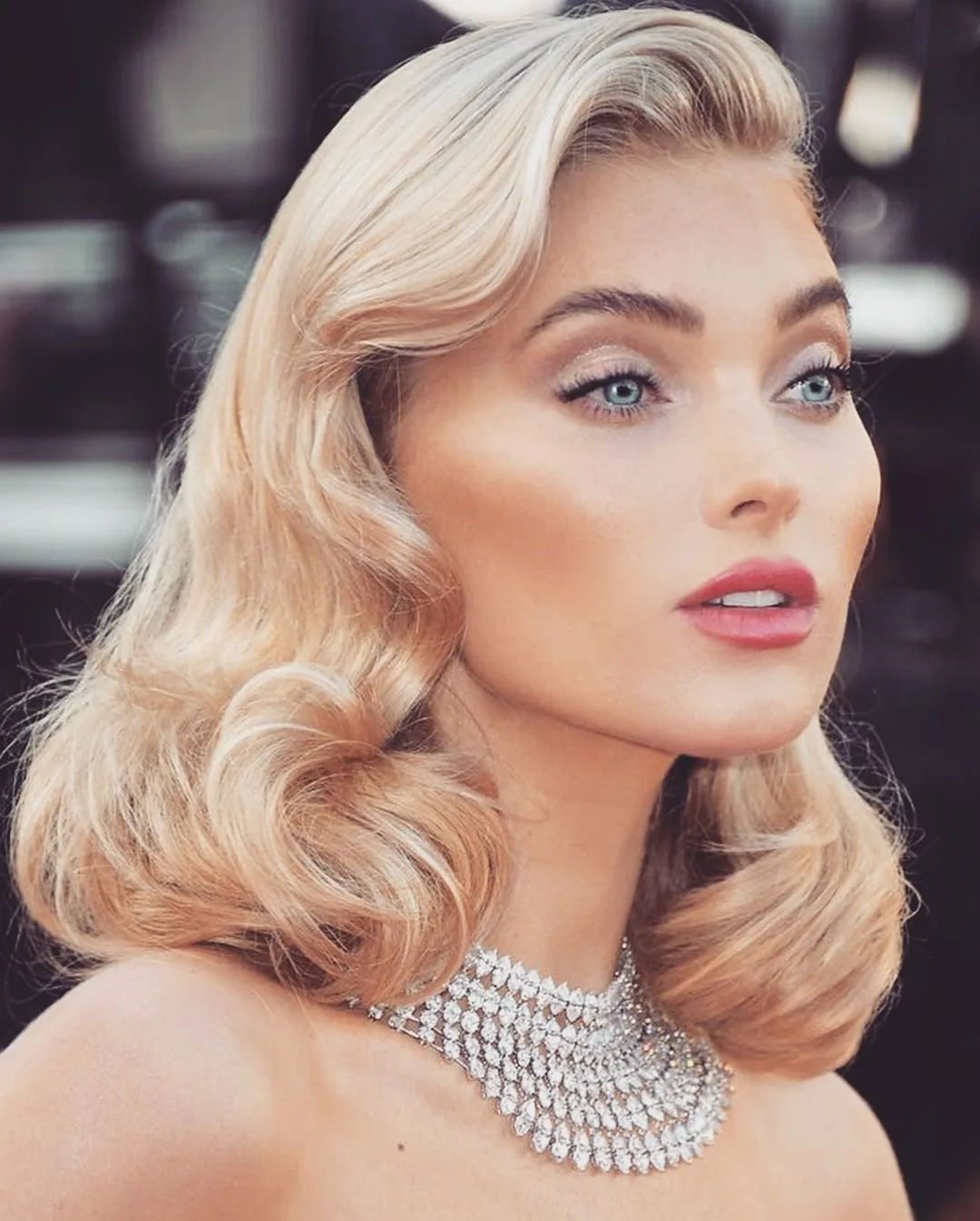
Pros: the most glamorous look here; photographs beautifully; suits medium to long hair; the waves soften the face and flatter every age.
Cons: takes time and a curling iron to build; waves can drop during vigorous dancing; needs a firm-hold spray and a little patience.
Who it suits best — and who should avoid it: best for mothers and guests who want a show-stopping party look. Avoid it if you plan to dance hard all night — pin one side back, or save it for the photos.
The High Bun with Loose Tendrils
A high bun with loose tendrils is the party version of the service top knot: the hair is swept up high and coiled into a bun, but two soft pieces are left free to frame the face. It looks romantic and a little undone, which is exactly right for an evening party — and the bun itself is secure enough for the hora.
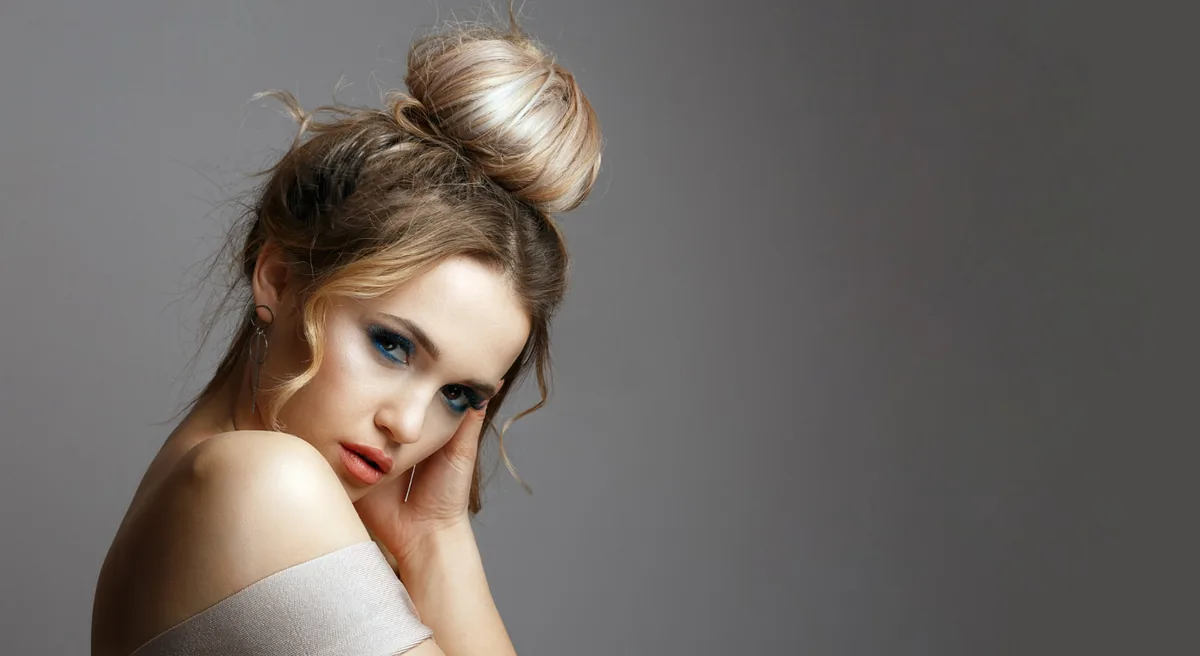
Pros: secure and pretty at once; the tendrils soften the face; keeps the neck cool while dancing; easy to build from a service bun by loosening the front.
Cons: the tendrils can fall into your face while dancing; the bun needs pins in four places; very fine hair may need a donut for fullness.
Who it suits best — and who should avoid it: ideal for sisters and guests who want a romantic party updo. Avoid it if your hair is very short — the tendrils need length to frame the face.
The Bubble Braid for the Party
A bubble braid takes a ponytail and adds evenly spaced elastics down its length, creating a series of rounded bubbles that look playful and stay put. It is a favourite for party nights because the extra elastics stop the length from whipping around while you dance, and the shape reads clearly in photos.
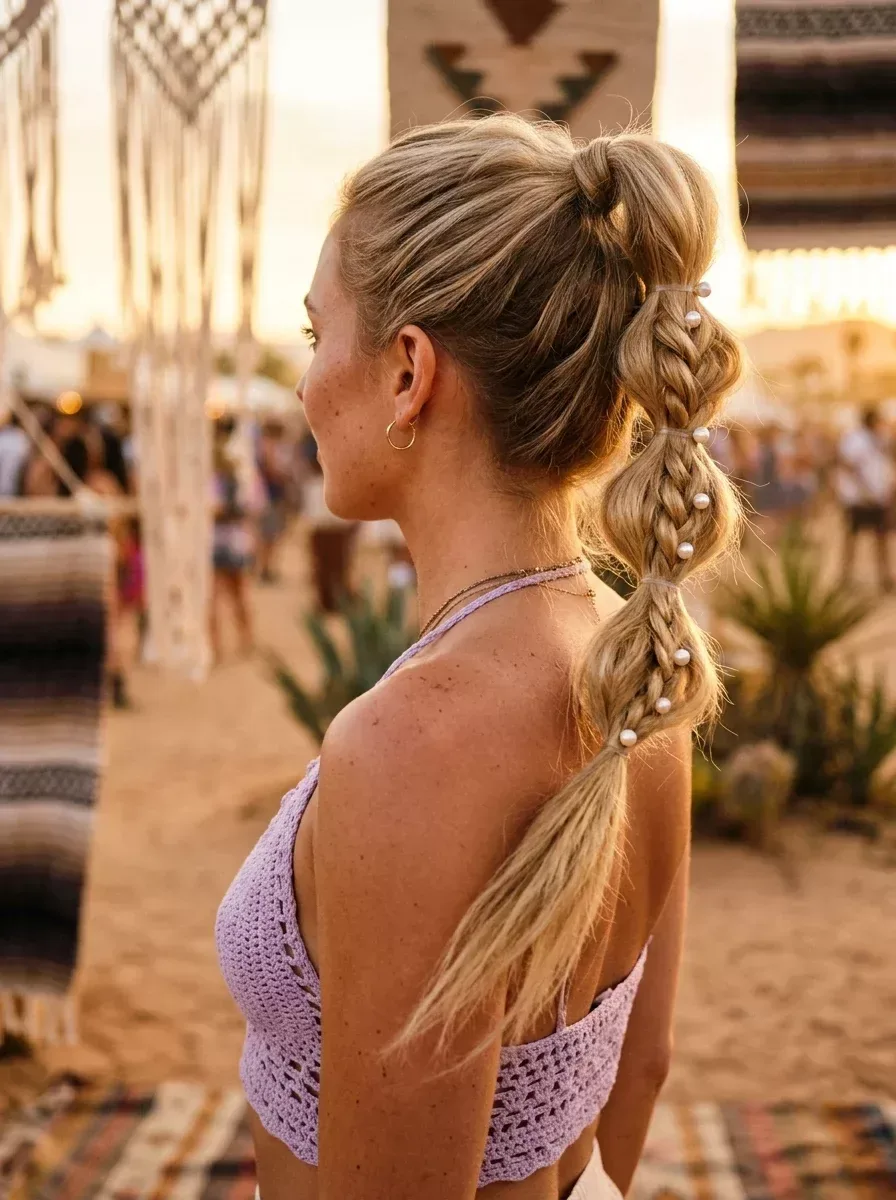
Pros: fun, modern, and very secure; the elastics lock the length in place; suits medium to long hair; easy to build from a service ponytail.
Cons: needs even spacing or it looks lopsided; a loose elastic will slide down during dancing; works best on longer hair.
Who it suits best — and who should avoid it: best for teenage guests and sisters who want a playful party look. Avoid it if your hair is very short — the bubbles need length.
The Half-Up Party Ponytail
The half-up party ponytail gathers the top half of the hair into a high, bouncy ponytail while the rest falls free — the best of both worlds for a party. The face is open, the front is controlled, and the loose length adds movement when you dance. Add a sparkly clip at the base and it is instantly a party look.
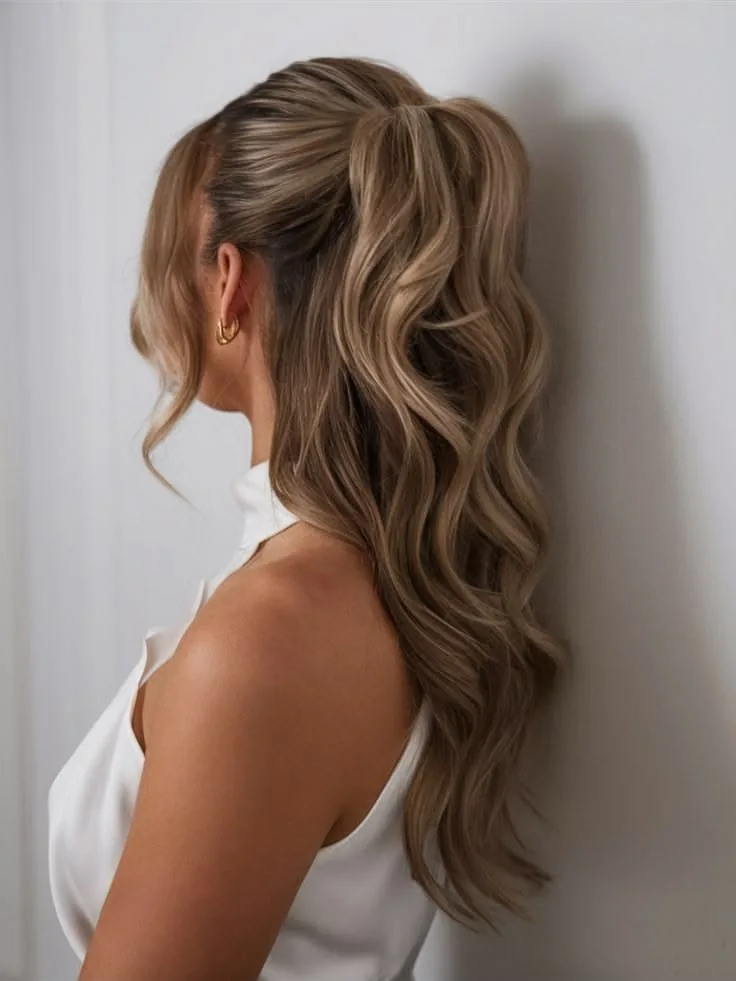
Pros: quick to build and comfortable; suits long hair beautifully; the top ponytail keeps the front clear; easy to refresh between dances.
Cons: the loose length can tangle during the hora; not as secure as a full ponytail; fine hair may need texture spray to hold the top section.
Who it suits best — and who should avoid it: ideal for guests with long hair who want to wear it down but stay in control. Avoid it if you plan to be lifted on a chair — gather the rest up too.
The Voluminous Curls, Pinned Secure
Voluminous curls, pinned secure, are pure celebration: the curls are defined and full, the front is pinned back, and the shape moves beautifully when you dance. Curly hair is a gift on a party night, because the texture holds a shape that straight hair has to work for.
Pros: natural volume and movement; holds its shape well; photographs with real energy; the pins keep the front clear while the curls do the talking.
Cons: curls can frizz in a hot, crowded room; needs a little cream and a firm-hold spray; the pins must match your hair colour or they show.
Who it suits best — and who should avoid it: best for guests with naturally curly or wavy hair. Avoid heavy oils — they make pins slide and curls fall flat.
The Sleek High Ponytail with a Hair Wrap
The sleek high ponytail with a hair wrap is the most polished party ponytail: the hair is brushed smooth, gathered high, and a section of hair is wrapped around the base to hide the elastic. It looks expensive, it holds all night, and it suits a party dress as well as it suits the dance floor.
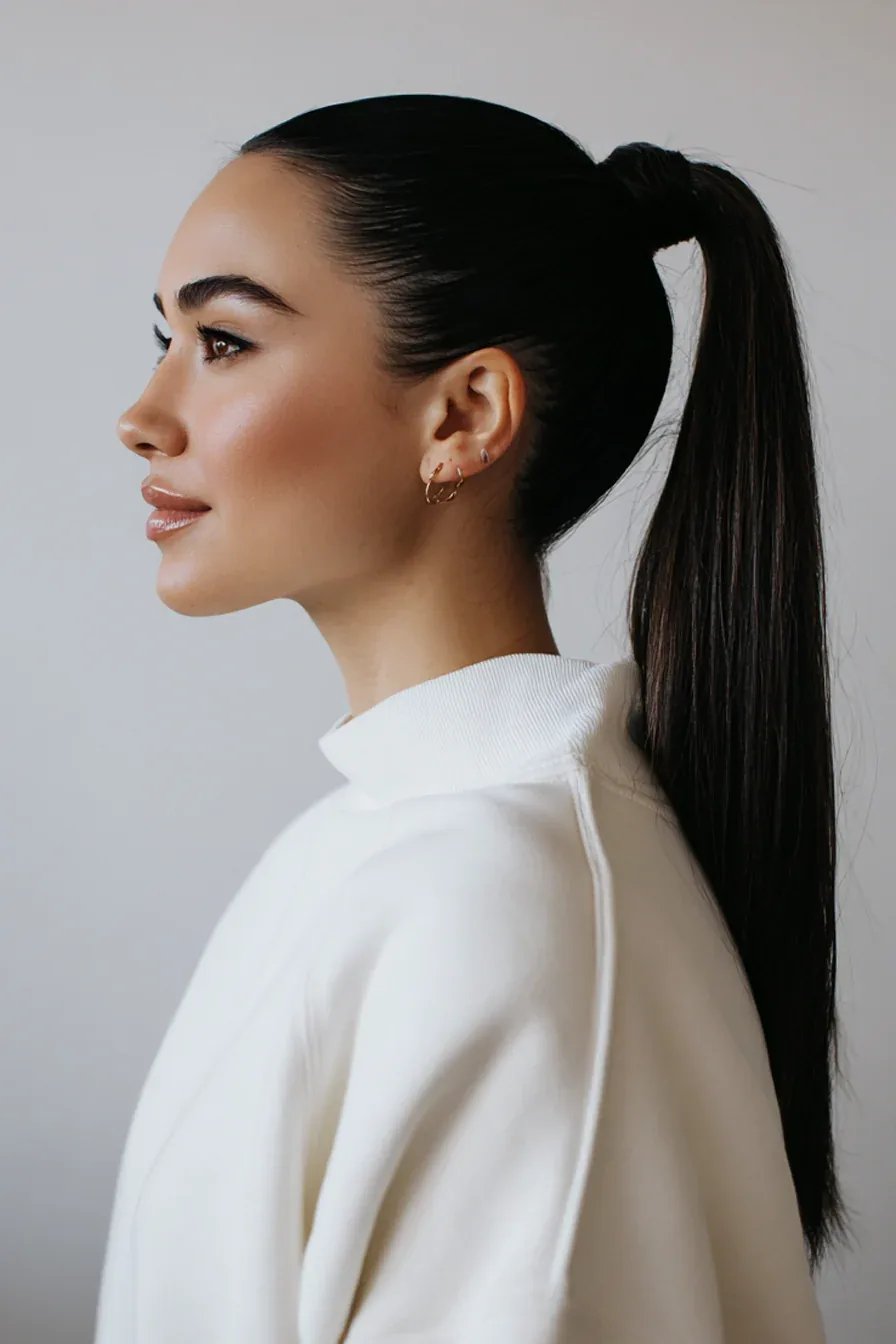
Pros: sleek, elegant, and very secure; the wrap hides the elastic and adds polish; keeps the neck cool; photographs with a clean silhouette.
Cons: needs a smooth finish — any bump shows; can pull at the scalp; very thick hair may need two elastics under the wrap.
Who it suits best — and who should avoid it: ideal for sisters and guests who want a chic, modern party look. Avoid it if your hair is very layered — shorter layers will escape, so pin them first.
The Messy-Chic Low Bun
The messy-chic low bun is the relaxed party updo: the hair is gathered low and coiled loosely, with a few soft pieces left free and the surface gently loosened for texture. It looks effortless, it is comfortable, and it has the great advantage of looking better slightly undone — so the hora only improves it.
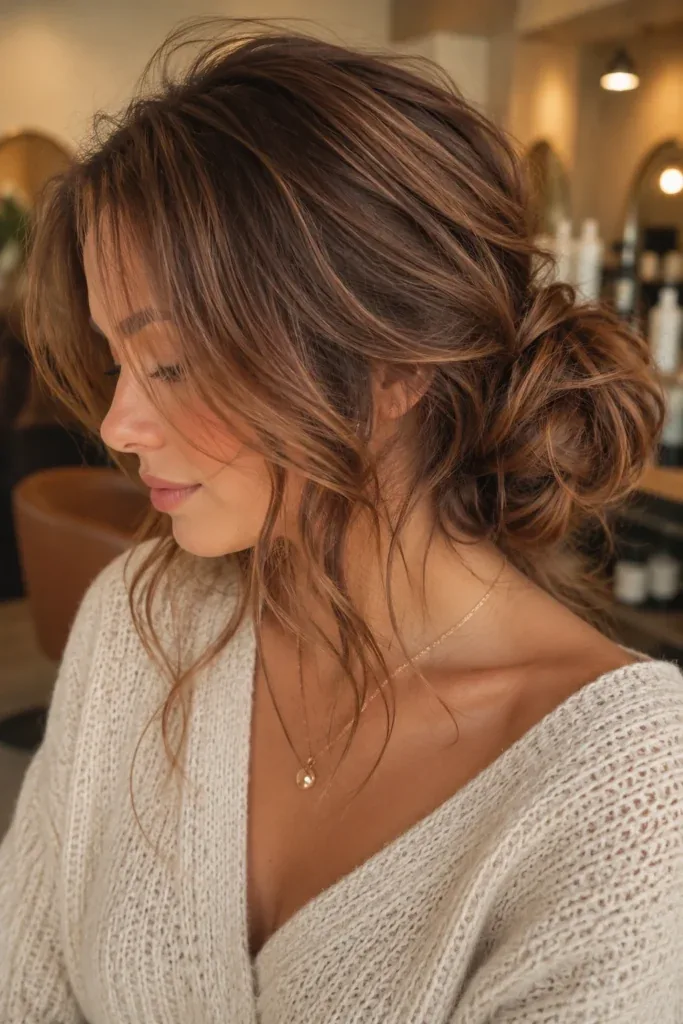
Pros: comfortable and forgiving; looks intentional even as it loosens; suits every age; easy to build from a service low bun by loosening it.
Cons: can look untidy if it is loosened too much; needs pins in several places; very fine hair may need texture spray for grip.
Who it suits best — and who should avoid it: best for guests who want a relaxed, romantic party look. Avoid it if you want a very formal finish — a sleek chignon will suit you better.
The Braided Ponytail for the Party
The braided ponytail combines the energy of a high ponytail with the security of a braid: the hair is gathered high, then the length is braided all the way down. The braid stops the ponytail from whipping and tangling while you dance, and it gives the style a sharp, athletic finish that looks great in party photos.
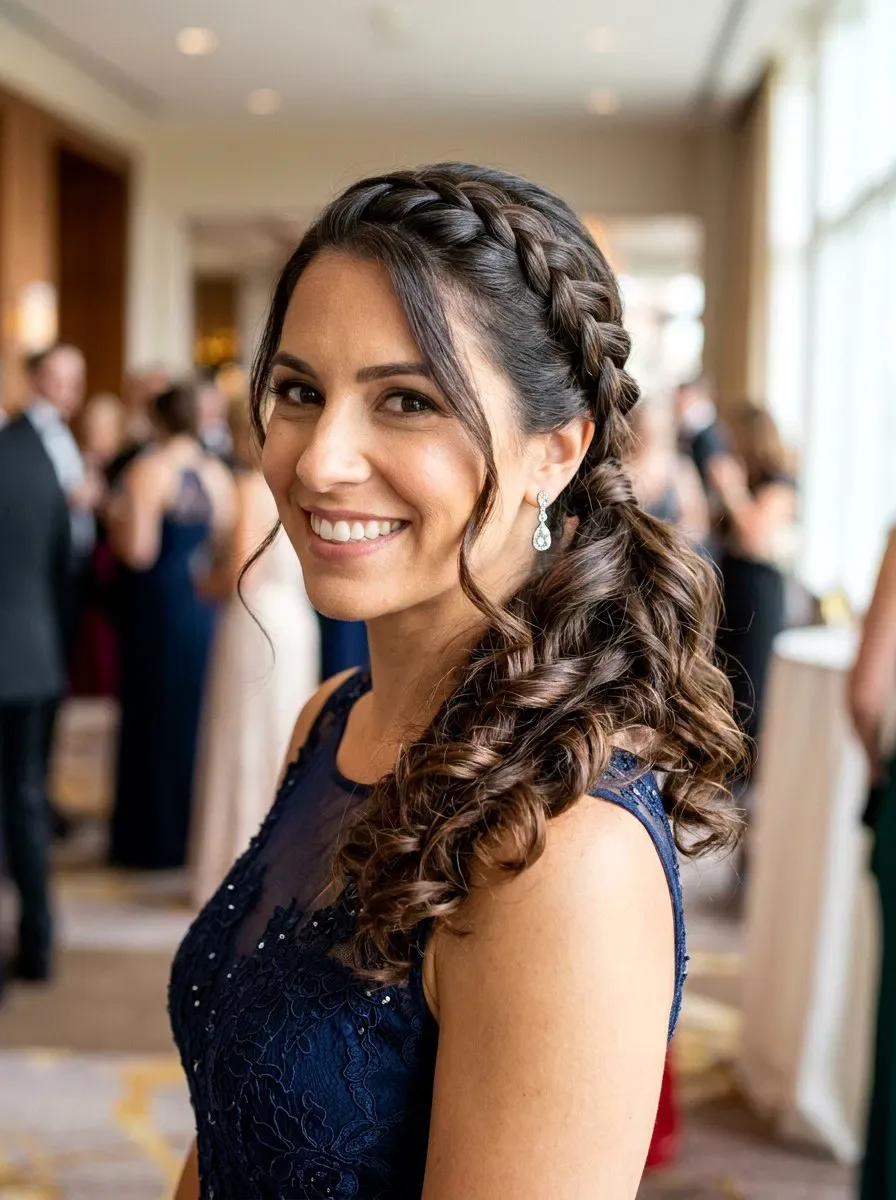
Pros: the braid tames the length completely; very secure for dancing; looks intricate but is simple to build; suits medium to long hair.
Cons: the braid can loosen at the ends; needs a clear elastic and a wrap to finish neatly; very thick hair makes a heavy braid.
Who it suits best — and who should avoid it: ideal for sisters and teenage guests who want a secure, stylish party look. Avoid it if your hair is very short — a braided half-up gives a similar effect.
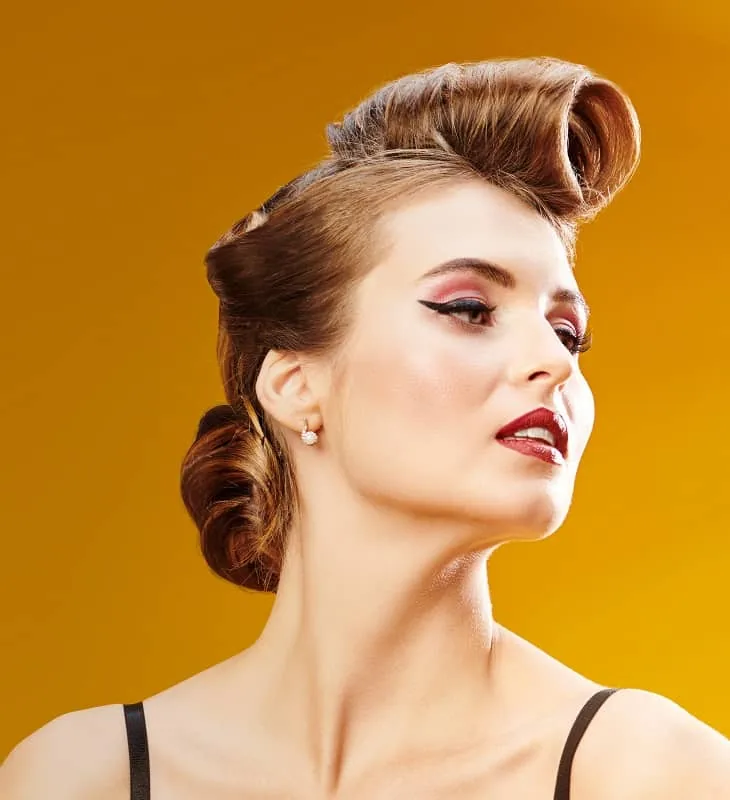
The Retro Victory Rolls
Victory rolls are a joyful nod to the 1940s: the front hair is rolled into two soft, sculpted rolls, and the rest is pinned up or left in waves. They are playful, they are photogenic, and they are a wonderful choice for a themed party or a guest who loves vintage style.
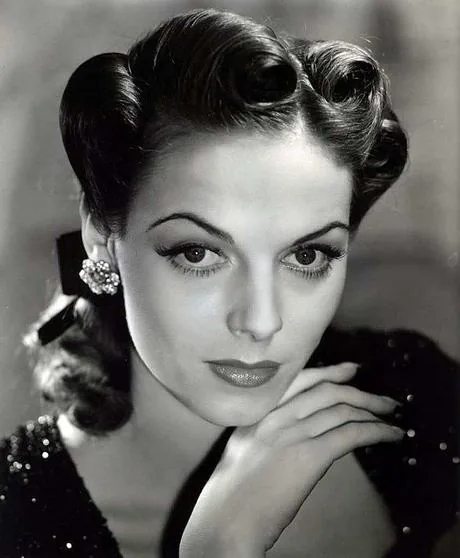
Pros: a real conversation starter; photographs beautifully; the rolls hold well when pinned; suits a party dress with vintage styling.
Cons: takes time and practice to roll evenly; needs plenty of pins and strong-hold spray; not the best choice for very vigorous dancing.
Who it suits best — and who should avoid it: best for guests who love vintage style and have medium to long hair. Avoid it if you have never tried it before — practise at home first, or ask a stylist.
The Glitter-Accented Updo
The glitter-accented updo is a simple updo with one party trick: a glittery clip, a sparkly pin, or a dusting of hair glitter that catches the light when you dance. The updo itself can be any secure style from this guide — the glitter is what turns it from service to party in seconds.
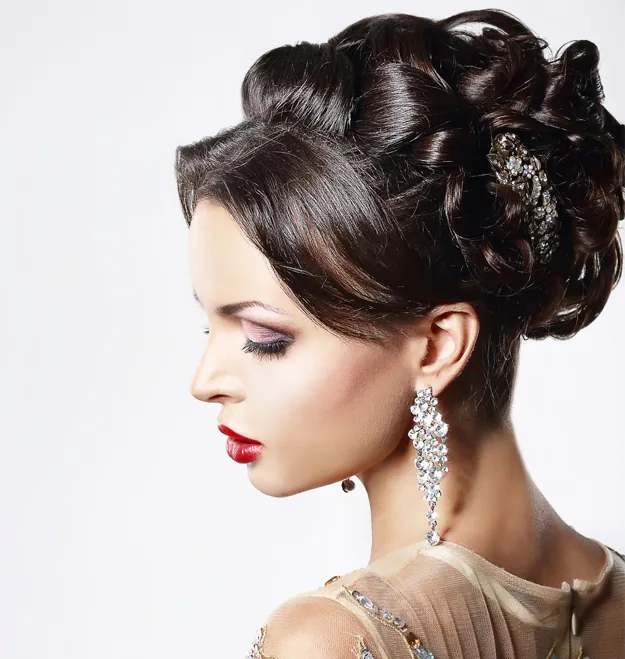
Pros: the fastest service-to-party transformation; the sparkle photographs beautifully; suits any updo; one accessory is all it takes.
Cons: glitter can transfer to clothes and faces; a heavy clip can slide during the hora; too much sparkle can clash with a sequinned dress.
Who it suits best — and who should avoid it: ideal for anyone who wants a quick, festive party upgrade. Avoid it if your dress already sparkles — keep the hair simple instead.
The Loose Waves with a Sparkly Clip
Loose waves with a sparkly clip are the easiest party look in this guide: the hair is worn down in soft waves, one side is swept back and held with a sparkly clip, and the whole style takes ten minutes. It is pretty, it is relaxed, and it is perfect for a guest who does not want an updo.
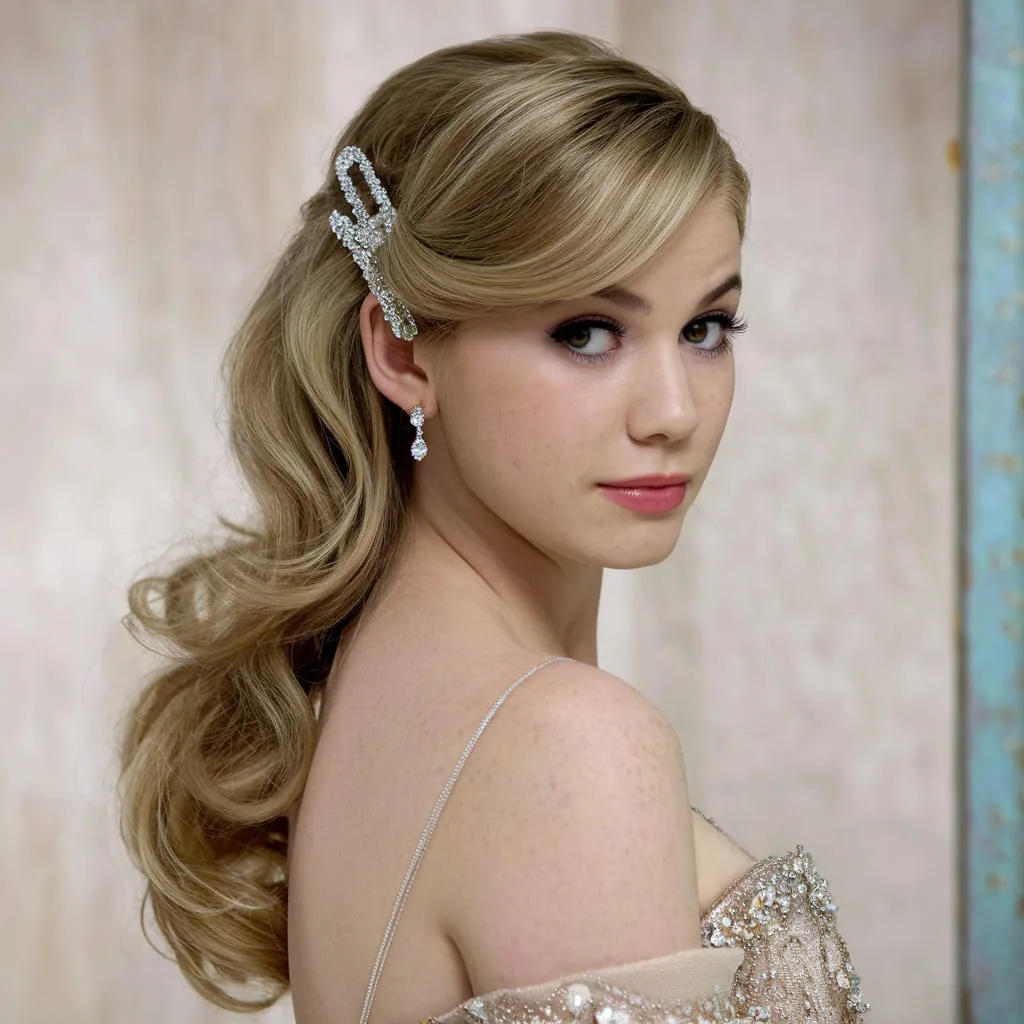
Pros: quick and easy; the clip keeps one side controlled; suits medium to long hair; the waves soften the face and photograph warmly.
Cons: the waves can drop in humidity; the unclipped side can fall forward while dancing; needs a firm-hold spray to last the night.
Who it suits best — and who should avoid it: best for guests with medium to long hair who want a soft party look. Avoid it if you plan to dance hard — pin both sides back, or choose a ponytail.
The Twisted Top Knot for the Party
The twisted top knot takes the service top knot and gives it a party twist: the hair is twisted rather than coiled, the knot sits high and textured, and a small sparkly pin finishes it. It is secure, it is stylish, and it keeps the neck completely clear for a night of dancing.
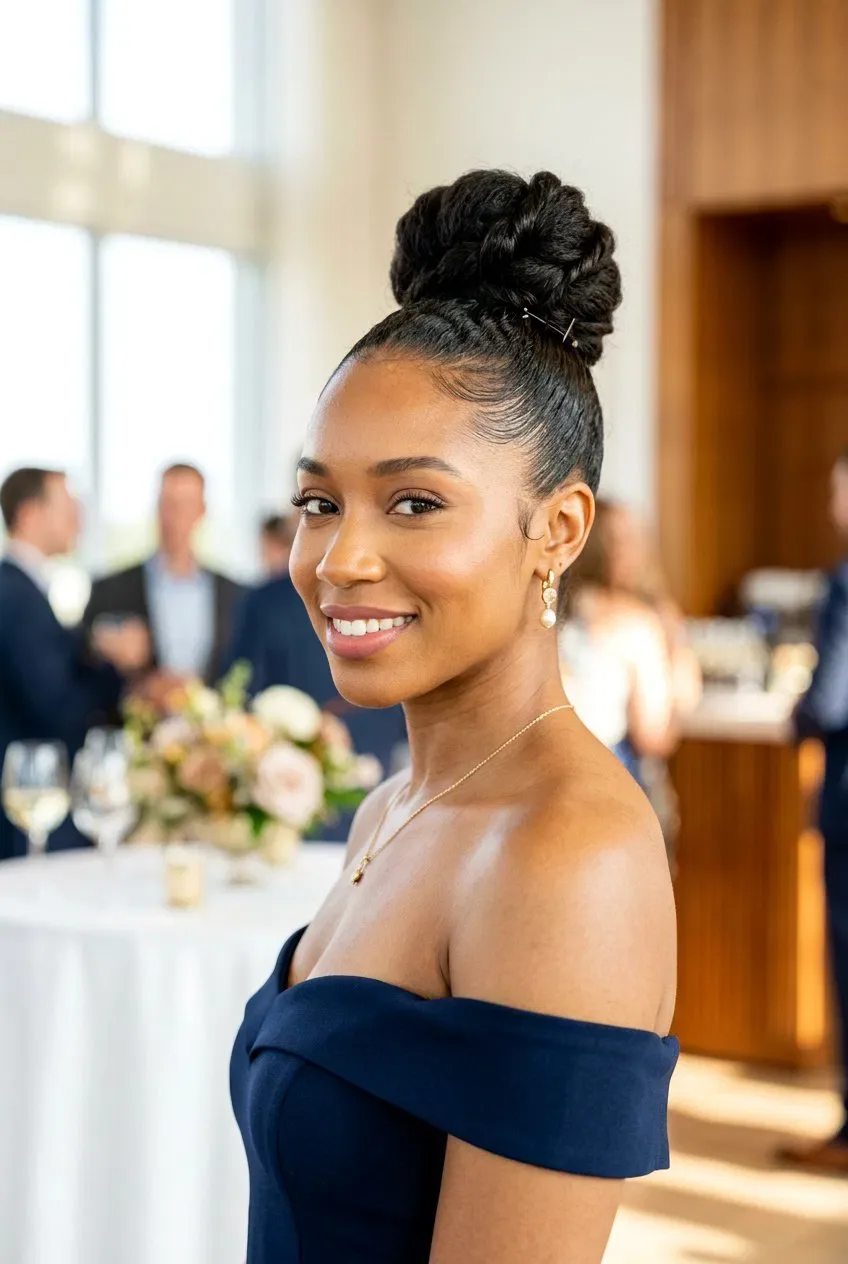
Pros: very secure for the hora; the twist adds texture and interest; keeps you cool on the dance floor; easy to build from a service top knot.
Cons: the twist can loosen if it is not pinned well; needs a little texture spray for grip; a very high knot can feel heavy by the end of the night.
Who it suits best — and who should avoid it: ideal for sisters and guests with long hair who want a secure, modern party updo. Avoid it if you have very fine hair — a braided bun will hold better.
Your Signature Look, From Service to Party
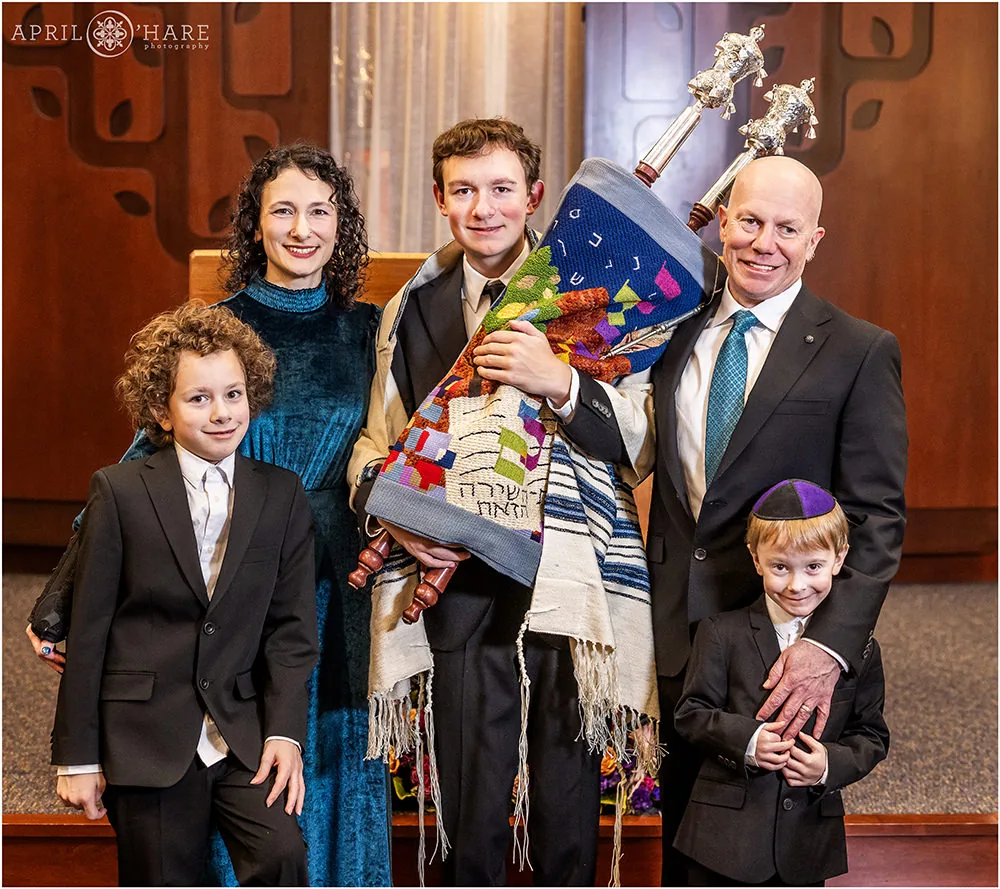
The last style in this guide is not a style at all — it is yours. The hair you wear on your best days, the part you always wear, the curls or the straightness or the waves that are simply you, built a little more neatly for the service and a little more securely for the party. Every other style here is an idea; this one is the answer.
Pros: you already know it suits you; you already know how to build it; it feels like you in every photo; it is the most comfortable choice of all.
Cons: your everyday style may need a little more hold for the hora; it may not photograph as dramatically as a big party updo; it needs a test run before the day.
Who it suits best — and who should avoid it: suits everyone, because it is yours. Avoid only a style that will not pass the dance test — add one braid, one extra elastic, or one more pin, and test it again.
What is the best hairstyle for a bar mitzvah service?
A neat, controlled style: a low bun, a chignon, a smooth low ponytail, or a neat side part for the bar mitzvah boy. The service is a formal, respectful occasion, so the hair should be tidy, the face should be open, and nothing should fall forward while you sit, read, or pray.
Can I wear my hair down to a bar mitzvah?
Yes, as long as it is neat and controlled. Gentle waves with a side part, a polished blowout, or a half-up twist all work well for the service. Very loose, wild, or messy hair is better saved for the party — and if you wear your hair down, pin the front back so it stays out of your face.
How do I keep my hairstyle in place during the hora?
Choose a style with structure: braids, a high ponytail, or a bun pinned in more than one place. Use strong elastics, cross your bobby pins, and finish with a firm-hold spray. Test the style by dancing at home for one full song before the day — if it survives that, it will survive the hora.
Should the bar mitzvah boy get a haircut before the day?
Yes — get the cut three to five days before the bar mitzvah, not the day before, so it has time to settle and look natural. A neat side part, a classic taper, or a short textured crop all photograph beautifully, and a fresh cut makes the kippah sit better too.
Can women wear a kippah, and how does it affect hairstyles?
In many synagogues women may wear a kippah, and some families provide them in the party colours. A kippah sits best on flat, smooth hair — a side part, a low crown, or a short cut — so avoid tall, spiky volume at the crown. Test the kippah with your hairstyle before the day, and carry a small clip to hold it in place.
What hairstyle should the mother of the bar mitzvah boy wear?
Something elegant and comfortable that will last all day: a sleek chignon, a polished low bun, a soft French twist, or a braided low bun. She will be in many photos, so a style that looks neat in the service and survives the party is ideal — and it should suit her outfit, not compete with it.
How do I change my hairstyle between the service and the party?
Pack a small kit with extra pins, a spare elastic, a mini hairspray, and one party accessory. The fastest changes are loosening a bun into waves, lifting a low ponytail into a high one, or adding a sparkly clip. Most service-to-party switches take about five minutes in the bathroom.
What hair accessories are appropriate for a bar mitzvah?
For the service, keep accessories simple: a small pin, a plain clip, or a kippah. For the party, a sparkly clip, a small flower, or a ribbon in the party colours adds celebration. Avoid very large, heavy, or sharp accessories — they can slide during the hora and hurt someone while dancing.
What hairstyles work best for curly hair at a bar mitzvah?
Defined curls with a neat shape work beautifully for both the service and the party. Use a curl cream to define the curls, pin the front back so it stays out of your face, and finish with a firm-hold spray. Braids and pinned-up curls are the most secure choices for the hora.
Should I hire a hairstylist for a bar mitzvah?
It is worth it if you want an updo, a French twist, or a complex braided style — a stylist will build it securely and it will last all day. For simpler looks like a low bun, a ponytail, or a neat cut, you can do it yourself with a little practice. Either way, test the style at home before the day, and book the stylist early, because bar mitzvah season gets busy.
Conclusion
The best hairstyles for a bar mitzvah are the ones that let you enjoy both halves of the day — neat and respectful in the morning, secure and joyful in the evening. Whether you choose a polished low bun, a neat side part, a braided crown, or a high ponytail that survives the hora, the goal is the same: to look like yourself, only a little more polished, and to forget about your hair completely once the celebration starts.
Start with the guides, pick one service look and one party look, and test them at home before the big day. Pack your small kit, bring your party accessory, and give yourself five minutes between the service and the party to make the switch. Then dance, celebrate, and enjoy every photo — mazel tov.