Dugout to Diamond: 38 Hairstyles for a Softball Game That Stay Put Through Every Inning
There is nothing quite like game day on the softball diamond. The sun is high, the dust kicks up with every slide, the crowd cheers from the bleachers, and seven innings stretch out ahead of you. It is the perfect day out — unless your hair has other plans. The best hairstyles for a softball game are built for exactly this: heat on your part line, wind tugging at loose strands, a helmet or cap sitting on your head for hours, and a sprint to first base that has you moving at full speed.
A softball style has to do more than look good in the team photo. It has to stay out of your eyes when you are tracking a fly ball, sit comfortably under a helmet without going flat, and still look decent by the time you are shaking hands after the final out. Braids, low buns and ponytails threaded through a cap do this best, because they anchor the hair at several points and leave nothing loose for the breeze or the dust to grab.
This guide starts with the game-day basics — how to style around a helmet and cap, how sun and dust change the rules, which products survive sweat, and what works for every hair length — and then gives you 38 styles to choose from, for short, medium and long hair, straight, wavy and curly textures, and every kind of game day, from a sunny afternoon doubleheader to a night game under the lights. Pick one, practise it once at home, and enjoy all seven innings without touching your hair.
Why Softball Game Hair Is Different
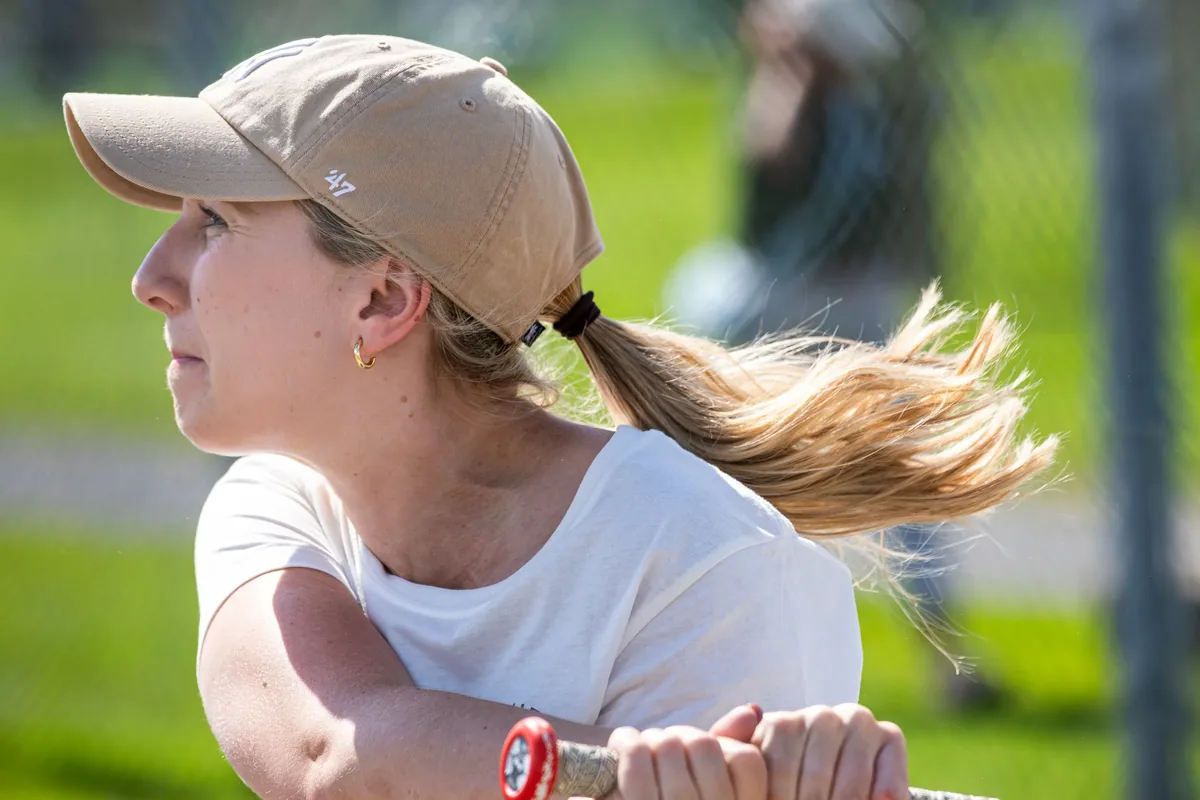
A softball game is long, outdoors and exposed in a way most other outings are not. You will be in direct sun for two hours or more, the wind funnels across an open field, and you will run, slide, throw and cheer a dozen times. Hair that behaves perfectly in an air-conditioned room can turn into a tangled, sweaty mess by the third inning.
The helmet is the other big difference. Most game days start with a batting helmet, and a helmet changes everything about a hairstyle: high buns press against the crown, volume at the roots gets crushed, and ponytails have to sit low enough to clear the back of the shell. A style that ignores the helmet will fight it all day.
Then there is the dust. Infields are dry dirt, and every slide and sprint kicks it up. Loose hair collects dust and frizz, while braided and wrapped styles keep the ends tucked away. Softball hair needs anchors — braids, wrapped bases, pinned sections — so it stays put through the whole game.
Helmet and Cap-Friendly Styling Basics
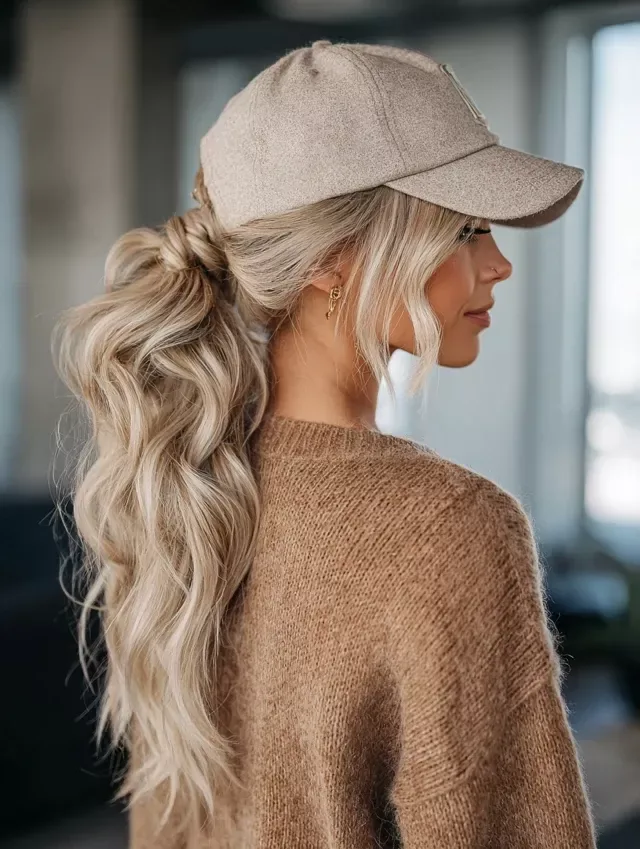
Start with the gear, not the style. Put your helmet or cap on first, note exactly where it sits, and then build the hairstyle around it. A ponytail that threads through the cap opening or sits just below the helmet line will feel comfortable for hours, while one placed a centimetre too high will ache by the second inning.
Keep the crown smooth and flat where the helmet presses down. A little smoothing cream or gel on the top layer stops flyaways without making the hair stiff, and it means the style still looks neat when the helmet comes off. Avoid bulky clips or knots at the crown, because they dig in under a hard shell.
Do the shake test at home before game day. Jump, jog on the spot and shake your head for thirty seconds. If the style holds, it will hold on the field. If strands fly everywhere, add another anchor — a second elastic, a few pins, or a braid along the part.
Sun, Dust and Dugout Weather
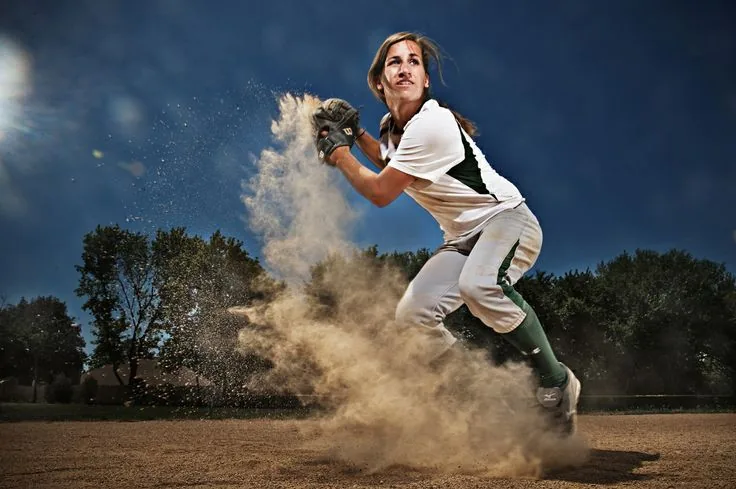
Sun is the quiet enemy of game-day hair. Hours in direct sun dry out the ends, fade colour, and make a part line burn. A cap or visor shades the scalp, and a leave-in with UV protection adds a second layer of defence. Braids also help, because they keep most of the hair shaded and bundled together.
Dust is the second problem, and it is unique to the diamond. Dry infield dirt gets into loose waves and fine hair fast, leaving it gritty and dull. Styles that keep the ends contained — braids, buns and wrapped ponytails — pick up far less dust than hair worn loose, and they shake out clean afterwards.
Wind changes the rules again, especially on open fields with no stands to block it. A crosswind will push loose strands straight into your face just as a pitch comes in. If the forecast is breezy, choose a braid or a bun over anything half-up, and carry a spare elastic in your pocket for a quick dugout fix.
Sweat-Proof Products That Actually Hold
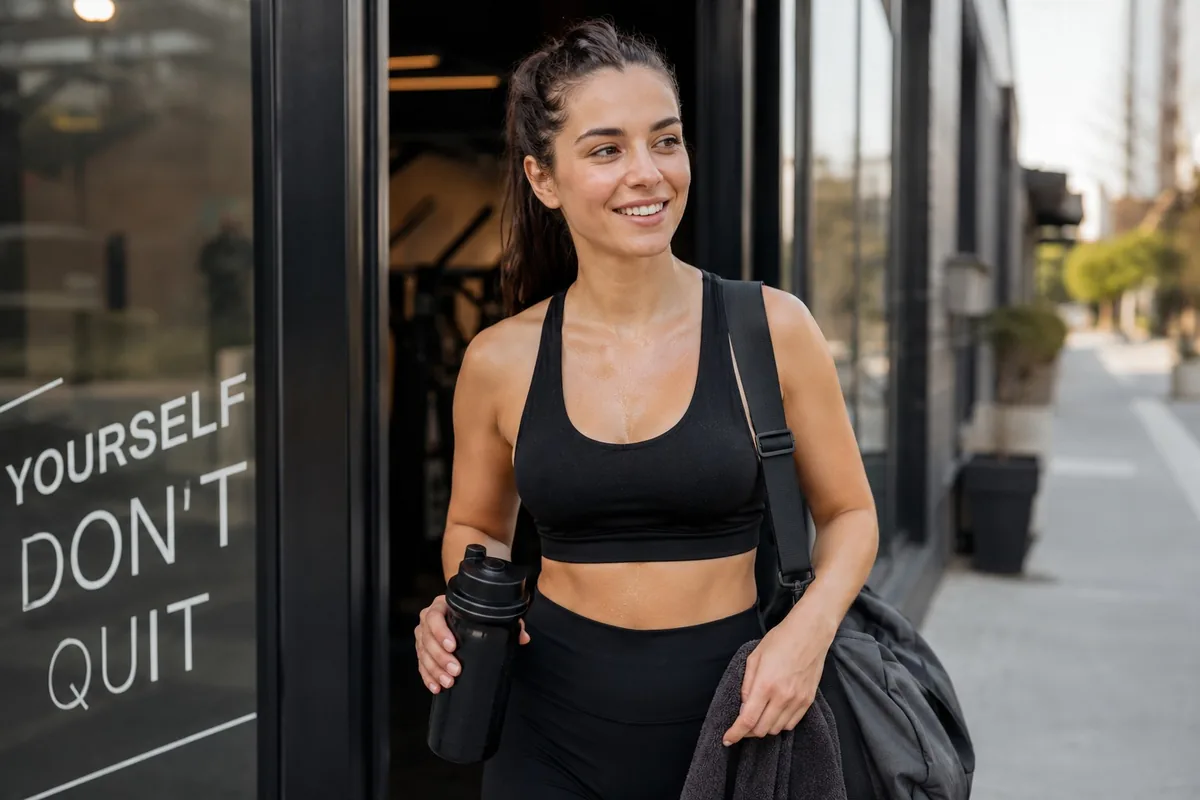
The products that survive a softball game are the ones that grip without flaking. A strong-hold gel or styling cream on damp hair gives braids and ponytails a clean base, while a light-hold hairspray locks flyaways without turning the style crunchy. Skip heavy oils on game day, because sweat and oil together make hair slide out of its elastic.
Dry shampoo is your best friend in the dugout. A quick spray at the roots between innings soaks up sweat, adds grip for re-braiding, and keeps the style from going limp. Keep a travel-size bottle in your kit bag, along with a few snag-free elastics and bobby pins in your team colours.
For curly and coily hair, a curl cream or edge control keeps the hairline neat under a helmet, and a satin-lined cap reduces frizz where the fabric rubs. Whatever your texture, the rule is the same: prep on damp hair, set with a light hold, and refresh with dry shampoo rather than starting over.
Hair by Length: Short, Medium and Long
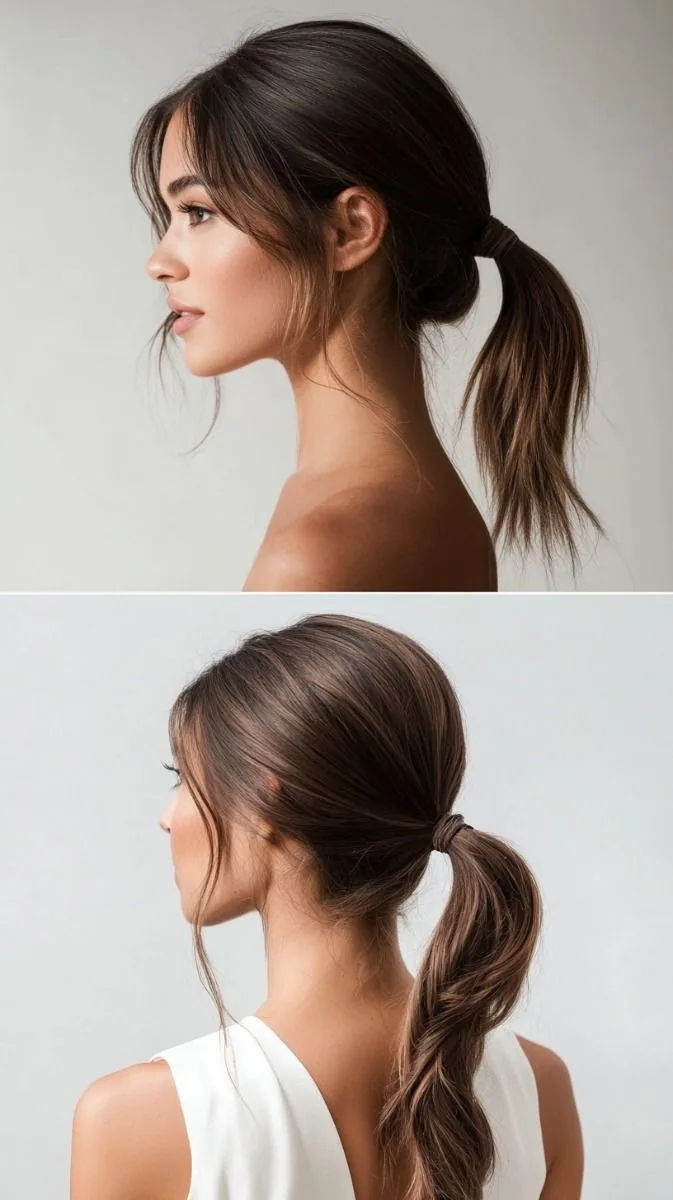
Short hair has the easiest game day of all, as long as it stays out of your eyes. A headband, sweatband or cap does most of the work, and a little texturising product stops the front pieces from flopping forward when you run. Pixies and crops look sharp under a helmet and need almost no mid-game attention.
Medium hair is the most versatile length for softball. It is long enough to braid, bun and ponytail, but short enough that a braid does not swing and catch on a helmet strap. Half-up styles work well here too, because the top section is short enough to stay put with a single clip.
Long hair needs the most anchoring, because weight and swing work against it. Braids are your best friend: they distribute the weight, stop the ends whipping around, and keep the hair contained during a slide. If you prefer a ponytail, braid the first few inches or wrap the base so the tail does not loosen.
Braids vs Buns vs Ponytails on Game Day
Braids win for staying power. A Dutch or French braid locks the hair at the scalp, survives a helmet, a slide and a sprint, and still looks good in the post-game photos. The trade-off is time: a neat braid takes a few minutes and some practice, so learn it before game day rather than on it.
Buns win for coolness and tidiness. A low bun sits neatly under a helmet, keeps the neck cool, and picks up almost no dust. The trade-off is comfort: a bun placed too high presses against the helmet, and a heavy bun can pull by the fifth inning, so keep it low and light.
Ponytails win for speed and simplicity. A high or low ponytail takes thirty seconds, works with a cap, and suits almost everyone. The trade-off is movement: a long tail swings, catches the wind and loosens over time, so wrap the base and use a second elastic for long games.
Quick Dugout Fixes Between Innings
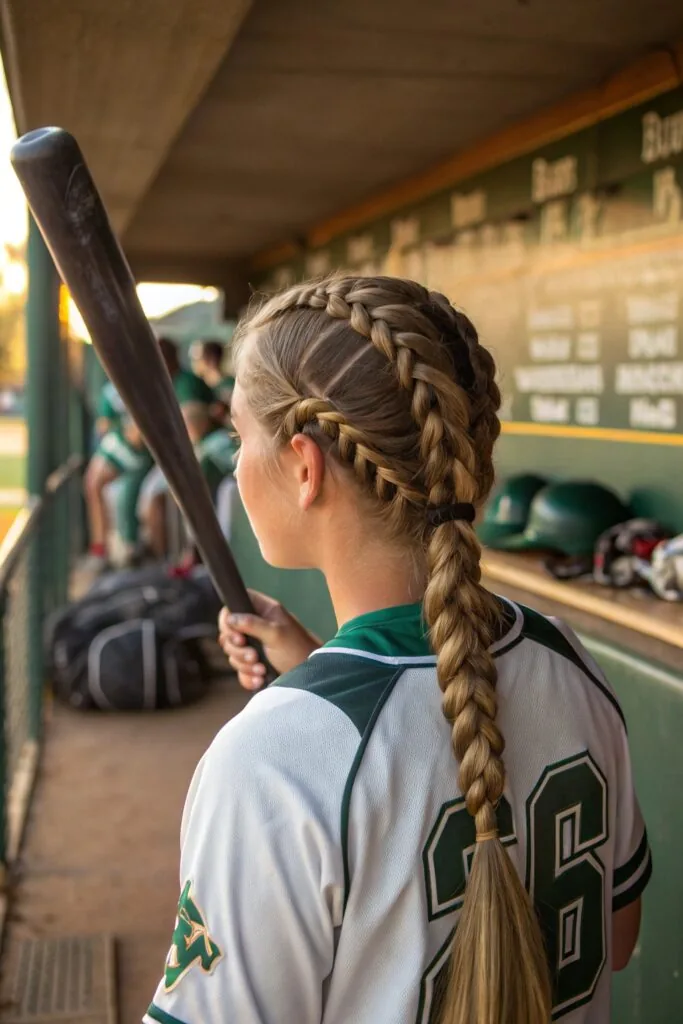
Every game-day kit needs a dugout fix plan, because even the best style loosens by the fourth inning. Pack three things: snag-free elastics, bobby pins, and a small bottle of dry shampoo. That is enough to rescue almost any style in under a minute.
For a loosening ponytail, do not take it out and start again. Smooth the top with damp hands, add a second elastic a centimetre below the first, and tuck the flyaways with two crossed pins. The double elastic holds far better than one tight one and does not give you a headache.
For a braid that is frizzing at the edges, smooth a pea-sized amount of gel over the part line and the nape, then re-pin the tail. For a bun that is slipping, twist it tighter, pin at four points like a clock face, and spray the roots with dry shampoo for grip. Small fixes, done early, save the whole style.
From Field to Post-Game: Transition Looks
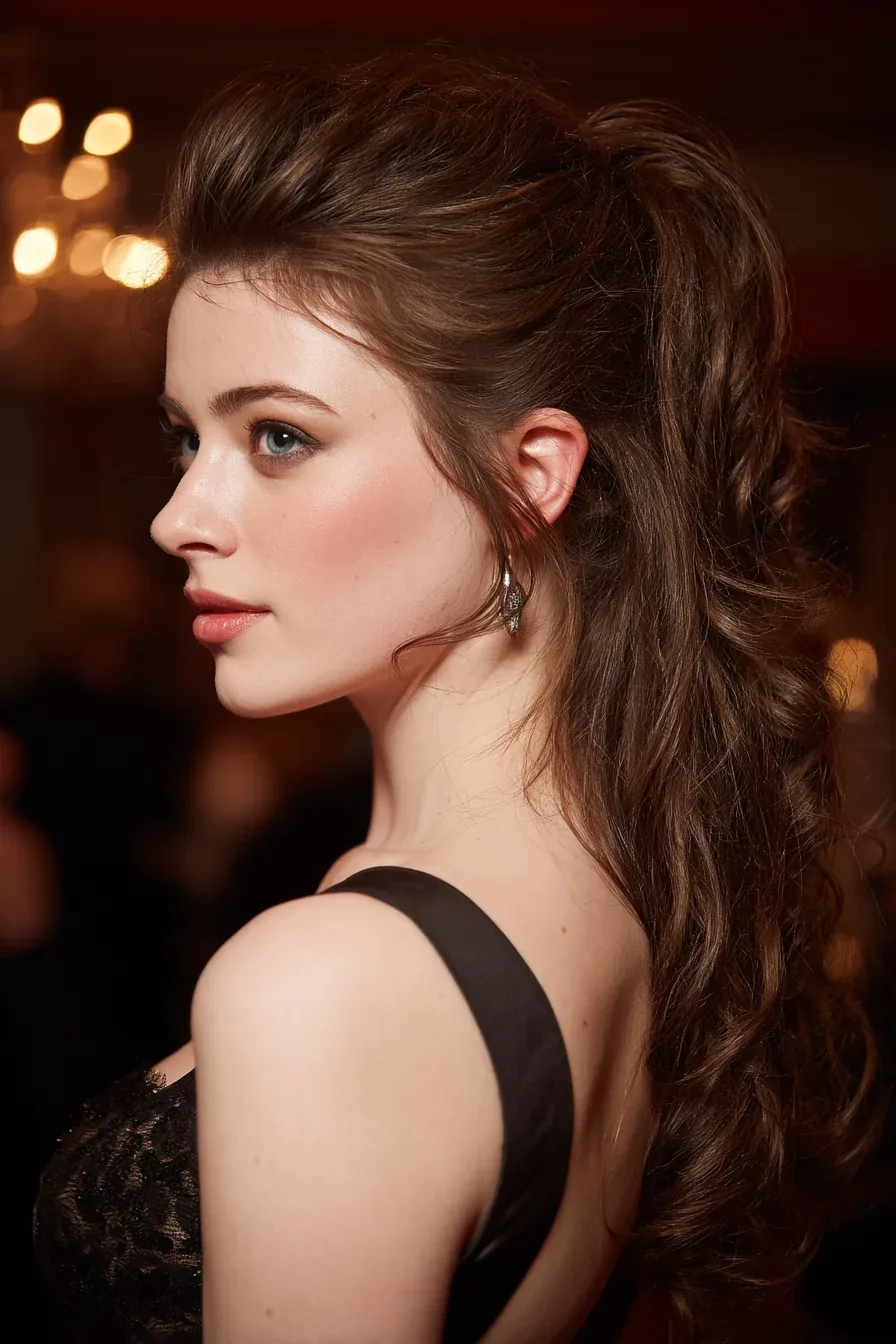
The best game-day styles are the ones that look good twice: on the field and at the post-game meal. A braid that you undo after the game falls into soft, lived-in waves, and a low bun released at the end of the day gives you volume with almost no effort.
Plan the transition before the first pitch. If you are heading out afterwards, choose a style that unravels well — a loose braid, a low bun, or a ponytail with a soft wave in the tail. Keep a small brush and a spritz of texturising spray in your bag for the five-minute refresh.
The easiest post-game refresh is the shake-out: remove the pins, shake the hair at the roots, add a little dry shampoo, and let the natural wave from the braid do the work. You go from game-ready to dinner-ready without a mirror, a straightener or a second style.
1. Classic High Ponytail Through the Cap
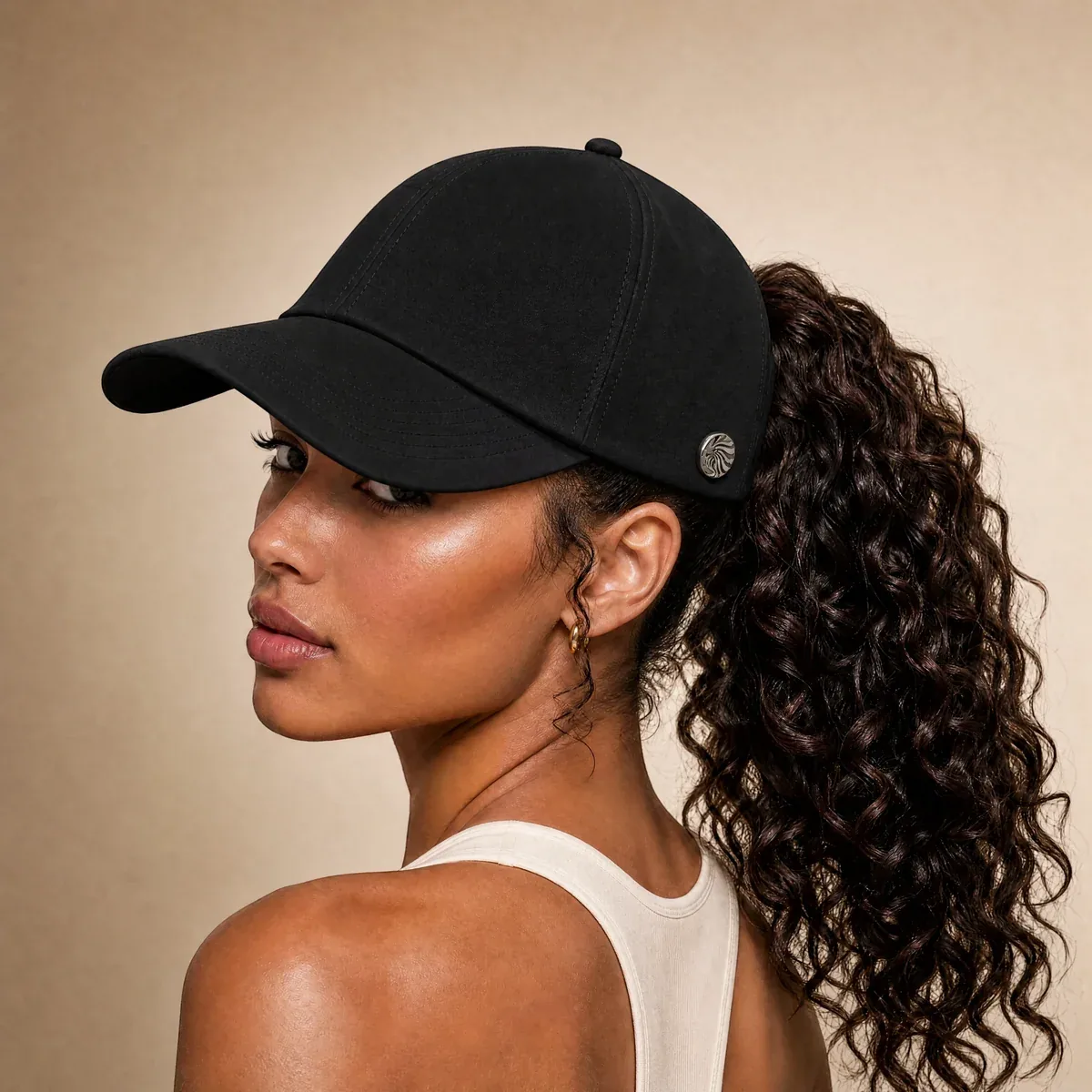
The classic high ponytail is the first style most players reach for, and for good reason. It lifts the hair off the neck, keeps it clear of the shoulders during a throw, and threads neatly through the opening at the back of a cap. Gather the hair high at the crown, smooth the sides with a brush, and secure it with a snag-free elastic.
Pros: takes thirty seconds, keeps you cool, works with any cap, and suits every hair length past the shoulders. Cons: a long tail swings when you run, it can loosen by the fifth inning, and a very tight pull can cause a headache.
Who it suits: players with medium to long hair who want a no-fuss style, and anyone wearing a cap all game. Who should avoid it: anyone with a sensitive scalp or very fine hair that slips out of a single elastic.
Maintenance: wrap a small section of hair around the elastic and pin it underneath for a polished finish, and carry a spare elastic in your pocket. A quick re-tighten between innings is all it needs.
2. Low Ponytail Under a Helmet
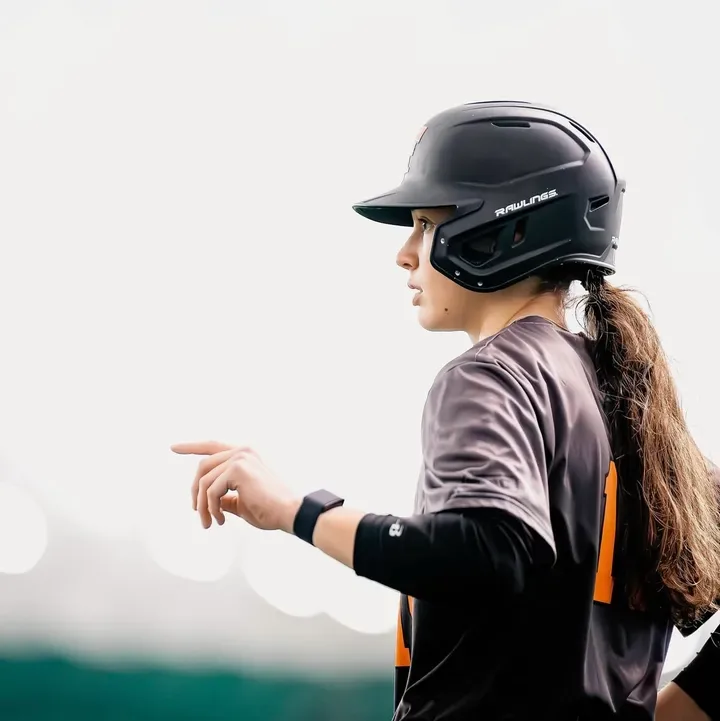
A low ponytail is the helmet player’s best friend. It sits at the nape, well below the back edge of the batting helmet, so nothing presses, pinches or pushes the helmet forward. Brush the hair smooth, gather it low, and secure it just above the neck for a style that feels like nothing at all.
Pros: the most comfortable style under a helmet, zero pressure points, and it keeps the neck cool. Cons: it can look plain in photos, and the tail can catch on a jersey collar if it is very long.
Who it suits: batters and catchers who wear a helmet for long stretches, and players with thick hair that feels heavy up high. Who should avoid it: anyone who wants volume at the crown, since this style is deliberately flat on top.
Maintenance: smooth the crown with a little gel before you put the helmet on, and re-tie the tail once after warm-ups. A silk scrunchie reduces creasing if you take it down after the game.
3. Double Dutch Braids
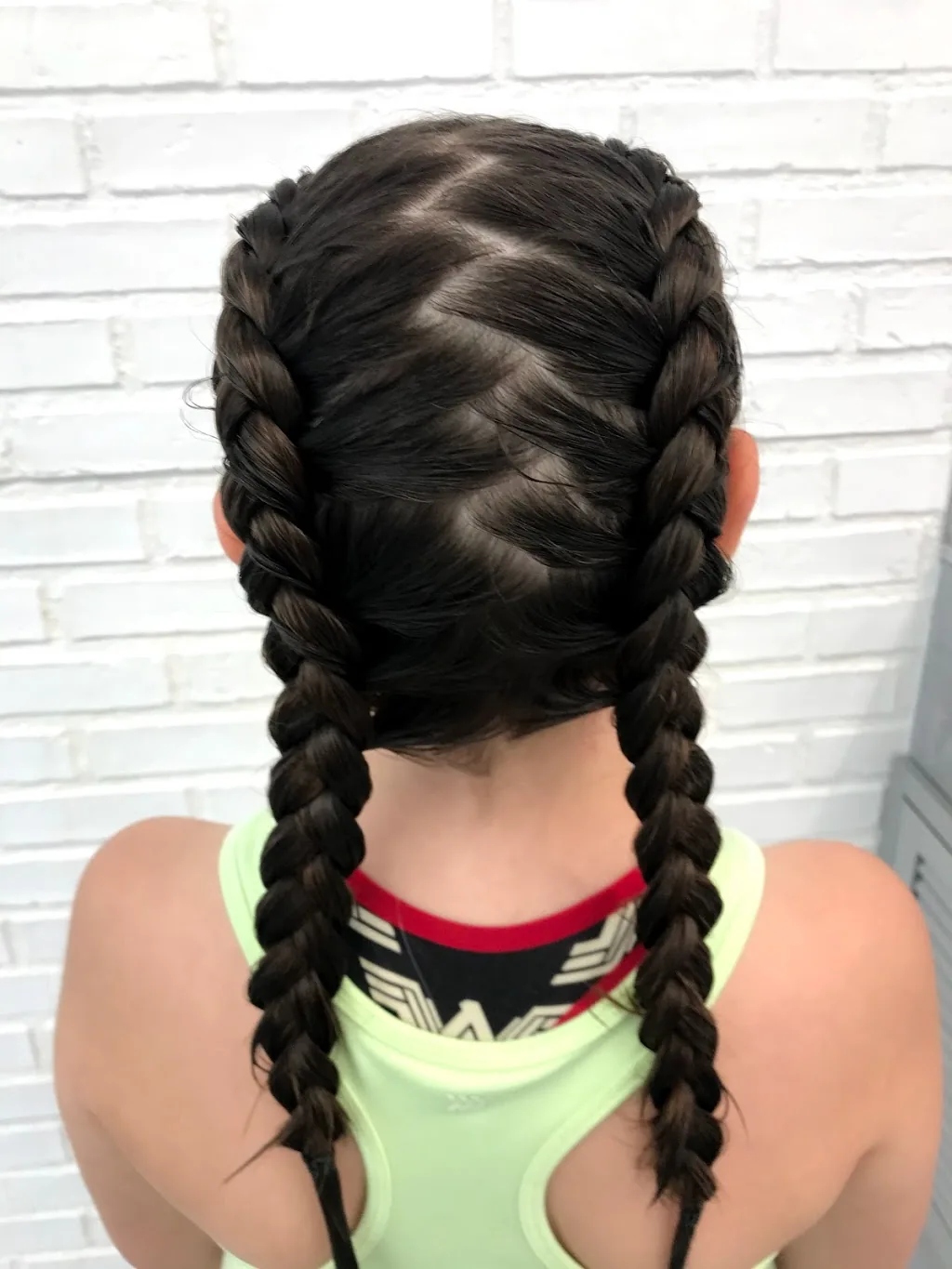
Double Dutch braids are the gold standard for game day. Two braids run from the hairline to the nape, locking every strand in place, and the tails can be tied off, tucked under, or wrapped into mini buns. They survive helmets, slides, sprints and a full doubleheader without moving.
Pros: unbeatable staying power, keeps hair completely out of the face, and looks great in team photos. Cons: takes ten minutes and some practice, and tight braids can feel snug for the first few minutes.
Who it suits: players with medium to long hair, anyone who slides or dives, and curly hair that needs containing. Who should avoid it: anyone with a tender scalp or very short layers that poke out of the braid.
Maintenance: braid on slightly damp hair with a little styling cream for grip, and pin the tails flat so they do not bounce. A light mist of hairspray on the part line keeps flyaways down all game.
4. French Braid Crown
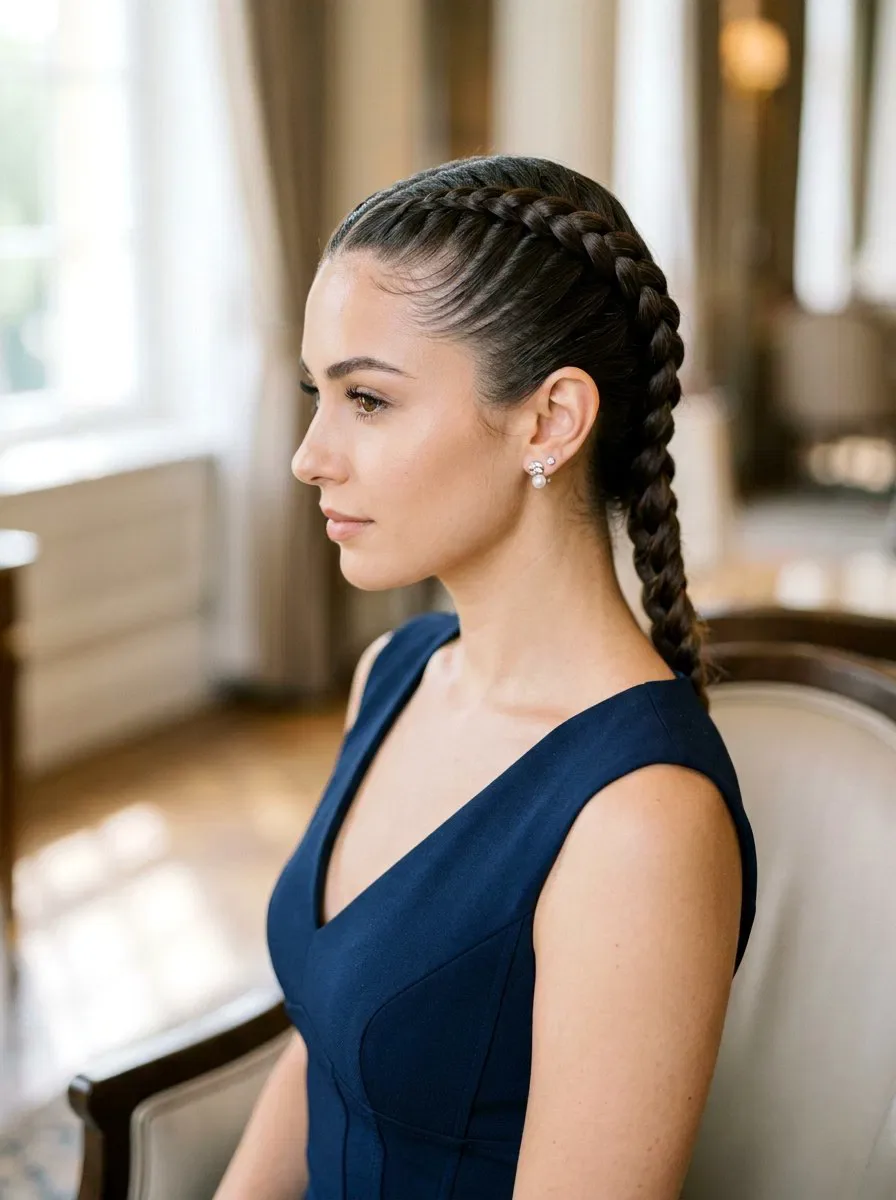
A French braid crown sweeps the hair around the head in one continuous braid, pulling the front pieces back and away from the face. It starts at one temple, travels along the hairline, and finishes in a low tail or a tucked bun at the nape. It is elegant, secure and completely helmet-friendly.
Pros: keeps every front strand contained, looks polished in photos, and works beautifully with a cap worn backwards. Cons: it takes practice to keep the tension even, and it is hard to do on yourself in a mirror.
Who it suits: players with long layers or face-framing pieces that will not stay in a ponytail. Who should avoid it: anyone in a rush — this is a practise-at-home style, not a dugout improvisation.
Maintenance: braid it the night before a morning game and sleep on it for extra hold, or braid it fresh with a little gel. Pin the tail flat and it will last the whole day.
5. Fishtail Braid
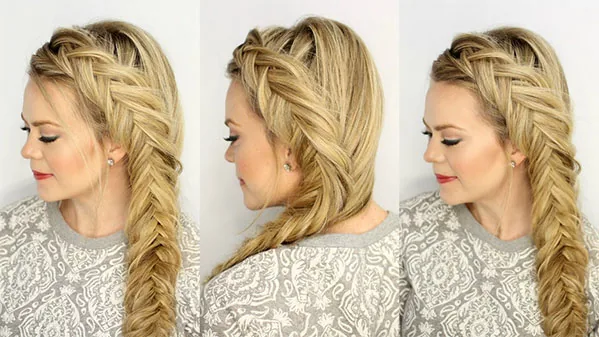
The fishtail braid looks intricate but is surprisingly simple: two sections crossed over in small pieces instead of three. The result is a flat, woven braid that lies close to the head and does not swing the way a ponytail does. Wear it over one shoulder or straight down the back.
Pros: gorgeous texture, lies flat under a helmet strap, and holds up well in wind. Cons: it takes longer than a regular braid, and the small sections can loosen if the hair is very silky.
Who it suits: players with long, thick hair who want a style that looks special without much effort. Who should avoid it: anyone with fine, slippery hair that will not grip, unless you prep with texturising spray.
Maintenance: pancake the braid gently by pulling the edges for fullness, then secure the end with two elastics. A spritz of dry shampoo at the roots adds grip before you start.
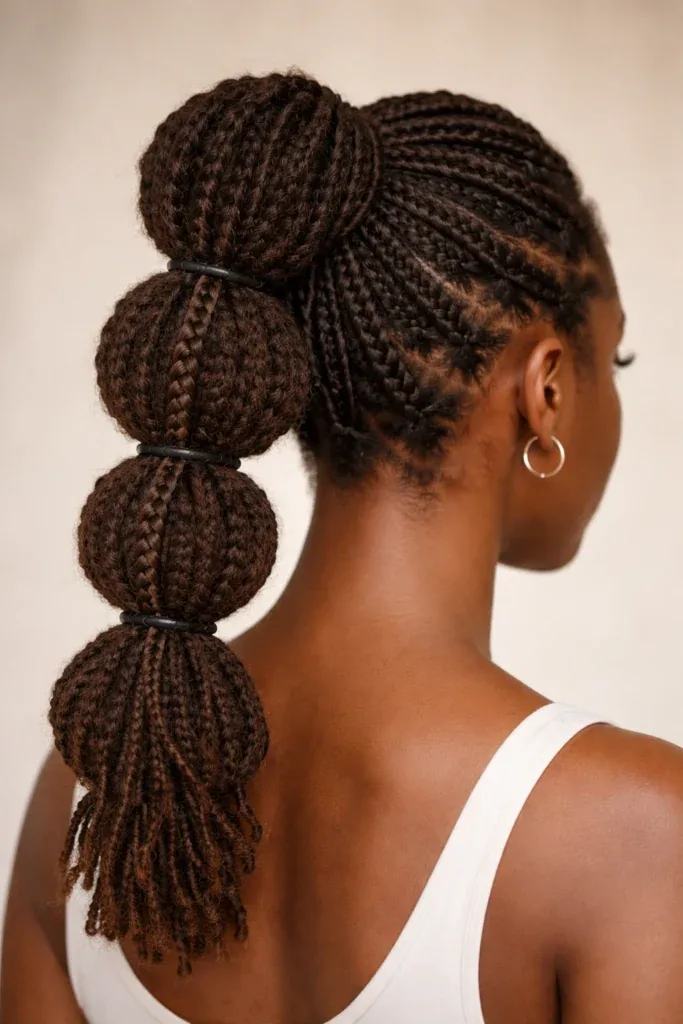
6. Bubble Braid Ponytail
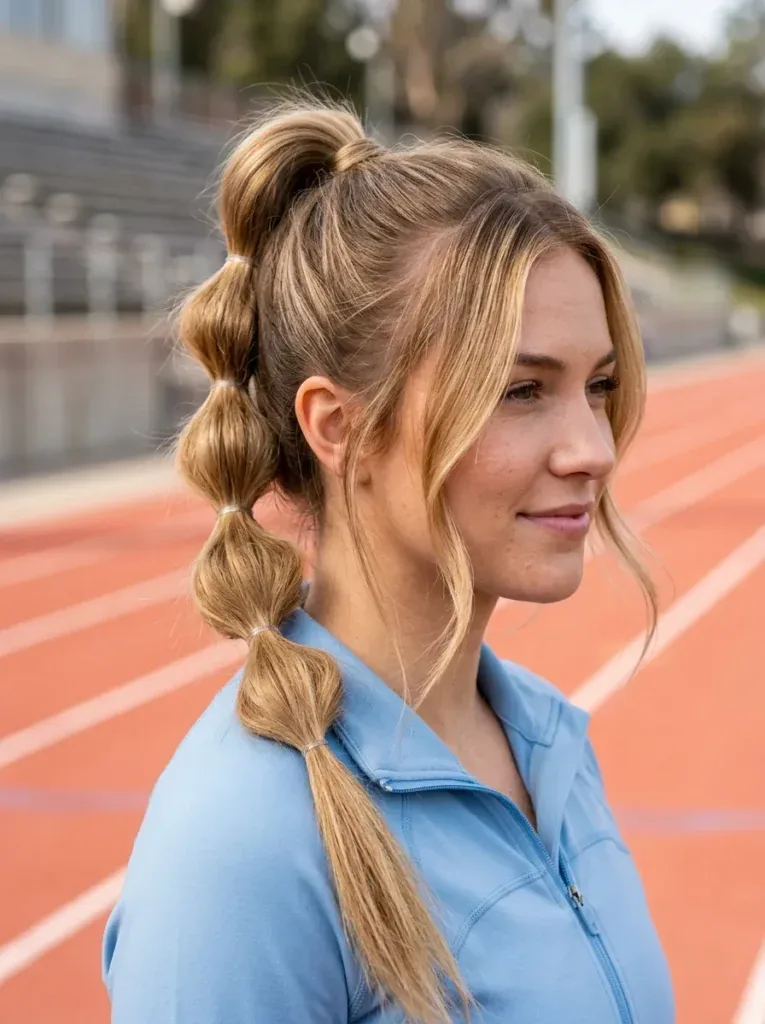
The bubble braid ponytail turns a plain ponytail into a game-day statement. Start with a high or mid ponytail, add elastics every few centimetres down the tail, and gently pull each section out into a soft bubble. It looks playful, stays put, and photographs brilliantly.
Pros: fun and eye-catching, the segmented tail cannot tangle, and it is quick to do. Cons: the bubbles flatten under a helmet, and very long hair needs a lot of elastics.
Who it suits: outfielders and spectators who want a standout style, and players with long hair who hate tangles. Who should avoid it: batters who wear a helmet for long stretches, since the bubbles get squashed.
Maintenance: use clear mini elastics so the bubbles look clean, and carry spares. If a bubble flattens, just pull it out again between innings — it takes five seconds.
7. Braided Pigtails
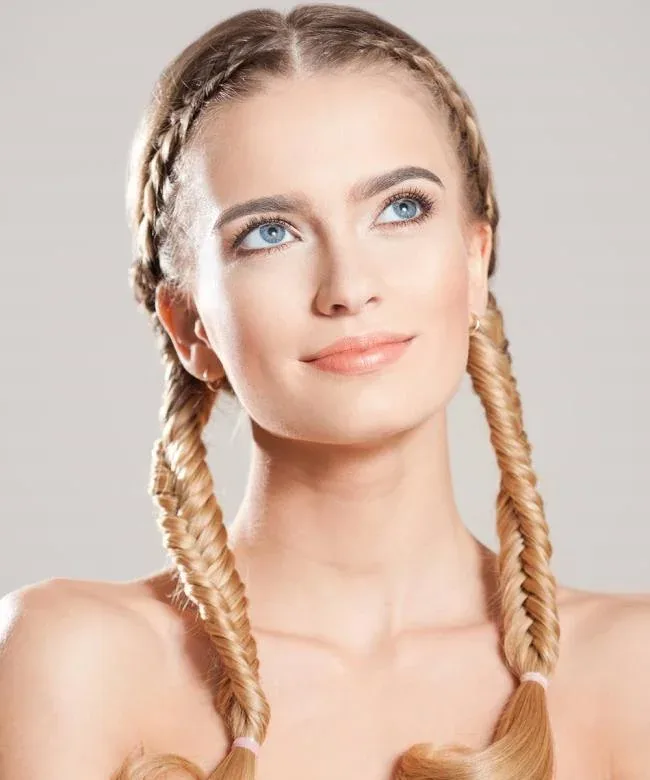
Braided pigtails split the hair into two braids, one on each side, which balances the weight perfectly and keeps the hair clear of the shoulders. They are youthful, practical and almost impossible to mess up mid-game, which is why so many players swear by them for tournaments.
Pros: balanced weight, no swinging tail, and each braid is easy to redo on its own. Cons: the part has to be straight or it looks messy, and very thick hair makes two heavy braids.
Who it suits: players with long or thick hair, and anyone playing a full tournament day. Who should avoid it: anyone who prefers a more grown-up look, or has very short hair that will not reach into two braids.
Maintenance: part the hair cleanly with a tail comb and braid each side with even tension. Tie the ends with elastics that match your team colours for a fun touch.
8. Two Low Braids
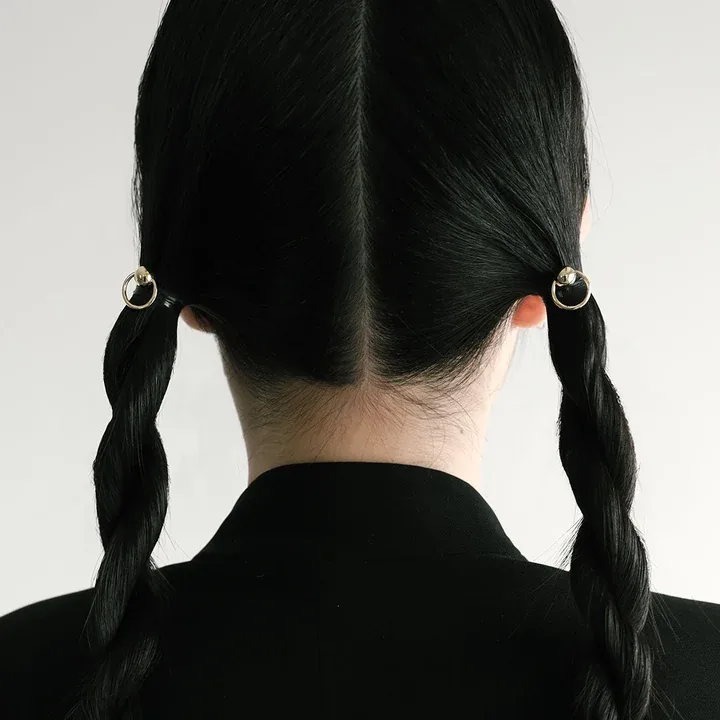
Two low braids are the quiet, reliable cousin of braided pigtails. The hair is parted in the middle and braided low at the nape, so the braids sit flat, stay clear of the helmet, and do not bounce when you run. It is a simple style that looks neat from the first pitch to the last.
Pros: extremely comfortable under a helmet, no bouncing, and easy to do on yourself. Cons: it can look a little plain, and the braids can catch on a backpack strap.
Who it suits: catchers and batters, players with medium-length hair, and anyone who dislikes the feeling of hair moving. Who should avoid it: anyone who wants height or volume, since this style is deliberately low and flat.
Maintenance: braid on damp hair for a smooth finish, and secure the ends with small elastics. If the ends frizz, a drop of serum smoothed over the tails fixes it instantly.
9. Messy High Bun
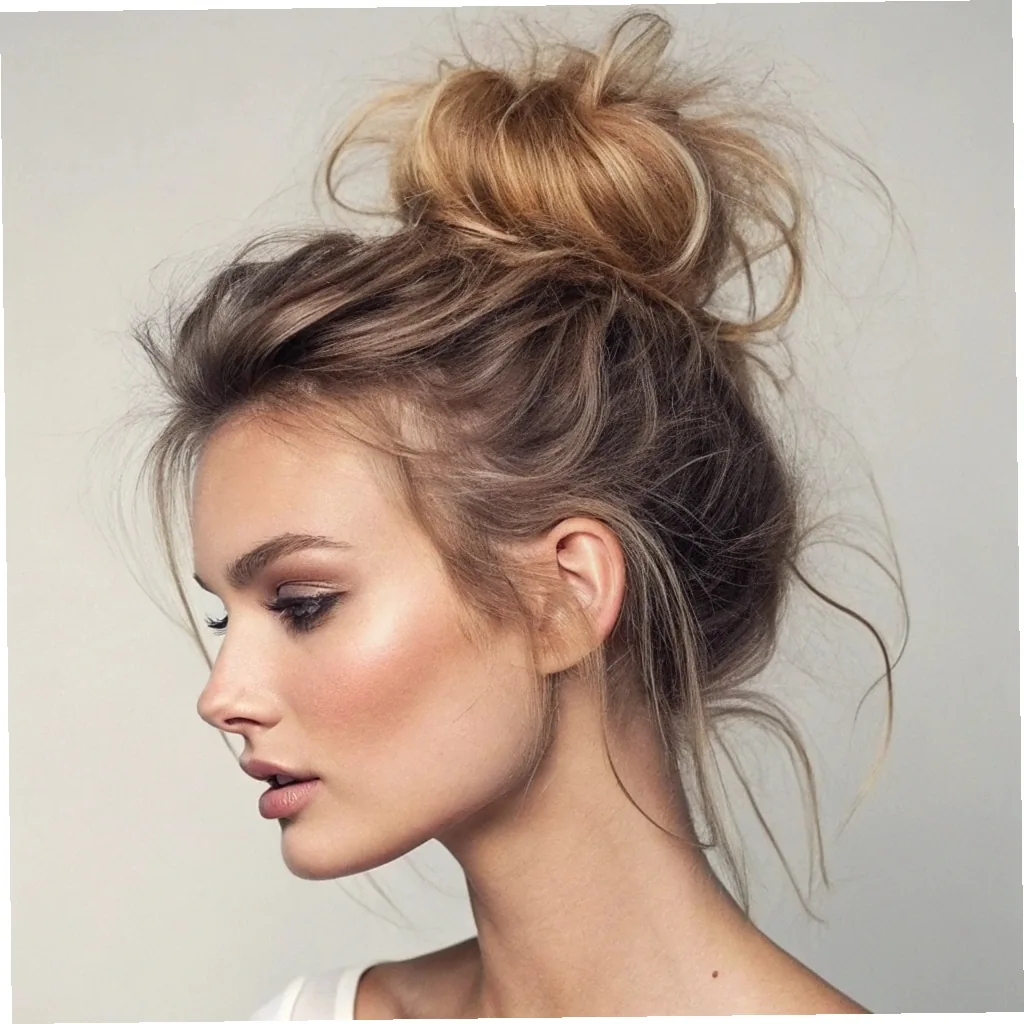
The messy high bun is the dugout classic: twist the hair up, wrap it into a bun, pin it, and go. It keeps every strand off your neck on a hot day, and the slightly undone texture means it still looks good when it loosens a little. It is the fastest updo in this whole guide.
Pros: takes under a minute, keeps you cool, and looks good even when it is imperfect. Cons: it presses against a helmet, and a heavy bun can slip as you run.
Who it suits: spectators, coaches and players between games, and anyone with medium-length hair. Who should avoid it: batters who wear a helmet for long stretches, or anyone with very heavy hair.
Maintenance: anchor it with two crossed pins and a strong elastic, and keep the bun at the crown rather than the very top of the head. A quick re-twist between innings keeps it tidy.
10. Low Sleek Bun
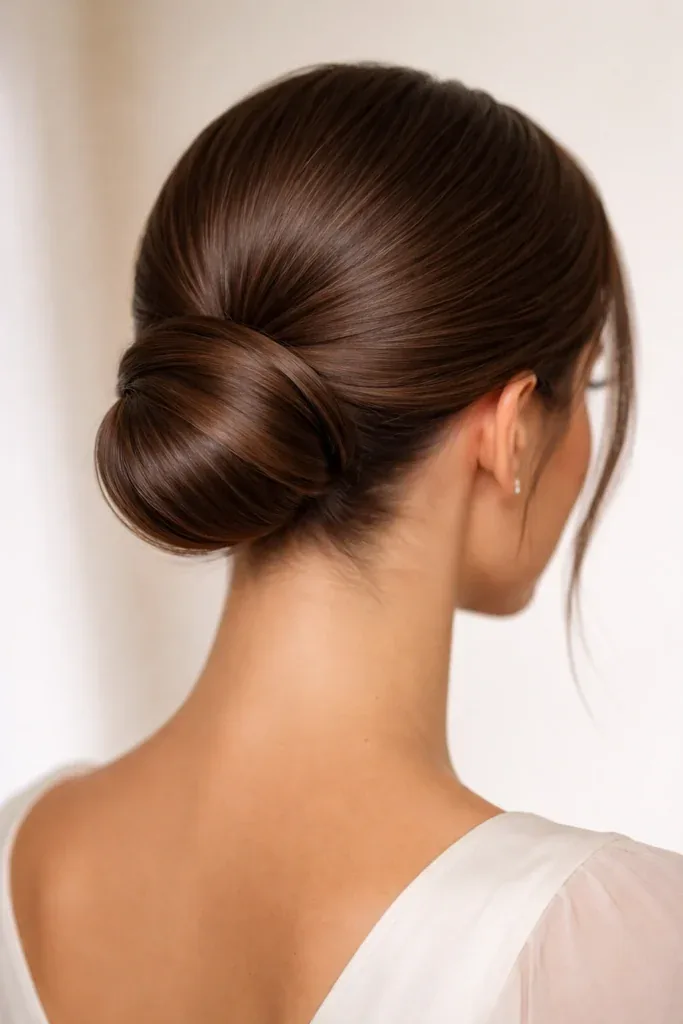
The low sleek bun is the polished answer to game-day hair. The hair is brushed smooth, gathered at the nape, twisted and pinned into a neat bun that sits flat under a helmet and never moves. It looks professional in photos and feels weightless all game.
Pros: completely helmet-compatible, elegant, and the smooth finish resists dust and frizz. Cons: it needs gel or cream for the sleek finish, and it can feel severe if the hair is pulled too tight.
Who it suits: players who want a tidy, grown-up look, and anyone with straight or wavy hair. Who should avoid it: anyone with very curly hair that resists smoothing, unless you are happy with a softer finish.
Maintenance: smooth the hair with a boar-bristle brush and a little gel, then pin the bun at four points. A silk scrunchie underneath stops the elastic from denting the hair.
11. Double Space Buns
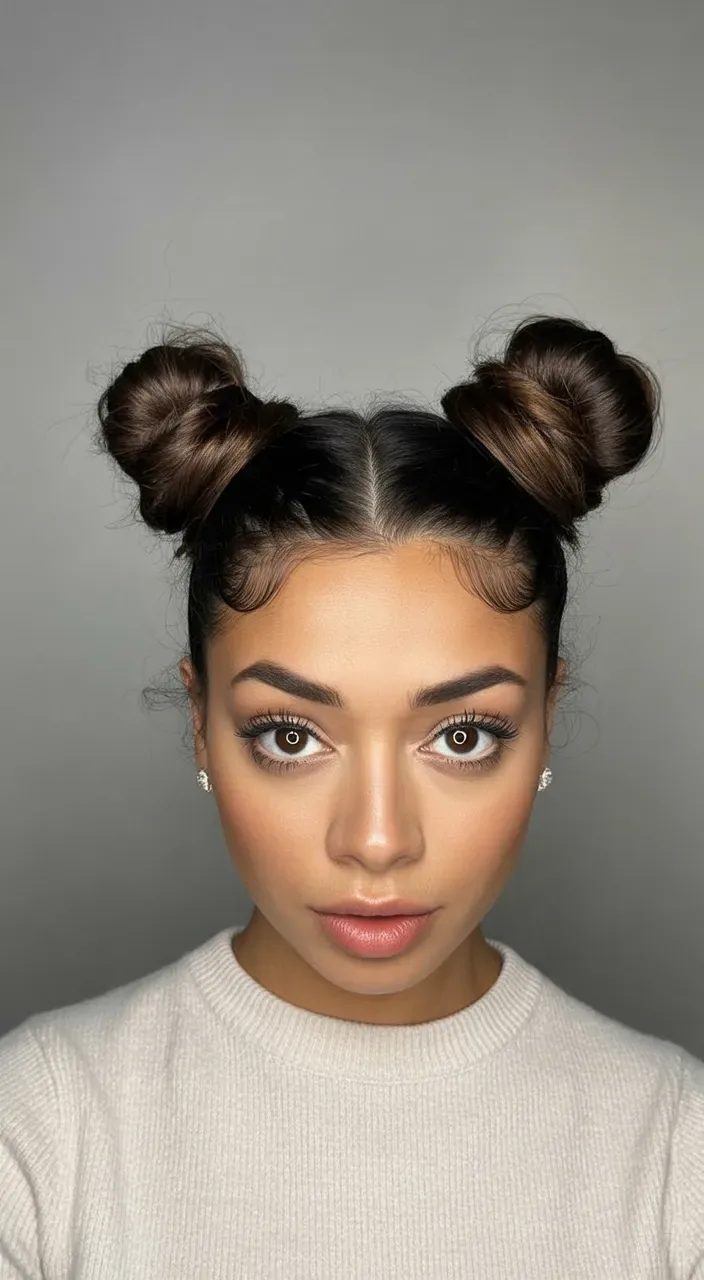
Double space buns split the hair into two high buns, one on each side of the crown. They are playful, practical and surprisingly secure, because the weight is split in two and each bun anchors its own side. They are a favourite for team photos and tournament days.
Pros: fun and photogenic, balanced weight, and each bun is quick to fix on its own. Cons: they sit high, so they press under a helmet, and they take a few minutes to make even.
Who it suits: spectators, outfielders and players who want a standout look. Who should avoid it: batters who wear a helmet a lot, or anyone who wants a low-profile style.
Maintenance: part the hair straight down the middle and secure each bun with two pins. If one side loosens, re-twist just that side — the other stays perfect.
12. Half-Up Top Knot
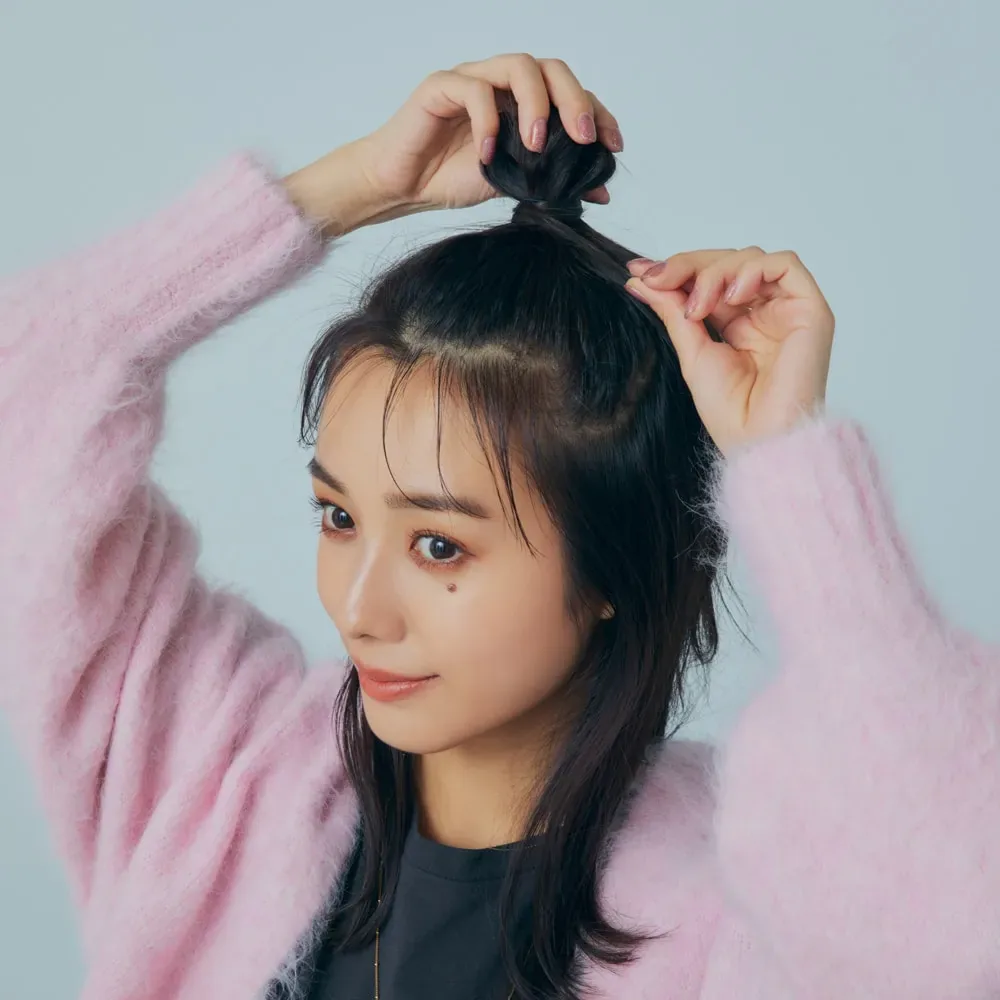
The half-up top knot takes the top half of the hair into a small bun and leaves the rest down. It keeps the front pieces out of your eyes while keeping the length free, which makes it a great choice for spectators and for players on a casual practice day.
Pros: quick, cute, and keeps the hairline tidy while the length moves freely. Cons: the loose length can get sweaty and dusty, and it is not secure enough for serious play.
Who it suits: spectators, coaches and practice days, and anyone with medium to long hair. Who should avoid it: active players in a competitive game, or anyone playing in strong wind.
Maintenance: secure the knot with a small elastic and one pin, and brush the loose length before the game. If the wind picks up, twist the loose hair into a quick low ponytail.
13. Half-Up Claw Clip Twist
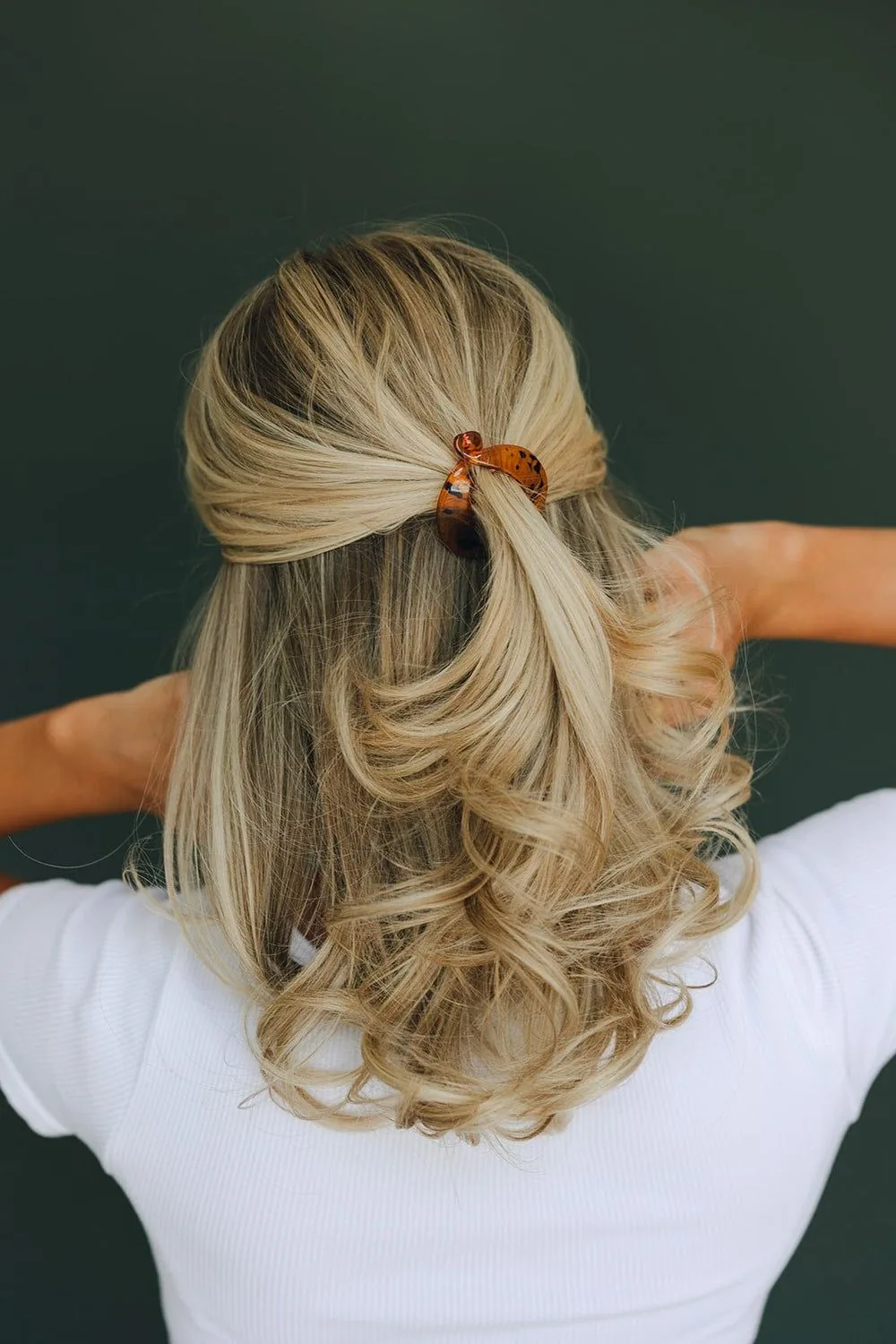
The half-up claw clip twist is the easiest style in this guide. Twist the top section of hair up, clip it with a large claw clip, and let the rest fall. It takes ten seconds, needs no elastic, and the clip holds firm even when you are cheering in the bleachers.
Pros: the fastest style here, no elastic crease, and the clip doubles as a handy accessory. Cons: the loose hair underneath gets hot and dusty, and a heavy clip can slip on very thick hair.
Who it suits: spectators and casual game days, and anyone with thick hair that a clip can grip. Who should avoid it: active players, or anyone with fine, slippery hair that slides out of clips.
Maintenance: choose a strong, flat claw clip rather than a decorative one, and twist the section tightly before clipping. Carry a spare elastic in case the wind picks up.
14. Curly High Puff
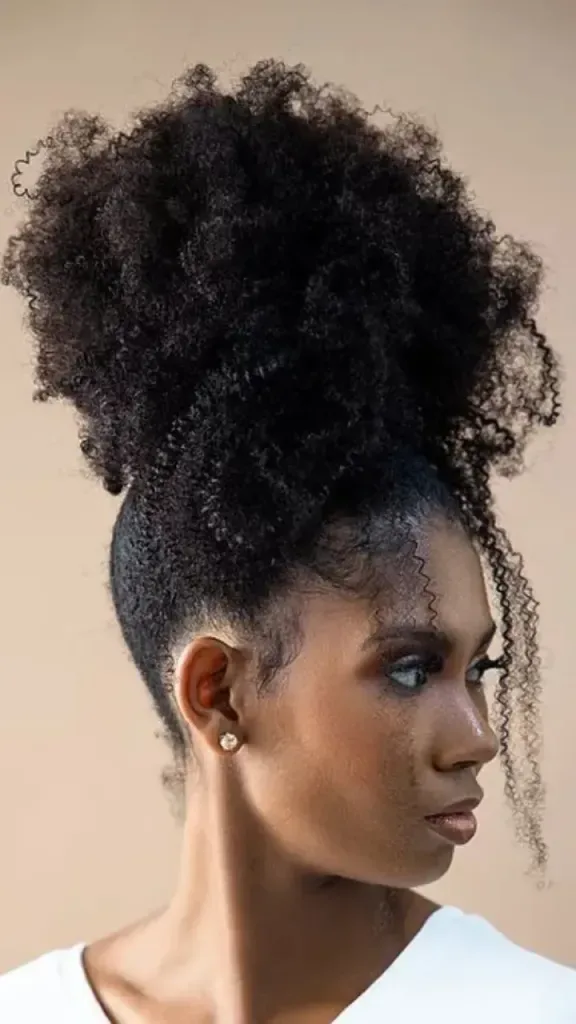
The curly high puff gathers natural curls into a full, rounded puff at the crown, held with a stretchy band or a puff cuff. It celebrates the curl pattern instead of fighting it, keeps the hair off the neck, and looks fantastic with a cap worn over the front.
Pros: quick, celebrates natural texture, and the puff holds its shape well. Cons: it can shrink as it dries, and a tight band can cause breakage if it is too snug.
Who it suits: players with curly or coily hair who want a fast, protective style. Who should avoid it: anyone with straight or wavy hair, since the style depends on curl volume.
Maintenance: moisturise the curls first with a leave-in, then gather the puff with a satin scrunchie. Refresh the edges with a little gel and a soft brush.
15. Pineapple Puff for Curls
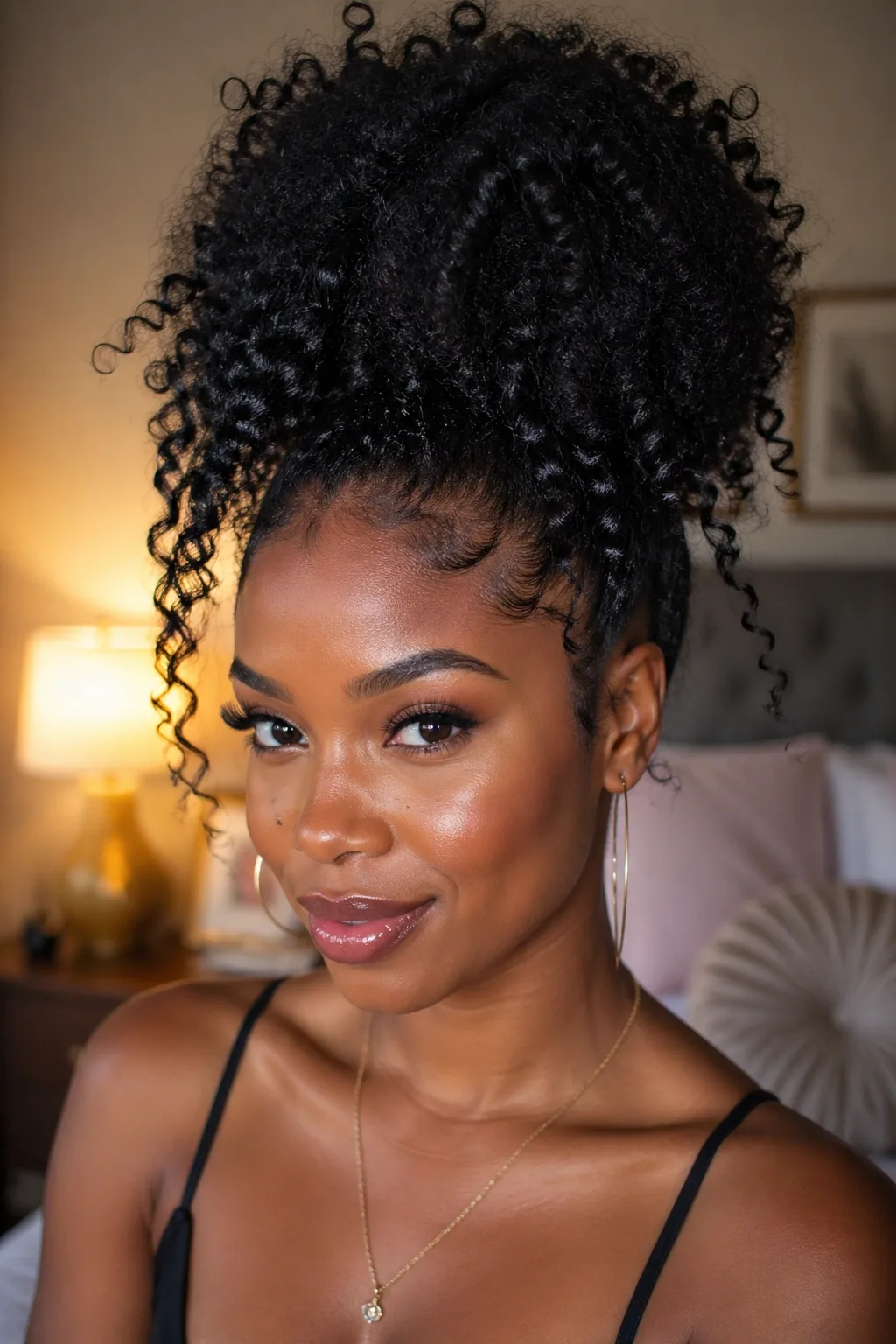
The pineapple puff piles the curls loosely on top of the head, like a pineapple, so the curls keep their shape and the neck stays cool. It is a gentle, low-tension style that works for a game and then doubles as overnight protection for the curl pattern.
Pros: protects curls, zero tension at the hairline, and takes seconds to do. Cons: the loose pile can bounce when you run, and it does not fit under a helmet.
Who it suits: curly-haired spectators and players on light practice days. Who should avoid it: batters and catchers who need a helmet, or anyone playing in strong wind.
Maintenance: gather the hair loosely with a satin scrunchie and leave the curls soft. If the puff loosens, just re-gather it — there is no need to start over.
16. Low Side Braid
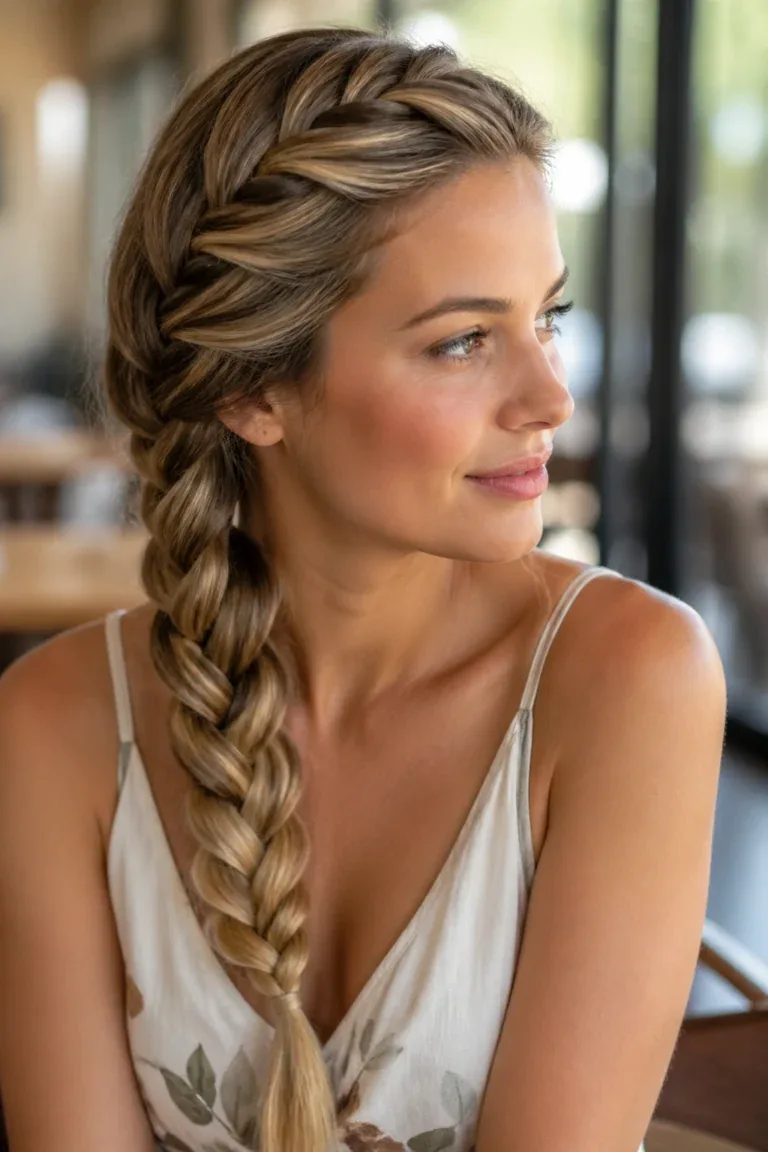
The low side braid sweeps all the hair to one side and braids it loosely down over the shoulder. It is soft, romantic and surprisingly practical: the braid stays clear of the helmet, does not bounce, and looks lovely in photos from the bleachers.
Pros: comfortable under a helmet, elegant, and easy to do on yourself. Cons: the braid can slip forward over the shoulder when you run, and it shows frizz quickly in humidity.
Who it suits: spectators and players with long hair who want a softer look. Who should avoid it: active fielders who need both shoulders completely free.
Maintenance: braid loosely and pancake the edges for fullness, then secure with a soft elastic. A touch of texturising spray keeps the braid from going flat.
17. Chunky Single Braid
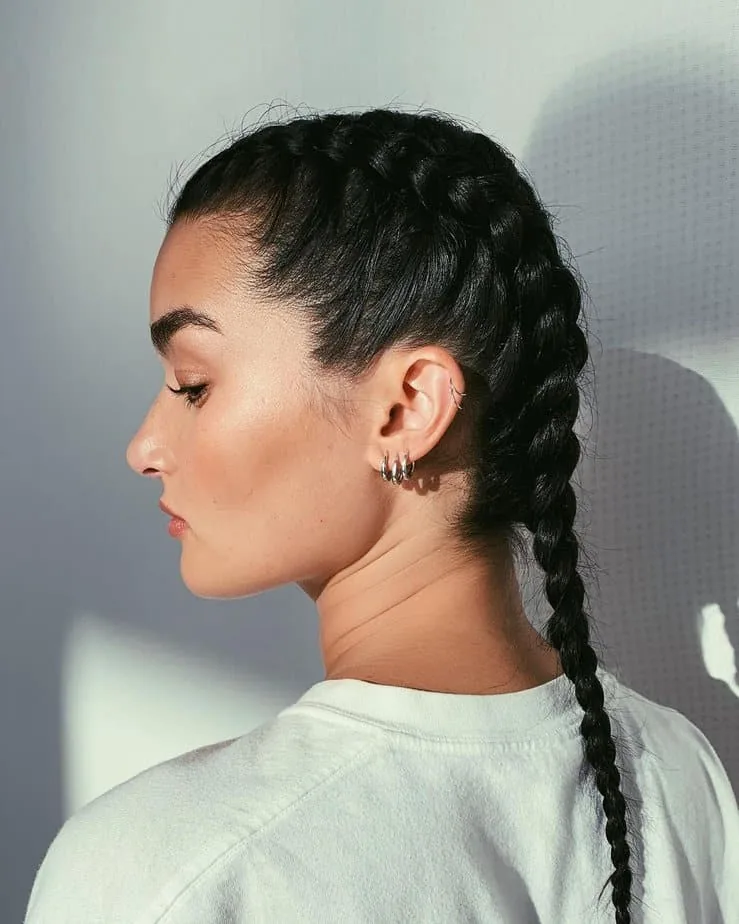
The chunky single braid is one big, bold braid down the back, made by taking large sections instead of small ones. It is fast to braid, looks substantial in photos, and keeps long hair completely contained through a whole game.
Pros: quick to braid, very secure, and the thick braid does not tangle. Cons: it is heavy on very long hair, and the chunky sections can loosen faster than a tight braid.
Who it suits: players with long, thick hair who want a fast braid. Who should avoid it: anyone with fine hair, since chunky sections can look thin and slip apart.
Maintenance: braid on damp hair with a little cream for grip, and tie the end with two elastics. If the top loosens, smooth it with gel and pin it flat.
18. Rope Braid Ponytail
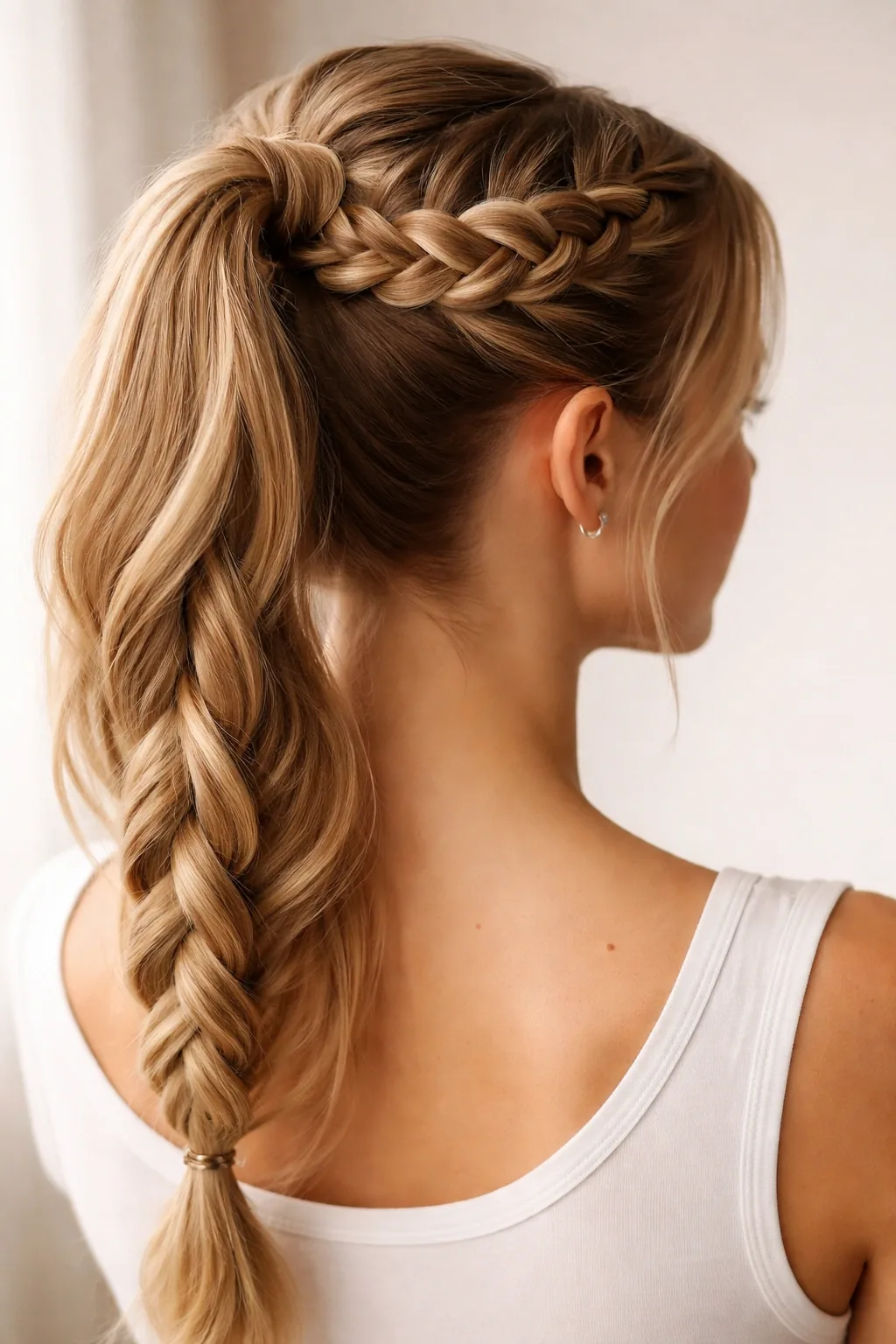
The rope braid ponytail starts as a high or mid ponytail, then twists into a two-strand rope braid. The twisted tail does not swing the way a loose ponytail does, it resists tangling, and it looks polished with almost no extra effort.
Pros: tangle-proof, quick once the ponytail is in, and the twist holds its shape. Cons: the rope can unravel if the ends are not secured well, and it needs a little practice to twist evenly.
Who it suits: players with medium to long hair who hate tangled ponytails. Who should avoid it: anyone with very short hair that cannot form a rope, or very curly hair that resists twisting.
Maintenance: twist both sections in the same direction, then wrap them around each other and secure the end tightly. A small clear elastic at the tip stops the rope unravelling.
19. Twisted Low Bun
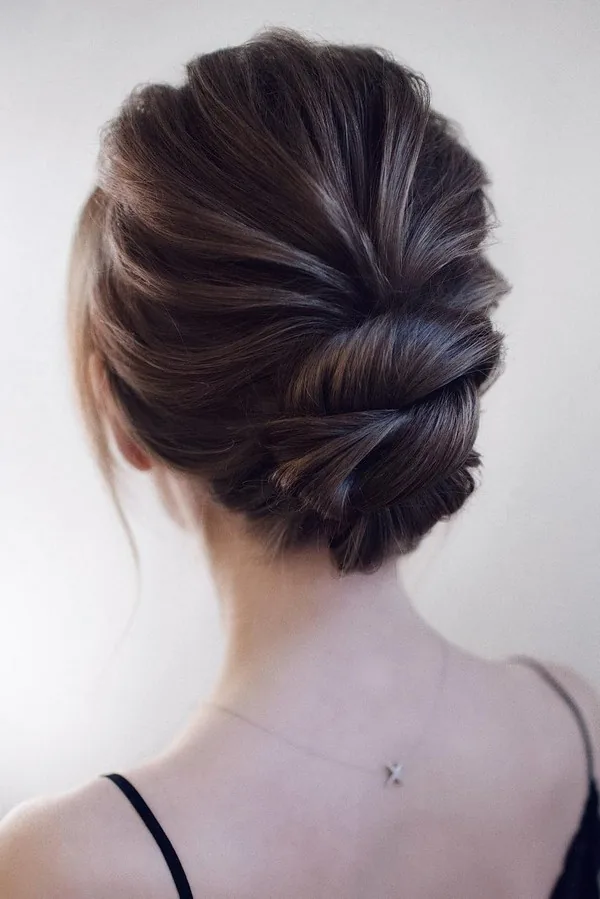
The twisted low bun is the softer sister of the sleek bun. The hair is divided into two sections, twisted around each other, and coiled into a low bun at the nape. The twist adds texture and grip, so the bun holds better than a plain coil and looks more interesting too.
Pros: secure, elegant, and the twist gives the bun natural grip. Cons: it takes a couple of minutes longer than a plain bun, and the twist can loosen if the hair is very silky.
Who it suits: players with medium to long hair who want an elegant low bun with staying power. Who should avoid it: anyone in a hurry, or with very short hair that will not twist and coil.
Maintenance: twist on slightly damp hair and pin the coil at four points. A light mist of hairspray over the finished bun keeps the twist defined all game.
20. Slicked-Back Ponytail
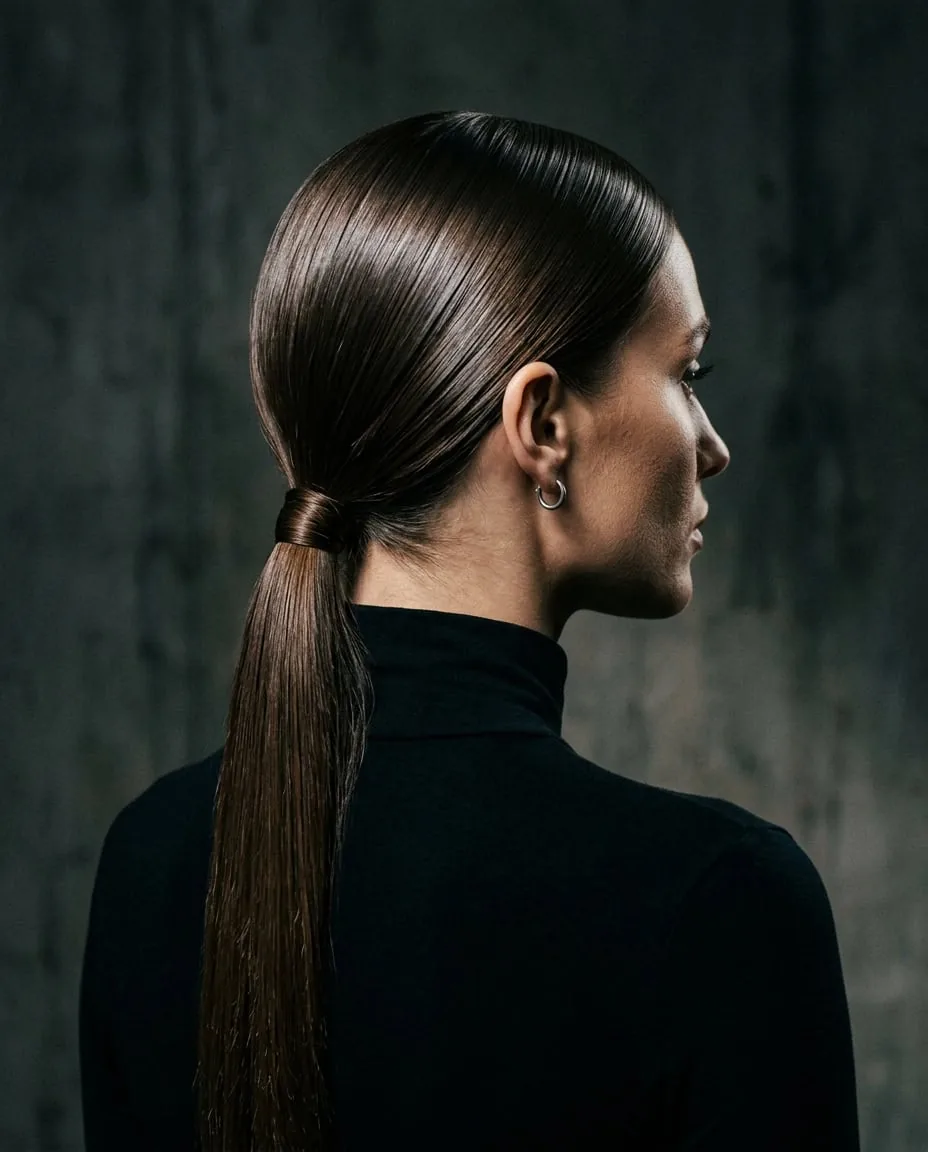
The slicked-back ponytail is all about the smooth, glossy crown. Gel is worked through the top layers, the hair is brushed straight back, and the ponytail sits mid-height at the back. It looks sharp, stays put in wind, and no flyaway survives it.
Pros: completely windproof, looks polished, and the gel gives the ponytail extra grip. Cons: it can feel stiff, and too much product makes the hair look wet rather than sleek.
Who it suits: players with straight or wavy hair who want a clean, sporty look. Who should avoid it: anyone with curly hair that will not stay slicked, or who dislikes the feel of gel.
Maintenance: apply gel to damp hair and brush it back with a fine-tooth comb. A silk scrunchie at the base stops the elastic from denting the tail.
21. Voluminous High Ponytail with Wrap
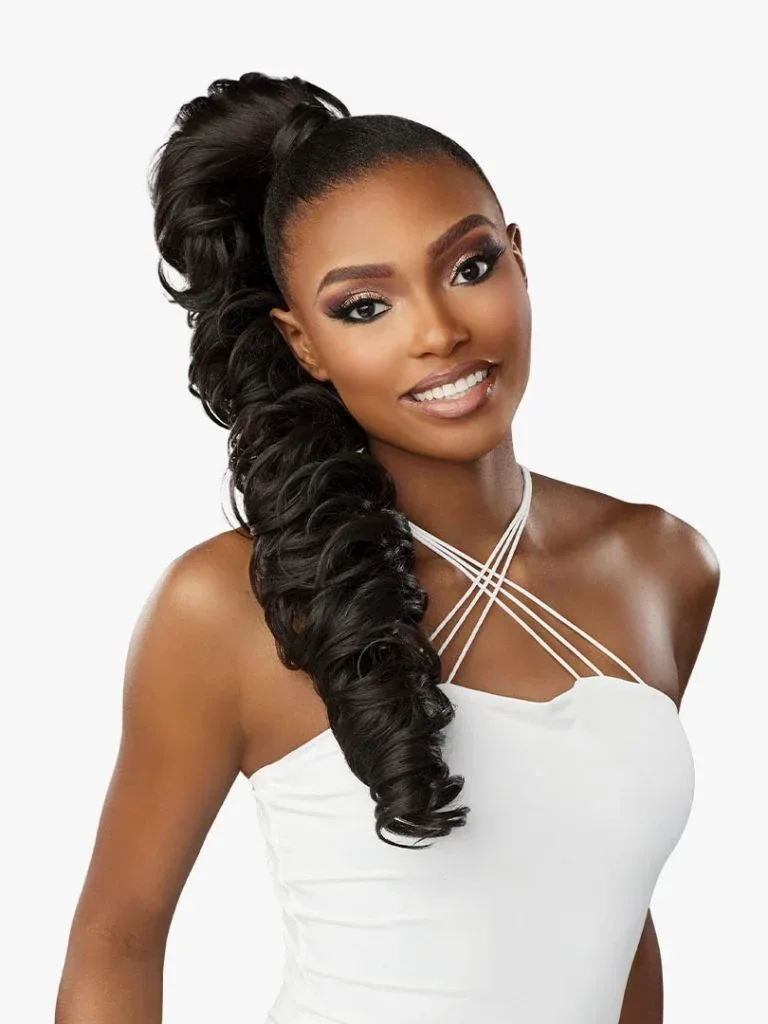
This is the high ponytail with a glamorous upgrade. The tail is backcombed lightly at the roots for volume, then a section of hair is wrapped around the base to hide the elastic. The result is bouncy, full and photo-ready, but still practical enough for the bleachers.
Pros: big volume, hides the elastic, and looks fantastic in photos. Cons: the volume flattens under a helmet, and backcombing can cause tangles.
Who it suits: spectators and team-photo days, and anyone with medium to long hair. Who should avoid it: batters who wear a helmet, or anyone with fine hair that will not hold volume.
Maintenance: tease only the underside of the tail, then smooth the top layer over it. Secure the wrap with a pin underneath so it does not slip.
22. Braided Headband with Loose Waves
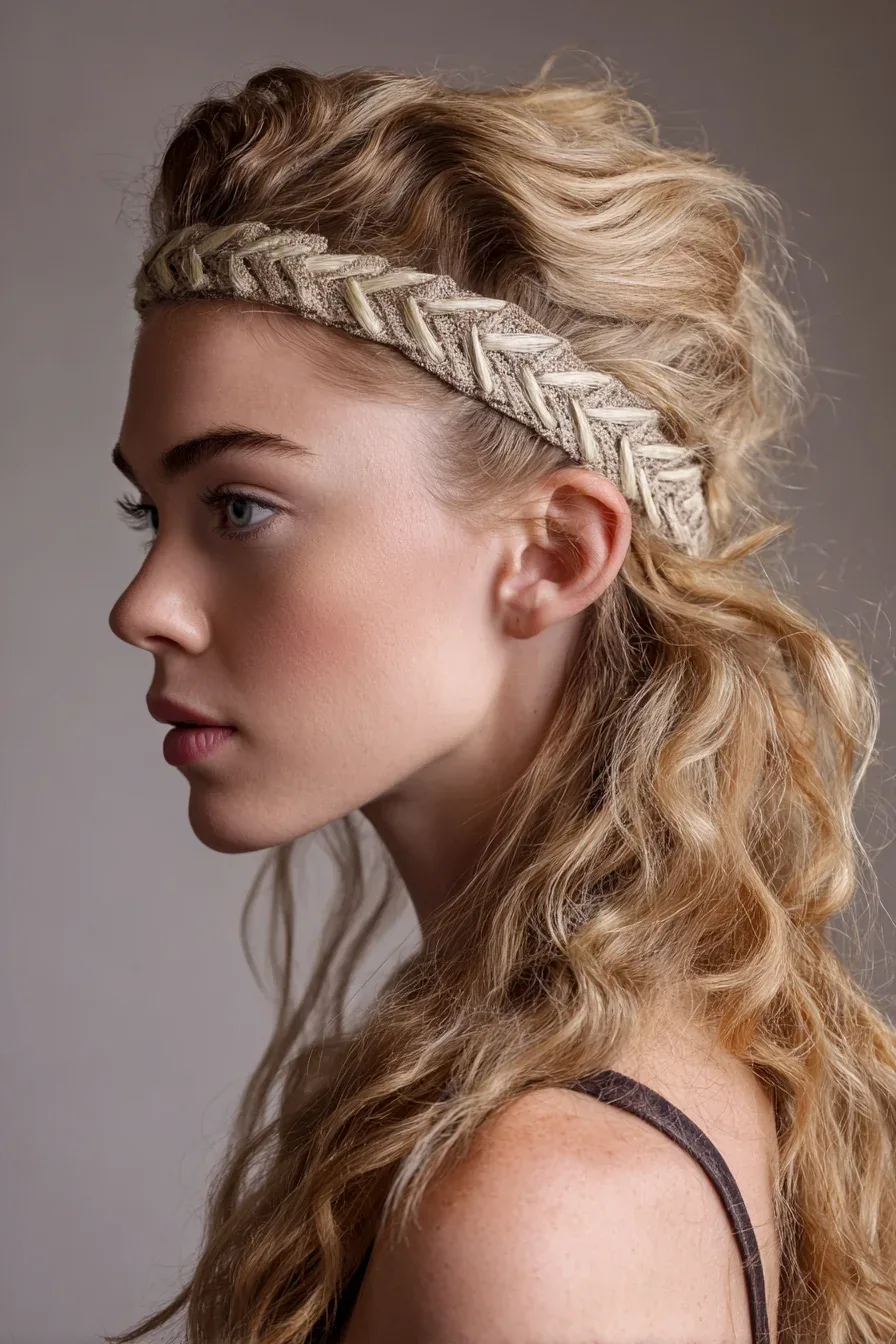
A braided headband is a small braid that runs along the hairline like a headband, while the rest of the hair falls in loose waves. It keeps the front pieces out of your eyes without pulling the whole head back, and it looks effortlessly pretty in the sun.
Pros: keeps the face clear, looks romantic, and works with a cap worn over it. Cons: the loose waves underneath get hot and dusty, and the braid can loosen by the later innings.
Who it suits: spectators and casual game days, and anyone with wavy or curly hair. Who should avoid it: active players who need all their hair contained.
Maintenance: braid the headband section tightly and pin the end behind the ear. A little texturising spray keeps the waves defined without weighing them down.
23. Soft Waves Under a Cap
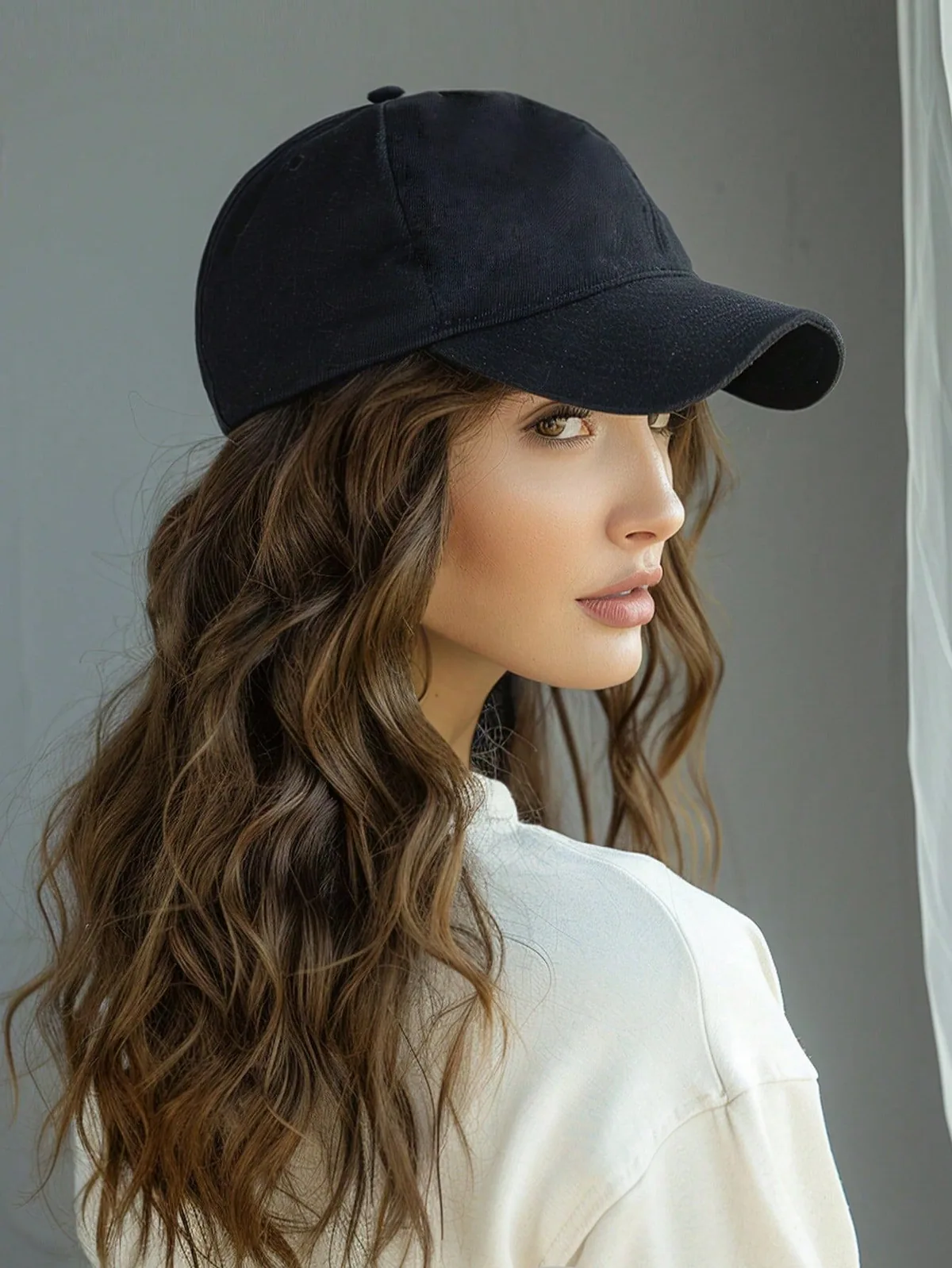
Soft waves under a cap are the easiest spectator style of all. The hair is worn loose with a gentle wave through the lengths, and the cap does the work of keeping the front out of your face. It is relaxed, pretty and takes almost no effort.
Pros: effortless, flattering on everyone, and the cap shades the scalp from the sun. Cons: loose hair gets dusty and tangled in the wind, and it is not practical for playing.
Who it suits: spectators, family in the bleachers, and anyone with naturally wavy hair. Who should avoid it: players on the field, or anyone playing on a windy day.
Maintenance: add the waves with a large-barrel curler or braid the hair damp the night before. A quick brush-out and a spritz of sea-salt spray is all the refresh it needs.
24. Straight and Sleek Under a Helmet
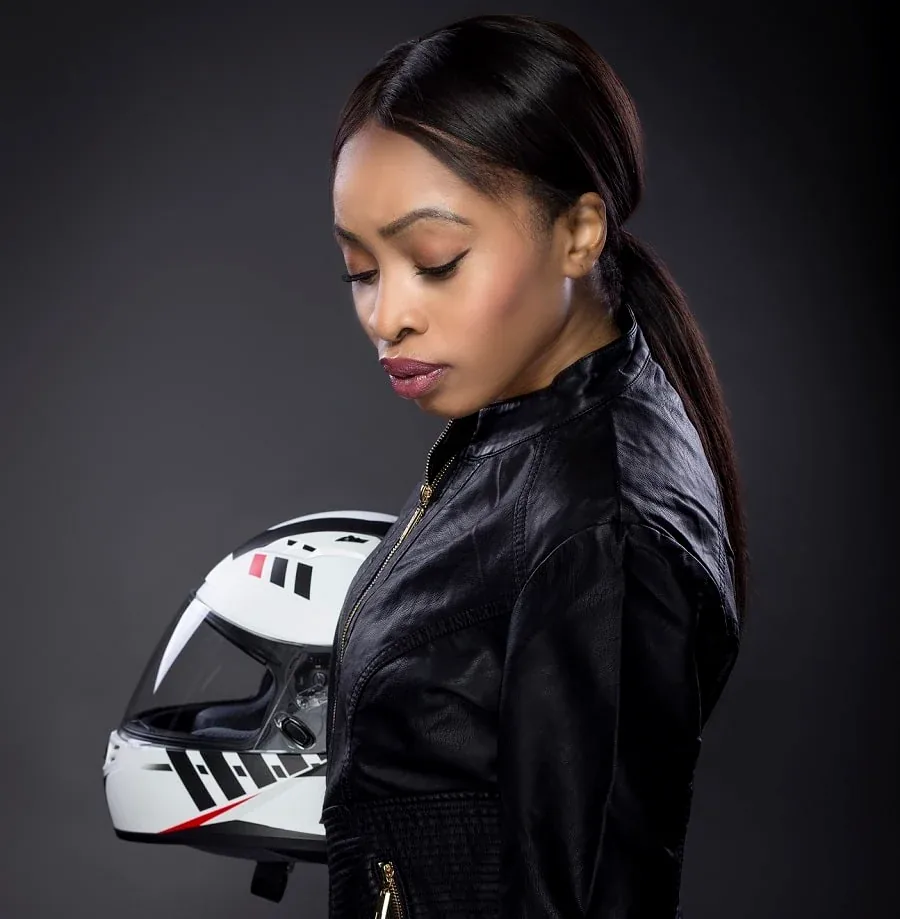
Straight, sleek hair worn loose under a helmet sounds simple, but it only works when the hair is truly smooth. A flat iron pass, a little serum on the ends, and a low ponytail or a single braid at the nape keep the lengths tidy while the helmet holds the top flat.
Pros: classic and polished, and the helmet keeps the crown perfectly smooth. Cons: loose lengths swing and tangle, and humidity will undo the sleek finish fast.
Who it suits: players with naturally straight hair on calm, dry days. Who should avoid it: anyone with wavy or curly hair, or playing in humidity or wind.
Maintenance: run a serum through the ends before the game, and tie the lengths into a loose low braid once you are on the field. The braid keeps the sleek look without the swing.
25. Short Crop Under a Cap
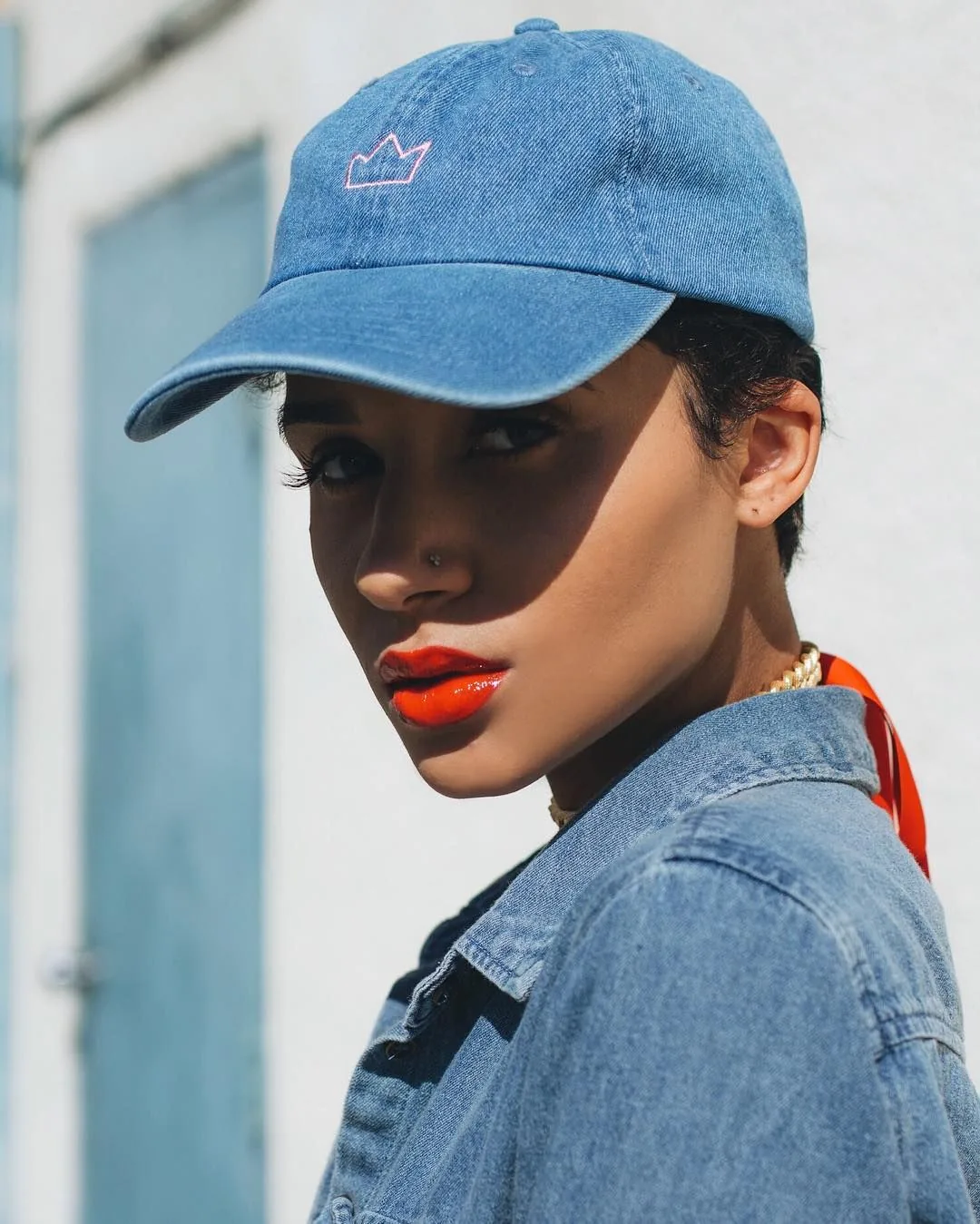
A short crop is the lowest-maintenance game-day hair there is. The hair sits close to the head, the cap covers the crown, and the only pieces that need attention are the ones at the front. A little texture product is all it takes to look intentional rather than accidental.
Pros: zero tangles, dries fast, and looks great under any cap or helmet. Cons: the front pieces can flop into the eyes, and there is nothing to tie back if they do.
Who it suits: players and spectators with short hair who want a fuss-free day. Who should avoid it: anyone growing their hair out, since the in-between lengths are the hardest to control.
Maintenance: work a pea-sized amount of texturising paste through the front pieces, and carry a couple of small clips for the pieces that will not behave.
26. Textured Pixie with Headband
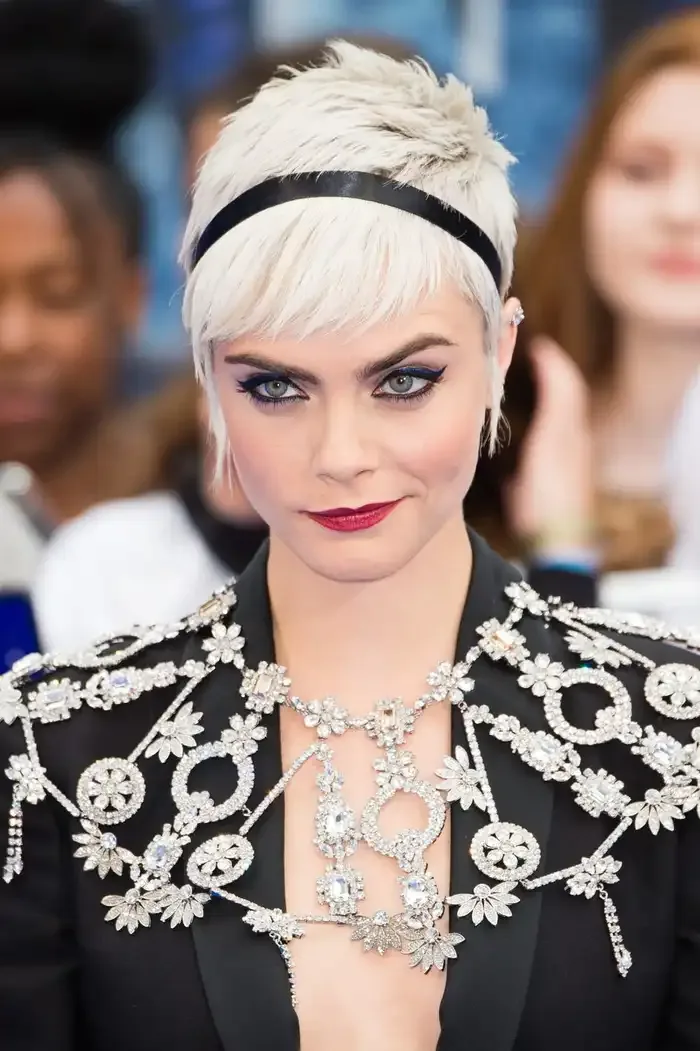
A textured pixie with a headband is short, sporty and full of personality. The headband pushes the front pieces back and adds a pop of team colour, while the textured layers on top give the cut movement. It is a style that looks styled with almost no styling.
Pros: very low maintenance, the headband keeps the eyes clear, and it looks sharp in photos. Cons: the headband can slide back during play, and the style depends on a good cut.
Who it suits: players and spectators with pixie cuts who want a sporty finish. Who should avoid it: anyone whose hair is too short for a headband to grip.
Maintenance: choose a headband with a little grip on the underside, and refresh the texture with a dab of paste. If the band slips, push it back and it stays put.
27. Bob with a Sporty Headband
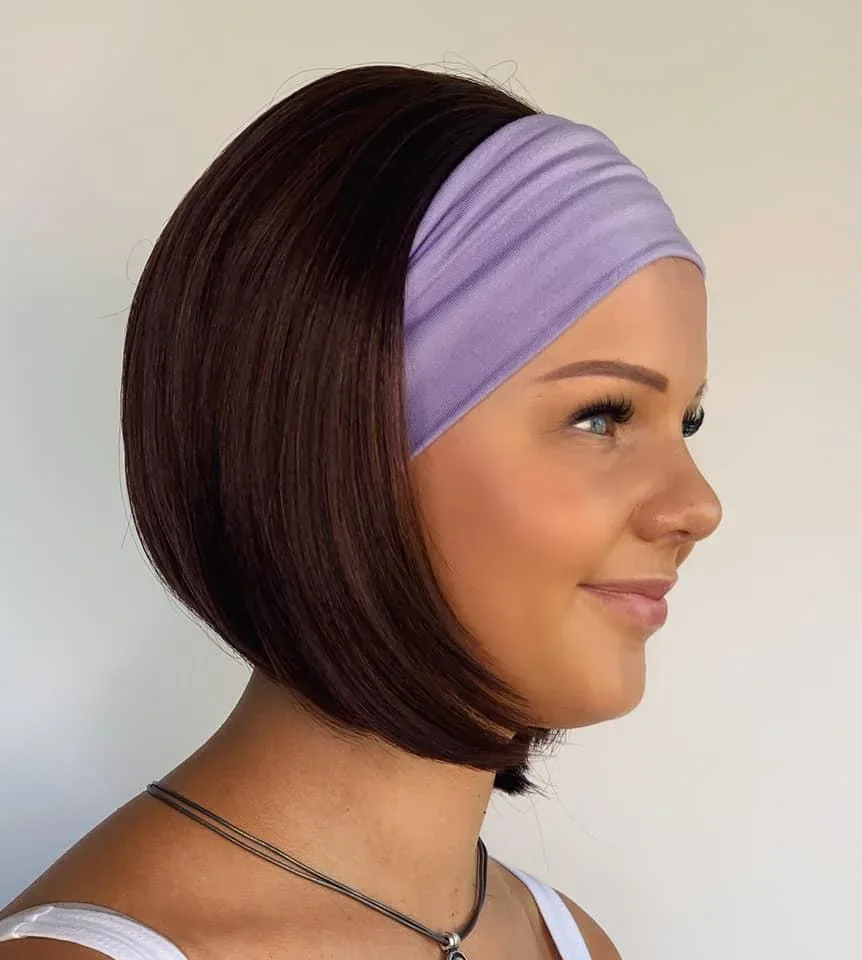
A bob with a sporty headband is the perfect middle ground for medium-short hair. The headband holds the front back, the bob swings freely at the jaw, and the whole look reads sporty and fresh. It works with a cap too, as long as the band sits low enough.
Pros: keeps the face clear, shows off the cut, and the headband adds team spirit. Cons: the bob can flip outwards in humidity, and the band can leave a dent.
Who it suits: spectators and players with bob-length hair. Who should avoid it: anyone with very thick hair that pushes the headband off.
Maintenance: smooth the bob with a round brush or a quick flat-iron pass, then place the headband behind the ears. A light spray keeps the ends from flipping.
28. Lob Tucked Behind the Ears
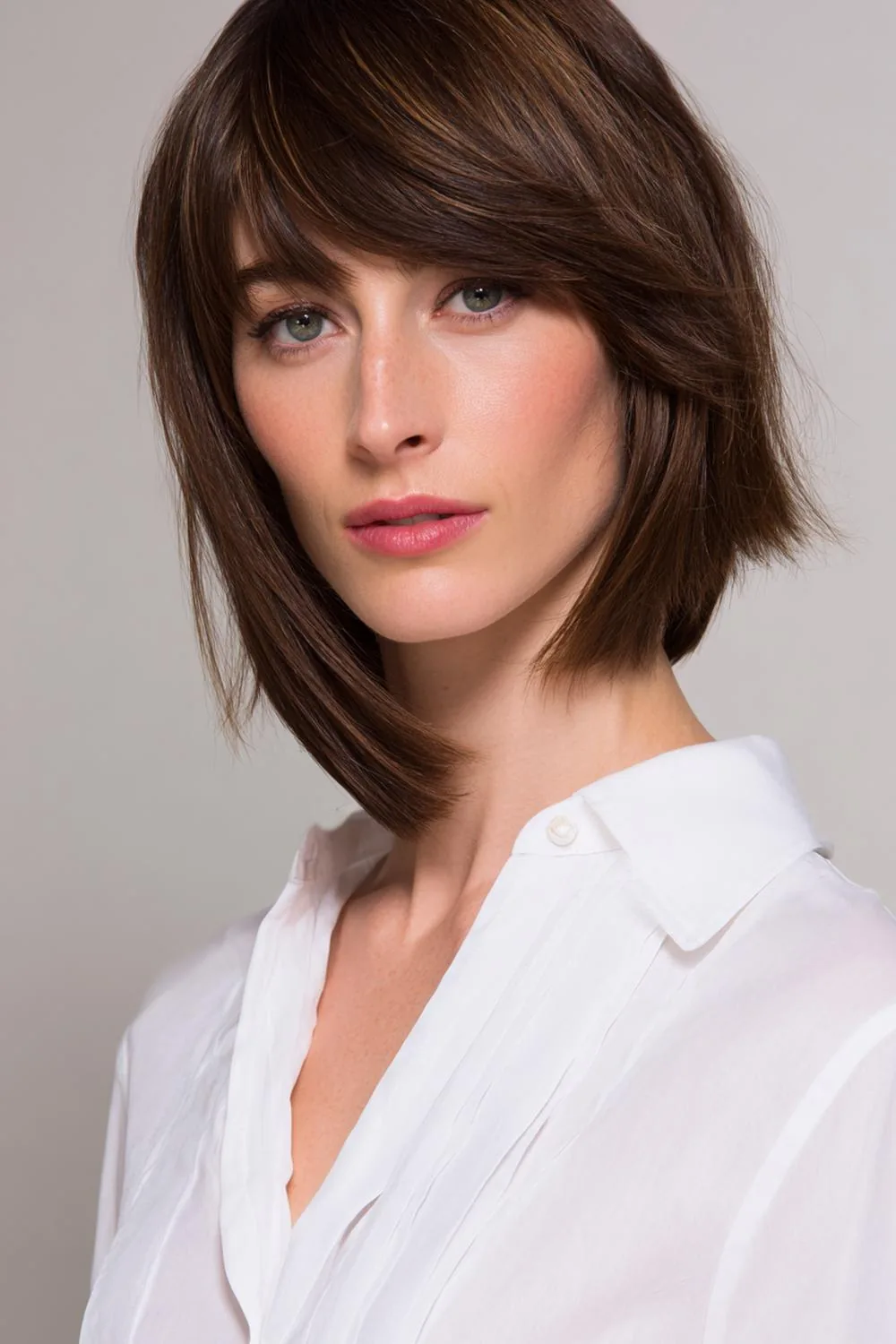
The lob tucked behind the ears is quietly brilliant for game day. The length sits just past the shoulders, the front sections tuck neatly behind the ears, and a cap holds everything in place. It is tidy, flattering and needs almost no product.
Pros: the tuck keeps the face clear, it works with a cap, and it suits almost every face shape. Cons: the tucked pieces fall forward when you lean over, and the style is hard to secure without pins.
Who it suits: spectators and casual players with lob-length hair. Who should avoid it: active fielders, since the loose front pieces will not stay tucked during play.
Maintenance: pin the tucked sections with two small flat clips hidden behind the ears. A little smoothing cream stops the ends flicking out.
29. Curly Bob with a Sweatband
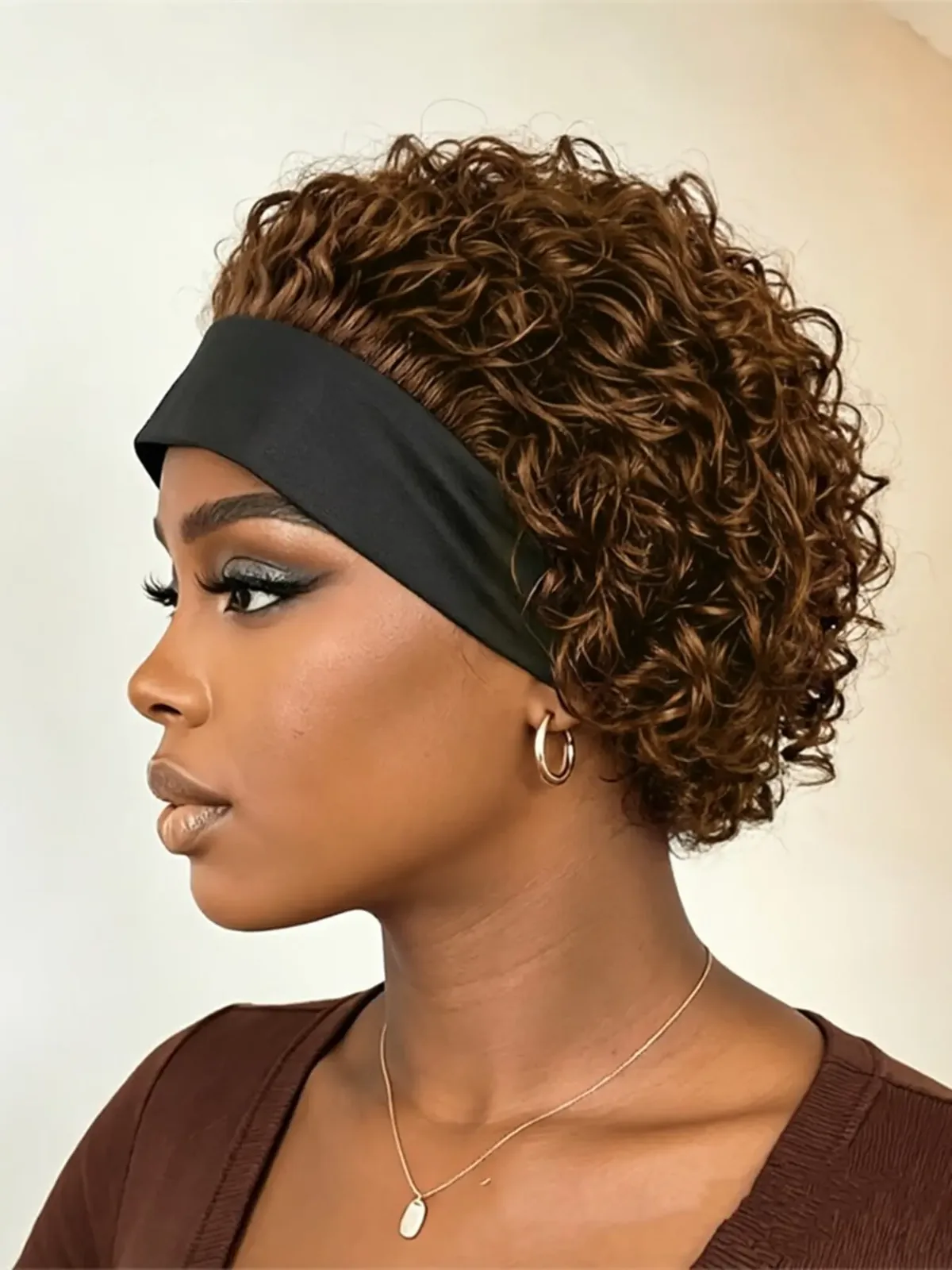
A curly bob with a sweatband is made for hot game days. The sweatband sits across the forehead, soaking up sweat and holding the curls back, while the bob itself stays bouncy and full. It is practical, colourful and full of retro sporty charm.
Pros: controls sweat, keeps curls off the face, and the band adds a fun pop of colour. Cons: the band can flatten the curls at the crown, and it needs washing after every game.
Who it suits: curly-haired players and spectators on hot days. Who should avoid it: anyone with straight hair, since the style is built around curl volume.
Maintenance: define the curls with a little curl cream before the game, and place the band just behind the hairline. Rinse the band after the game so it stays fresh.
30. Wavy Shag with a Cap
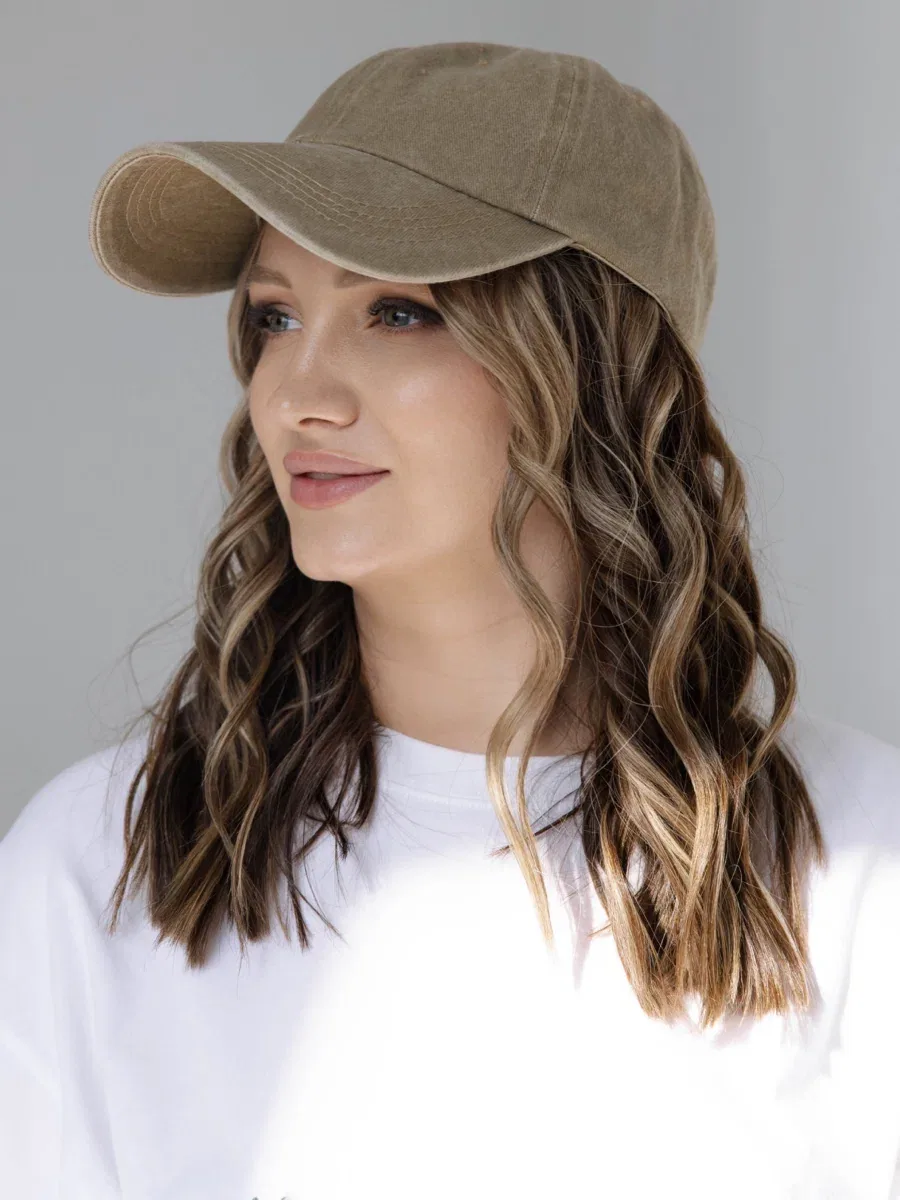
The wavy shag with a cap is the coolest low-effort style in this guide. The shag’s layers give the hair natural movement, the waves fall where they like, and the cap pulls the whole look together. It is the hairstyle equivalent of a favourite old T-shirt.
Pros: effortless texture, looks better slightly messy, and the cap does most of the work. Cons: the layers can frizz in humidity, and the style is not secure enough for active play.
Who it suits: spectators with wavy hair and a layered cut. Who should avoid it: players on the field, or anyone with straight hair that will not hold a wave.
Maintenance: scrunch a little mousse through damp hair and let it air-dry. If the layers frizz, smooth them with a drop of serum rather than brushing them out.
31. Side Part Low Ponytail
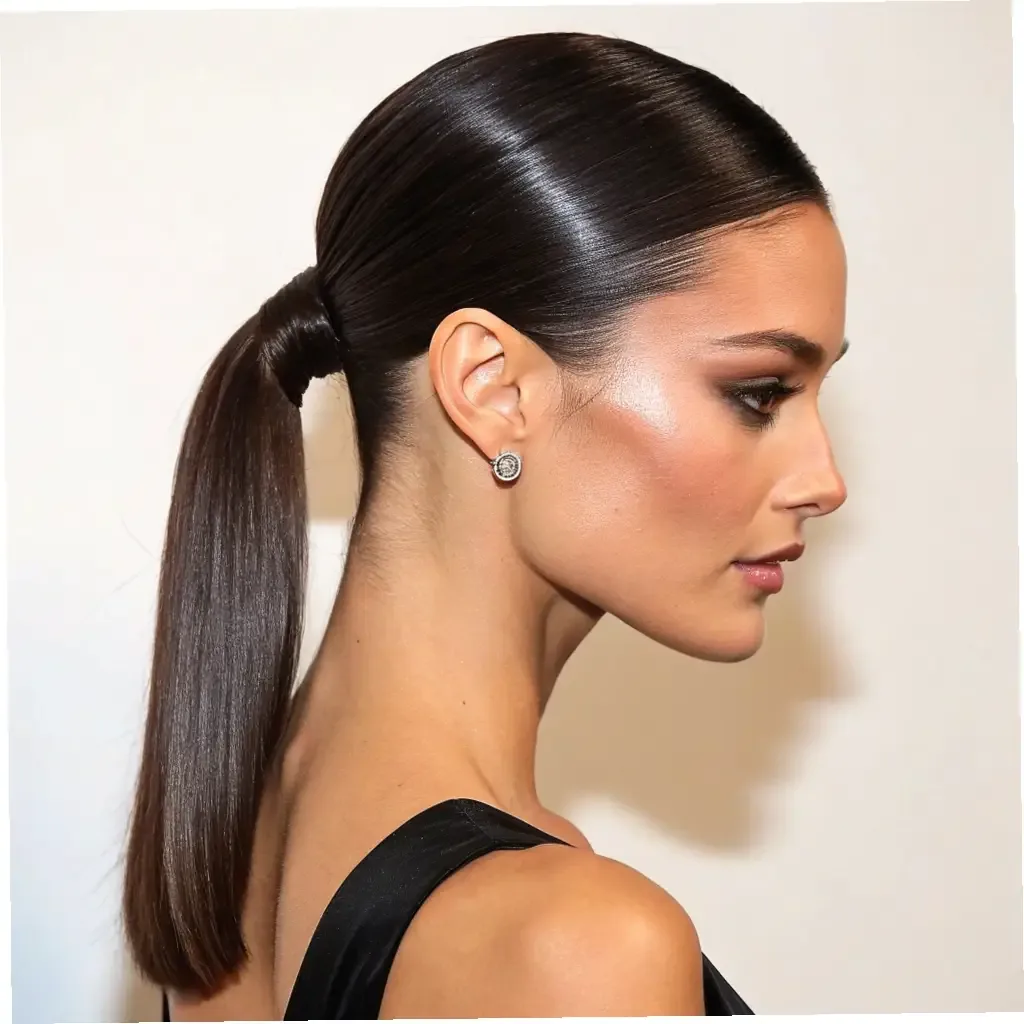
The side part low ponytail is the elegant version of the everyday low pony. A deep side part adds instant polish, the hair is smoothed back, and the ponytail sits low at the nape. It looks refined in photos and feels completely comfortable under a helmet.
Pros: polished and flattering, very comfortable, and the side part adds volume at the crown. Cons: the part can disappear under a cap, and the style looks plain from behind.
Who it suits: players and spectators who want a tidy, grown-up ponytail. Who should avoid it: anyone with a cowlick at the part line that fights a deep side part.
Maintenance: set the part with a tail comb and a little gel, then secure the tail with a silk scrunchie. A quick brush of the tail before the post-game photos is all it needs.
32. Center Part Double Braids
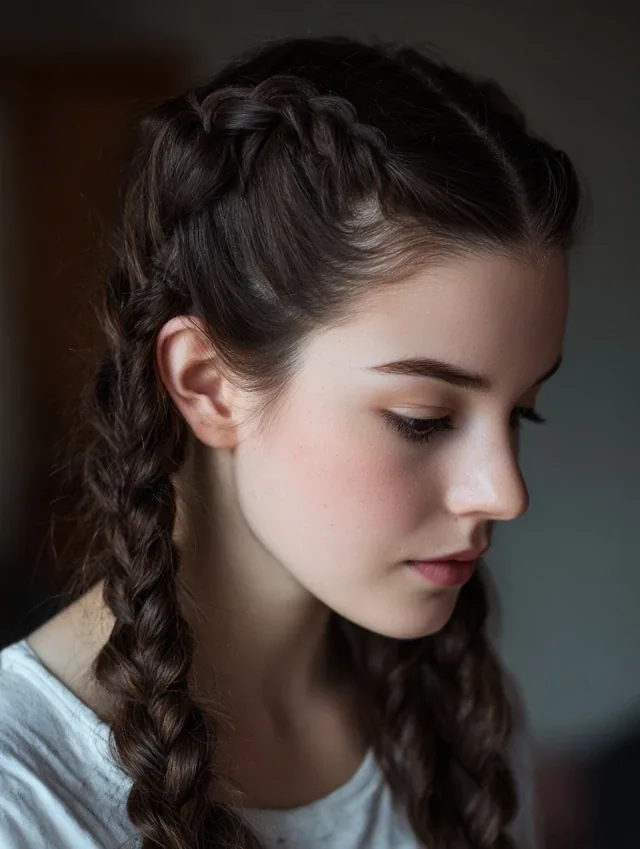
Center part double braids are the symmetrical, no-nonsense version of the double braid. The hair is parted dead centre, braided tightly on each side, and tied off at the nape. They are balanced, secure and look sharp with any uniform.
Pros: perfectly balanced, extremely secure, and the centre part looks clean in photos. Cons: a centre part does not suit every face shape, and the braids need even tension to look right.
Who it suits: players with medium to long hair who want maximum hold. Who should avoid it: anyone who prefers a side part, or has very short layers at the front.
Maintenance: part the hair with a tail comb and braid each side with the same tension. Tie the ends with matching elastics and pin the tails flat.
33. Pull-Through Braid
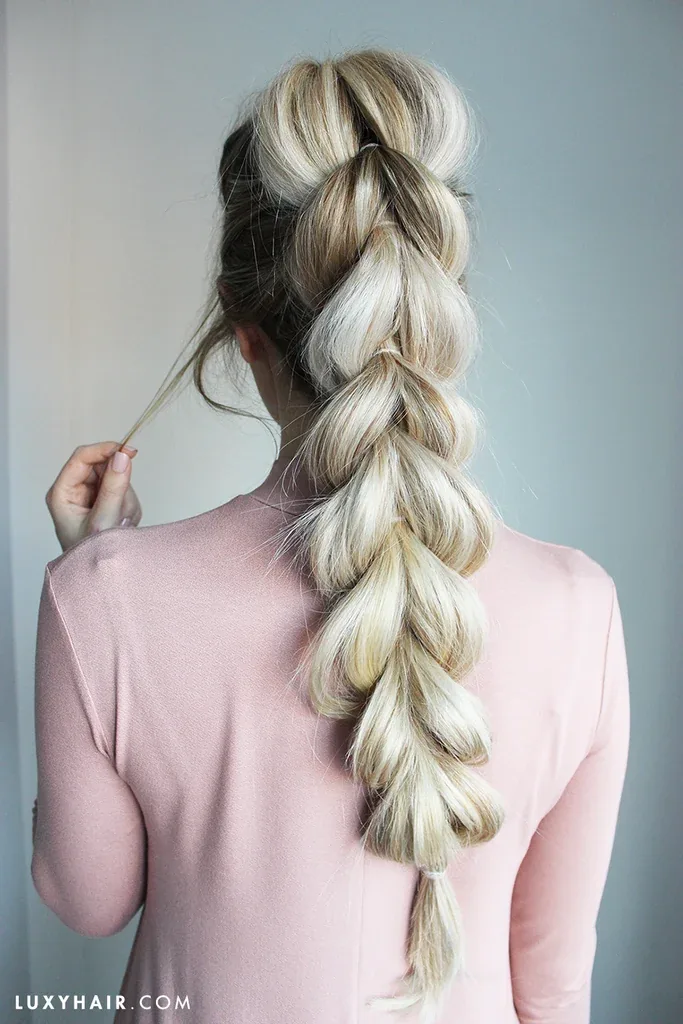
The pull-through braid looks like a complex Dutch braid but is made from a series of small ponytails pulled through each other. It creates a thick, woven braid that holds its shape beautifully and works even on hair that is too fine or slippery for a real braid.
Pros: looks impressively thick, works on fine hair, and holds all day. Cons: it uses a lot of elastics, and taking it out takes a few minutes.
Who it suits: players with fine or slippery hair who cannot keep a regular braid in. Who should avoid it: anyone in a rush, or with very short hair that cannot form the segments.
Maintenance: use clear mini elastics and pull each segment out gently for fullness. Keep a few spare elastics in your kit bag for repairs.
34. Knotted Ponytail
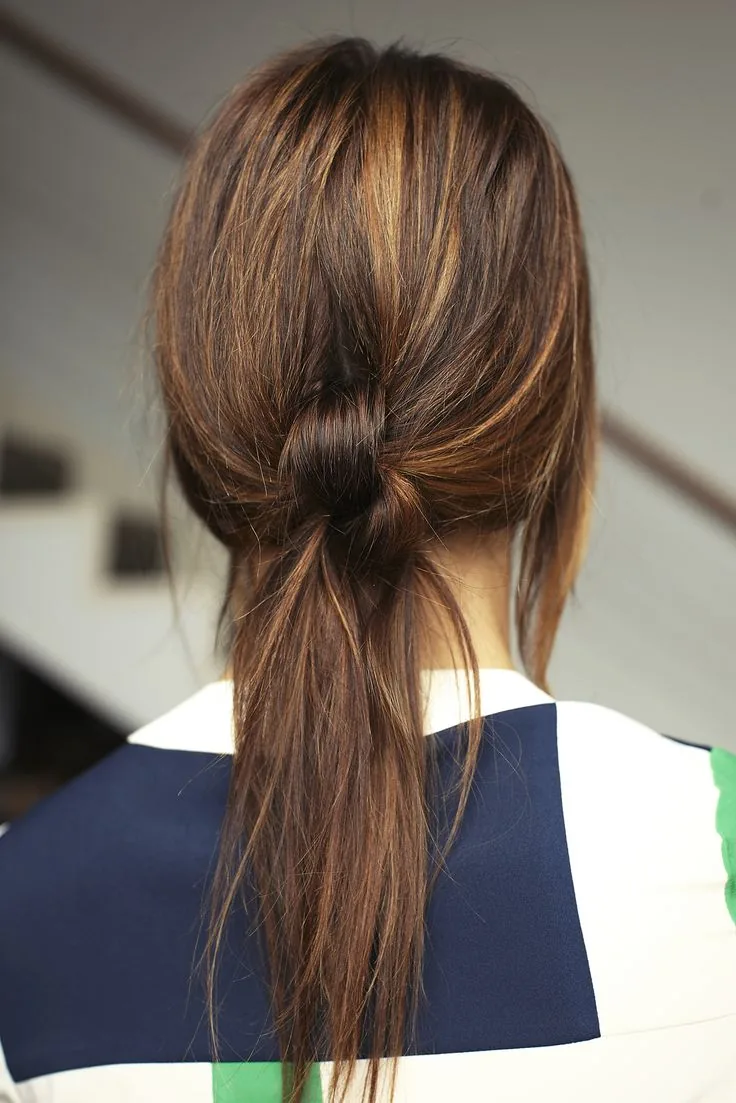
The knotted ponytail is a clever twist on the classic: the ponytail is divided in two and the sections are tied in a simple knot, then secured. The knot adds grip, stops the tail swinging, and gives a plain ponytail an interesting detail that looks far harder than it is.
Pros: the knot stops swinging, it is quick to do, and it looks more interesting than a plain pony. Cons: the knot can loosen on very silky hair, and it works best on medium-length hair.
Who it suits: players with medium-length hair who want a ponytail with a twist. Who should avoid it: anyone with very long hair, since the knot eats up length, or very curly hair that will not knot smoothly.
Maintenance: tie the knot snugly and secure it with a small elastic underneath. If it loosens, just re-tie it — the whole fix takes ten seconds.
35. Scarf-Wrapped Low Bun
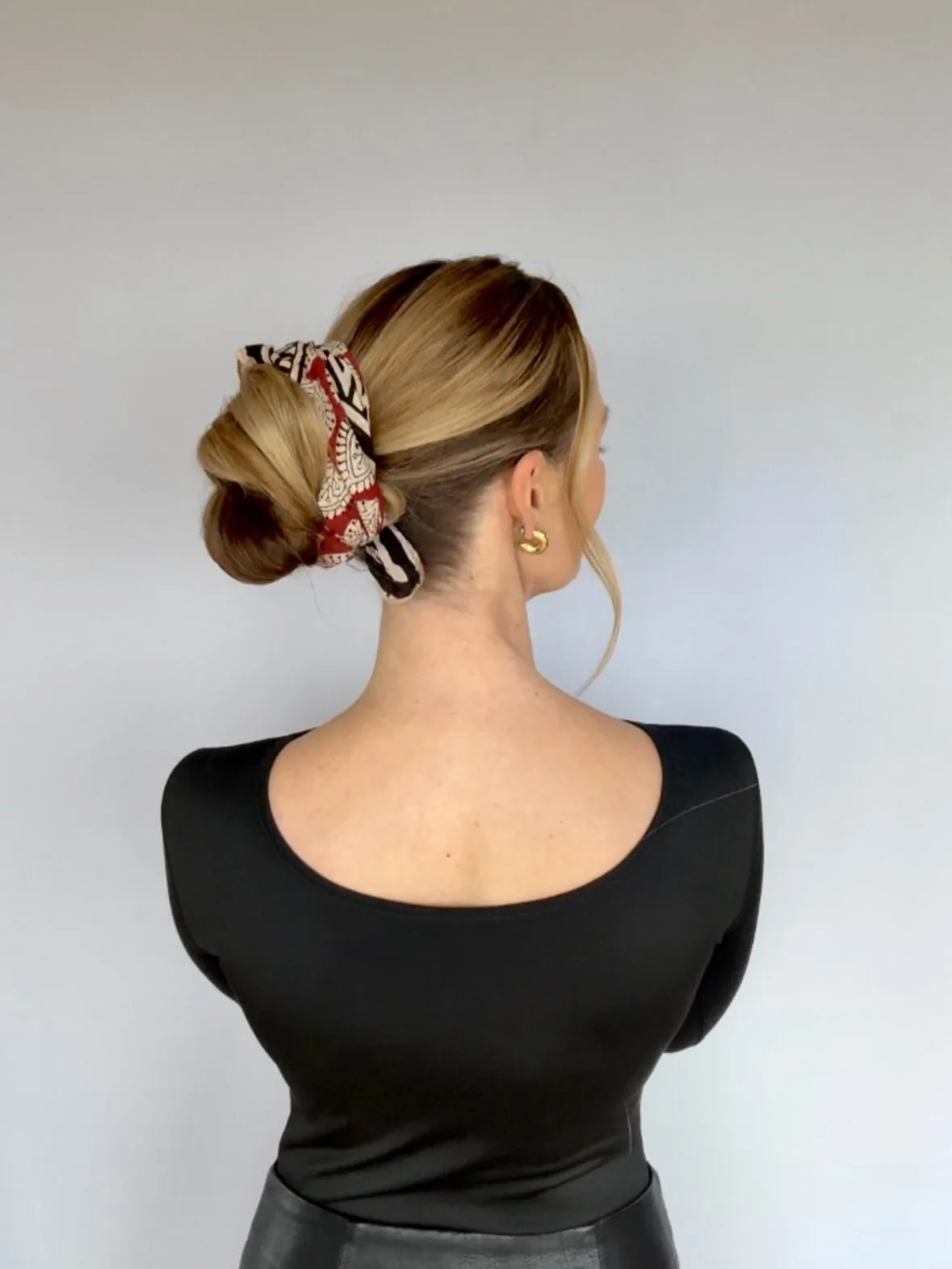
The scarf-wrapped low bun takes a simple low bun and wraps a silk scarf around its base, tying it in a small bow or knot. The scarf adds colour, grip and personality, and it keeps the bun secure far longer than pins alone. It is a favourite for team photos and tournament weekends.
Pros: the scarf adds grip and style, the bun stays put, and it looks lovely in photos. Cons: the scarf can come loose in strong wind, and it adds a step to the morning routine.
Who it suits: spectators and players who love a vintage, polished look. Who should avoid it: anyone playing in high wind, or who dislikes extra accessories.
Maintenance: choose a lightweight silk scarf and knot it firmly at the base of the bun. Tuck the ends in so they do not flap, and carry a spare pin.
36. Bandana Ponytail
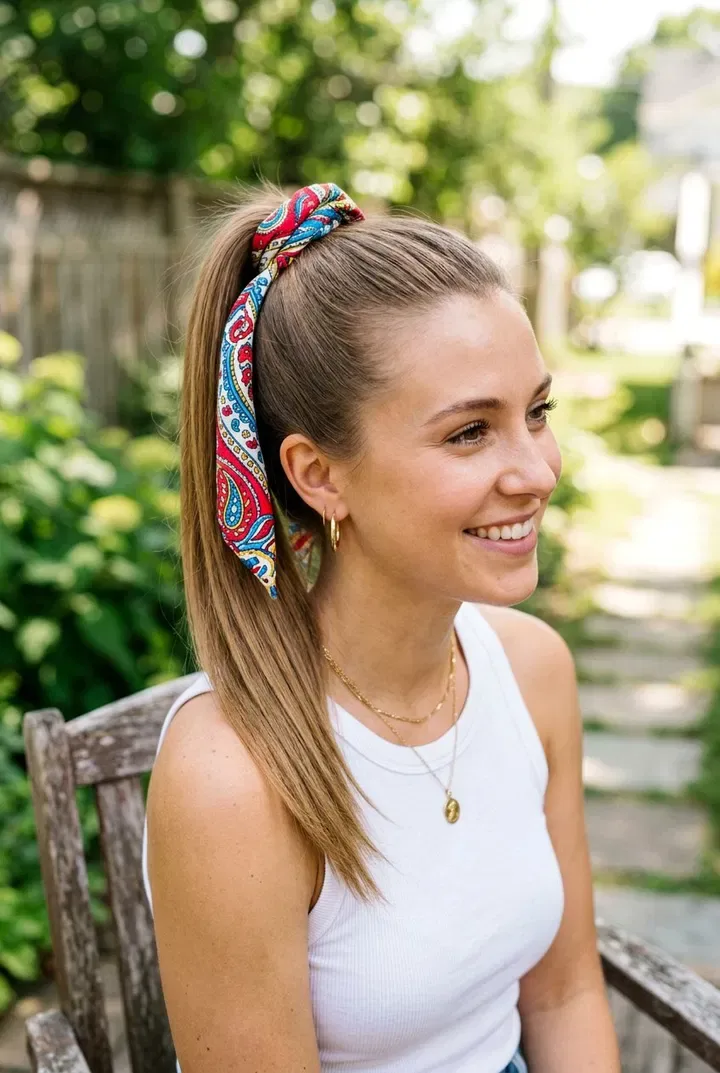
The bandana ponytail is pure dugout spirit. A bandana is folded into a band and tied around the head, with the ponytail pulled through at the back. It keeps sweat out of the eyes, holds flyaways down, and adds a bold splash of team colour.
Pros: controls sweat, keeps flyaways down, and looks fun and sporty. Cons: the bandana can slip during play, and it can leave a crease in the hair.
Who it suits: players and spectators on hot days, and anyone who loves a retro sporty look. Who should avoid it: anyone wearing a batting helmet, since the bandana bunches underneath it.
Maintenance: fold the bandana narrow and tie it firmly at the nape, under the ponytail. A bandana with a little stretch grips better than a stiff cotton one.
37. Braided Bun
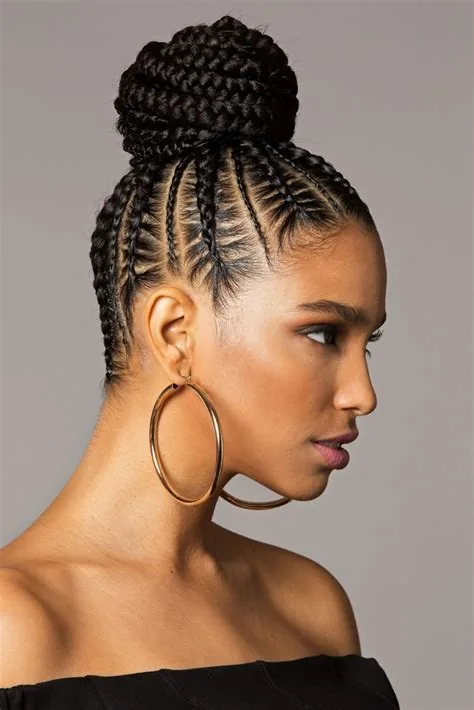
The braided bun combines the two most secure styles in this guide: braid the hair first, then coil the braid into a bun and pin it. The braid gives the bun texture and grip, so it holds far longer than a plain bun and looks beautiful from every angle.
Pros: the most secure bun here, looks intricate, and the braid stops the bun unravelling. Cons: it takes the longest of all the buns, and it is hard to do on yourself.
Who it suits: players with long hair who want a bun that will not budge all day. Who should avoid it: anyone short on time, or with hair too short to braid and coil.
Maintenance: braid on damp hair for grip, coil the braid flat, and pin at four points. A light hairspray over the finished bun locks the texture in.
38. Game-Day Glam Waves with a Visor
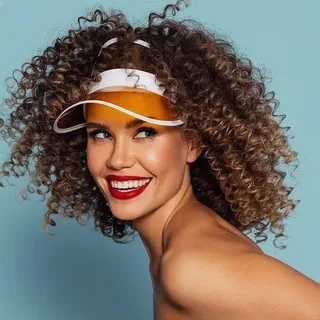
Game-day glam waves with a visor are for the spectator who wants to look fabulous in the bleachers. The hair is curled into soft, glamorous waves, the visor keeps the sun out of the eyes, and the crown stays open so the waves keep their volume. It is the prettiest style in this guide.
Pros: gorgeous volume, the visor shades the face, and the open crown keeps the waves bouncy. Cons: the waves will not survive a helmet, wind or humidity, and the style needs heat tools.
Who it suits: spectators on a calm, dry day who want a glamorous look. Who should avoid it: players on the field, or anyone playing in wind or humidity.
Maintenance: curl with a large barrel, brush the waves out gently, and set them with a flexible-hold spray. If the wind picks up, gather the waves into a loose low ponytail.
What is the best hairstyle for playing softball?
A double Dutch braid or a low ponytail is the best choice for playing softball. Braids lock the hair at the scalp and survive helmets, slides and sprints, while a low ponytail sits comfortably under a batting helmet. Both keep the hair completely out of your face, which matters when you are tracking a ball.
Can you wear your hair down to a softball game?
You can wear your hair down if you are spectating, but it is not a good idea for playing. Loose hair gets sweaty, dusty and tangled, blows into your face, and can catch on equipment. If you want a down look, keep it for the bleachers and braid it before you step onto the field.
How do you keep your hair in place under a softball helmet?
Keep the crown smooth and flat, choose a low style such as a low ponytail, low bun or low braids, and prep the hair with a little gel or styling cream. Avoid bulky knots at the crown, because they press against the helmet shell. A braid is the most secure option, since it anchors the hair at several points.
What hairstyle works best with a softball cap?
A high ponytail threaded through the cap opening is the classic cap style, and double braids work just as well. Both keep the hair contained and sit comfortably with the cap. Avoid high buns under a cap, because they push the cap up and feel uncomfortable within an hour.
How do I stop my hair getting frizzy at a softball game?
Braid the hair, smooth the part line with a little gel or edge control, and finish with a light-hold hairspray. Frizz comes from loose strands rubbing against a cap or helmet, so contained styles frizz far less. A satin-lined cap also helps, and a quick smoothing pass with gel between innings fixes any new frizz.
What should I pack in my softball hair kit?
Pack snag-free elastics, bobby pins, a small bottle of dry shampoo, a travel-size gel or styling cream, and a spare headband or bandana. That kit covers a loosening ponytail, a frizzy braid, a slipping bun and a sweaty hairline, and it all fits in a small pouch in your kit bag.
Are braids better than ponytails for softball?
Braids are better for staying power and for keeping hair out of the face, while ponytails are faster and easier. If you are playing a full game, choose a braid. If you are spectating or short on time, a ponytail is fine. Many players braid for the game and switch to a ponytail afterwards.
How do you get dust out of your hair after a softball game?
Shake the hair out outdoors first, then brush it gently from the ends upward to remove the dust. A dry shampoo sprayed at the roots absorbs the rest, and a proper wash with shampoo and conditioner finishes the job. Braided styles pick up far less dust, so you will have less to remove.
Can short hair work for softball?
Yes, short hair works brilliantly for softball. A pixie or crop stays out of the way with almost no effort, and a headband, sweatband or cap keeps the front pieces out of your eyes. Bob-length hair can be tucked behind the ears or held with a sporty headband, and it needs no mid-game attention.
What hairstyle is best for softball practice in hot weather?
A low bun or double braids are best for hot-weather practice. Both keep the hair off the neck, stay secure when you sweat, and do not need re-doing. Add a sweatband or bandana to catch sweat at the hairline, and use dry shampoo between drills to keep the roots fresh.
Conclusion
The right hairstyle can change your whole game day. When your hair is secure, you stop thinking about it — no strands in your eyes as the pitch comes in, no ponytail loosening in the fifth inning, no frizz in the team photo. These hairstyles for a softball game are built for exactly that: braids that hold through a slide, buns that sit neatly under a helmet, and ponytails that thread through a cap and stay there.
Start with the basics — a low style for the helmet, a little product for grip, and a spare elastic in your pocket — then pick the style that suits your hair length and your role on the day. Practise it once at home, pack your dugout kit, and enjoy the game. From the first pitch to the last out, your hair will be the last thing on your mind, which is exactly how it should be.