Singing in Perfect Harmony: Hairstyles for a Choir Concert That Stay Neat, Shine on Stage and Last the Whole Performance
There is a special kind of magic in a choir concert: rows of singers breathing together, voices rising in harmony, and every eye in the hall on the music. Your hair is part of that picture, whether you planned it or not, and the right style helps you sing your best instead of distracting you from it.
That is why these hairstyles for a choir concert are all built around the same three rules: neat enough to look uniform on the risers, comfortable enough to sing in for two hours, and sturdy enough to survive stage lights, robes and a long evening. From classic low buns to soft curls pinned back, every look below works for school choirs, church choirs and community choirs alike.
Read the guides first, pick the style that suits your hair and your choir, and try it once at rehearsal. When the concert night comes, your hair will be the last thing on your mind — exactly as it should be.
Choir Concert Hair Rules: Neat, Uniform and Stage-Ready
A choir is a team, and its hair should behave like one. The best choir concert styles are neat from every angle, identical in spirit if not in exact shape, and quiet enough that the audience notices the music first. Before you pick a style, check your choir’s rules: many school and church choirs ask for hair off the face, no loose pieces, and nothing that sparkles or moves when you sing. A style that looks lovely on one singer can look untidy in a row of forty, so think in rows, not selfies.
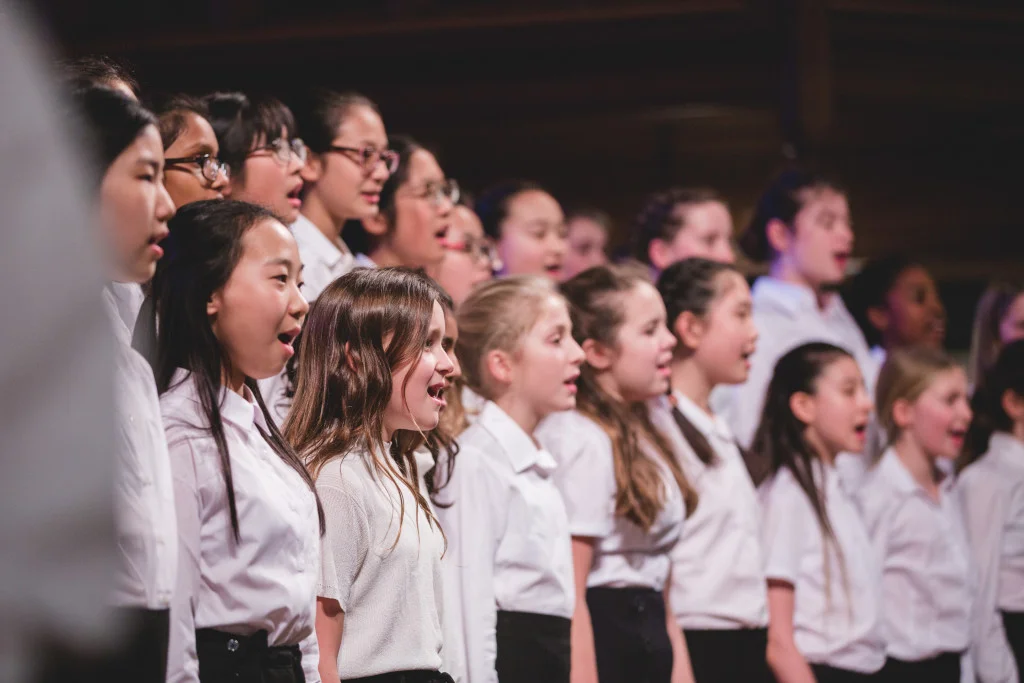
What it is: a shared standard for choir hair — tidy, face-clearing and uniform-friendly. Common mistakes: choosing a dramatic style that only suits one person, or leaving face-framing pieces that fall forward while singing and need constant tucking.
Maintenance: agree the plan at rehearsal, practise it once at home, and bring spare pins. Cost and time: most choir styles cost nothing beyond pins and spray and take ten to twenty minutes. Quick verdict: neat, simple and shared beats dramatic every time.
Robes, Collars and Necklines: Styles That Sit Right Under a Choir Robe
A choir robe changes everything about a hairstyle. High collars, stoles and heavy fabric sit exactly where a high ponytail or a big bun would, so the hair has to live below the collar line or flat against the head. Low buns, low ponytails and braids that rest on the shoulders work beautifully, while tall top knots fight the robe and get squashed. Put the robe on for your trial run, not just the dress underneath, and check the back view.
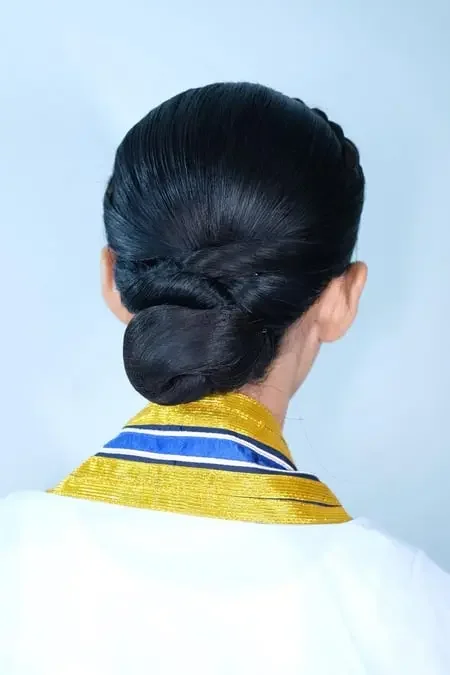
What it is: choosing shapes that sit comfortably under robes, collars and stoles. Common mistakes: styling a high bun that the robe collar pushes forward, or wearing a thick braid that bunches under the fabric and pulls the robe crooked.
Maintenance: smooth the nape, pin the bun low and flat, and check the collar in a mirror from behind. Cost and time: no extra cost, five extra minutes for a robe check. Quick verdict: if it sits flat under the robe, it is right.
Stage Lights and Long Performances: Hold That Lasts for Hours
Stage lights are hot, and a choir concert can run for two hours or more, so a style that looks perfect in a cool bedroom can wilt halfway through the second half. Heat softens curls, loosens pins and makes hairspray feel sticky, so build hold into the structure instead of spraying over the top. Set curls while they are warm, cross your pins in an X, and anchor braids at the scalp. A style with a firm base will still look tidy at the final bow.
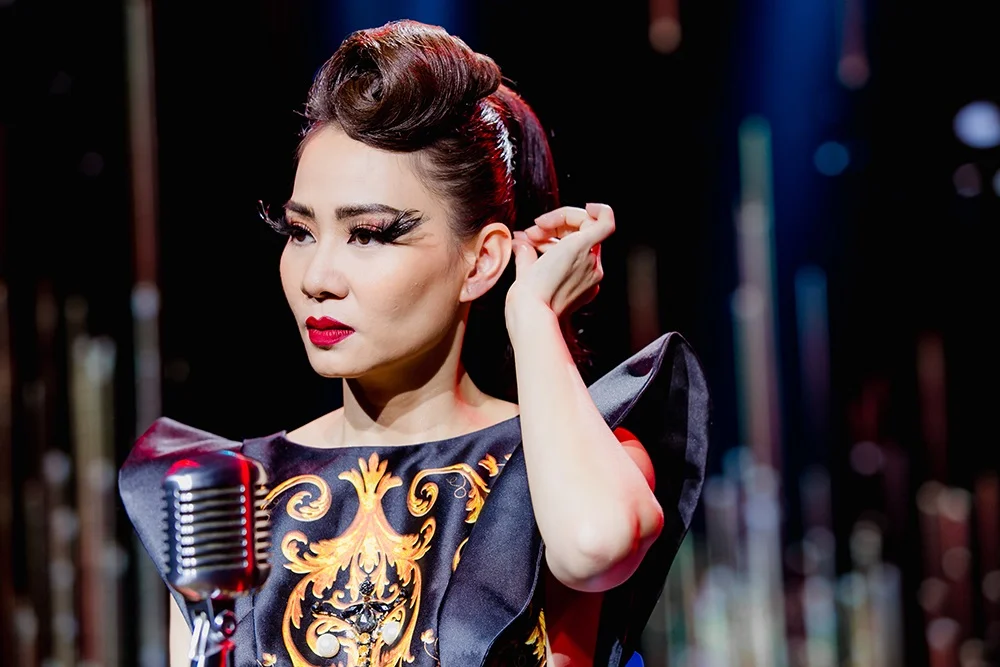
What it is: heat-proof, long-lasting hold built into the style itself. Common mistakes: relying on one heavy coat of hairspray, or curling hair and letting it cool loose so the curl drops before the first song.
Maintenance: a light mist between layers, a pin check at the interval, and a small comb in your bag. Cost and time: a good flexible-hold spray and a pack of pins, about fifteen minutes of styling. Quick verdict: structure first, spray second.
Singing Comfort: Hair That Never Blocks Your Breath or Your View
Singing well needs an open chest, a free neck and a clear view of the conductor, and hair can quietly get in the way of all three. Loose hair across the shoulders makes you hunch, a heavy fringe falls into your eyes on the high notes, and a style that pulls at the scalp makes it hard to breathe deeply. The most comfortable choir styles keep the weight off the neck, the face clear and the head free to move, so you can watch the conductor and sing your best.
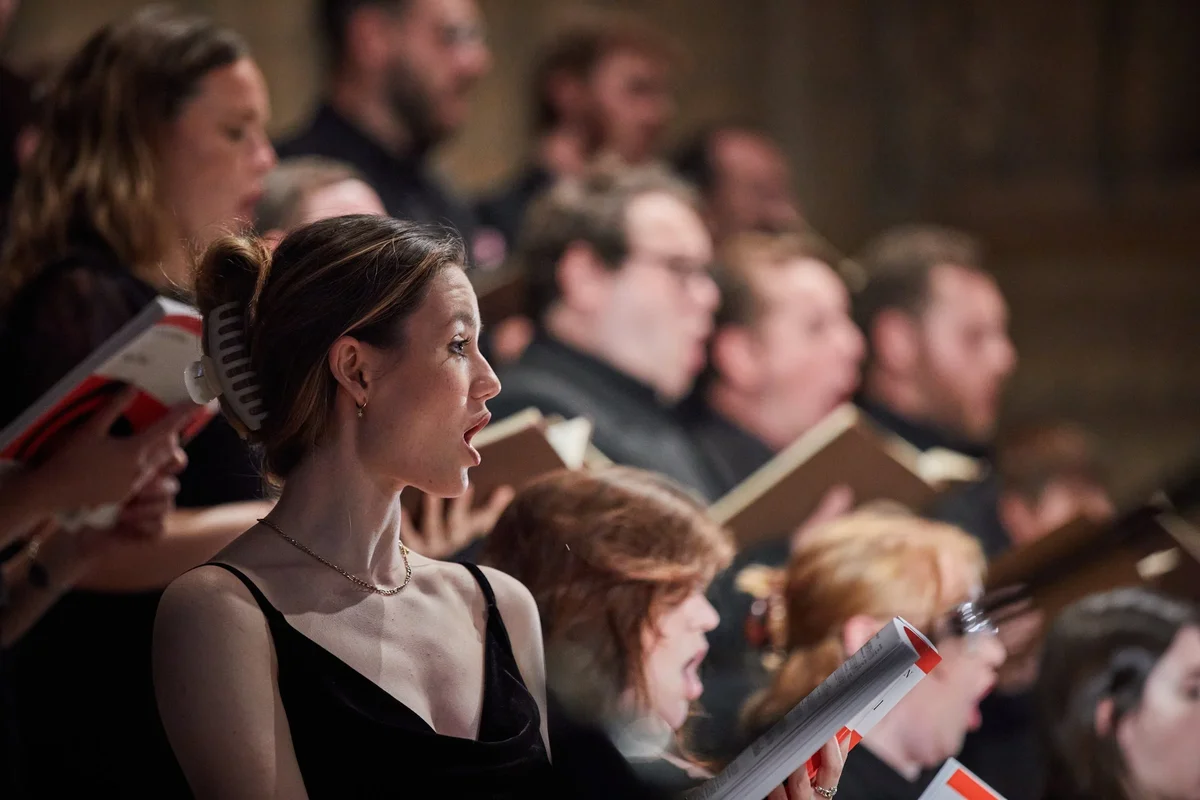
What it is: a style chosen for breathing, posture and sightlines as much as looks. Common mistakes: a tight ponytail that gives you a headache by the third song, or long hair worn loose that you keep pushing back with your hands.
Maintenance: loosen the elastic one notch, pin the front back, and shake your head to test it. Cost and time: free, and two minutes of testing. Quick verdict: if you forget your hair is there, it is right.
School Choir: Age-Appropriate Styles for Young Singers
School choir concerts are joyful, busy and full of young singers who need styles that are simple, comfortable and quick to redo between songs. The best choices are braids, low buns and ponytails that a child can sit in for an hour without fiddling, and that a parent can style in ten minutes on a school morning. Keep accessories small and school-approved, skip heat styling on young hair where you can, and let the children look like themselves, just tidier.
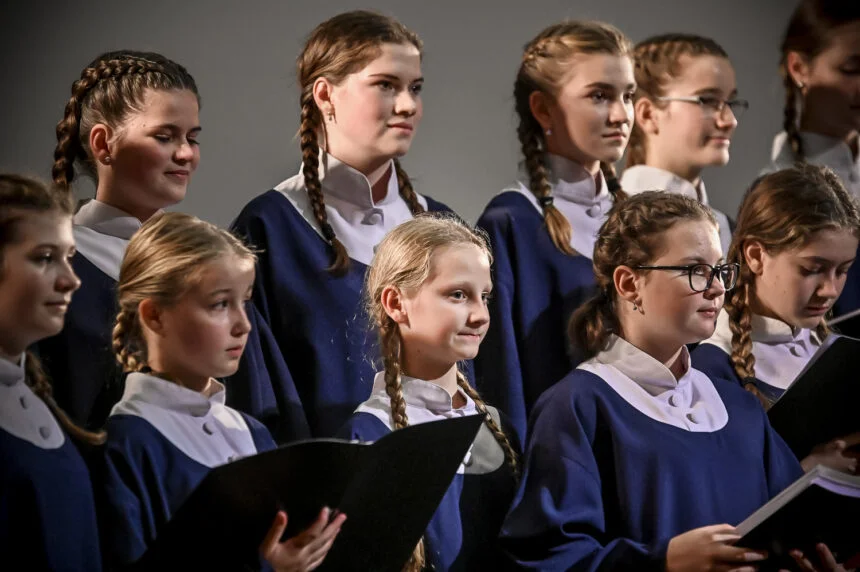
What it is: simple, sturdy, age-appropriate styles for school singers. Common mistakes: an adult updo that is too heavy for a child, or fiddly accessories that fall out and distract the whole row.
Maintenance: braid the night before for waves, or do a low bun in the morning with soft elastics. Cost and time: a few elastics and pins, five to ten minutes. Quick verdict: simple, sturdy and child-friendly wins.
Church Choir: Modest, Polished Looks for Worship
A church choir sings as part of worship, so the hair should feel calm, modest and polished rather than showy. Low buns, smooth braids and soft pinned-back styles suit the setting perfectly, and they sit well under robes and stoles. Keep shine soft rather than glittery, accessories small and plain, and the silhouette tidy from the pews. The aim is a look that honours the occasion and never pulls attention away from the music or the service.
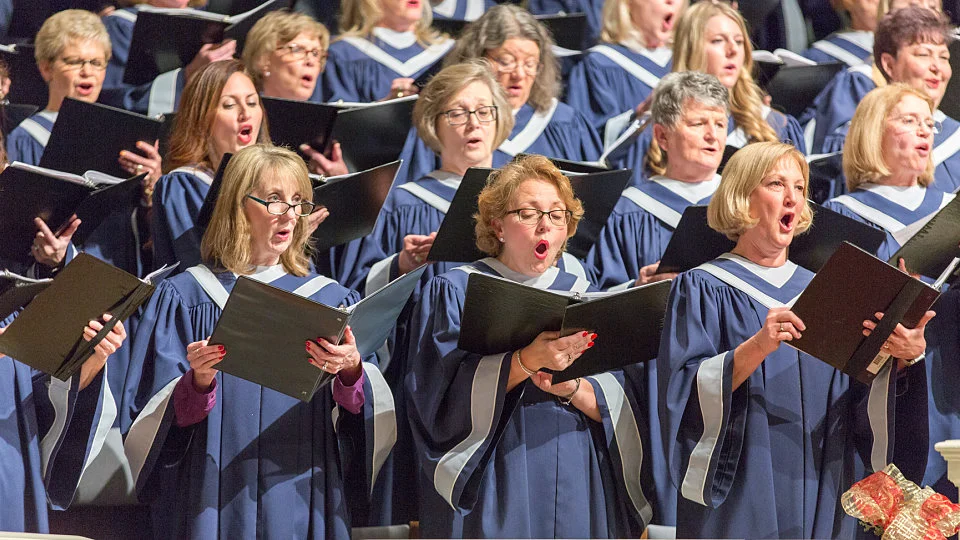
What it is: modest, polished styling that fits a worship setting. Common mistakes: oversized bows or glittering clips that catch the light, or a loose, glamorous blowout that feels more nightclub than nave.
Maintenance: a smooth finish, pins that match your hair colour, and a quick check before processing in. Cost and time: ten to fifteen minutes with tools you already own. Quick verdict: calm, tidy and reverent is the right note.
Rehearsal to Performance: A Quick Change Plan
Most choir concerts have a rehearsal on the same day, and the gap between rehearsal and performance is often short. Plan a style that survives the rehearsal and only needs a five-minute refresh, rather than a full restyle. A low bun or braid done in the morning can be smoothed, re-pinned and re-misted in minutes, while a fresh curl set needs starting again. Pack a small kit: pins, a comb, elastic bands, a travel spray and a mirror.
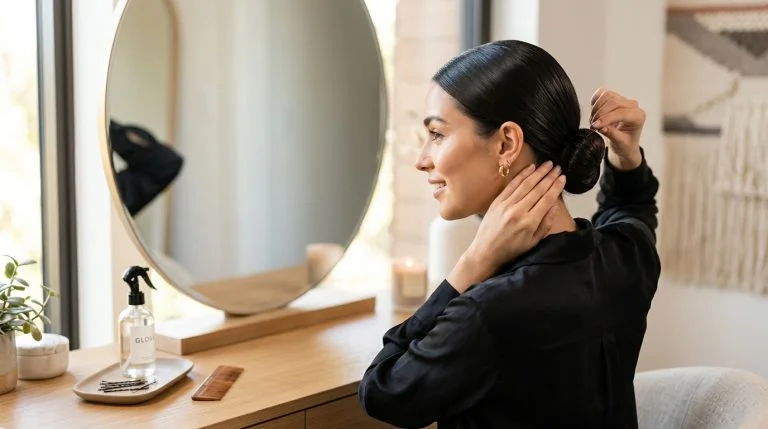
What it is: a two-stage plan — one sturdy style, one quick refresh. Common mistakes: choosing a style that only looks good freshly done, or leaving your kit at home and borrowing pins from the whole row.
Maintenance: refresh the parting, smooth flyaways with a little water or serum, and re-pin the base. Cost and time: five minutes at the interval, no extra cost. Quick verdict: build once, refresh fast.
After the Concert: A Gentle Takedown and Hair Care
After hours of pins, spray and stage heat, your hair deserves a gentle takedown. Remove pins one at a time instead of pulling them out, brush through softly from the ends upward, and wash with a mild shampoo before bed. A little conditioner or a light oil on the ends will undo the dryness from the lights, and a loose braid overnight keeps it tangle-free. Your hair worked hard for the concert, so treat it kindly afterwards.
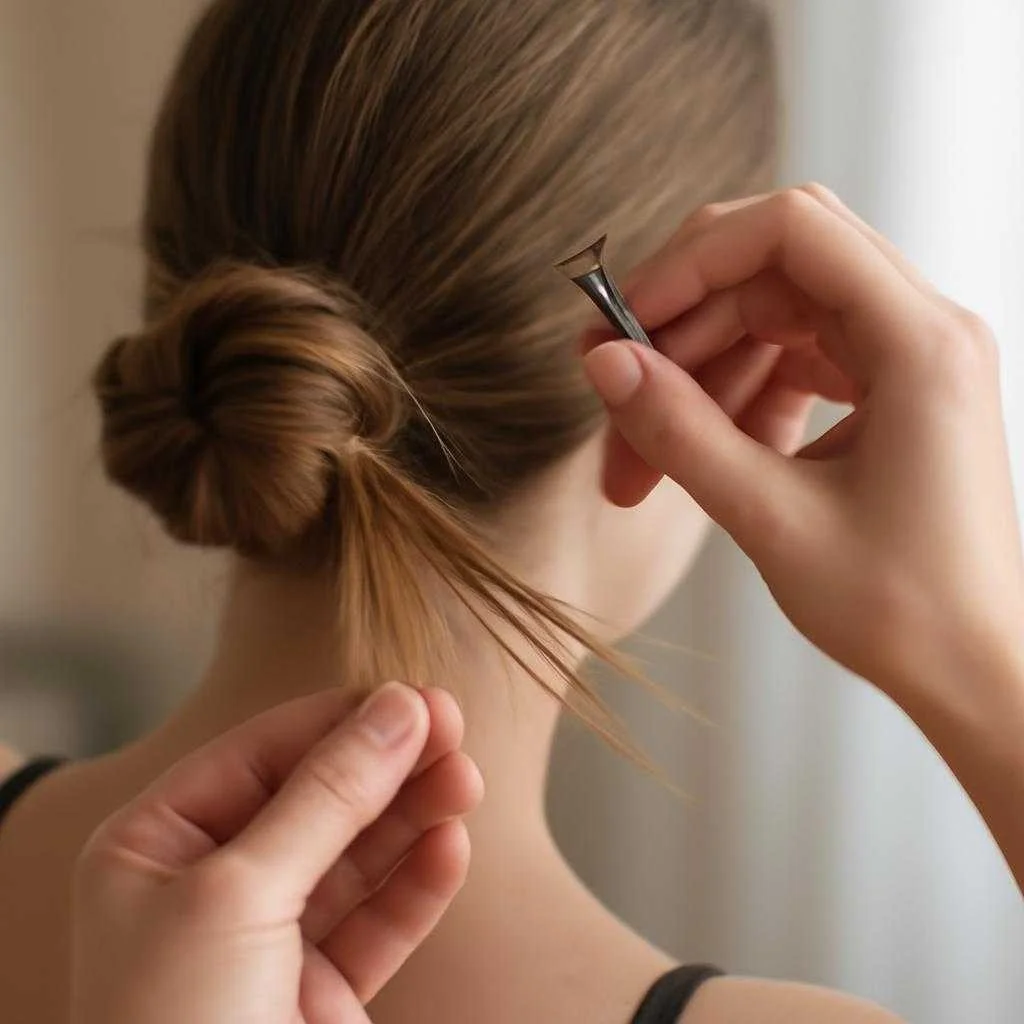
What it is: a slow, gentle reset after a long performance. Common mistakes: ripping pins out in a hurry, or brushing hard through spray-stiff hair and snapping the ends.
Maintenance: a gentle wash, a conditioning mask once a week, and a soft brush. Cost and time: ten minutes and products you already have. Quick verdict: take it down slowly and your hair will thank you.
The Classic Low Bun
The classic low bun is the choir singer’s best friend. It sits neatly at the nape, stays clear of robes and collars, and looks polished on every age and hair type. Smooth the hair back, twist it into a compact bun, pin it flat, and you have a style that survives two hours of singing, bowing and standing on risers without a single strand escaping.
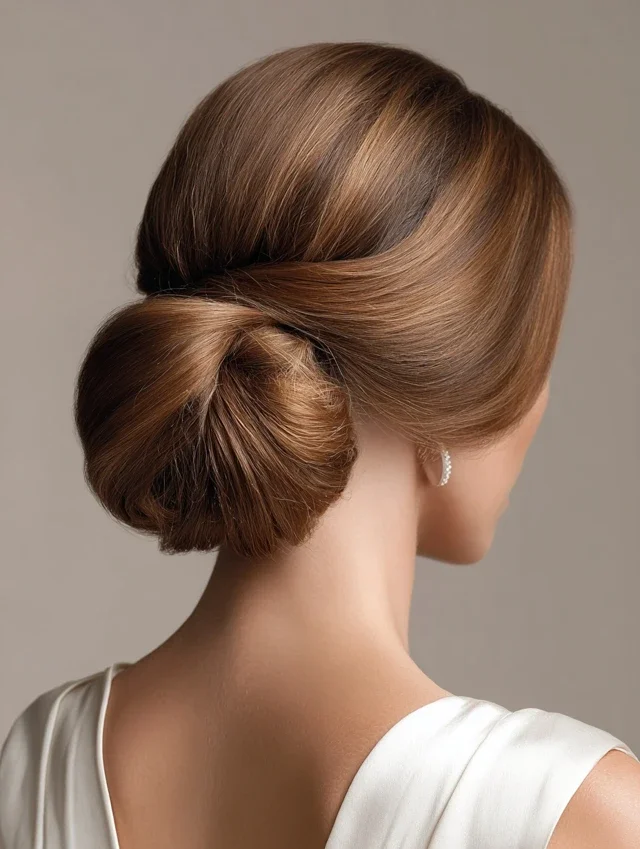
What it is: a smooth, compact bun pinned low at the nape. Common mistakes: placing it too high so the robe collar pushes it forward, or leaving the front too loose so pieces fall into the face.
Maintenance: pin in an X shape, mist lightly, and check the back in a mirror. Cost and time: pins and spray only, about ten minutes. Quick verdict: the safest, smartest choir choice there is.
The Sleek Low Ponytail
A sleek low ponytail is simple, elegant and wonderfully practical for a choir concert. Brushed smooth and tied low, it keeps hair off the face and off the robe, and it suits straight, wavy and curly hair alike. Wrap a small section of hair around the elastic for a polished finish, and the whole row looks instantly more uniform.

What it is: a smooth ponytail tied low at the nape with a wrapped elastic. Common mistakes: tying it too tight so it pulls and aches, or leaving bumps at the crown that show under stage lights.
Maintenance: smooth with a brush, tame flyaways with a little serum, and carry a spare elastic. Cost and time: five minutes, almost no cost. Quick verdict: quick, tidy and always appropriate.
The French Twist
The French twist brings instant elegance to a choir concert. Hair is swept up and tucked into a vertical roll that looks refined from the front and neat from the side, and it holds beautifully through a long performance. It suits medium and long hair best, and it pairs perfectly with a choir robe because it adds no bulk at the collar.

What it is: a vertical rolled updo, pinned smoothly against the head. Common mistakes: twisting too loosely so it sags by the interval, or using pins that show against dark hair.
Maintenance: anchor with long pins along the roll and mist lightly. Cost and time: fifteen minutes and some practice, or a salon visit. Quick verdict: elegant, timeless and robe-friendly.
The Neat Chignon
A chignon is a low, rolled bun with a soft, romantic feel, and it is one of the most flattering styles for a choir concert. It sits low enough to clear any collar, photographs beautifully, and works on straight, wavy and lightly curly hair. Keep it smooth and compact for a formal concert, or loosen a few strands for a warmer community performance.
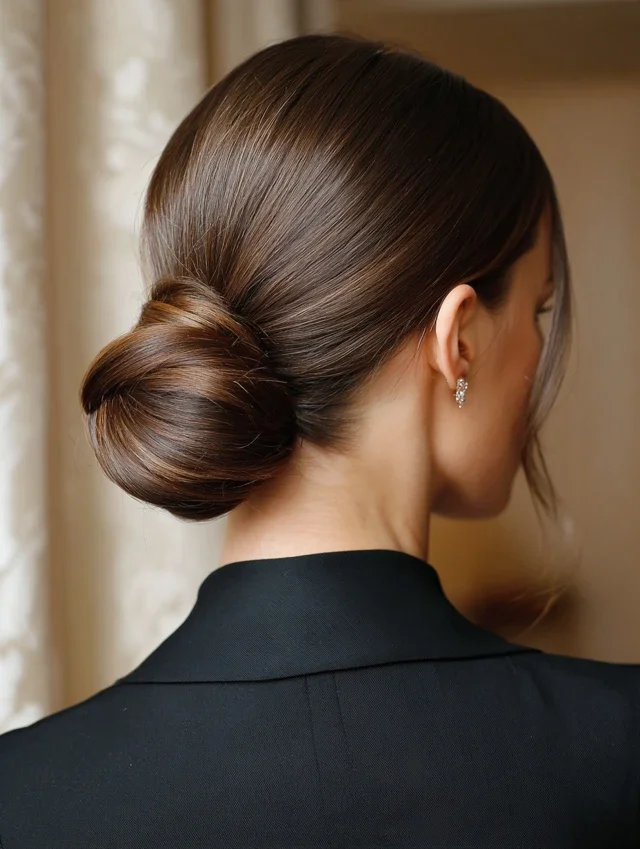
What it is: a low rolled bun with a soft, polished finish. Common mistakes: making it too loose so it drops, or adding too much volume at the crown so it competes with the robe.
Maintenance: pin the roll firmly and smooth the surface with a brush. Cost and time: about fifteen minutes at home. Quick verdict: soft, flattering and beautifully formal.
The Half-Up Twist
The half-up twist keeps the front of your hair neatly away from your face while letting the rest fall softly down your back. Twist two front sections back and pin them together, and you have a style that is comfortable to sing in, pretty on stage and easy to refresh. It is a lovely choice for community choirs where the dress code is a little more relaxed.
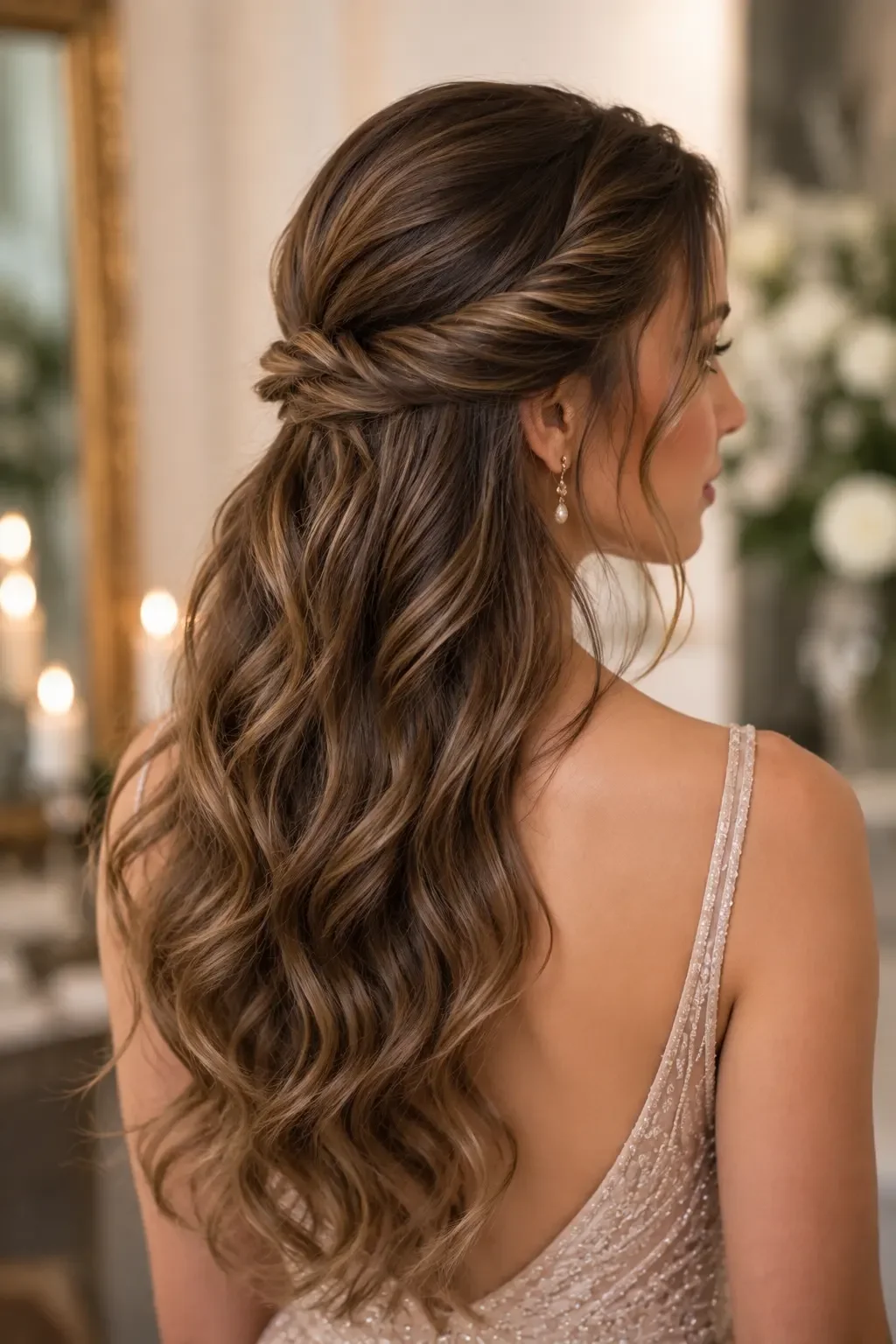
What it is: front sections twisted back and pinned, the rest left down. Common mistakes: pinning too high so it pulls, or leaving the loose hair so long it tangles against the robe.
Maintenance: re-pin at the interval and brush the loose lengths. Cost and time: ten minutes, a few pins. Quick verdict: pretty, practical and kind to long hair.
The Smooth French Braid
A smooth French braid is tidy, comfortable and almost impossible to ruin during a performance. Braided close to the scalp from the crown to the nape, it keeps every strand in place, sits flat under a robe, and looks neat from every seat in the hall. It is a favourite for school choirs because it lasts all day, from morning rehearsal to the evening concert.
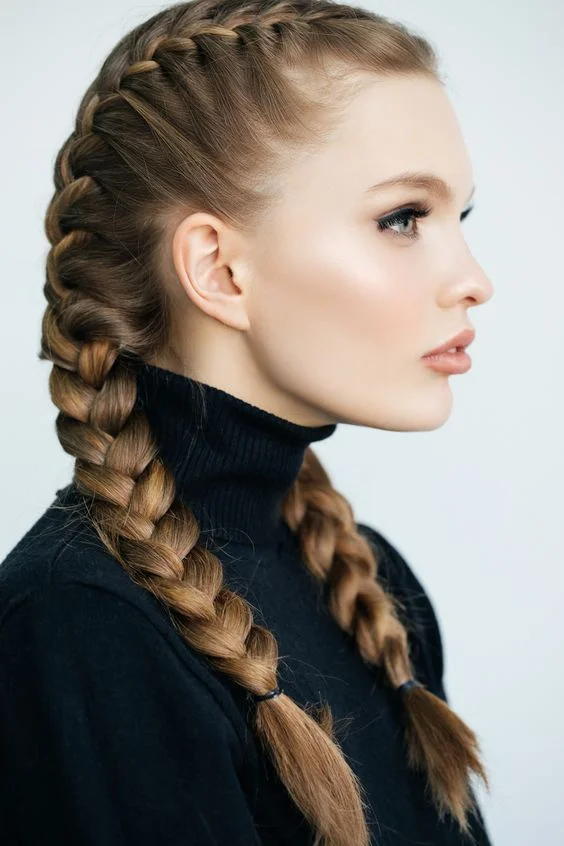
What it is: a single braid woven close to the scalp. Common mistakes: braiding too loosely at the top so it puffs out, or pulling so tight it hurts by the second song.
Maintenance: braid on slightly damp hair for grip and tie with a soft elastic. Cost and time: ten minutes, no cost. Quick verdict: the hardest-working braid in the choir.
The Dutch Braid Crown
A Dutch braid crown wraps around the head like a halo, keeping hair completely off the face and neck. It looks intricate and impressive, but it is simply a Dutch braid curved around the head and pinned in place. It is wonderfully secure for long concerts, and it suits singers with thick hair that needs real control.
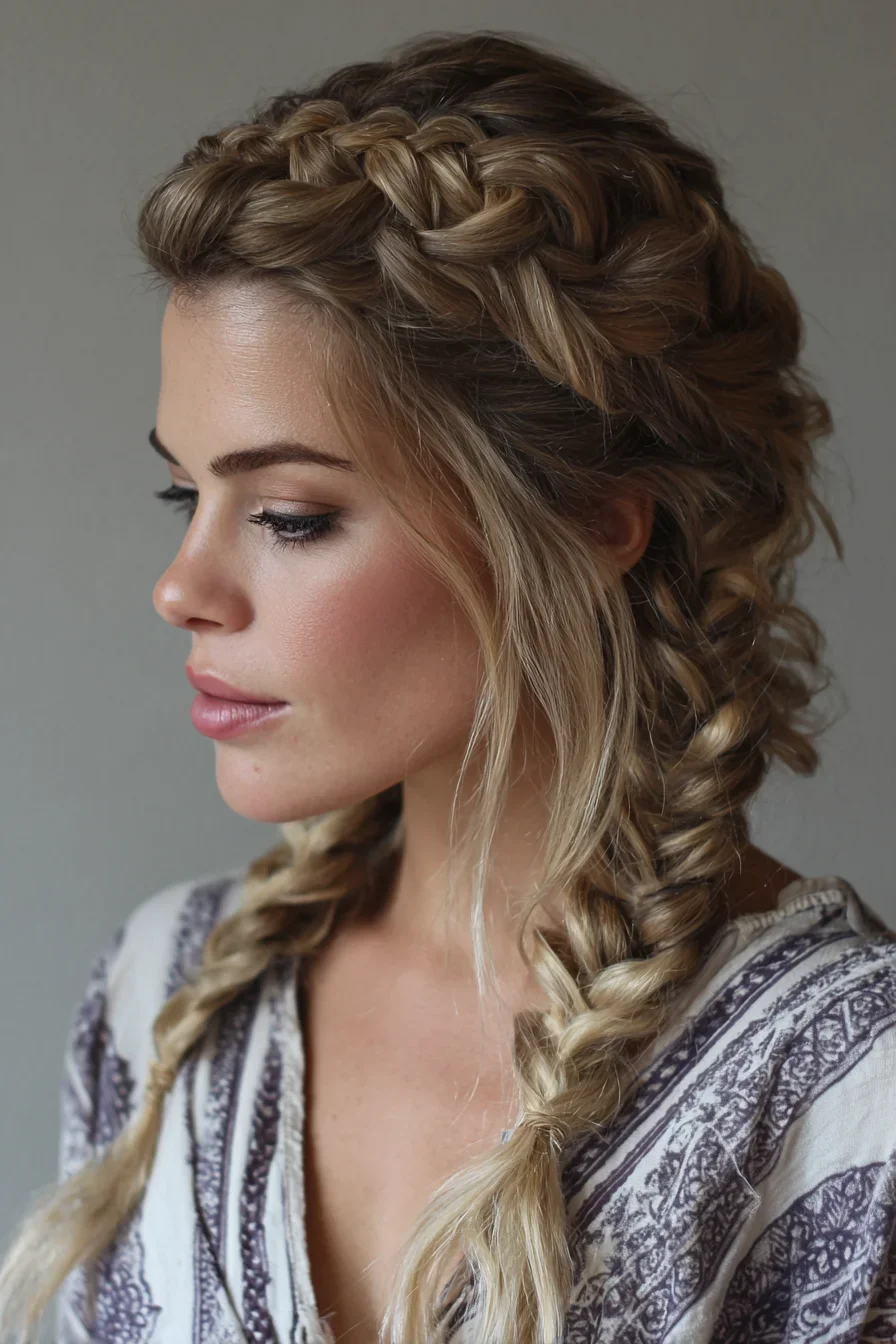
What it is: a raised braid wrapped around the head and pinned. Common mistakes: starting the braid too far back so the front pulls loose, or skipping pins along the curve so it slips.
Maintenance: pin every few centimetres and mist the finished crown. Cost and time: twenty minutes, or help from a friend. Quick verdict: stunning, secure and stage-ready.
The Low Braided Bun
The low braided bun combines the security of a braid with the polish of a bun. Braid the hair first, then coil it into a low bun and pin it flat at the nape. The braid texture stops the bun from slipping, and the low position keeps it clear of robes and stoles. It is a beautiful choice for formal concerts and carol services alike.
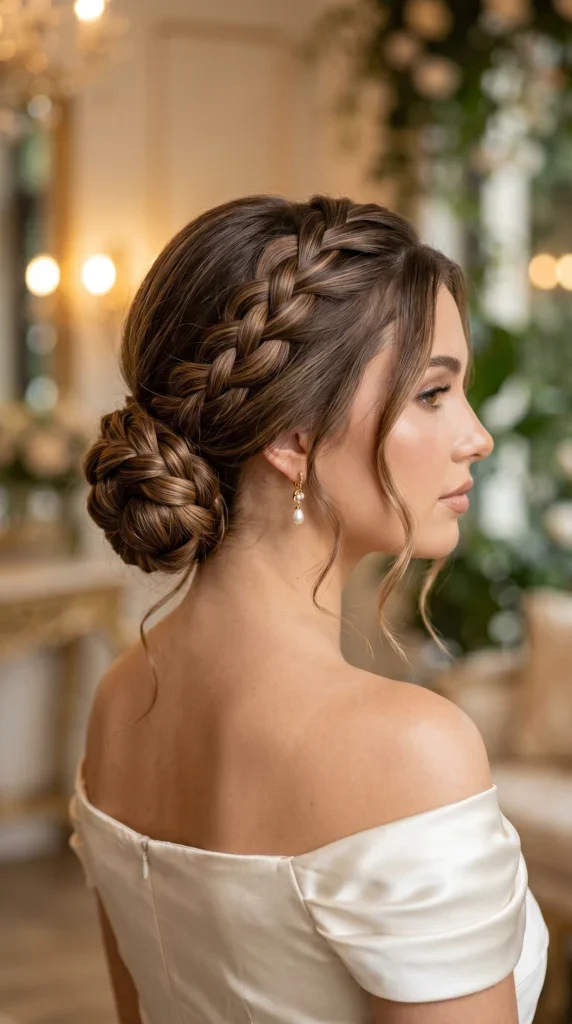
What it is: a braid coiled into a low, flat bun. Common mistakes: coiling too loosely so the bun wobbles, or using a bulky elastic that shows through the braid.
Maintenance: pin the coil in four places and smooth flyaways. Cost and time: fifteen minutes at home. Quick verdict: braid security with bun polish.
The Side-Swept Low Bun
A side-swept low bun adds a gentle, romantic touch to the classic bun by sweeping the hair to one side before pinning it low. It flatters most face shapes, photographs beautifully from the audience, and still sits low enough for any robe. Keep the sweep soft rather than dramatic so the style reads as polished, not party.
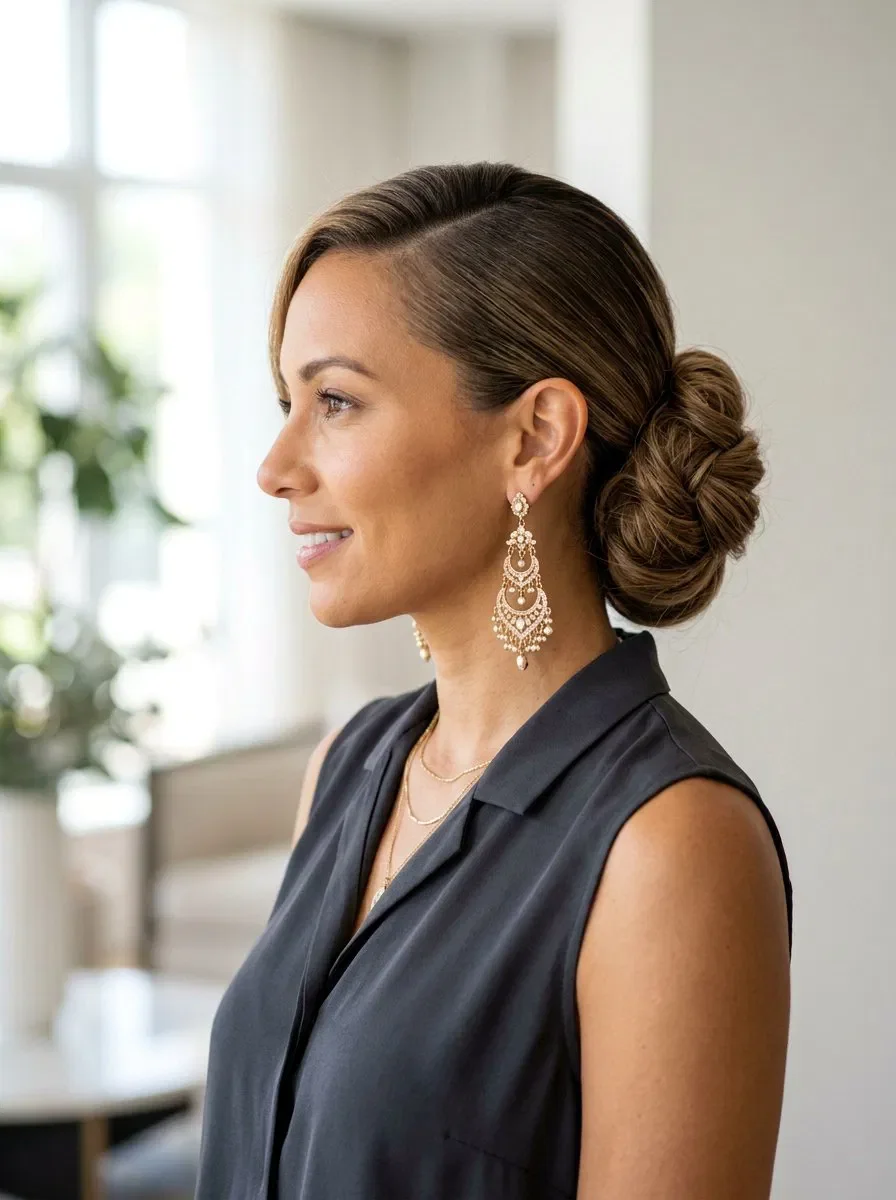
What it is: a low bun set slightly to one side with a soft sweep. Common mistakes: sweeping so far to the side that it unbalances the silhouette, or letting the sweep fall forward while singing.
Maintenance: pin the sweep firmly and check the side profile. Cost and time: about twelve minutes. Quick verdict: a soft twist on a choir classic.
The Polished Pixie
A polished pixie is a gift for choir singers: no pins, no elastics, nothing to fall down mid-song. Smoothed with a little cream and shaped with a side part, it looks sharp under stage lights and stays exactly where you put it for the whole concert. It is also the easiest style to refresh at the interval, with just a quick finger-comb.
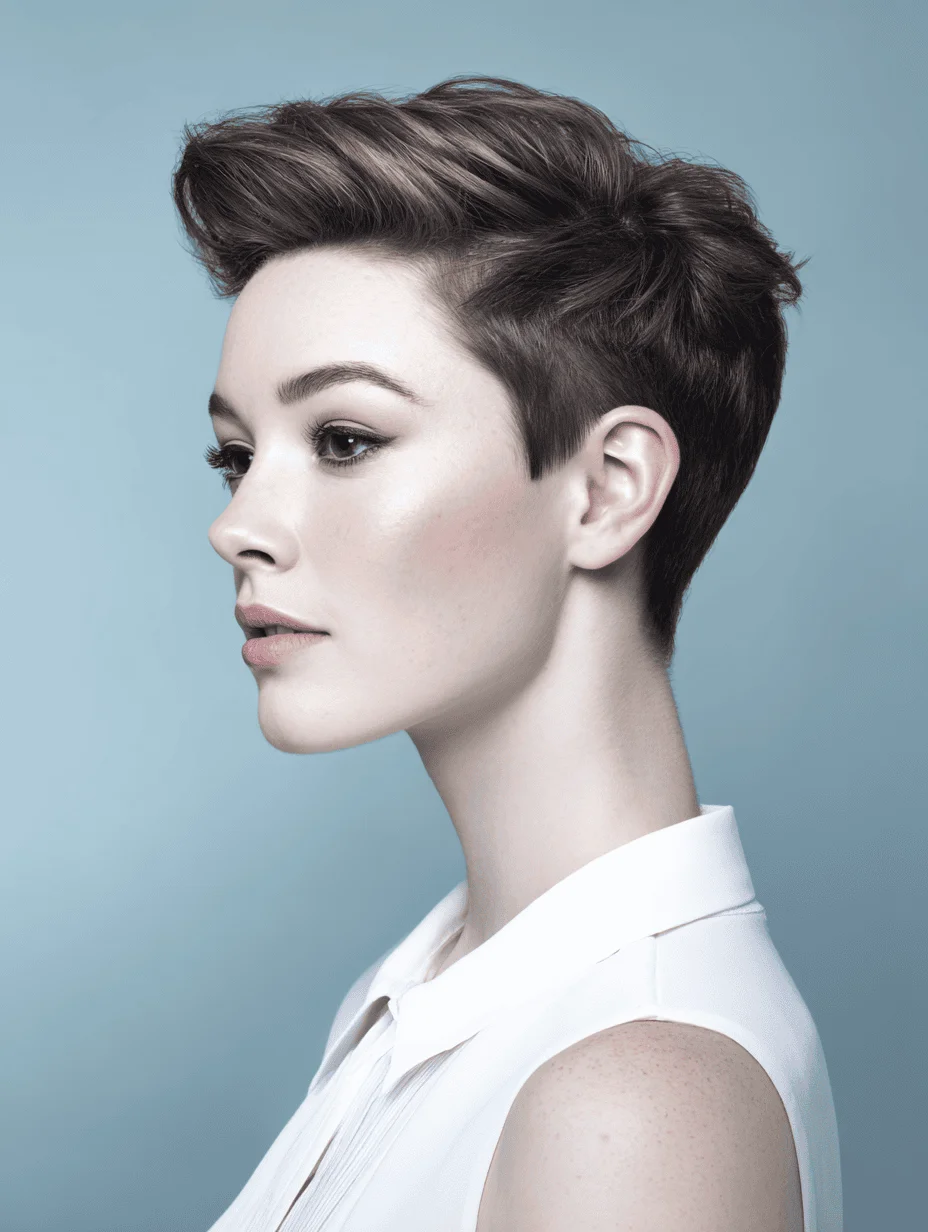
What it is: a short cut smoothed and shaped with a side part. Common mistakes: overloading it with heavy wax so it looks greasy under the lights, or skipping the trim before the concert.
Maintenance: a pea-sized amount of cream and a quick comb. Cost and time: five minutes, plus a regular trim. Quick verdict: the lowest-maintenance style on this list.
The Sleek Bob With a Side Part
A sleek bob with a deep side part is neat, modern and beautifully tidy for a choir concert. The side part keeps hair out of the eyes, the blunt ends sit cleanly above the shoulders, and a smooth finish catches the stage lights in the best way. It suits straight and slightly wavy hair, and it needs no pins at all if the cut is fresh.
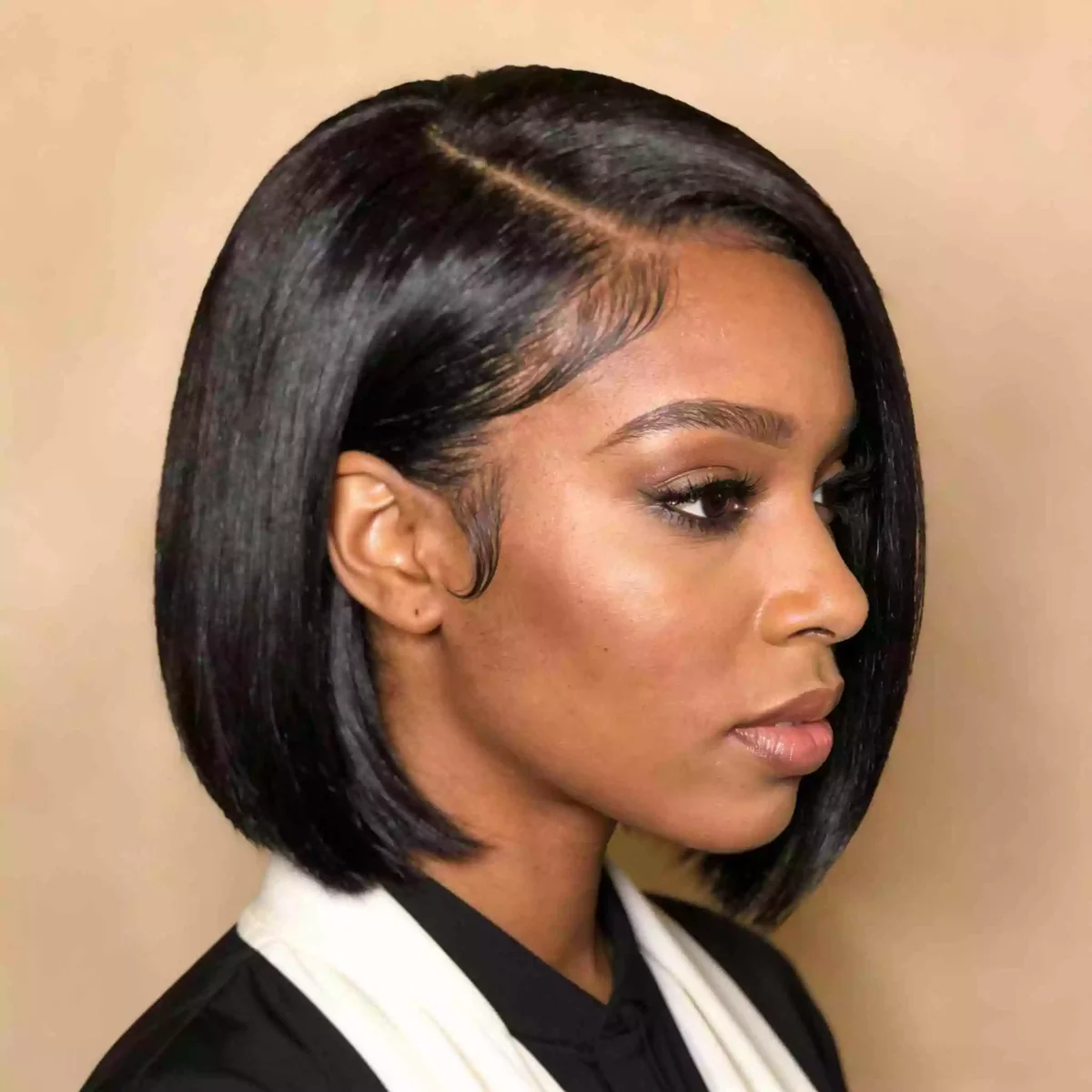
What it is: a smooth bob with a deep side part. Common mistakes: letting the fringe fall forward, or using too much serum so the bob looks limp.
Maintenance: blow-dry smooth and tuck one side behind the ear. Cost and time: ten minutes, plus a trim every six weeks. Quick verdict: sharp, simple and concert-ready.
Soft Low Waves
Soft low waves bring gentle movement to a choir concert without any fuss. The waves start below the ears, so the top stays smooth and tidy while the lengths move softly when you sing. It is a lovely choice for singers who want to wear their hair down but still look polished, and it works best on medium and long hair.
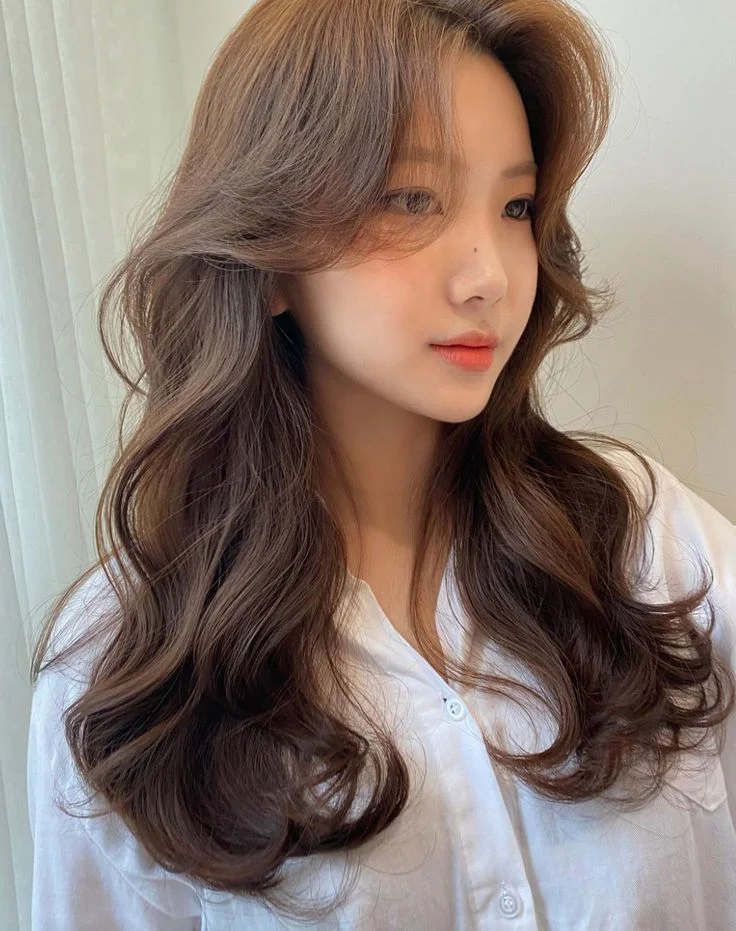
What it is: smooth roots with soft waves through the lengths. Common mistakes: curling from the roots so the style looks too big for a robe, or brushing the waves out so they fall flat.
Maintenance: set the waves while warm and brush through once, gently. Cost and time: twenty minutes with a curling iron or rollers. Quick verdict: soft, graceful and easy to wear.
The Straight and Sleek Blowout
A straight, sleek blowout is the cleanest way to wear long hair down at a choir concert. Smooth, shiny and fall-flat straight, it looks tidy from the risers and never distracts the audience. Keep it tucked behind the shoulders or pinned back at the sides so it does not drift across your face while you sing.
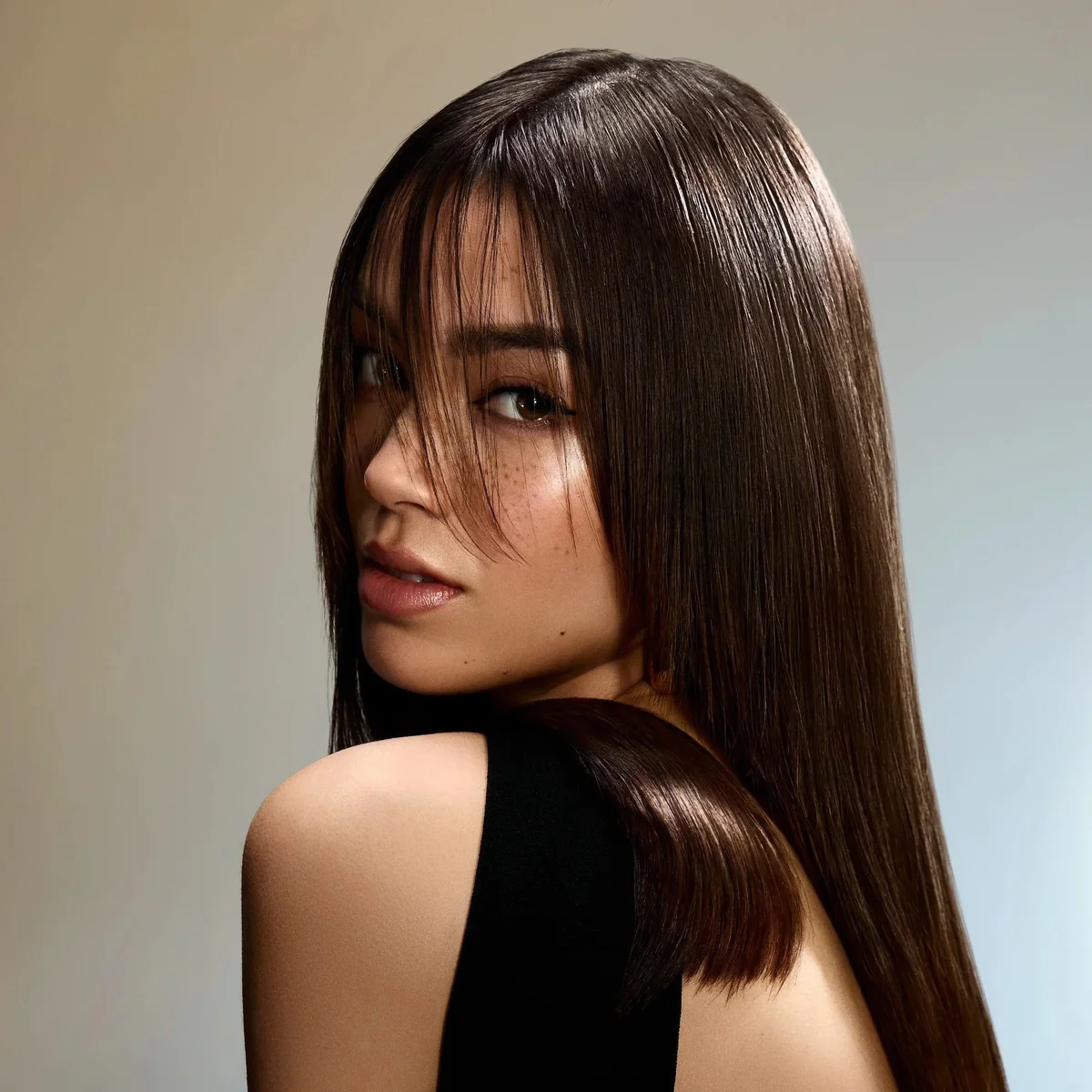
What it is: smooth, straight, shiny hair with a clean parting. Common mistakes: skipping heat protection so the ends look dry under the lights, or wearing it fully loose with no pinning at all.
Maintenance: a light serum on the ends and a pin at each side. Cost and time: twenty to thirty minutes with a dryer and brush. Quick verdict: sleek, simple and always smart.
The Curly Low Puff
The curly low puff celebrates natural curls in a neat, choir-friendly shape. Gathered low at the nape with a soft band, it keeps curls off the face and shoulders while letting their volume and texture shine. It is comfortable, secure and beautiful, and it needs no heat at all, which makes it a kind choice for curly hair.
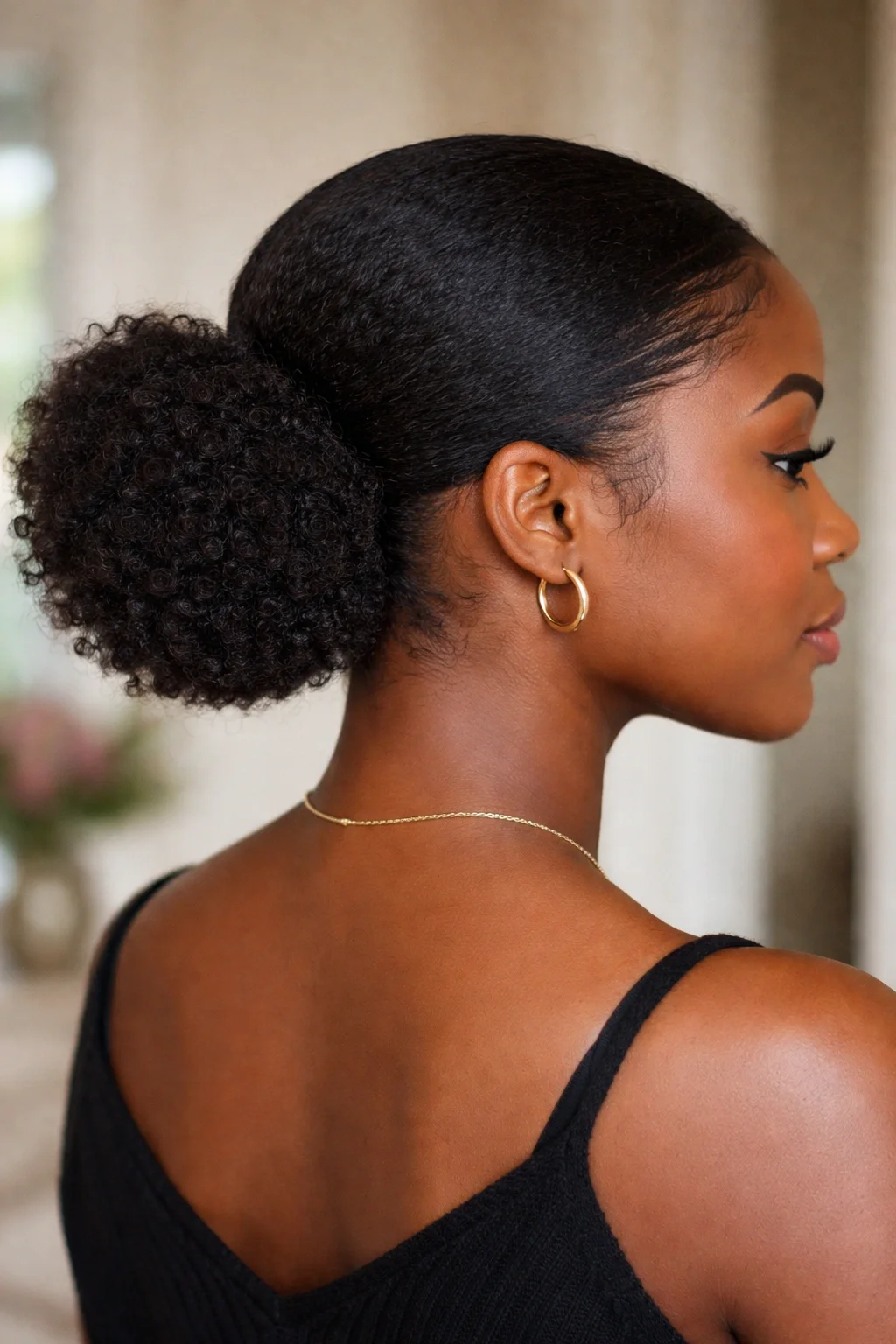
What it is: natural curls gathered into a low, soft puff. Common mistakes: pulling the puff too tight so it loses its shape, or using a rough elastic that snags curls.
Maintenance: moisturise the curls, use a satin band, and fluff gently. Cost and time: ten minutes, no heat needed. Quick verdict: curls, celebrated and controlled.
Two Low Braids
Two low braids are neat, symmetrical and wonderfully secure, which is why school choirs love them. Part the hair down the middle, braid each side low over the shoulders, and tie with matching bands. The style survives rehearsals, costume changes and a full concert, and it looks charmingly uniform across a whole row of young singers.
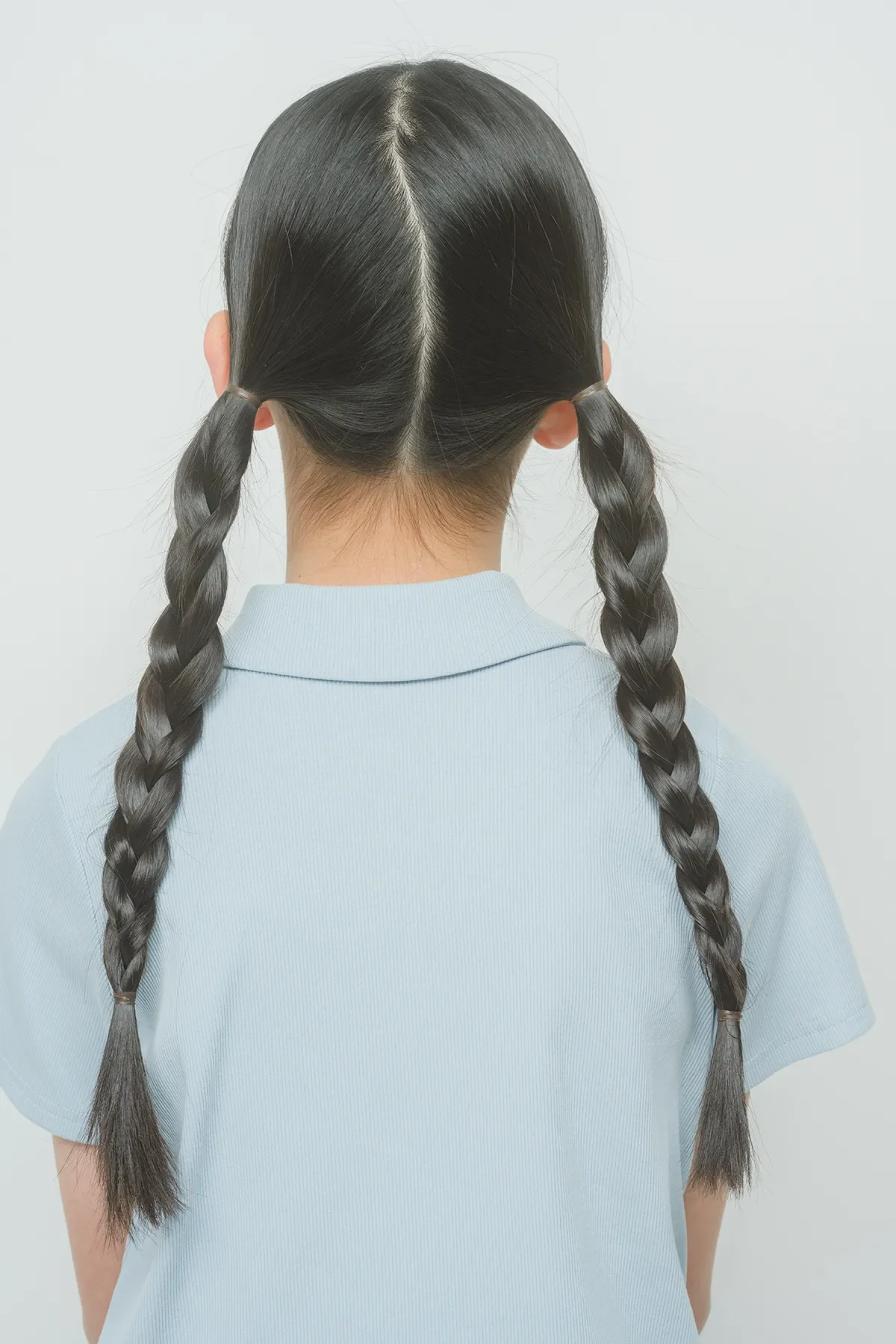
What it is: two neat braids worn low over the shoulders. Common mistakes: uneven partings that show from the front, or braids that are too loose and unravel by the interval.
Maintenance: braid firmly, tie with soft bands, and smooth the parting. Cost and time: ten minutes, almost free. Quick verdict: the school choir favourite for good reason.
The Fishtail Braid Ponytail
A fishtail braid ponytail looks intricate but is surprisingly simple: gather the hair into a low ponytail, then fishtail-braid the tail. The result is a textured, elegant ponytail that holds its shape for hours and looks far more special than a plain tie-back. It suits long hair best and photographs beautifully from behind.
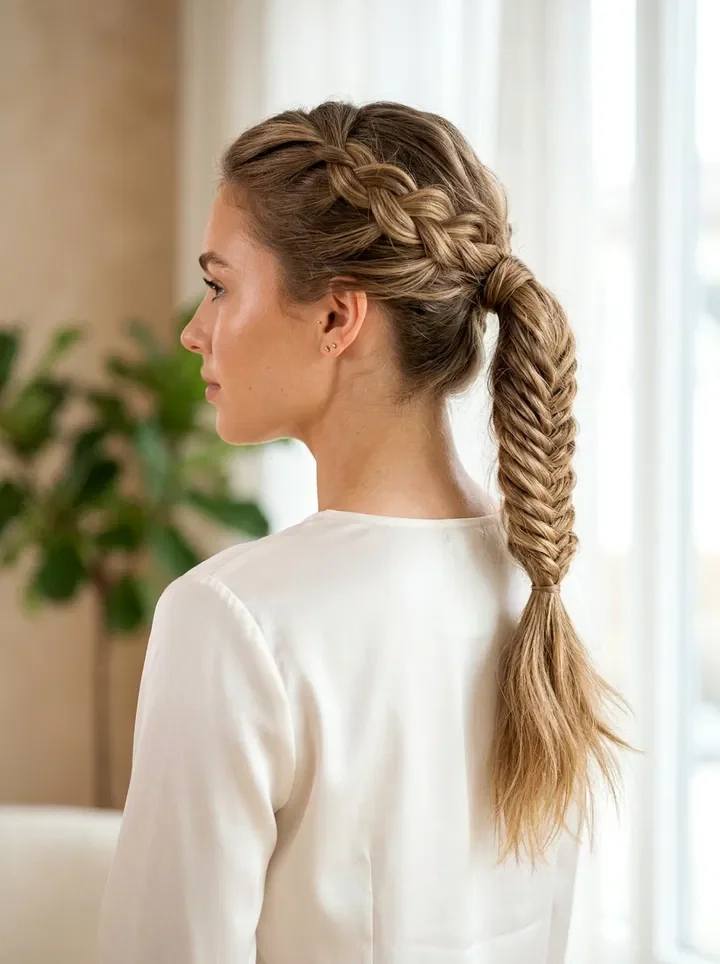
What it is: a low ponytail finished with a fishtail braid. Common mistakes: starting the fishtail too high so the ponytail pulls, or braiding so loosely that the tail fattens and sags.
Maintenance: pancake the braid gently for fullness and tie the end securely. Cost and time: fifteen minutes once you know the technique. Quick verdict: fancy-looking, fuss-free wearing.
The Twisted Low Ponytail
The twisted low ponytail takes a plain ponytail and gives it a soft, rope-like twist that looks elegant and holds beautifully. Twist two sections around each other, secure low at the nape, and wrap the elastic with a strand of hair. It is quick, comfortable and tidy, and the twist stops the ponytail from swinging into your neighbours on the risers.
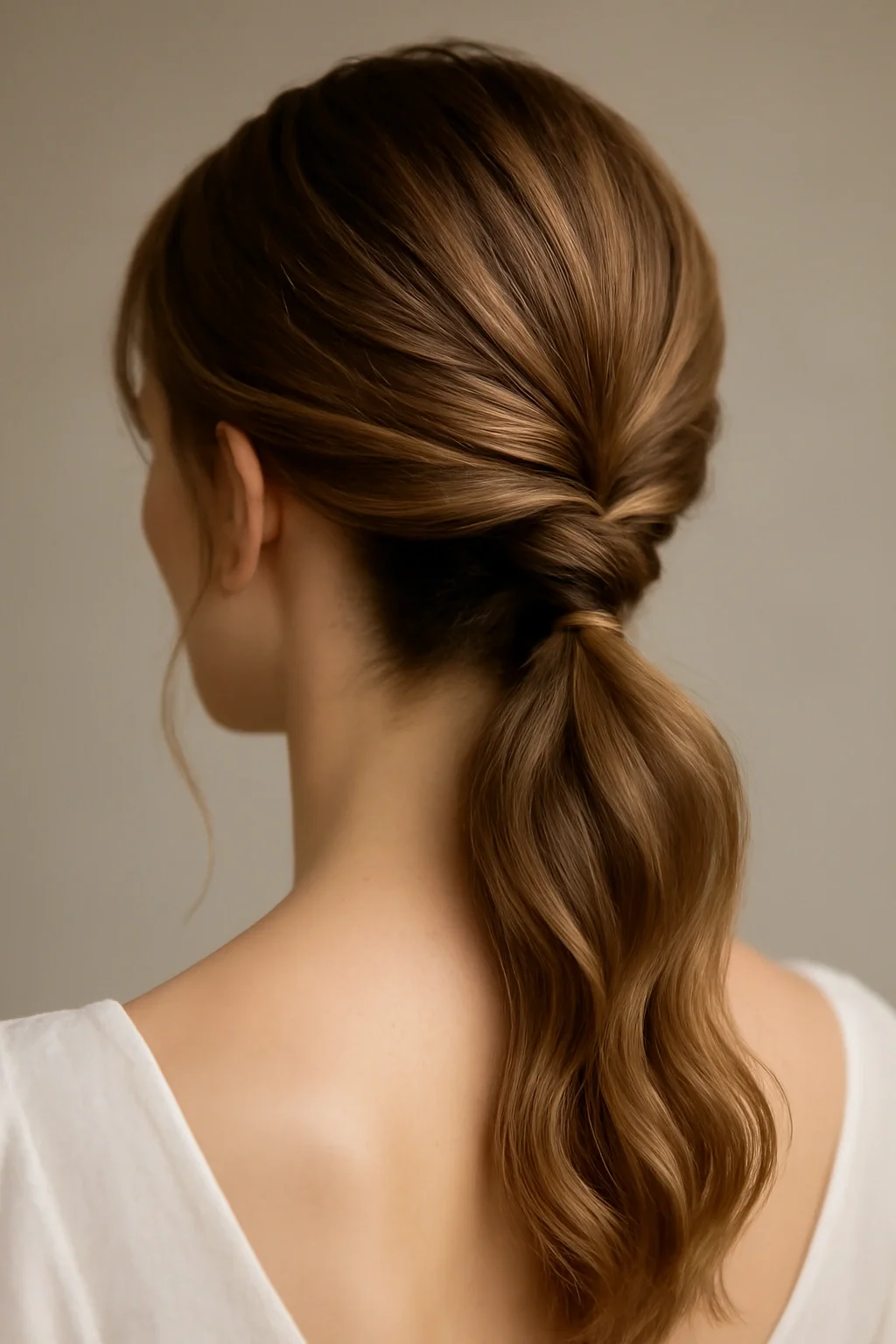
What it is: a low ponytail with a two-strand twist. Common mistakes: twisting unevenly so one side bulges, or leaving the wrap strand loose so the elastic shows.
Maintenance: twist firmly, pin the wrap, and mist lightly. Cost and time: about ten minutes. Quick verdict: a small twist that makes a big difference.
The Neat Top Knot
A neat top knot keeps every strand up and away, which is wonderful for singers who run hot under stage lights. Smoothed and coiled into a compact knot, it looks clean and modern, though it suits concerts without high collars best, since a robe can crowd a tall knot. Keep it compact and centred for a polished finish.
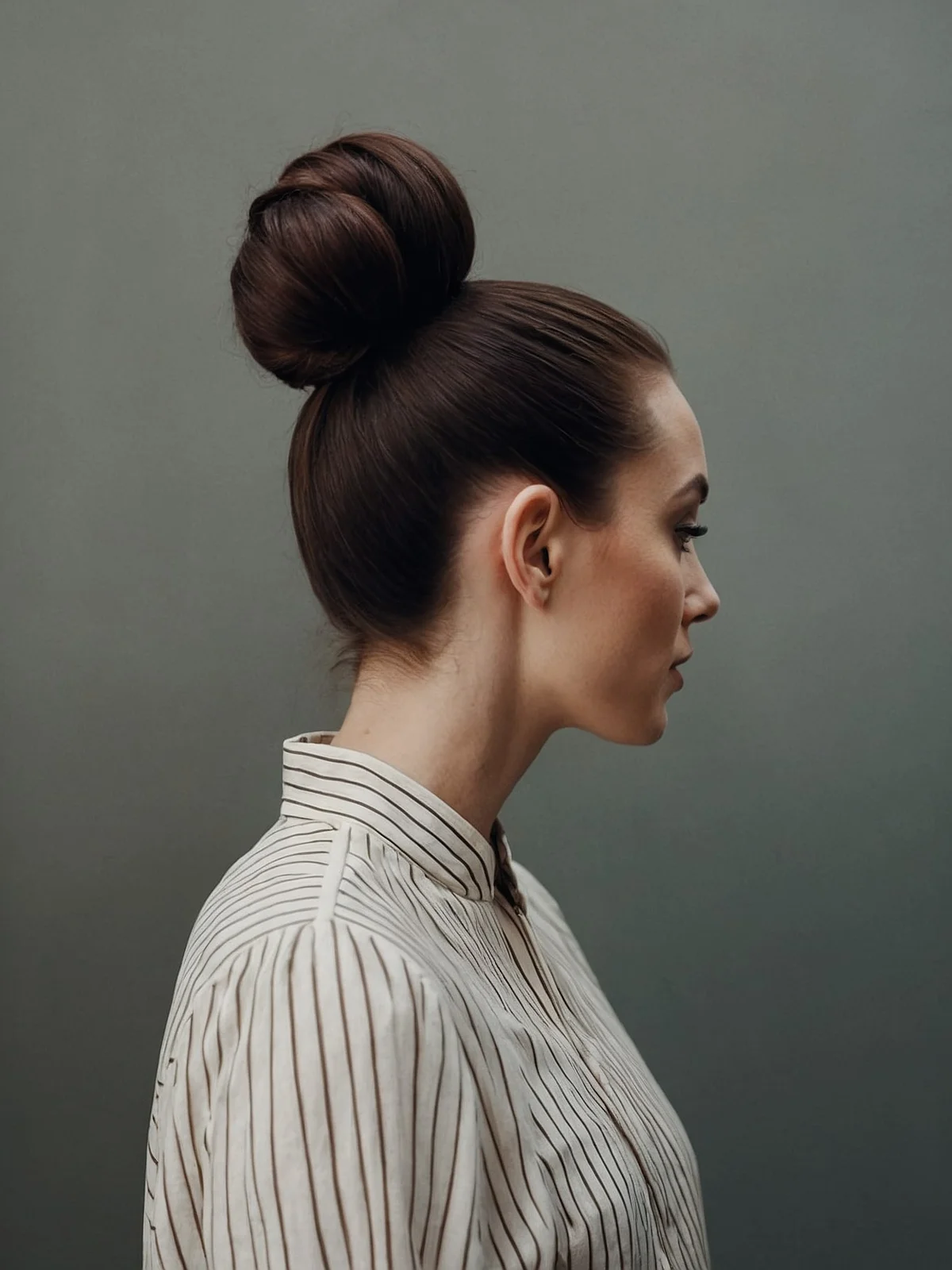
What it is: a compact bun coiled high on the crown. Common mistakes: making it too tall so it fights the robe collar, or leaving the base loose so it leans by the second half.
Maintenance: anchor with crossed pins and smooth the hairline. Cost and time: ten minutes, pins and spray. Quick verdict: cool, clean and tidy — check the collar first.
The Waterfall Braid Half-Up
The waterfall braid half-up style is one of the prettiest ways to keep hair off the face while leaving the lengths down. Strands fall through the braid like water, creating a soft, romantic line across the back of the head. It is a lovely choice for community and Christmas concerts where the mood is warm and a little less formal.
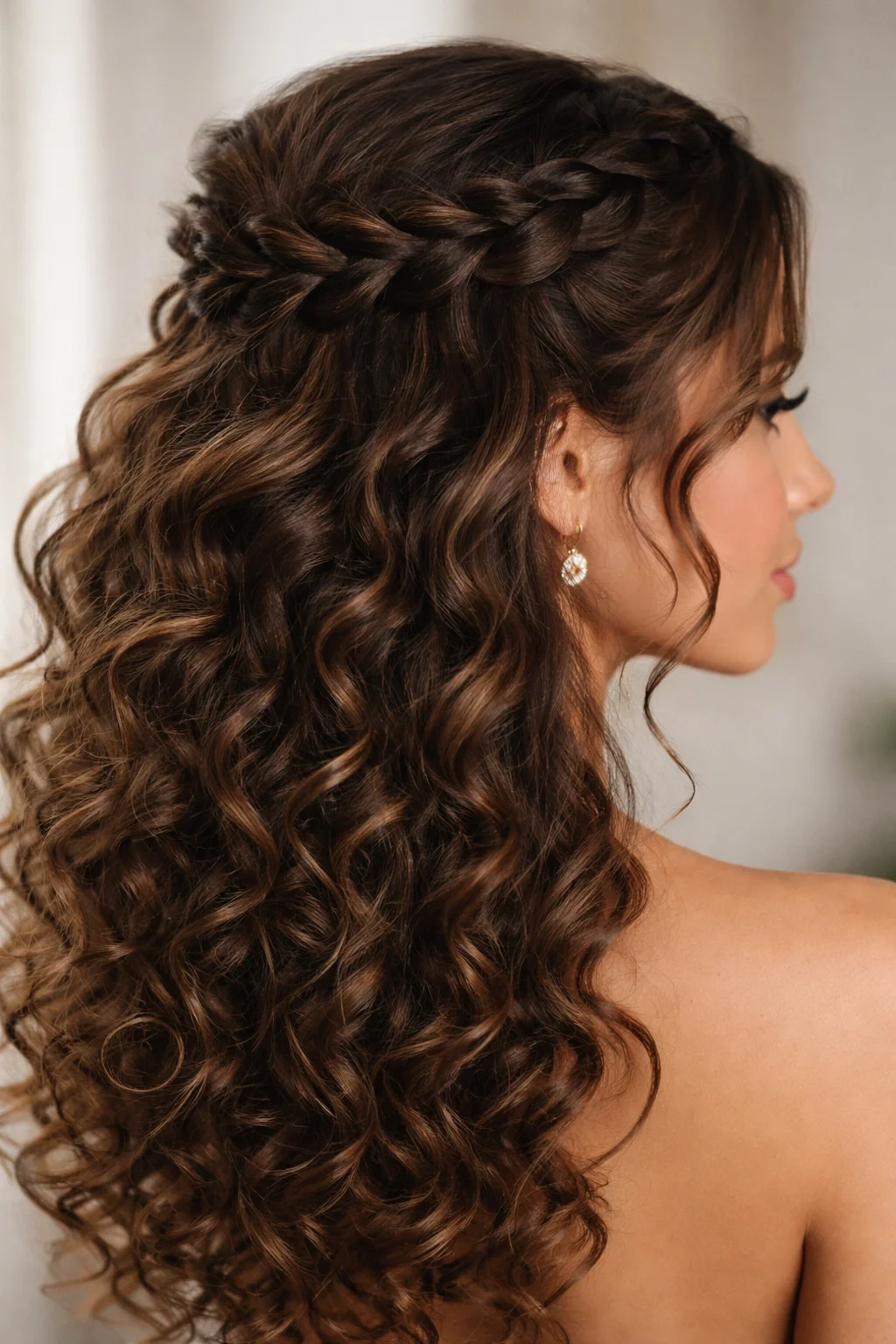
What it is: a braid across the back with strands dropped through it. Common mistakes: dropping strands unevenly so the braid looks lopsided, or pinning it too loosely so it slides down.
Maintenance: pin both ends firmly and mist the braid. Cost and time: fifteen minutes, or a friend’s help. Quick verdict: romantic, soft and concert-pretty.
The Braided Headband Updo
The braided headband updo uses your own hair as the accessory: a braid across the front holds back the fringe and frames the face, while the rest is pinned into a low bun. It looks polished and thoughtful, keeps hair completely out of the way, and needs no clips or bands at all. It is a beautiful choice for formal concerts.
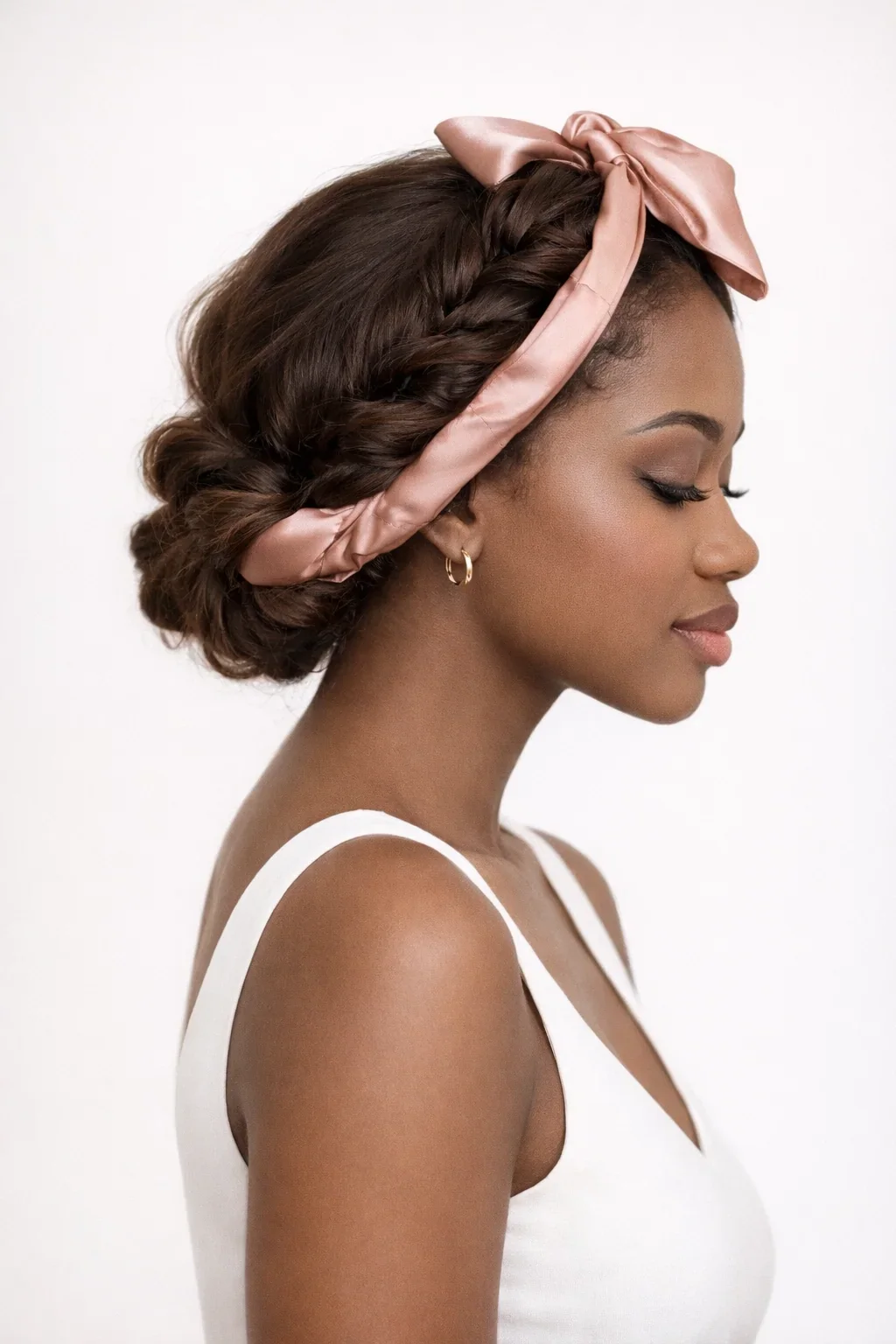
What it is: a front braid acting as a headband, with a low bun behind. Common mistakes: braiding the headband too thin so it disappears, or pinning the bun too high so it competes with the braid.
Maintenance: pin the braid ends behind the ears and smooth the bun. Cost and time: twenty minutes. Quick verdict: your hair, doing the job of a headband.
Vintage Finger Waves
Vintage finger waves bring old-fashioned glamour to a choir concert, and they suit carol services and heritage concerts perfectly. The smooth, sculpted waves lie flat against the head, stay put for hours, and look stunning under warm stage lights. They take patience to set, but the result is one of the most elegant styles a singer can wear.
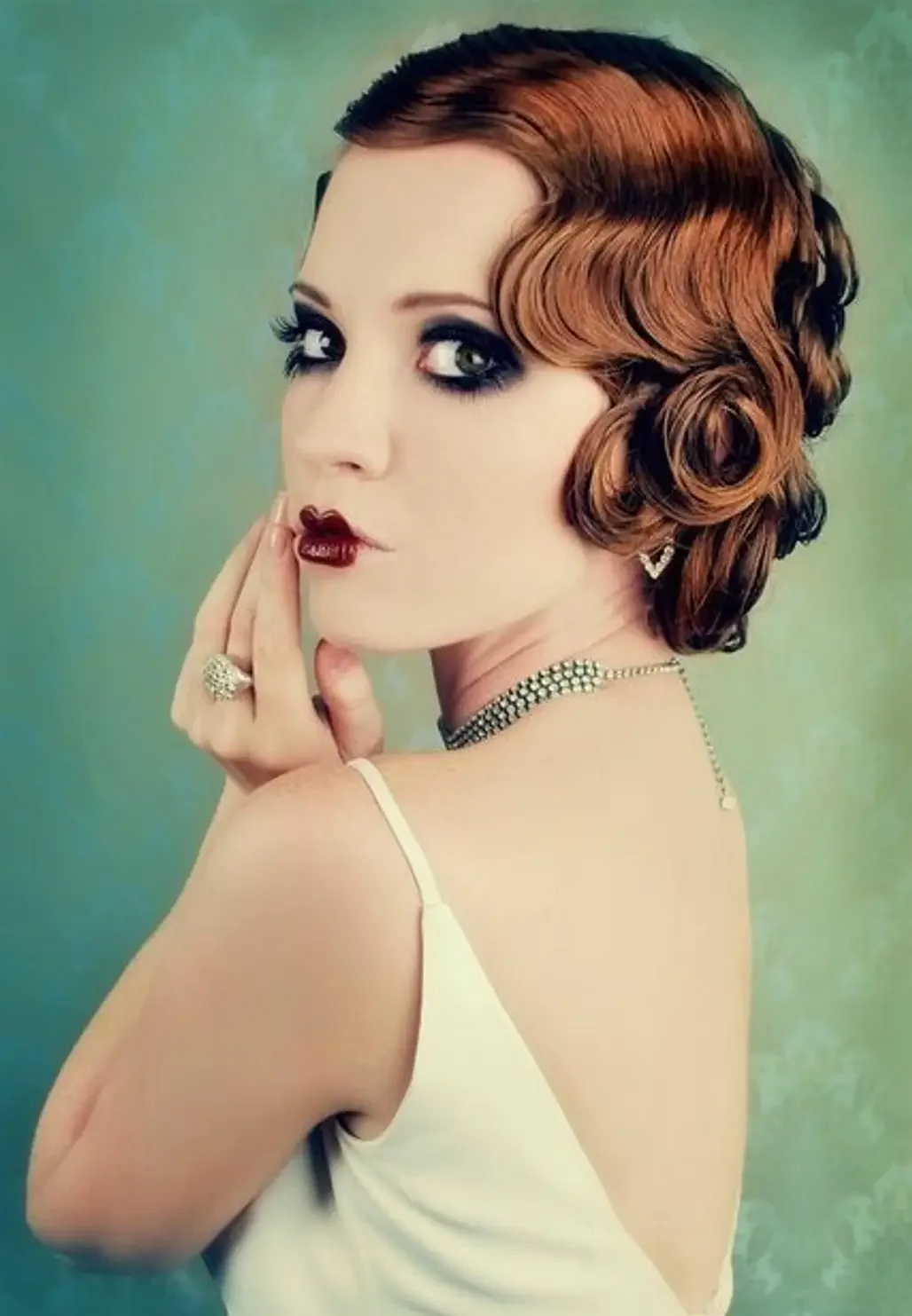
What it is: sculpted, flat waves set close to the head. Common mistakes: using too little setting product so the waves fall out, or combing them out too hard so they turn to frizz.
Maintenance: set with gel or mousse, dry fully, and brush gently. Cost and time: thirty minutes, or a salon set. Quick verdict: timeless glamour for special concerts.
Soft Curls Pinned Back
Soft curls pinned back give you the best of both worlds: the romance of curls and the tidiness of an updo. Curl the lengths softly, then pin the front sections back so your face is clear and your view of the conductor is unobstructed. The curls sit neatly over the shoulders and move gently when you sing, without ever falling forward.
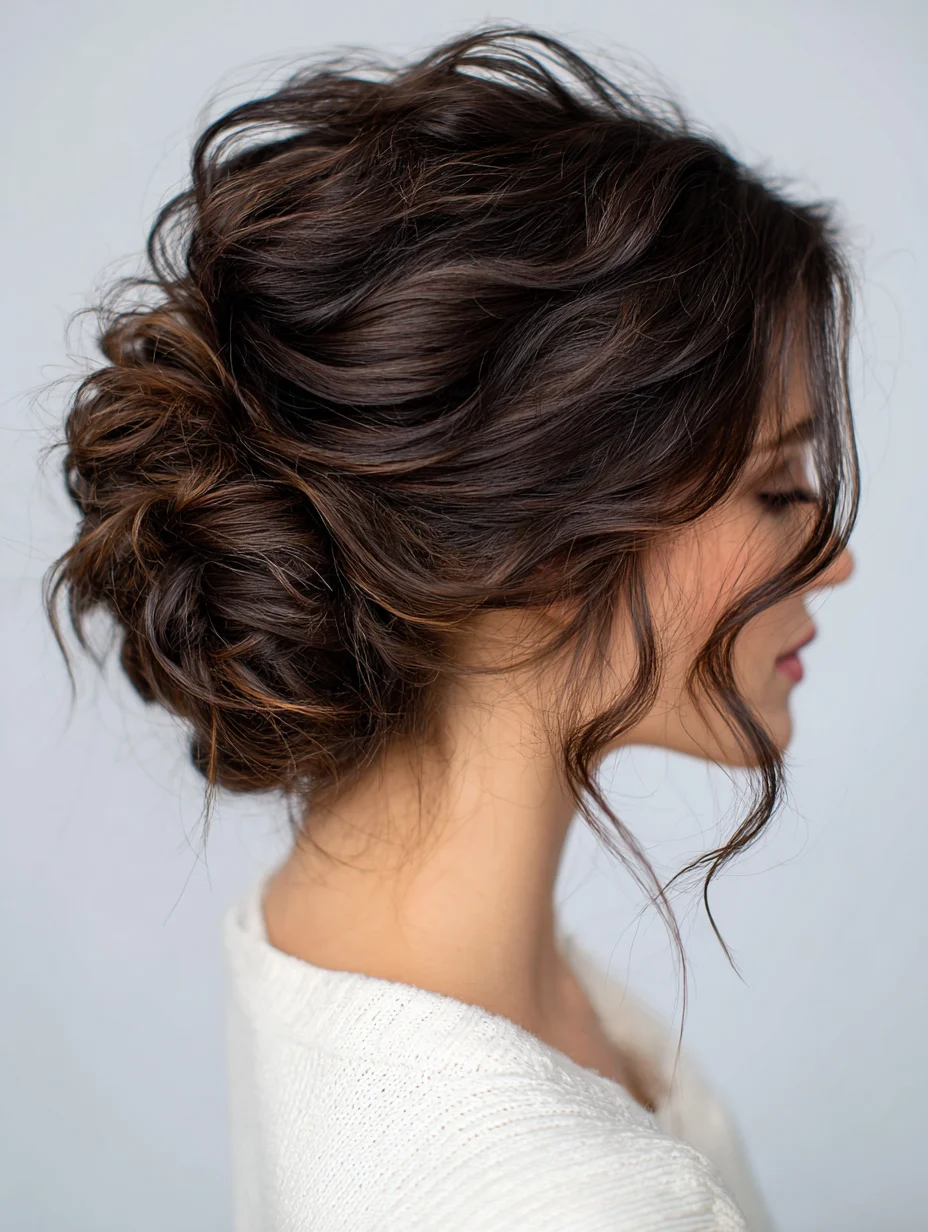
What it is: soft curls with the front pinned back. Common mistakes: pinning with visible clips that catch the light, or curling too tightly so the style looks stiff.
Maintenance: pin with matching grips and refresh curls at the interval. Cost and time: twenty-five minutes with a curling iron. Quick verdict: curls with manners.
The Low Polished Messy Bun
The low polished messy bun is the relaxed cousin of the classic bun: soft, slightly textured and forgiving, but still neat enough for a concert. Gather the hair low, twist loosely, pin with a few strands left soft around the face, and you have a style that looks effortless and survives a long evening. Keep the messiness deliberate, not accidental.
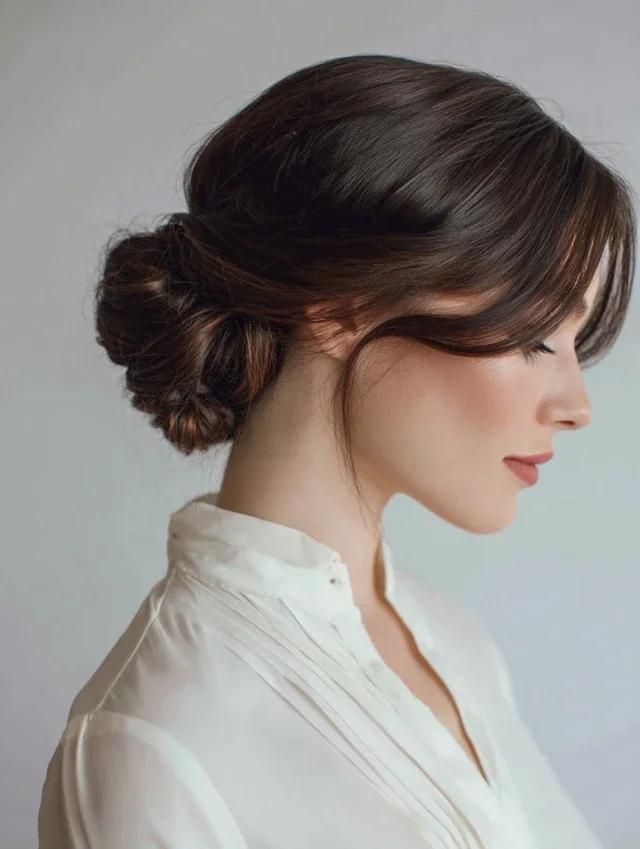
What it is: a soft, textured low bun with a relaxed finish. Common mistakes: letting it get too messy so it reads as undone, or pulling out too many face pieces that fall forward while singing.
Maintenance: pin the base firmly and leave only two soft tendrils. Cost and time: ten minutes. Quick verdict: relaxed, but on purpose.
The Side-Part Sleek Lob
The side-part sleek lob is a modern, shoulder-length cut that behaves beautifully on stage. The deep side part keeps hair out of the eyes, the smooth finish looks polished under lights, and the length is short enough to stay clear of robes and stoles. It is a wonderful choice for singers who want a contemporary look without any pins or fuss.

What it is: a smooth shoulder-length bob with a deep side part. Common mistakes: letting the longer side fall across the face, or skipping the smoothing step so the ends flick out.
Maintenance: blow-dry smooth and tuck the short side behind the ear. Cost and time: fifteen minutes, plus regular trims. Quick verdict: modern, tidy and fuss-free.
The Low Bubble Ponytail
The low bubble ponytail is a playful but tidy style that works surprisingly well for choir concerts, especially school and youth choirs. Tie the hair low, add small elastics down the tail, and gently pull each section to form soft bubbles. It holds its shape for hours, keeps hair completely controlled, and looks cheerful on the risers.
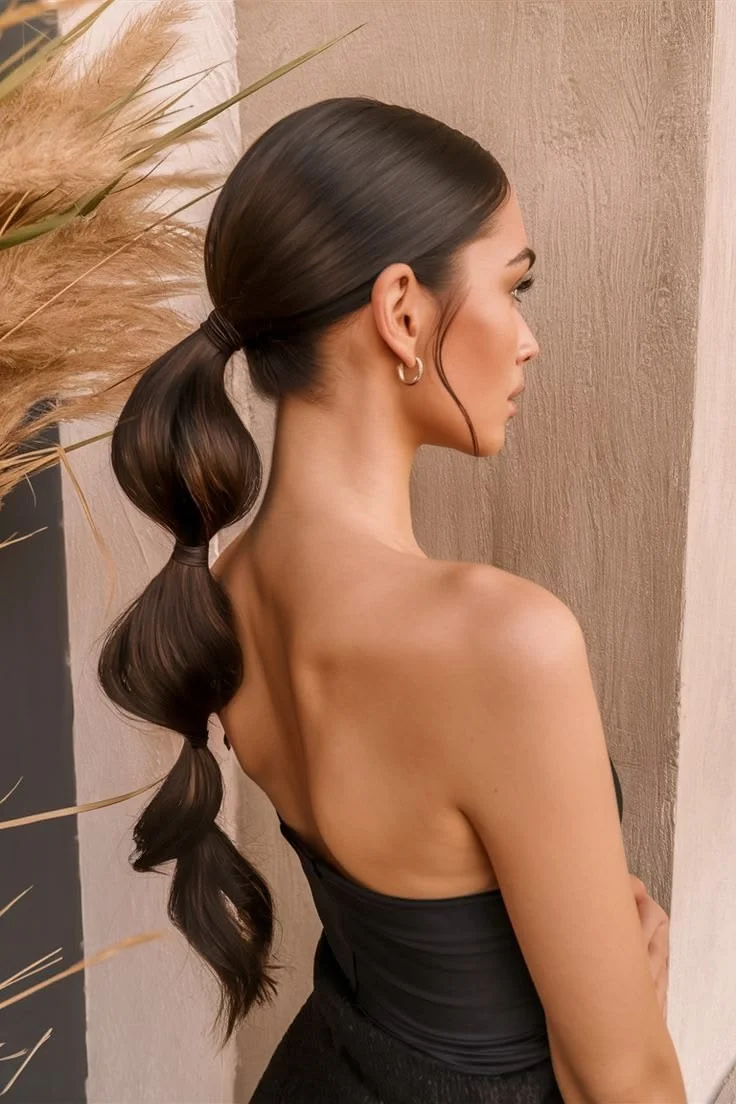
What it is: a low ponytail divided into soft bubble sections. Common mistakes: spacing the elastics unevenly so the bubbles look lopsided, or pulling too hard so the sections go flat.
Maintenance: use matching elastics and check the bubbles at the interval. Cost and time: fifteen minutes, a few elastics. Quick verdict: fun, tidy and very secure.
Double Dutch Braids
Double Dutch braids are the sturdiest style a choir singer can choose. Two raised braids run from the crown to the nape, keeping every strand locked in place through rehearsals, costume changes and a full concert. They suit thick hair, active young singers and anyone who wants to forget about their hair entirely once the music starts.
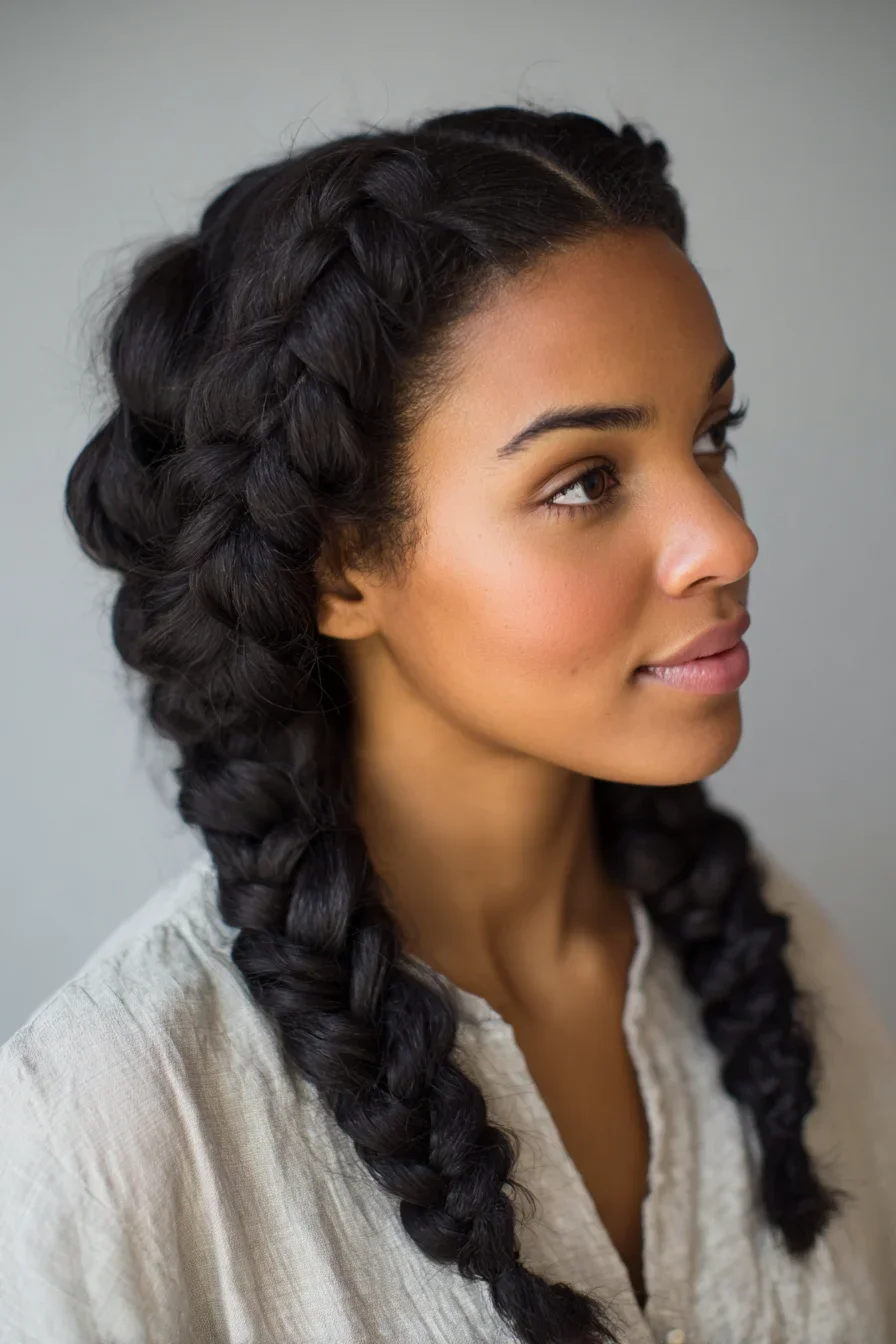
What it is: two raised braids from crown to nape. Common mistakes: braiding one side tighter than the other, or leaving the ends unsecured so they unravel.
Maintenance: braid on damp hair, tie firmly, and smooth the parting. Cost and time: fifteen minutes, no cost. Quick verdict: the most secure style on this list.
The Elegant French Roll
The elegant French roll is a soft, vertical updo that looks refined and holds for hours. Hair is swept to one side and rolled inward, pinned along the seam, creating a smooth column that flatters the neck and sits beautifully with a robe. It is a classic choice for formal concerts, carol services and adult choirs.
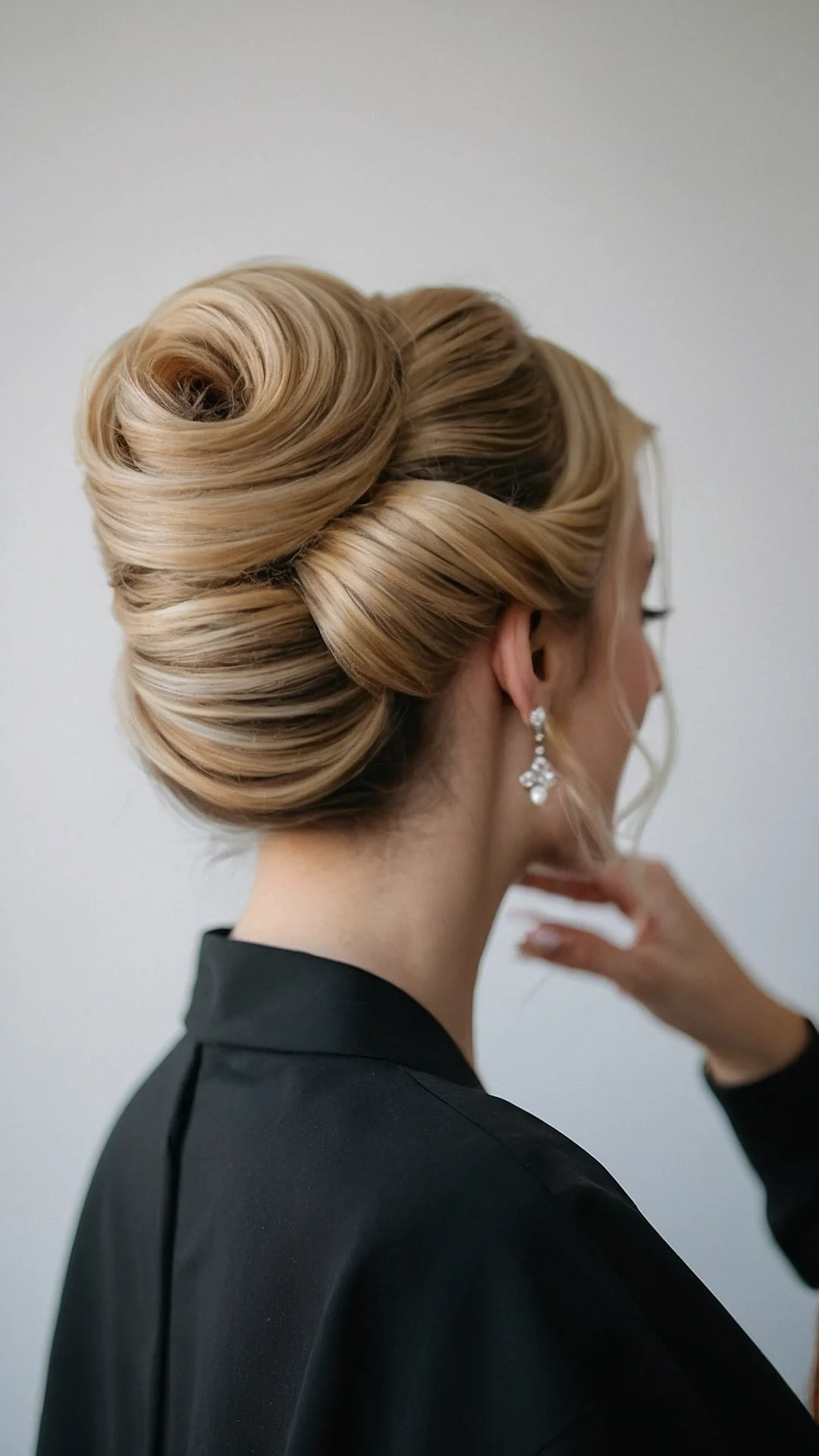
What it is: a vertical rolled updo pinned along one side. Common mistakes: rolling too loosely so it opens during the performance, or pinning with grips that show from the front.
Maintenance: pin along the seam with long pins and mist lightly. Cost and time: twenty minutes, or a salon visit. Quick verdict: quiet elegance that lasts all evening.
The Ribbon-Tied Low Ponytail
A ribbon-tied low ponytail adds a gentle, festive touch to the simplest choir style. Tie the ponytail low, then finish it with a ribbon in a colour that matches the choir’s robes or the concert theme — deep red for Christmas, soft blue for spring. The ribbon keeps the style uniform across the row and looks lovely in concert photos.
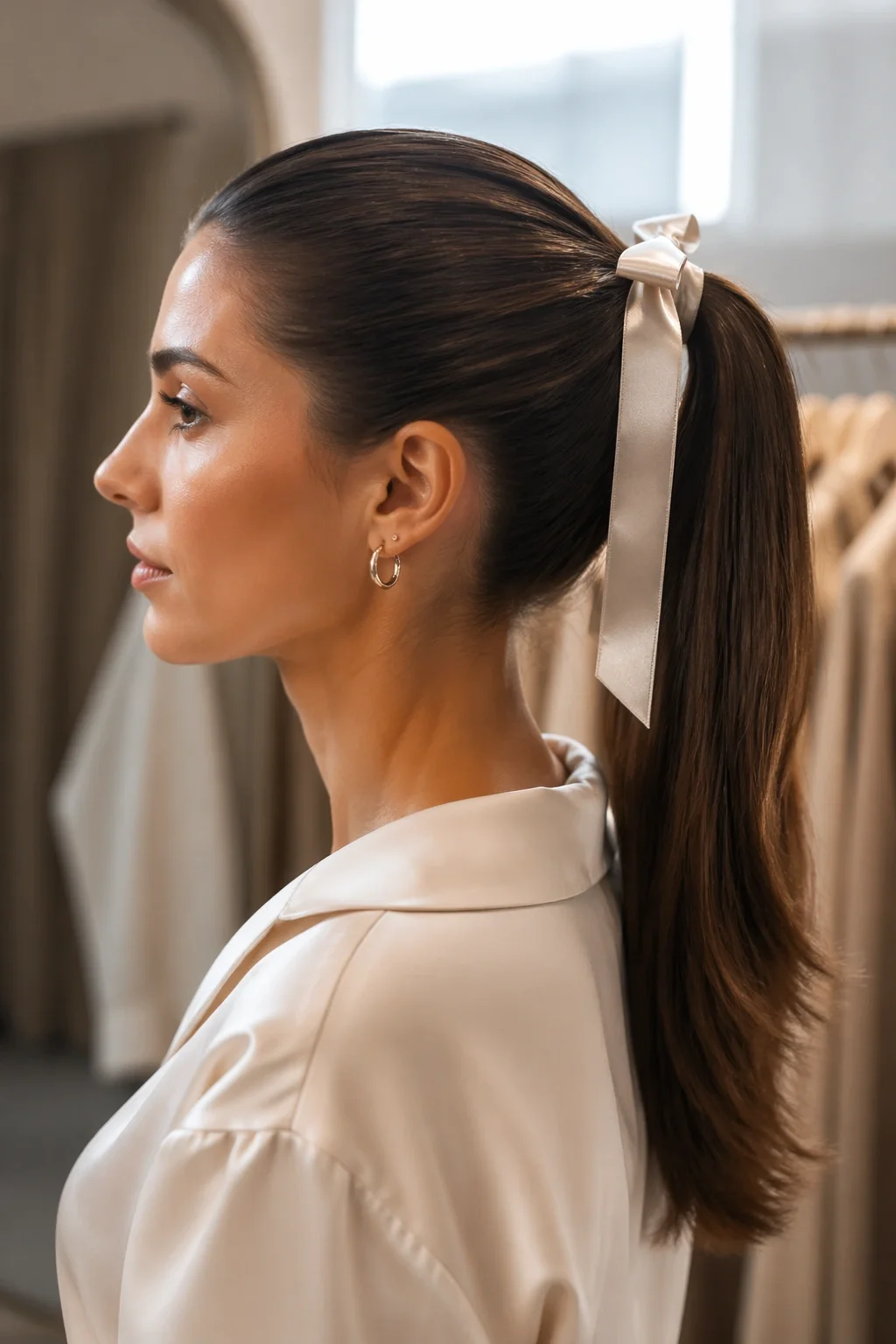
What it is: a low ponytail finished with a matching ribbon. Common mistakes: choosing a ribbon so wide it overwhelms the style, or tying it so loosely it slides down the tail.
Maintenance: tie the ribbon firmly and trim the ends neatly. Cost and time: five minutes plus a ribbon. Quick verdict: simple, sweet and wonderfully uniform.
The Flower-Pinned Half-Up
The flower-pinned half-up style is perfect for spring and summer choir concerts, especially outdoor performances. Gather the front sections back, pin them with a small fresh or fabric flower, and let the rest of the hair fall softly. Keep the flower small and secure so it reads as pretty, not distracting, and matches the concert rather than stealing it.
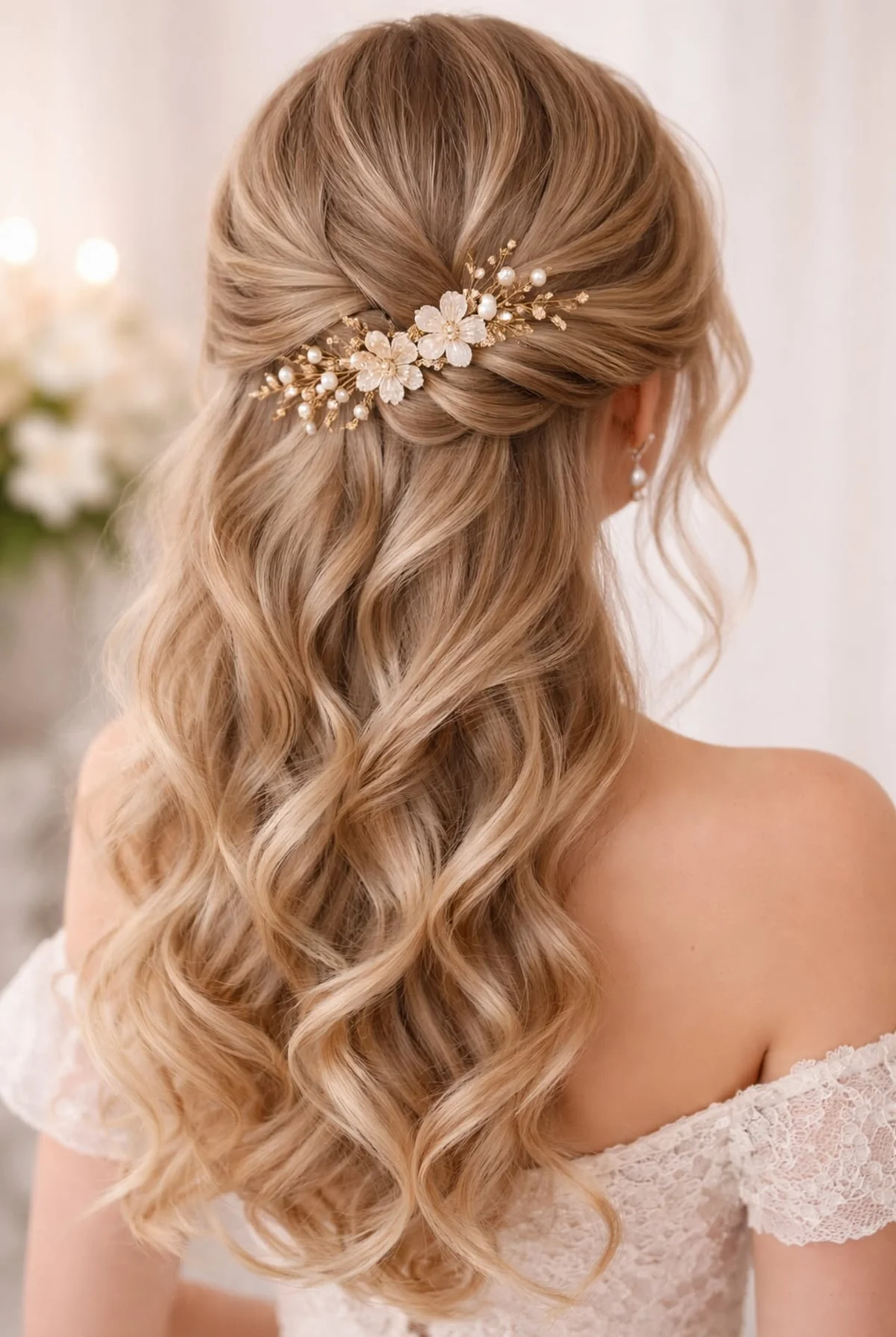
What it is: a half-up style pinned with a small flower. Common mistakes: a flower so large it distracts the row, or a pin that does not hold so the flower slips mid-song.
Maintenance: pin the flower through the elastic and check it at the interval. Cost and time: ten minutes plus a small flower pin. Quick verdict: a soft, seasonal finishing touch.
The Short Curly Crop
The short curly crop is a joyful, low-maintenance choice for choir singers with curly hair. Cut short and shaped with a little curl cream, it frames the face, stays off the neck and needs nothing at all during the concert. It looks wonderful under stage lights, where the curls catch the light, and it suits singers of every age.
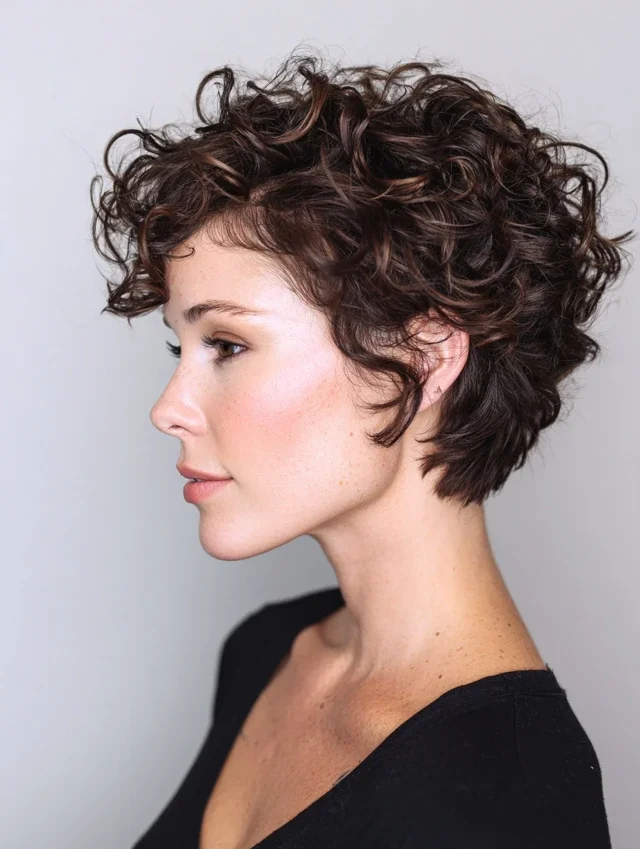
What it is: a short, shaped cut that lets curls do the work. Common mistakes: cutting it too short at the sides so it loses its shape, or using heavy product that weighs the curls down.
Maintenance: curl cream on damp hair and a quick finger-shape. Cost and time: five minutes, plus a regular cut. Quick verdict: curls, free and stage-ready.
Long Layers Pinned Back
Long layers pinned back is the easiest way to wear very long hair at a choir concert. The layers give the hair movement and shape, while two simple pins at the sides keep it off the face and away from the robe. It is comfortable to sing in, easy to refresh, and flattering on almost everyone, which makes it a safe choice for a first concert.
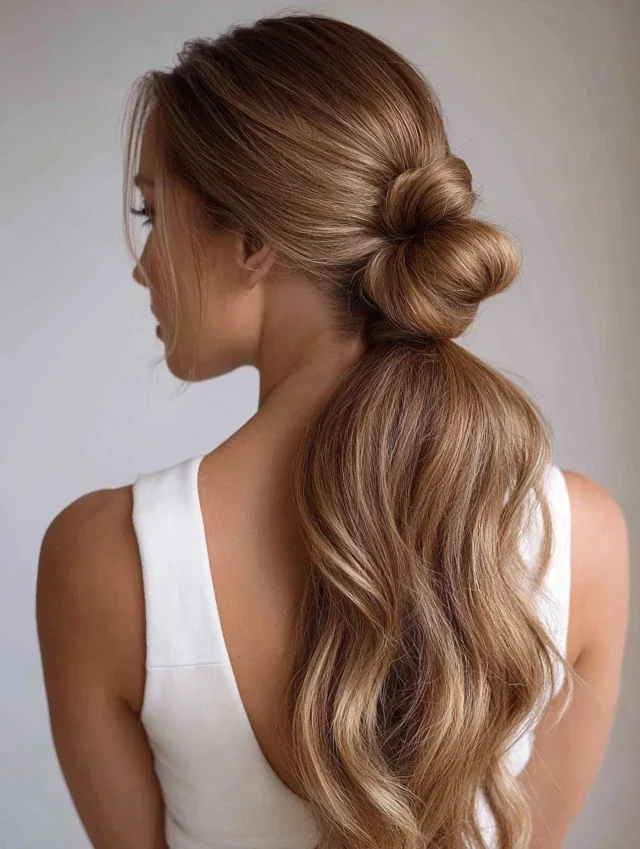
What it is: long layered hair with the front pinned back. Common mistakes: pinning too far back so the hair pulls, or leaving the layers so long they tangle against the robe.
Maintenance: brush the lengths, re-pin at the interval, and smooth flyaways. Cost and time: five minutes with two pins. Quick verdict: long hair, tamed in seconds.
What is the best hairstyle for a choir concert?
A low bun is the best all-round choice for a choir concert because it sits below the robe collar, stays neat for hours and suits every age and hair type. A sleek low ponytail or a smooth French braid are close seconds if you prefer your hair down or braided.
Should choir singers wear their hair up or down?
Hair up is usually better for a choir concert because it stays off the face, clear of the robe and out of your neighbours’ way on the risers. Hair down can work if it is pinned back at the sides and kept smooth, but loose hair tends to fall forward while you sing.
How do I keep my hair neat under a choir robe?
Choose a style that sits low and flat, such as a low bun, a low ponytail or a braid, and always try it on with the robe before the concert. Smooth the nape, pin the bun low, and check the collar from behind in a mirror.
What hairstyles work for a school choir concert?
Two low braids, a low bun, a sleek low ponytail and a French braid all work beautifully for school choirs. They are quick to style, comfortable for children, and sturdy enough to last from morning rehearsal to the evening concert.
Can I wear curls to a choir concert?
Yes, you can wear curls to a choir concert, as long as they are pinned back from your face and set firmly enough to last. Soft curls pinned back, a curly low puff and a short curly crop are all good choices that keep curls tidy on stage.
How do I stop my hair falling in my face while singing?
Pin the front sections back with grips that match your hair colour, and choose a style that anchors the front, such as a braid, a half-up twist or a low bun with a smooth front. Test it by singing and moving your head before the concert.
What should I avoid wearing in my hair for a choir concert?
Avoid large bows, glittering clips, tall top knots that fight the robe collar, and anything that moves, jingles or catches the light. Keep accessories small, plain and secure so the audience notices the music, not the hair.
How long before the concert should I style my hair?
Style your hair in the morning of the concert if you can, and refresh it in five minutes before you go on stage. A braid or low bun done in the morning will usually last all day, while fresh curls are best set a few hours before the performance.
Do choir hairstyles need to match each other?
They do not need to be identical, but they should look consistent: the same level of neatness, similar heights and no one style standing out. Many choirs agree on a shared rule, such as hair up or hair off the face, so the row looks unified.
What is the easiest choir concert hairstyle for long hair?
A sleek low ponytail is the easiest choir concert hairstyle for long hair: brush it smooth, tie it low, wrap a strand around the elastic, and you are done in five minutes. A low bun is only slightly more work and looks even more formal.
Conclusion: Sing Your Best With Hair You Can Forget About
The best hairstyles for a choir concert are the ones you stop thinking about the moment the music starts. Neat, comfortable and sturdy, they let you watch the conductor, breathe deeply and sing your part without a single strand getting in the way. Whether you choose a classic low bun, a smooth braid or soft curls pinned back, the rule is the same: try it at rehearsal, check it under the robe, and pack a few spare pins.
When the final note fades and the applause rises, you will be glad your hair held its own harmony all evening. Pick your style, practise it once, and then give the concert everything you have — your hair has already done its part.