Calm, Neat Hairstyles for a Chess Tournament That Last From Round One to the Final Game
A chess tournament is a test of patience as much as a test of skill. A classical game can run for five or six hours, and over that time you will lean over the board, sit back, walk the hall between moves, and return to the same position again and again. Hair that slips into your eyes or keeps needing to be pushed back is not just annoying — it breaks the thread of your thinking at the exact moment you need it most.
That is why hairstyles for a chess tournament are built around one idea: the style should disappear. It should hold every strand away from your face from the first move to the last, survive hours of sitting, leaning and thinking, and still look neat when a photographer walks past your board or the livestream camera swings your way. Nothing jingling, nothing slipping, nothing that needs fixing mid-game.
This guide starts with eight short guides covering why hair matters over a long match, how to choose a style for classical games and rapid games, looking neat for photos and livestreams, styles for every hair length, quiet accessories, the between-rounds refresh, what to ask your stylist, and a tournament-day timeline. Then come 31 styles, from the neat low bun to the classic ballerina bun, each with its pros, its cons, who it suits, who should skip it, and how to keep it looking good all day.
Why Your Hair Matters Over a Long Match
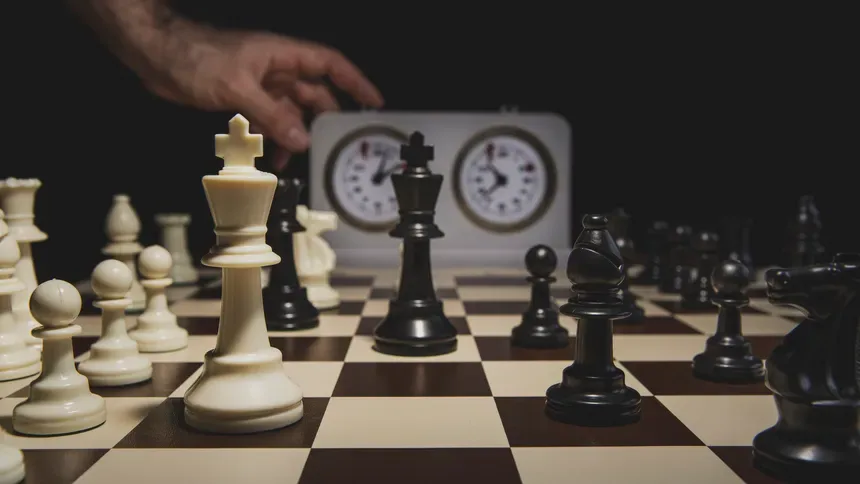
A chess game is played almost entirely in your head, which means anything that pulls your attention away from the board is a real problem. A strand of hair falling across your eyes, a ponytail that keeps sliding to one side, or a clip that digs in after an hour will steal small pieces of your focus, and over a five-hour game those small pieces add up to blunders.
Long matches also change how a style behaves. A ponytail that feels secure when you first tie it can loosen as you lean forward over the board, rest your chin on your hand, and sit back again hundreds of times. A bun that looks neat in the mirror can start to sag by the third hour. That is why tournament styles are chosen for how they hold up at hour four, not how they look at minute one.
The practical rule is simple: pick a style that is anchored in more than one place, test it by sitting still for an hour at home, and choose comfort over drama. If a style hurts, pulls, or needs attention, it will cost you more than it gives you. The best tournament hairstyle is the one you never have to think about once the clock starts.
Classical Games vs Rapid: Picking a Style for the Time Control
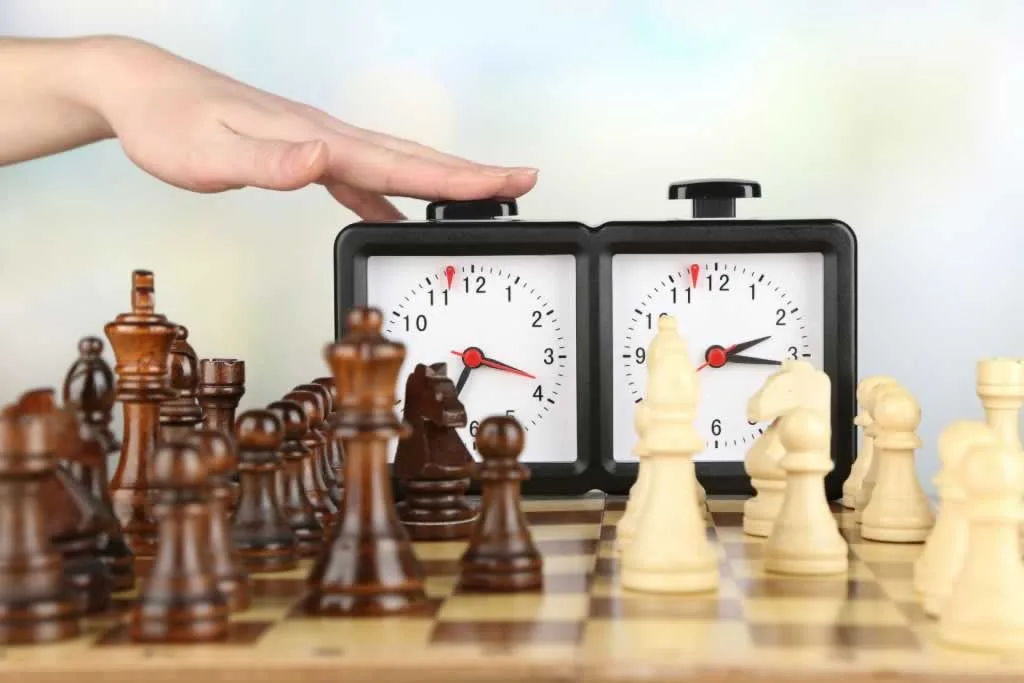
The time control of your tournament changes what your hair has to do. In a classical game, you may sit at one board for five or six hours, so the style needs to be comfortable for a very long time, gentle on the scalp, and able to survive leaning, thinking, and the occasional walk around the hall. Comfort and staying power matter more than anything else.
In rapid and blitz games, the matches are short but intense, and you move fast between the board and the clock. The style still needs to stay put, but a tighter, simpler hold works well, because you will only wear it for fifteen or thirty minutes at a time. A quick ponytail or a single braid is often enough, and you can redo it between rounds without losing any time.
Many tournaments mix both, with a classical game in the morning and rapid tiebreaks in the afternoon. For those days, pick a style that works for both: something secure enough for six hours but simple enough to refresh in two minutes between rounds. A low bun or a French braid is the classic answer, because it does both jobs without needing to be rebuilt.
Looking Neat for Photos and Livestreams
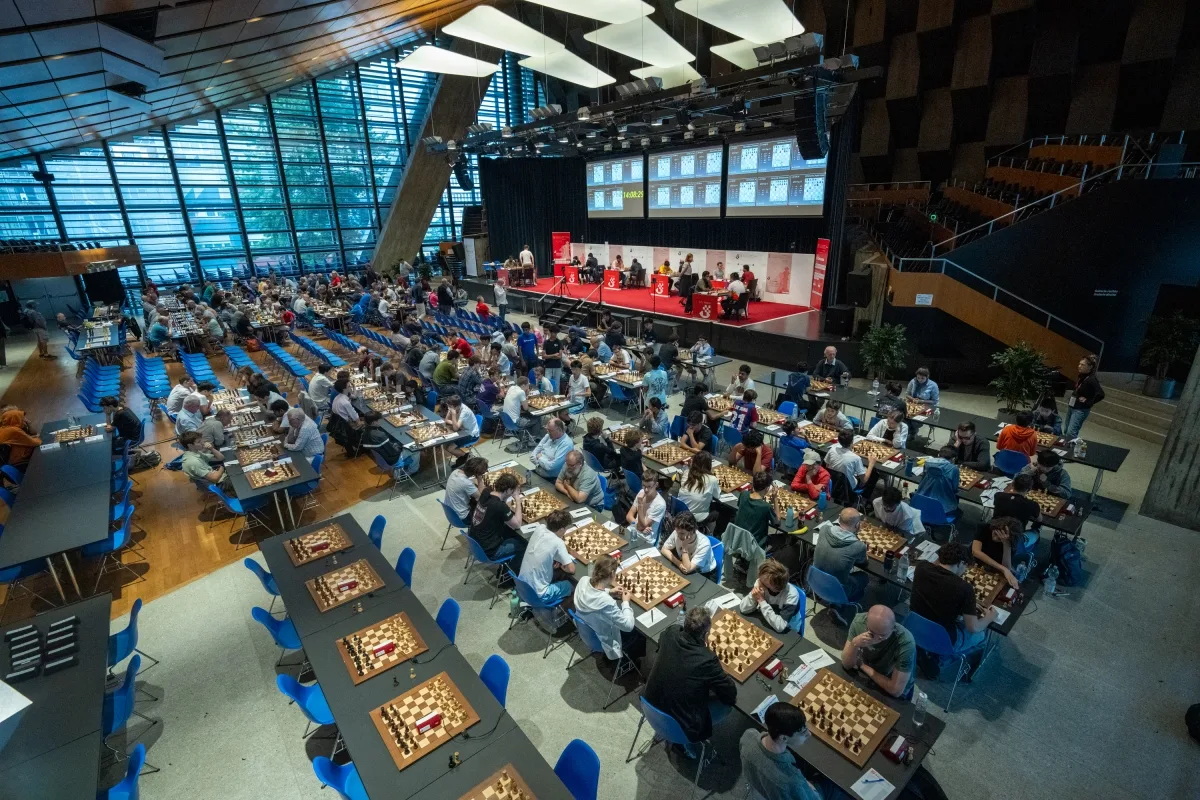
Chess tournaments are photographed and filmed far more than most people expect. There are photographers walking the hall, cameras on the top boards, and livestreams that can keep your board on screen for hours. Your hair will be seen from the front, the side, and the back, often while you are leaning over the board in deep thought.
That is why the back and sides of a style matter as much as the front. A bun that looks tidy from the front but messy from behind will show up in every photograph taken over your shoulder. Smooth the back with a brush before you sit down, check the style in a mirror from behind, and make sure there are no stray pieces sticking out at odd angles.
A little polish goes a long way on camera. A smooth finish, a neat parting, and a style with clean lines photograph far better than something loose and tousled, even if the loose style feels more relaxed. You do not need a dramatic look — you need a tidy one. If the style looks calm and intentional from every angle, the camera will be kind to it.
Styles by Hair Length
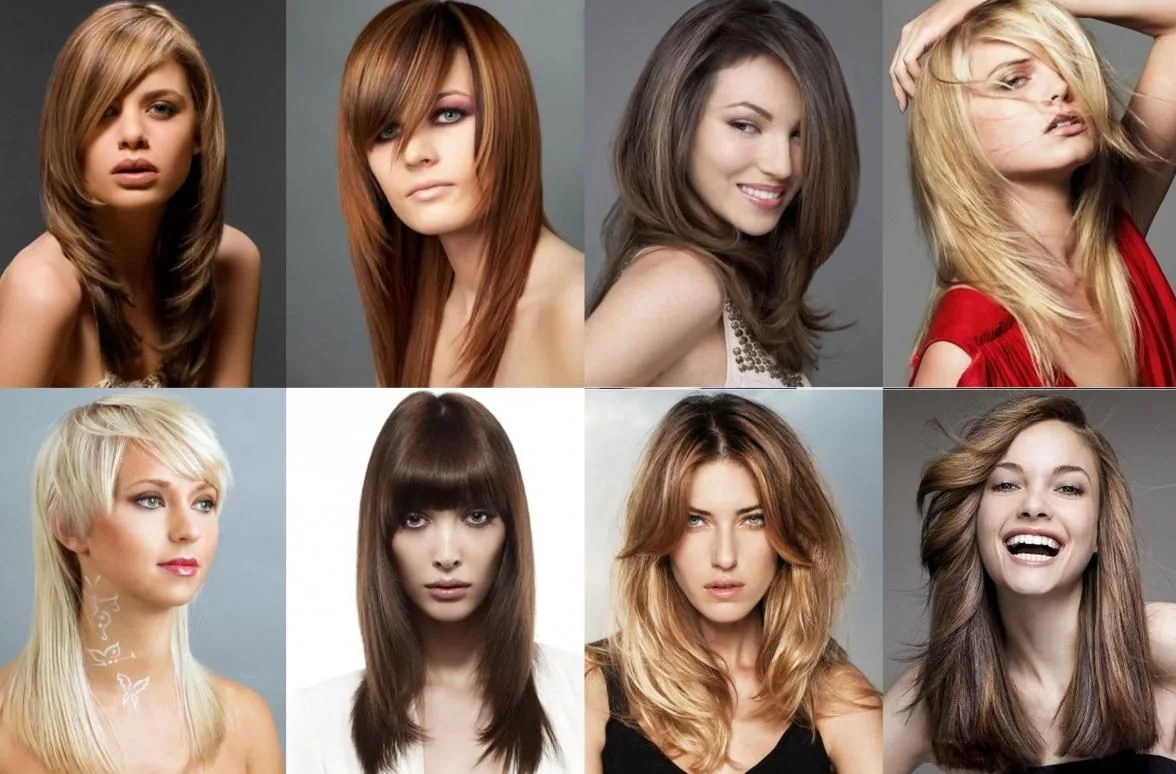
Every hair length can work at a chess tournament, but each length has its own best style. Short hair, from a pixie to a chin-length bob, is the easiest of all, because there is so little to come loose. A headband or a neat side part is usually the whole plan, and the hair takes care of itself for the rest of the day.
Medium hair, around shoulder length, is the trickiest length at the board, because it is long enough to fall into your face when you lean forward but too short to braid securely. Low ponytails, low buns and tucked bobs work best here, especially with a few pins at the temples. The goal is to get every piece off the face, because shoulder-length layers escape faster than any other length.
Long hair has the most options and the most weight. A braid is your best friend, because it turns all that length into one compact shape that stays behind you instead of sliding over your shoulder and onto the board. If you prefer a bun, keep it low, because a high bun can press against the chair when you lean back. Whatever your length, the rule is the same: the style that uses your length instead of fighting it will last the longest.
Accessories That Stay Quiet and Still
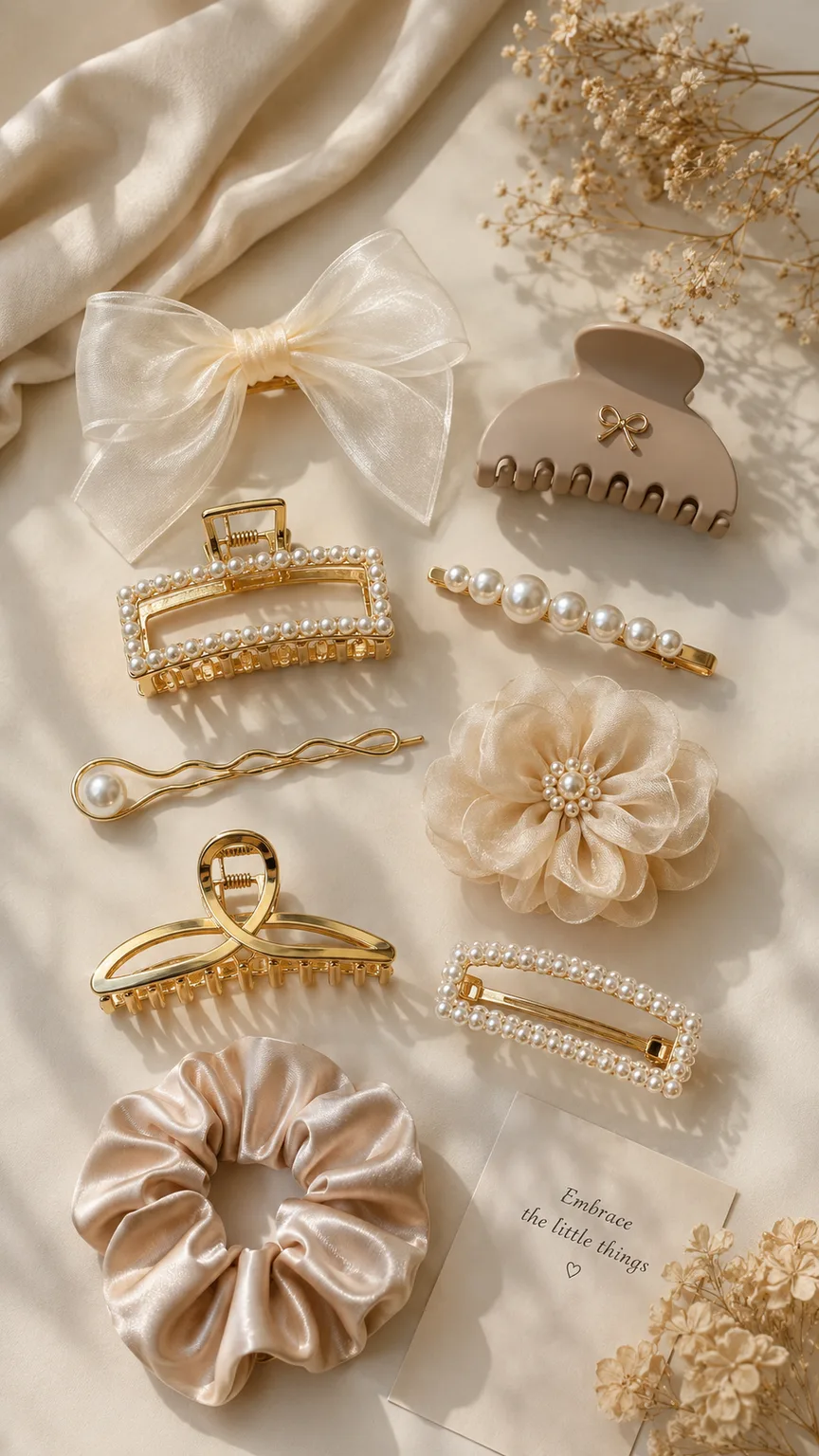
A chess hall is a quiet place, and your hair accessories should be quiet too. Anything that jingles, clicks, or rattles when you move your head will draw looks from the players around you, and it will distract you as well. Choose soft, silent accessories: fabric-covered elastics, matte pins, a silk scrunchie, or a plain claw clip.
The second rule is that accessories must stay still. A clip that slowly slides down over an hour will need adjusting, and every adjustment is a break in your thinking. Test each accessory at home by wearing it for an hour while you sit and read. If it moves, swap it for something with more grip, and use two pins crossed over each other instead of one, which locks them in place.
Pack spares in your tournament bag. Two extra elastics, four bobby pins and a spare clip weigh nothing and take up no space, but they save the day when an elastic snaps between rounds. Keep them in a small pouch so they do not rattle around loose, and choose colours that blend with your hair, so a spare pin never draws the eye.
Between Rounds: The Quick Refresh
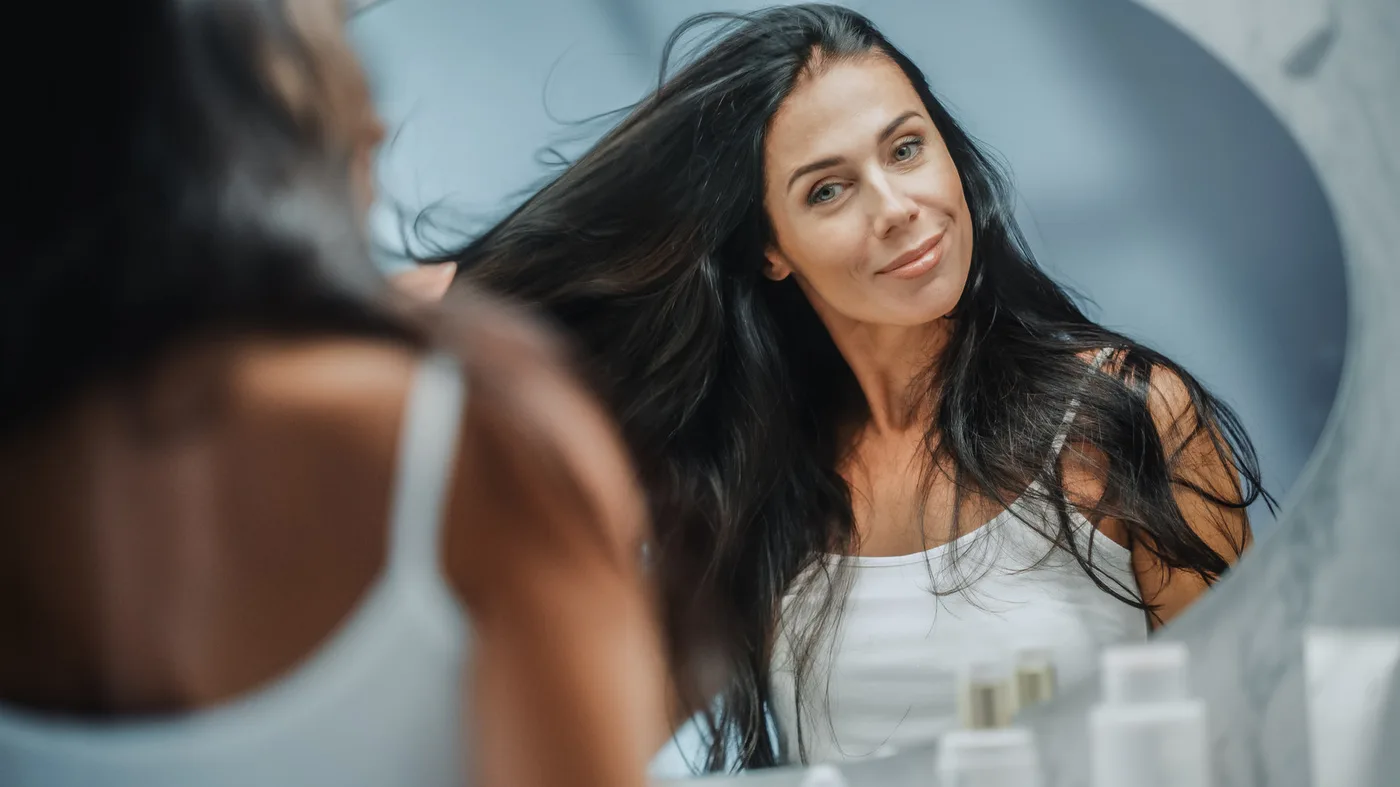
Between rounds you usually have fifteen to thirty minutes, and that is enough time for a proper hair refresh if you know what to do. Start by taking the style down completely and shaking the roots out with your fingers, which lets air back in and breaks up the sections that have gone flat from hours of sitting and leaning.
Next, smooth the front with a small brush and a little water or leave-in spray, then rebuild the style from scratch rather than trying to rescue the old one. A fresh braid or bun always looks better than a patched-up one, and it only takes two or three minutes. If the ends look dry, smooth a single drop of hair oil over them, and if the roots feel flat, a quick spritz of dry shampoo will lift them.
Finish with a mirror check from the back and the side, because that is the view the cameras and the other players will see. If you are playing again in a few minutes, keep the refresh light and skip anything that needs heat. Save the full restyle for the lunch break, when you have time to do it properly.
What to Ask Your Stylist Before Tournament Day
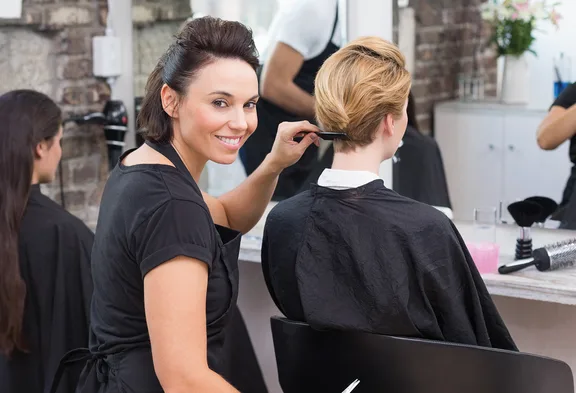
If you have a tournament coming up, a quick chat with your stylist a week or two before is worth more than any product. Tell them you play chess, how long the games run, and that you sit leaning over a board for hours, because that changes the cut. Layers that look beautiful loose can turn into flyaways when you lean forward, and a fringe that falls perfectly in the salon can fall straight into your eyes at the board.
Ask for a cut that works pulled back as well as worn down. That usually means keeping the front layers long enough to tuck behind the ears or braid back, and avoiding very short layers around the face. If you colour your hair, ask whether the colour will fade with long days under hall lighting, and whether a gloss would help it photograph better.
Finally, ask them to show you one or two tournament-day styles on your own hair. A five-minute lesson in the chair, with your own hands doing the braiding while they watch, is worth ten video tutorials. Ask which products they used, in what order, and how much, then take a photo of the finished style so you can copy it at home on the morning of the tournament.
The Tournament-Day Timeline
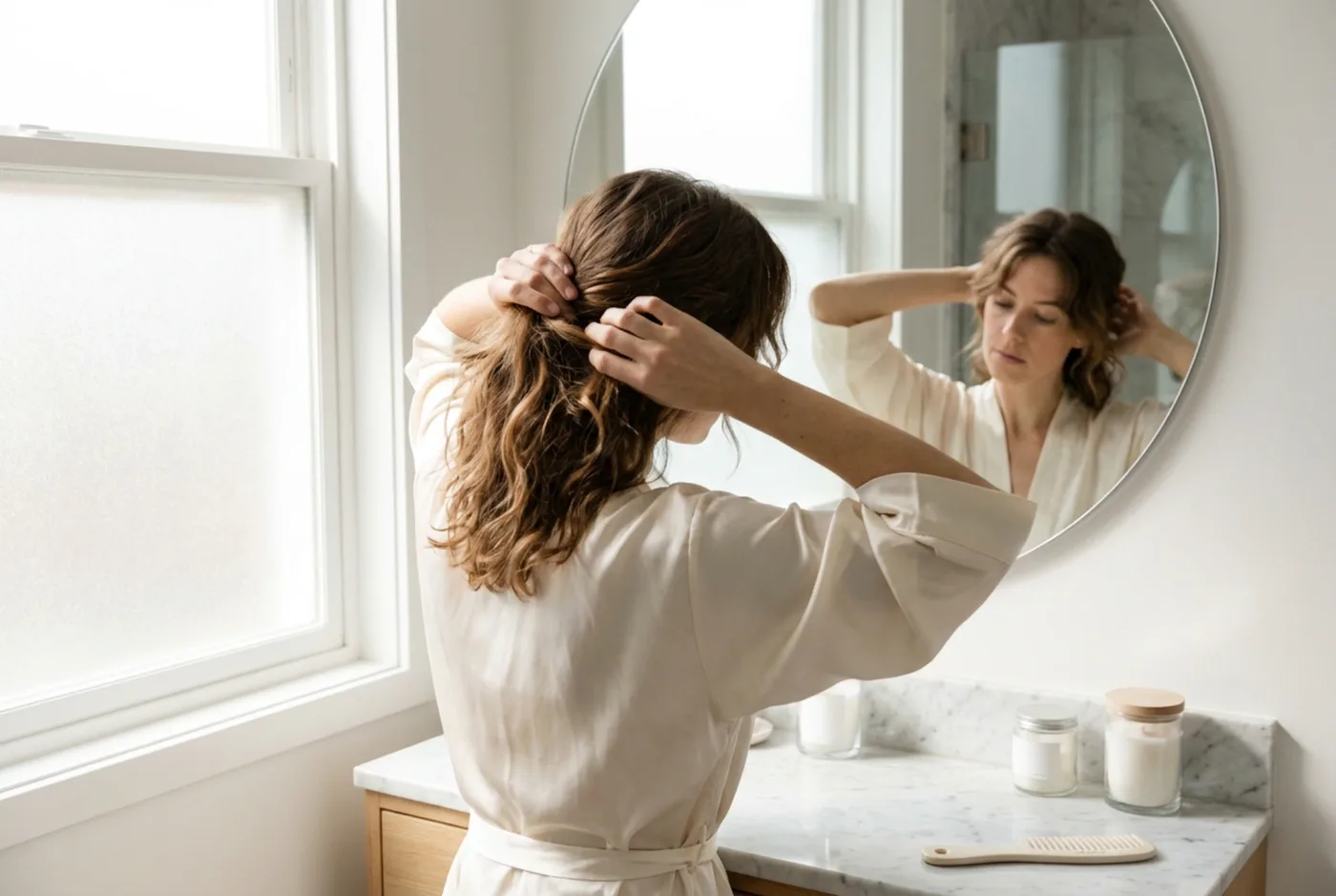
A calm tournament day starts the night before. Wash your hair the evening before the tournament, not the morning of it, because day-old hair has more grip and holds a braid or bun far better than freshly washed, slippery hair. Before bed, braid it loosely or put it in a soft low bun, which gives you gentle waves and no tangles by morning.
On the morning of the tournament, give yourself twenty minutes for hair, not five. Brush it out, apply leave-in conditioner to the ends, and build the style slowly, checking it from the side and the back. Sit in a chair, lean forward as if you are studying a board, and fix anything that moves. Pack your spares, a small brush and a hair tie on your wrist, and you are ready.
Between rounds, the timeline is simple: refresh, rebuild, and restyle for the next game. If you have another round the same day, keep the refresh light and re-braid rather than washing, because wet hair takes too long to dry in a cool hall. Save the full wash for the evening, when you can let the hair dry naturally and wake up ready for the next day of play.
1. The Neat Low Bun
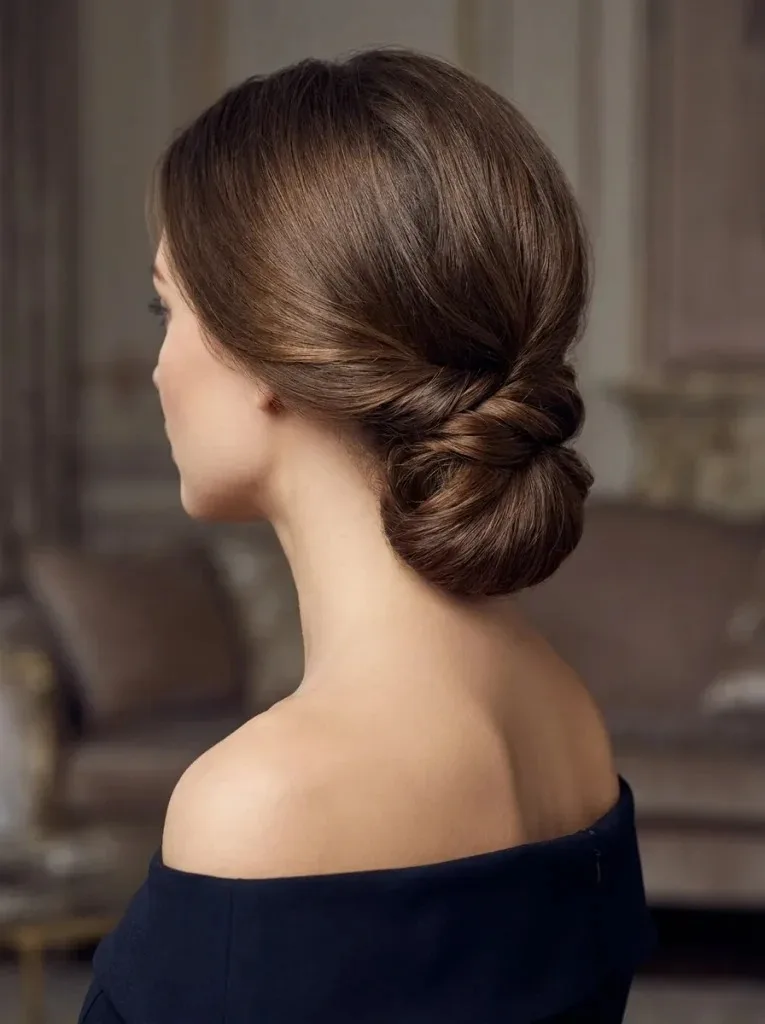
Pros: it sits low at the nape, so it never presses against the chair when you lean back, and it keeps every strand off your face for hours. It looks tidy from every angle, which matters when photographers walk past your board.
Cons: it can loosen if the elastic is weak, and very thick hair may need extra pins to hold the weight. It is also a quiet, plain style, so it will not make a statement if that is what you want.
Who it suits: medium to long hair, players who want a calm and classic look, and anyone who leans back in the chair between moves. It suits straight, wavy and curly hair equally well.
Who should avoid it: players with very short hair that cannot reach a low bun, and anyone whose hair is so fine that a bun slips out within the hour. A braid may hold better for very fine hair.
Maintenance: check it between rounds and re-pin any loose pieces. A quick brush and a fresh elastic at lunch will keep it looking neat for the whole day.
2. The Classic French Braid
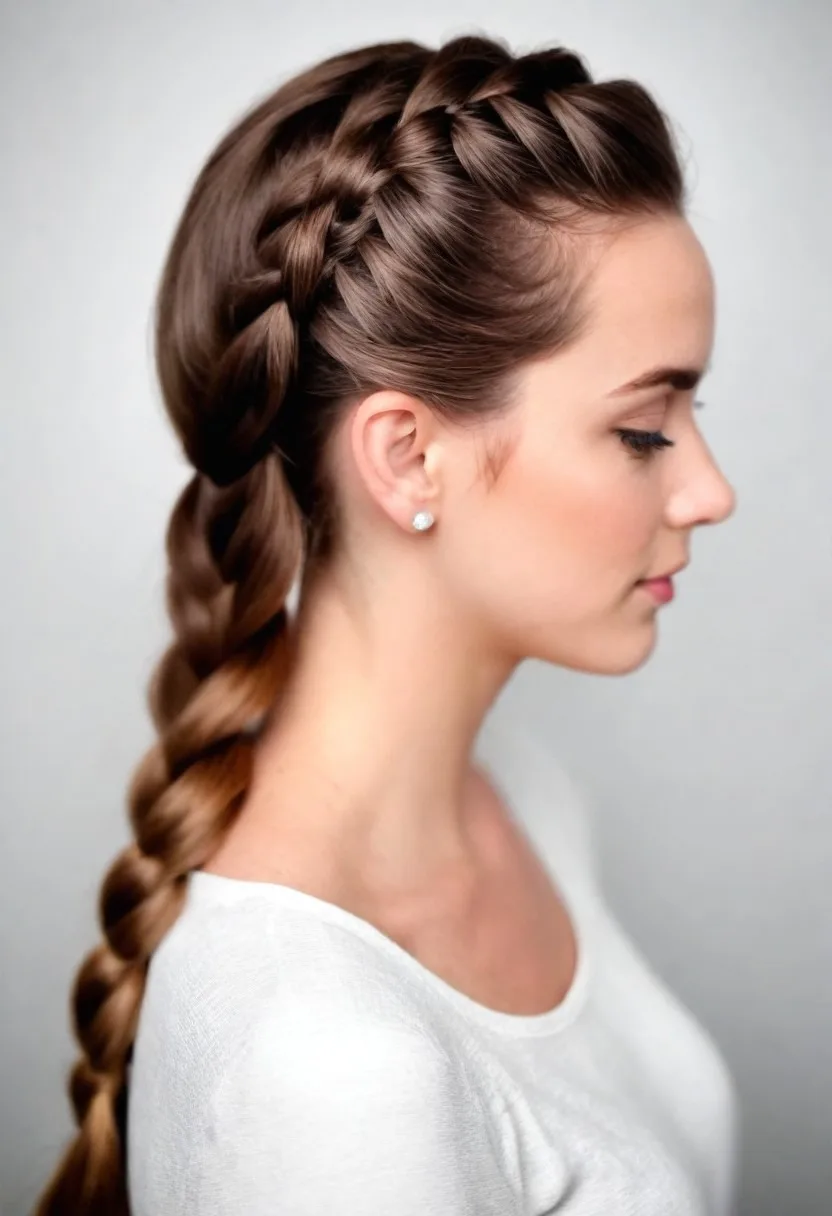
Pros: it anchors the hair to the head from the hairline all the way down, so nothing can fall into your eyes. It is the most secure braid there is, and it stays neat through a six-hour game.
Cons: it takes eight to ten minutes to do well, and braiding your own hair without a mirror takes practice. It can also feel tight at first if you are not used to it.
Who it suits: long and medium hair, players who want the most reliable style in this guide, and anyone playing a classical game that could run all day. It suits every hair texture.
Who should avoid it: players with very short hair that cannot be gathered into a braid, and anyone who finds a tight braid uncomfortable after an hour or two.
Maintenance: almost none. If a few pieces escape at the front, smooth them back with a little water and a pin. The braid itself will hold until you take it out.
3. The Low Ponytail
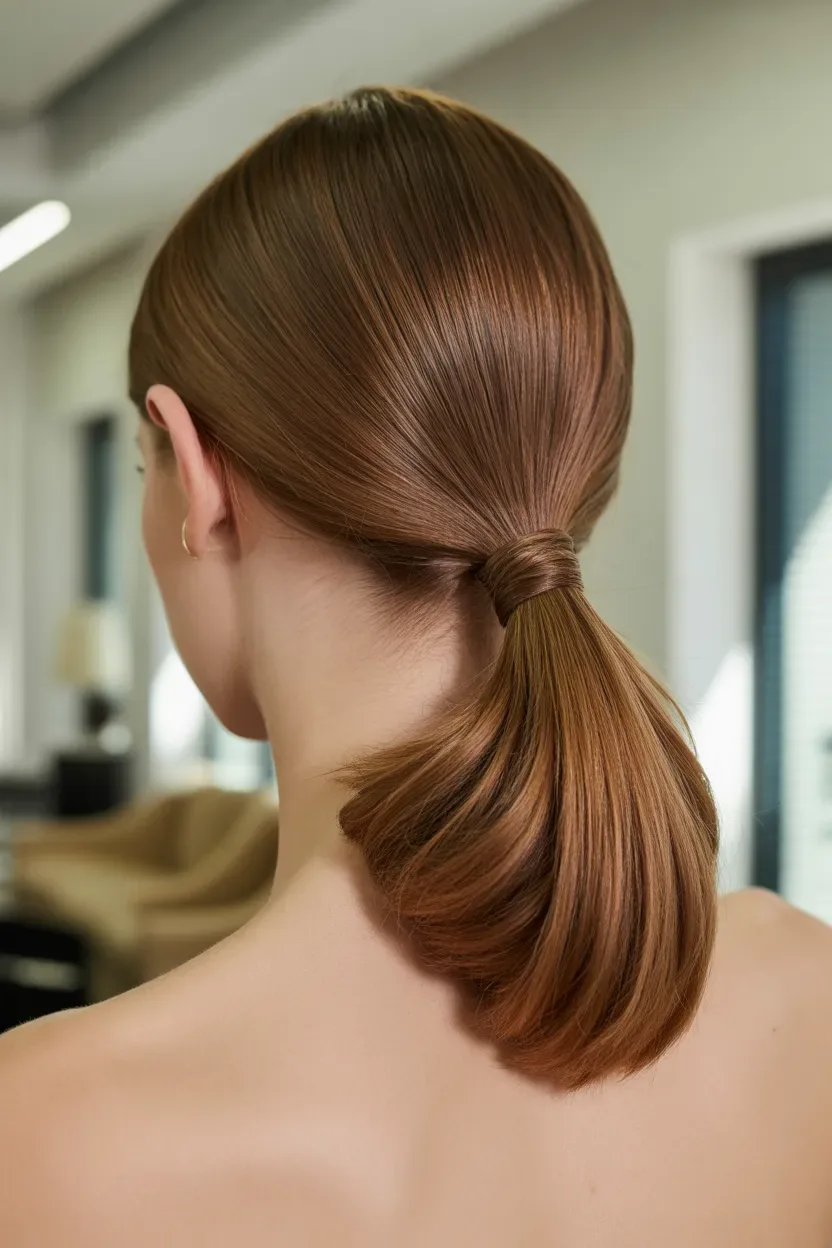
Pros: it is the simplest style in this guide, it takes three minutes, and it keeps the hair off the neck and out of the way. It looks neat, calm and professional at the board.
Cons: it can slide down over a long game, and fine hair may slip out of the elastic. It also shows every flyaway, so it needs a smooth finish to look tidy on camera.
Who it suits: medium to long hair, players who want something quick and fuss-free, and anyone who finds buns uncomfortable. It works well for straight and wavy hair.
Who should avoid it: players with very thick hair that pulls the elastic down, and anyone whose hair is so short that the ponytail sits too high to be comfortable.
Maintenance: re-tighten it between rounds and smooth the front with a brush. A second elastic an inch below the first will stop it sliding down.
4. The Sleek High Bun
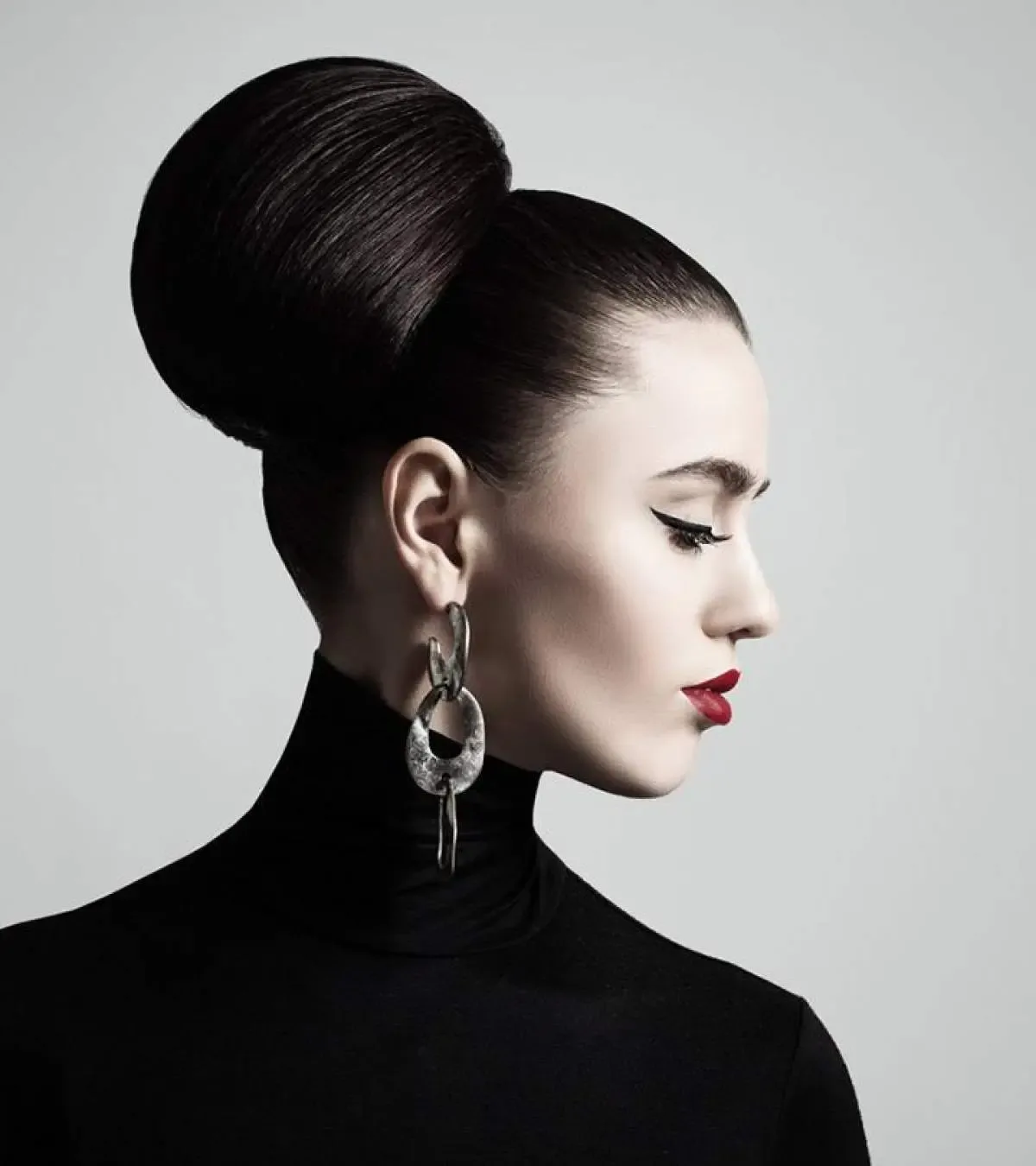
Pros: it lifts everything up and away from the neck and face, and it looks polished and deliberate in photographs. It is one of the neatest styles you can wear to a tournament.
Cons: it can press against the chair when you lean back, and it pulls at the hairline if it is worn too tight for too long. It also takes a little time to get perfectly smooth.
Who it suits: medium to long hair, players who want a smart, formal look, and anyone whose hair is heavy enough to need height to stay off the neck.
Who should avoid it: players who lean back a lot during games, anyone with a sensitive hairline, and players with short hair that cannot reach a high bun.
Maintenance: smooth the sides with a brush between rounds and re-pin any bumps. Take it down at lunch to give your scalp a rest, then rebuild it for the afternoon.
5. The Dutch Braid
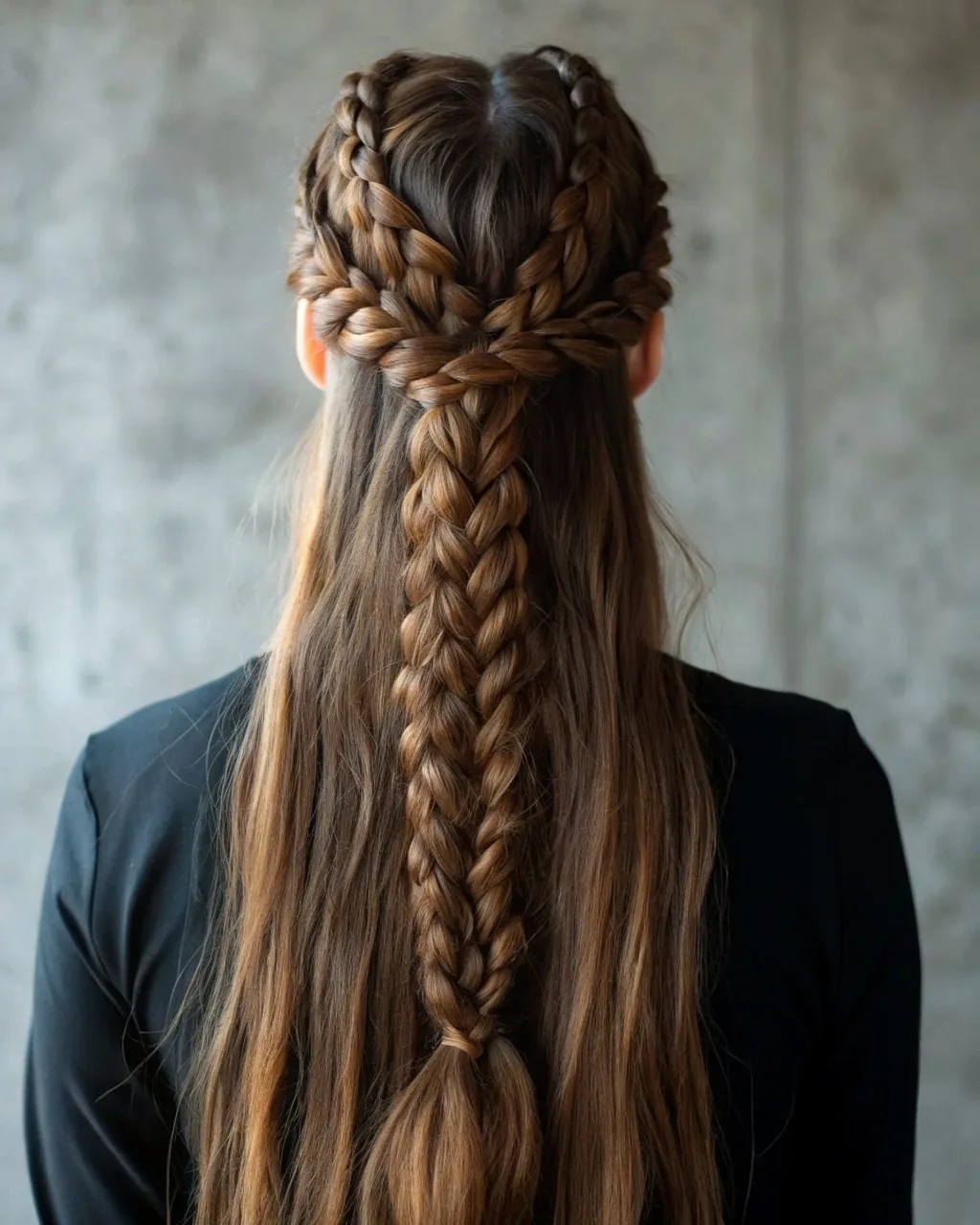
Pros: it grips the hair firmly and stands out from the head, so it holds its shape all day. It keeps every strand locked away from the face, even when you lean forward over the board.
Cons: it takes ten minutes or more, and it is harder to do on yourself than a French braid. It can also feel heavy if your hair is very thick.
Who it suits: thick hair that needs a braid with real grip, long hair, and players who want a style that will not move a millimetre through a long game.
Who should avoid it: players with fine hair that slips out of a raised braid, and anyone in a hurry on tournament morning, because this style rewards patience.
Maintenance: almost none. If the braid loosens at the nape, tuck the end under and pin it. The raised shape holds up well even after hours of sitting.
6. The Braided Crown
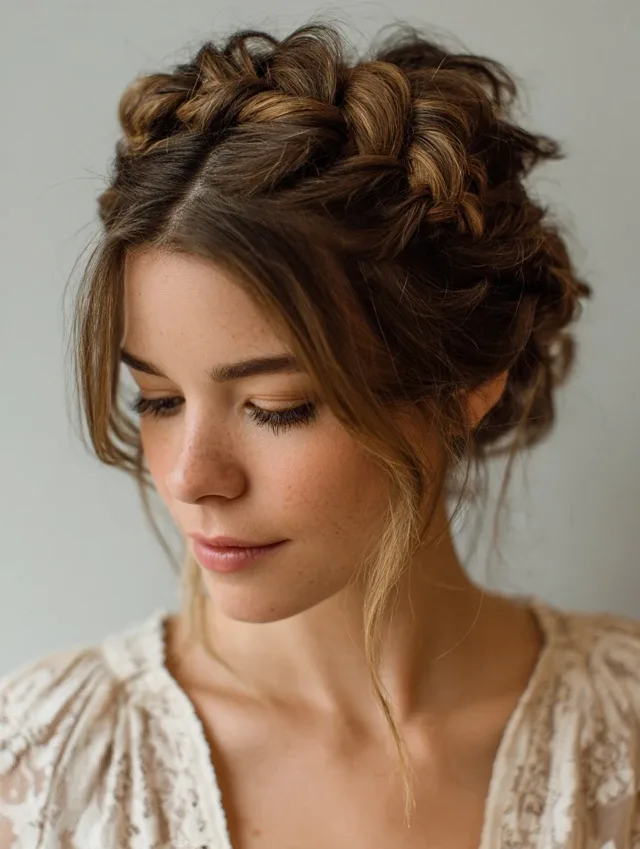
Pros: it keeps the hair completely off the face while looking soft and elegant, and it photographs beautifully from the front and the side. It is comfortable for hours, because the weight is spread evenly around the head.
Cons: it takes fifteen minutes and a handful of pins, and it is one of the harder styles to do on your own hair. It can also loosen if the pins are not crossed properly.
Who it suits: medium to long hair, players who want an elegant style for a formal tournament or a championship final, and anyone who likes their hair fully off the face.
Who should avoid it: players with short hair that cannot reach around the head, and anyone playing a casual club night where a simpler style would do.
Maintenance: check the pins between rounds and replace any that have worked loose. A light mist of hairspray at the start of the day helps it last.
7. The Half-Up Twist
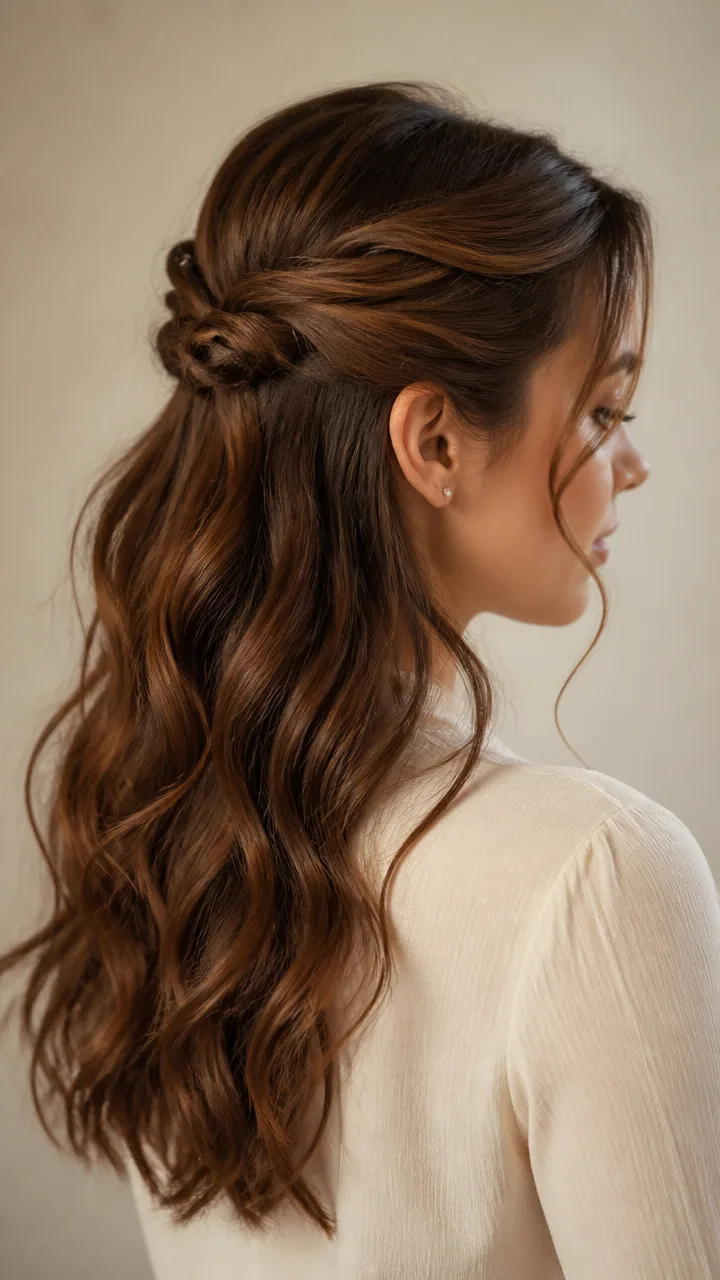
Pros: it keeps the front sections off your face while leaving the length down, so it feels relaxed and looks soft in photographs. It takes five minutes and only needs one elastic.
Cons: the loose length can fall forward onto the board when you lean in, and it can tangle if you keep pushing it back over your shoulders. It is not the most secure style here.
Who it suits: medium to long hair, players who prefer their hair down, and anyone playing a shorter or more social tournament where comfort matters more than total security.
Who should avoid it: players in long classical games, anyone who leans close over the board, and players with very fine hair that slips out of a twist quickly.
Maintenance: re-twist the top section between rounds and brush the length out. If it keeps falling forward, pin the twist a little higher next time.
8. The Side Braid
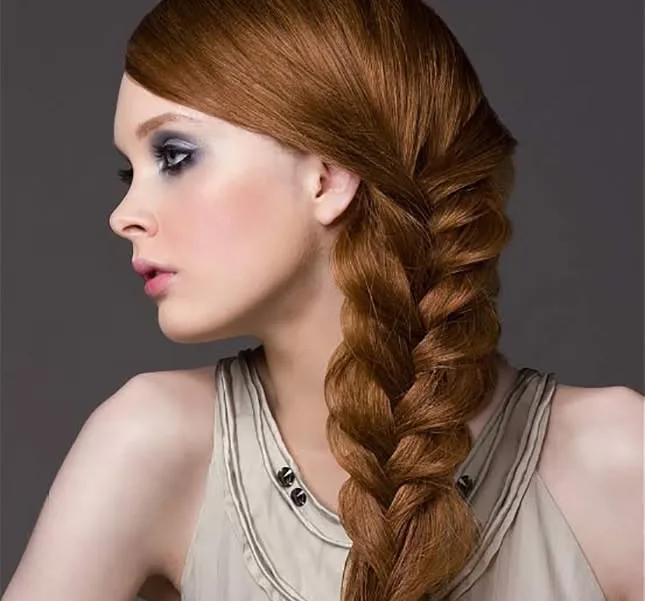
Pros: the braid sits over one shoulder, so it never falls onto the board or into your lap, and it keeps the hair out of your face. It looks soft and feminine in photographs.
Cons: it can feel uneven if the braid is heavy, and it may need re-draping after you lean back in the chair. It is also less secure than a braid down the centre of the head.
Who it suits: medium to long hair, players who find a centre braid uncomfortable, and anyone who wants a softer look for a tournament with a social side.
Who should avoid it: players who move around a lot between moves, and anyone with very thick hair, because a heavy side braid can pull on one side of the head.
Maintenance: drape it over the shoulder away from your writing hand and re-secure the end between rounds. A little texturising spray helps it grip if your hair is fine.
9. The Low Chignon
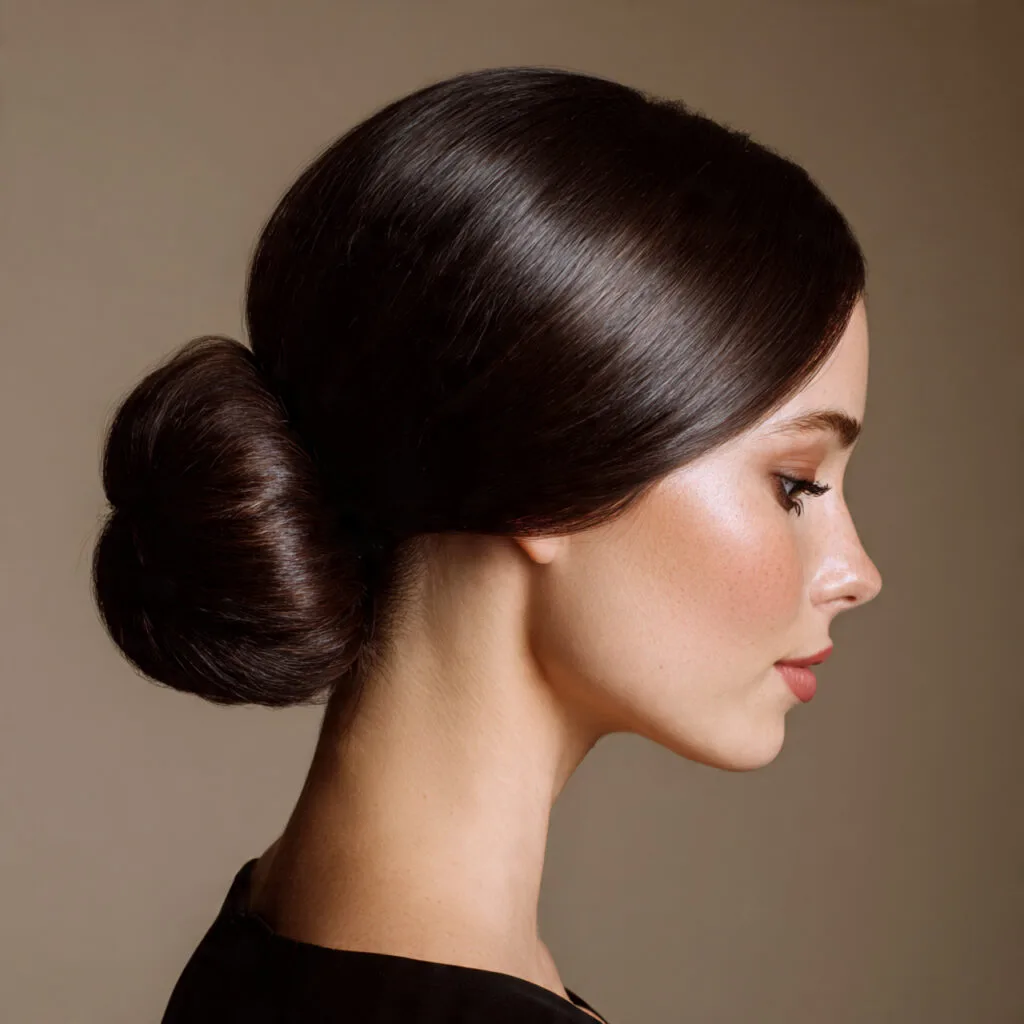
Pros: it is one of the most elegant styles in this guide, it sits low enough to be comfortable against any chair, and it looks neat from every angle, including on camera.
Cons: it needs pins and a smooth finish to look right, and it can come undone if the pins are not placed well. It takes a little more time than a simple bun.
Who it suits: medium to long hair, formal tournaments, championship finals, and anyone who wants a polished look that lasts all day. It suits straight and wavy hair best.
Who should avoid it: players with very short or very curly hair that will not smooth into a chignon, and anyone who needs a style they can rebuild in two minutes between rounds.
Maintenance: check the pins between rounds and smooth the sides with a brush. Carry spare pins, because a chignon is only as secure as its weakest pin.
10. The Fishtail Braid
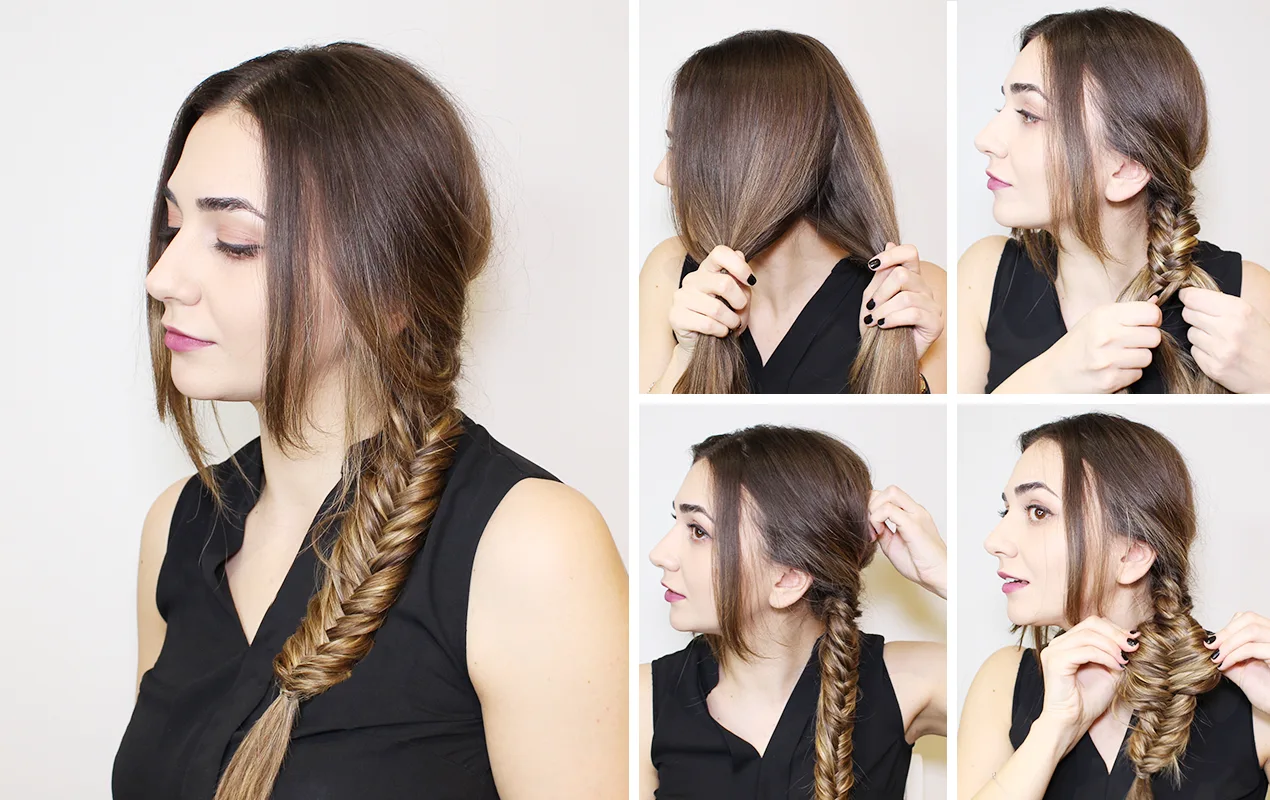
Pros: it looks intricate and beautiful, and once it is done it locks the whole length of the hair into one compact shape that cannot tangle. It survives hours of sitting and leaning.
Cons: it takes ten to twelve minutes, and it is fiddly to learn. It can also loosen at the ends if it is not secured firmly.
Who it suits: medium to long hair, players who want a braid with a little more character, and anyone playing a tournament where photographs matter.
Who should avoid it: players who are short on time in the morning, and anyone with very short hair that cannot be split into the two sections a fishtail needs.
Maintenance: very little. If the ends fray, smooth them with a drop of oil and re-tie the elastic. Gently pull the braid wider before the first game for a fuller look.
11. The Double Braids
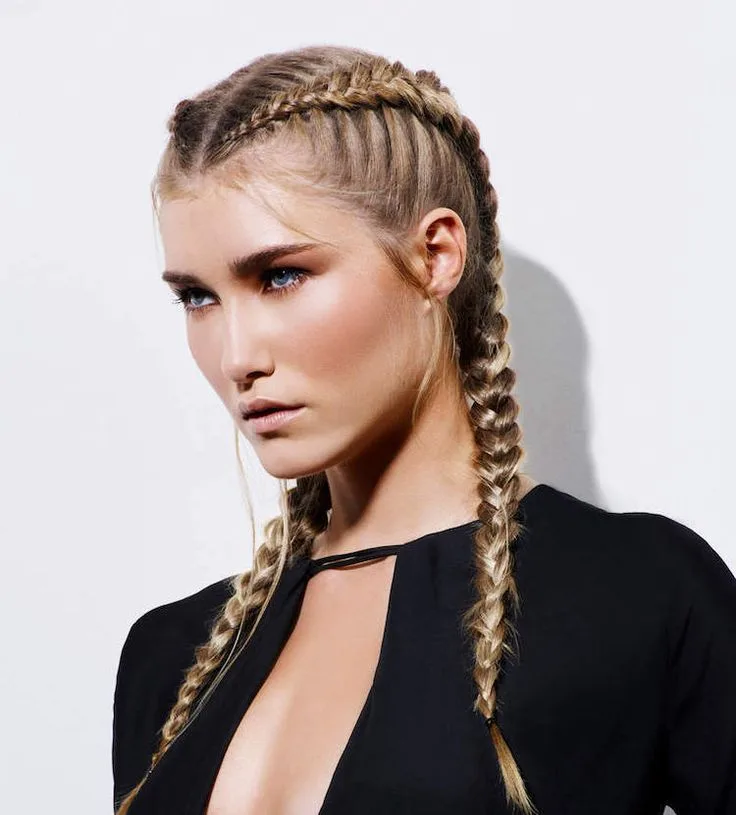
Pros: two braids share the weight evenly, so the style feels balanced and stays put for hours. It is one of the most secure styles in this guide, and it keeps every strand off the face.
Cons: it takes fifteen minutes for both braids, and the centre part needs to be straight for the style to look neat. It can feel young for a formal tournament.
Who it suits: very long or very thick hair, hot halls, and players who have had a single braid flop to one side mid-game. It suits school and club tournaments especially well.
Who should avoid it: players who want a formal or elegant look for a championship, and anyone whose hair is too short to braid in two sections.
Maintenance: almost none. If one braid loosens, re-tie the end and carry on. The symmetry of two braids makes small imperfections hard to notice.
12. The Slicked-Back Low Ponytail
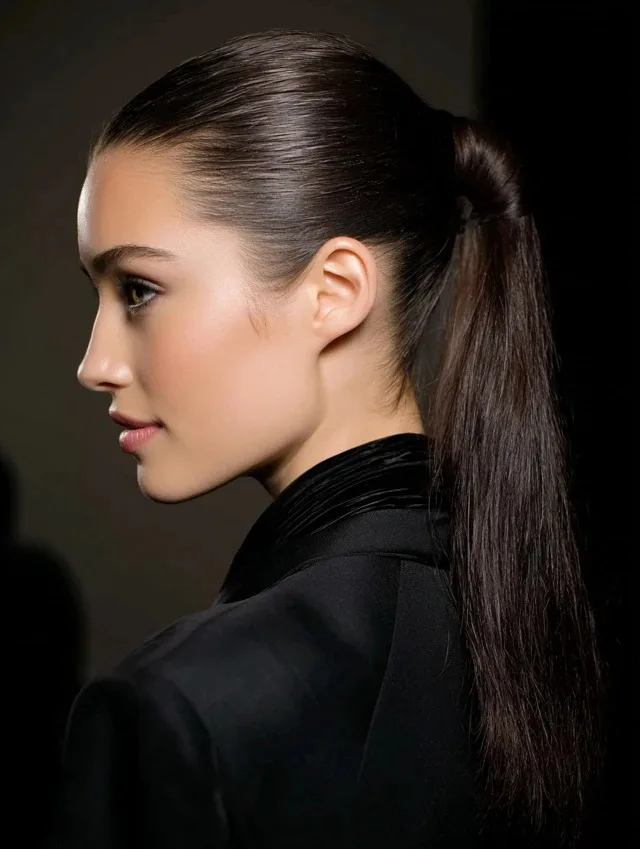
Pros: it is completely smooth, with no flyaways and nothing to fall into your eyes, and it looks sharp and confident in photographs. It stays neat for hours without attention.
Cons: it needs gel or pomade to stay slick, and it can feel tight at the hairline. It also shows the shape of your head, so it is not the most forgiving style.
Who it suits: straight and wavy hair, players who want a sleek and modern look, and anyone whose hair frizzes in warm tournament halls.
Who should avoid it: players with a sensitive hairline or a tender scalp, and anyone with very curly hair that will not stay slick without a lot of product.
Maintenance: smooth the sides with a brush between rounds. If the gel starts to flake, brush it out and add a tiny amount of water instead of more product.
13. The Braided Bun
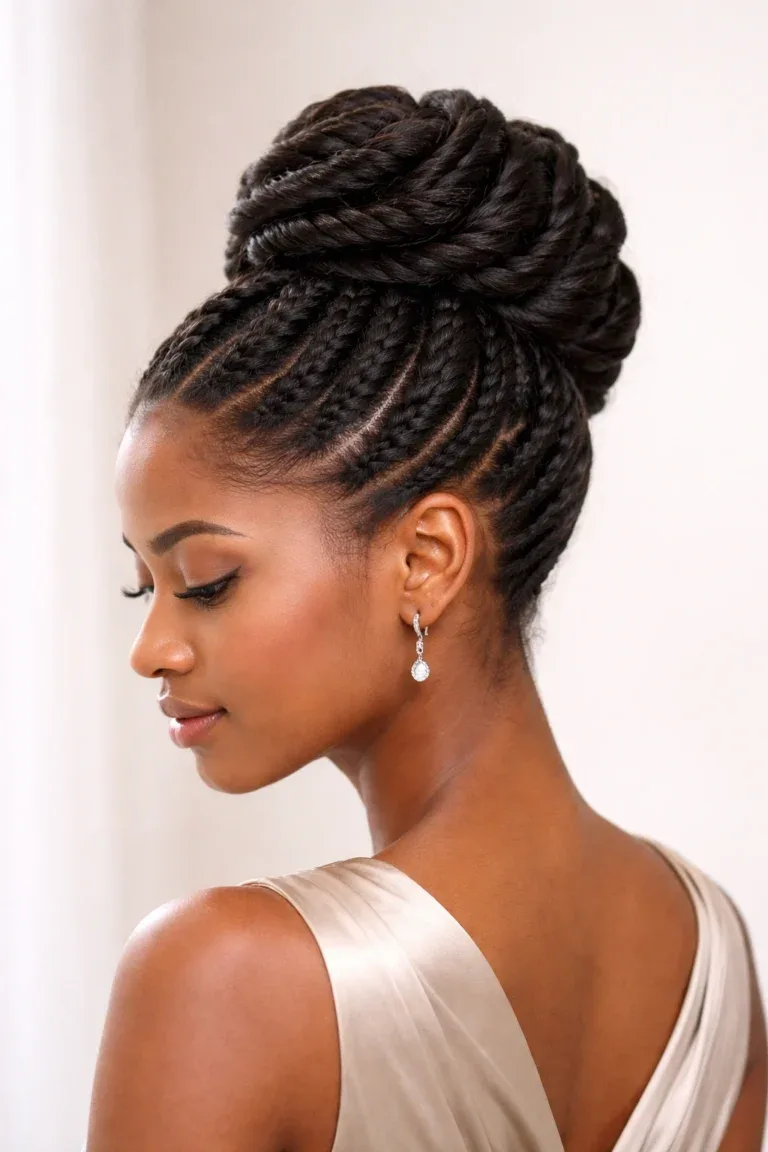
Pros: it is the most secure updo in this guide, because the braids anchor the hair to the head before the bun is even formed. It will not move a millimetre, no matter how long the game runs.
Cons: the braids take thirty to forty-five minutes to do, so this is a night-before or salon style. It is also a firm style, so it is not for anyone who likes their hair soft and loose.
Who it suits: textured and curly hair, long matches in warm halls, and players who want total security. It is a wonderful choice for a multi-day tournament.
Who should avoid it: players who need a style they can do themselves in the morning, and anyone with fine hair that cannot hold cornrows comfortably.
Maintenance: the bun itself takes two minutes each morning. Smooth the edges with a little oil, and cover the hair with a silk scarf overnight to keep the braids neat.
14. The Soft Low Ponytail
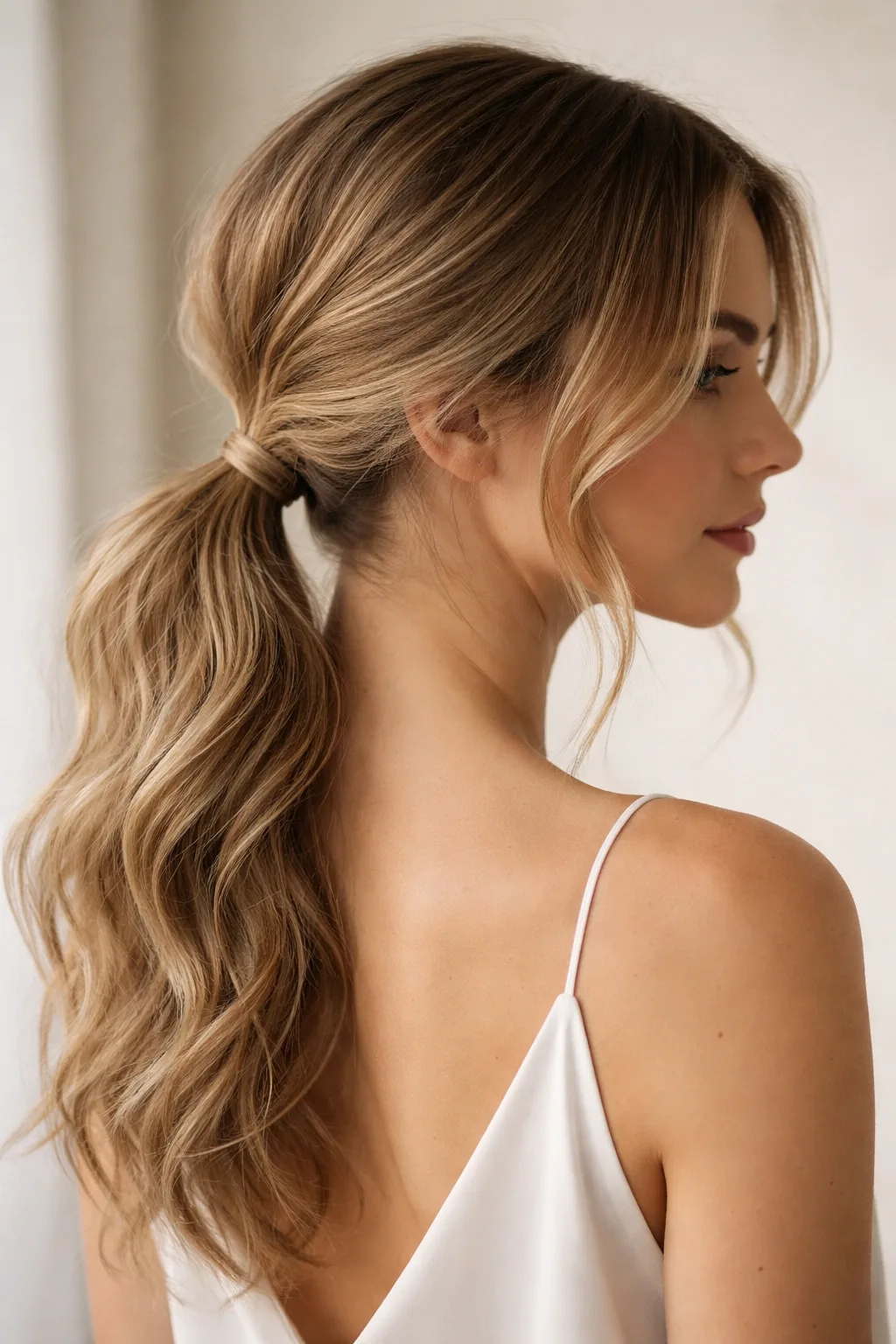
Pros: it is soft, relaxed and flattering, with face-framing strands that look lovely in photographs, while the ponytail itself keeps the bulk of the hair out of the way.
Cons: the loose front pieces can fall into your eyes when you lean over the board, and the style can look messy by the end of a long day if it is not refreshed.
Who it suits: medium to long hair, players who want a softer look, and anyone playing a friendly or club tournament where a relaxed style fits the mood.
Who should avoid it: players in long classical games who need every strand secured, and anyone who finds loose pieces around the face distracting while thinking.
Maintenance: tuck the front pieces behind your ears between rounds, or pin them back if they keep falling forward. A quick brush and a fresh elastic at lunch will revive it.
15. The Rope Braid
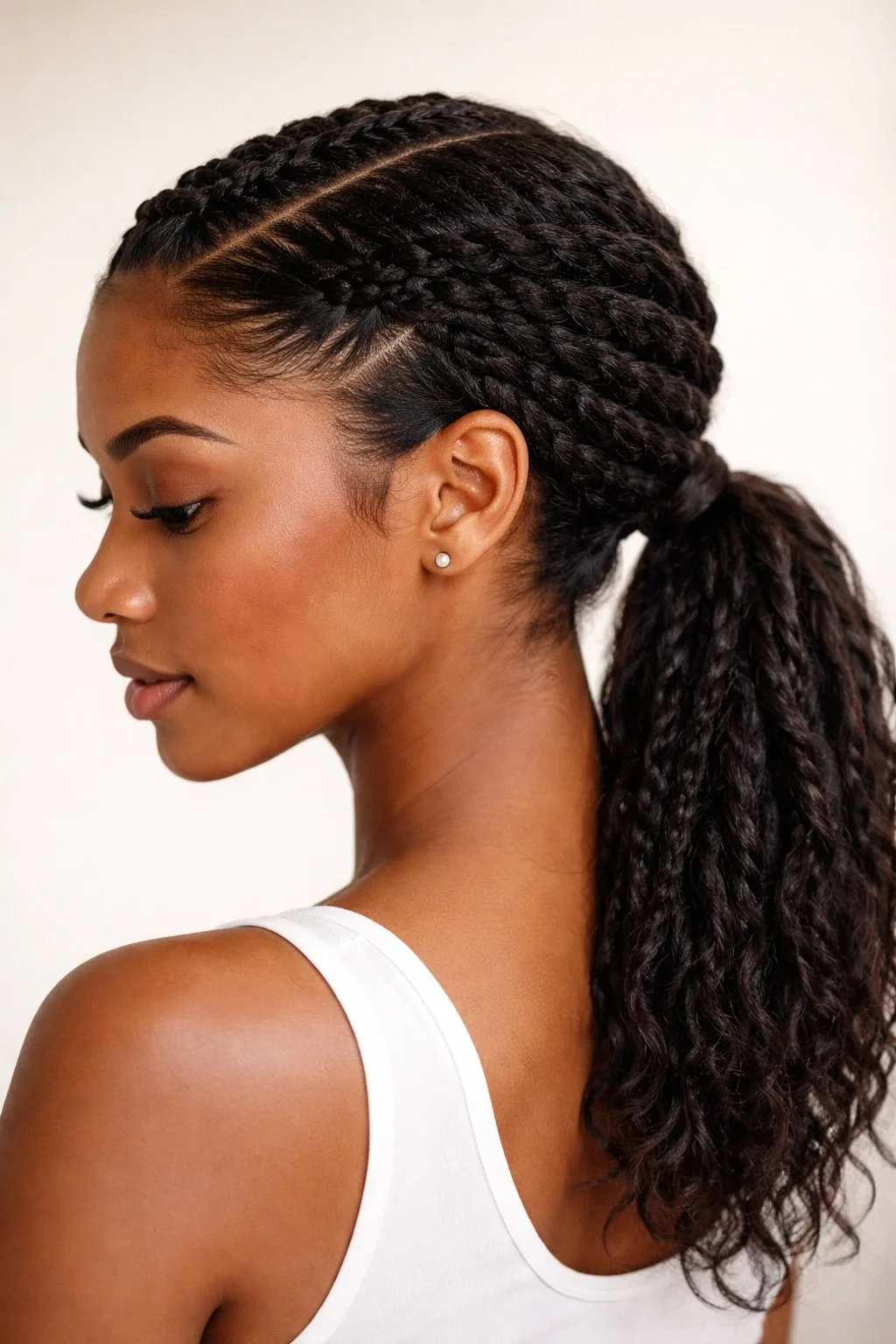
Pros: it is simpler than a regular braid but just as secure, and the twist locks itself in place so it will not unravel. It keeps long hair in one neat rope that stays behind you.
Cons: it can unwind if the ends are not secured tightly, and it works best on hair that is not freshly washed, because clean hair is too slippery to twist.
Who it suits: medium to long hair, players who find regular braiding fiddly, and anyone who wants a braided look without the learning curve.
Who should avoid it: players with very short hair that cannot be twisted into a rope, and anyone with very fine hair that slips out of a twist.
Maintenance: check the end elastic between rounds. If the twist loosens, re-twist it quickly — it only takes a minute to rebuild.
16. The Claw Clip Twist
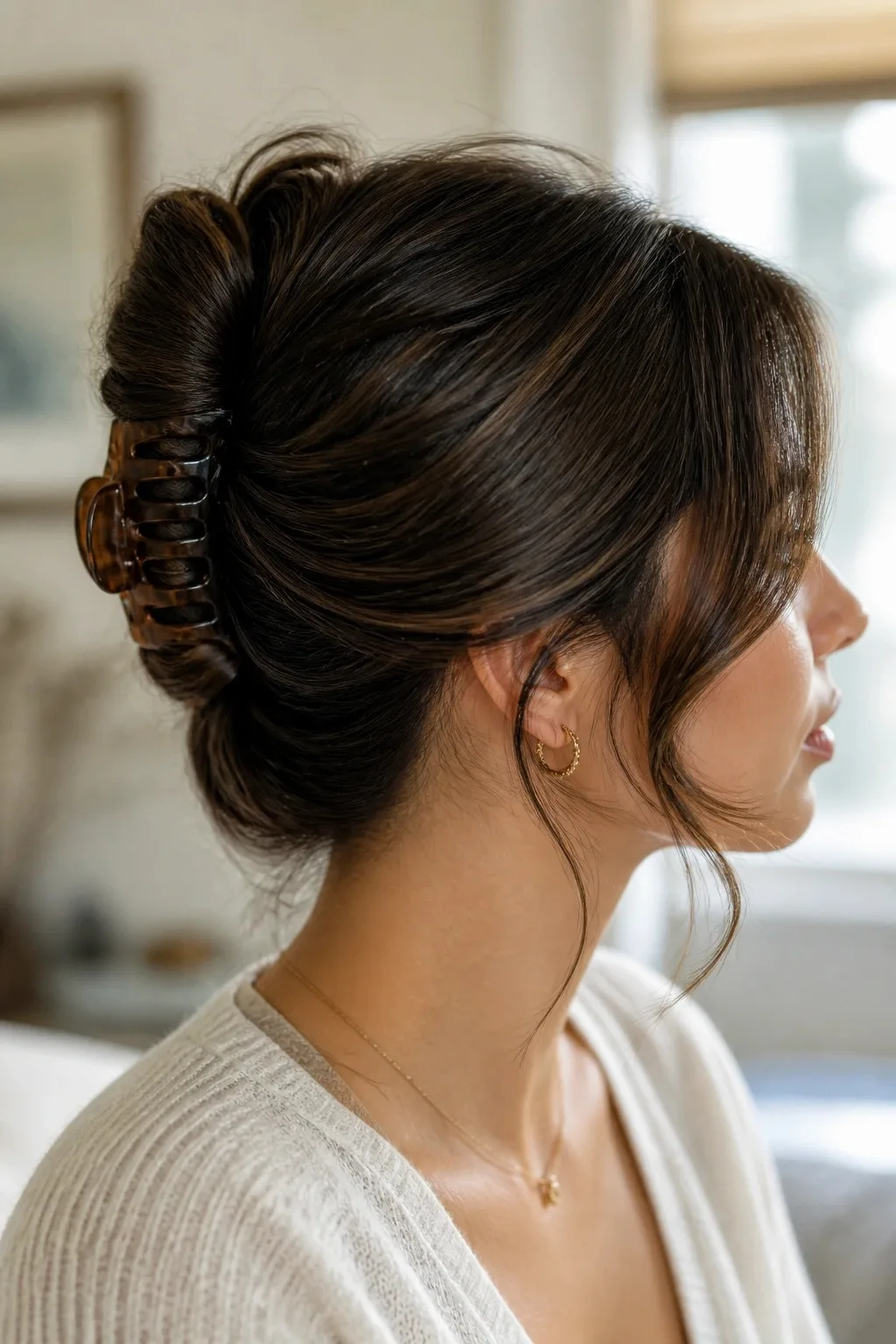
Pros: it takes two minutes, it needs no elastic, and it is gentle on the hair. The twist holds the hair up and off the neck, and the clip adds a quiet, polished finish.
Cons: a large clip can feel heavy after several hours, and it can slip if the hair is very thick or very smooth. It is also less secure than a braid for a very long game.
Who it suits: medium to long hair, players who want a quick and elegant style, and anyone who dislikes the pulling feeling of a tight elastic.
Who should avoid it: players in very long games who need maximum security, and anyone with very thick hair that a single clip cannot hold.
Maintenance: re-clip it between rounds and carry a spare clip in your bag. If it slips, twist the hair a little tighter before clipping it again.
17. The Half-Up Claw Clip
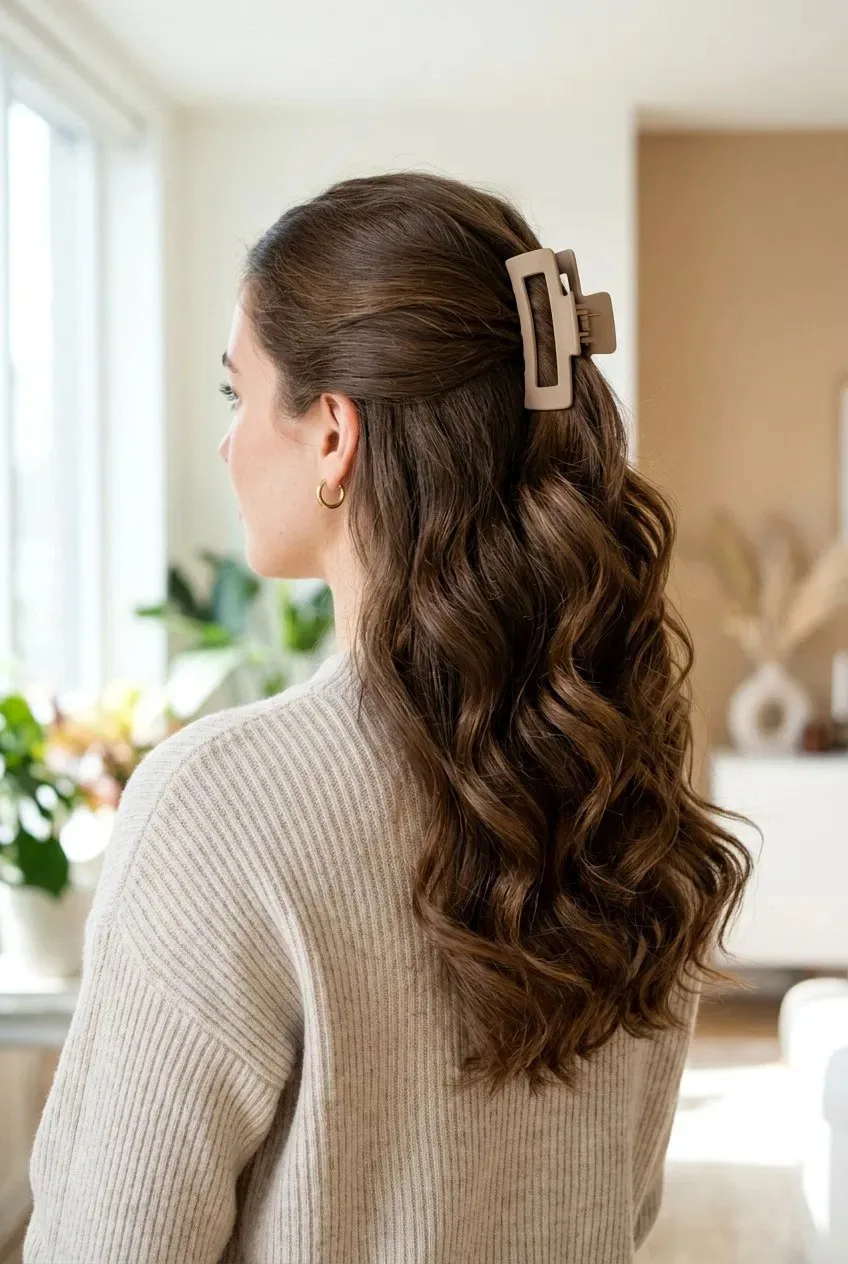
Pros: it lifts the front sections off your face in seconds, it is comfortable for hours, and it looks relaxed and modern in photographs. It works well for a social tournament day.
Cons: the loose length can fall forward onto the board when you lean in, and the clip can slide down if the hair is heavy. It is not the most secure style here.
Who it suits: medium to long hair, players who like their hair down, and anyone playing a shorter tournament or a friendly club event.
Who should avoid it: players in long classical games, anyone who leans close over the board, and players with very thick hair that pulls the clip down.
Maintenance: re-clip the top section between rounds and brush the length out. Choose a clip with a strong spring so it grips rather than slides.
18. The Tucked Bob
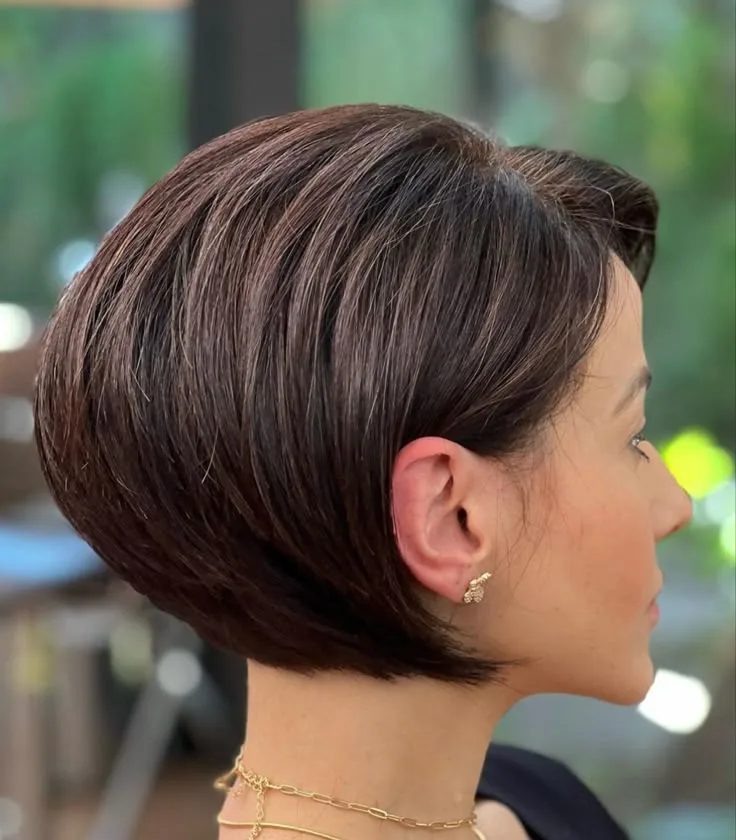
Pros: it needs no pins, no elastic and no effort — you simply tuck the hair behind your ears and play. It is neat, quiet and completely fuss-free for a whole day of chess.
Cons: the hair can fall forward again when you lean over the board, and it offers no hold at all if the bob is on the longer side. It also shows every bit of frizz.
Who it suits: bob-length hair, players who want the simplest possible tournament style, and anyone who prefers to forget about their hair entirely.
Who should avoid it: players with a bob that is long enough to reach the chin and fall forward, and anyone playing in a warm hall where the hair sticks to the neck.
Maintenance: tuck it back between rounds and smooth it with a brush. A light smoothing cream will keep the ends from flicking out.
19. The Pixie With a Headband
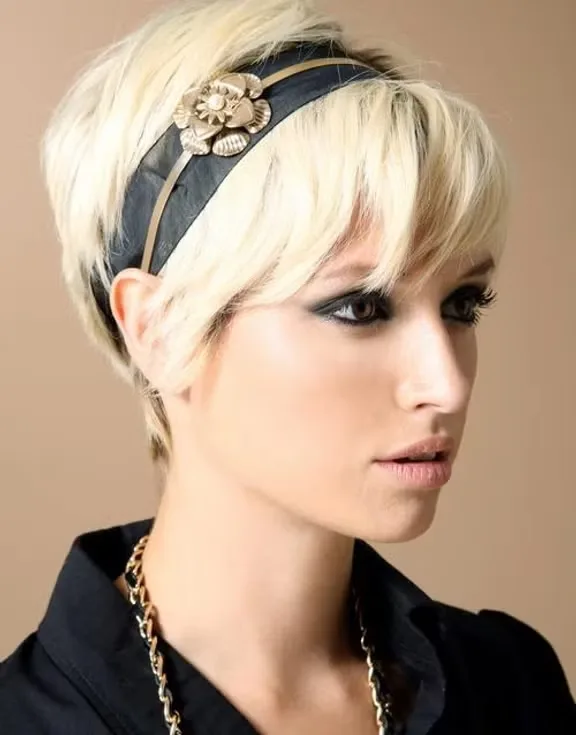
Pros: a pixie is the lowest-maintenance tournament haircut there is, and a headband keeps the front pieces out of your eyes without any effort at all. It never tangles and dries in minutes.
Cons: the headband can slide back over a long day, and the style depends on the haircut itself, so it is not something you can create for one tournament only.
Who it suits: short hair, players who want to forget about their hair entirely, and anyone who likes a neat, polished look with almost no morning routine.
Who should avoid it: players with longer hair, and anyone who finds headbands uncomfortable or finds that they slip off during a long sit.
Maintenance: slide the headband back into place between rounds. A thin, non-slip band with a little grip will stay put far better than a smooth one.
20. The Short Bob With a Side Part
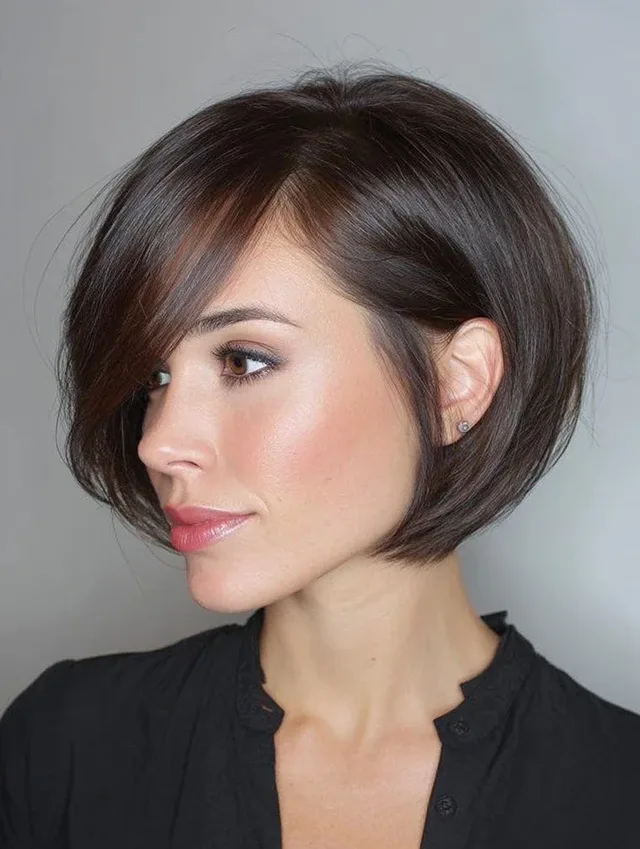
Pros: it looks smart and intentional, it frames the face nicely in photographs, and it needs nothing more than a brush and a parting to look finished. It is comfortable for hours.
Cons: the longer side can fall into your eyes when you lean forward, and the style can lose its shape by the afternoon if the hair is fine.
Who it suits: bob-length hair, players who want a polished look without any pins or clips, and anyone who likes a classic, tidy style.
Who should avoid it: players with a bob that is long enough to reach the eyes, and anyone who leans very close over the board while thinking.
Maintenance: re-part the hair between rounds and brush the longer side back. A little smoothing cream will keep the ends neat all day.
21. The Short Curly Crop
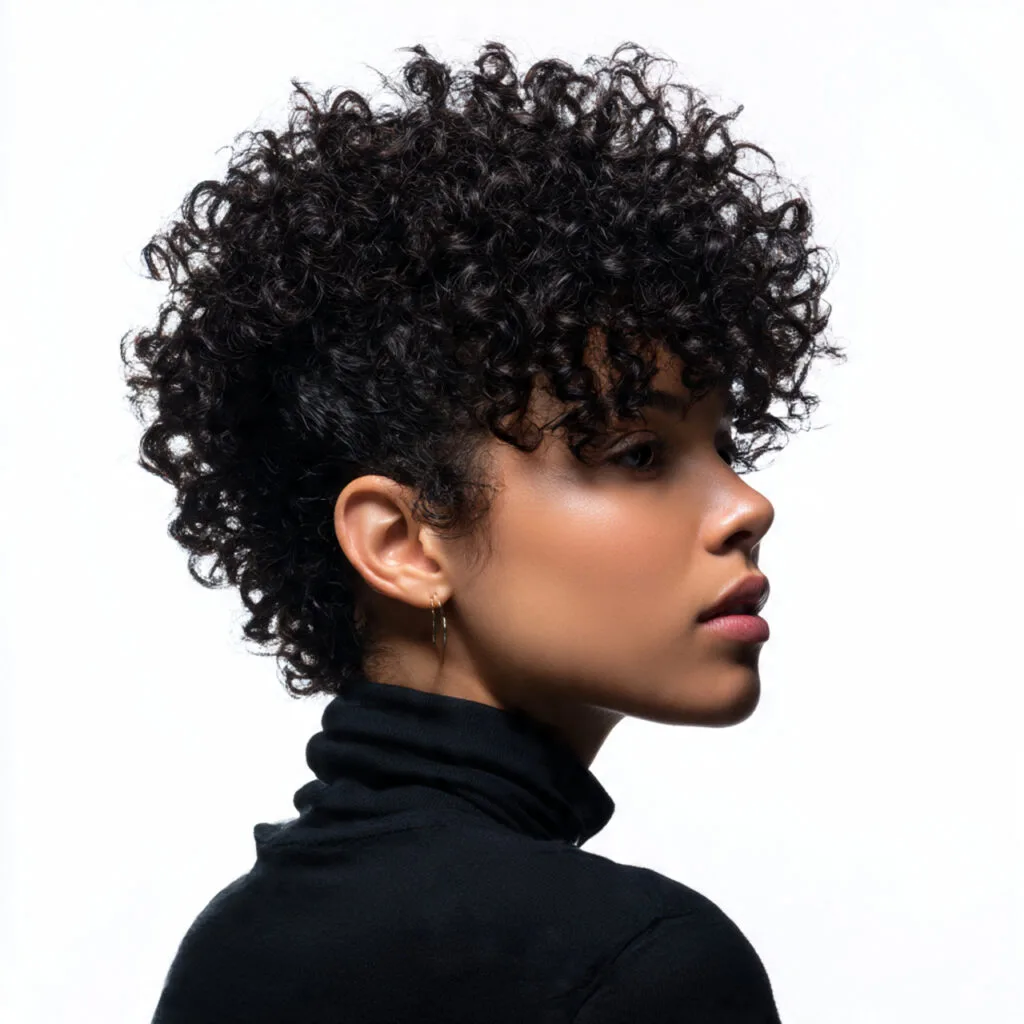
Pros: it is full of natural texture, it needs no tying or pinning, and it stays out of your face on its own. It looks confident and distinctive in photographs.
Cons: it can frizz in a warm hall, and it can grow out of shape quickly if the cut is not maintained. It also offers no way to tie the hair back if it starts to bother you.
Who it suits: naturally curly hair, players who love their curls, and anyone who wants a wash-and-go style for a long tournament day.
Who should avoid it: players who like to change their style between rounds, and anyone whose curls fall forward into their eyes when they lean over the board.
Maintenance: refresh the curls between rounds with a little water or curl cream, scrunched in with your hands. A silk scarf overnight keeps the shape for the next day.
22. The Gibson Tuck
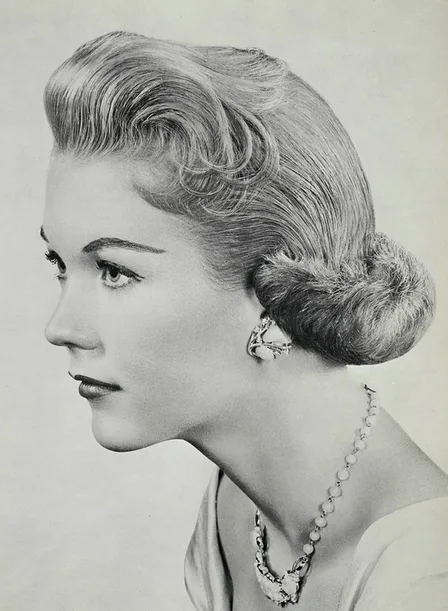
Pros: it is a classic, elegant style that tucks all the hair away at the nape, and it looks wonderfully neat from every angle. It suits formal tournaments and championship occasions.
Cons: it needs pins and a little practice, and it can come undone if the tuck is not secured well. It is not a style you can rebuild in two minutes between rounds.
Who it suits: medium to long hair, players who love vintage styles, and anyone who wants a refined, timeless look for an important match.
Who should avoid it: players with very short hair that cannot be tucked, and anyone who needs a quick, practical style for a casual club night.
Maintenance: check the pins between rounds and smooth the front with a brush. Do the tuck at home before the tournament so you are confident it will hold.
23. The Wrapped Low Bun
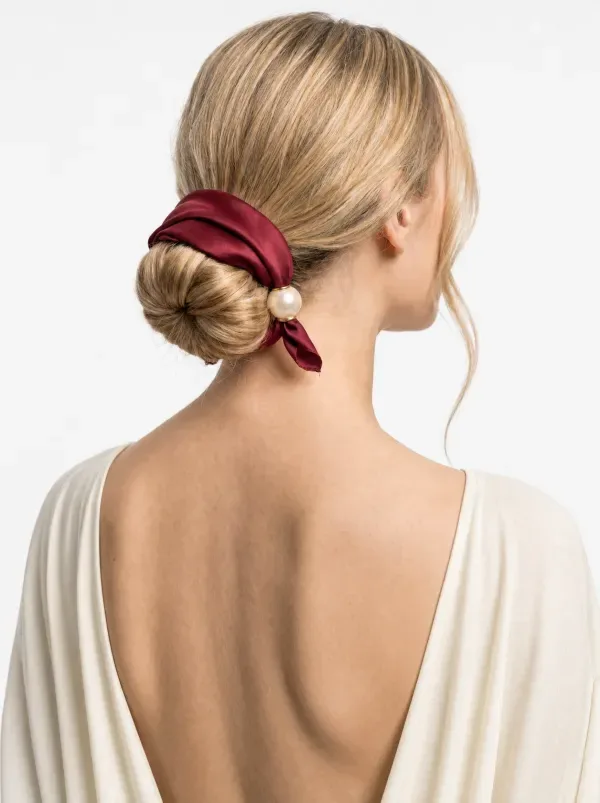
Pros: the scarf wraps the bun neatly, adds a touch of colour, and stops flyaways without any product. It looks elegant in photographs and keeps the hair secure for hours.
Cons: the scarf can loosen over a long day, and a silk scarf can be slippery. It also adds a step to your morning routine that a plain bun does not need.
Who it suits: medium to long hair, players who like a little colour or pattern, and anyone whose hair frizzes in warm halls, because the scarf smooths the surface.
Who should avoid it: players who dislike anything extra in their hair, and anyone playing a very formal tournament where a plain style may be more appropriate.
Maintenance: re-tie the scarf between rounds if it loosens. Choose a matte cotton scarf rather than silk if you want more grip.
24. The Milkmaid Braids
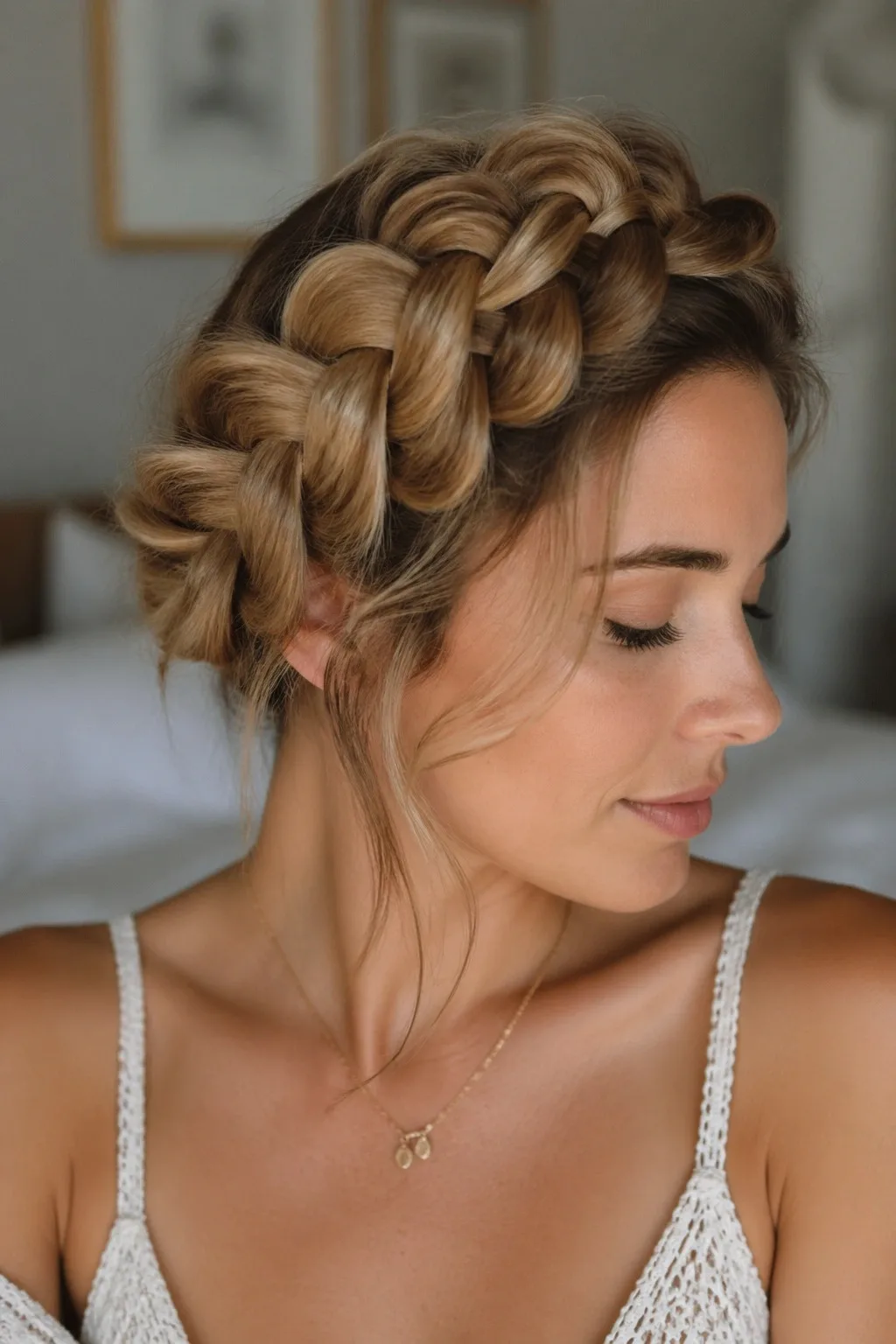
Pros: the braids sit across the crown like a headband, so they keep every strand off the face, and the style is comfortable for hours because the weight is spread evenly.
Cons: it takes fifteen minutes and several pins, and it is one of the harder styles to do on your own hair. It can also feel heavy if the braids are thick.
Who it suits: medium to long hair, players who want a romantic but practical style, and anyone who likes their hair fully off the face for a long game.
Who should avoid it: players with short hair that cannot reach across the crown, and anyone who needs a style they can rebuild quickly between rounds.
Maintenance: check the pins between rounds and tuck any loose ends under the braids. A light mist of hairspray in the morning helps it last all day.
25. The Side-Swept Chignon
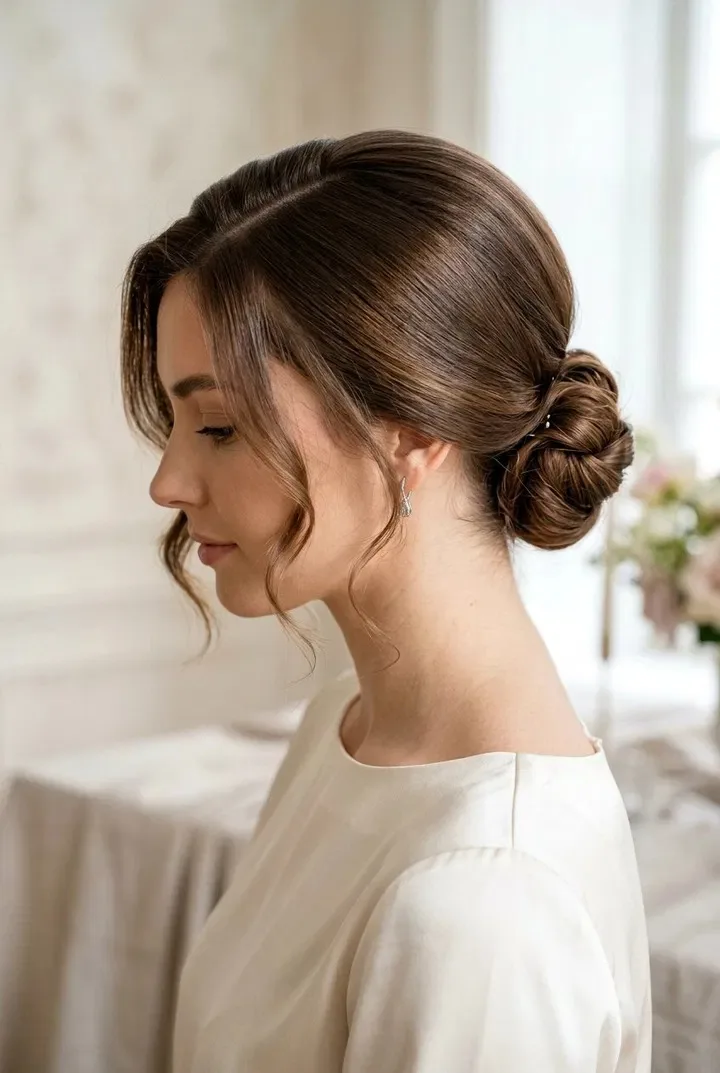
Pros: it is soft, elegant and flattering, with gentle curls at the front that photograph beautifully, while the chignon itself keeps the hair secure at the back.
Cons: it needs pins, a little heat styling for the front curls, and a smooth finish, so it takes longer than a plain bun. The front pieces can fall forward if they are too loose.
Who it suits: medium to long hair, formal tournaments and finals, and anyone who wants a polished look that still feels soft rather than severe.
Who should avoid it: players with very short hair, and anyone who needs a style they can rebuild in a hurry between rounds.
Maintenance: pin the front pieces back if they start to fall forward, and smooth the chignon with a brush between rounds. Carry spare pins in your bag.
26. Smooth Straight Hair
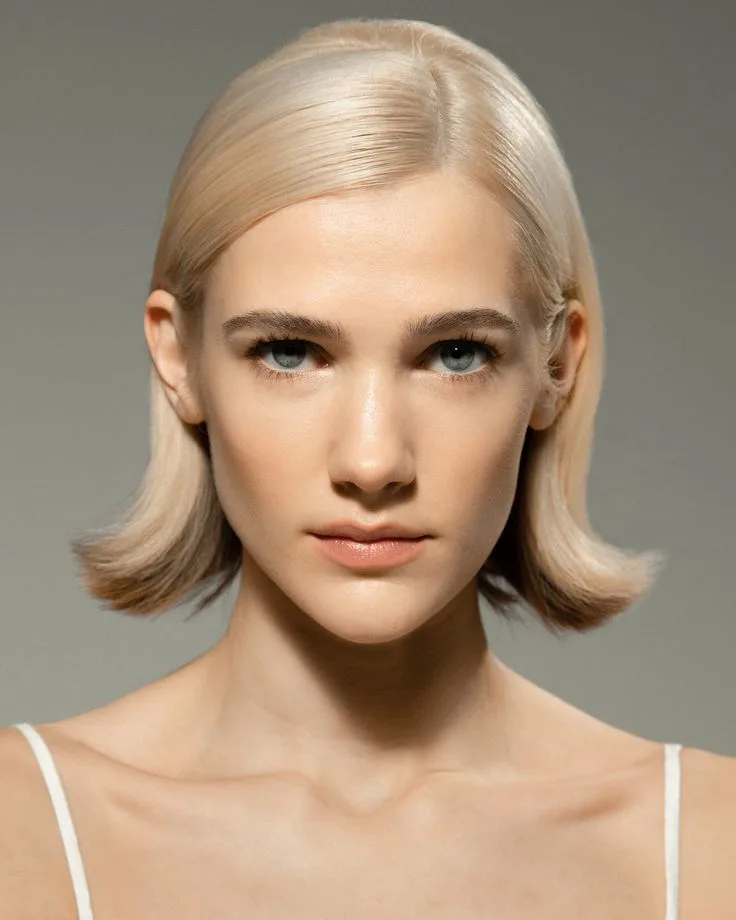
Pros: it looks calm, neat and intentional, and it photographs beautifully, because smooth hair catches the light. It needs no pins or clips, and it feels light and comfortable for hours.
Cons: it can fall into your eyes when you lean over the board, and it shows every bit of frizz in a warm hall. It also needs heat styling to stay perfectly smooth.
Who it suits: naturally straight hair, players who prefer their hair down, and anyone playing a shorter or more social tournament where a relaxed style fits.
Who should avoid it: players in long classical games who need every strand secured, and anyone with wavy or curly hair that will not stay smooth without a lot of effort.
Maintenance: brush it smooth between rounds and tuck it behind your ears. A small bottle of smoothing serum in your bag will rescue it if it starts to frizz.
27. The Low Braided Ponytail
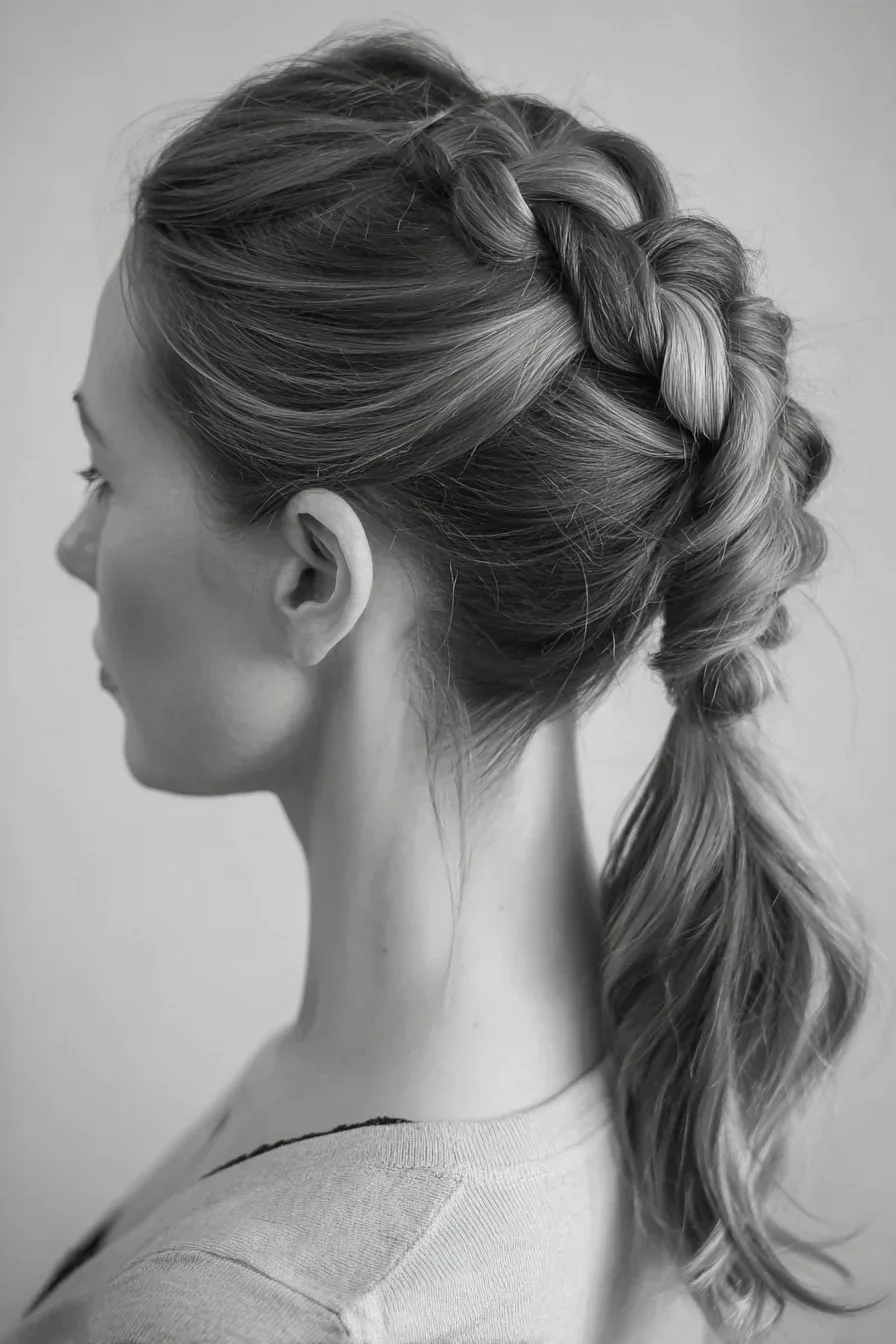
Pros: it combines the security of a braid with the ease of a ponytail, so the hair stays in one neat shape all day. It keeps the length off the board and out of your face.
Cons: it takes a little longer than a plain ponytail, and the braid can loosen at the nape if it is not tied firmly. It is heavier than a simple ponytail too.
Who it suits: medium to long hair, players who want a braided look without a full French braid, and anyone whose ponytail usually slides down during a long game.
Who should avoid it: players with very short hair that cannot be braided into a ponytail, and anyone who finds a braided ponytail too heavy at the back of the head.
Maintenance: re-tie the end elastic between rounds and smooth the braid with a brush. If it loosens at the nape, tuck the braid under and pin it.
28. The Polished Top Knot
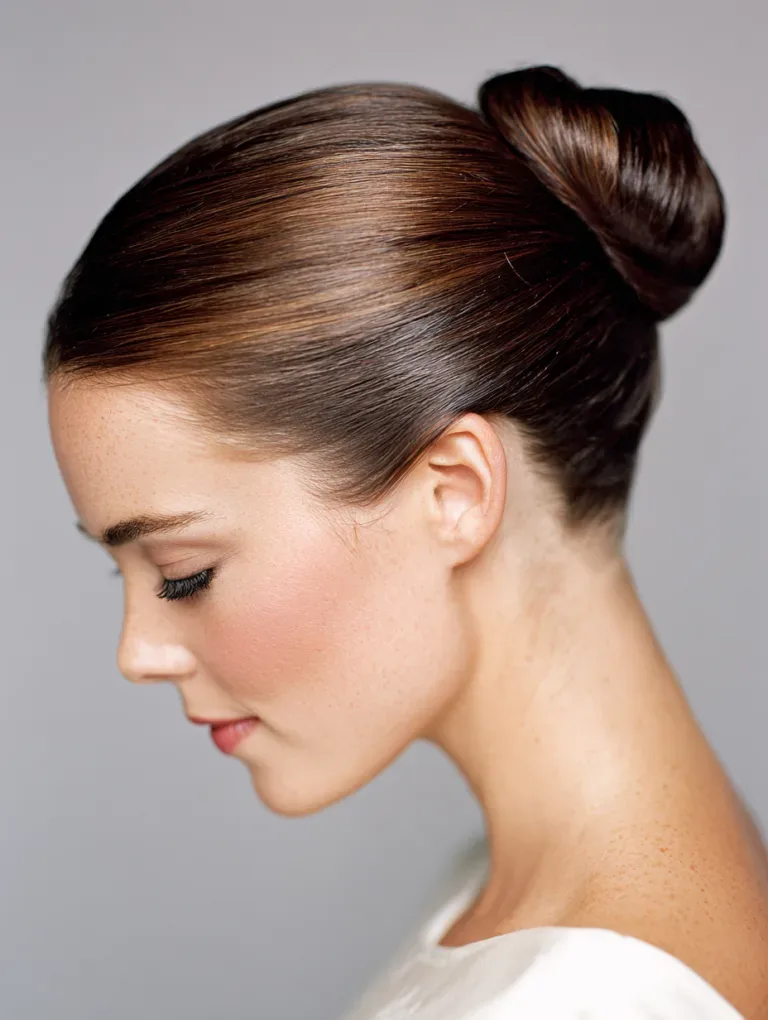
Pros: it lifts the hair high and away from the face and neck, it looks sleek and confident in photographs, and it keeps the hair completely out of the way for hours.
Cons: it can press against the chair when you lean back, and it pulls at the hairline if it is worn too tight. It also takes time to get perfectly smooth.
Who it suits: medium to long hair, players who want a smart and striking look, and anyone whose hair is heavy enough to need height to stay off the neck.
Who should avoid it: players who lean back a lot, anyone with a sensitive hairline, and players with short hair that cannot reach a top knot.
Maintenance: smooth the sides between rounds and re-pin any bumps. Take it down at lunch to rest your scalp, then rebuild it for the afternoon games.
29. The Twisted Low Ponytail
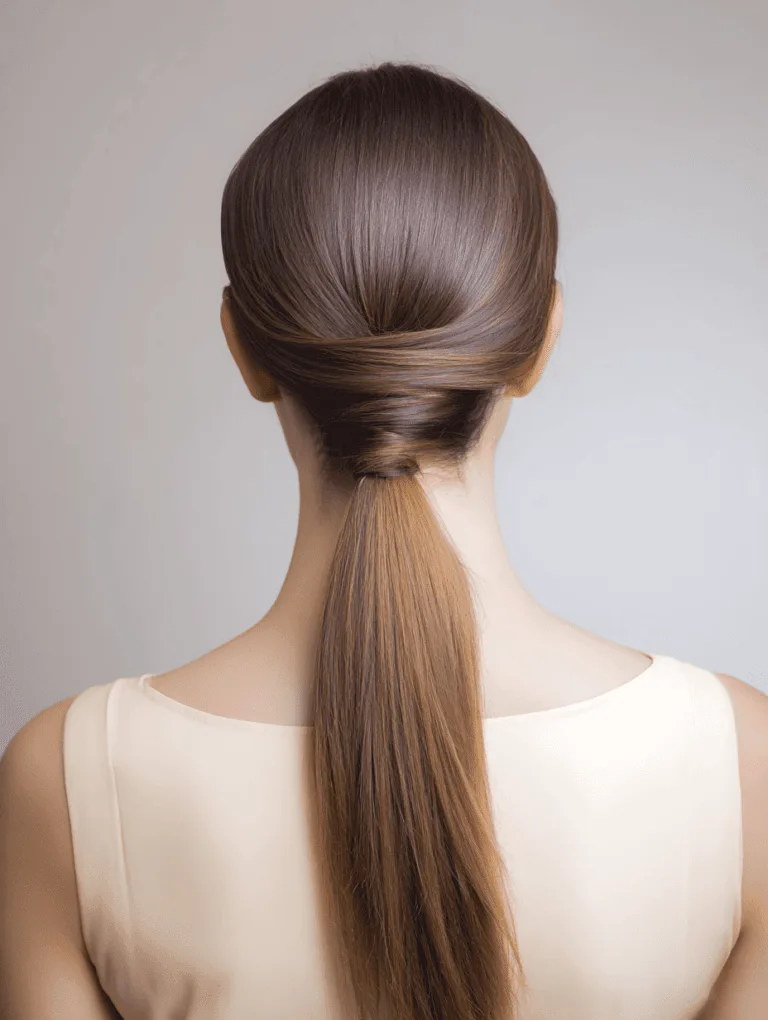
Pros: the twist adds a quiet detail that makes a plain ponytail look finished, and it keeps the hair secure at the nape for hours. It takes only five minutes.
Cons: the twist can loosen over a long game, and it needs a smooth finish to look neat, so flyaways will show. It is also a subtle style, not a dramatic one.
Who it suits: medium to long hair, players who want a ponytail with a little more polish, and anyone who likes a calm, understated look at the board.
Who should avoid it: players with very fine hair that slips out of a twist, and anyone who needs a style with maximum hold for a very long game.
Maintenance: re-twist the top section between rounds and smooth it with a brush. A second elastic hidden under the twist will stop it from loosening.
30. The Wavy Half-Up Braid
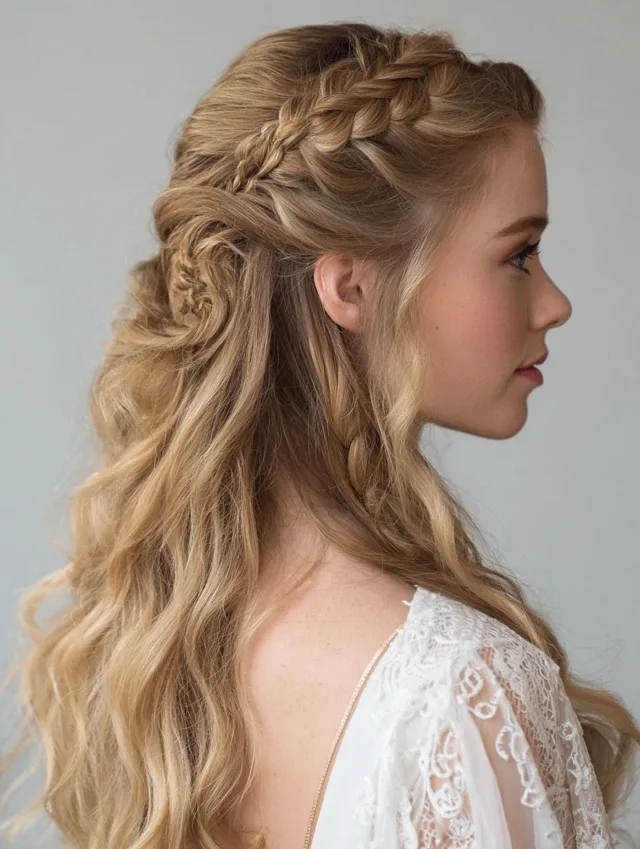
Pros: it keeps the front sections neatly braided back while the waves fall softly behind, so it looks romantic and relaxed in photographs. It is comfortable for hours.
Cons: the loose waves can fall forward onto the board when you lean in, and the braid can loosen if it is not pinned well. It is not the most secure style here.
Who it suits: medium to long hair, players who love their waves, and anyone playing a friendly or club tournament where a softer style fits the mood.
Who should avoid it: players in long classical games who need every strand secured, and anyone who leans close over the board while thinking.
Maintenance: re-pin the braid between rounds and brush the waves out gently. If the waves keep falling forward, pin the braid a little higher next time.
31. The Classic Ballerina Bun
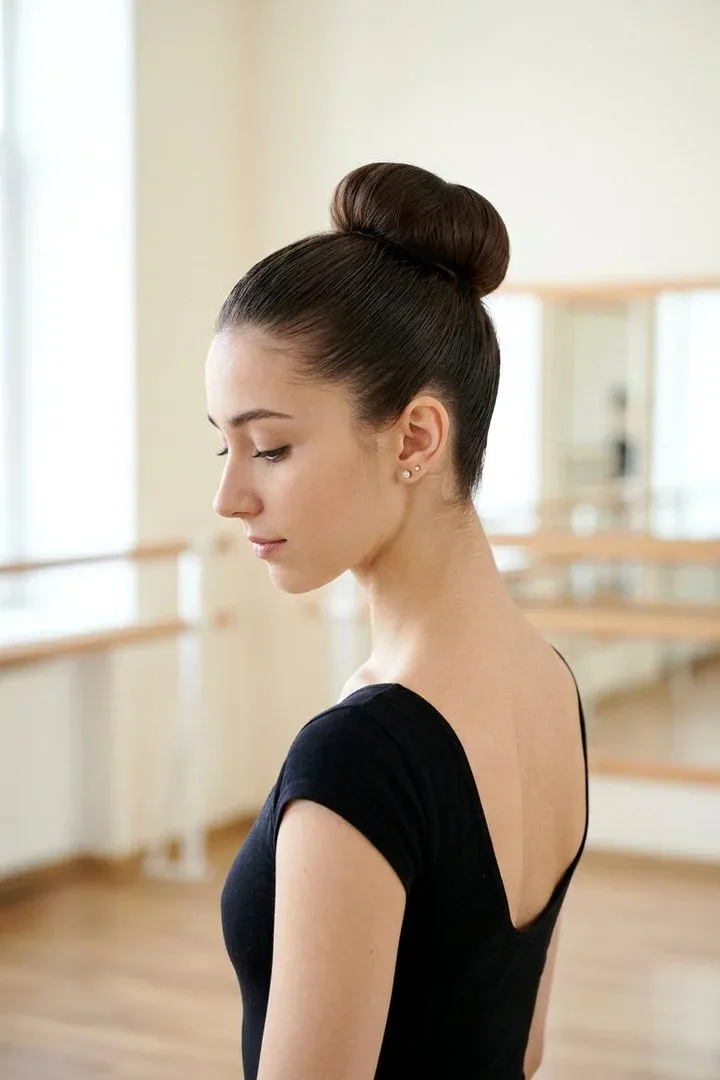
Pros: it is the neatest bun in this guide, with a smooth finish and a perfect round shape that photographs beautifully. It stays put for hours without a single loose strand.
Cons: it needs a bun form or a lot of pins to keep its shape, and it can feel tight if it is worn all day. It is also a formal look, so it may feel too serious for a casual club night.
Who it suits: medium to long hair, players who want the tidiest possible style, and anyone playing a championship or a formal tournament.
Who should avoid it: players with very short hair that cannot fill a bun, and anyone who finds a tight bun uncomfortable after an hour or two.
Maintenance: smooth the surface with a brush between rounds and re-pin any bumps. A light mist of hairspray in the morning keeps the shape all day.
What is the best hairstyle for a chess tournament?
The best hairstyle for a chess tournament is a low bun or a French braid, because both keep the hair completely off your face and neck and stay neat for hours. A low bun is the simplest choice, while a French braid is the most secure, so pick the one that suits your hair length and how long your games run.
Should I wear my hair up or down for a chess tournament?
You should wear your hair up for a chess tournament, because loose hair falls into your eyes when you lean over the board and needs constant pushing back, which breaks your concentration. A low bun, a braid or a ponytail keeps the hair out of the way, and it also looks neater in photographs and on the livestream.
How do I keep my hair out of my face during a long chess game?
Braid the front sections back, or gather all the hair into a low bun or a ponytail, and anchor it in more than one place with pins or a second elastic. Smooth the front with a little gel or water before the game starts, and test the style by sitting still for an hour at home, leaning forward as if you are studying a board.
Can I wear a headband to a chess tournament?
Yes, you can wear a headband to a chess tournament, and it is a good choice for short hair or for keeping a fringe out of your eyes. Choose a thin, non-slip band in a quiet colour, and make sure it sits comfortably, because a band that slides or digs in will distract you over a long game.
What hairstyle photographs best at a chess tournament?
Smooth, neat styles photograph best at a chess tournament, such as a low chignon, a sleek bun, or a French braid. Check the style from the back and the side before you sit down, because photographers often shoot over your shoulder, and make sure there are no stray pieces sticking out.
How do I stop my hair from getting messy between rounds?
Take the style down between rounds, shake the roots out with your fingers, brush it smooth, and rebuild it from scratch rather than trying to rescue the old one. A fresh braid or bun takes two or three minutes and always looks better than a patched-up style.
Are braids good for a chess tournament?
Yes, braids are excellent for a chess tournament, because a braid locks the whole length of the hair into one compact shape that cannot fall onto the board or into your face. A French braid is the most secure, a Dutch braid holds thick hair best, and a simple side braid is a good choice if you want something softer.
What should I avoid wearing in my hair at a chess tournament?
Avoid anything that jingles, clicks or rattles, such as metal beads or noisy clips, because a chess hall is quiet and other players will notice. Avoid very loose styles that fall into your eyes, and avoid anything that needs constant adjusting, because every adjustment breaks your concentration.
How do I do a quick refresh between rounds?
Take the style down, shake out the roots, brush the hair smooth, and rebuild it in two or three minutes. Smooth a drop of oil over the ends if they look dry, and check the style in a mirror from the back and the side before your next game starts.
What hairstyle works for short hair at a chess tournament?
Short hair works very well at a chess tournament, because there is so little to come loose. A pixie cut needs only a headband, a short bob needs only a neat side part, and a tucked bob needs nothing at all. Short hair never tangles, never falls onto the board, and is ready for the next round in seconds.
Conclusion
The best hairstyles for a chess tournament are the ones you forget about once the clock starts. Whether you choose a neat low bun, a French braid, double braids or a low chignon, the test is always the same: does it stay put through hours of sitting, leaning and thinking, and does it still look neat when the photographer walks past your board? If the answer is yes, you have found your style.
Start with the guides at the top of this post, pick one style for long classical games and one for quicker rounds, and practise them before tournament day. Pack your spares, keep your accessories quiet, and give yourself a proper refresh between rounds. Then stop thinking about your hair, and enjoy the game. That is the whole point of getting the style right in the first place.