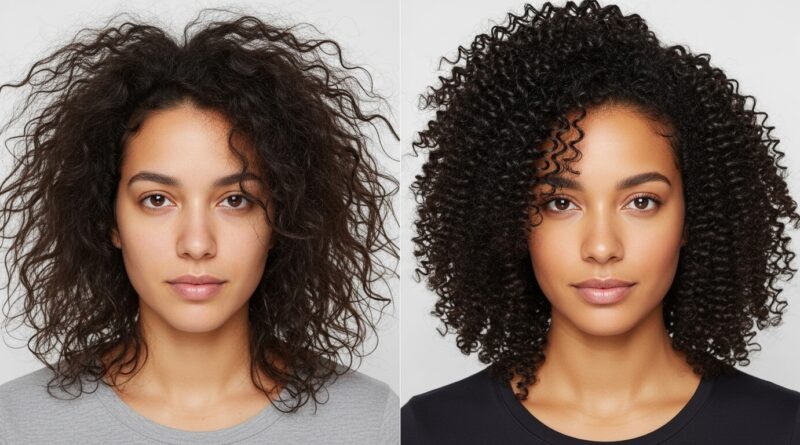
Type 4B Hair: Z-Pattern Coils Guide
In the magnificent spectrum of natural hair, Type 4B hair stands out with its unique, crimpy texture and sharp, Z-shaped coils. This hair type is a beautiful paradox—it possesses incredible density and a capacity for stunning volume, yet it is also famously delicate and prone to dryness. If you’ve ever felt like your hair is a complex puzzle, you’re not alone. Understanding the specific language of your 4B strands is the first step toward transforming your relationship with them.
This guide is dedicated to you and your Z-pattern coils. We will dive deep into what makes your hair tick, from its intricate structure to its unquenchable thirst for moisture. We’ll move beyond generic advice and provide a tailored roadmap for washing, conditioning, styling, and protecting your hair. Consider this your comprehensive manual for embracing the full, flourishing potential of your beautiful 4B hair.
What Exactly is Type 4B Hair?
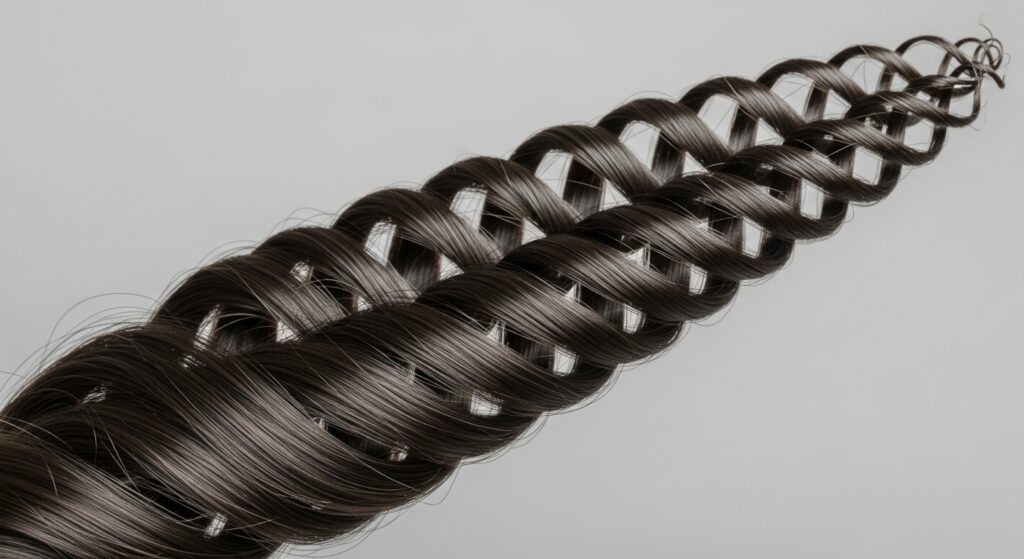
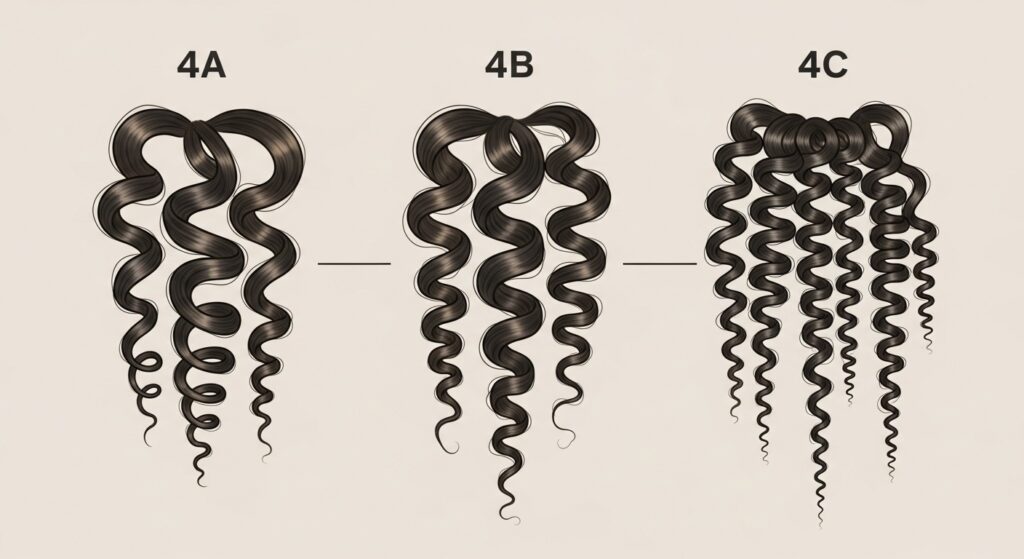
To truly care for your hair, you must first know it intimately. Type 4B hair is characterized by a very tight curl pattern that forms a distinct Z-shape or zigzag instead of a spiral. While Type 4A hair forms a defined “S” curl and Type 4C has a more tightly coiled, less-defined pattern, 4B sits beautifully in the middle with its crisp, angular bends.
The curls are so tight that they create a tremendous amount of shrinkage—often up to 60-70% of your hair’s actual length. This is a sign of healthy, springy curls, even if it can be frustrating when you’re trying to see your length! The hair strand itself has a very fine, delicate diameter, but because the coils are packed so densely on the scalp, 4B hair typically has an impressive, full density.
This fine, Z-patterned structure is also what makes moisture management a central theme. The natural oils produced by your scalp have a difficult time traveling down the sharp angles of the coils, which means the ends of your hair can easily become dry and brittle without proper intervention.
The Core Challenges and Strengths of 4B Hair
Every hair type has its superpowers and its vulnerabilities. For 4B hair, they are two sides of the same coin.
The Primary Challenges:
Extreme Dryness: As mentioned, the zigzag pattern severely impedes sebum distribution. This makes 4B hair perpetually thirsty and requires a consistent, heavy-duty moisturizing strategy.
Fragility: The sharp bends in each strand create weak points where the hair is most prone to breakage. This is why handling 4B hair with care, especially when it’s dry, is non-negotiable.
Tangling: Those Z-patterns love to latch onto each other, leading to significant tangling and single-strand knots (also known as fairy knots). This makes detangling a delicate and crucial ritual.
The Incredible Strengths:
Versatile Styling: The density and texture of 4B hair make it a dream for creative styling. It can hold twists, braids, and Bantu knots beautifully and can be stretched or shrunken to achieve a wide range of looks.
Volume for Days: If you’re craving big, beautiful hair, 4B texture delivers. It naturally stands away from the scalp, creating stunning afros and voluminous styles that are the envy of many.
Resilience: While the individual strands are fine, the collective density gives the hair a strong, resilient body. With the right care, it can grow to great lengths.
The Holy Grail: Moisture and Protein Balance
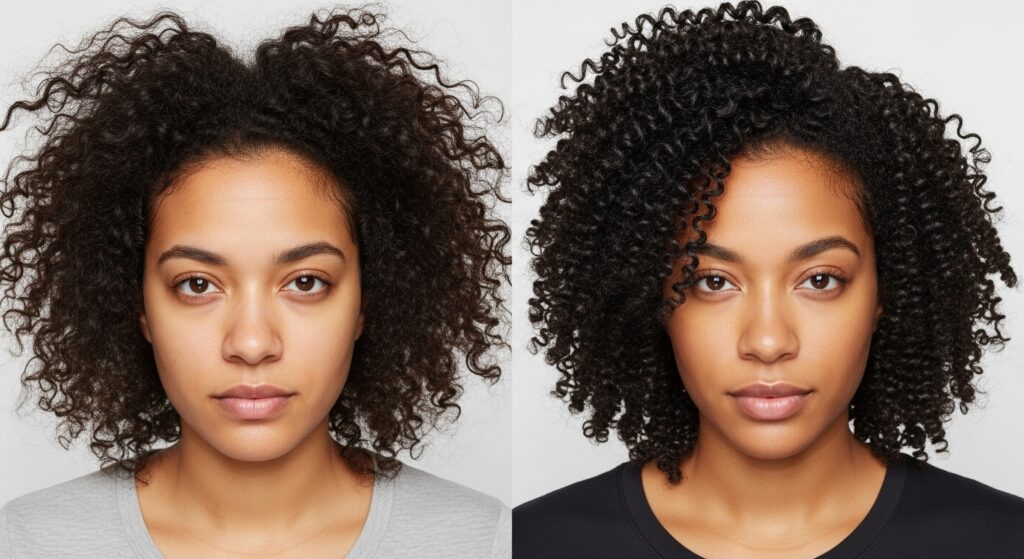
This is the cornerstone of healthy 4B hair. Think of your hair as a plant. It needs water (moisture) to be supple and flexible, but it also needs a strong pot (protein) to hold its structure and prevent breakage.
Mastering Moisture: For 4B hair, moisture is not a suggestion; it’s a demand. Your regimen should be built around humectants (like glycerin and honey that attract water) and emollients (like oils and butters that seal that water in). The goal is to hydrate the hair shaft and create a protective barrier to prevent that moisture from escaping.
Understanding Protein: Protein treatments fill in the gaps in the hair’s cuticle, strengthening it from within. However, 4B hair is often low-porosity (meaning the cuticle is tightly closed, making it hard for moisture to get in), so it can be sensitive to protein. Signs you need protein: hair feels mushy, limp, or stretches too much without snapping back. Signs you have too much protein: hair feels stiff, brittle, and straw-like.
A good rule of thumb is to follow a moisture-protein balance. Use a lightweight protein treatment every 4-6 weeks, or as needed, and focus on deep conditioning with moisturizing treatments weekly.

The Ultimate 4B Hair Care Routine
Consistency is more important than complexity. Here is a step-by-step routine to keep your Z-pattern coils thriving.
Step 1: Pre-Poo (Pre-Shampoo)
Before you even think about shampoo, protect your hair from stripping. A pre-poo treatment involves applying a light oil or conditioner to dry or damp hair before washing. This creates a barrier, reducing moisture loss during the shampoo process and making detangling easier. Focus on your ends, which are the oldest and most fragile part of your hair.
Step 2: Cleansing with Care
Skip the harsh sulfates. Opt for a co-wash (cleansing conditioner) or a sulfate-free shampoo. Co-washing is excellent for mid-week refreshes or when your hair isn’t very dirty, as it cleanses without stripping. A gentle shampoo is necessary to remove product buildup and pollutants. Always shampoo your scalp with the pads of your fingers, not your nails, and let the suds run down the length of your hair to clean it.
Step 3: Deep Conditioning is Non-Negotiable
This is where the magic happens. After shampooing and rinsing, apply a rich, creamy deep conditioner. Look for ingredients like shea butter, coconut oil, and aloe vera. For an extra boost, sit under a hooded dryer or use a steamer for 15-30 minutes. The heat helps open the hair cuticle, allowing the conditioner to penetrate deeply and hydrate your strands from the inside out.
Step 4: The Art of Detangling
Never, ever detangle dry hair. Always ensure your hair is saturated with a slippery conditioner or a dedicated detangling product. Use your fingers or a wide-tooth comb to gently work through knots, starting from the very tips of your hair and gradually working your way up to the roots. This minimizes breakage and makes the process much smoother.
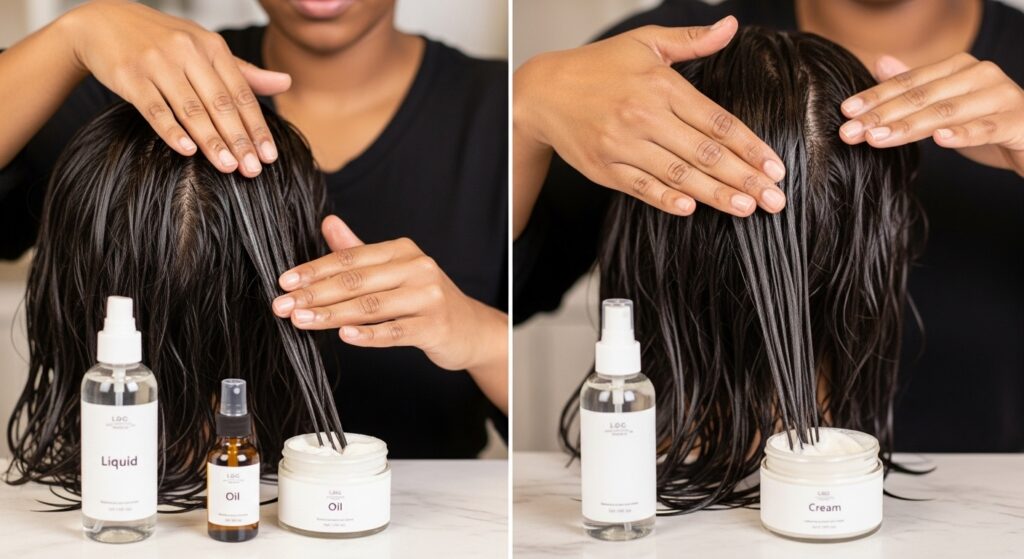
Step 5: The L.O.C. or L.C.O. Method
This is your daily or weekly moisturizing sealant. After washing, apply your products in layers to damp hair:
L: Liquid/Leave-in conditioner (the hydrating base).
O: Oil (seals in the moisture from the leave-in).
C: Cream or Butter (creates a thicker seal to lock everything in).
Some find the L.C.O. method (Leave-in, Cream, Oil) works better, as the cream can penetrate the hair shaft more easily before the oil seals it. Experiment to see what your hair prefers.
Styling and Protecting Your Z-Pattern Coils
Styling is where you get to showcase your hair’s personality, but protection is how you ensure it stays healthy while you do it.
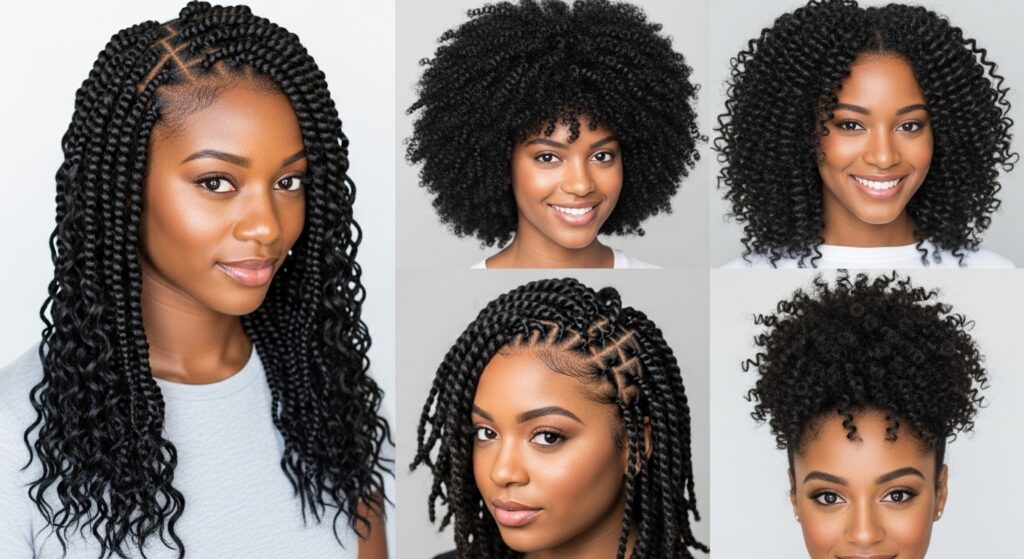
Protective Styling: Styles like braids, twists, and wigs are not just fashionable; they are functional. They tuck your ends away, minimizing manipulation and protecting them from the elements and friction against clothing. Remember, even in protective styles, your hair and scalp still need moisture.
Low-Manipulation Styles: If you’re wearing your hair out, opt for styles that don’t require constant combing or brushing. Pineappling, puff styles, and stretched styles are excellent for preserving your curl pattern and reducing daily breakage.
Nighttime Routine: Your hair needs protection while you sleep. Always sleep on a satin or silk pillowcase or wear a satin bonnet or scarf. This reduces friction, which causes tangles, breakage, and moisture loss.
Common Mistakes to Avoid with 4B Hair
Even with the best intentions, it’s easy to make missteps. Here are the big ones to watch out for:
Over-manipulation: Constantly combing, brushing, and styling your hair leads to breakage. Once you have a style in, try to let it be for a few days.
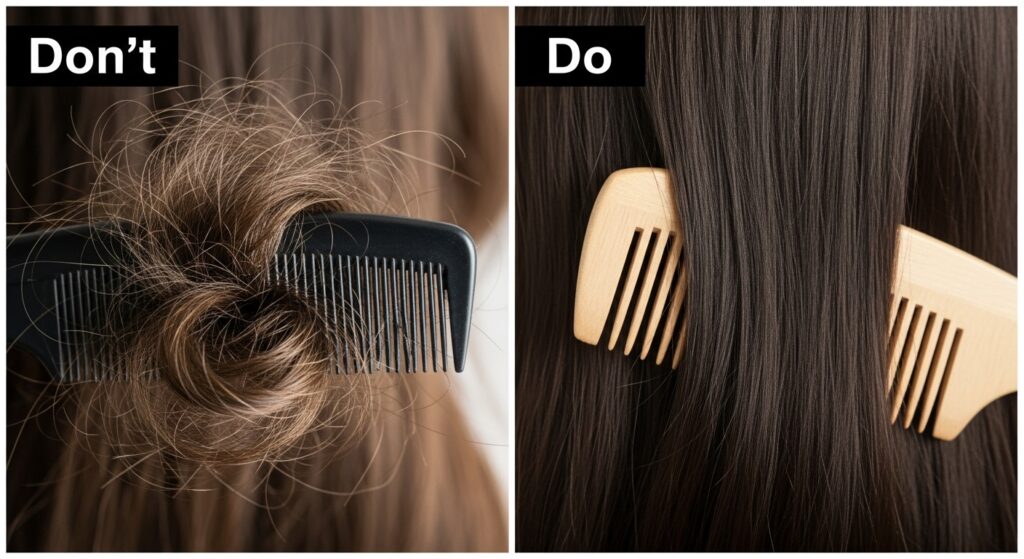
Using the Wrong Tools: Fine-toothed combs, denman brushes with all the rows, and harsh bristles are not your friends. Stick to wide-tooth combs, detangling brushes, and your fingers.
Neglecting Your Ends: Your ends are the oldest part of your hair. They need extra moisture and gentle handling. Regular trims (every 3-4 months) are essential to prevent split ends from traveling up the hair shaft.
Using Heavy Products: While 4B hair needs moisture, it can be easily weighed down by heavy butters and oils. This can lead to buildup and prevent moisture from getting in. Start with lightweight products and only use heavy creams and butters as sealants or for pre-poos.
Embracing Your Unique Crown
Caring for Type 4B hair is a journey of patience, learning, and love. It’s about listening to what your Z-pattern coils are telling you—when they’re thirsty, when they need a rest, and when they’re ready to shine. There is no one-size-fits-all solution, so embrace the process of experimentation. Your hair, with its incredible volume, versatile texture, and unique beauty, is a crown that deserves to be celebrated and nurtured.
By understanding its needs and treating it with the gentle care it requires, you will unlock a world of healthy, flourishing growth and stunning styles. Your 4B hair is not a problem to be solved; it is a masterpiece to be maintained.