Box Dye Mistakes: What Hairstylists Wish You Knew
There it is, calling to you from the brightly lit aisle of the drugstore. A box of hair color promising salon-worthy results for a fraction of the price. The model on the box has shiny, vibrant, perfectly-toned hair, and you think, “How hard can it be?” We’ve all been there. The allure of a quick, affordable hair transformation is powerful. But before you tear open that box and mix that little bottle of magic, there’s a whole world of professional knowledge you’re missing.
The One-Size-Fits-None Formula
Perhaps the biggest misconception about box dye is that it’s a universal solution. Box color is a one-size-fits-all formula, but hair is anything but. Your hair’s texture, porosity, current color, and history are completely unique to you. The color you see on the box is achieved on a specific hair type, under specific conditions, and often with digital enhancement.
“The biggest issue is the unpredictable developer,” explains Sarah, a colorist with 15 years of experience. “Box dyes typically come with a high-volume developer (often 30 or 40 volume) that is far too strong for many people’s hair, especially if they are going darker or have fine, fragile hair. This can lead to extreme damage, breakage, and a color result that is much darker and more opaque than expected.” A professional colorist chooses the developer strength based on your specific needs and desired result, something a pre-packaged box can never do.

The Banding and Line of Demarcation Nightmare
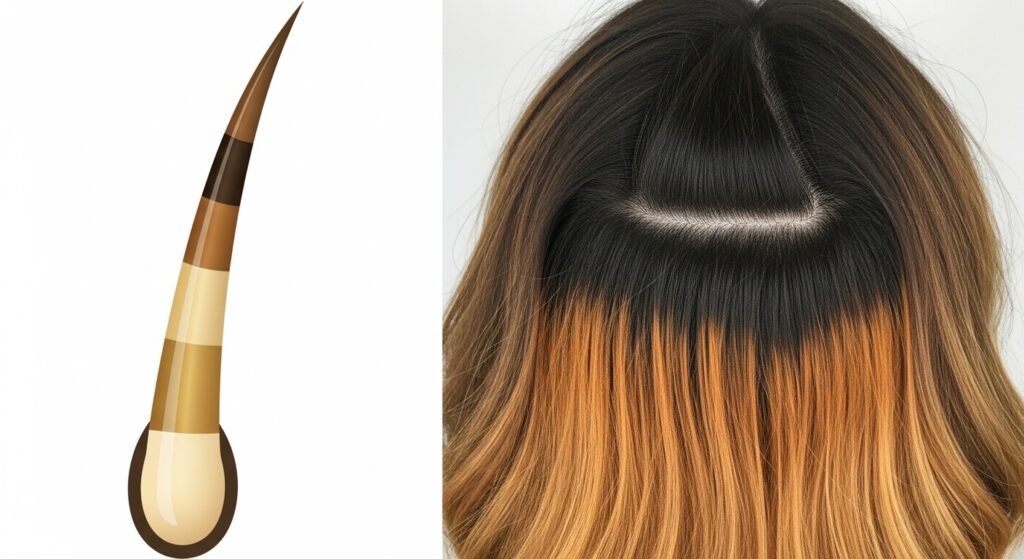
This is one of the most common and technically challenging problems stylists face. When you apply a single color from root to end on hair that has already been colored, you create a “band” of new color. As your hair grows, a clear line of demarcation appears between your new growth and the previously colored hair.
Applying the same box color over this creates a build-up of dark pigment on the new growth and a different, often lighter, result on the older hair. Over time, you end up with multiple bands of color—a telltale sign of at-home coloring. Correcting this requires a professional technique called “color melting” or a corrective color service to blend those harsh lines, a process that is often time-consuming and expensive.
“When a client comes in with heavy banding from box dye, we have to carefully formulate multiple colors to break up those lines and create a seamless, natural-looking blend,” says Marco, a master colorist. “It’s one of the most difficult services to perform.”
The Unpredictable Color Reaction
You might be aiming for a rich, chocolate brown, but end up with murky, greenish-black hair. Why? Box dyes contain a mix of pigments to create that one shade on the box, but they don’t account for the underlying pigments in your hair. If you have previous color, highlights, or even mineral build-up from hard water, the final result is a chemical reaction you can’t predict.
This is especially true for anyone trying to go lighter. Box lighteners are incredibly harsh and can leave your hair with unwanted brassy, orange, or yellow tones because they lack the professional toners needed to neutralize them. Dark box dyes over lightened hair can often result in a flat, “off” color that lacks dimension and warmth.
“I had a client who used a light ash brown box dye over her previously highlighted hair,” recalls Sarah. “The ash toner in the box dye reacted with the warm undertones of her highlights, turning certain sections a bizarre shade of green. It took two appointments to correct it.”

The Damage is Already Done
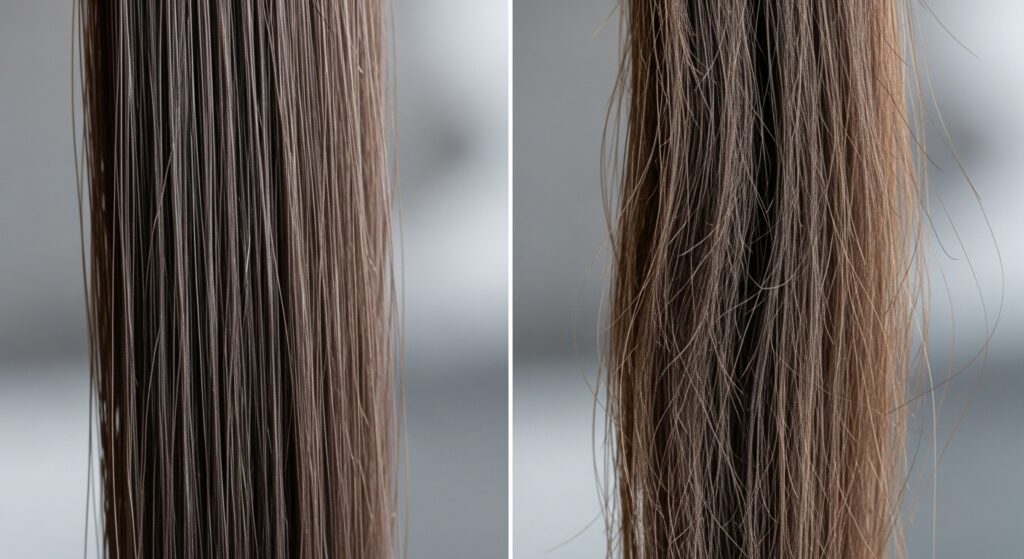
Hair color is a chemical process that changes the structure of your hair. Box dyes often contain harsher chemicals and higher ammonia concentrations (or similarly aggressive alternatives) than professional lines to ensure the color “works” on the widest possible range of hair types. This one-size-fits-all approach to chemistry is a recipe for damage.
You might not see the damage immediately, but over time, repeated use leads to dry, brittle, porous hair that won’t hold a style and breaks easily. Professional color lines are designed to be gentler and are often infused with conditioning agents and proteins that help protect the hair’s integrity during the coloring process.
“The condition of the hair is our canvas,” Marco emphasizes. “If the canvas is shredded and damaged from box dye, it’s very hard to create a beautiful, lasting color. The color fades faster, it applies unevenly, and the hair just can’t handle further chemical processes well.”
The Illusion of “Toning” and “Glossing”
Many newer box dyes market themselves as “toning” shampoos or “glosses” in a box. While these can sometimes temporarily improve the tone of your hair, they are not the same as a professional service. A salon gloss or toner is custom-mixed for your hair’s specific needs—whether to cancel out brassiness, add shine, or deepen a tone.
A boxed toner is, again, a universal formula. It might deposit too much pigment, turning your hair purple or gray, or it might not deposit enough, doing nothing at all. The results are temporary and can be inconsistent, leading to a cycle of constantly trying to “fix” your tone with more products.

So, What Should You Do Instead? A Stylist’s Advice
After all this, you might be wondering if there’s ever a time a box dye is okay. The consensus from professionals is that it’s a huge risk, but if you must, reserve it for very specific, low-stakes situations.
1. Invest in a Professional Consultation: Even if you can’t afford a full color service every time, book a consultation. A stylist can assess your hair’s health, discuss your goals, and give you a realistic plan. They can also recommend the safest path forward, which might be spacing out services or focusing on glosses to maintain color between appointments.
2. Consider a “Demi-Permanent” Option: If you’re covering grays or want to go darker, ask your stylist about a demi-permanent color. It’s less damaging than permanent box dye and fades more gracefully, avoiding harsh root lines.
3. If You Absolutely Must Use a Box Dye… Follow these rules:
Never use it on previously lightened or highlighted hair.
Stick to a color that is as close as possible to your natural root color, or one shade darker.
Do a strand test every single time.
Never use box black or bleach.
4. Embrace the Power of a Good Stylist: A professional colorist is not just applying color; they are a chemist, an artist, and a doctor for your hair. They can create multidimensional color, correct mistakes, and preserve the health of your hair. View it as a long-term investment in your hair’s health and beauty, not just an expense.
Your Hair Is Worth the Investment
At the end of the day, your hair is a crowning glory. While the upfront cost of a box dye is tempting, the hidden costs—damage, corrective color appointments, and the emotional toll of a bad hair day—can far exceed the price of a professional job done right the first time.
The next time you’re tempted by the siren song of the drugstore aisle, remember what the experts wish you knew. Your future self—and your hairstylist—will thank you for it.