Hair Lightening Spray: Does It Really Work?
You’ve seen the alluring ads and the sun-kissed models on the beach, effortlessly lightening their hair with a simple spritz. The promise is tantalizing: gorgeous, natural-looking highlights without the salon price tag or commitment. Hair lightening spray has become a staple on drugstore shelves and in online beauty carts, but the million-dollar question remains: does it really work? Or is it just a cleverly marketed fantasy?
If you’re tired of the harsh chemicals of traditional bleach or the expense of regular salon visits, you’re likely curious about this seemingly magical alternative. In this comprehensive guide, we’re pulling back the curtain. We’ll explore the science behind these sprays, who they work best for, the potential pitfalls you need to know about, and whether they deserve a spot in your haircare arsenal. Get ready for an honest, no-filter look at the world of at-home hair lightening.
How Does Hair Lightening Spray Actually Work?
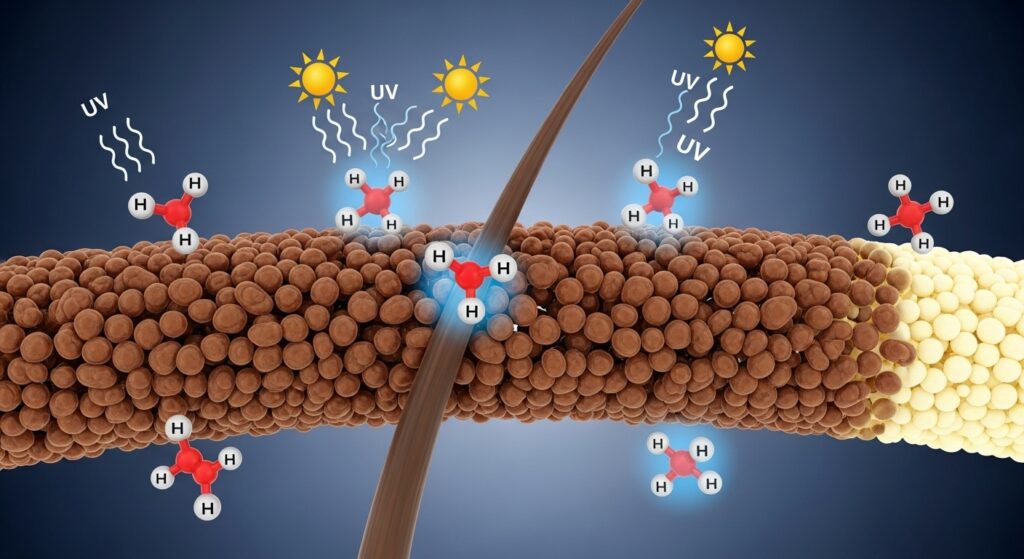
Before we can judge its effectiveness, it’s crucial to understand the mechanism at play. Unlike traditional hair dye or bleach, which uses strong developers like hydrogen peroxide to permanently open the hair cuticle and strip away color, most hair lightening sprays operate on a different principle: oxidation accelerated by sunlight.
The primary active ingredient in many of these sprays is hydrogen peroxide, but it’s typically in a much lower concentration than what you’d find in a professional lightening kit—often around 1-3%. Some natural variants might use lemon juice or chamomile extract, which have mild lightening properties. When you spray this mixture onto your hair and then expose it to direct sunlight, the UV rays act as a catalyst, speeding up the oxidation process. This gently lifts the natural pigment (melanin) in your hair, resulting in gradual lightening.
Think of it like leaving a newspaper in the sun; it gradually fades. The process is surface-level and gradual. It doesn’t penetrate the hair shaft as aggressively as bleach, which is why the results are subtler and often less damaging—when used correctly.
The Reality Check: What Can You Realistically Expect?
So, does it work? The short answer is yes, but with significant caveats. This isn’t a product that will turn dark brown hair into a platinum blonde. Managing your expectations is the key to avoiding disappointment.
Here’s what you can realistically expect from a typical hair lightening spray:
• Subtle, Gradual Lightening: You’re looking at a shade or two of lift, not a dramatic color transformation. The effect builds up over multiple applications.
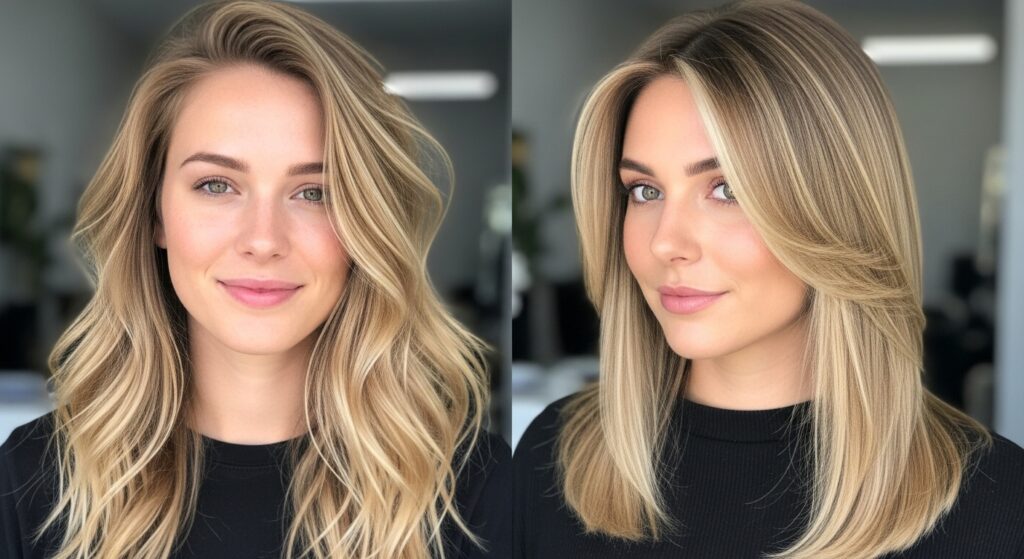
• Perfect for “Sun-Kissed” Looks: It excels at creating those natural-looking, face-framing highlights that you get from a summer spent outdoors.
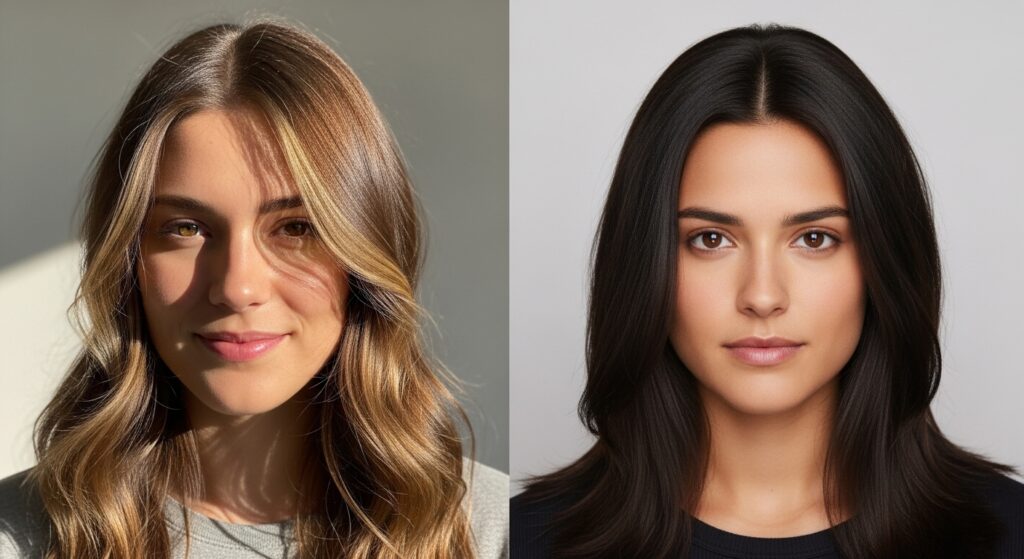
• Best on Lighter Hair: If you have blonde, light brown, or strawberry blonde hair, you will see the most noticeable results. The lighter your starting base, the more dramatic the lightening will appear.
• Limited Impact on Dark Hair: If you have dark brown or black hair, the effect will be minimal. You might notice a slight reddish or golden glow in bright sunlight, but don’t expect visible, lightened strands.
The results are also highly dependent on your hair’s porosity, natural color undertones, and, of course, the amount of sun exposure you get.
Who is the Ideal Candidate for Hair Lightening Spray?
This product isn’t a one-size-fits-all solution. It’s a niche tool that works brilliantly for the right person. You are likely an ideal candidate if:
• You Have Naturally Light Hair: Blondes and light brunettes will get the best, most visible payoff.
• You Want Low-Commitment Color: Since the lightening is gradual and washes out over time, it’s perfect if you’re hesitant about a permanent change.
• You’re Looking for a Budget-Friendly Boost: It’s significantly cheaper than a full head of highlights at a salon.
• You Enjoy a DIY Beauty Routine: The process is simple and can be done at home, though it requires time and patience.
Conversely, you might want to reconsider if your hair is very dark, previously colored with box dye (which can react unpredictably), or if you’re looking for a drastic, all-over color change.
The Not-So-Sunny Side: Potential Risks and Drawbacks
It’s not all golden hour and beach waves. Hair lightening sprays come with their own set of potential downsides that you must consider before buying.
1. Dryness and Damage: Even though the peroxide concentration is low, it’s still a chemical process. Combined with sun exposure, it can sap moisture from your hair, leaving it feeling dry, brittle, and prone to frizz. This is especially true for already damaged or chemically treated hair.
2. Uneven or Brassy Results: Without careful, even application, you can end up with patchy lightening. Furthermore, as the pigment lifts, it can reveal underlying warm tones (orange or yellow), leading to a “brassy” look that many people dislike.
3. The Sunscreen Paradox: While you’re applying a product that requires sun to work, you absolutely must protect your skin. Your scalp and the skin around your face and neck are vulnerable to UV damage during the processing time.
4. It Requires Patience and Time: This isn’t a 5-minute miracle. You need to allocate 30 minutes to a few hours sitting in the sun, and you’ll likely need several sessions to see a noticeable difference.
How to Use Hair Lightening Spray for the Best Results
To maximize your chances of success and minimize damage, follow these steps meticulously.
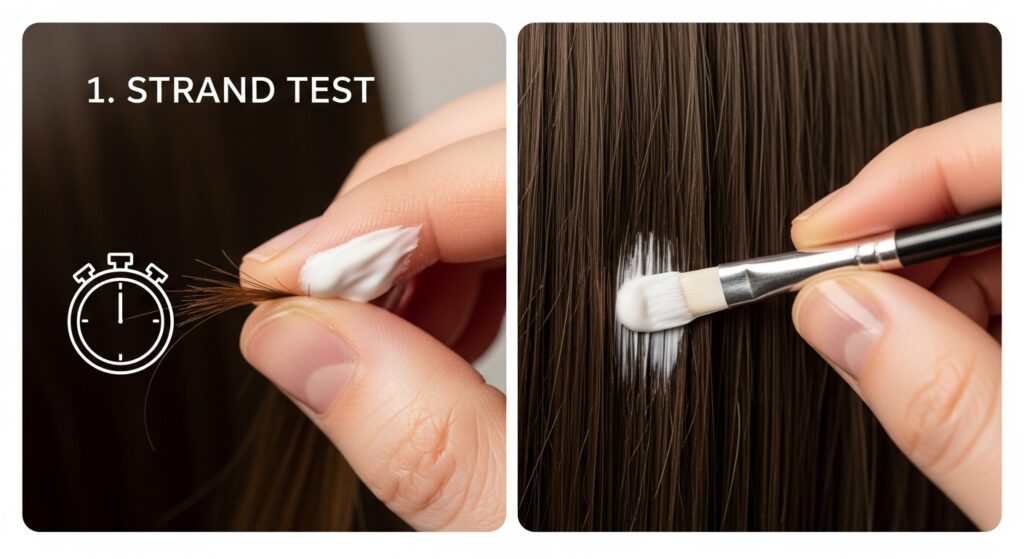
Step 1: Do a Strand Test. Never skip this step. Apply the spray to a small, hidden section of hair first. This will tell you how your hair will react, how long it takes to develop, and what the final color will be.
Step 2: Start with Clean, Dry Hair. Product buildup can block the spray from working evenly. Ensure your hair is freshly washed and completely dry before application.
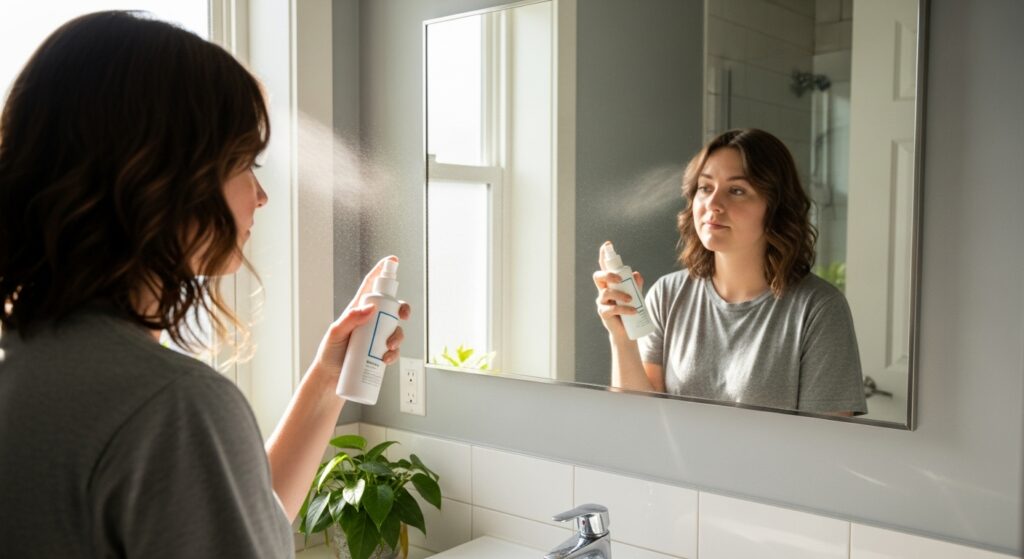
Step 3: Apply Strategically. To mimic natural sunlight, focus on the pieces that the sun would naturally hit: the top layer of your hair, around your face, and the ends. Spritz from about 6-8 inches away, and avoid saturating the hair. Less is more.
Step 4: Protect Your Skin. Before heading into the sun, apply a high-SPF sunscreen to your part, hairline, ears, and neck. Wear a hat if you’re sensitive to sun exposure.
5. Process in the Sun. Sit in direct sunlight for the time recommended on the product instructions, usually 30-90 minutes. The stronger the sun, the less time you’ll need.
Step 6: Rinse and Nourish. Thoroughly rinse your hair with warm water. Do not shampoo immediately. Follow up with a rich, deep conditioning mask or leave-in conditioner to replenish lost moisture.
Hair Lightening Spray vs. Traditional Highlights
How does this at-home hack really stack up against the professional alternative? Let’s break it down.
Hair Lightening Spray:
Pros: Affordable, low-commitment, convenient, creates a very natural, sun-kissed effect.
Cons: Results are subtle and temporary, high potential for uneven application, can cause dryness, requires sun exposure, ineffective on dark hair.
Salon Highlights:
Pros: Precise, controlled application, dramatic and customizable results, works on all hair colors, uses professional-grade products that can include bond-builders to minimize damage.
Cons: Expensive, time-consuming appointments, permanent commitment, regrowth requires upkeep, potential for damage if not done correctly.
The choice ultimately comes down to your goals, budget, and hair type. The spray is for a subtle boost; the salon is for a defined transformation.
The Final Verdict: Is It Worth It?
After weighing all the evidence, the final verdict on hair lightening spray is that it is a legitimate product that works, but for a specific audience and purpose.
It is not a miracle worker, nor is it a replacement for professional color services. However, for individuals with naturally light hair who desire a temporary, affordable, and low-maintenance way to enhance their color with a sunny, natural-looking glow, it can be a fantastic tool.
The key to success lies in realistic expectations and careful application. If you go in hoping for a slight brightening effect and you take the necessary steps to protect your hair and skin, you’ll likely be pleased with the breezy, summer-ready results. But if you have dark hair or dream of a major color shift, you’re better off investing in a consultation with a professional colorist.