Textured Crop: The Short Cut That Adds Dimension and Movement
Are you tired of your hair falling flat, both literally and figuratively? Do you crave a style that feels modern, effortless, and packed with personality? Look no further than the textured crop. This isn’t just any short haircut; it’s a strategic masterpiece of slicing and point-cutting designed to create a lived-in, dynamic look that moves with you. Gone are the days of stiff, helmet-like bobs or one-length pixie cuts. The textured crop is all about embracing natural movement, adding volume, and showcasing a bold, confident you.
This guide will dive deep into everything you need to know about this iconic cut. We’ll explore what exactly gives it that signature feel, who it looks best on, how to style it in minutes, and the crucial phrases to use when you’re sitting in your stylist’s chair. Get ready to fall in love with your hair all over again.

What Exactly is a Textured Crop?
At its core, a textured crop is a short haircut—anywhere from a pixie to a short bob—that has been meticulously layered and cut using specific techniques to remove weight and create separation. The goal is dimension, not uniformity. Instead of a blunt, solid shape, the hair falls in soft, piecey sections that create shadows and highlights naturally.
Texture in this context doesn’t necessarily refer to your hair’s natural curl pattern (though it celebrates it!). It refers to the visual and tactile interest created by the cut itself. A stylist achieves this through:
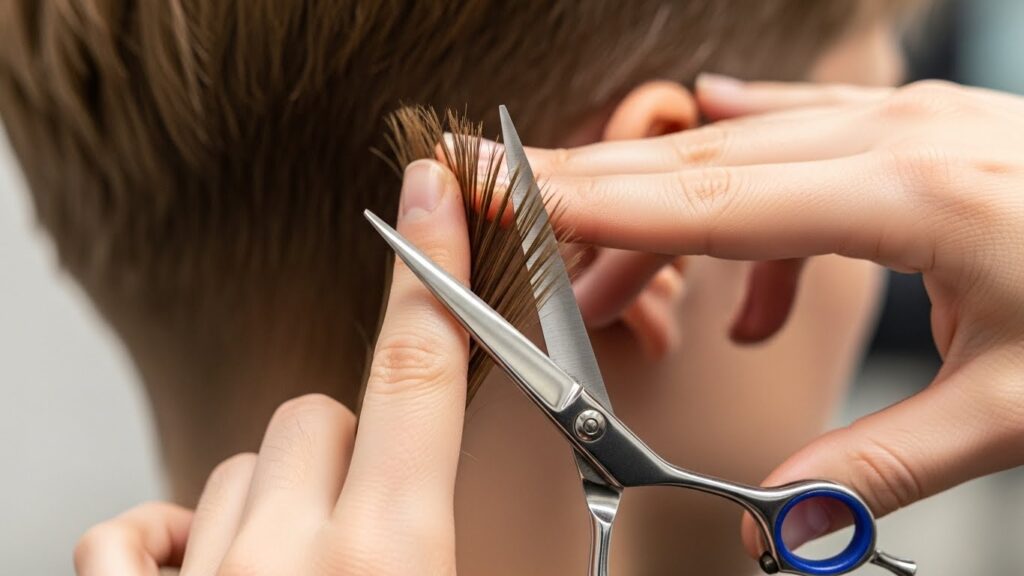
Point Cutting: Instead of cutting straight across, the stylist cuts into the ends of the hair with the tips of their shears, creating an irregular, soft edge that prevents the dreaded “helmet head.”
Razor Cutting: Using a razor tool can slice through sections of hair, thinning out bulky areas and creating feathered, wispy ends that are light as air.
Layering: Strategic layers are the backbone of this cut. They are placed to build volume at the crown, frame the face, and allow the shorter pieces to blend seamlessly into the longer ones.
The result is a cut that looks artfully disheveled, incredibly touchable, and is surprisingly low-maintenance. It’s a style that looks different from every angle, full of life and character.
Why the Textured Crop is a Game-Changer for Fine and Thin Hair
If you have fine or thin hair, you’ve probably spent a lifetime searching for products and styles that give the illusion of thickness. The textured crop might be your holy grail. The genius of this cut lies in its ability to create volume from within.
By removing excess weight from the bulk of the hair and leaving lighter, layered ends, the hair is no longer pulled down flat against the scalp. Those internal layers act as tiny pillars, pushing the hair up and out to create the appearance of much fuller, denser hair. The separation between pieces also means that your scalp isn’t as visible, as the hair isn’t clumping together in thin strands.
Think of it like this: a solid sheet of paper lies flat. But if you take that same paper and tear it into several pieces, crumple them slightly, and stack them, they take up significantly more space. That’s the magic a textured crop works on fine hair—it turns a flat sheet into a dimensional masterpiece.

Face-Framing Magic: Finding Your Perfect Textured Crop Shape
One of the most versatile aspects of the textured crop is its ability to be tailored to flatter any face shape. It’s not a one-size-fits-all cut; it’s a template for endless customization.
For Round Faces: The goal is to add length and definition. Ask your stylist for longer, wispy layers around the face that fall below the chin, and ensure there is plenty of height and volume at the crown. This creates a more oval illusion. A side-swept fringe is also a fantastic option to add angles.
For Square Faces: Softening a strong jawline is key. Textured, piecey layers that graze the jawline and wispy, uneven bangs work wonders to break up the angularity. Avoid blunt, heavy bangs that can emphasize the squareness.
For Oval Faces: You have the most flexibility! Almost any variation of the textured crop will work. You can play with super-short back and sides, dramatic fringe, or an all-over, even-length crop with tons of texture. An oval face is the perfect canvas for this cut.
For Heart-Shaped Faces: Balance a wider forehead and a narrower chin with fringe and chin-length layers. A textured, brow-skimming fringe helps minimize the forehead, while layers that end at or just below the chin add width and volume where you need it most.
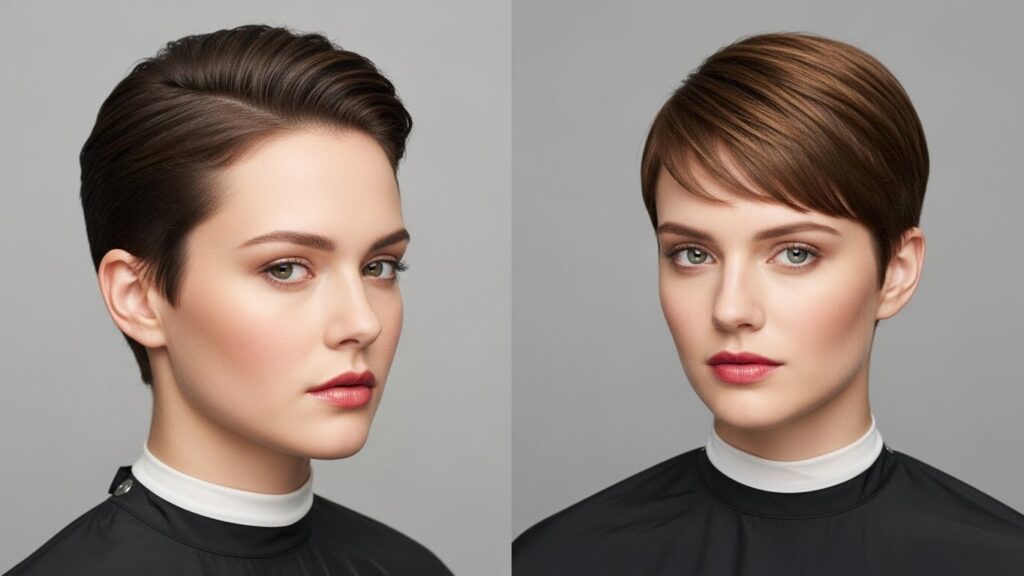
Styling Your Textured Crop: Effortless Looks in Minutes
The beauty of a well-executed textured crop is that it often looks best when it looks a little “undone.” Styling is about enhancing what’s already there, not fighting against it. Here’s how to achieve key looks in just a few minutes.
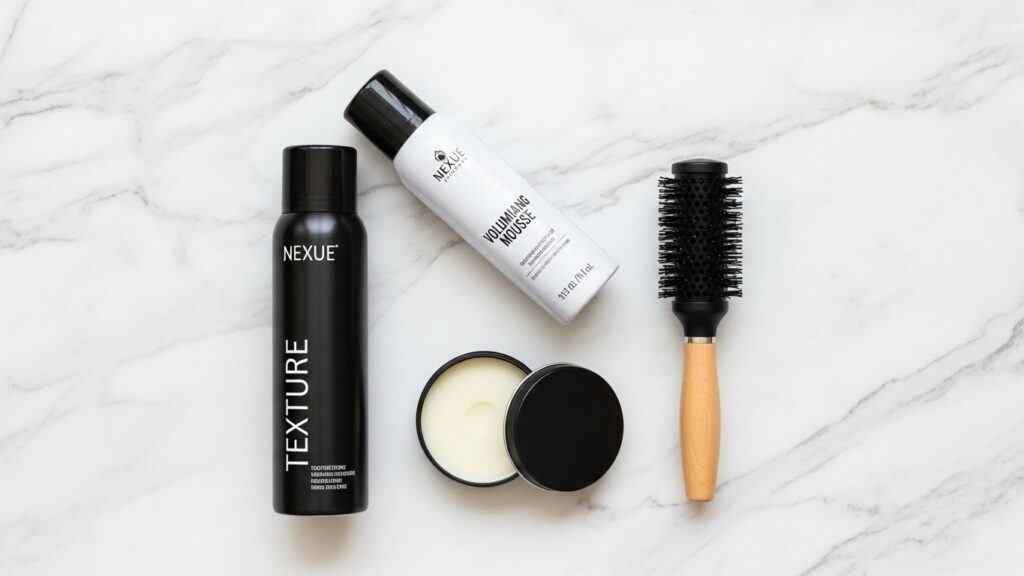
The Piecey, Lived-In Look: This is the signature style. Start with towel-dried hair. Apply a lightweight texturizing spray or sea salt spray from roots to ends. Scrunch your hair with your hands as you blow-dry with a diffuser or let it air dry. Once dry, rub a small amount of texturizing paste or wax between your palms and finger-comb through your hair, focusing on the ends to separate and define those pieces.
The Voluminous Quiff: For this look, you need lift at the roots. Apply a volumizing mousse or root-lifting spray to damp hair. Using a round brush, blow-dry the front sections of your hair upward and back. Once dry, tease the hair at the crown very gently for extra height. Lock it all in with a light-hold hairspray.
The Sleek and Tucked: Yes, a textured crop can be sleek! On dry hair, run a strong-hold pomade or smoothing cream through your hair to tame flyaways. Use a flat iron on a low setting to smooth out the ends and create a sharp, polished shape. You can tuck one side behind your ear for an elegant, asymmetric look.
The key products for maintaining a textured crop are texturizing spray, a light-hold paste or wax, and a reliable volumizing mousse. Avoid heavy oils or creams that can weigh down those precious layers.
The Consultation: What to Ask Your Stylist For
Walking into a salon and just asking for a “textured crop” can yield mixed results. Communication is everything. To ensure you and your stylist are on the same page, use these specific phrases and bring visual references.
Key Phrases to Use:
“I want a lot of internal layers to remove weight and create movement.”
“Let’s focus on building volume at the crown.”
“I love a piecey, shattered finish on the ends—not blunt.”
“Can we use point-cutting or a razor to add texture throughout?”
“I’m looking for a lived-in, low-maintenance style that air-dries well.”
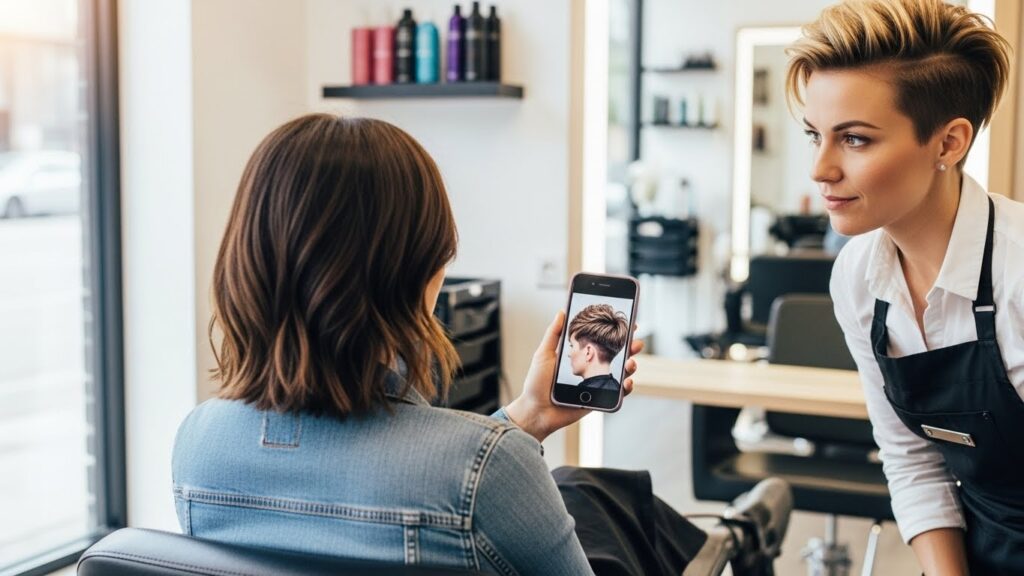
Bringing 2-3 pictures of textured crops you love is the most effective tool. It helps your stylist understand the exact length, level of texture, and overall shape you’re dreaming of. Be open to their professional advice on what will work best with your hair type and face shape.
Is the Textured Crop Right for You? Embracing the Change
Committing to a short cut can feel daunting, but the textured crop is one of the most rewarding hairstyles out there. It’s a statement of confidence and a celebration of natural beauty. It’s perfect for the person who is busy, active, and doesn’t want to spend hours styling their hair every morning.
This cut grows out gracefully, often evolving into another chic style rather than becoming an awkward mess. It encourages you to play with products, experiment with different looks, and embrace your hair’s natural texture—whether it’s straight, wavy, or curly.
So, if you’re ready to ditch the flatness, add a dose of dynamism, and step into a look that is unequivocally modern and cool, the textured crop is calling your name. It’s more than a haircut; it’s an injection of attitude, dimension, and effortless style.