Textured Medium Layers: How to Add Dimension and Bounce
Have you ever admired a hairstyle that seems to move with its own energy, catching the light in a dozen different ways and framing the face with effortless grace? Chances are, you were looking at the magic of textured medium layers. This isn’t just a haircut; it’s a strategic design that breathes life, dimension, and yes, incredible bounce into medium-length hair. Stuck in a style rut with hair that feels flat, heavy, or just… blah? The transformative power of layering, specifically with texturizing techniques, might be the exact solution you need.
What Are Textured Medium Layers?
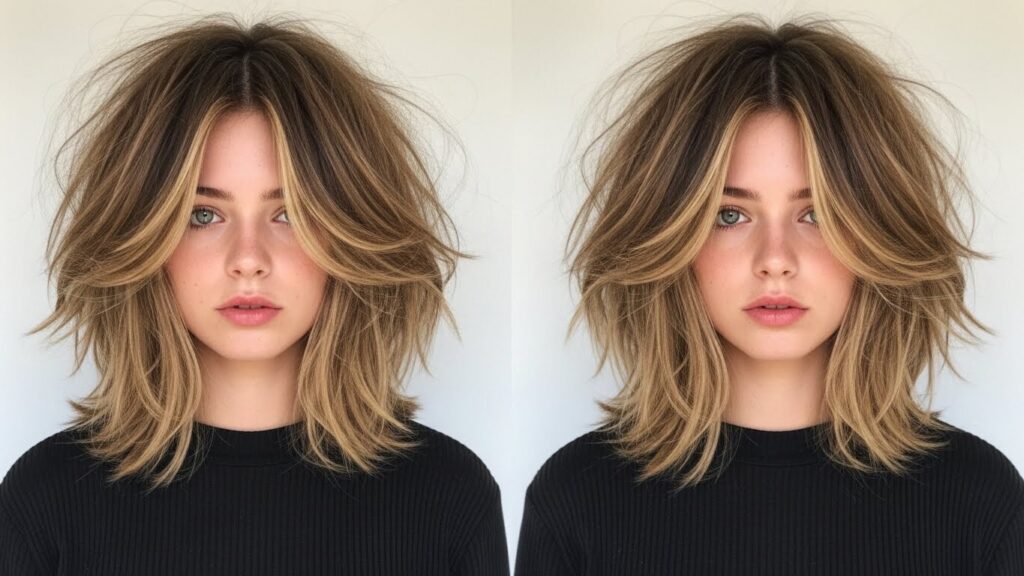
Let’s break down the terminology. Medium layers refer to cutting hair at varying lengths within the medium-length spectrum (typically from the shoulders to just above the collarbone). Instead of a blunt, one-length cut, sections of hair are cut shorter to create overlapping levels. Texturizing is the crucial second step. This involves using specialized techniques—like point cutting, slicing, or using texturizing shears—to remove bulk, create separation, and soften the ends. This prevents layers from looking chunky or dated.
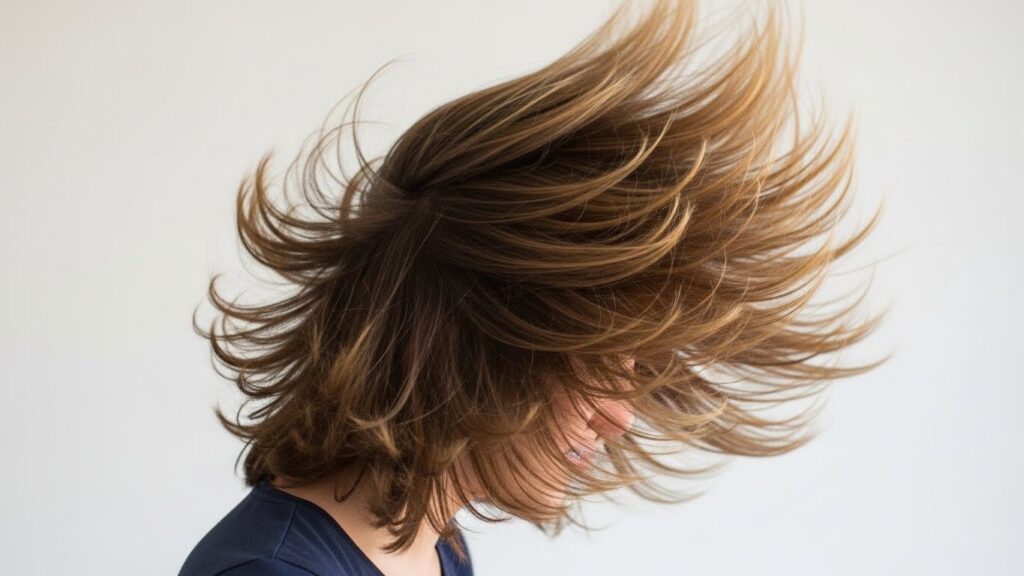
Together, textured medium layers create a haircut that is lightweight, multi-dimensional, and designed to enhance natural movement. The layers add the internal structure for lift, while the texturizing ensures that the result is soft, modern, and effortlessly cool, not rigid or overdone. It’s the difference between a stack of neatly aligned papers and a beautifully fanned-out deck of cards—both have layers, but one has flow and airiness.
The Magic Formula: How Layers Create Dimension and Bounce
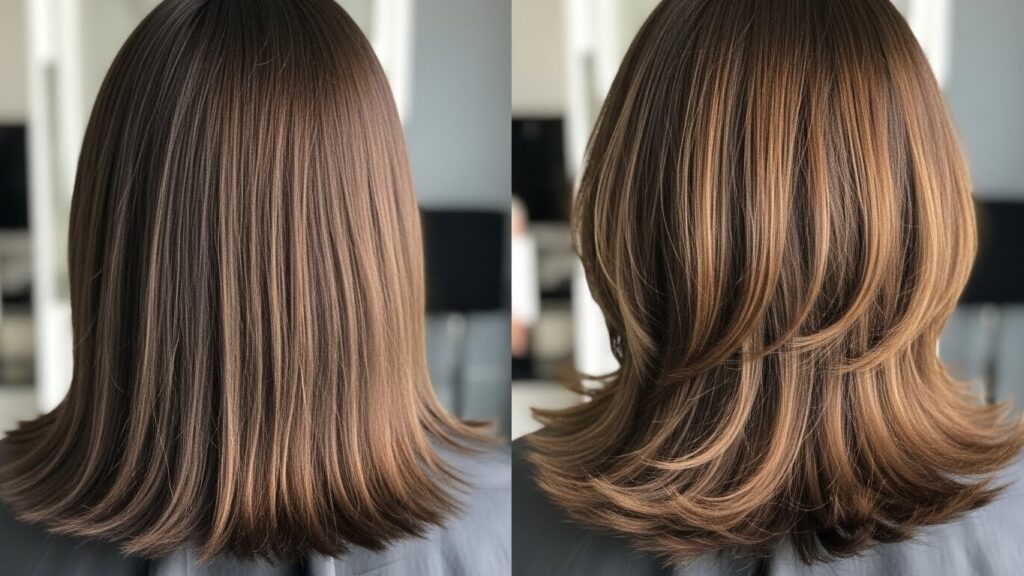
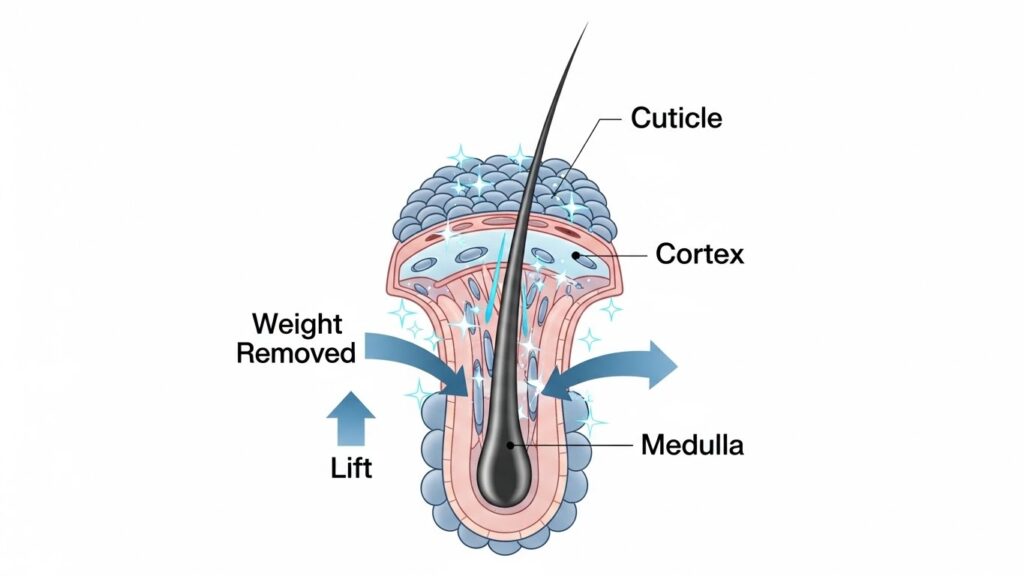
The science behind the bounce is surprisingly straightforward. Hair that is all one length carries weight uniformly from roots to ends. This weight, especially on medium to fine hair types, can pull the strands down, flattening them at the crown and inhibiting natural movement. By strategically removing weight from specific areas through layering, you relieve that tension.
Dimension is created through the contrast between the different lengths. Shorter layers catch light at different angles than longer layers, creating a visual play of light and shadow that makes hair color look richer and the overall style appear more complex and interesting. Bounce is the physical result. With less drag from excess weight, the hair’s natural body and elasticity can take over. Each layer can move more independently, creating that springy, voluminous effect with even a slight turn of the head. Think of it as architectural support for your hair—the layers are the hidden framework that holds the volume up.
Is This Cut Right For You? Face Shapes and Hair Types
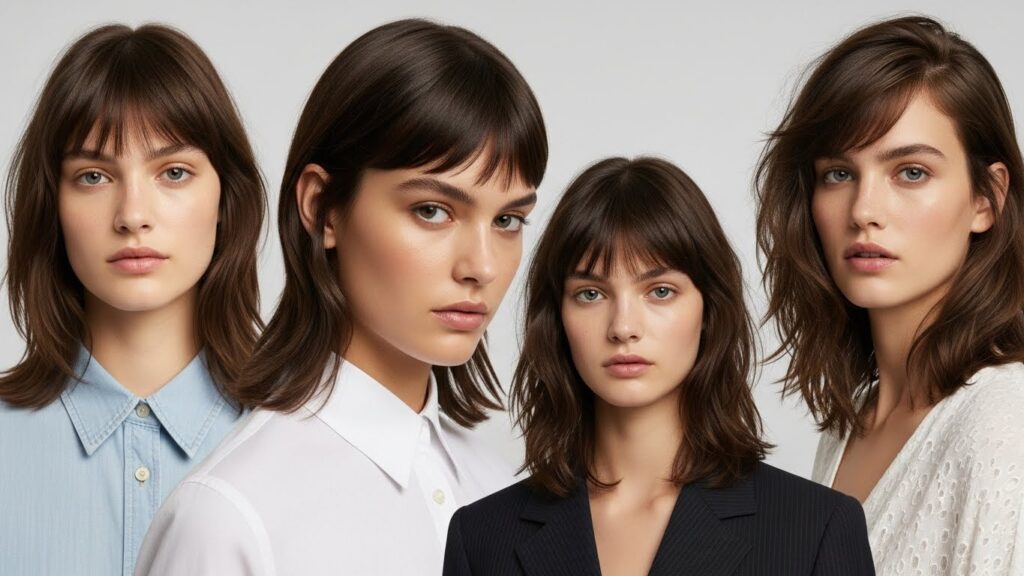
The beautiful truth about textured medium layers is their remarkable versatility. They can be adapted to flatter almost every face shape and hair type.
For face shapes, layers are a masterful tool for balancing proportions. Longer layers around the face can soften a square jawline, while shorter, face-framing layers can add width to a longer oval face. A skilled stylist will place the shortest layers where you need the most visual interest—around the cheekbones, eyes, or jawline—to highlight your best features.
When it comes to hair types, this cut is a superstar. For fine hair, light texturizing removes just enough bulk to prevent stringiness while creating the illusion of much thicker, fuller hair. For thick or wavy hair, more aggressive texturizing can tame density, reduce triangle-head shape, and enhance the natural wave pattern by allowing it to form without being weighed down. Even for those with straight hair, textured layers introduce a bend and movement that straight, blunt cuts simply cannot achieve.
Consultation Key: Talking to Your Stylist for the Perfect Cut
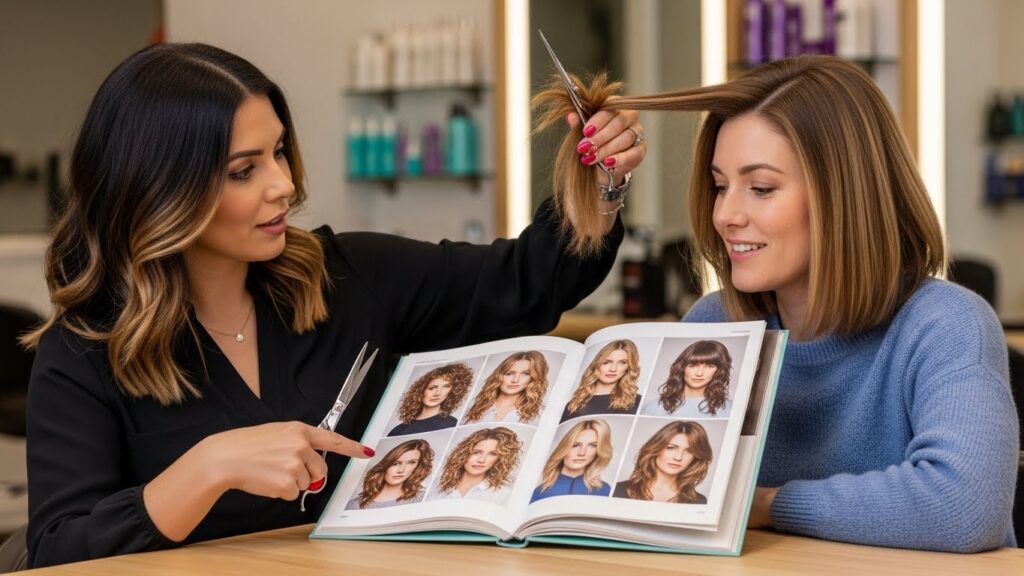
Walking into the salon and simply asking for “layers” can lead to a wide range of results. To ensure you get the textured, bouncy look you desire, communication is key. Come prepared with a few inspiration photos that showcase the feel you want—bouncy, piecey, soft, etc. Use descriptive language like: “I want to remove weight for more bounce,” or “I’d like a lot of texture and separation, but keep the overall length.”
Crucially, discuss maintenance. Textured layers often require more frequent trims (every 8-10 weeks) to maintain their shape and prevent the ends from looking frayed. Ask your stylist to show you how they are texturizing—are they using a razor, texturizing shears, or point-cutting with regular shears? Each method creates a different effect. A great consultation ensures you and your stylist are partners in creating your ideal look.
Styling Secrets: Maximizing Your Texture and Bounce at Home
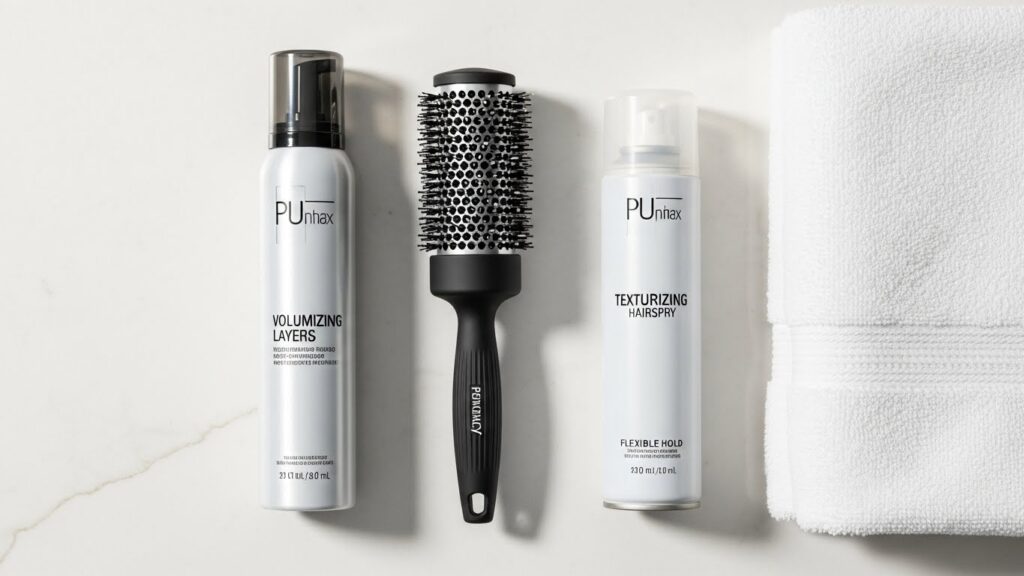
The right cut does 70% of the work, but your at-home routine seals the deal. Start with products designed to build body. A volumizing mousse or root-lift spray applied to damp hair before blow-drying is a game-changer. When drying, flip your head upside down and dry the roots first to set in maximum lift. Use a round brush to curl the ends under or outward as you dry to accentuate the layering.
For next-level texture, add a texturizing spray or sea salt spray to dry hair, focusing on the mid-lengths and ends. Scrunch the hair with your hands to break up the layers and encourage that piecey, lived-in look. A light hold hairspray can lock it all in without stiffness. Remember, the goal with textured layers is often to embrace a slightly undone, effortless vibe, so avoid over-brushing after styling, which can flatten the look.
Beyond the Blowout: Effortless Textured Layer Styles
One of the greatest perks of this cut is its styling versatility. It looks phenomenal worn down, but it also shines in updos. A simple half-up style instantly shows off the face-framing layers. A messy bun or braid becomes infinitely more interesting because the shorter layers and pieces naturally escape, creating a romantic, soft effect. Even on second or third-day hair, a bit of dry shampoo at the roots can refresh the volume, and the natural oils can enhance the separation of the layers for a perfectly imperfect texture.
Textured medium layers are the gift that keeps on giving. They grow out gracefully, often blending into a softer, shaggy look that’s still stylish. They work with your hair’s natural tendencies rather than fighting against them. By adding internal architecture, they solve the problems of flatness and heaviness while delivering a dynamic, modern, and utterly touchable result.
Embrace the Movement
If you’re craving a hairstyle that feels alive, that has its own personality and reacts to your every move, textured medium layers are your answer. This technique is more than a trend; it’s a fundamental approach to cutting that prioritizes shape, movement, and personal expression. It’s about designing hair that looks as good in motion as it does in a still photo. By understanding the principles of dimension and bounce, and partnering with a skilled stylist, you can transform your medium-length hair from a static accessory into the most dynamic part of your look. So, take the leap, embrace the layers, and get ready to bounce through your days with newfound confidence and style.