Face-Framing Layers: The Subtle Change That Makes a Big Difference
In the world of hairstyling, some trends roar onto the scene with dramatic color chops and drastic length changes. But then there are the quiet revolutions—the subtle shifts in technique that deliver a disproportionate amount of impact. At the top of this list sits the timeless, ever-flattering art of face-framing layers. More than just a haircut detail, it’s a strategic design principle that can soften features, brighten the complexion, and add a dynamic sense of movement without sacrificing an inch of your overall length. It’s the beauty secret of those who look effortlessly “done,” and it might just be the most underrated request you can make at the salon.
What Exactly Are Face-Framing Layers?
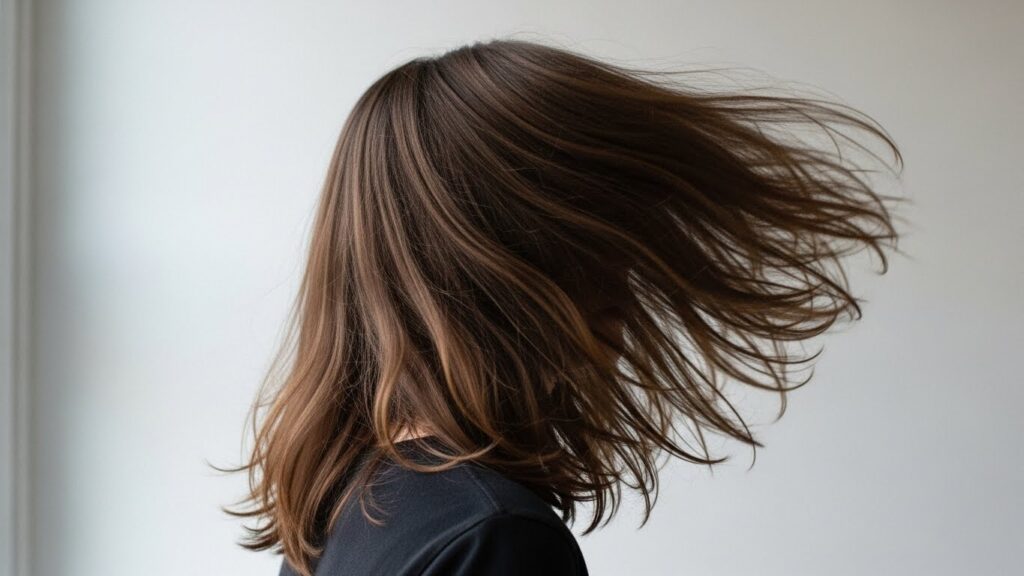
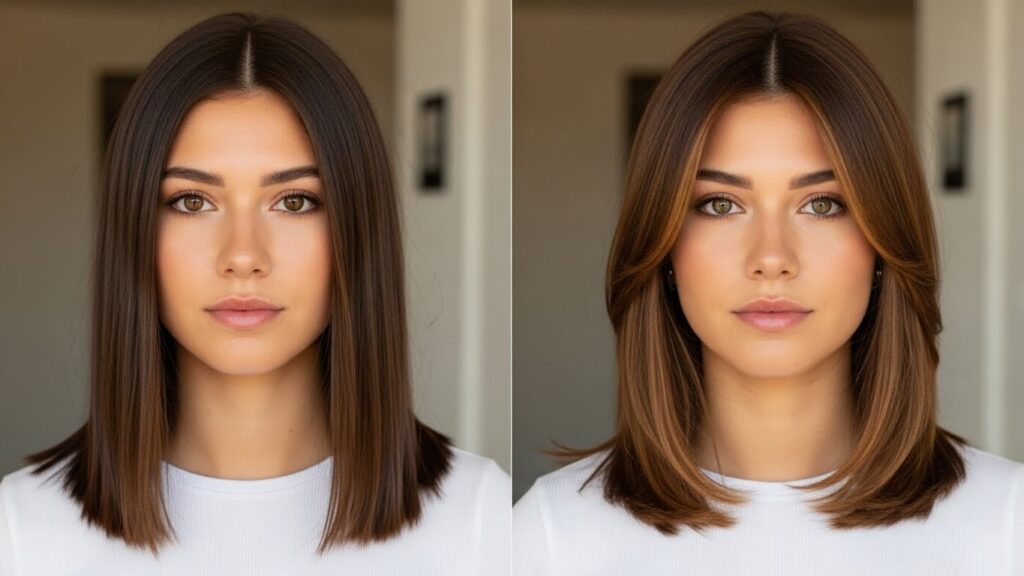
Let’s clarify the terminology. Face-framing layers are precisely what they sound like: layers that are cut specifically to frame the face. Unlike uniform, all-over layers that add volume throughout, these are concentrated around the front of your hairline. They typically begin at the chin, lips, or cheekbones, depending on the desired effect, and blend seamlessly into the rest of your hair. The key word here is blend—this isn’t a disconnected, heavy block. It’s a soft, graduated transition that allows pieces to fall naturally around your face.
This technique works by removing weight and bulk from the perimeter of your front sections. That weight removal creates movement, allowing hair to bend and curve instead of hanging in a solid, blunt line. The result? A haircut that looks and feels lighter, more dynamic, and intentionally shaped to complement your unique bone structure. It’s a conversation between you and your stylist about where to place the shortest pieces to achieve anything from a soft shadow to a bold, curtain-bang effect.
The Transformative Benefits: Why This Small Cut Packs a Punch
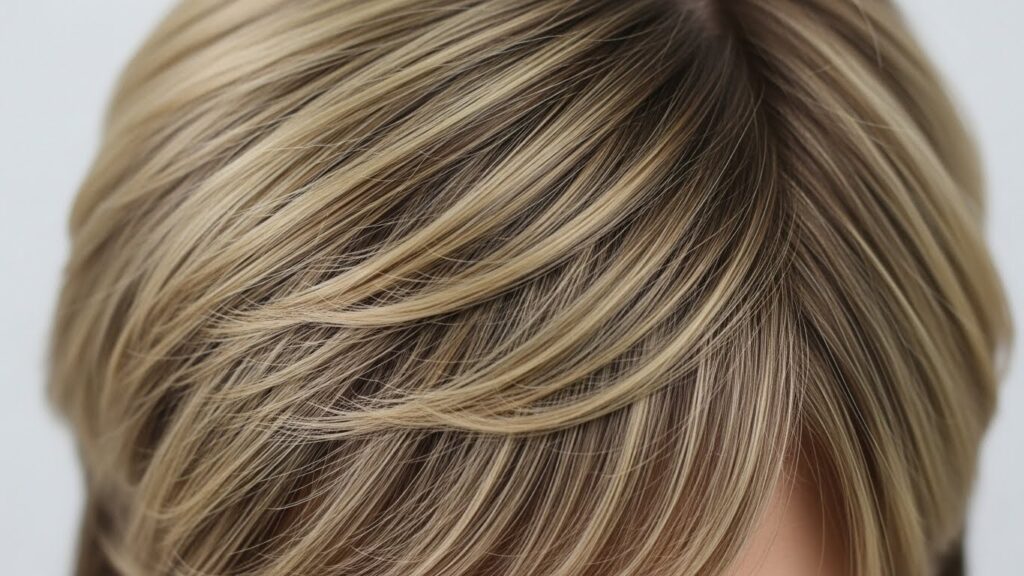
The magic of face-framing layers lies in their multifaceted benefits. First and foremost, they are a powerful anti-aging and brightening tool. By strategically placing lighter pieces around the face, they act as a natural highlighter, reflecting light onto the skin. This can instantly make you look more awake, soften the appearance of fine lines, and give your complexion a healthy glow. It’s like having a built-in ring light wherever you go.
Secondly, they offer unparalleled versatility and styling ease. Those front layers naturally create texture and separation, making it easier to create effortless-looking styles. A simple half-updo becomes chic because pieces naturally fall out. A ponytail gains sophistication as softer pieces escape to frame the face. Even on days you do nothing, your hair has a designed, intentional shape. Furthermore, they are a godsend for managing volume and texture. For fine hair, they create the illusion of fullness at the crown and cheeks. For thick hair, they remove bulk exactly where it can be most overwhelming, making hair more manageable and less boxy.
Finding Your Frame: A Guide for Every Face Shape
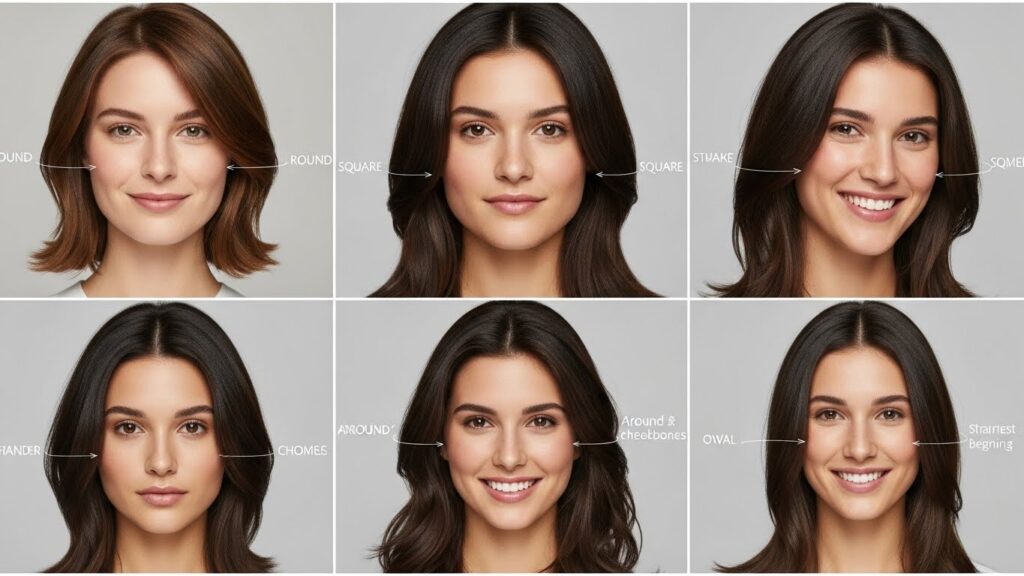
A common misconception is that face-framing layers only suit certain people. The truth is, with correct placement, they can enhance every face shape. The secret is in the tailoring.
For round or square faces, the goal is to create length and soften angles. Longer layers that start from the jawline or below are ideal, as they draw the eye downward. Avoid short, choppy layers at the cheeks, which can emphasize width. For oval faces, you have the most flexibility. Almost any length of face-framing layer will work, but starting at the cheekbone can highlight this balanced shape beautifully. Those with heart-shaped faces (wider forehead, narrower chin) benefit from layers that start at the chin or lower to add fullness around the jawline, balancing the forehead. For long or rectangular faces, the aim is to add width. Layers that begin at the cheekbones or higher can create the illusion of breadth, especially when styled with a bit of bend or wave.
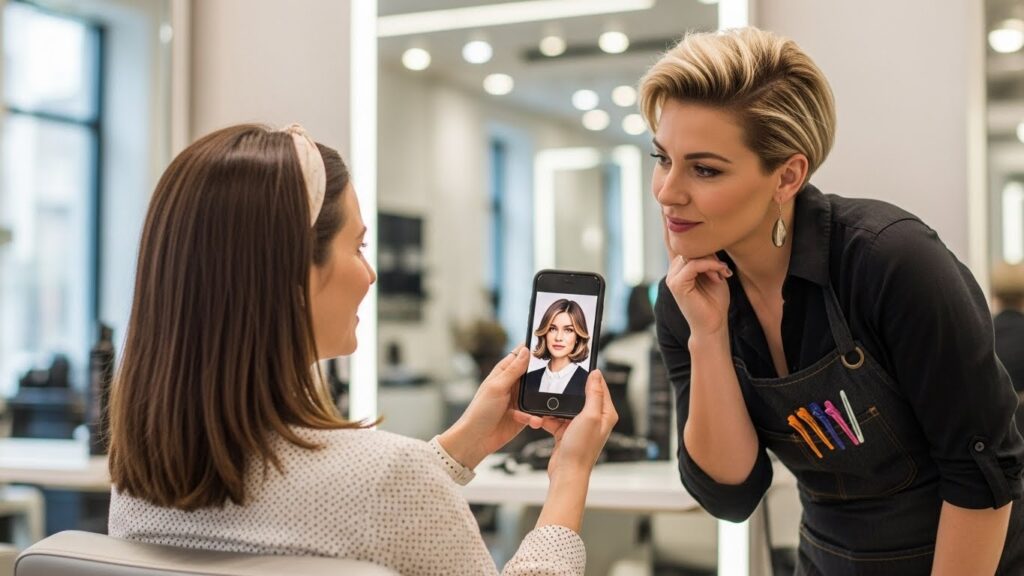
Your stylist is your greatest ally here. Bring inspiration photos, but be open to their professional assessment of your hair’s texture, density, and growth patterns. The best face frame is a collaborative creation.
Styling Your Face-Framing Layers: Effortless Tricks for Maximum Impact
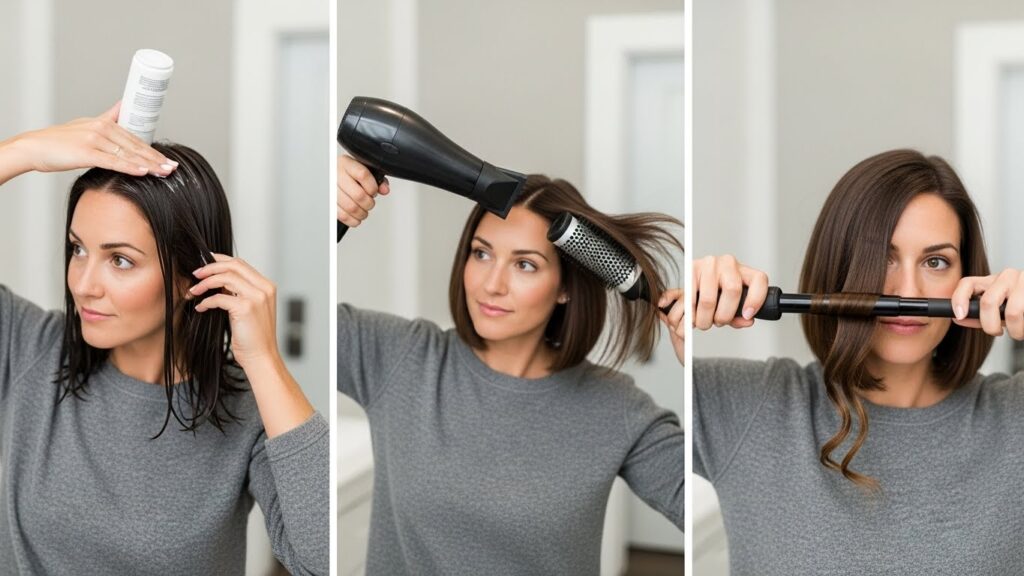
The beauty of this cut is that it looks fantastic with minimal effort. For a quick, everyday look, apply a texturizing spray or light mousse to damp hair, focusing on the mid-lengths to ends. Blow-dry with a round brush, directing the front sections away from your face to create a natural curve. Once dry, use a flat iron or curling wand to add a few alternating bends or loose waves—not uniform curls—to the face-framing pieces. This enhances their movement and separation.
For a more polished look, a curtain bang effect is easily achieved by parting your hair down the middle and styling the shortest layers to swoop away from the center. Use a medium-barrel curling iron to curl these sections back, away from your face, and then gently separate them with your fingers. Finish with a light-hold hairspray. On third-day hair or when you want a more relaxed vibe, simply twist the face-framing layers back and secure them with a clip, or add a few spritzes of sea salt spray for piecey, undone texture.
Conversation Starters: How to Ask Your Stylist for This Cut
Walking into the salon and simply asking for “layers” can lead to a variety of interpretations. To ensure you get the face-framing effect you desire, be specific. Here are some clear ways to communicate:
“I’d like some soft, face-framing layers to brighten up my features. I’m thinking they could start around my chin and blend into the rest of my length.”
“I want to keep my length but add movement around my face. Can we add some long, blended layers just in the front sections?”
“I’m interested in a curtain bang effect, but not a full fringe. Can we cut some shorter, face-framing layers that can be styled parted down the middle?”
Always bring photos! Visual references are the most effective communication tool. Point out exactly what you like in the picture—the length of the shortest piece, the amount of waviness, how blended it is.
The Subtle Power of a Personalized Detail
In a beauty landscape often dominated by dramatic transformations, the enduring appeal of face-framing layers is a testament to the power of subtlety. It’s a cut that doesn’t shout but rather whispers, guiding the eye and enhancing what’s already there. It’s low-commitment in terms of maintenance—growing out gracefully—yet high-impact in terms of daily payoff. Whether your hair is your canvas for bold expression or you simply seek an easy, flattering routine, this technique bridges the gap.
So, the next time you feel your look needs a refresh but you’re not ready for a major chop, consider the strategic snip. Face-framing layers are more than just a haircut trend; they are a fundamental styling principle for creating hair that looks thoughtfully shaped, naturally luminous, and uniquely yours. It’s the subtle change that convinces the world you woke up like this—effortlessly beautiful.