Fulani Braids: Traditional Beauty with Modern Flair
In the ever-evolving world of beauty and hair, some styles possess a timeless power that transcends trends. Fulani braids are one such masterpiece—a hairstyle that carries the weight of centuries of history, culture, and identity, yet feels strikingly fresh and fashionable on modern streets and red carpets alike. More than just a protective style, Fulani braids are a narrative woven into hair, telling stories of heritage, status, and artistry. Today, this traditional African hairstyle has been embraced globally, reinterpreted with a modern flair that honors its roots while celebrating individual creativity. This journey from the Sahel region of West Africa to the world’s fashion capitals is a testament to the enduring beauty and adaptability of cultural art forms.

Roots in the Sahel: The Cultural Heritage of Fulani Braids
To truly appreciate the beauty of Fulani braids, one must first understand their origin. The hairstyle is deeply intertwined with the Fulani (or Fula) people, one of the largest nomadic pastoralist groups in the world, primarily spanning across West and Central Africa. For the Fulani women, hair braiding is not merely cosmetic; it is a sacred social ritual, a language of its own. Traditionally, the intricate patterns, parts, and adornments communicated a wealth of information—from a woman’s marital status and social rank to her ethnicity and even geographic origin.
The classic elements are distinctive: a central cornrow or part that runs from the hairline to the nape of the neck, symbolizing the path of life. Braids are then styled to flow gracefully from this central part, often with the sides and back left fuller. The most iconic adornments are the golden beads, cowrie shells, and silver coins. These were not just decorations; they represented wealth, family heirlooms, and protection. The braiding process itself was and remains a bonding experience, often done among mothers, daughters, and sisters, strengthening community ties with every twist and weave.

Deconstructing the Style: Key Elements of Classic Fulani Braids
What makes Fulani braids instantly recognizable? Several signature components come together to create this unique look. First is the central braided part, which acts as the spine of the design. This is often accompanied by one or two braids that are directed forward, framing the face—sometimes called “feed-in” braids or temple braids. The rest of the hair is typically braided in cornrows or individual box braids that flow away from the center.
Then comes the playfulness: the use of accessories. Unlike many braided styles, adornment is fundamental to Fulani braids. Traditional pieces include:
Juju hats or hair jewelry made from family coins, amber, and gold.
Wooden, golden, or colorful beads attached to the ends of specific braids.
Cowrie shells, historically used as currency and symbols of fertility and prosperity.
This intentional accessorizing adds weight, sound, and movement, making the hairstyle a dynamic, living art piece.

The Modern Evolution: How Fulani Braids Conquered the Fashion World
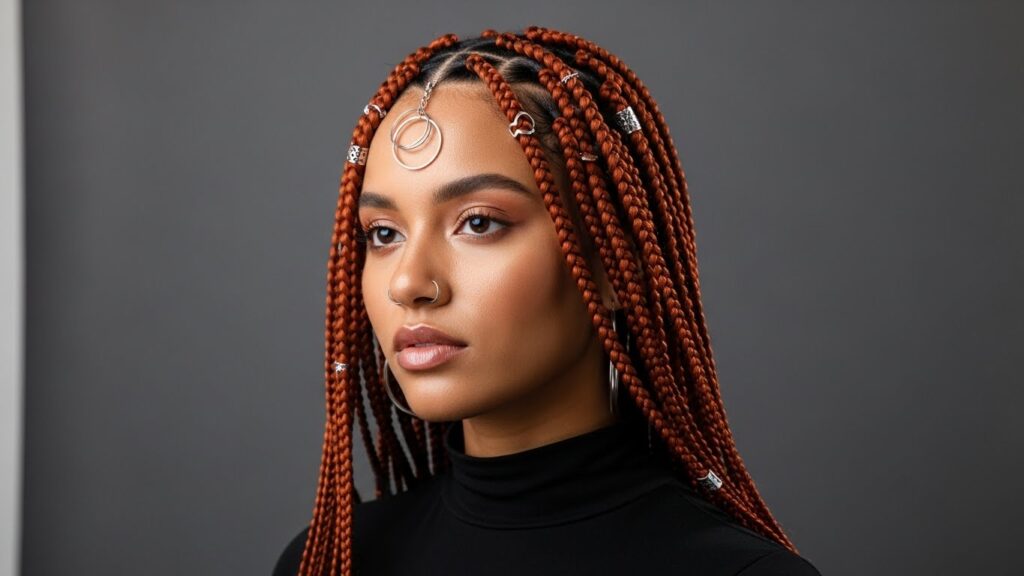
The global journey of Fulani braids is a powerful example of cultural exchange and adaptation. As the diaspora shared its beauty with the world, stylists and fashion enthusiasts began to see its vast potential. The modern iteration maintains the soul of the traditional style while allowing for bold experimentation. We now see Fulani braids in vibrant colors—from pastel pinks and blues to bold burgundies and silvers—a departure from the classic black or brown.
Celebrities like Beyoncé, Alicia Keys, and Zoë Kravitz have proudly sported variations on red carpets and music videos, catapulting the style into the mainstream spotlight. Modern stylists play with scale, creating jumbo Fulani braids for a dramatic effect or micro braids for a more subtle, intricate look. The accessories have also evolved; alongside traditional beads, you might now find metallic cuffs, pearls, or even fresh flowers woven in. This evolution speaks to the style’s incredible versatility and its ability to serve as a canvas for personal expression while respecting its foundational aesthetics.
Why Choose Fulani Braids? Benefits Beyond Beauty
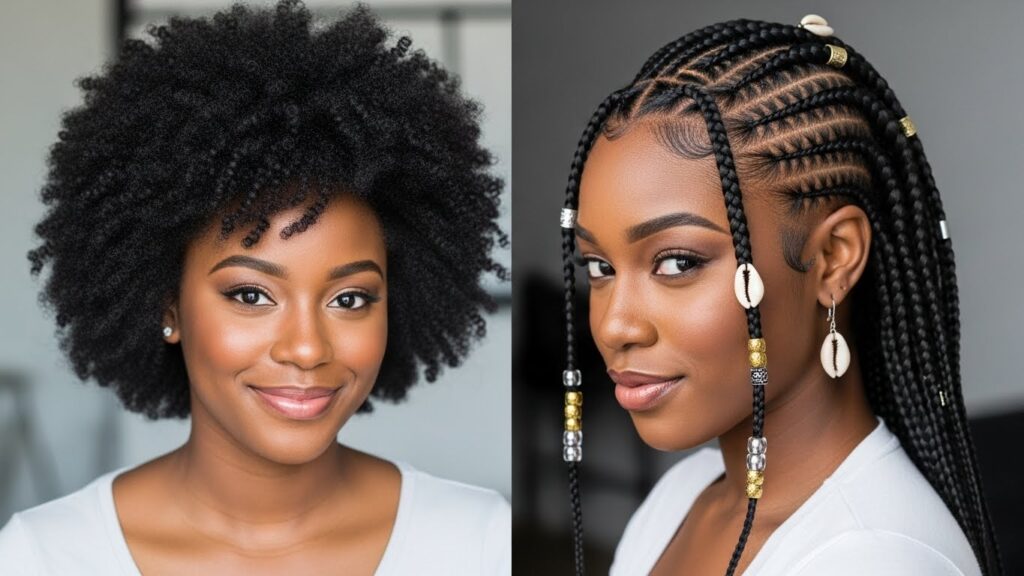
Choosing Fulani braids is not only a style statement but also a practical and protective choice. As a protective hairstyle, it safeguards natural hair from environmental damage, reduces daily manipulation, and helps retain length and moisture by minimizing breakage. When installed correctly with proper tension, it allows the scalp and hair to rest from constant styling, promoting healthier hair growth over time.
Furthermore, the style offers remarkable versatility and longevity. A well-maintained set of Fulani braids can last from four to eight weeks, making it a time-efficient option for those with busy lives. During their lifespan, they can be styled in numerous ways: elegant updos, high ponytails, half-up, half-down styles, or simply left flowing. The low-maintenance daily routine—primarily involving moisturizing the scalp and wrapping the hair at night—is a significant appeal. It’s a fusion of beauty, culture, and hair care wisdom.
Getting Your Own Fulani Braids: A Guide for the Modern Wearer
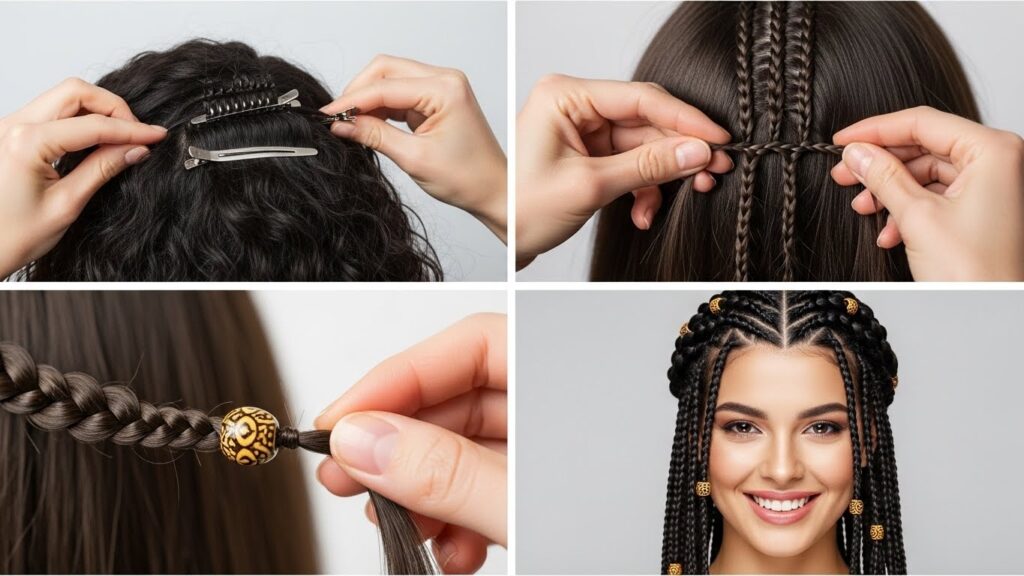
If you’re inspired to try this magnificent style, a little preparation goes a long way. First, find a skilled braider who understands the technique and cultural significance. Communication is key: discuss the size of the braids, the hair extension type (kanekalon, pre-stretched braiding hair, or human hair for a more natural look), and your desired accessory plan. Before your appointment, ensure your natural hair is clean, deeply conditioned, and detangled to provide a healthy foundation.
During the braiding session, which can take anywhere from 4 to 8 hours depending on complexity, patience is essential. To maintain your braids, invest in a good moisturizing spray for your scalp and a light oil to combat dryness. Wear a satin or silk scarf at night to prevent frizz and friction. Most importantly, listen to your scalp; while some tension is normal during installation, persistent pain is a sign that the braids are too tight and could cause damage. Remember, this style is about celebrating beauty, not enduring discomfort.
Wearing with Respect: Appreciation vs. Appropriation
As Fulani braids continue to captivate a global audience, the conversation about cultural appreciation versus appropriation remains vital. Appreciation involves understanding and honoring the history behind the style. It means acknowledging its Fulani origins, not treating it as a fleeting “boho” or “ethnic” trend. When you choose to wear Fulani braids, do so with the intent to learn about and respect its cultural weight.
This can be as simple as crediting the inspiration, supporting Black-owned braiding salons and hair care brands, and gently educating others who inquire about your hair. It’s about moving beyond mere aesthetics to embrace the story woven into each braid. By doing so, wearers from all backgrounds can celebrate this art form in a way that uplifts its creators and preserves its dignity for future generations.

Conclusion: A Timeless Tradition for the Future
Fulani braids stand at a beautiful crossroads where ancient tradition meets boundless modern creativity. They are more than just a hairstyle; they are a living testament to resilience, identity, and artistry. From the nomadic communities of the Sahel to the bustling cities of today, these braids have traveled through time, adapting and thriving without losing their soul. Whether adorned with heirloom cowrie shells or contemporary metallic threads, each style carries forward a legacy. As we continue to see Fulani braids grace fashion magazines, music videos, and everyday life, let’s remember to celebrate not just their undeniable beauty, but the rich cultural heartbeat that gives them life. In a world of fast fashion and fleeting trends, Fulani braids remind us that true style is eternal, meaningful, and always woven with story.