Peekaboo Layers: Hidden Dimension That Surprises
Remember the pure, unadulterated joy of a child playing peekaboo? That moment of anticipation, the curtain of hands pulled away, and the burst of delight at the revealed face? This simple game taps into a fundamental human love for the hidden and the revealed. Now, imagine that principle woven into the fabric of the world around you—not in faces, but in design, narrative, architecture, and even technology. Welcome to the world of Peekaboo Layers: the intentional, often subtle design of hidden dimensions that surprise, engage, and create profound depth.
The Psychology of the Reveal: Why We Love the Hidden
Our attraction to Peekaboo Layers isn’t accidental; it’s hardwired. Neuroscientists point to the brain’s reward system, which lights up not just when we get what we want, but during the anticipation of it. The hidden layer creates a mini-narrative of curiosity and resolution. When we seek and find, our brain releases a dash of dopamine, the chemical associated with pleasure and learning. This is the same mechanism that makes mysteries so compelling, treasure hunts thrilling, and unboxing videos oddly satisfying.
Furthermore, in an age of overwhelming surface-level information, a hidden dimension signals care, craftsmanship, and depth. It tells us that the creator invested more than the bare minimum. It suggests there is more to understand, more to experience. This creates a powerful emotional connection between the object (or story, or space) and the discoverer. It feels like a personal gift, a shared secret between creator and audience. This transforms a simple interaction into a memorable experience, building loyalty and fascination that flat, transparent designs often fail to achieve.
Peekaboo in Physical Design: Architecture and Interiors
Perhaps the most tangible examples of Peekaboo Layers exist in the spaces we inhabit. Great architects and interior designers have long used this principle to manipulate experience and emotion. Consider the traditional Japanese concept of “oku”—the deep, inner recesses of a building or garden that are not immediately visible from the entrance. A visitor moves through a series of spaces, each revealing a bit more, building towards a final, often breathtaking, view or room.
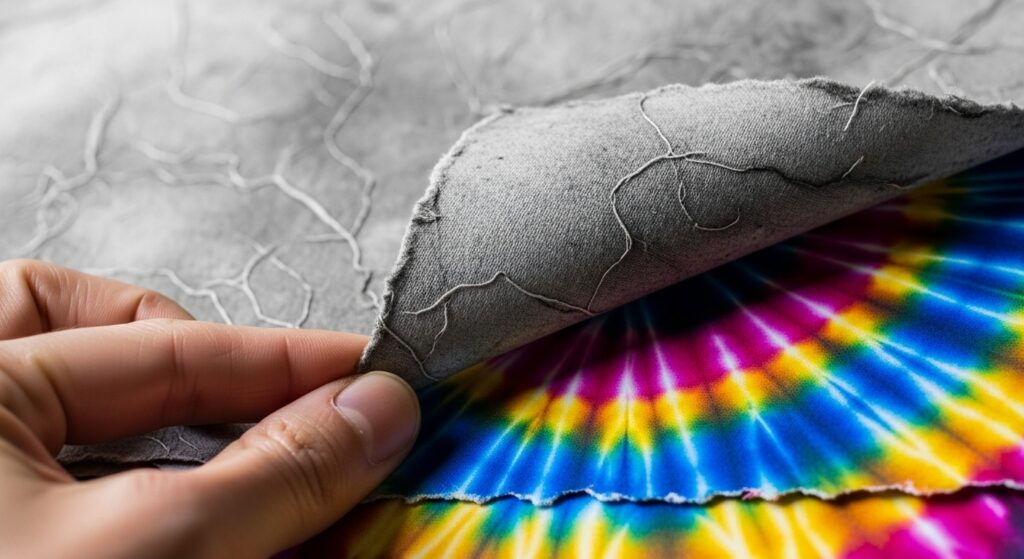
In modern interiors, this can be seen in sliding panels that conceal offices or reading nooks, floors with inlaid patterns only visible from certain angles, or textiles that change color with light or movement. A bookshelf that pivots to reveal a hidden room is the ultimate architectural peekaboo, but subtler versions are everywhere: the intricate pattern stamped on the leather underside of a luxury bag, the surprising weight and cool feel of a ceramic mug that looks like paper, or the playful pattern on the inside of a suit jacket. These layers enrich the user’s relationship with the object, making it more than just a functional item; it becomes a source of continual, quiet delight.

The Narrative Layer: Storytelling and Secret Meanings
Every great storyteller is a master of Peekaboo Layers. From the foreshadowing in a novel to the post-credit scene in a superhero film, these are the hidden dimensions that keep audiences engaged beyond the surface plot. Literary devices like symbolism, allegory, and unreliable narrators are all forms of narrative peekaboo. They create a text that can be enjoyed on one level for its story, and on another, deeper level for its themes and hidden connections.
In music, this appears as a lyrical double-entendre, a sampled melody from another song that comments on the current one, or a harmonic complexity that reveals itself after multiple listens. In film, it’s the background details, the carefully placed props, or the thematic callbacks that reward repeat viewers. These layers build a universe that feels lived-in and vast. They foster fan communities dedicated to decoding and discussing, extending the life and impact of the story far beyond its initial release. The work isn’t just consumed; it’s investigated.

Digital Peekaboo: UX, UI, and Easter Eggs
The digital world, for all its flat screens, is a fertile ground for hidden layers. Thoughtful User Experience (UX) design often incorporates them to create intuitive and delightful interactions. A gentle pull-down-to-refresh animation that surprises with a unique graphic, a hidden gesture that triggers a helpful shortcut, or a form that elegantly expands to reveal more fields—all are digital peekaboos that reduce friction and bring joy.
Then there are the famous Easter eggs: the ultimate hidden layer. Google’s search page is legendary for them, from playingable games to whimsical animations for specific searches. Software developers hide jokes in their code, video game designers stash secret rooms, and apps include hidden features activated by tapping a version number seven times. These serve no critical functional purpose. Instead, they humanize the technology, creating a sense of playfulness and showing that there are people with a sense of humor behind the code. They are a gift for the curious, creating viral moments and deep user affection.

Weaving Peekaboo Layers Into Your Own World
You don’t need to be a master architect or software engineer to incorporate this powerful principle. The essence of Peekaboo Layers is thoughtful depth. Start by asking: “What can I hide to reward a closer look?” For a writer, it could be a secondary theme that emerges on a re-read. For a graphic designer, a subtle texture or a pattern within a logo that becomes apparent when scaled up. For someone creating a presentation, it could be a meaningful but not immediately obvious data point revealed only if someone asks the right question.
In your personal life, it could be the way you curate your living space—a drawer of curated curiosities, a photo album with handwritten notes tucked behind pictures, or a garden path that bends to reveal a secluded bench. The key is intentionality. The hidden layer should feel like a natural, integral part of the whole, not a tacked-on gimmick. It should offer a moment of genuine discovery that enhances the understanding or enjoyment of the primary experience.
The Surprise of Depth in a Surface-Level World
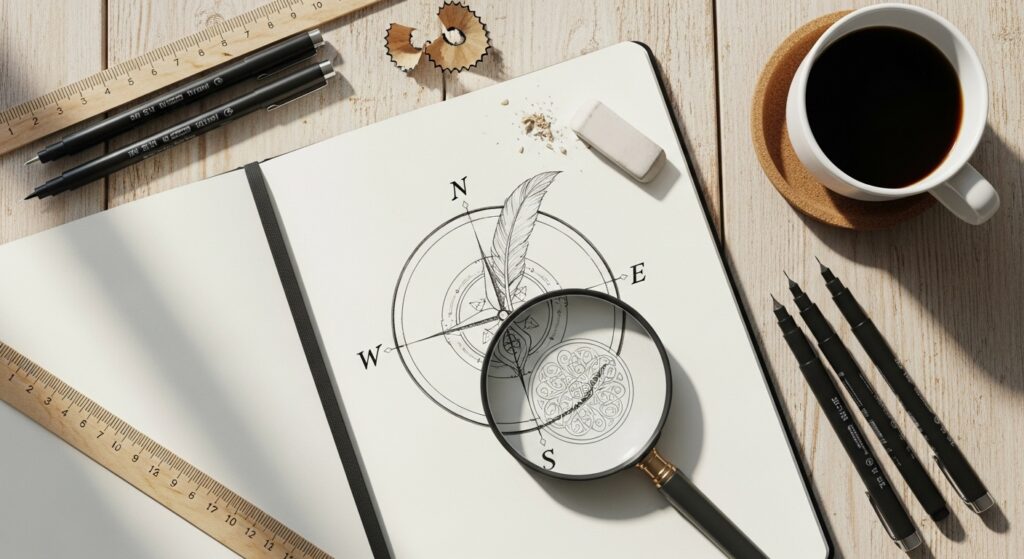
In conclusion, Peekaboo Layers are more than a design trend; they are a philosophical stance against the monotonous and the immediately obvious. They are a celebration of depth in a world that often incentivizes the quick scan. They reintroduce wonder, play, and the dignity of discovery into everyday objects, stories, and interactions. They remind us that there is always more than meets the eye—that behind every surface, there might be a story, a function, a joke, or a moment of beauty waiting for the right person to find it.
So, the next time you experience that little jolt of joy at finding a hidden detail, thank the creator for their peekaboo. And better yet, think about where you can weave a hidden dimension of your own. Create for the first glance, but design for the second look. Build in a secret for the curious, a reward for the engaged, and a delightful surprise that adds not just complexity, but soul. After all, the most memorable moments in life are often the ones we uncover for ourselves.