Curtain Layers: Opening Up to Frame Your Face
In the ever-evolving world of hair trends, some styles come and go with the seasons. Others, however, possess a timeless quality, quietly waiting in the wings for their moment to shine again. Enter the curtain layer—a haircut that is less about dramatic transformation and more about masterful enhancement. It’s the art of opening up your features, using soft, cascading layers to frame your face like a perfectly draped piece of fabric. This isn’t just a throwback to your 70s yearbook photo; it’s a modern, lived-in, and effortlessly chic approach to hair that prioritizes movement, volume, and a naturally flattering shape.
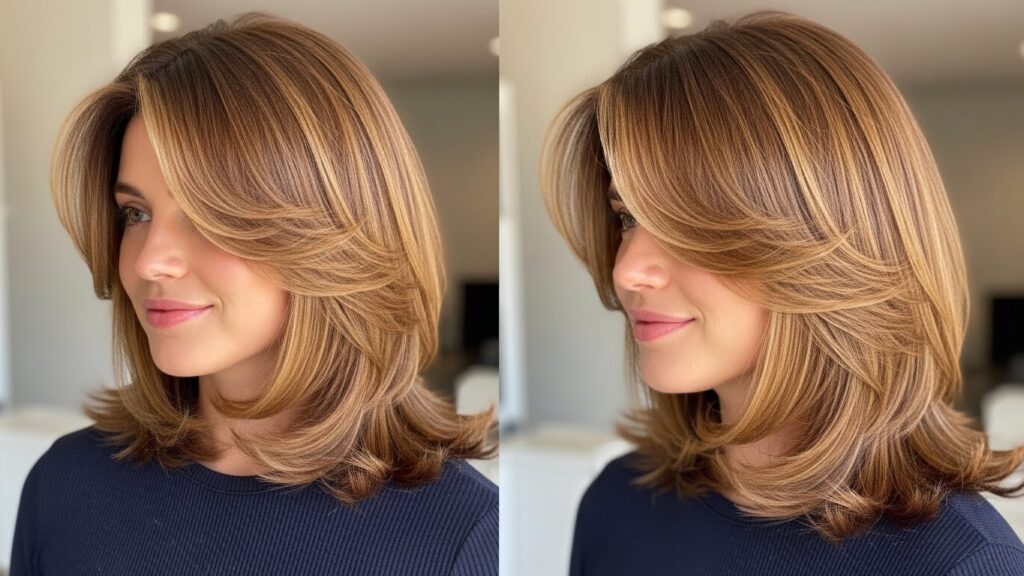
What Exactly Are Curtain Layers?
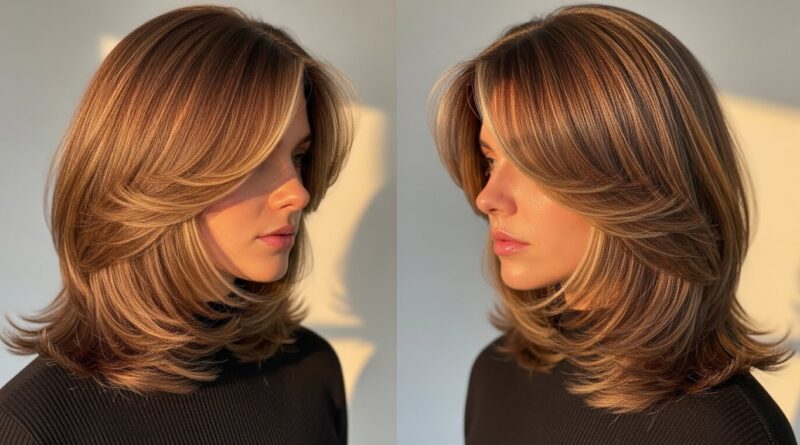
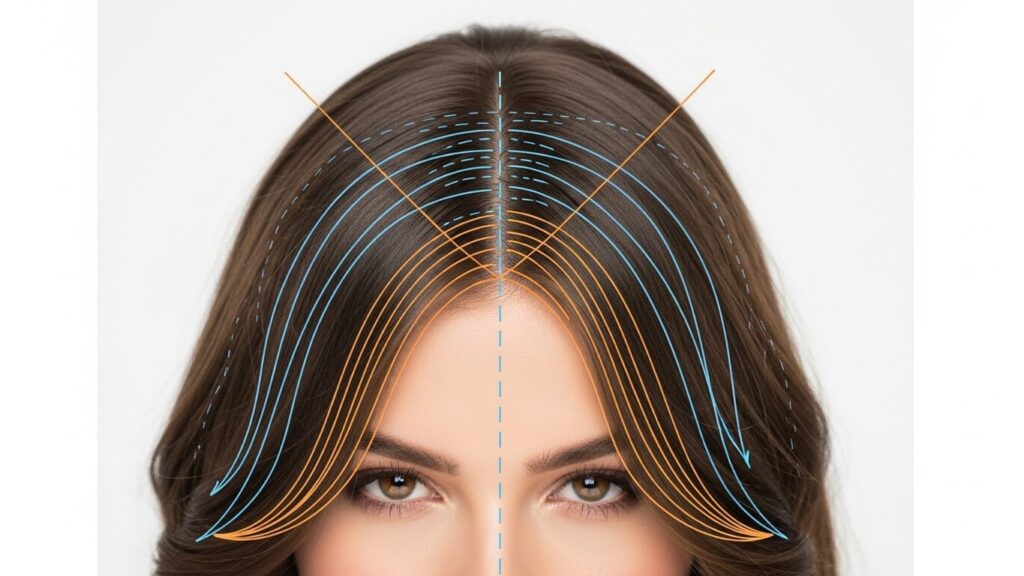
At its core, the curtain layer haircut is defined by its face-framing technique. The longest layers typically fall around the collarbone or chest, while shorter layers are meticulously cut to begin at the chin or cheekbone, cascading down like an open curtain from a center part (though it works beautifully with a deep side part, too). The magic lies in the graduation. These layers are not choppy; they are seamlessly blended into the rest of the hair, creating a soft, V-shaped or U-shaped silhouette from the front.
The term is often used interchangeably with “the shag” or “70s layers,” and while there is overlap, the modern curtain layer is typically softer and more refined. It borrows the face-framing philosophy of the shag but often with less overall layering through the back, making it a more versatile and low-maintenance option. The goal is to create a look that parts easily in the middle and gracefully sweeps away from the face, highlighting your eyes, cheekbones, and lips.
The Unbeatable Benefits: Why Choose This Cut?
Why has this cut endured for decades and now dominates modern hair inspiration boards? The benefits are as compelling as the look itself.
Effortless Volume and Movement: If your hair tends to fall flat, curtain layers are a revelation. By removing weight strategically, they introduce natural lift at the roots and bounce throughout the lengths. Every turn of the head creates a dynamic, flowing effect.
Universally Flattering: This is perhaps its greatest strength. A skilled stylist can tailor the starting point and weight of the layers to suit any face shape. For round faces, longer layers can elongate; for square faces, soft layers can soften angles; for heart-shaped faces, they balance a narrower chin. It’s a customizable frame for your unique features.
Low-Maintenance Styling: Curtain layers are designed to look better as they grow out and with a bit of natural texture. They avoid the harsh, “just-cut” lines that require constant trims. The grow-out phase is graceful, and styling often requires little more than a blow-dry with a round brush or a quick pass with a curling wand to enhance the shape.
Versatility Personified: This cut plays well with others. It’s the perfect foundation for curtain bangs—its natural sibling. It looks stunning worn down, in half-up styles, or in loose, face-framing ponytails. It adapts to straight, wavy, and curly hair with stunning results.
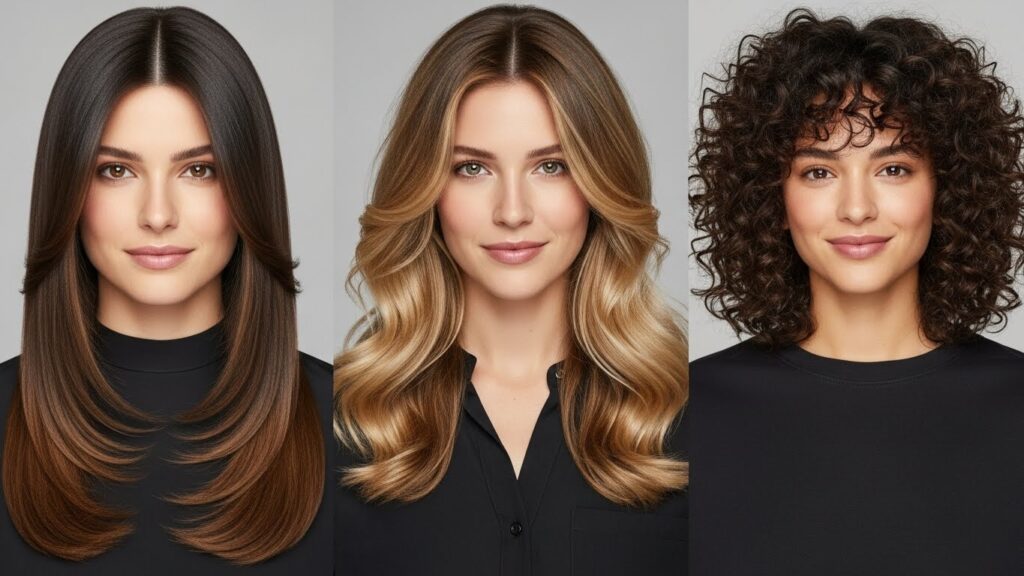
Finding Your Frame: Curtain Layers for Every Hair Type
The adaptability of curtain layers is key to its success. Here’s how it translates across different hair textures.
For Straight Hair: On straight hair, curtain layers create beautiful, clean lines and subtle dimension. They prevent hair from looking like a solid, heavy block. The layers introduce swing and a sense of softness, often making straight hair appear thicker and more dynamic. A light texturizing spray can enhance the separation.
For Wavy Hair: This is a match made in heaven. Wavy hair naturally embraces the movement of curtain layers. The cut enhances the wave pattern, giving it direction and shape. It helps distribute volume evenly, preventing the dreaded “triangle” shape. Simply scrunch in a mousse or sea salt spray for an iconic, beachy look.
For Curly Hair: On curly textures, curtain layers can be transformative. They help de-bulk thick curls, reducing weight and encouraging springier, more defined curls from the roots down. The face-framing layers ensure curls beautifully highlight your features rather than hiding them. It’s crucial to find a stylist experienced in cutting curly hair dry to perfect the shape.
For Fine Hair: Fear not—this cut can be a volume game-changer. The key is in the precision. Light, wispy layers that are not overdone can create the illusion of thickness and body. Adding a root-lifting spray and focusing volume at the crown will maximize the effect.
Styling Your Curtain Layers: The Effortless Routine
The beauty of this cut is in its styling simplicity. Your goal is to enhance the natural flow of the layers.
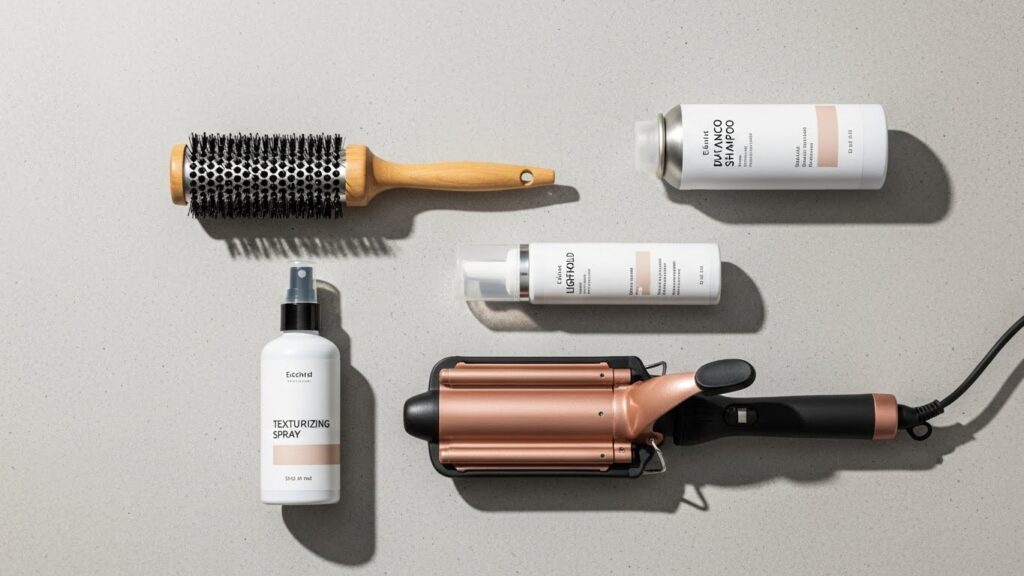
The Signature Blow-Dry: Start with damp hair. Using a round brush, blow-dry sections from underneath, rolling the brush away from your face once you reach the mid-lengths and ends. This encourages the outward sweep that defines the look. Direct the airflow at the roots for lift.
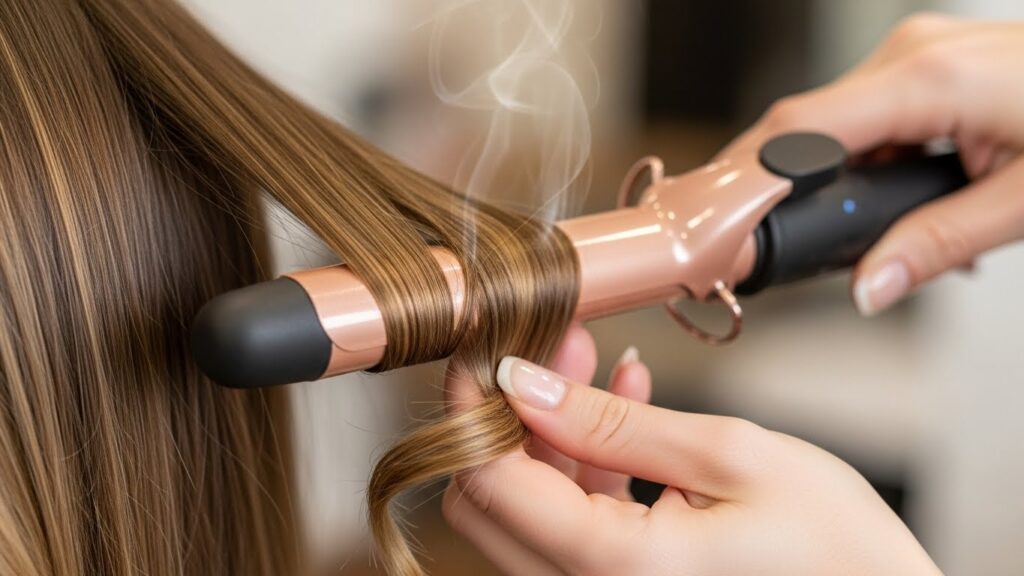
Heat Tool Enhancement: For a more polished or enhanced wave, use a large-barrel curling wand (1.5 inches or wider). Wrap sections away from your face, holding for only a few seconds. Remember: variety is key. Alternate the direction of a few curls to keep it looking natural. Once done, run your fingers through the curls to break them up.
Embracing Texture: On second or third-day hair, or for a truly undone look, texture is your friend. Apply a dry shampoo to the roots for grip and volume, then a light texturizing spray or sea salt mist through the mid-lengths. Twist a few face-framing pieces randomly and let them fall.
The Part is Paramount: A deep center part is classic, but don’t be afraid to experiment with a deep side part for a more dramatic, retro feel. The layers will adapt and frame your face differently, offering a subtle change in look with just a shift in your part.
Conversation with Your Stylist: How to Get the Cut
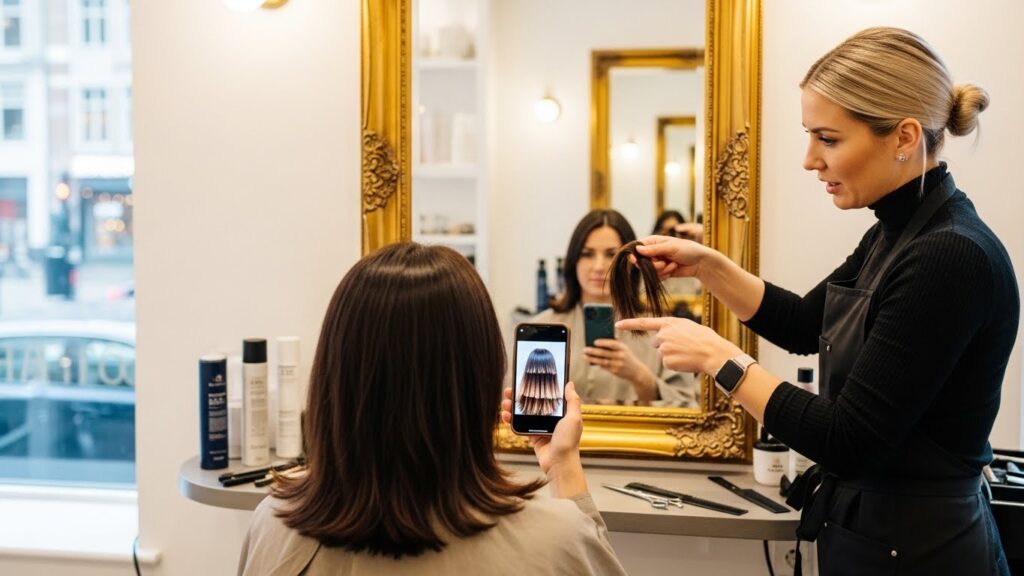
Walking into the salon prepared is the best way to ensure you walk out with your dream hair. Communication is everything.
Bring clear photo references from multiple angles. Use terms like “soft, blended layers,” “face-framing layers starting at the cheekbone/chin,” and “a seamless, gradual graduation.” Emphasize that you want movement and a lived-in feel, not a choppy or uniform layered cut.
Discuss your daily routine and hair type honestly. A good stylist will adjust the weight and placement of the layers based on how much time you want to spend styling and how your hair naturally behaves. Ask for their opinion on whether curtain bangs would be a good addition—they often complement the cut perfectly but require a bit more styling commitment.
Remember: A quality cut is an investment. Curtain layers rely on precision, so seeking out a stylist with proven experience in this specific technique is highly recommended.
Beyond the Trend: The Timeless Appeal of a Frame
While curtain layers are undoubtedly having a major moment, their resurgence speaks to a deeper shift in beauty ideals. We are moving away from high-maintenance, rigid perfection and towards styles that celebrate individuality, ease, and natural texture. This cut doesn’t fight your hair; it collaborates with it.
It’s a cut that looks as good with a casual t-shirt and jeans as it does with an evening gown. It grows out gracefully, evolves with your style, and serves as the most flattering accessory you’ll ever own—one that literally highlights your best features. By choosing curtain layers, you’re not just following a trend; you’re investing in a haircut philosophy that values timeless shape over temporary fads.
So, are you ready to open up and let your features take center stage? To embrace a cut that offers both vintage cool and modern sophistication? The curtain is rising on a new chapter for your hair—one defined by softness, movement, and a frame that’s uniquely yours.