The Soft Undercut: Subtle Shaving That Reduces Bulk
Have you ever loved the shape and style of your hair but wished it was just a little lighter, a little more manageable? You’re not alone. For those with thick, dense, or simply heavy hair, bulk can be the enemy of style, weighing down even the most expertly crafted cuts. But what if there was a secret, almost invisible technique to liberate your hair from its own weight? Enter the soft undercut—the grooming industry’s best-kept secret for effortless volume and movement.
What Exactly is a Soft Undercut?
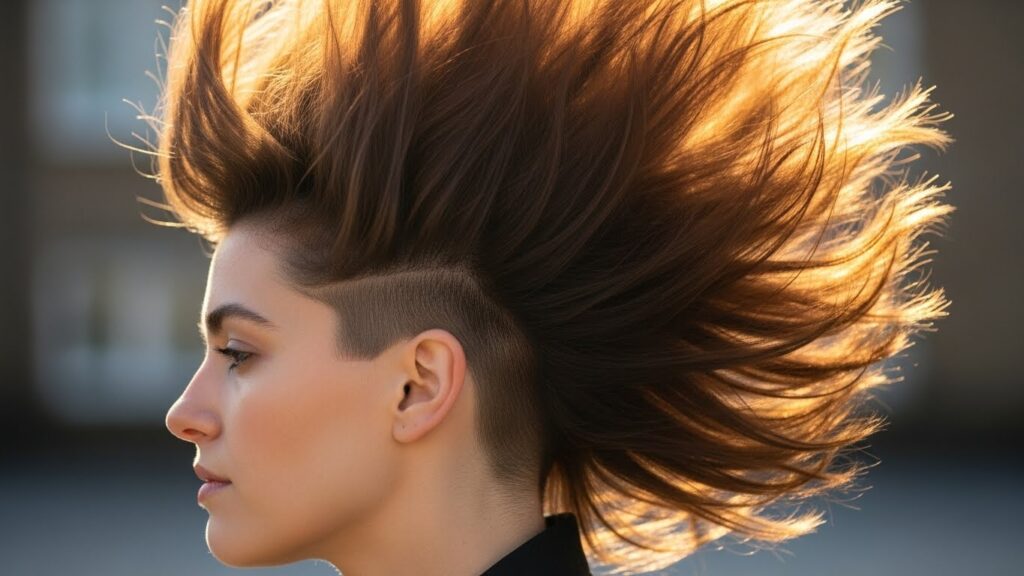
Let’s clear up any confusion first. A traditional undercut involves shaving or closely clipping the hair on the sides and back, leaving a stark contrast with the longer hair on top. The soft undercut, sometimes called an “invisible undercut” or “hidden undercut,” is entirely different. The goal here is not contrast but weight reduction.
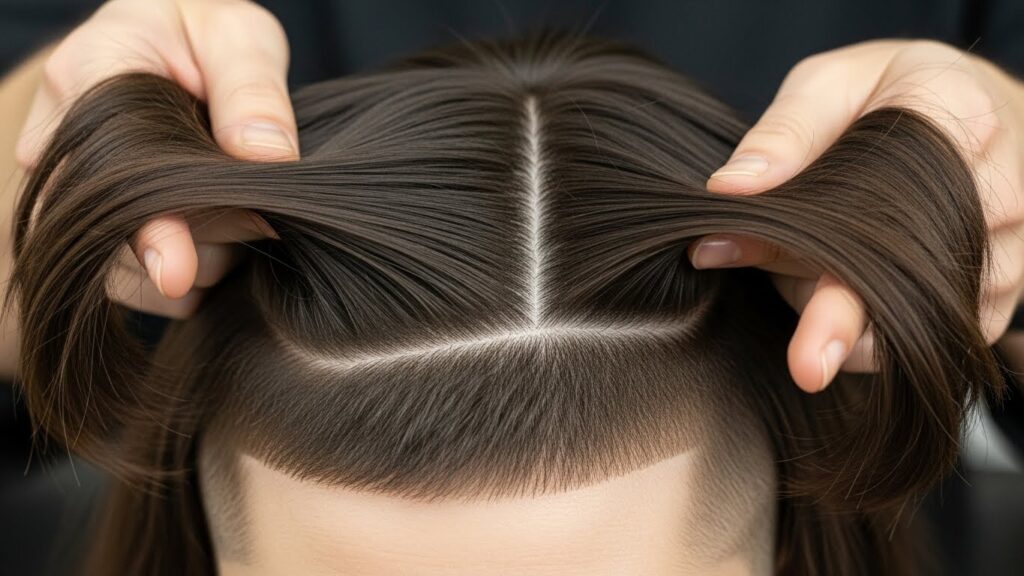
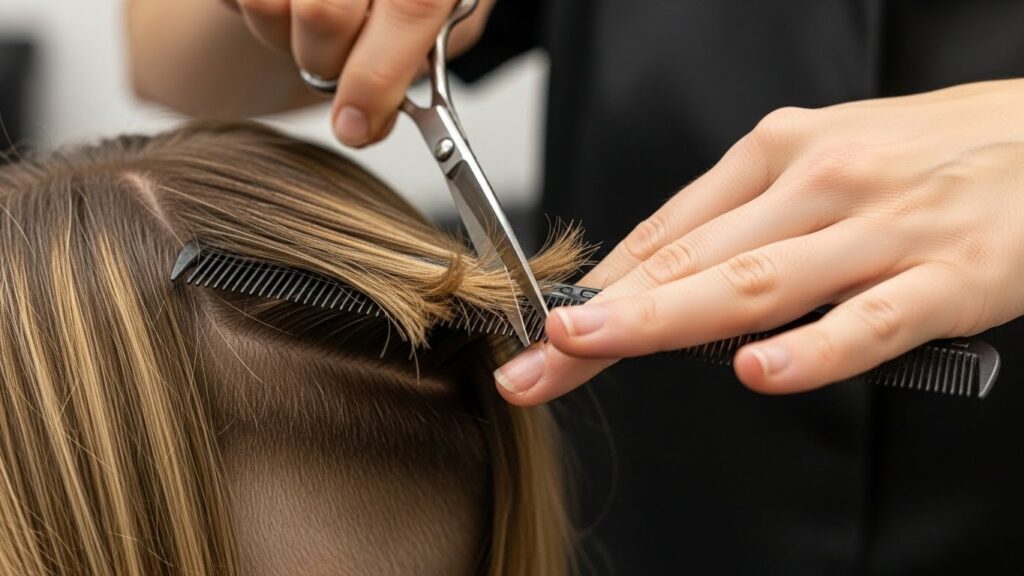
The process involves your stylist carefully lifting sections of your hair—typically in the lower layers at the back, the crown, or sometimes under the sides—and using clippers or a razor to shorten or completely remove the hair in those selected areas. The magic lies in the placement and graduation. The shaved areas are strategically cut so that when the top layers fall back into place, they seamlessly cover the undercut. No one can tell it’s there, but you will feel the difference immediately in the reduced weight and increased lift at the roots.
The Problem Solver: Who Needs a Soft Undercut?
This technique is a game-changer for specific hair types and style challenges. It’s not a one-size-fits-all cut, but for the right person, it’s revolutionary.
If you have thick, heavy, or dense hair: This is the primary candidate. Your hair can be difficult to style, prone to “triangle head” (where the width is at the bottom), and takes forever to blow-dry. A soft undercut removes the internal bulk that causes these issues.
If you want to maintain length but need more shape: Perhaps you’re growing out your hair but it’s becoming a shapeless, heavy curtain. A soft undercut adds internal architecture and shape without sacrificing your visible length.
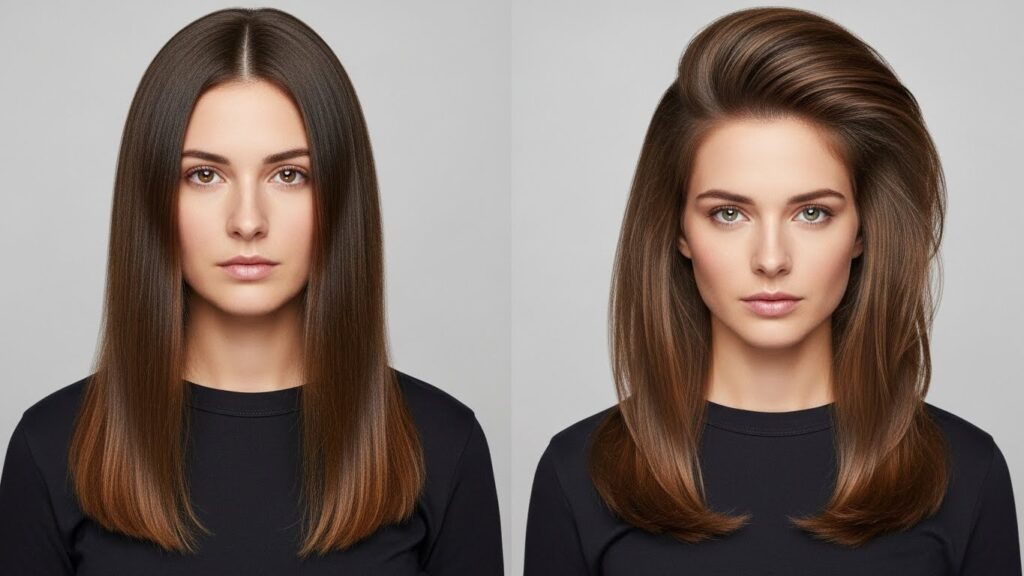
If you crave volume and movement: By removing the anchor of weight at the lower layers, the hair above is free to move, bounce, and achieve natural volume at the crown that no amount of backcombing can match.
If you have fine hair but a lot of it: Yes, even fine-haired folks can suffer from bulk! If you have a high density of fine strands, your hair can still be heavy and limp. A careful soft undercut can reduce density without sacrificing the appearance of fullness.
The Stylist’s Secret: How a Soft Undercut is Performed
Getting a soft undercut requires a skilled stylist who understands balance and geometry. Here’s a breakdown of the typical process:
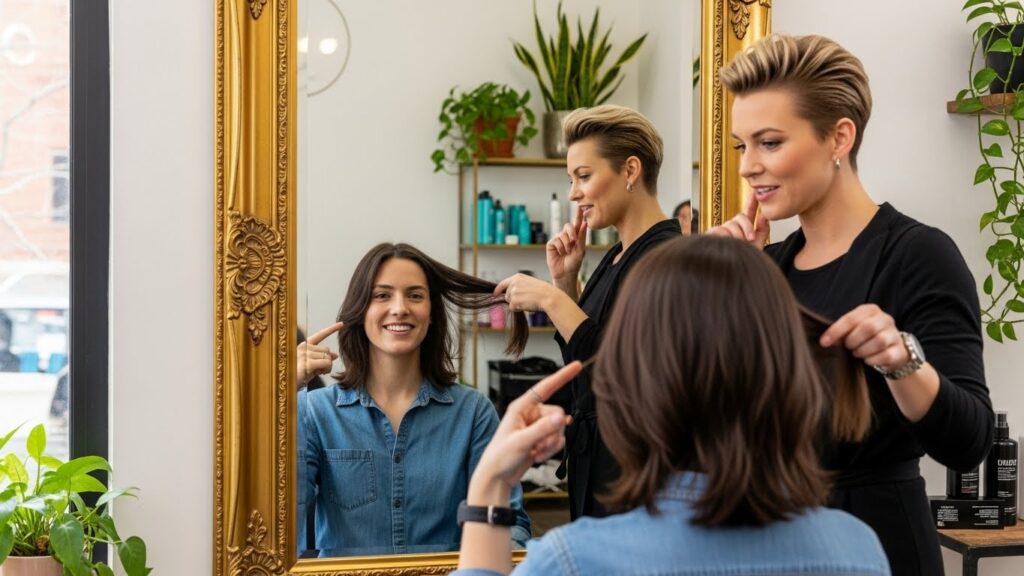
Consultation is Key: You and your stylist will discuss your hair challenges—where it feels heaviest, how you wear it, your styling routine. They will feel the density and determine the precise areas for weight removal.
Sectioning and Shaving: After washing, your stylist will begin cutting the exterior shape as usual. For the undercut, they will isolate horizontal sections in the target zones (e.g., the nape area, under the parietal ridge). Using clippers with a guard (often a #2 or #3 to leave some length) or a razor, they will reduce the bulk in these sections. The perimeter is often left slightly longer to blend perfectly, ensuring no hard lines are visible.
Blending and Finishing: This is the most crucial step. The stylist will meticulously blend the shaved areas into the longer layers above, often using shear-over-comb or texturizing techniques. The final check involves dropping all the hair down and verifying that the undercut is completely hidden, only revealing its benefits through touch and movement.
Asking Your Stylist: The Right Way to Request This Cut
Walking in and asking for an “undercut” might get you the wrong, dramatic version. Communication is essential. Use these phrases to get on the same page:
“I’m looking to reduce bulk and weight without losing my length. I’ve heard about a ‘hidden’ or ‘soft’ undercut. Is that something you do?”
“My hair is so heavy at the bottom. Can we do some internal thinning or strategic shaving in the lower layers to help it lift and shape better?”
“I want to keep my hair long on the outside, but I need help with the density. Can we remove weight from underneath to make it more manageable?”
Bringing clear photos can also be incredibly helpful. Show them pictures of the result (manageable, voluminous hair) rather than the technique itself, as the technique should be invisible.
The Pros and Cons: Is a Soft Undercut Right for You?
Like any haircut, the soft undercut has its brilliant advantages and a few considerations.
The Pros:
Unbeatable Manageability: Hair is lighter, dries faster, and styles with far less effort. Blow-drying time can be cut in half.
Hidden Transformation: The change is purely functional. You get all the benefits without a drastic change in your look.
Enhanced Style and Volume: Your everyday styles—ponytails, braids, loose waves—will have more body and a better shape because the underlying bulk isn’t dragging them down.
The Cons:
Growth and Maintenance: The shaved areas will need to be trimmed every 6-10 weeks to maintain the effect and prevent awkward regrowth from pushing on the top layers.
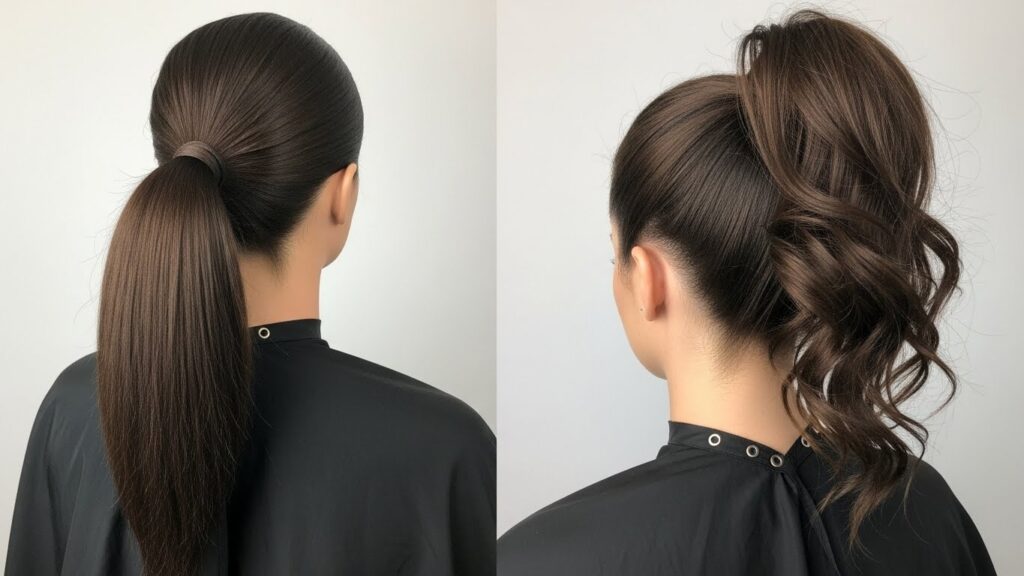
Not for Every Style: If you frequently wear your hair in a high, slicked-back ponytail or an updo that exposes the nape, the undercut may become visible.
Requires a Skilled Stylist: A poorly executed undercut can create lines or cause the top layer to collapse. Do your research and choose an experienced professional.
Styling Your Hair Post-Soft Undercut
Once you have your new cut, styling becomes a joy. You’ll find that products work better and styles hold longer. For maximum impact, focus on enhancing the natural lift you now have. Use a volumizing mousse or root-lift spray on damp hair at the crown before blow-drying. When curling or waving your hair, you’ll notice the curls springier and less weighed down. Even a simple air-dry will result in more definition and less frizz, as the hair isn’t packed together under its own weight.
The soft undercut is the ultimate functional haircut. It prioritizes how your hair feels and behaves over a radical visual change. It’s a testament to modern hairdressing’s sophistication—a technique that solves a practical problem with elegant, invisible precision. If you’ve been battling bulk, dreaming of volume, or simply tired of the arm workout from blow-drying, this subtle shaving secret might just be your hair’s new best friend.