The Amsterdam Shag: Dutch Style with Attitude
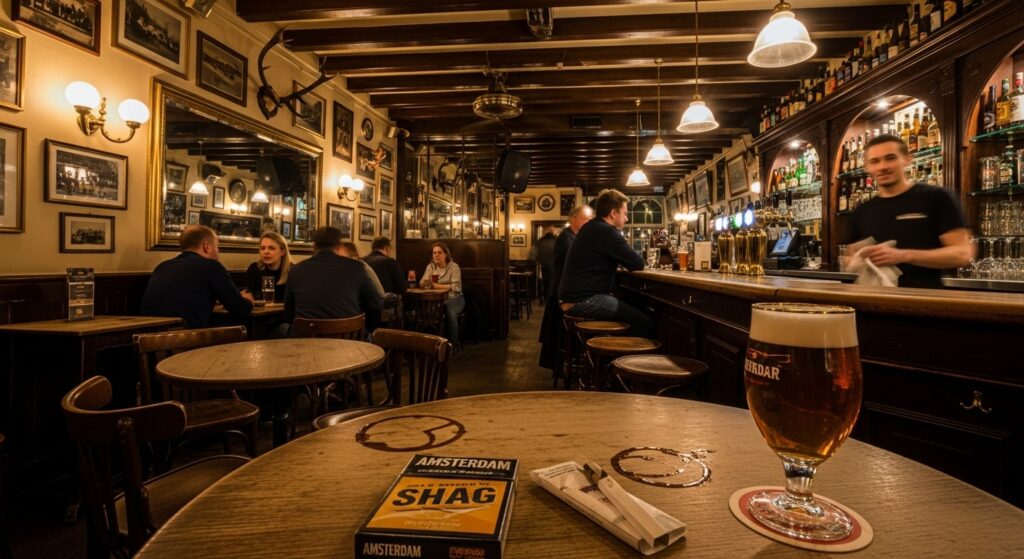
In the world of tobacco, few names carry as much distinct character and cultural weight as Amsterdam Shag. It’s more than just a rolling tobacco; it’s a statement. It evokes images of cozy, dimly-lit brown cafés, the clatter of bicycle wheels on cobblestones, and a uniquely Dutch approach to life: direct, unpretentious, and with a relaxed confidence. This isn’t the tobacco of boardrooms or luxury lounges. This is the smoke of artists, philosophers, students, and free spirits—a blend that embodies a certain gritty charm and undeniable attitude.
What is Shag? Unpacking the Cut
First, let’s demystify the term “shag”. In tobacco terminology, “shag” refers to a specific cut. Unlike broader, flake, or ribbon cuts, shag is cut into long, thin, and fine strands. Think of it as the tobacco equivalent of angel hair pasta. This fine cut serves a very practical purpose: it rolls beautifully. The thin strands nestle together easily, creating an even burn and a smooth draw in a hand-rolled cigarette.
Amsterdam Shag takes this cut and makes it a signature. The tobacco is typically dry, another key feature. This dryness isn’t a flaw; it’s by design. It makes the tobacco easier to handle, easier to roll, and it burns at a cooler temperature, which many argue allows for a cleaner flavor profile. The result is a smoking experience that is both economical and deeply satisfying, favoring skill and ritual over convenience.

A Brief History: From Sailors to Subculture
The story of shag is intertwined with maritime history. The fine cut was popular among sailors—it was economical, stored well, and was perfect for rolling in windy conditions. The Netherlands, with its rich seafaring heritage and global trade networks through the Dutch East India Company, naturally became a hub for this tobacco style.
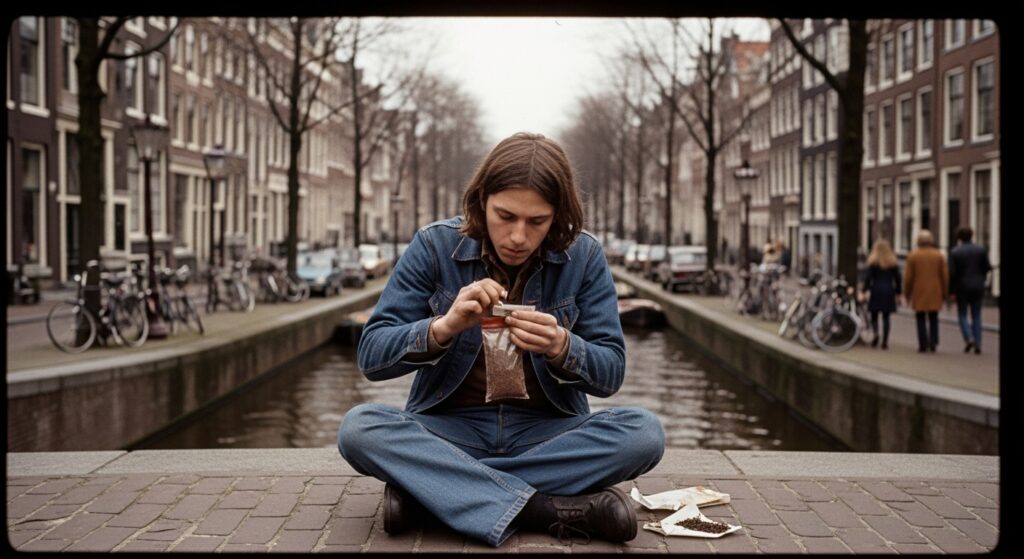
In the post-war 20th century, Amsterdam Shag found its spiritual home. As Amsterdam became a beacon for counterculture, liberal thought, and artistic expression in the 1960s and 70s, the local shag evolved with it. It was the tobacco of choice for a generation questioning authority. It was affordable, it was strong, and it required a moment of participation—the act of rolling your own. This stood in stark contrast to the pre-packaged, mass-produced cigarettes marketed by big corporations. Smoking shag became a subtle act of self-reliance and non-conformity.
The Flavor Profile: Bold, Earthy, and Unapologetic
If you’re expecting a mild, sweet, or aromatic smoke, Amsterdam Shag will set you straight. This is a bold, robust tobacco. The flavor profile is typically dominated by dark-fired Kentucky or Burley tobaccos, offering deep, earthy, woody, and slightly peppery notes. There’s a toastiness to it, a hint of dark coffee or bitter cocoa.
While some variants may have a touch of Virginia tobacco for a hint of brightness or a very light casing, the philosophy is generally minimal intervention. The goal is to showcase the raw character of the tobacco itself, not to mask it with heavy perfumes or sugars. It’s a no-nonsense flavor for a no-nonsense smoker. The strength can be considerable, especially to the uninitiated, delivering a solid nicotine hit that is part of its legendary reputation.

The Ritual of the Roll: Where Skill Meets Satisfaction
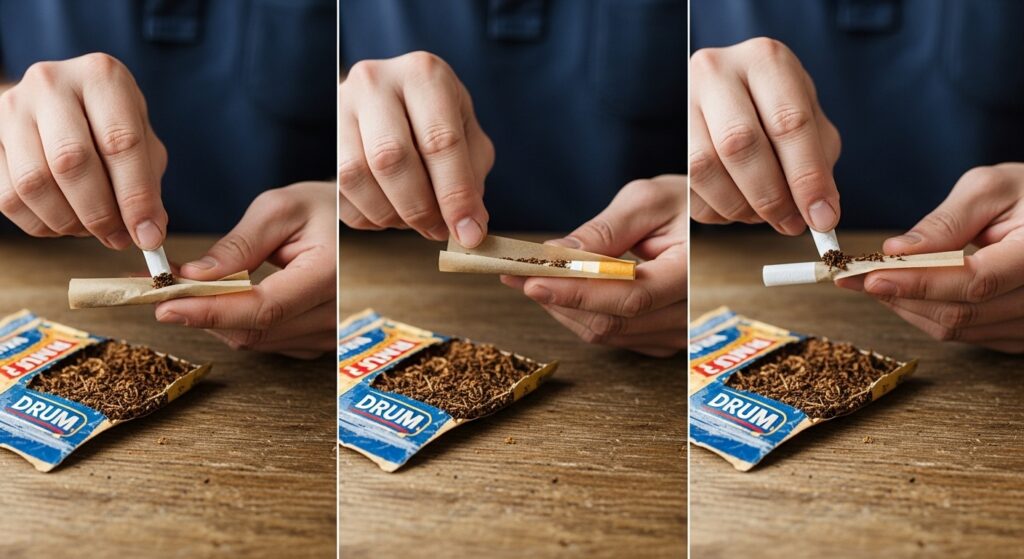
To truly understand Amsterdam Shag, you must understand the ritual. This tobacco isn’t about tearing open a pack. It’s about the deliberate, meditative process of creating your own cigarette. Taking the dry, fragrant strands, distributing them evenly along the paper, tucking, and rolling requires a bit of practice—it’s a learned skill that breeds a sense of accomplishment.
In the social setting of a Dutch bar, rolling a cigarette is a shared language. It’s an invitation to conversation, a moment to pause and engage. The speed and dexterity with which an experienced roller crafts a perfect, tight cylinder is a minor art form. This ritual reinforces the tobacco’s identity as something authentic and personal, far removed from the disposable nature of factory-made cigarettes.
Amsterdam Shag in Modern Culture
Today, Amsterdam Shag retains its iconic status. While smoking prevalence has declined globally, this blend maintains a loyal following. It’s a staple in coffee shops and bars across the Netherlands and has a cult following worldwide among aficionados of rolling tobacco. Brands like Van Nelle, Drum, and Jacobson & Co. have become synonymous with the category, each with their own slight variations on the classic, robust theme.
It represents a certain laid-back authenticity. In a world of polished marketing and homogenized products, Amsterdam Shag remains stubbornly itself: strong, a little rough around the edges, and utterly genuine. It’s a tangible link to a specific place and attitude—a reminder of Amsterdam’s history as a haven for free thinking and simple pleasures.

Beyond the Smoke: An Icon of Attitude
Ultimately, the Amsterdam Shag is more than the sum of its parts. The fine cut, the dry texture, the bold flavor, and the rolling ritual all combine to create something with a powerful personality. It carries the attitude of Dutch directness—it doesn’t try to please everyone. It is what it is, unapologetically.
To choose Amsterdam Shag is to participate in a piece of cultural history. It’s a choice for substance over style (though it has a style all its own), for engagement over passivity. Whether you encounter it in its native habitat, a smoky bruin café, or in a pouch on the other side of the world, it tells a story of independence, skill, and a gritty kind of charm. It’s Dutch style, with a whole lot of attitude.