Swoopy Layers: Curved Sections That Create Movement
In the world of hairstyling, some trends come and go with the seasons. Others, however, tap into a fundamental principle of beauty and design, evolving into timeless techniques. Enter the swoopy layer. This isn’t just a cut; it’s a philosophy of movement. Imagine hair that doesn’t just sit there but dances with every turn of the head. Picture soft, curved sections that frame the face like a masterpiece, adding volume, flow, and an undeniable modern edge. If your hair feels static, heavy, or lacking personality, the secret to its liberation likely lies in the strategic placement of these dynamic, curved layers.
What Exactly Are Swoopy Layers?
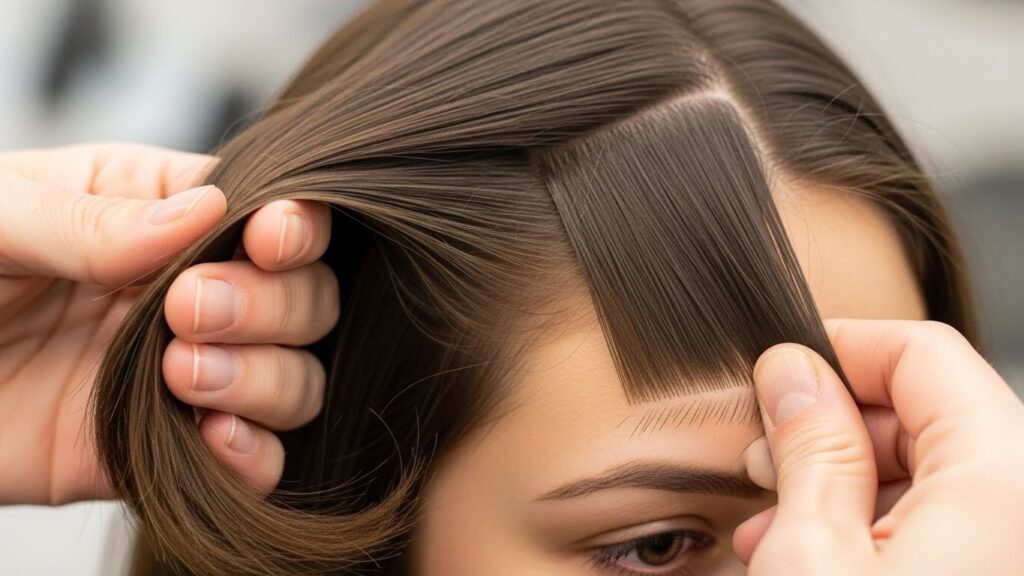
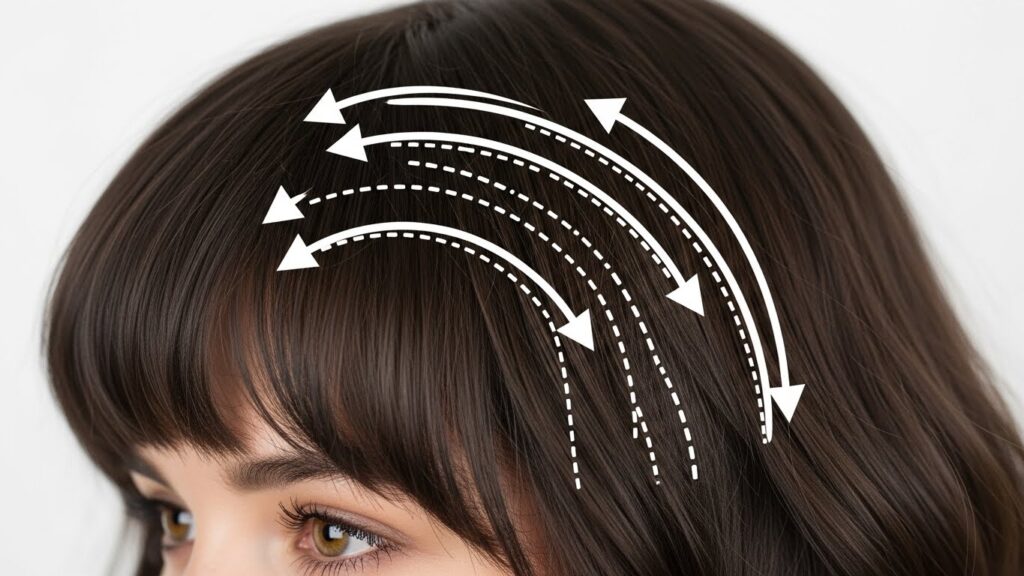
At its core, a swoopy layer is a section of hair cut on a curve, not a straight line. Traditional layering often involves cutting hair at uniform elevations around the head, which can sometimes create a round, “helmet-like” effect. Swoopy layers, in contrast, are asymmetrical and directional. They are strategically placed to guide the eye along a specific path, typically to frame the face and create a flattering, open effect.
The “swoop” comes from the curved shape of the section itself and the way the hair falls afterward. Stylists often use a technique called point cutting or curve cutting into the ends of the hair, softening the line and ensuring the layers blend seamlessly. This prevents any harsh, choppy lines and instead creates a gradual, flowing transition from shorter to longer lengths. The result is hair that appears to swing and sweep naturally, with highlights and shadows playing off the curved surfaces to add depth and dimension.
The Magic of Movement: Why Swoopy Layers Work
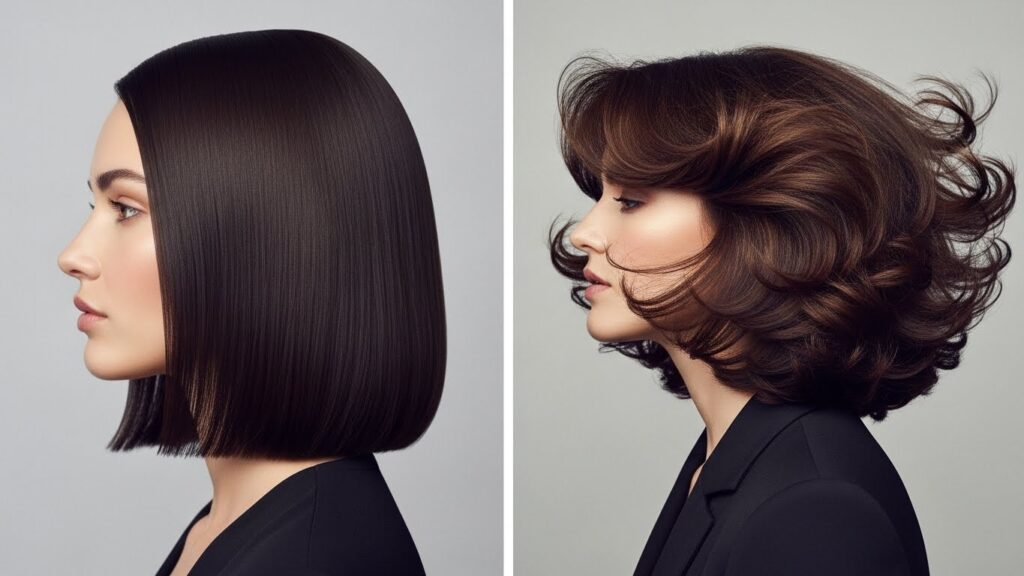
Why does this technique feel so revolutionary? It all boils down to physics and perception. Straight, blunt lines are static. Curves imply motion. When applied to hair, curved layers achieve several transformative things:
They Create Illusionary Volume: By removing weight in specific, curved areas (not uniformly), swoopy layers allow the hair to lift and bend away from the head. This is especially powerful for those with fine or flat hair, as it builds body from within the shape, not just on the surface.
They Frame the Face Dynamically: Unlike static, heavy bangs or face-framing pieces, swoopy layers are cut to complement bone structure. A curved layer can soften a strong jawline, highlight cheekbones, or open up a narrow forehead. The movement draws attention to the eyes and smile in a natural, fluttering way.
They Enhance Color and Texture: The curved planes created by these layers catch light differently. This means your color—whether natural, balayaged, or highlighted—will have more dimension and shine. For wavy or curly hair, swoopy layers encourage curls to spring up in a more organized, face-framing pattern, reducing bulk without sacrificing shape.
They Offer Effortless Style: Hair cut with intelligent movement tends to fall into place beautifully, even when air-dried. The built-in direction means less fighting with your hair and more embracing its natural flow.
Is the Swoopy Look Right for You? Consultation is Key
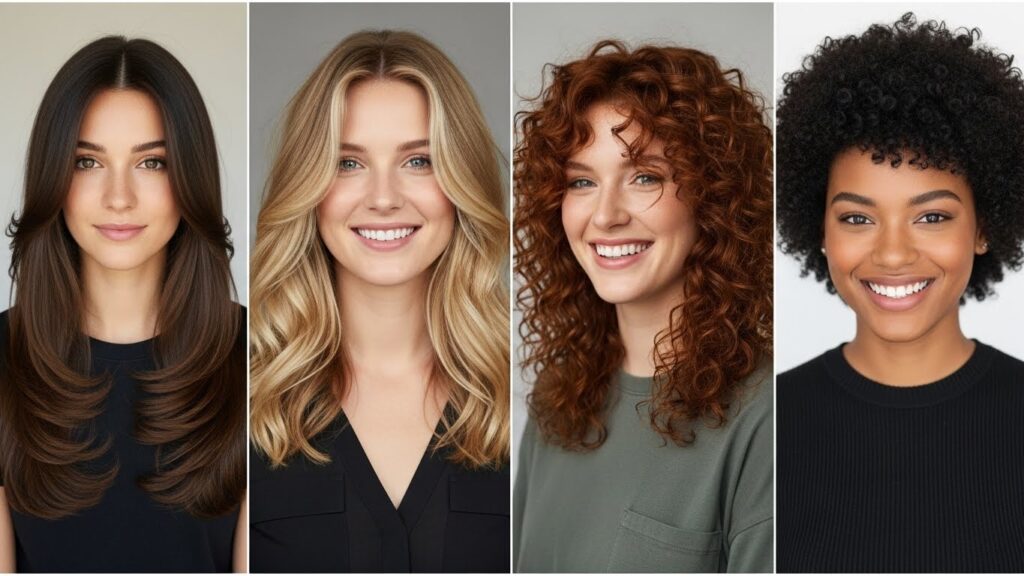
The beautiful truth about swoopy layers is their incredible versatility. They are not confined to a single hair type, length, or texture. However, a successful outcome depends entirely on expert customization. Here’s a quick guide:
For Long Hair: Swoopy layers are a salvation from the “triangle” effect—where hair is thick at the bottom and flat on top. Long, swoopy layers starting at the chin or collarbone remove interior weight, add swing, and prevent a dated look.
For Medium-Length Hair (The Lob and Beyond): This is arguably the perfect canvas. A medium-length cut with swoopy layers becomes the epitome of chic, easy style. It provides enough length to see the movement clearly and enough shortness to hold a shape beautifully.
For Short Hair: Yes, even pixies and bobs can get the swoop treatment! It’s all about the interior carving and the direction of the front pieces. A swoopy pixie might have longer, curved pieces around the face, while a swoopy bob would feature asymmetric, moving lines instead of a solid, blunt bowl.
For Fine vs. Thick Hair: For fine hair, the layers are placed to create the illusion of thickness without over-thinning. For thick hair, swoopy layers are used to remove bulk strategically, directing the hair’s volume into a more wearable, flowing shape.
The non-negotiable step is a thorough consultation with a skilled stylist. Bring inspiration photos that highlight movement, not just a length. Discuss your daily routine—how much time you spend styling—so the cut can be tailored to your reality.
Styling Your Swoopy Layers: Maximizing the Movement
A great cut makes styling easier, but a few pro tips will ensure your swoopy layers look their best every day. The goal is to enhance the curves, not fight them.
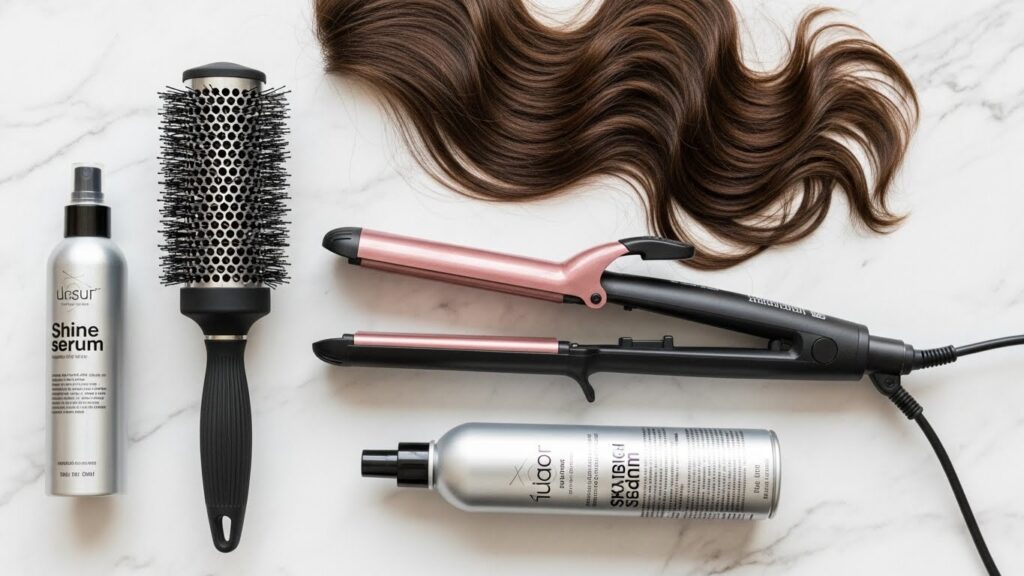
Blow-Drying for Swing: Use a round brush. As you dry each section, wrap the hair around the brush and direct the ends in the intended “swoop” direction—usually away from the face or downward toward your shoulders. Finish with a blast of cool air to set the shape.
Embracing Natural Texture: For wavy or curly hair, apply a curl-defining cream or mousse to damp hair. Scrunch gently and diffuse or air dry. Avoid brushing once dry, as this will break up the beautiful, layered curl patterns.
The Power of the Curling Iron/Wand: To amplify the swoop, use a large-barrel iron to create loose, flowing waves. Wrap sections away from your face in alternating directions for a more natural, less “pageant” look. Remember, you’re enhancing the cut’s movement, not creating new structure.
Product Recommendations: A light-hold texturizing spray is your best friend. It adds grit and separation, allowing the layers to move independently without sticking together. A smoothing serum or oil on the ends will keep the swoops looking polished and healthy, not frizzy.
Communicating with Your Stylist: The Swoopy Layer Lexicon
Walking into the salon and saying “I want layers” can lead to a generic result. To get true swoopy layers, you need to speak the language. Here are key phrases to use:
Avoid: “Just take a little weight off.” or “Give me some layers all over.”
Use Instead: “I’m looking for face-framing layers with movement.” “I want the layers to be soft and curved, not choppy.” “Can we create a cut that has a side-swept, directional flow?” “I’d love layers that remove weight from the inside to help the hair swing.”
Point to the areas where you want the most movement—e.g., “I’d like the swoop to start here at my cheekbone and curve back toward my shoulder.” Visual aids are powerful. Show pictures where you can see the hair in motion, not just perfectly set for a photo shoot.
Beyond the Cut: Maintaining Your Masterpiece
Swoopy layers, like any precision cut, require maintenance to stay, well, swoopy. As hair grows, the weight distribution changes, and the beautiful curves can lose their definition.
Regular Trims: Plan on a trim every 8-12 weeks. This isn’t just about removing split ends; it’s about recalibrating the shape. Your stylist can re-sharpen the curved lines and remove new weight that’s dragging the layers down.
Healthy Hair is Moving Hair: Dry, damaged hair doesn’t swing; it clumps and frizzes. Invest in a good hydrating mask and use heat protectant religiously. The healthier your hair, the more vibrant the movement of your layers will be.
In a hair landscape often dominated by rigid trends, the swoopy layer stands out as a celebration of individuality and dynamism. It’s a cut that understands that hair is not a static object but a living, moving part of your expression. It’s about creating a shape that interacts with light, environment, and your own energy. By asking for curved sections that create movement, you’re not just getting a haircut—you’re investing in a feeling of lightness, confidence, and effortless style that follows you with every step.