Balayage Layers: Color That Follows Your Cut
Imagine a sunset painted across a rolling landscape—the colors aren’t applied in uniform blocks, but rather, they flow, blend, and highlight the natural contours of the land. Now, translate that artistry to hair. This is the magic of combining balayage with layered haircuts. It’s not merely adding highlights to a finished style; it’s a philosophy where color consciously follows the cut, creating a symbiotic relationship that results in unparalleled dimension, movement, and a truly bespoke look.
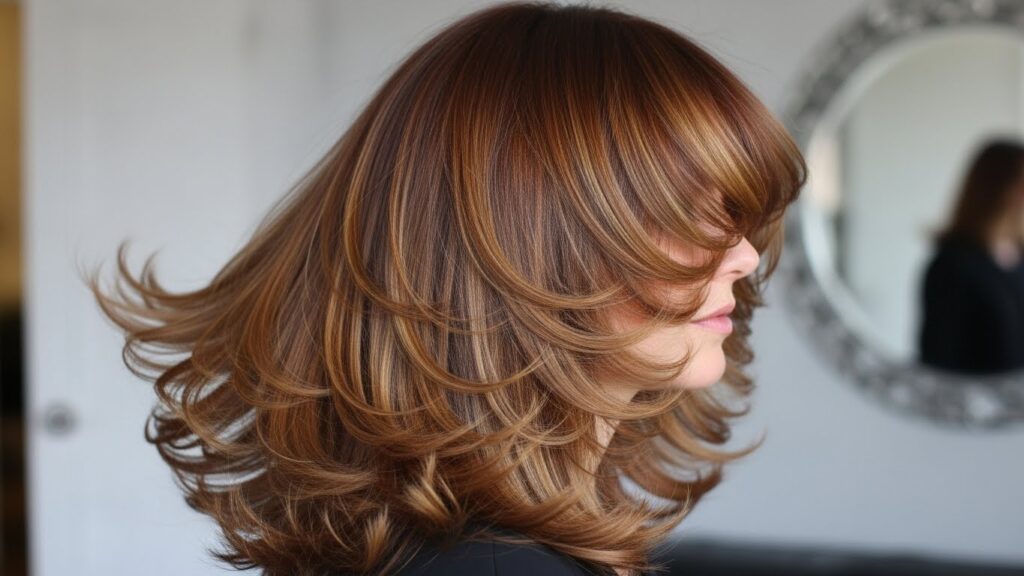
Why Balayage and Layers Are a Match Made in Hair Heaven
At its core, balayage is a freehand highlighting technique where color is “swept” onto the surface of the hair in a way that mimics how the sun would naturally lighten it. Layers, on the other hand, are a cutting technique that removes weight and creates shape, texture, and movement. When you marry these two concepts, something extraordinary happens.
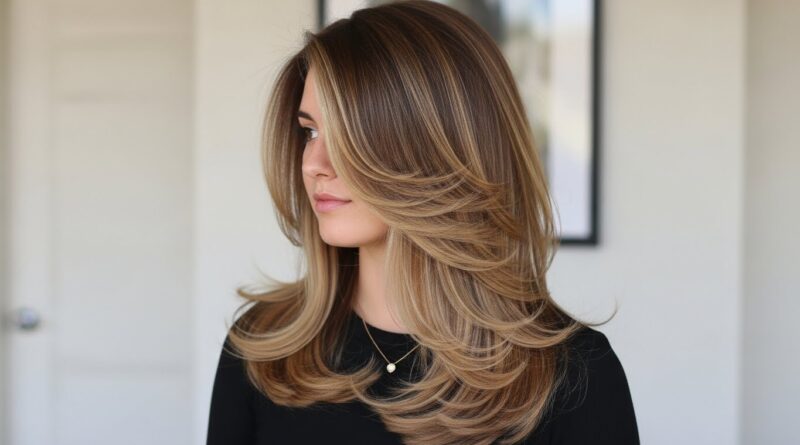
The color becomes an extension of the cut. Instead of uniform foils that can sometimes fight against a layered shape, balayage allows the colorist to paint precisely where the light would naturally hit each individual layer. This means the ends of shorter layers catch brightness, while longer layers have a deeper, richer progression of color. The result is a three-dimensional effect that makes the haircut itself look more dynamic and expensive. It adds depth that a solid color or traditional highlights simply cannot achieve.
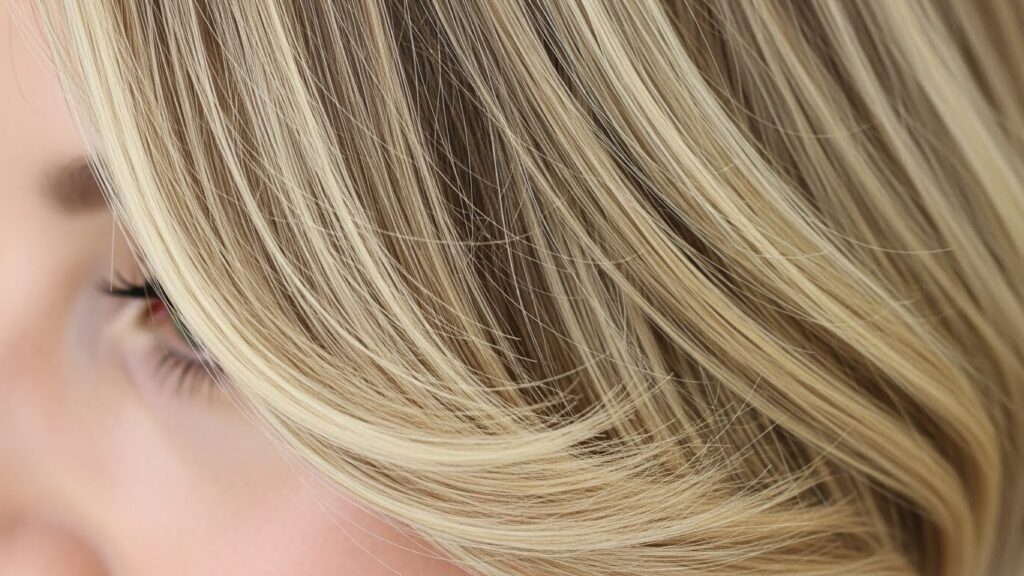
The Art of Placement: How Colorists Paint for Your Layers
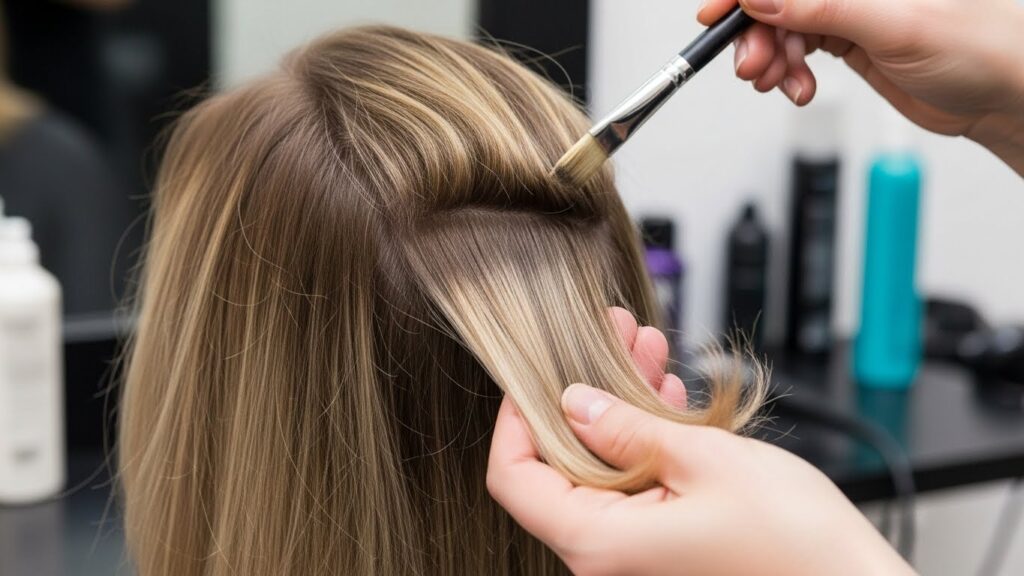
This isn’t a one-size-fits-all process. A skilled balayage artist approaches a layered cut like a sculptor studying their marble. They must understand the architecture of the haircut before a single drop of lightener is mixed.
The process begins with a consultation where the colorist examines your layers—their length, weight, and direction. Are they soft, feathered layers? Or sharp, angular ones? Is it a shag cut with heavy texture? Each style demands a different painting strategy. For face-framing layers, the artist will typically concentrate brighter, finer sweeps around the front to illuminate your features. For internal layers throughout the crown, they might use a technique called “teasing” or “backcombing” the root before painting to create a softer, more diffused regrowth line that blends seamlessly.
The key principle is following the hemline. The ends of your layers become the focal points for the lightest parts of the balayage. This intentional placement ensures that when your hair moves, the color flashes and recedes in a natural rhythm, making the style look alive and full of body.
Best Layered Cuts for Balayage Color
While balayage can enhance almost any layered cut, some styles are particularly transformed by this color approach.
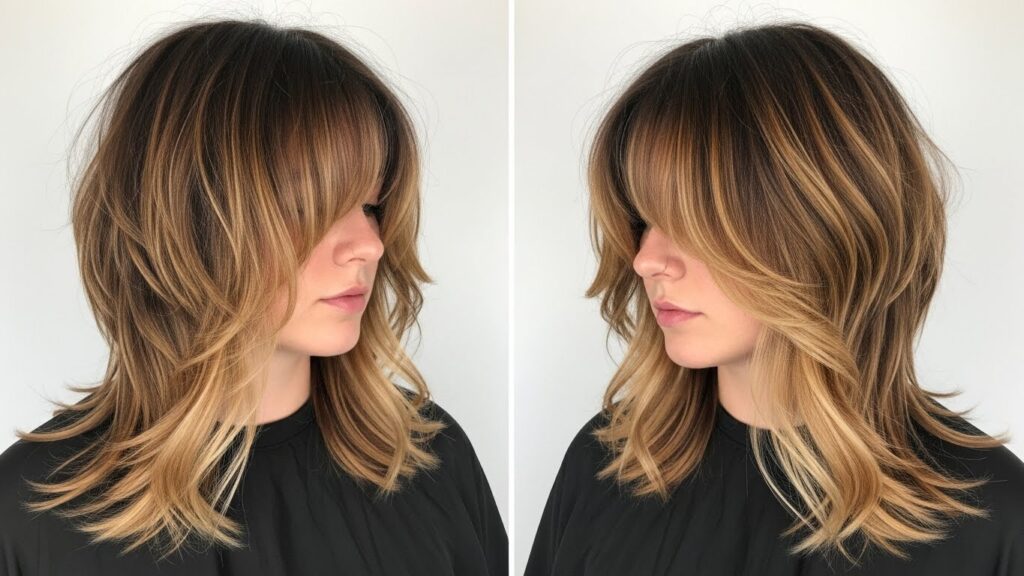
The Shag or Modern Mullet: This cut is all about rebellious texture and shape. Balayage painted onto the ends of the choppy layers and the cascading fringe amplifies the edgy, piece-y effect. It makes every layer stand out independently while creating a cohesive, sun-kissed grunge vibe.
Long, Soft Face-Framing Layers: A classic for a reason. Balayage on these layers creates a cascading waterfall of color. The highlights can be concentrated from the mid-lengths to the ends of the longest layers, with softer brightness on the shorter face-framing pieces, resulting in a gorgeous, brightening effect that looks effortlessly grown-out.
The Blunt Lob with Subtle Layers: Even a seemingly blunt cut often has invisible layers for movement. Balayage applied subtly to these hidden layers and the very ends creates a “lived-in” yet polished look. It adds a surprising amount of depth to a clean shape without compromising its sharpness.
Curly and Wavy Layered Cuts: Balayage is a game-changer for textured hair. When painted following the curl pattern and the layers designed to reduce bulk, the color wraps around each curl and wave, enhancing its definition and creating a multi-dimensional, luminous effect that looks entirely natural.
Maintenance and Upkeep: The Low-Fuss Beauty
One of the most significant advantages of balayage layers is the remarkably low-maintenance grow-out. Because the color is painted with a soft, diffused root and follows the natural lines of your cut, there’s no harsh demarcation line. As your hair grows, the look simply evolves, often becoming even softer and more blended.
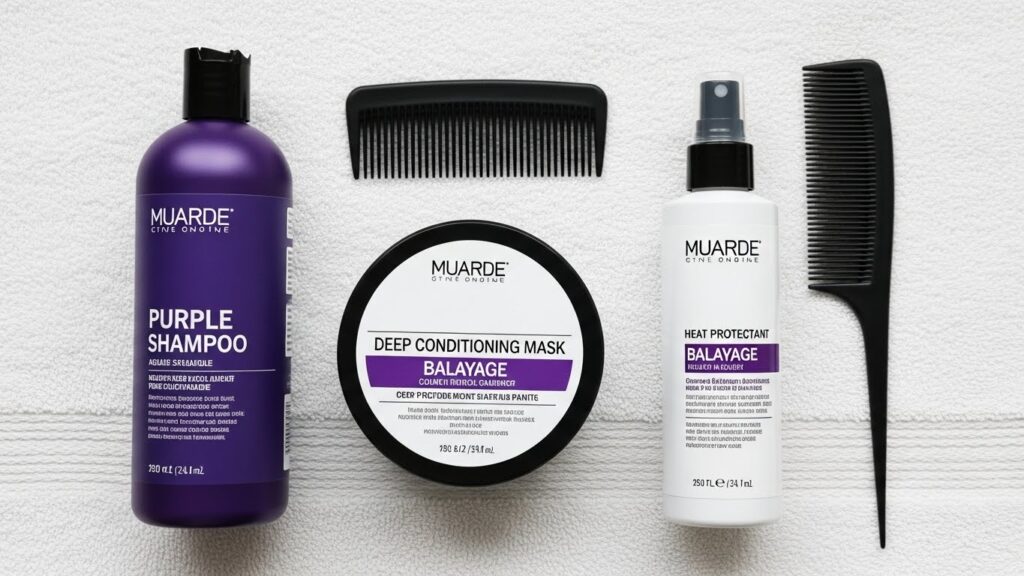
This means you can typically go 4-6 months between salon visits for color, aligning perfectly with your haircut trims. To keep your color vibrant and your layers looking sharp, invest in a good color-safe, sulfate-free shampoo and conditioner. A weekly hydrating mask is also recommended to combat any potential dryness from the lightening process. Using a heat protectant before styling is non-negotiable—it preserves your color and the health of your layered ends.
Consultation is Key: What to Ask Your Stylist
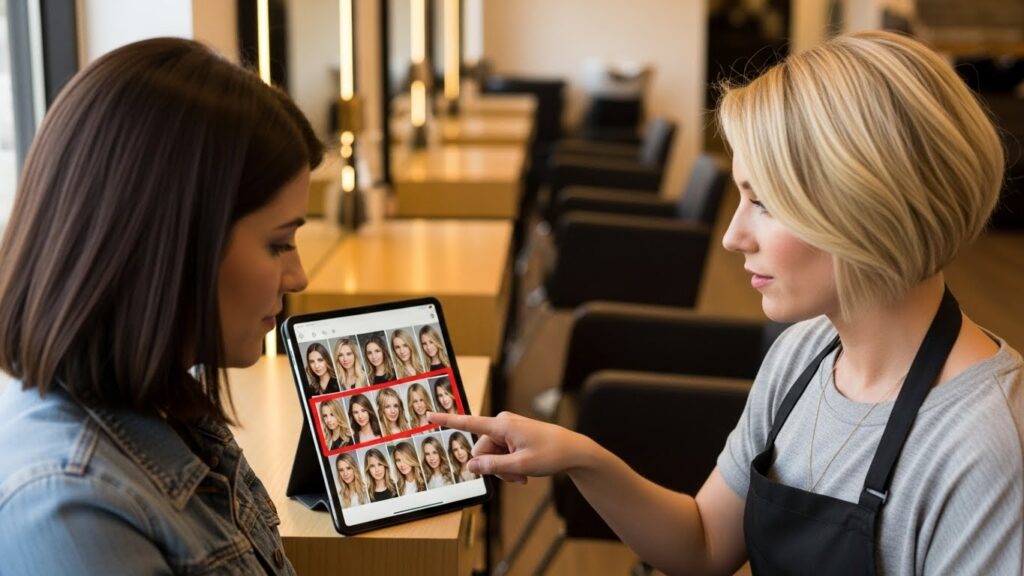
To achieve the perfect synergy of balayage layers, communication with your stylist is paramount. Don’t just ask for “balayage on layers.” Come prepared.
Bring inspiration photos that show the color placement as much as the color itself. Say things like, “I want the color to really highlight my face-framing layers,” or “Can we ensure the balayage follows the ends of my shag cut to maximize texture?” Discuss your lifestyle and how often you’re willing to style your hair. A good stylist will then tailor the balayage technique—perhaps opting for a slightly brighter, more defined paint on layers for someone who loves to wear their hair sleek, or a softer, more blended approach for a wash-and-go client.
Remember, this is a collaborative art form. The goal is to create a color map that is uniquely designed for the landscape of your haircut.
Conclusion: A Holistic Approach to Hair Beauty
Balayage layers represent a shift towards a more intelligent, holistic approach to hair design. It moves beyond treating color as a separate accessory and instead integrates it as a fundamental element of the cut’s architecture. The outcome is hair that doesn’t just look colored and cut, but designed. It has a natural rhythm, a built-in sense of light, and a flattering dimension that evolves beautifully.
If you’re considering a refresh—whether a new cut, a new color, or both—think about how they can work together. Ask for color that follows your cut. Embrace the painted, personalized approach of balayage layers. It’s more than a trend; it’s the secret to hair that looks effortlessly stunning, deeply personalized, and truly in motion.