Undone Layers: Messy but Intentional Length Changes
In a world that often prizes sleek perfection and polished finishes, a rebellious, beautiful trend is taking root—literally. It’s the art of looking like you just rolled out of bed, stepped off a windswept beach, or emerged from a creative frenzy, yet with a startling precision that whispers: this was all on purpose. Welcome to the era of Undone Layers. This isn’t about neglecting your hair; it’s about mastering a new language of texture, movement, and lived-in elegance. It’s the deliberate embrace of the messy, the asymmetrical, and the perfectly imperfect.
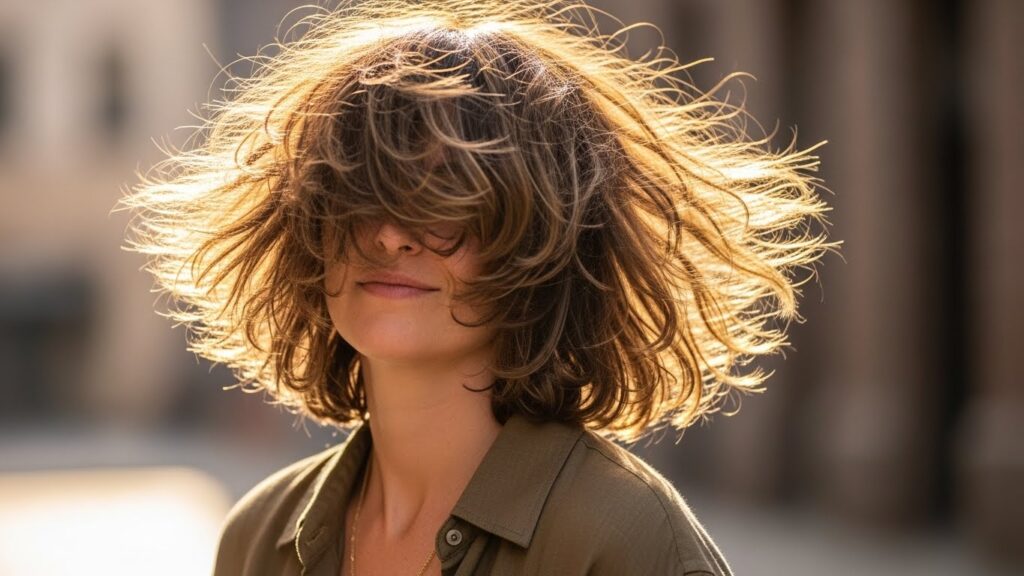
The Philosophy of “Undone”: Why Messy Feels So Right Now
So, why does this “undone” aesthetic resonate so deeply today? It’s more than a passing fad; it’s a cultural shift. In an age of curated digital personas and high-pressure aesthetics, the undone layer is a breath of fresh air. It represents authenticity, ease, and a rejection of overly processed beauty. It’s hair that looks touchable, lived-in, and human.
This trend aligns with a broader movement towards low-maintenance, high-impact style. People are seeking looks that grow out gracefully, require less daily fussing, and possess inherent character. Undone layers deliver exactly that. They create instant volume and texture, making styling often as simple as a scrunch and a air-dry. The “messy” aspect is liberating—it forgives imperfections and turns them into the highlight. A piecey strand that won’t lay flat? Perfect. A wave that goes rogue? It’s now part of the design. This philosophy empowers individuals to work with their natural hair texture, not against it.
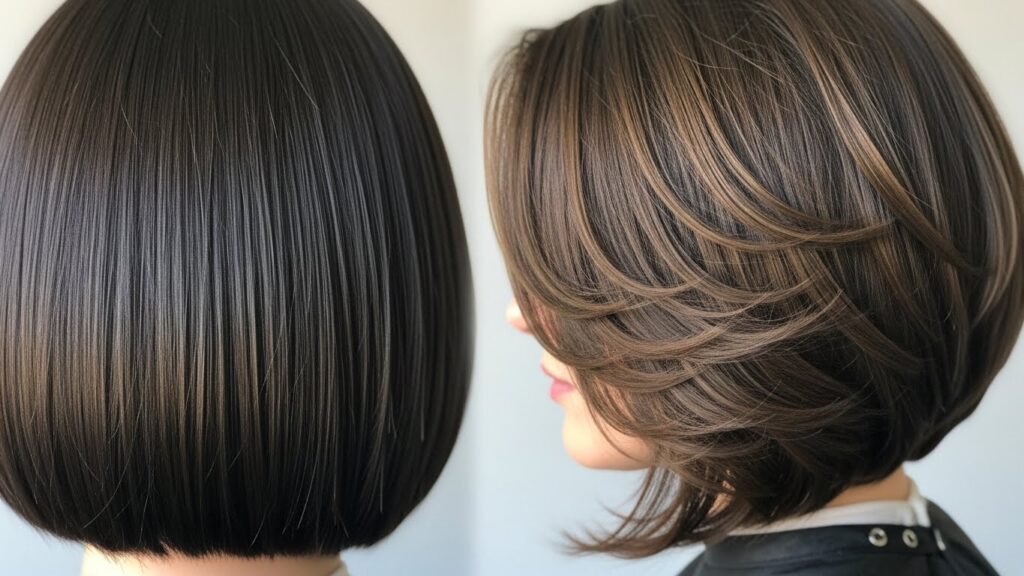
Decoding the Cut: What “Intentional Length Changes” Actually Mean
Let’s demystify the technical side. What should you ask your stylist for? “Undone layers” is not code for “just chop randomly.” The intention is key. This cut is built on softening, texturizing, and personalization.
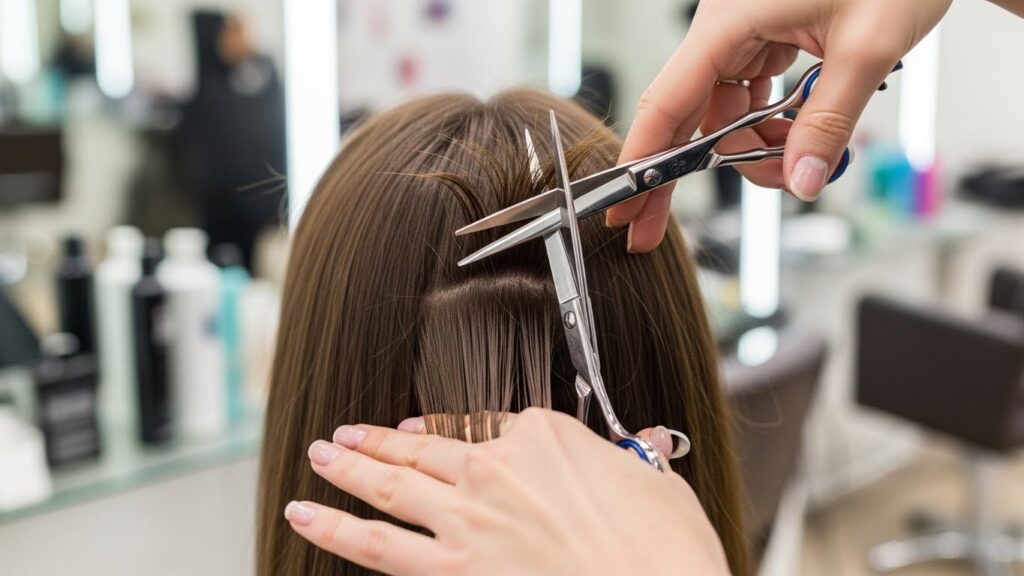
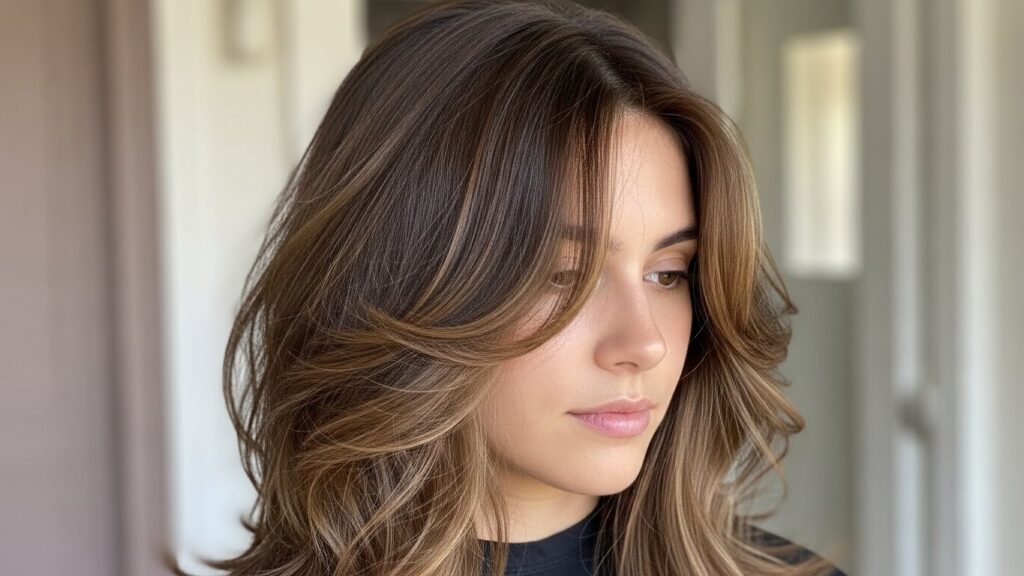
Instead of clear, stacked lines, your stylist will use techniques like point cutting (cutting into the ends vertically to create a soft edge), slide cutting (gliding shears along the hair shaft to remove weight and add movement), and notching (taking small, irregular chips out of the interior). The goal is to remove bulk without losing the hair’s natural shape. Length changes are graduated subtly—shorter pieces around the face to frame it, medium layers through the mid-lengths for body, and longer layers at the bottom to maintain weight and flow. The result is a cut with no hard lines, where each layer blends into the next in a seamless, organic way.
The magic lies in the customization. For fine hair, undone layers create the illusion of thickness. For thick hair, they remove weight and introduce manageability. Curly hair finds definition and freedom, while straight hair gains much-needed grip and volume. It’s a universally flattering approach because it’s tailored to your hair’s unique story.
Styling the Unstyled: How to Cultivate Effortless Texture
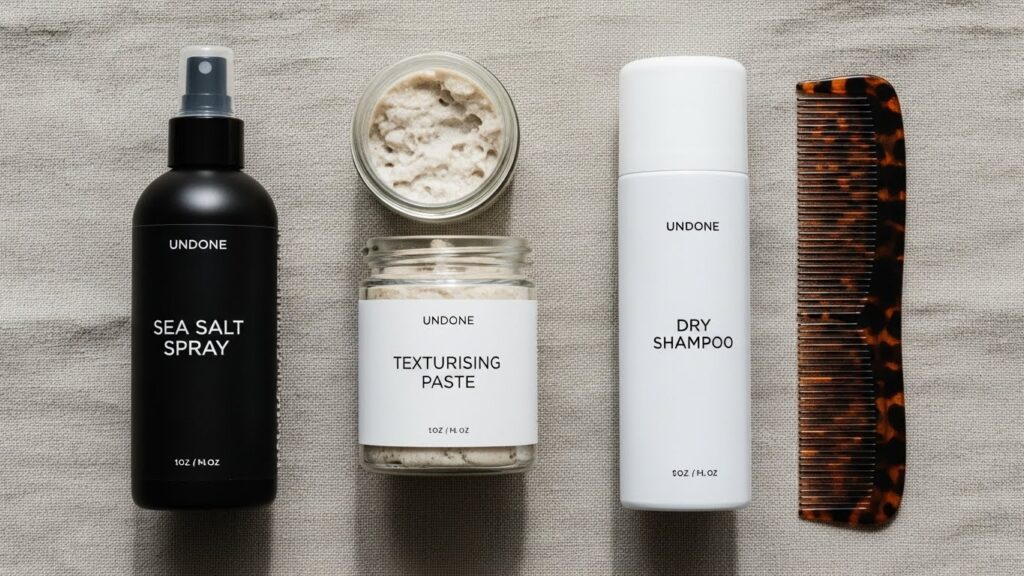
Here’s the beautiful paradox: achieving the “undone” look often requires a bit of styling. But the process is refreshingly simple and embraces imperfection. The key is to enhance, not dictate, your hair’s natural behavior.
Start with the right products. A texturizing spray or sea salt mist is your best friend, offering grit and separation. A light-hold mousse at the roots can boost volume for air-drying. For those who heat style, use a curling wand or flat iron to create random, directionless waves—some tight, some loose, some facing in, some out. The moment you finish, scrunch, tousle, and break apart those perfect curls with your fingers. Run your hands through your roots to lift them. The goal is to destroy any uniform pattern.
Embrace second-day (or third-day!) hair. This trend looks better as natural oils add texture and hold. Dry shampoo isn’t just for oil absorption here; it’s a texturizing tool. Sprinkle it at the roots, massage it in, and let it give your layers that piecey, separated quality. Remember, the finish should feel soft and movable, never crispy or helmet-like.
Face Shapes and Undone Layers: A Matchmaking Guide
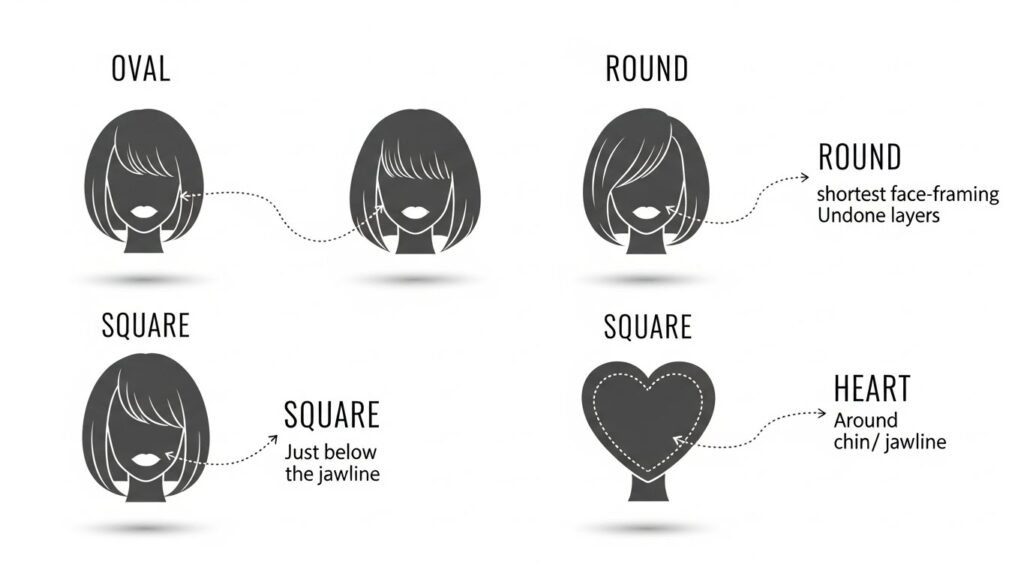
One of the greatest strengths of undone layers is their adaptability. With strategic placement, they can beautifully accentuate any face shape. It’s all about where the shortest layers begin and how they frame your features.
For round or square faces, longer, face-framing layers that start at the jawline or below can help elongate the silhouette. Avoid heavy, rounded shapes around the cheeks. For oval faces, you have the most flexibility—short, piecey layers around the face can add striking definition. If you have a heart-shaped face (wider forehead, narrower chin), layers that start at the chin or lower can balance the proportions beautifully. Those with long faces can benefit from layers that start higher, even at cheekbone level, to add width and soften the length.
The undone nature of the cut means these framing pieces are never blunt or harsh; they’re wispy and integrated, providing a soft focus effect that enhances your natural bone structure without overpowering it.
Beyond the Salon: Maintaining Your Intentional Mess
The beauty of this cut is its longevity. It grows out gracefully, often looking better with time as the lengths further soften and blend. However, to keep it looking intentional rather than simply neglected, a few maintenance tips are key.
Regular trims are still important, but you can stretch them further—every 10-12 weeks instead of 6-8. The goal of the trim isn’t to reshape drastically but to refresh the texture and remove any dead ends that can weigh down the layers. At home, invest in a good moisturizing mask or bond repair treatment. Texturizing techniques can be drying, so keeping the hair healthy is paramount for that soft, touchable messiness. When brushing, use a wide-tooth comb or your fingers to preserve separation and avoid flattening the layers you worked so hard to create.
Ultimately, maintenance is minimal. Listen to your hair. Let it be wild sometimes. Sleep on it. Let the wind have its way. The undone layer cut is designed to thrive in real life, not just in the salon chair.
Embracing the Undone Ethos in Your Style Journey
Adopting the undone layers trend is about more than a haircut; it’s about adopting an attitude. It’s a permission slip to let go of rigid ideals of perfection and to find beauty in asymmetry, texture, and personal expression. This look tells a story of confidence—the confidence to not look overly done, to prioritize feel over form, and to wear a cut that actively engages with the world around it.
In a society that often demands conformity, messy but intentional length changes are a quiet rebellion. They are a celebration of individuality, of the unique way your hair falls and moves. So, whether you’re taking the plunge with a dramatic shift or simply asking your stylist to soften up your existing look, remember: the goal isn’t neatness. The goal is character, movement, and life. It’s about looking like you, only more dynamic, more textured, and undeniably cool. Your hair isn’t messy; it’s masterfully undone.