The Boston Bob: New England Classic
In the world of hairstyling, few cuts carry the weight of geography, attitude, and timeless elegance quite like the Boston Bob. More than just a haircut, it’s a statement—a clean, sharp, and intelligently crafted look that whispers of Ivy League halls, brisk autumn walks on Beacon Hill, and an understated confidence that needs no loud proclamation. While the “bob” is a universal hairstyle, the Boston iteration is a distinct species. It’s not the dramatic, angular bob of Parisian runways, nor the tousled, beachy bob of California. It is, in essence, a New England classic: polished, practical, and perpetually stylish.
This blog post will delve into the anatomy, history, and enduring appeal of the Boston Bob. We’ll explore what sets it apart from other bob variations, who it flatters, and how to ask for it at your salon. Whether you’re a lifelong New Englander or simply drawn to aesthetics of refined simplicity, understanding the Boston Bob is a masterclass in timeless style.
Anatomy of a Classic: What Defines the Boston Bob?
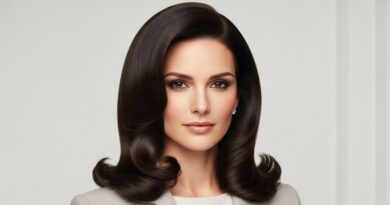
So, what exactly makes a bob “Bostonian”? The classic Boston Bob is characterized by a few key, non-negotiable elements. First and foremost is its length. It typically falls anywhere from just below the chin to the collarbone, never too short to be edgy, and never too long to lose its crisp shape. This “just-right” length is the foundation of its versatility and polish.
The cut is almost always one-length or with minimal layering. The goal is a solid, weighty shape that moves as one piece. You won’t find choppy, piece-y ends here. Instead, the ends are blunt-cut and sharp, creating a clean line that frames the jaw. The front pieces are often slightly longer or angled to create a soft, face-framing effect that is flattering without being fussy. The overall silhouette is architectural—it’s about the integrity of the shape. It’s a haircut that looks impeccable when straight and smooth, showcasing its perfect lines, but also holds its form beautifully in New England’s infamous humidity.

A Cut Through History: The Bob’s Journey to Boston
To understand the Boston Bob, we must take a brief journey through the history of the bob itself. The bob haircut exploded onto the global scene in the 1920s, championed by flappers and silent film stars like Louise Brooks as a symbol of rebellion and modern femininity. It was a dramatic break from the long, piled-up hairstyles of the Victorian era.
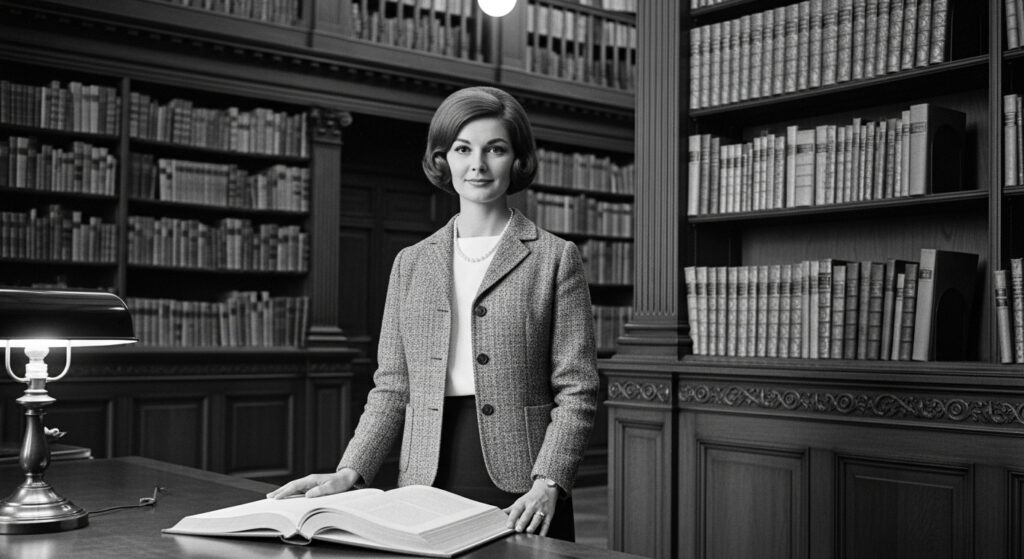
But how did this revolutionary cut become the composed, classic Boston Bob? The answer lies in the New England character. As the bold, short bob of the Jazz Age traveled north, it was quietly tailored and tempered by the region’s sensibilities. The extravagance was trimmed away, the sharp angles softened into more wearable lines. It became the haircut of the well-educated, well-traveled woman—think of the Kennedy women, whose style was always impeccable and appropriate. It was adopted by professors at Seven Sisters colleges, by philanthropists, and by artists who appreciated its clean aesthetic. It became less about rebellion and more about quiet competence and timeless taste.
The Boston Bob vs. The World: Distinguishing the Classic
It’s easy to confuse bob styles, so let’s clearly distinguish the Boston Bob from its cousins. The French Bob is shorter, often at the cheekbone or jawline, with a heavy, straight-across fringe (bangs). It’s inherently chic and artistic but more dramatic. The Shaggy Bob or “lob” (long bob) is heavily layered, textured, and designed to look messy and lived-in. The Blunt Bob is a close relative but can be more severe, geometric, and often shorter.
The Boston Bob sits elegantly in the middle. It’s longer than a French bob, cleaner than a shaggy bob, and softer than a severe blunt bob. Its hallmark is that effortless balance. It’s professional enough for a boardroom in the Financial District, yet casual enough for a weekend on Cape Cod. It’s this chameleon-like quality, rooted in an impeccable cut, that has cemented its status as a classic.

Who Does the Boston Bob Flatter? And How to Ask For It.
The beauty of the Boston Bob is its remarkable universal flattery. Its length and clean lines help to elongate the neck and define the jawline. It works beautifully with straight, wavy, and even lightly curly hair (though it will be styled smoother on curly hair to achieve the signature look). It’s particularly stunning on those with oval, square, or heart-shaped faces, as the blunt line can help create balance.
When heading to the salon, communication is key. Don’t just say “I want a bob.” Bring photos, but more importantly, use the right vocabulary. Tell your stylist you want: “A classic, one-length or very lightly layered bob that hits right at the collarbone. I want a blunt cut with a slight angle in the front to frame my face—think classic Boston style, sleek and polished.” Mention that you want the weight left in the hair to maintain that solid, swinging shape. This tells your stylist you’re not looking for a textured or deconstructed cut, but the iconic, architectural shape of the Boston Bob.

Modern Iterations: The Boston Bob Today
While the classic form remains revered, the Boston Bob has evolved with the times. Today, you might see it with subtle, face-framing highlights—nothing too bold, perhaps a sun-kissed balayage that adds dimension without breaking the solid line of the cut. The “lob” (long bob) trend has also influenced it, with a slightly longer version that grazes the shoulders becoming a popular modern take.
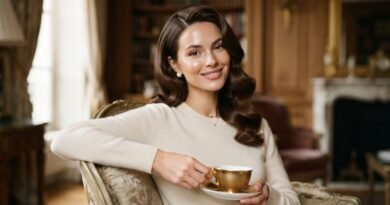
The styling, however, remains true to its roots. The modern Boston Bob is still best showcased sleek and straight, blown out with a round brush for a smooth, bouncy finish. A deep side part is a common and flattering choice. While it can be worn in loose waves, the waves are typically uniform and polished, not beachy or chaotic. The ethos remains: controlled, intentional, and elegant.

More Than a Haircut: The Enduring Legacy of a Regional Icon
Ultimately, the Boston Bob endures because it transcends fashion trends. It is a haircut built on principles, not passing fads. It represents a regional identity—one of pragmatism, education, heritage, and a confidence that doesn’t need to shout. It’s the haircut of the woman who is too busy doing to constantly fuss with her hair, yet understands the power of a put-together appearance.
In a world of ever-changing beauty trends, the Boston Bob stands as a testament to the power of classic design. It’s a shape that works, a style that lasts, and a quiet nod to a particular kind of American elegance. It proves that true style isn’t about being the most dramatic person in the room, but often about being the most composed. So, whether you’re strolling through the Public Garden or simply seeking a haircut that will serve you flawlessly for years to come, consider the Boston Bob—a true New England classic that’s always in season.