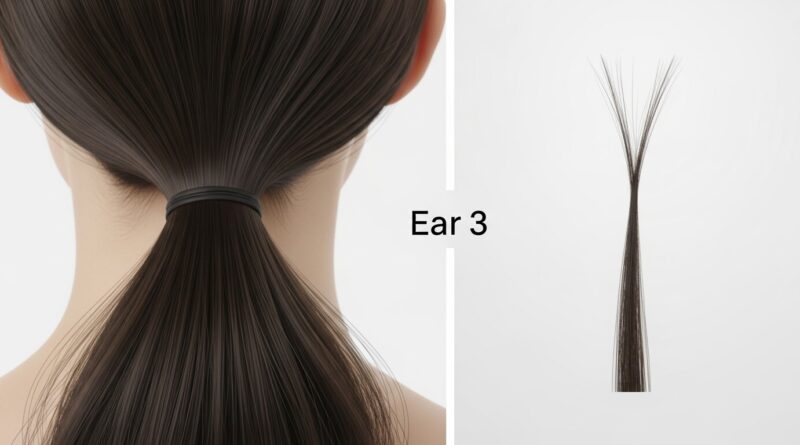
Thinned Ends: Reduced Bulk at the Tips
You’ve nurtured your hair, grown it out, and finally reached your dream length. But instead of a lush, flowing mane, you’re met with a sad, wispy conclusion. The ends feel thin, see-through, and lack the body and bulk of the hair closer to your roots. This common hair woe has a name: thinned ends. It’s more than just split ends; it’s a widespread reduction in density that makes styling difficult and lengths look unhealthy. If you’re tired of your ponytail resembling a frayed rope or your braids looking anemic at the bottom, you’re in the right place. This comprehensive guide will unravel the mystery of why your hair loses bulk at the tips and provide a clear roadmap to reclaiming thick, healthy ends.
What Are Thinned Ends? More Than Just a Bad Hair Day
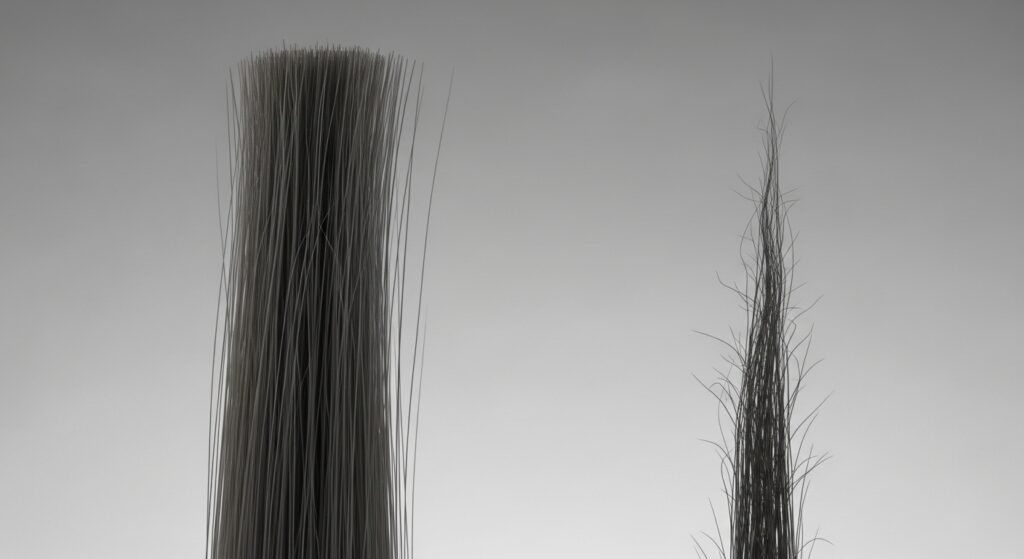
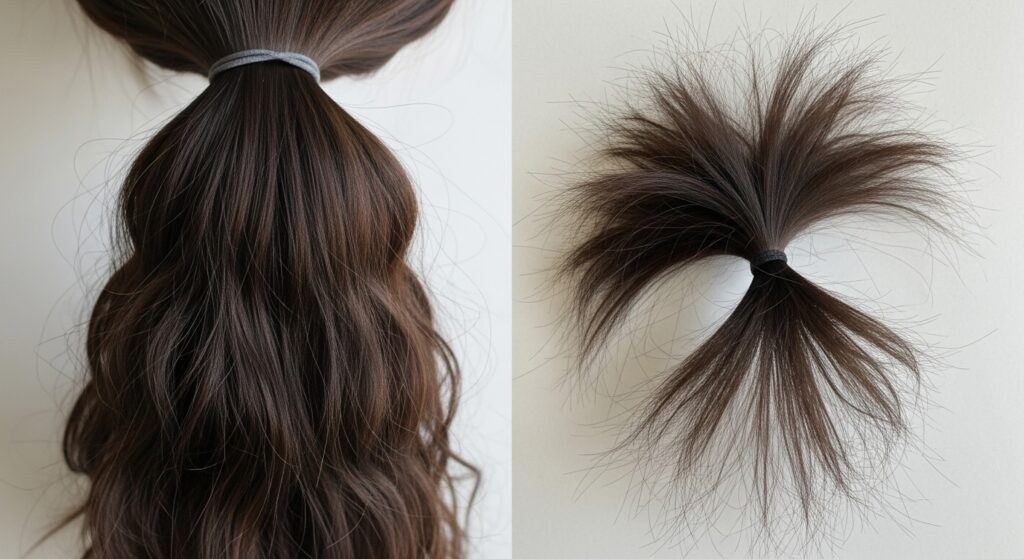
Let’s first distinguish thinned ends from their more famous cousin, split ends. A split end is a localized damage where the hair shaft frays into two or more fragments. Thinned ends, however, describe a broader condition. It’s the progressive loss of hair diameter and density along the final few inches of your hair strands. Imagine a sturdy rope that slowly unravels and weakens towards its end—that’s your hair experiencing reduced bulk at the tips.
This thinning makes the ends appear translucent, limp, and uneven. When you gather your hair, the ponytail or braid will be noticeably skinnier at the bottom. This isn’t just an aesthetic issue; it’s a sign of cumulative damage that, if left unchecked, can travel up the hair shaft, forcing you to cut off more length than necessary to regain health.
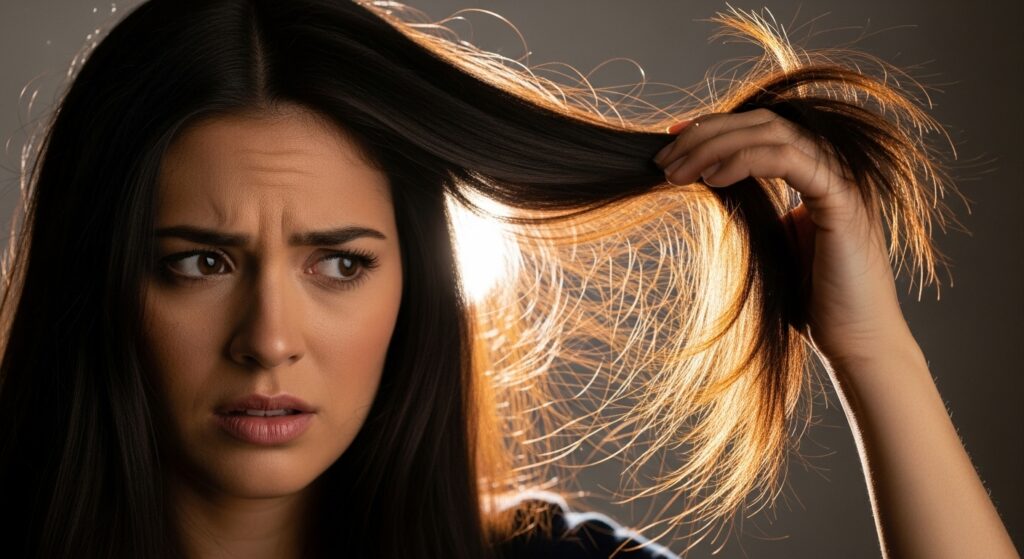
The Culprits: Why Your Hair Loses Bulk at the Tips
Your ends are the oldest part of your hair. They have endured every styling session, sunbeam, and shower for years. This longevity makes them uniquely vulnerable. Here are the primary offenders causing that frustrating reduction in bulk:
Mechanical Stress and Friction: This is the silent killer of bulk. Every time your hair rubs against rough clothing (like wool coats or cotton pillowcases), gets caught in purse straps, or is aggressively brushed from root to tip, the cuticle wears away. This cumulative friction literally erodes the hair shaft, thinning it from the outside in.
Heat Styling Overload: Flat irons, curling wands, and blow dryers apply intense, localized heat. Without proper heat protection, this heat can boil the moisture inside the hair shaft, creating tiny steam bubbles that burst and weaken the internal structure. Repeated exposure causes the end of the hair to become brittle and eventually break off in pieces, leading to a thin, frayed appearance instead of a clean, full end.
Chemical Processing: Color treatments, bleaches, perms, and relaxers break down the hair’s natural bonds to alter its shape or color. The ends, often processed multiple times as we touch up roots, bear the brunt of this chemical assault. Over time, these bonds cannot fully rebuild, leaving the hair porous, weak, and prone to thinning and breakage.
Environmental Aggressors: Sun (UV radiation) oxidizes and dries out hair protein. Pollution particles cling to the scalp and hair, causing inflammation and oxidative stress. Chlorine and hard water minerals can coat the hair, making it dry and brittle. All these factors degrade the end of the hair shaft most severely.
Improper Hair Care Techniques: Vigorously towel-drying hair creates immense friction. Brushing hair when it’s wet and most vulnerable stretches and snaps strands. Using harsh elastics that pull and tear at the same section of hair every day creates a precise point of breakage and thinning.
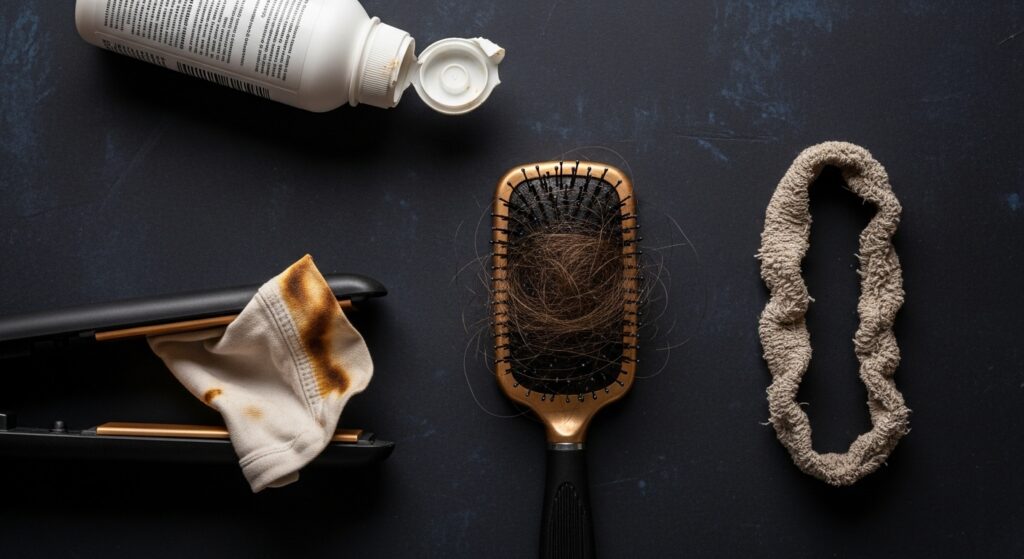
Diagnosis: How to Tell if You Have Thinned Ends
Not sure if you’re dealing with thinned ends? Try these simple at-home checks:
The Strand Test: Take a single strand of hair from the front or side of your head. Hold it up to the light and slowly slide your fingers from the root to the tip. A healthy strand will maintain a relatively consistent thickness. If you feel the strand getting noticeably finer, softer, or more wispy towards the end, you have thinned ends.
The Ponytail Test: Create a low, smooth ponytail. Secure it with a soft hair tie. Observe the tail. Is it a consistent thickness from base to tip, or does it taper off dramatically and look skinny at the end? A severe taper indicates widespread thinning.
The Visual Inspection: In bright, natural light, gather a small section of your ends and look at them against a dark background. Do they look full and opaque, or can you see through them easily? Translucent, sparse-looking ends are a telltale sign.
The Road to Recovery: Treating and Fixing Thinned Ends
While you cannot magically restore lost protein to a severely thinned hair strand, you can absolutely stop the damage in its tracks and create an environment for healthier growth. Your strategy has two fronts: immediate intervention and long-term protection.
The Strategic Trim (The Non-Negotiable First Step): There is no product that can permanently fuse severely thinned hair back to its original thickness. The most effective treatment is a strategic trim. Ask your stylist for a “dusting” or “search and destroy” trim, where only the very worst ends are snipped off, preserving as much length as possible while removing the damaged bulk. Regular trims every 8-12 weeks prevent thinning from creeping upwards.
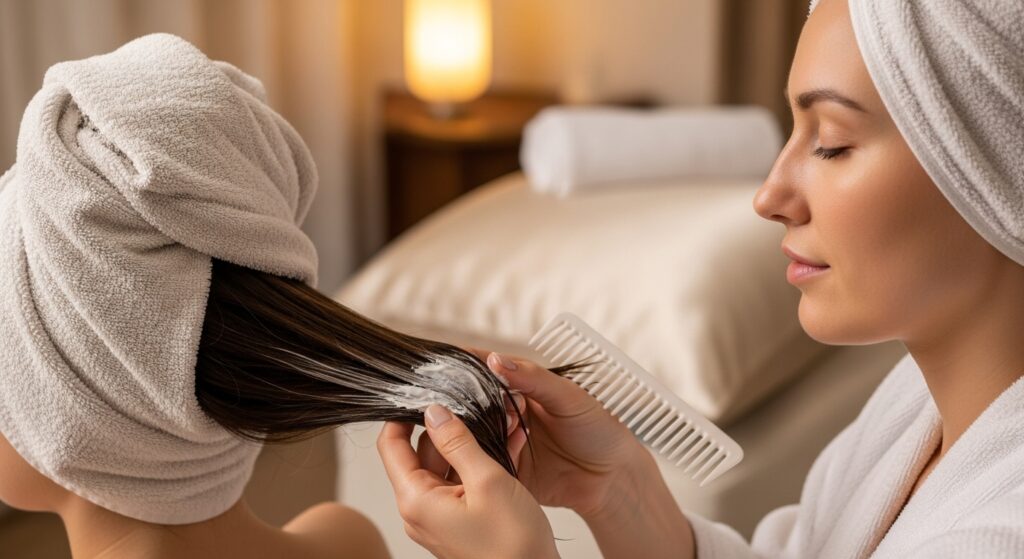
Protein and Moisture Balance: Thinned hair often lacks both protein (for strength) and moisture (for flexibility). Incorporate a protein treatment once a month to help fill in gaps in the hair shaft and temporarily add bulk. Follow it with a deep conditioning moisture mask to prevent protein overload, which can make hair brittle. Look for ingredients like keratin, hydrolyzed wheat protein, panthenol, and shea butter.
Gentle Detangling and Protective Styling: Always detangle hair starting from the ends and working up to the roots, using a wide-tooth comb or a detangling brush on damp, conditioned hair. At night, protect your ends by sleeping on a silk or satin pillowcase and/or putting your hair in a loose top knot or braid.
Prevention is Power: How to Stop Thinned Ends Before They Start
Once you’ve addressed existing damage, these habits will shield your new growth and ends from future thinning:
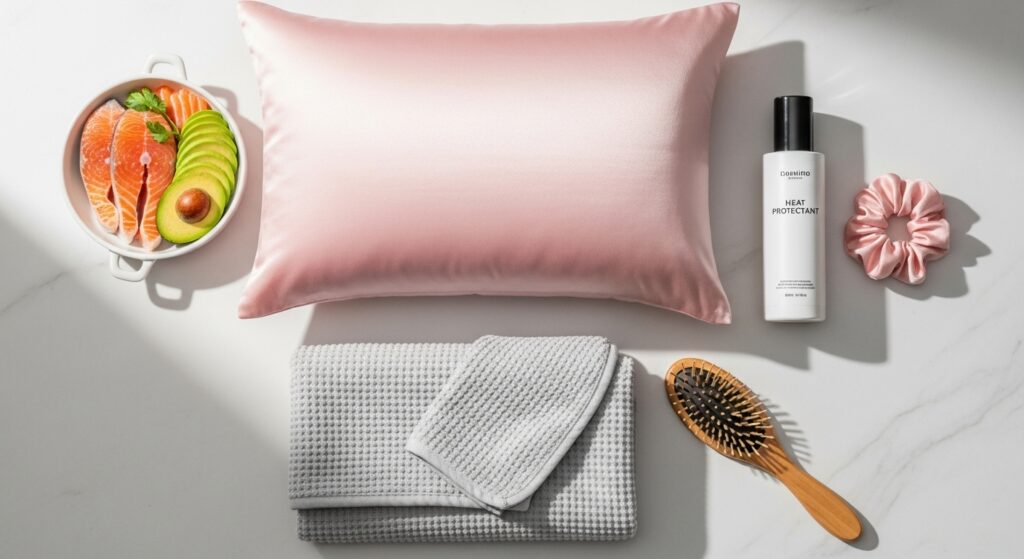
Become a Heat Styling Minimalist: Embrace air-drying whenever possible. When you must use heat, always apply a heat protectant spray or cream first. Use tools with adjustable temperature settings and never use the highest heat. Consider heatless styling methods like robe ties, flexi rods, or overnight curls.
Master Friction Reduction: Swap your cotton pillowcase for silk or satin. Be mindful of high-collared jackets and rough backpack straps. When drying, pat hair gently with a microfiber towel or an old cotton t-shirt instead of rubbing vigorously.
Strengthen from Within: Healthy hair starts internally. Ensure your diet includes adequate protein, iron, omega-3 fatty acids, and vitamins like Biotin (B7) and D. Stay hydrated. While supplements aren’t a magic bullet, addressing nutritional deficiencies can improve hair resilience.
Choose Your Tools Wisely: Use seamless, coil-style hair ties (like phone cord ties) that don’t pinch or pull. Invest in a good quality brush with flexible, ball-tipped bristles or a vented brush for gentle blow-drying.
Special Considerations: Thinned Ends on Fine, Curly, and Long Hair
Different hair types experience thinning in unique ways.
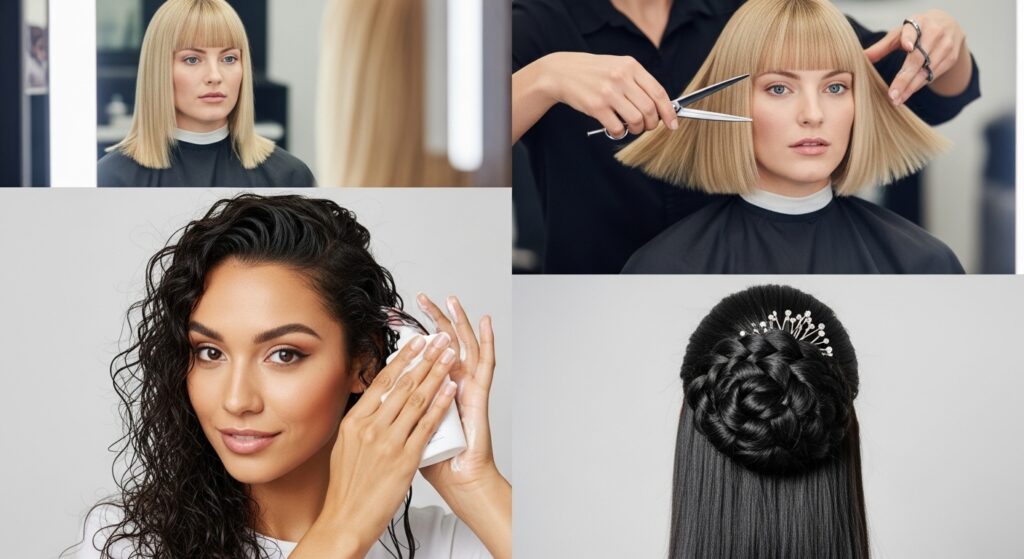
For Fine Hair: Fine hair strands have a naturally smaller diameter, so thinning is often more visually apparent. Avoid heavy products that can weigh hair down and make thin ends look stringy. Focus on lightweight volumizing products at the roots and strengthening treatments on the ends. Blunt cuts are your best friend, as they create the illusion of maximum thickness.
For Curly and Coily Hair: The natural twists and turns of curly hair make it more prone to knotting and single-strand knots, which are a major cause of thinning ends. Regular, meticulous detangling is crucial. The LOC/LCO method (Liquid, Oil, Cream) ensures proper hydration to prevent brittleness. Protective styles like twists and braids can safeguard ends, but ensure they are not installed too tightly.
For Very Long Hair: Your ends could be five to seven years old! This incredible age means they need extra TLC. Increase the frequency of deep conditioning. Consider wearing your hair in protective updos more often to minimize environmental and friction damage. Be extra vigilant with your trim schedule.
Embracing the Journey to Thicker, Healthier Ends
Dealing with thinned ends can feel like a constant battle, but it’s one you can win with knowledge and consistent care. The journey to reducing bulk at the tips isn’t about achieving perfection overnight; it’s about adopting a series of smarter, gentler habits that honor the fact that your ends are the most delicate part of your hair. Start with an honest assessment, commit to a strategic trim, and diligently implement protective practices. Over time, you will see a transformation—not just in the thickness of your ends, but in the overall strength, shine, and manageability of your hair. Your patience and care will be rewarded with ends that finally match the health and beauty of the rest of your hair.