The Columbus Shag: Ohio Modern
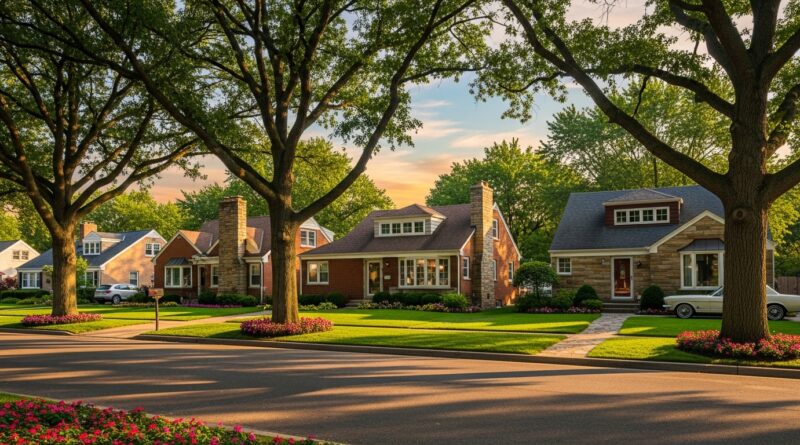
When you think of midcentury modern architecture, visions of Palm Springs case study houses or sleek New York skyscrapers might spring to mind. But nestled in the heart of the Midwest, a distinct and often overlooked variant took root and flourished. Welcome to the world of the Columbus Shag, a uniquely Ohioan interpretation of modernism that blended progressive design with pragmatic, family-friendly living. This style, sometimes called Ohio Modern, represents a fascinating chapter in American architectural history, one that prioritized light, landscape, and livability in equal measure.
The Roots of a Regional Style: Post-War Columbus
The story of the Columbus Shag begins in the post-World War II boom. Like the rest of America, central Ohio experienced rapid suburban expansion. A growing, affluent middle class sought new homes that reflected a forward-looking, modern sensibility. However, Columbus lacked the dramatic cliffs of Los Angeles or the rocky coasts of New England. Its landscape was gentle, its climate defined by four distinct seasons, including humid summers and snowy winters.
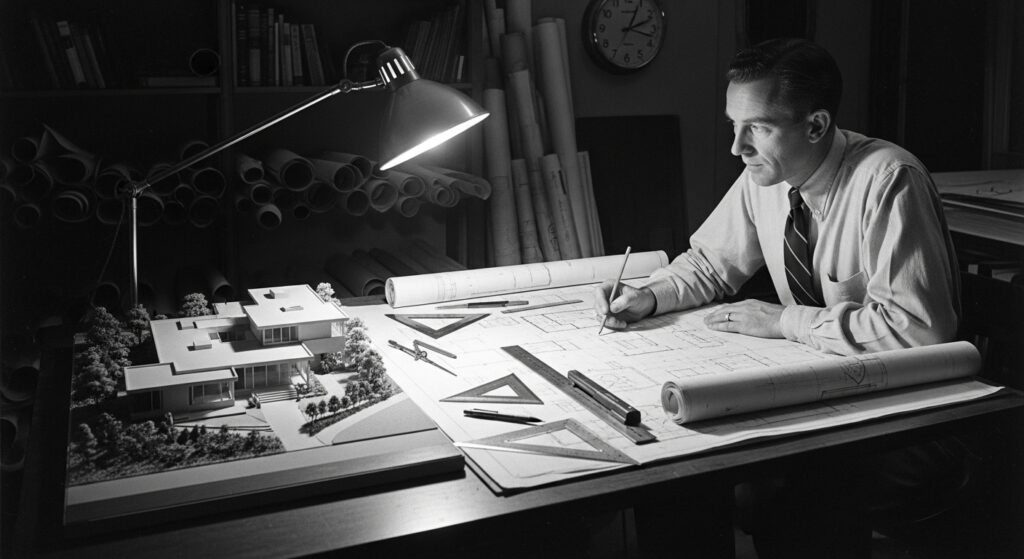
Local architects, including talents like Robert G. Burkhardt, Taid O’Neal, and Byron W. Dublin, rose to the challenge. They were influenced by Frank Lloyd Wright’s organic architecture and the International Style’s simplicity, but they adapted these principles to the local context and the practical needs of Midwestern families. They weren’t just copying trends from the coasts; they were inventing a modernism for the Midwest. The result was a style that felt both strikingly contemporary and comfortably at home in the Ohio landscape.
Defining Features: What Makes a Shag a “Shag”?
The Columbus Shag isn’t defined by a single rigid rulebook, but by a collection of signature elements that create its distinctive character. When you see a combination of these features, you’re likely looking at an Ohio Modern home.
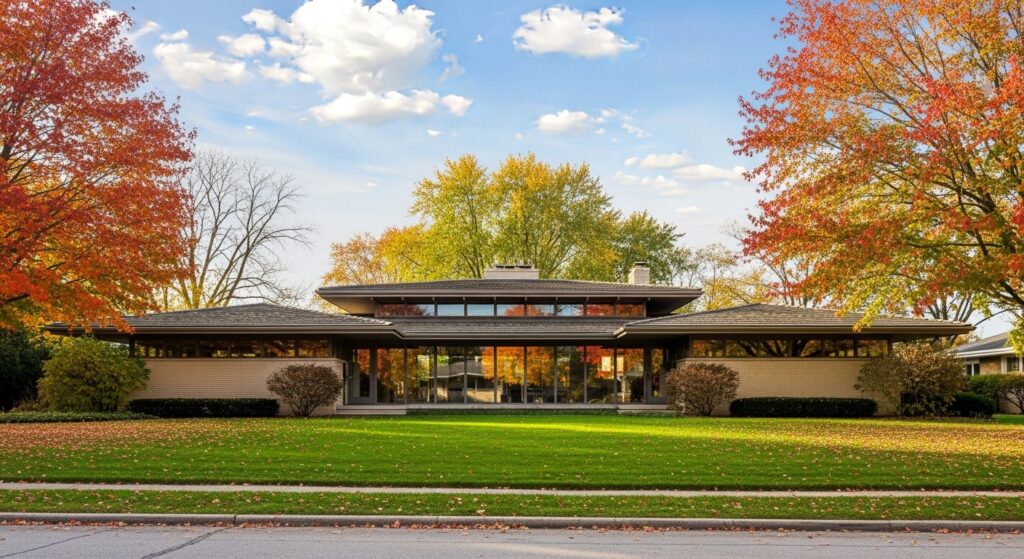
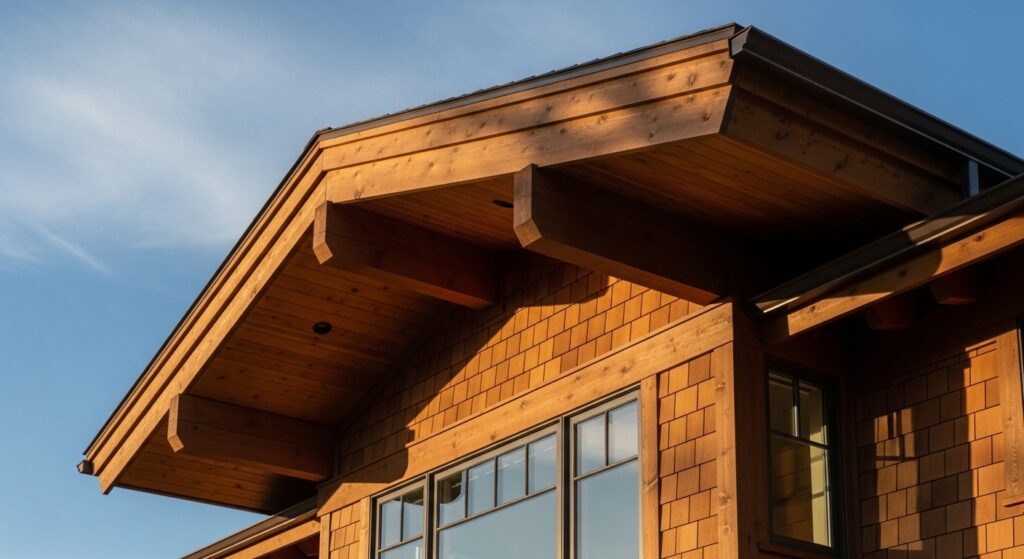
The Signature Roof: The most iconic feature is the shaggy roof itself. This refers to a low-pitched, side-gabled roof with deeply overhanging eaves. The eaves often extend two to four feet beyond the walls, creating shaded porches and protected walkways. This practical design managed Ohio’s summer sun and winter snow while contributing to the home’s horizontal, grounded aesthetic.
Connection to the Outdoors: Walls of glass are a hallmark. Large picture windows, sliding glass doors, and entire glass walls were used to erase the boundary between inside and out. These homes were often sited to capture views of wooded lots or carefully landscaped private courtyards, bringing nature into the daily life of the inhabitants.
Horizontal Emphasis and Modest Scale: Columbus Shag homes hug the earth. Their long, low profiles, emphasized by horizontal siding (often cedar or redwood) and bands of windows, make them appear as natural extensions of the ground. They are typically single-story or have a discreet second level, avoiding any sense of grandeur in favor of intimate, human-scale spaces.
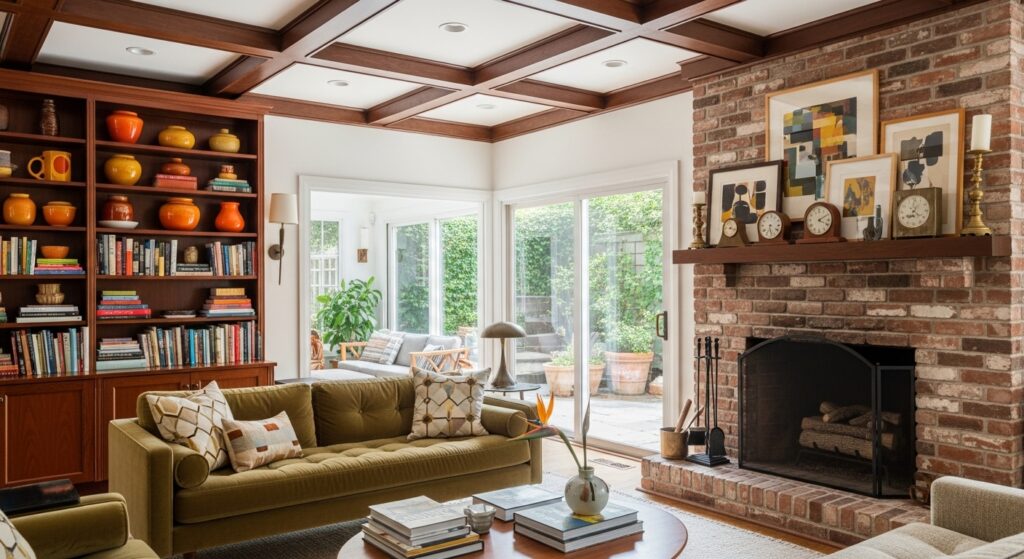
Open, Flexible Floor Plans: Inside, the formal, compartmentalized rooms of earlier eras vanished. The living, dining, and kitchen areas flowed together in an open plan, centered around a fireplace as a communal anchor. This layout catered to the informal, family-centric lifestyle of the 1950s and 60s.
Natural and Modern Materials: Architects combined then-new materials like steel beams and plate glass with warm, natural ones. Exposed brick interior walls, stone fireplaces, and extensive wood paneling (especially Phillipine mahogany) provided warmth and texture, balancing the coolness of the glass and steel.
Why “Shag”? Unpacking the Quirky Name
The term “Columbus Shag” is a source of local lore and some debate. It is largely an informal, retrospective label, not one used by the original architects. The most widely accepted theory points directly to the roof. The long, overhanging eaves were sometimes compared to the shaggy haircut of a dog, like a sheepdog, lying low over the “eyes” (windows) of the house. The name stuck as a handy, descriptive shorthand for this recognizable silhouette.
Others suggest it relates to the textured, “shaggy” appearance created by the combination of wood siding, shadow lines from the deep eaves, and the surrounding landscaping. Regardless of its exact origin, the name captures the style’s essential character: modern, but not severe; designed, but organic and approachable. It’s a uniquely Midwestern nickname for a uniquely Midwestern style.
Preservation and Modern Appreciation
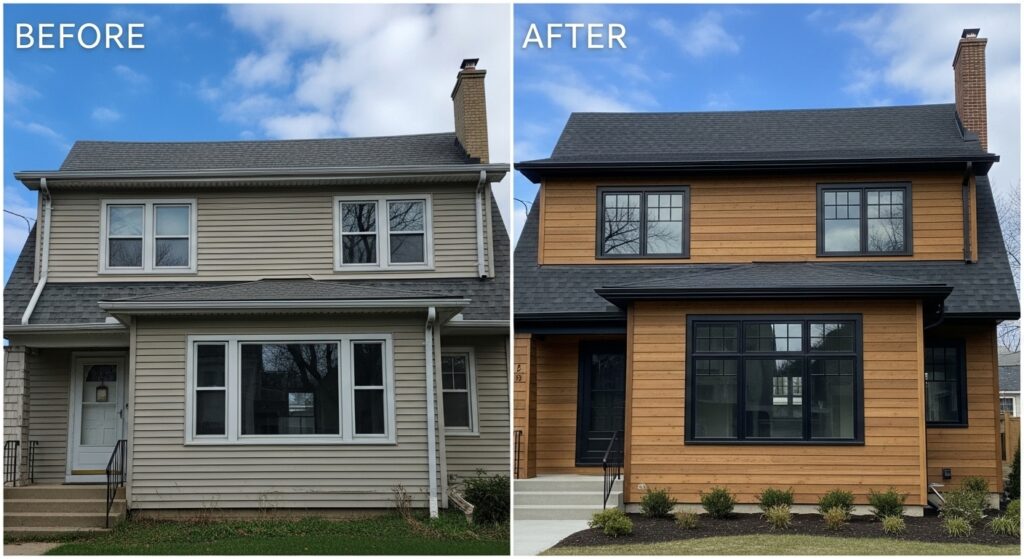
For many years, the Columbus Shag flew under the radar. Many were altered with replacement windows, added dormers, or synthetic siding that obscured their original details. However, the 21st-century revival of interest in midcentury design has sparked a renaissance. Enthusiasts, historians, and new generations of homeowners are seeking out these homes, recognizing their historical and architectural value.
Organizations like Columbus Modern (CoMo) have been instrumental in this effort, hosting tours, advocating for preservation, and building a community around Ohio Modern architecture. Restoring a Columbus Shag is a labor of love, often involving sourcing period-appropriate materials and carefully reversing insensitive modifications to reveal the original vision.
The appeal is clear. In an age where connection to nature and efficient, flowing spaces are more desired than ever, the Columbus Shag feels remarkably relevant. Its emphasis on natural light, indoor-outdoor living, and flexible spaces aligns perfectly with contemporary lifestyles. These homes prove that good design is timeless and that innovation wasn’t confined to the coasts.
Finding the Columbus Shag Today
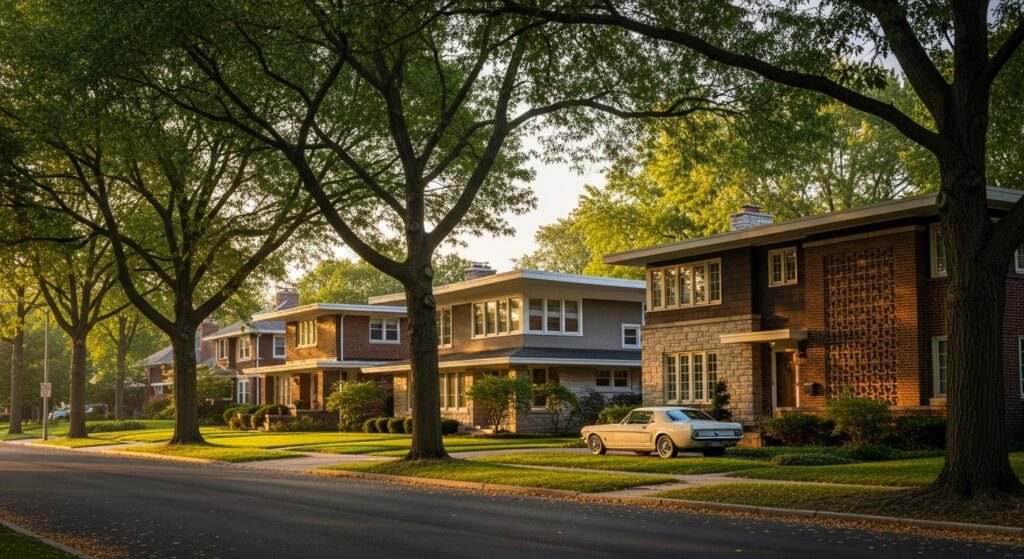
Where can you see these Ohio Modern gems? They are primarily concentrated in certain Columbus suburbs that saw significant development in the 1950s and 1960s. Neighborhoods like Upper Arlington (especially north of Lane Avenue), Worthington Hills, Northwest Columbus, and parts of Bexley are prime hunting grounds. Driving through these areas, you can spot the tell-tale low profiles, shaggy roofs, and expansive windows.
When you find one, look beyond the surface. Notice how the house sits on its lot, how the windows frame specific views, and how the overhangs create sheltered outdoor space. The Columbus Shag is a lesson in contextual modernism—a style that didn’t impose itself on the landscape but grew thoughtfully from it.
A Legacy of Ohio Modern
The Columbus Shag is more than a nostalgic architectural footnote. It is a testament to a time and place where local architects creatively solved the problem of modern living for the American heartland. They took global ideas and filtered them through a lens of Midwestern practicality, climate, and culture, producing a style that is both of its era and enduringly fresh.
As we continue to re-evaluate the architectural heritage of the 20th century, the Columbus Shag stands out as a proud example of regional innovation. It reminds us that great modern design can be humble, warm, and deeply connected to its environment. So, the next time you’re in central Ohio, look beyond the brick colonials and Victorian farmhouses. Keep an eye out for the long, low lines and sheltering roofs of the Shag—a quiet, sophisticated piece of Ohio Modern waiting to be appreciated.